Where You Could Spend A Whole Day
Some airports are just buildings with gates, bad lighting, and one sad newsstand. And then there are the other ones—the places where you step off a moving walkway and realize you’ve entered a functioning mini-metropolis, complete with shopping streets, food courts that actually try, hotels you could genuinely sleep in, and signs pointing you toward things you didn’t expect to exist inside an airport. These are hubs built for long layovers and complicated connections, so they’ve learned how to keep people fed, entertained, and vaguely calm while time does its thing. The scale is part of it, sure, but so is the feeling that you could wander for an hour and still not see the whole place. Here are 20 airports that don’t just move travelers—they absorb them.
1. Atlanta Hartsfield-Jackson
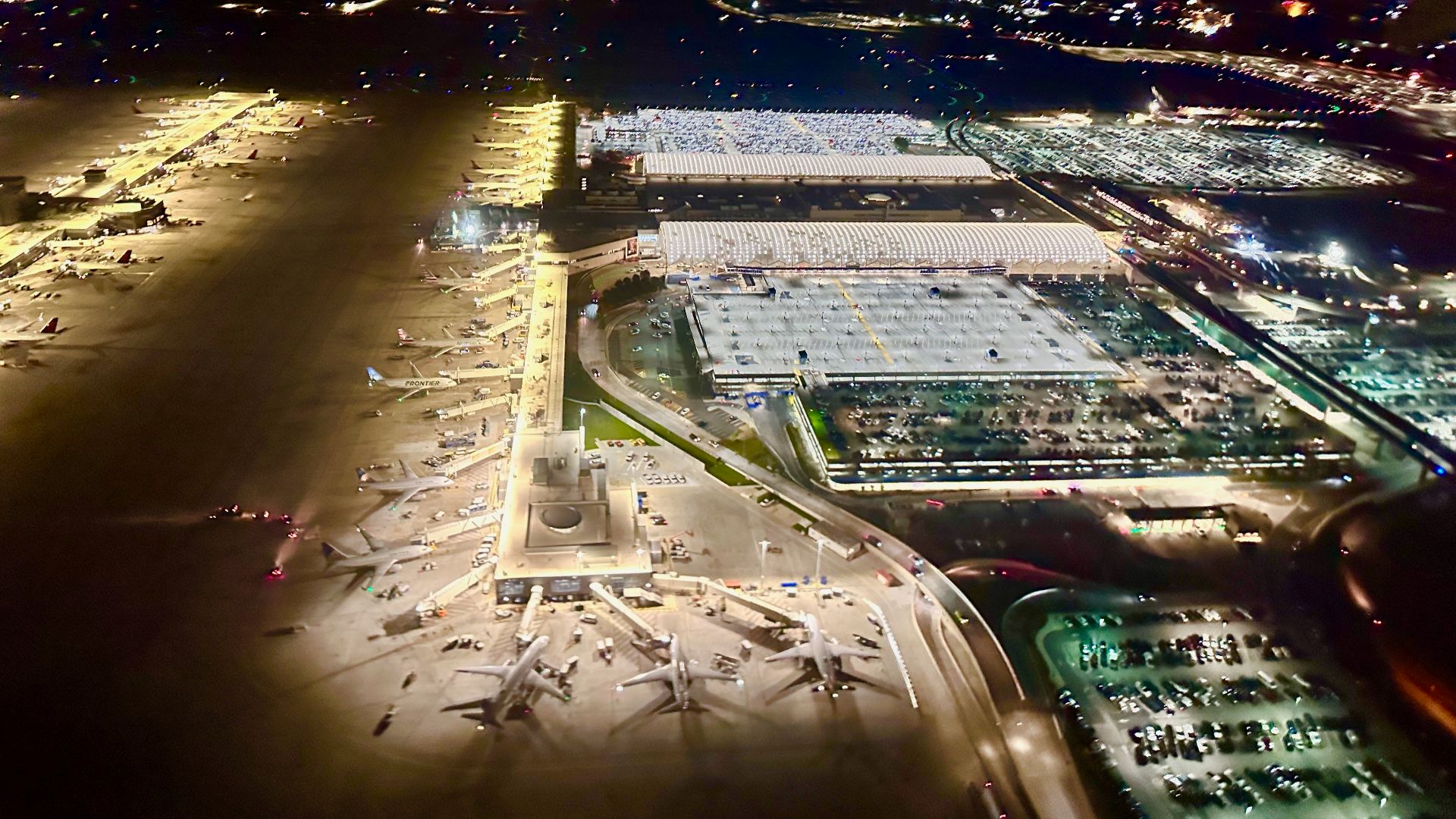
ATL is what happens when an airport decides efficiency is a personality trait. The train between concourses runs like it has somewhere to be, and the whole place feels engineered to keep you flowing, even when it’s packed. It’s huge, busy, and oddly good at being huge and busy.
2. Dubai International
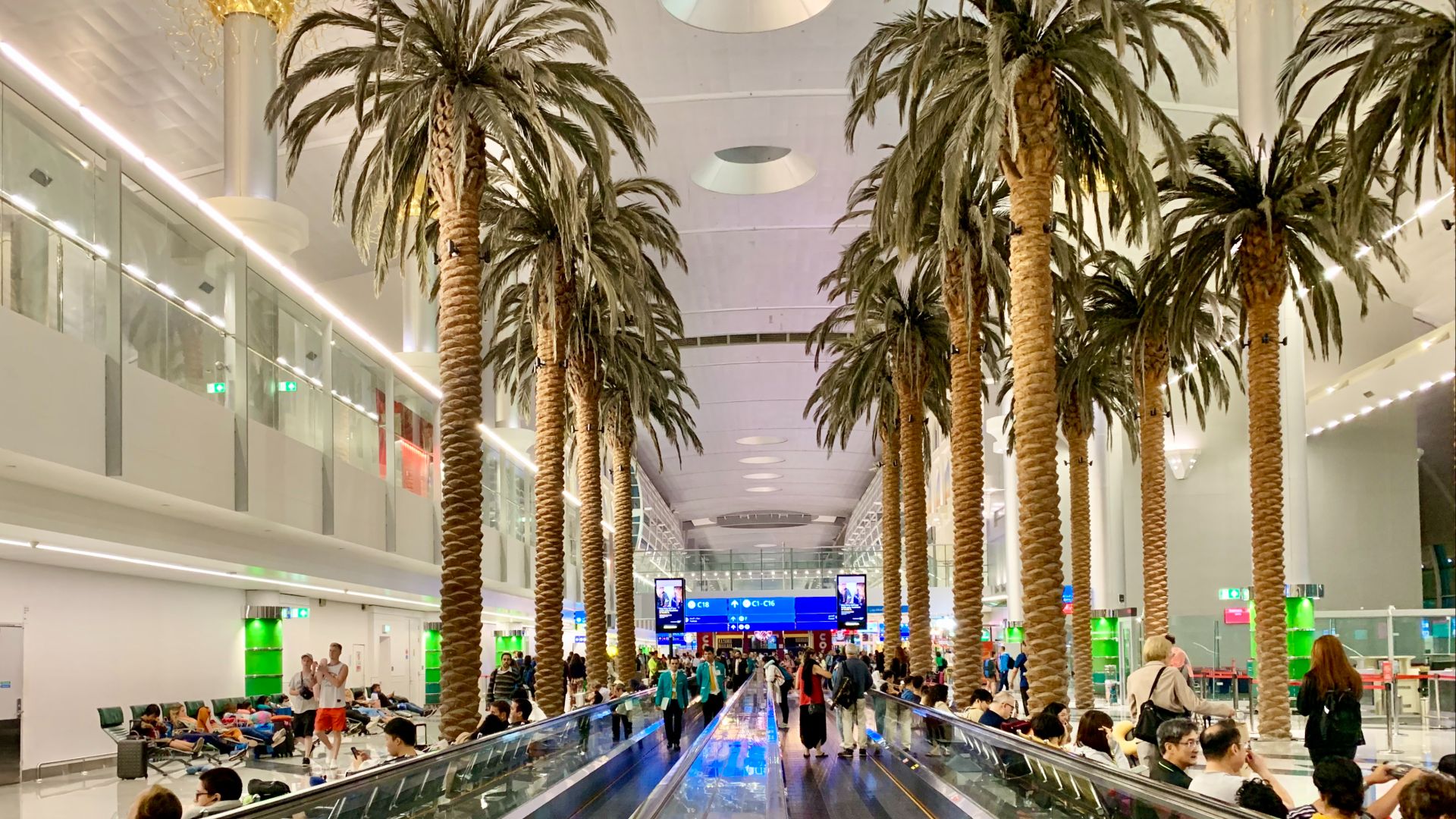
DXB is a full-on transit ecosystem, built for people who land at 2:00 a.m. and still want options. Between the endless retail, the lounges that feel like their own neighborhoods, and the constant movement, it has that “city that never sleeps” energy without trying too hard. It’s also one of those airports where walking to a gate can feel like a small workout.
 commons.wikimedia.org on Google
3. Tokyo Haneda
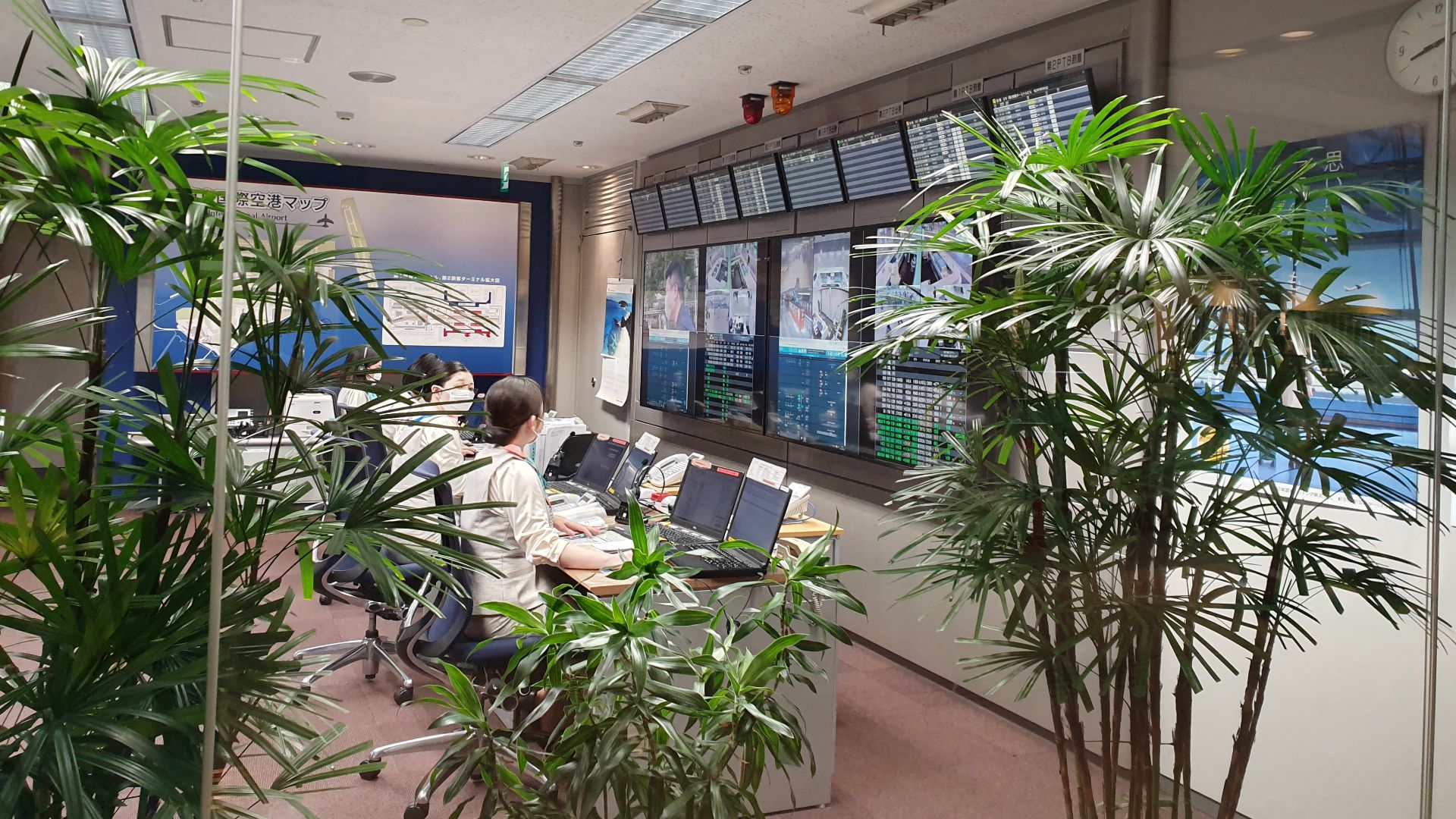
Haneda is clean, fast, and quietly loaded with good food and useful shopping, which is basically the Tokyo brand. Even when you’re in a hurry, there’s always a moment where you notice how organized it feels—like the airport is politely helping you not lose your mind. It’s a big hub, but it still manages to feel human.
4. London Heathrow
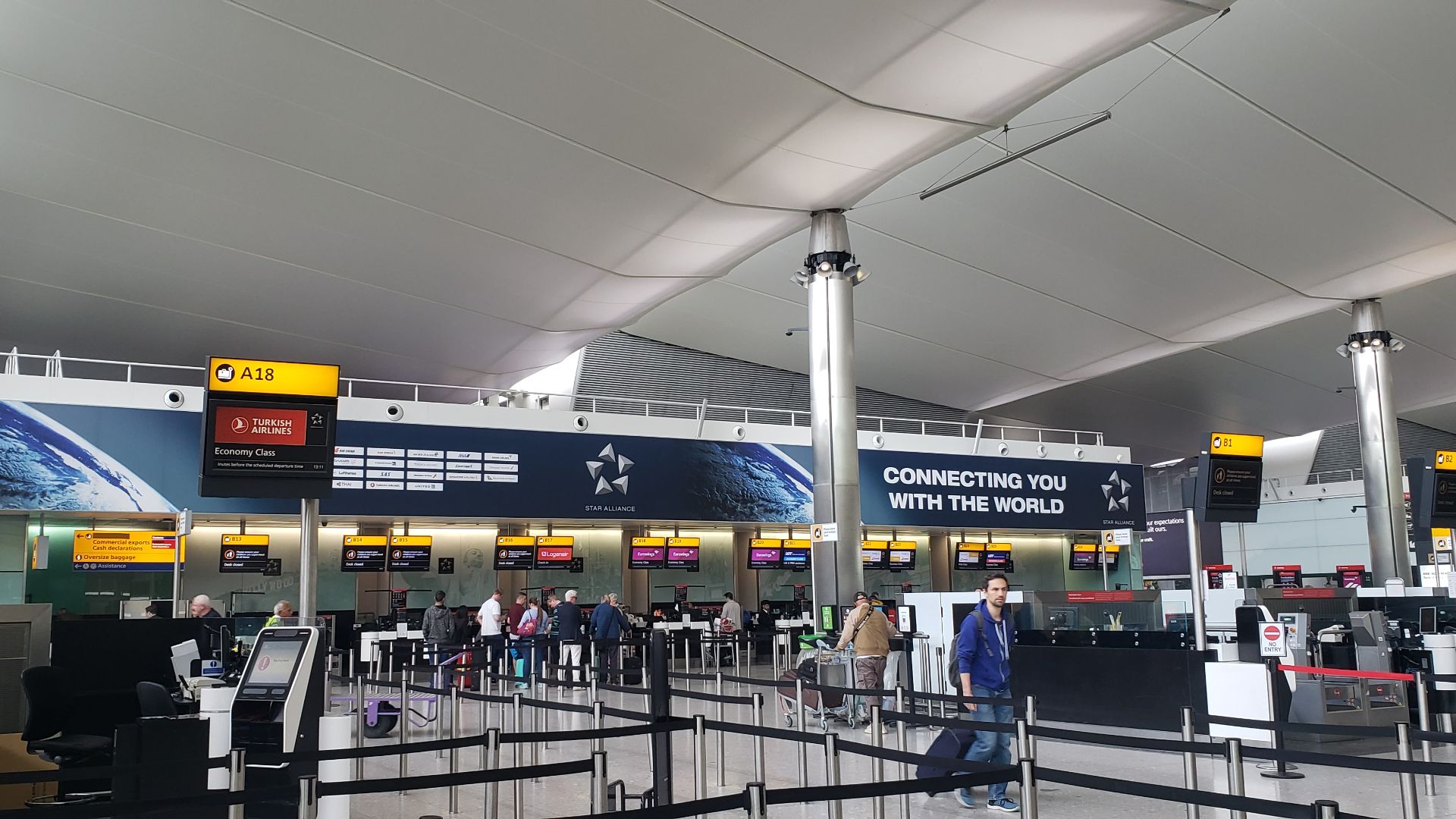
Heathrow can be intense, but it’s also a place where you can genuinely pass time without staring at the same gate area for three hours. The shopping is serious, the lounges are plentiful, and the whole airport operates like a central station for international travel. It’s a machine, but it’s a machine with snacks and designer storefronts.
5. Istanbul Airport
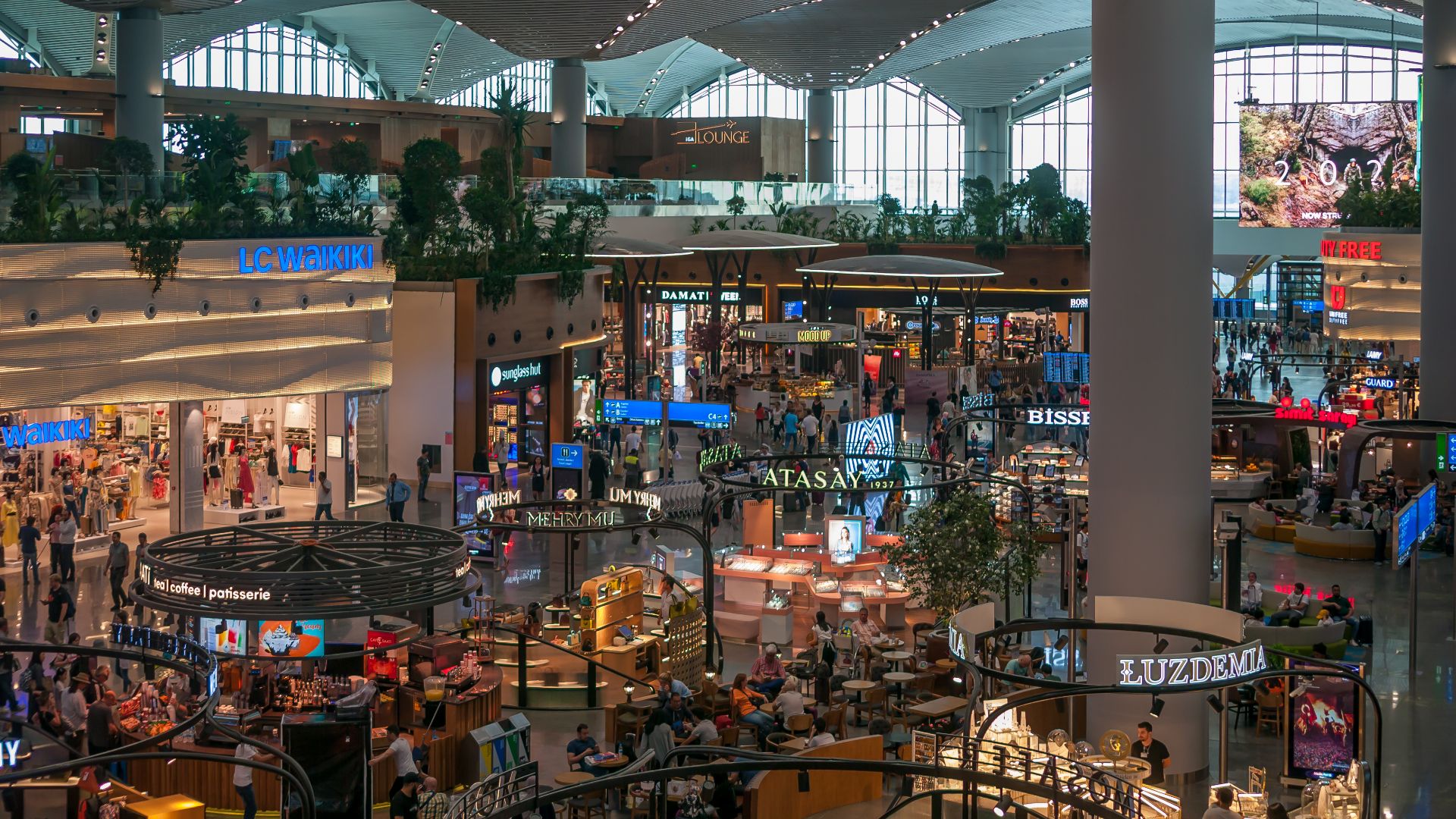
IST feels like it was designed by someone who said, “No, bigger,” and then said it again. The terminal is massive, and the experience leans into that scale with long promenades, lots of seating pockets, and enough food and retail to keep people roaming. It’s the kind of airport where saying, “Meet you by Gate B12” is not a casual request.
6. Singapore Changi
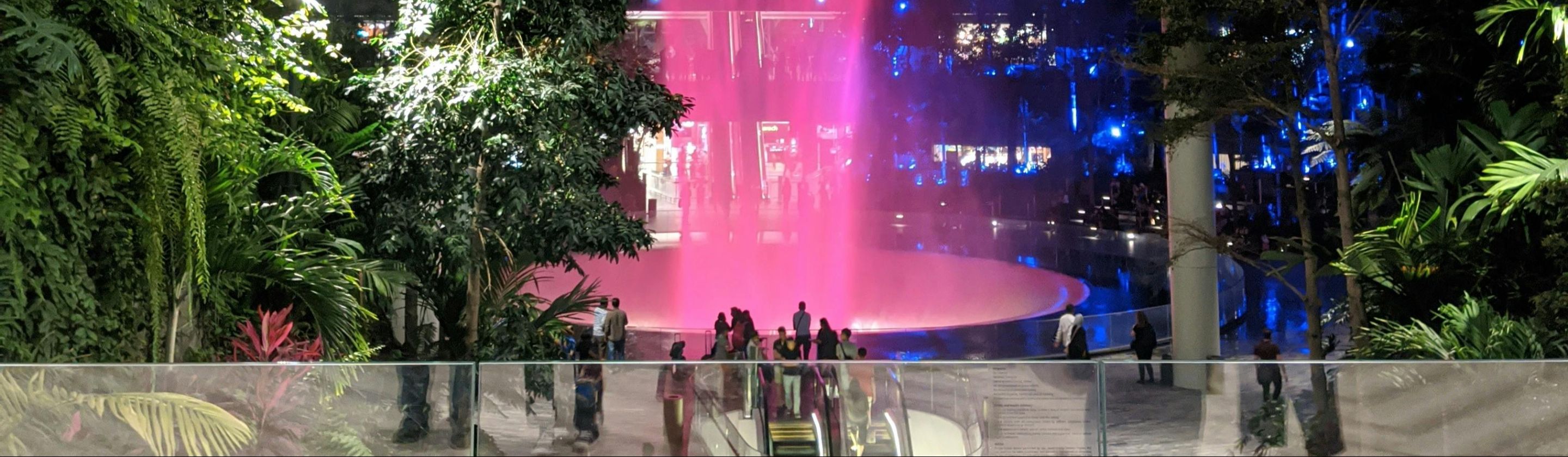
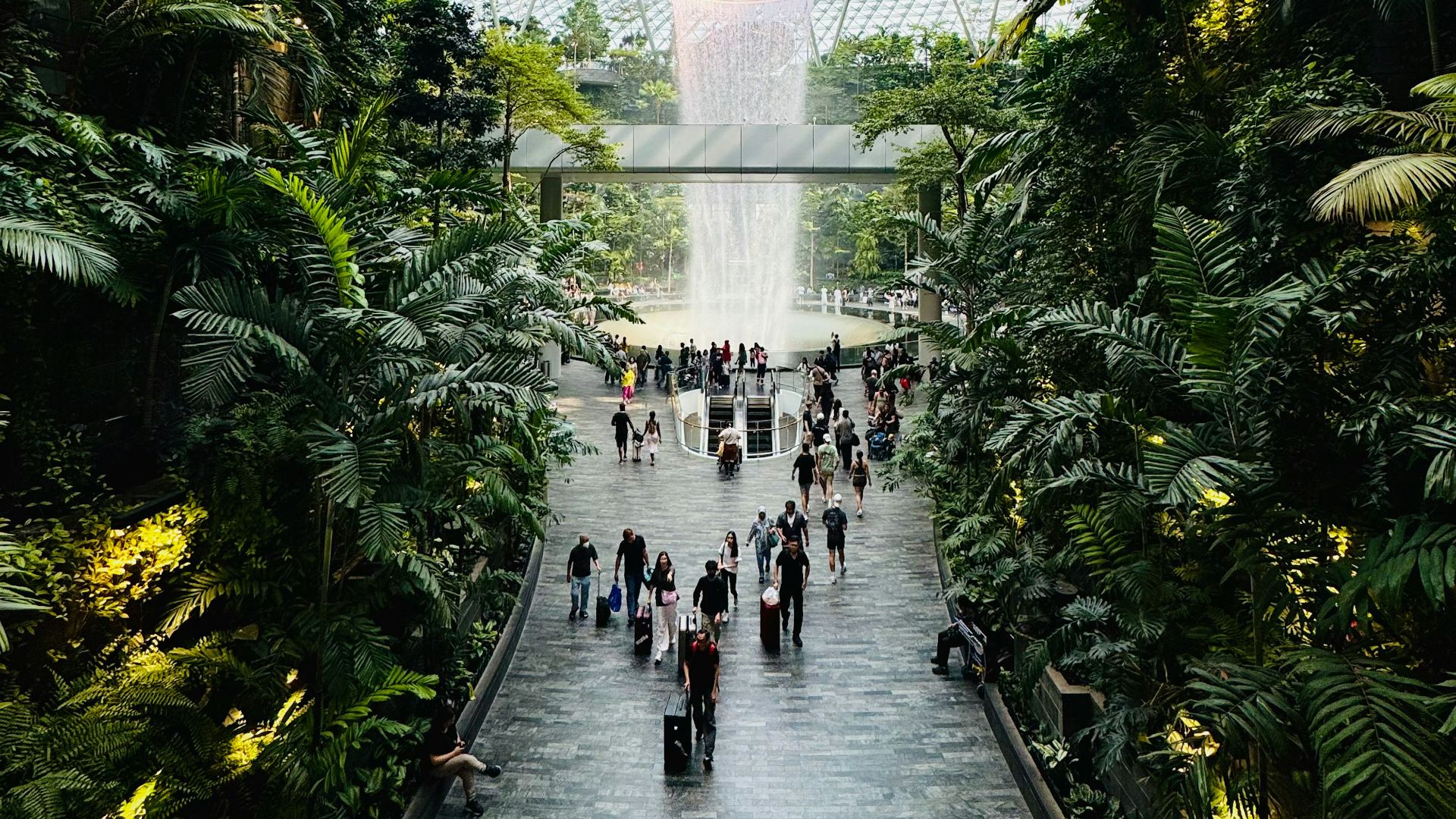
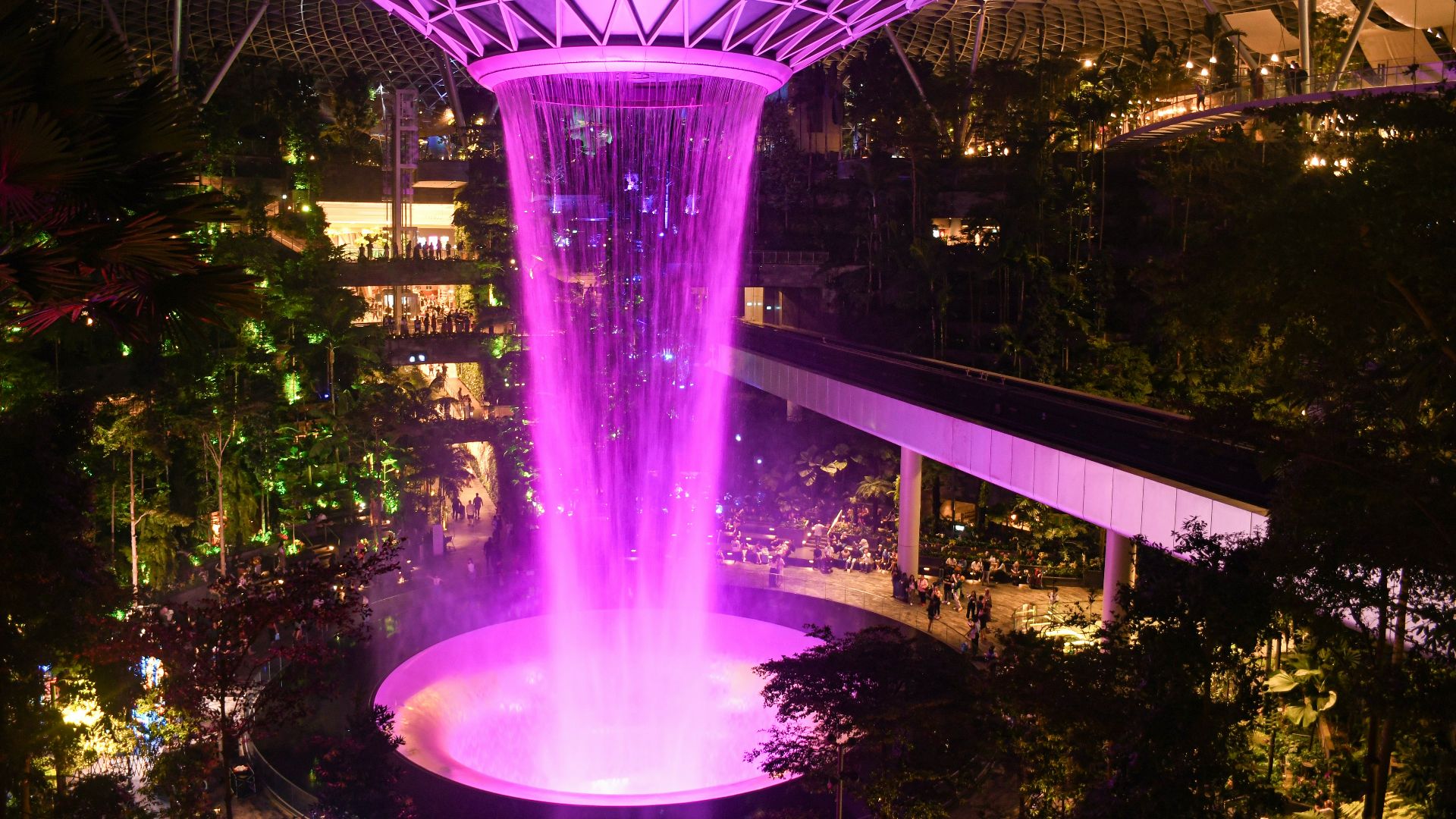
Changi has a reputation for a reason: it treats layovers like a design problem that can be solved with comfort, food, and a little spectacle. Even if you don’t have time to explore much, the whole place feels more like a polished public space than a holding pen for boarding groups. And yes, the Jewel complex is famous for its giant indoor waterfall for a reason.
7. Seoul Incheon
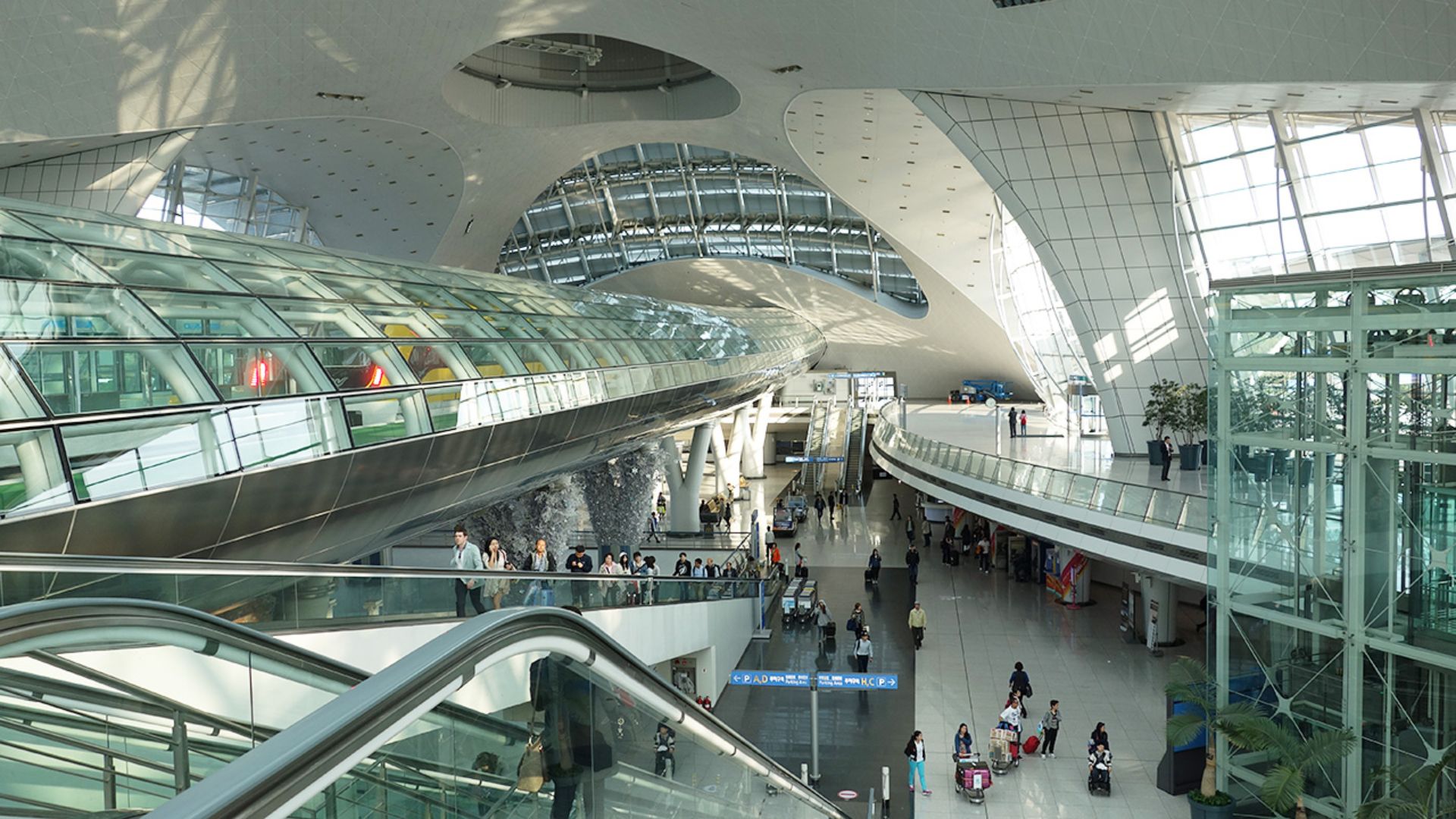
Incheon is the kind of airport that seems to assume you’ll be there awhile, so it gives you things to do besides pace. There are cultural displays and spaces that feel calmer than they have any right to feel, considering how many people move through. It’s big, but it’s built to feel less frantic than most big airports.
 commons.wikimedia.org on Google
8. Doha Hamad International
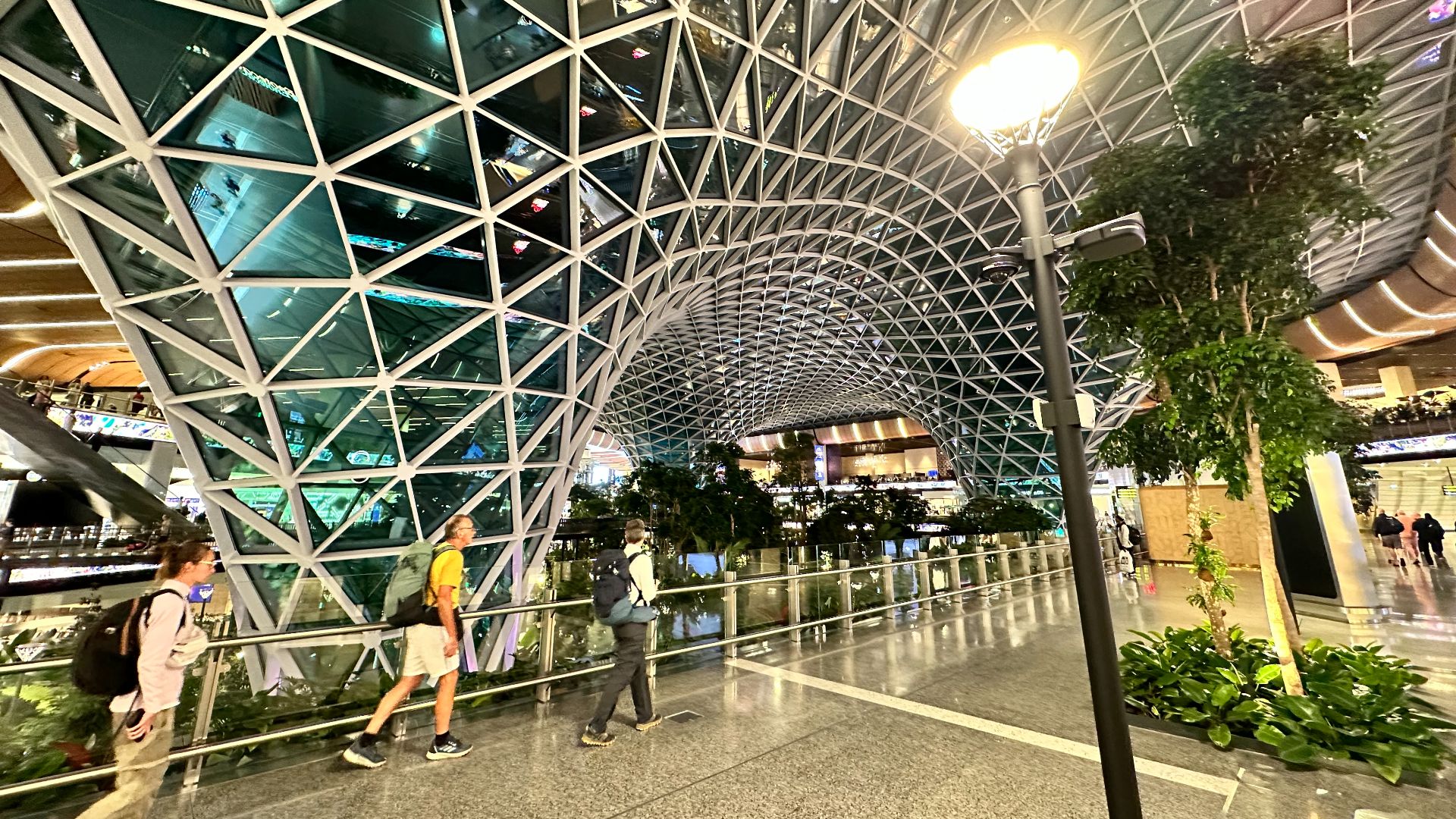
Hamad International feels like it was built with a luxury hotel mindset, even when it’s crowded. The architecture is sleek, the shopping is high-end, and the whole airport has that “you’re supposed to linger” vibe. It’s a hub that makes long connections feel less like a punishment.
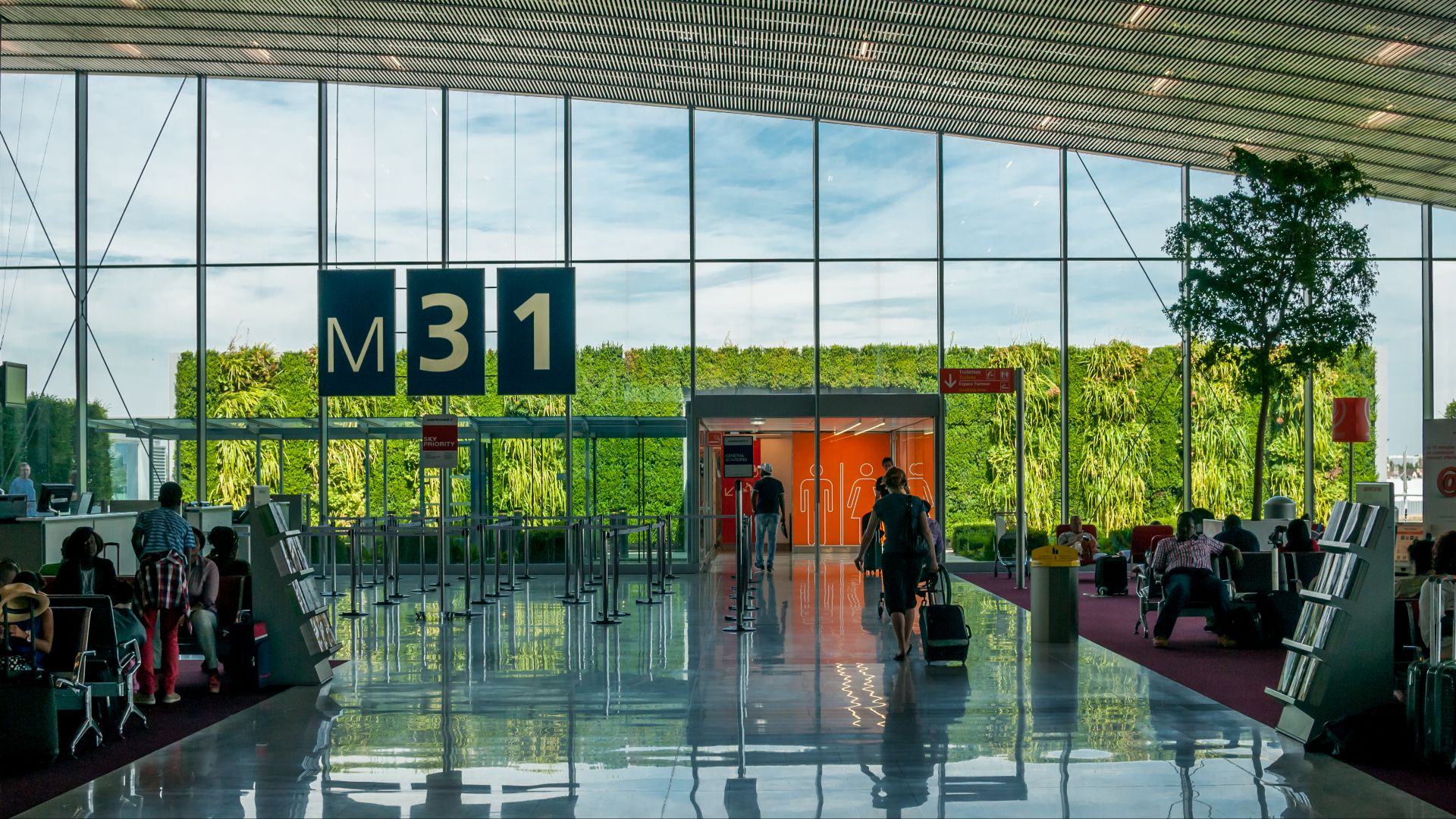
9. Paris Charles de Gaulle
CDG can be confusing in spots, but it’s also undeniably city-scale, with multiple terminals that feel like separate districts. When it’s running smoothly, it’s a full day of people-watching, espresso, and wandering through duty-free like it’s a mall. Even the chaos has a certain rhythm to it.
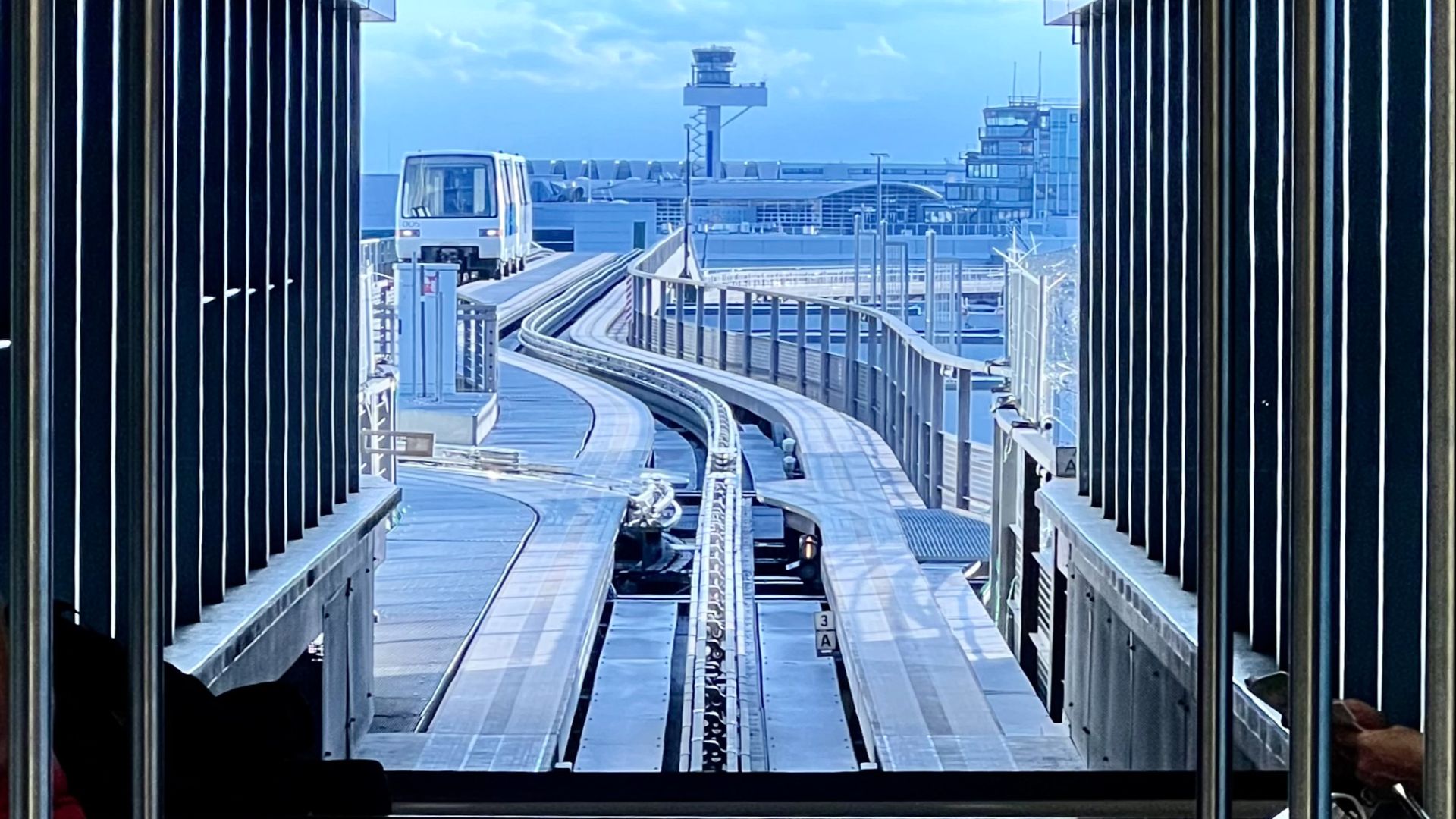
10. Frankfurt Airport
Frankfurt is a serious connector airport, and it wears that role openly. There’s a lot of ground to cover, a lot of signage, and a lot of options once you settle in—food, shopping, lounges, and those long hallways that basically dare you to keep walking. It feels like a transportation hub first, but a very well-supplied one.
 Sharon Hahn Darlin on Wikimedia
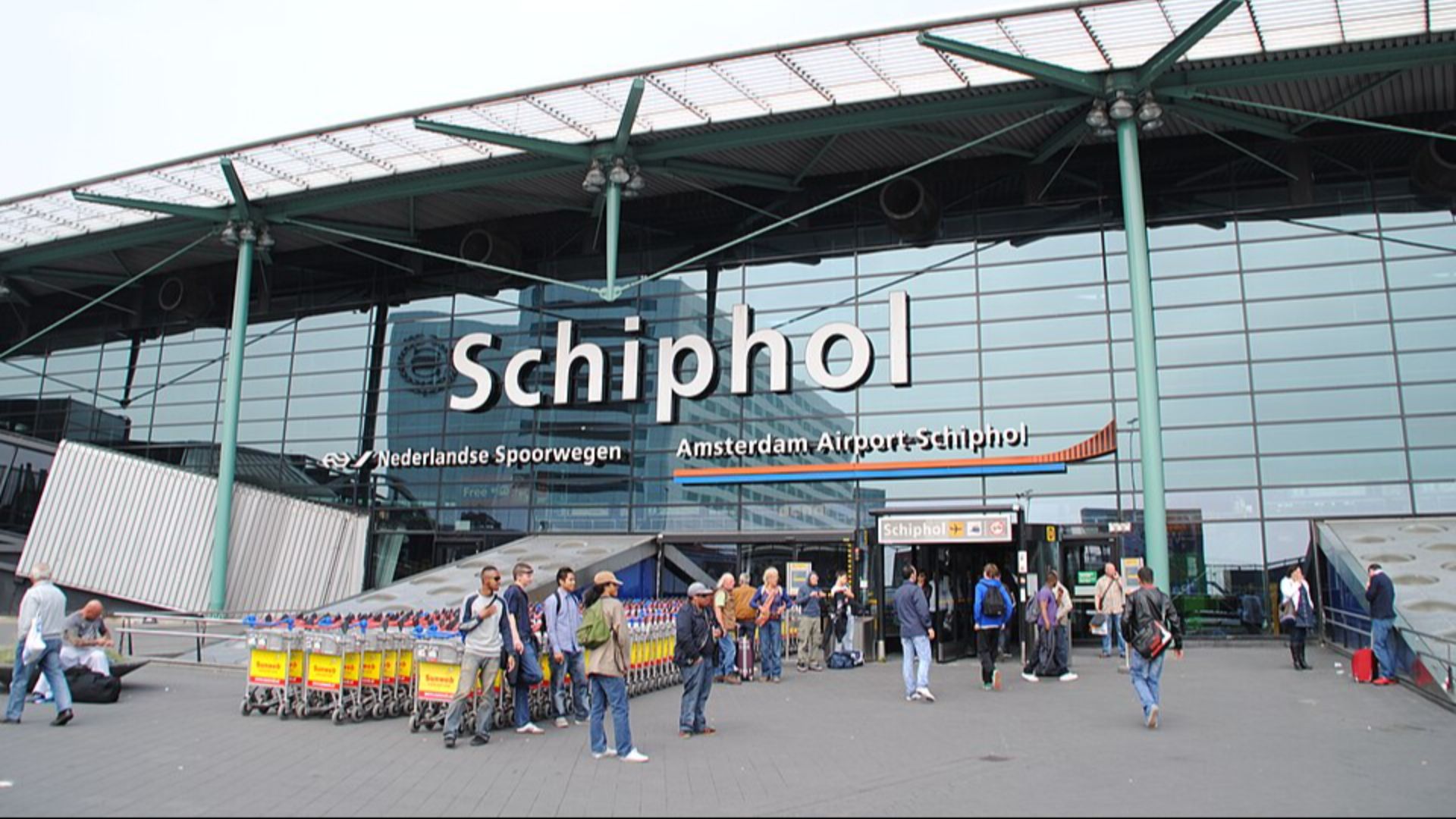
11. Amsterdam Schiphol
Schiphol is the rare big airport that can still feel approachable once you get your bearings. It’s built for movement, with good infrastructure, strong food and shopping, and enough space to reset between flights. It also has that slightly “everything is connected” feel that makes it easier to settle in.
 commons.wikimedia.org on Google
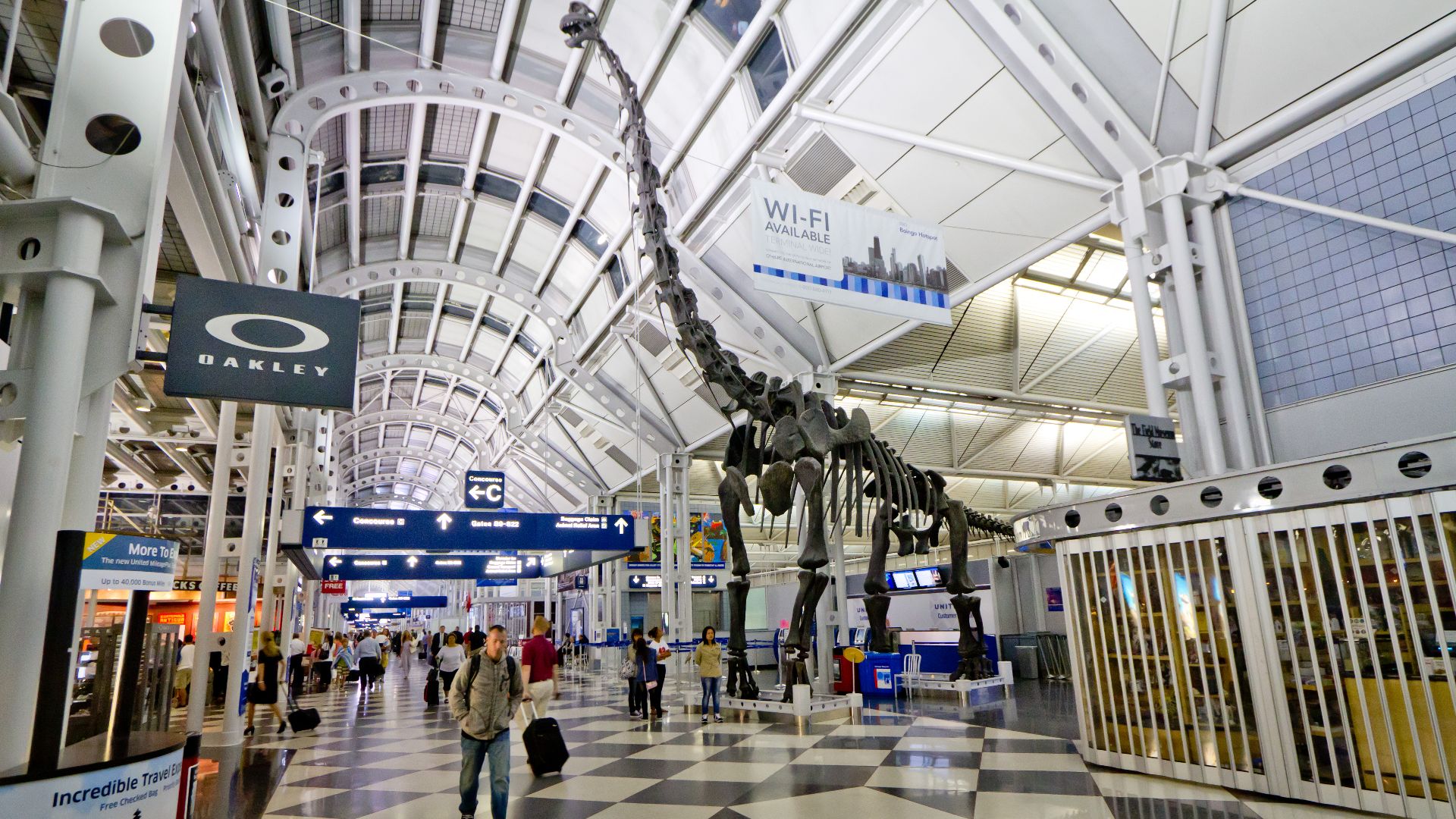
12. Chicago O’Hare
O’Hare is a whole world of its own, especially when weather or delays turn a simple connection into an unplanned hang. There’s a lot to do, a lot to eat, and a lot of people moving in every direction, which gives it a downtown transit-hub vibe. It’s not always relaxing, but it’s rarely boring.
 https://www.flickr.com/photos/15216811@N06/ on Wikimedia
13. Los Angeles International
LAX is sprawling, constantly in motion, and full of the particular kind of chaos that comes with a major global city. Each terminal has its own personality, and the whole complex feels like a web of mini-centers connected by shuttles, walks, and a little bit of determination. If nothing else, it’s a place where time passes quickly because there’s always something happening.
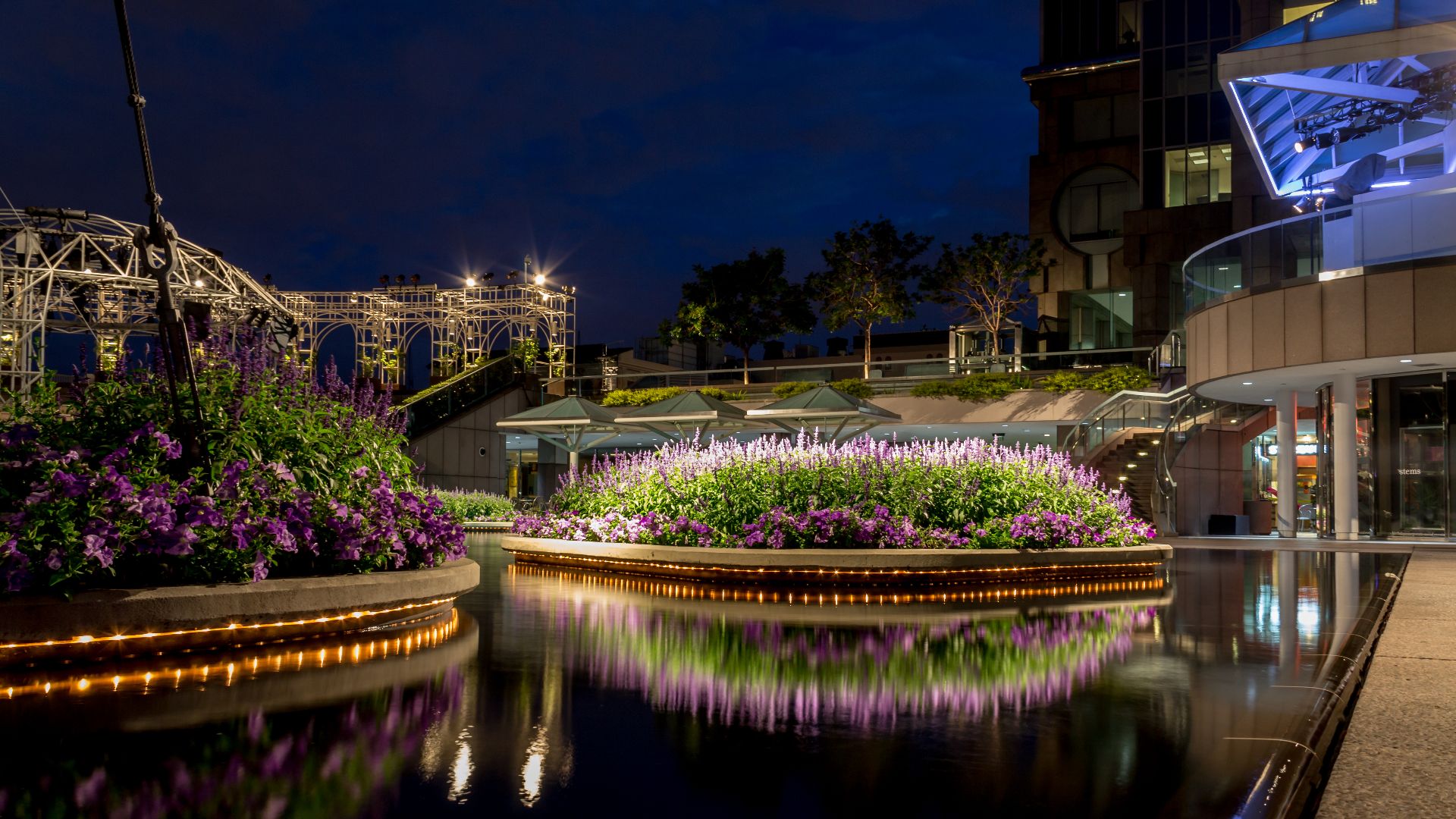
14. Dallas/Fort Worth
DFW is so large it has its own internal logic, and once you learn it, it starts to feel strangely easy. There’s plenty of space, lots of food choices, and that airport as infrastructure project scale that makes it feel like more than a terminal. It’s the kind of place where a long connection can turn into an accidental shopping trip.
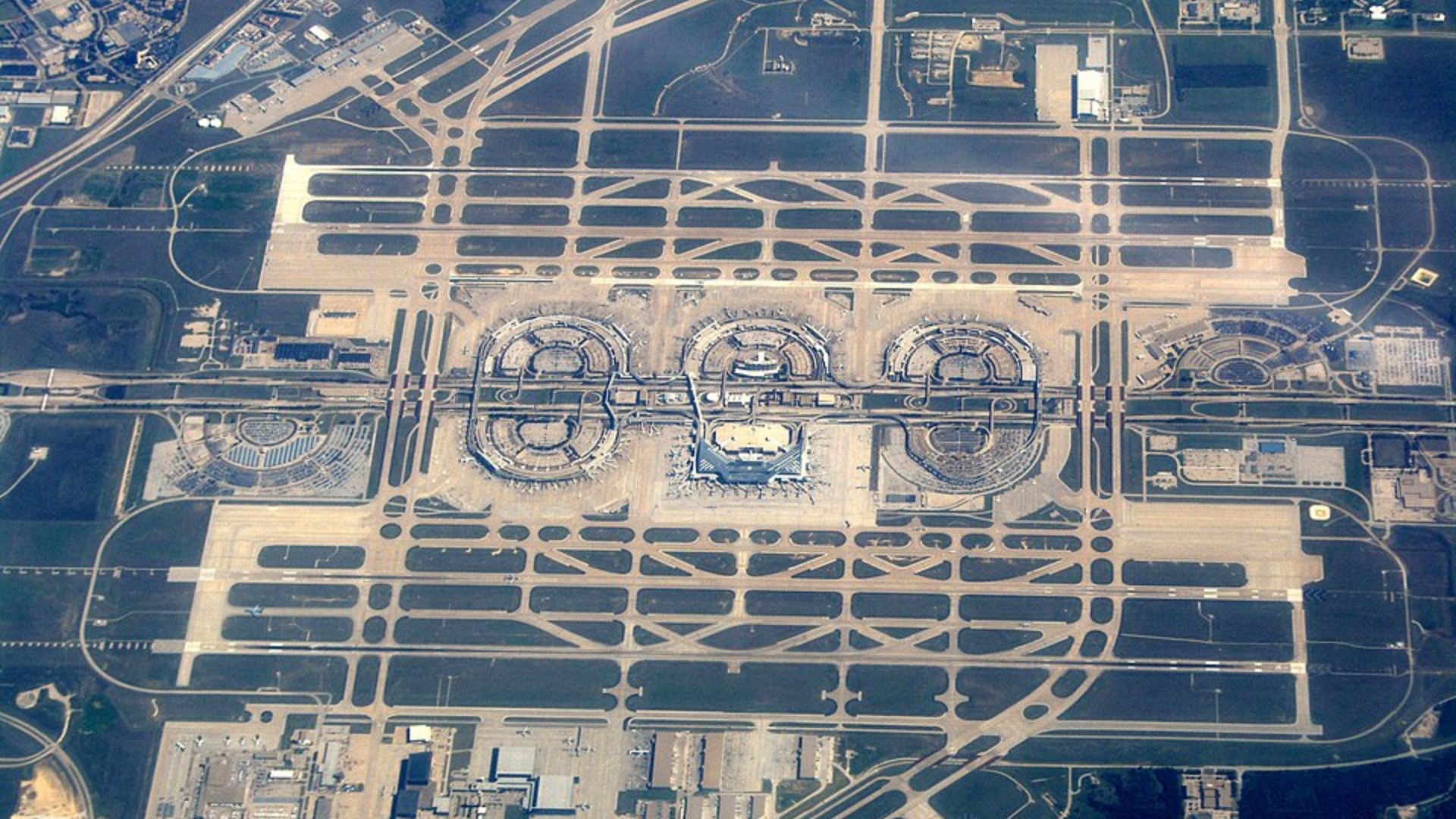 commons.wikimedia.org on Google
15. Denver International
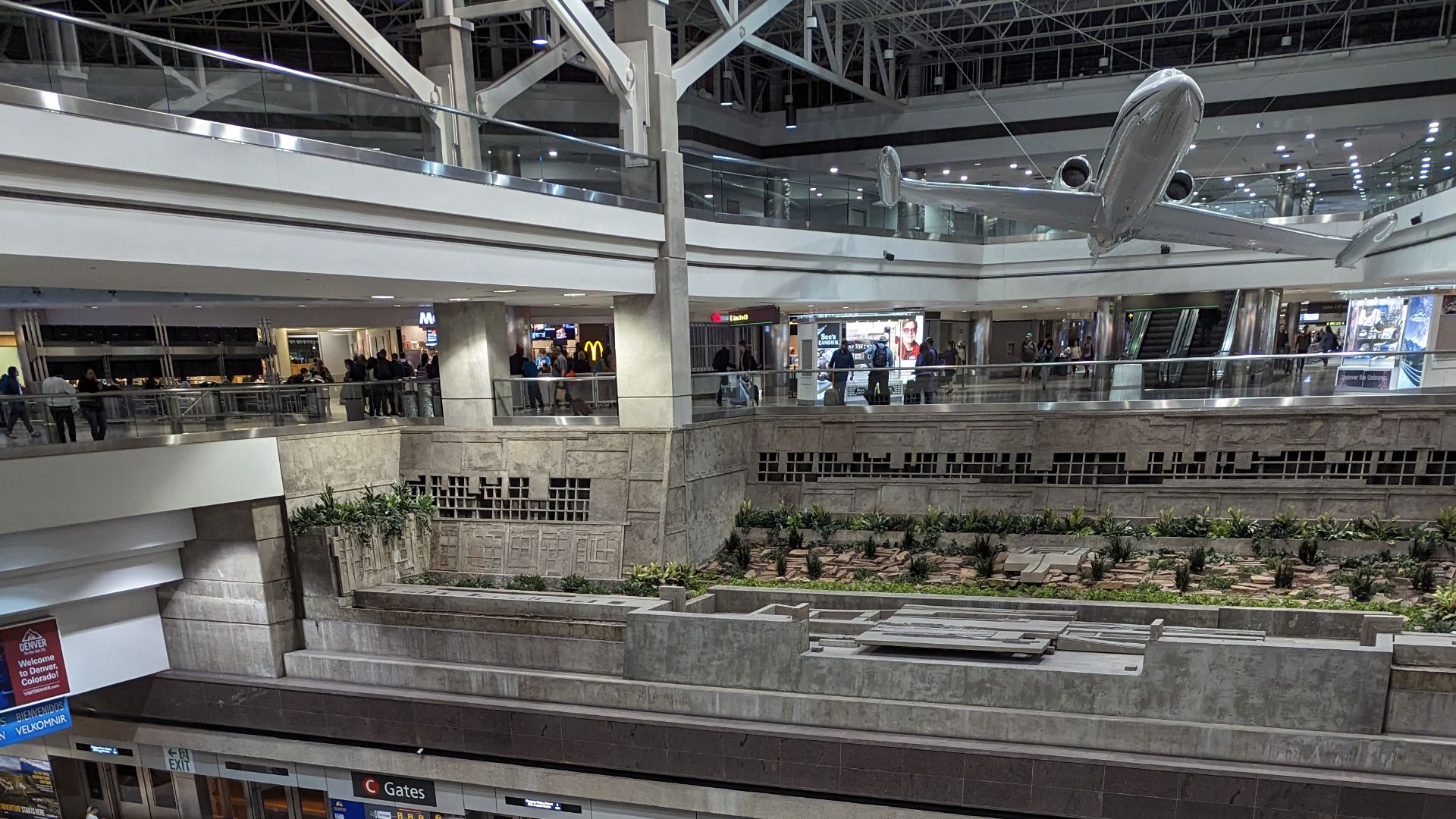
DEN has that big-open-feeling layout that makes it feel like an airport and a small city at the same time. Between the long concourses, the constant foot traffic, and the way people settle in for hours, it has a commuter-hub energy—just with more carry-ons. It’s built for volume, and it doesn’t pretend otherwise.
16. Hong Kong International
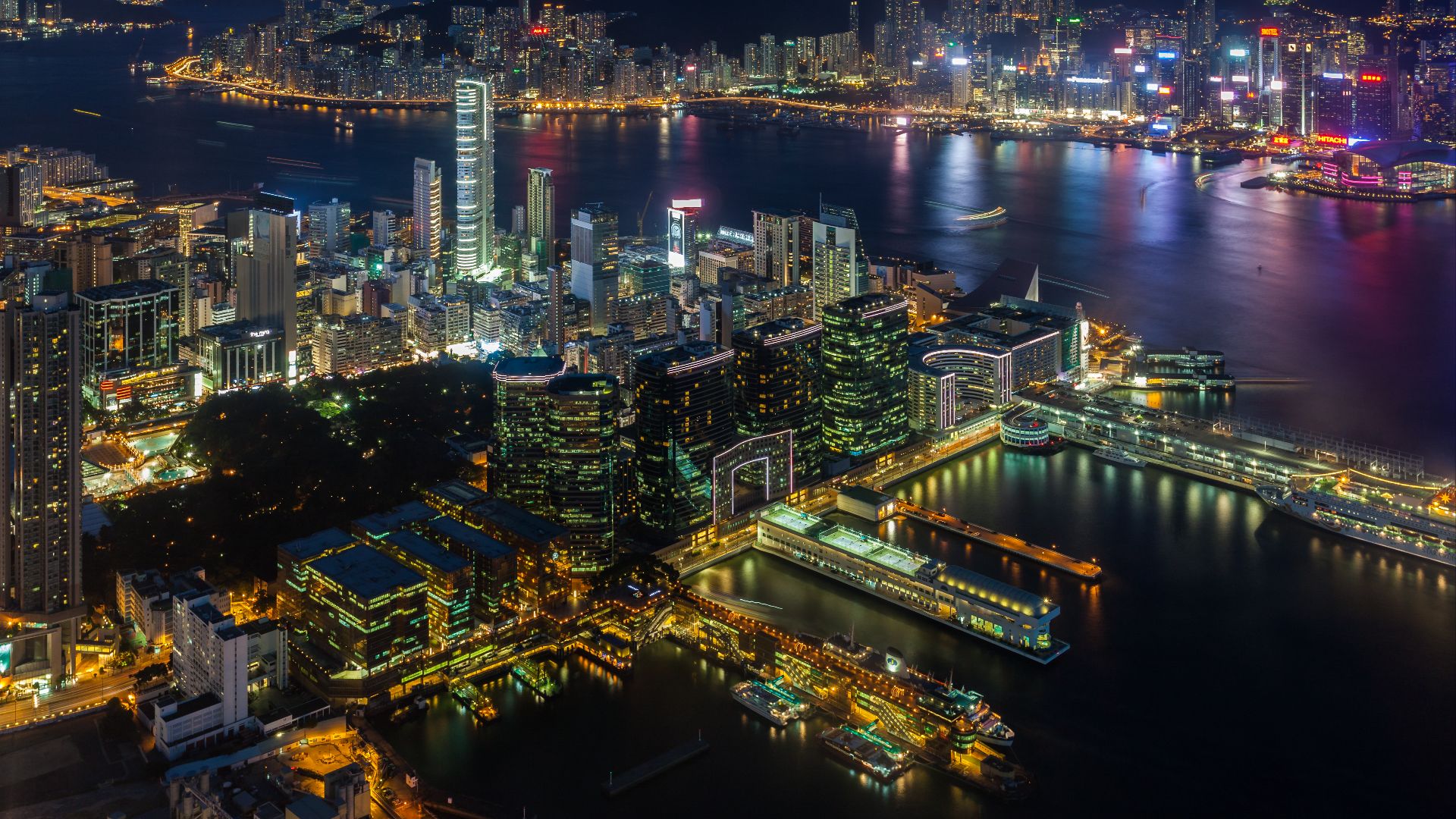
HKG feels like an airport that understands international travel is tiring and tries to make it less annoying. It’s large, well-organized, and packed with shopping and dining that can pull you out of airport survival mode. It also has the kind of smooth transit feel that makes a tight connection feel possible.
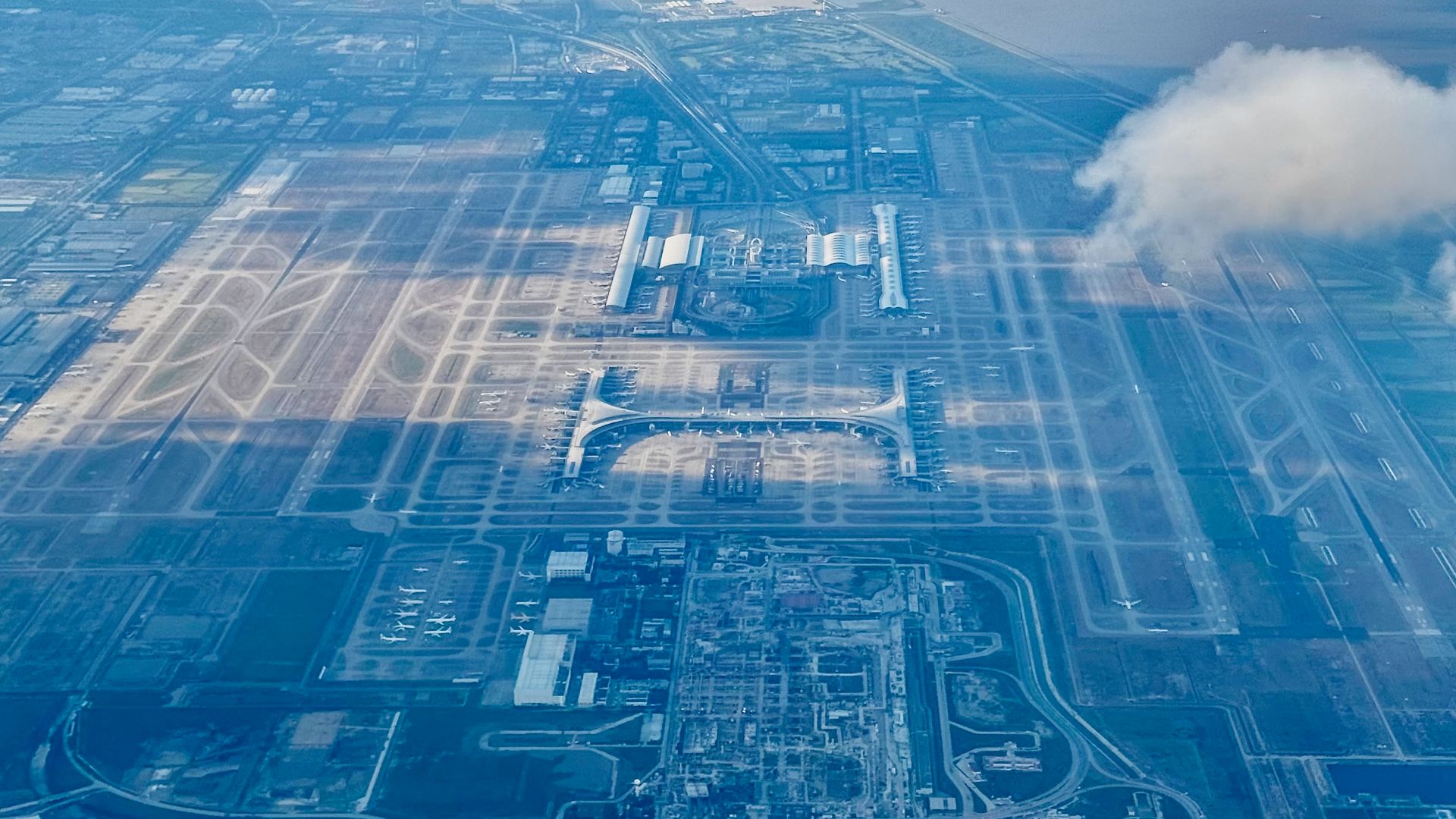
17. Shanghai Pudong
Pudong is built for scale, and you feel it the second you start moving through it. The terminals are big, the flows of people are constant, and the whole experience feels like a major city’s front door. Even if you’re only there for a connection, it doesn’t feel like a small stop.
 User:Yuezhi_Huang on Wikimedia
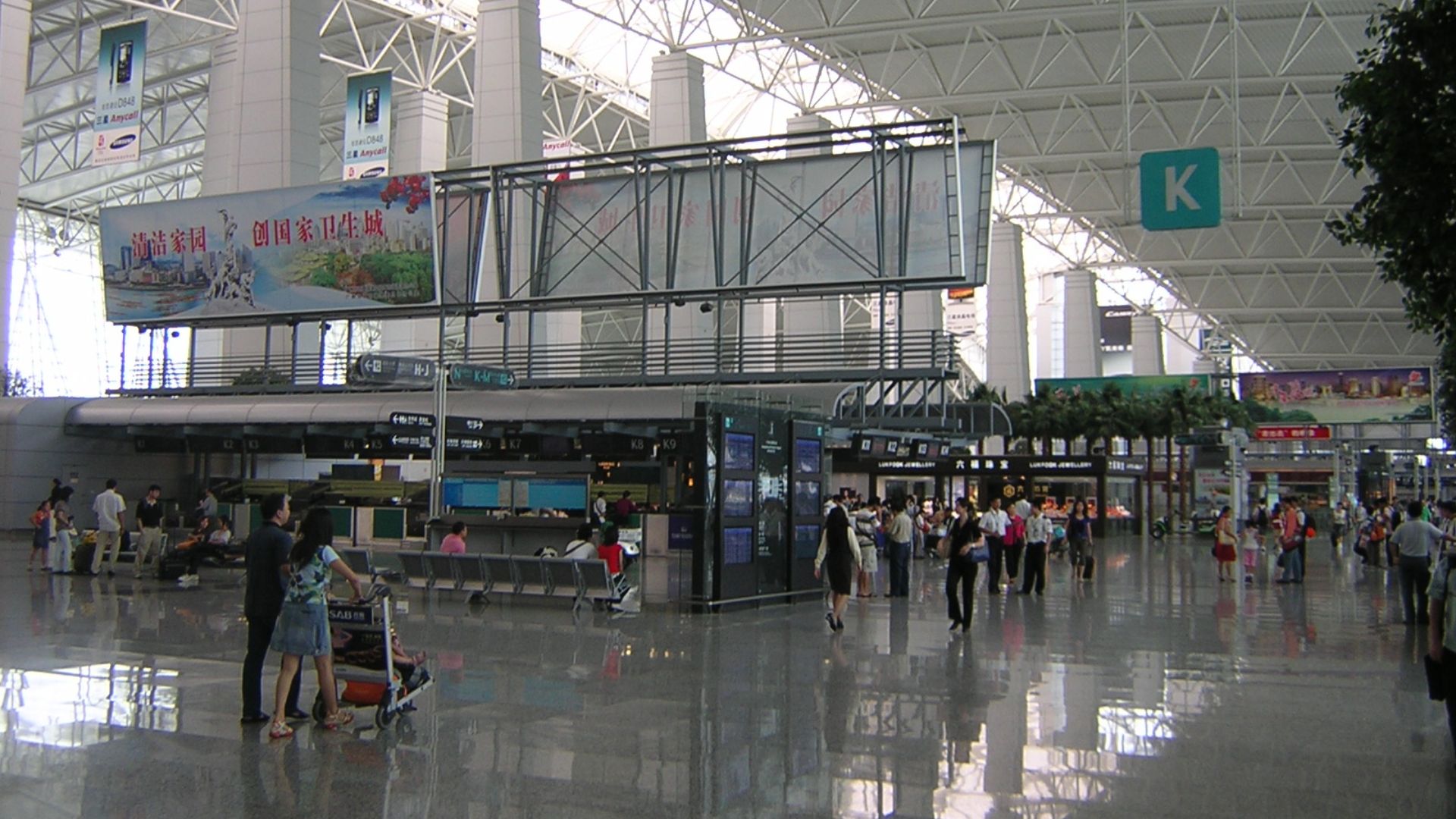
18. Guangzhou Baiyun
Baiyun is another airport where the size alone creates the sense that this is its own microcosym. There’s a lot of walking, a lot of signage, and a lot of little pockets where people camp out with snacks and phones charging. It’s a hub that operates like a city transit center, just with more passports involved.
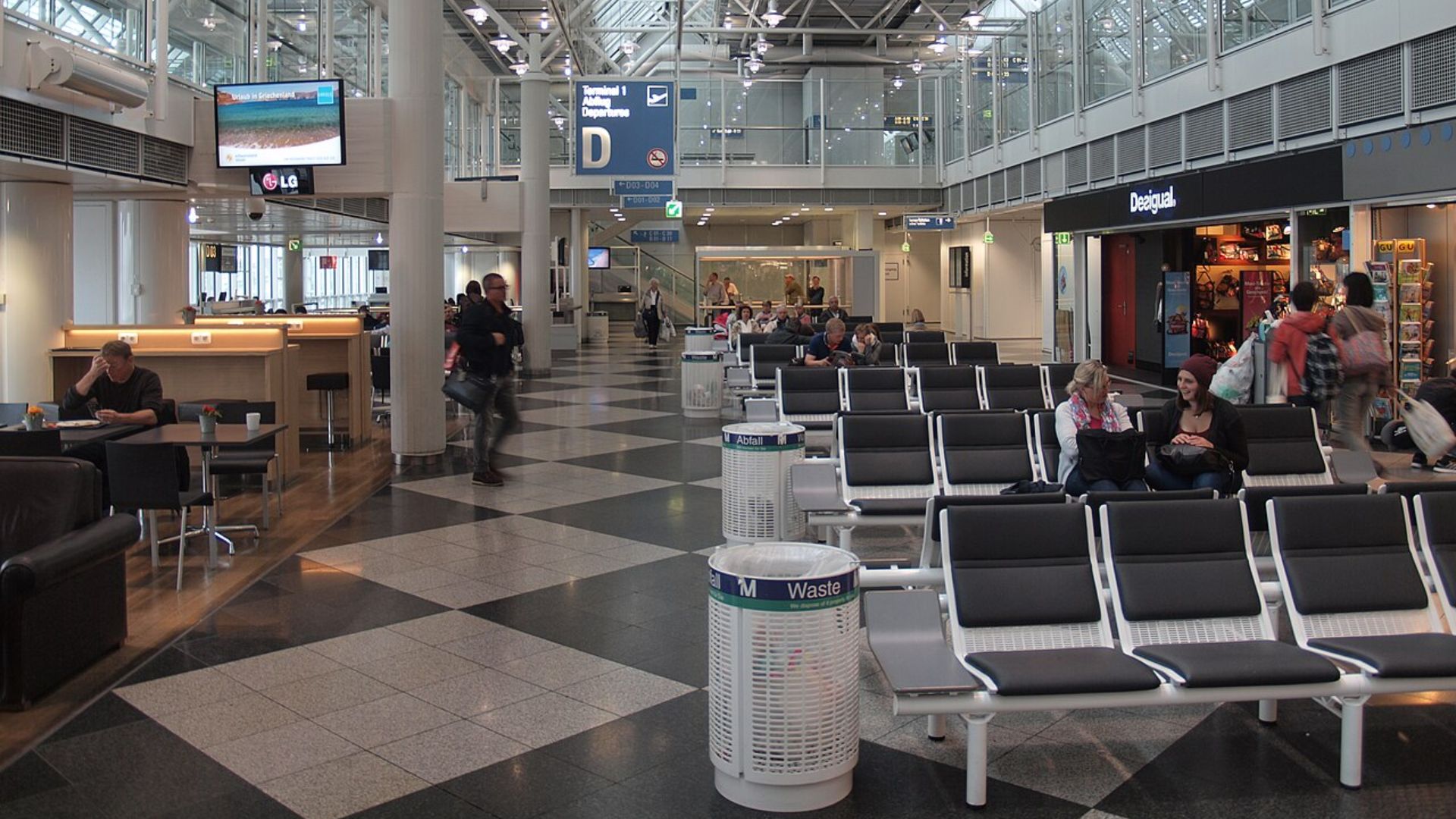
19. Munich Airport
Munich is polished, comfortable, and surprisingly easy to spend time in, even when you’re not thrilled to be stuck there. It has the feel of a well-run public space—clean, orderly, and stocked with the kinds of food and shops people actually want. The whole thing reads as calm competence.
 commons.wikimedia.org on Google
20. Madrid-Barajas
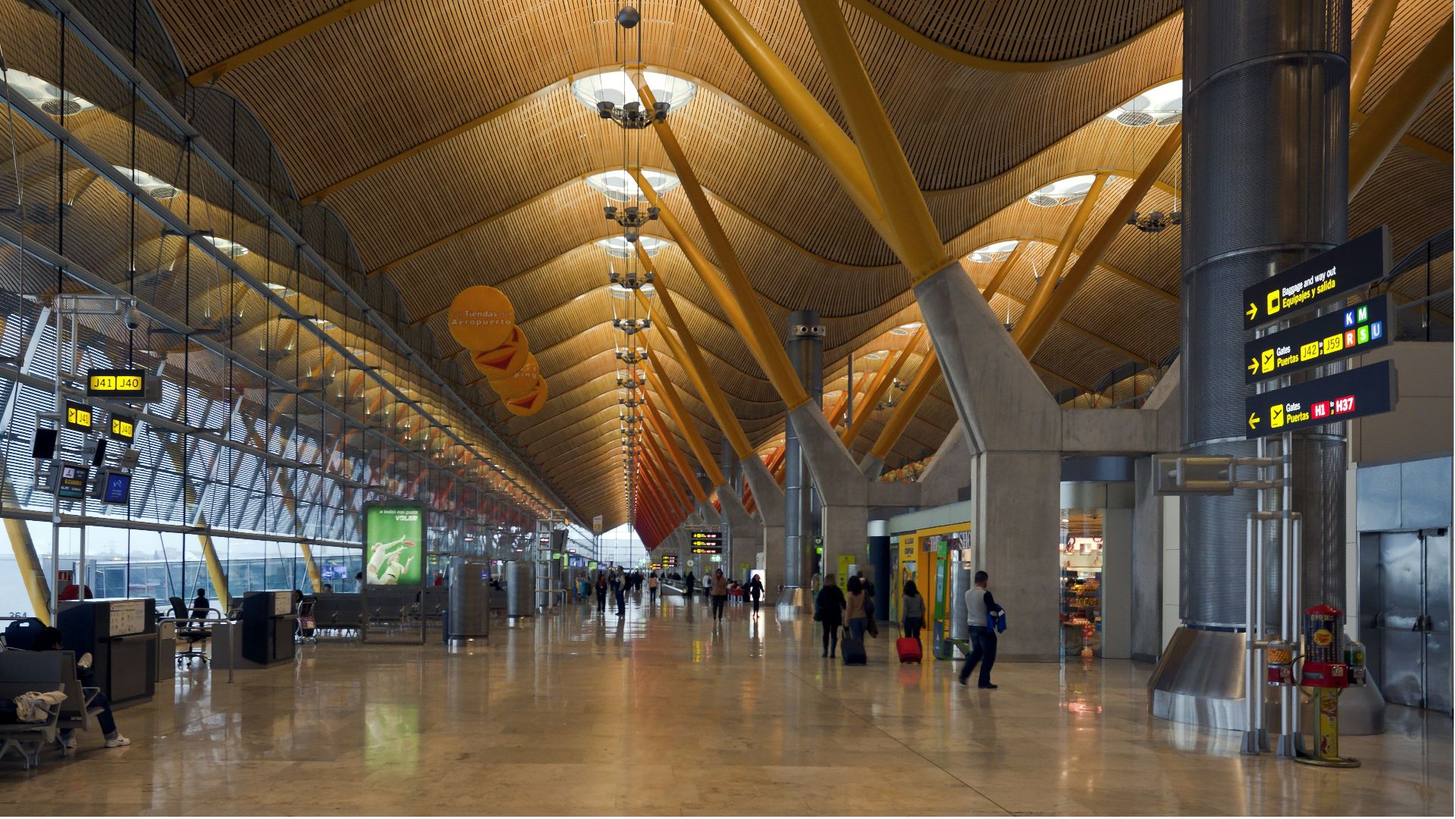
Barajas is expansive in a way that makes it feel like a whole district instead of a single building. There’s plenty of room to wander, enough food and shopping to keep you occupied, and that steady pulse of international connections moving through. It’s a place where you can land, transfer, eat, shop, and still feel like you never left the city.