Same Place, Different Record
Places do not just have history. They have a public version that fits on plaques, tours, and school lessons, and a private version that shows up in family stories, court cases, and what gets left out on purpose. Sometimes the split is about who “started it,” sometimes it is about whether something was liberation or occupation, and sometimes it is about whether a tragedy counts as an accident, a crime, or a policy. The easiest way to spot two histories is to notice how quickly the vocabulary changes depending on who is talking, and which dates they treat as the beginning. You can visit the same site, read two histories, and come away with two completely different outlooks. Here are 20 places where that split is especially visible.
1. Jerusalem
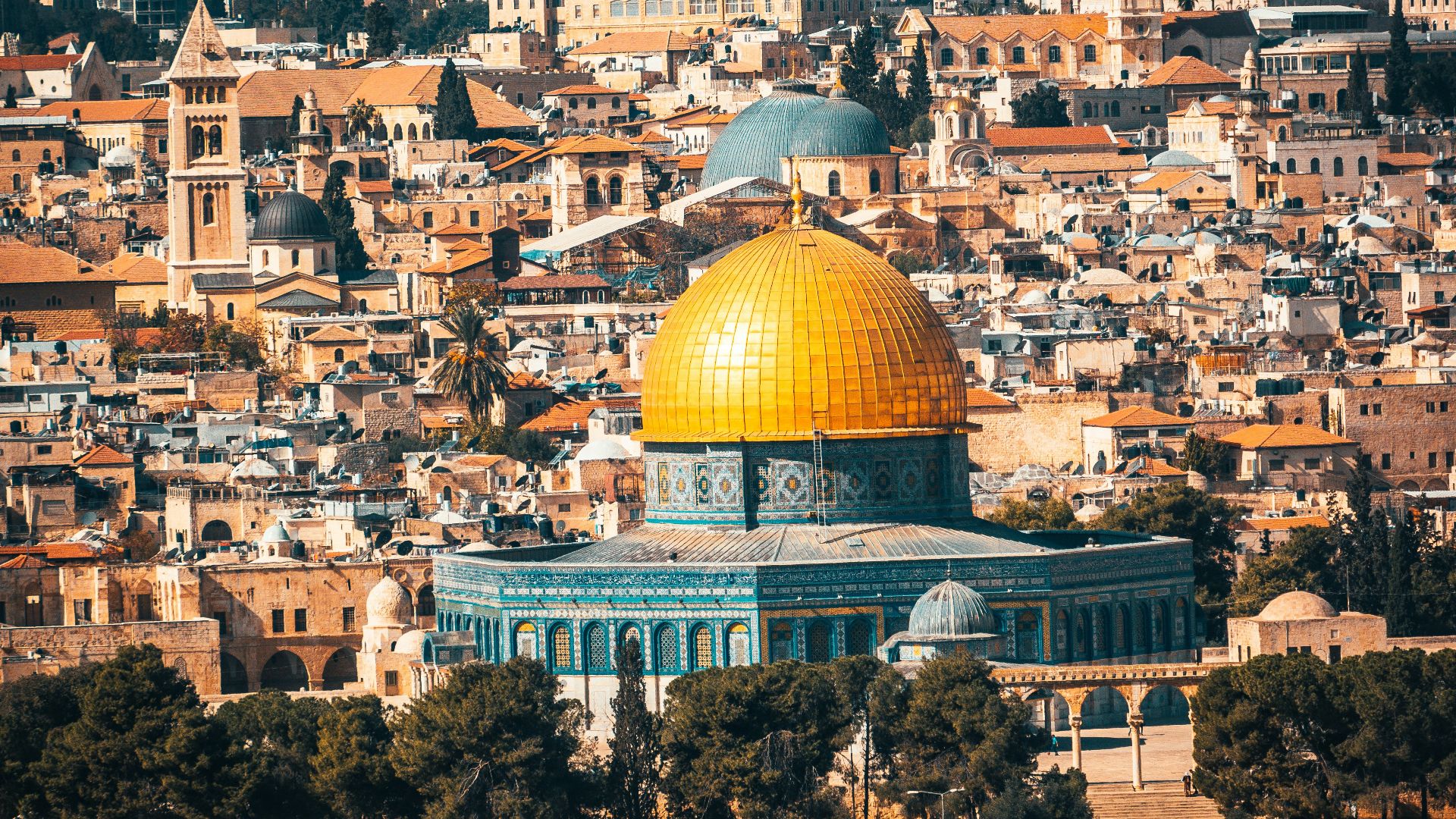
One version treats the Old City as proof of deep, continuous religious connection, with sacred sites as the core of identity. Another version treats the same geography as a modern fight over sovereignty, residency, and daily control, where archaeology, access, and policing are part of the story, not just background.
2. The Temple Mount And Haram al-Sharif
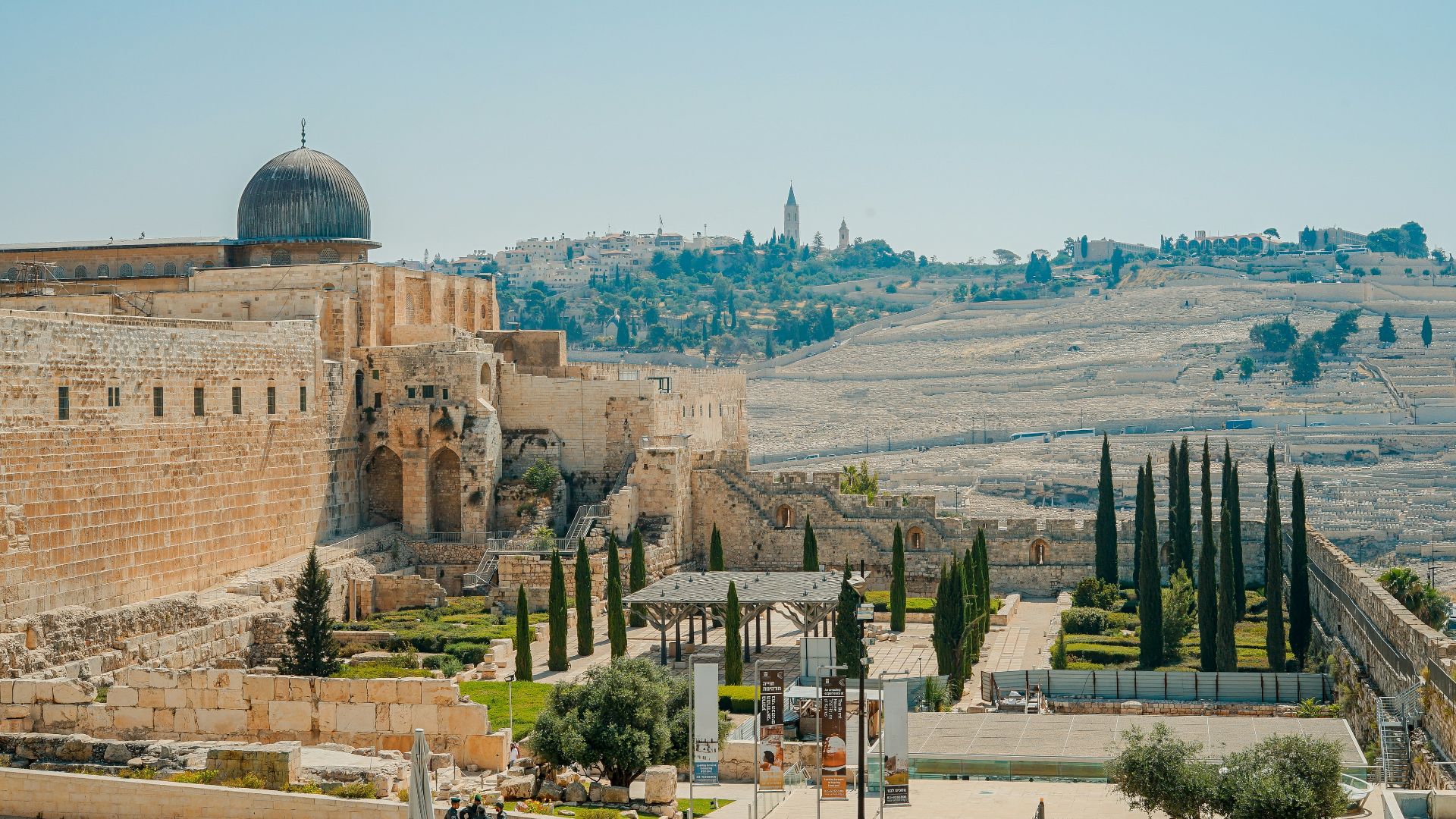
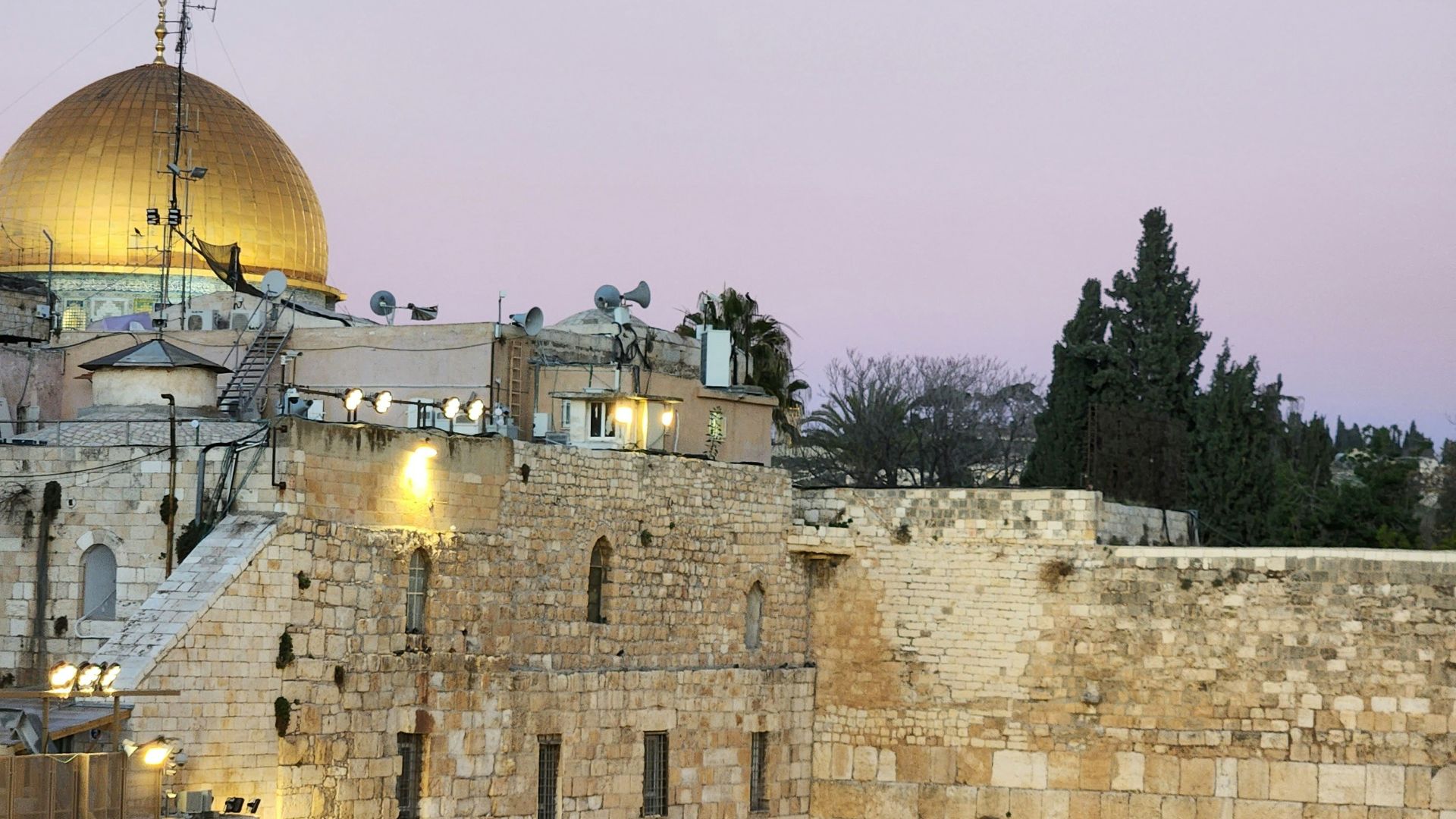
For many Jews, it is the site of the First and Second Temples, and a center of historical and religious continuity. For many Muslims, it is a holy sanctuary tied to Al-Aqsa and long-standing stewardship, with changes to access and authority seen as political pressure. Even the name you use signals which version you are standing in.
 Benjamin Istanbuli on Unsplash
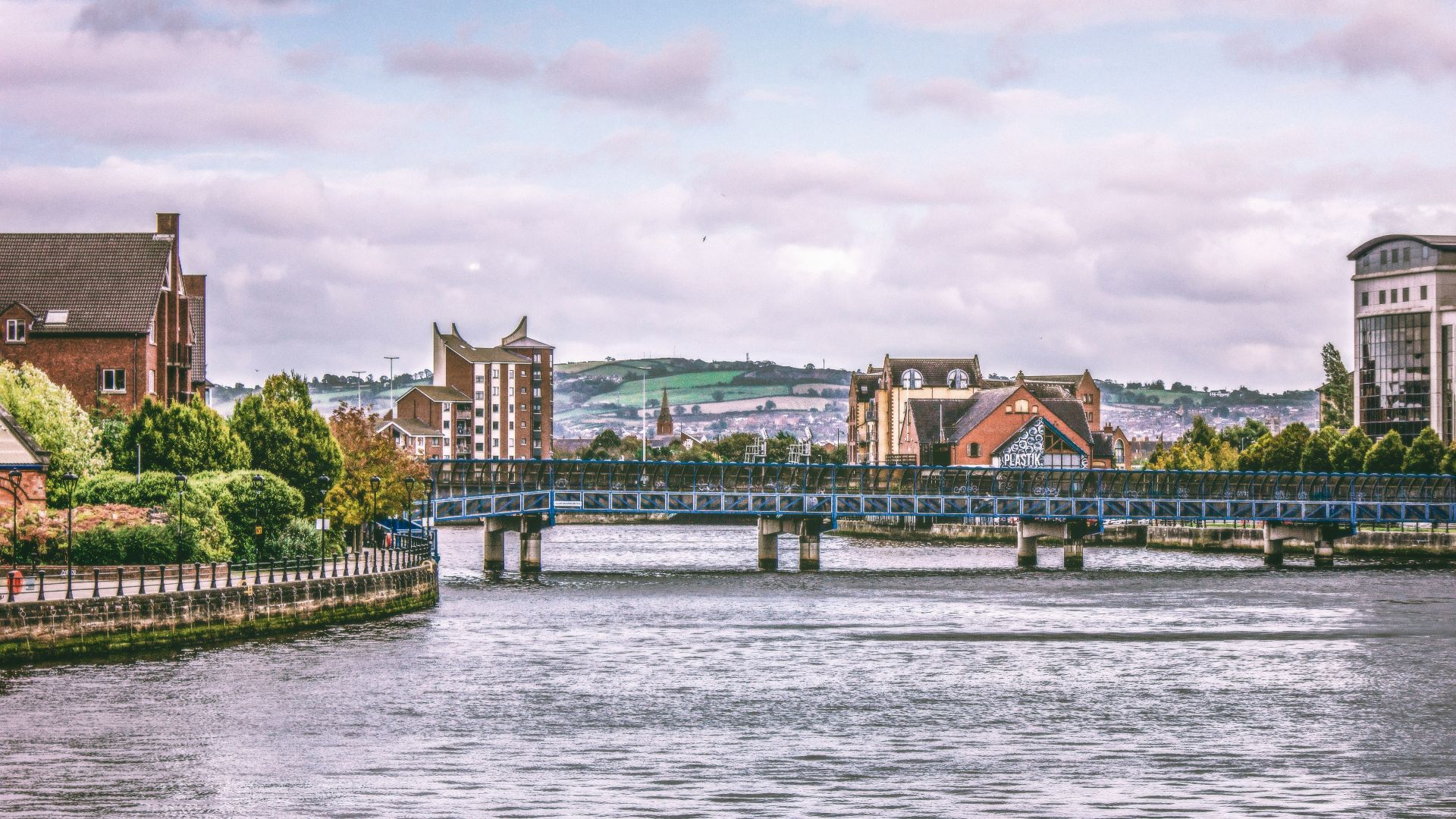
3. Belfast
One version frames the Troubles as a tragic period that ended with power-sharing and a practical peace. Another keeps the focus on who was protected, who was targeted, who was policed, and how murals and memorials still divide neighborhoods into competing maps of grief.
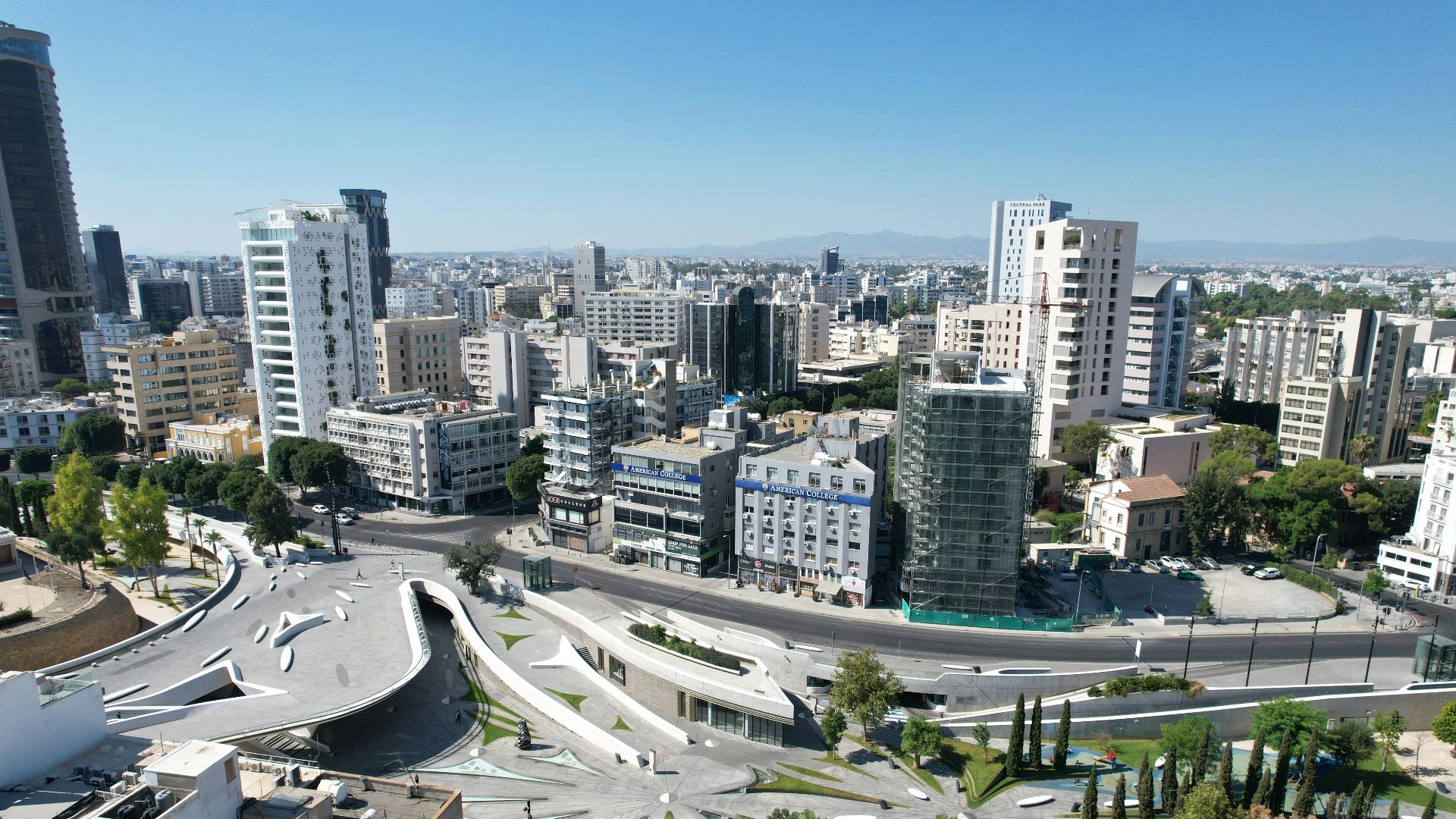
4. Nicosia
One version frames Cyprus’s capital as split in 1974 to stop violence, with the UN Buffer Zone as a necessary pause while diplomacy catches up. The other version centers what Turkey’s 1974 intervention and the island’s division meant on the ground: Greek Cypriot and Turkish Cypriot displacement, abandoned property, and a city where borders decide daily life.
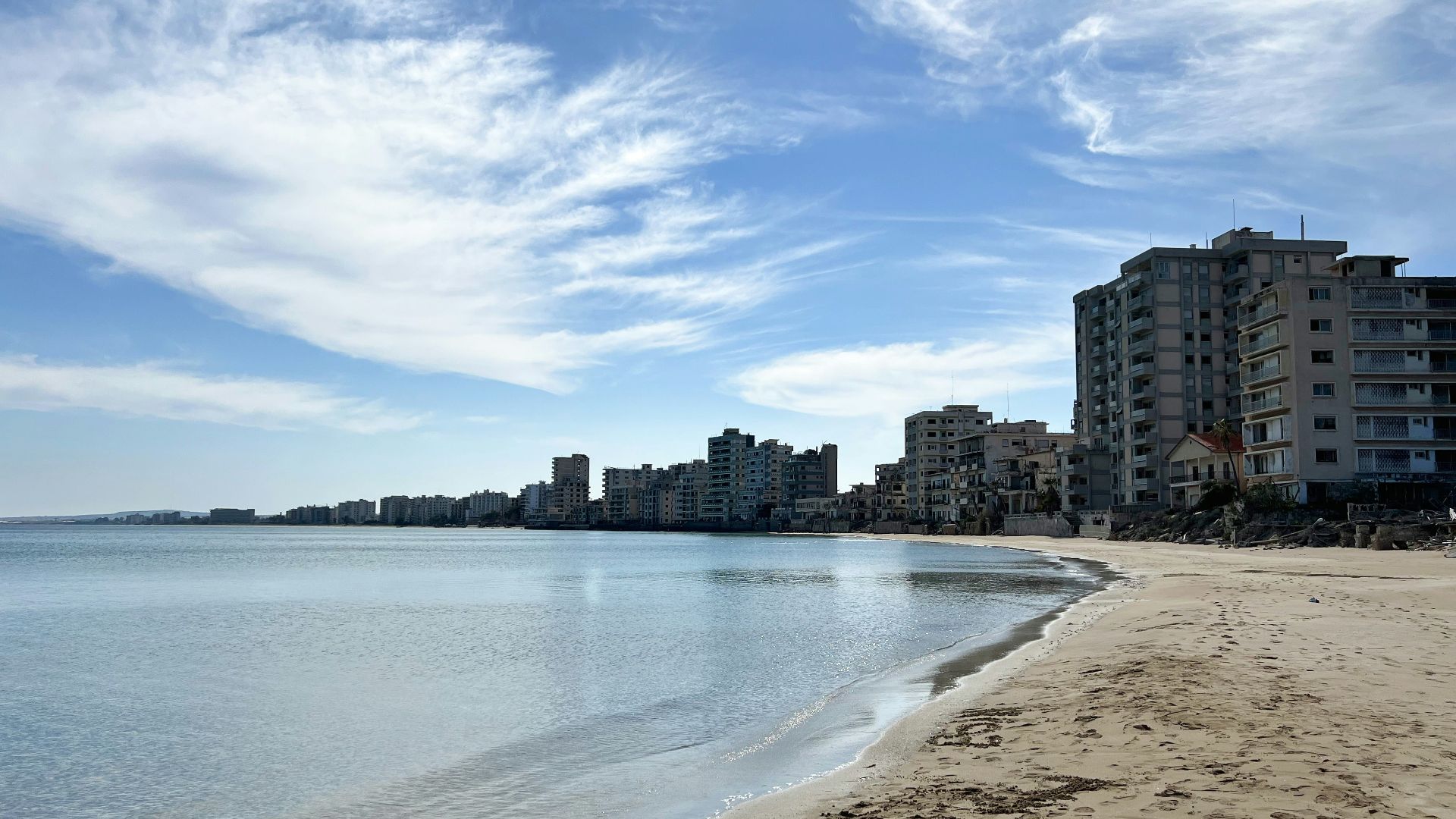
5. Varosha
One version treats Varosha, near Famagusta in Northern Cyprus, as a sealed-off resort frozen after 1974, a symbol of what Cyprus lost. The other treats it as leverage in the Cyprus dispute, tied to claims by displaced Greek Cypriot owners, Turkey and the Turkish Republic of Northern Cyprus, and arguments over reopening and resettlement.
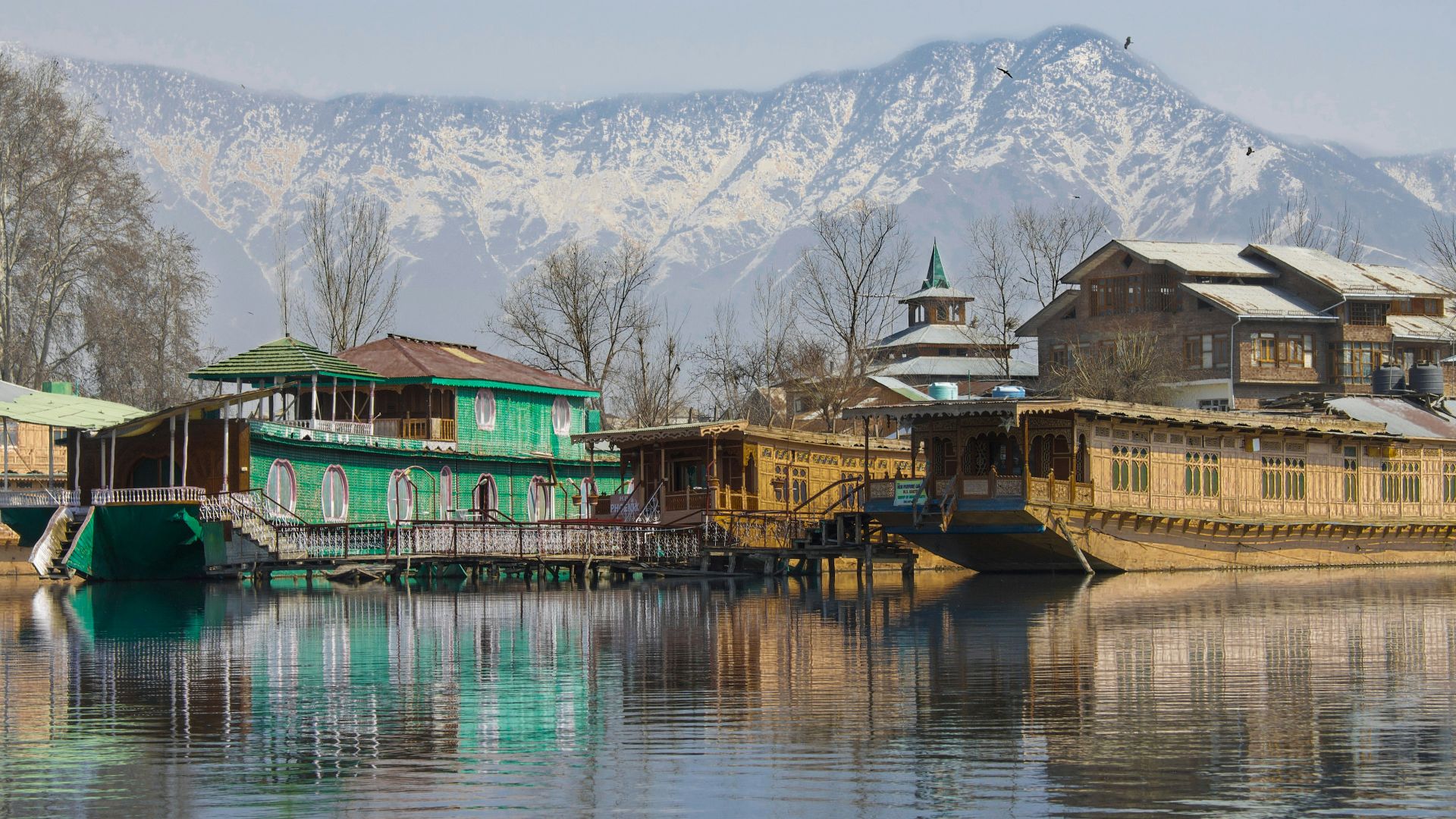
6. Kashmir
One version, common in India, frames Jammu and Kashmir as an integral Indian territory whose status was settled by accession in 1947, with heavy security justified by militancy and cross-border attacks. The other version emphasizes partition-era promises and the India–Pakistan dispute, plus the lived reality of militarization and restrictions that shape daily life in the Kashmir Valley.
7. Crimea
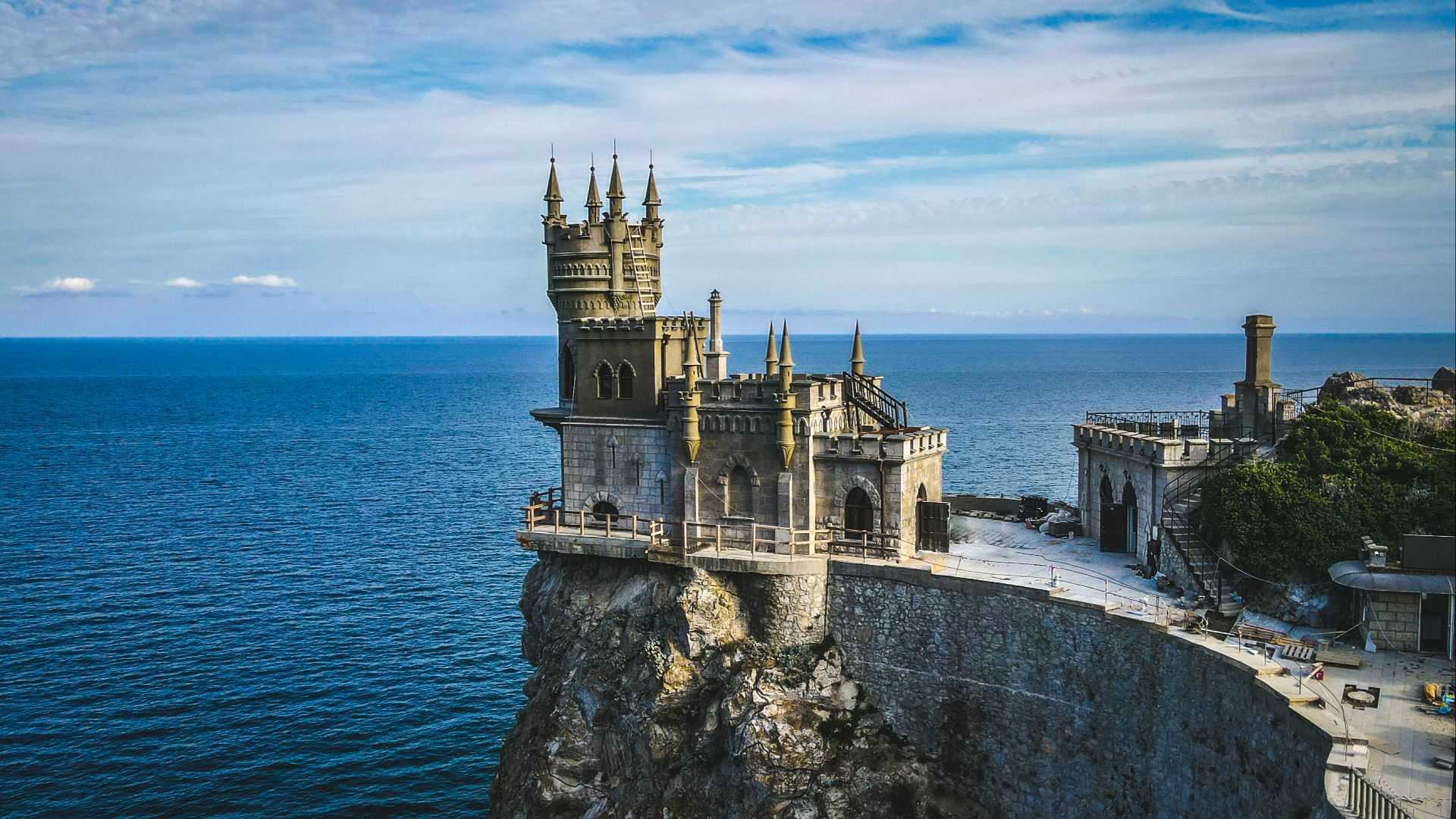
One version, promoted by Russia, describes 2014 as reunification with Russia after a referendum and as correction of a historical mistake. The other version, held by Ukraine and most Western governments, describes it as an illegal annexation carried out under military pressure, with lasting consequences for borders, residents, and rights.
8. Hong Kong
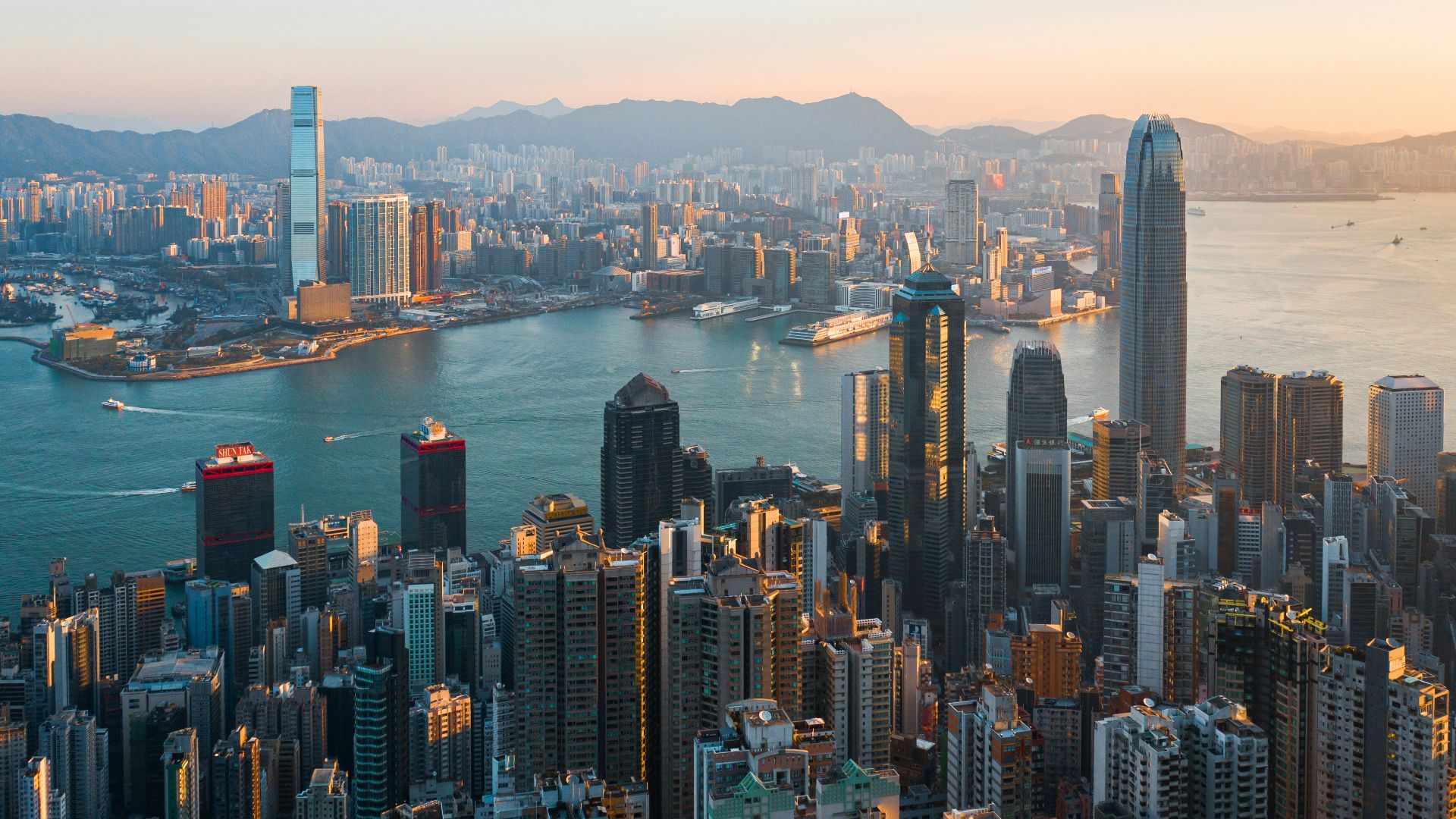
One version, promoted by China’s central government, frames 1997 as the end of British rule and Hong Kong’s return to Chinese sovereignty, with the National Security Law presented as restoring order after 2019. The other version points to the Sino-British Joint Declaration and the Basic Law promises, then treats 2019–2020 as the turning point when civil liberties, protest rights, and political competition were sharply narrowed.
9. Taiwan
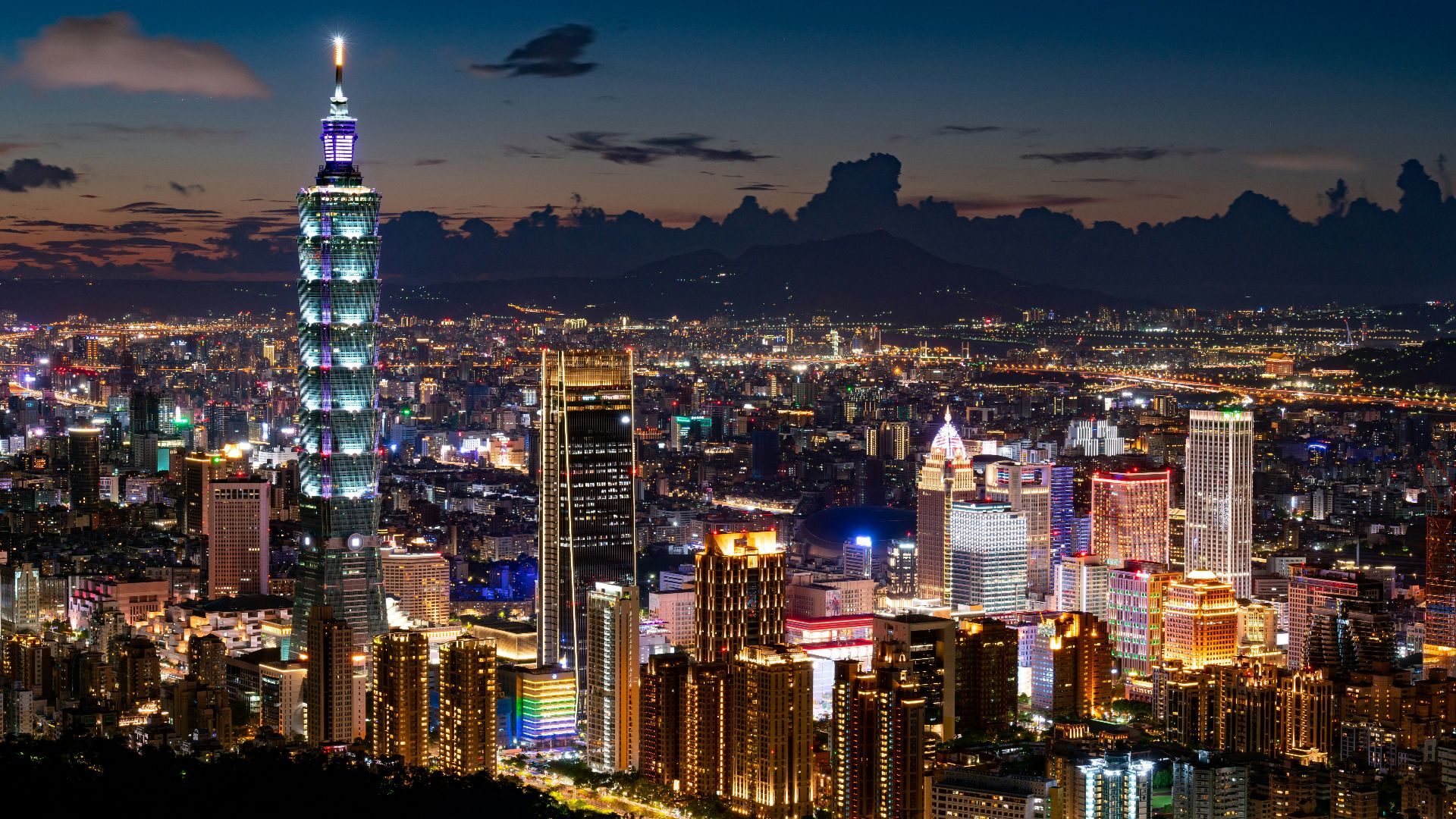
One version, promoted by the People’s Republic of China, treats Taiwan as part of China and reunification as unfinished business after the Chinese Civil War ended in 1949. The other version centers Taiwan’s separate political evolution under the Republic of China on Taiwan, especially democratization after martial law ended in 1987, and frames the question as self-determination backed by elections.
10. Sarajevo
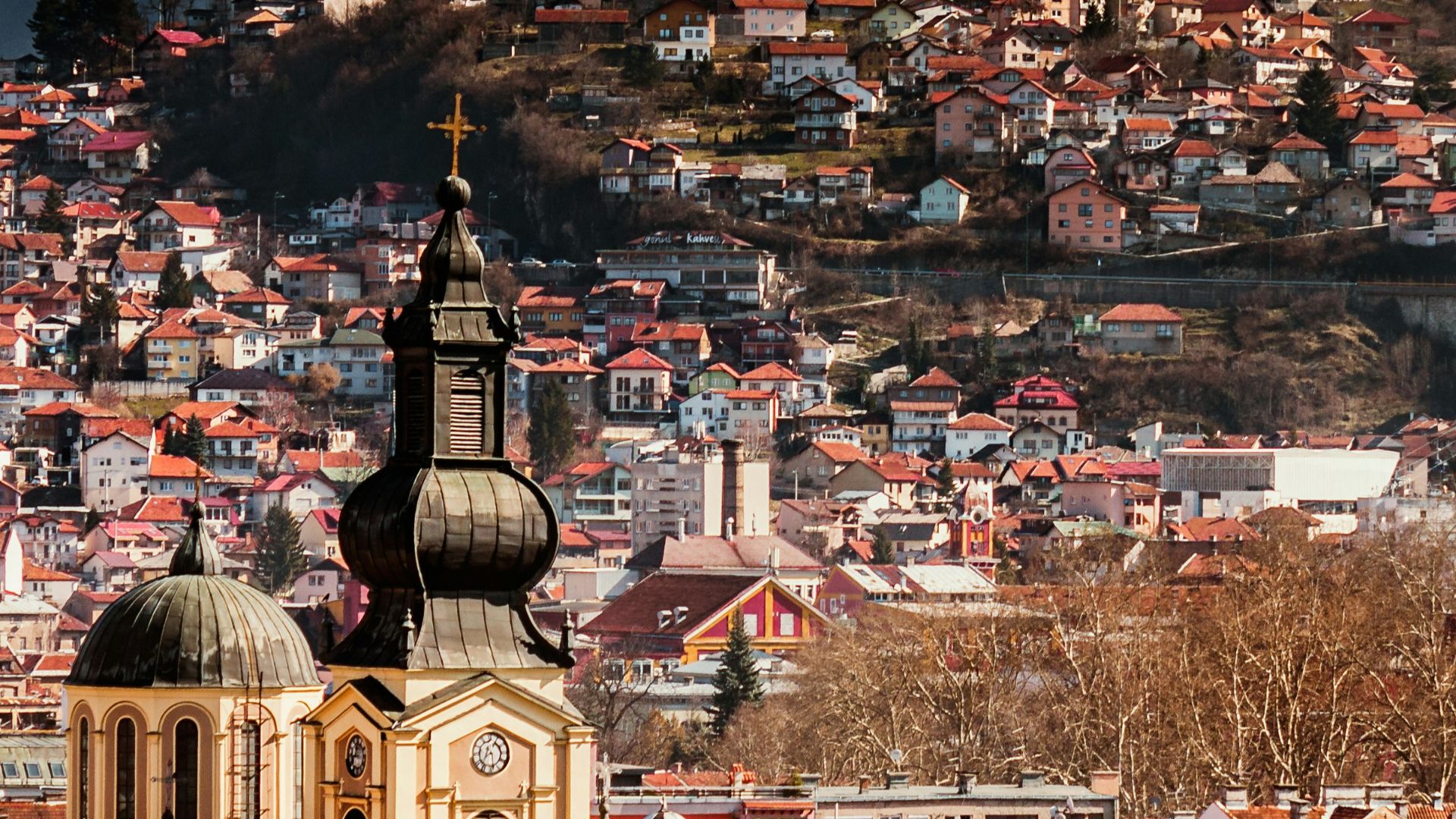
One version tells Bosnia and Herzegovina’s war through the Siege of Sarajevo, emphasizing a multiethnic city attacked and starved, with civilians living under snipers and shelling from 1992 to 1996. Another version shifts blame and labels depending on whether the speaker is Bosniak, Serb, or Croat, and whether the war is framed as aggression, civil war, or competing national projects.
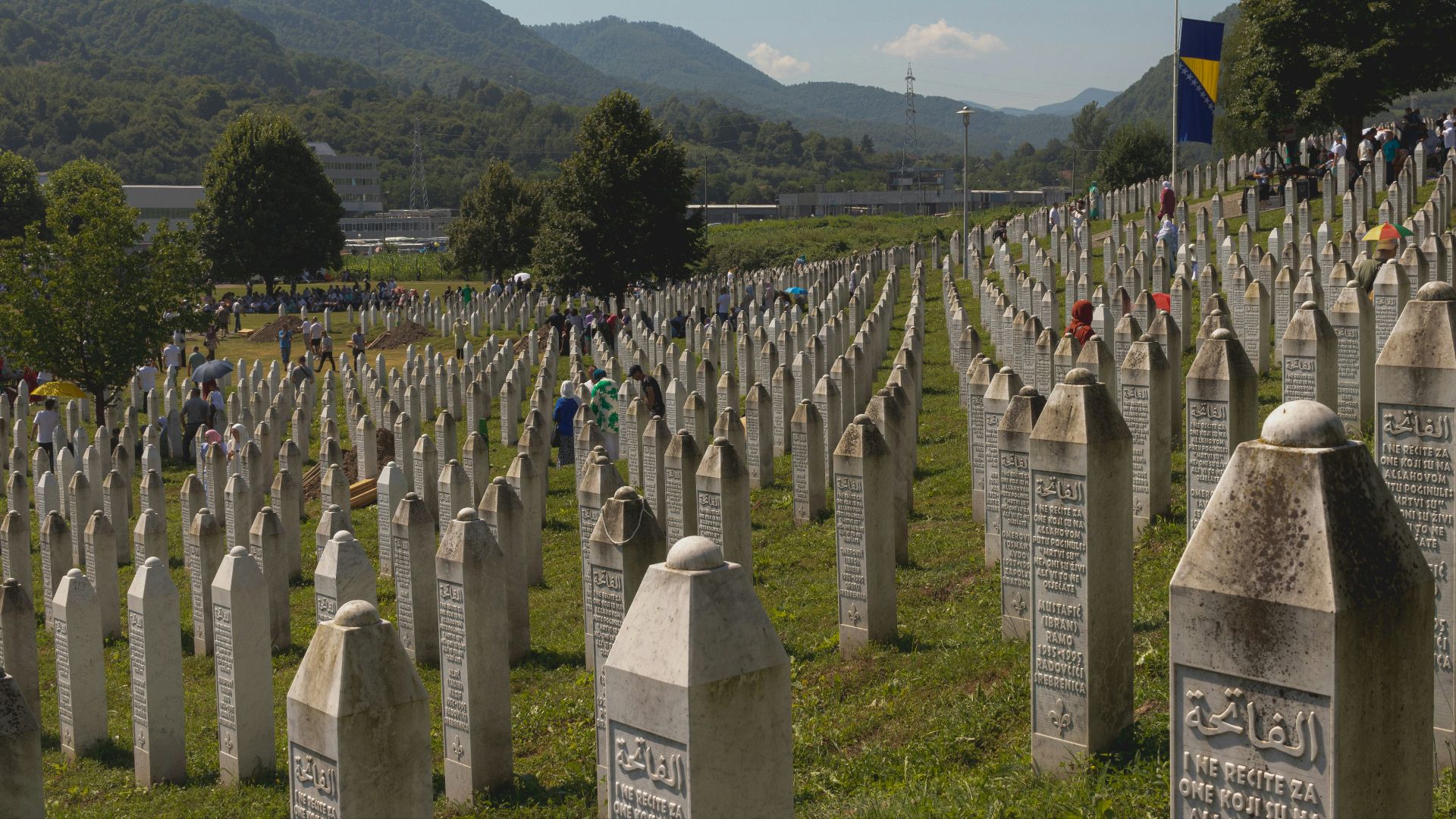
11. Srebrenica
One version, backed by international court findings and many survivor accounts, calls the July 1995 killing of more than 8,000 Bosniak men and boys by Bosnian Serb forces genocide, and highlights the failure of the UN safe area. Another version disputes the genocide label, argues over numbers and intent, or redirects attention to other crimes to weaken what Srebrenica implies about responsibility.
12. Kigali
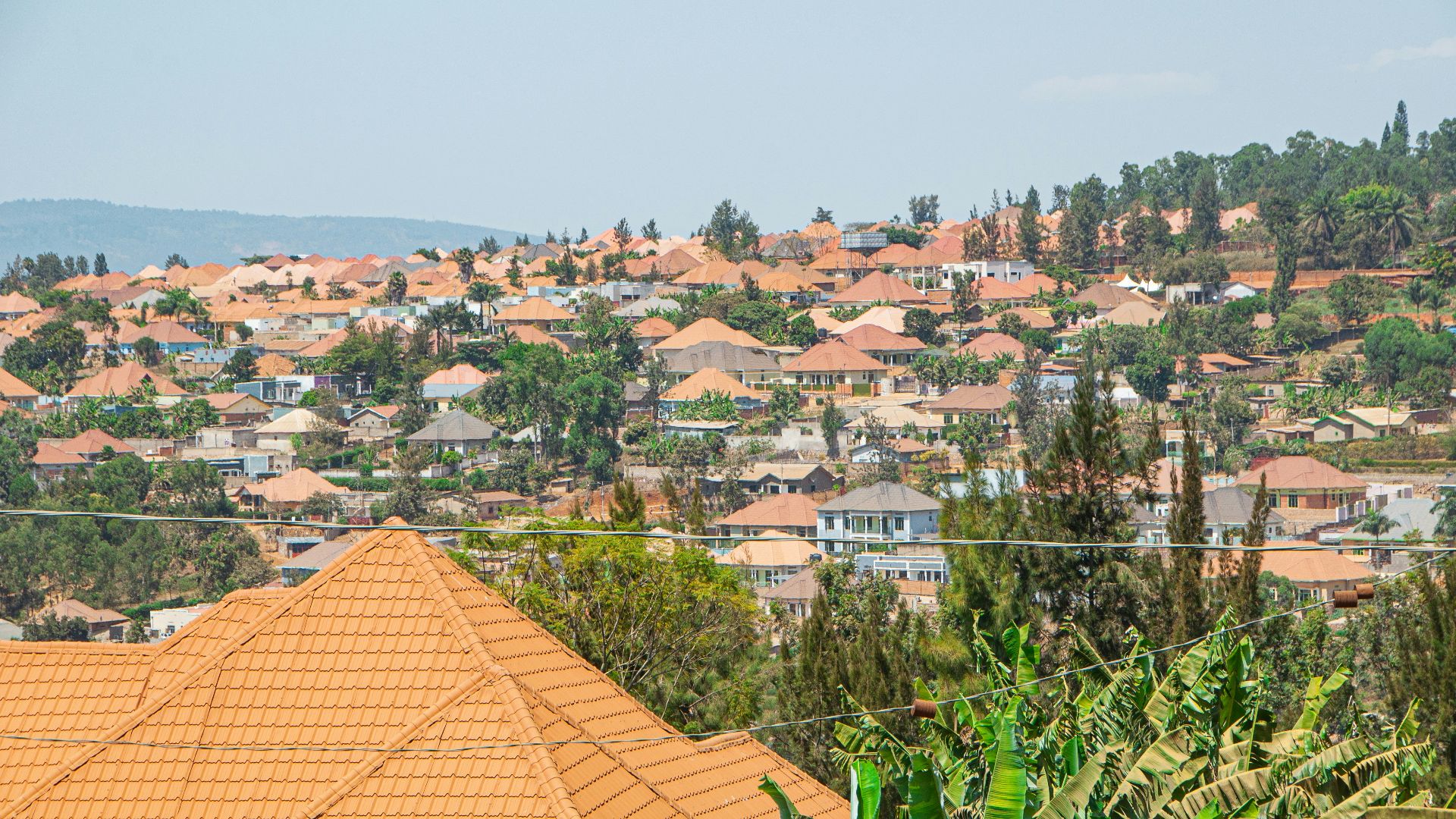
One version, promoted by Rwanda’s post-1994 government, emphasizes national unity after the genocide against the Tutsi and presents tight social control as necessary to prevent repeat violence. The other version argues that the official narrative is tightly managed, with limited room to discuss RPF abuses during the civil war or to challenge how memory and mourning are publicly organized.
13. Nanjing
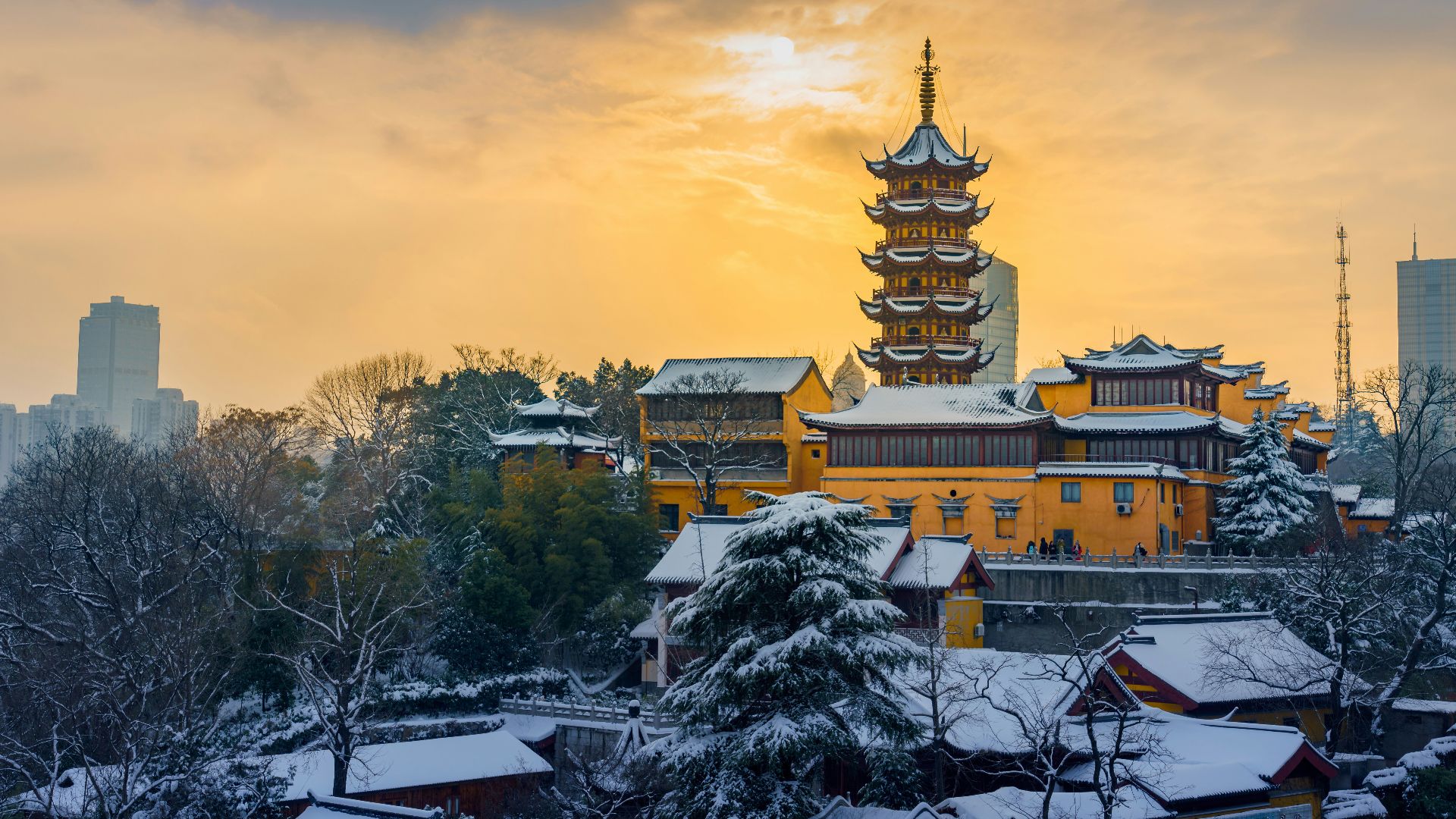
One version, central in China, treats the 1937 Nanjing Massacre as a defining national trauma caused by the Imperial Japanese Army, taught and commemorated as mass killing and sexual violence. Another version, present in parts of Japanese politics, minimizes scale, disputes casualty figures, or emphasizes battlefield context, and those differences show up in textbooks, museums, and diplomatic disputes.
14. Tokyo’s Yasukuni Shrine
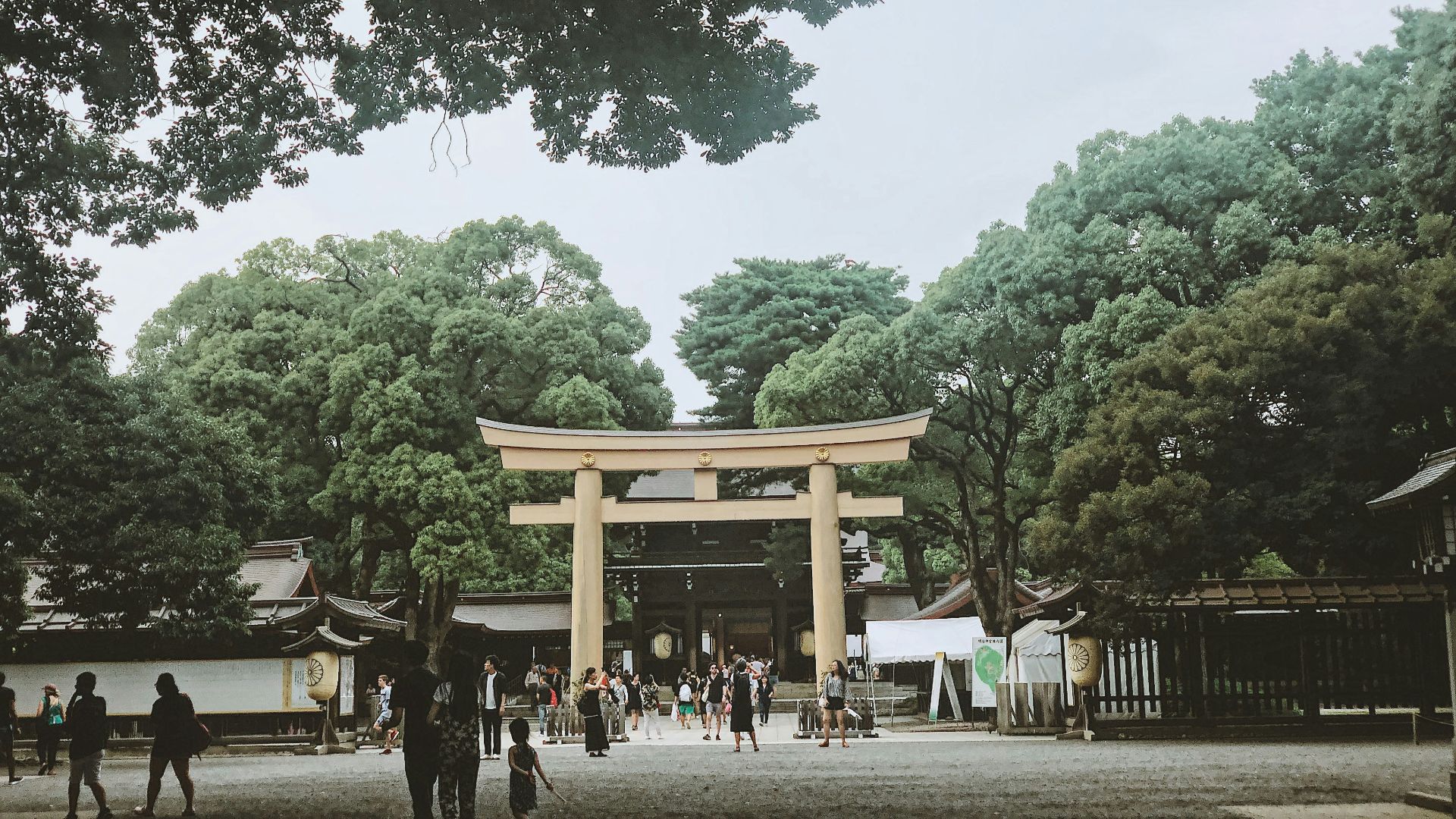
One version in Japan frames Yasukuni as a place to honor the war dead, with official visits described as mourning rather than politics. The other version, common in China and South Korea, points to the 1978 enshrinement of convicted Class A war criminals and treats high-profile visits as signaling approval of Japan’s imperial-era wars.
15. Hiroshima
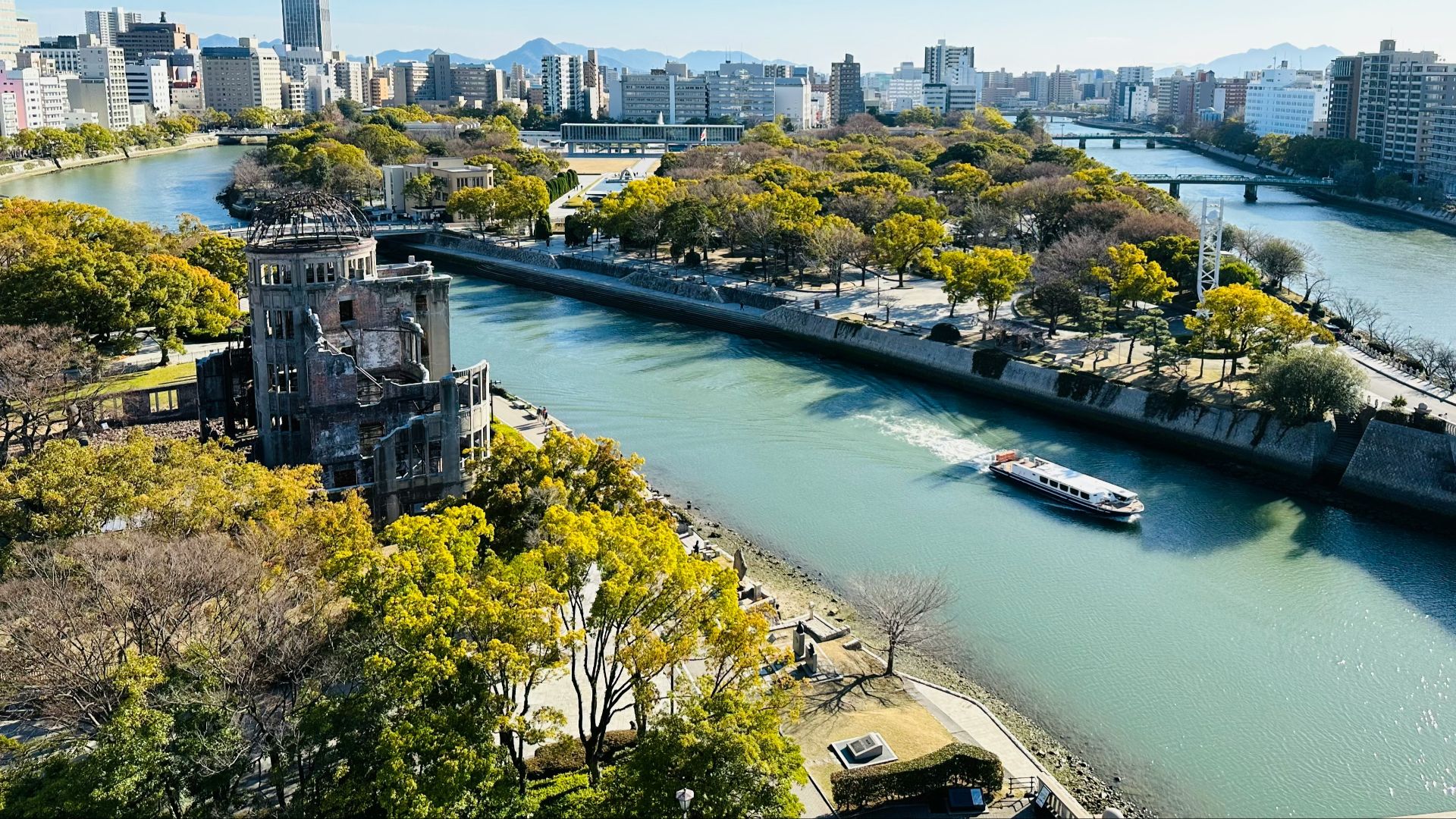
One version, common in U.S. wartime narratives, frames the August 6, 1945 atomic bombing as a brutal necessity to end World War II and avoid an invasion of Japan. Another version centers civilian death and radiation suffering and argues the bombing set a moral and strategic precedent that cannot be justified by predicted casualties alone.
16. Ayodhya
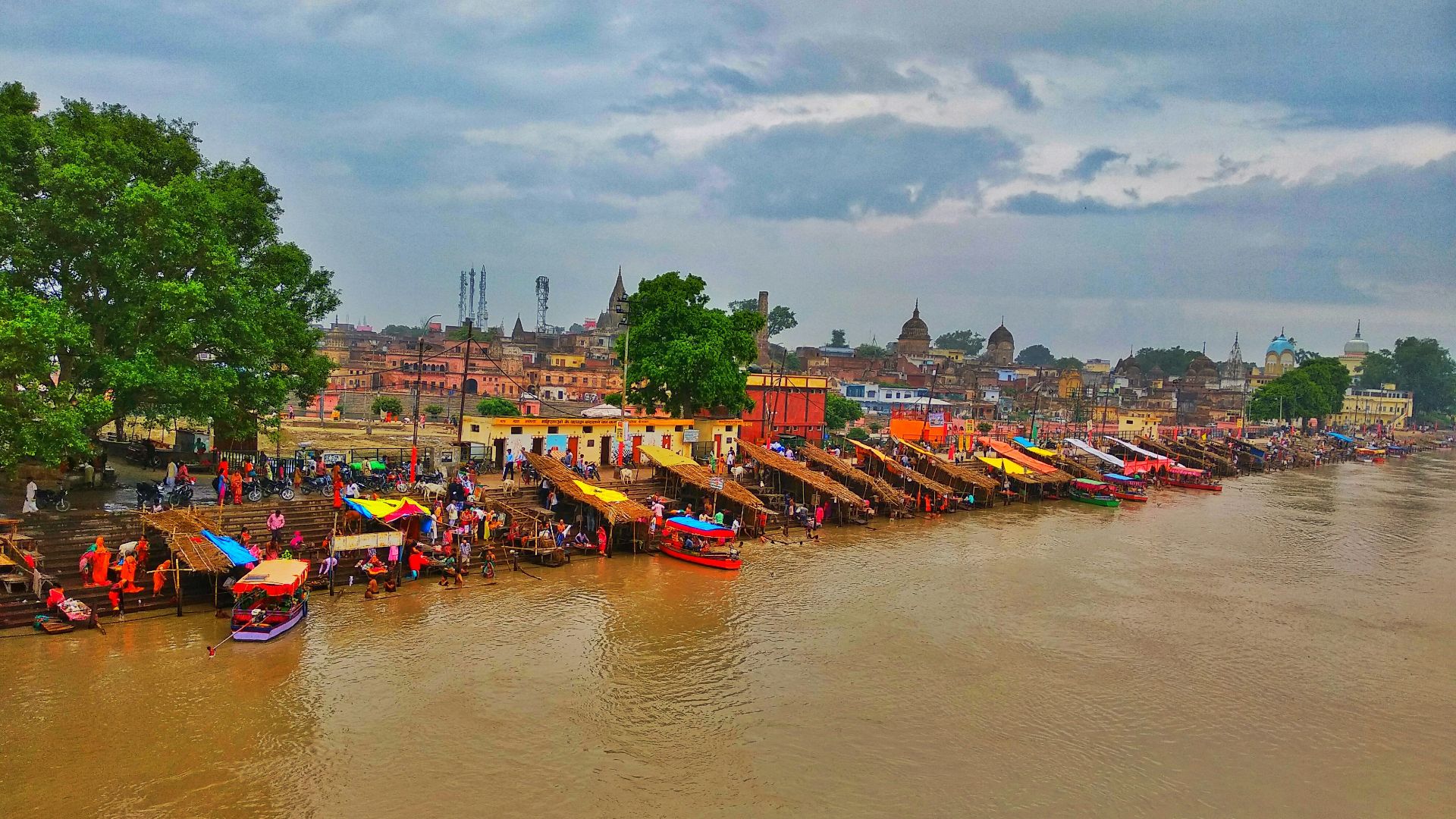
One version, prominent in Hindu nationalist accounts in India, treats the Ram Janmabhoomi claim as a long-denied truth finally recognized, culminating in the Ram Mandir after court and political victories. The other version centers the 1992 demolition of the Babri Masjid, the nationwide violence that followed, and the fear that modern India’s secular framework was weakened by majoritarian mobilization.
17. Nagorno-Karabakh
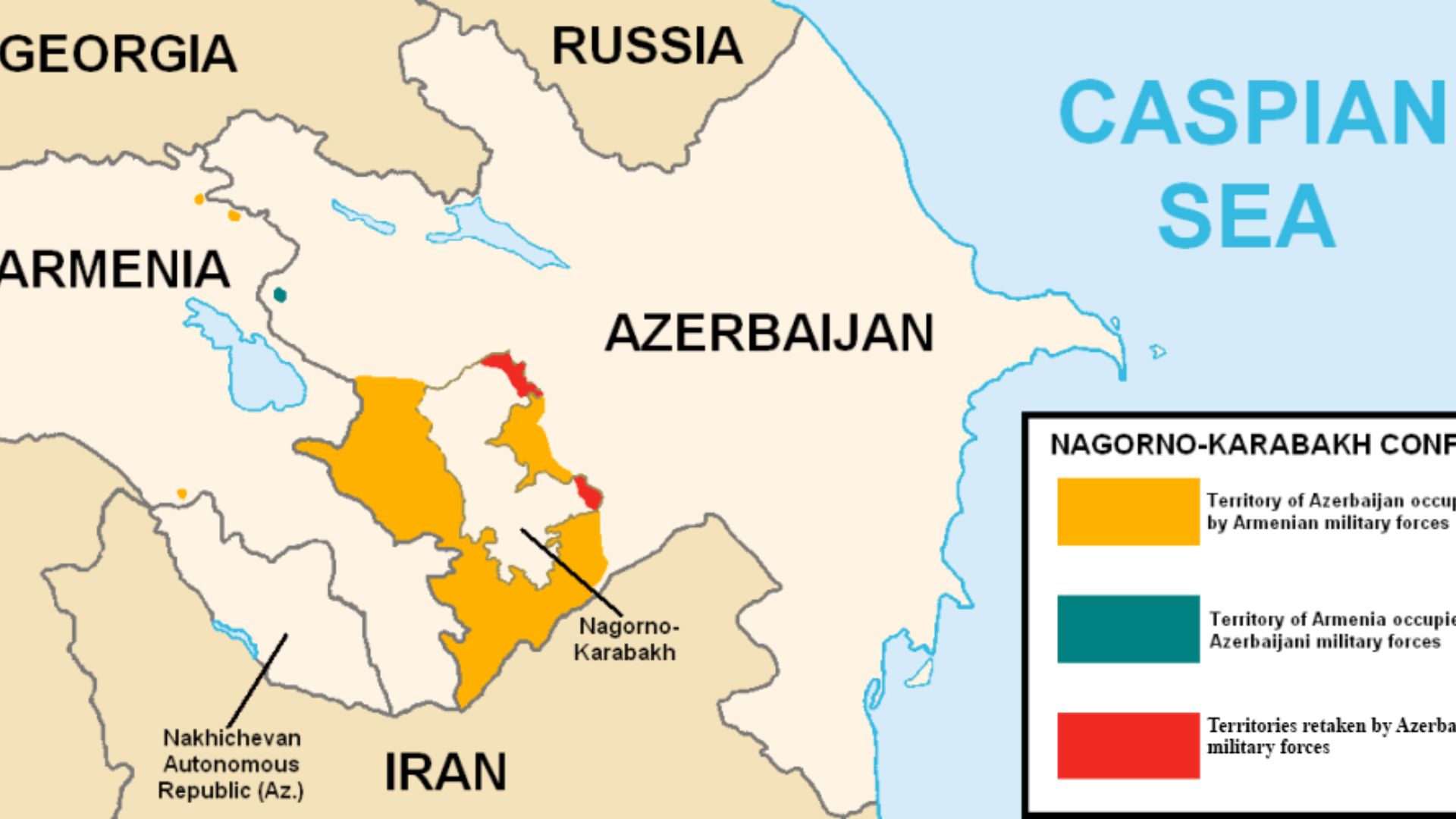
One version, emphasized by Azerbaijan, frames Nagorno-Karabakh as internationally recognized Azerbaijani territory, with 2020 and 2023 presented as restoring sovereignty and enabling displaced Azerbaijanis to return. The other version, emphasized by Armenians, frames Artsakh as an Armenian homeland and reads 2023 through the mass flight of ethnic Armenians, loss of security, and the end of a self-governing project.
18. District Six
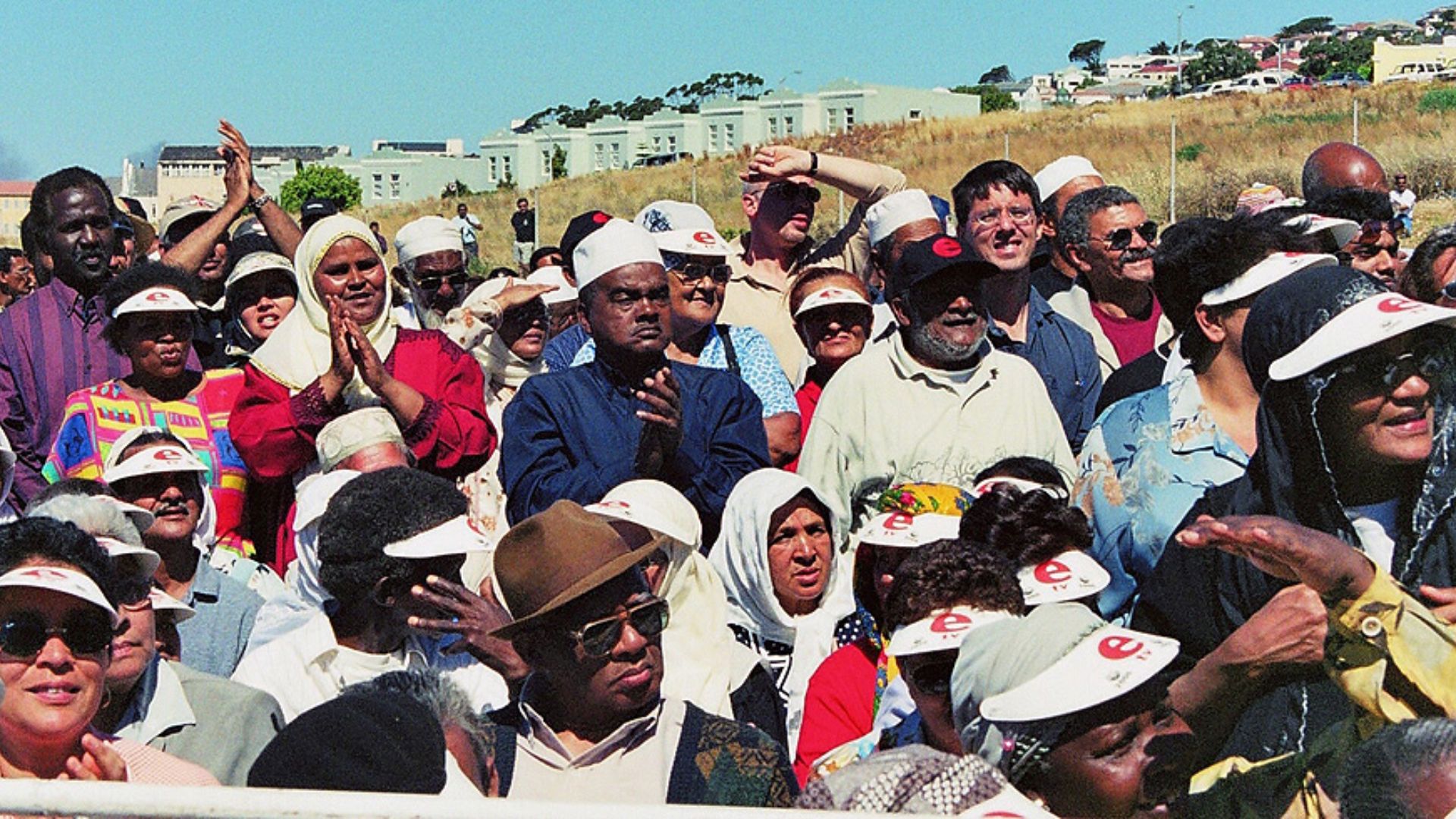
One version of Cape Town’s story highlights urban renewal and a city moving forward after apartheid. The other version centers District Six as a case of forced removals under South Africa’s apartheid regime, where families were expelled, homes demolished, and the empty land became a long-running argument about restitution and memory.
 Henry M. Trotter at English Wikipedia on Wikimedia
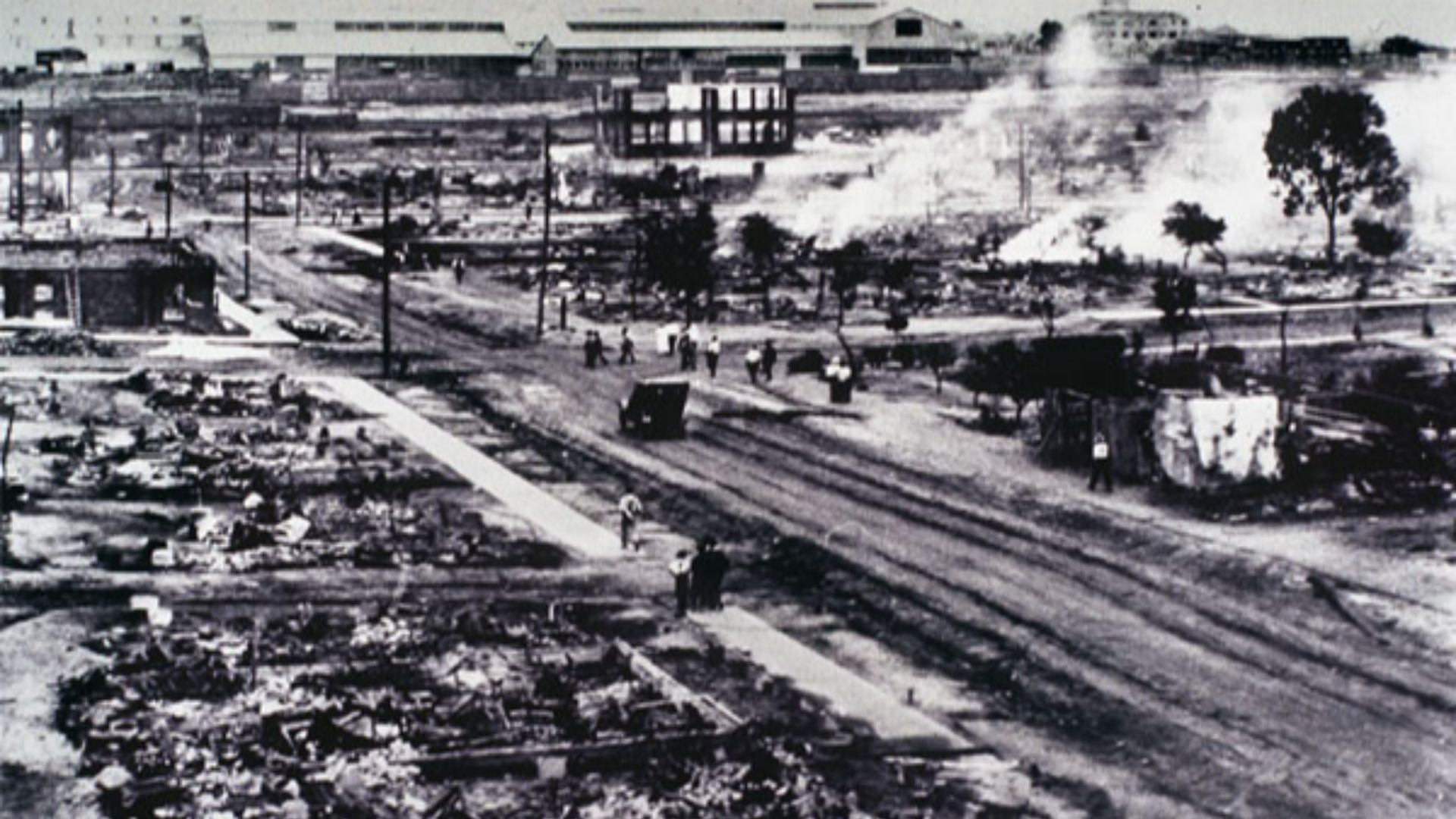
19. Tulsa
One version, long common in local U.S. narratives, reduced 1921 to a riot and treated it as an uncomfortable footnote. The other version names it as the Tulsa Race Massacre, emphasizing the destruction of Black Wall Street in Greenwood, the role of local authorities, and the ongoing fights over records, reparations, and public acknowledgment.
 Unknown authorUnknown author on Wikimedia
20. Canada’s Residential Schools
One version frames the schools as a misguided assimilation policy that belongs to the past, often softened into bureaucratic language. The other version, shaped by survivor testimony and the Truth and Reconciliation Commission of Canada, describes a deliberate system that separated Indigenous children from families and culture, with lasting harms that still shape communities today.
 Unknown authorUnknown author on Wikimedia