Experiencing Wildlife Without the Busy Tourist Trails
Many well-known wildlife destinations attract large numbers of visitors, which can sometimes make the experience feel crowded. Fortunately, there are many places around the world where wildlife thrives, but tourism remains relatively low. These locations offer the opportunity to observe animals in natural environments while enjoying quieter surroundings. Visiting lesser-known wildlife areas can also support conservation efforts in regions that receive less attention than major parks. Here are 20 wildlife spots without the heavy crowds.

1. Katavi National Park, Tanzania
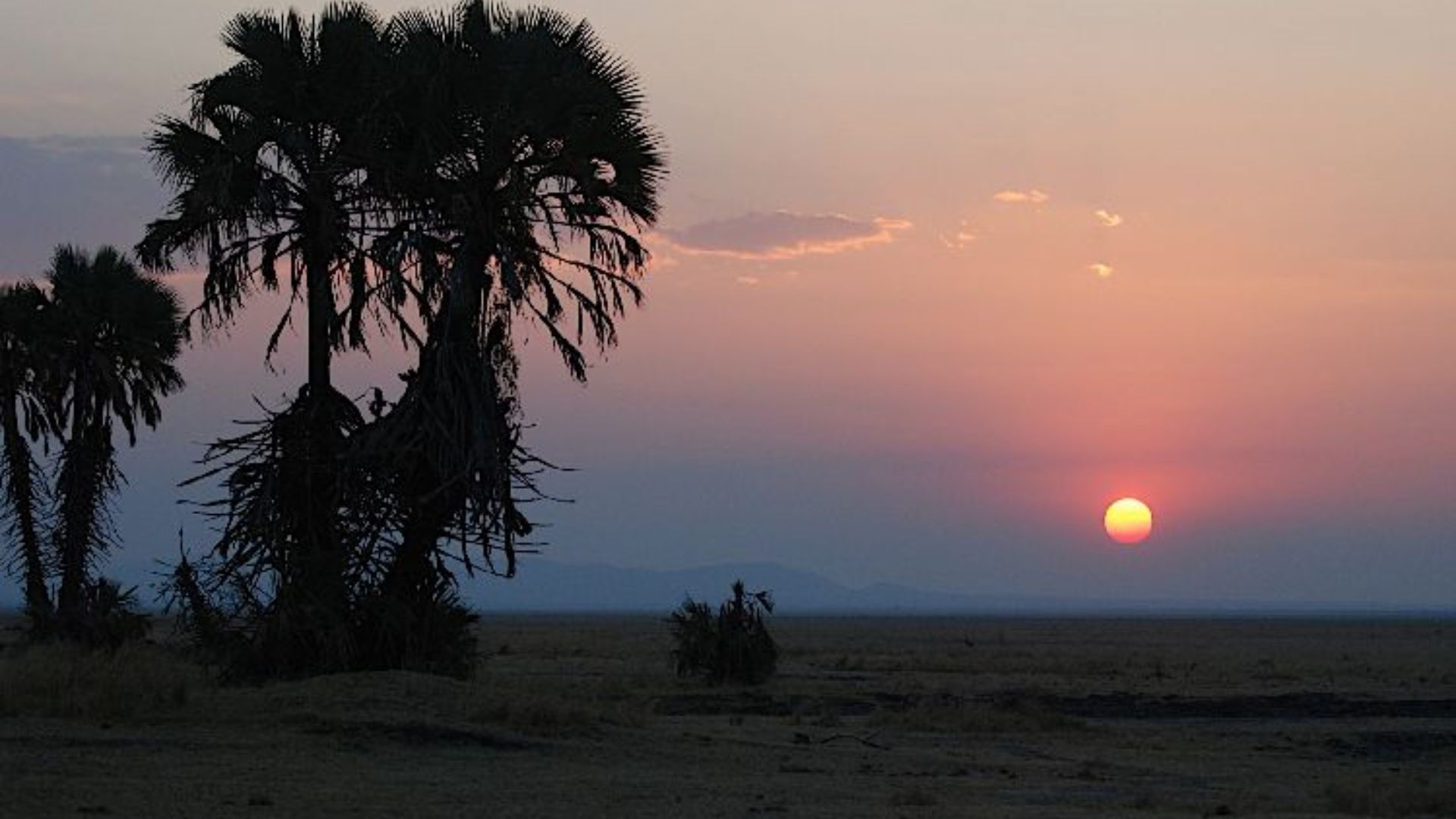
Katavi National Park is one of Tanzania’s most remote wildlife reserves. It supports large populations of buffalo, elephants, crocodiles, and hippos, particularly during the dry season when animals gather around shrinking water sources.
2. Pantanal, Brazil
The Pantanal is the world’s largest tropical wetland and one of the best places to see wildlife in South America. It is especially popular for its relatively high chances of spotting jaguars along riverbanks.

3. Wrangell–St. Elias National Park, Alaska
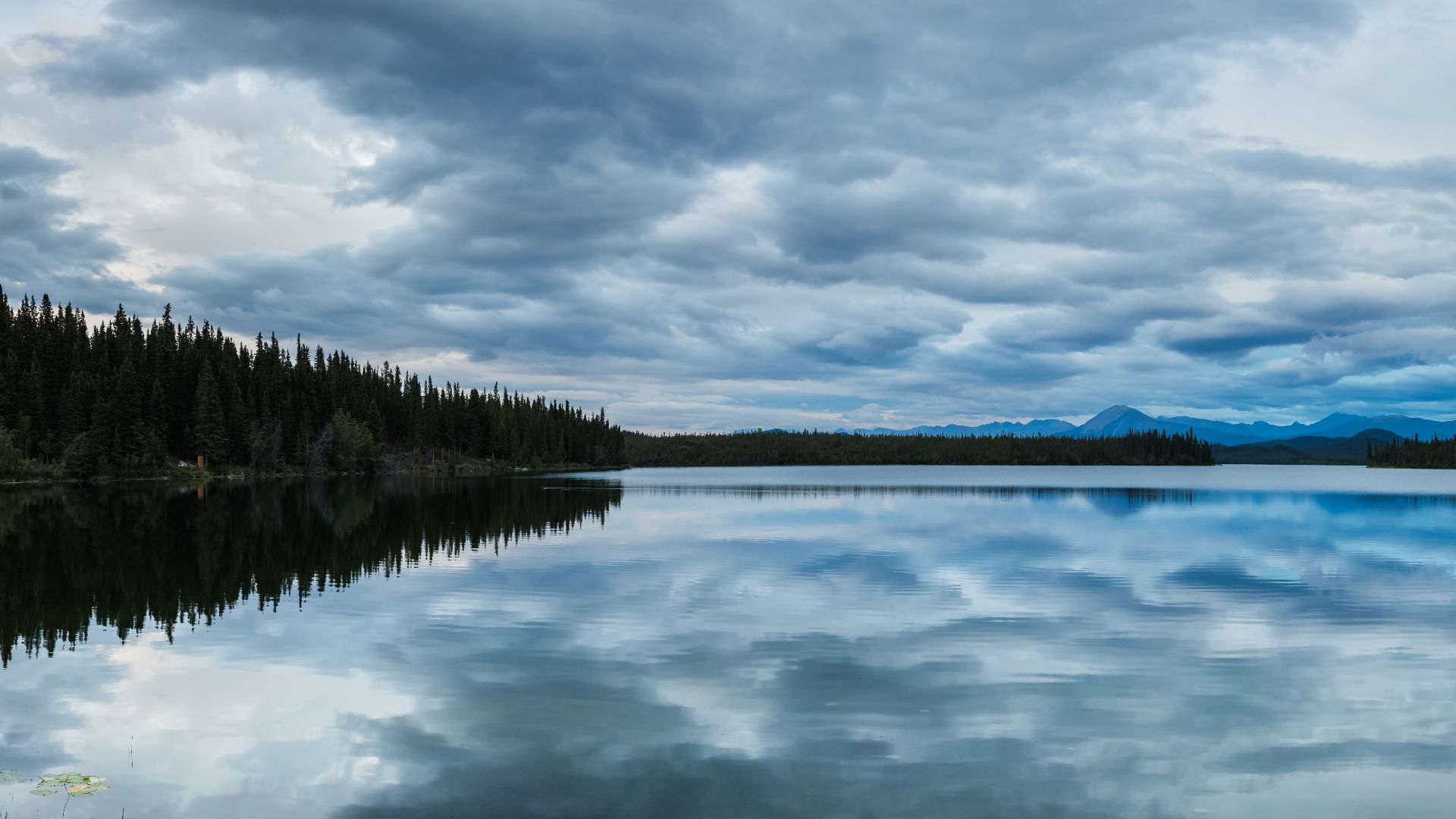
Wrangell–St. Elias is the largest national park in the United States. Its vast wilderness includes glaciers, mountains, and forests that support bears, moose, wolves, and Dall sheep. The park’s size and remote access mean that most areas see very few visitors.
4. Danube Delta, Romania
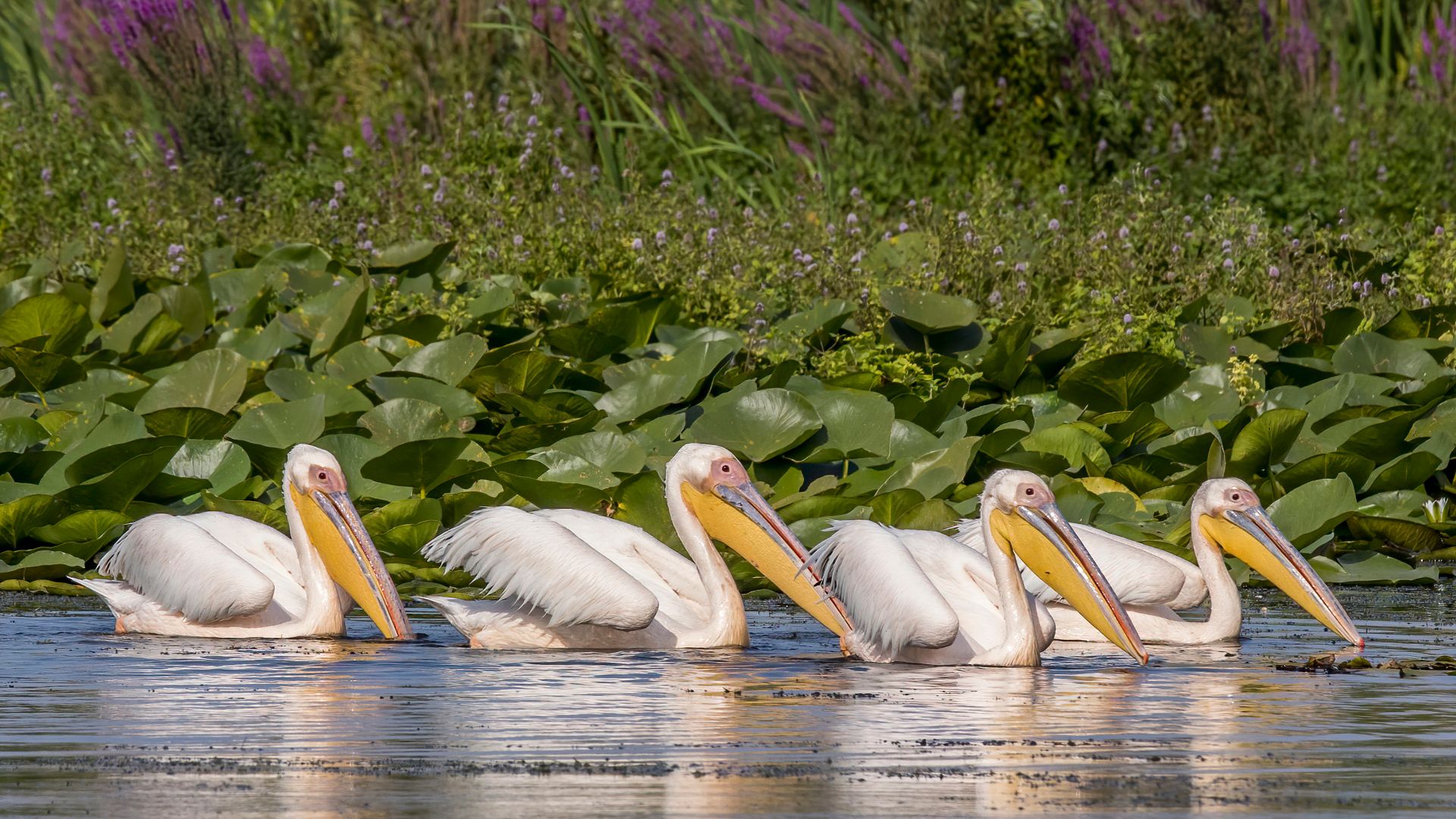
The Danube Delta is one of Europe’s most important wetlands and a UNESCO World Heritage Site. It supports more than 300 bird species, including pelicans, herons, and cormorants.
5. Kangaroo Island, Australia
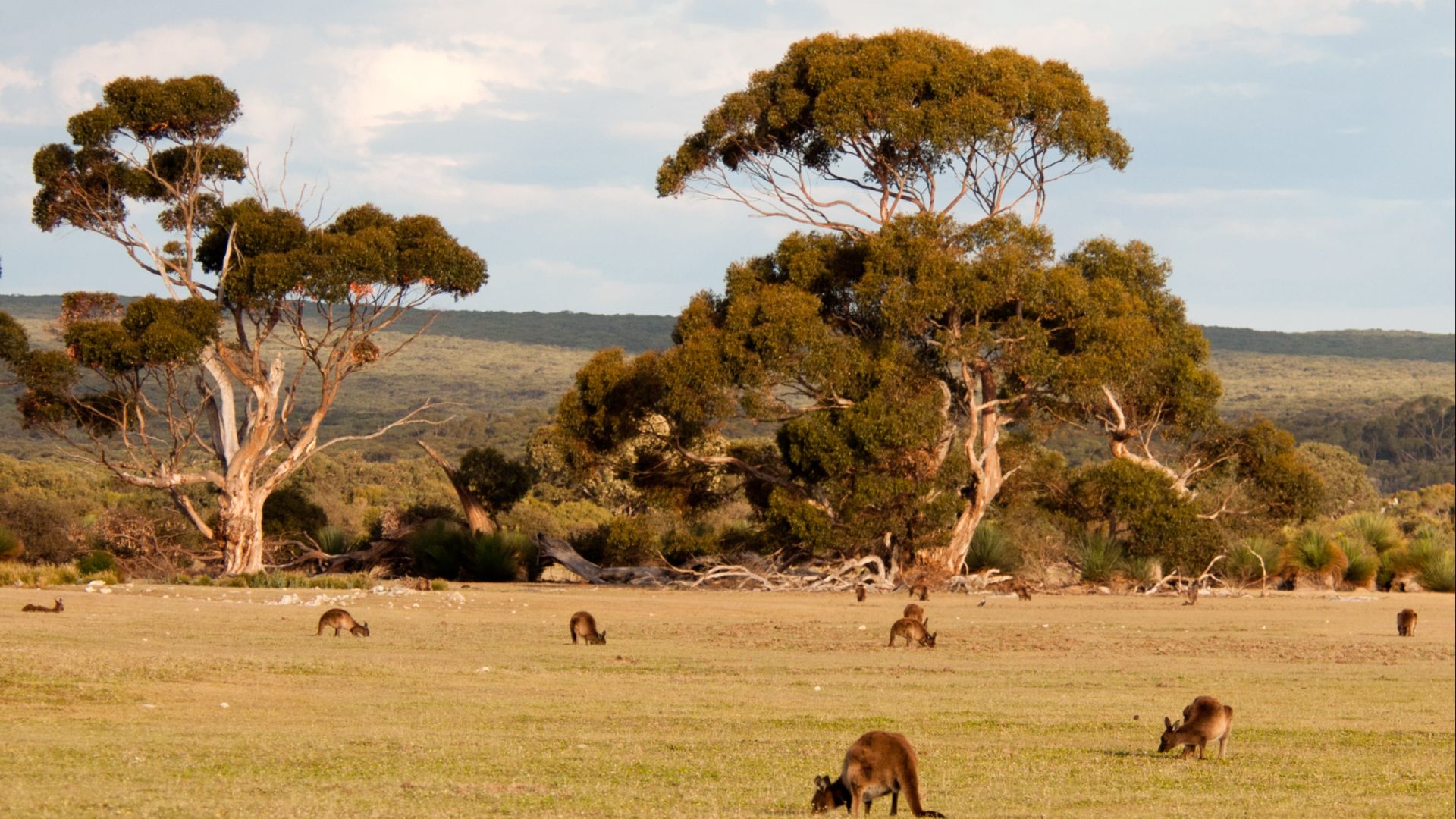
Located off the coast of South Australia, Kangaroo Island supports a wide range of native wildlife. Visitors can often see kangaroos, koalas, echidnas, sea lions, and diverse birdlife.
 Paul Asman and Jill Lenoble on Wikimedia
6. Kgalagadi Transfrontier Park, South Africa and Botswana
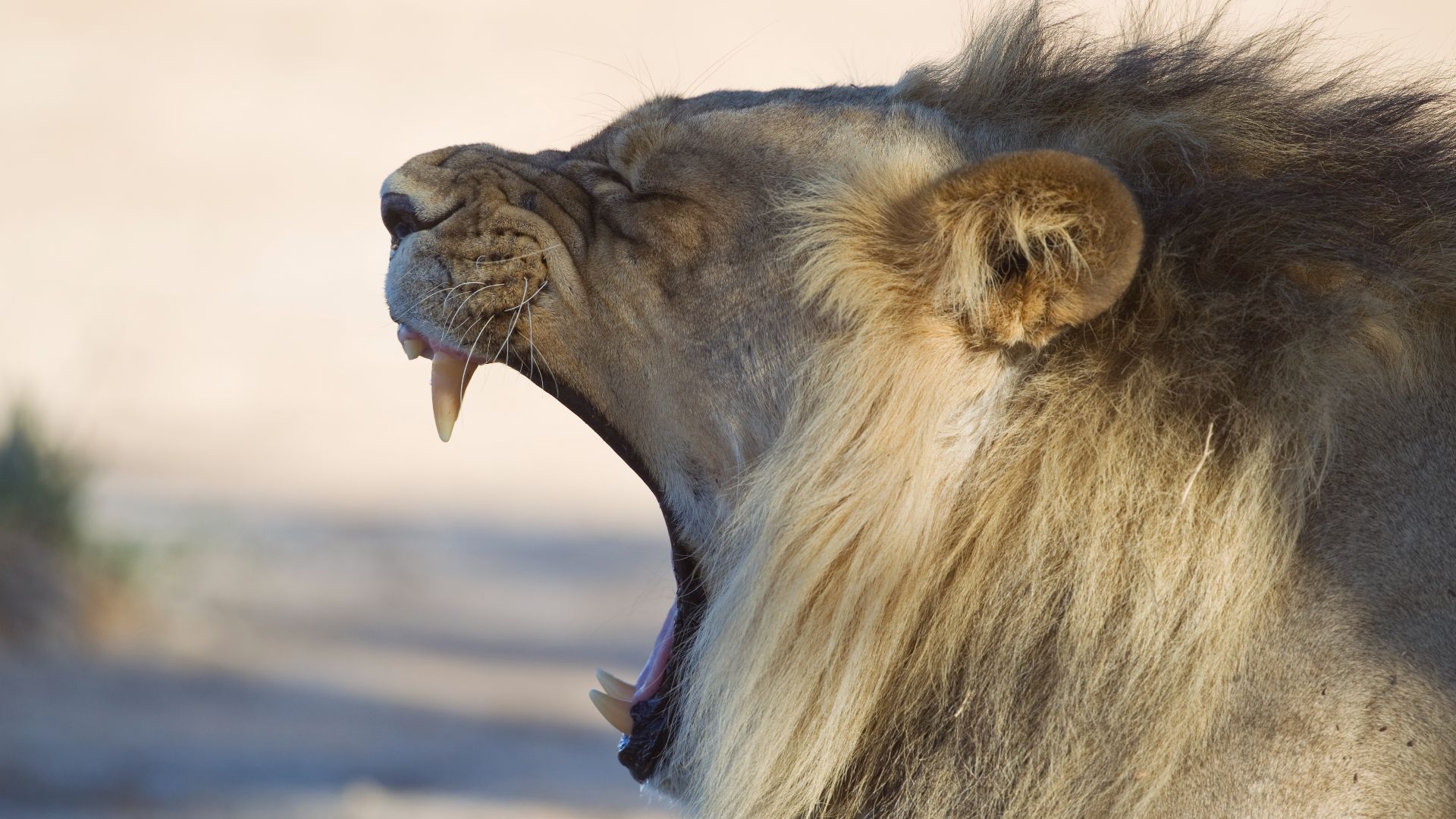
Kgalagadi Transfrontier Park spans parts of South Africa and Botswana and protects large areas of the desert ecosystem. The park is known for its black-maned Kalahari lions, cheetahs, and large herds of antelope. Because it is more remote than many southern African safari destinations, visitor numbers are relatively low. This makes wildlife viewing quieter and more relaxed.
 Yathin S Krishnappa on Wikimedia
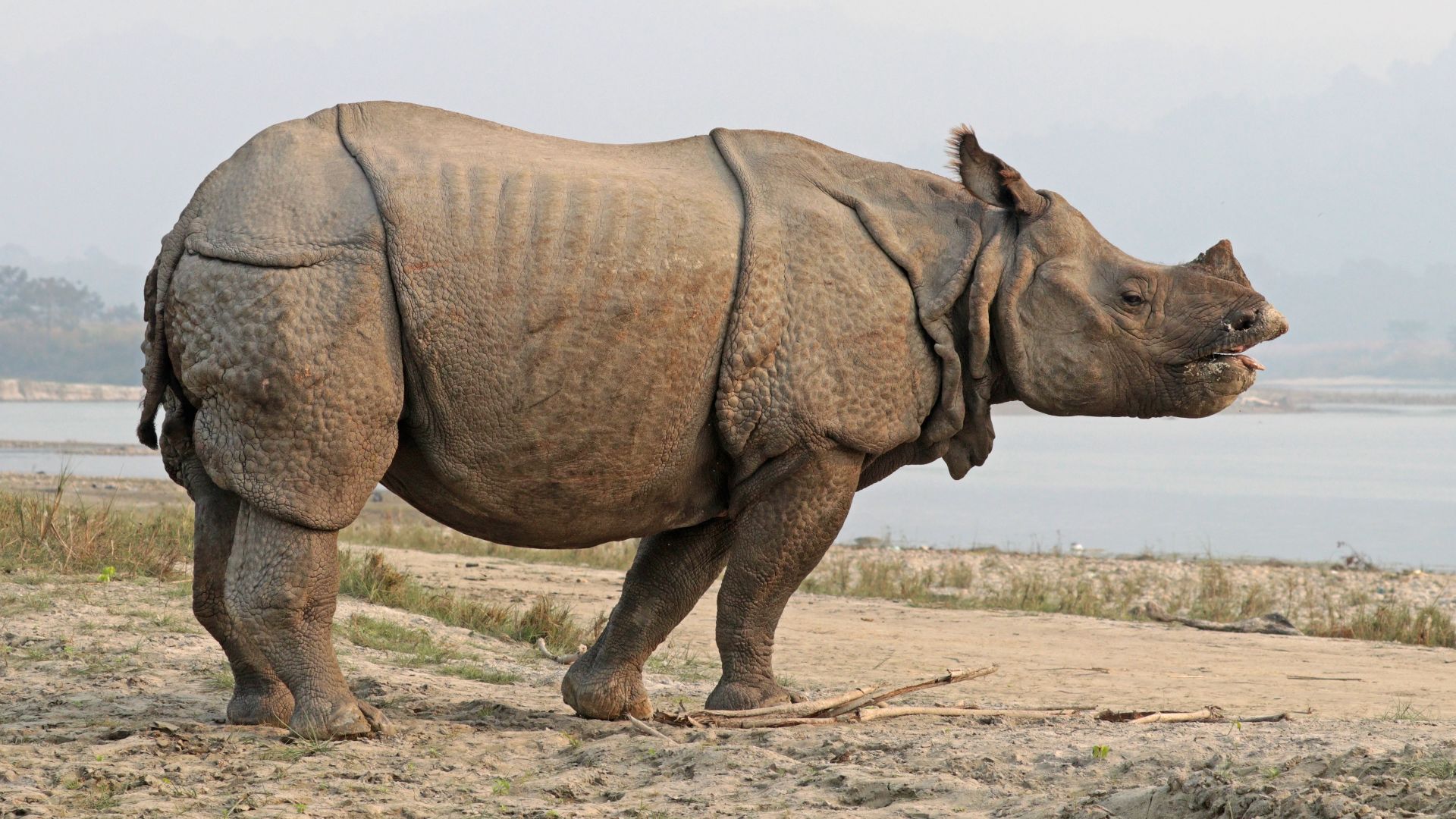
7. Chitwan’s Buffer Zone, Nepal
Chitwan National Park is a well-known wildlife destination, but many travelers overlook its surrounding buffer zone areas. These regions provide habitat for rhinos, deer, birds, and occasionally Bengal tigers. Community-managed forests and wetlands support both conservation and sustainable tourism.
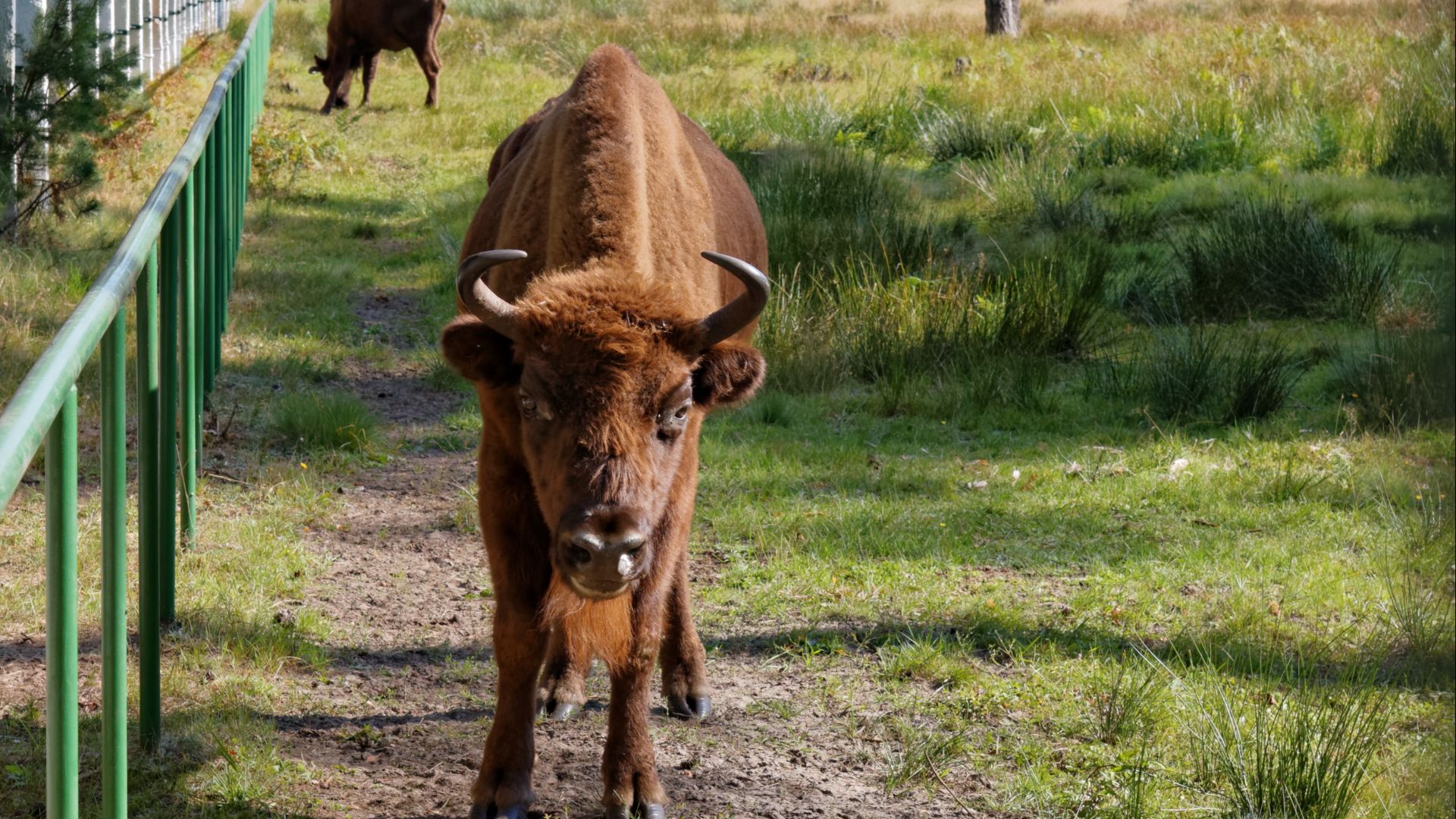
8. Białowieża Forest, Poland and Belarus
Białowieża Forest is one of Europe’s last remaining primeval forests. It is best known for its population of European bison, the continent’s largest land mammal.
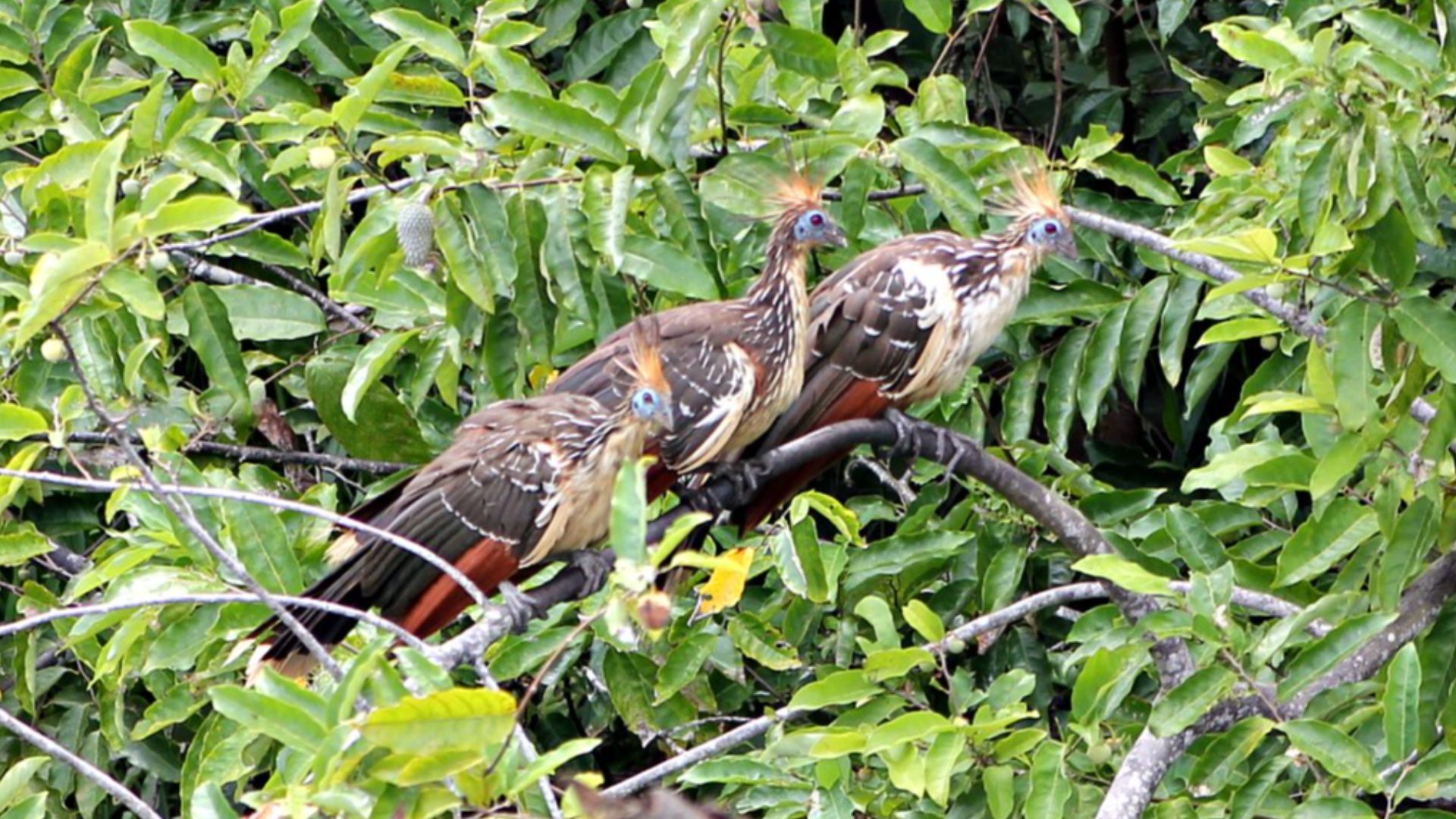
9. Manu National Park, Peru
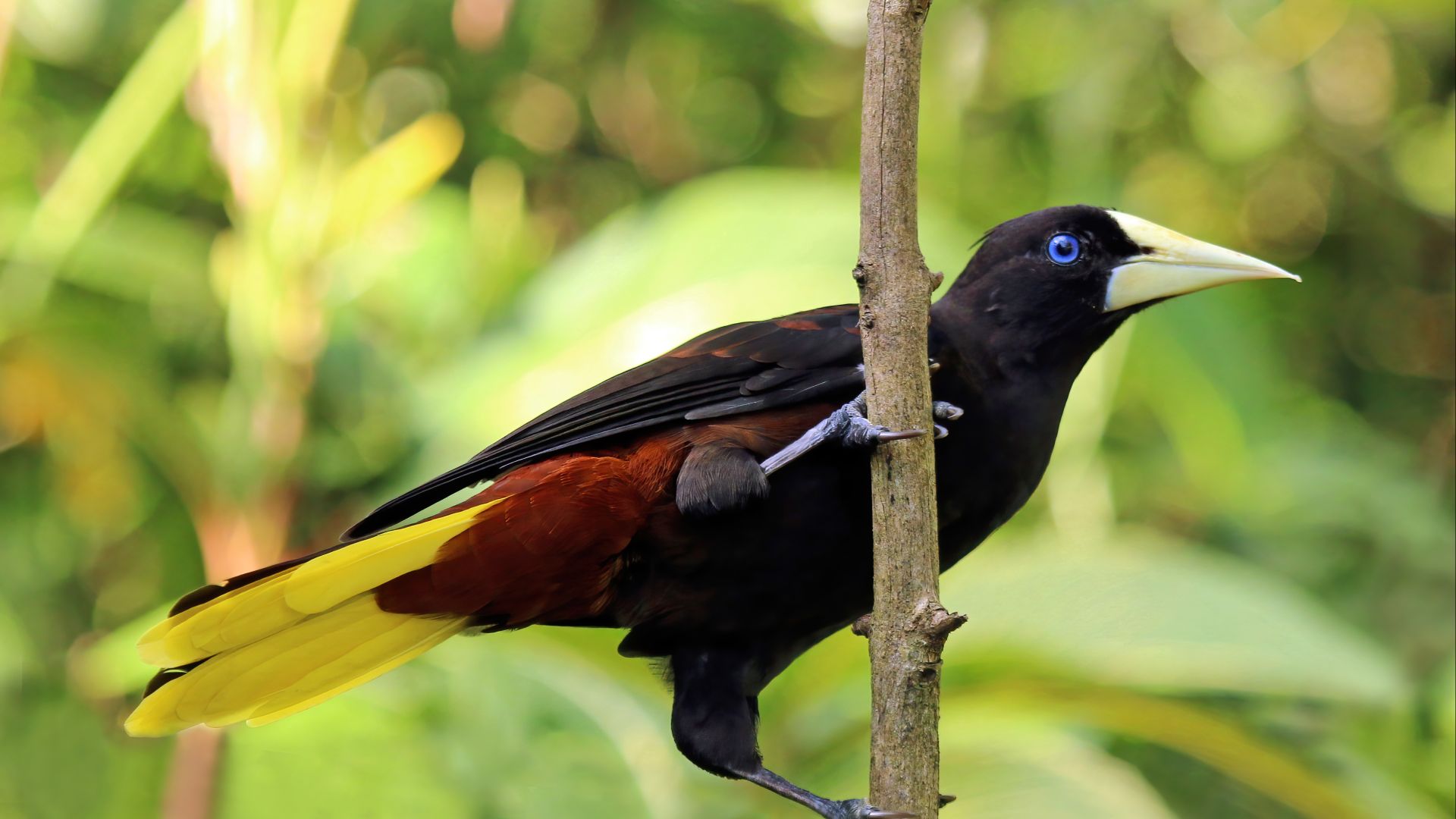
Manu National Park is one of the most biologically diverse protected areas in the world. Located in the Peruvian Amazon, it supports thousands of plant species and hundreds of mammals and birds. Macaws, monkeys, giant otters, and tapirs can all be found here. Strict access rules limit tourism, helping preserve both biodiversity and solitude.
 Patty Ho from Toronto, Canada on Wikimedia
10. Valle de Mai, Seychelles
The Vallée de Mai Nature Reserve on Praslin Island protects an ancient palm forest that is home to rare wildlife. It provides habitat for the Seychelles black parrot and other endemic species. The reserve’s dense forest environment offers a unique ecosystem that has remained largely unchanged for centuries. Visitor numbers are moderate compared to more heavily trafficked tropical destinations.
 Photography by Dino Sassi - Marcel Fayon, Photo Eden LTD on Wikimedia
11. Farne Islands, England
The Farne Islands off the coast of Northumberland host large seabird colonies during the breeding season. Puffins, guillemots, and terns nest along the rocky cliffs each year.

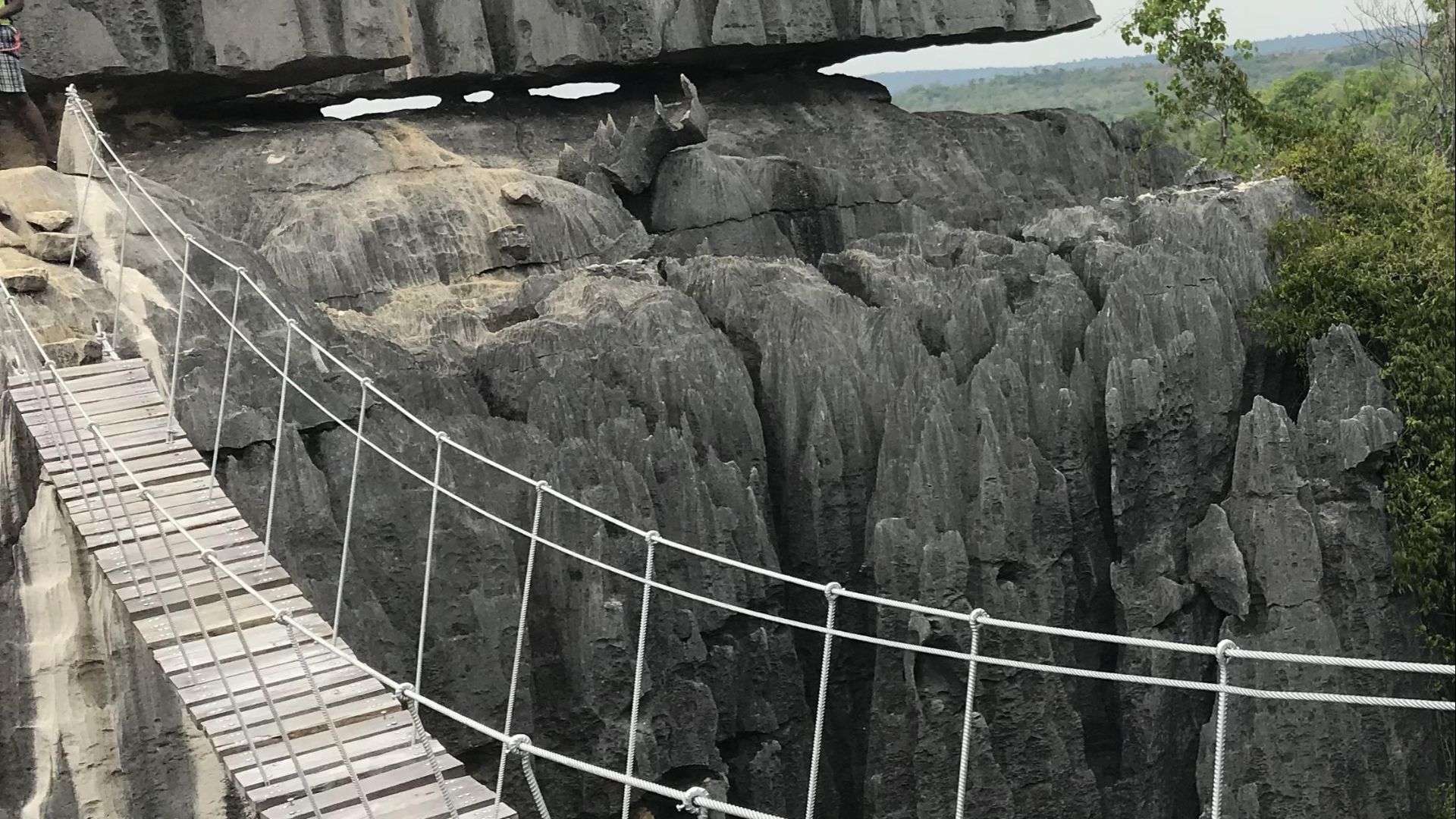
12. Tsingy de Bemaraha, Madagascar
Tsingy de Bemaraha National Park is known for its dramatic limestone formations and unique ecosystems. The region supports several species of lemurs, reptiles, and rare birds.
13. Ranthambore Buffer Areas, India
Ranthambore National Park is famous for its Bengal tigers, but nearby conservation zones offer quieter wildlife experiences. These surrounding forests still support leopards, deer, and many bird species. Exploring less-visited zones can provide rewarding wildlife sightings. It also helps spread tourism beyond the park’s busiest areas.

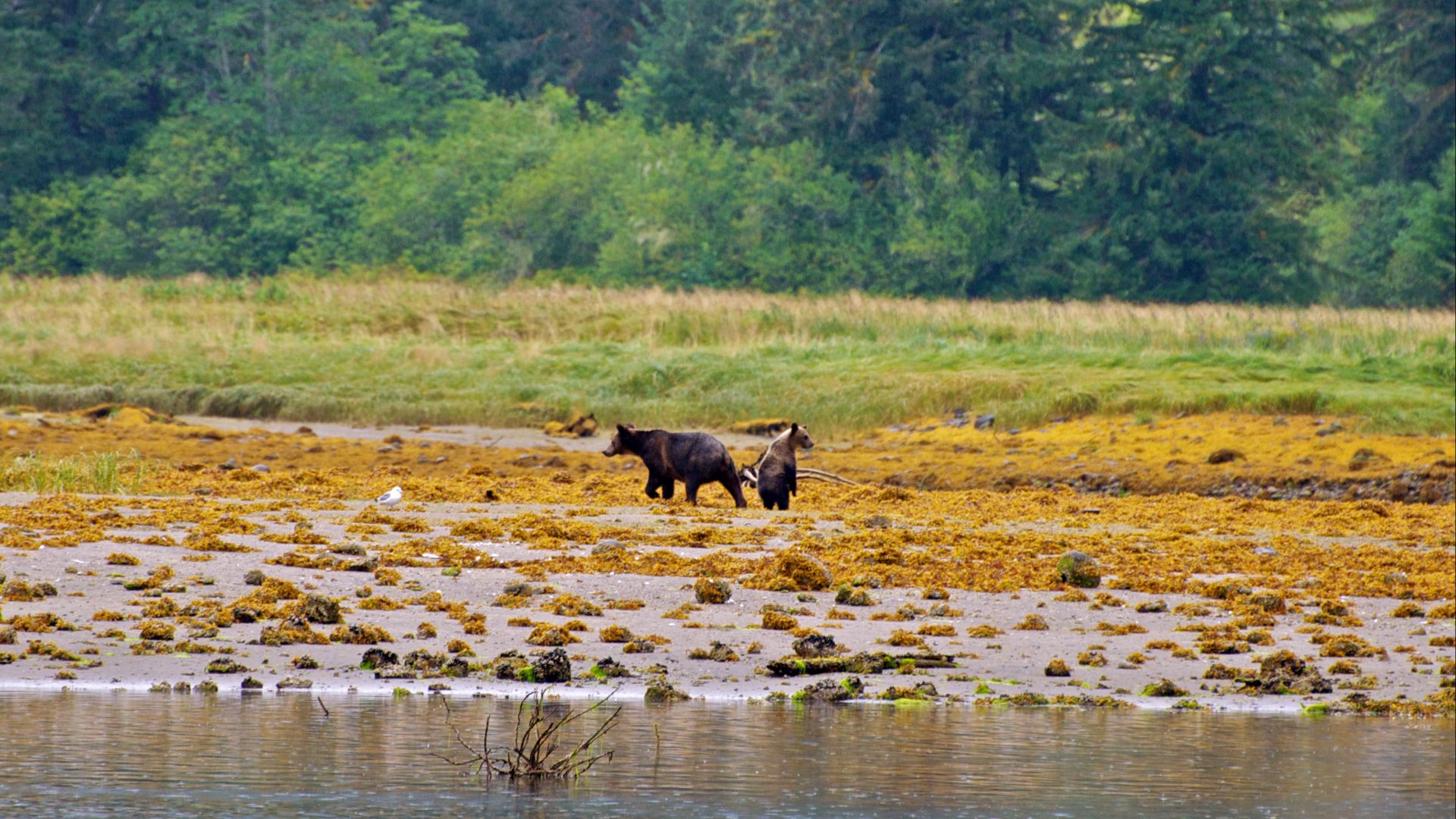
14. Great Bear Rainforest, Canada
The Great Bear Rainforest in British Columbia is one of the largest intact temperate rainforests in the world. It is home to grizzly bears, black bears, wolves, and the rare white-coated “spirit bear.” Strict conservation efforts protect large areas of wilderness. Many wildlife tours operate in small groups, maintaining a quiet environment.
15. Etosha’s Western Region, Namibia
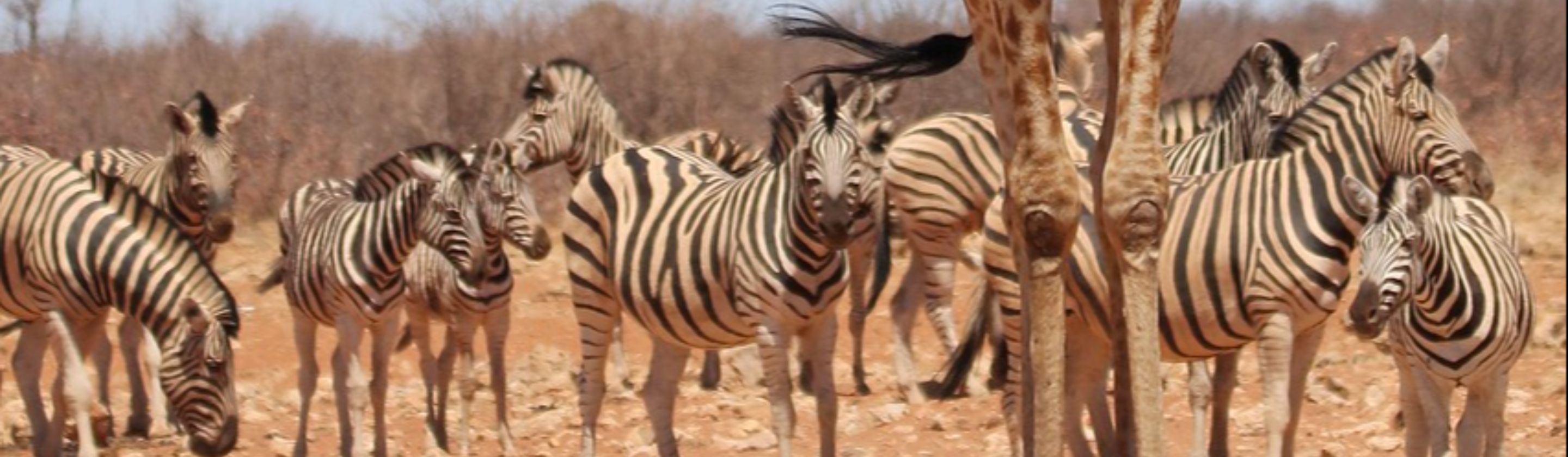
Etosha National Park is well known, but the western part of the park receives fewer visitors than the central areas. Wildlife such as elephants, lions, rhinos, and antelopes gather around seasonal water sources.

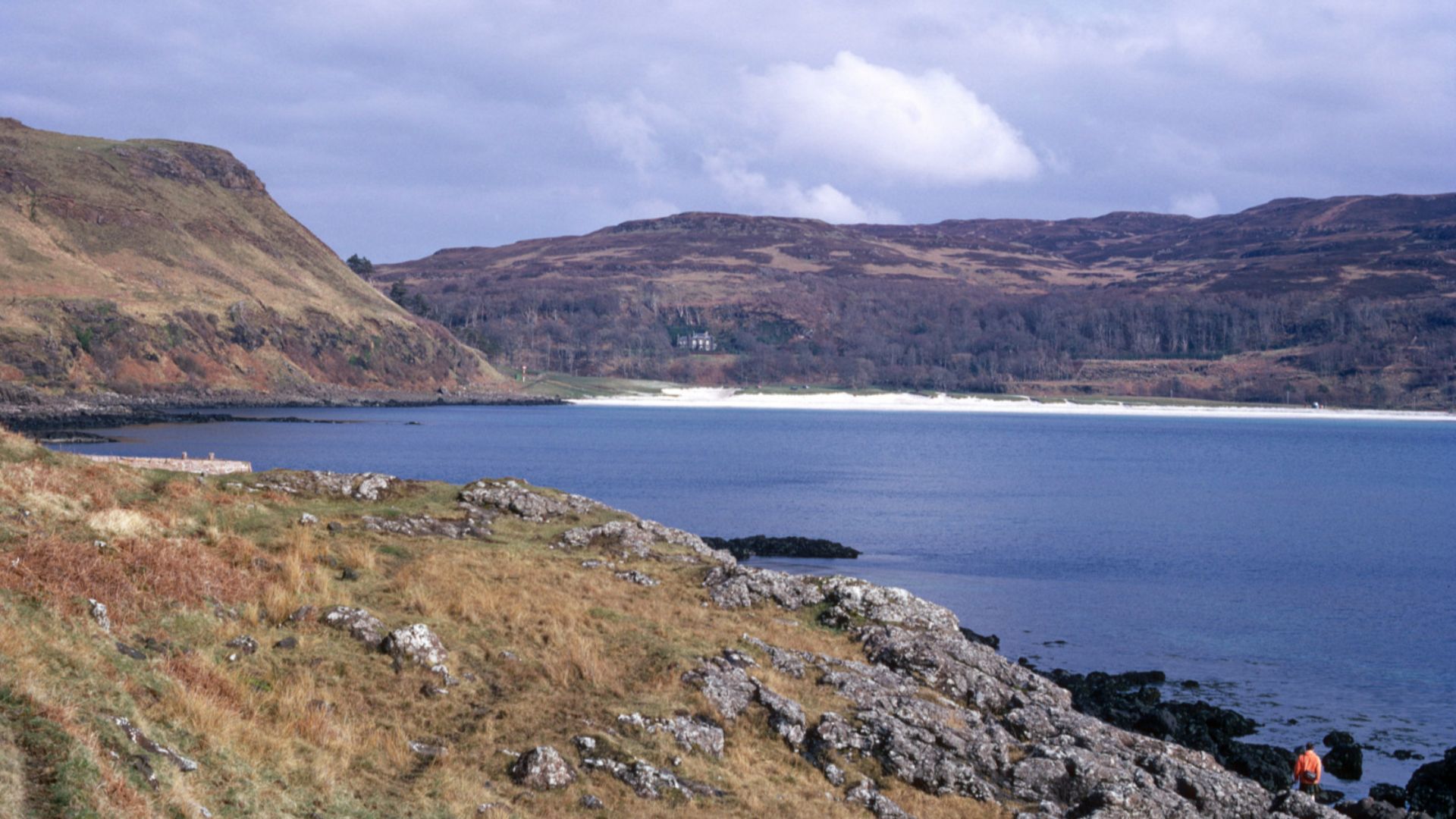
16. Isle of Mull, Scotland
The Isle of Mull offers excellent wildlife viewing along Scotland’s rugged coastlines. Visitors may see golden eagles, otters, and red deer in the island’s varied habitats.
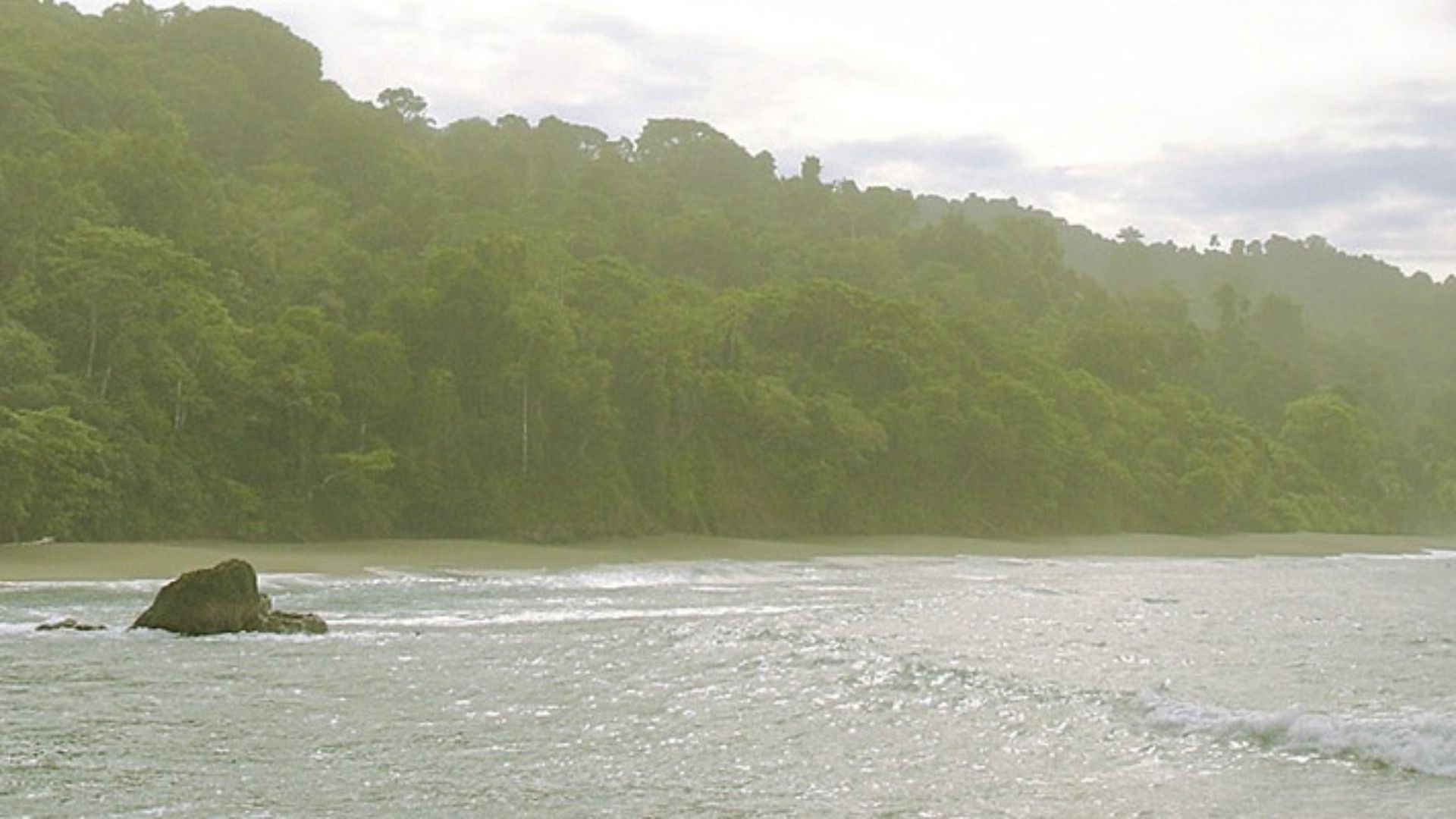
17. Corcovado National Park, Costa Rica
Corcovado National Park protects one of the most biodiverse areas in Central America. Its forests support tapirs, monkeys, scarlet macaws, and jaguars.
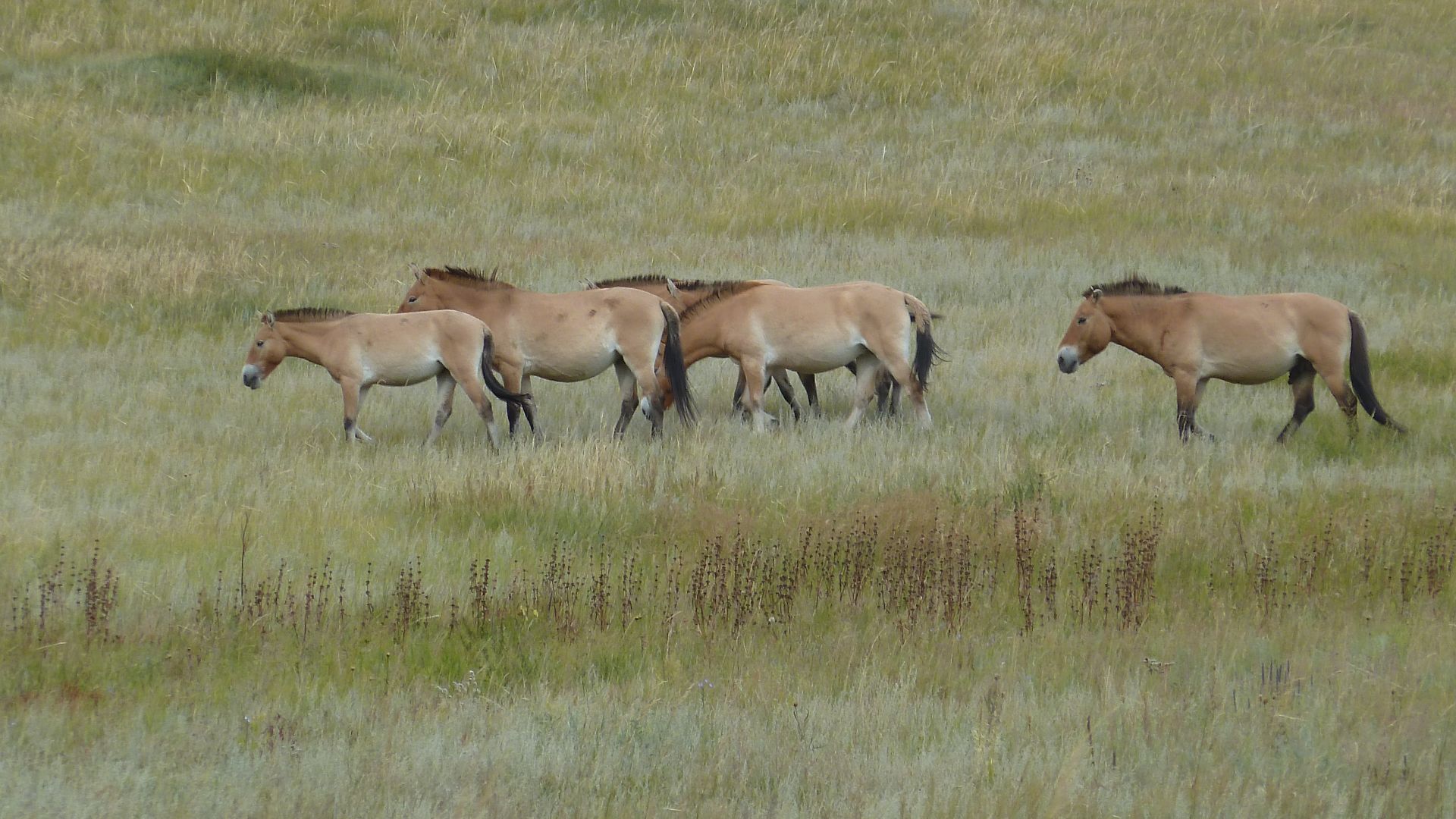
18. Khustain Nuruu National Park, Mongolia
Khustain Nuruu is known for the successful reintroduction of the Przewalski’s horse, the world’s last truly wild horse species. The park also supports marmots, deer, and birds of prey across Mongolia’s open grasslands.
 PIERRE ANDRE LECLERCQ on Wikimedia
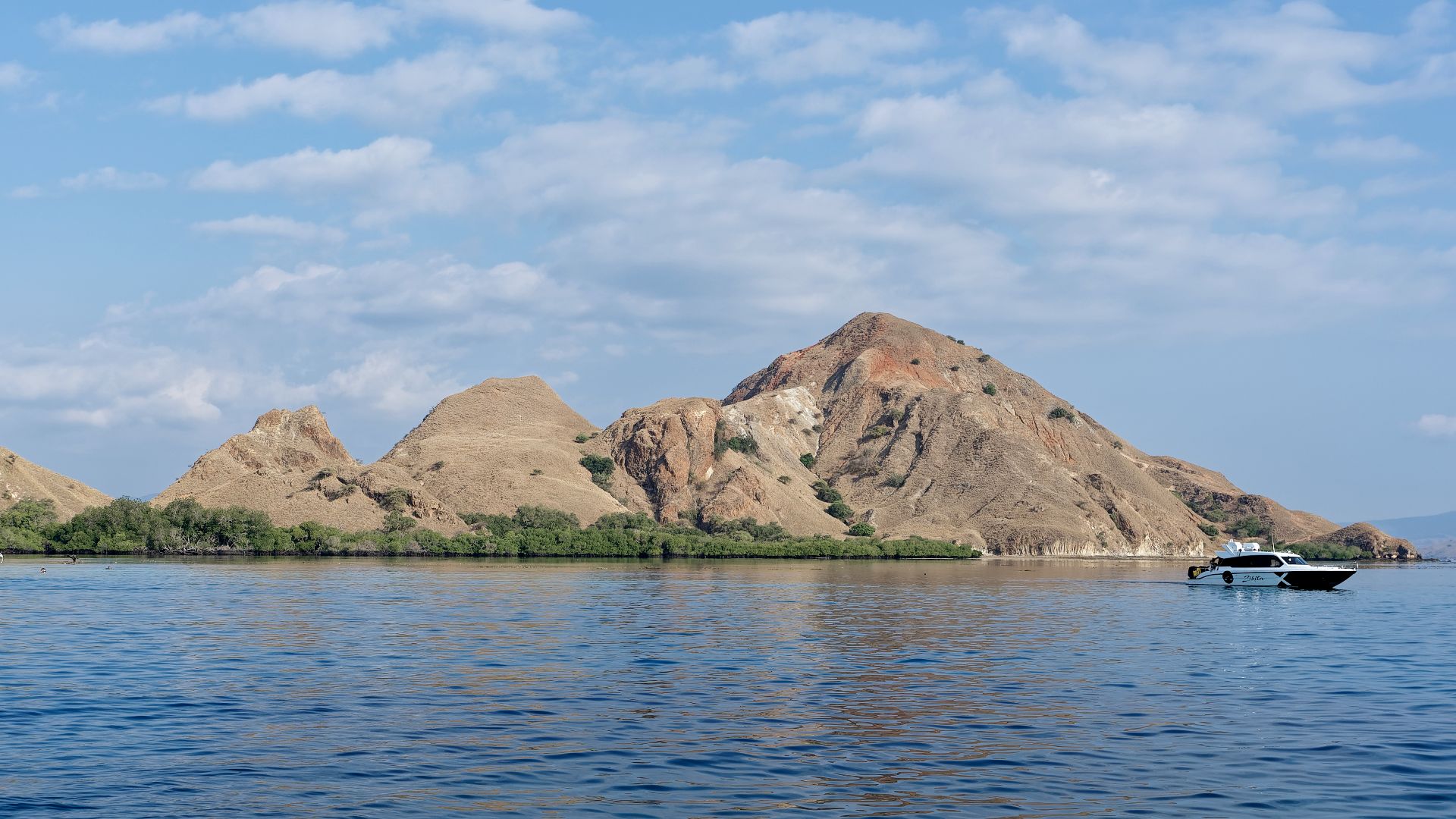
19. Komodo National Park’s Lesser-Visited Islands, Indonesia
Komodo National Park is famous for Komodo dragons, but many travelers concentrate on only a few islands. Smaller islands within the park host similar wildlife with fewer visitors.
20. Caroni Bird Sanctuary, Trinidad
Caroni Bird Sanctuary protects mangrove wetlands on the west coast of Trinidad. It is best known as a roosting site for the scarlet ibis, Trinidad’s national bird. The sanctuary offers impressive wildlife viewing without the crowds found in larger reserves.