There is a particular kind of city that has crossed a threshold most places never approach. The shops sell things nobody who lives there would buy. The restaurants are priced for people on vacation. The streets are most crowded in the middle of the day and eerily quiet at night, because the people walking through aren't going home, they're going back to their hotels. These cities still have residents, technically, but the number keeps falling and the ones who remain are increasingly outnumbered, outpriced, and exhausted.
This is not a complaint about tourism as a concept. It's an observation about what happens when the economics of a place flip so completely toward visitors that the city stops functioning as a city and starts functioning as a set. Three places, in particular, have become the most studied examples of that transformation: Venice, Barcelona, and Dubrovnik. All three are genuinely beautiful. All three are currently in varying stages of an identity crisis about what they're actually for.
Venice Is Becoming a Museum That Charges Admission
Venice peaked at 174,808 residents in its historic center in 1951, according to data from the Venice city council's statistics office compiled by Statista. As of 2025, that number is under 48,000, and roughly 1,000 people leave every year. The activist group Venessia.com has tracked the population using municipal data for 25 years and installed a live counter in a pharmacy window near the Rialto Bridge in 2008 to make the erosion visible in real time. The math is stark: the city's historic center now hosts around 30 million tourists annually while roughly 48,000 people actually live there.
The mechanism of displacement is straightforward. AirDNA and other analytics platforms report approximately 7,000-10,000 active Airbnb listings in Venice as of early 2026. That means a huge portion of the city's housing stock has been permanently converted into accommodation for people passing through. The residents who remain face rents that have tripled in two decades, a grocery infrastructure that has hollowed out in favor of souvenir shops and tourist-facing cafes, and a daily commute through crowds of people wearing lanyards. The city began charging day-trippers a €5 entry fee on peak days in 2024, which generated €5.4 million in 2025 by collecting from over 720,000 day visitors. Researchers have identified a threshold: if the population falls below 40,000, Venice may cease to function as a viable living city at all.
Barcelona Is Outnumbered Ten to One
Barcelona received 15 million overnight tourists in 2024, against a resident population of around 1.7 million, according to official figures. In its most heavily visited areas, the city experiences crowding of roughly 200,000 tourists per square kilometer during peak hours. Spain as a whole received 94 million international arrivals in 2024, according to Reuters, making it the world's second most visited country after France, and Catalonia was the most visited region within Spain. The math of what 15 million visitors does to a city of 1.7 million people is not complicated, and Barcelona's residents spent much of 2024 and 2025 saying so publicly.
The protests that drew international coverage in July 2024 involved around 2,800 people marching down La Rambla under the slogan "Barcelona is not for sale," with a smaller group making headlines by squirting water pistols at tourists seated at outdoor cafes. Mayor Jaume Collboni announced in June 2024 that Barcelona would end new short-term rental licenses entirely by 2028, a policy aimed directly at the Airbnb economy that has functionally evicted people from their own neighborhoods. Whether that timeline holds, and whether the policy goes far enough, are questions Barcelona's residents are still actively debating in the streets.
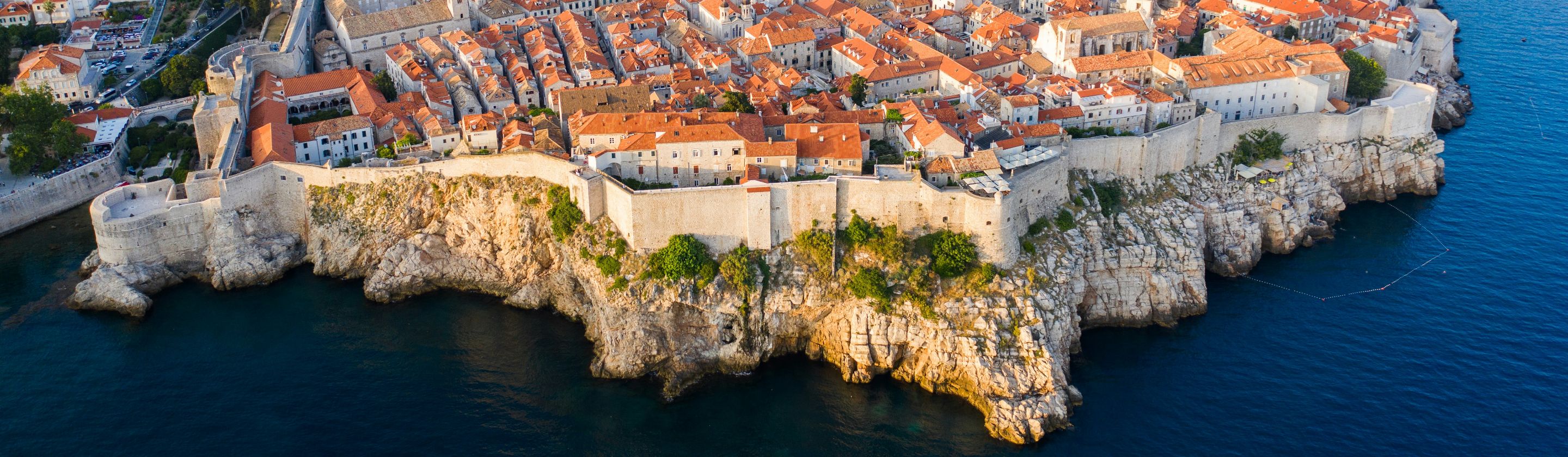
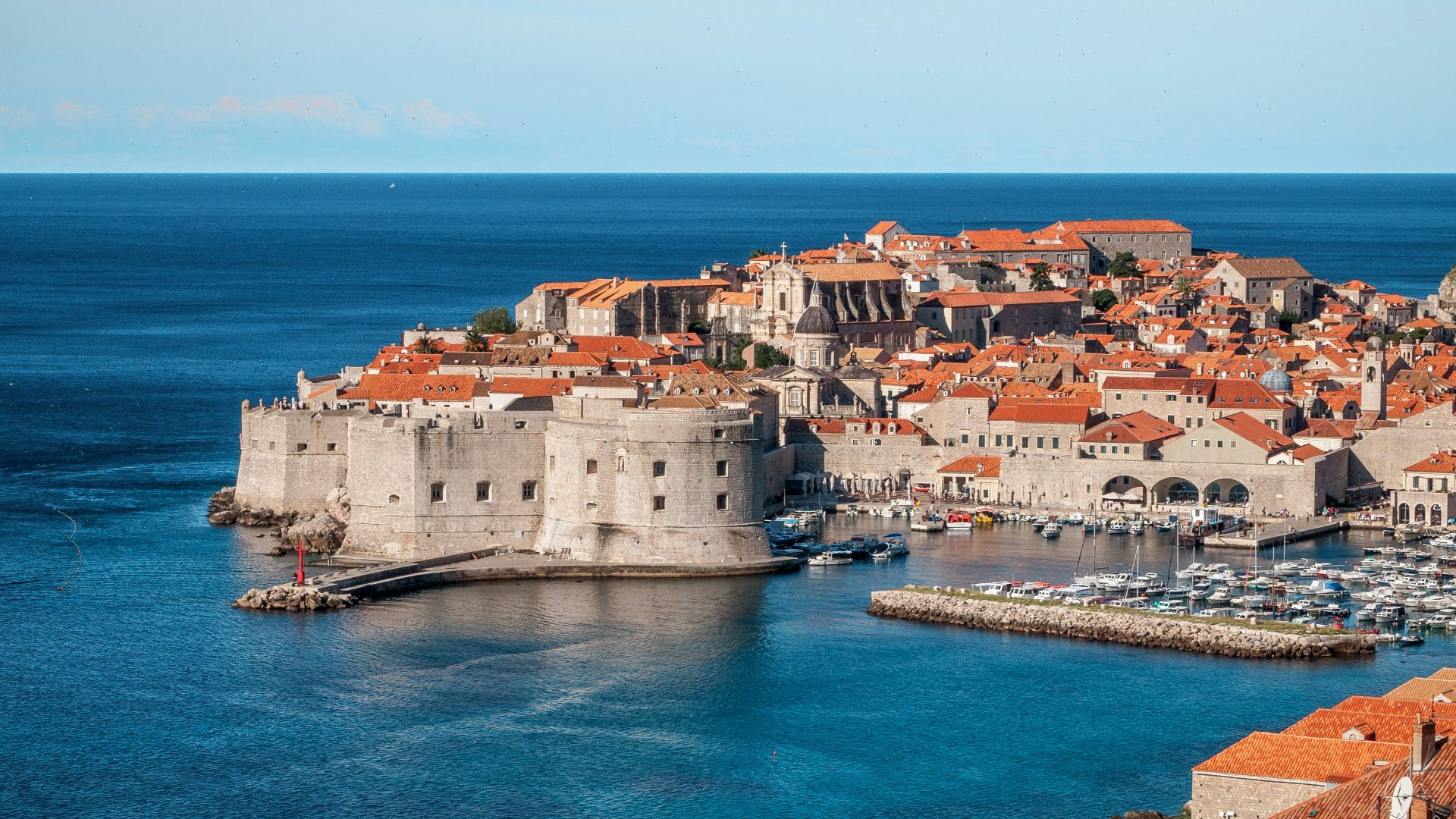
Dubrovnik Has 27 Tourists for Every Resident
Dubrovnik has the most extreme ratio on this list. Barcelona welcomed 15.6 million tourists in 2023 against its 1.7 million residents, yielding roughly 9 tourists per resident annually—and far higher ratios at peak summer periods. The Old Town's permanent population has dropped from 5,000 in 1991 to roughly 1,500 today, as homes were converted into tourist accommodation and property prices put ownership out of reach for most families. The Game of Thrones effect is well documented: filming in Dubrovnik added an estimated 60,000 location-spotting visitors annually on top of the existing cruise ship traffic.
Mayor Mato Franković has taken a methodical approach that other cities are watching closely. Cruise ships are now capped at two per day, each required to dock for a minimum of eight hours to stagger passenger flows rather than flood the city all at once. From 2026, the city walls require advance booking through the Dubrovnik Pass system, priced at €40 per day. Franković's framing of the challenge has been notably pragmatic: the city's economy depends on tourism, so the goal isn't to repel visitors but to manage the flow so the place remains livable for the people who call it home. The distinction matters. A city that exists only to be visited eventually stops being a city at all, which is bad for residents and, eventually, for the visitors too.