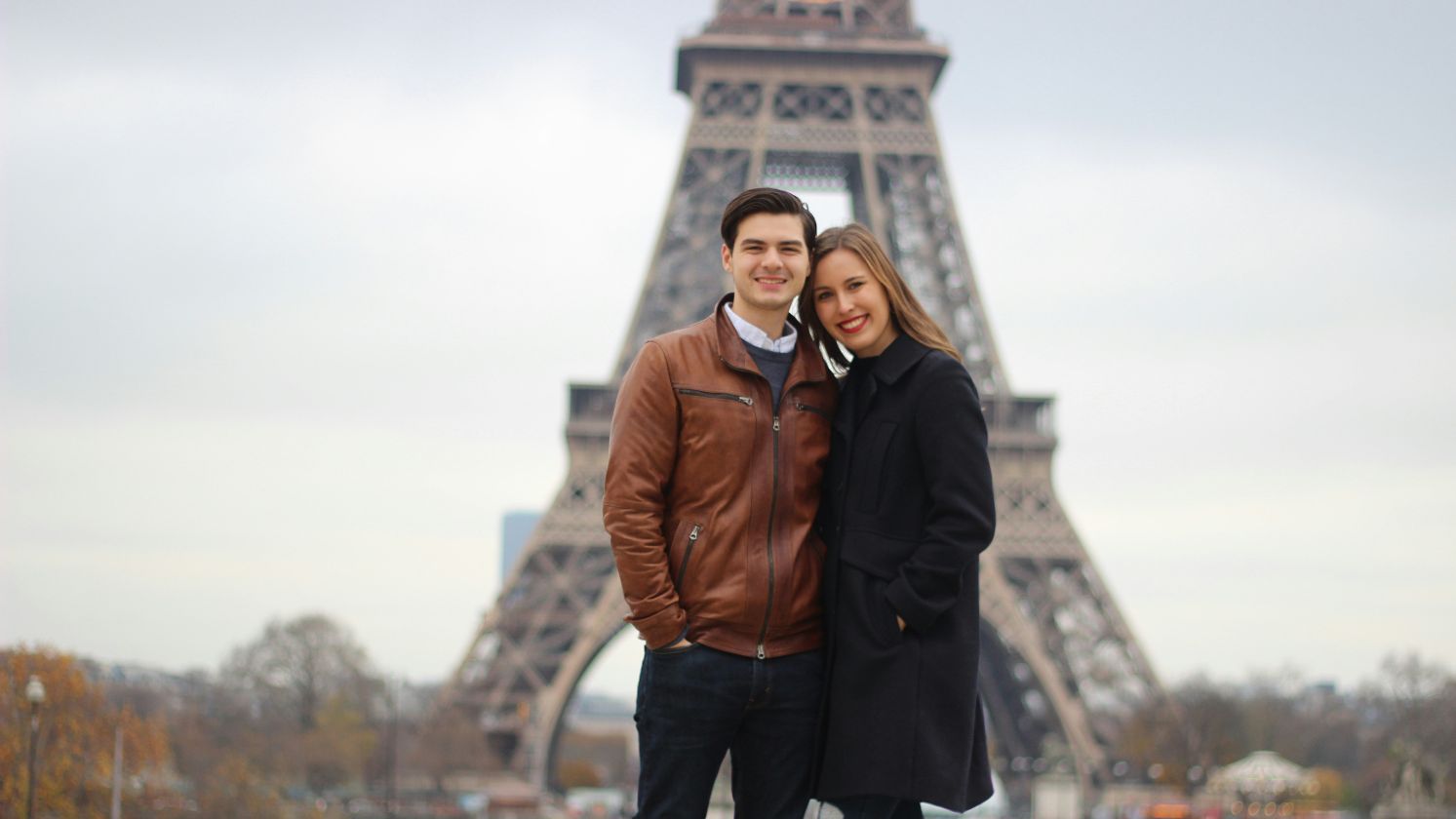
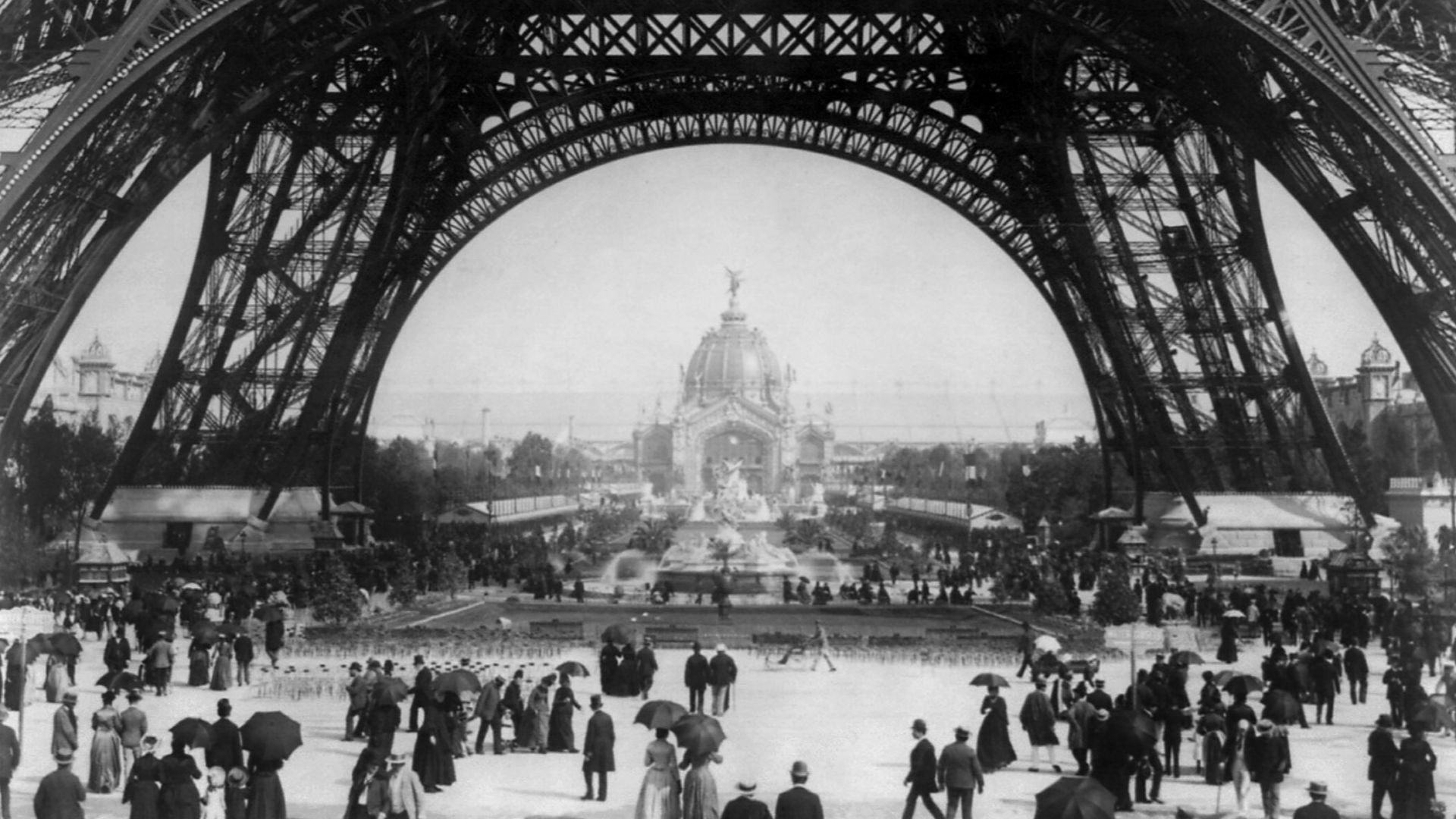
For a landmark that seems to hold everything dreamy about Paris, the Eiffel Tower had a pretty rough start.
The surprise is not that people complained. It is how ferociously they fought it. And once you hear what the tower survived, its transformation into a beloved global icon feels much more dramatic. So let’s walk through the tale of the most famous structure in France.
A City That Wanted Beauty
When Paris hosted the 1889 World’s Fair, the French government wanted a centerpiece that would showcase modern engineering. Gustave Eiffel’s proposal promised exactly that. It was taller than anything the world had seen and designed to be assembled with mathematical precision. However, many Parisians saw it as an insult to the city’s carefully shaped identity.
Writers, painters, sculptors, and architects quickly united in public protest. They warned that the iron structure would dominate the skyline and erase the character of the boulevards below. Many were convinced the tower would disturb the harmony of the nearby neighborhoods and leave future generations wondering how such a “monstrosity” had ever been approved.
An Engineering Feat That Surprised Even Its Critics
As the structure rose piece by piece, protestors did not soften. Crowds gathered simply to watch the work with a mix of skepticism and curiosity. Yet the more the tower grew, the more people recognized the sheer ambition behind it. The precision required to assemble thousands of iron pieces in perfect alignment impressed even some opponents.
The completion of the tower in 1889 turned it into an instant attraction, even among those who had once questioned its existence. Visitors from around the world climbed to its platforms. They admired the panoramic views and marveled at the idea that human hands and engineering skill could lift them that high above the city.
Even after gaining acceptance, the tower’s future was not secure. It was supposed to stand for only 20 years. City officials assumed they would take it down once its purpose for the fair had passed. Eiffel argued for its scientific value, emphasizing its potential for radio transmission and various experiments. Those claims eventually persuaded the government to keep it.
A Symbol Reinvented By Time
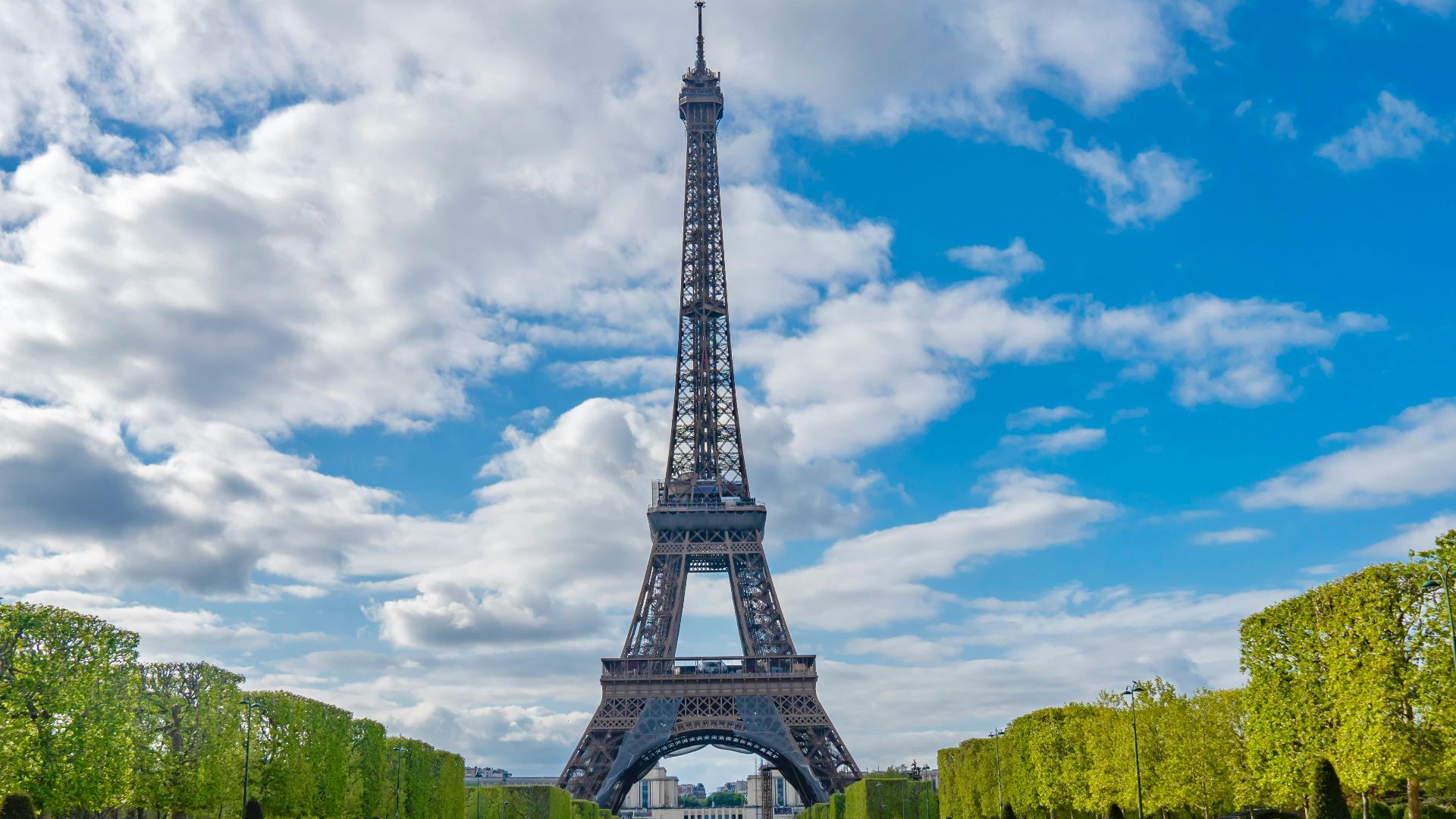
As decades passed, the Eiffel Tower gained new meaning. Artists sketched it, and filmmakers used it as a shorthand for romance. None of this was predictable during the early battles surrounding its construction. Time allowed Parisians, and the world, to see the tower differently. Through two world wars, the tower remained a silent witness to dramatic national change. And with each generation, the tower became more closely linked to Parisian identity than anyone in the 1880s could have imagined.
Today, millions of visitors every year treat the tower like a centerpiece of their time in Paris. What began as a contested experiment eventually became a monument that defines the city. Sometimes the most beloved symbols start as the least welcome surprises.