Offices Are Going Virtual, But Here's Why That Made Business Travel Even More Essential
Offices Are Going Virtual, But Here's Why That Made Business Travel Even More Essential
The COVID-19 pandemic shook the business world when offices were forced to close and adopt a more virtual approach. It wasn't easy, but after a rocky start with laptops being shipped left and right to employees, long conversations with IT, and learning to build out workspaces at home, things eventually smoothed out.
But as things got more comfortable, what people found was that remote work wasn't just some temporary solution; it felt like the new norm. With early morning alarms and long commutes in traffic out of the picture, virtual offices became widely embraced, not rejected, especially by younger crowds who welcomed this familiar digital environment.
Today, several years after the pandemic, more people in America are working virtually than ever before. Many employees now regularly collaborate from the comfort of their own home, with platforms like Slack, Microsoft Teams, and Zoom becoming the primary point of communication. With it being possible to do everything without even stepping out the front door, it feels like the age of in-person meetings, conferences, and office visits is gone for good.
The reality? That couldn't be further from the truth.
You Can't Build Trust Without Meeting Face-To-Face

Sure, virtual meetings are practical and efficient, but when all you've done with a new client or team member is see their face on a screen or exchange texts, it's hard to feel like they're anything more than just a digital presence. And when you're trying to form a collaborative and comfortable professional relationship, it turns building trust into a far bigger challenge than it needs to be.
Because the fact of the matter is, the convenience of these virtual meetings has turned them into strictly timed, "stick-to-the-agenda" conversations that start right on schedule and end immediately with the click of a button. They lack the flexibility and personal connection that comes with in-person meetings, like being able to make small talk, feeling inspired by the energy in the room, or continuing conversations over lunch.
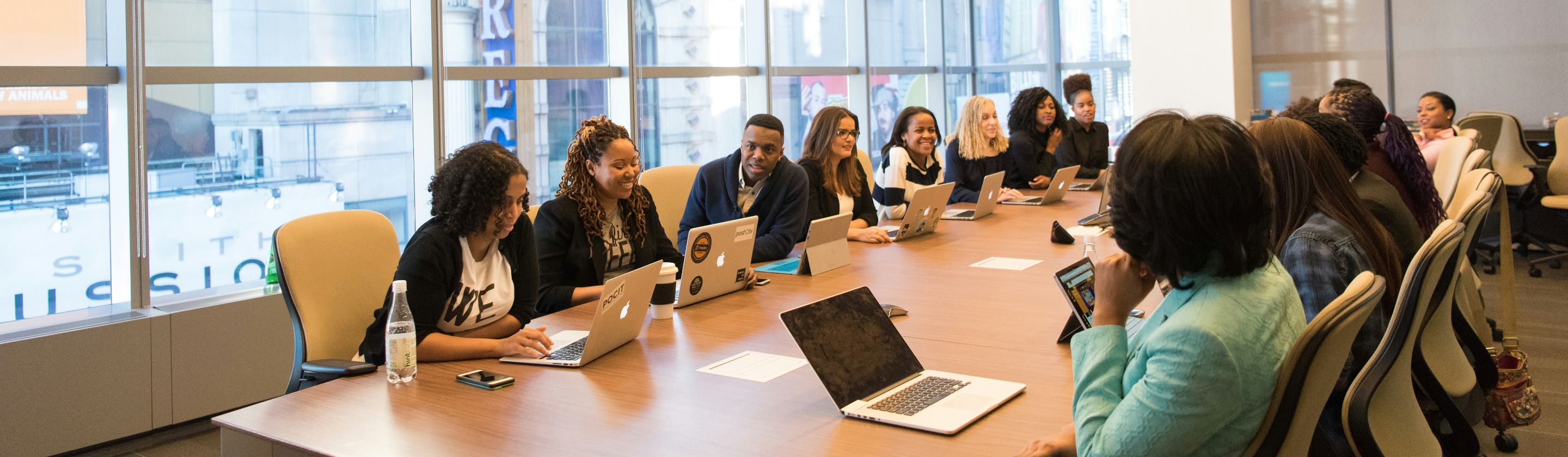
And at the end of the day, just like in our personal lives, showing up matters. Making the effort to do an in-person visit demonstrates a clear sign of commitment and care that just can't be replicated through an online call. When you travel to meet a customer, a client, or a team member, it shows them that you're ready to give them your full attention instead of squeezing them between several other virtual meetings. This alone explains why business travel is so necessary; this seemingly simple gesture strengthens loyalty and trust in a way that just can't be done through a screen.
Screen Time Doesn't Beat Real Face Time
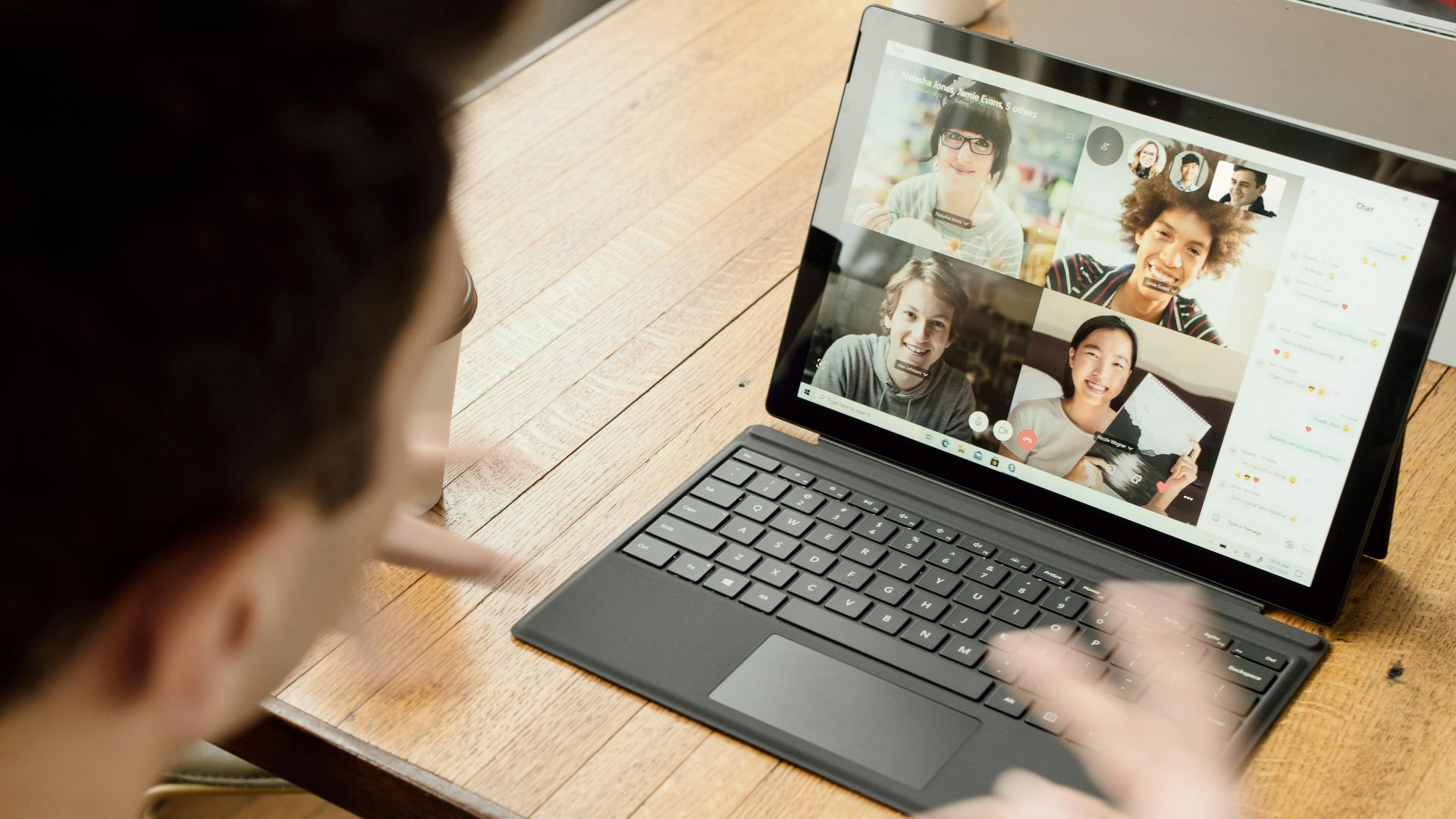
In many ways, it's best to think of business travel as a complement to remote work. Casual meetings or quick updates can work well online, but as this Harvard Business Review report states, there are also some obstacles that can't (and shouldn't) be dealt with through a quick video call. Because when the stakes are high, virtual platforms just don't seem like the right place to be starting complicated negotiations, sensitive discussions, or intense brainstorming sessions. Let's just say, certain situations are easier to handle when everyone is clearly present, attentive, and ready to communicate. Ultimately, meeting in person is the easiest way of showing that.
To put it simply, webcams just leave too much room for ambiguity. When you need to know exactly what someone is trying to get across, online calls make it hard to decipher someone's tone, pick up on non-verbal cues, or know when's the right time to talk without cutting someone off. Face-to-face meetings are what allow everyone to read the room far better, creating a much more natural and effective atmosphere for discussion and ideation.
Remote Work Makes You Feel Like You're On An Island

Lastly, we know you definitely don't miss waking up early just to head into the office, but if there's one thing remote work can't replace, it's shared work culture. Sometimes, it's all about who you work with, and offices gave employees stories with coworkers, bonding experiences, and daily routines that remote teams simply don't have. However, that doesn't mean businesses can't create that intentionally.
Company retreats and occasional team visits are just some ways companies can use business travel to create unity and community within remote offices. Instead of just seeing your coworkers as profile pictures on your screen, meeting in person helps you put a face to the name, which is important for deepening professional relationships. After all, if companies want their employees to work like a well-oiled machine, well, they have to make them feel like a team to begin with.
This kind of business travel can also give employees a nice change of pace, allowing them to feel more inspired and motivated. Because the truth is, it's easy to feel disengaged from your company when you're constantly in a remote environment. That's why visiting another office, meeting with managers in real life instead of a screen, or spending time with colleagues can make the whole company feel more real and tangible. People need that connection to care about what they're doing, and only business travel can give them that human touch that remote work can't offer.