Pros and Cons of Being in the Skies
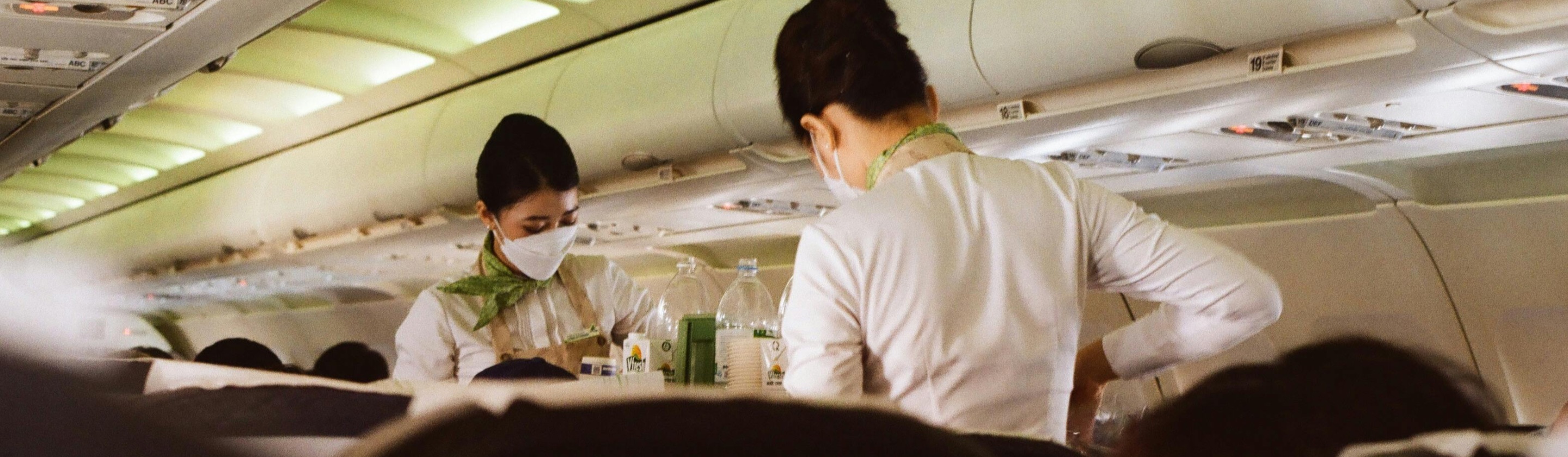
Being a flight attendant can look glamorous from the outside (who wouldn't want to travel constantly as their job?), but the day-to-day reality is a mix of real advantages and very real trade-offs. You get unique access to travel and a front-row seat to how aviation works, sure, but you also deal with irregular schedules, demanding passengers, and strict rules that follow you on and off the aircraft. If you’re considering the career or you’re simply curious, here are 10 glaring downsides and 10 great perks before you commit.
1. Unpredictable Schedules Can Wear You Down
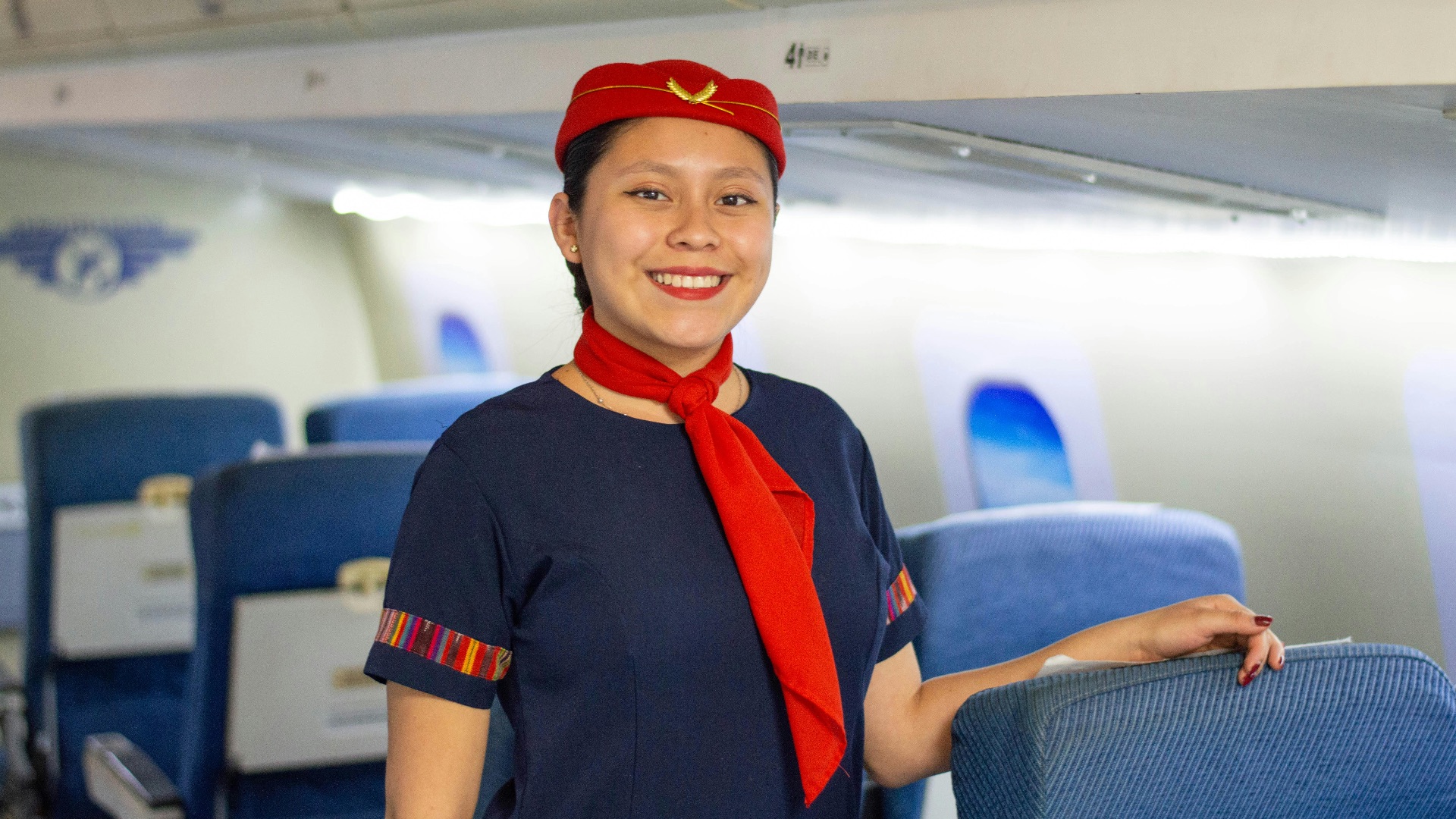
You can try to plan birthdays, appointments, or a simple dinner with friends, but your work schedule may have other ideas. Trips get swapped, reserve days drag on, and that one early sign-in can pop up right when you thought you had a normal week. If you like consistency, you’ll have to work harder than most people to protect it.
2. Chronic Tiredness Can Become Your Default
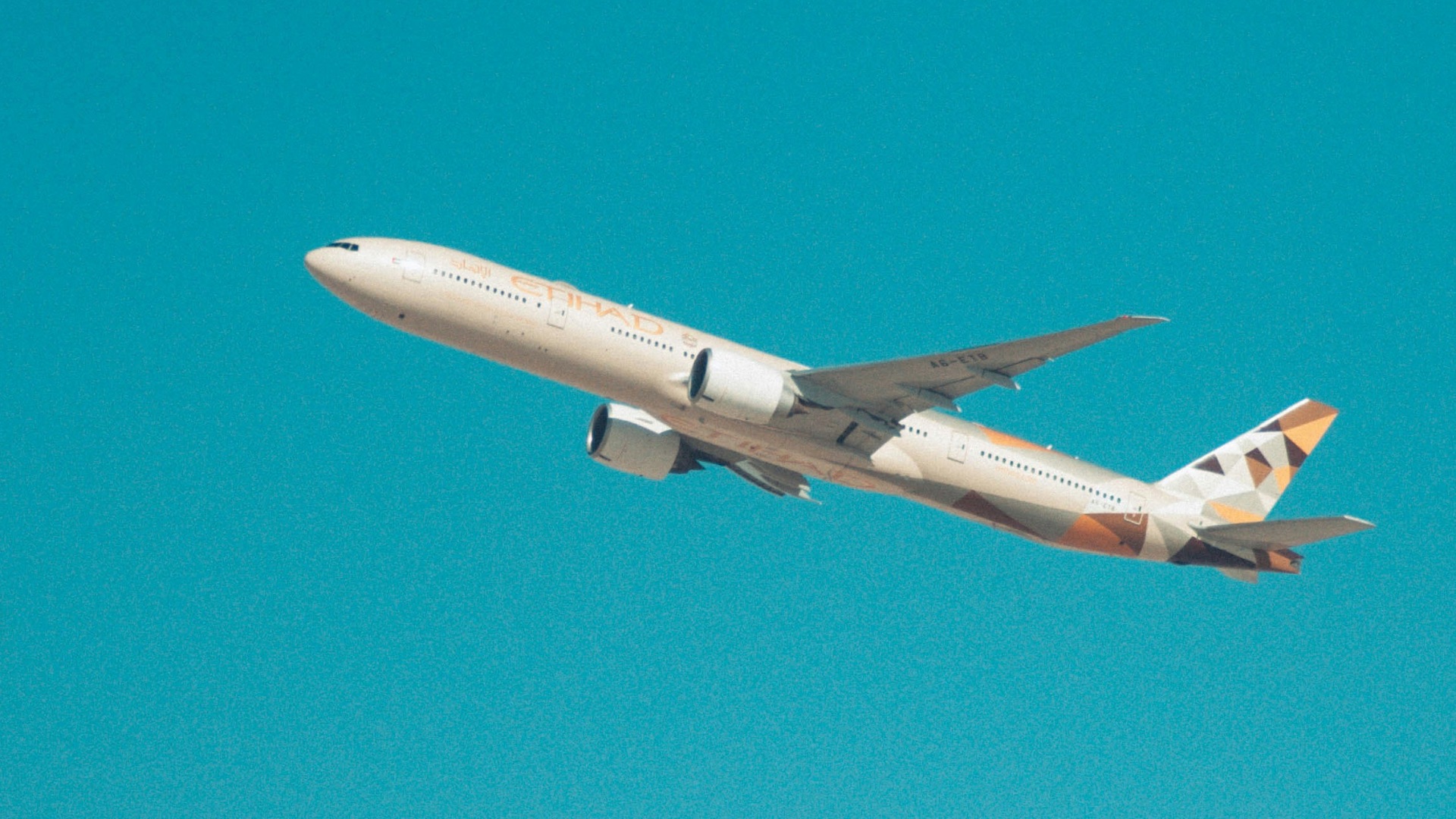
A long duty day doesn’t just end when the plane parks, because your body still has to wind down in a hotel room that doesn’t feel like home. Add time zones, short rest, and the constant up-and-down pace of a flight, and fatigue starts feeling less like a bad night and more like a recurring theme. You can manage it, but you’ll need routines that actually prioritize sleep instead of hoping it magically works out.
 Vladislav Muslakov on Unsplash
3. Being Away from Home Can Strain Relationships
Everyone understands missing a holiday once in a while, but it’s the steady drip of small absences that can sting; you’re not around for casual weekends, last-minute meetups, or the random Tuesday when a close friend really needed you. Keeping relationships strong takes extra effort, and sometimes you’re doing that work while you’re already stretched thin.

4. Passenger Behavior Can Be Draining
Most passengers are perfectly fine, but the tough ones take up your time and your patience in a way that’s hard to explain to someone who hasn’t been there. You’ll deal with demands, complaints, and attitudes that would be easier to ignore if you weren’t responsible for the whole cabin’s mood. The trick is staying calm and professional without letting it eat at you all day, but that can be easier said than done.
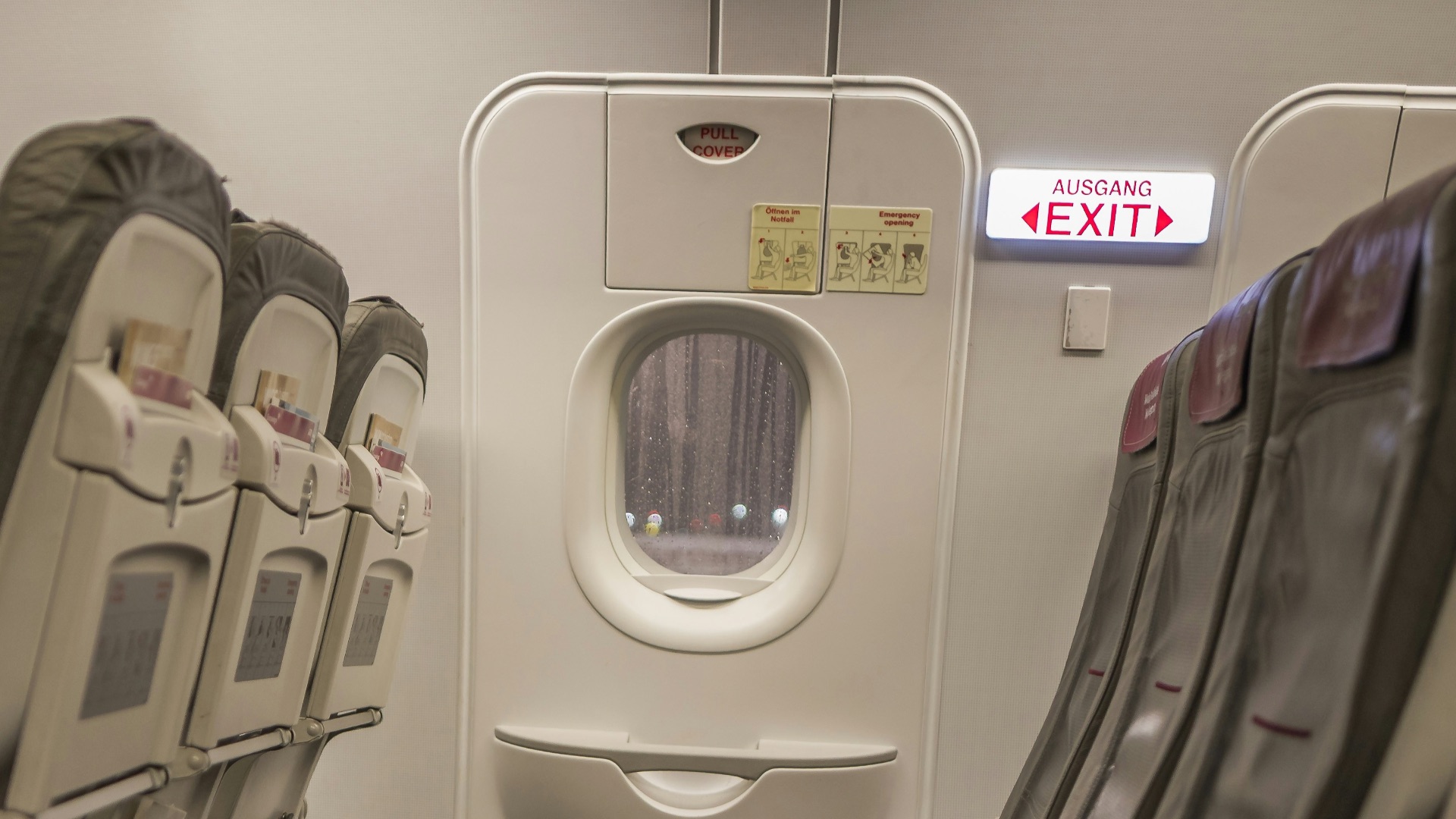
5. You're Responsible During Emergencies
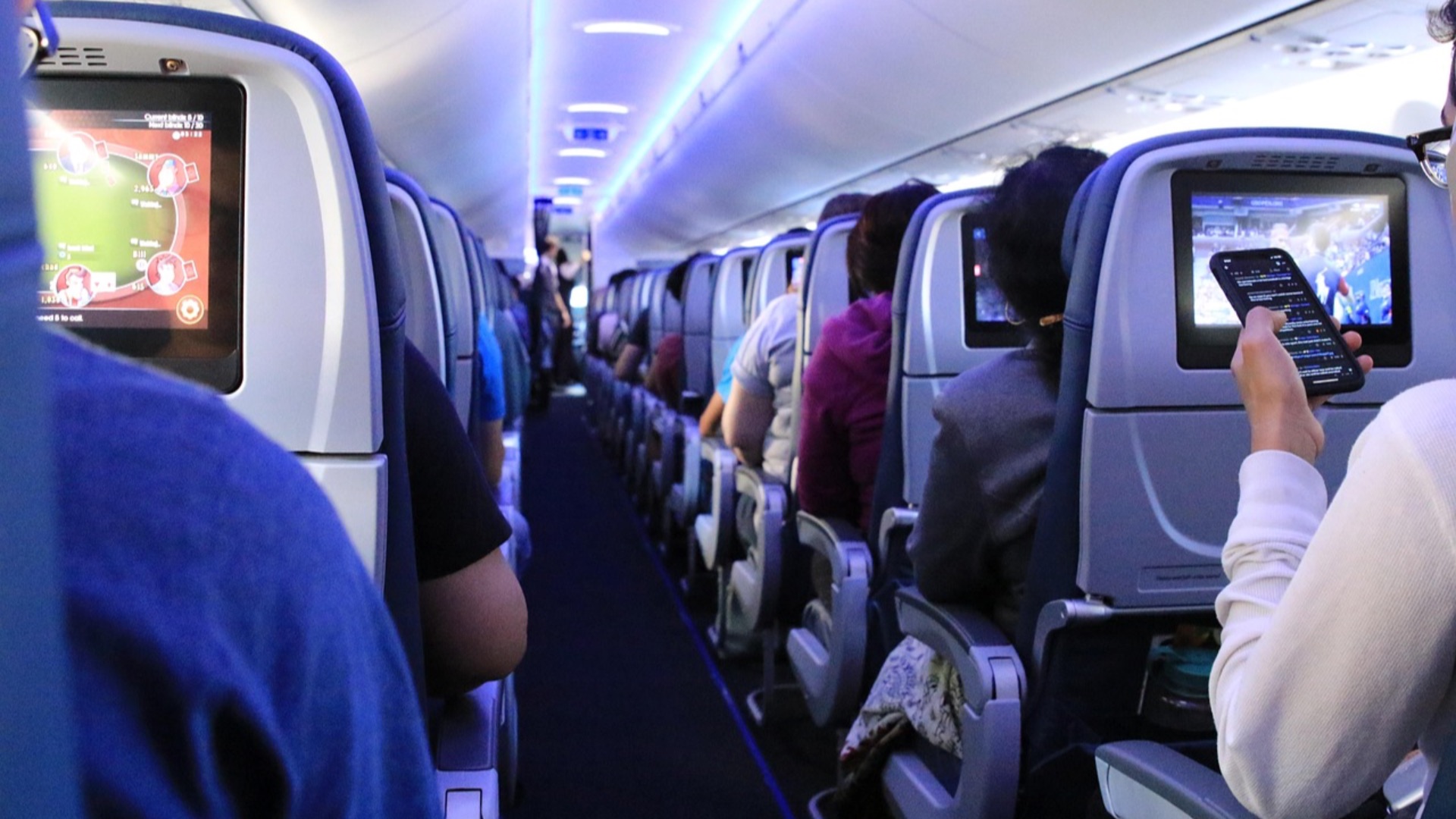
In training, everything is procedures and checklists, but on the line you realize you’re the person expected to act fast and stay steady if something goes wrong. Even if emergencies are rare, you’re still carrying that responsibility every time the door closes. That can be empowering, but it can also sit heavy in the back of your mind, especially when you’re still new to the job.
 Alexander Schimmeck on Unsplash
6. Strict Airline Rules Can Bog You Down
Uniform standards, grooming guidelines, and conduct expectations can be surprisingly detailed, and the pressure to be polished is constant. Even on your commute, you might feel like you’re still representing the company, whether you want to or not. It’s not the end of the world, but it can be frustrating when you’d rather just be a normal person in public.
7. The Job Can Be Physically Rough
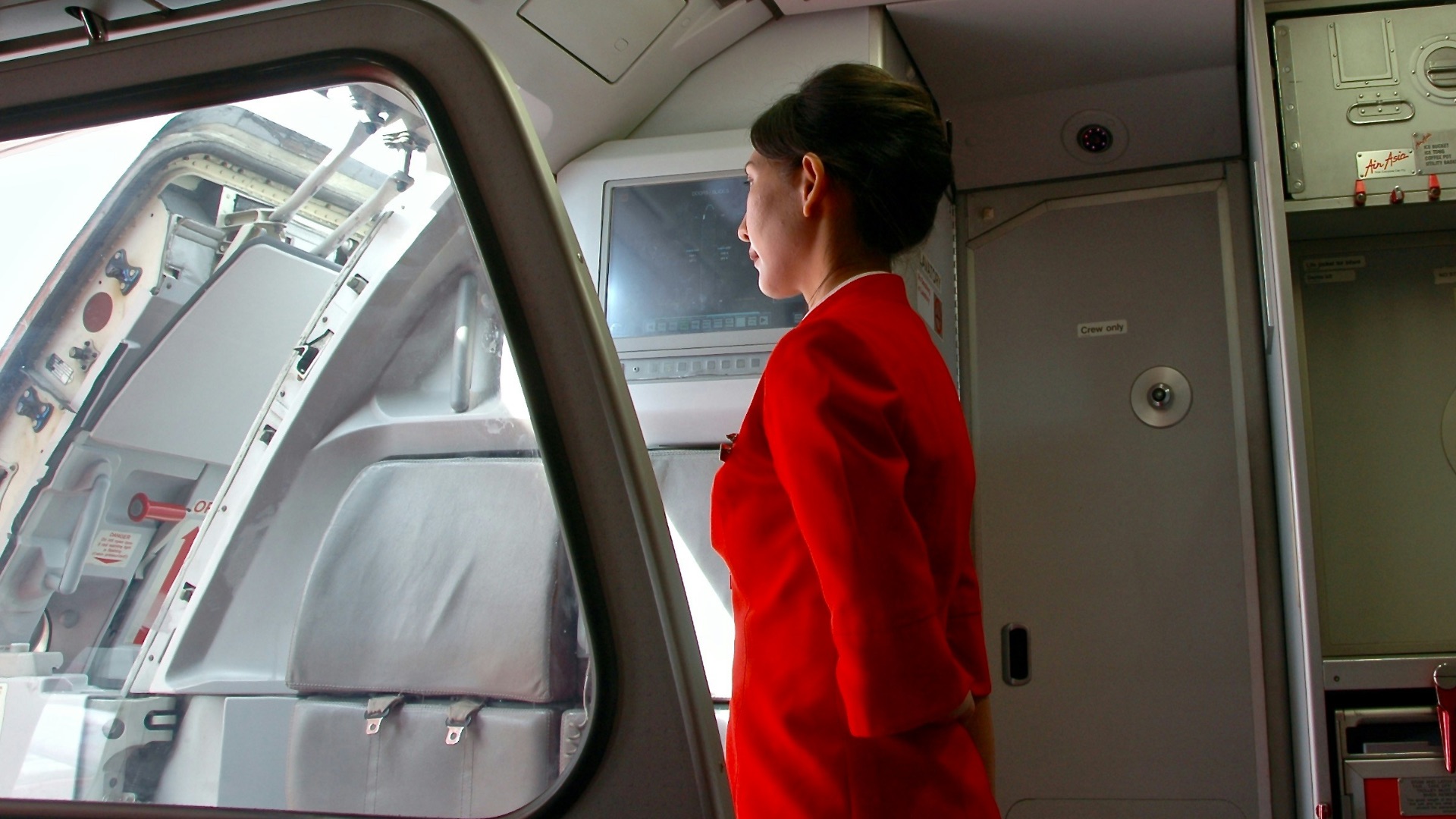
You’re lifting bags, reaching overhead, bending in tight spaces, and standing for long stretches with barely any room to reset. On top of that, dry cabin air and nonstop movement can leave you feeling dehydrated, puffy, and sore in a very specific way. If you don’t take your body seriously, the job will remind you that it’s not optional.

8. You Don’t Get to Control the Environment, Ever
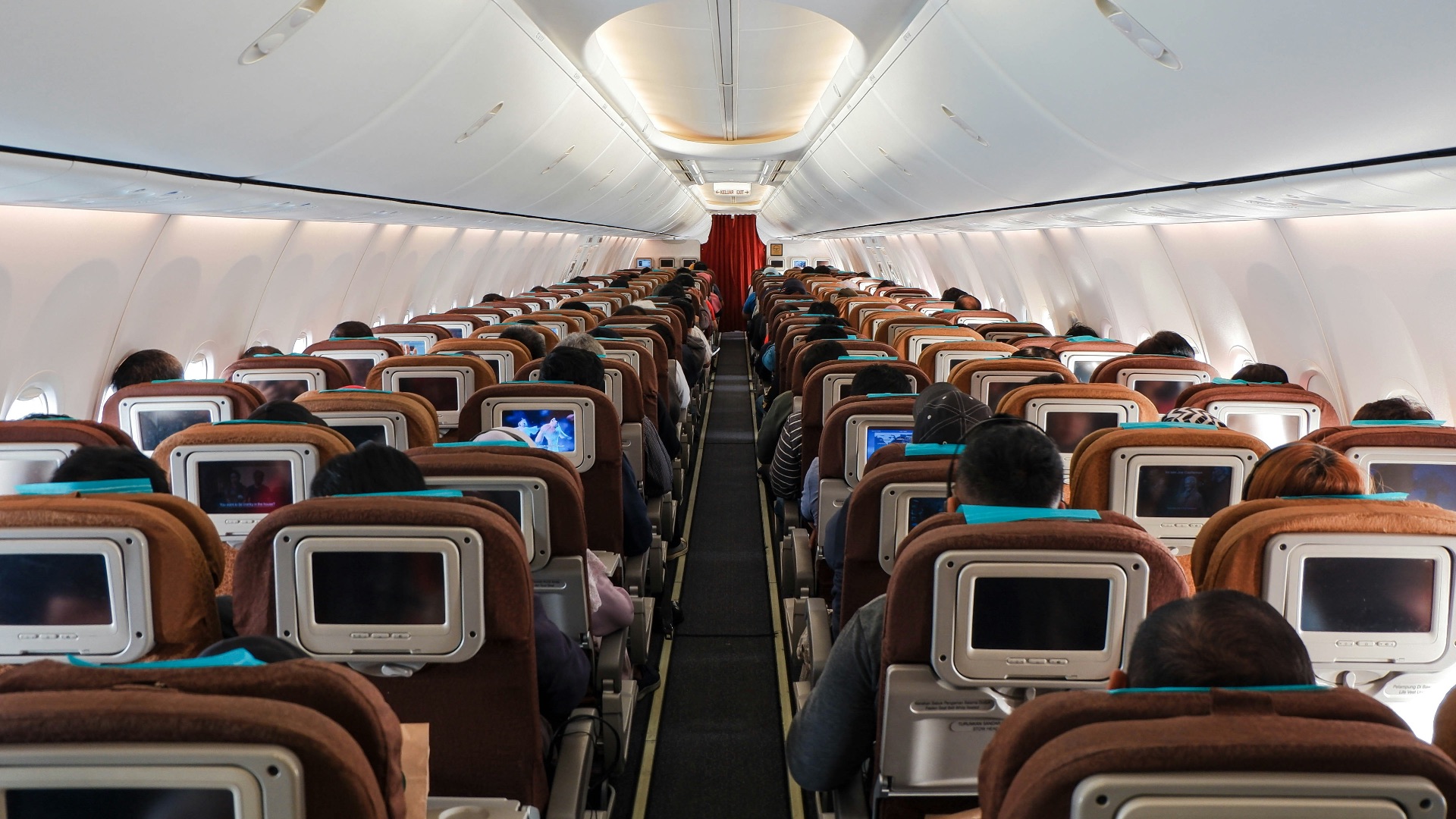
The cabin can be too hot, too cold, too loud, or all three, and you still have to function like everything's fine. You can’t step outside for air, you can’t change the music, and you can’t pick a quieter corner when you’re overstimulated. Learning to stay steady in a space you can’t fix is a skill you build over time, not something you just have.
 Mohammad Arrahmanur on Unsplash
9. Seniority Can Dictate Your Quality of Life
Early in your career, you might feel like you’re always getting the short end of the stick: less desirable trips, more reserve, and fewer choices overall. This can feel incredibly discouraging when your life revolves around a system you can’t speed up. The payoff comes later, but the early phase really does test how patient you can be.

10. Being Nice Becomes Part of Your Labor
You’re expected to be warm, composed, and helpful even if you’re running on three hours of sleep and someone’s snapping at you over ice. That kind of steady emotional control is work, and it adds up when you’re doing it for hours at a time. If you don’t find ways to decompress, you can start feeling like you’re performing a version of yourself nonstop.
But there are great perks that come with being a flight attendant, too, so don't worry—it's not all doom and gloom.
1. Travel Benefits Can Change How You Live
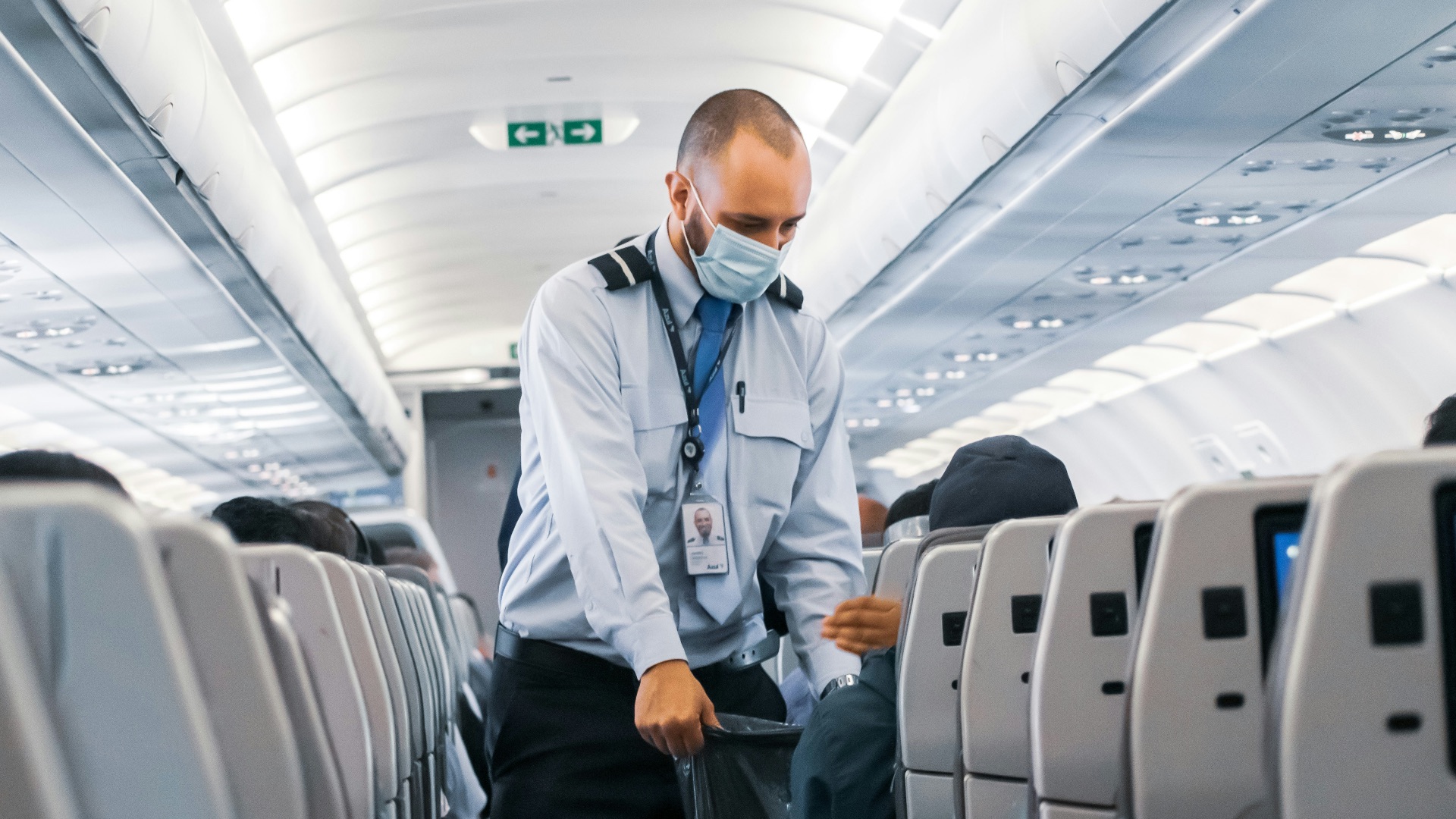
When flying is part of your world, travel stops being a once-a-year event and starts feeling like a realistic option on your days off. You might end up taking spontaneous trips because you can, and that flexibility can be genuinely joyful if you like exploring. It’s not always perfect or guaranteed, but it can open doors that would otherwise stay closed.

2. You Build Strong People Skills
You learn how to read a situation quickly, figure out what someone actually needs, and respond without getting rattled. It’s not just customer service; it’s communication under pressure with a lot of personalities in one place. Those skills stick with you, and they show up later in interviews, relationships, and basically anywhere you have to handle conflict calmly.

3. The Work Keeps Your Brain On
Even on a routine flight, you’re managing timing, coordinating with your crew, and staying aware of what’s happening across the cabin. You’re constantly switching between a safety mindset and a service mindset without losing track of either. If you hate feeling bored at work, this job rarely gives you that problem.

4. You Meet a Wide Range of People
You’ll work with crew members who’ve lived a hundred different lives, and you’ll hear stories you wouldn’t run into at a typical office job. Passenger interactions can be quick, but sometimes you end up helping someone who’s anxious, lost, or overwhelmed, and being the person who can guide them through it feels genuinely meaningful.

5. Variety Is Built Into the Job
Different routes, different aircraft, different crews, and different passenger mixes keep the job from feeling like the same day on repeat. Even if you fly the same destination, the experience can shift depending on weather, timing, or how the cabin feels that day. That constant change can be energizing if you like work that stays dynamic.

6. Your Time Off Can Feel Like Actual Time Off
When you’re not on duty, you’re usually not expected to answer messages, take calls, or keep half-working from home. A lot of flight attendants love that clean separation, especially if they’ve had jobs that followed them into every evening. With smart planning, you can sometimes build stretches of free time that feel rare in other careers.

7. There’s a Clear Structure to Grow Within
The training, standards, and procedures can feel strict, but they also create a clear system you can get good at. Over time, you can move into positions like lead, instructor, recruiting, or base support, depending on what your airline offers. If you like knowing what excellence looks like, this job gives you a defined target.
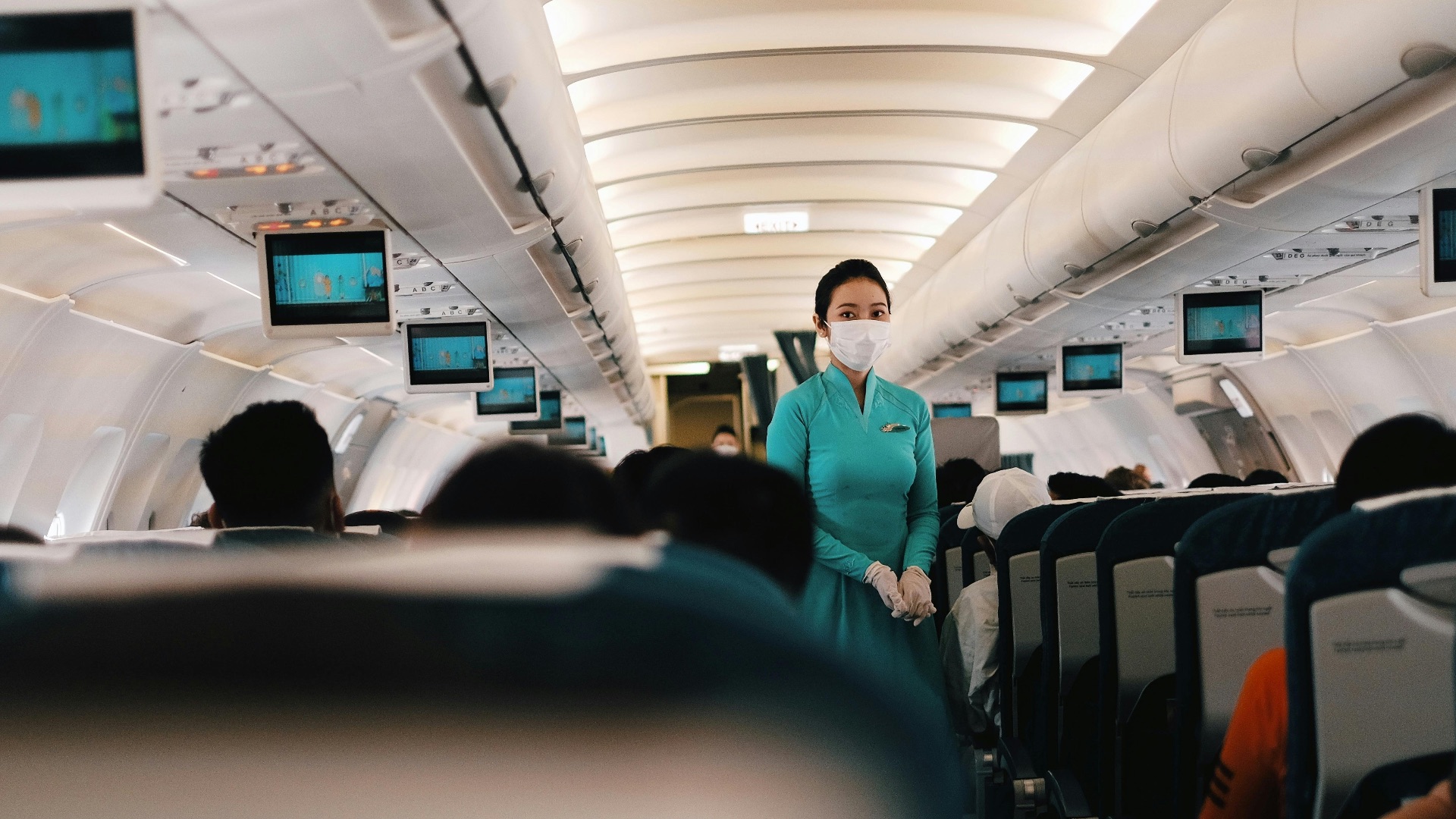
8. Teamwork Can Be Surprisingly Rewarding
When you’re with people who communicate well and pull their weight, the work feels lighter and the time goes faster. You rely on each other in practical ways, and that creates a team vibe that can be hard to find elsewhere. The friendships can be real because you see how people show up when things get stressful.
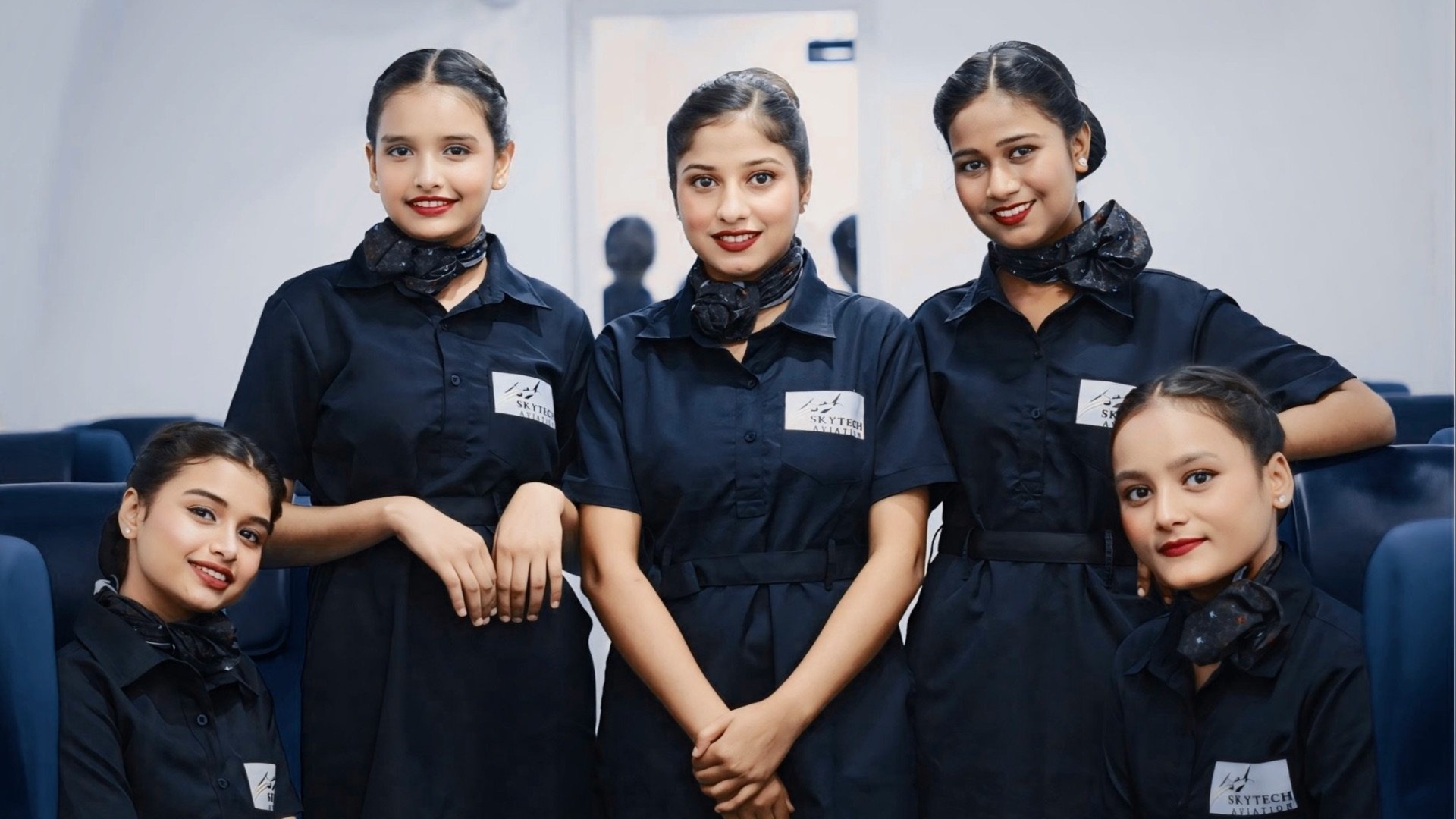
9. You Walk Away with Valuable, Transferable Skills
You’re trained in safety, conflict de-escalation, customer care, and crisis response in a fast-moving environment. Those aren’t soft skills in a vague sense; they’re concrete abilities you practice repeatedly. Even if you change careers later, you won’t be starting from zero because you’ll have proof you can handle pressure professionally.

10. There's a Real Sense of Pride in the Work
On paper, it’s a service job, but in practice you’re part of a safety-critical operation that has to run smoothly every day. When you manage a difficult cabin, support a nervous passenger, or keep things calm during delays, you feel the difference your professionalism makes. It’s satisfying in a grounded way because you know you handled something real, not just something theoretical.