A Little Homework Goes a Long Way
Booking a hotel should be exciting, not make you want to pull your hair out, but skipping a few key checks before you confirm your reservation can definitely lead to some unpleasant surprises. Before you pay it and forget it, you might want to make a checklist of things to confirm, and we've got just the guide you need. Here are 20 things to keep an eye out for before and after booking a hotel that will help you get the most out of your stay.
1. Read the Cancellation Policy Carefully
Hotel cancellation policies vary widely, and some are far less forgiving than others. Some properties require notice several days or even weeks in advance to avoid a penalty fee, while others offer free cancellation up until the day of arrival. Make sure you understand exactly what you're agreeing to before you enter your payment details.
2. Compare Prices Across Multiple Platforms
The rate you see on one booking site isn't always the best one available, so it's worth shopping around before you commit. Third-party platforms, the hotel's own website, and membership programs like AAA or Costco Travel can all offer different pricing. Spending a few extra minutes comparing your options can save you a meaningful amount of money.
3. Check What's Actually Included in the Room Rate
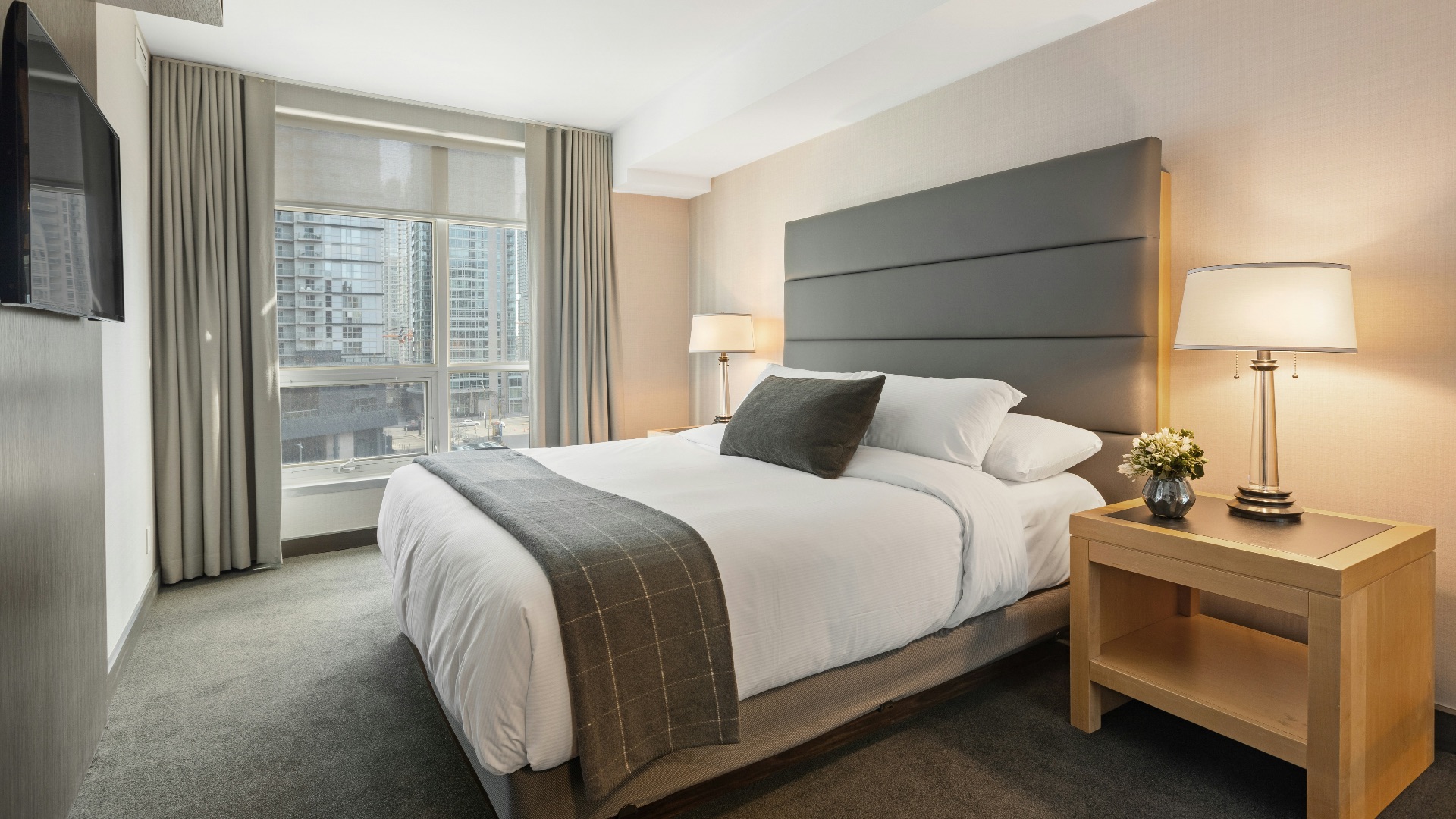
A low nightly rate can quickly become less appealing once you factor in resort fees, parking charges, and extra-guest costs. Some hotels bundle these into the base price, while others tack them on at checkout as separate line items. Always confirm what's included so you can make an accurate comparison between properties.
 Point3D Commercial Imaging Ltd. on Unsplash
4. Look Into the Hotel's Location Relative to Your Plans
A hotel might look perfect on paper, but if it's far from everything you need, you'll end up spending more time and money getting around than you'd like. Check how close it is to major attractions, public transportation, the airport, or wherever your meetings or events are being held. Convenience and accessibility can have a big impact on how enjoyable your overall trip feels.
 Karolien Brughmans on Unsplash
5. Verify the Amenities Listed Are Currently Available
Hotels sometimes advertise amenities like pools, gyms, or restaurants that are temporarily closed for renovation or maintenance. It's worth sending a quick message to the property or checking recent reviews to confirm that the features you're counting on are actually up and running. Finding out your hotel's pool is closed after you've already checked in is a frustrating and avoidable situation.

6. Pay Attention to the Check-In and Check-Out Times
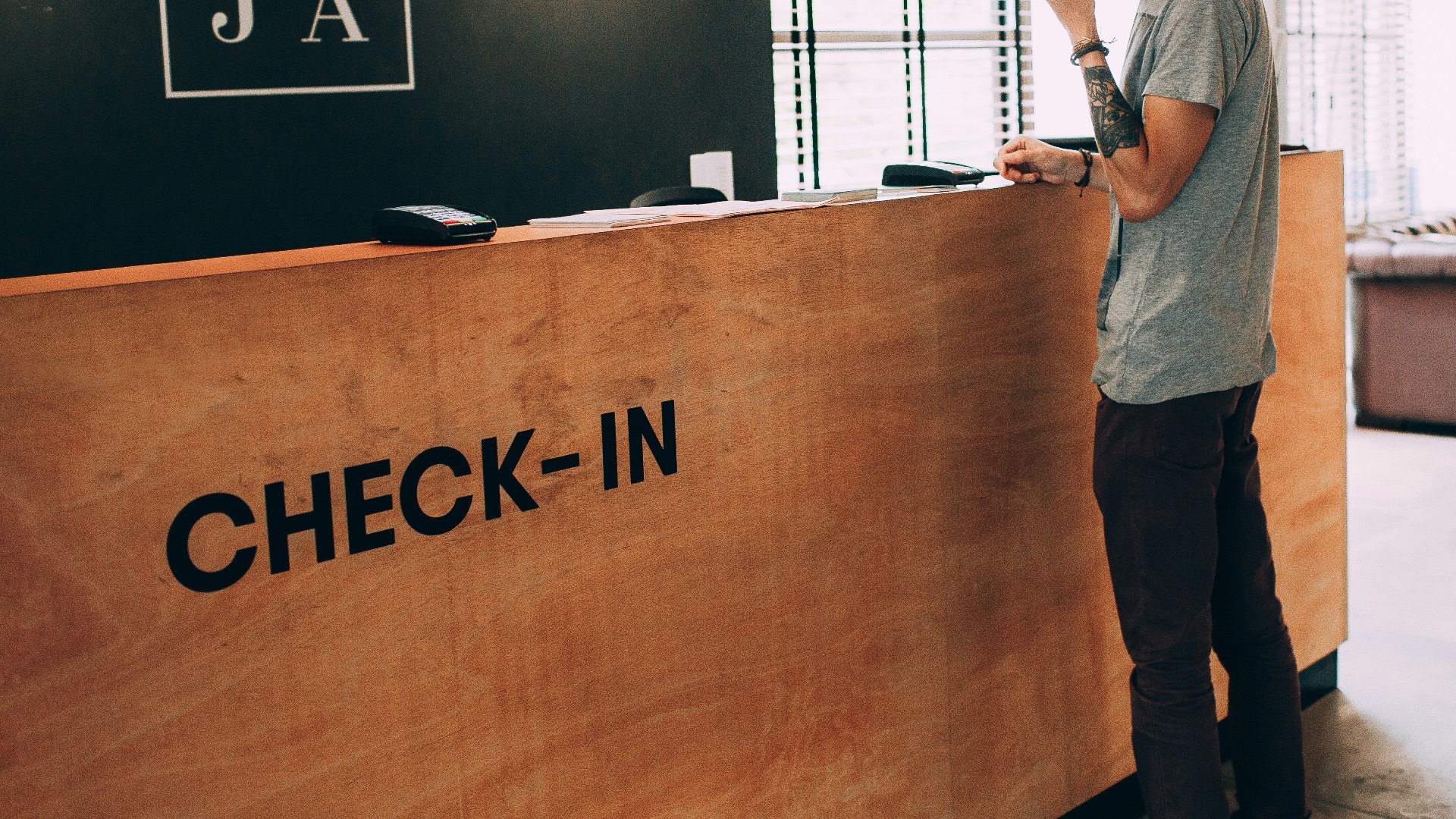
Standard check-in times are usually in the mid-afternoon, and check-out is often around mid-morning, which can be inconvenient if your travel schedule doesn't align with those windows. Some hotels offer early check-in or late check-out for an additional fee, and others will accommodate requests when availability allows. If your arrival or departure time is unusual, it's a good idea to contact the hotel in advance to make arrangements.
7. Research the Neighborhood's Safety and Walkability
Online reviews and travel forums can give you a realistic picture of what the surrounding area is like, especially at night. If you're planning to walk to restaurants, shops, or attractions, it's helpful to know whether the neighborhood is pedestrian-friendly and well-lit. A hotel's immediate surroundings can significantly shape your overall comfort and sense of security during your stay.
 Pasqualino Capobianco on Unsplash
8. Scope Out the Breakfast and Dining Options
Not every hotel includes breakfast, and even when it does, the quality can range from a basic continental spread to a full hot buffet. If you prefer to eat on-site in the mornings, check whether the hotel has a restaurant and what the hours and pricing look like. Knowing your dining options ahead of time helps you plan your mornings more efficiently and avoid any unexpected expenses.

9. Read Recent Reviews
Star ratings and polished photos can only tell you so much about what a hotel is actually like to stay in. Recent guest reviews on platforms like TripAdvisor, Google, or Booking.com often paint a much more realistic picture, covering everything from cleanliness and service quality to noise levels and hidden fees. A property might have a strong overall rating built up over years, but a string of recent complaints can be a telling sign that standards have slipped.

10. Confirm the Pet Policy If You're Traveling with an Animal
Pet-friendly hotels aren't all created equal; some welcome animals with open arms while others have strict size limits, breed restrictions, or hefty additional fees. Even if a hotel is listed as pet-friendly, it's worth calling directly to confirm the specific terms so there are no surprises at the front desk. Having those details sorted out in advance makes the check-in process smoother for you and your pet.
But your homework isn't done just yet: remember to also check your room after you've checked in. What should you look for? Here are 10 things to keep an eye out for:

1. Inspect the Room Before You Unpack
As soon as you walk into your room, take a few minutes to look it over before you get settled. Check the bedding (especially for bed bugs), bathroom, and general cleanliness, and make sure everything appears to be in good condition. If something looks off or doesn't meet your expectations, it's much easier to request a room change before you've spread your belongings everywhere.

2. Test the Locks on the Door and Windows
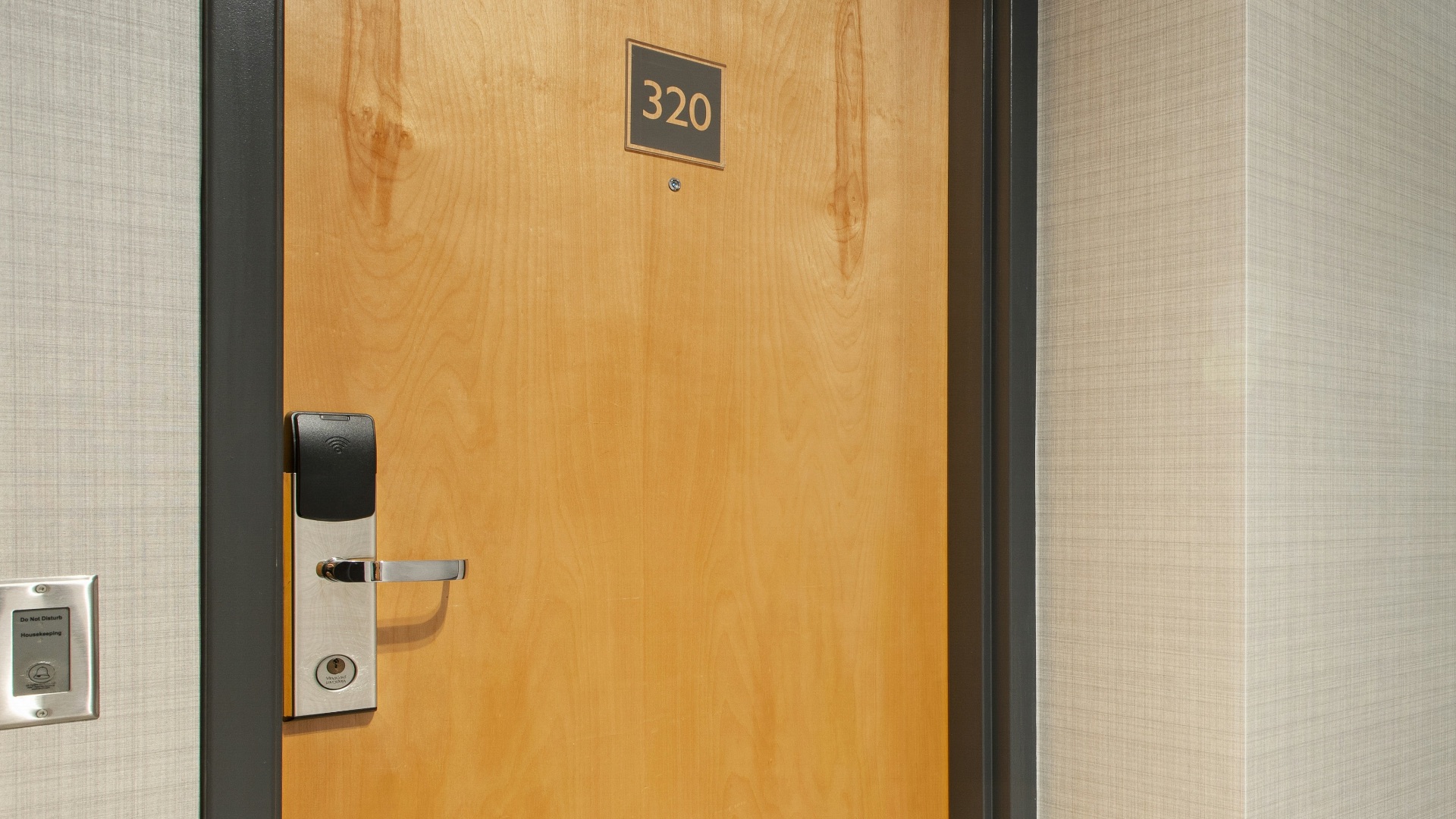
Your room's security is worth a quick check once you've closed the door behind you. Make sure the deadbolt, chain lock, and any window latches are functioning properly and feel secure. If anything seems loose, damaged, or difficult to operate, let the front desk know right away so the issue can be addressed.
 Point3D Commercial Imaging Ltd. on Unsplash
3. Locate the Nearest Emergency Exits
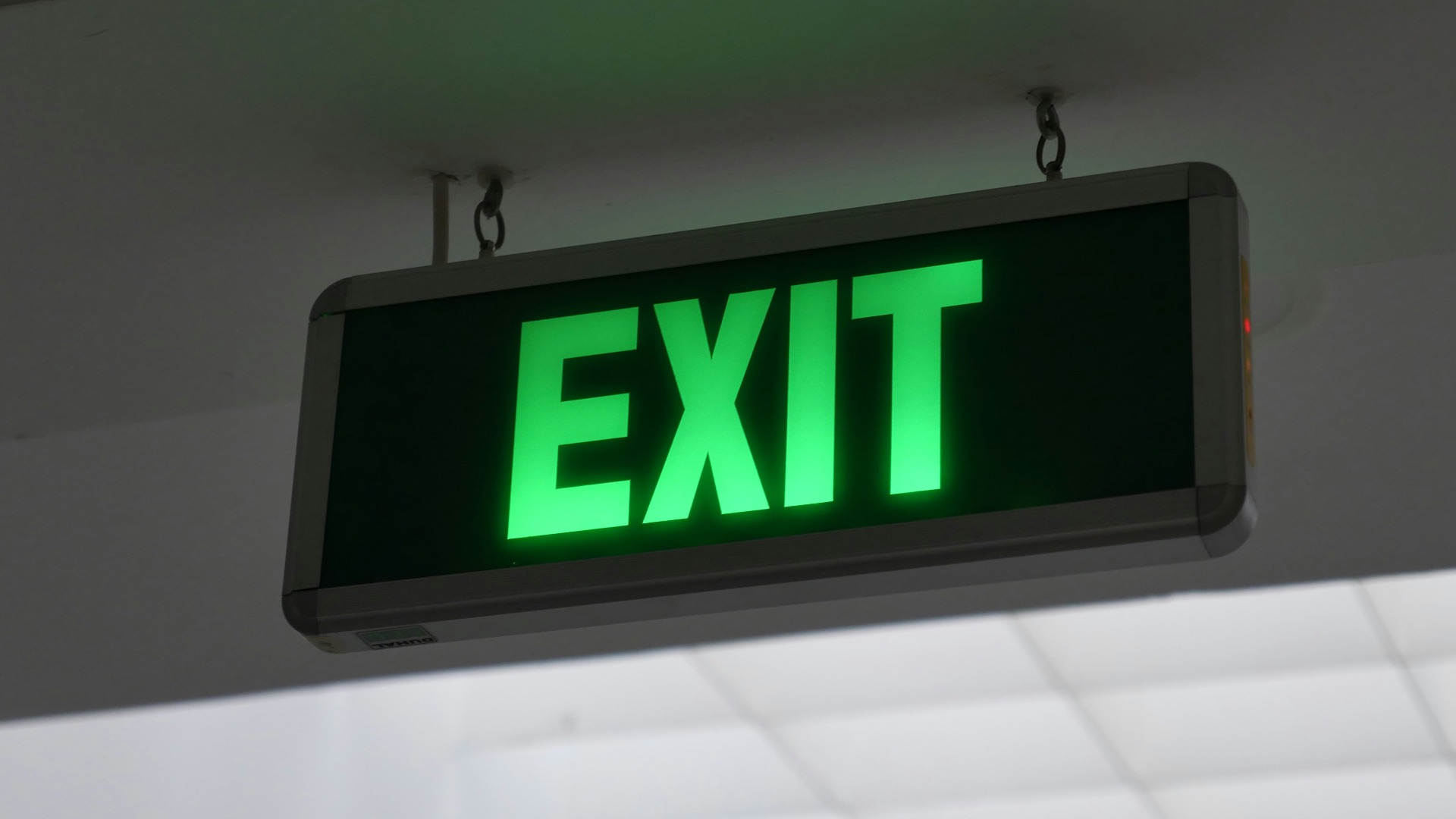
You probably don't think twice about the emergency plan, but it'll come in handy when you least expect it. Plus, it takes less than a minute to walk the hallway and find the closest stairwell or exit. Hotel floor plans can be confusing, especially in larger properties, so familiarizing yourself with the layout early on is a smart precaution.
4. Give the Bathroom a Thorough Once-Over
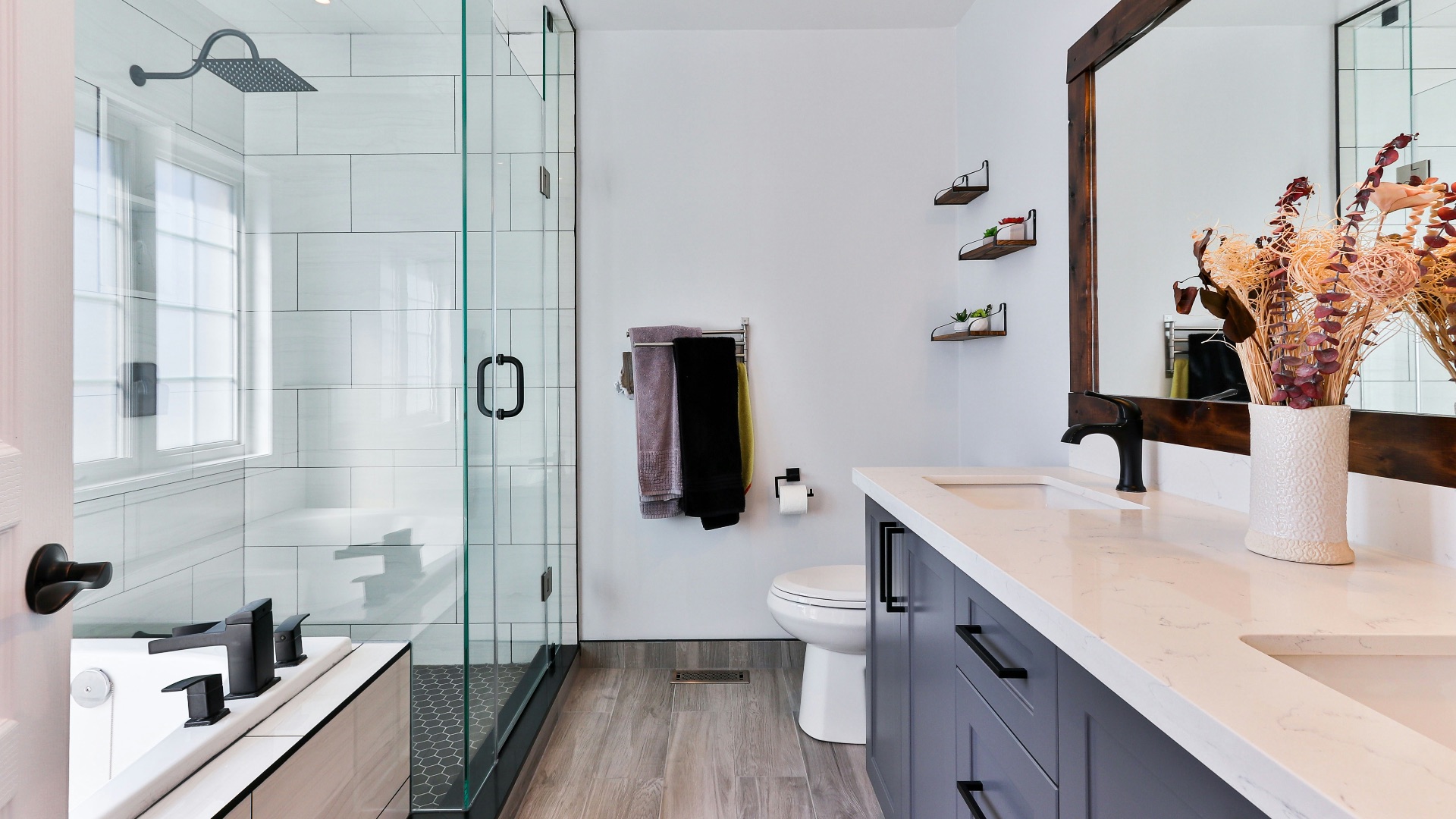
The bathroom is one of the most telling indicators of a hotel's overall cleanliness standards, so it's worth inspecting carefully when you first arrive. Check that the toilet, sink, shower, and tub are all clean, and make sure the fixtures are functioning properly with no dripping faucets or slow-draining pipes. If anything looks unsanitary or isn't working as it should, flag it with the front desk before you've settled in for the night.
 Lotus Design N Print on Unsplash
5. Assess the Water Pressure and Hot Water Supply
A shower with poor water pressure or unreliable hot water can put a real damper on your mornings. Run the shower for a couple of minutes after you arrive to see how it performs before you actually need it. If there's a problem, addressing it early in your stay gives the hotel time to fix it or offer you an alternative room.
6. Connect to the Wi-Fi and Test the Speed
Reliable internet access has become a basic expectation for most travelers, whether you're working remotely or just staying connected with family. Log in to the hotel's network as soon as you're settled and run a quick speed test to see whether it's actually usable. If the connection is too slow for your needs, the front desk may be able to suggest a stronger signal location or offer an ethernet connection in the room.

7. Note What's Missing From the Room That You Might Need
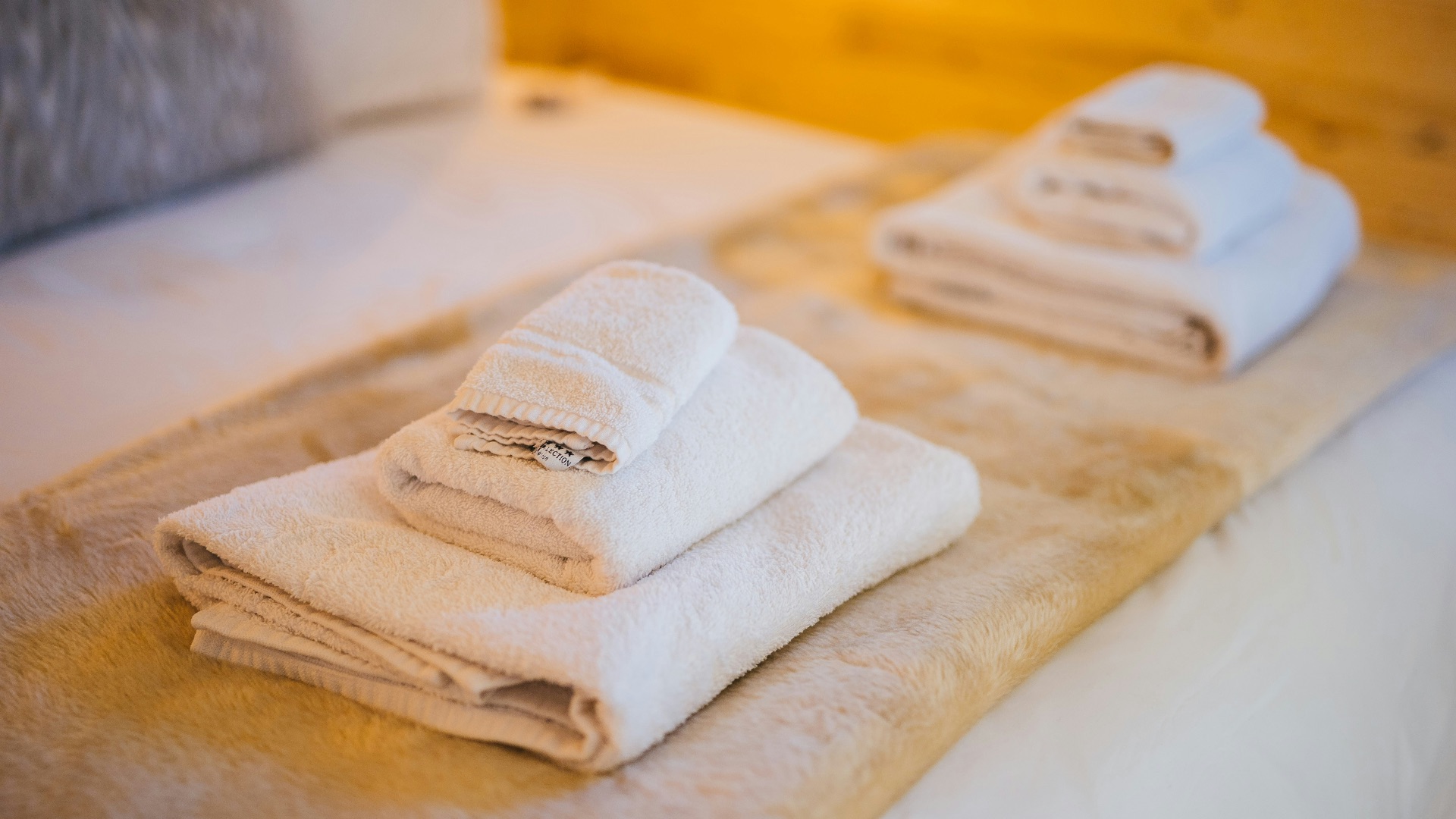
Hotels are generally well-stocked, but it's not unusual to find that something basic like extra towels, a coffee maker, or enough hangers isn't available. Do a quick inventory of the room once you've settled in so you can request anything you need while you have the front desk's full attention. It's far more convenient to sort those things out earlier than to go without them or chase down housekeeping at an inconvenient time.
8. Sweep the Room for Hidden Cameras
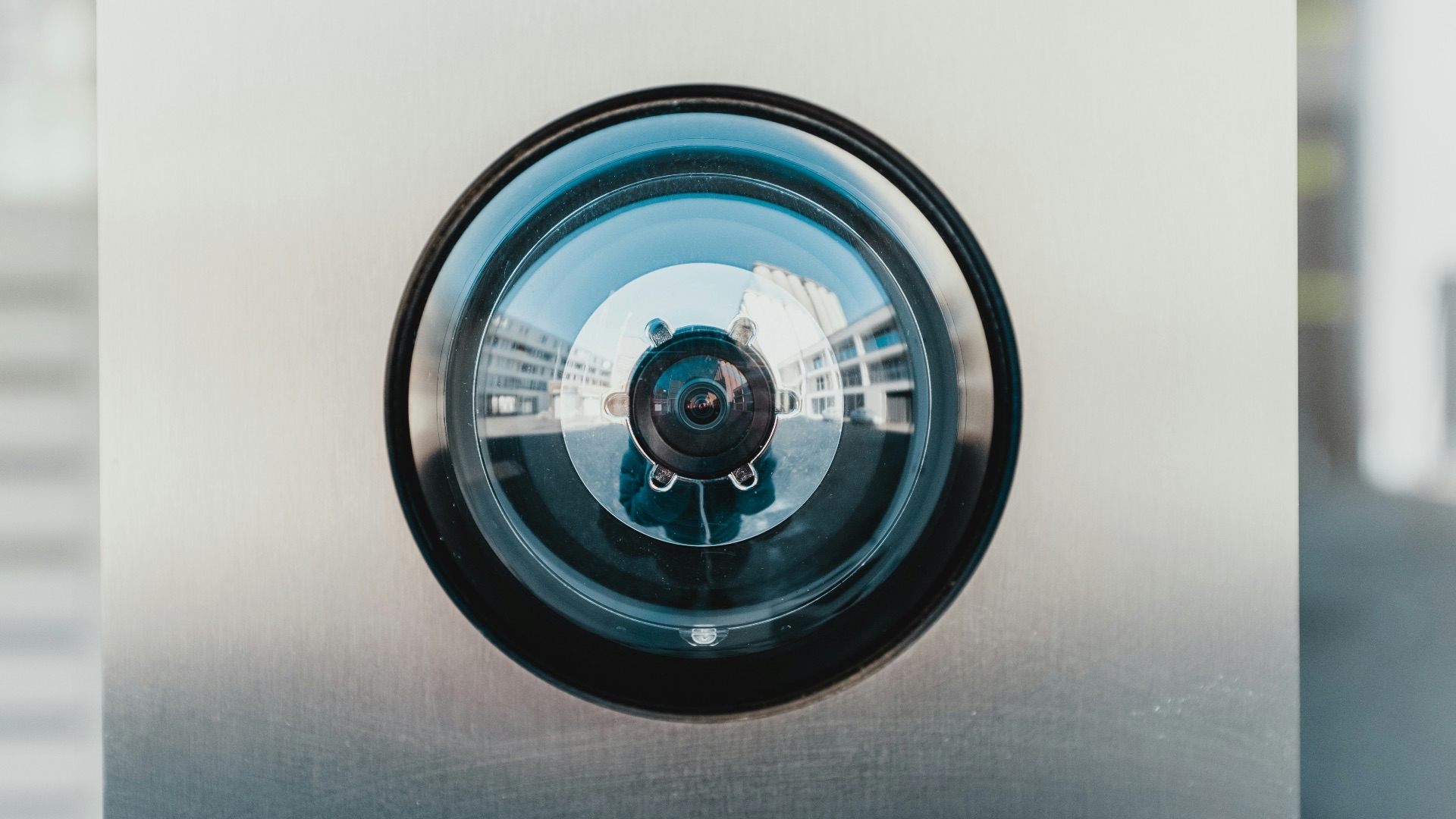
It's an uncomfortable thing to think about, but checking for hidden cameras is a reasonable precaution that more travelers are taking seriously. Pay particular attention to areas where a camera might go unnoticed, such as smoke detectors, alarm clocks, air purifiers, and any small devices you don't recognize. If you spot anything suspicious, don't touch it; document it and contact the front desk immediately, and consider requesting a different room or finding an alternative property altogether.
9. Review Your Bill Charges Before Your Final Night
Many hotels allow you to view your account balance through the in-room television or a guest portal, and it's a good idea to take a look before your last night. Catching billing errors or unauthorized charges early gives you the opportunity to dispute them before checkout, rather than dealing with the back-and-forth after the fact. Reviewing your charges at the end of a trip, when you're rushing to catch a flight, is far less ideal.
10. Ask the Concierge If You Have Questions About the Area
The concierge is one of the most underutilized resources in any hotel, and they can offer genuinely helpful local insight that you won't always find online. If you're looking for restaurant recommendations, transportation advice, or information about nearby activities, they're usually your best first stop. Connecting with them early in your stay can lead to better experiences throughout it.