Eco-Resorts Leading the Way
Travel is evolving, and more people are looking for ways to explore the world without leaving a heavy environmental footprint. Eco-resorts are at the forefront of this shift, combining comfort with responsible practices that protect natural surroundings and support local communities. These destinations often focus on renewable energy, conservation, and thoughtful design. By choosing one of these 20 places, you can enjoy meaningful travel experiences while supporting a more sustainable future.

1. Soneva Fushi (Maldives)
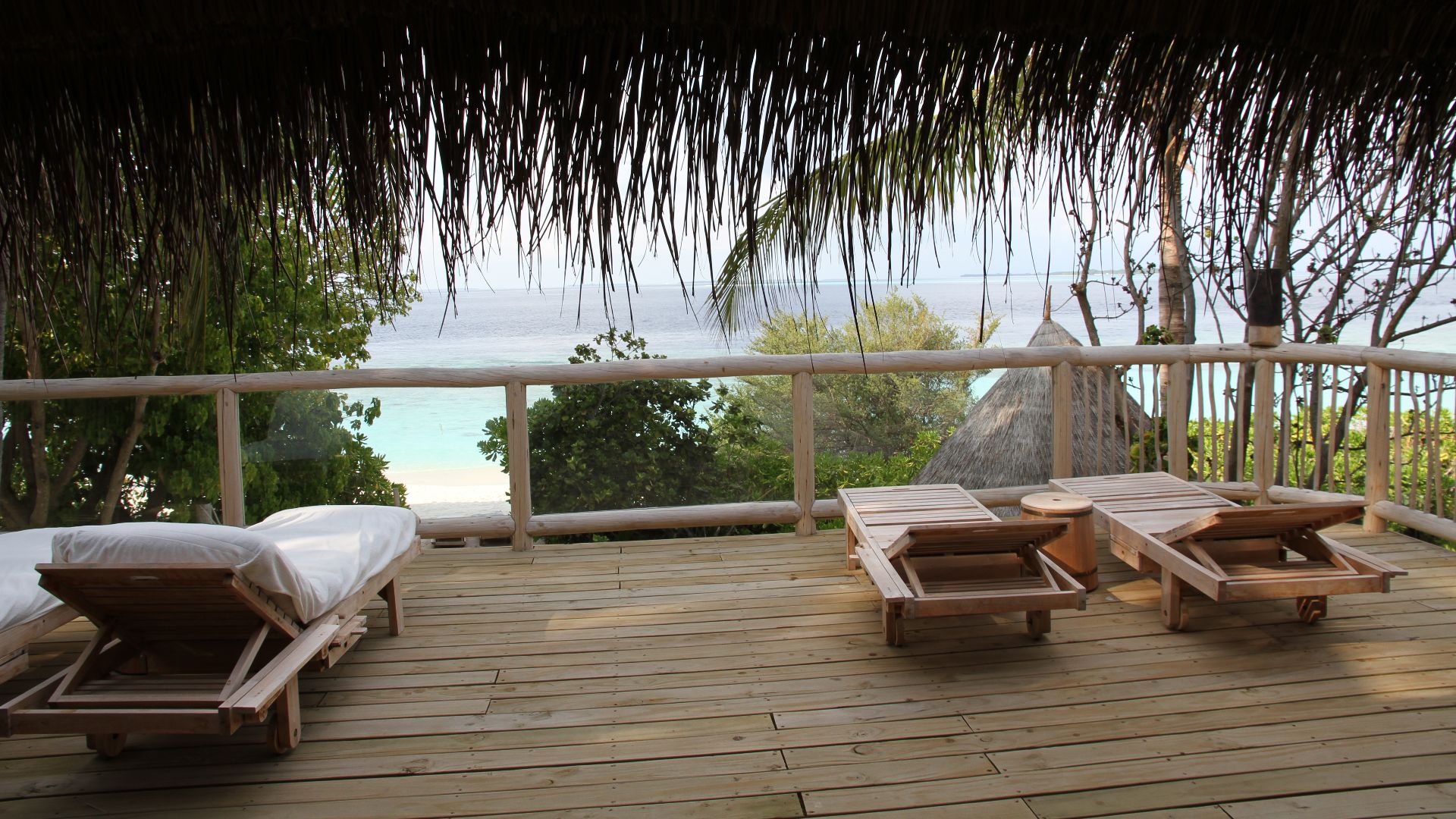
This resort is known for its strong commitment to sustainability and waste reduction. It operates extensive recycling programs and even repurposes materials on-site. Villas are designed to blend naturally into the island environment. Guests are encouraged to engage in conservation efforts during their stay. The resort also invests in renewable energy initiatives to reduce its carbon footprint.
2. Six Senses Zighy Bay (Oman)
Located between mountains and the sea, this resort focuses on preserving its surrounding landscape. It uses locally sourced materials and supports nearby communities. Water conservation and energy efficiency are key priorities. Guests can participate in sustainability programs and cultural experiences. This approach creates a balance between luxury and environmental responsibility.

3. Fogo Island Inn (Canada)
This remote inn emphasizes cultural preservation and community support. It sources materials locally and works closely with local artisans. The building itself is designed to withstand harsh weather while minimizing impact. Guests gain insight into the region’s traditions and environment.
 Paul Asman and Jill Lenoble on Wikimedia
4. Whitepod Eco-Luxury Hotel (Switzerland)
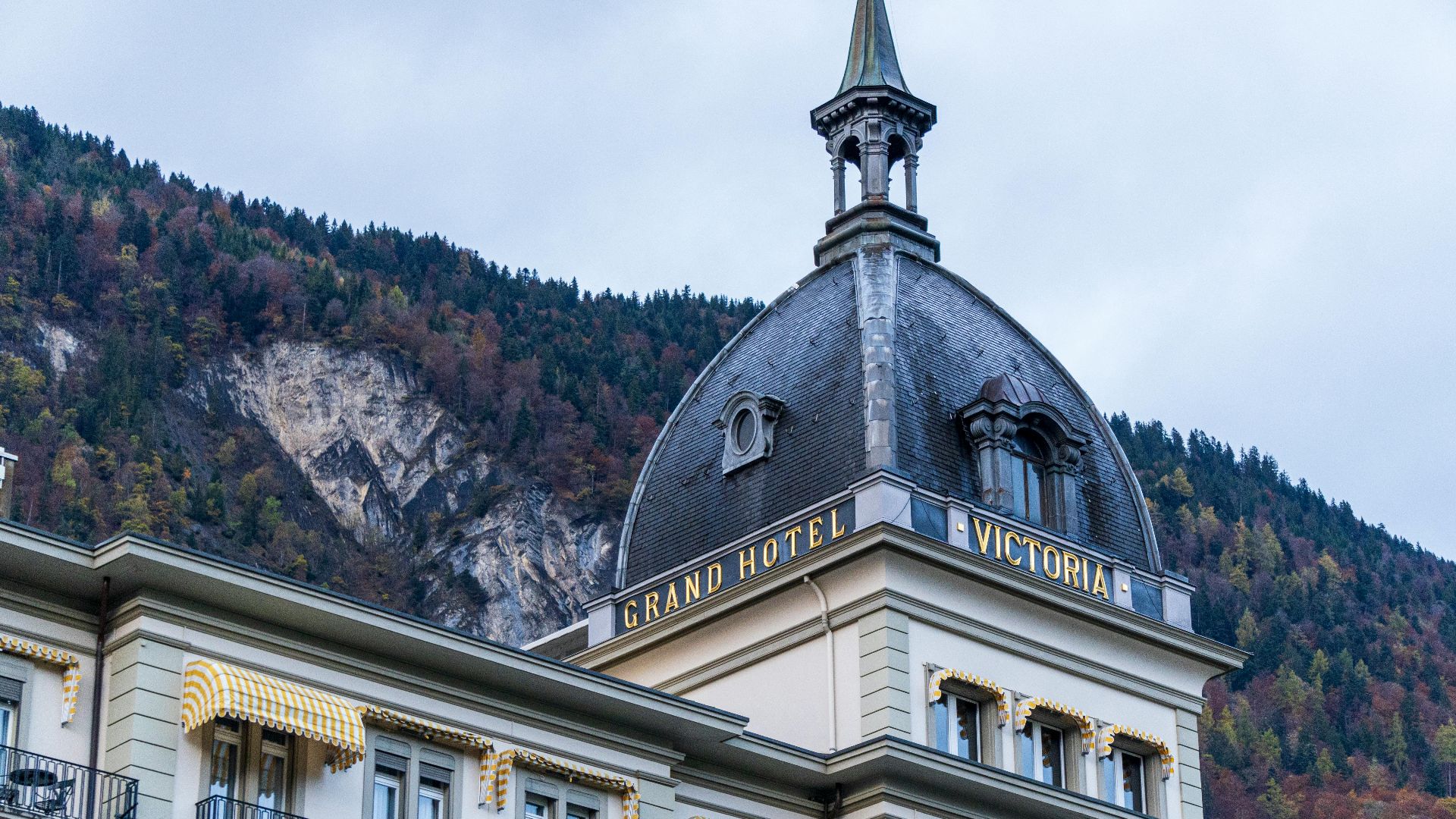
Whitepod uses energy-efficient pods that reduce environmental impact. The resort encourages low-energy transportation like walking and skiing. Waste reduction and recycling are built into daily operations. Guests are made aware of their energy use during their stay. This helps promote more mindful travel habits.
5. Lapa Rios Lodge (Costa Rica)
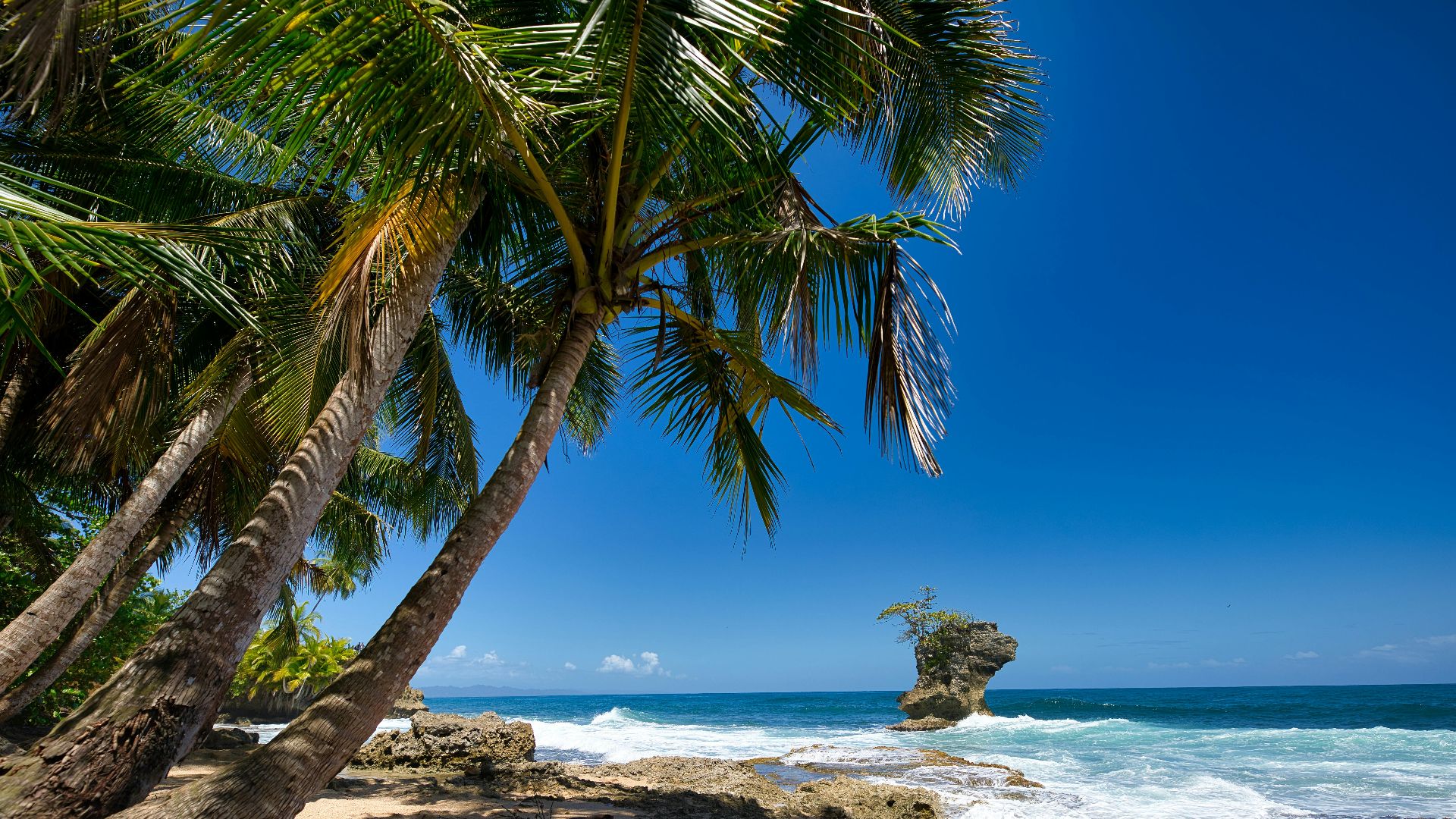
Set within a private nature reserve, this lodge prioritizes biodiversity conservation. It operates with minimal environmental disruption and supports wildlife protection. Buildings are designed to allow natural airflow, reducing energy needs. Local hiring strengthens community ties. Guests experience nature while contributing to its preservation.
6. &Beyond Phinda Private Game Reserve (South Africa)
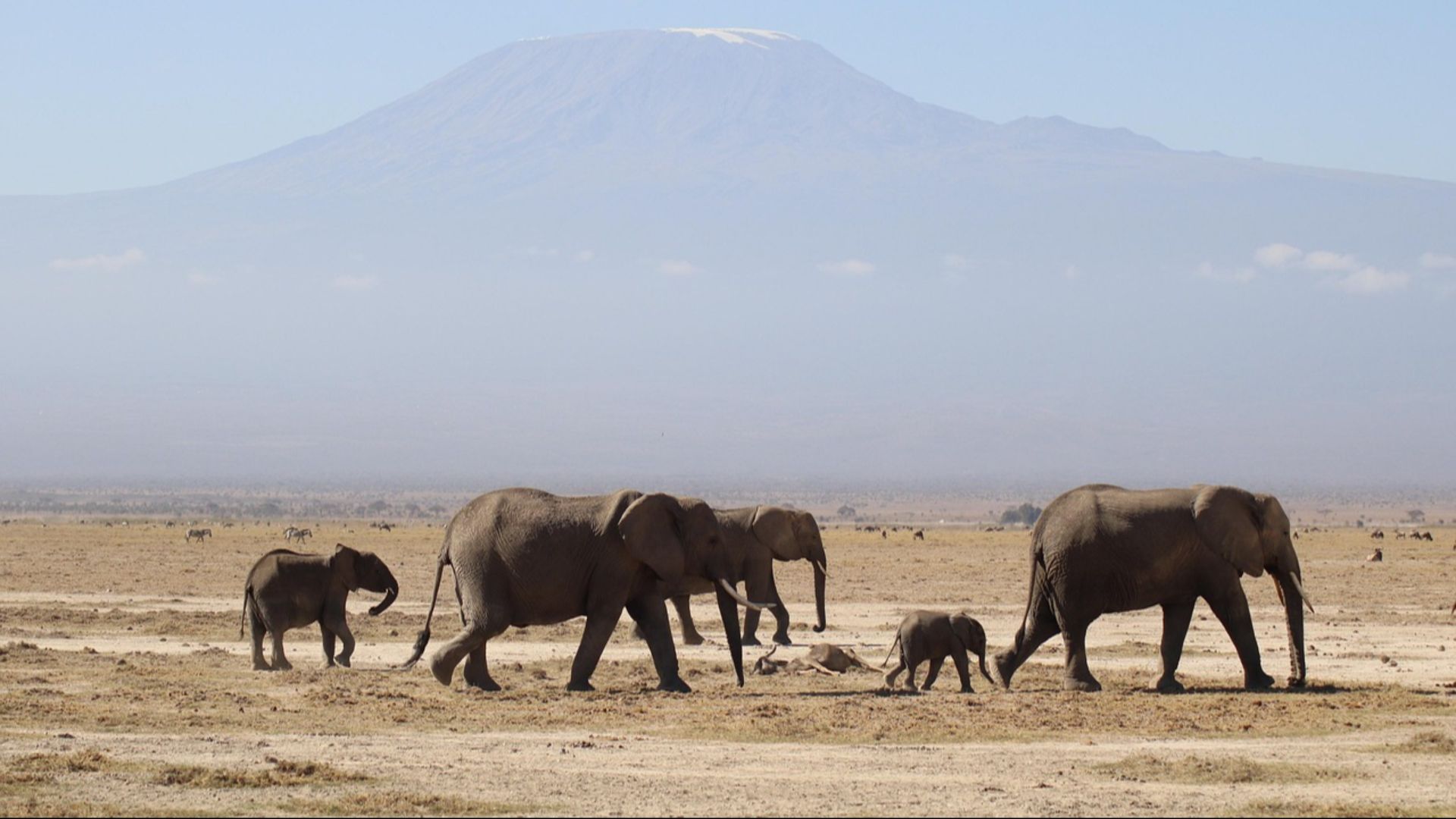
This reserve integrates conservation with tourism by protecting endangered species. It runs anti-poaching initiatives and habitat restoration programs. Lodges are designed with sustainability in mind. Community partnerships play a central role in operations, and visitors directly support conservation efforts through their stay.

7. Sasaab Lodge (Kenya)
Sasaab Lodge blends eco-conscious design with local cultural elements. It uses solar power and water-saving systems. The lodge works closely with nearby communities on development projects. Wildlife conservation is a major focus, creating a meaningful connection between tourism and sustainability.
8. Inkaterra Machu Picchu Pueblo Hotel (Perú)
This resort is located within a cloud forest and focuses on ecological research. It maintains extensive gardens that support local biodiversity. Conservation and education programs are central to its mission. Guests can learn about native species and ecosystems. The property operates with strong environmental standards.
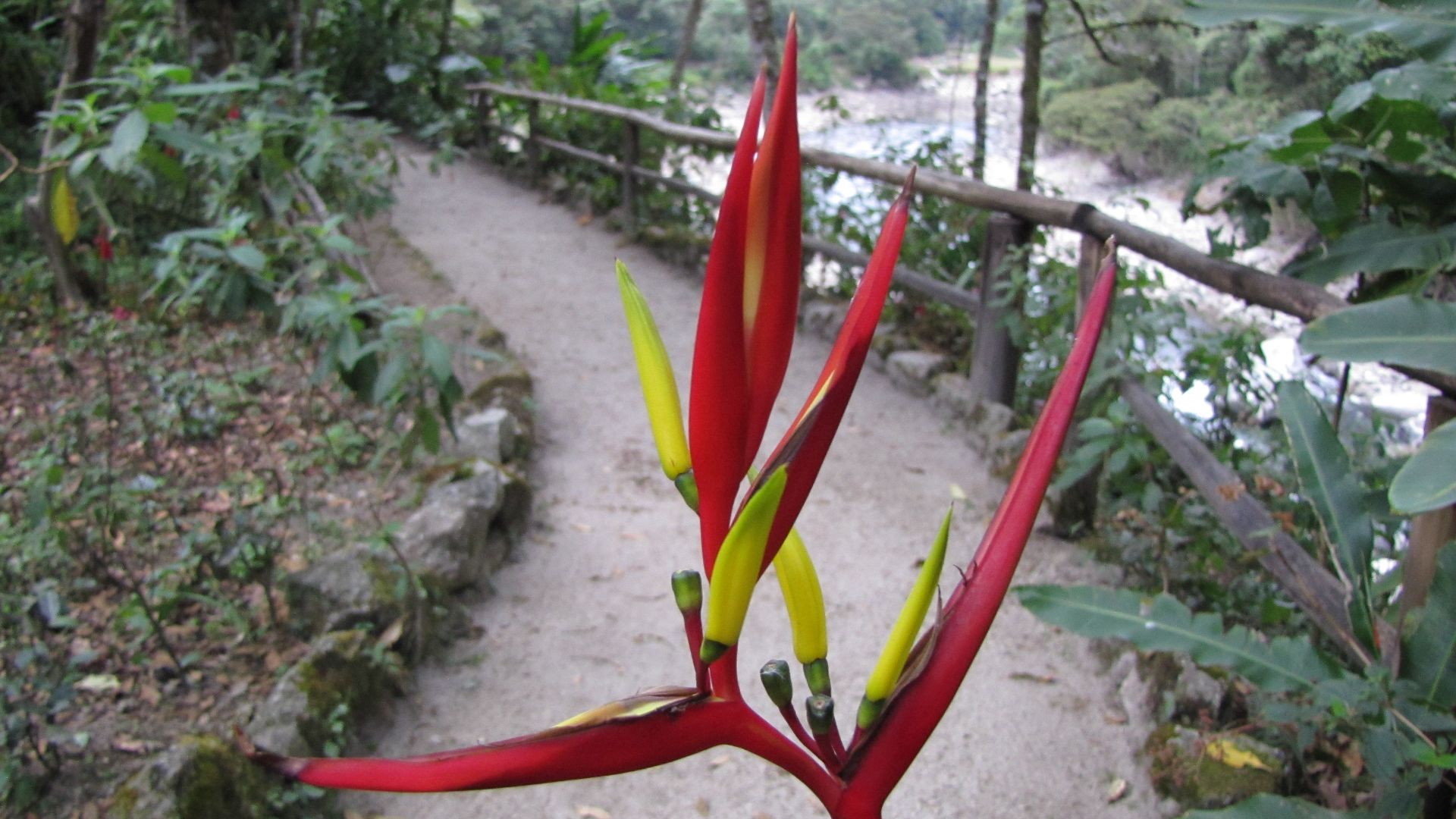 David Berkowitz from New York, NY, USA on Wikimedia
9. The Brando (French Polynesia)
The Brando is powered largely by renewable energy sources, including solar power. It uses advanced systems to manage water and waste. The resort also funds environmental research and conservation projects. Its design minimizes impact on the surrounding atoll, as guests experience luxury while supporting sustainability efforts.
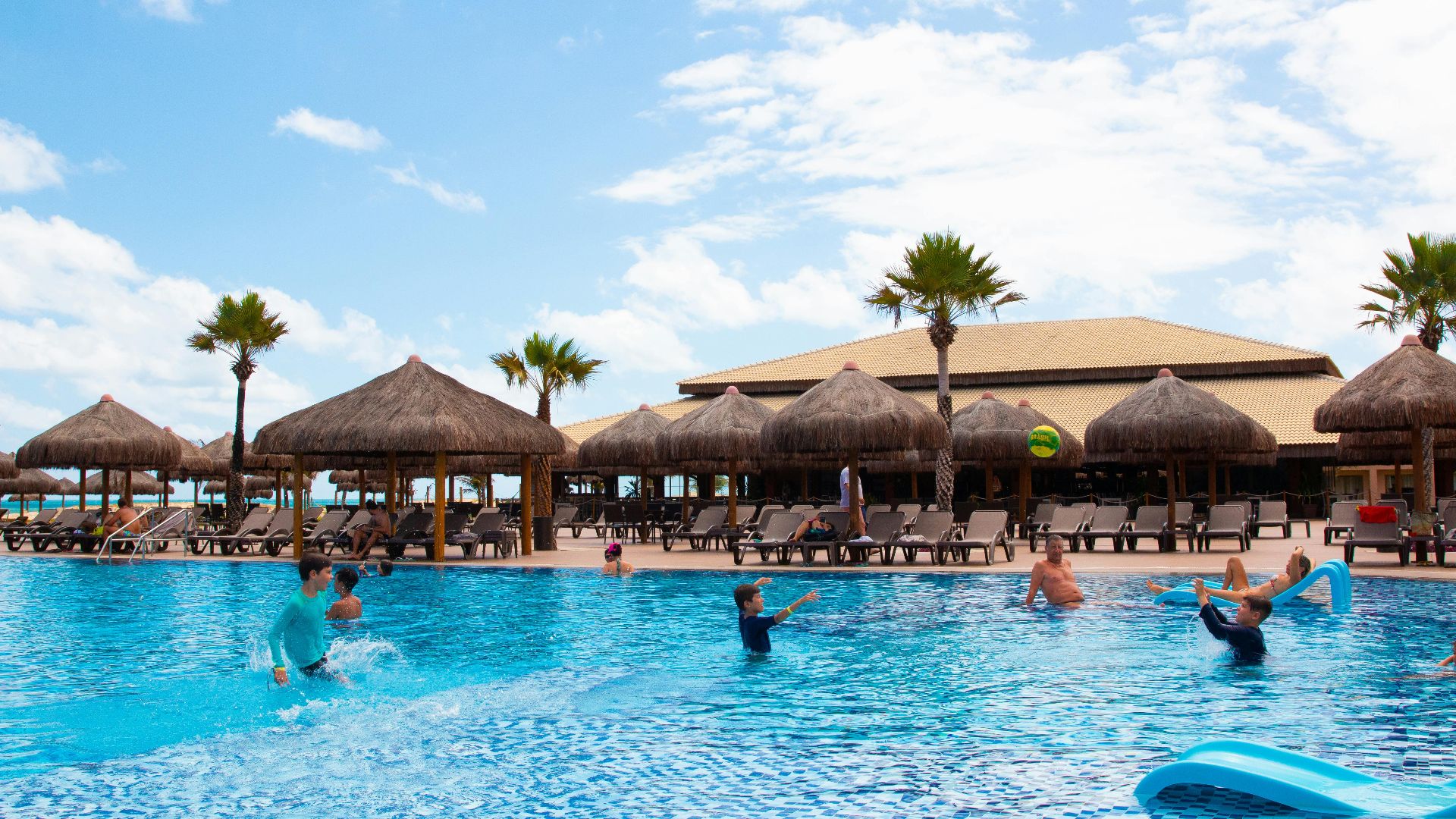
10. Tierra Patagonia (Chile)
This resort is designed to blend into the Patagonian landscape. It uses sustainable materials and energy-efficient systems. Water usage is carefully managed to protect local resources. The property emphasizes low-impact tourism. Guests are encouraged to explore the natural environment responsibly.
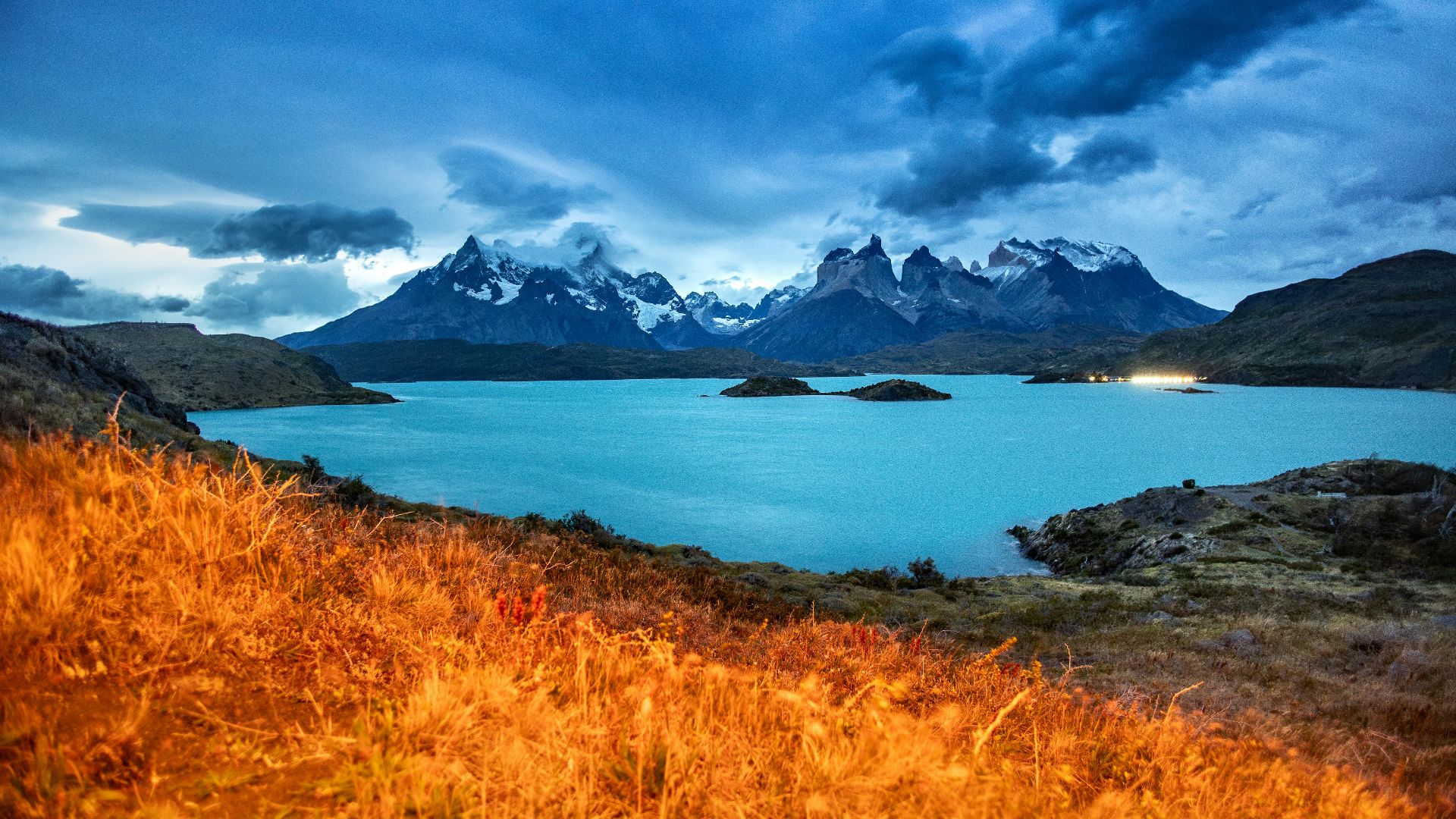
11. Chumbe Island Coral Park (Tanzania)
This eco-resort focuses on marine conservation and environmental education. It protects coral reefs through restricted access and monitoring. Buildings use rainwater collection and solar energy.
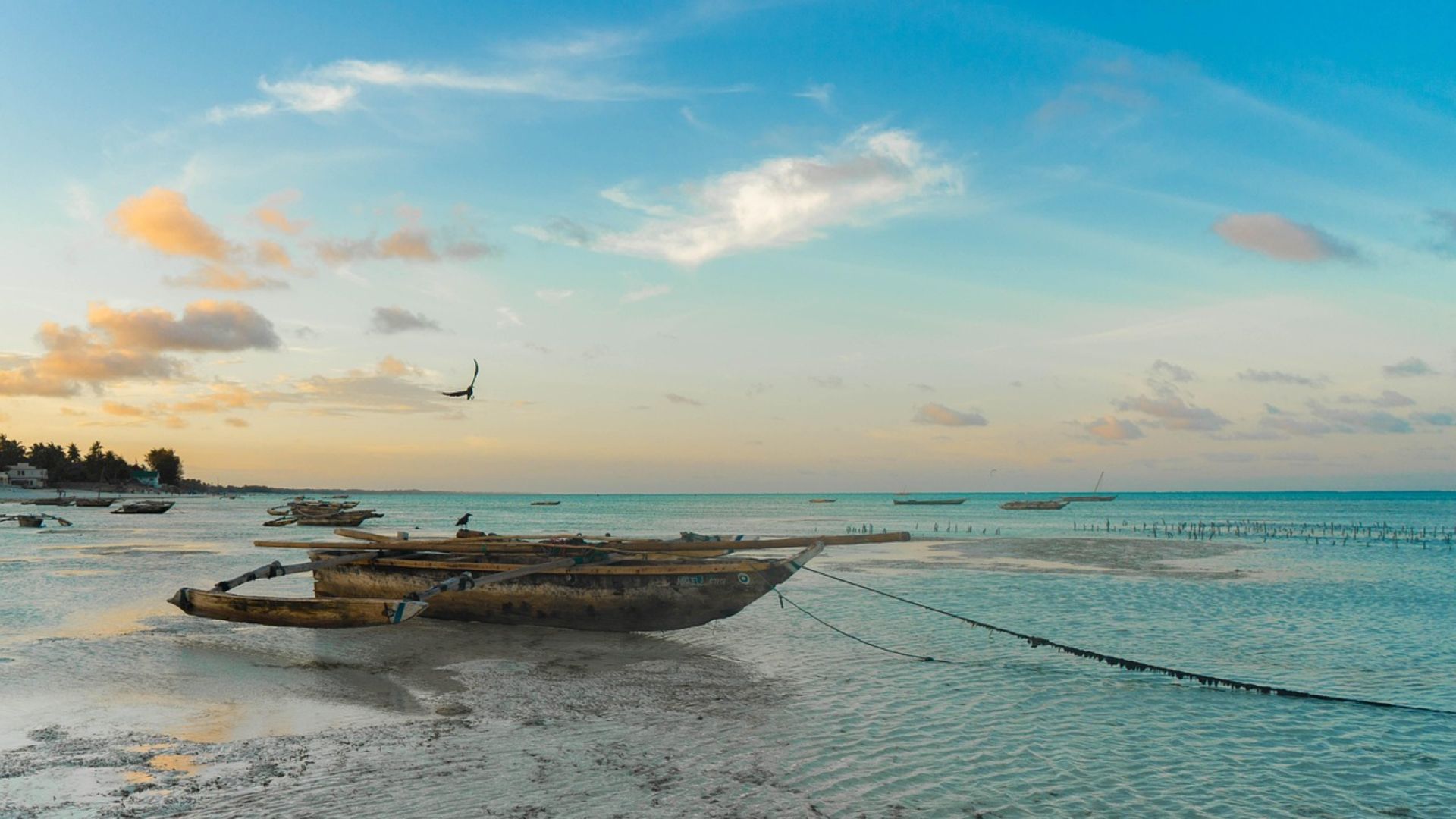
12. Longitude 131° (Australia)
Located near Uluru, this resort emphasizes respect for Indigenous culture and land. It operates with minimal environmental disruption. Sustainable practices include energy and water conservation. Cultural education is a key part of the experience, as guests gain a deeper understanding of the region.
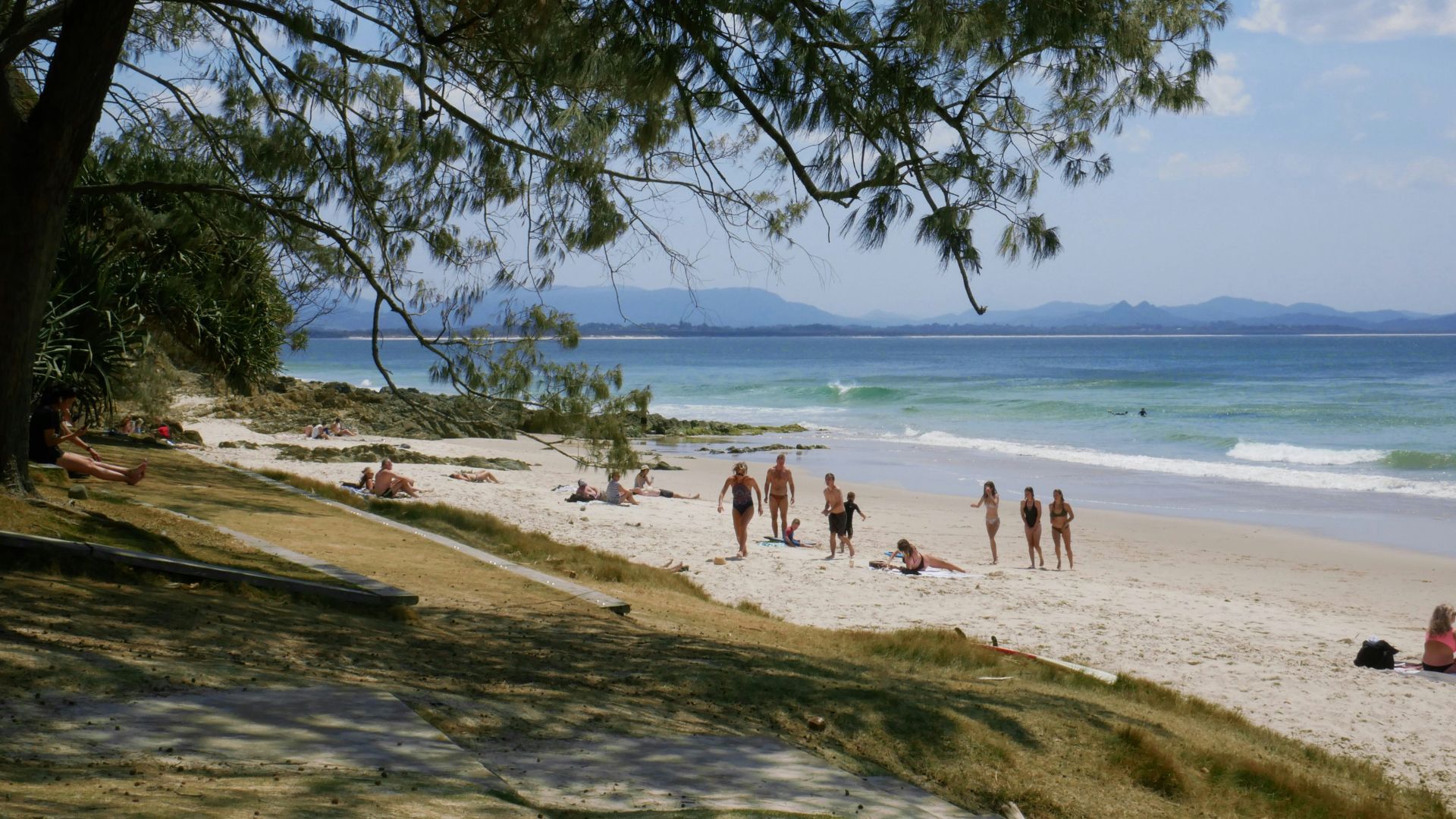
13. Alila Villas Uluwatu (Indonesia)
This resort incorporates sustainable architecture and design principles. It uses water-efficient systems and renewable materials. The property minimizes waste through thoughtful operations.
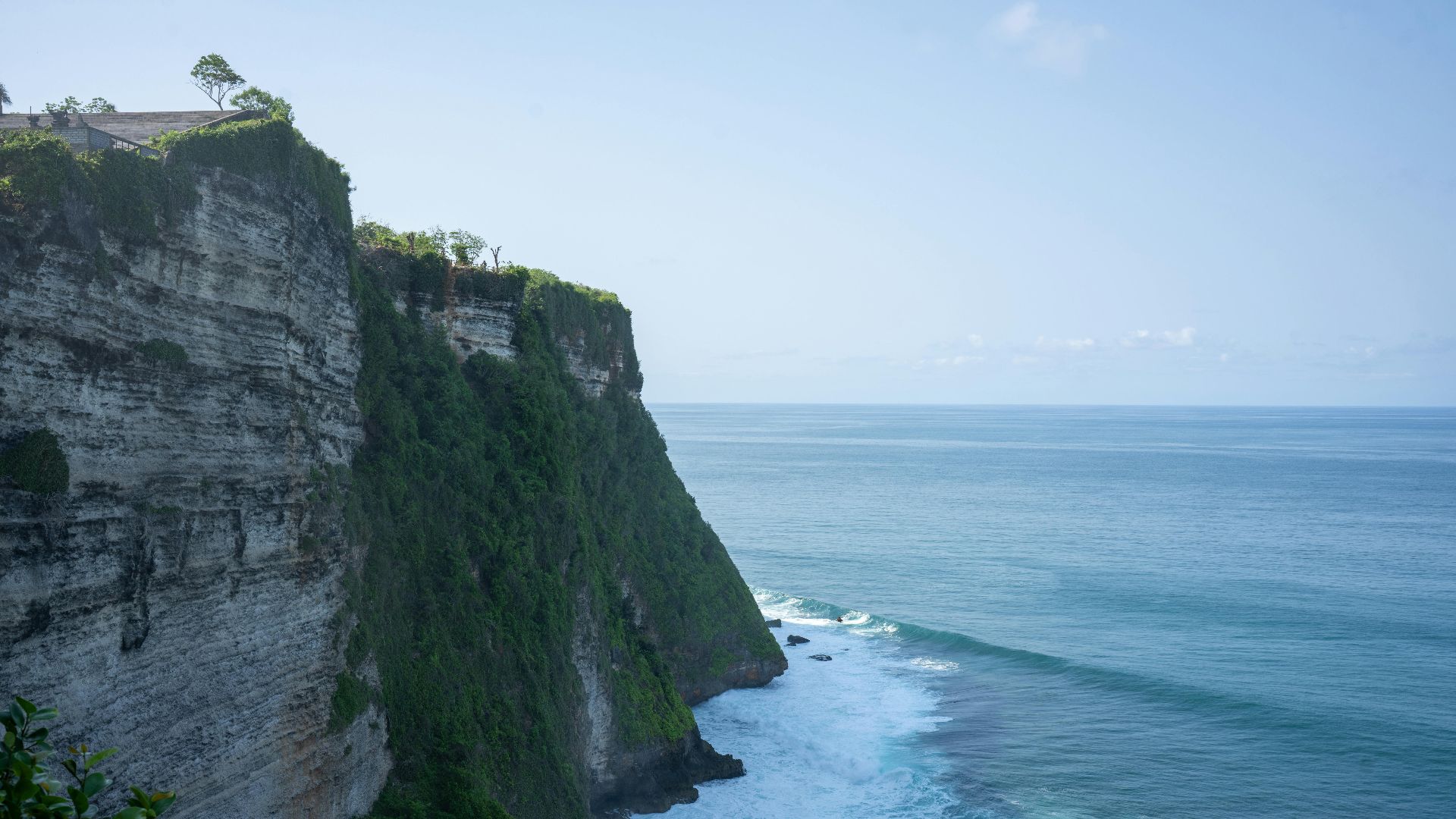
14. Nihi Sumba (Indonesia)
Nihi Sumba supports community development and environmental initiatives. It funds clean water projects and education programs. The resort uses sustainable building methods.
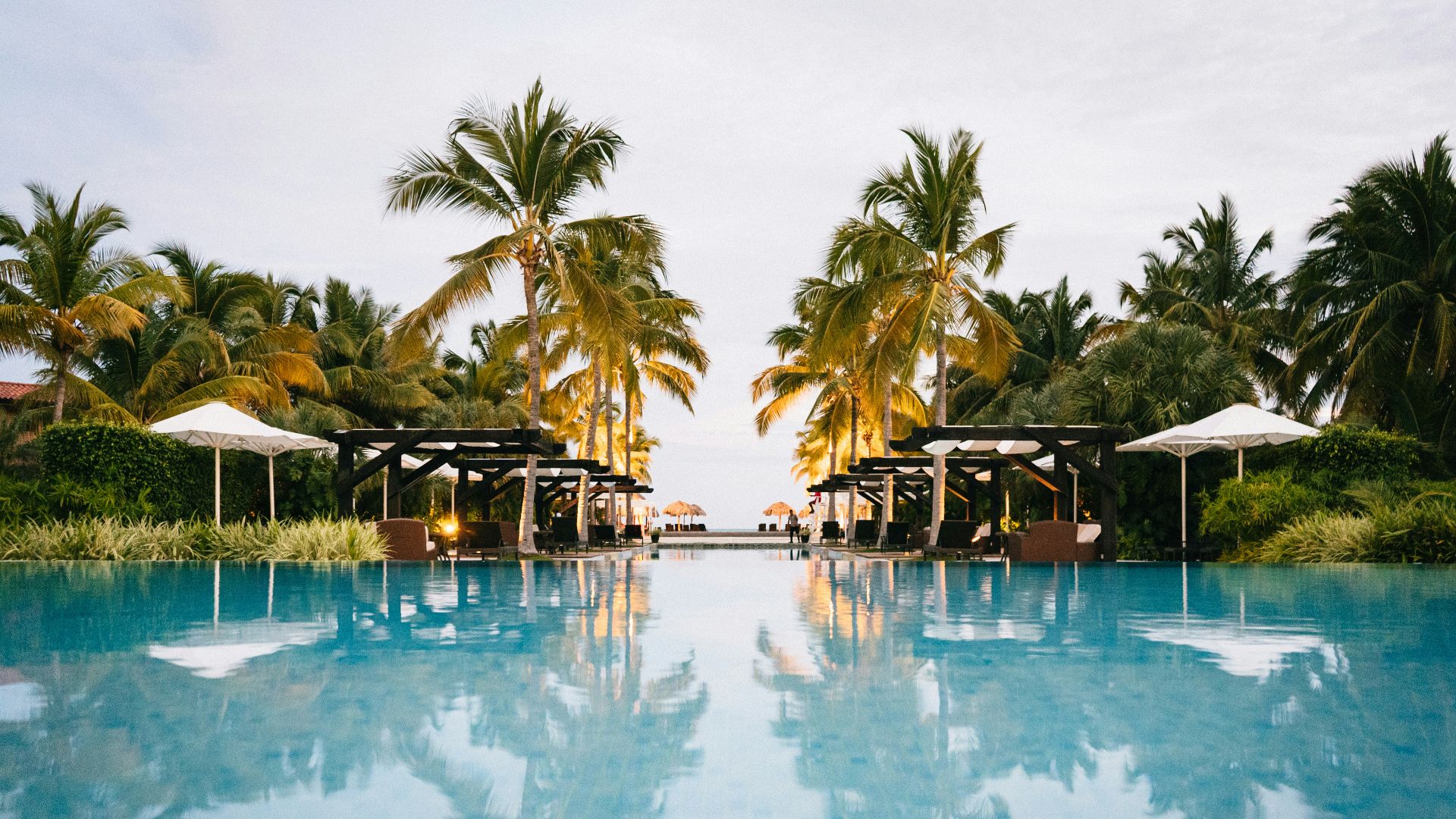
15. Finca Rosa Blanca (Costa Rica)
This coffee plantation resort emphasizes organic farming and sustainability. It uses eco-friendly construction and renewable energy. The property also supports local agriculture and conservation.
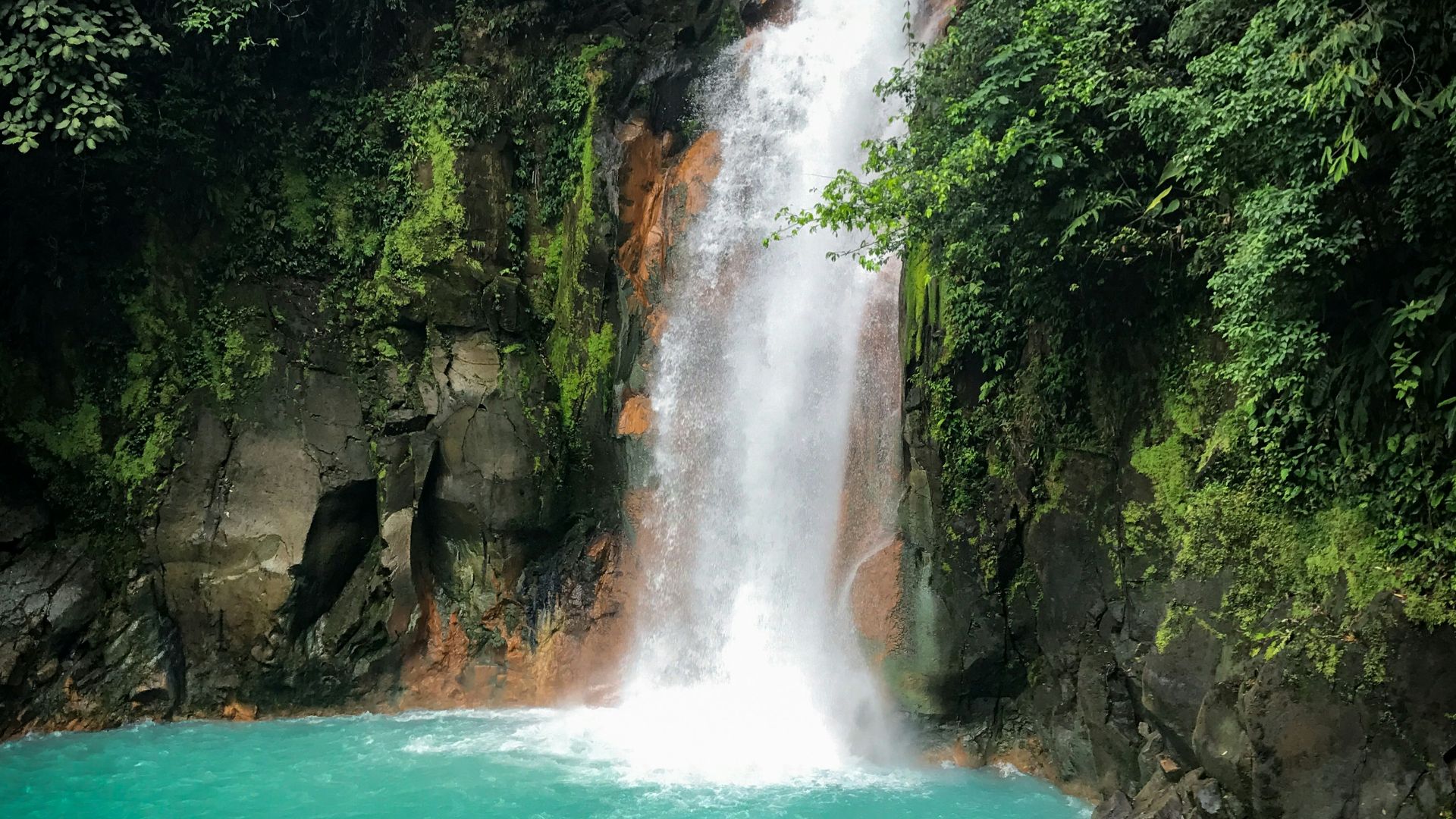 Marcelo Villalobos on Unsplash
16. Mashpi Lodge (Ecuador)
Mashpi Lodge is located in a protected cloud forest reserve. It focuses on research and biodiversity conservation. The design minimizes environmental impact while offering modern comfort. Scientific studies are conducted on-site, and guests can participate in guided nature experiences.
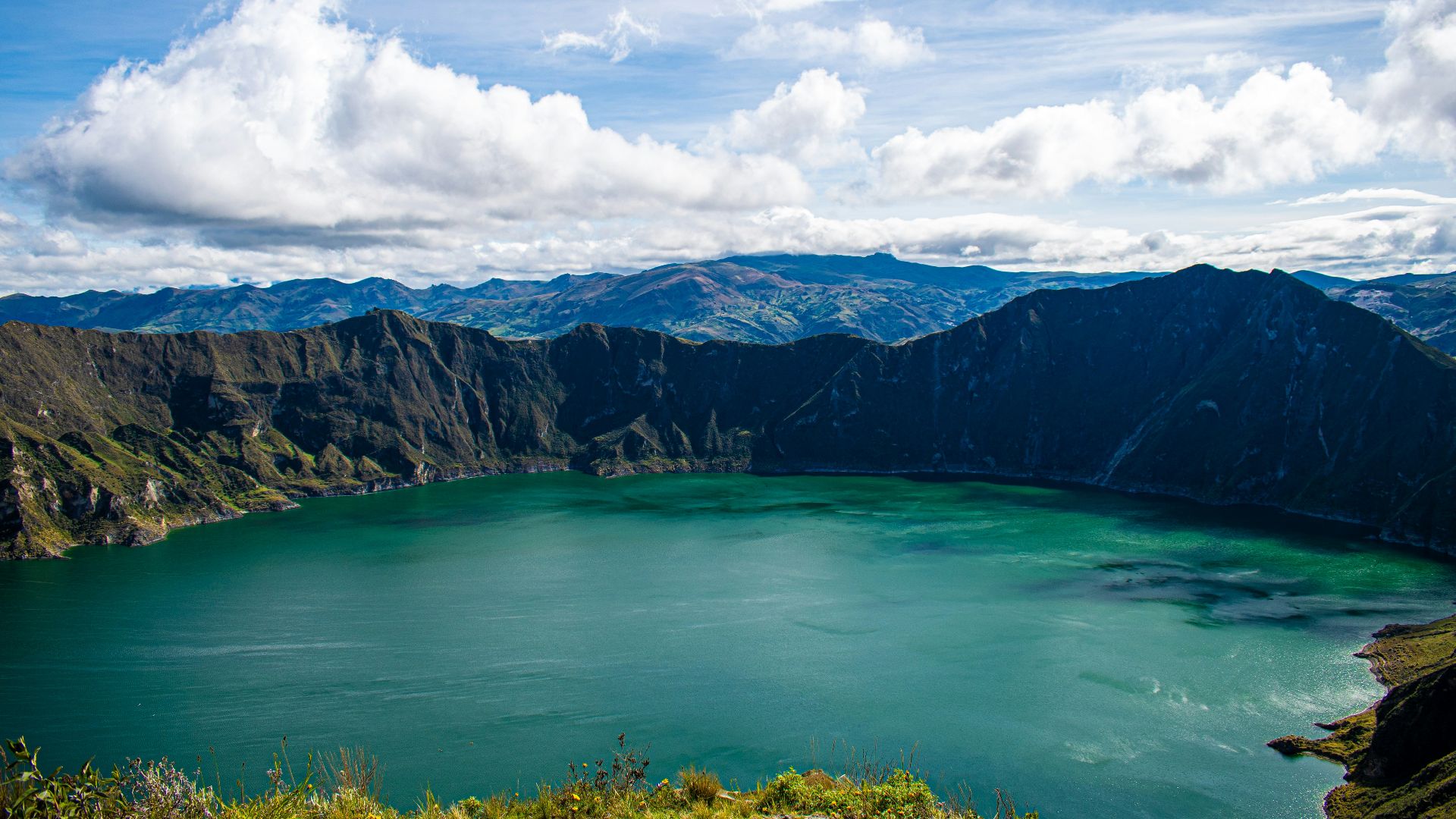
17. Hoshinoya Karuizawa (Japan)
This resort uses hydroelectric power generated from nearby rivers. It integrates traditional design with modern sustainability practices. Energy efficiency is a key focus, and the property emphasizes harmony with nature.
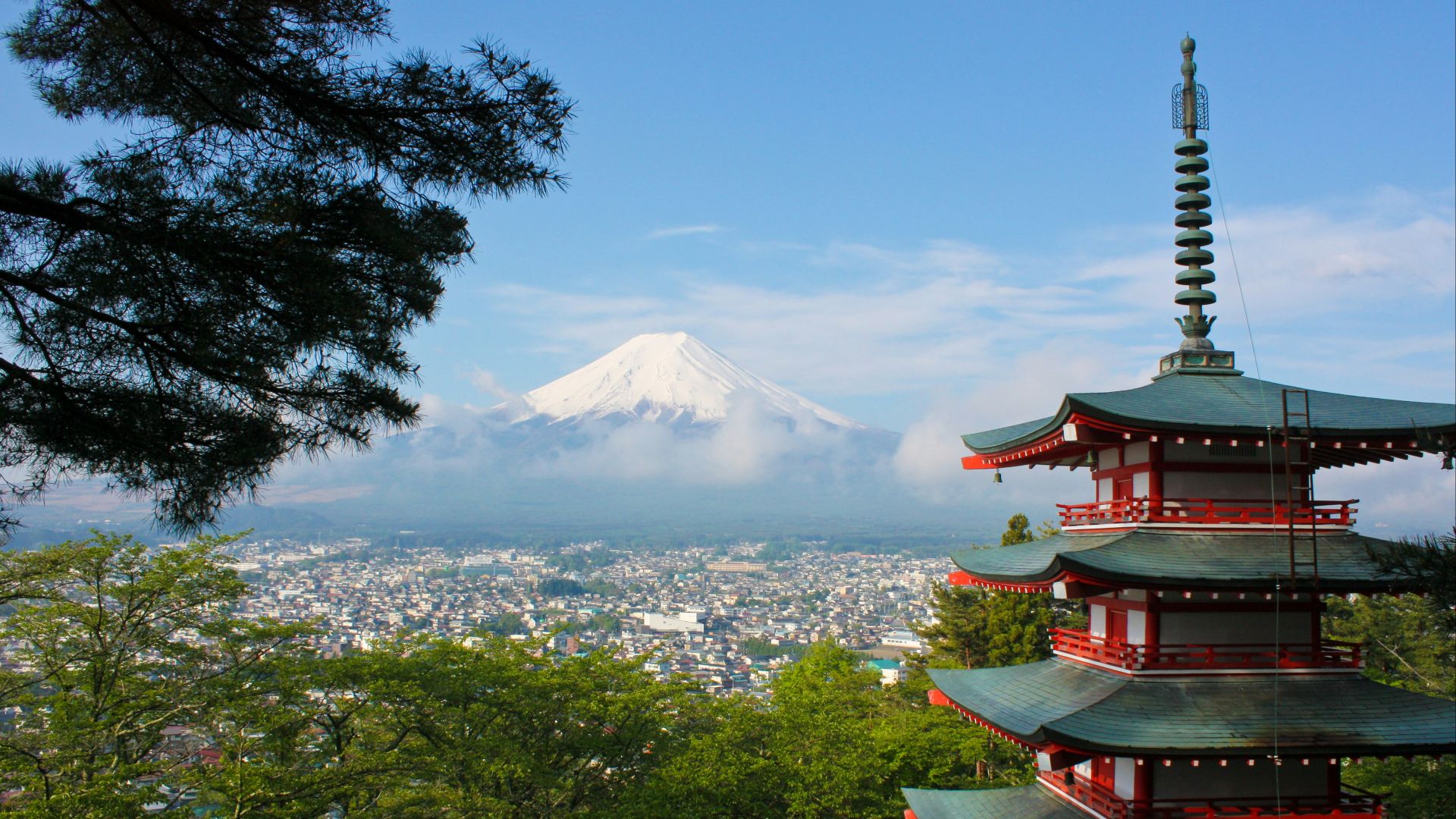
18. Song Saa Private Island (Cambodia)
Song Saa prioritizes marine conservation and community support. It uses recycled materials and sustainable building techniques. The resort protects local ecosystems through ongoing initiatives.
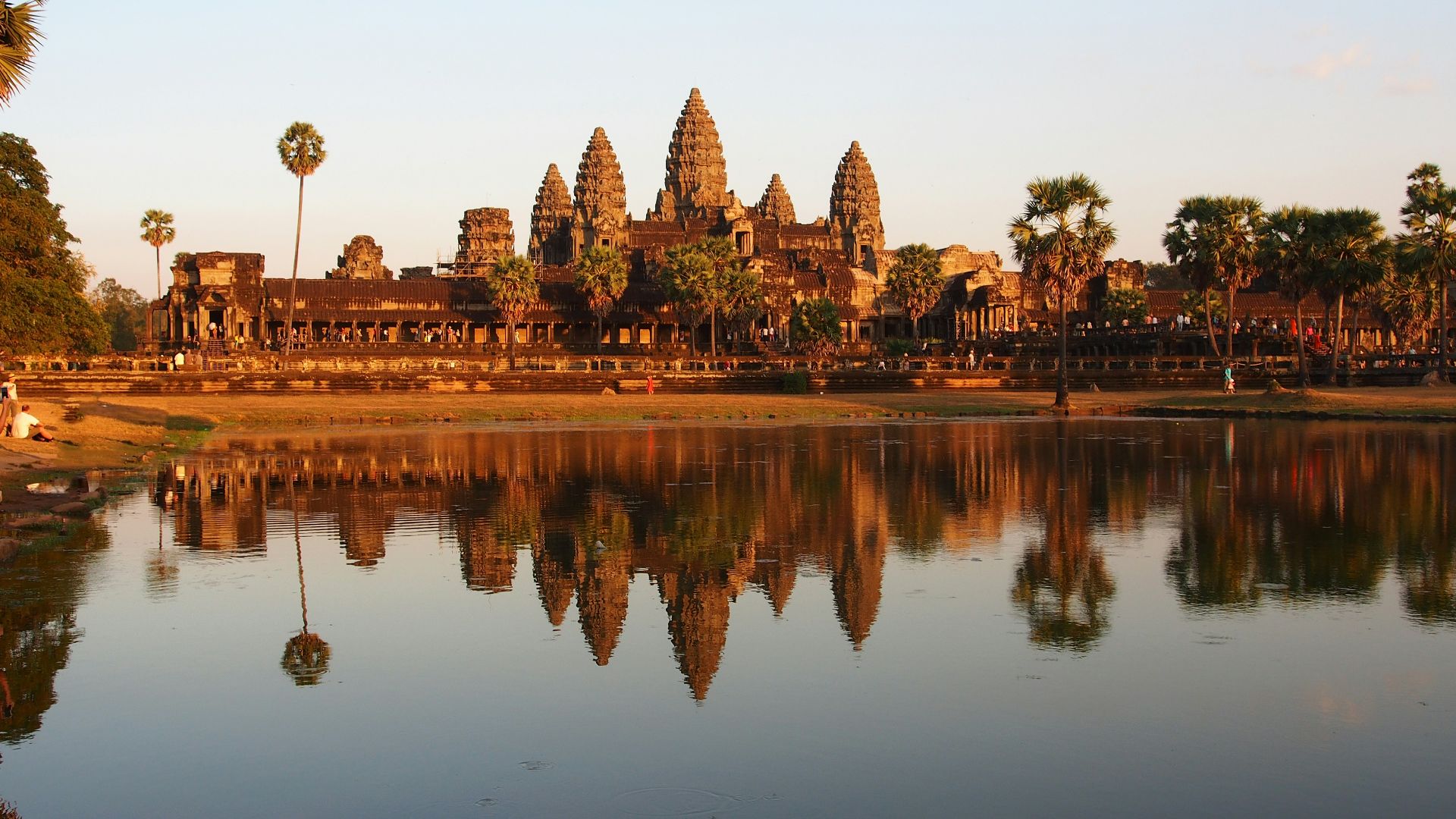
19. Playa Viva (Mexico)
This eco-resort runs on solar energy and supports sea turtle conservation. It integrates permaculture practices into its operations, and community development is a central focus. Guests can participate in environmental programs. The experience combines relaxation with purpose.

20. Treehotel (Sweden)
Treehotel features uniquely designed rooms suspended in trees. It uses sustainable materials and minimizes land disruption. The design reduces the need for large-scale construction and visitors experience nature in a low-impact way.