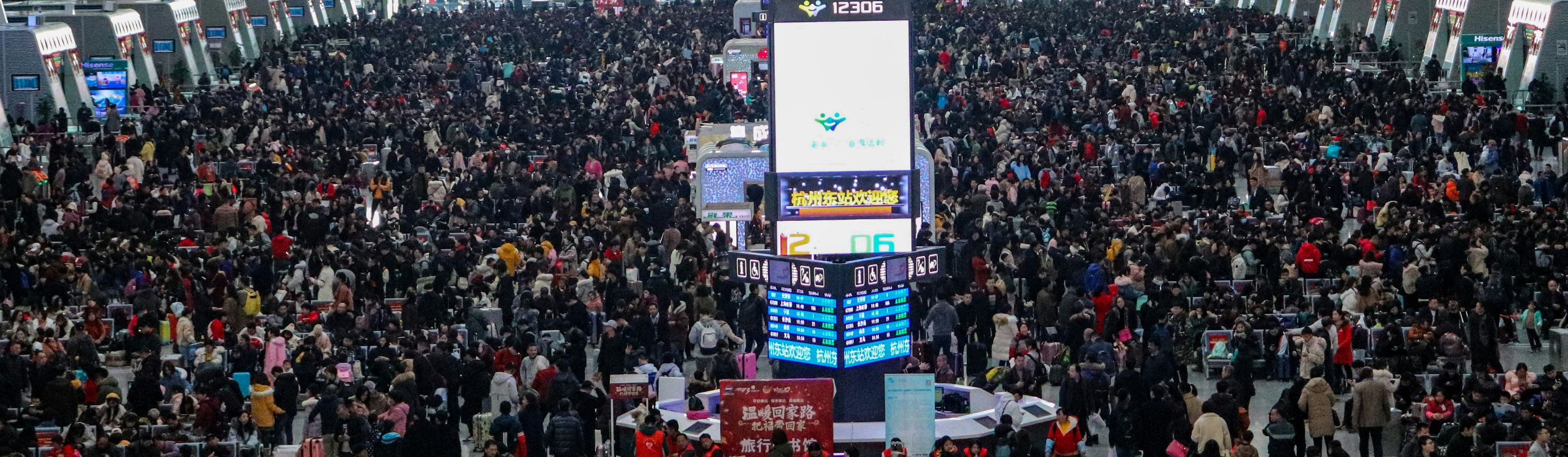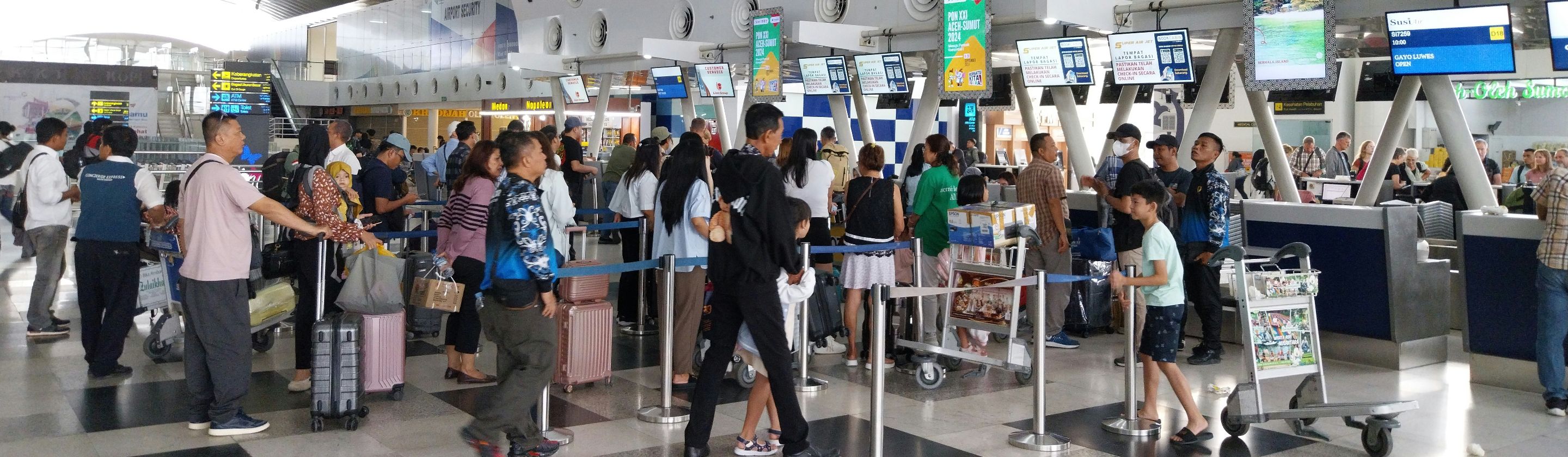
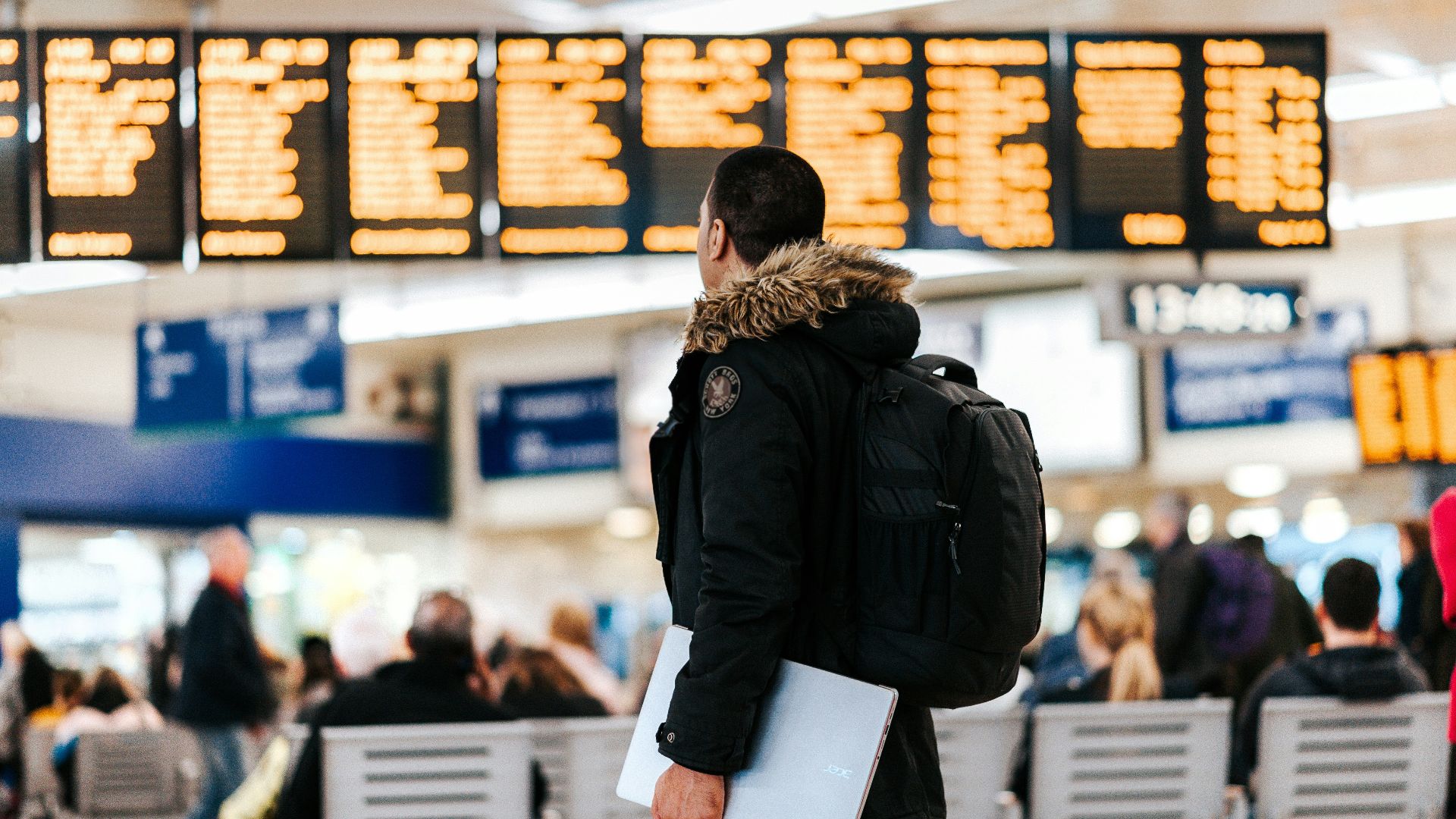
International travel is about to get more complicated. The European Union's Entry/Exit System (EES) keeps getting delayed, but when it finally launches, it'll change how Americans enter Europe entirely. Meanwhile, biometric screening is expanding at U.S. airports, the UK is rolling out its own electronic travel authorization, and a dozen other countries are implementing new digital requirements that didn't exist two years ago. Miss one of these steps and you could find yourself stuck at the border while everyone else breezes through.
The Europe Entry/Exit System Will Catch People Off Guard
By April 2026, every non-EU traveler entering the Schengen Zone will need to register with the EES on their first visit. This means fingerprints, facial recognition, passport scan—the whole biometric package. The system will track your entries and exits to ensure you're not overstaying the 90-day limit that applies within any 180-day period.
The rollout is going to create massive bottlenecks initially. Think two-hour waits at passport control in Paris or Rome while everyone fumbles through the new system. Once you're registered though, subsequent entries should be faster since your biometrics are already on file.
ETIAS Authorization Isn't Optional Anymore
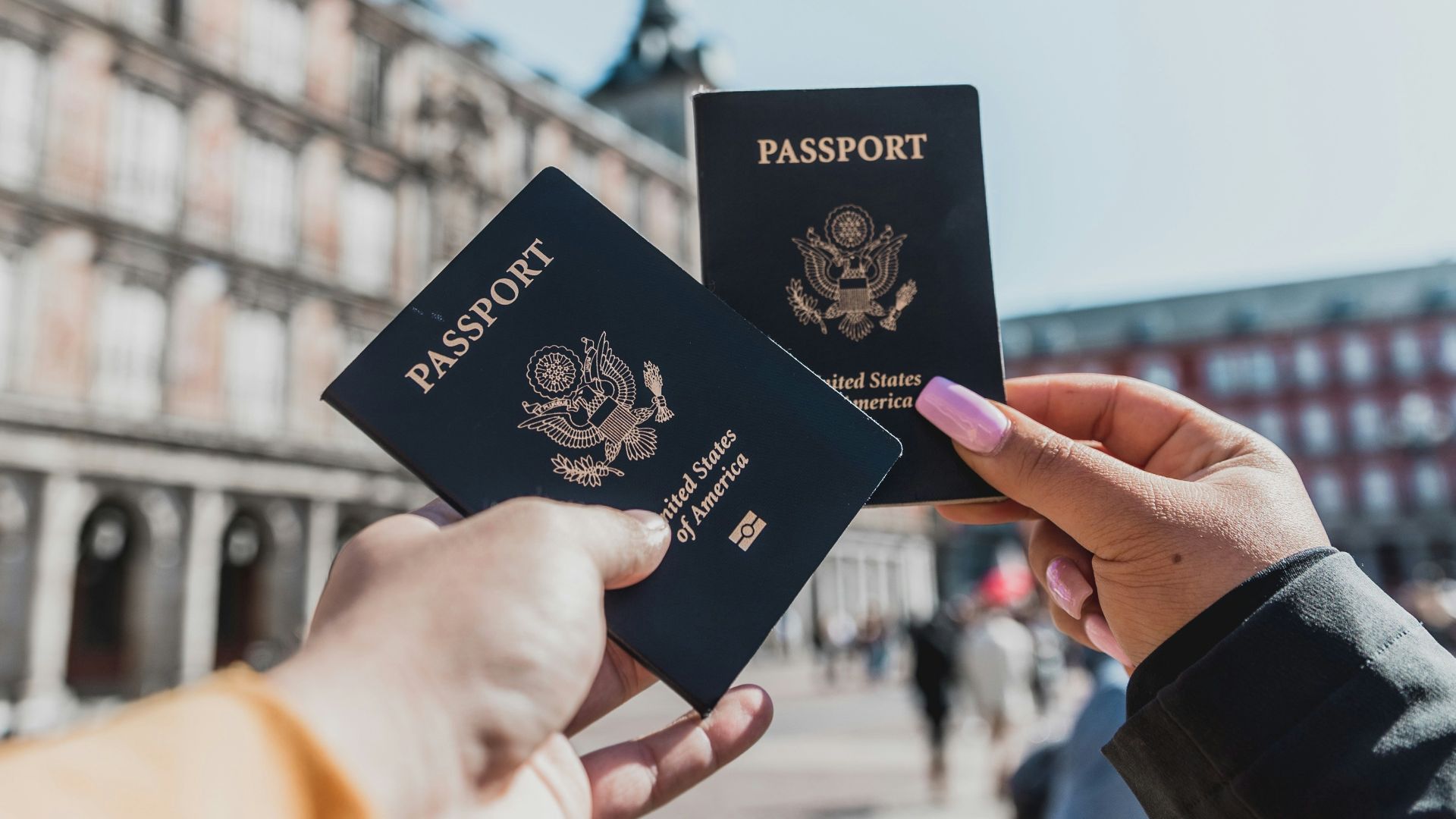
Along with the EES, Europe is implementing the European Travel Information and Authorization System (ETIAS). Americans will need to apply online before traveling, answer a bunch of questions about criminal history and travel plans, and pay a €7 fee.
ETIAS authorization lasts three years or until your passport expires, whichever comes first. Once you've got it, you're good for multiple trips, so think of it as a one-time hassle that buys you three years of smoother travel. The system is set to launch around the same time as EES, likely mid-2026, and you won't be able to board a flight to Europe without it.
UK Electronic Travel Authorization Expands to Americans
The UK rolled out its ETA requirement for some nationalities in 2024 and is expanding it to U.S. citizens starting January 8, 2025 . This is separate from Europe's ETIAS, and you'll need both if you're visiting London and then hopping over to Paris. The UK version costs £10 and also requires an advance online application.
The good news is that UK ETAs are processed quickly, usually within three days. The bad news is that you need one even if you're just transiting through a UK airport without leaving the terminal, which strikes a lot of travelers as excessive. Apply through the official UK government website, not through third-party services that charge inflated fees to fill out the application for you .
Biometric Exit Tracking Is Quietly Expanding

The U.S. has been slowly implementing biometric exit tracking at airports, and by 2026 it'll be standard at virtually all international terminals. There’ll be facial recognition scans when you board, matching your face to your passport photo and ticket.
Privacy advocates have concerns, obviously. The data is supposed to be deleted after a certain period, but we're basically creating a massive database of everyone’s travel schedule. CBP insists this is necessary to track visa overstays and enhance security. Whether you agree with that rationale or not, it's happening.
Southeast Asia Is Digitizing Everything Too
Southeast Asia is quietly tightening things up too. Thailand extended its visa-exempt stay from 30 to 60 days in 2024. Indonesia launched its new e-visa system that requires application several days in advance, replacing the visa-on-arrival option that used to let you just show up and pay $35 at the airport.
Vietnam's gone fully digital with their e-visas, and while the 90-day validity is nice, the processing time can stretch to a week during busy periods. Malaysia's considering implementing its own version of an electronic travel authorization, though details remain vague.
The whole region is basically copying the EU's homework, which means more forms to fill out before you even book your flight. Plan accordingly or risk showing up at check-in only to discover you needed some obscure digital approval you'd never heard of.