Remember when traveling meant printing boarding passes, carrying phrasebooks, and hoping the hotel you'd booked through a travel agent actually looked like the pictures? That world's basically gone. Now your phone handles everything from real-time translation to finding that tiny ramen shop locals swear by, the one with no English signage and a two-hour wait. The shift happened gradually, then all at once, and now we're navigating foreign cities with more confidence than we navigate our own neighborhoods, all because of apps that didn't exist a decade ago.
Real-Time Translation Broke Down the Language Barrier
Google Translate's camera feature lets you point your phone at a menu, street sign, or warning label and instantly see it in your language, overlaid directly onto the image. You'll still get some hilariously mangled translations, but it's good enough to prevent you from accidentally ordering pig intestines when you wanted pork belly.
The conversation mode is where things get really wild. Hold your phone between yourself and someone who speaks zero English, and you can have an actual back-and-forth discussion about where the bathroom is or whether this bus goes to the train station. It's clunky, there's lag, and the AI sometimes interprets things creatively, but it still beats the frantic pointing and desperate hand gestures that used to pass for cross-language communication.
Local Knowledge Became Democratized
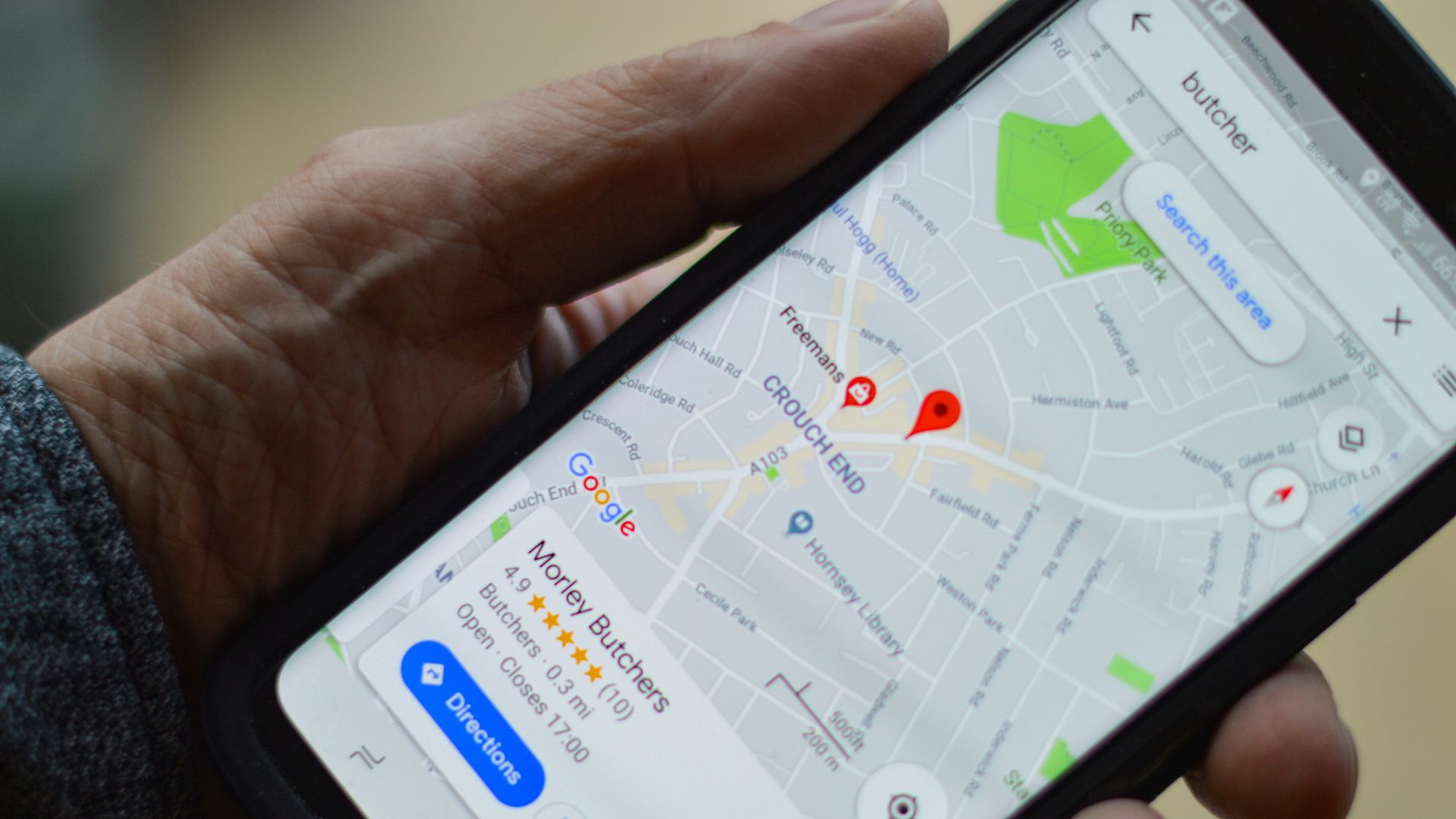
Apps like Waze and Google Maps go beyond showing you how to get somewhere to tell you which subway car to board for the easiest exit, when the next bus arrives, and whether walking might actually be faster given current traffic conditions. This information used to take months of living somewhere to accumulate, but is now available the moment you step off the plane.
The real revolution is in the reviews and recommendations. Fifteen years ago, you relied on guidebooks written by professional travel writers who'd visited maybe a dozen restaurants in the entire city. Now you've got thousands of ratings from regular people who actually live there, updated continuously. That random noodle stall with a 4.8-star rating based on 300 reviews is probably worth the detour.
Booking Became Instantaneous and Flexible
Remember calling hotels to make reservations? Or having to commit to dates weeks in advance because changing anything meant phone calls and fees? Apps like Booking.com and Airbnb made travel spontaneous in ways it never was before. You can book a place to stay hours before you need it, often with free cancellation right up until check-in.
This flexibility fundamentally changed how people travel. The rigid itinerary where you'd mapped out every hotel stay months in advance has given way to loose plans that evolve based on recommendations from people you meet, weather conditions, or simply how you're feeling that day.
Net Affinity reports a 7% rise in mobile bookings for hotels in Q1 2025, reaching 59% in April (up from 52% in 2024). We've crossed the tipping point where mobile-first travel is the default, not the exception.
Currency Conversion Stopped Being a Ripoff
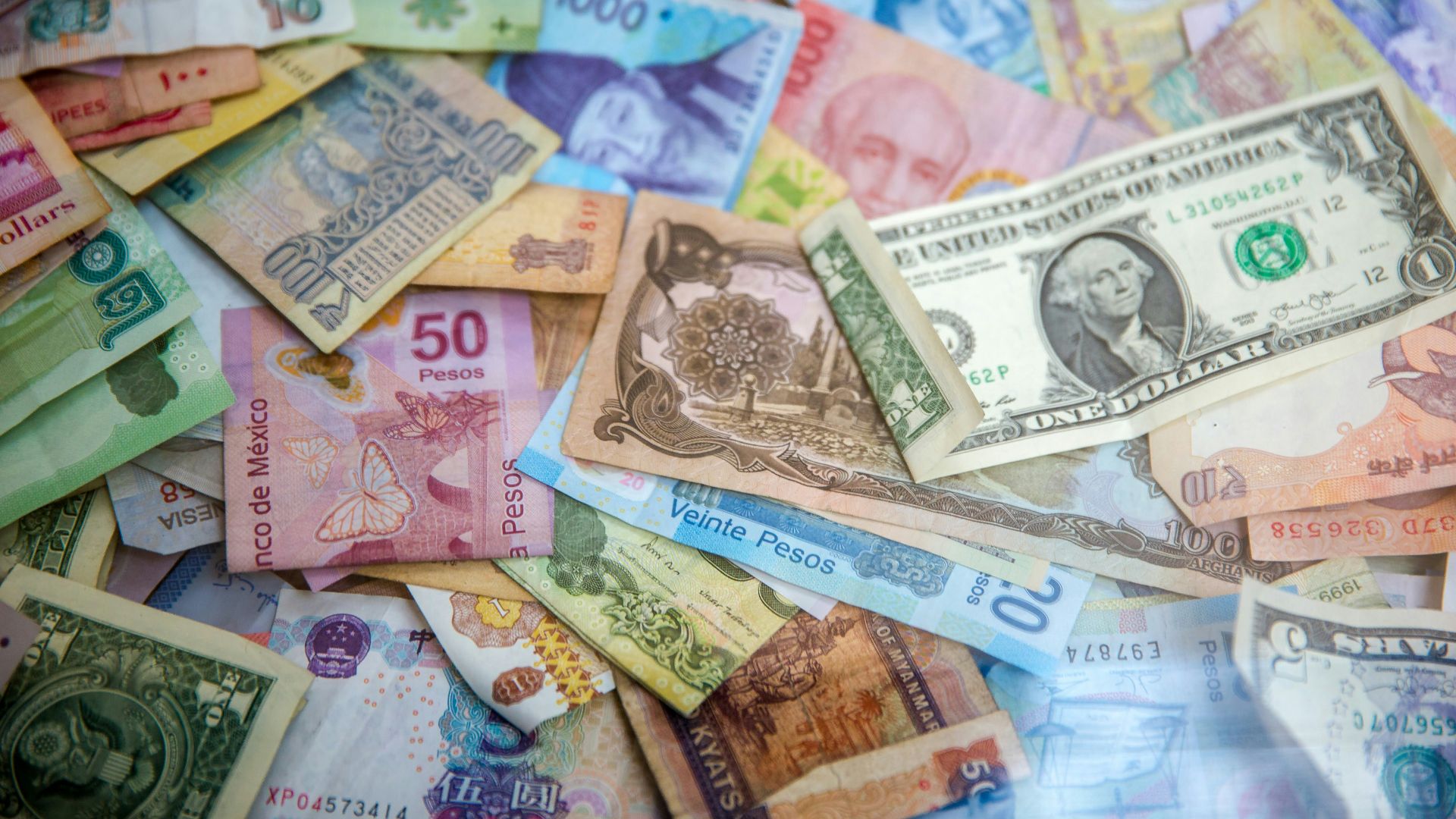
There was a time when getting fleeced at the airport exchange kiosks was part of the travel experience. Even if you tried to skip the hassle of cash entirely and use your debit card, you'd quickly discover your bank was charging you $5 per transaction plus a garbage exchange rate that effectively cost you another 3-4%. Apps like Wise changed that entire predatory system almost overnight.
Wise uses the actual rate banks use when trading with each other, not the marked-up tourist rate. The difference adds up fast. The multi-currency wallet means you can hold balances in 50+ currencies, converting money when rates are favorable rather than doing it at the exact moment you need to pay for something. You can even get local bank account details for various countries, making it possible to receive payments as if you actually lived there.
Expense Tracking Happens Automatically Now
Apps like Trail Wallet and Splitwise turned budget management from tedious spreadsheet work into something that happens almost passively. All you have to do is photograph receipts and categorize expenses with a tap to see exactly where your money's going in real time.
The currency conversion happens automatically too. You charge something in yen or euros and immediately see the dollar equivalent, which helps prevent that weird disconnect where foreign money doesn't feel quite real until you're back home doing math on everything you bought.