Resilience, Community, and the Human Spirit
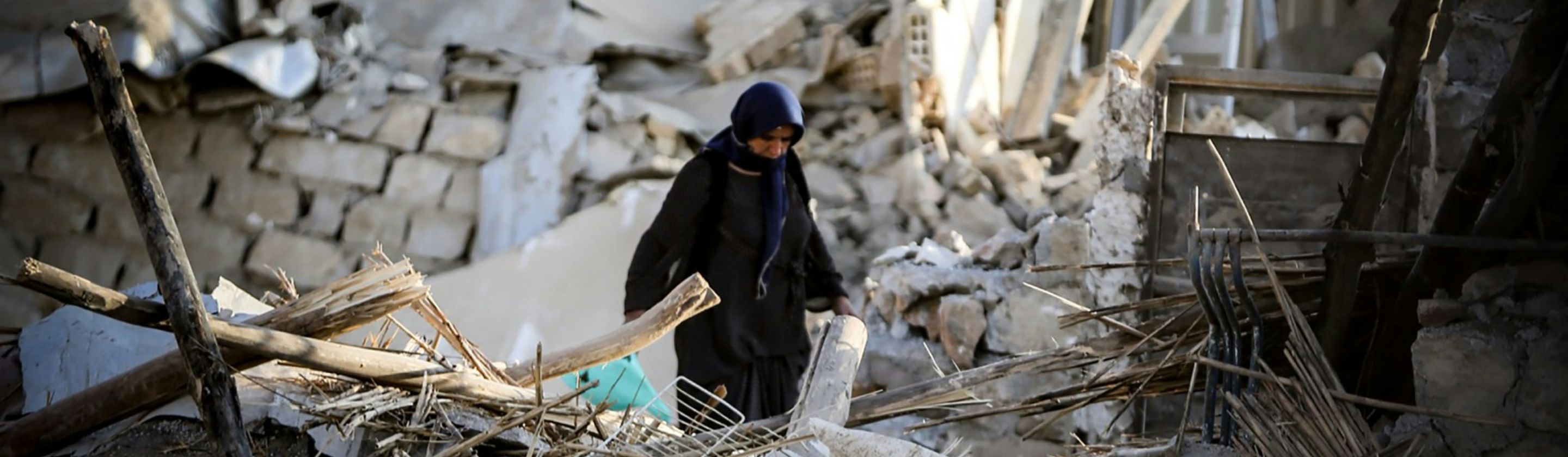
Cities fall and cities rise. Sometimes the falling happens in minutes, in a violent earthquake or a firestorm that consumes everything. What matters isn’t just the disaster itself, though those stories stay with us. What matters is what happens next, when the smoke clears and people look around at the wreckage and decide to stay. These ten cities rebuilt themselves into something new, and each one offers lessons that go far beyond travel tips and sightseeing recommendations.
1. Lisbon, Portugal: The 1755 Earthquake
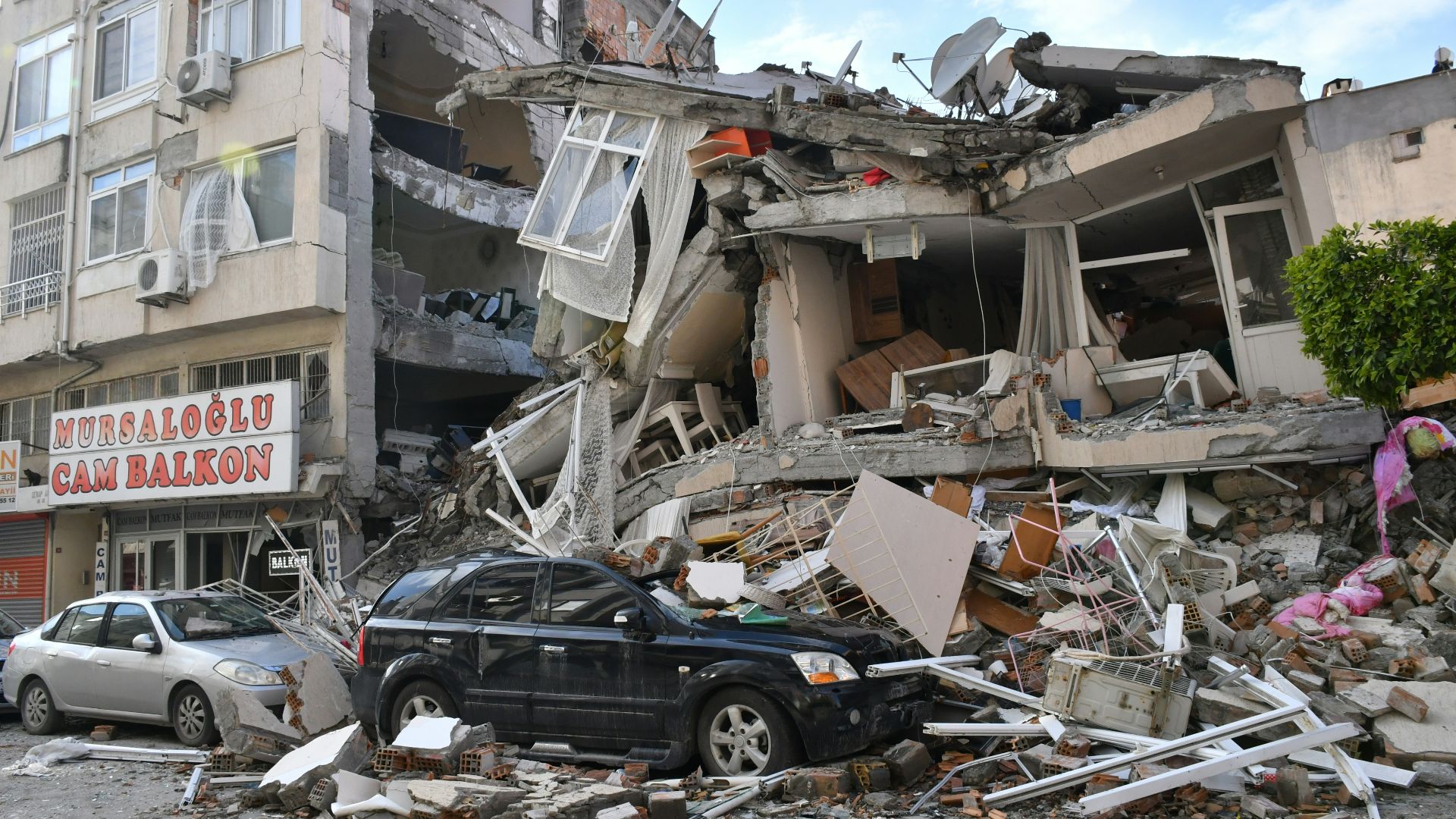
The ground shook for six minutes on November 1, 1755. Then came the tsunami. Then came the fires that burned for days. Estimates suggest 40,000 to 50,000 people died, and 85% of the city’s buildings collapsed. The Marquis de Pombal led the reconstruction, creating the wide boulevards and earthquake-resistant architecture that define downtown Lisbon today.
2. San Francisco, California: The 1906 Earthquake and Fire
The earthquake lasted less than a minute, but the resulting fires burned for three days, consuming 28,000 buildings across 500 city blocks. San Francisco rebuilt itself within three years, hosting the Panama-Pacific International Exposition in 1915 to prove to the world it had recovered.

3. Hiroshima, Japan: The 1945 Atomic Bombing
On August 6, 1945, that one bomb destroyed roughly 70% of the city. Hiroshima rebuilt itself into a city of 1.2 million people and became a global symbol of peace rather than destruction. The Atomic Bomb Dome stands preserved exactly as it was left, a UNESCO World Heritage Site surrounded by a modern, thriving city.
4. Galveston, Texas: The 1900 Hurricane
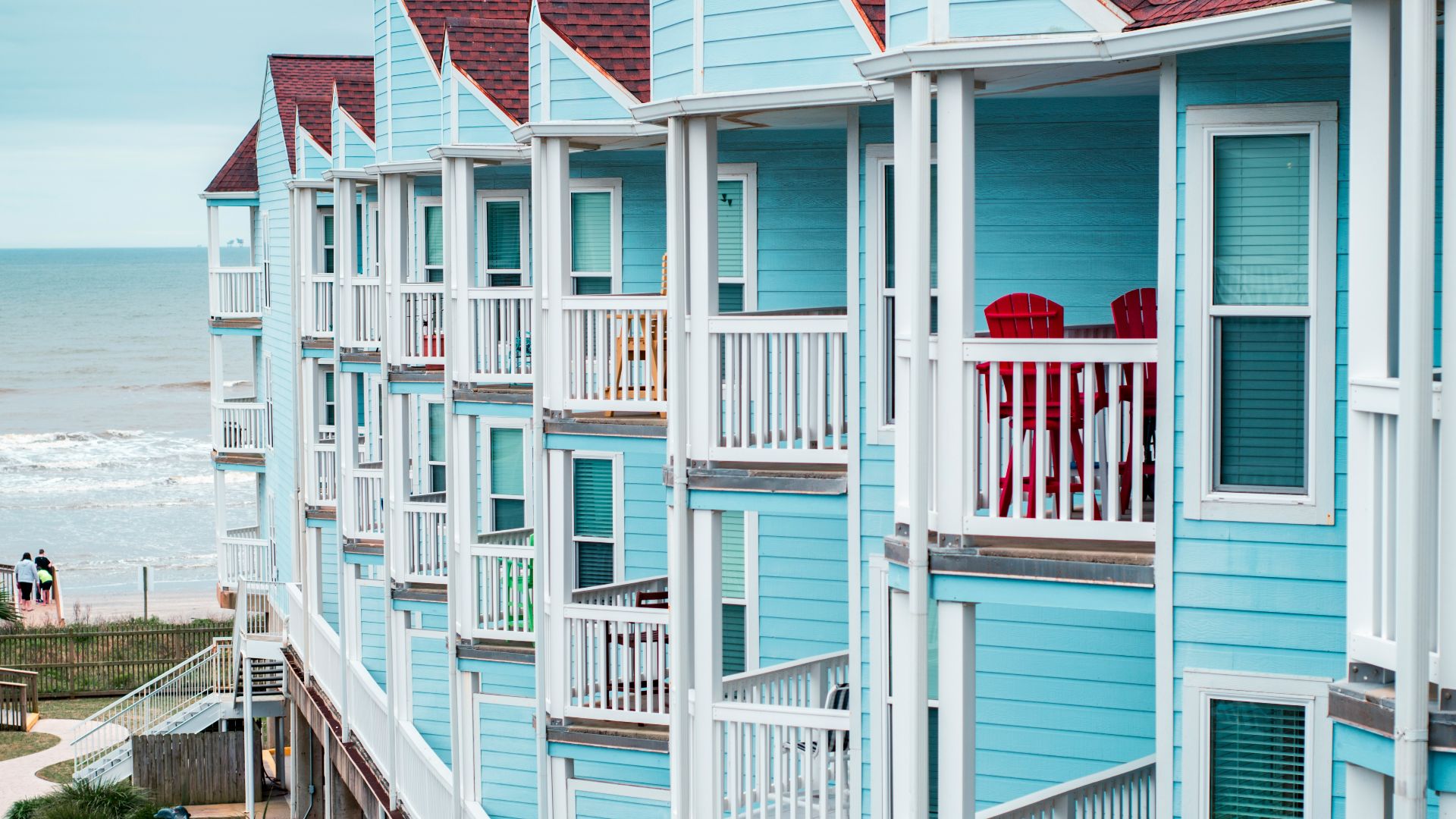
The deadliest natural disaster in U.S. history killed between 6,000 and 12,000 people on September 8, 1900. Storm surge swallowed the island city whole. Galveston responded by raising the entire grade of the city by up to 17 feet and building a seawall that eventually stretched over 10 miles.
5. Dresden, Germany: World War II Firebombing
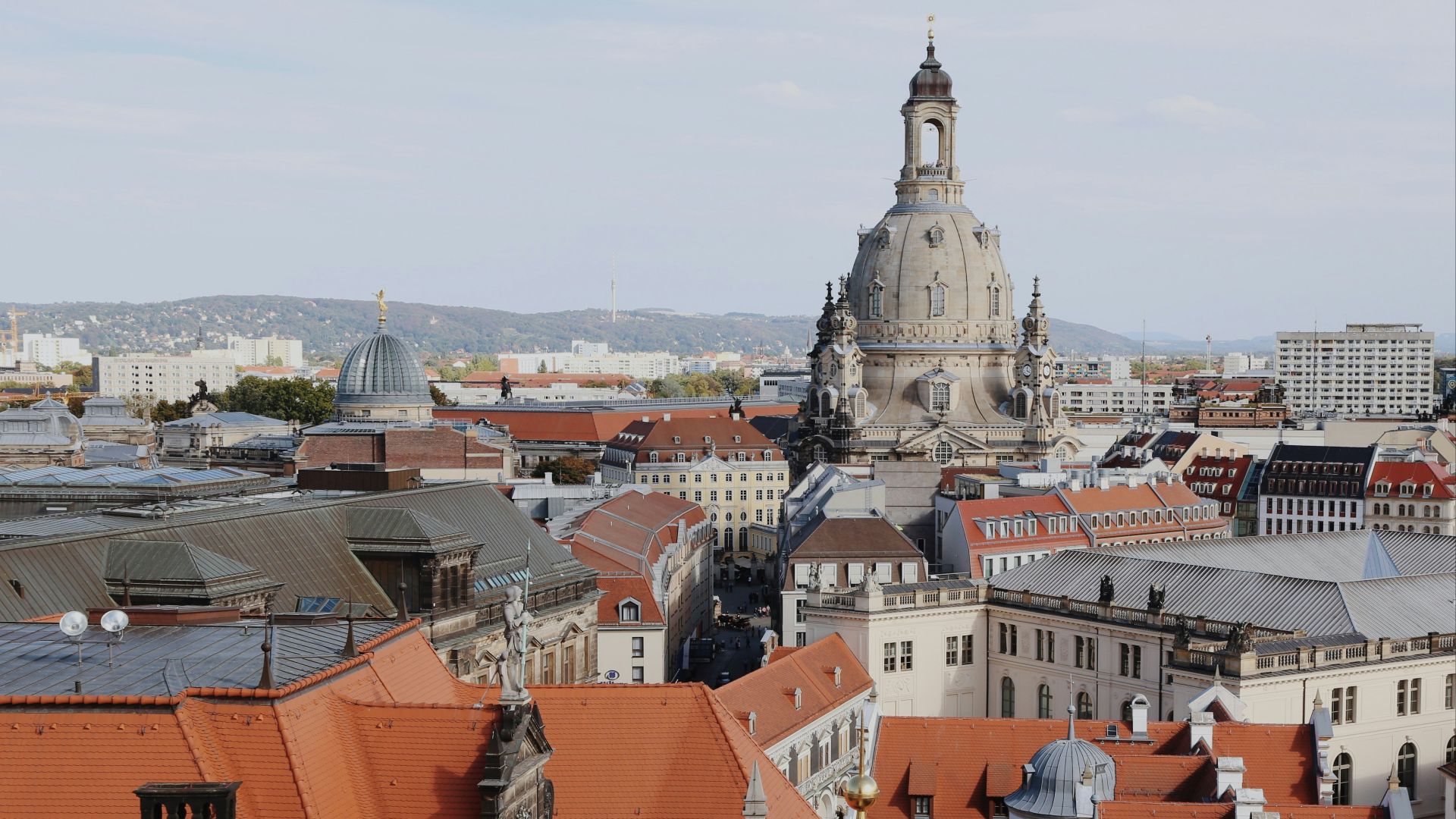
Between February 13 and 15, 1945, Allied bombers created a firestorm that killed approximately 25,000 people and destroyed 90% of the city center. Dresden spent decades rebuilding, with the Frauenkirche cathedral remaining a pile of rubble until German reunification.
6. New Orleans, Louisiana: Hurricane Katrina
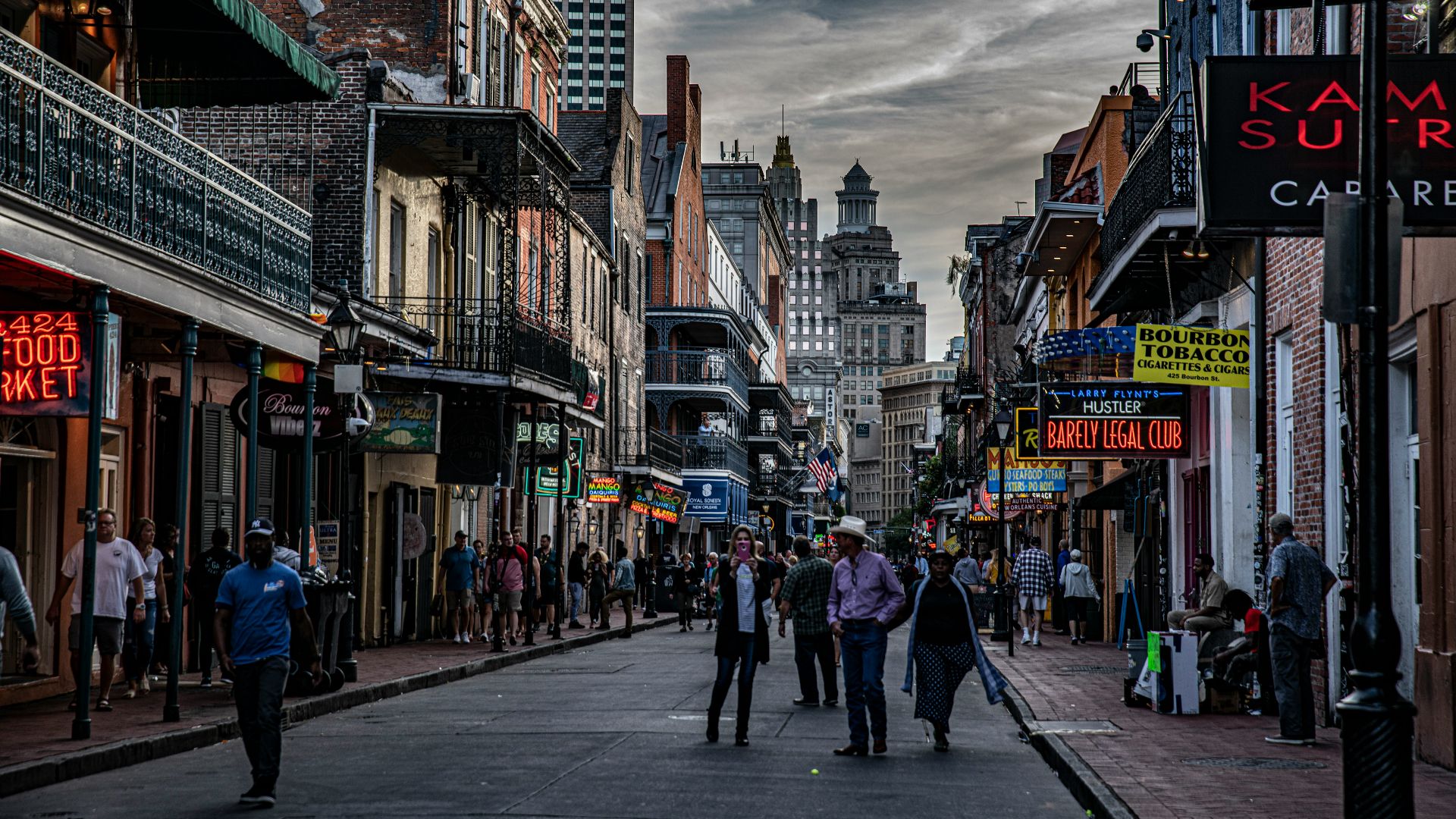
On August 29, 2005, levee failures flooded 80% of the city. Around 1,800 people died, and by 2006, the population had dropped to 230,000 from 484,000 before the storm. Recovery happened in fits and starts, with some neighborhoods rebuilding quickly while others remained abandoned for years.
7. Kobe, Japan: The 1995 Earthquake
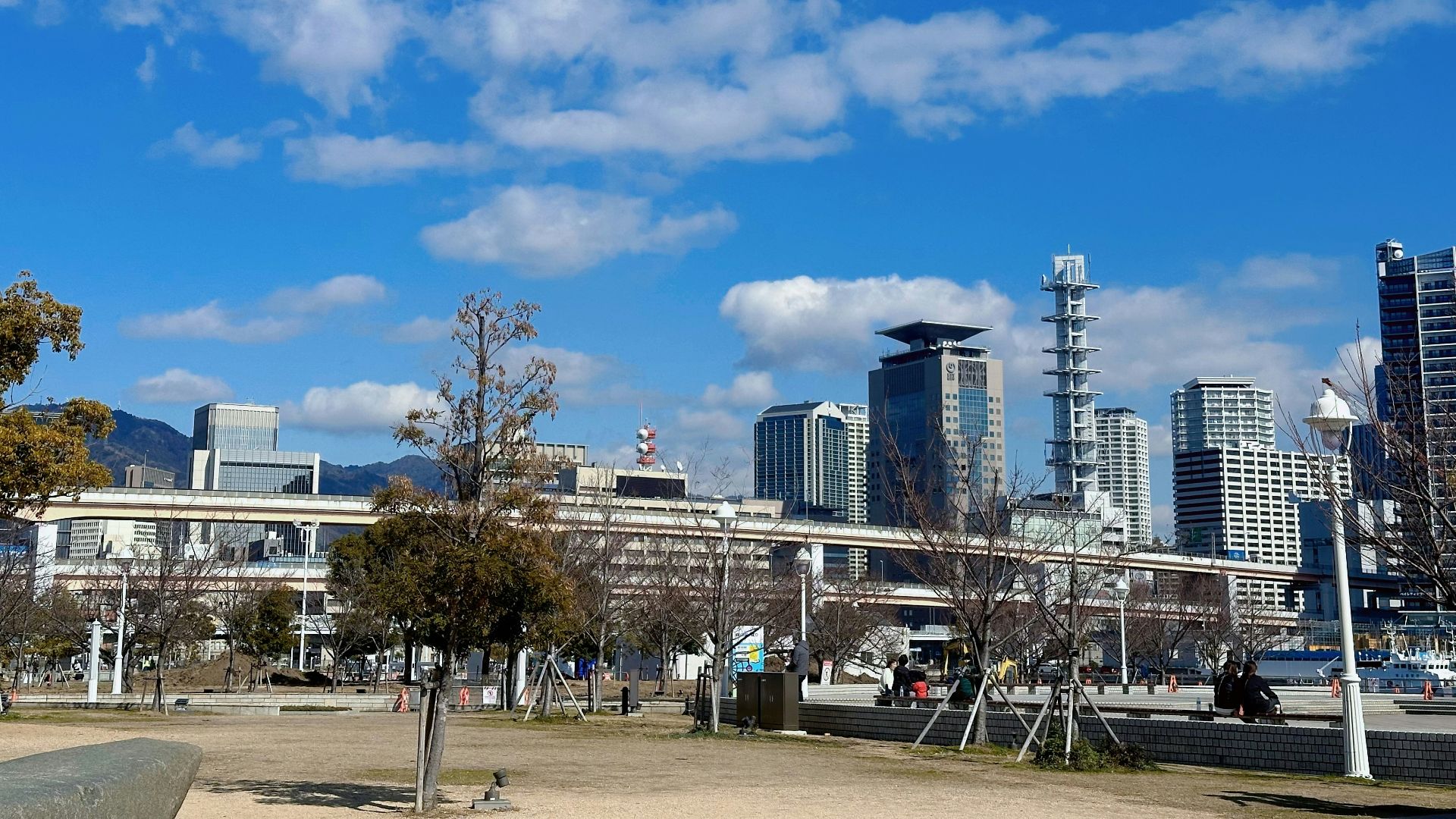
The Great Hanshin earthquake lasted 20 seconds and killed over 6,400 people on January 17, 1995. Around 200,000 buildings were damaged or destroyed. Kobe rebuilt its infrastructure within two years, and its population recovered within a decade.
8. Christchurch, New Zealand: The 2011 Earthquake
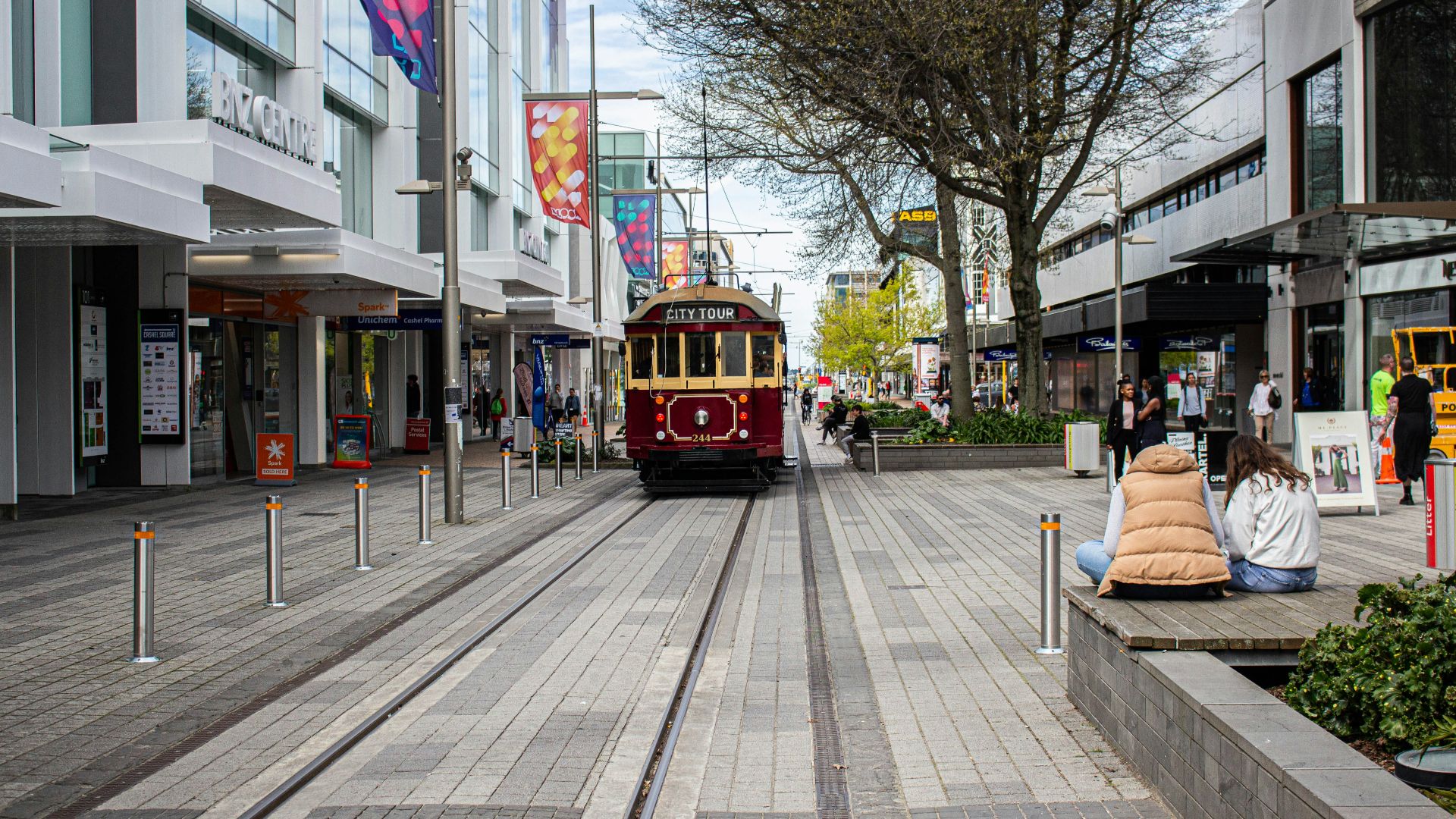
On February 22, 2011, a 6.3-magnitude earthquake killed 185 people and destroyed much of the central business district. Christchurch reimagined itself with temporary structures like the Cardboard Cathedral and a shipping container mall that became permanent fixtures before eventually making way for new development.
9. Chicago, Illinois: The 1871 Great Fire
The October 8 fire killed around 300 people and destroyed 3.3 square miles of the city, leaving 100,000 people homeless. Chicago rebuilt rapidly, using the disaster as an opportunity to implement new fire codes and build with stone instead of wood.

10. Warsaw, Poland: World War II Destruction
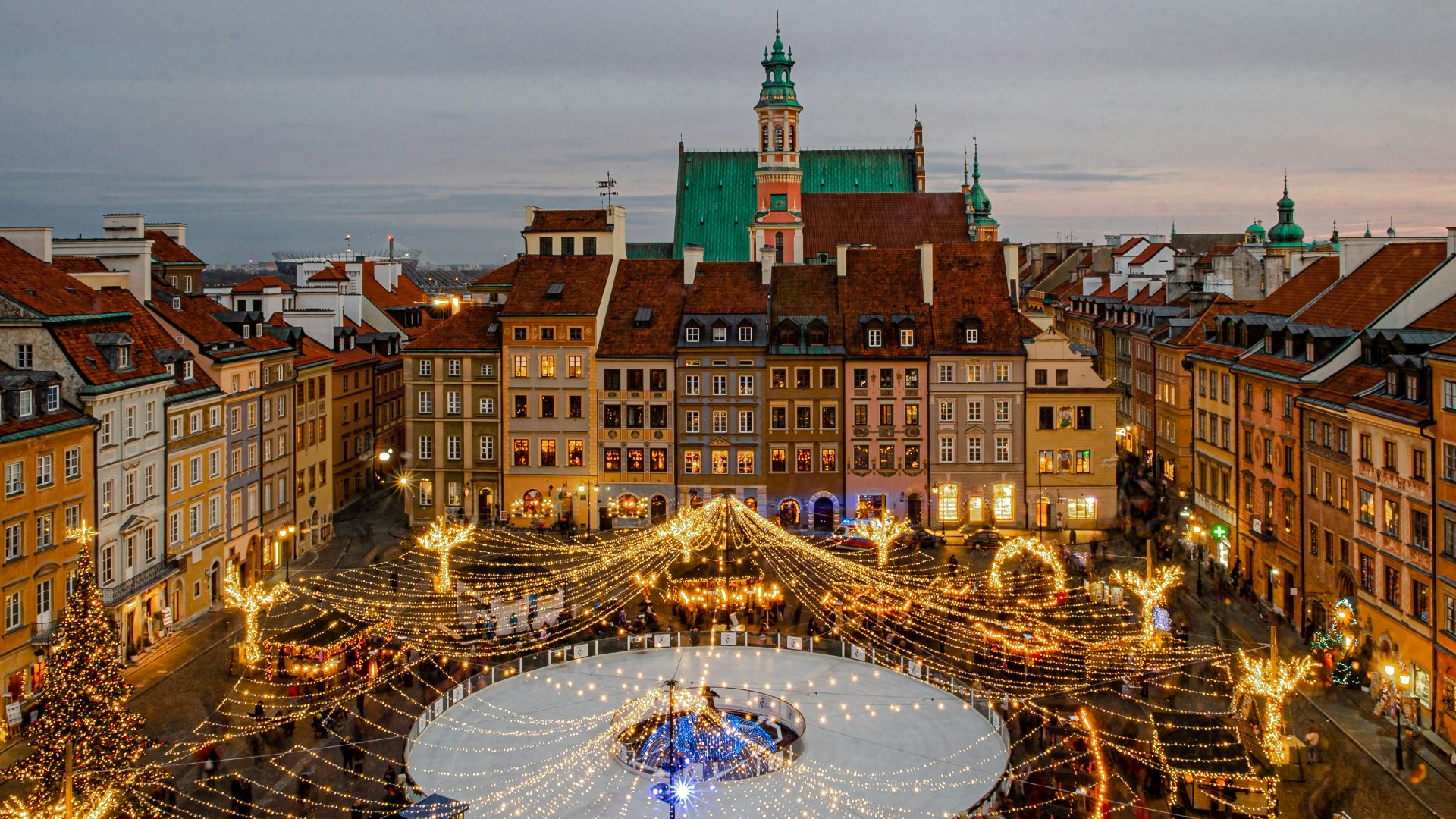
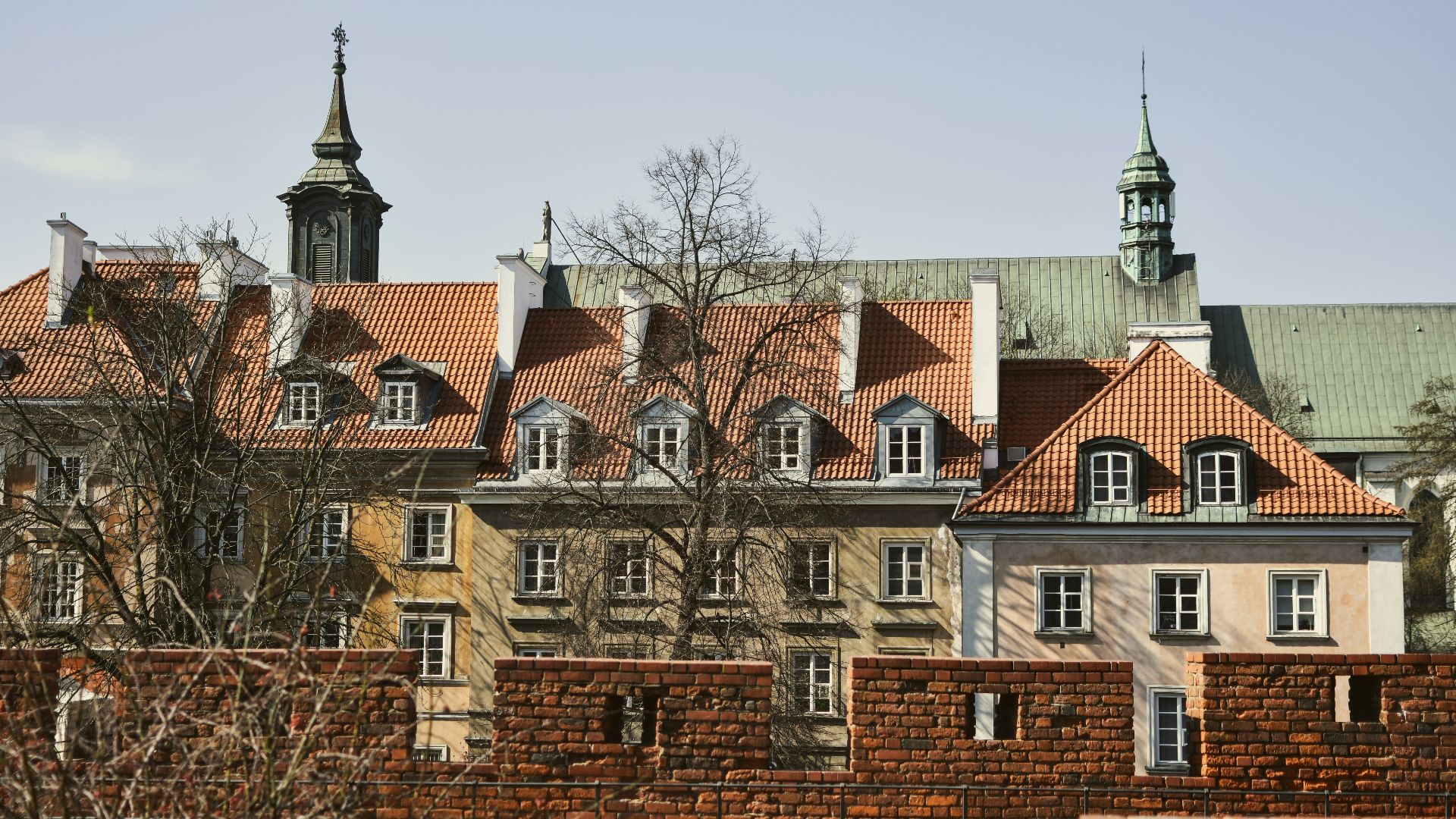
Warsaw suffered destruction twice: first during the 1939 German invasion, then systematically during the 1944 uprising, when Nazi forces demolished 85% of the city. Postwar Poland rebuilt the Old Town using paintings by 18th-century artist Bernardo Bellotto as architectural references, recreating destroyed buildings based on artwork.
And now, here are ten lessons that these disasters imparted.
1. Planning Matters More Than Speed
Sometimes slowing down saves lives decades later. You can see this principle written into Lisbon’s streets, where Pombal’s methodical approach to reconstruction created buildings that still protect residents. The cities that took their time, that studied what went wrong and designed solutions, tend to fare better when the next disaster inevitably arrives.
2. Narratives Shape Recovery
Truth matters, sure, but so does framing when you’re trying to convince people your city has a future. San Francisco’s leaders understood that perception influenced investment, and investment determined whether the city would thrive or stagnate. Every city curates its disaster narrative, and those choices reveal what communities value and fear.

3. Memorials Matter as Much as Buildings
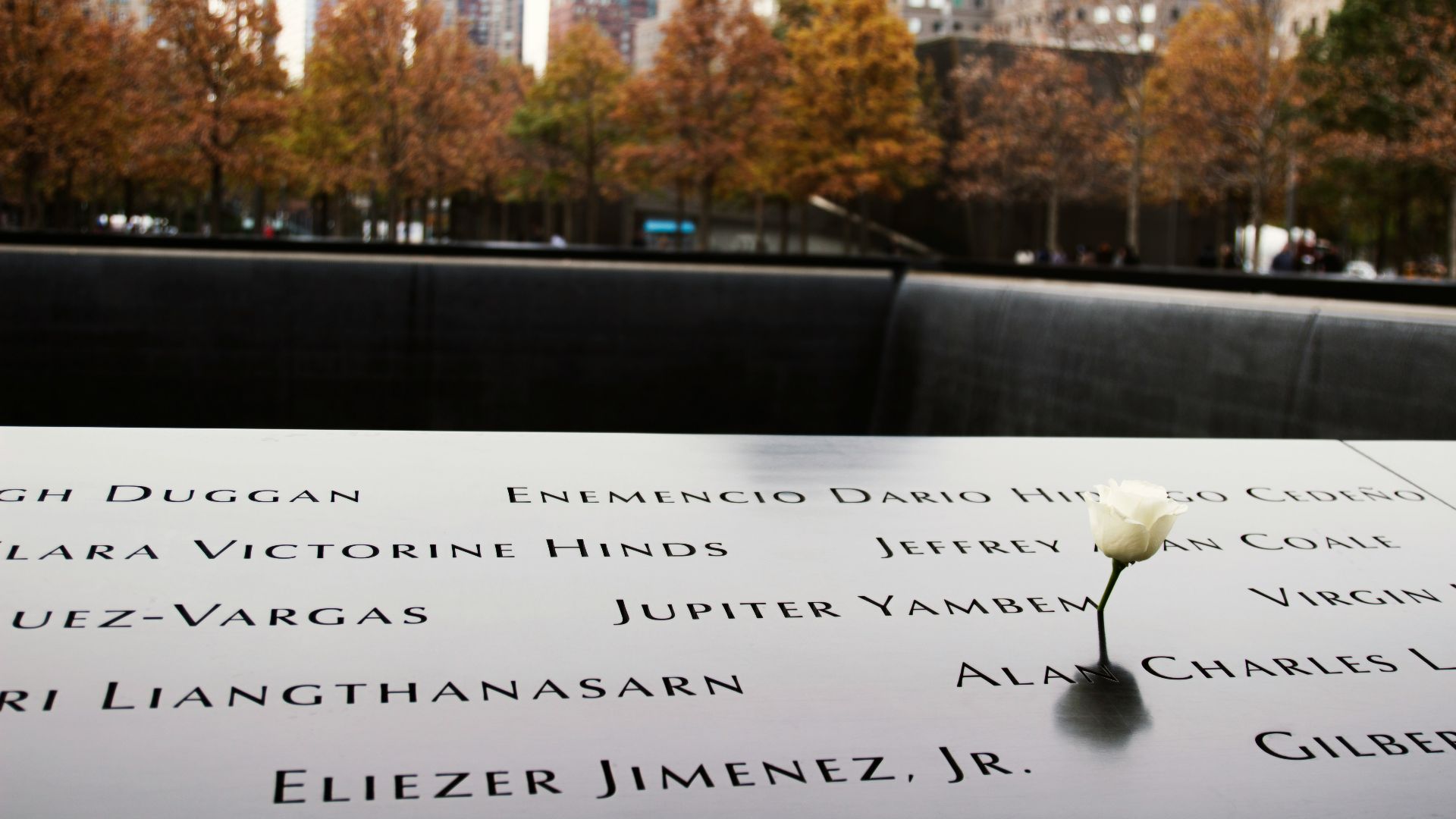
You can acknowledge horror without letting it define everything that comes after. Hiroshima demonstrates how remembrance and progress can coexist, how a city can be both a memorial and a home to over a million people going about their daily lives.
4. Engineering Can’t Prevent Disasters
Sometimes the goal isn’t perfection, just improving your odds. Galveston accepted it would face hurricanes again and built accordingly. When you visit coastal cities, island nations, or earthquake zones, you’re seeing places where people have made calculated decisions about acceptable risk.

5. Reconstruction Doesn’t Have to Happen Immediately
Sometimes patience produces better results than rushing to return to normal. Dresden’s 45-year wait allowed for proper planning, adequate funding, and the emotional distance needed to decide what the cathedral should represent.
6. Recovery Isn’t Equal
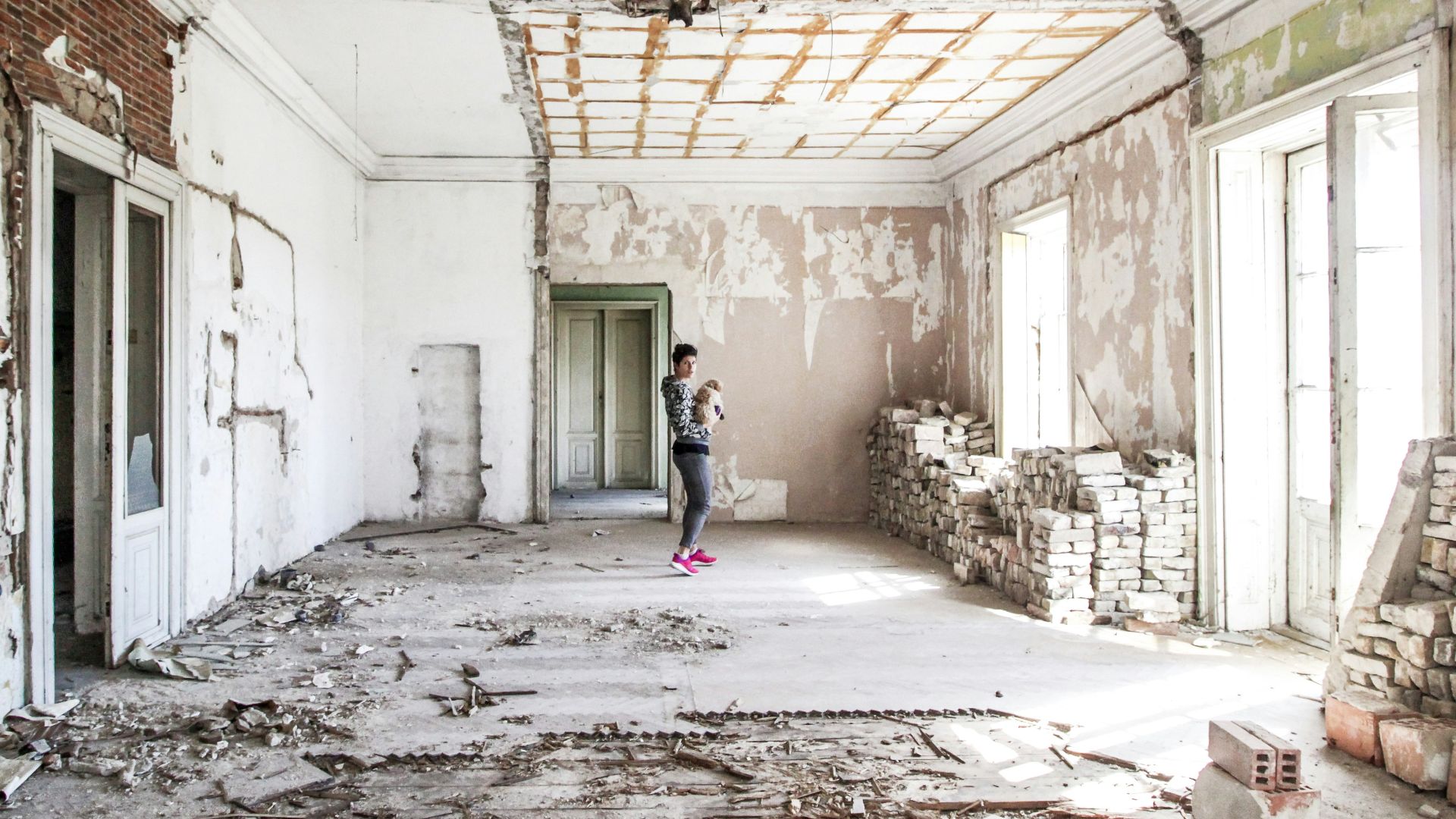
Traveling through New Orleans now means seeing inequality manifested physically, with entire blocks that never came back next to streets that look like nothing happened. The wealthy rebuild first. Understanding this uneven recovery changes how you experience a rebuilt city.

7. Disasters Expose Existing Weaknesses
Kobe’s rebuilding forced Japan to confront quality control issues that might have killed more people in future quakes. Sometimes you need catastrophe to justify fixing problems everyone knew existed.
8. Temporary Solutions Can Become Beloved
Sometimes disasters give you permission to experiment with urban design in ways that would never pass planning committees during normal times. Christchurch’s cardboard cathedral and shipping container mall worked because everyone understood they were transitional.
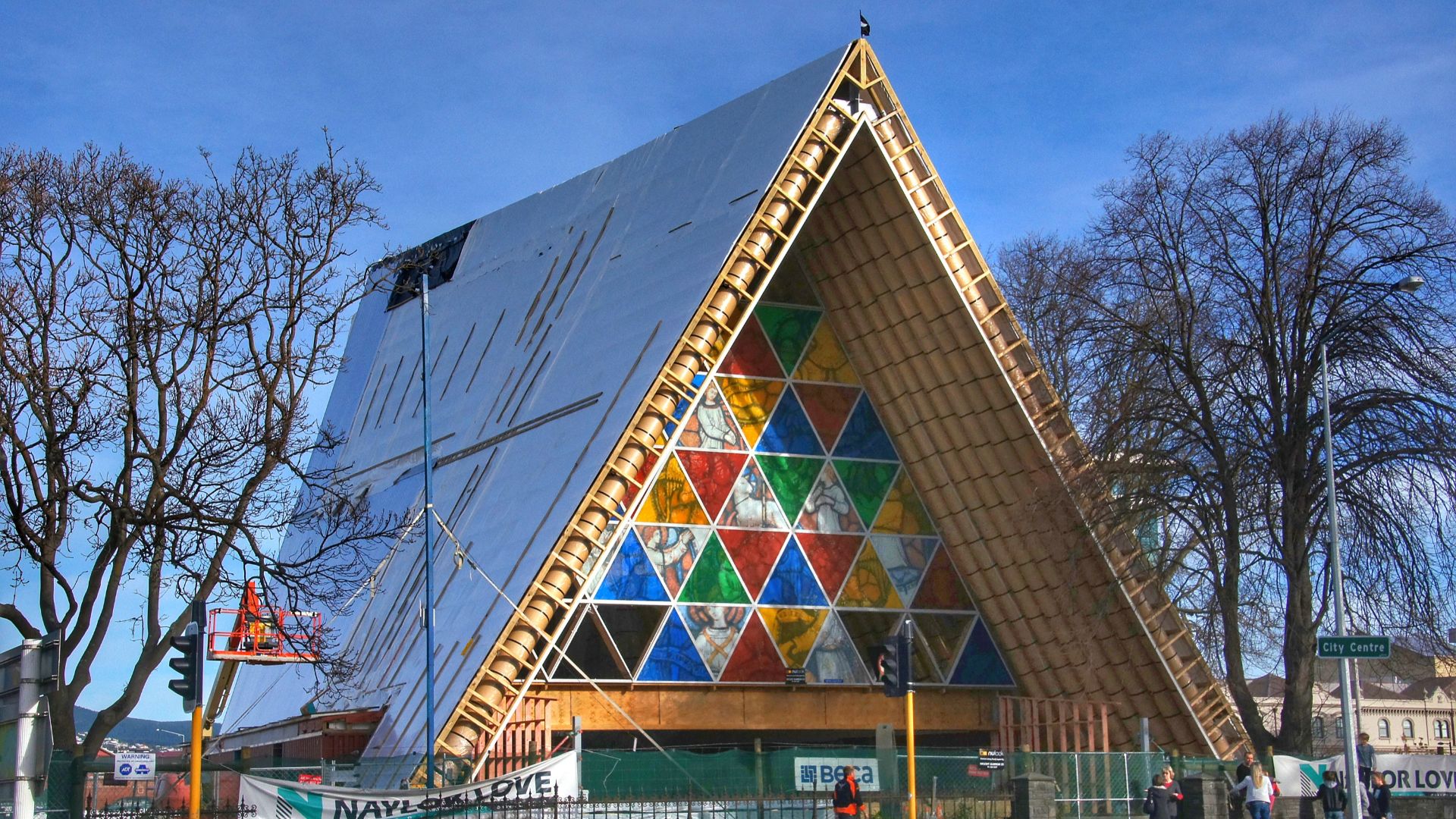 Bernard Spragg. NZ from Christchurch, New Zealand on Wikimedia
9. Constraints Spark Innovation
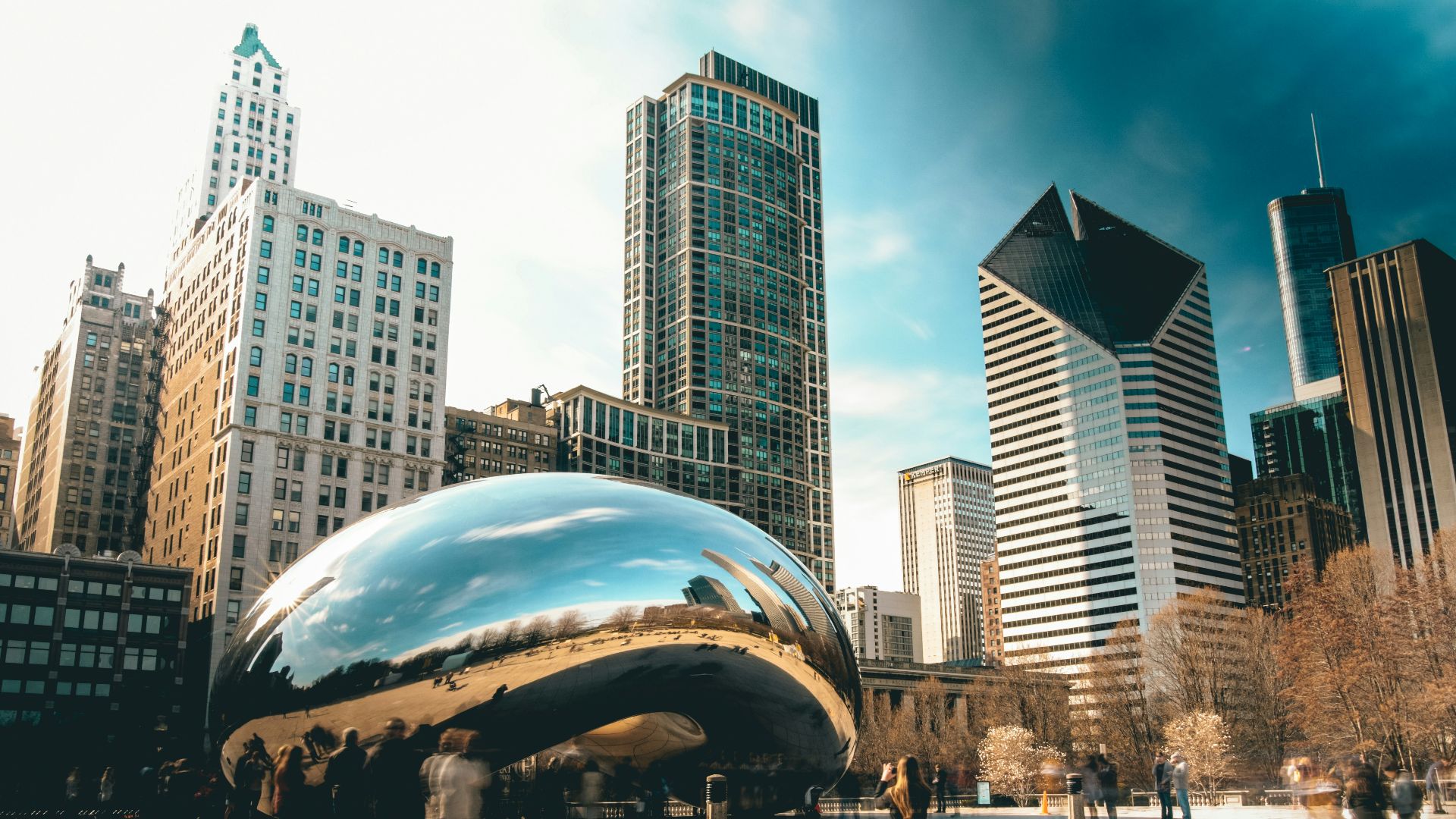
Necessity pushed Chicago’s architects to experiment, and those experiments changed how cities everywhere got built. When you’re standing in front of an early skyscraper in Chicago’s Loop, you’re looking at disaster’s unintended gift.
10. Authenticity Can Be Reconstructed
Warsaw chose cultural continuity over modernization. The rebuilt Old Town is simultaneously brand new and centuries old. Warsaw suggests that authenticity isn’t about age or originality, but about maintaining cultural memory and identity across ruptures in time.