10 Things Considered Bad Luck & 10 That Signal Good Luck, According to Different Cultures
10 Things Considered Bad Luck & 10 That Signal Good Luck, According to Different Cultures
Lucky or Doomed?
Whether you knock on wood before saying something hopeful or go out of your way to avoid stepping on a crack, the rituals surrounding luck are deeply woven into everyday life. Every culture has developed its own set of beliefs about what invites misfortune and what draws good fortune, and those traditions have been passed down through generations with surprising consistency. From numbers that send shivers down spines to small figurines perched on store counters, the symbols and superstitions tied to luck reveal a lot about the values, history, and collective anxieties of the people who hold them dear.
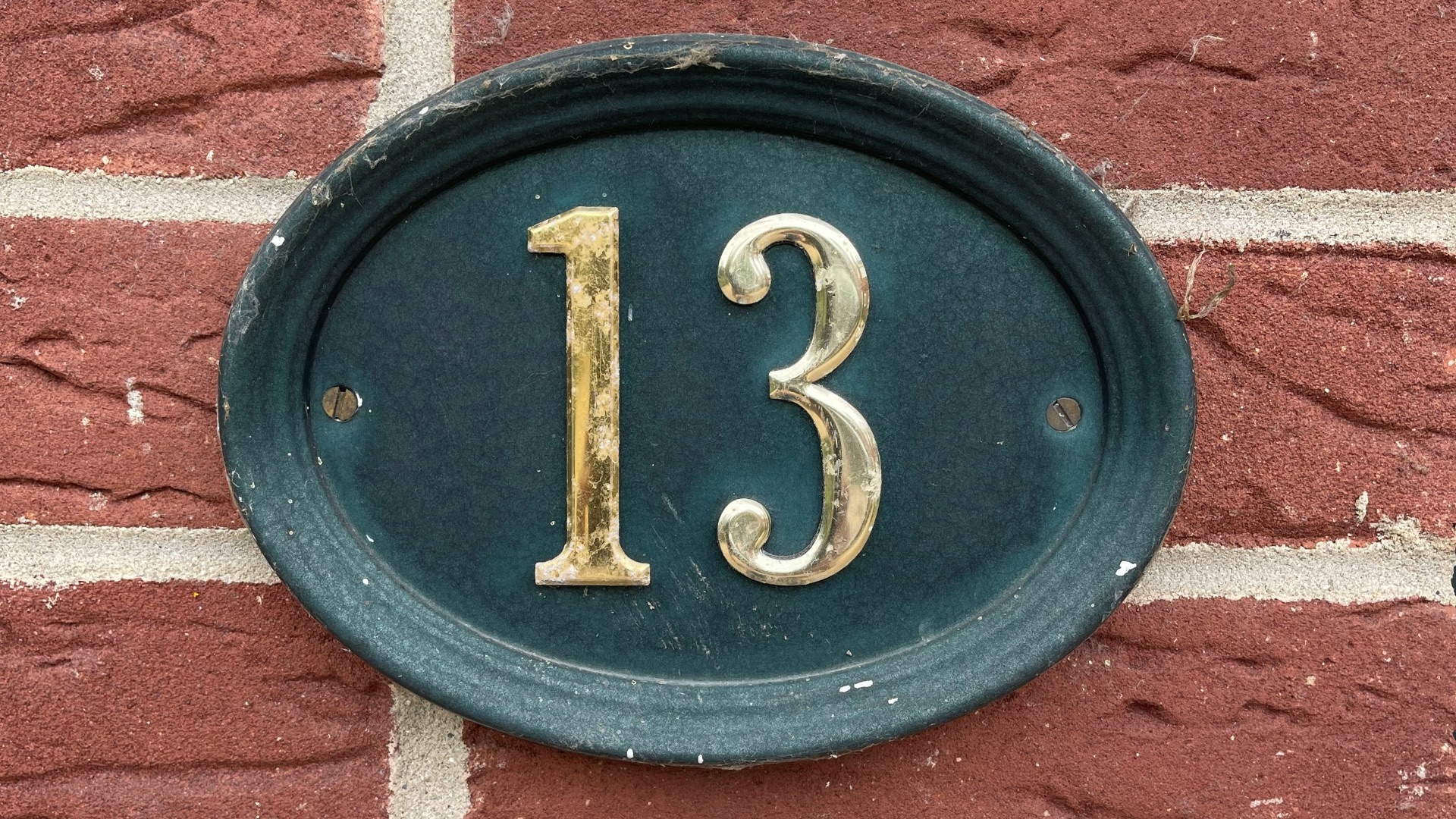
1. The Number 13
Few numbers carry as much cultural weight in Western societies as 13, which has long been associated with bad luck and misfortune. The fear of this number is so widespread that it even has a clinical name: triskaidekaphobia. Many hotels and office buildings skip the 13th floor entirely, and some airlines omit row 13 from their seating charts, a reflection of just how seriously people take the superstition.
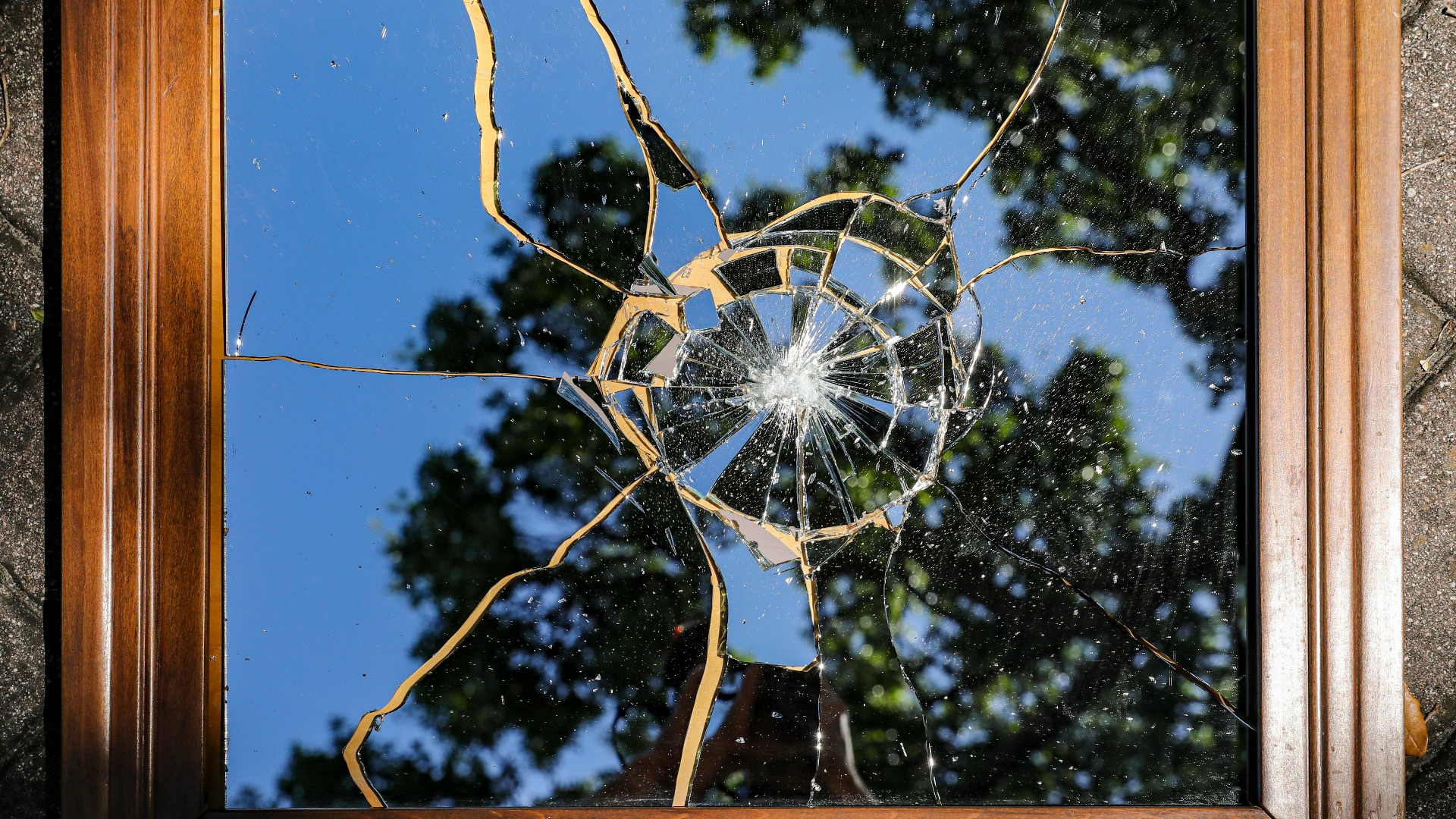
2. Breaking a Mirror
The belief that breaking a mirror brings seven years of bad luck stretches back to ancient Rome, where mirrors were considered extensions of the soul. Romans believed that the soul renewed itself every seven years, so a shattered reflection meant seven years of spiritual misalignment before recovery was possible. Today, the superstition persists across many Western cultures, even among people who wouldn't necessarily describe themselves as superstitious.
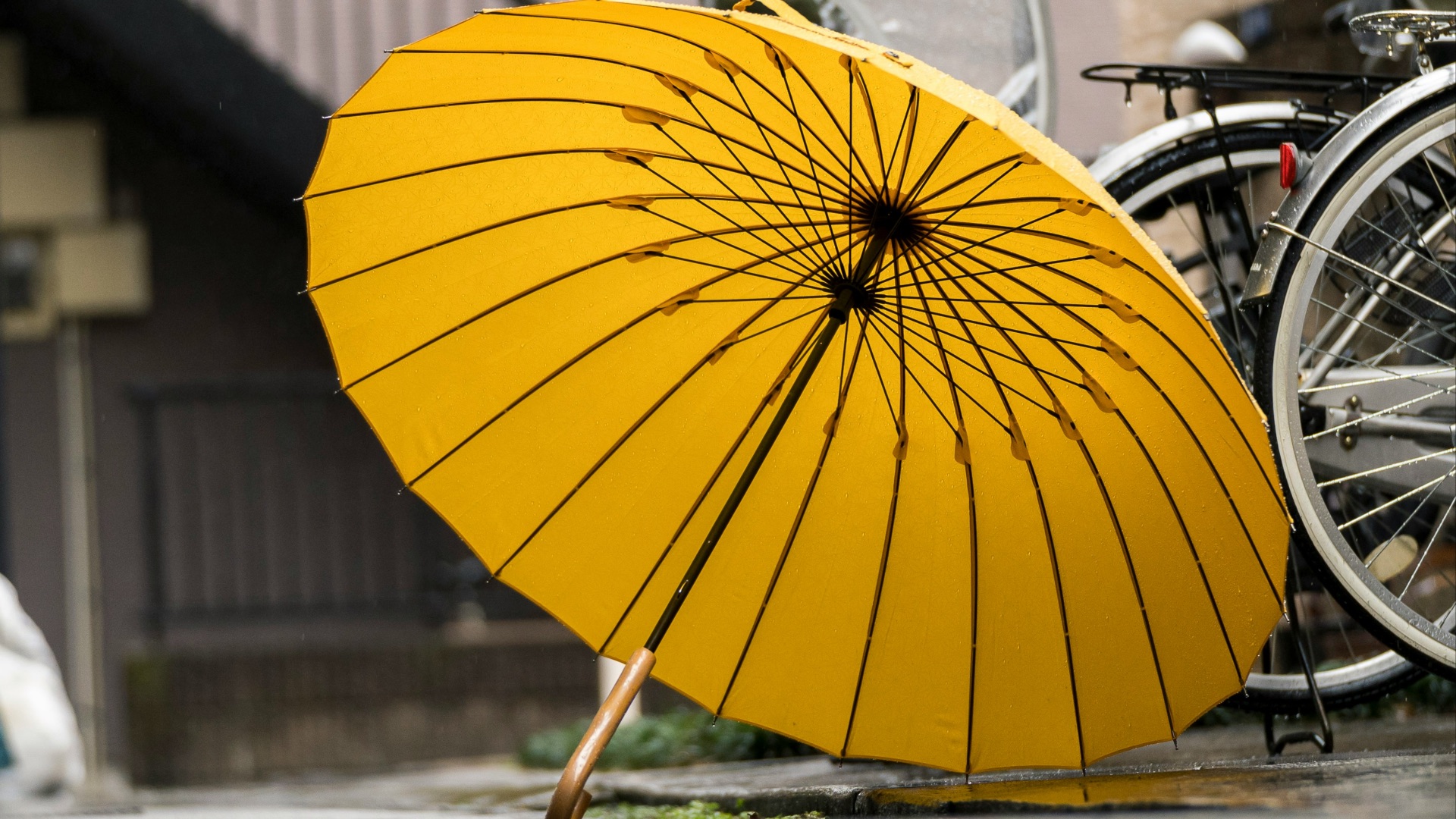
3. Opening an Umbrella Indoors
Opening an umbrella inside a building is considered a sure way to invite trouble in many parts of Europe and North America. One popular explanation traces the belief back to ancient Egypt, where parasols were reserved as sacred protection from the sun and opening them indoors was seen as an insult to the sun god. Whether or not you subscribe to the legend, it's probably still worth waiting until you're outside—if only to avoid poking someone in the eye.
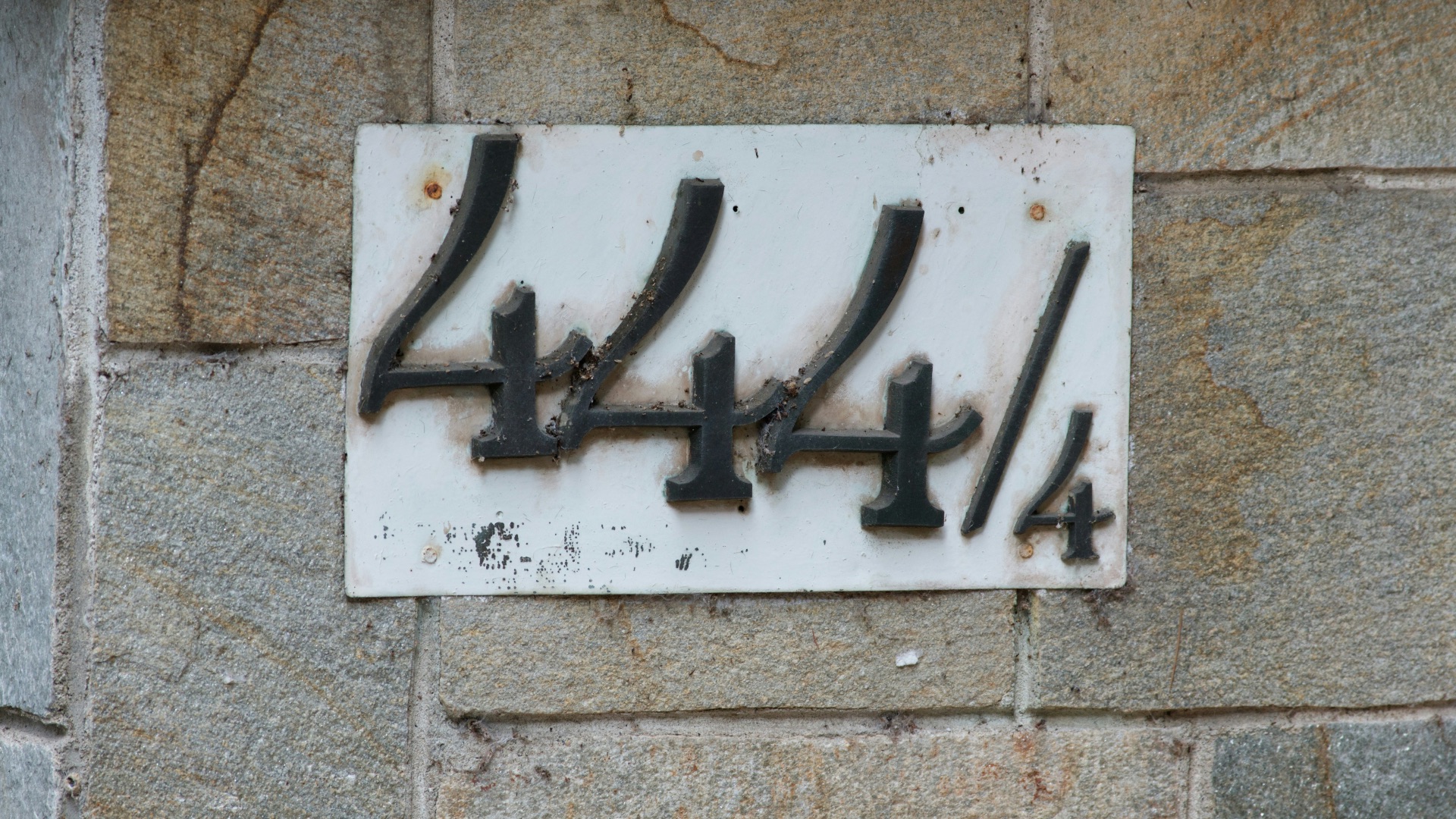
4. The Number 4
In many Asian countries, including China, Japan, South Korea, Malaysia, and Vietnam, the number 4 is considered deeply unlucky because its pronunciation sounds nearly identical to the word for death in those languages. This fear, known as tetraphobia, influences everything from building design to product packaging, and you'll frequently find that the fourth floor is simply left out of elevator panels. It's the Eastern equivalent of 13 in Western cultures, and the avoidance of the number is taken seriously in both everyday life and business.
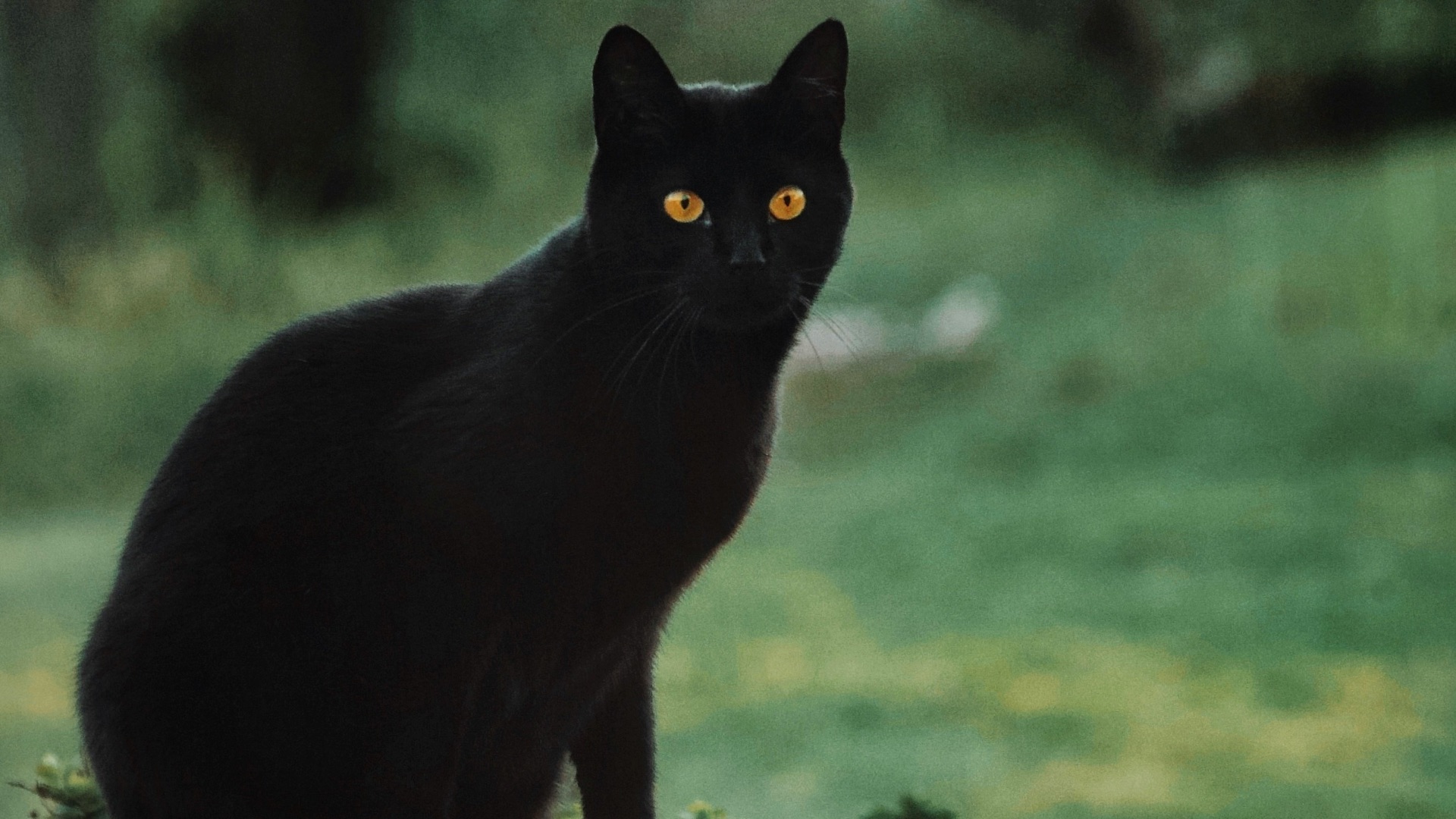
5. A Black Cat Crossing Your Path
In much of Western Europe and North America, a black cat crossing your path is widely regarded as a bad omen. The superstition gained traction in medieval Europe, when black cats became associated with witchcraft and the supernatural. Interestingly, the same animal is considered a sign of good fortune in parts of the United Kingdom, Scotland, and Japan, which shows just how differently cultures can interpret the same symbol.
6. Walking Under a Ladder
Avoiding the path under a leaning ladder is one of the most common superstitions in Western cultures, and it actually has a few competing origin stories. One theory links it to early Christian symbolism, where a ladder leaning against a wall forms a triangle, and walking through a triangle was said to disrespect the Holy Trinity. A more practical version of the story suggests the superstition simply arose to protect people from falling tools or a slipping ladder, and the fear of bad luck was used to reinforce the habit.

7. Spilling Salt
Salt was once an incredibly valuable commodity, so spilling it was considered not just wasteful but a sign of impending trouble in many European cultures. The bad luck association may also be linked to Leonardo da Vinci's famous painting of The Last Supper, in which Judas Iscariot is depicted with an overturned salt cellar near his elbow. The traditional remedy, which involves tossing a pinch of spilled salt over your left shoulder, is said to blind any lurking evil spirits before they can take advantage of the misfortune.

8. Whistling Indoors
In Russia and Turkey, whistling inside a home is strongly discouraged, as it's believed to whistle away your wealth and bring financial hardship. The superstition is sometimes extended to whistling at night, which in some Slavic and Nordic traditions is thought to summon evil spirits or bad weather. It may seem like a small thing, but in households where the belief runs deep, a casual whistle from a guest can be met with a very serious reaction.

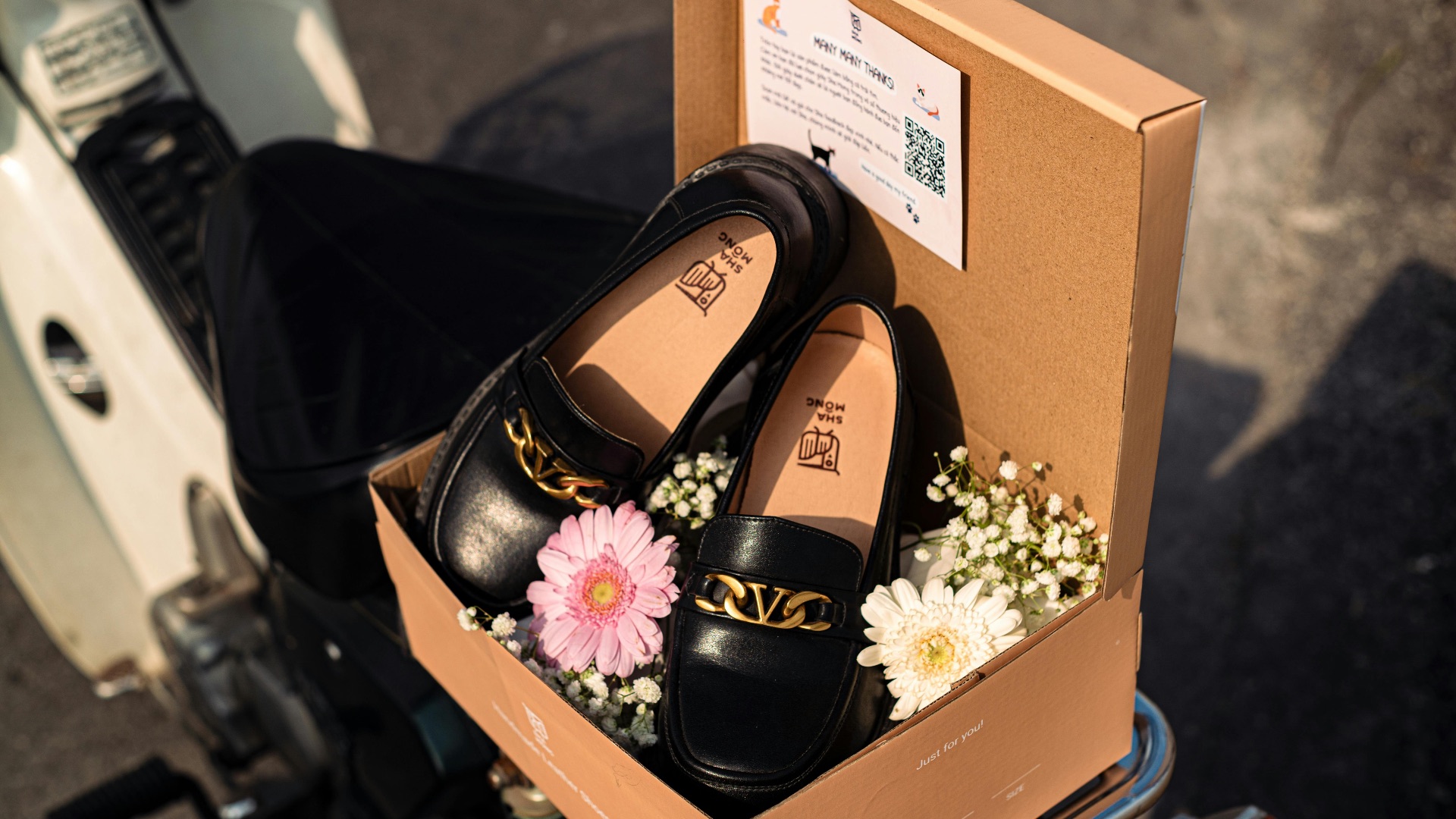
9. Gifting Shoes
Giving someone a pair of shoes as a gift is considered bad luck in a surprising number of cultures. The belief holds that shoes are meant for walking away, so presenting them to someone suggests they'll soon leave your life. But in some superstitions the opposite is true: if you never gift someone shoes, you're destined to walk into the afterlife shoeless. So the odds aren't exactly in your favor either way.
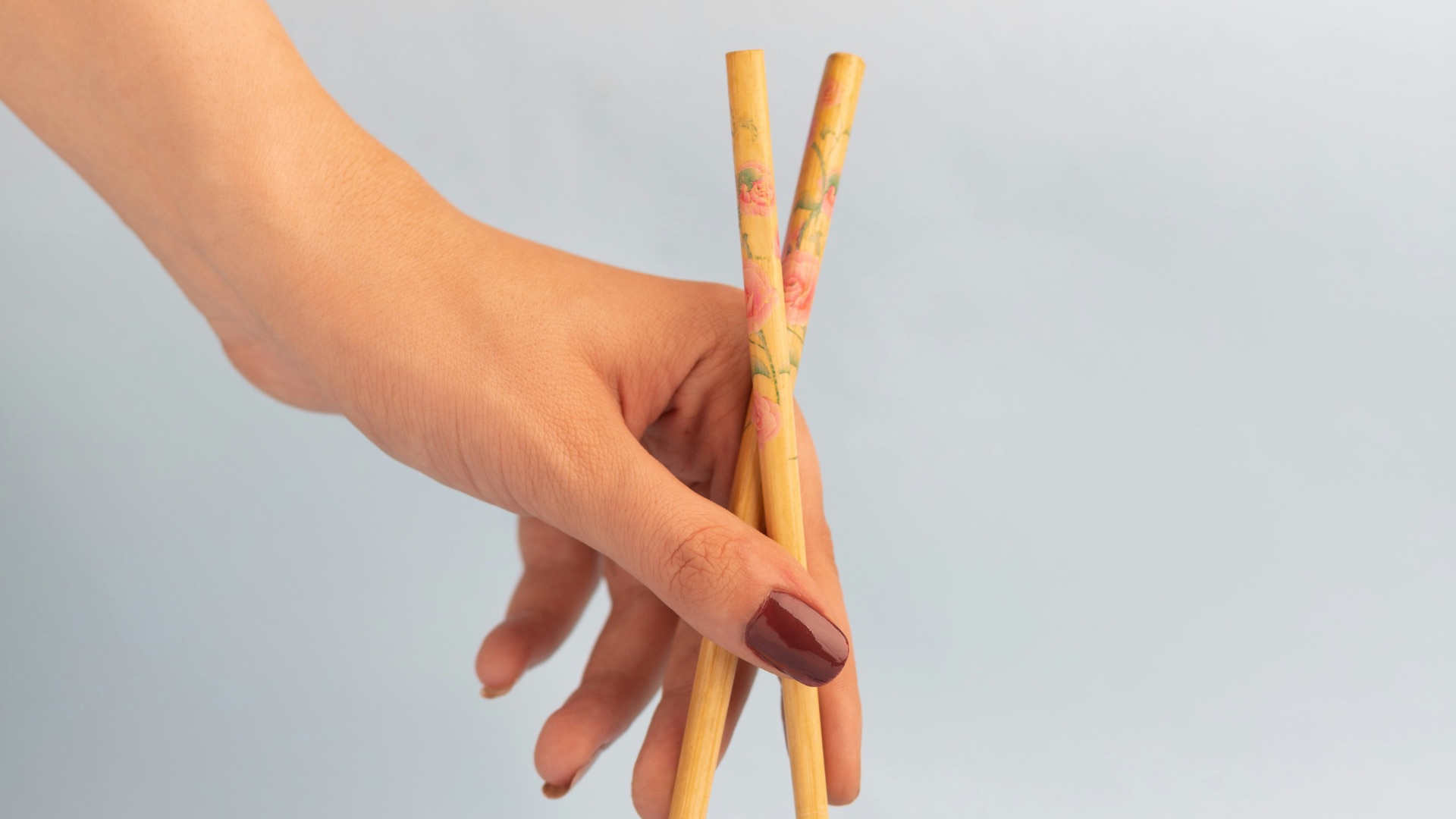
10. Placing Chopsticks Upright in Rice
Sticking chopsticks vertically into a bowl of rice is considered a serious breach of etiquette and a bad omen in Japan, as the image closely mirrors the incense sticks burned at funerals and Buddhist memorial rituals. The association with death makes the gesture deeply disrespectful at a dinner table, and it's the kind of mistake that can visibly unsettle your Japanese hosts. Even visitors unfamiliar with local customs are generally warned about this one early on, given how strong the cultural association is.
Now that you've seen what different cultures try to avoid, it's time to flip the coin and look at the other side. From lucky charms to auspicious numbers, here are 10 things that people around the world welcome as signs of good fortune on the way.
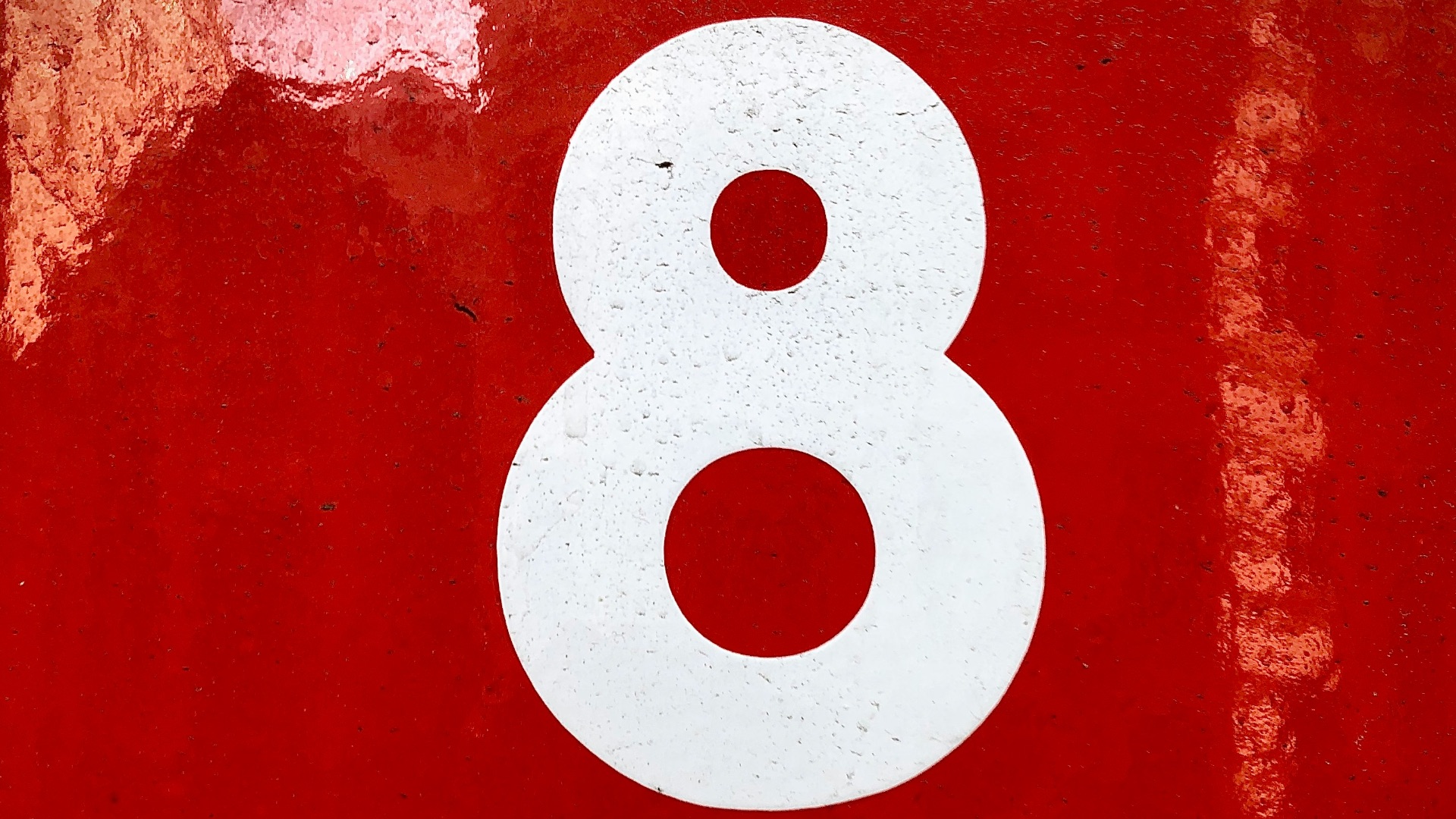
1. The Number 8
In Chinese culture, 8 is the luckiest number you can come across, largely because its pronunciation in Mandarin sounds similar to the word for prosperity or wealth. The number's positive reputation is so powerful that phone numbers, license plates, and addresses featuring multiple 8s have been known to sell for staggering sums of money. The 2008 Beijing Olympics were even scheduled to begin on 08/08/08 at 8:08 p.m., a deliberate choice intended to maximize good fortune for the event.
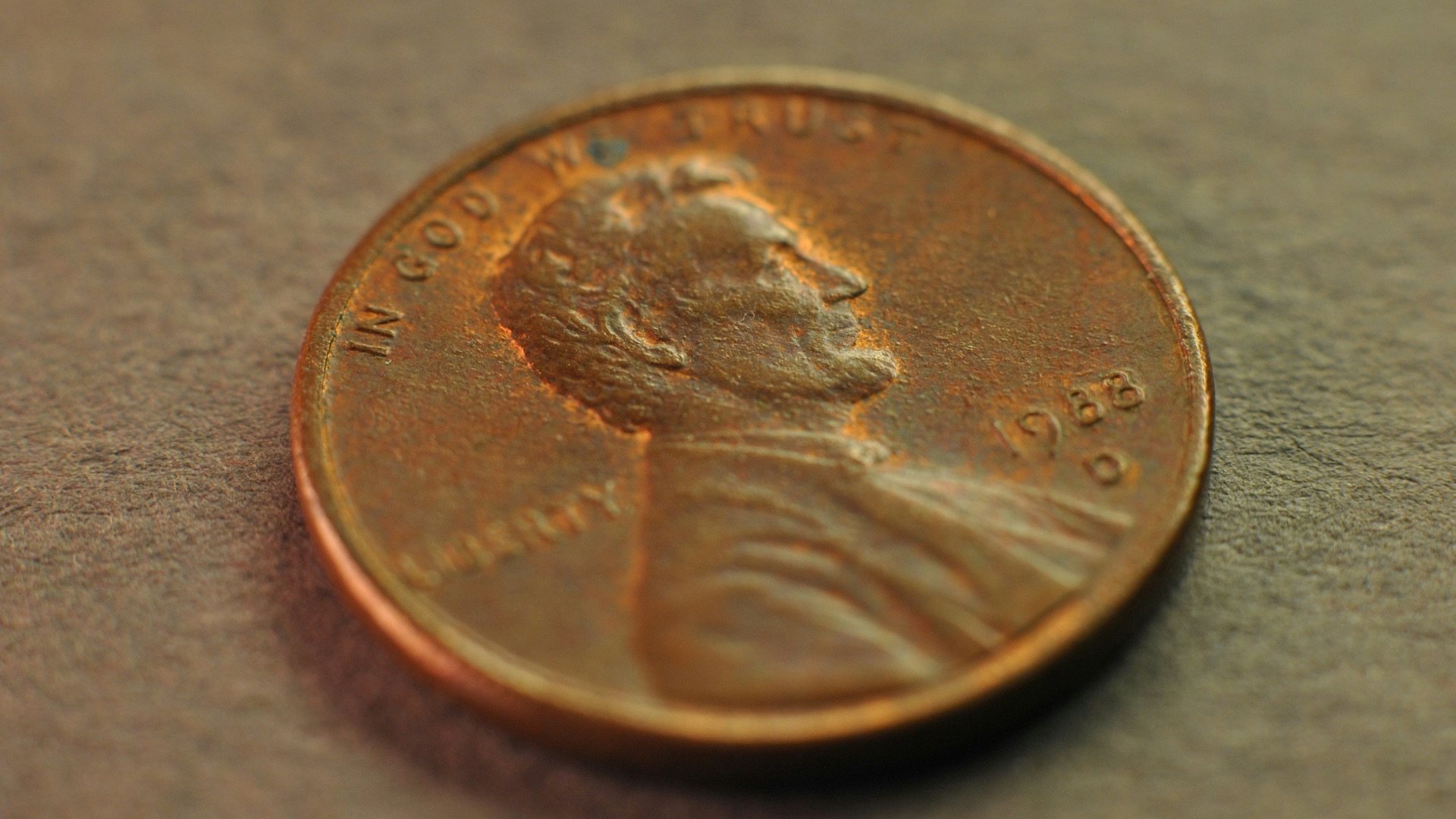
2. Finding a Penny Heads-Up
The old saying goes, find a penny heads-up and you'll have good luck all day, a superstition that has been part of American and British folk culture for generations. The belief has roots in ancient times, when metal was considered a gift from the gods and finding any piece of it on the ground was seen as divine favor. Some versions of the superstition hold that only the heads-up orientation counts, since tails-up is actually considered bad luck, so it's worth taking a second look before you reach down.
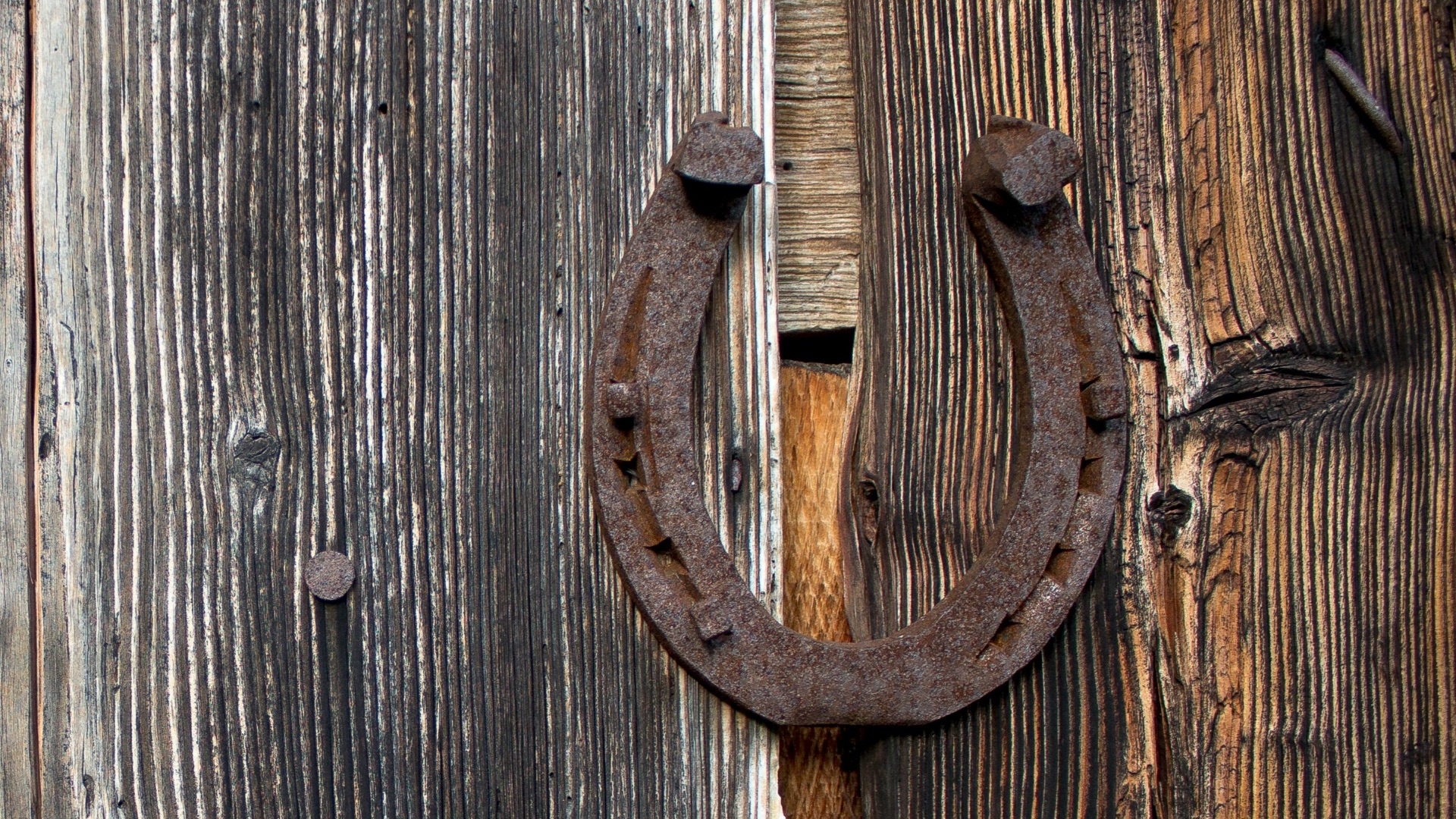
3. A Horseshoe Hung Over the Door
Horseshoes have been considered powerful good luck charms across many European cultures for centuries, with the tradition being especially prominent in Ireland and England. The belief is often attributed to Saint Dunstan, a 10th-century blacksmith who, according to legend, outwitted the devil by nailing a horseshoe to his hoof before agreeing to remove it only if the devil promised never to enter a home with a horseshoe above its door. Whether you hang it with the opening facing up to collect luck or facing down to pour it over the household depends on which regional tradition you follow.
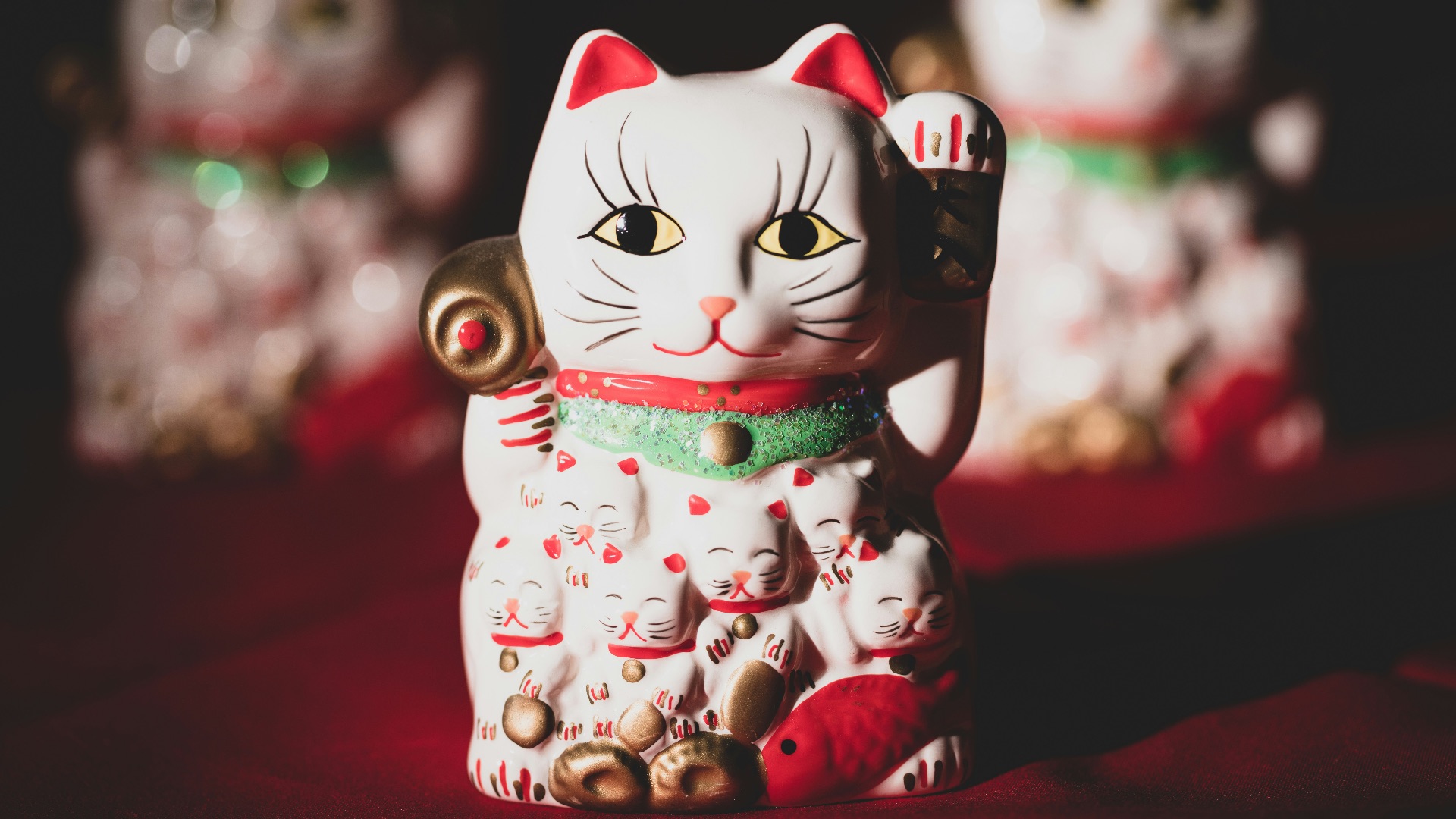
4. The Maneki-Neko (Beckoning Cat)
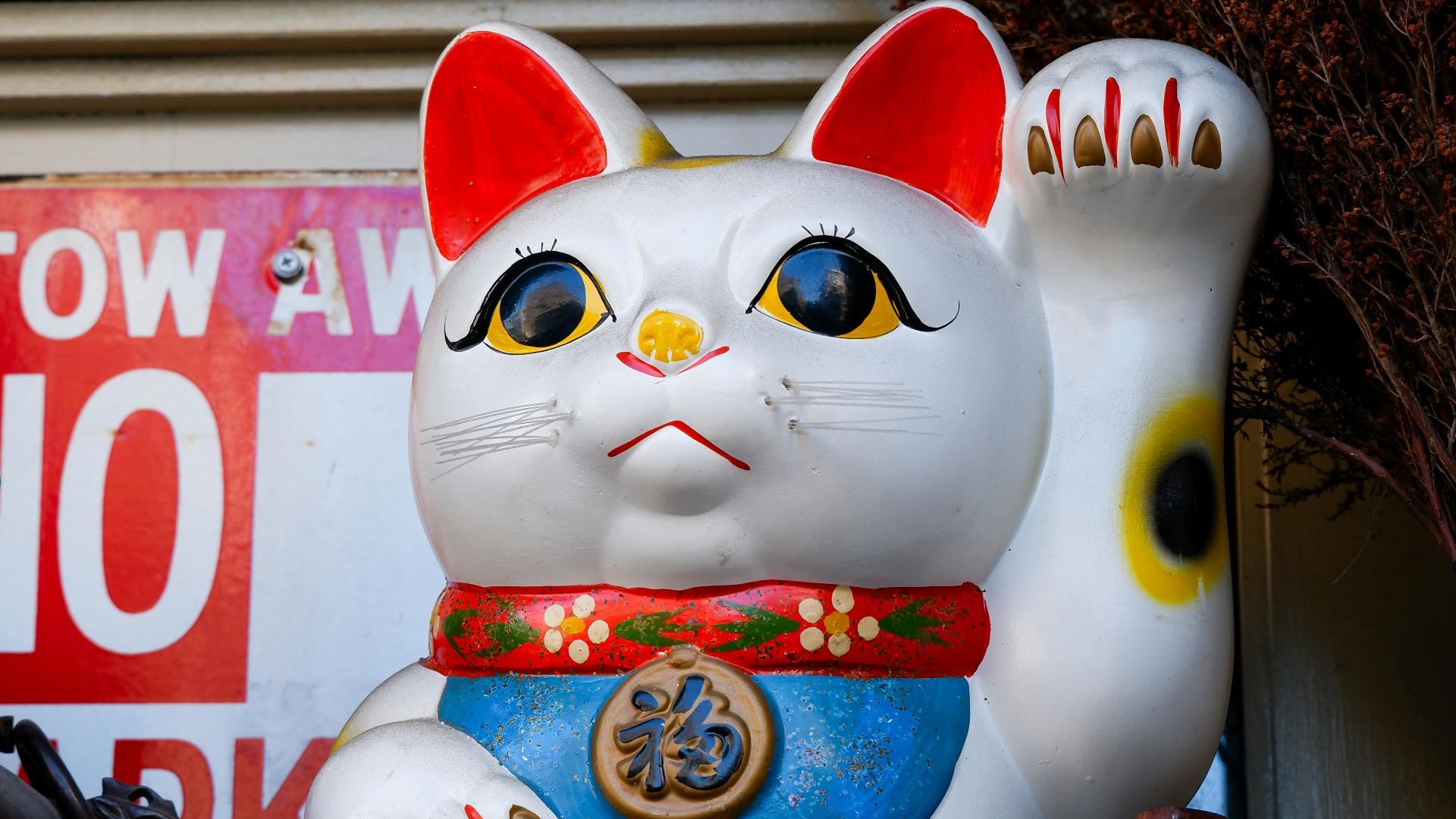
The maneki-neko, which translates to beckoning cat, is a familiar figurine in Japanese and Chinese culture, typically depicted as a cat with one paw raised as if waving. The raised left paw is said to invite customers and visitors, while a raised right paw is associated with attracting wealth, which is why you'll spot the figurine near the entrance of restaurants, shops, and homes throughout East Asia. Different colors carry different meanings as well, with gold representing financial luck, white symbolizing happiness, and black believed to ward off evil.
5. The Evil Eye Talisman
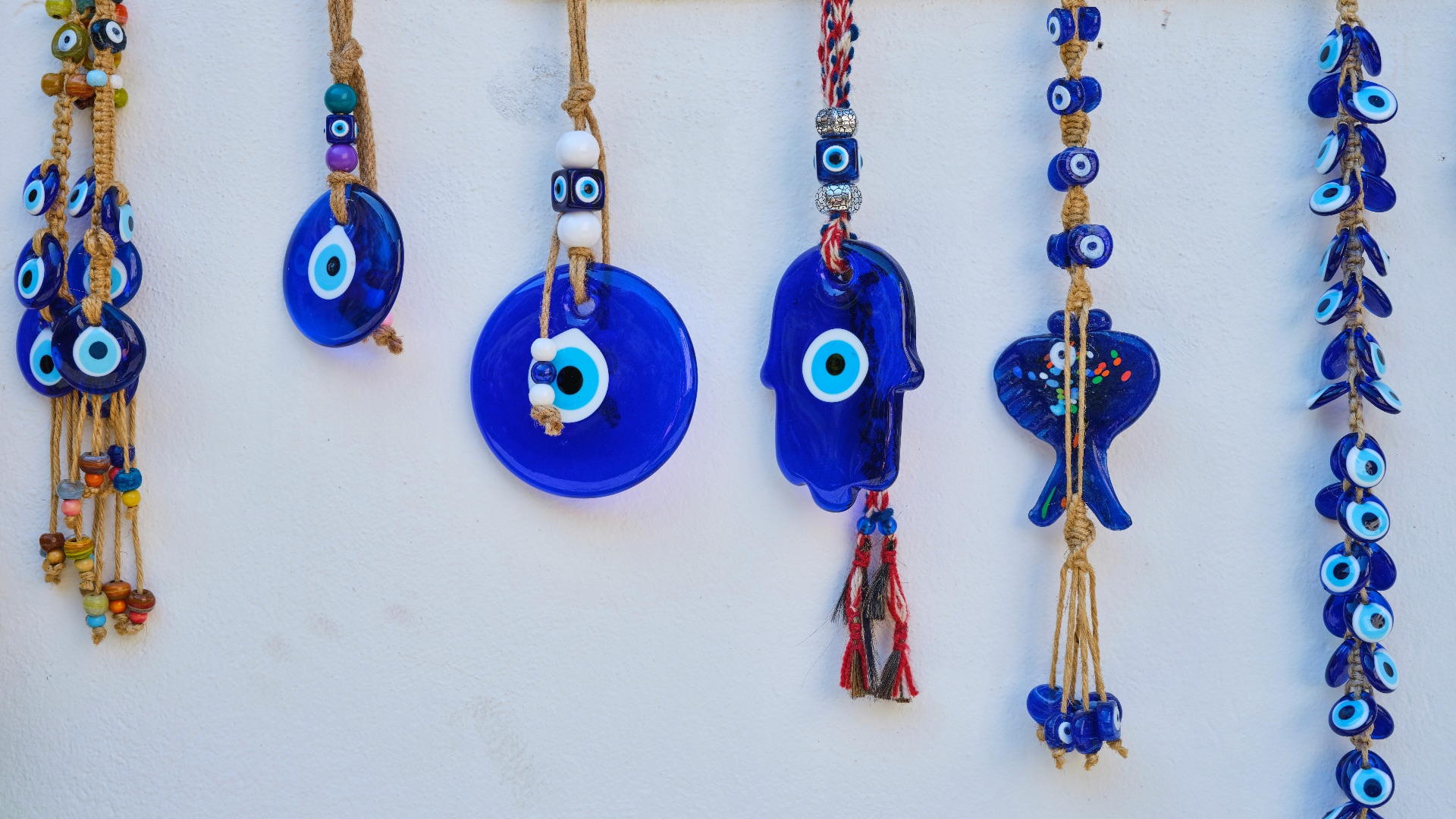
Despite its slightly unsettling name, the evil eye talisman, or naẓar, is actually used as a protective good luck charm across Turkey, Greece, and much of the Middle East and Mediterranean. The distinctive blue and white eye-shaped amulet is believed to deflect malicious envy and protect its owner from harm caused by the ill will of others. You'll find it hanging in homes, tucked into jewelry, and stitched onto clothing, worn not to invite fear but to keep it at bay.
6. Four-Leaf Clovers
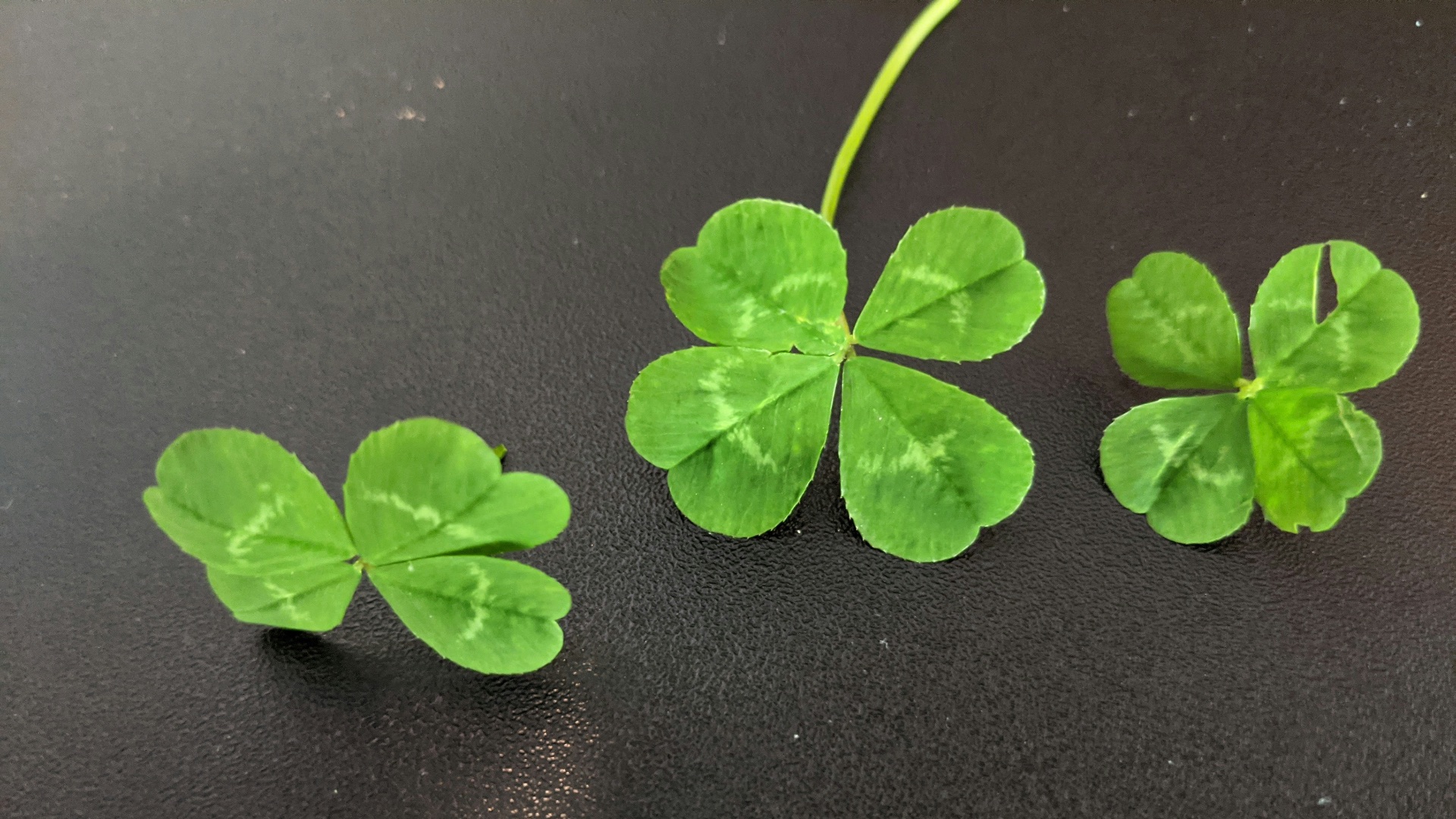
The four-leaf clover is one of the most recognizable good luck symbols in the world, rooted in Irish folklore and the broader Celtic tradition. While the standard shamrock has three leaves and is associated with St. Patrick's use of it to explain the Holy Trinity, a four-leaf variant is statistically rare and therefore considered especially fortuitous to find. Each leaf is traditionally said to represent a different blessing (faith, hope, love, and luck), making a genuine find feel all the more meaningful.
7. Red Envelopes
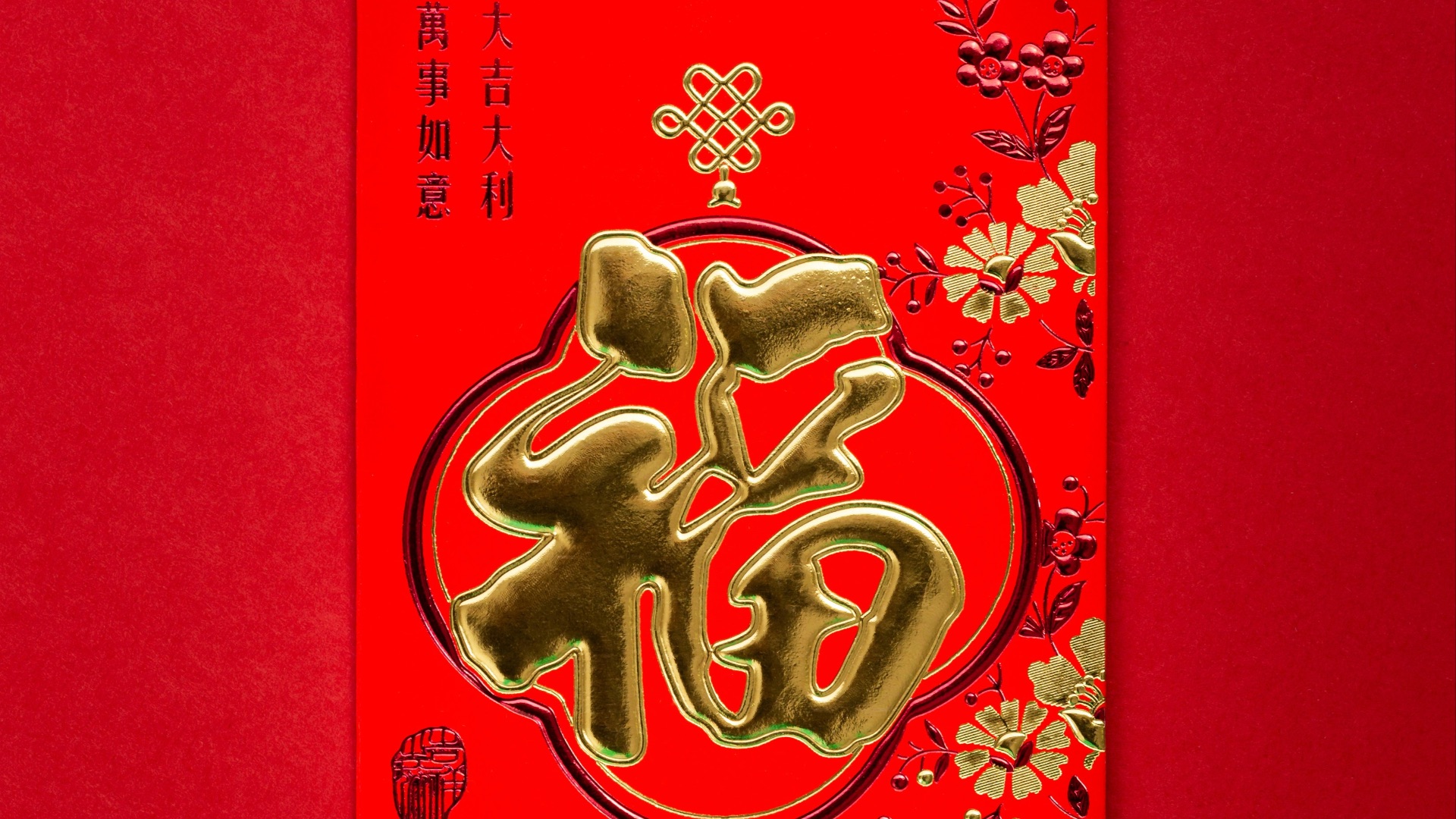
In Chinese culture and many other East Asian traditions, red envelopes filled with money are exchanged during Lunar New Year celebrations as a way of passing along luck and blessings to the recipient. The color red itself is considered auspicious and protective across much of East Asia, associated with joy, vitality, and the warding off of negative energy. Children and unmarried adults are the most common recipients, and the amount of money inside is often chosen carefully to avoid unlucky numbers.
8. Seeing a Ladybug
A ladybug landing on you is widely considered a sign of good luck in many European and North American cultures, with the belief particularly strong in Germany, where the insect is sometimes called a Glückskäfer (or Marienkäfer, "Mary beetle"), or luck bug. Some traditions hold that the number of spots on the ladybug's back indicates how many months of good luck you can expect, though the rules vary depending on who you ask. Even its name in many languages carries religious connotations, as the ladybug was historically associated with the Virgin Mary and seen as a symbol of divine protection.

9. The Hamsa Hand
The hamsa, a palm-shaped amulet often featuring an eye in its center, is one of the most widely recognized protective symbols across the Middle East, North Africa, and parts of South Asia. It's used across multiple religious traditions, including Islam, Judaism, and Christianity, making it one of the rare symbols that transcends religious boundaries while retaining its meaning as a source of blessing and protection. Worn as jewelry or displayed in homes, the hamsa is believed to bring its owner happiness, good health, and prosperity while deflecting envy and misfortune.
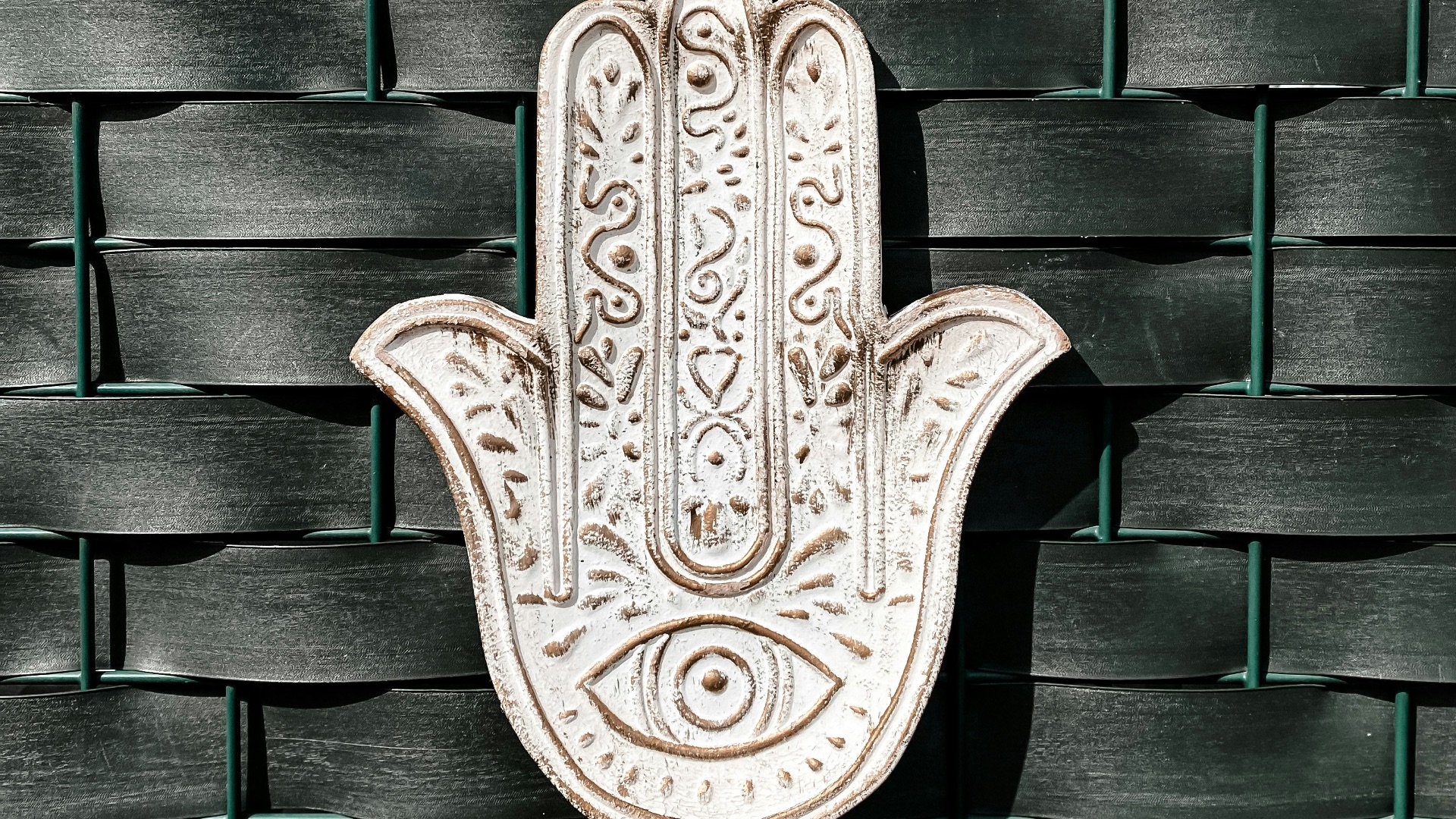 Ripley Elisabeth Brown 🧿 ៚ on Unsplash
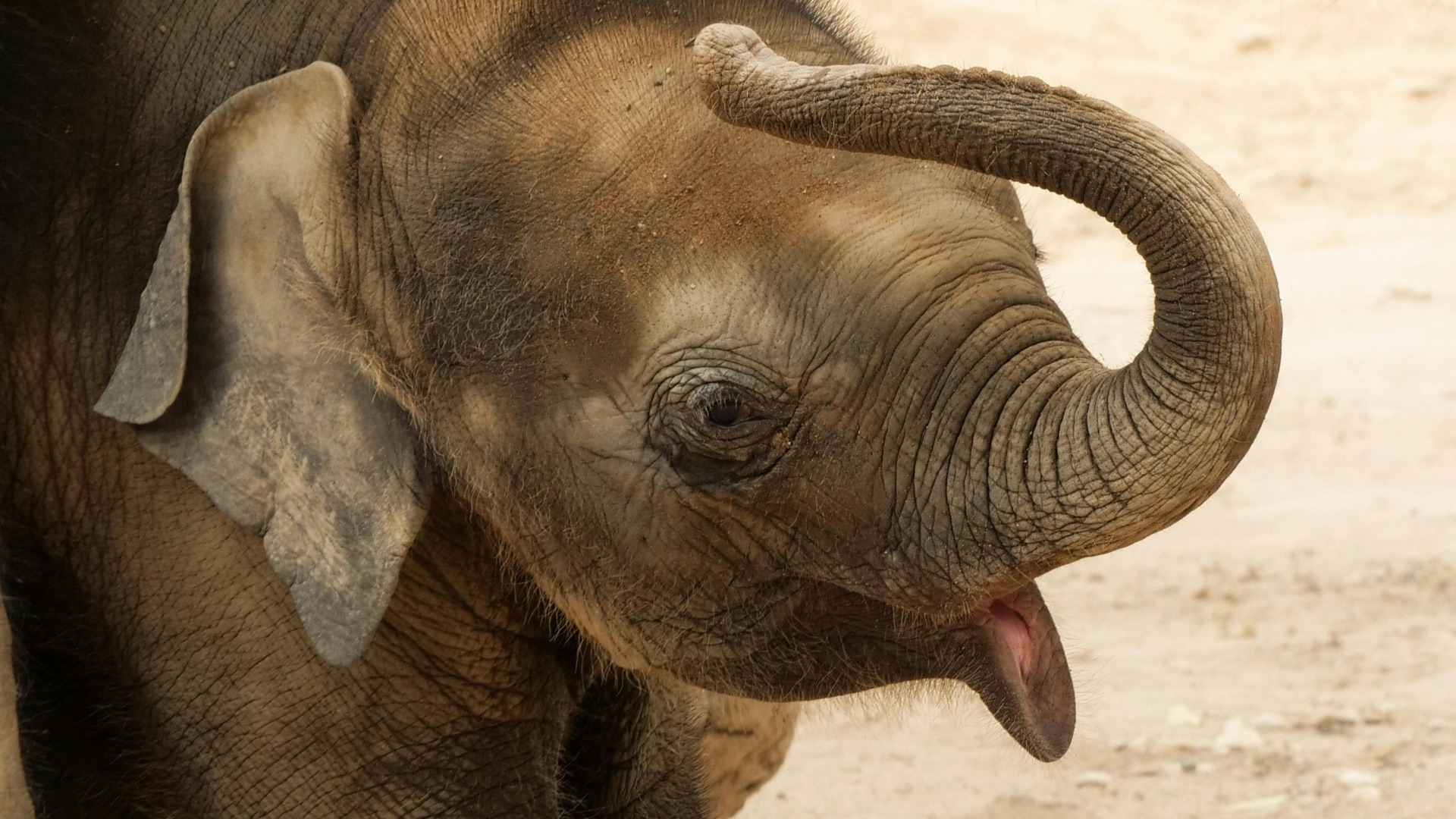
10. Elephants with Trunks Raised
In Indian culture and across much of Southeast Asia, the elephant is considered a sacred and deeply auspicious animal, especially when depicted with its trunk raised upward. A raised trunk on an elephant figurine or image is said to shower good luck and abundance on whoever passes by or keeps the image in their home. The association comes largely from Ganesha, the elephant-headed Hindu deity who is worshipped as the remover of obstacles and the bringer of new beginnings, making elephant imagery a popular feature in homes, businesses, and places of worship.