Culture Shocks in Asia
Squat toilets? Paying for napkins when dining in at a restaurant? Cars competing with pedestrians at intersections? Yup, it sounds wild, but you'll experience it all in Asia. Depending on where in the world you're from, these culture shocks might have your jaw dropping. Ready to see how different everything is on the other side of the world? Here are 20 surprising culture shocks you'll encounter in Asia.
 wutthichai charoenburi on Pexels
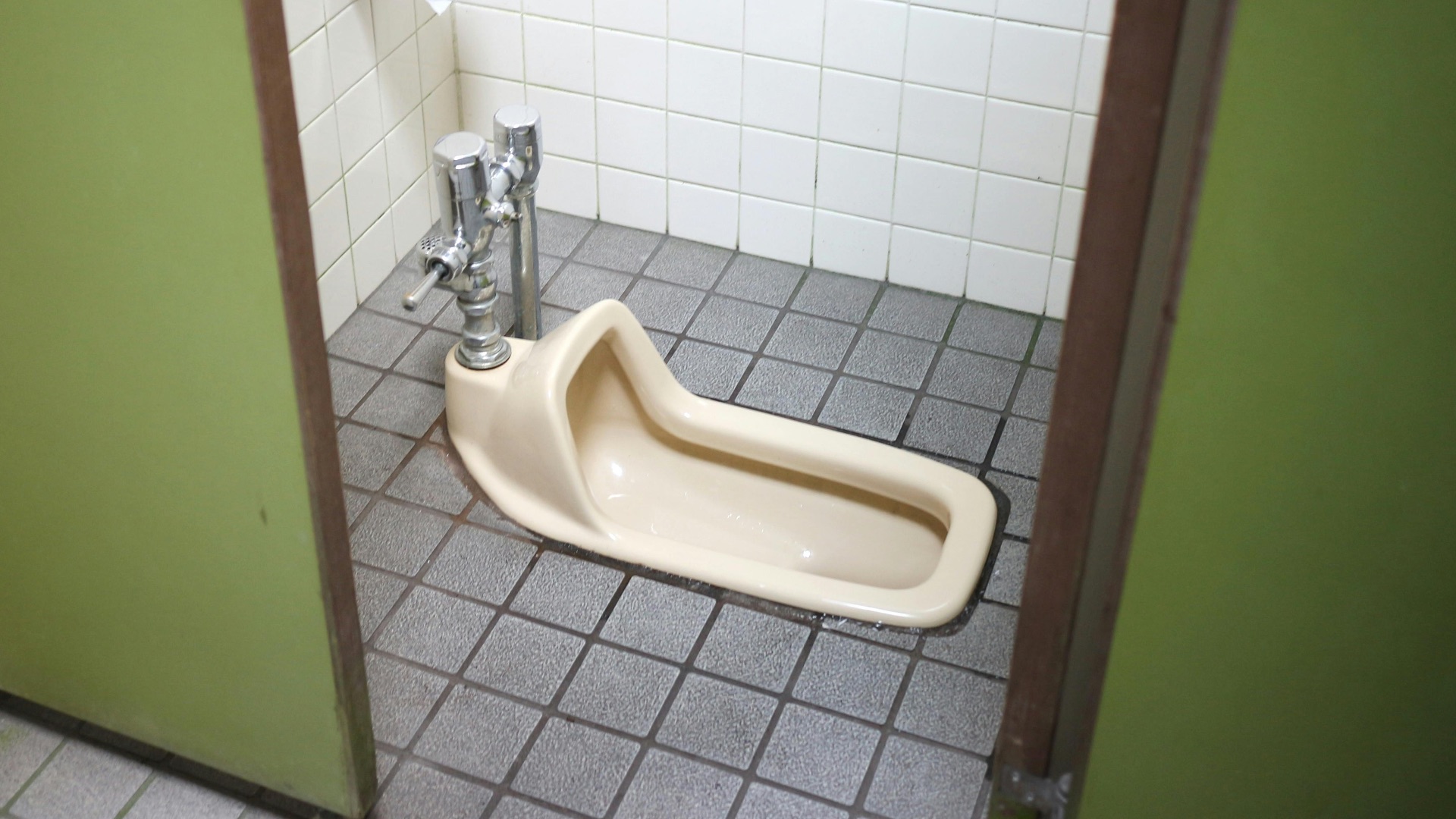
1. Squat Toilets Exist, Even in High-End Malls
It's not just in transit hubs, older buildings, and rural areas where you'll find squat toilets; you'll find them even in high-end shopping malls. They’re not “rare” in many parts of Asia, so it’s worth being mentally prepared. If you’re not used to them, take your time and keep your balance steady.
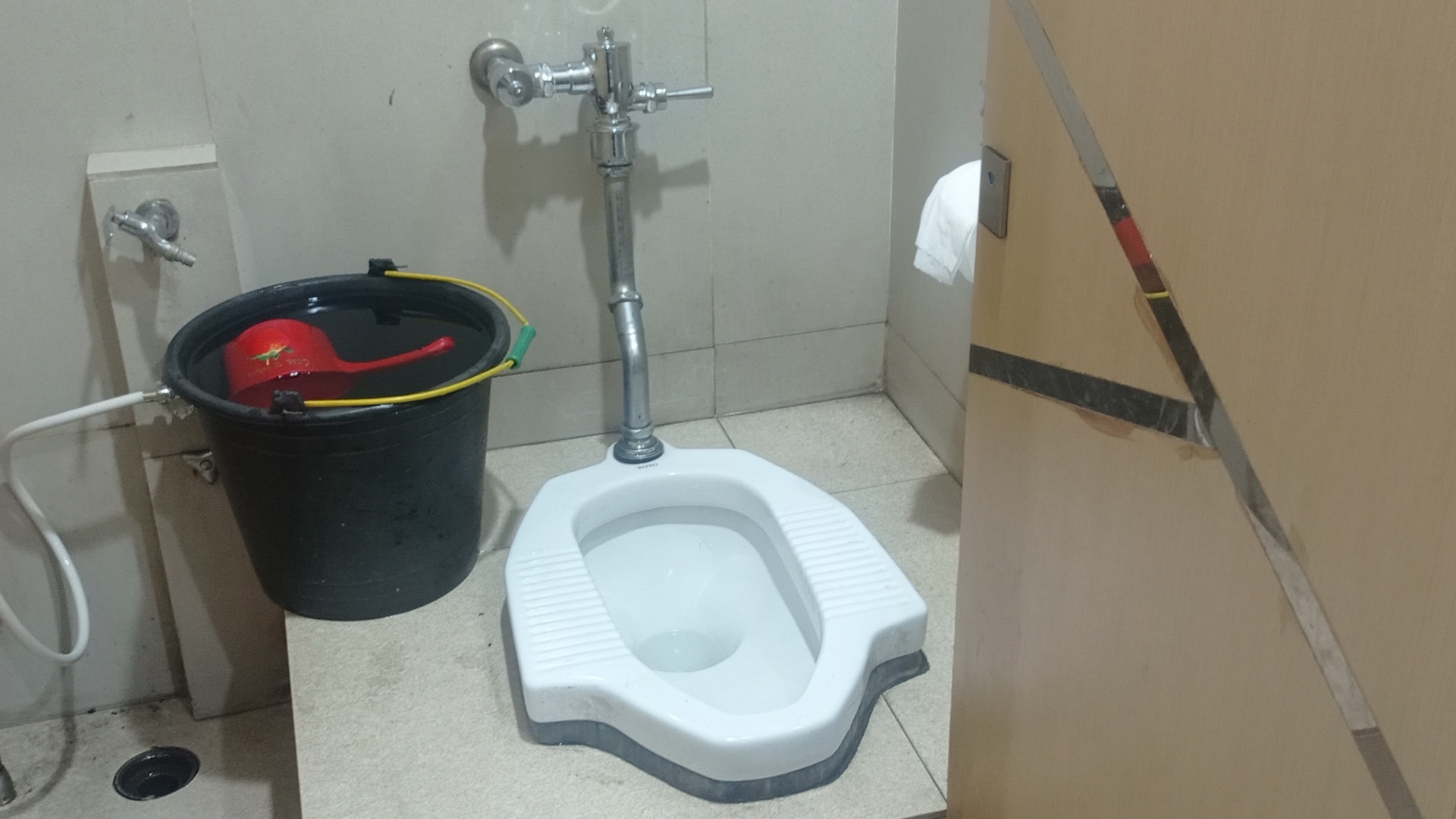
2. Fancy Bidets
On the other hand, in Japan and parts of East Asia, you might encounter high-tech toilet seats that boast multiple settings. The controls can look intimidating, especially when labels aren’t in English. If you’re unsure, leave it all untouched. (But hey, there's also a music button if you don't want others listening in when nature calls.)
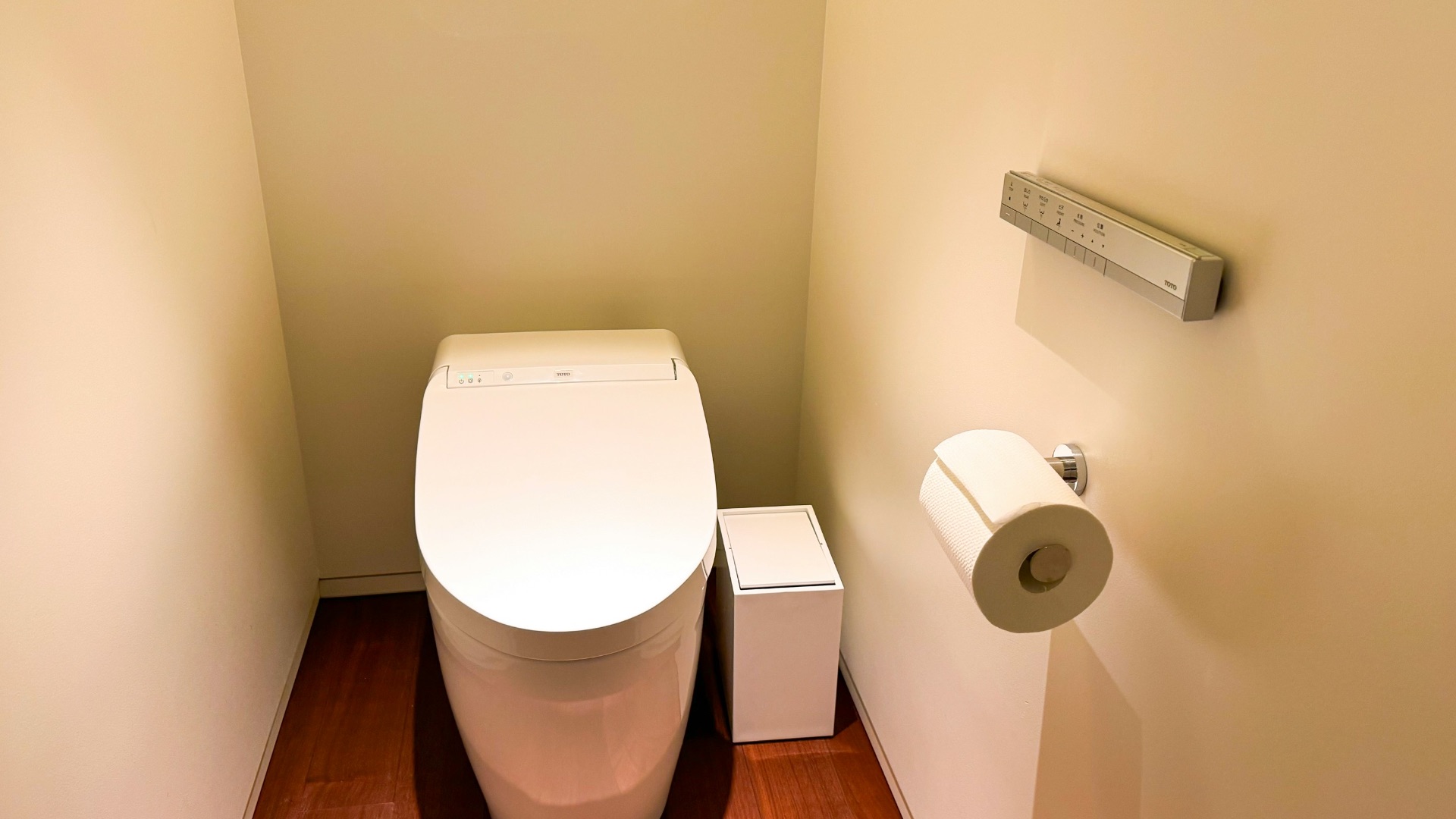
3. Don’t Flush Toilet Paper in Some Places
This sounds absurd, but in some places, like Taiwan, toilet paper goes in a bin instead of the toilet because the water pressure might not be strong enough to flush down excess tissue. The signage can be subtle, and you might even think it's so unfathomable it must be a joke. But if there's a sign explicitly instructing it along with a dedicated bin beside the toilet, follow what it says.
4. Some Bathrooms Don’t Provide Paper or Soap
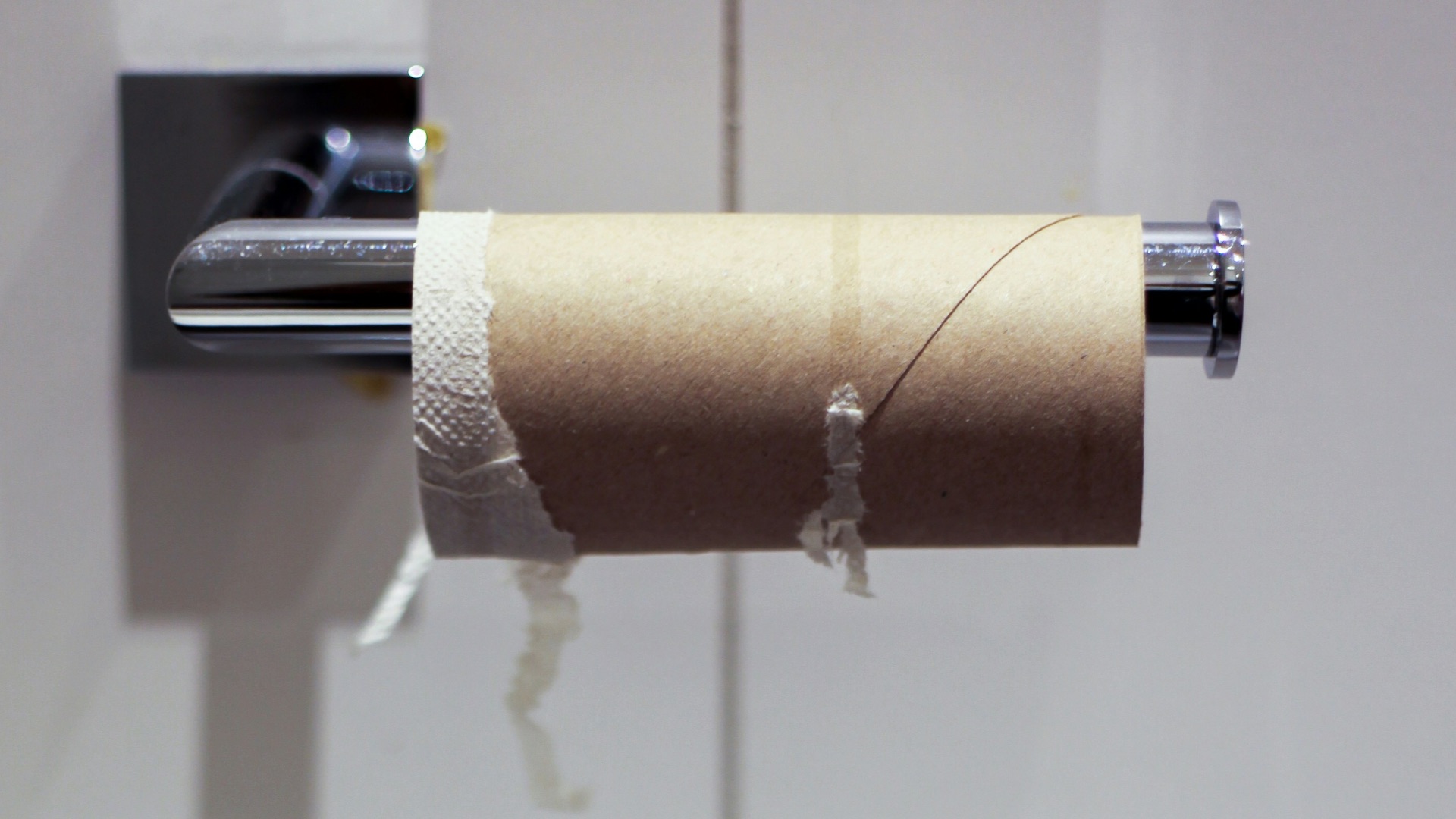
Yup: you may find restrooms with no toilet paper, no paper towels, or an empty soap dispenser. It’s not necessarily neglect; it's just the local expectation that you carry basics. Carrying a small tissue pack and hand sanitizer everywhere with you can save you repeatedly.
5. Train Silence Can Be a Serious Expectation in Japan
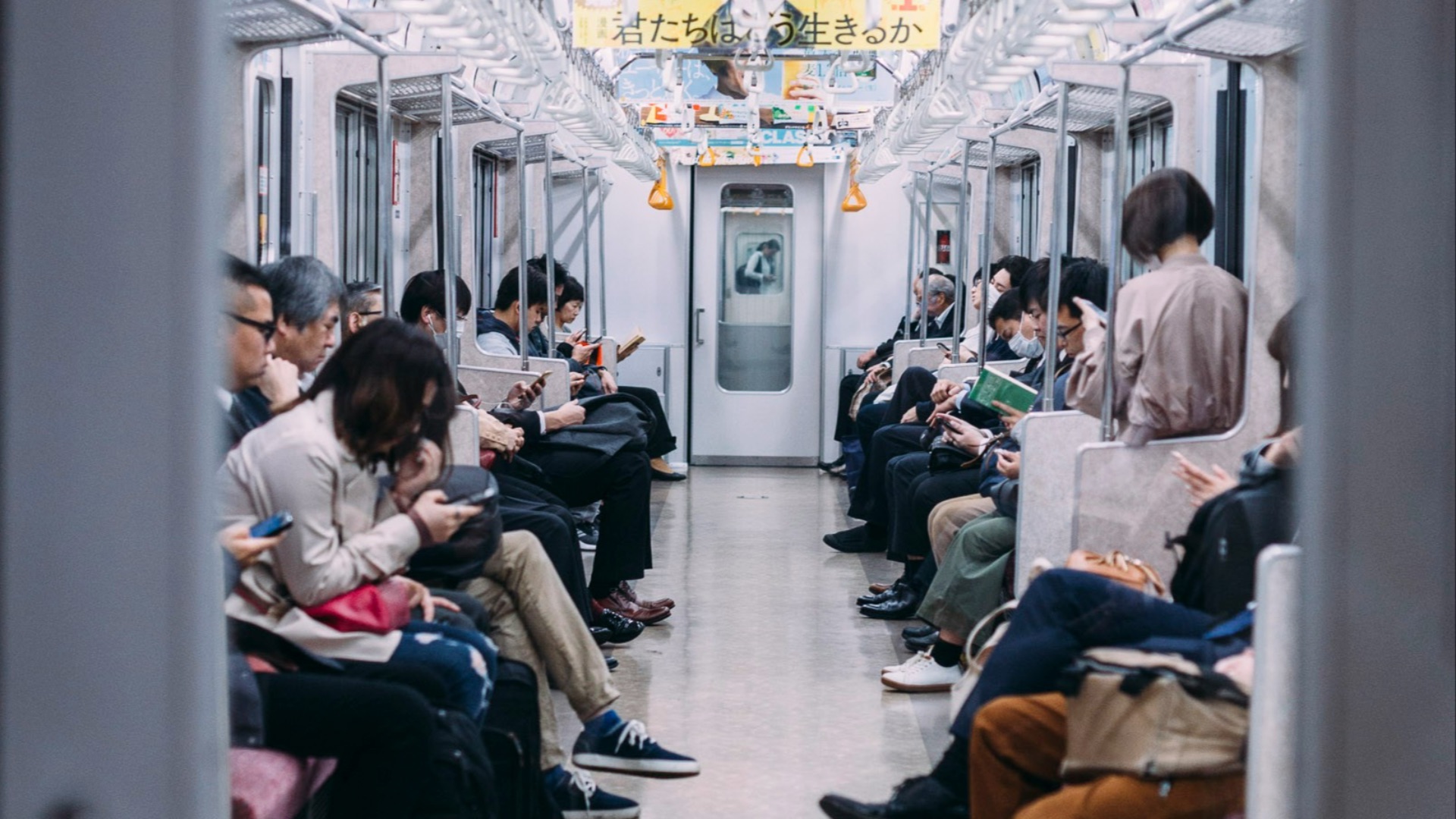
On many Japanese trains, people keep their voices low and avoid taking phone calls. Even when the train is packed, the vibe can stay calm and quiet. If you need to talk, keep it brief and soft, and never, ever put your device on speakerphone.
6. Mask-Wearing Is Normalized
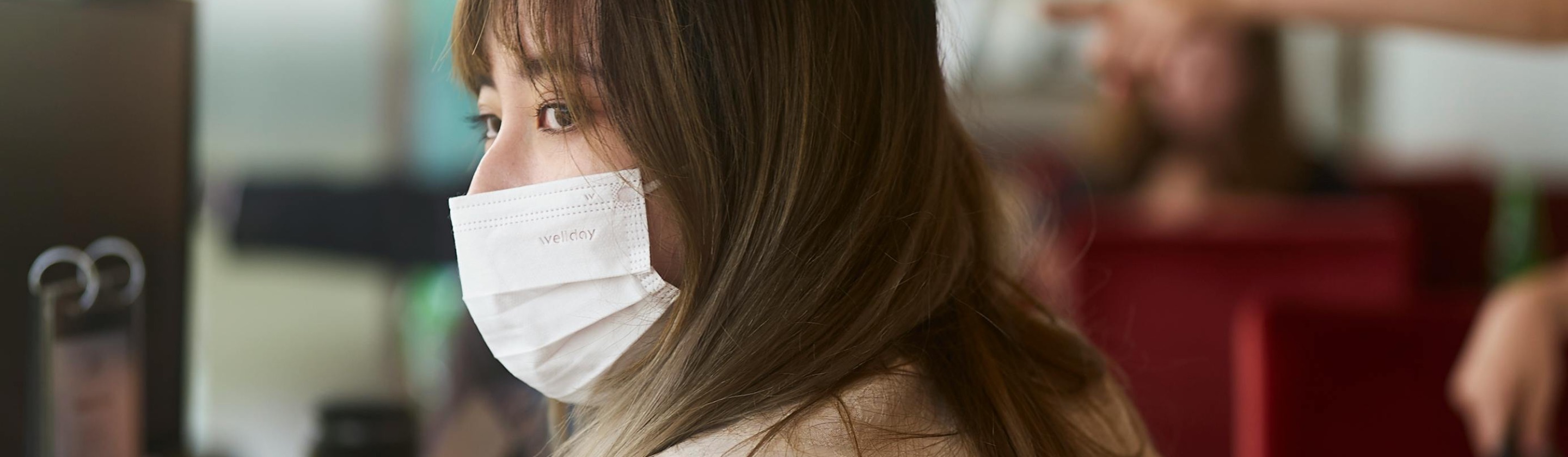
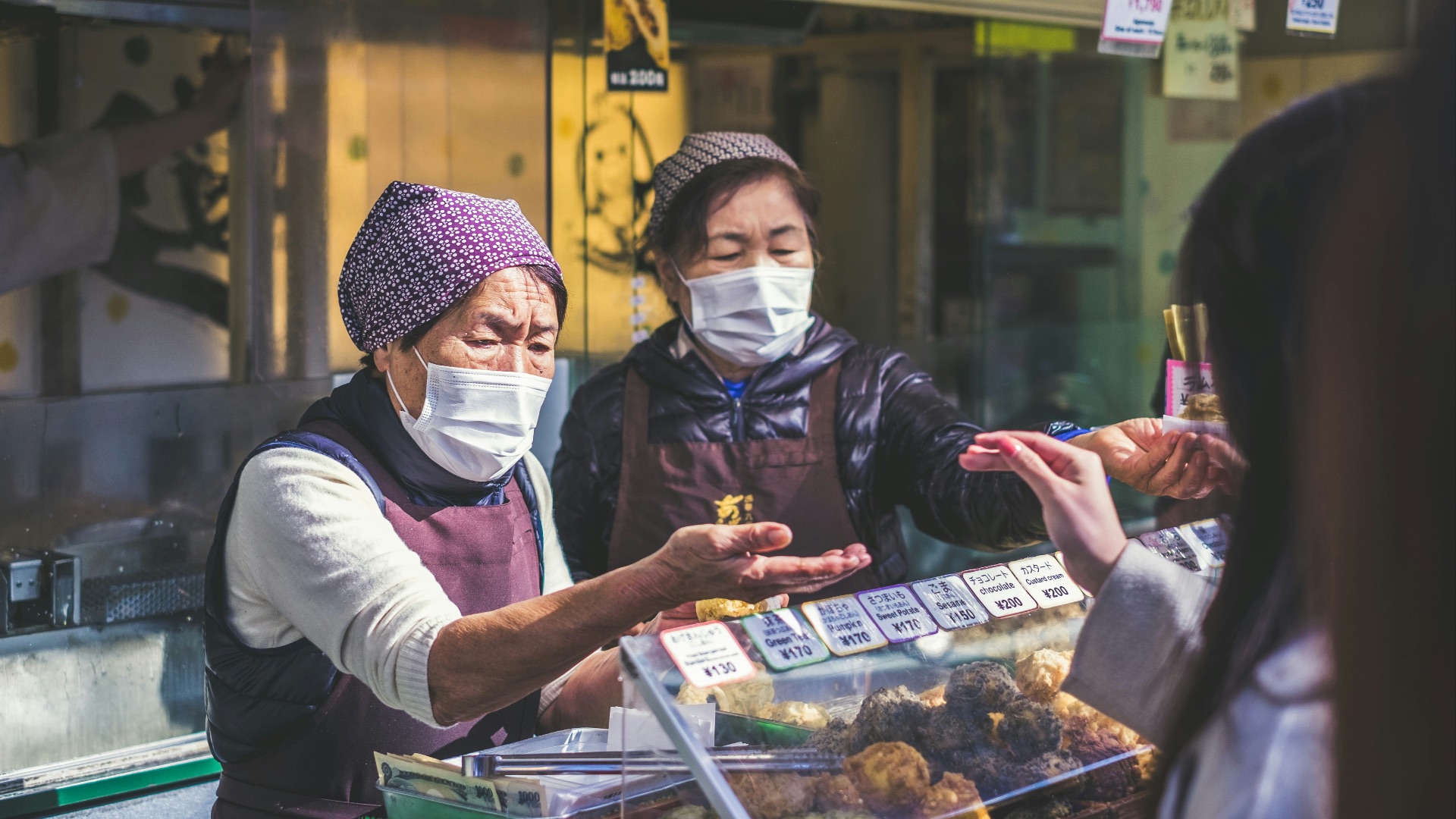
In parts of Asia, wearing a mask when you feel sick or during allergy season can be routine; many also wear it to avoid breathing in polluted air. You won’t stand out if you wear one, and you may even feel underdressed without one in crowded places.
7. No Tipping Is Often the Default
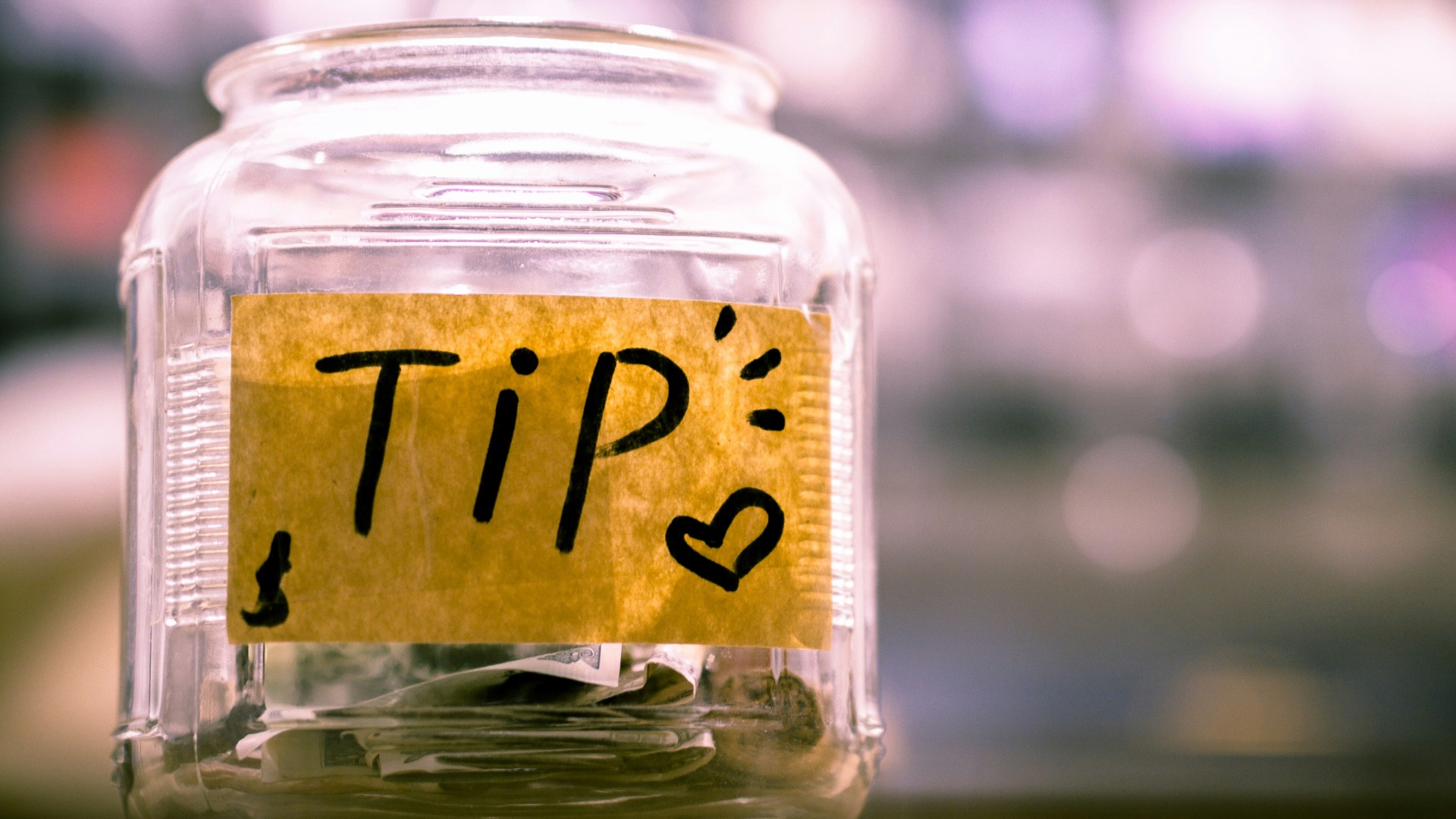
In Japan and South Korea especially, tipping isn’t expected and may even be considered rude in some situations. Service staff will often refuse it and may even chase you down to return it. Simply pay the listed amount and say thank you instead of adding extra.
8. Paying at the Register, Not at the Table
In many restaurants, you don’t flag someone down for the bill in the same way you might at home. You often take a receipt to the counter, or you pay at a kiosk before leaving. If you’re unsure, watch what other tables do or ask, “Where do I pay?”
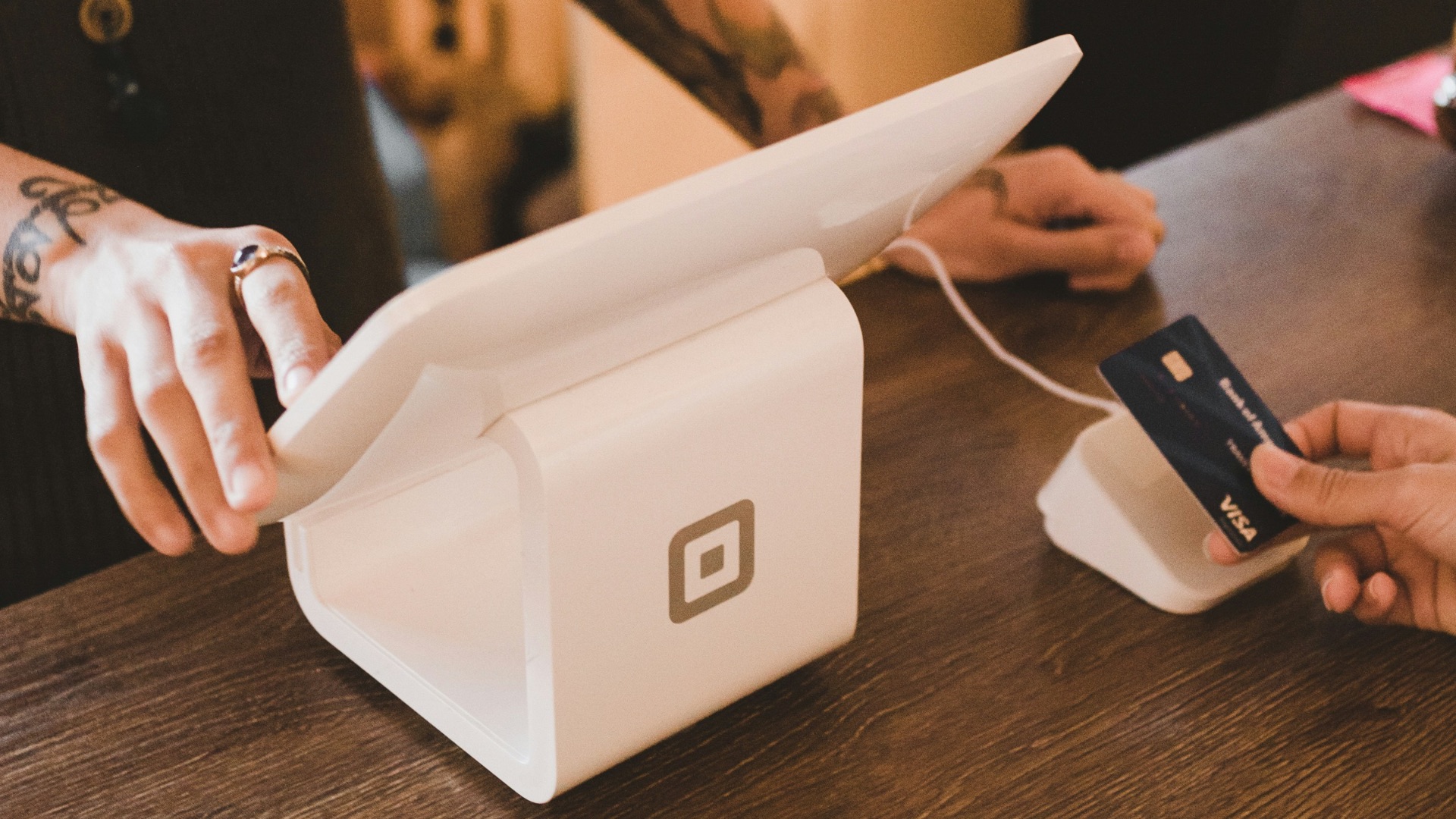
9. Cash Trays and Two-Handed Exchange Can Matter
In Japan and some other places, money and cards are often placed in a small tray rather than handed to the attendant directly; the latter is considered disrespectful. In more formal settings elsewhere, you're also expected to give and receive items with two hands.
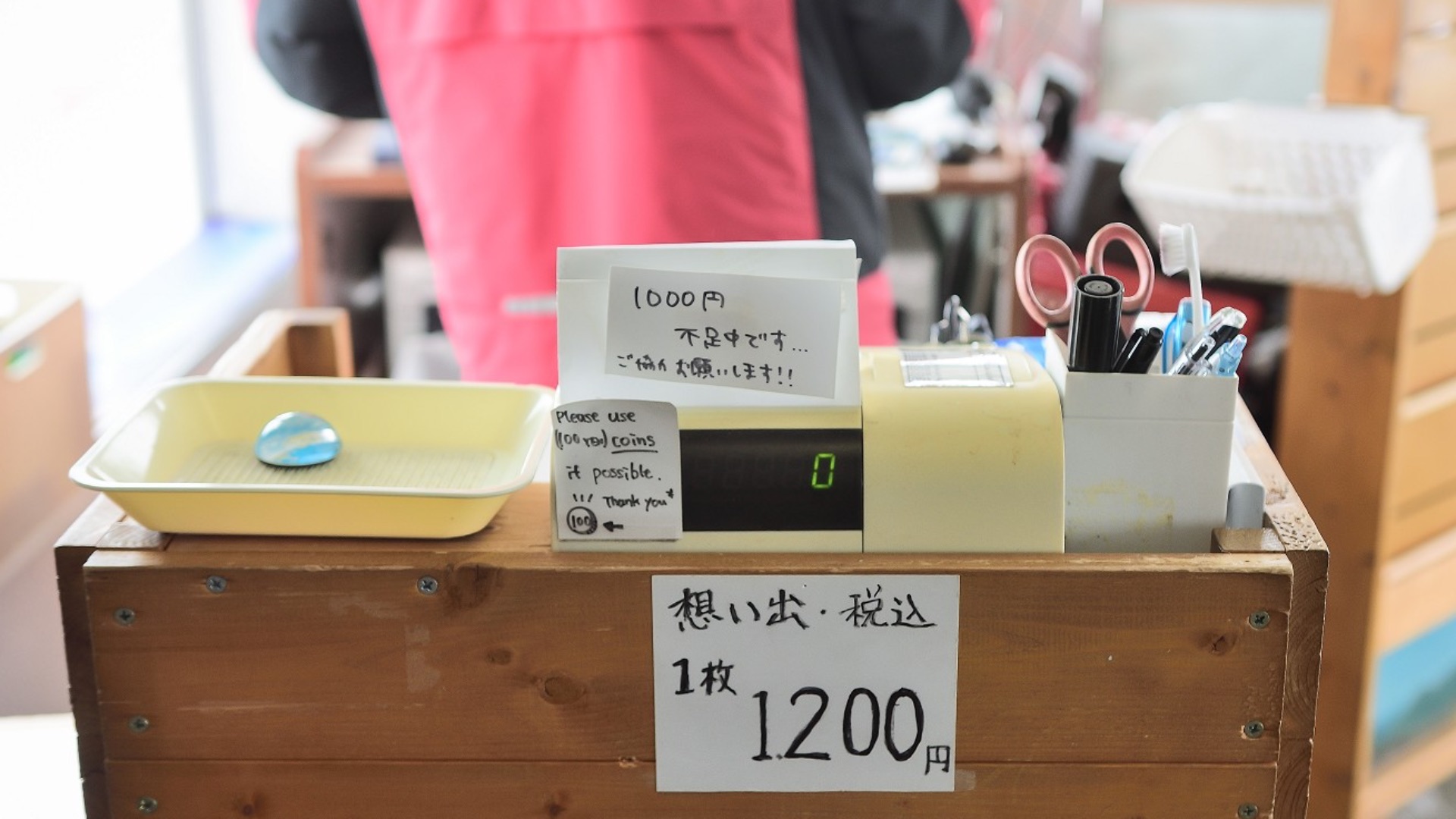
10. You Might Need to Call for Service Yourself
In some restaurants, servers won’t “check in” constantly because that can feel intrusive. You might be expected to press a call button, wave politely, or say a quick phrase to get attention. It can feel like you’re being ignored, but it’s often just a different service style.
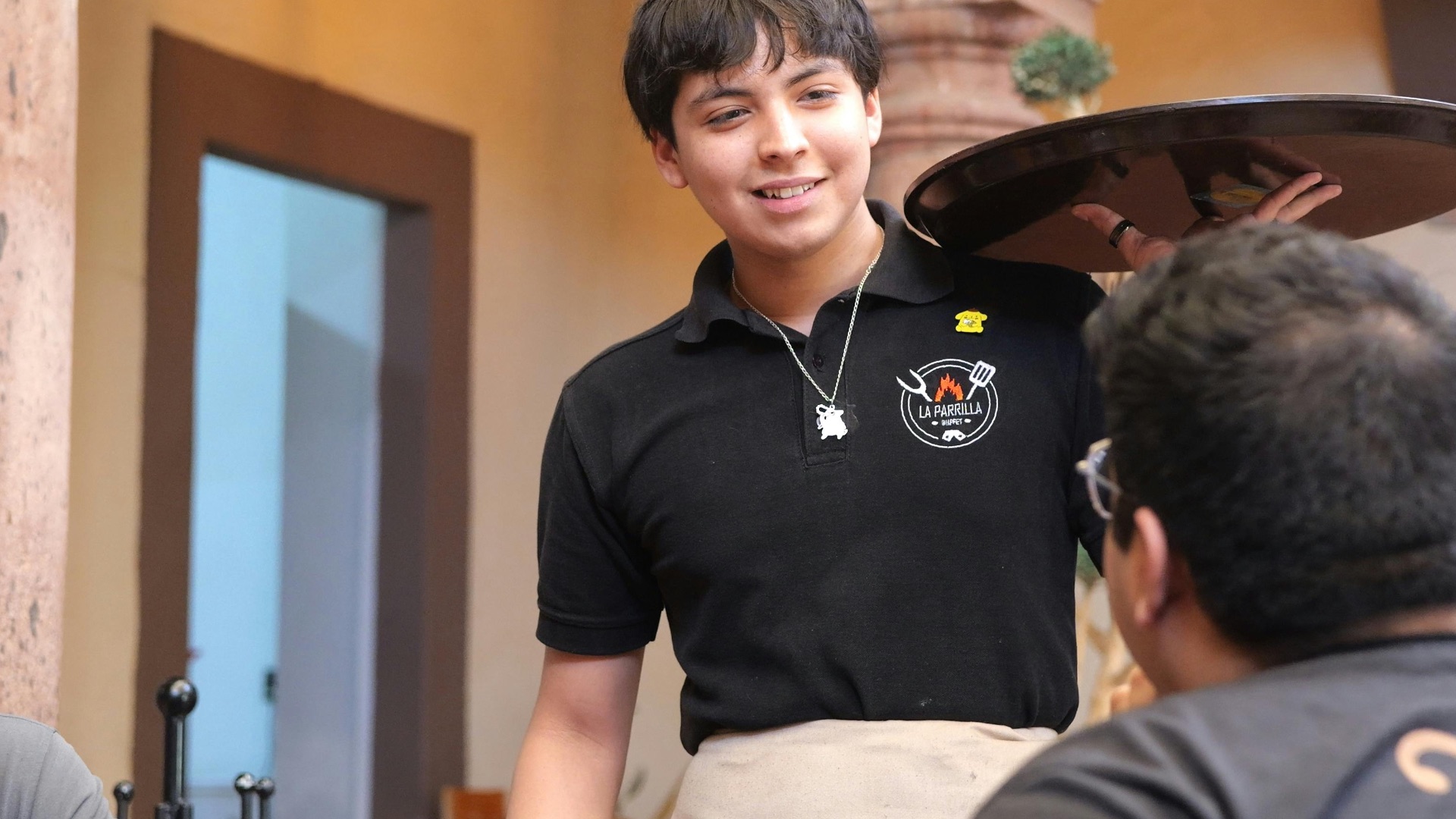
11. Super Direct Feedback Can Be Normal
In some places, like South Korea, people can be blunt about appearance, weight, age, or your choices without meaning to insult you. The intent may be practical or even caring, not personal judgment. Their comments will probably catch you off guard, but it's better not to take it as hostility.
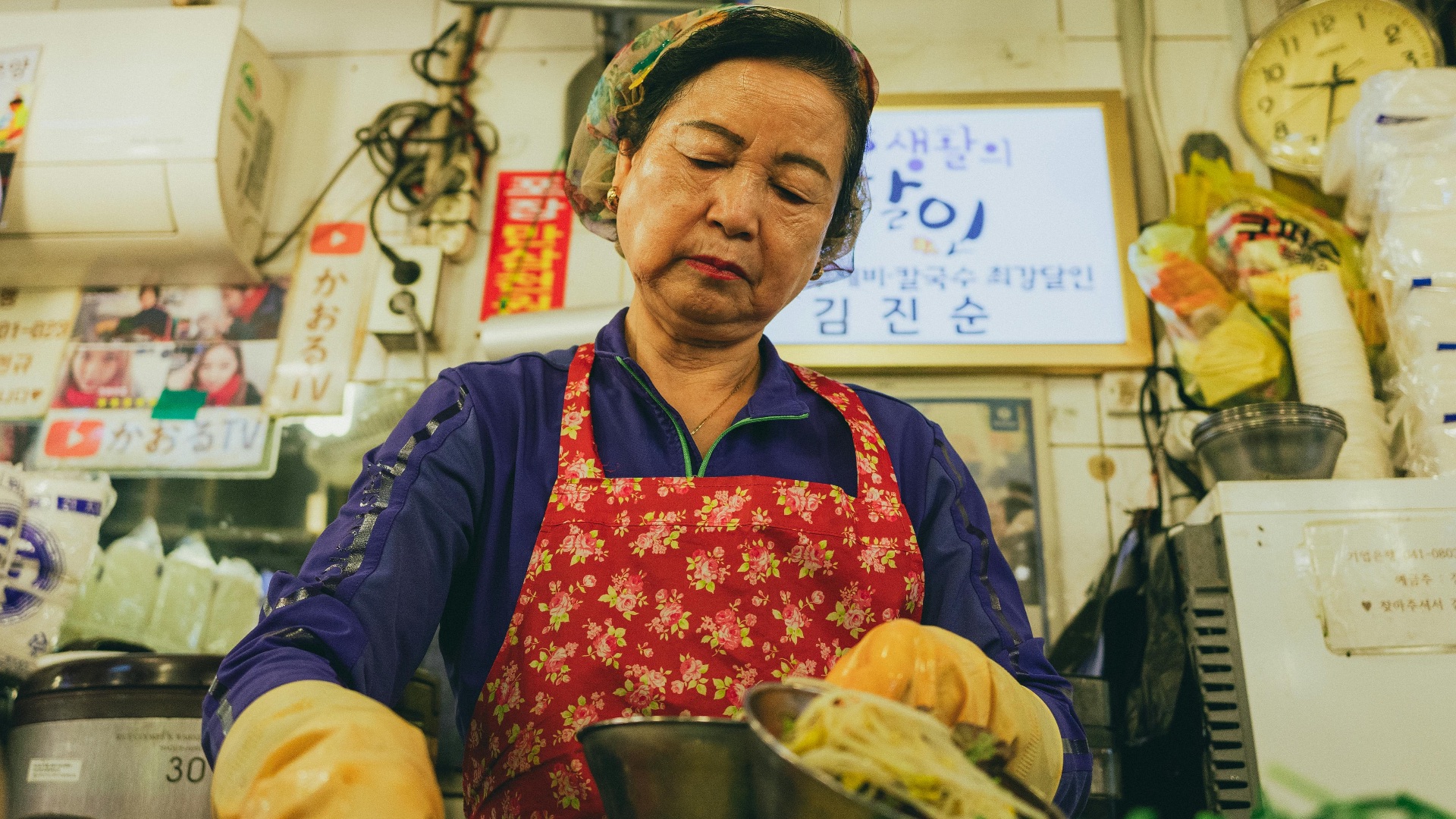
12. Pay-Per-Use Tissues on the Table
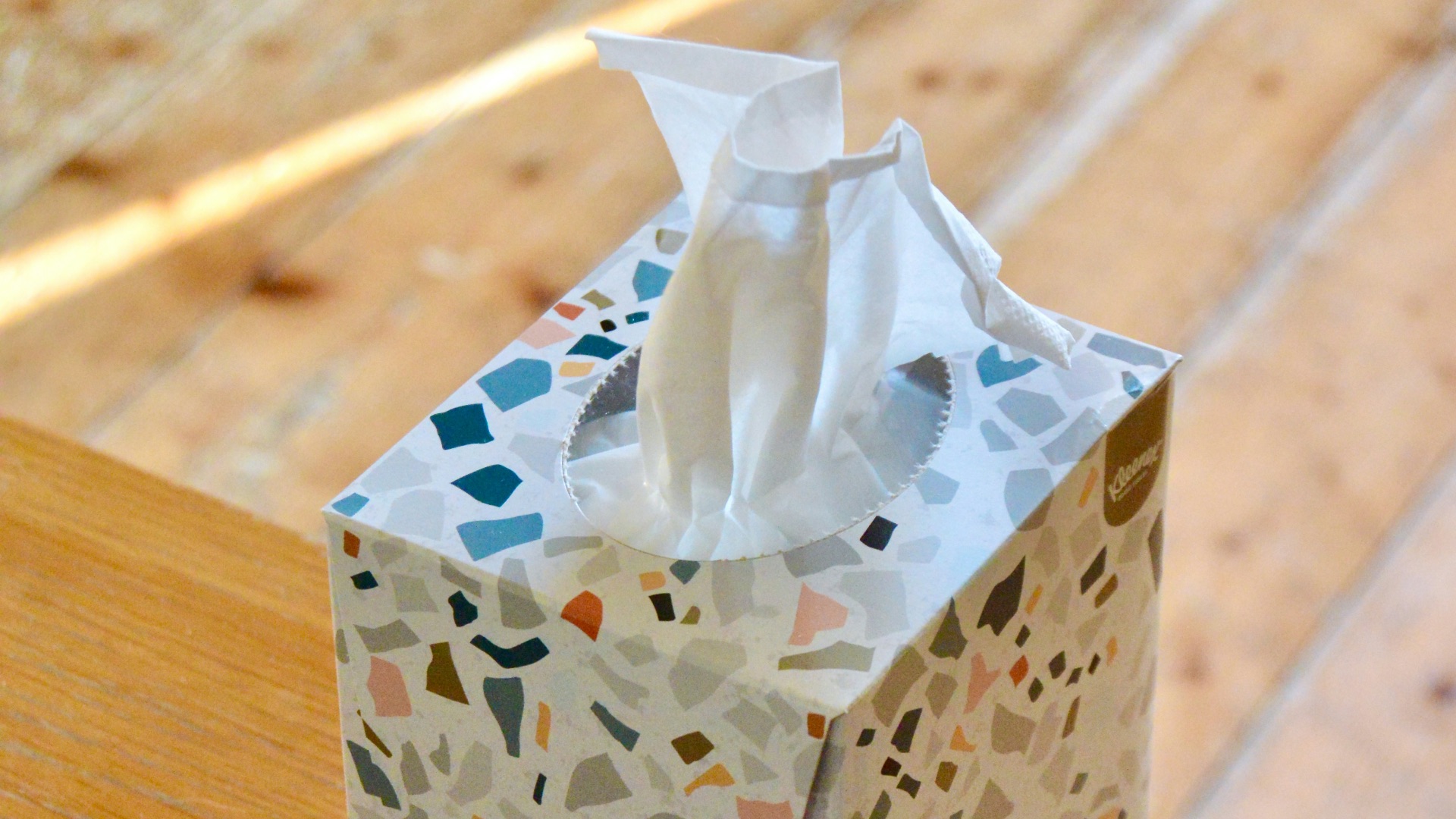
In some restaurants, such as those in China, you might see a sealed pack of tissues already sitting on your table, and it’s easy to assume they’re free. If you open or use them, however, they'll be charged on your bill. To avoid paying this fee, locals often bring their own tissues or napkins and leave the table pack untouched.
13. Spicy Heat Can Be Treated Like a Baseline
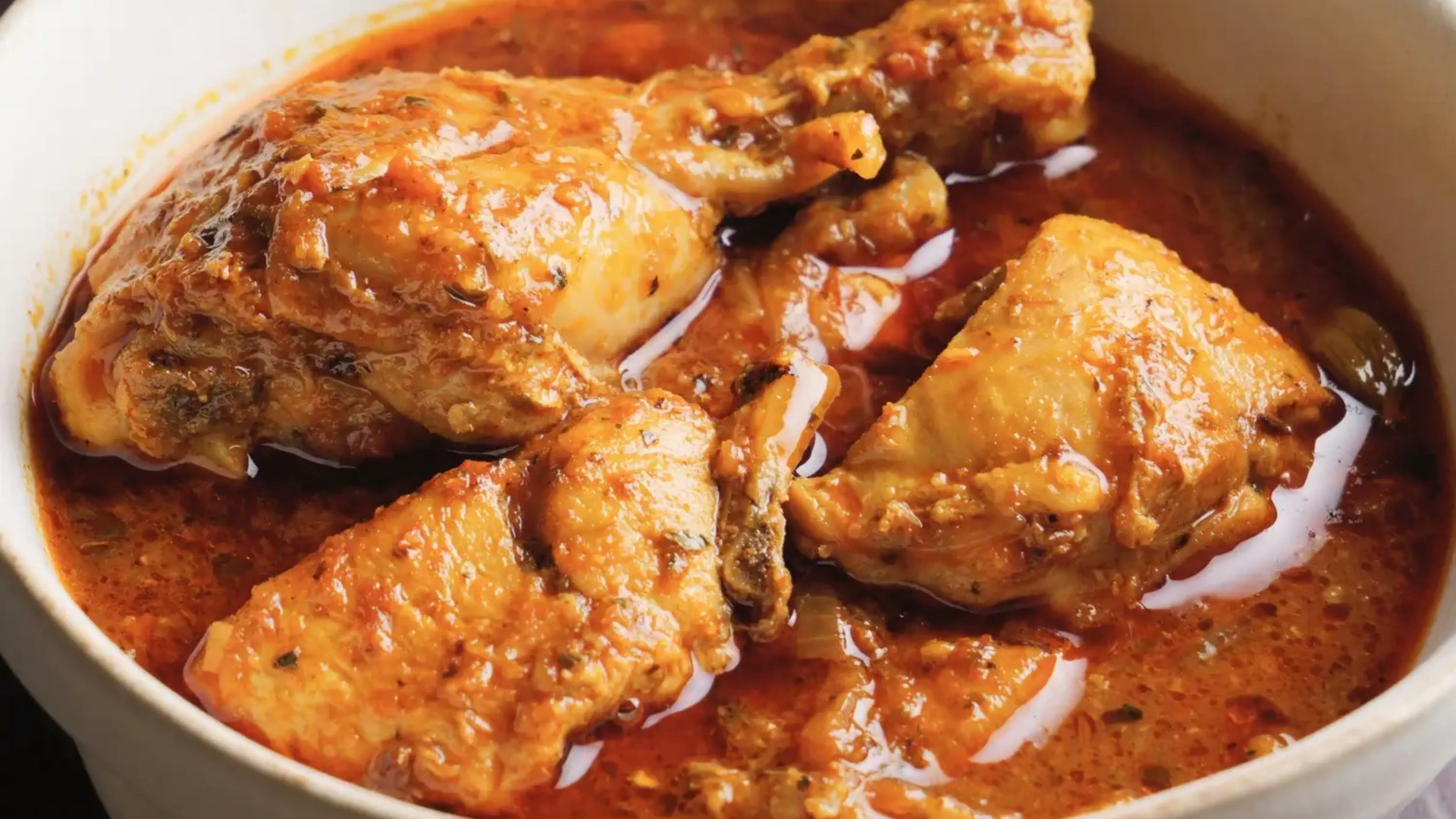
In countries like Thailand, India, and parts of China, “medium” can still be far too intense for many Americans. Staff may warn you, but local heat tolerance can be on another level. Asking for mild helps (or you can ask for no spicy if possible), and it’s also okay to admit you can’t handle it.
14. Slurping Noodles Is Encouraged
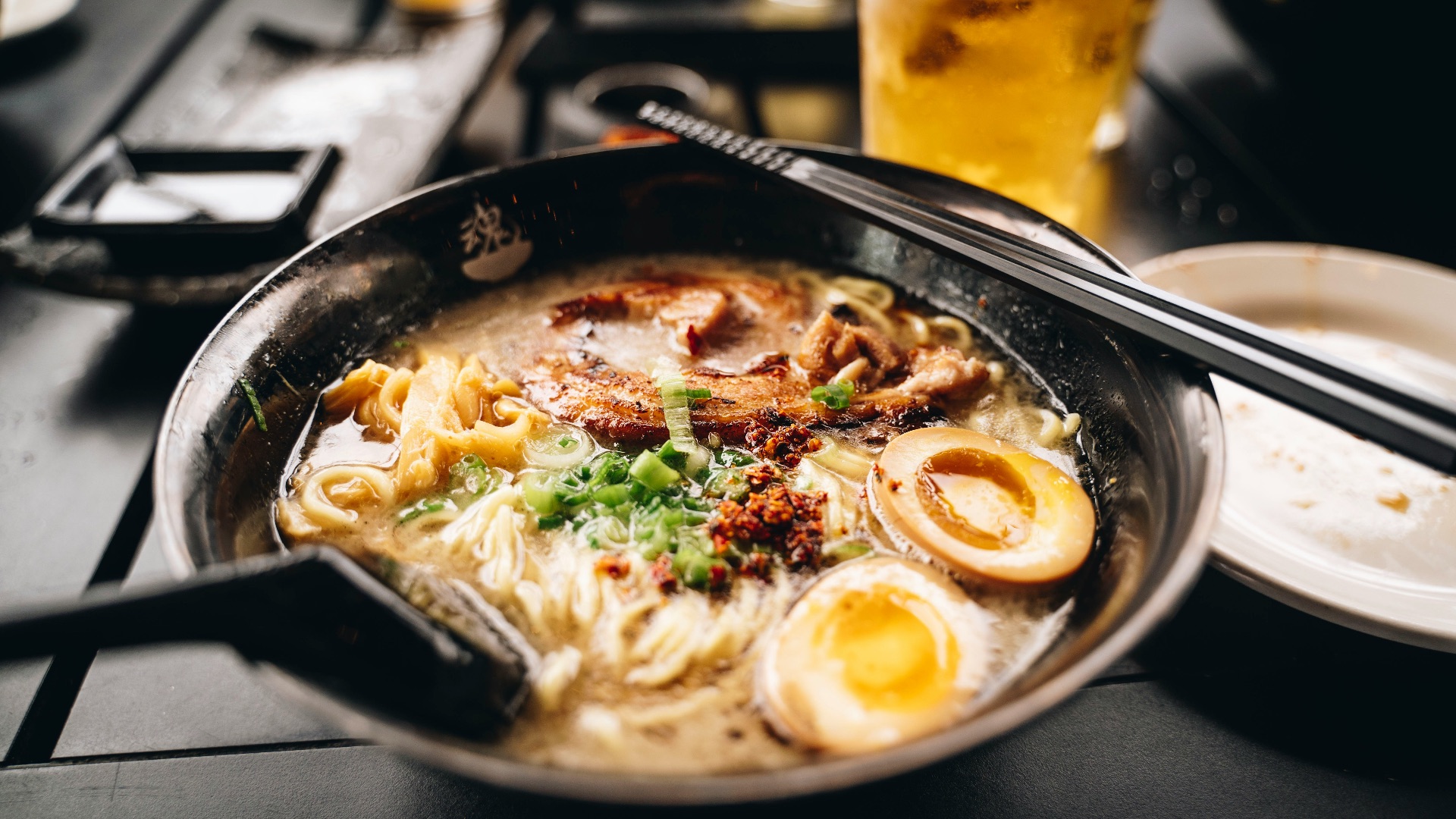
In Japan and some neighboring cultures, slurping noodles is actually encouraged. You might think it sounds rude or disrespectful, but eating in this way shows your appreciation to the chef and lets them know that you're enjoying your meal. On the other hand, eating quietly may indicate that you don't like their cooking.
15. Trash Cans Can Be Surprisingly Hard to Find
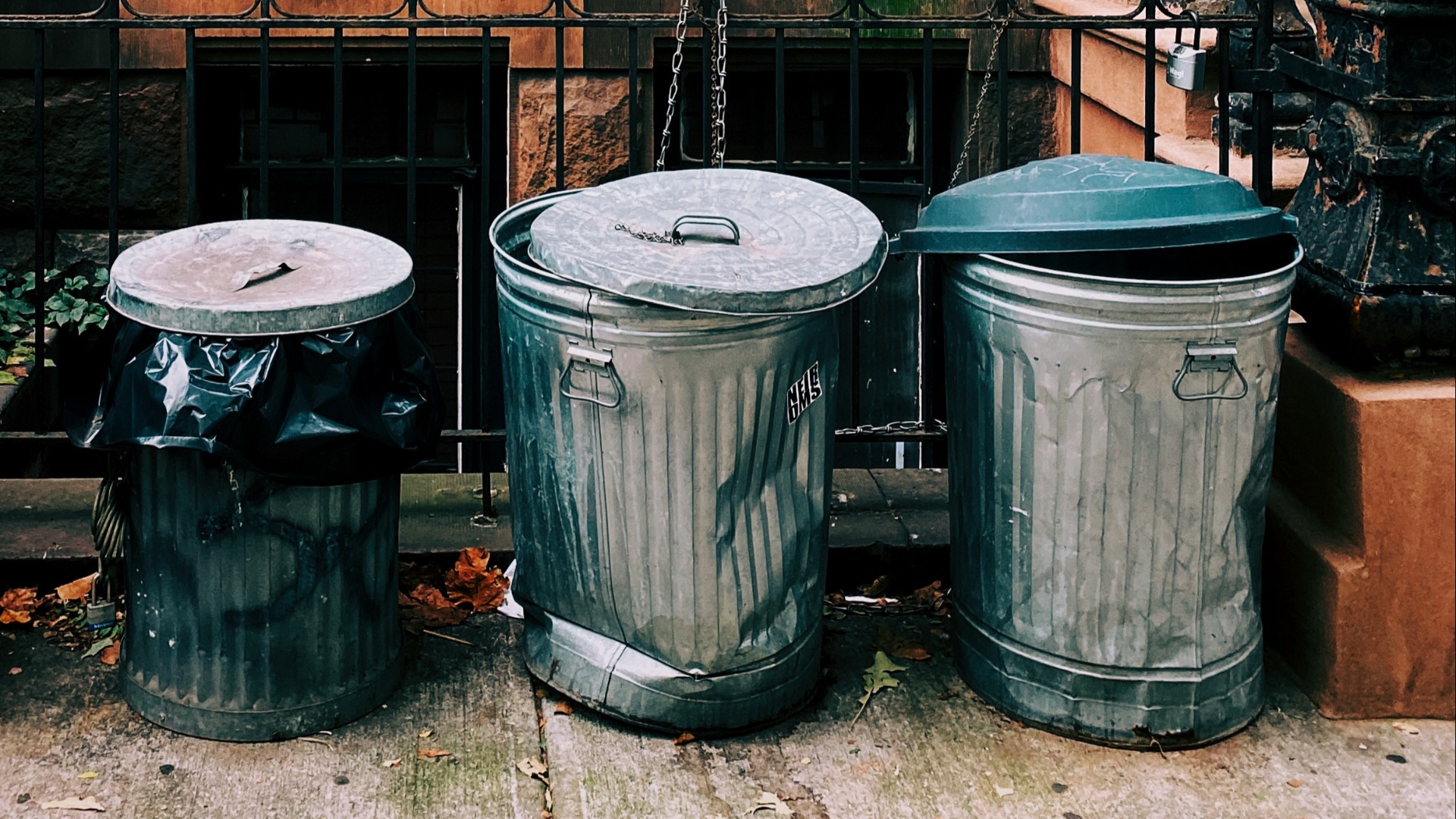
Some places keep public spaces clean with fewer bins, and you’re expected to carry your trash. Japan is the classic example where streets can be spotless despite limited trash cans. Bringing a small bag in your backpack can make this way less annoying.
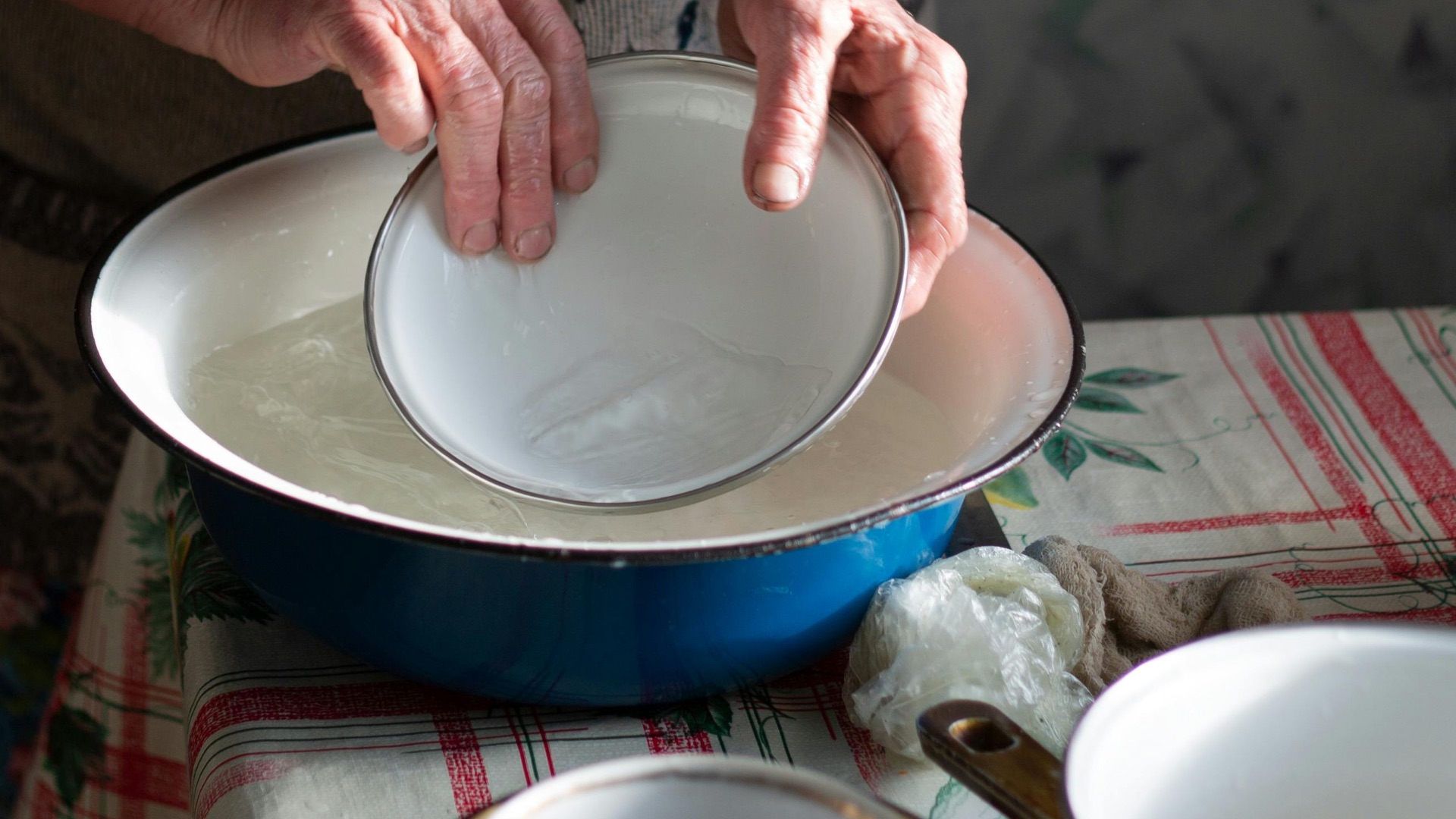
16. You're Expected to Rinse Your Own Tableware in Restaurants
In most restaurants in China, it’s normal to rinse your own bowls, plates, chopsticks, and tea cups with hot tea or hot water before you start. It’s often done for peace of mind and habit, since there's a common assumption that tableware isn't washed thoroughly enough by staff.
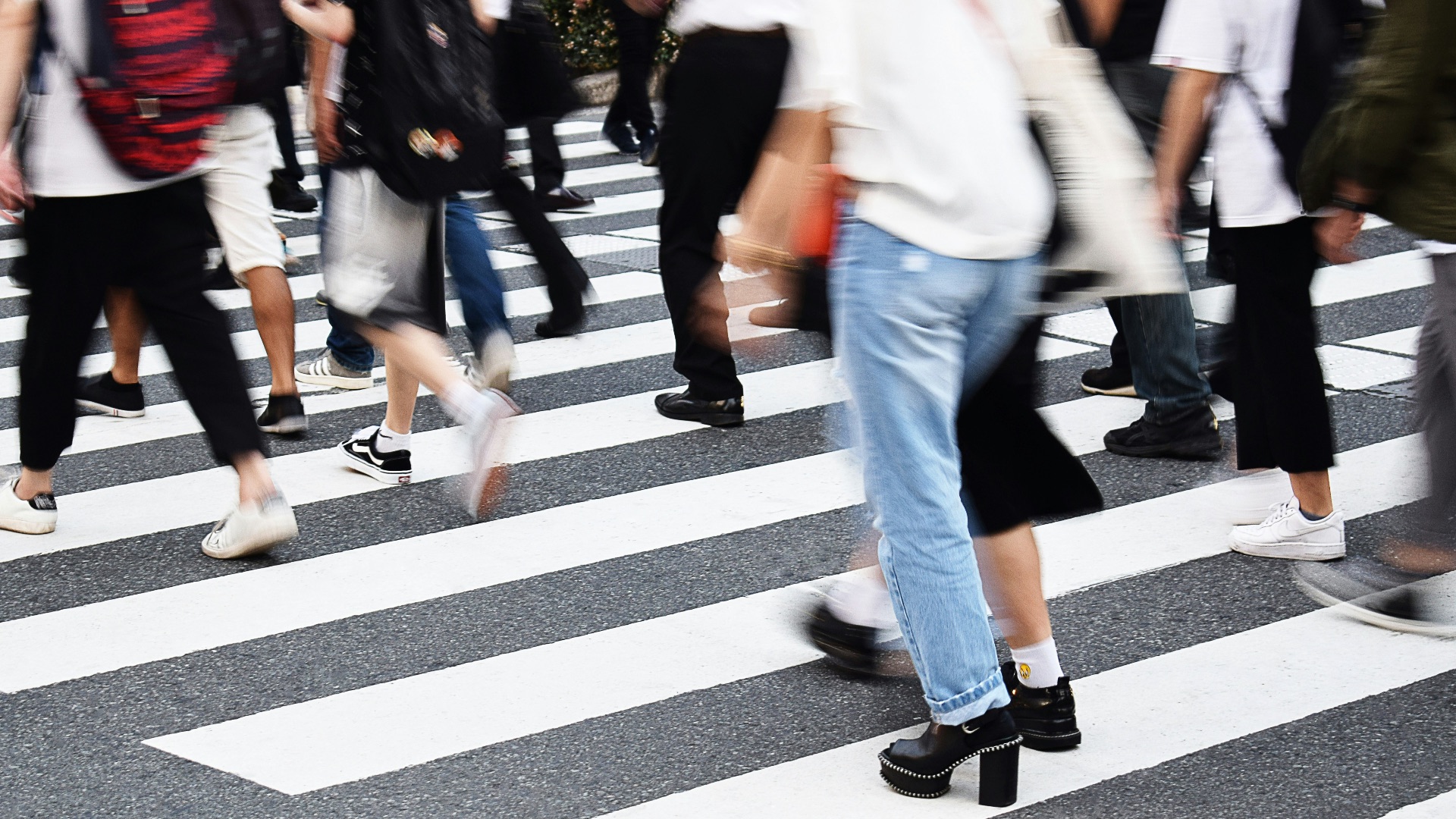
17. Crossing the Street Can Feel Like a Strategy Game
In some cities, traffic patterns and pedestrian norms won’t match what you expect in North America. Scooters, bikes, and cars may flow differently, and they don't always give pedestrians the right of way, despite what the traffic signs say. The safest move is to follow locals and stay predictable.
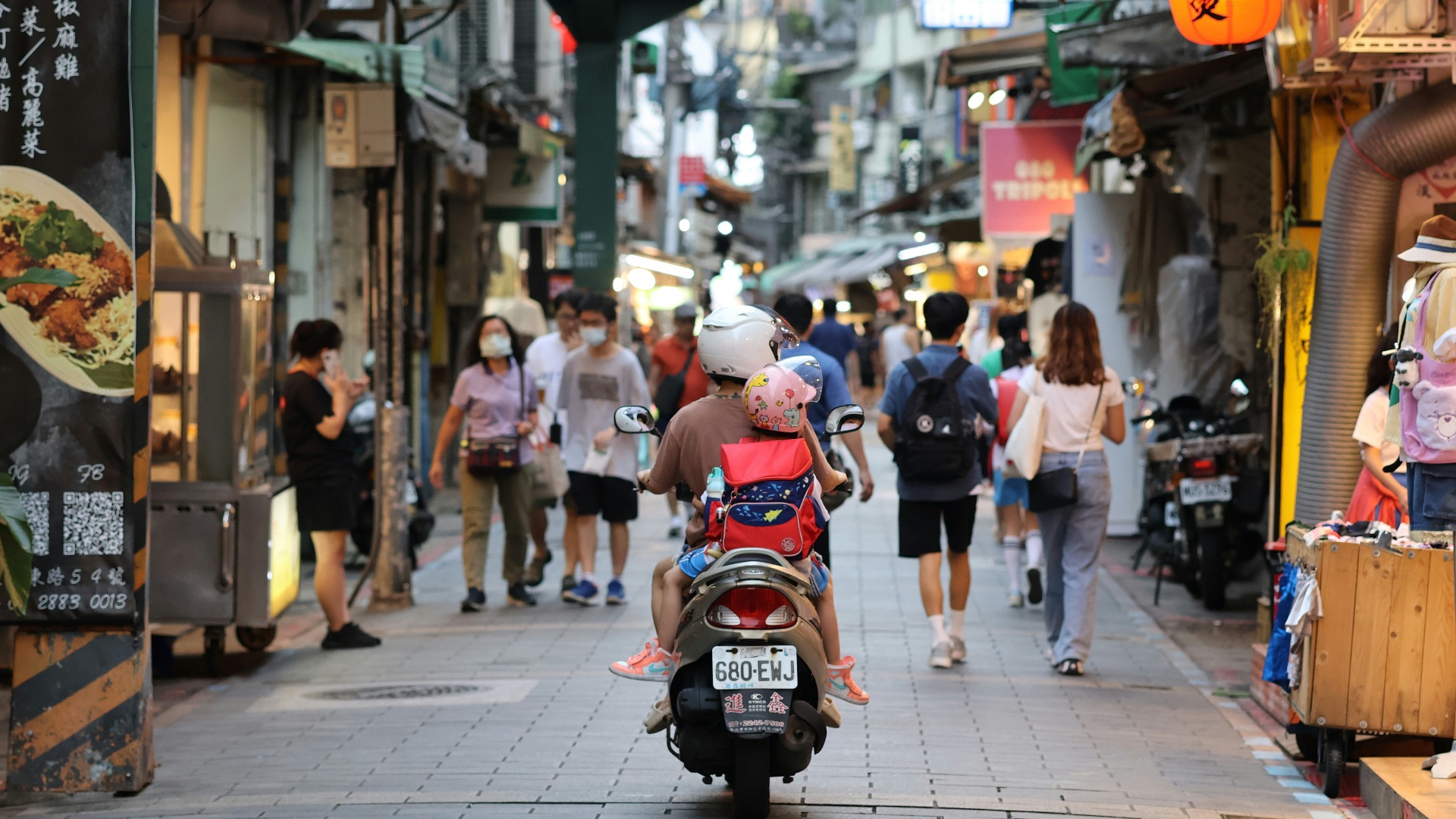
18. Scooters and Motorbikes Are Everywhere
In many Southeast Asian cities, scooters dominate the roads and even in spaces you’d assume are pedestrian-only. You may need to look both ways on sidewalks and near building entrances. Staying alert becomes a daily habit; if you're inattentive, you might get hurt.
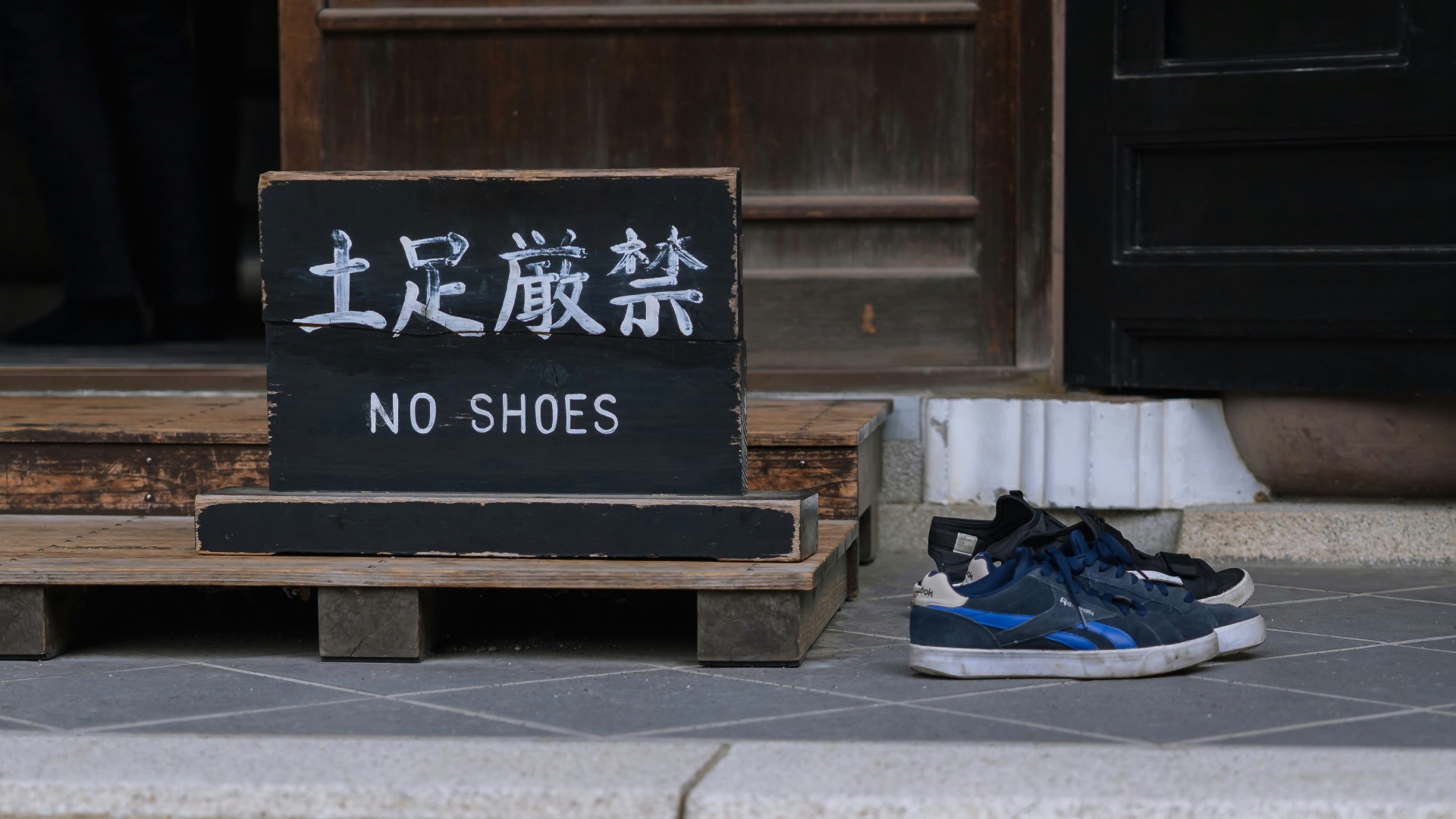
19. Shoes-Off Culture Extends Beyond Homes
Taking off shoes is often a must in many Asian countries. There's usually a dedicated space by the entry to homes and other places for guests to swap their outdoor footwear for indoor slippers. It can be considered very disrespectful if you ignore this rule.
20. Different Escalator and Standing Rules Can Be Strict
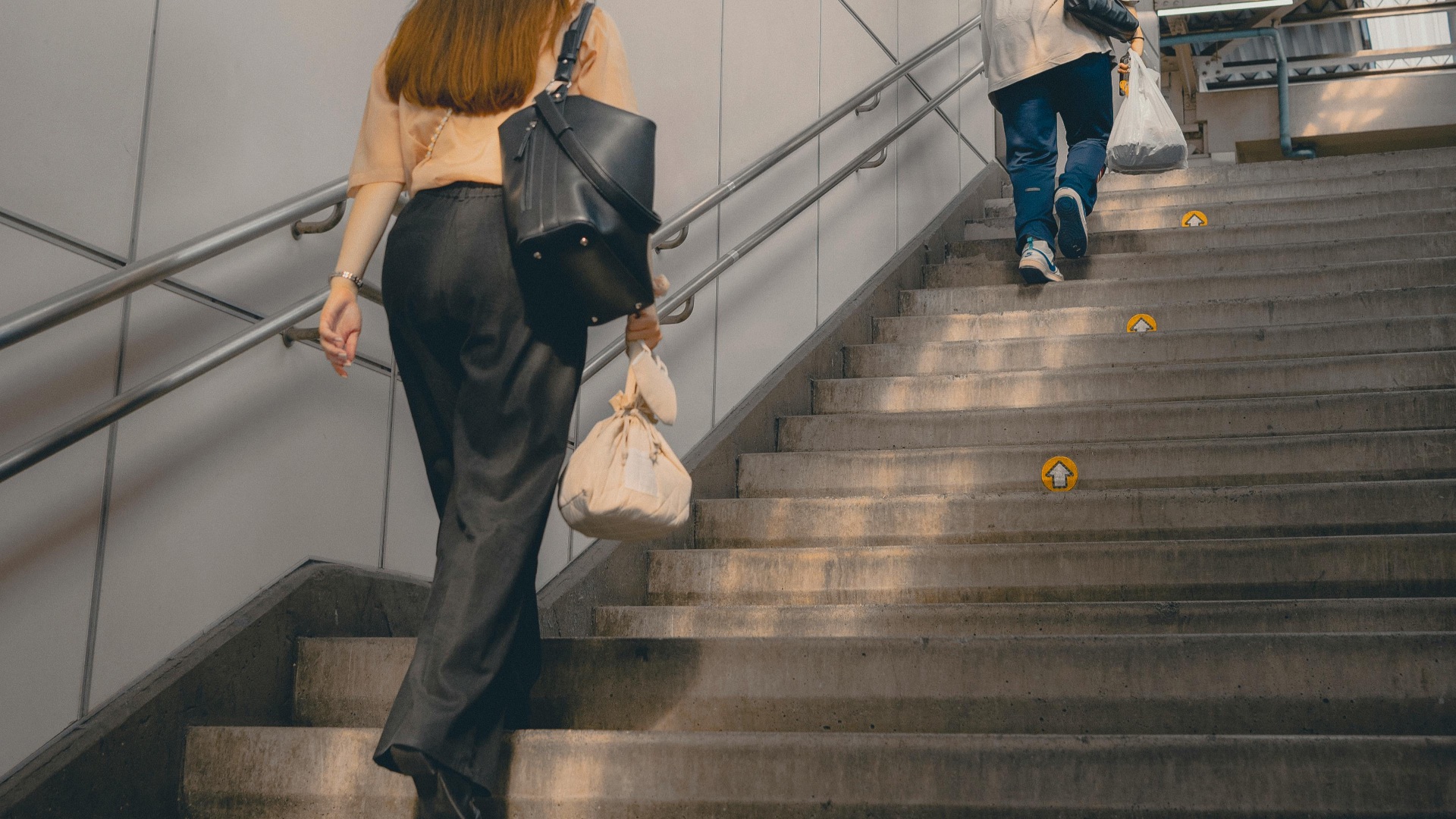
In countries like Japan, people often stand on one side to let others pass, and they can take it seriously during rush hour. The “correct” side may sometimes vary, but there are usually markings on the ground, such as in train stations. Watch for signs and follow the crowd so you don’t block the flow.