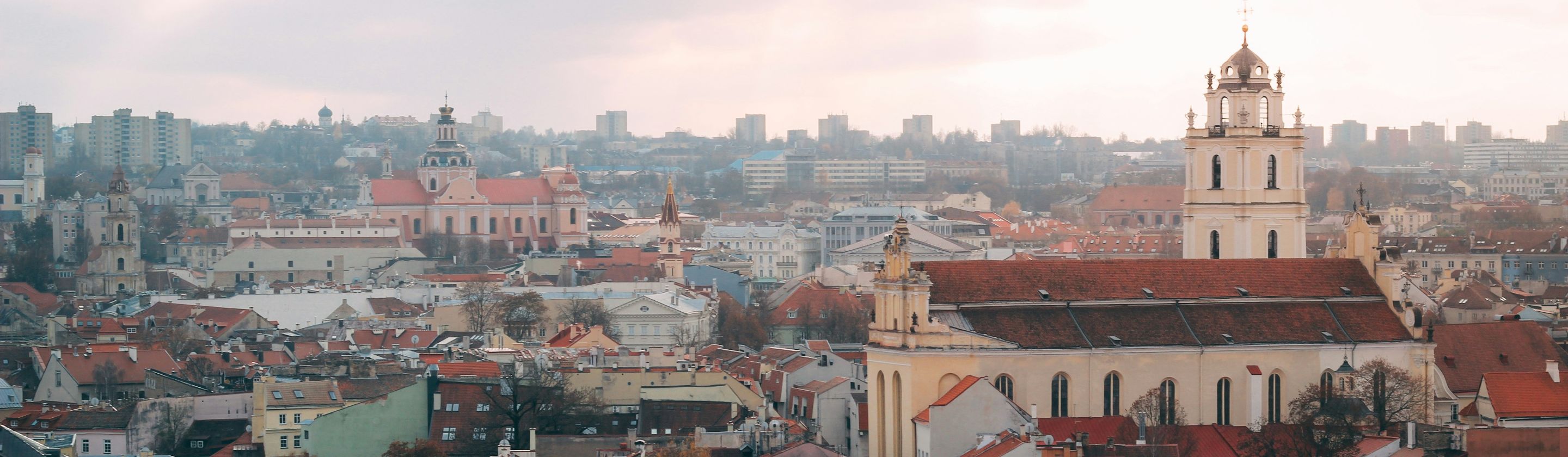
Intimacy Can Sharpen Culture and Identity
Some capitals don’t need sprawl to assert themselves. Their personalities are concentrated, shaped by history that never had room to diffuse, by politics conducted face to face, and by cultures that learned how to compress meaning into narrow streets and small populations. In these cities, identity feels deliberate rather than diluted, and presence matters more than scale. What they lack in physical size, they make up for in texture, conviction, and memory. Here are 20 small European capitals with big personalities.
1. Reykjavík, Iceland
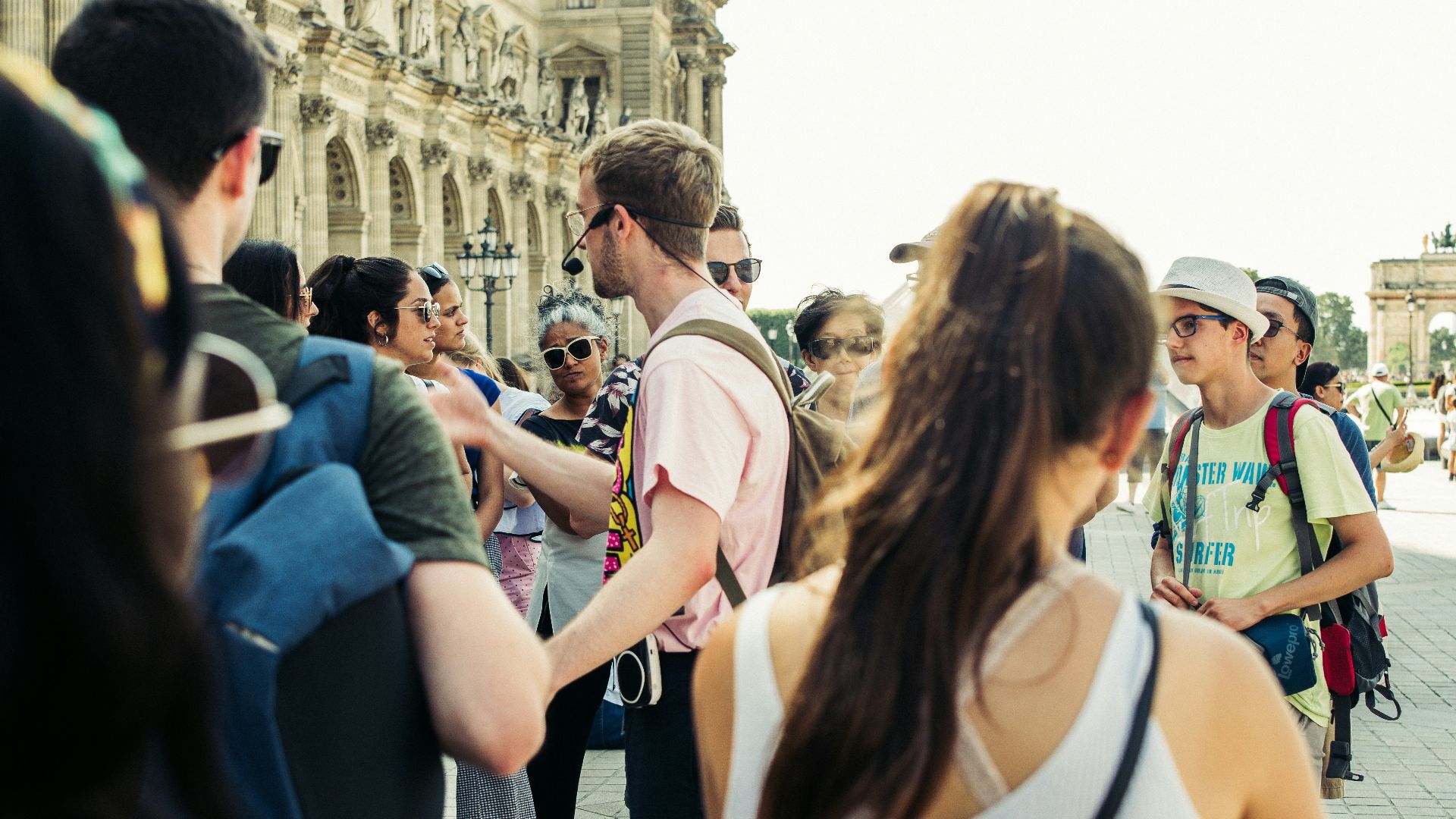
Reykjavík feels less like a capital and more like a collective agreement to make creativity a survival instinct. Its small population has produced an outsized cultural output, from music to literature to design, shaped by isolation and long winters. The city’s personality is informal but intellectually serious, grounded in humor rather than spectacle. Everything feels close enough to matter.
2. Ljubljana, Slovenia
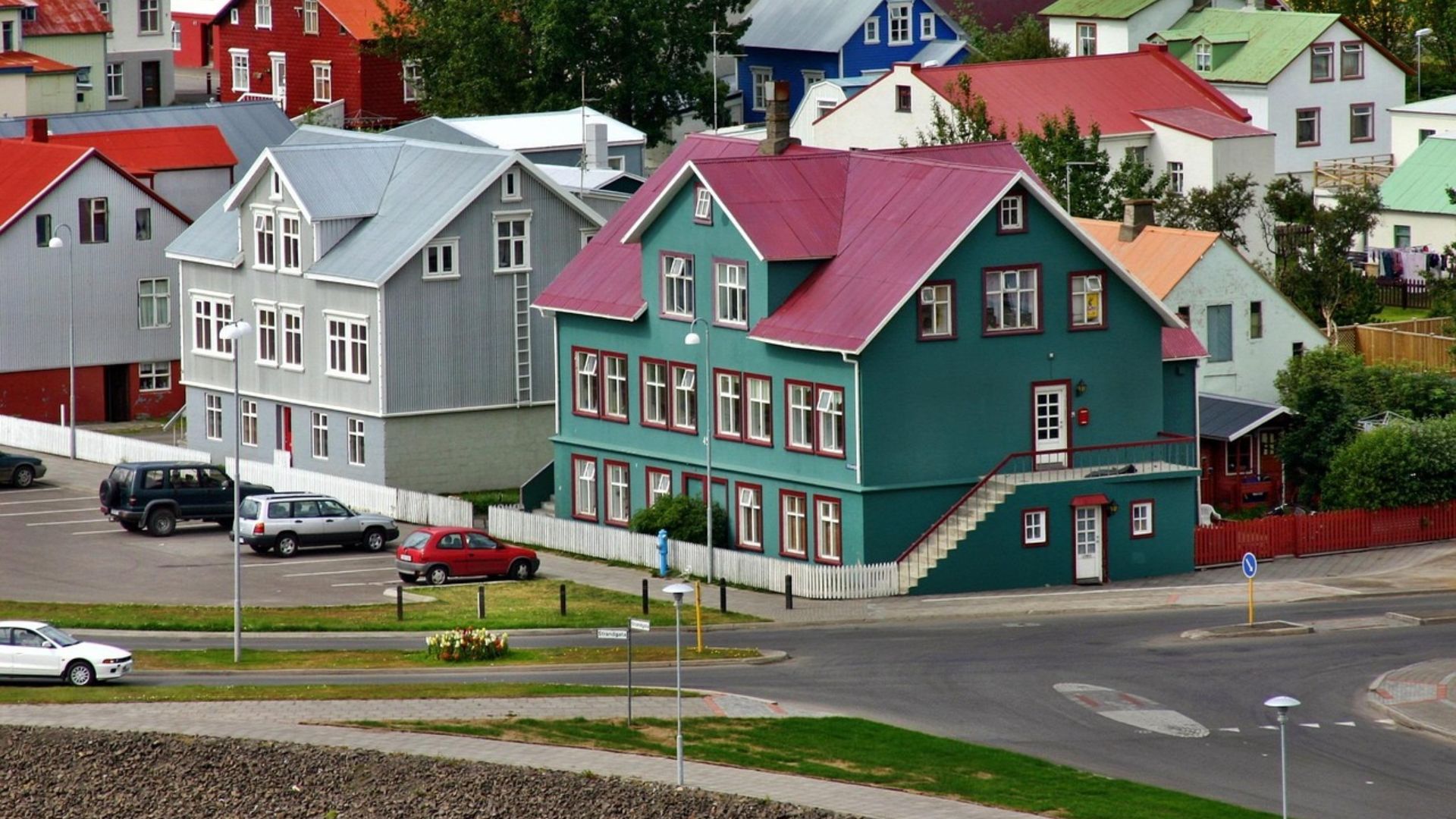
Ljubljana moves with an ease that feels intentional rather than accidental. Its compact center encourages walking, lingering, and repetition, which gives the city a lived-in rhythm. Environmental consciousness isn’t branding here; it’s practical. The personality comes from quiet confidence, not performance.
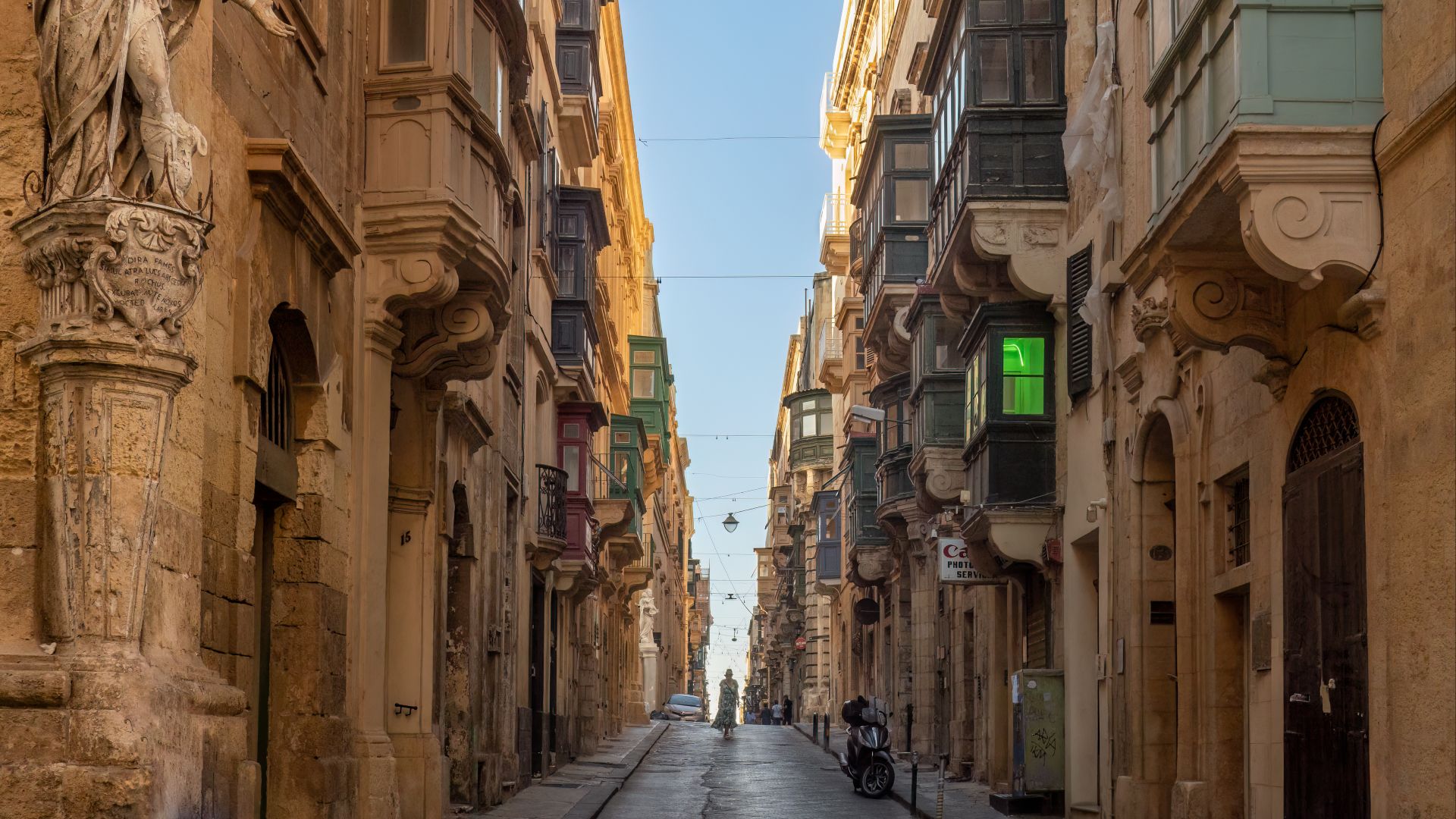
3. Valletta, Malta
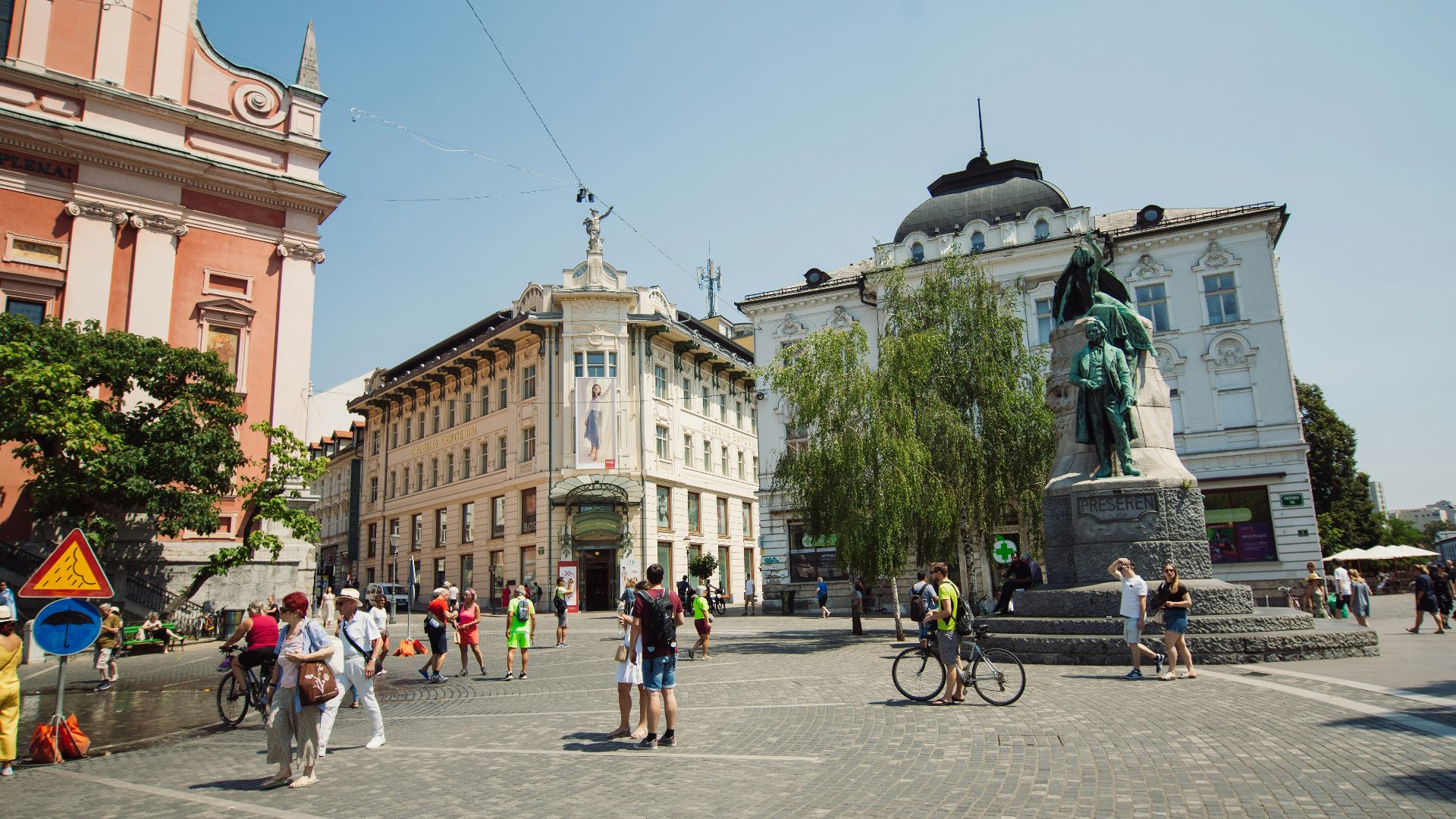
Valletta feels compressed by history, as if centuries of conflict, strategy, and survival were folded into its limestone walls. The city is dense, unapologetic, and physically demanding. Its character was forged by geography that offered no margin for weakness. Even calm moments feel alert.
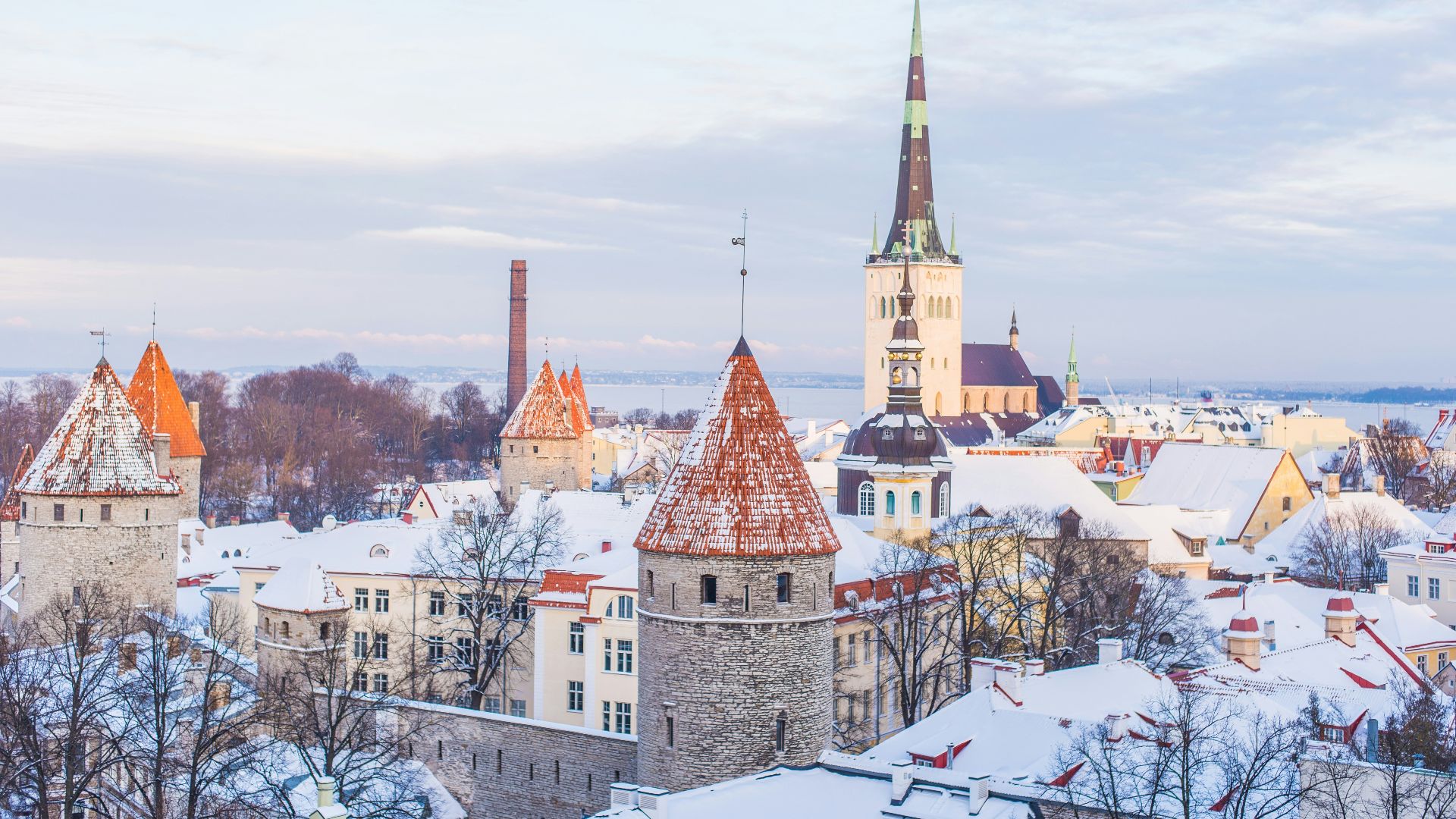
4. Tallinn, Estonia
Tallinn balances medieval preservation with modern efficiency in a way that feels disciplined rather than charming. Its old town carries weight, while its digital infrastructure signals ambition. The city’s personality is reserved but precise. Nothing feels accidental, even when it looks romantic.
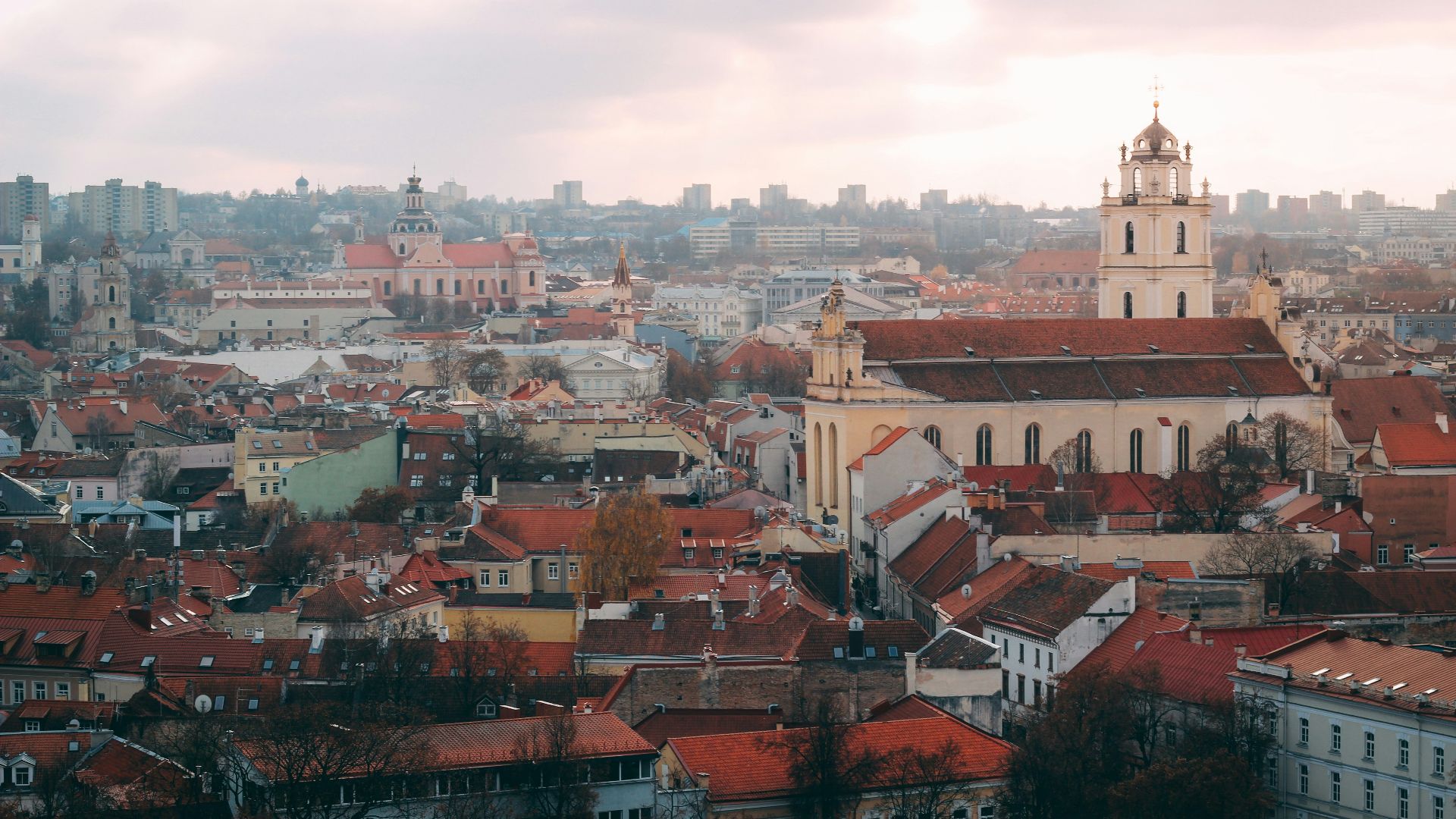
5. Vilnius, Lithuania
Vilnius feels emotionally layered, with neighborhoods that shift tone without warning. Its history shows through in fragments rather than monuments alone. The city carries seriousness without heaviness. Personality here lives in contrast and quiet resilience.
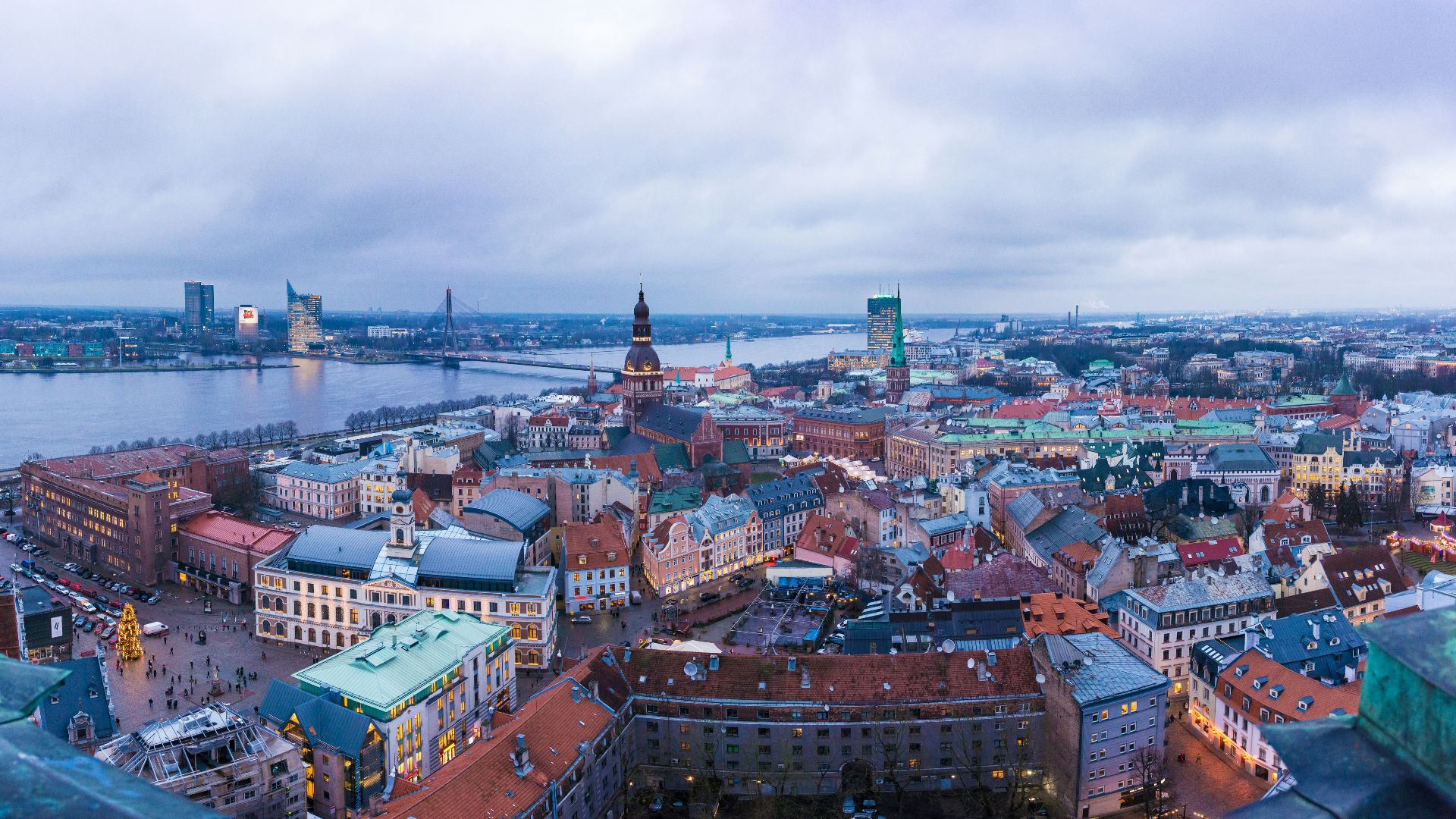
6. Riga, Latvia
Riga announces itself through architecture that refuses subtlety. Art Nouveau facades dominate the cityscape, signaling pride and artistic confidence. Beneath that visual boldness sits a more guarded temperament shaped by political complexity. Riga rewards patience more than immediacy.
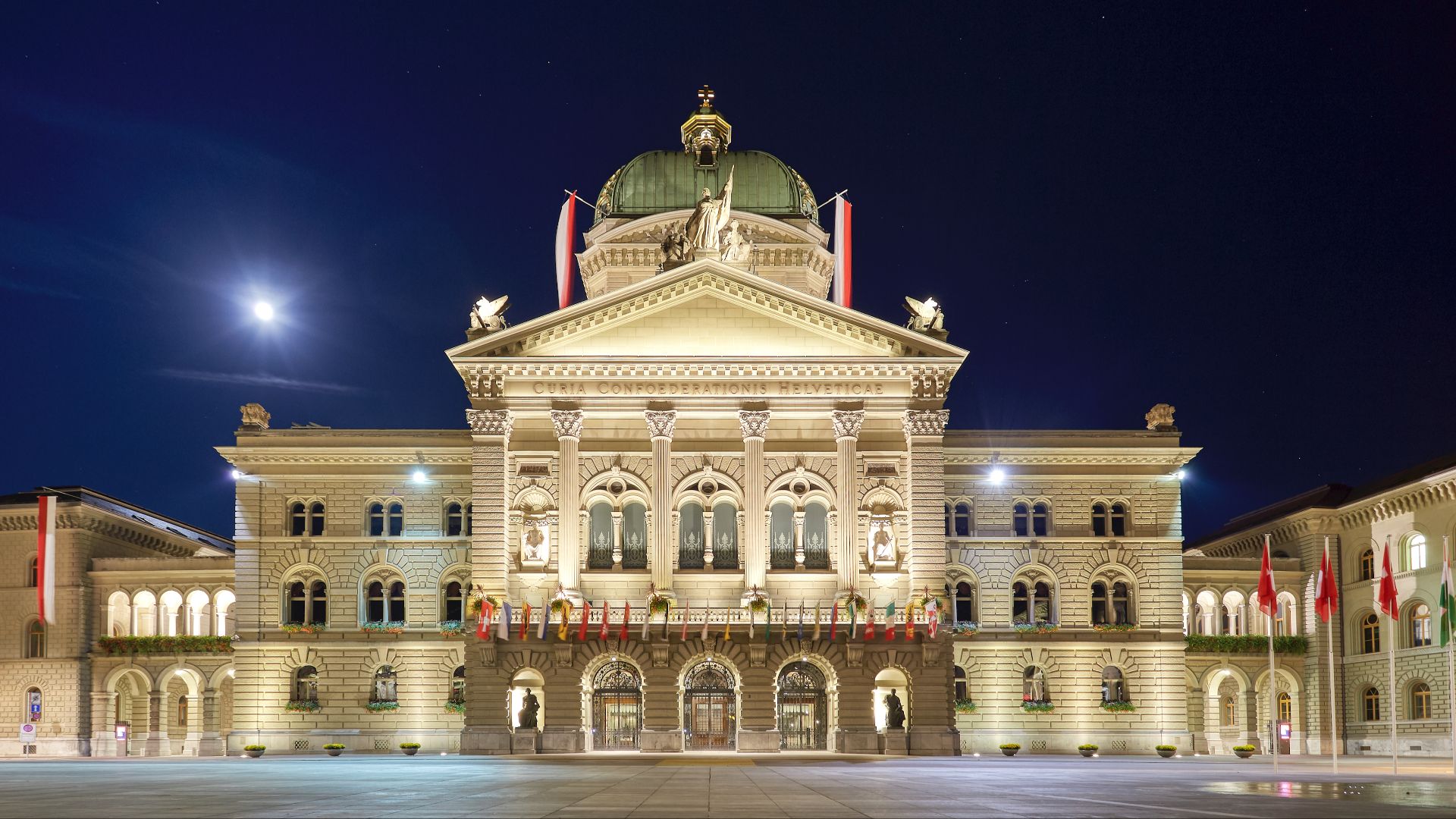
7. Bern, Switzerland
Bern’s small scale allows stability to feel personal rather than institutional. The city moves slowly, anchored by continuity and routine. Its personality reflects neutrality without passivity. Calm here feels earned, not curated.
 Axel Tschentscher on Wikimedia
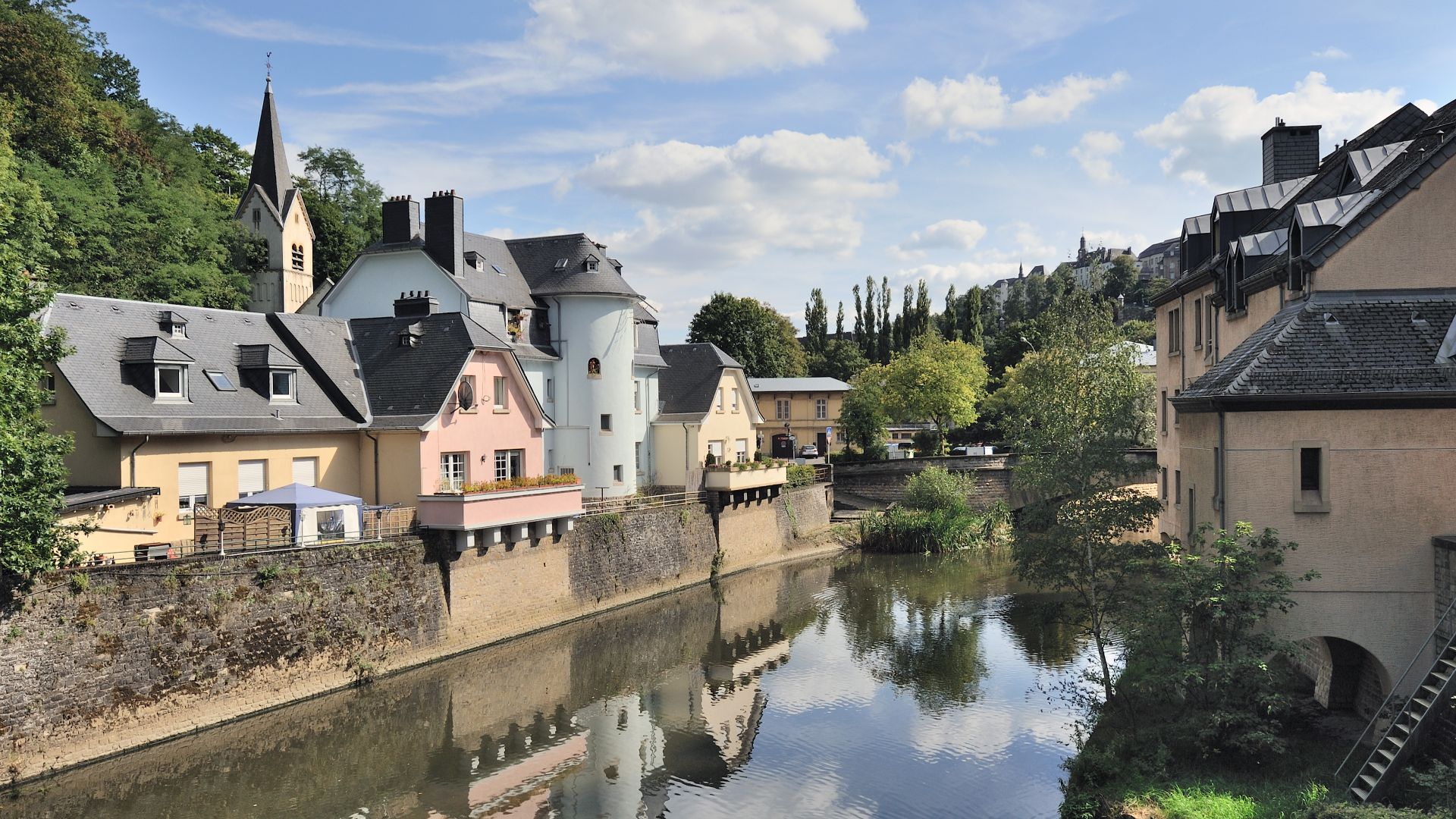
8. Luxembourg City, Luxembourg
Luxembourg City operates as a crossroads compressed into a walkable core. Languages, cultures, and institutions overlap constantly. The city’s identity stays fluid by necessity, and its personality is adaptive rather than rooted in nostalgia.
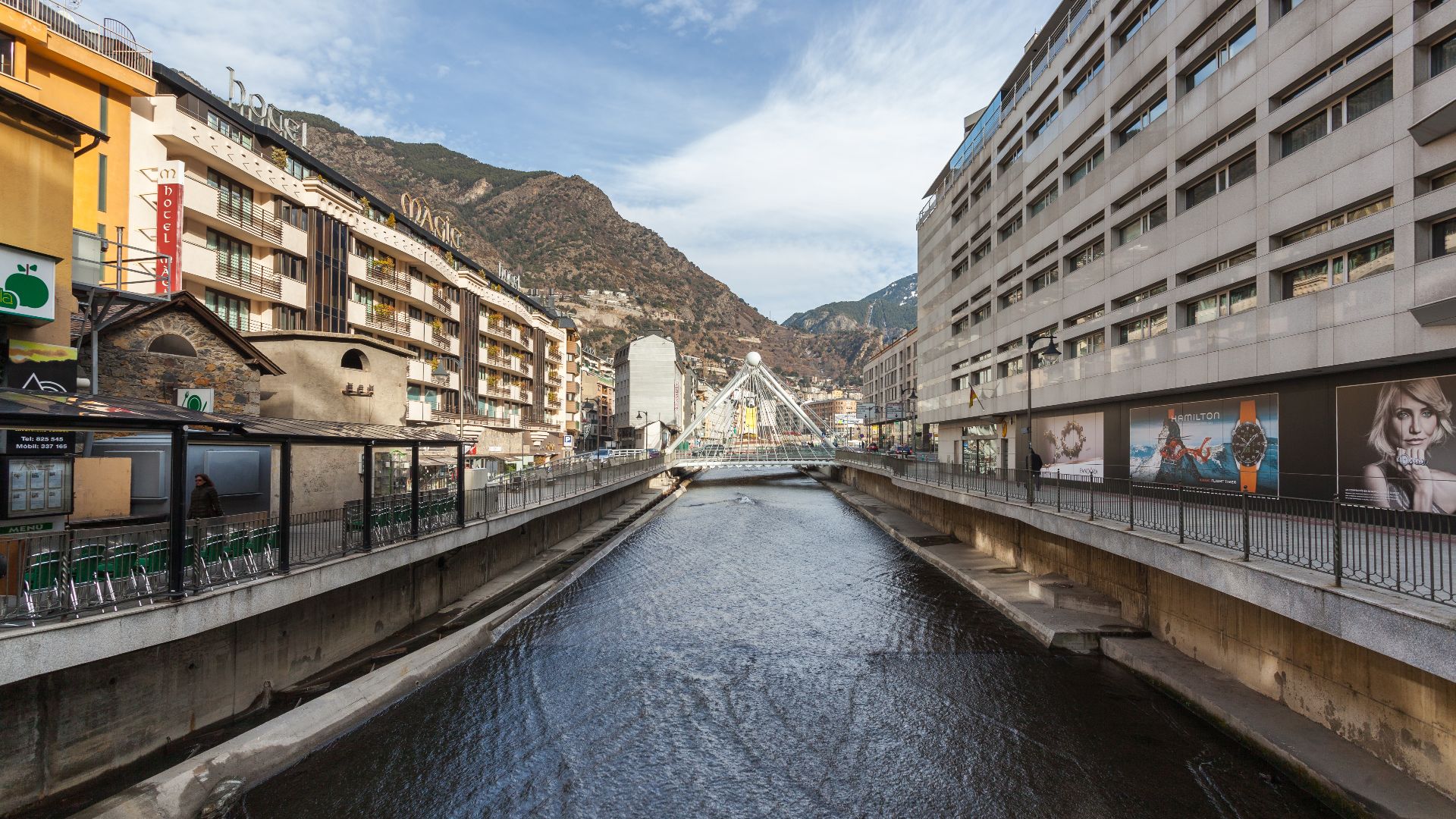
9. Andorra la Vella, Andorra
Andorra la Vella feels carved out of necessity rather than ambition. Mountain geography shaped its independence and self-reliance. The city blends practicality with quiet stubbornness. Personality emerges from endurance in a limited space.
10. San Marino, San Marino
San Marino feels suspended between eras, both physically and psychologically. Its medieval structures aren’t decorative; they’re foundational. The city’s identity centers on survival through continuity. Expansion was never the goal.
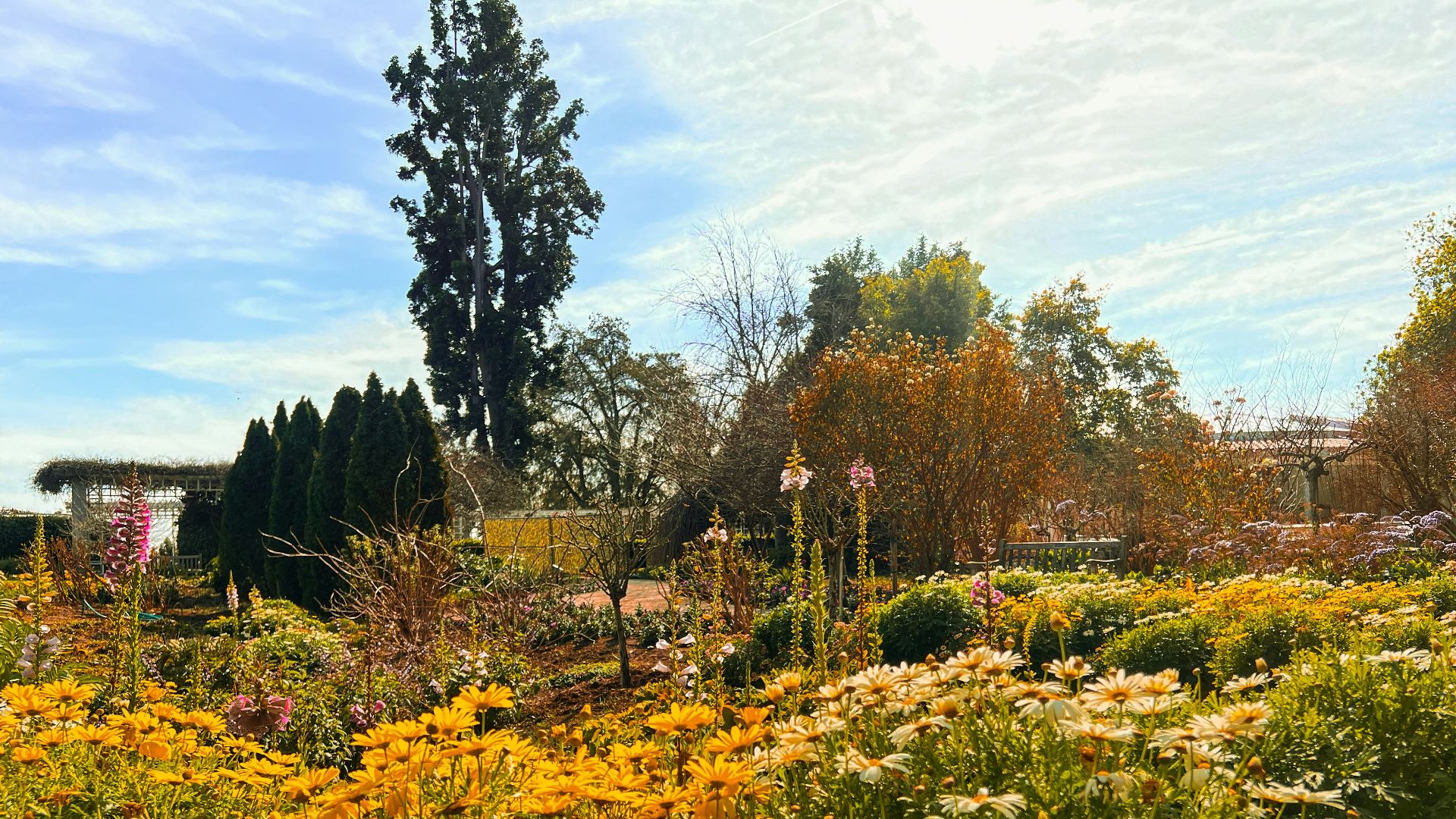
11. Vaduz, Liechtenstein
Vaduz feels controlled, minimal, and deliberate. Its smallness creates clarity rather than limitation. The city projects authority through restraint, and everything feels chosen.
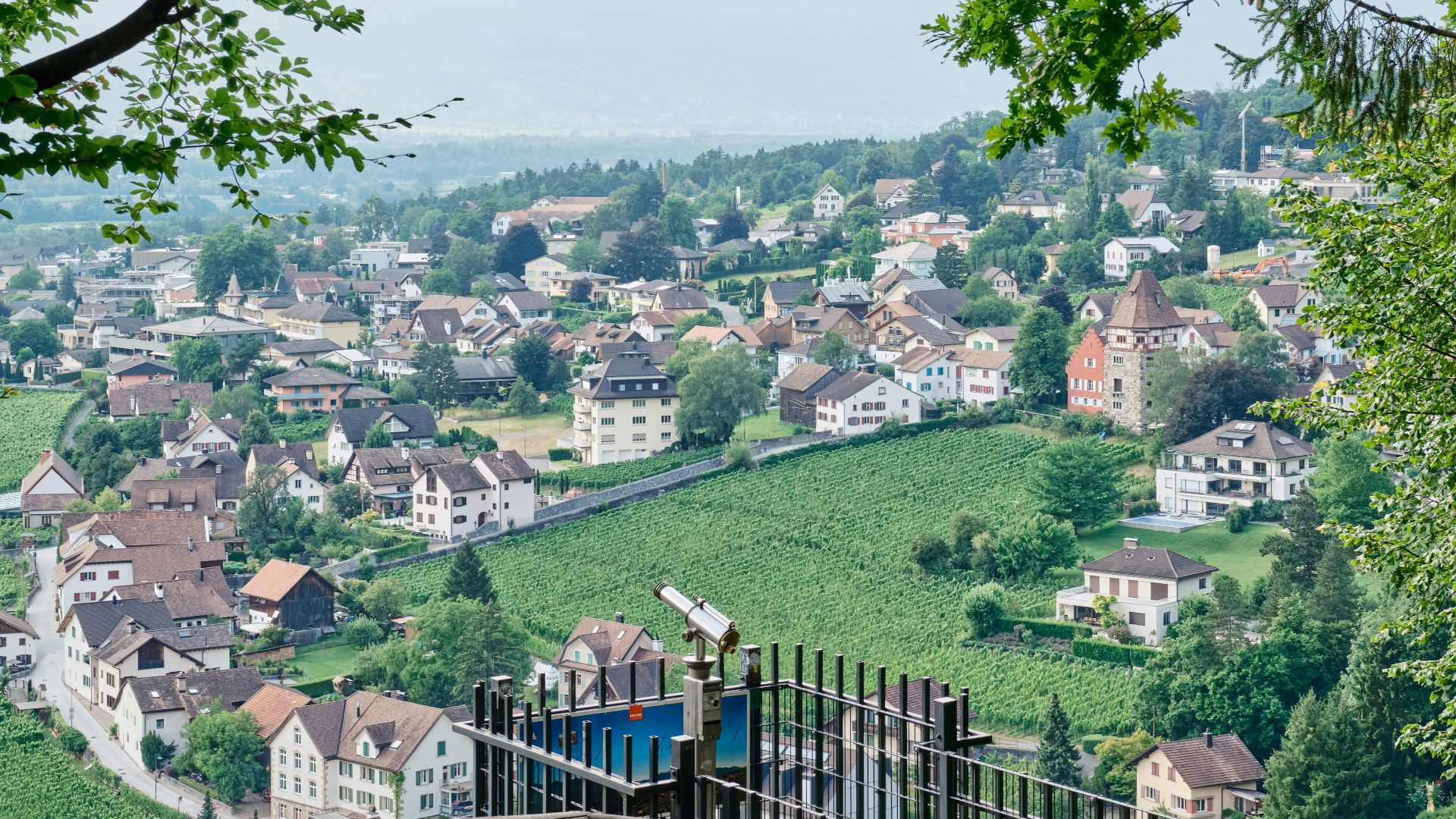
12. Podgorica, Montenegro
Podgorica resists easy definition, blending socialist remnants with Mediterranean influence. The city doesn’t romanticize its scars. Its personality comes from endurance rather than polish. Honesty matters more than cohesion.
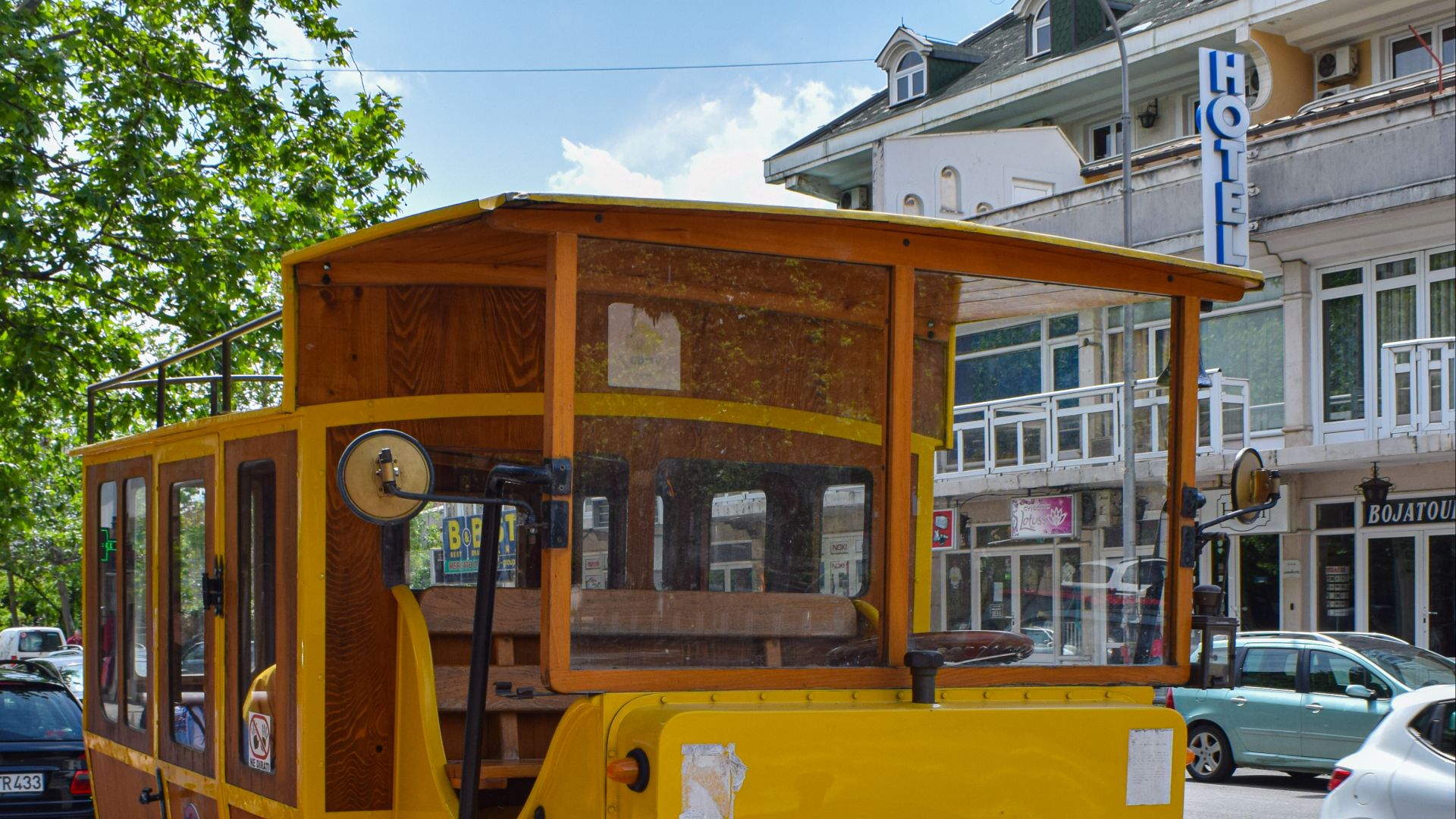
13. Skopje, North Macedonia
Skopje feels like a city in conversation with itself. Its identity has been reconstructed repeatedly, sometimes awkwardly, sometimes defiantly. History is both displayed and debated. That tension gives Skopje its unmistakable presence.
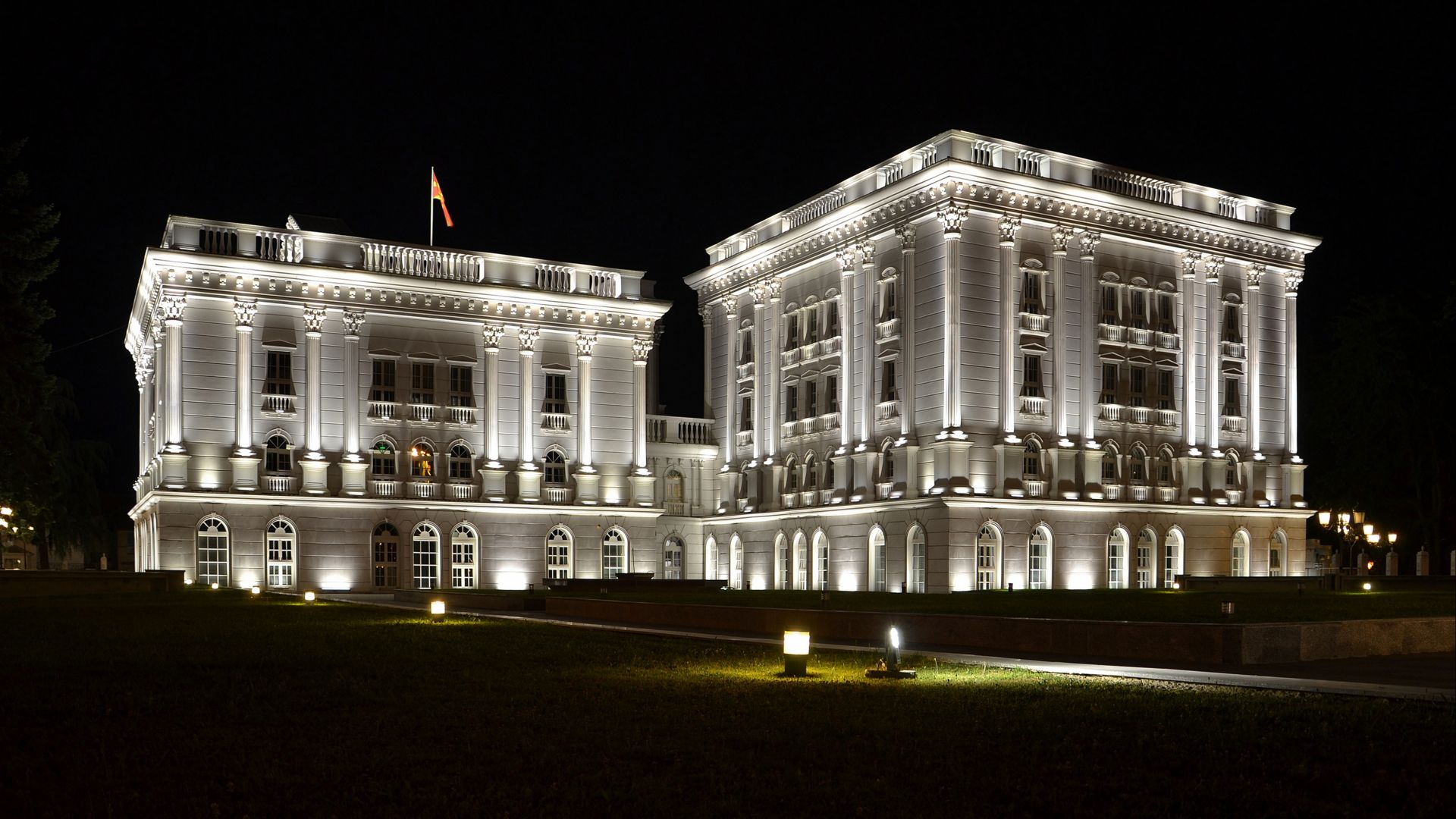
14. Tirana, Albania
Tirana expresses itself loudly through color, movement, and improvisation. Its rapid transformation remains visible rather than smoothed over. The city feels emotionally open. Contradiction is part of its charm.
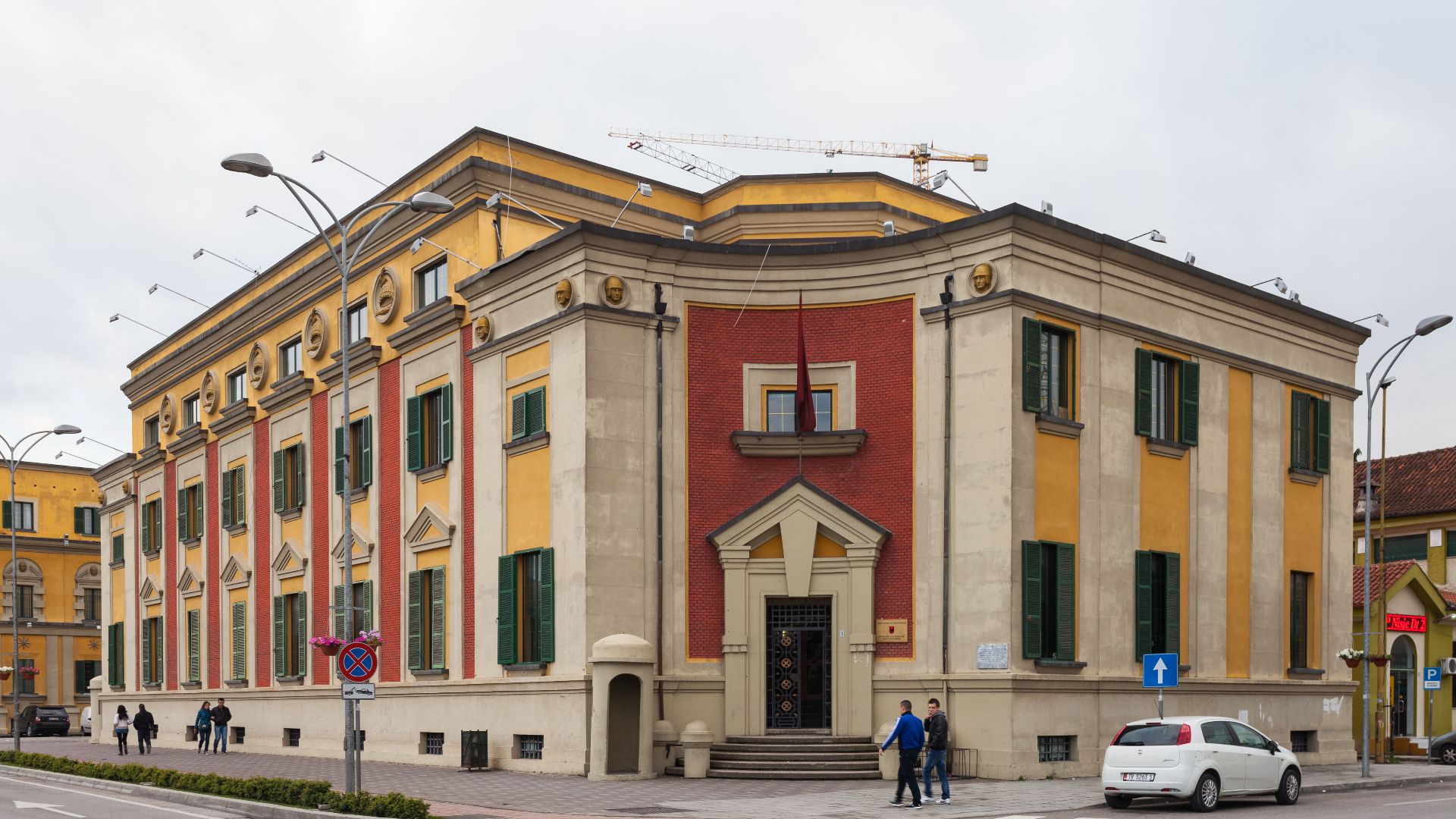
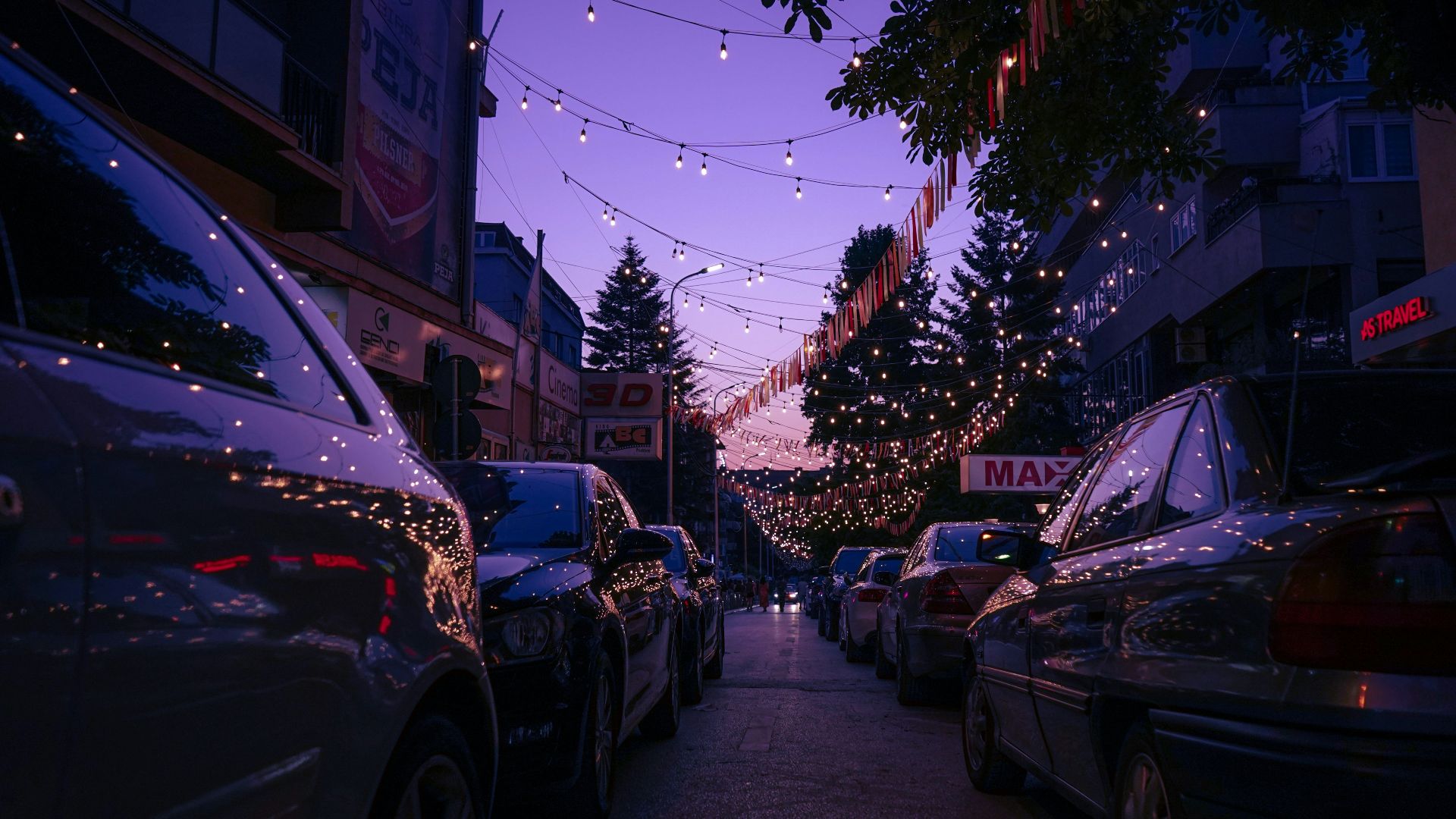
15. Pristina, Kosovo
Pristina feels young in the sense that its identity is still forming. Memory and ambition exist side by side, and creativity carries political weight here. The city’s personality reflects urgency rather than completion.
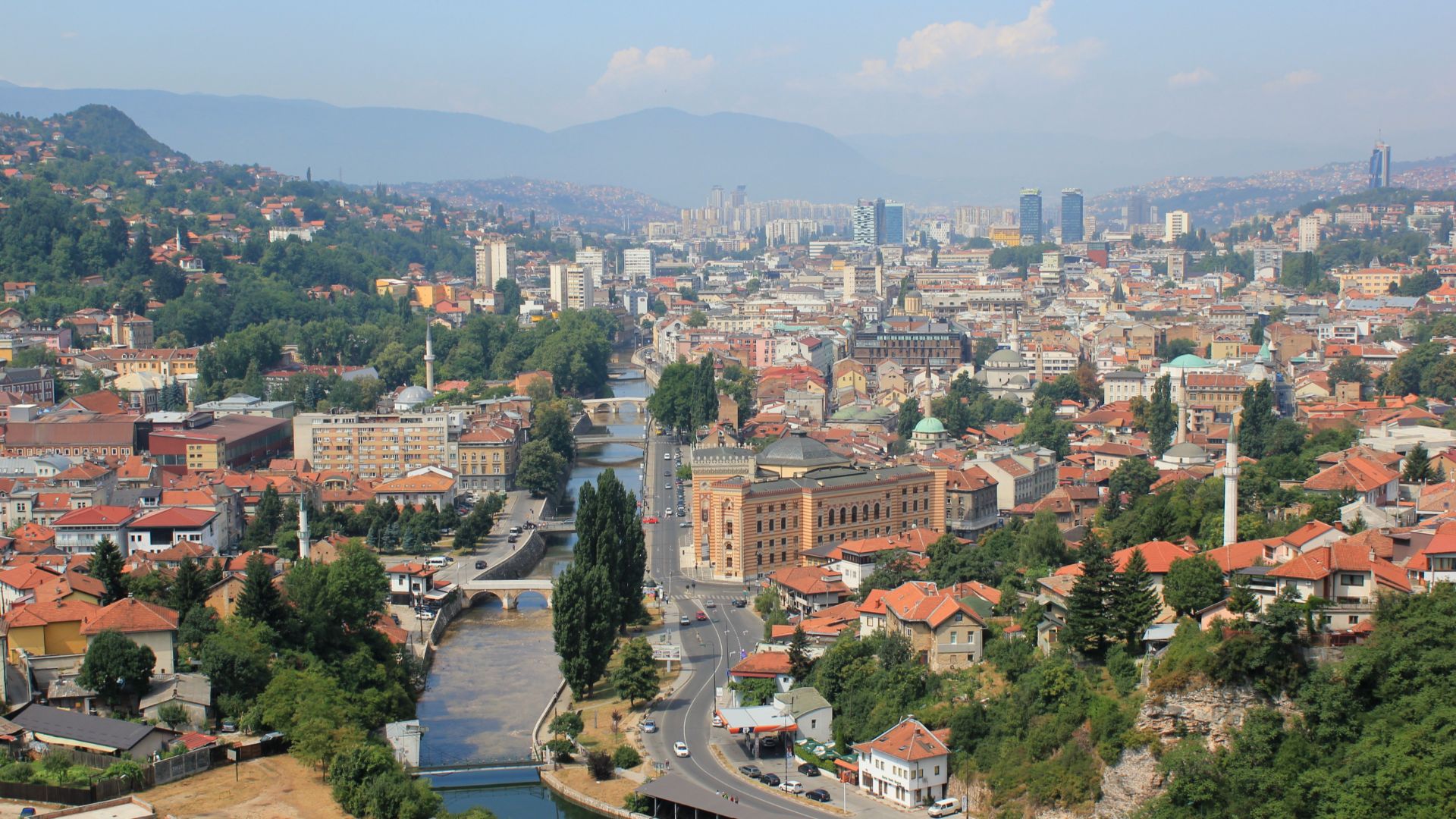
16. Sarajevo, Bosnia and Herzegovina
Sarajevo carries history openly, without aestheticizing it. Cultures and religions overlap within a tight physical space, and most impressively, hospitality coexists with trauma.
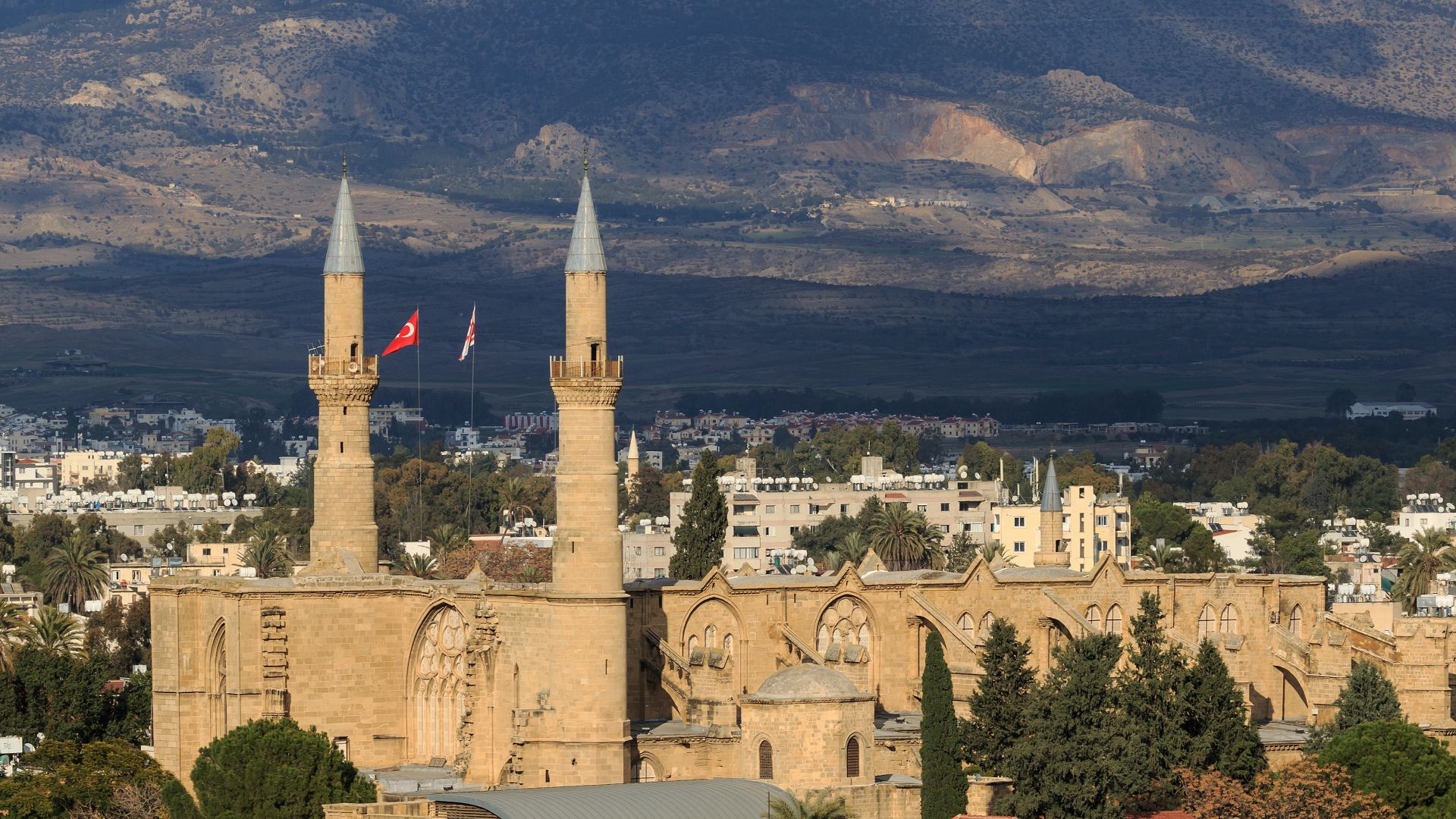
17. Nicosia, Cyprus
Nicosia is defined by a division that remains visible in everyday life. The city adapts rather than resolves. Its personality emerges from living with constraint. Furthermore, continuity persists despite fracture, especially in how communities navigate borders, and the result is a capital that feels cautious but deeply self-aware.
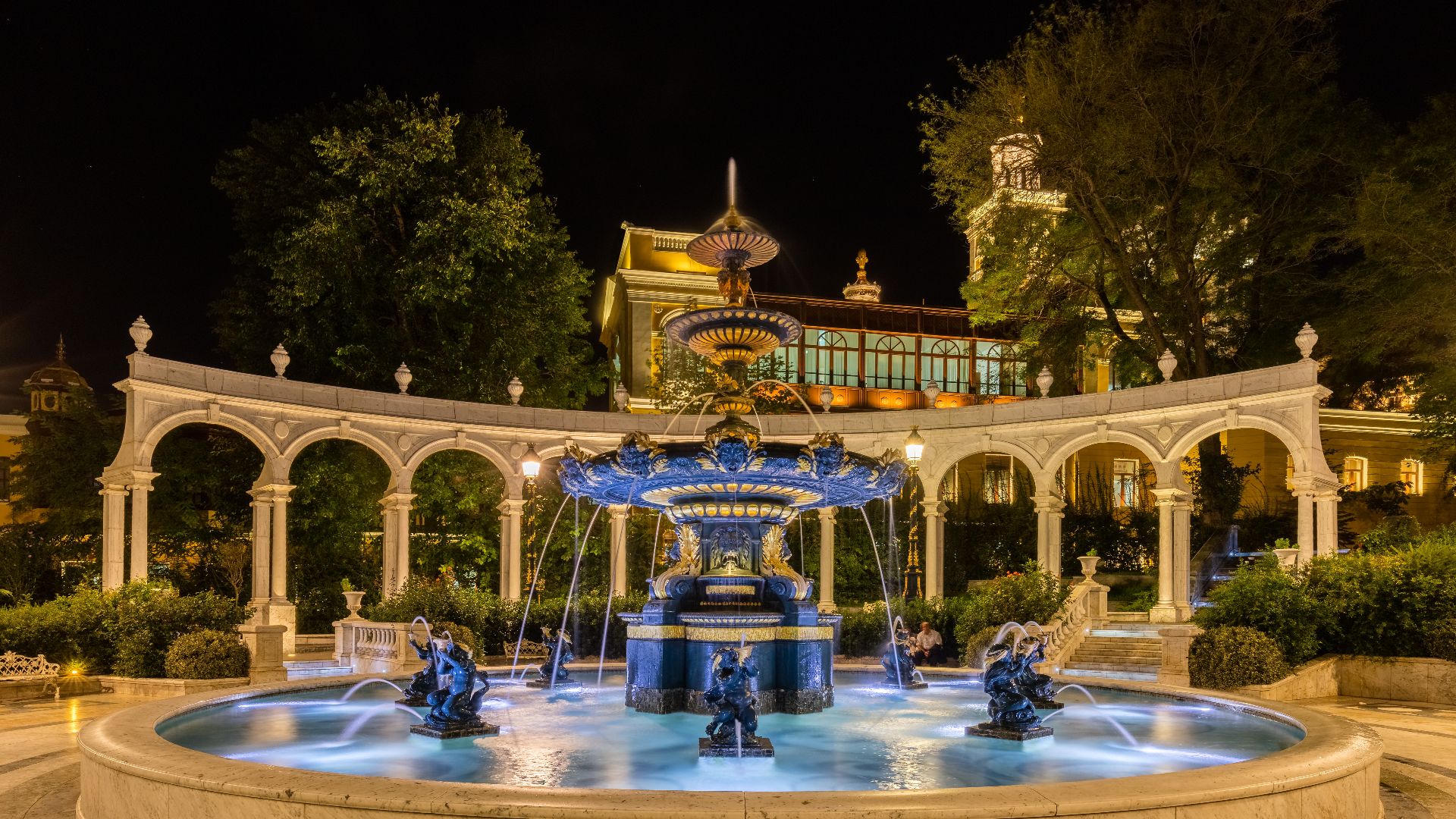
18. Baku, Azerbaijan
Baku compresses ancient history and modern ambition into a manageable footprint. Its personality is bold, sometimes abrasive, and unapologetically forward-looking. Tradition and futurism sit uncomfortably close. That friction defines the city, particularly in how grand architectural statements coexist with older neighborhoods that refuse to disappear quietly. Baku’s confidence feels deliberate, even when it’s contradictory.
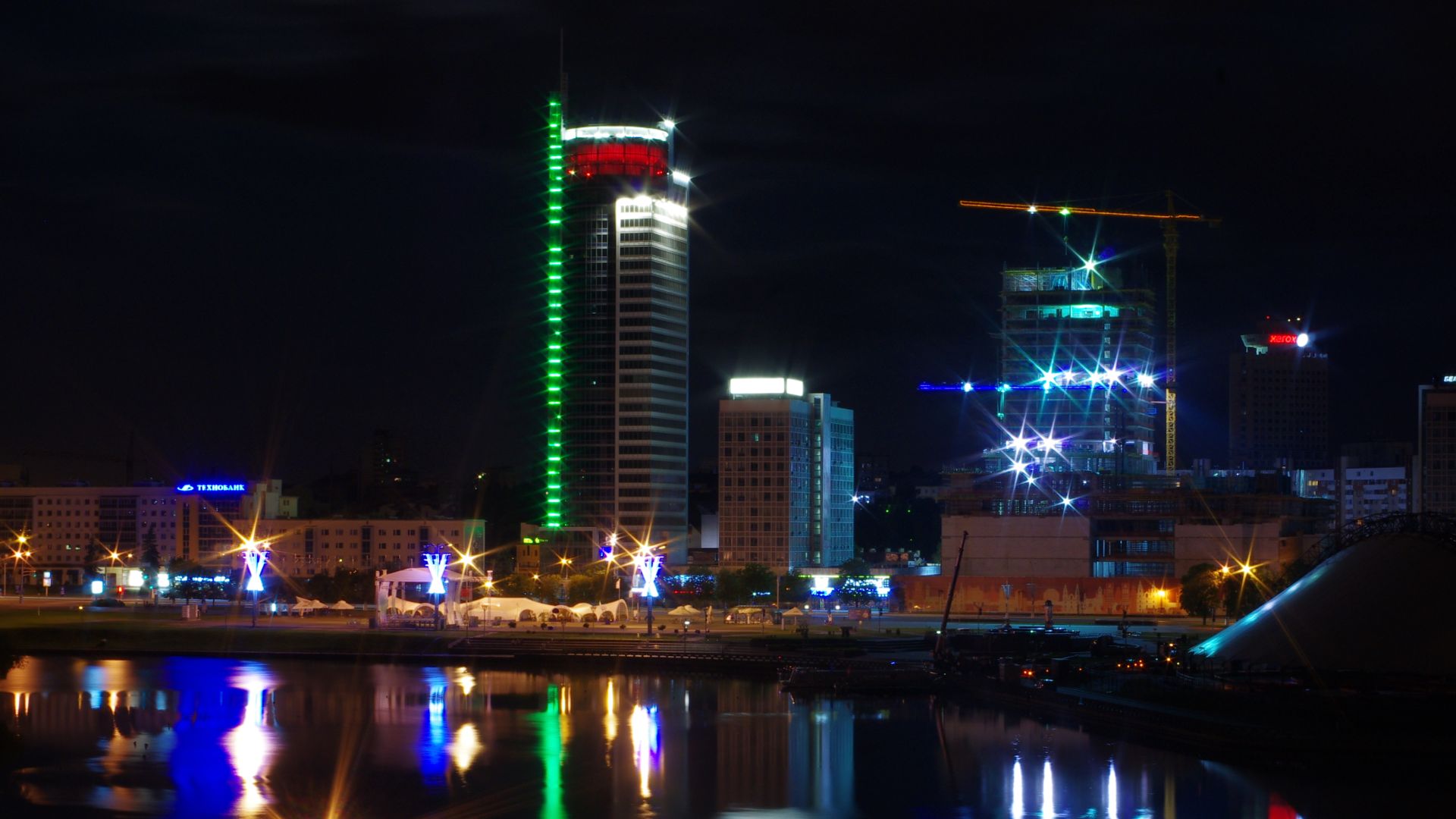
19. Minsk, Belarus
Minsk feels deliberate, wide, and controlled despite its relatively small population. The city projects order and restraint. Its personality is shaped by structure rather than spontaneity. Silence carries weight here, especially in public spaces designed to feel monumental rather than intimate. That atmosphere gives Minsk a severity that’s impossible to ignore once you spend time within it.
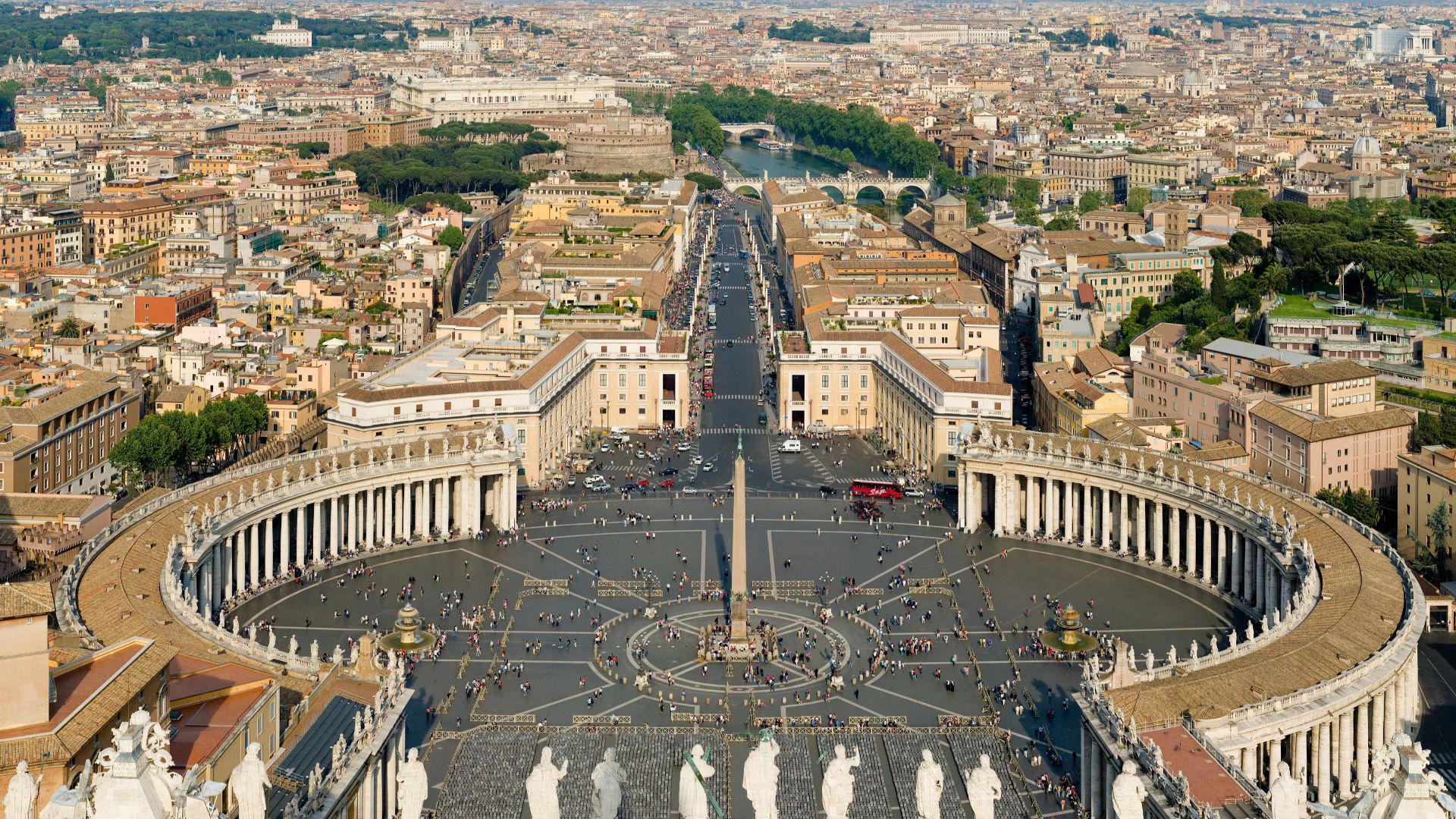
20. Vatican City, Vatican City
Vatican City operates entirely on symbolism rather than scale. Its influence far exceeds its physical boundaries. Ritual, continuity, and authority define its presence. Size is irrelevant when meaning is concentrated this tightly, especially in a place where architecture, ceremony, and tradition are engineered to reinforce permanence. The result is a capital that feels less like a city and more like a sustained idea made physical.