A Love Letter To Landscapes That Don't Love You Back
Some places have weather that acts like the loudest person in the room. You show up with a vague plan and a jacket you felt pretty good about at home, and an hour later you’re hunting for extra water, blinking grit out of your eyes, or watching your phone dim itself into a tiny, defeated rectangle. The wild part is how ordinary it can look right before it turns on you, with a sky that’s perfectly blue while the wind is trying to sandblast your face, or a polite-looking drizzle that soaks you through before you’ve even found the crosswalk button. We keep treating extreme weather like a travel brag, but most of the time it’s just logistics, money, and the occasional real risk. Here are 20 places where the forecast reads less like a suggestion and more like a warning label.
1. Death Valley, California
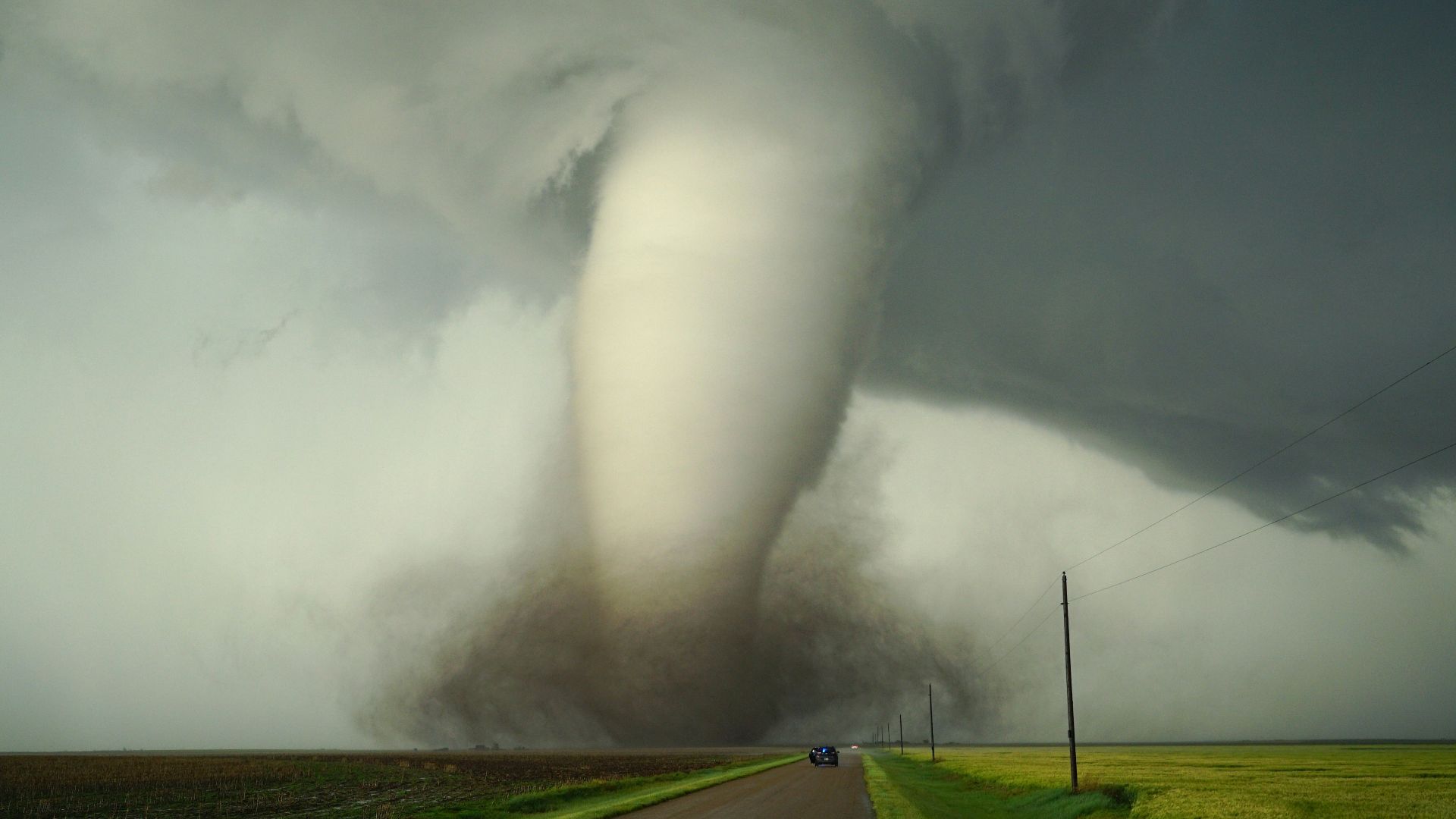
The heat in Death Valley doesn’t just sit on your skin, it pushes back, like opening an oven and leaning in too far. The National Park Service has documented modern temperature readings at Furnace Creek that are so high they turn the entire visit into a hydration strategy.
2. The Persian Gulf Coast
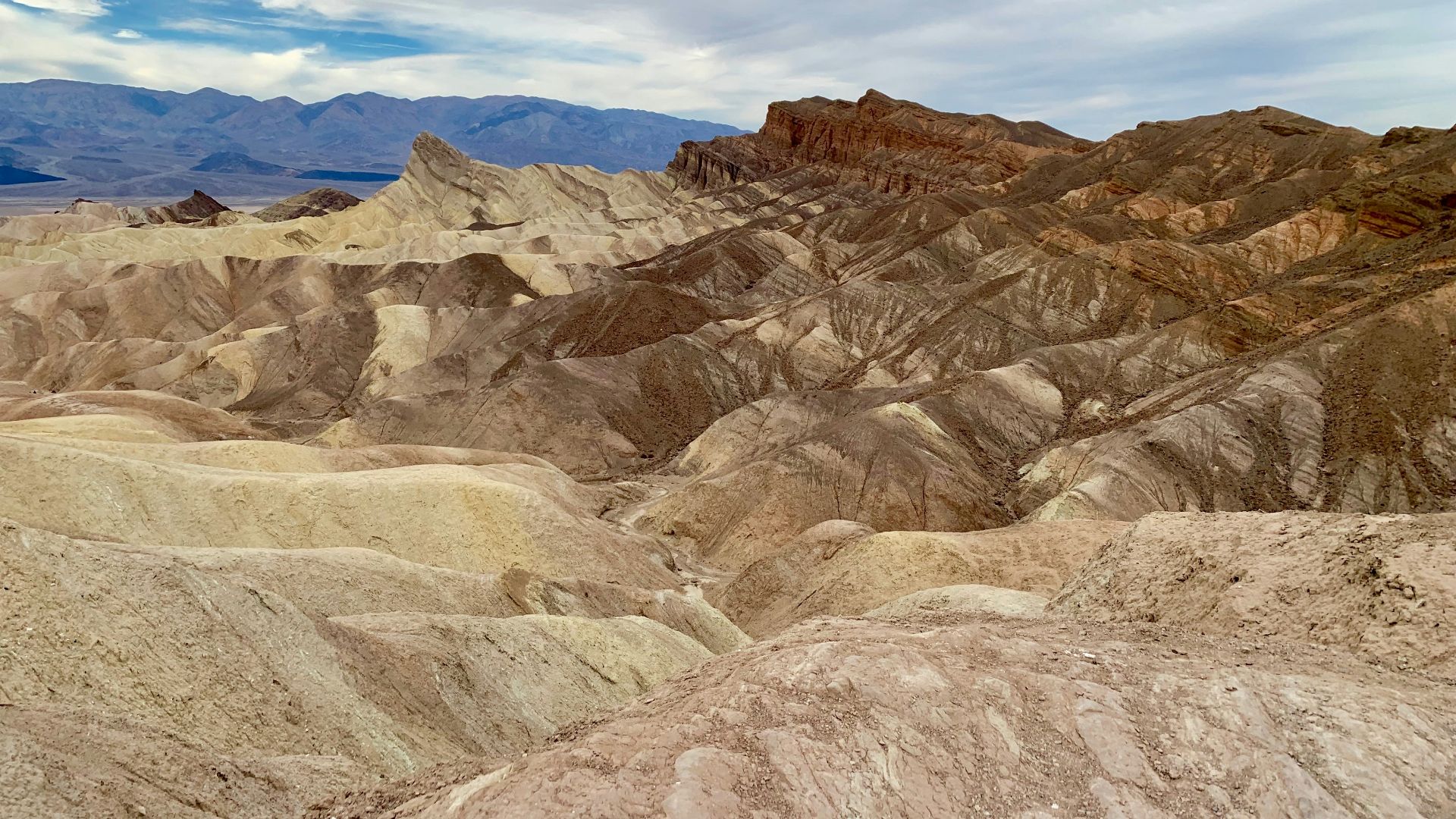
This is the kind of heat that arrives with humidity and turns every outside errand into a negotiation with your own body. Shade feels wholly inadequate, and even the breeze can seem like it’s coming from a hair dryer. The World Meteorological Organization keeps a running archive of weather extremes for a reason, and this region shows up in the conversation often.
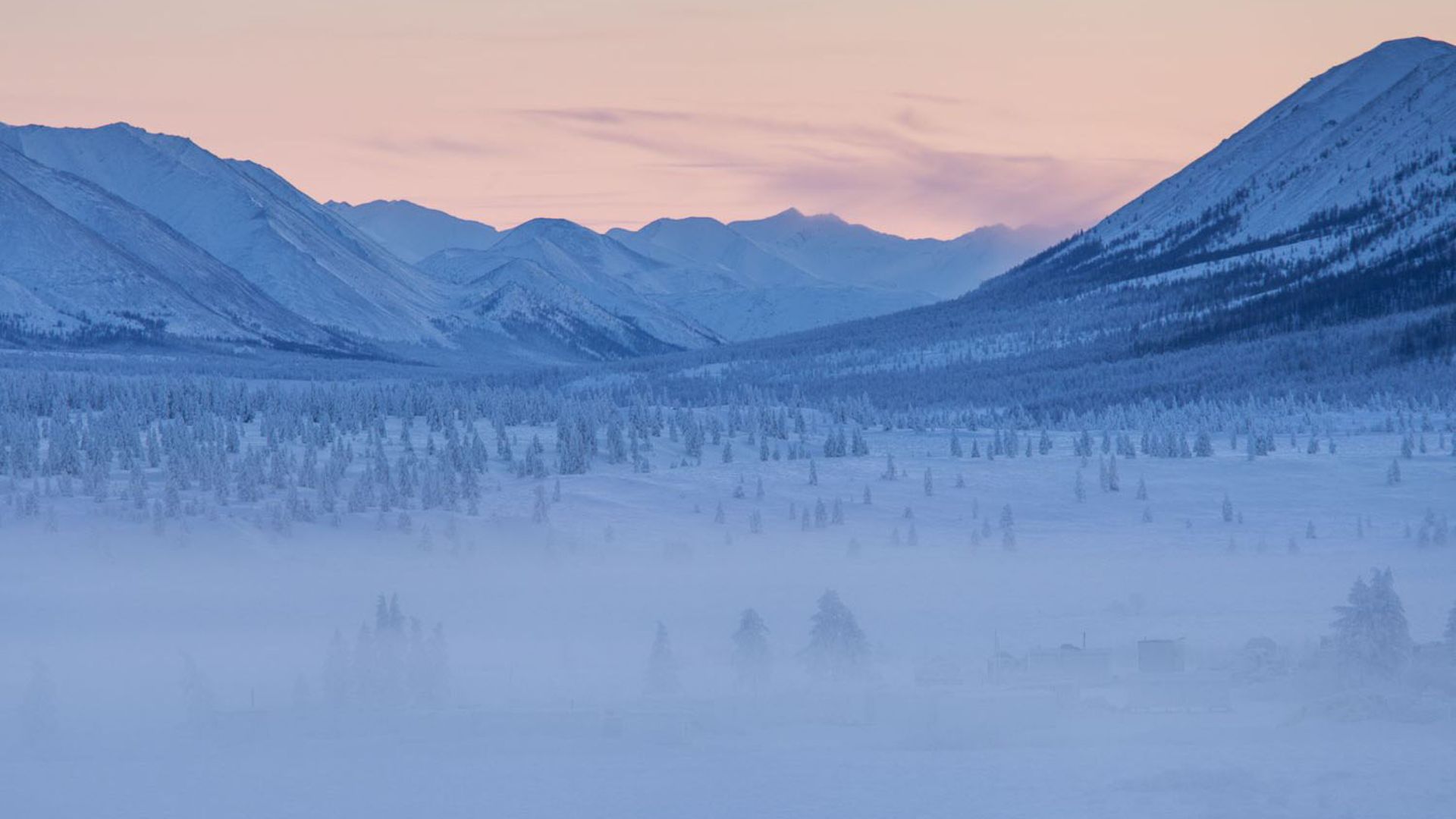
3. Oymyakon, Russia
Oymyakon has a reputation for being challenging, and the cold there doesn’t play the cute, crisp-winter role people post about. Institutions like the WMO and record-keepers have pointed to this part of Siberia when talking about the lowest temperatures in inhabited places, which helps explain why everyday life involves constant problem-solving.
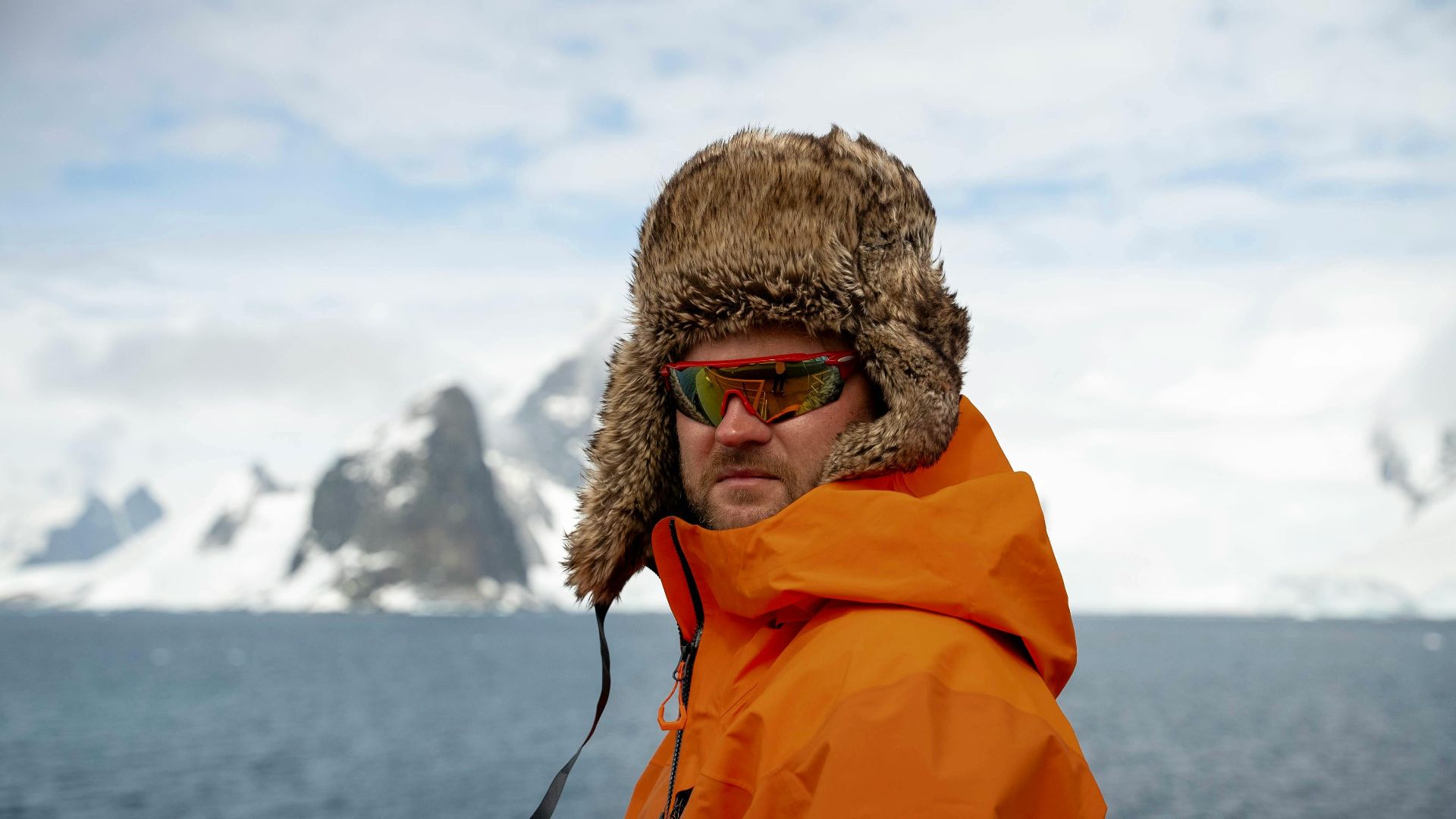
4. Interior Antarctica
Antarctica can look calm in photos, then the wind arrives and the world becomes sharp, loud, and full of flying ice. Katabatic winds, which are basically gravity-driven blasts of cold air, are so common there that researchers study their behavior in detail. Even simple tasks can turn into timing games with the next surge.
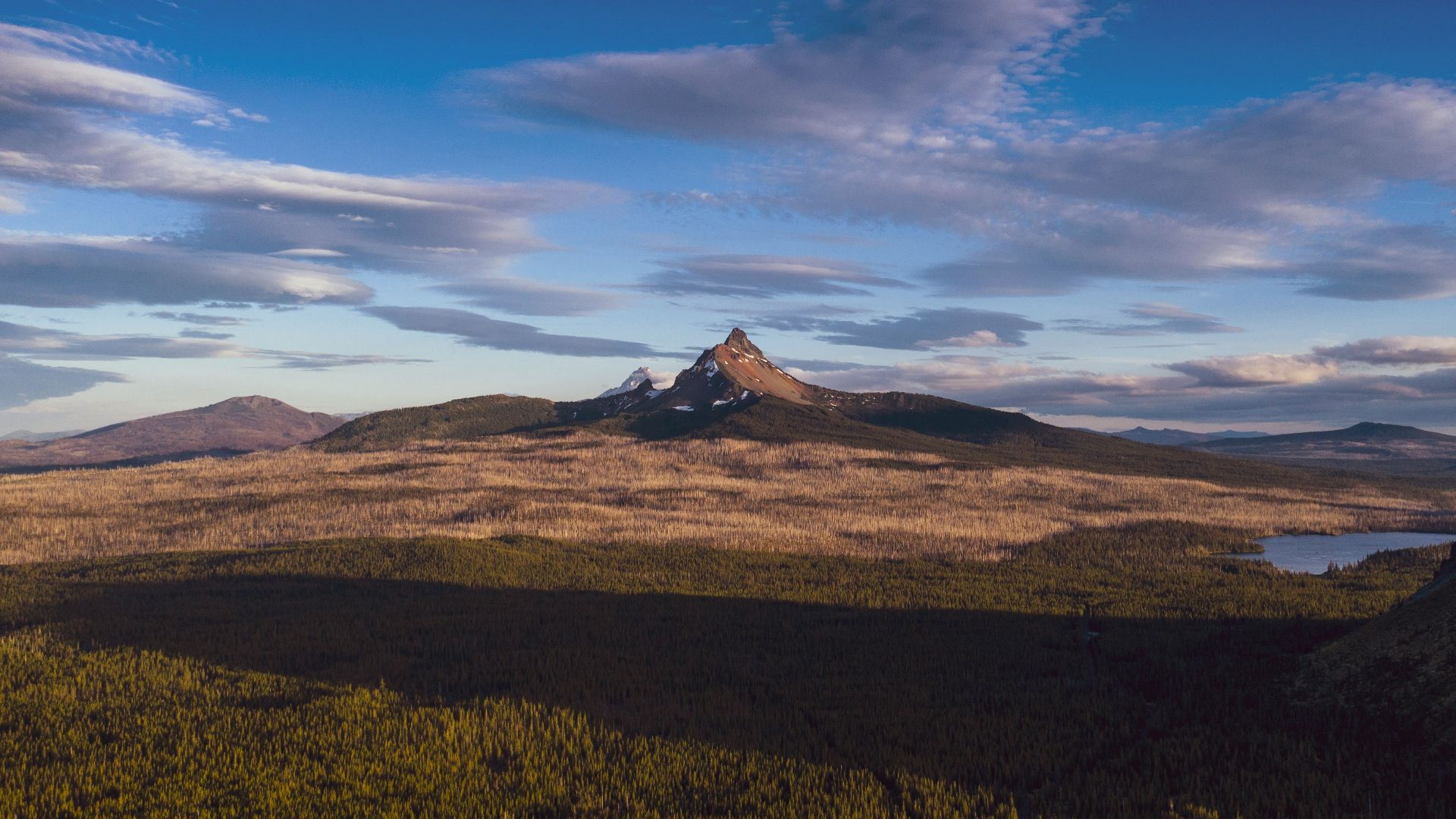
5. Mount Washington, New Hampshire
Mount Washington loves to remind everyone that elevation and exposure can turn New England into something much nastier. NOAA’s historical accounts talk about how the summit has been tied to famously extreme wind observations, and the ice that forms up there looks like the mountain is actively preparing for violence.
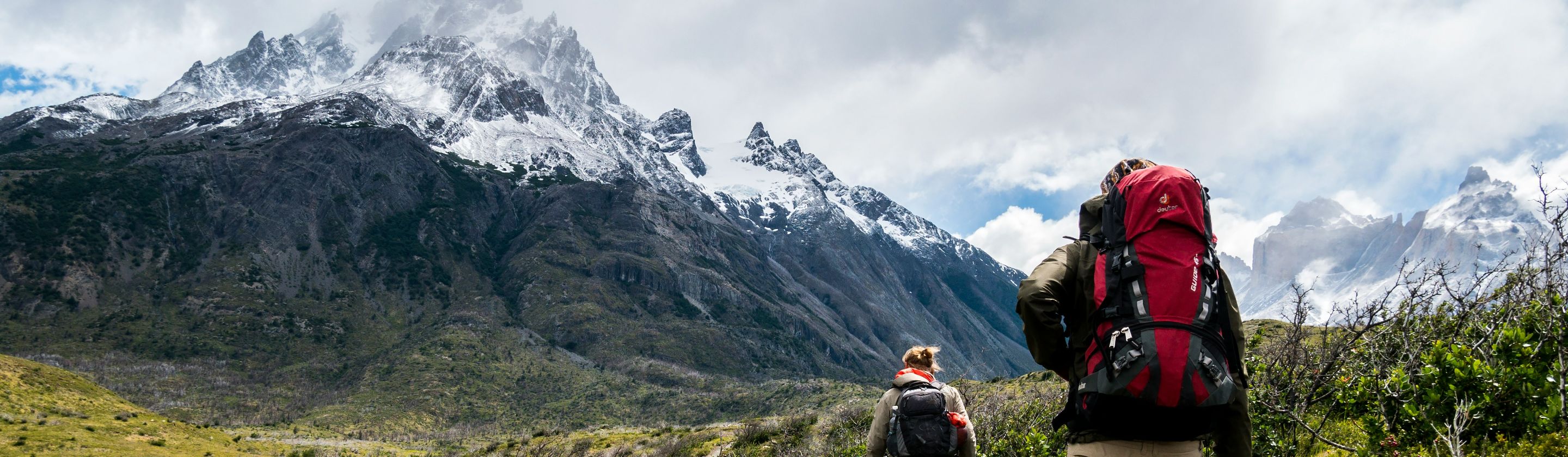
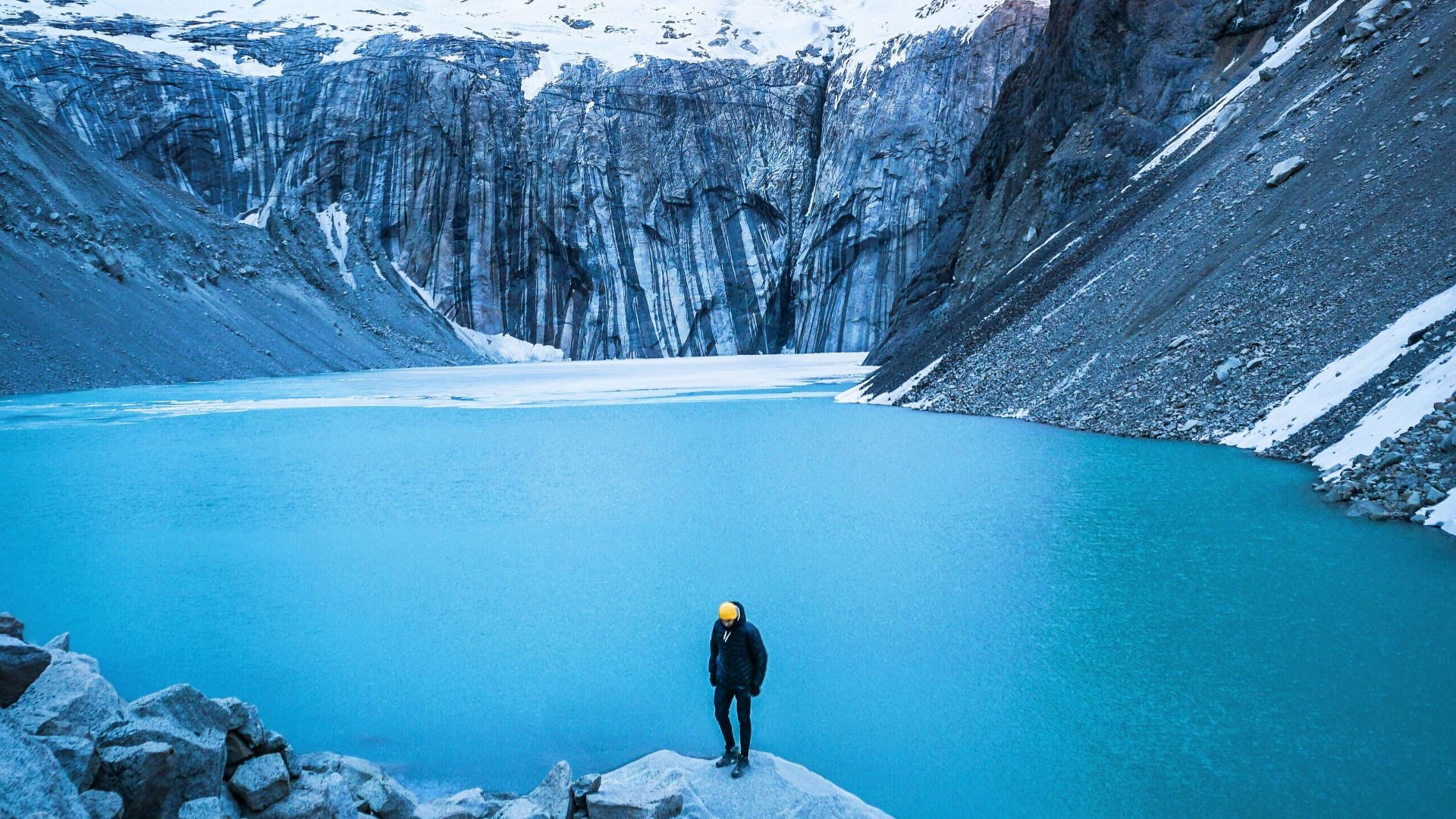
6. Patagonia, Southern Chile And Argentina
Patagonia’s wind can feel personal, like it saw you packing a light jacket and decided to make you regret it. You can be walking along a gorgeous ridge and suddenly find yourself leaning at an angle just to stay upright. The weather shifts fast enough that a sunny postcard moment can turn into sleet before you’ve found your gloves.
7. The Gulf Coast Of The United States
Warm water and flat coastlines make this region a regular stage for tropical systems, and the drama is not subtle. NOAA’s hurricane climatology lays out how predictable the season can be in timing, even if individual storms are not. When the warnings start, the mood changes fast, and so does the grocery store aisle.
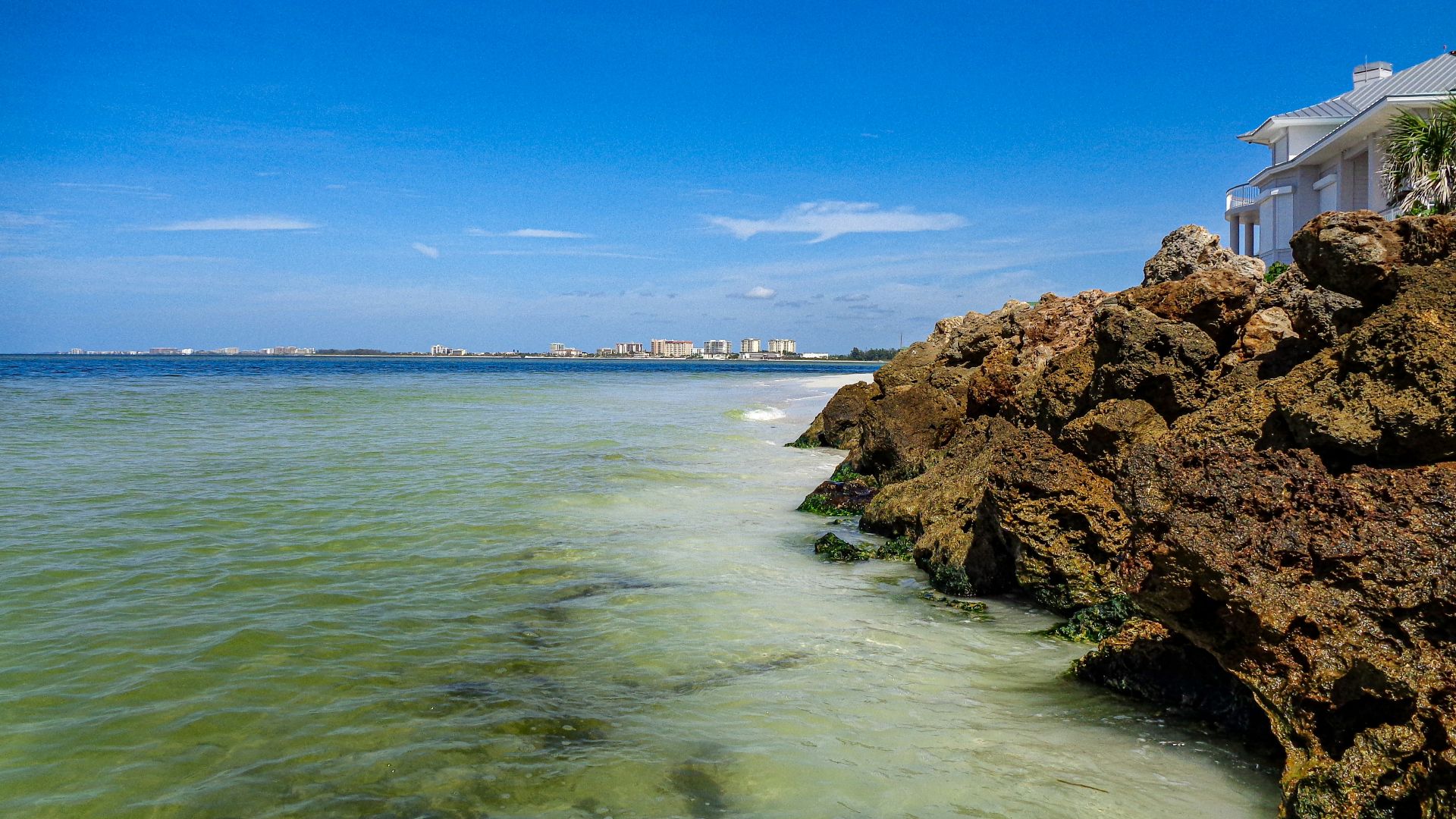
8. The Caribbean
The Caribbean can feel breezy and forgiving right up until the sky turns that strange, metallic gray and the air goes heavy. Storm prep becomes a neighborhood ritual, with shutters, bottled water, and generators suddenly becoming the main topics at dinner. The same ocean that makes the beaches famous can also deliver frightening speed and surge.
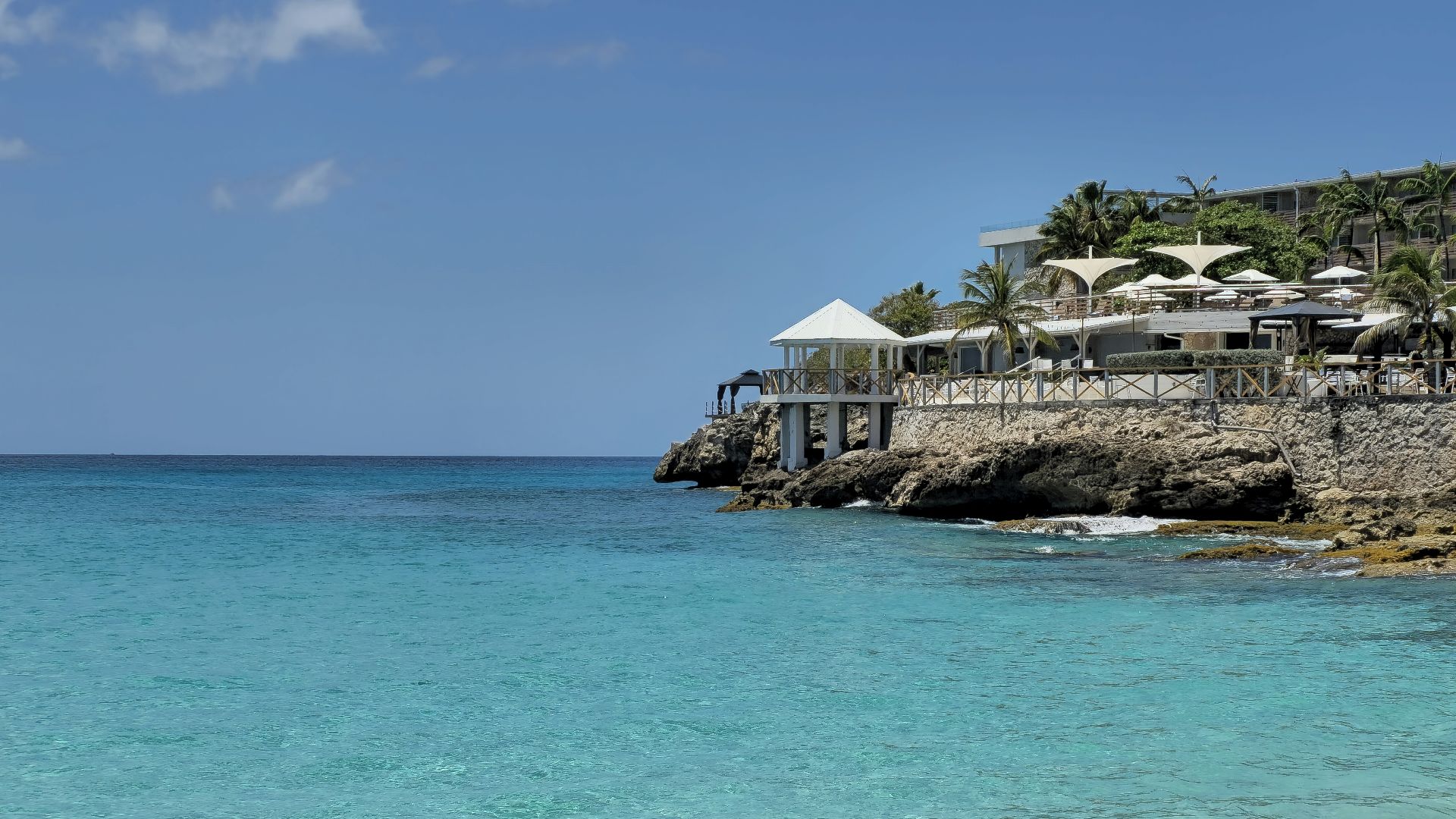
9. Bangladesh’s Low-Lying Delta
In Bangladesh, rain isn’t always a backdrop, it’s a force that rearranges daily life. Flooding can turn commutes into boat rides and make a normal street look like a canal with traffic lights. Add cyclones to the mix, and weather stops being small talk and starts being something worth monitoring.
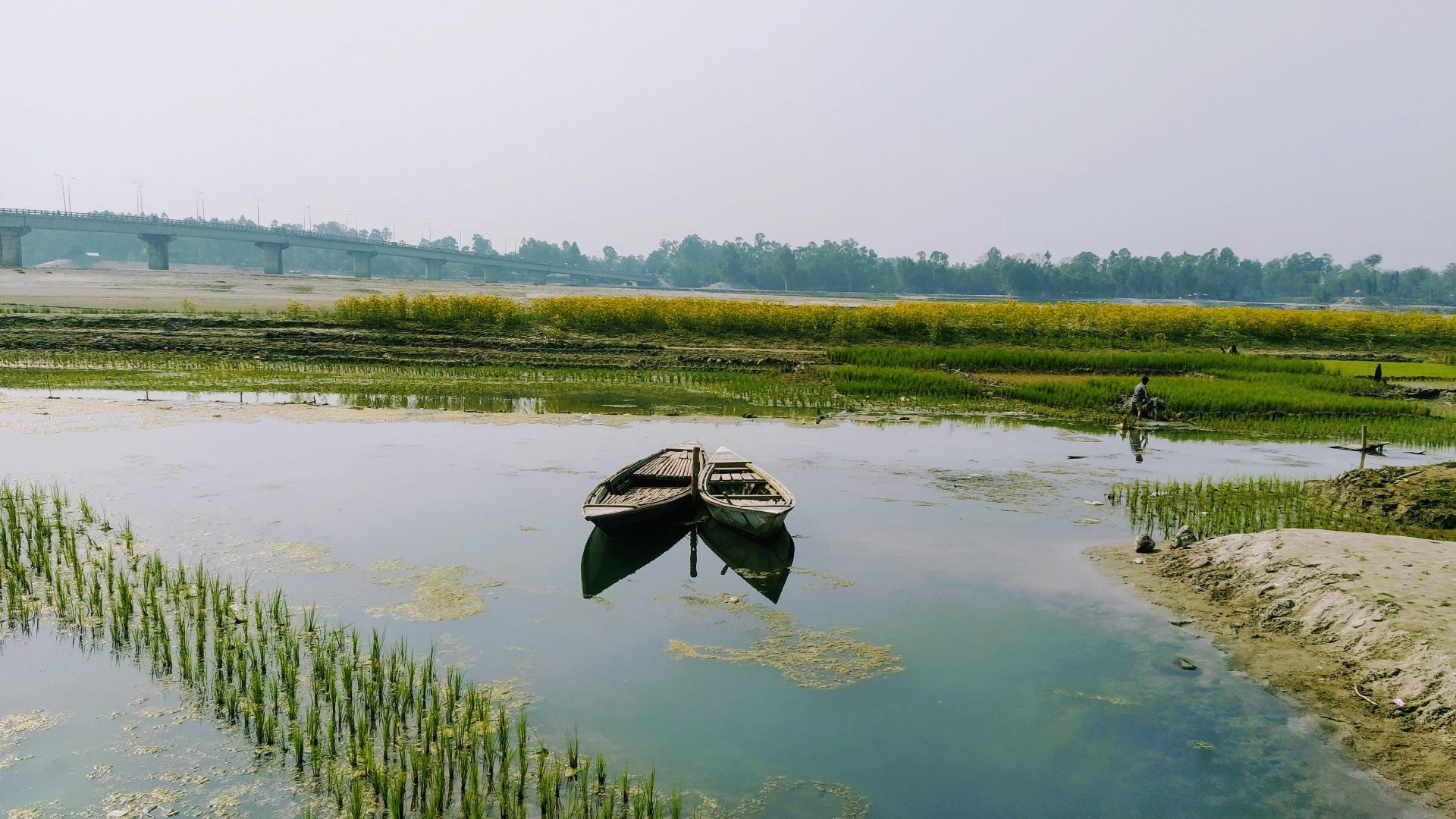
10. Cherrapunji, India
Cherrapunji is known for its intense rainfall during the monsoon season. Encyclopaedia Britannica notes it for some of the world’s highest precipitation levels and historic rainfall totals, which helps explain the lush slopes and the constant, roaring waterfalls. Walking around can feel like living inside a cloud.
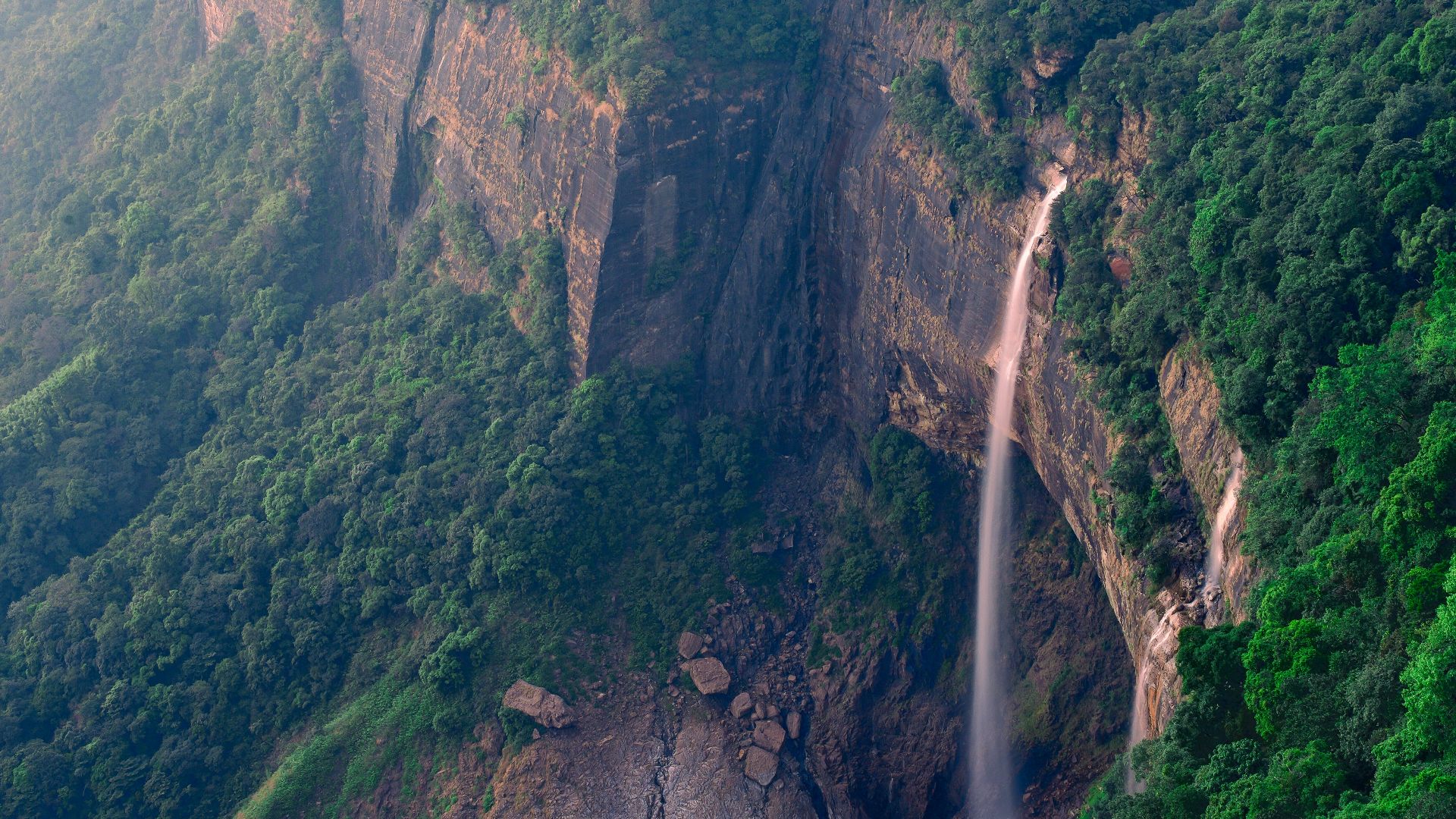
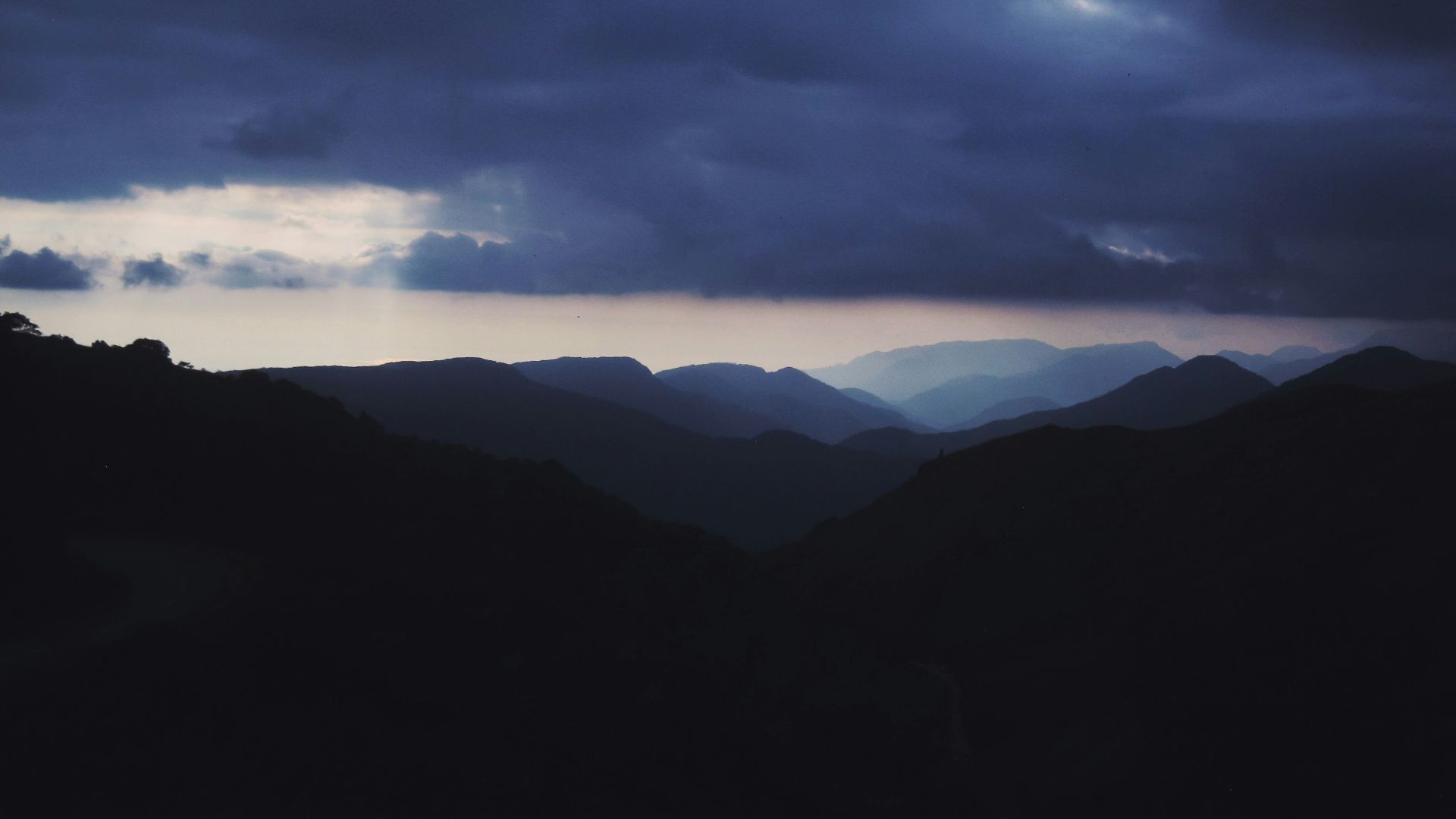
11. Mawsynram, India
Not far from Cherrapunji, Mawsynram is often described as one of the wettest places on Earth, and it earns that reputation the hard way. The air feels saturated, clothes never quite dry, and the sound of rain can become a permanent room tone in your head. Even a short walk can leave you looking like you fell into a river.
 Manghiam Kyrpang Nongsiej on Unsplash
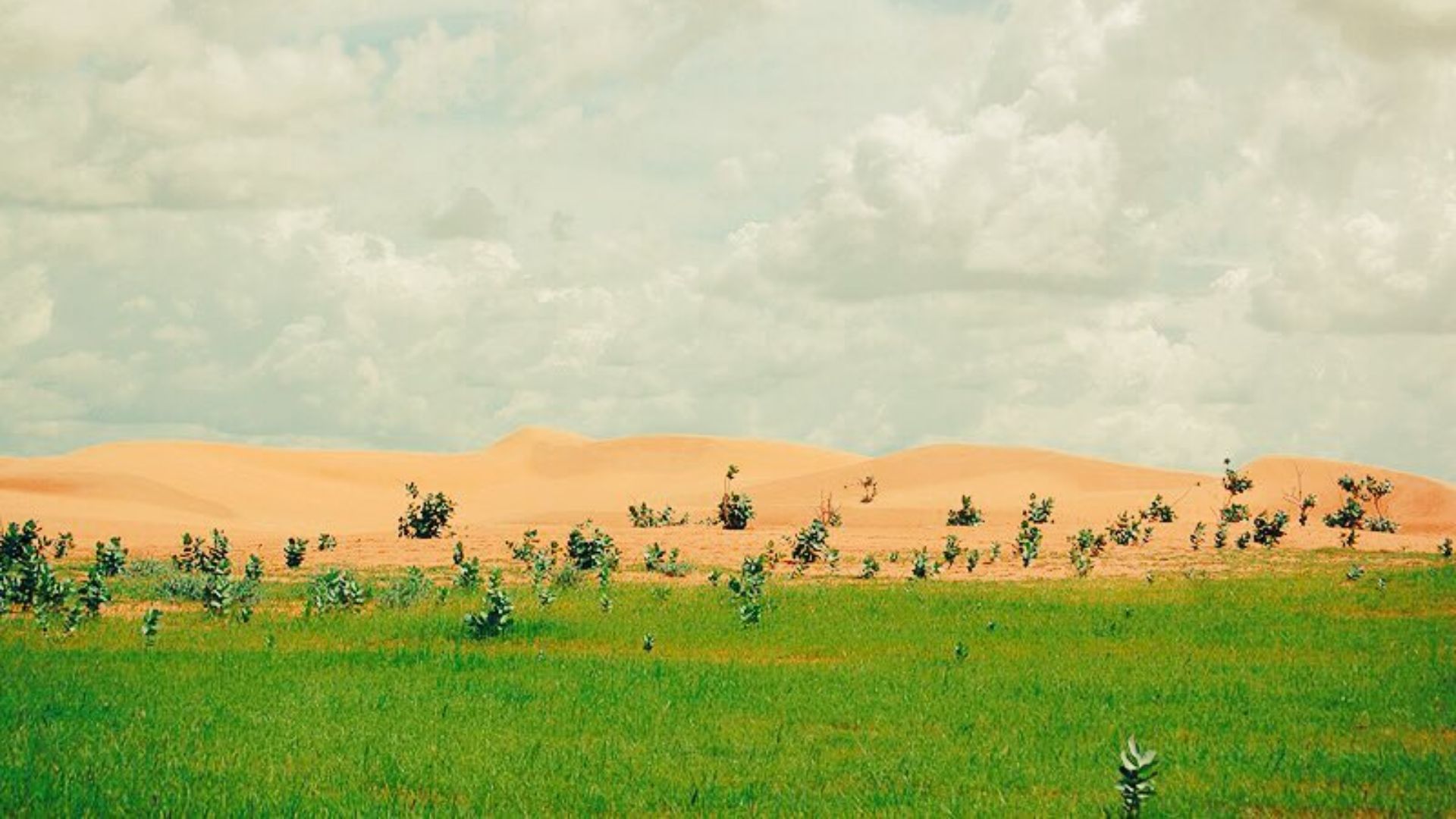
12. The Sahara’s Fringe
The Sahel and nearby desert edges can hit you with heat that drains energy quietly, then suddenly. Dust storms can roll through and turn the world sepia, getting into eyes, teeth, and every zipper. The landscape is stunning, and it also makes it clear that humans are guests, not owners.
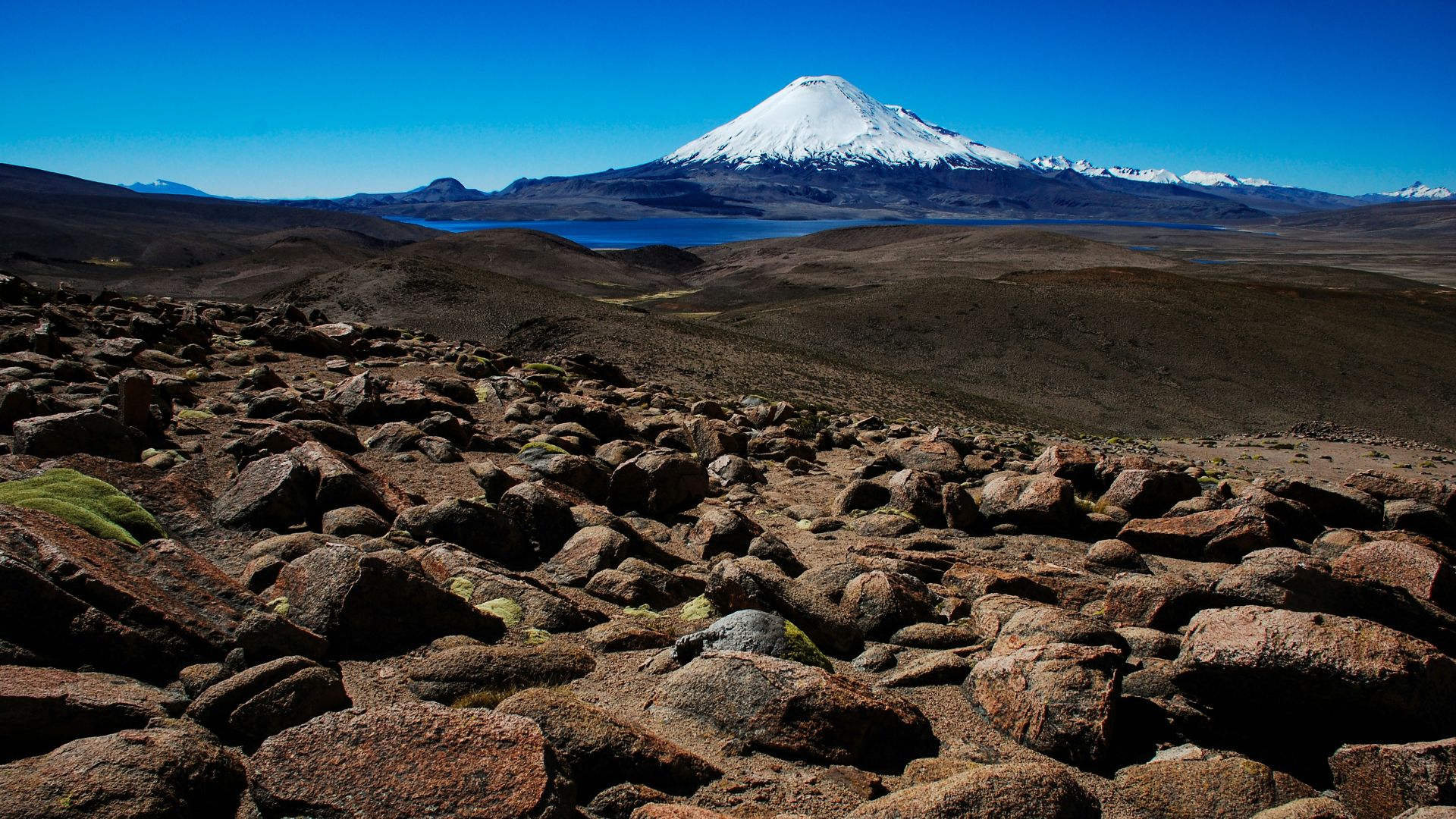
13. The Atacama Desert, Chile
The Atacama has an emptiness that feels almost lunar, and that dryness can be harder than people expect. Skin cracks, lips split, and a casual hike can turn into a lesson in how quickly dehydration sneaks up. The sun is bright enough to feel aggressive, even when the air is cool.
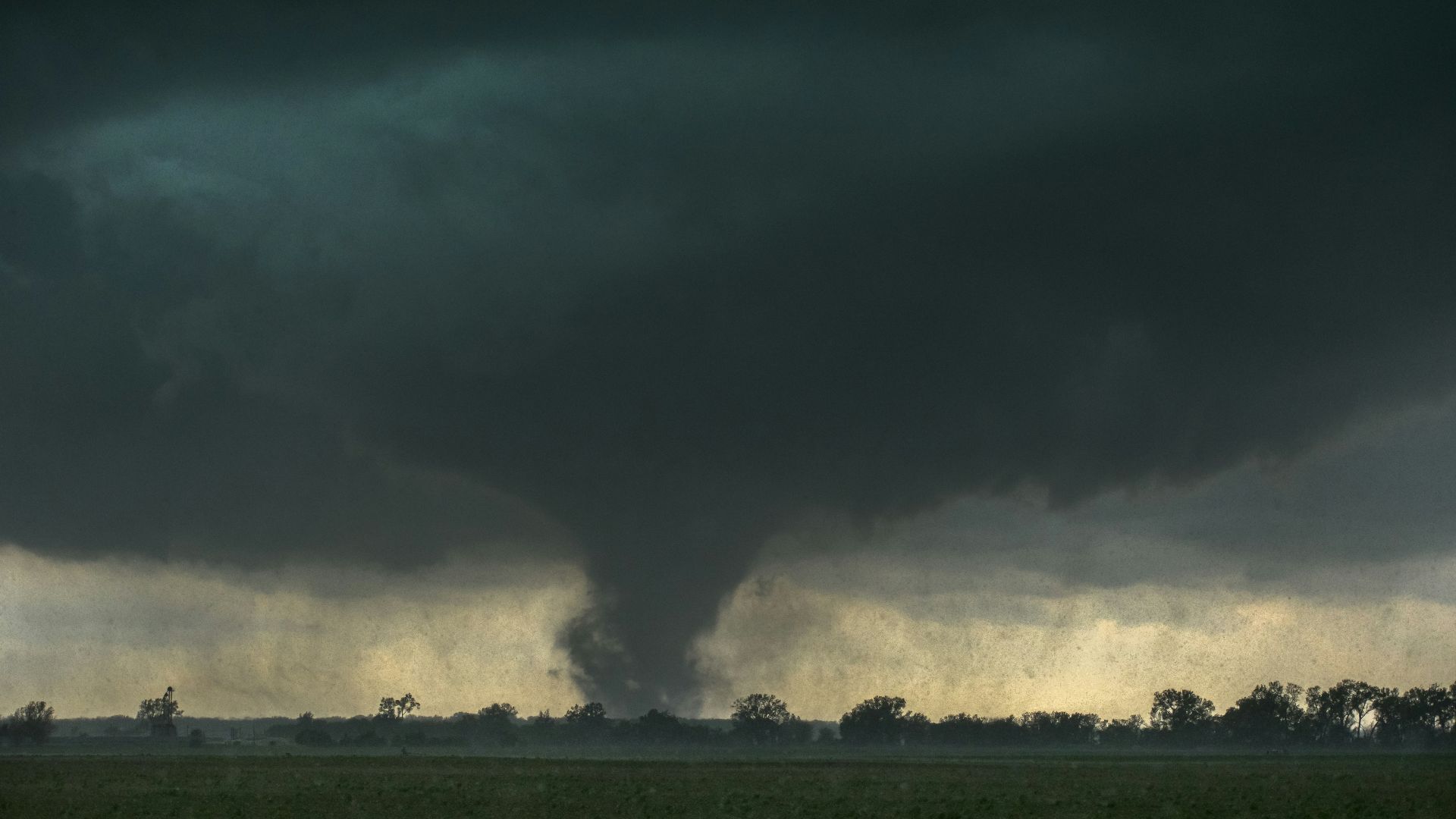
14. Tornado Alley
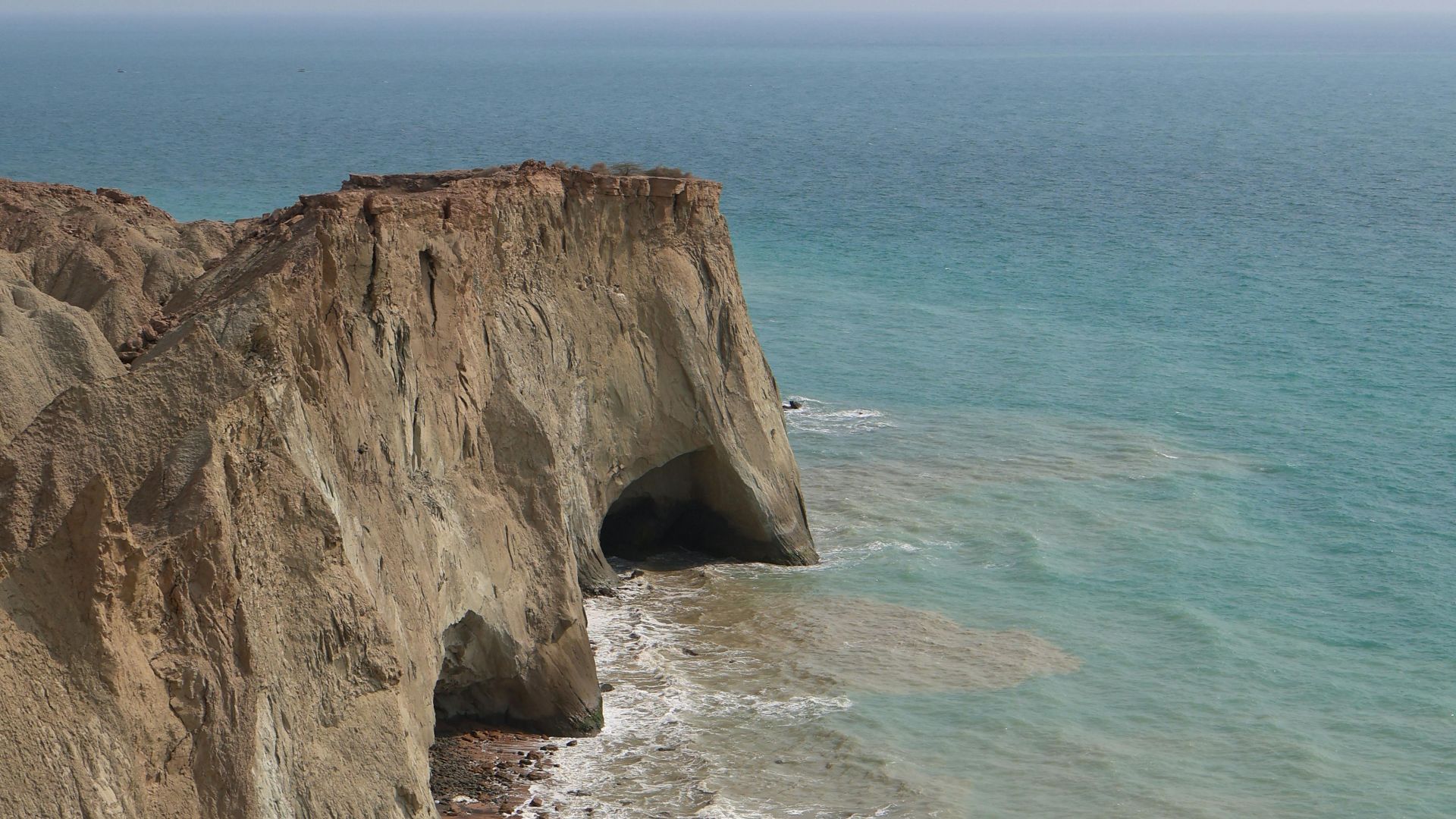
This is a region where spring can feel electric, like the air is charging up for something. The weather can flip from warm and pleasant to greenish skies and sirens, and the local instinct is to check radar like it’s a sports score. Even the nicest day can come with that faint awareness of what the atmosphere can do here.
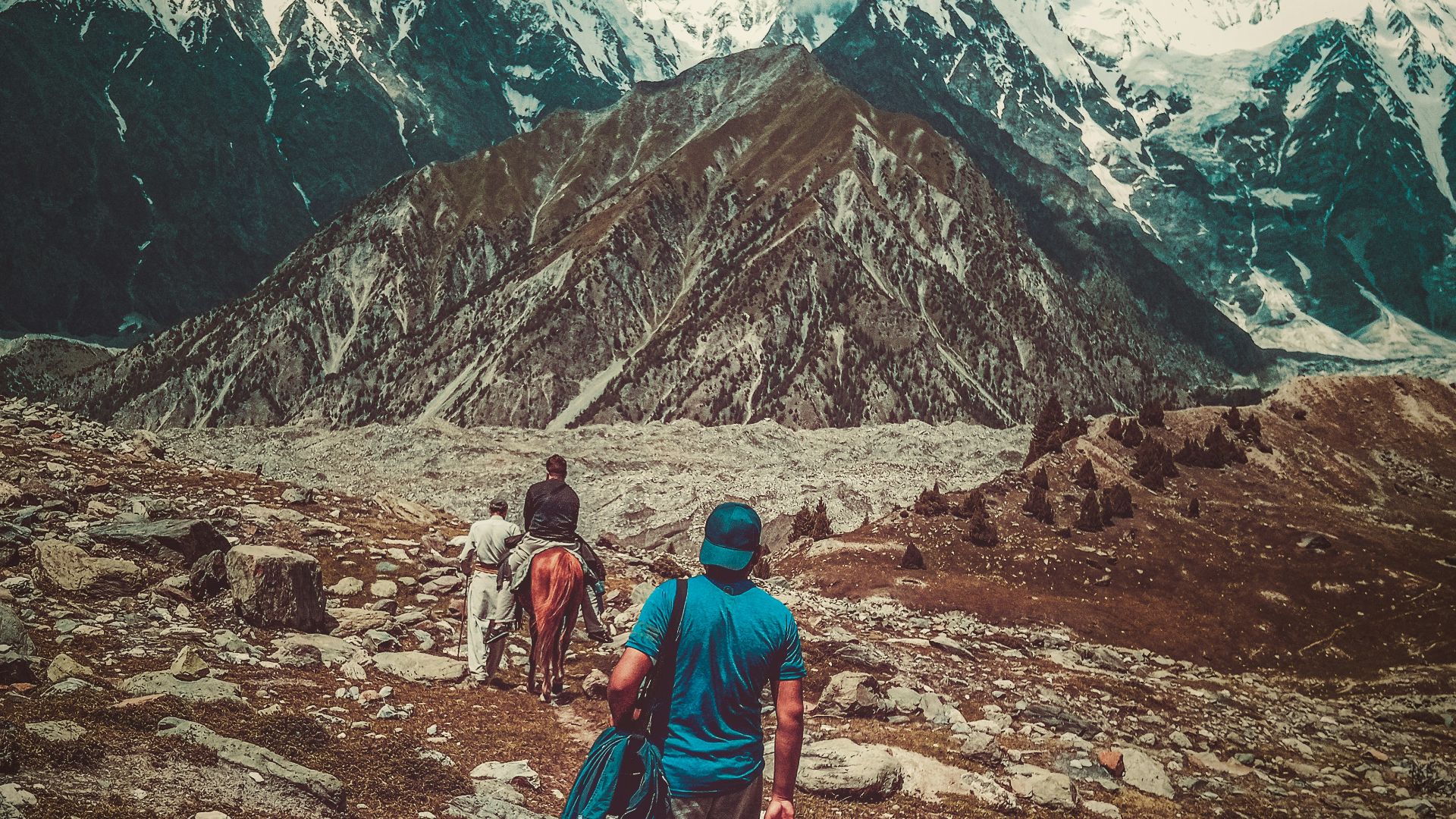
15. Northern India And Pakistan During Severe Heat Waves
Heat waves in this region can turn cities into slow-motion spaces where everyone moves strategically. You’ll see people clinging to shade, adjusting schedules, and treating cold water like a precious resource. The danger isn’t theatrical, it’s cumulative, and it wears people down.
 Adnan Temur Barcha on Unsplash
16. The Canadian Prairies Hail Belt
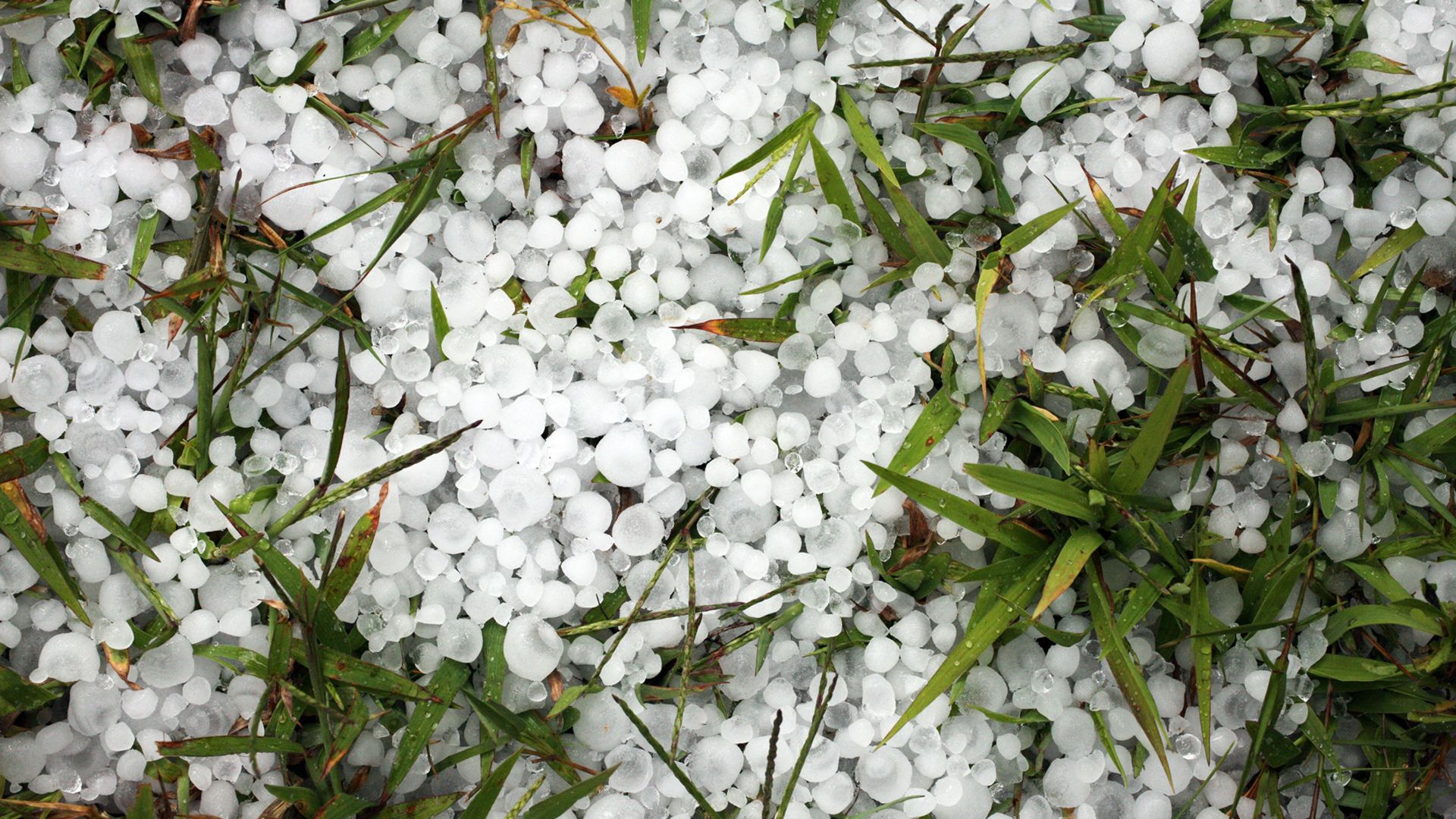
On the Prairies, thunderstorms can arrive with a kind of unshaken confidence. Hail has a specific sound when it hits a roof, and once you’ve heard it, you stop thinking of storms as cozy. Cars, crops, and windows all become suddenly fragile.
17. Buffalo And The Lake-Effect Snow Zone
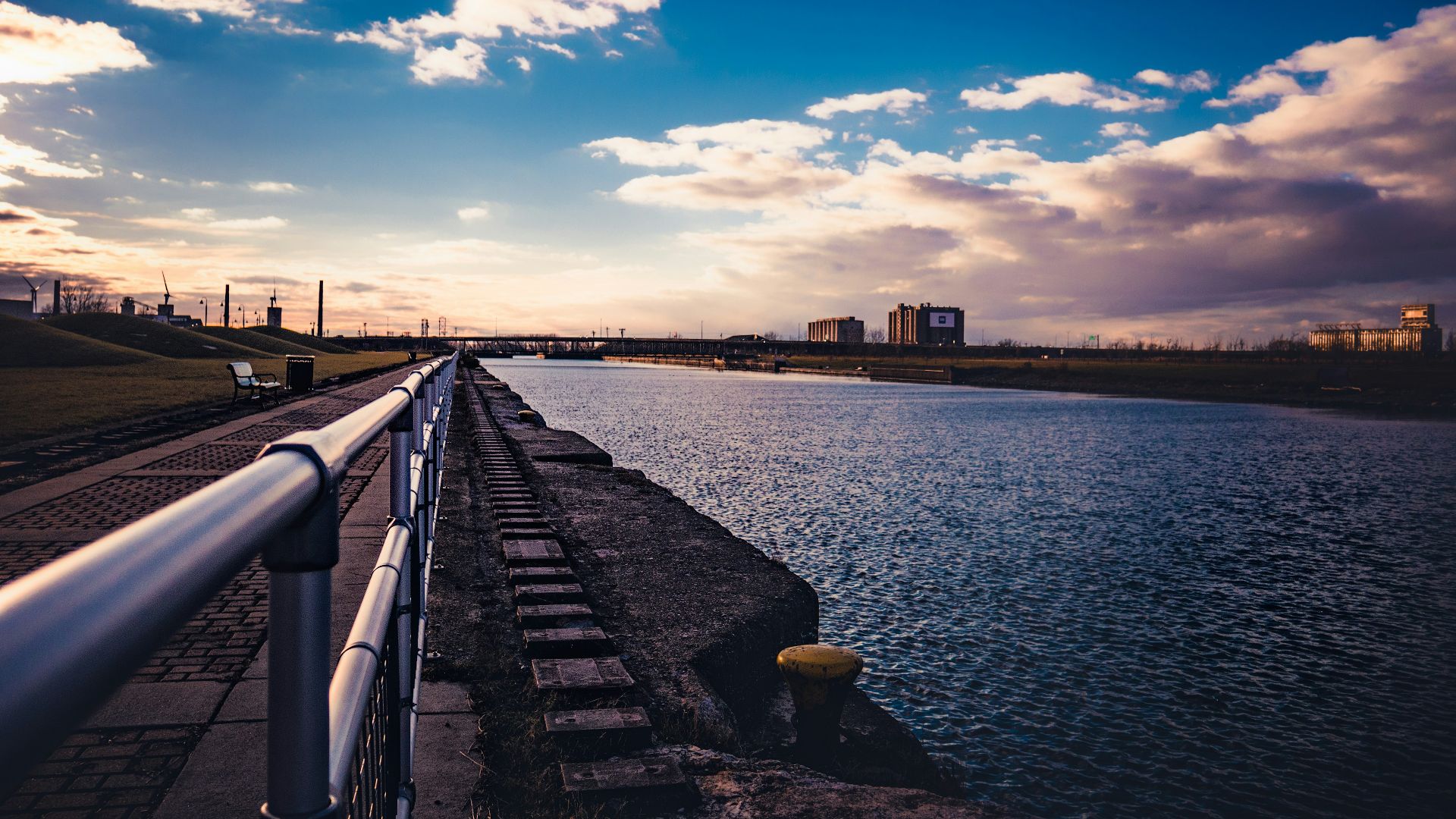
Lake-effect snow can turn a little winter weather into a full shutdown, with visibility dropping and drifts piling up in ways that feel unfair. One neighborhood can be buried while another is fine, which is part of the chaos. The cold isn’t the only issue, it’s the speed at which conditions can change.
18. Iceland’s Southern Coast In Winter
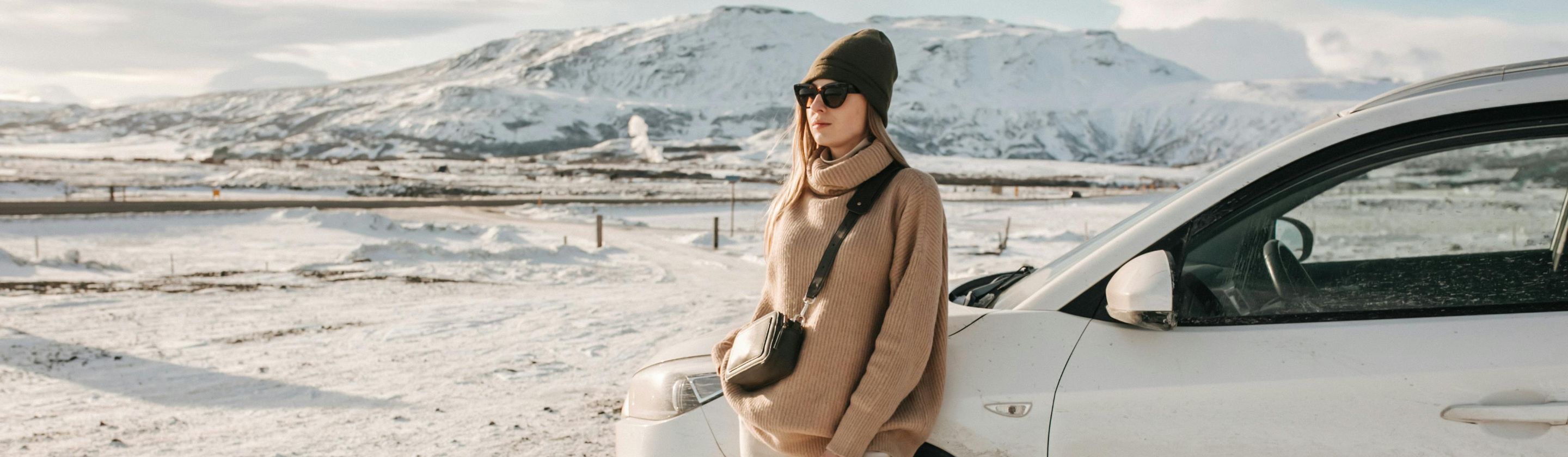
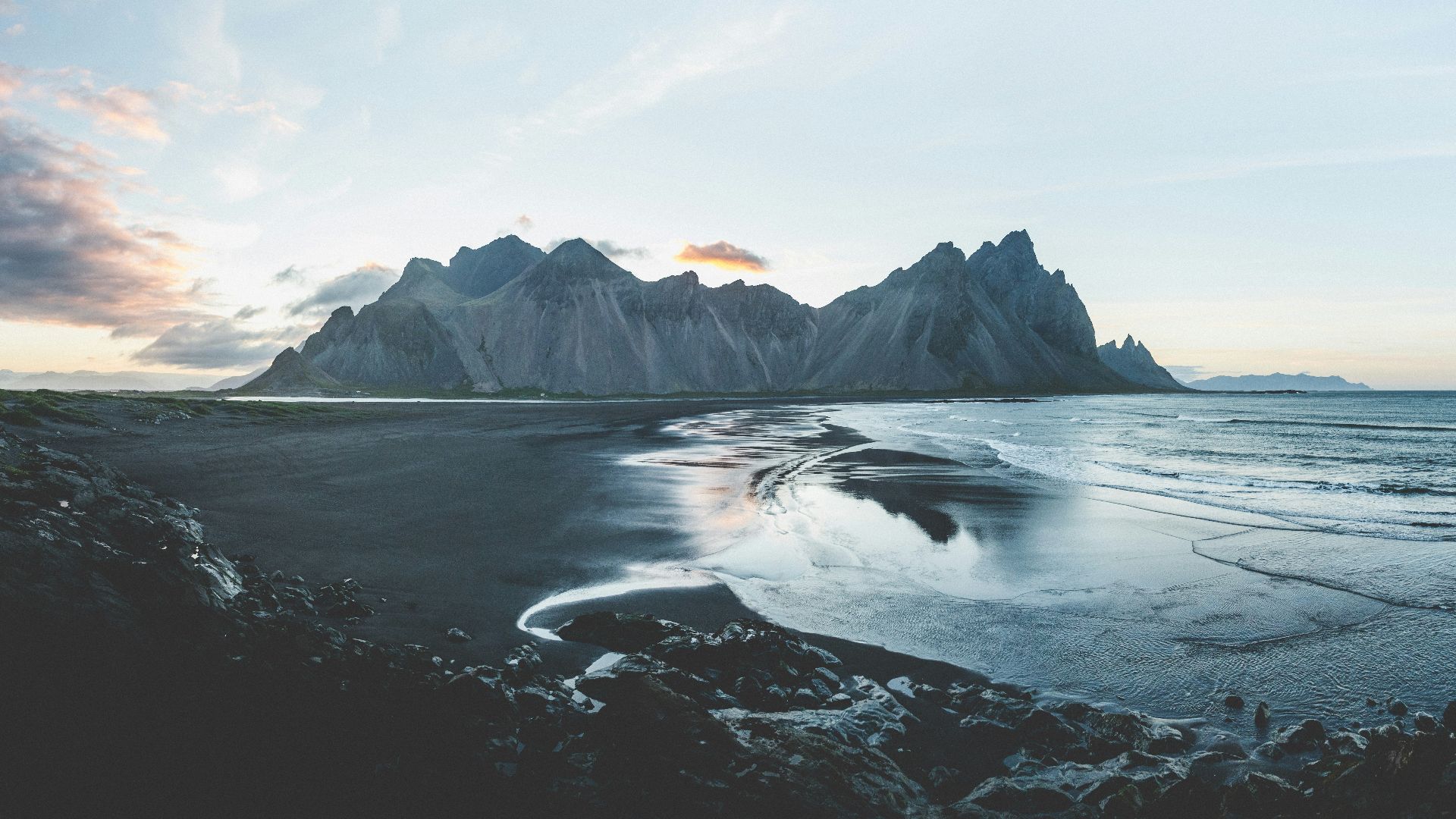
Iceland does wind and wet cold in a way that goes straight past your jacket and into your bones. Rain can come in sideways sheets, then switch to sleet without any warning that feels polite. The scenery is cinematic, but it's best enjoyed bundled up in winter gear.
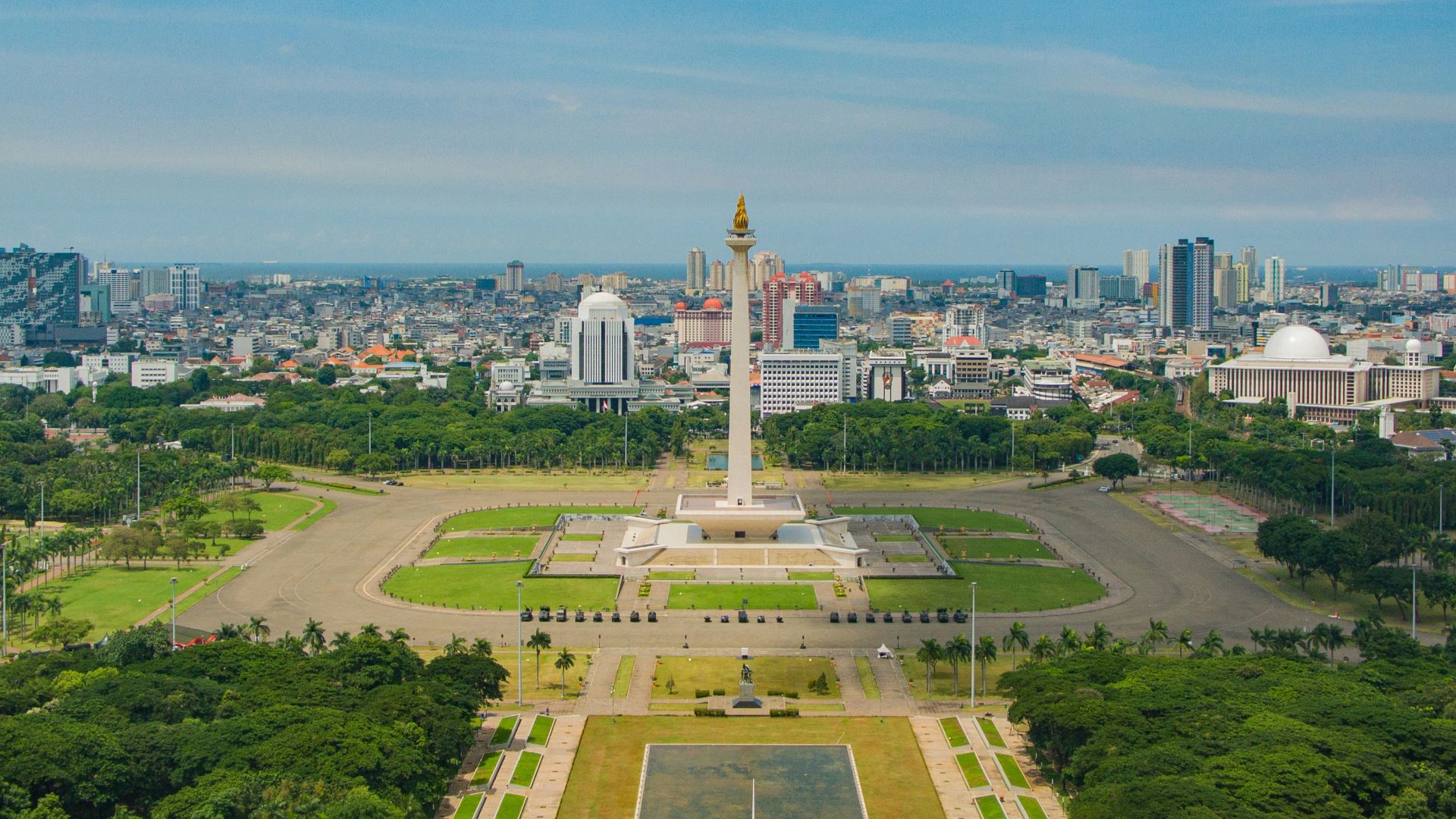
19. Jakarta, Indonesia During Flood Season
In Jakarta, heavy rain can stack on top of drainage problems and turn streets into shallow rivers with surprising current. Motorbikes keep going until they can’t, and then the day becomes about detours, delays, and keeping electronics dry. Humidity adds a second layer, making everything feel heavier, including time.
20. The High Andes
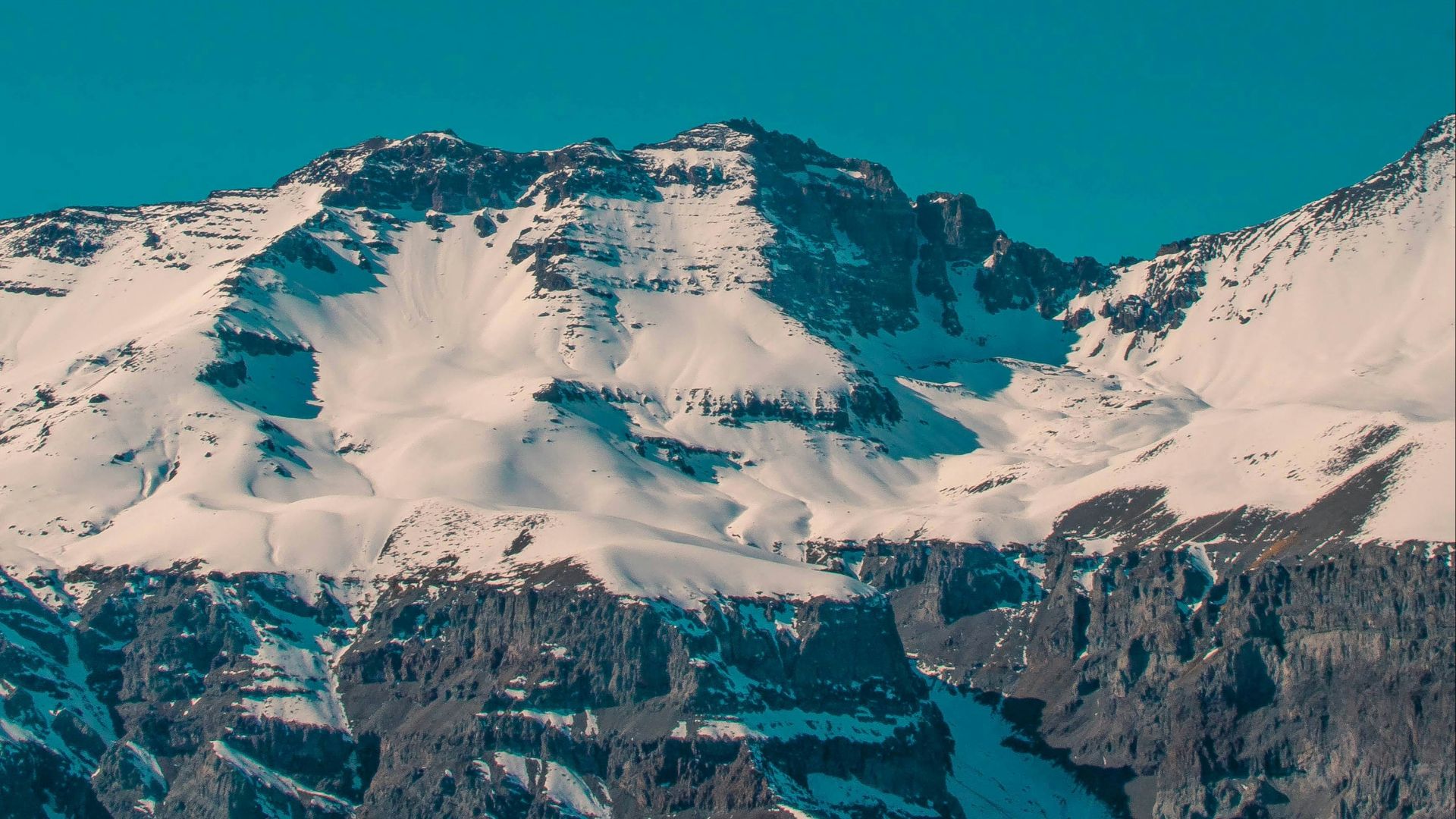
High altitude weather has a way of making you feel like you skipped an important tutorial. The sun can burn hard in thin air, then the temperature drops quickly once clouds roll in, and a calm afternoon can turn into hail that stings your face. Even simple walks feel different when the air itself is part of the challenge.