A Quick Vocabulary Boost Before Your Next Trip
Air travel comes with its own language, and whether you're an aviation geek or not, you’ll likely hear certain terms being thrown around everywhere from the gate area to the cockpit door. Knowing a few core vocabulary can make announcements clearer, helping you understand what’s happening during delays, and keep you from feeling lost when crews get technical. Ready to dive in? From "holding pattern" to "Mayday" and everything in between, here are 20 aviation terms you should know.
1. Air Traffic Control (ATC)
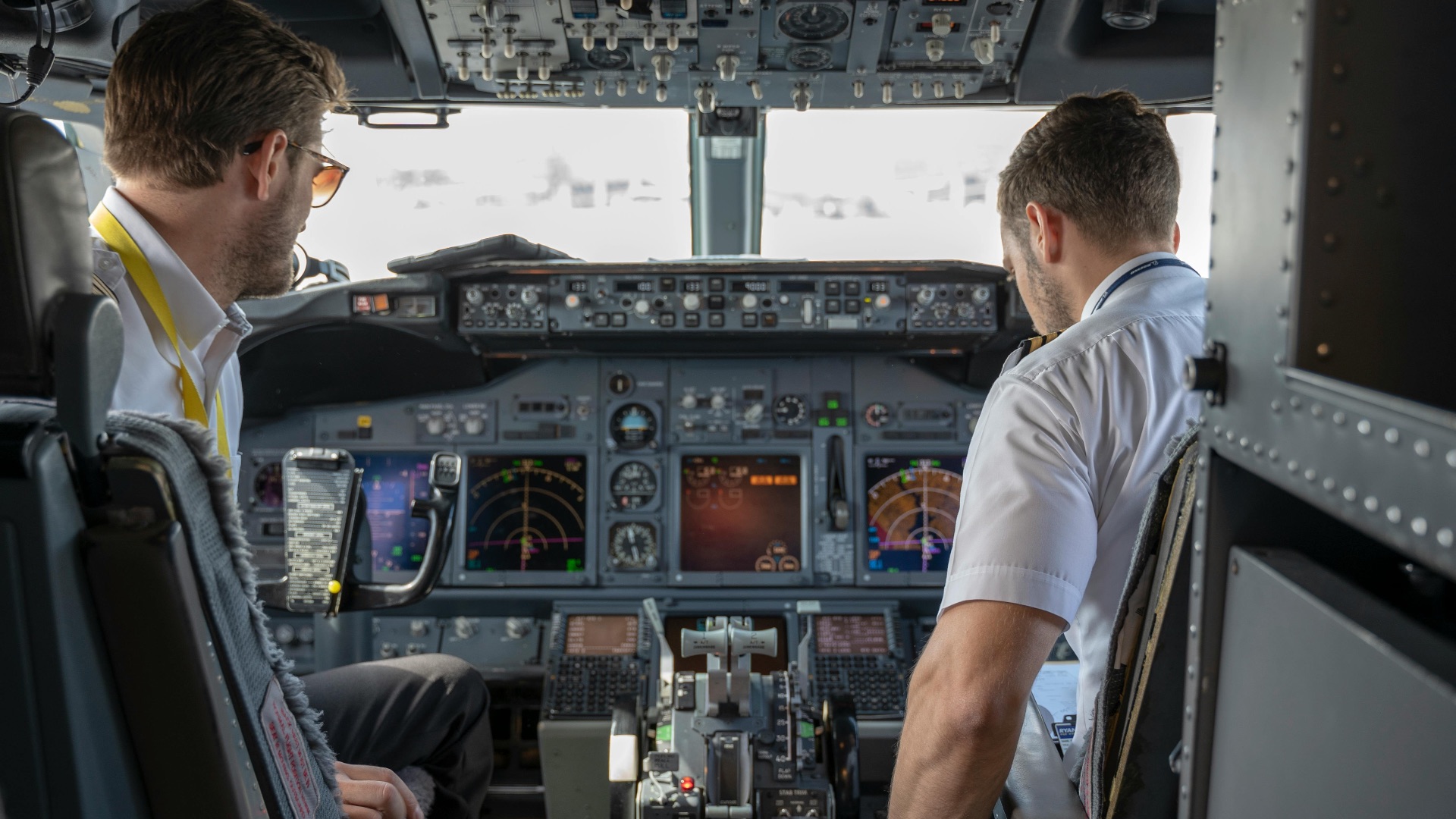
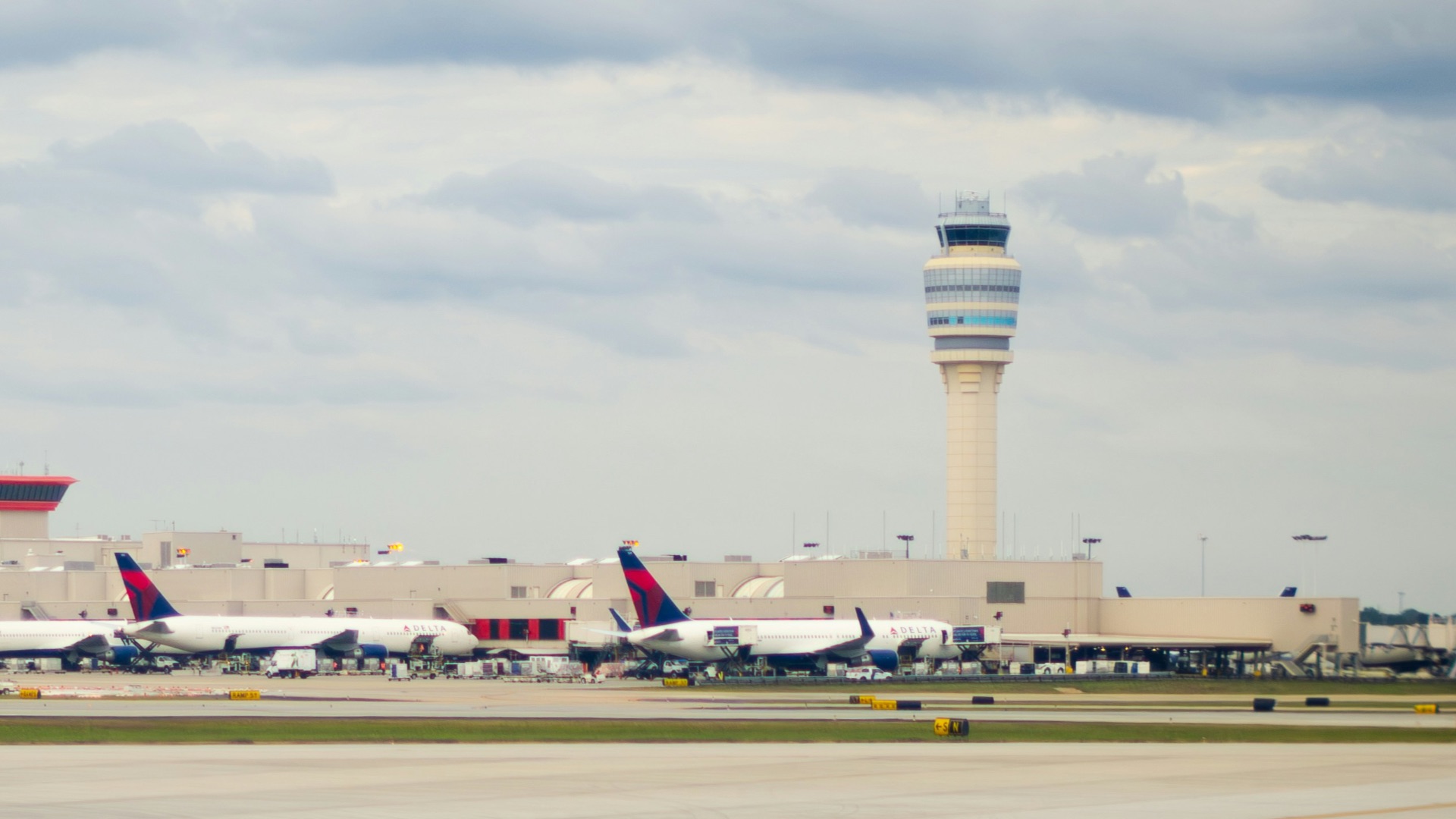
Air Traffic Control is the network of controllers and facilities that manage aircraft movements in the air and on the ground. They give instructions to keep planes safely separated and traffic flowing efficiently. If your pilot mentions waiting for ATC, it usually means the flight is being sequenced or rerouted for safety and timing.
2. Deicing
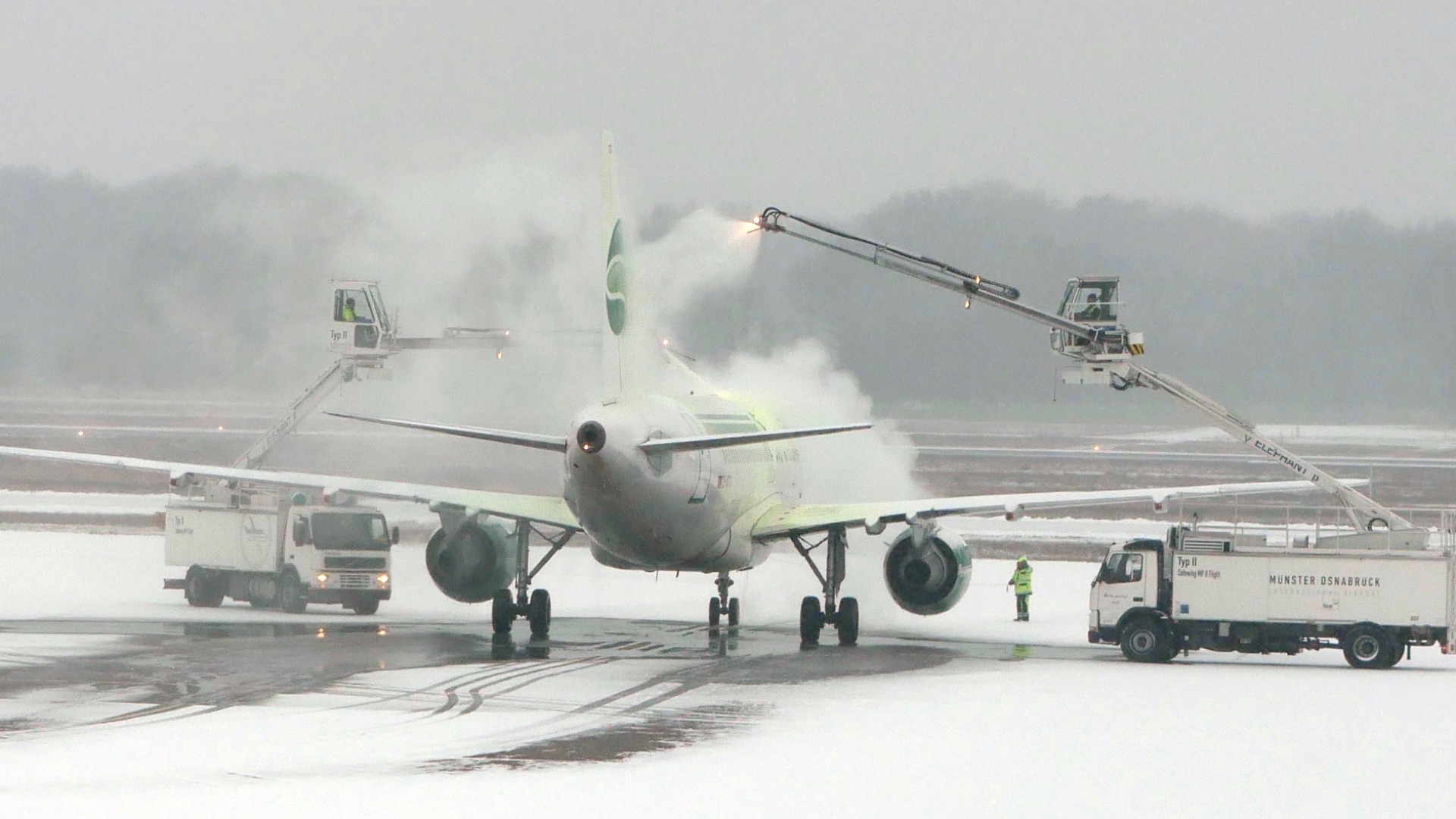
Deicing is the process of removing ice, snow, or frost from an aircraft’s surfaces before departure. It typically involves spraying heated fluid and can be required even if it doesn’t look that bad from your seat. When deicing is needed, it’s not optional, because clean, ice-free wings are essential for takeoff.
3. Turbulence
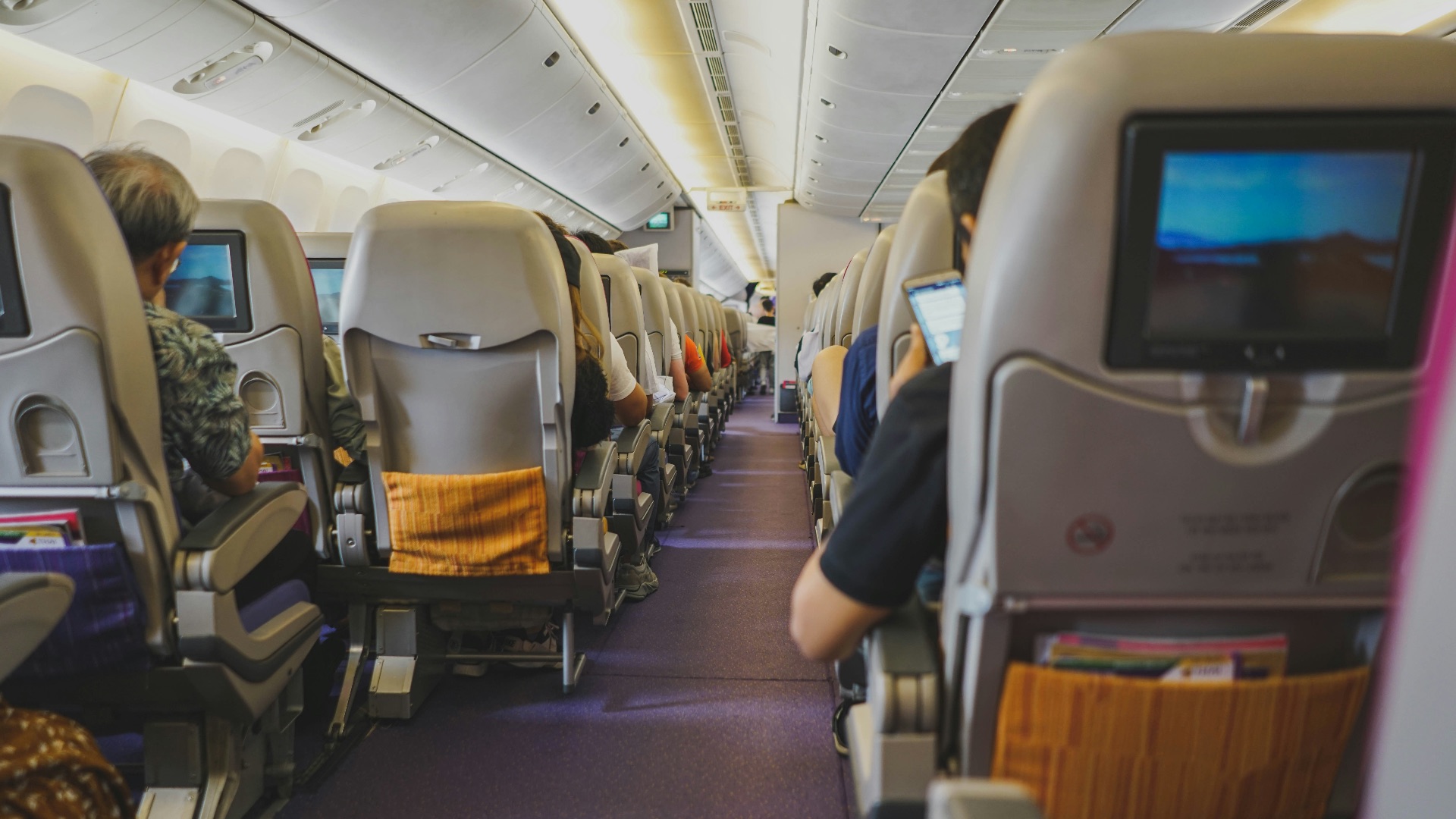
Turbulence is irregular air movement that can cause the aircraft to bump, sway, or change altitude slightly. It’s common, and pilots plan for it by adjusting speed, altitude, and route when possible. If the seatbelt sign stays on, it’s usually because the crew wants you secured in case conditions change quickly.
4. Flight Level
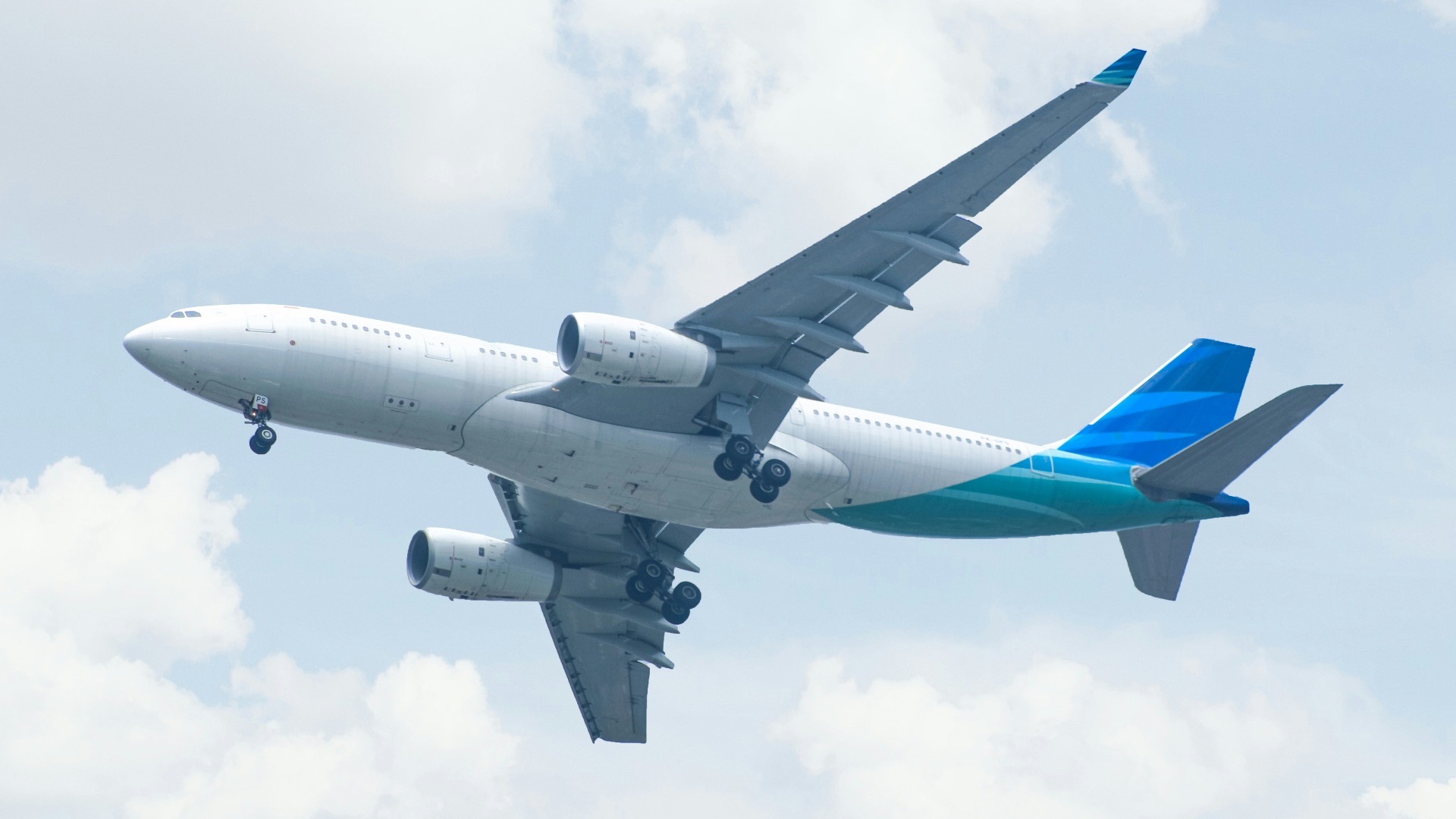
A flight level is an altitude expressed in hundreds of feet, standardized for high-altitude cruising. For example, “flight level three-five-zero” means 35,000 feet. Using flight levels helps maintain consistent separation between aircraft across wide regions.
5. Cruising Altitude
Cruising altitude is the height at which the aircraft flies for the main portion of the trip after climbing and before descending. It’s chosen based on distance, aircraft weight, weather, and traffic. Once you reach it, the ride often feels steadier, though bumps can still happen.

6. Holding Pattern
A holding pattern is a racetrack-shaped route an aircraft flies while waiting for permission to land, usually due to congestion or weather. It keeps aircraft organized and separated until the runway or airspace can accept them. If you’re told you’re “in a hold,” it doesn’t automatically mean anything is wrong with the plane.

7. Approach
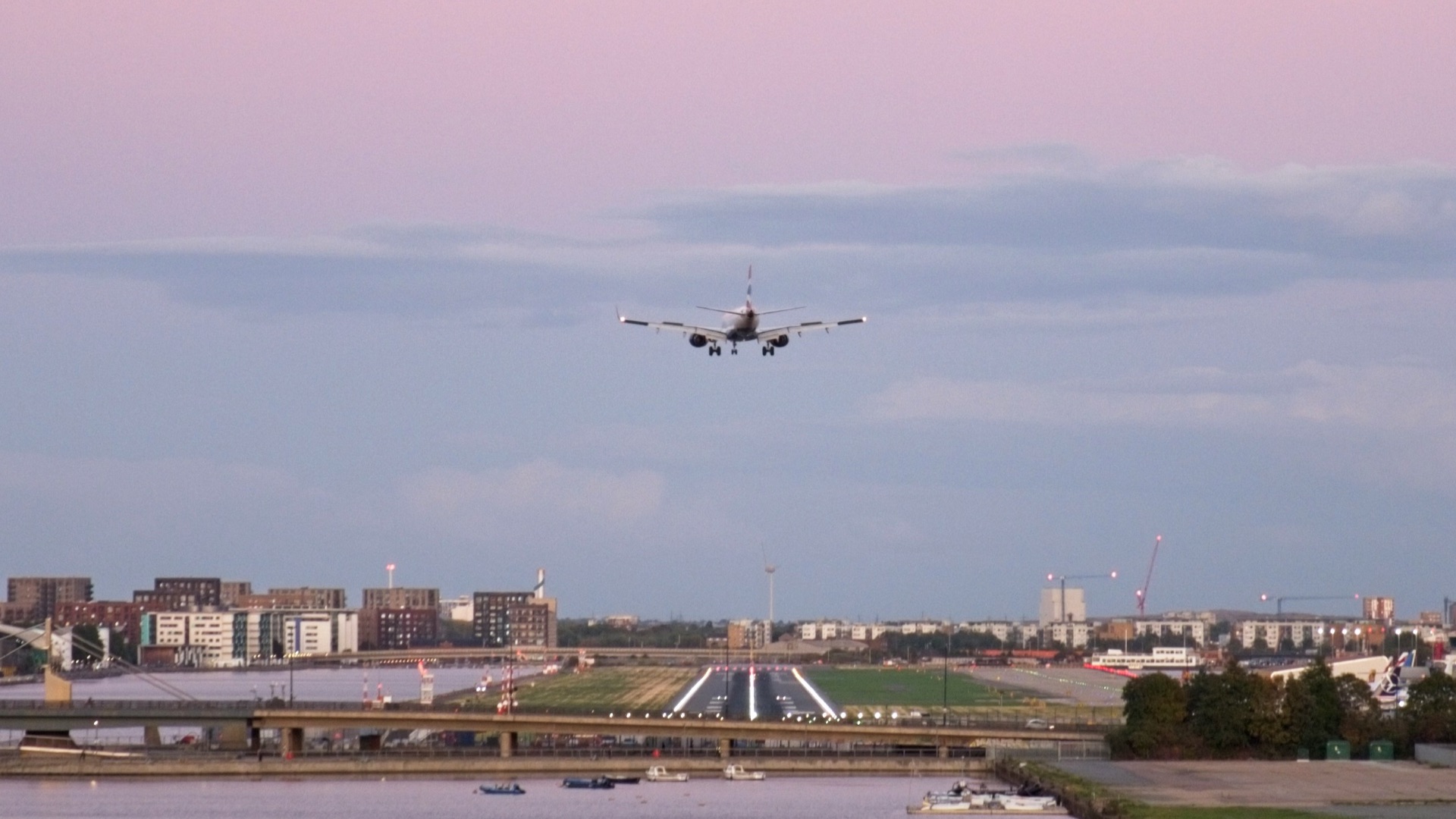
Approach refers to the phase of flight when the aircraft is lining up to land, including speed and altitude changes leading to the runway. There are different types of approaches depending on weather, terrain, and available equipment at the airport. When the crew says they’re “starting the approach,” you’re typically within about 30 minutes of landing, sometimes less.
8. Go-Around
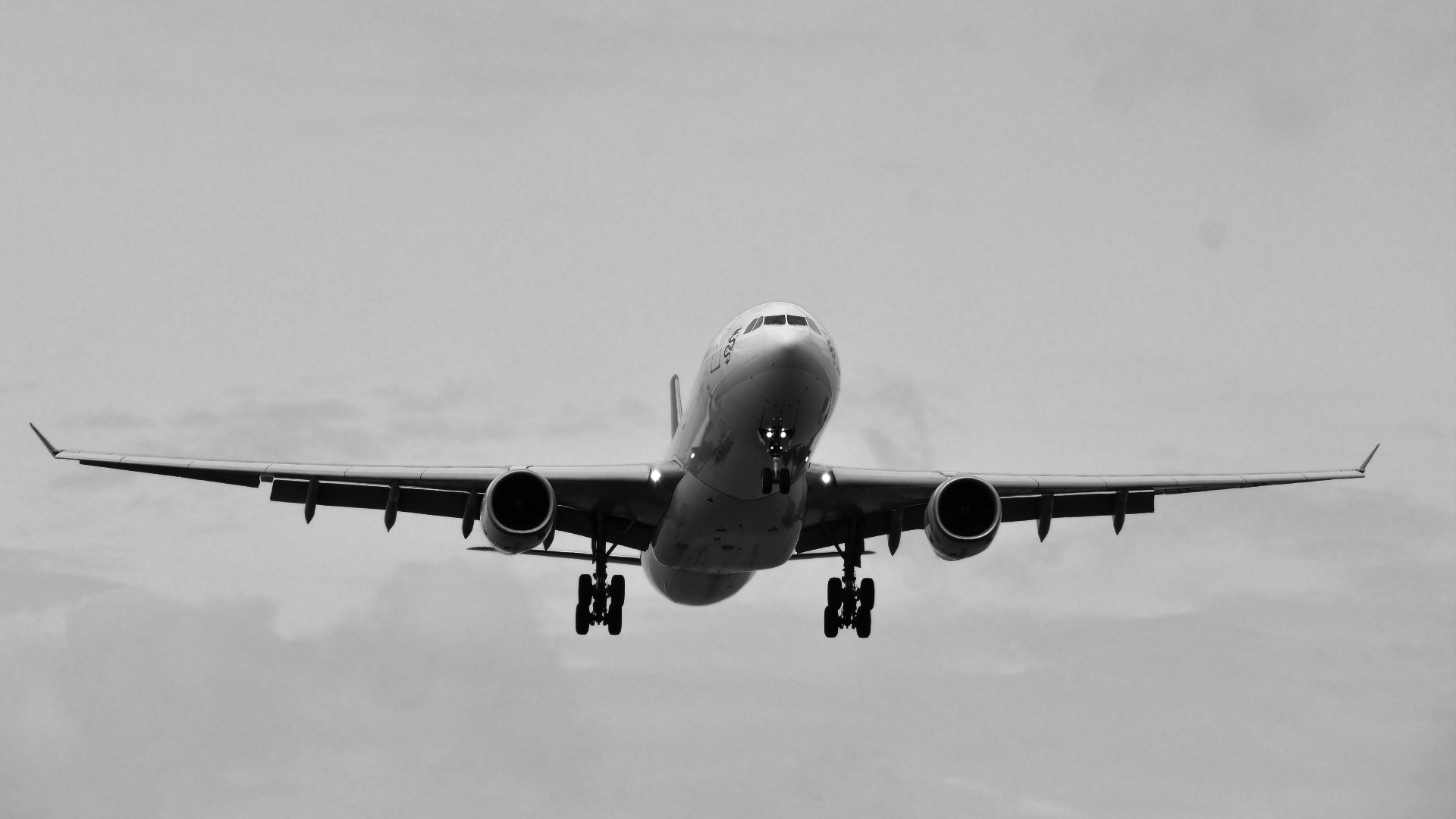
A go-around happens when a landing attempt is aborted and the aircraft climbs away to try again. It can be triggered by bad weather, wind shifts, runway traffic, unstable alignment, or other safety factors. It’s a normal maneuver, and pilots train for it regularly, even if it surprises passengers.
 Sankar Raman Sridhar on Unsplash
9. Runway Incursion
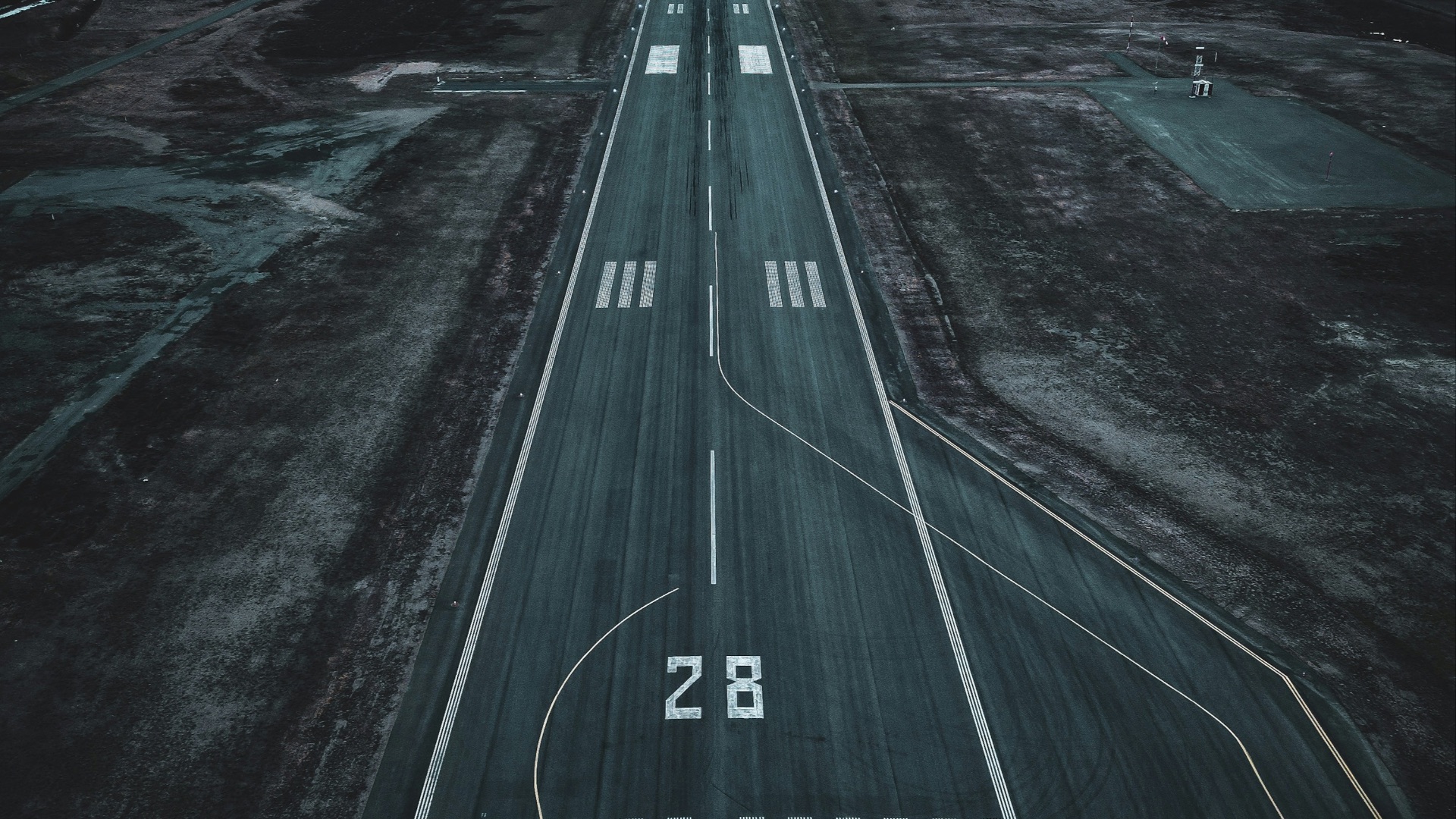
A runway incursion is when an aircraft, vehicle, or person is on a runway without proper authorization, creating a potential conflict or collision. Airports use strict procedures, lights, signs, and controller instructions to prevent these events. If you ever hear it mentioned in news or reports, it’s treated seriously because runways are high-risk areas.
10. NOTAM
A NOTAM is a “Notice to Airmen,” which is an official alert about temporary conditions that could affect a flight. It can cover runway closures, equipment changes, airspace restrictions, or unforeseen hazards. Crews review relevant NOTAMs as part of flight planning so they’re not blindsided.

11. Auxiliary Power Unit (APU)
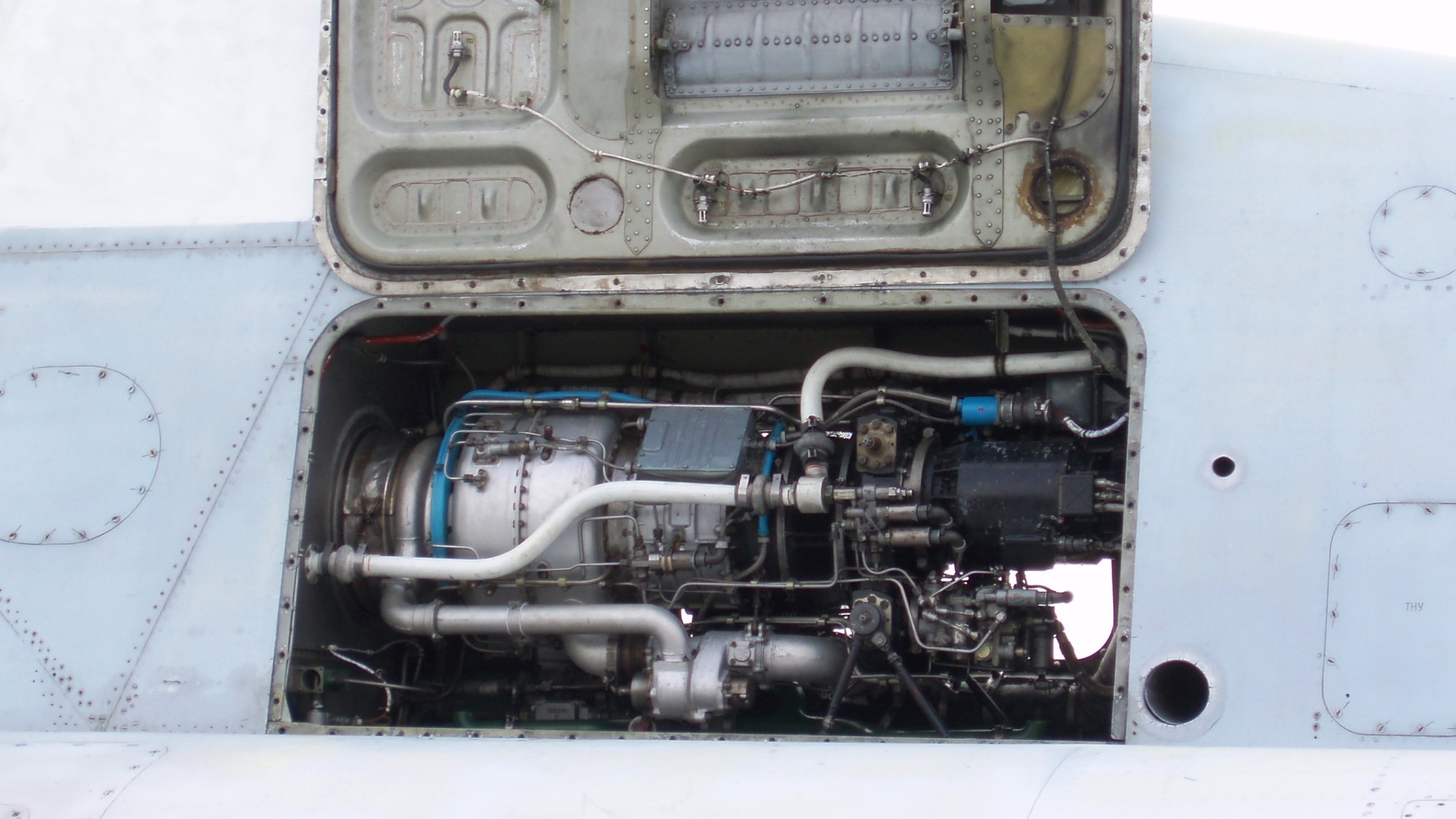
The Auxiliary Power Unit, or APU, is a small engine that provides electricity to basic systems when the main engines aren’t running properly or have flamed out. It's programmed to deploy immediately on its own when power runs out so pilots can still use their instruments.
 Ромашов Герман Викторович on Wikimedia
12. Mayday
“Mayday” is the international voice distress call that signals a life-threatening emergency and requires immediate help. It’s reserved for situations where an aircraft is in serious danger, not just inconvenience or mechanical caution. If you ever hear it referenced, it means the flight crew is requesting urgent priority handling.
13. Pan-Pan
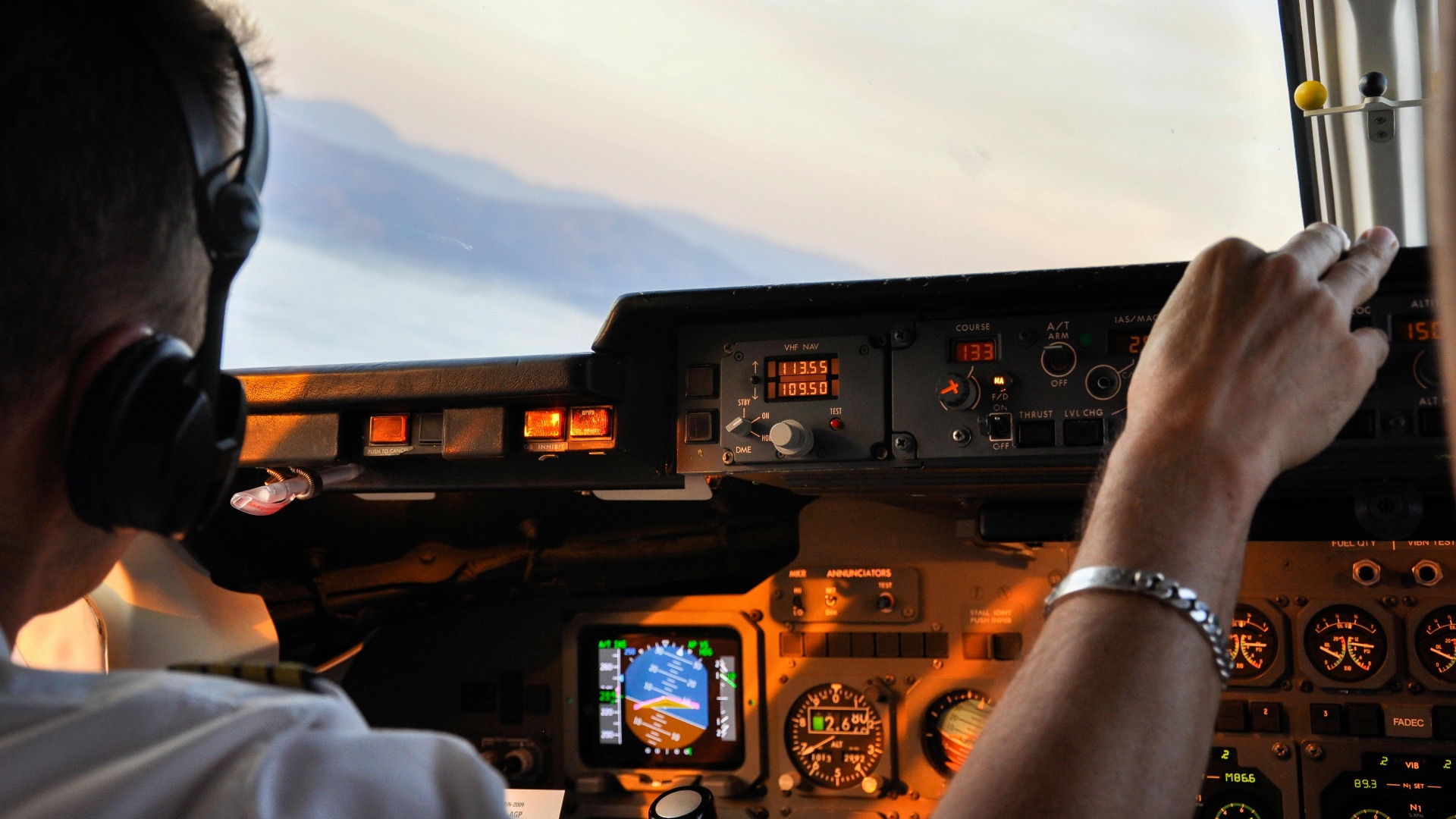
“Pan-pan” is an urgency call that’s serious but not immediately life-threatening. It can be used for problems that require priority or extra coordination, such as certain medical issues or system faults with backups available. You won’t usually hear it as a passenger, but it’s an important term that sits just below “Mayday.”
14. V1
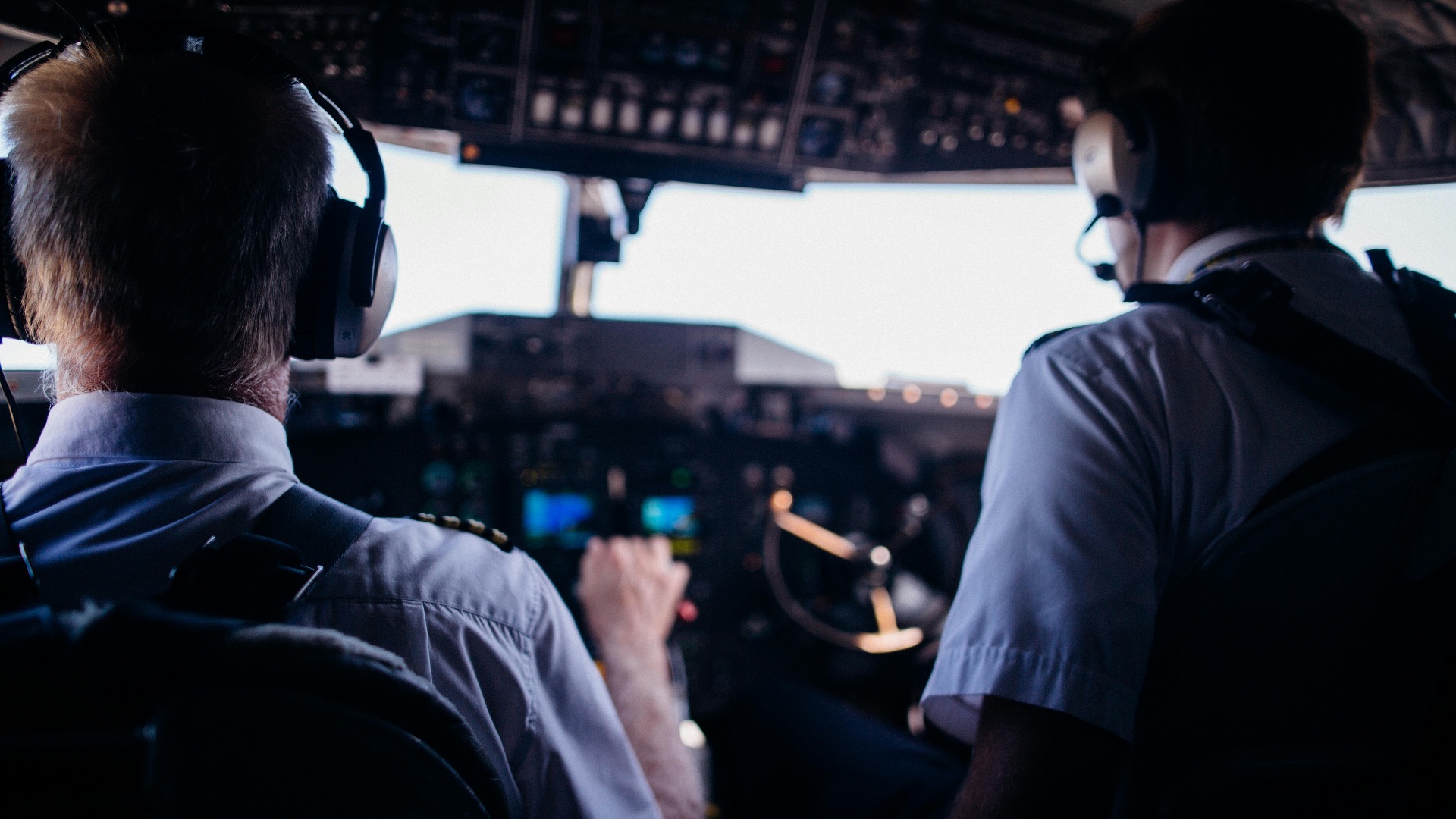
V1 is the takeoff decision speed, meaning it’s the point at which the crew commits to continuing the takeoff in most situations. Below V1, a rejected takeoff is generally more feasible; above it, stopping can require too much runway. It’s one of the most critical numbers in takeoff performance planning.
 Franz Harvin Aceituna on Unsplash
15. Rotate
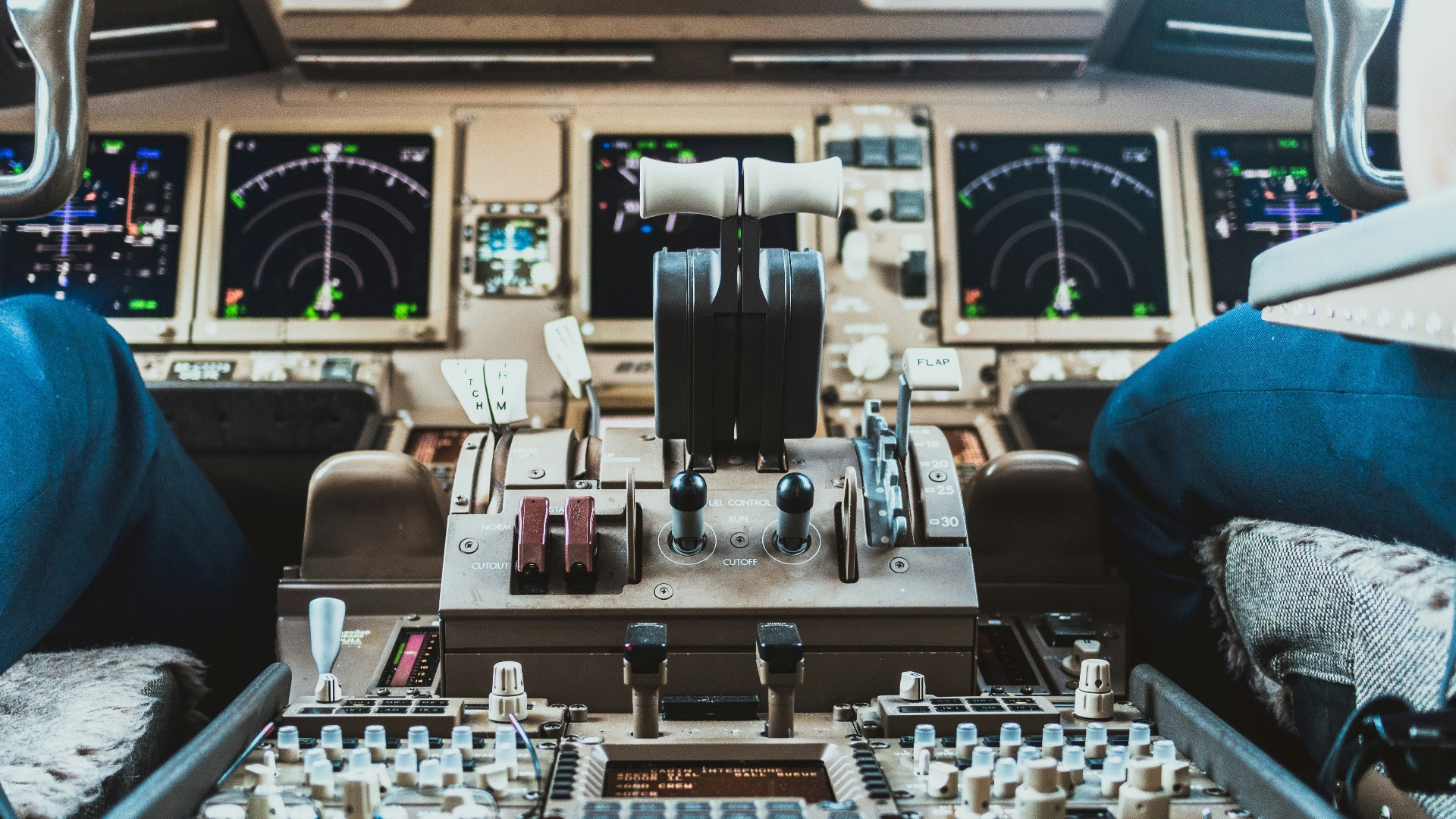
“Rotate” is the callout that cues the pilot flying to pull back slightly and increase the aircraft’s pitch for liftoff. It’s timed so the wings can generate enough lift without striking the tail or forcing the aircraft off the runway too early. That single word is tied to precise speeds and trained technique.
 Kristopher Allison on Unsplash
16. Flaps
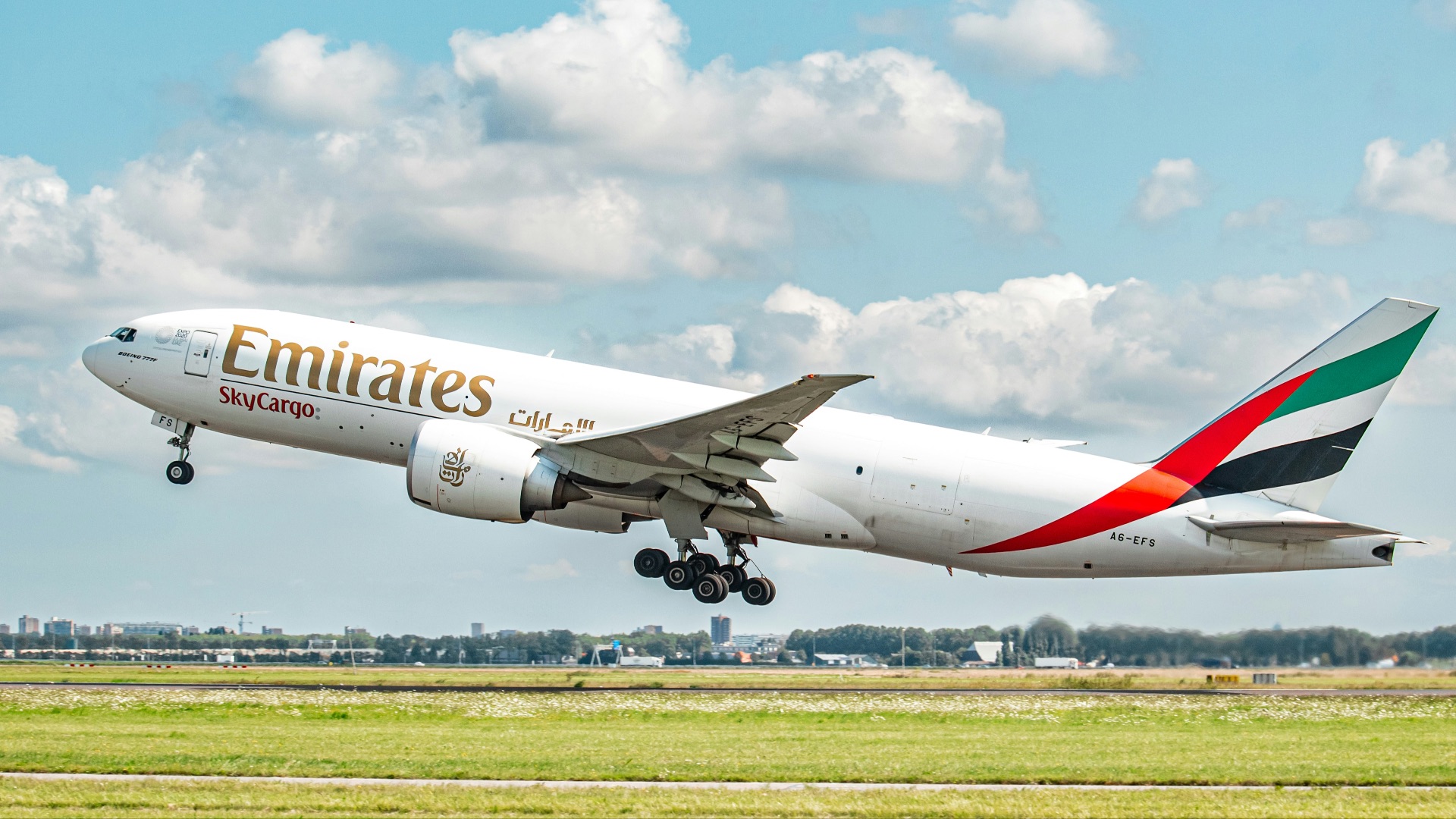
Flaps are hinged surfaces on the trailing edge of the wing that extend to increase lift at lower speeds. They also add drag, which helps control speed and descent on approach. You’ll see them deployed during takeoff and landing because those phases require more lift at slower airspeeds.
17. Angle of Attack (AoA)
Angle of attack is the angle between the wing and the oncoming airflow, and it’s a major factor in lift generation. If the angle gets too high, airflow can separate from the wing and lead to a stall. Pilots manage AoA with pitch and speed, not with altitude alone.
18. Stall
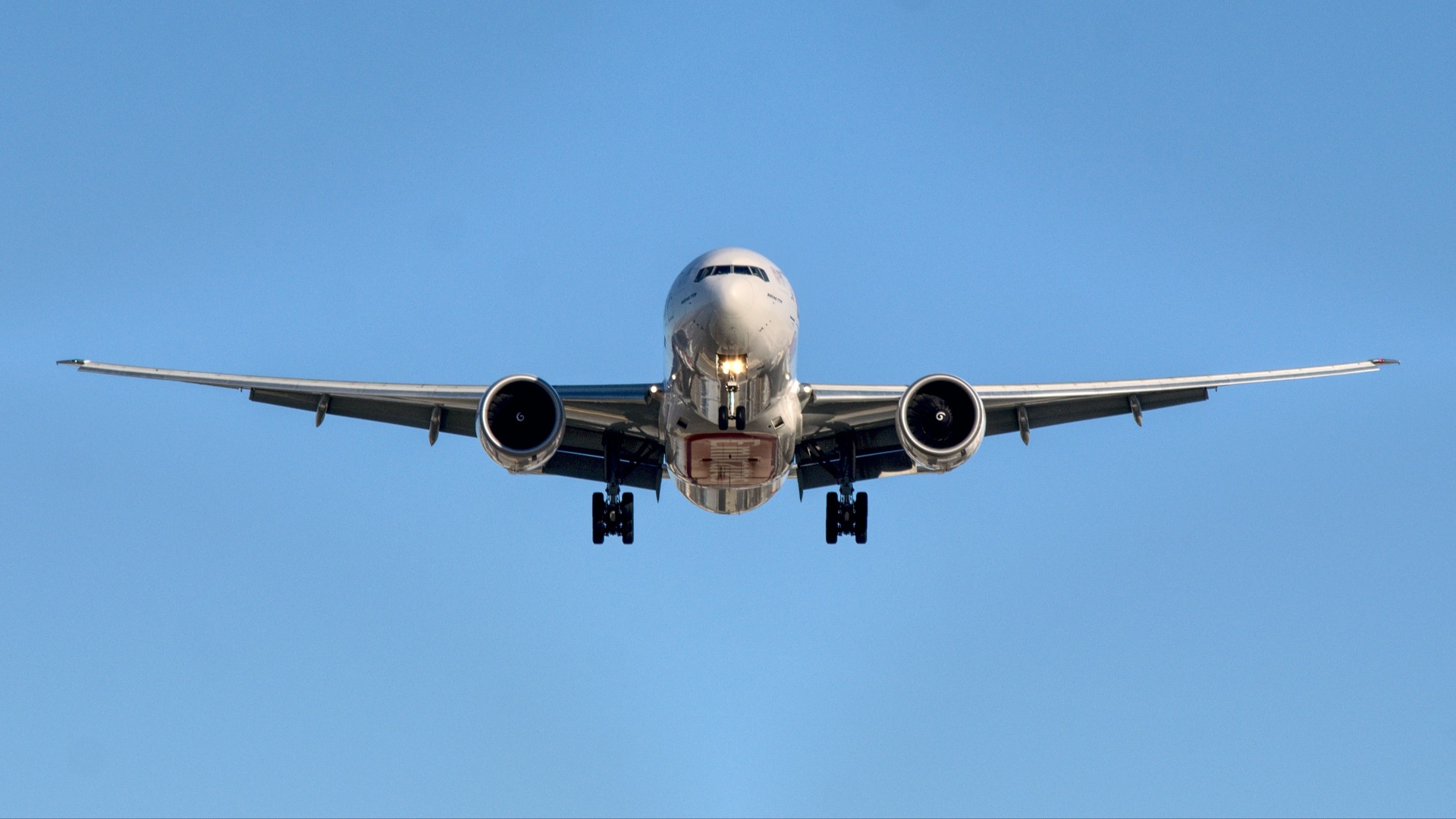
A stall is an aerodynamic condition where the wing can’t produce enough lift because the airflow has separated. It can happen at any altitude if the wing’s AoA becomes excessive. Modern airliners have multiple protections, warnings, and training procedures to prevent and recover from stalls.
19. Autopilot
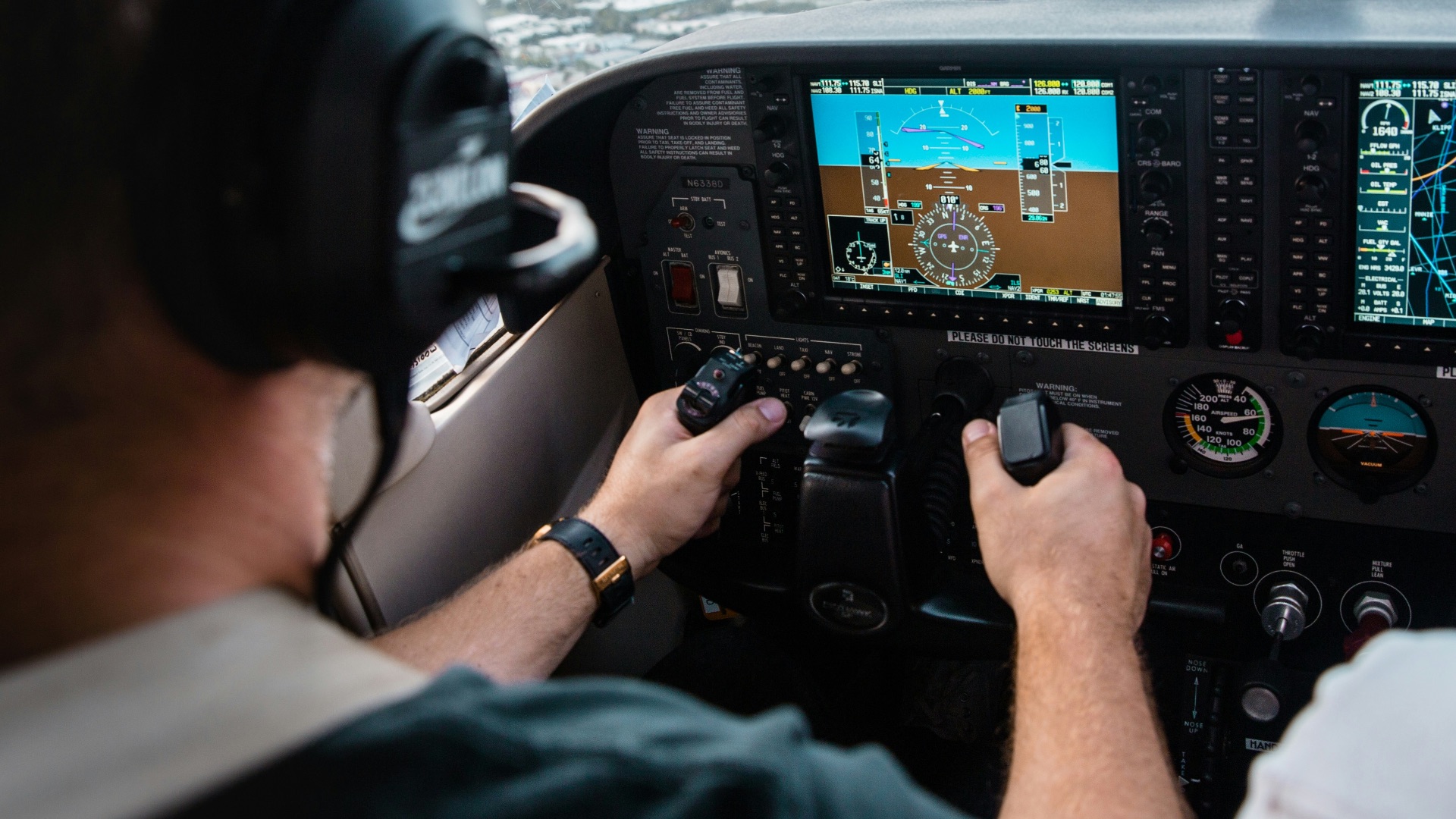
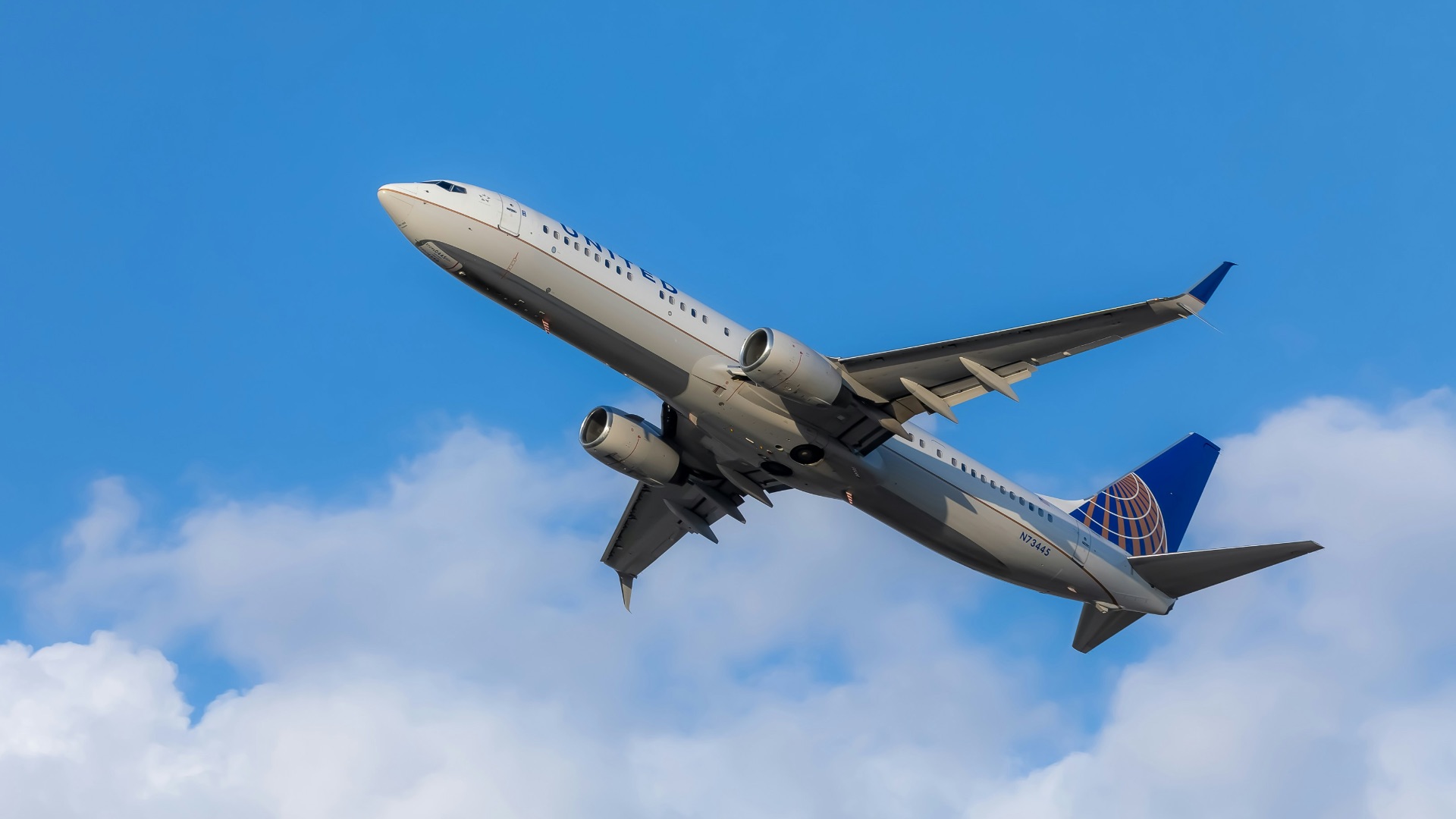
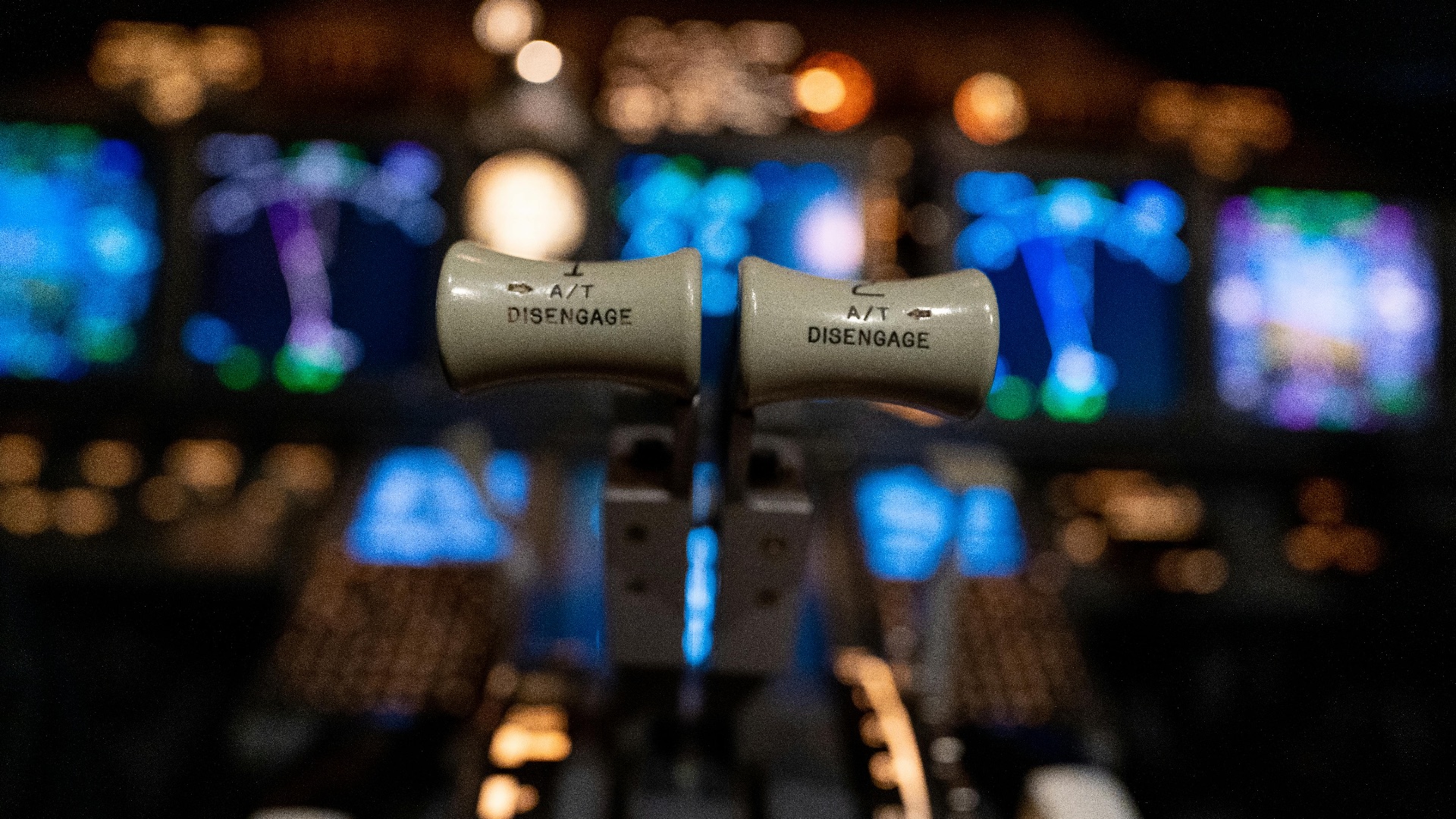
Autopilot is a flight control system that can maintain a selected heading, altitude, speed, or route under pilot supervision. It doesn’t replace the pilots, because they configure it, monitor it, and can disconnect it instantly. In airline operations, autopilot is often used to reduce workload and improve precision.
20. Instrument Landing System (ILS)
The Instrument Landing System, or ILS, is a ground-based system that provides precise lateral and vertical guidance to help an aircraft line up with the runway. It’s especially useful in low visibility, and crews often favor ILS approaches on descent. However, even when using ILS, pilots still monitor the approach and can go around if it isn’t stable.