Crossing The Atlantic
Americans often like going to Europe because it offers a lot of variety in a relatively small space, so you can move between distinct countries, cuisines, and historic city centers without spending all day traveling. However, what the continent makes up for in culture, it can lack in other areas, particularly when it comes to service and convenience. In the end, Europe tends to reward curious, flexible travelers, while it can frustrate anyone who wants a trip that feels effortless from start to finish.

1. Hitting More Than One Country
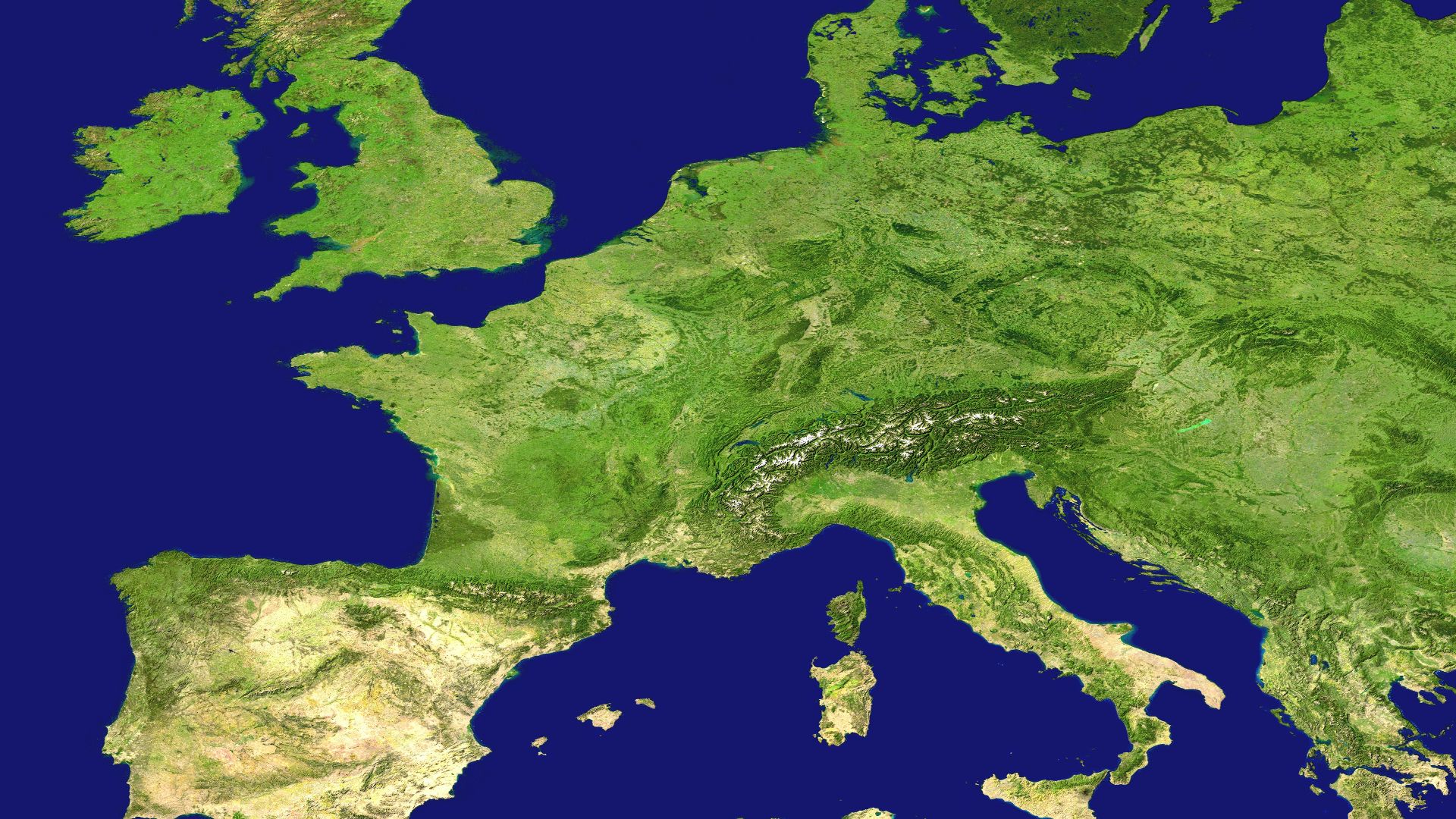
One of the biggest thrills is how quickly you can cross borders and feel a change in language, food, and culture. A short train ride can take you from Paris to Brussels or from Vienna to Budapest. This makes it easier to build a multi-stop itinerary without burning vacation days in transit.
2. Walkable City Centers
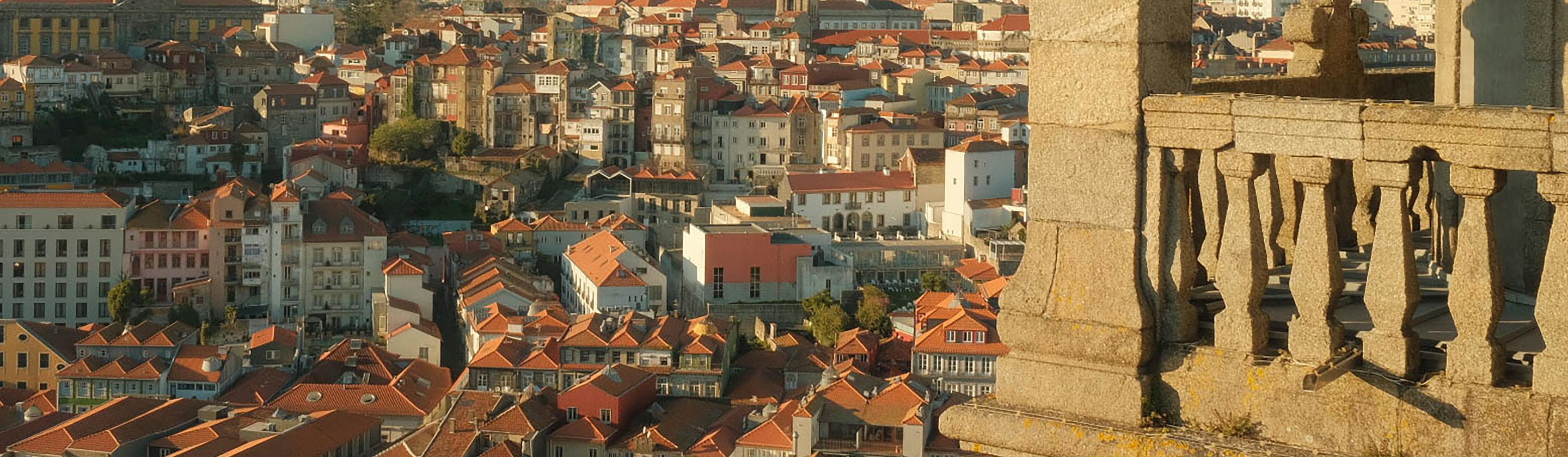
Many European cities are built around compact centers where you can do most of your sightseeing on foot. You get scenic streets, public squares, and neighborhoods that feel lively without ever needing a car.
3. Great Public Transportation
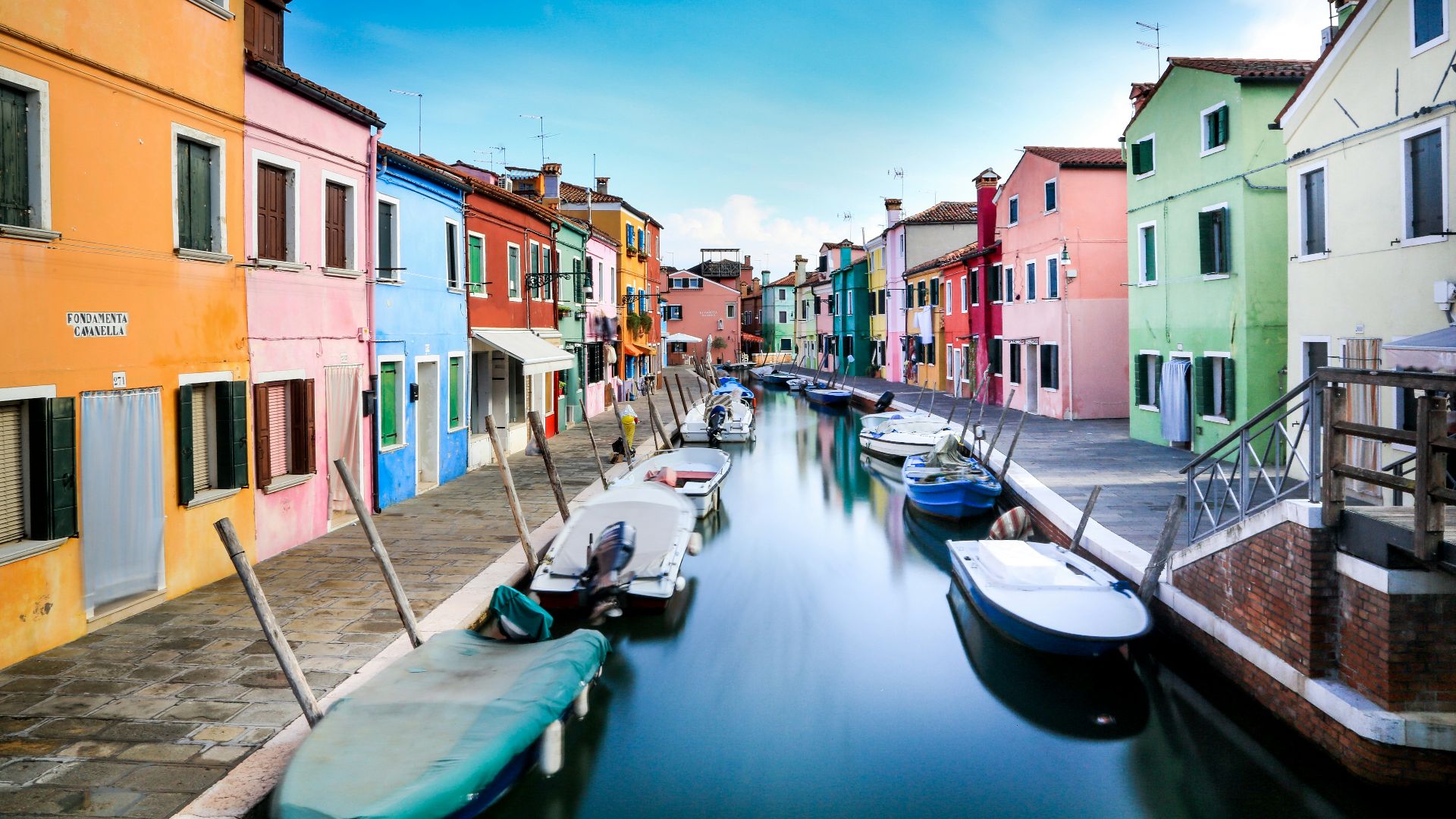
Trains, metros, and buses are often straightforward, frequent, and well-connected. Even if you’re not a confident navigator, you can usually get where you want with a little patience and a map app. That takes stress out of day trips, airport transfers, and late dinners. You also save money by skipping the rental car desk.
4. Food Feels Special
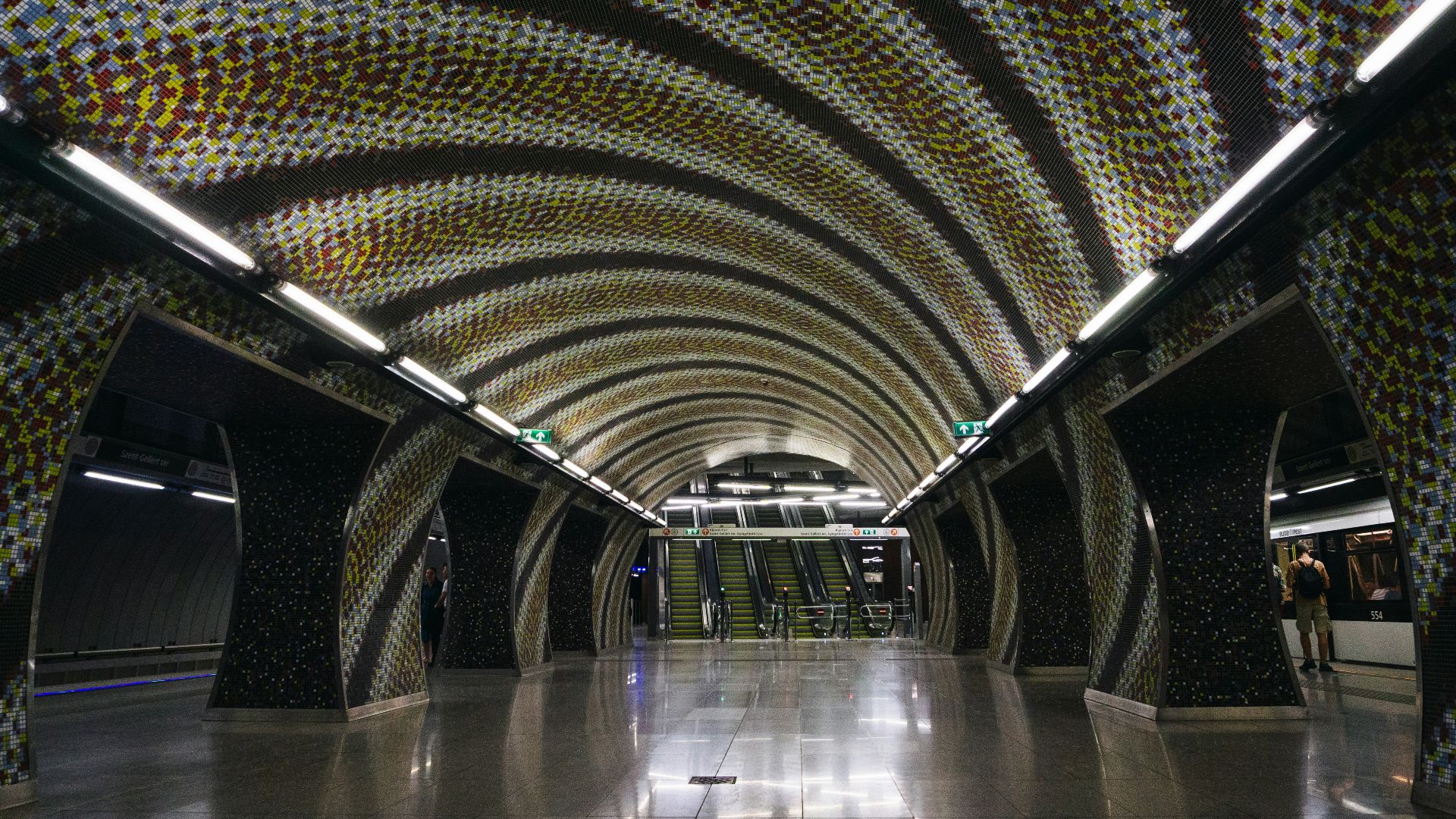
Eating in Europe can feel like part of the main event rather than something you squeeze between attractions. You can sit down for a long meal, try local specialties, and still keep it casual. Many Americans also love simple pleasures, like fresh bread, good cheese, and strong coffee. It’s easy to build your day around what you want to taste.
5. History You Can See
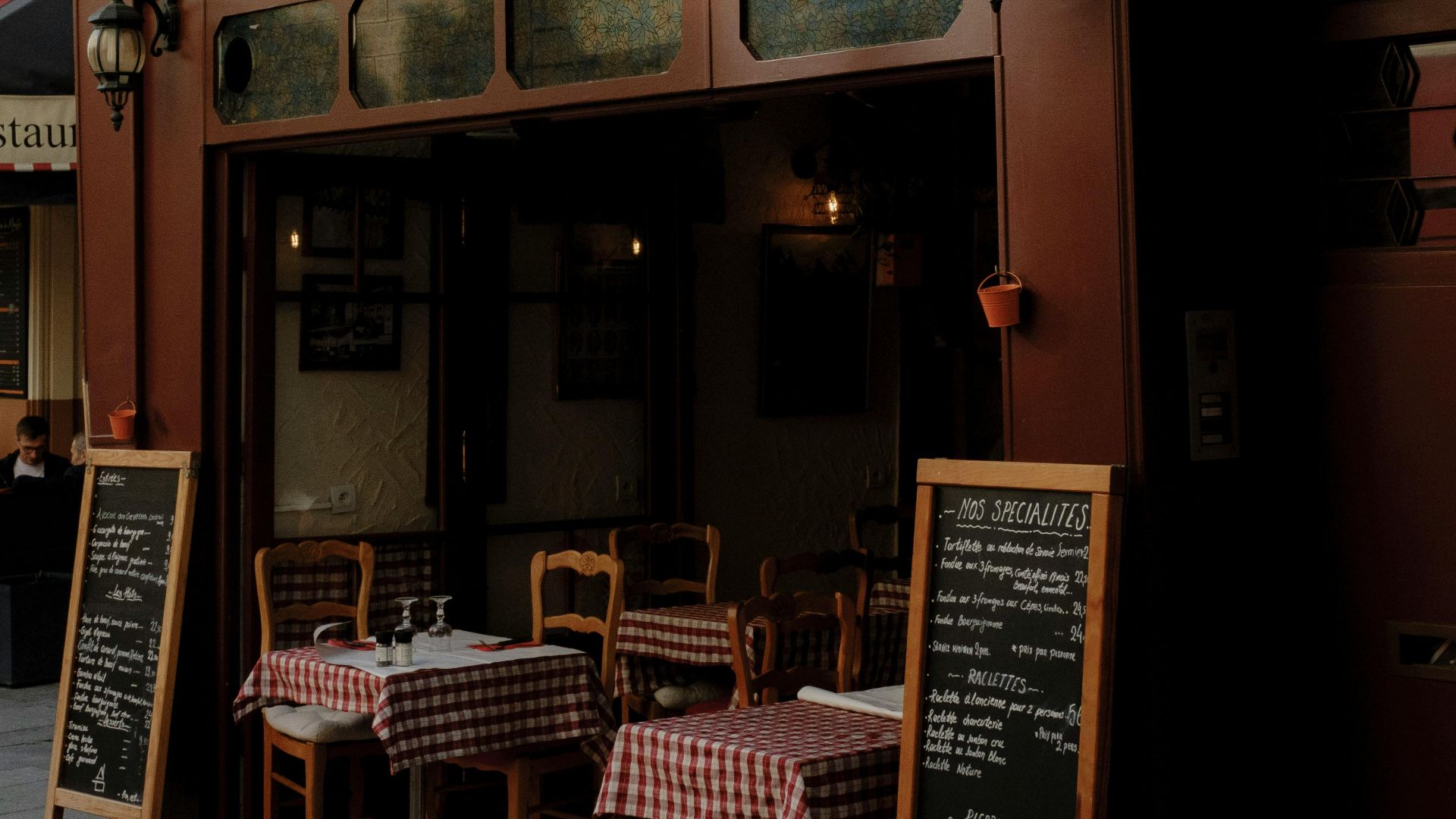
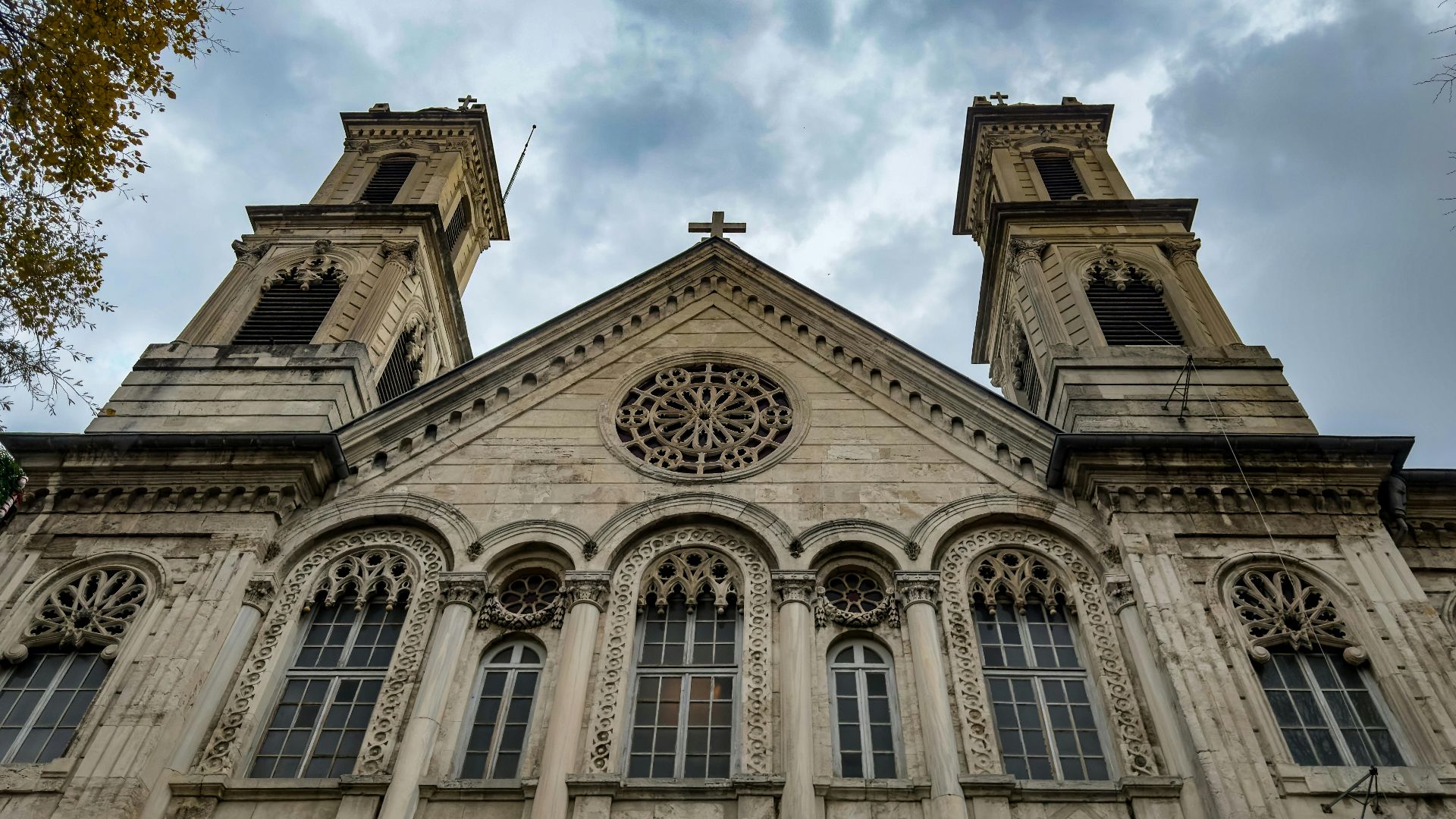
Europe has historic sites that are woven into everyday life, not fenced off in one corner. You can walk past Roman ruins, medieval streets, and centuries-old churches on the way to dinner. That constant sense of place makes sightseeing feel natural.
6. Museums Worth Planning For
From world-famous collections to smaller local museums, the variety is huge. You can spend hours at places like the Louvre, the Prado, or the Uffizi, then switch to a niche museum the next day.

7. Easy Day Trips
Europe is full of places where you can stay in a major city and still reach smaller towns quickly. You can base yourself in London and visit Bath, or stay in Rome and explore Tivoli. That flexibility keeps your schedule feeling fun, but not rushed. It also allows you to stay in the same hotel for more than one night.
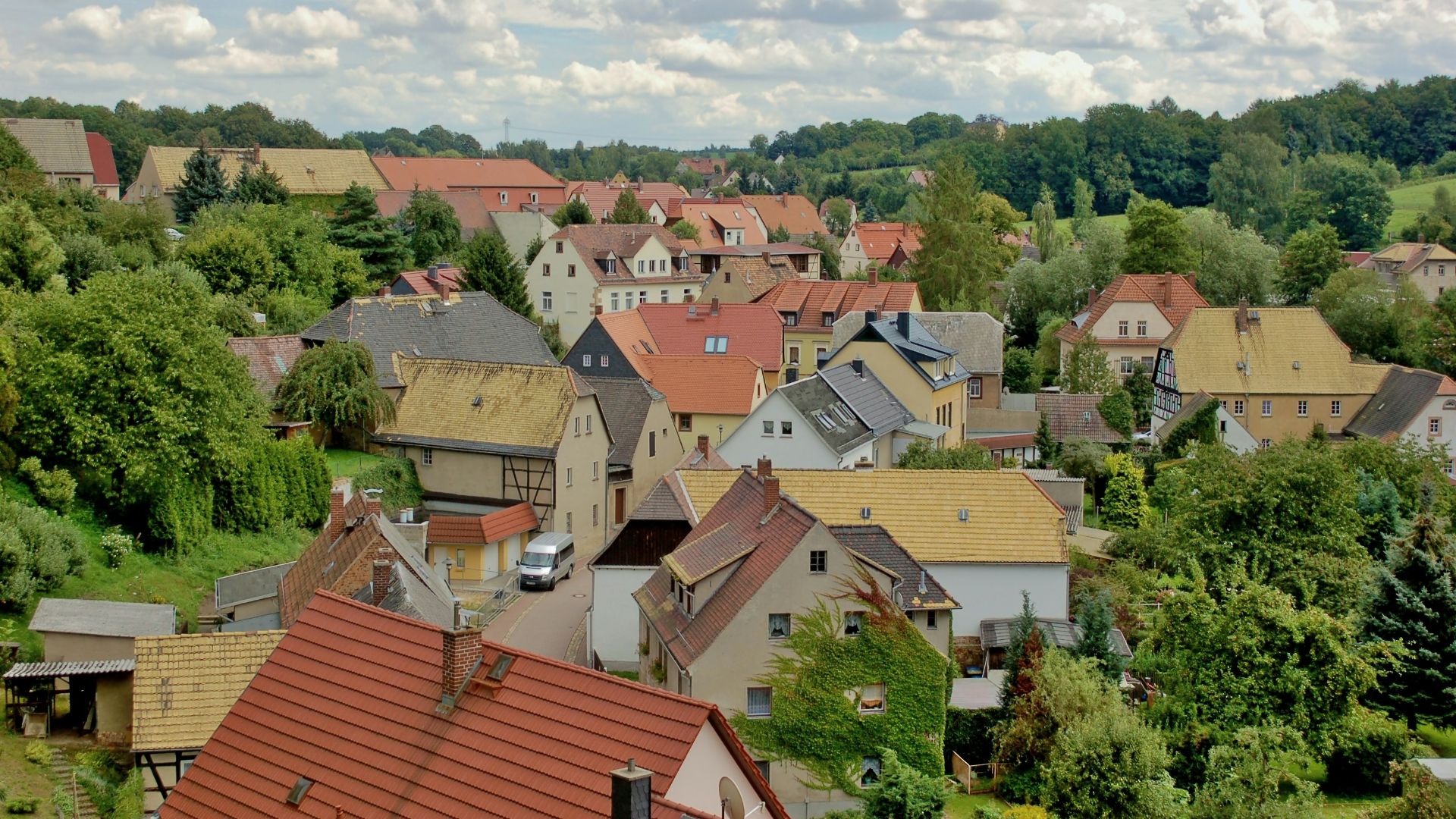
8. Distinct Local Cultures
Even neighboring regions can feel surprisingly different in traditions and daily routines. You notice it in meal times, greetings, shopping hours, and what people do for fun at night. Americans often enjoy that sense of discovery because it makes travel feel more immersive.
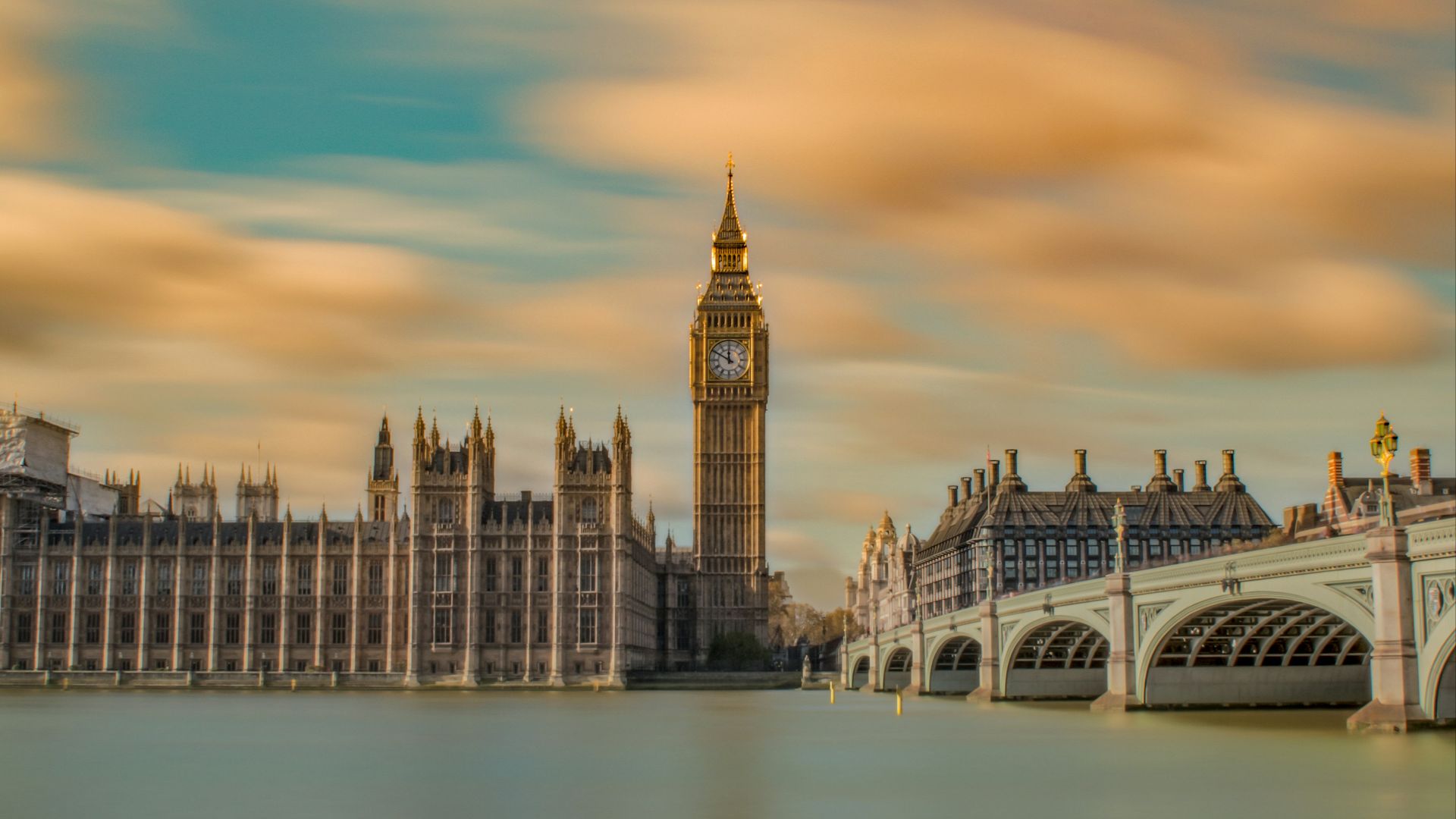 Massimiliano Morosinotto on Unsplash
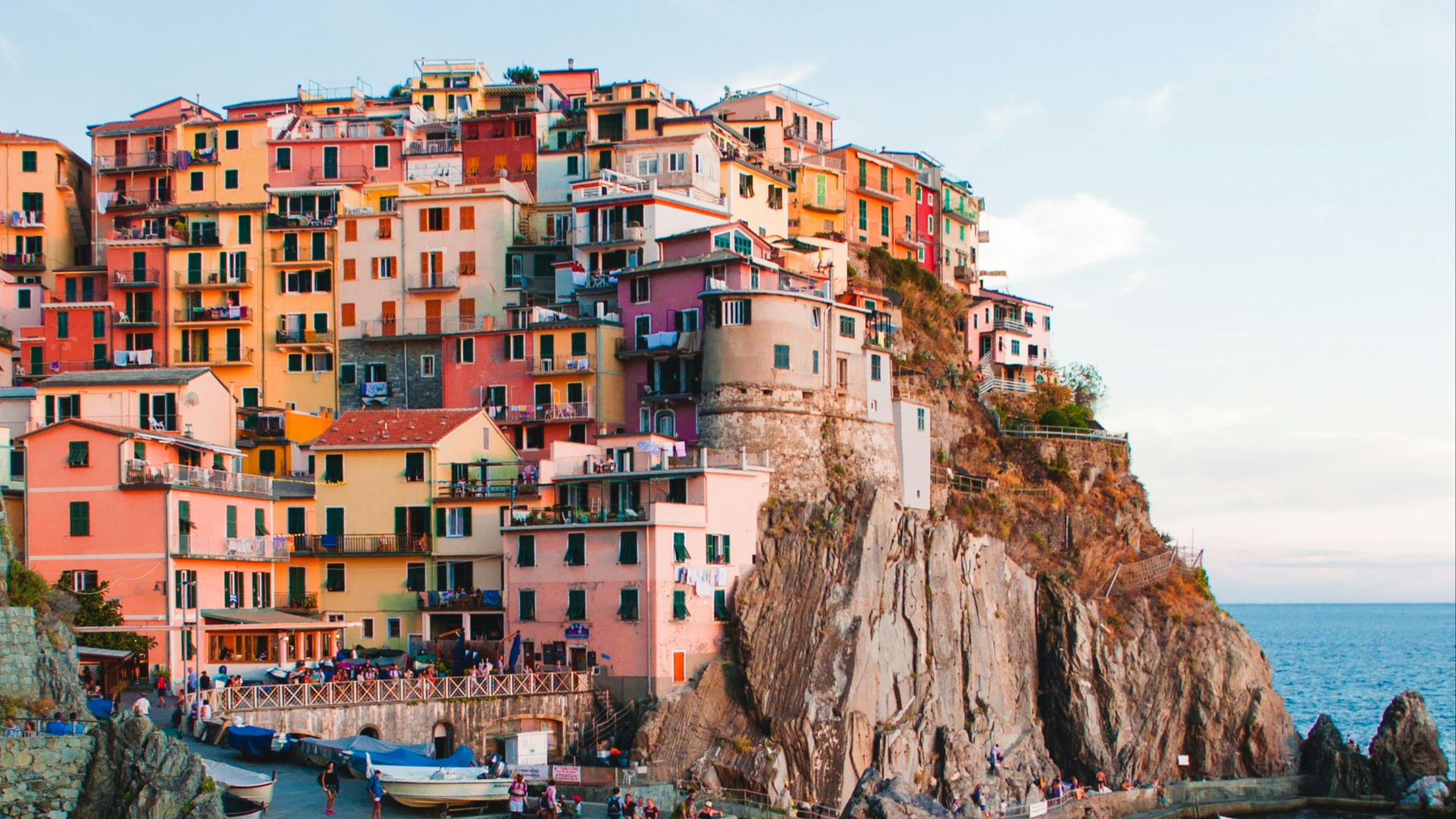
9. Scenery Changes Fast
You can go from beaches to mountains to countryside drives without spending days getting there. The Alps, the Amalfi Coast, the Scottish Highlands, and the vineyards of France all offer very different experiences. That variety works well for mixed groups where people want to try out different things.
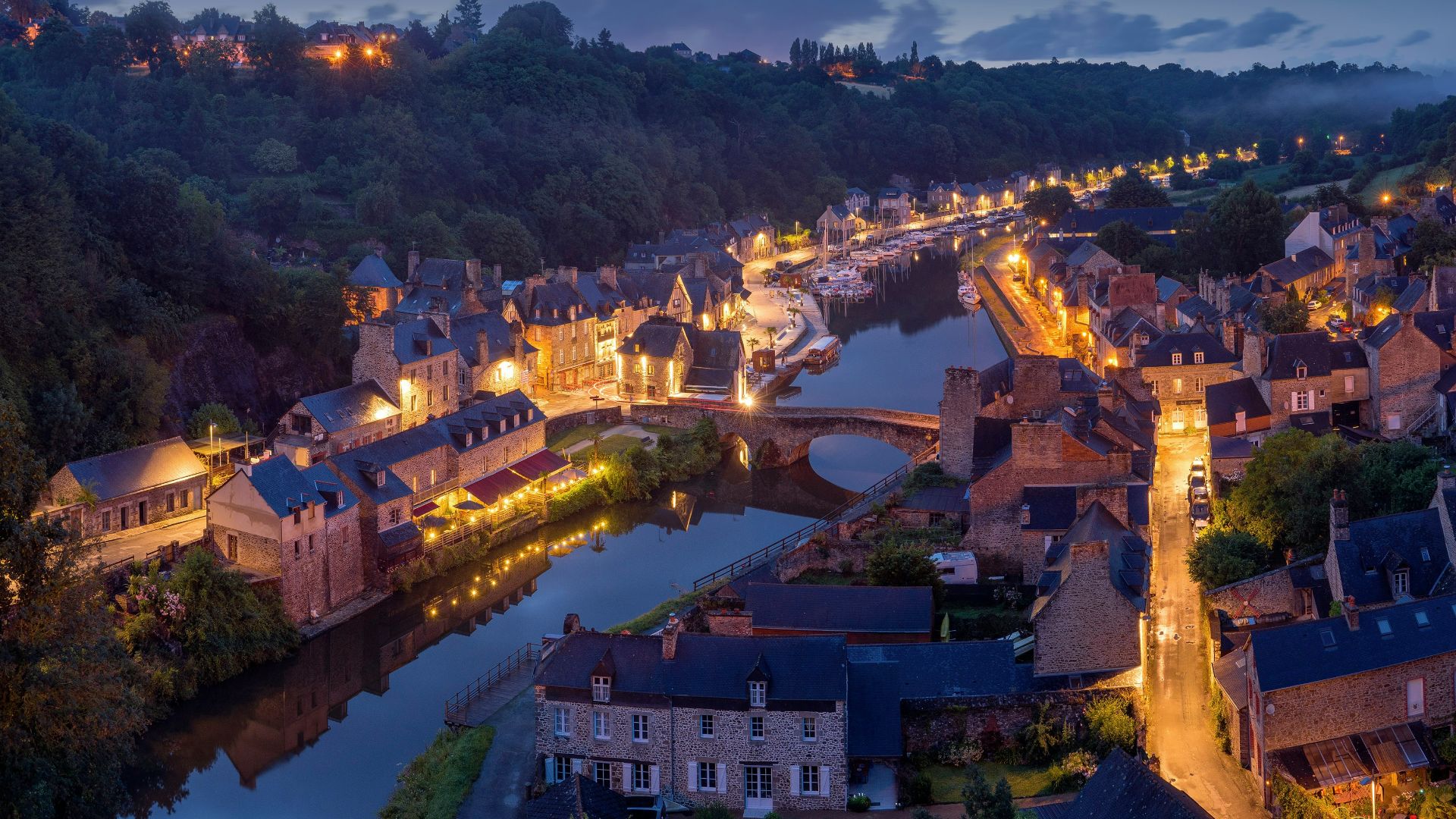
10. A Different Pace
Many Americans enjoy how travel in Europe can feel less rushed, especially around meals and evenings. Sitting at a café, people-watching, and taking your time is often part of the culture. You don’t have to pack every hour with activities to feel like you did a lot. If you want a trip that feels both fun and calming, Europe can deliver that balance.
1. The Flight Feels Long
Crossing the Atlantic can be a lot, especially if you’re short on vacation days. Jet lag hits some people hard, and the first day or two can feel foggy. If you don’t sleep well on planes, the trip can start on the wrong foot.
2. Jet Lag Is Annoying
Time changes can make your body disagree with your plans. You might wake up at 3 a.m., crash mid-afternoon, or feel hungry at weird times of the day. That can be frustrating if you were hoping to hit the ground running.
3. Language Can Stress You
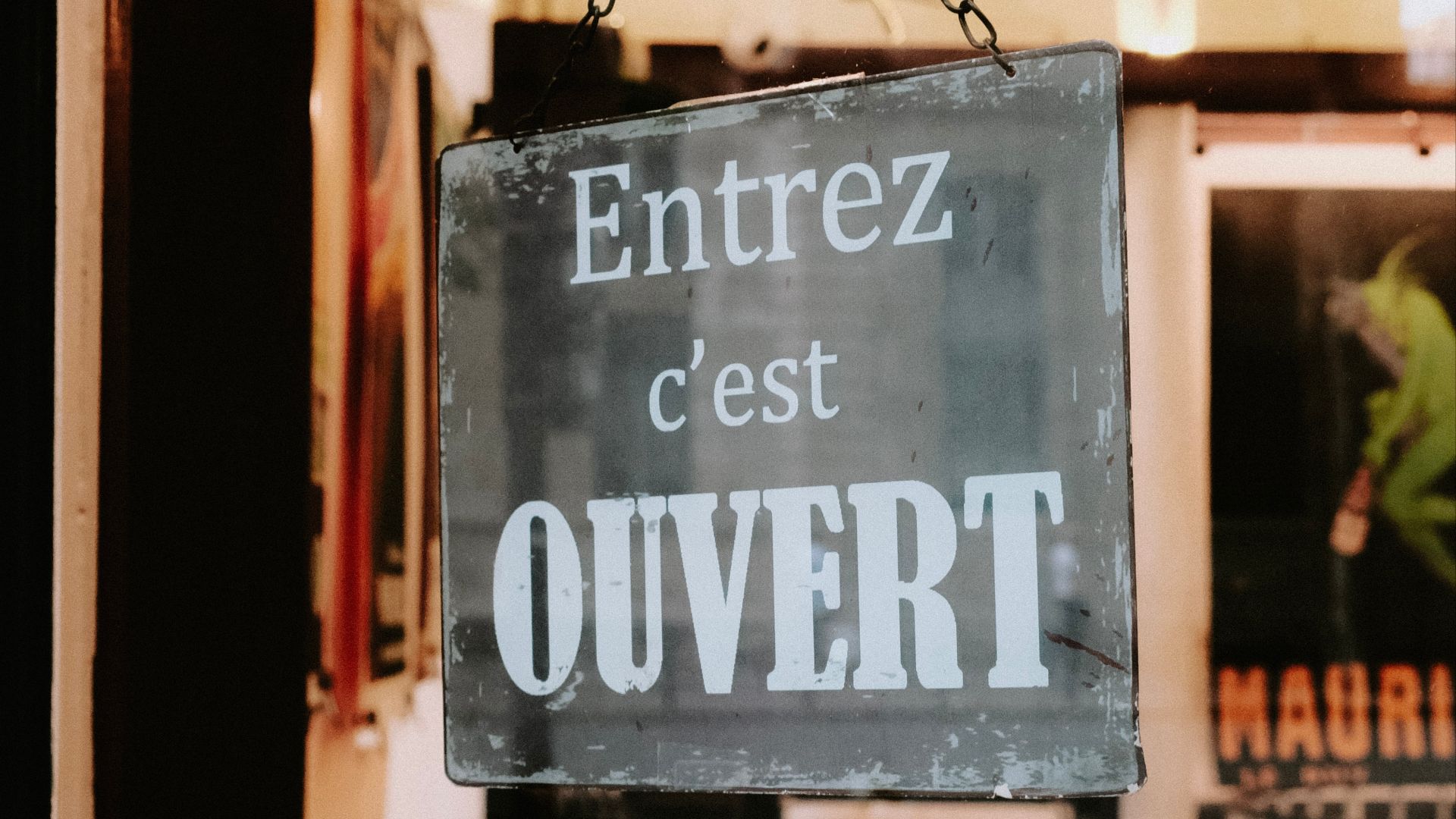
While many Europeans speak English, you can still run into moments where you feel lost. Menus, transit signs, and announcements are not always clear if you don’t know the language. Asking for help can feel intimidating for people who hate feeling awkward.
4. Bathrooms Can Surprise You
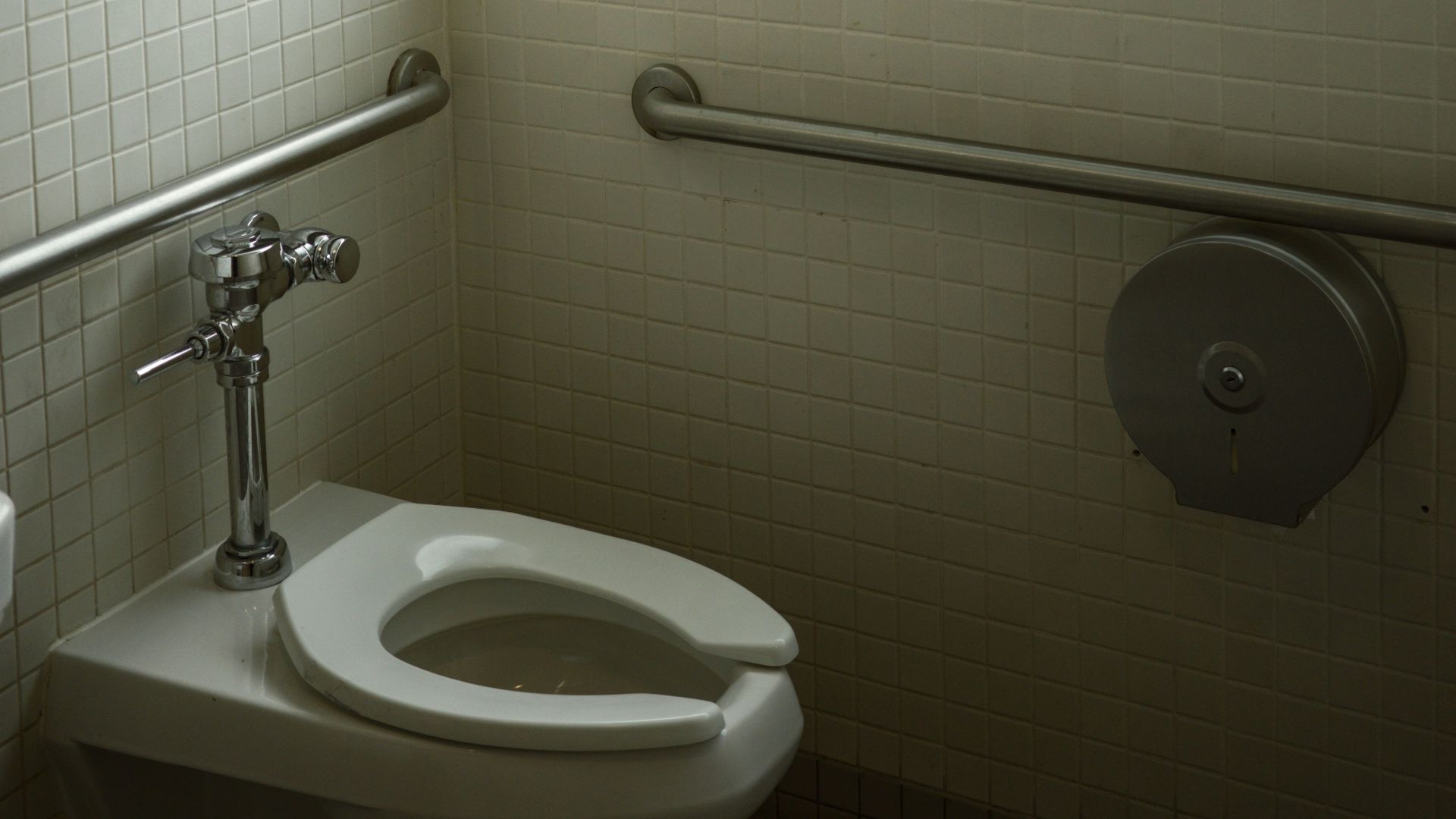
Public restrooms can be harder to find, and you may need to pay or carry coins. Smaller stalls, limited privacy, or different plumbing setups can catch people off guard. It’s not a big issue once you adapt, but some travelers never really enjoy it. If you’re traveling with kids, this can feel especially inconvenient.
5. Service Feels Different
Restaurant service in Europe can feel slower or less attentive compared to what many Americans expect. Servers often won’t check on you constantly, and you may need to ask for the check when you’re ready. Some people love the relaxed approach, but others may interpret it as bad service.
6. Meals Run Later
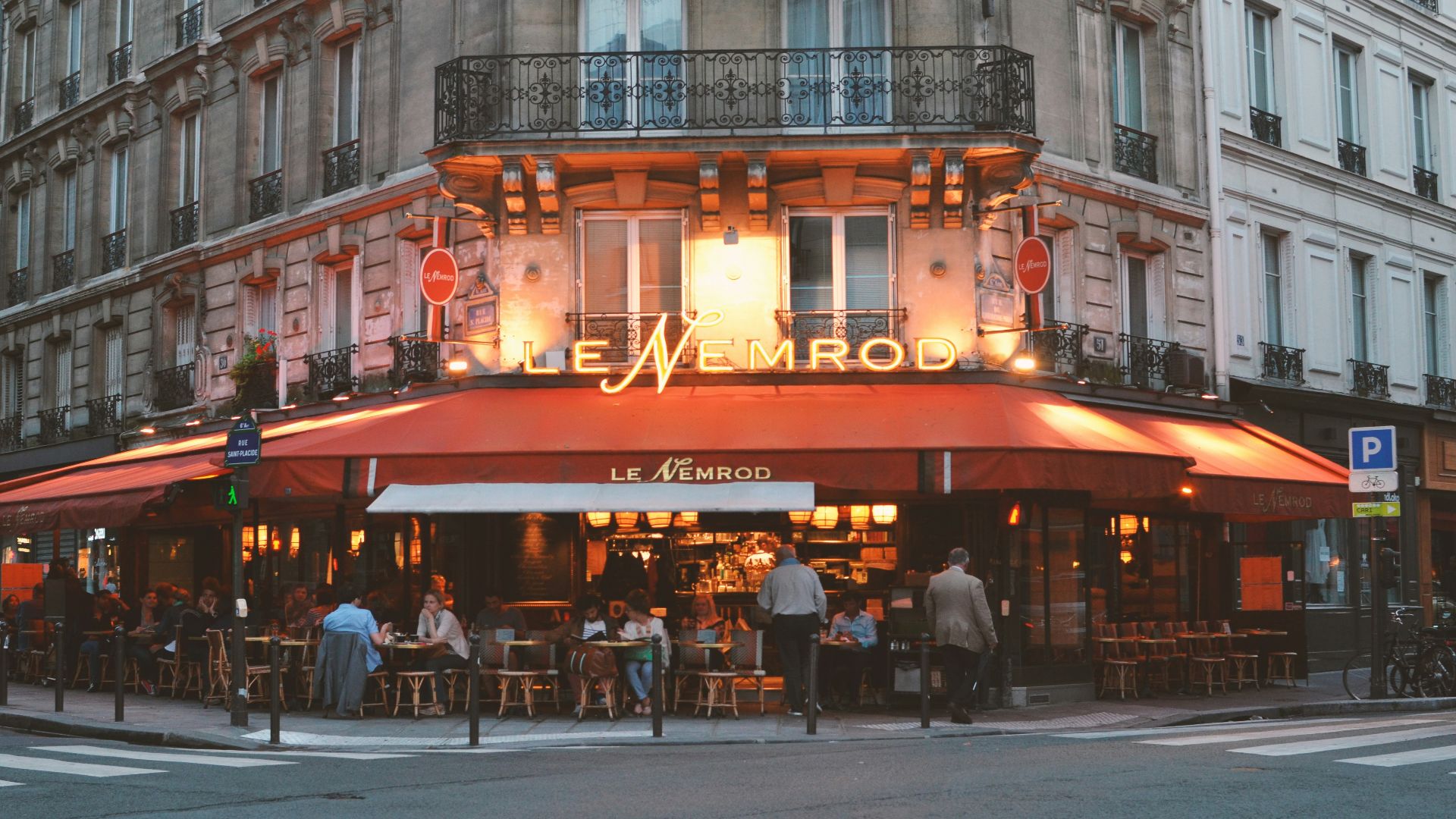
Dinner times can be later than what many Americans are used to, especially in places like Spain or Italy. If you eat early, you might struggle to find lively restaurants at your preferred hour. Changing your routine can be fun, but it can also feel tiring when you’re already dealing with jet lag. For some travelers, the schedule mismatch never clicks.

7. It Can Feel Crowded
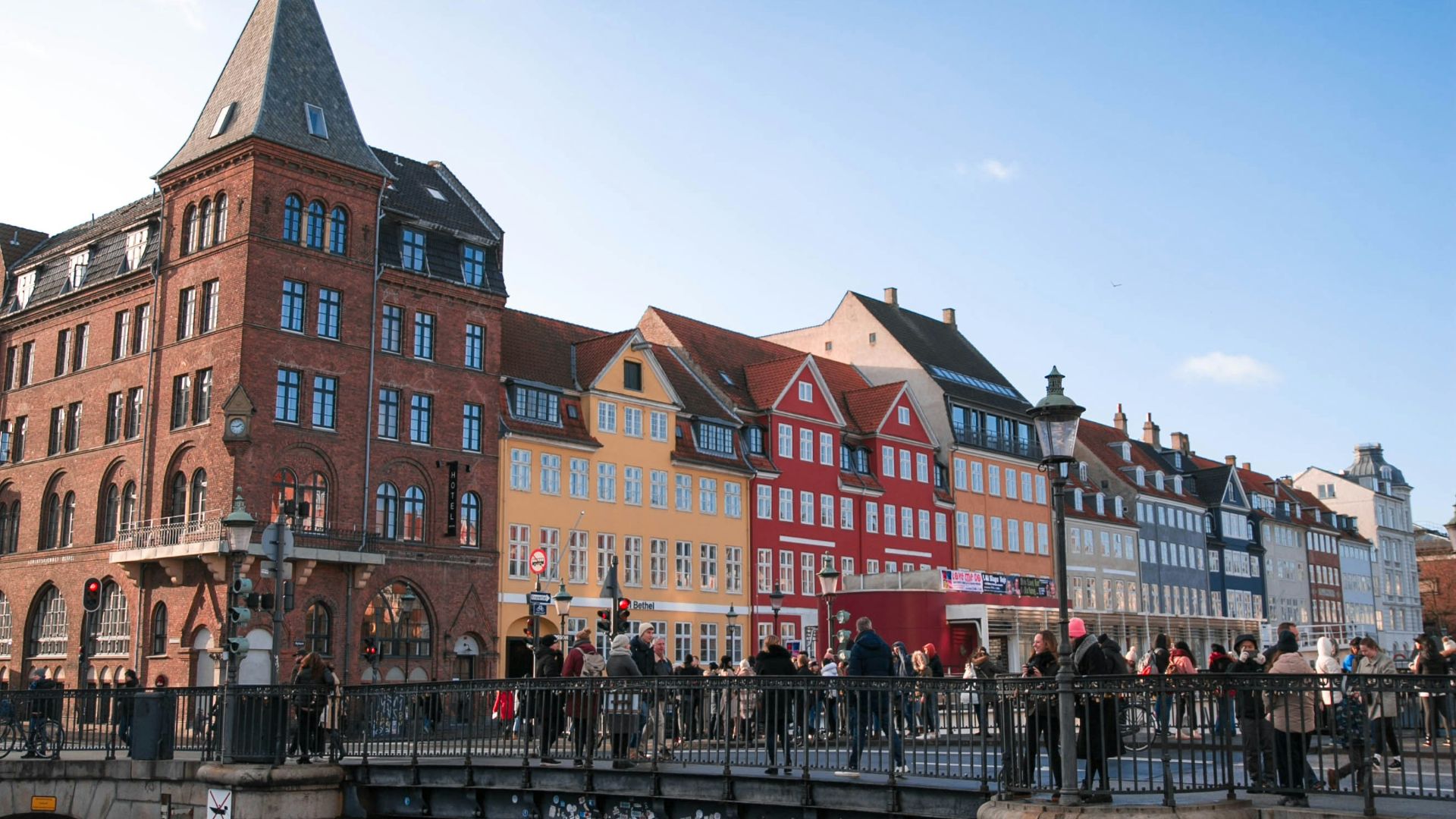
Popular European cities can be packed, especially in peak summer. Busy sidewalks, full museums, and tight streets can make sightseeing feel like a test of patience. If you dislike crowds, it’s easy to feel worn down quickly. Some Americans decide it’s simply not worth the stress.
8. You Walk A Lot
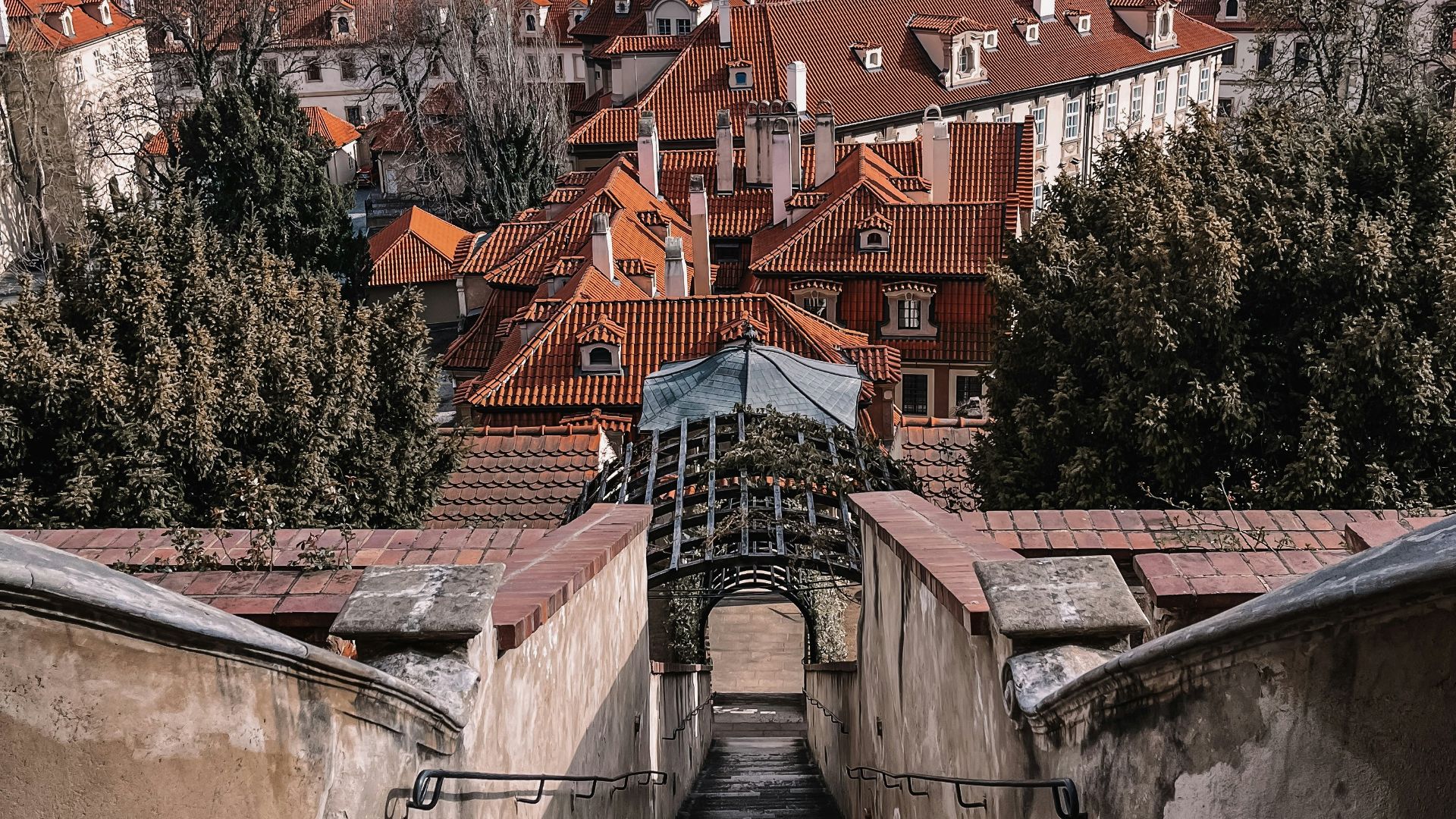
Europe’s walkable cities are a benefit, but not everyone enjoys walking all day. Cobblestones, stairs, and long distances between sights can be harder than expected. If mobility is a concern, the trip can feel more demanding than relaxing.
9. Costs Can Be High
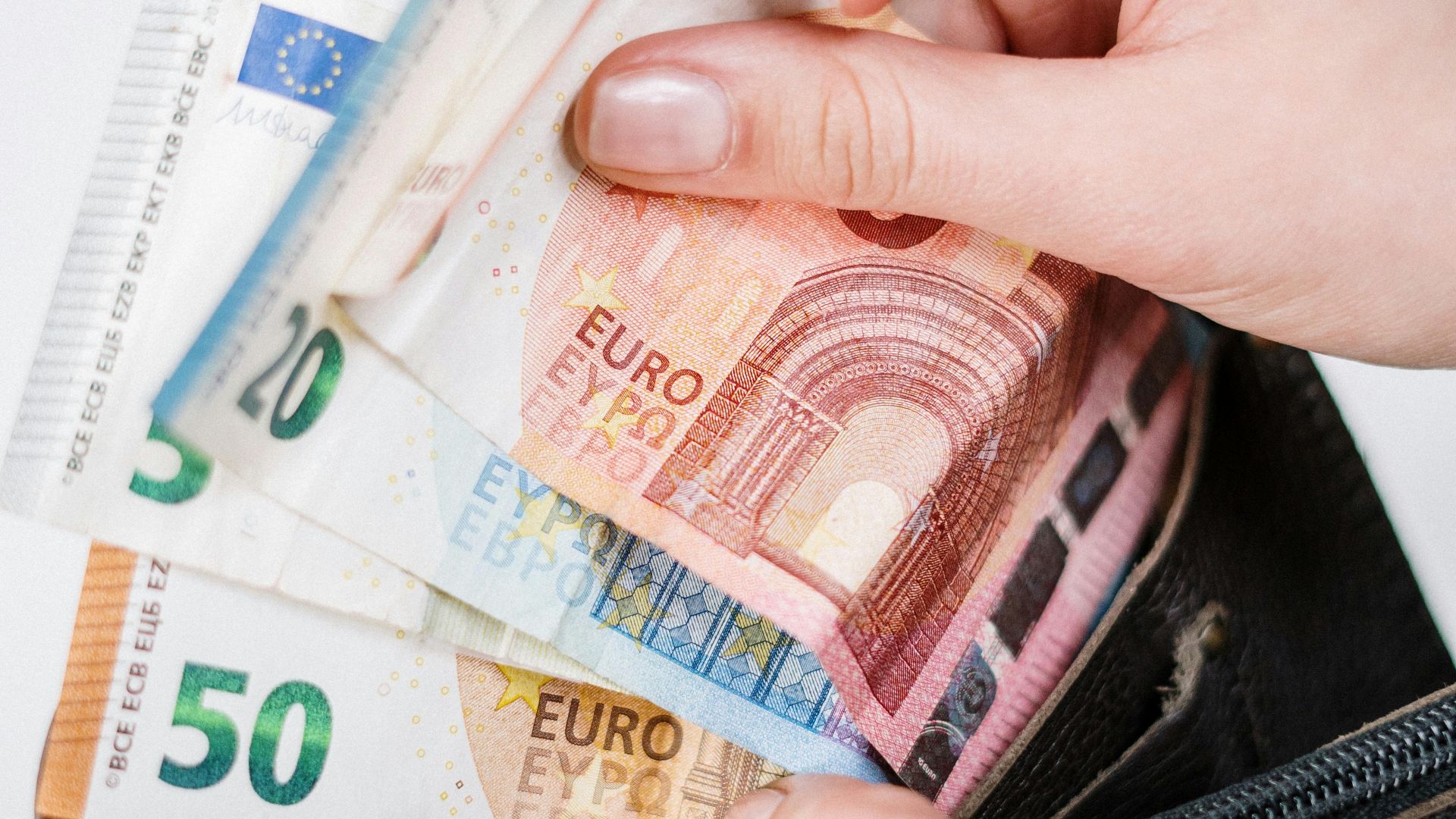
Depending on where you go, Europe can be expensive, especially for hotels in major cities. Exchange rates, transit costs, and attraction tickets can add up fast. Some travelers feel like they’re spending a lot without getting a “luxury” experience. If budget stress is part of your travel life, that can take the fun out of it.
10. Planning Feels Required
Many European trips run more smoothly when you book trains, tickets, and tours ahead of time. That level of planning can feel like homework if you prefer spontaneous travel. Without reservations, you might miss popular attractions or pay more than you wanted.