New York City's Times Square Was Once Dismissed As America's Sleaziest Block—So What Changed?
New York City's Times Square Was Once Dismissed As America's Sleaziest Block—So What Changed?
How Times Square Became the Crossroads of the World
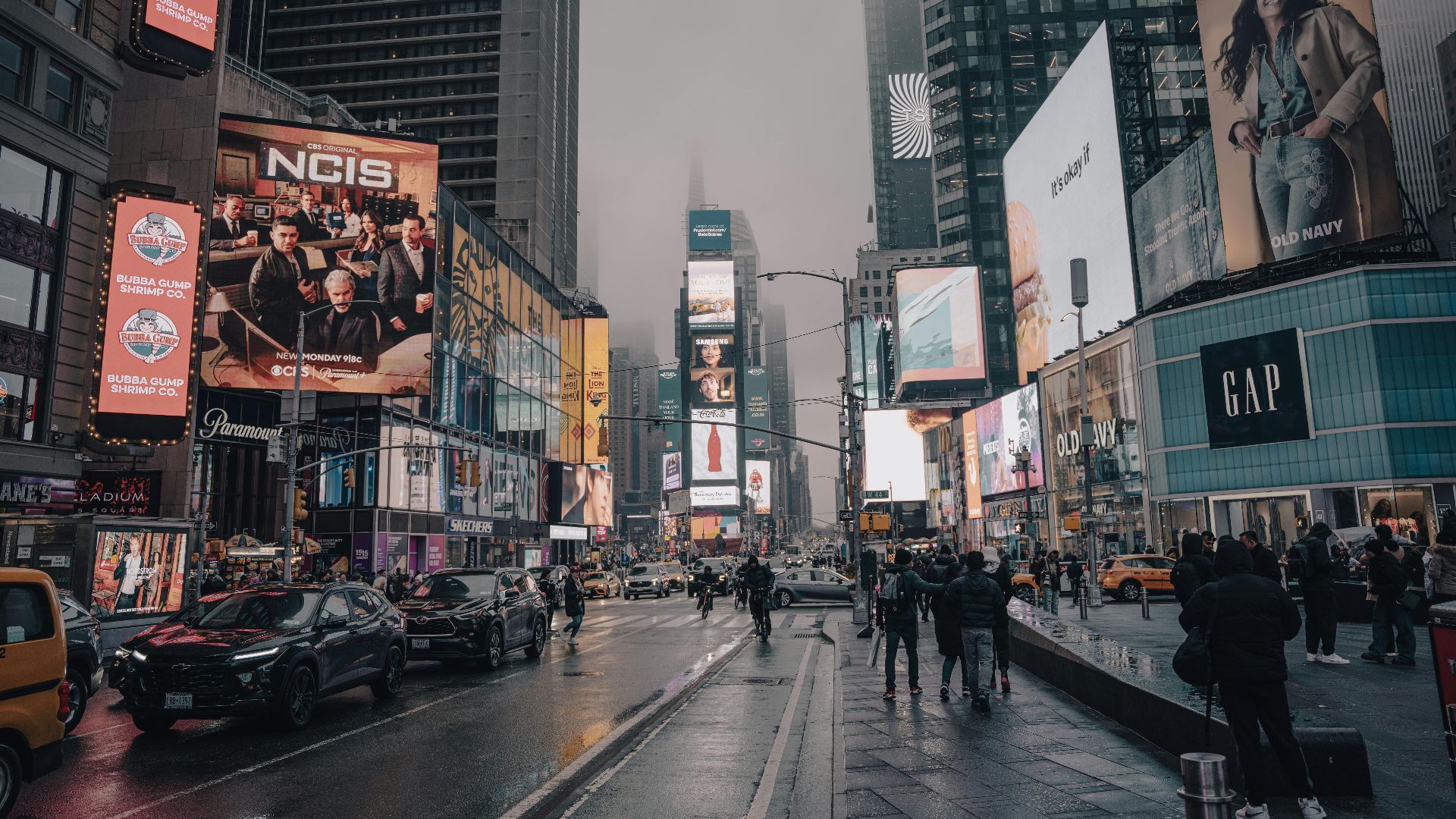
Times Square didn’t become a global symbol overnight, but its hairy history is exactly what makes it so interesting. The neighborhood began as Longacre Square, grew into a theater center, slid into decades of decline, and then reemerged through a long and sometimes controversial redevelopment push. If you only know it as a bright, crowded place, we have a few insights that show you just how much you’re missing.
1. It Wasn’t Always Called Times Square
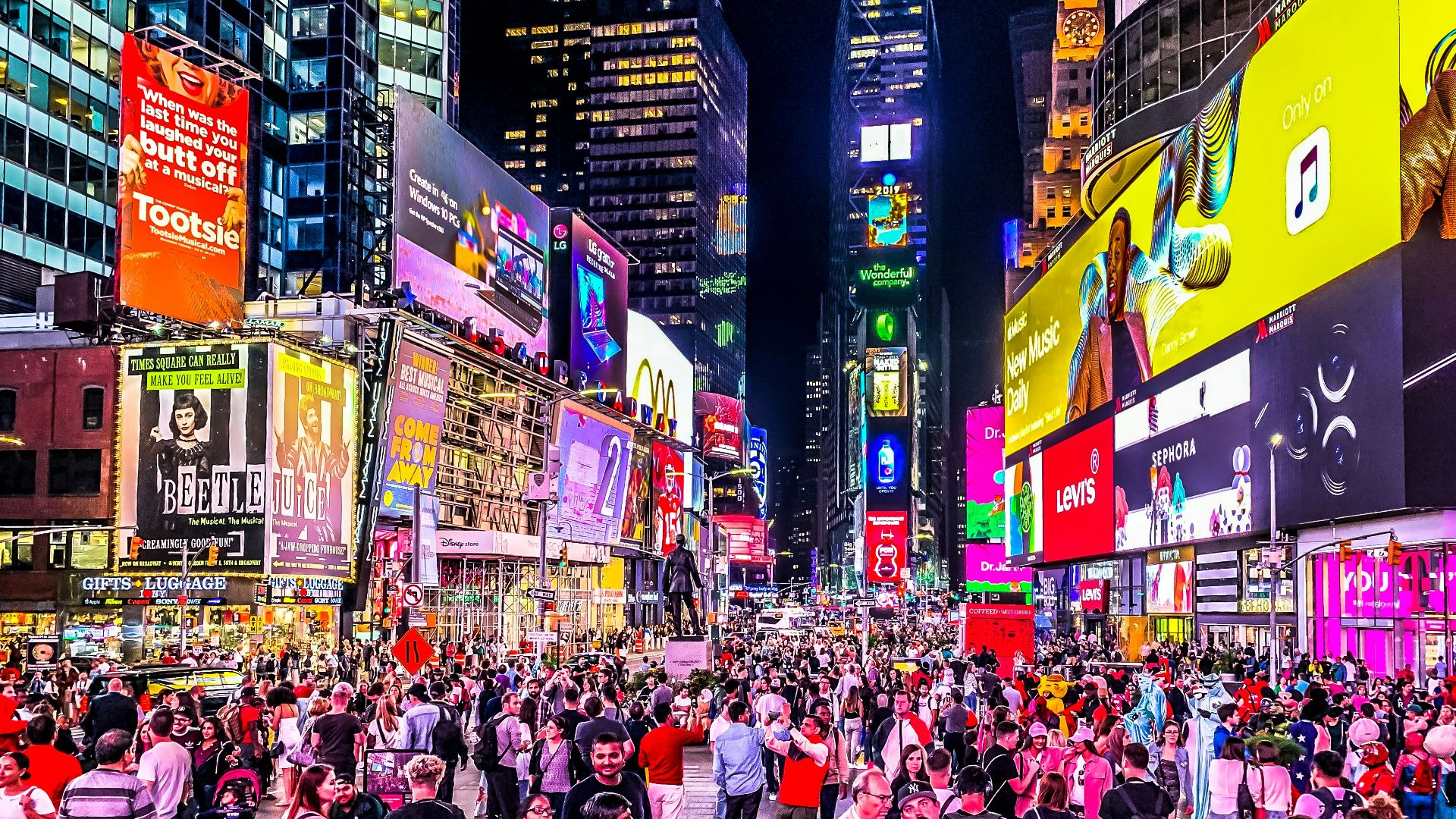
Before the famous name emerged, the area was simply known as Longacre Square. The city renamed it Times Square in 1904 after The New York Times built its new headquarters there during the neighborhood’s early boom.
2. A Newspaper Put It on the Map
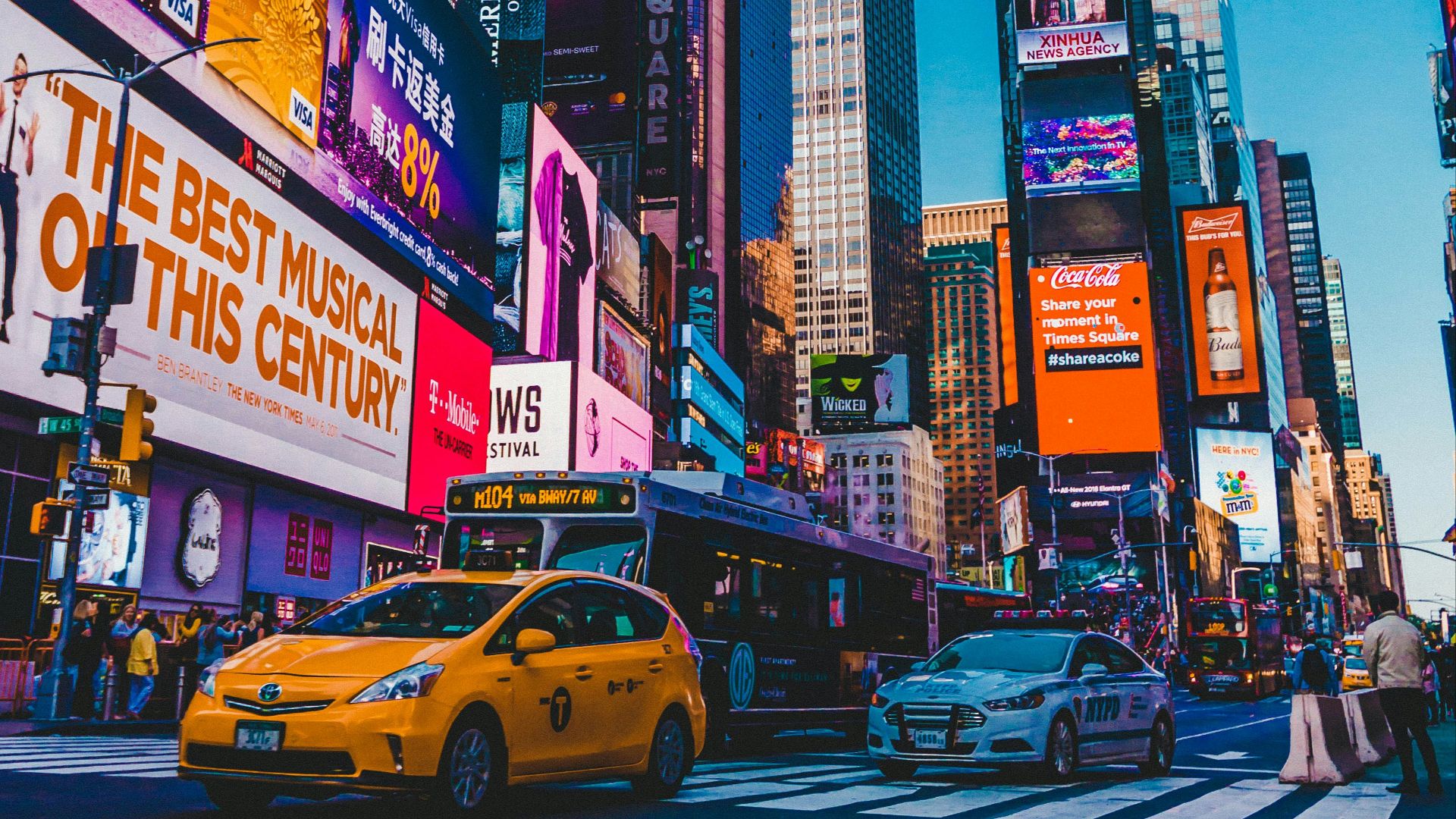
Speaking of which, Adolph S. Ochs, the owner and publisher of The New York Times, chose the site because he saw all the potential. The paper officially moved into the building in January 1905, even though the square had already been renamed the previous spring.
3. The Subway Supercharged the Neighborhood
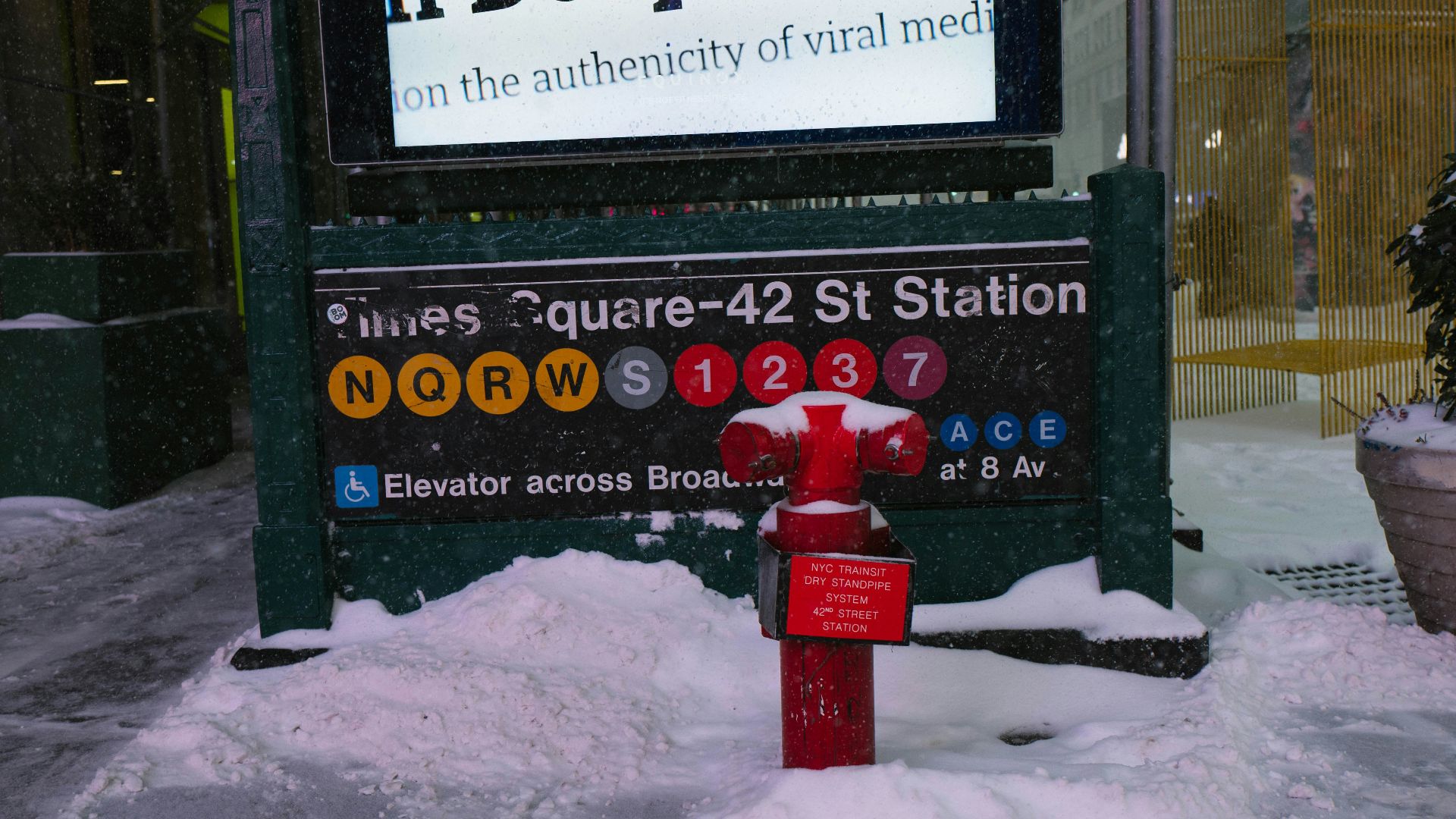
Times Square’s rise wasn’t just about publicity; transportation mattered, too. The opening of New York’s first subway line in 1904 and the heavy use of the Times Square station quickly turned the area into an accessible spot for city residents and commuters alike. And, of course, visitors.
4. Broadway Helped Make It an Entertainment Capital
By World War I, most legitimate theaters had shifted to the Times Square area from older districts farther downtown. Next thing you know, the place was jumping with playhouses, prominent hotels, and restaurants, which helped define the neighborhood as a nightlife hub.
5. NYE Became Part of the Story Early
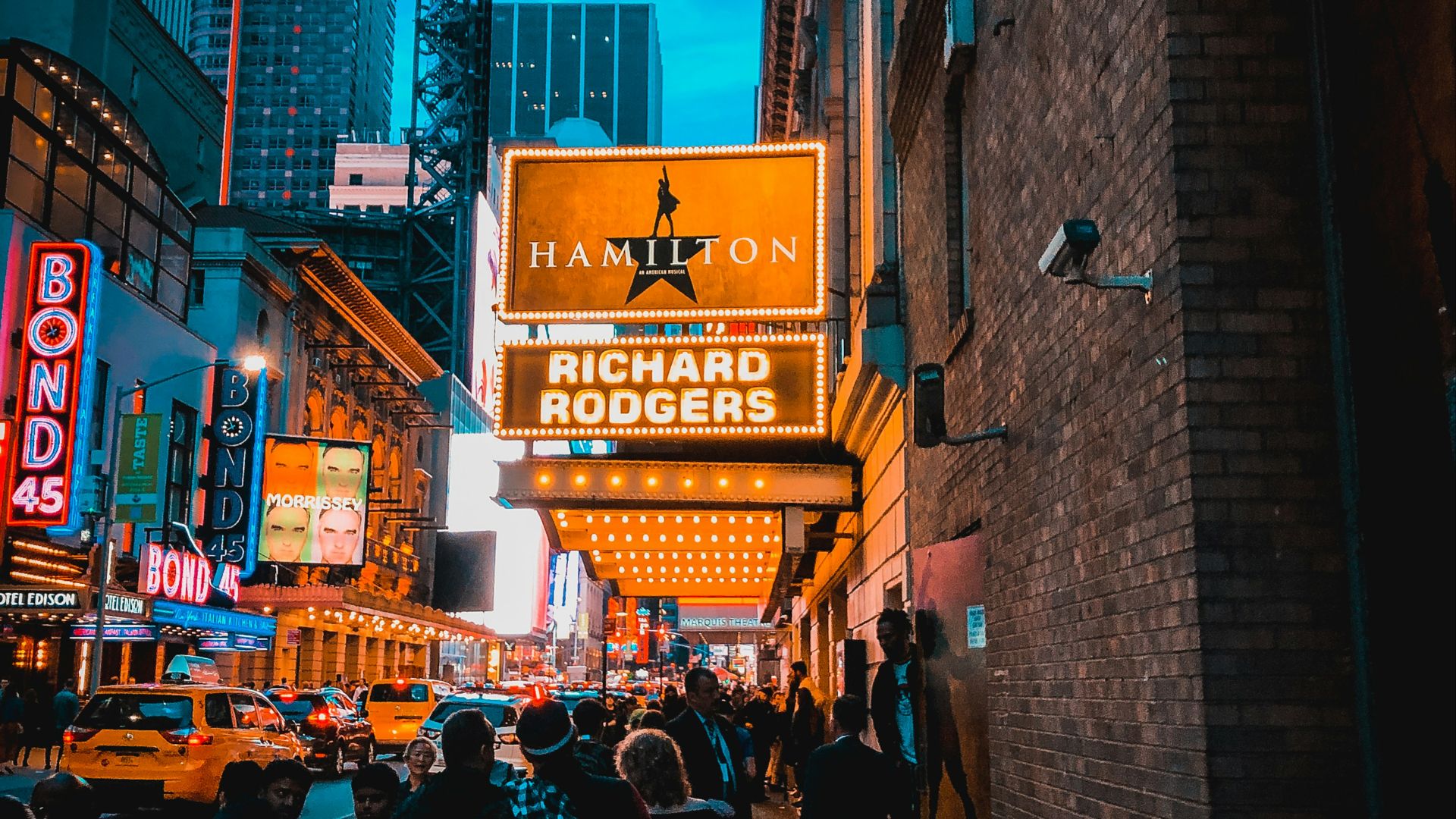
The first New Year’s Eve celebration in Times Square took place in 1904 to mark the opening of the Times building. The famous ball drop wasn’t far behind, happening just a few years later, in 1907, after city officials banned fireworks displays.
6. Bright Signs Became a Big Feature
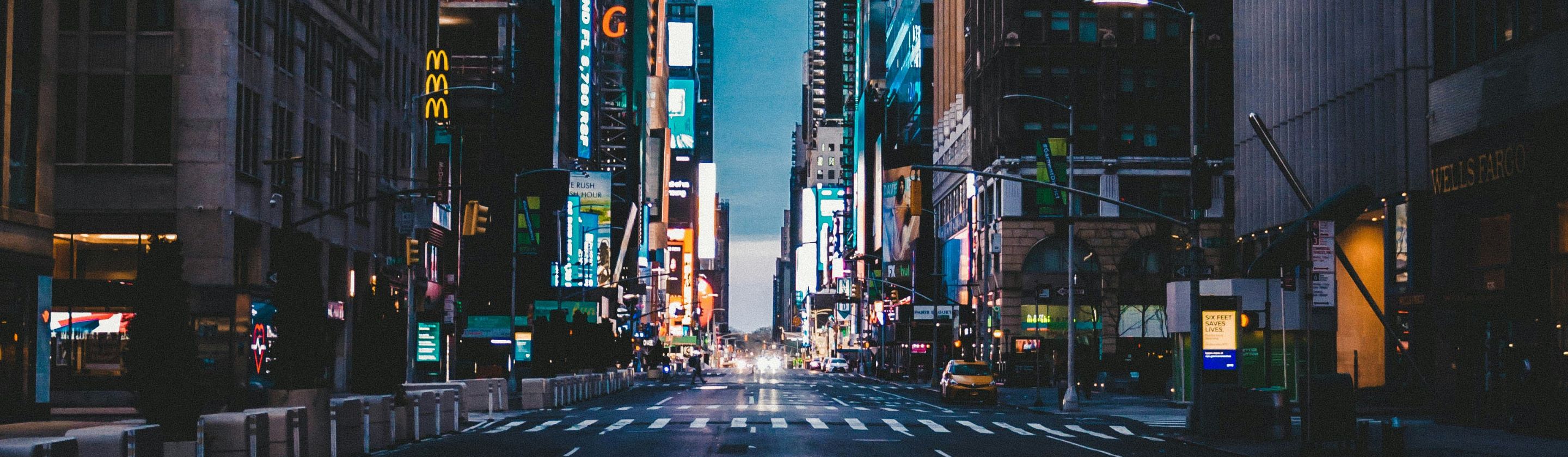
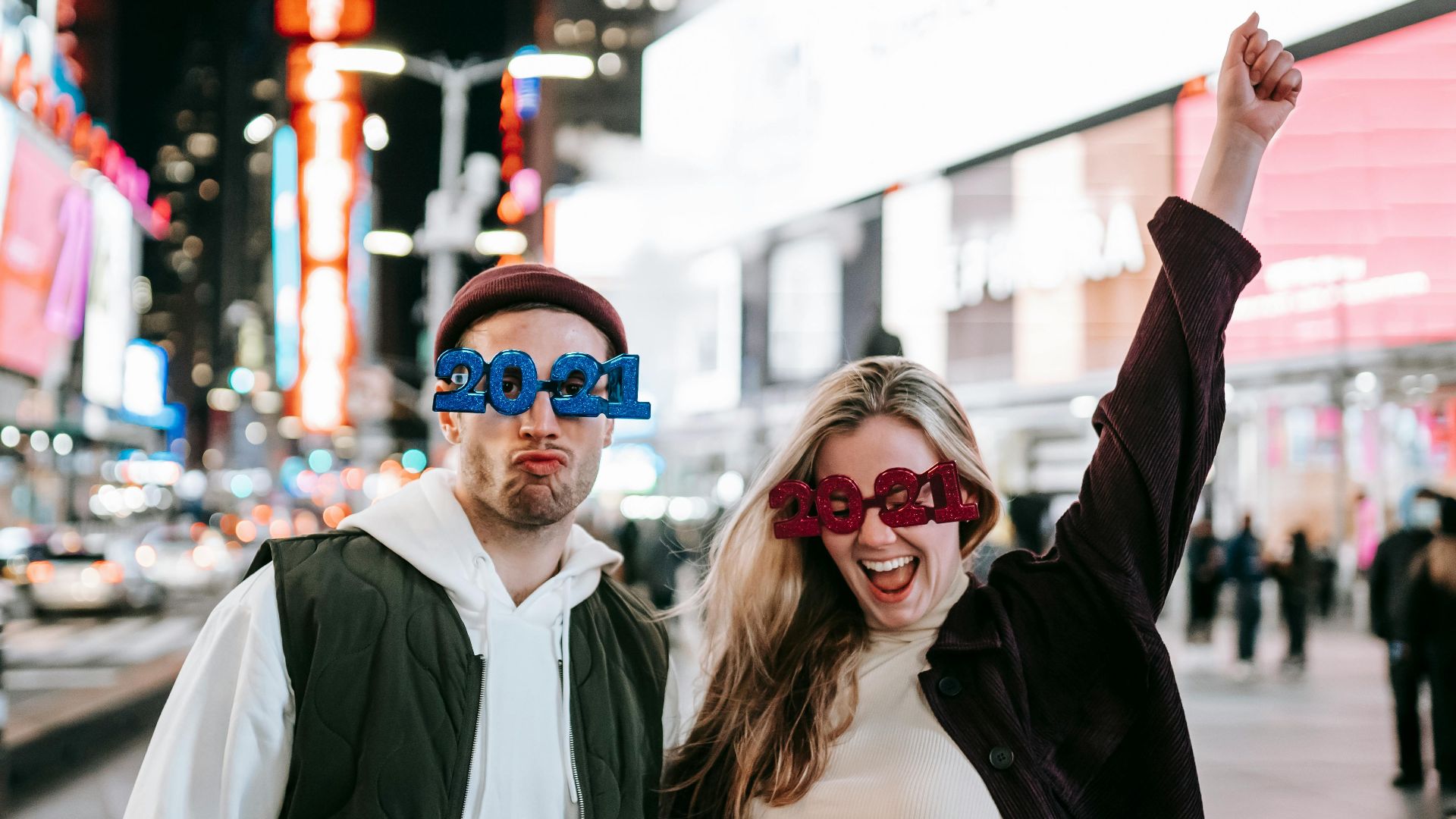
Electricity changed everyone’s life, but it was especially important for NYC. Electricity for theater advertising and street lighting made the public space feel brighter and more active. Later, those very signs and the electric news display on the Times Tower only deepened the identity.
7. Troubles Started Before the 1970s
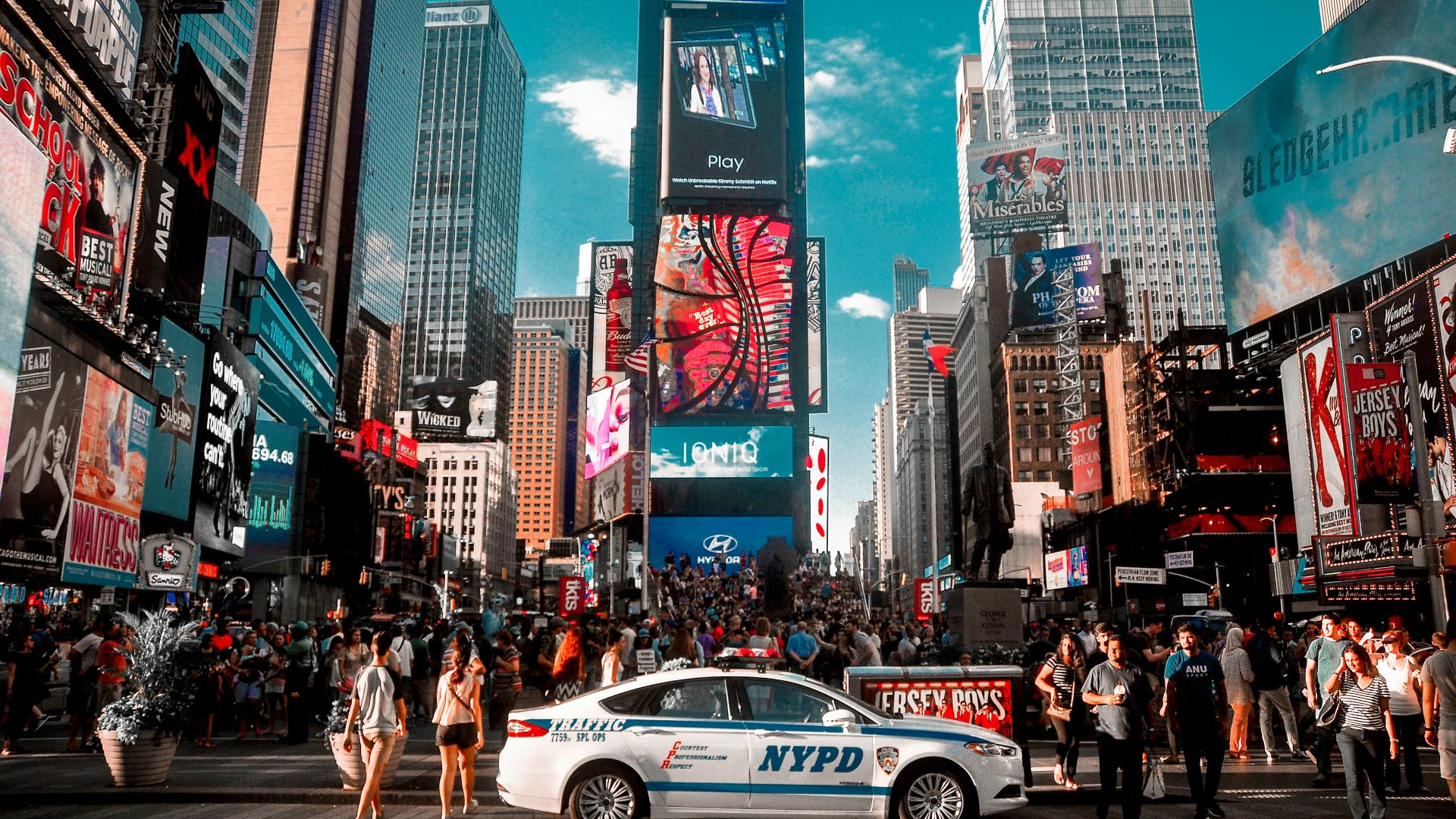
Times Square didn’t hold onto that early success for long, though. Like everything else, the Great Depression hurt legitimate theater businesses, and it didn’t take long for venues to shift toward cheaper and more explicit entertainment as conditions worsened.
 Vidar Nordli-Mathisen on Unsplash
8. Postwar Conditions Made Things Worse
In the 1950s, attempts to curb disreputable businesses had limited success. Then, during the 1960s, changing standards around obscenity and the growth of adult retail made the area’s adult economy even more visible. The thing is, as profits rose, so did lease prices, and organized crime also found opportunities in the district.
9. By the 1970s and 1980s, Its Reputation Tanked
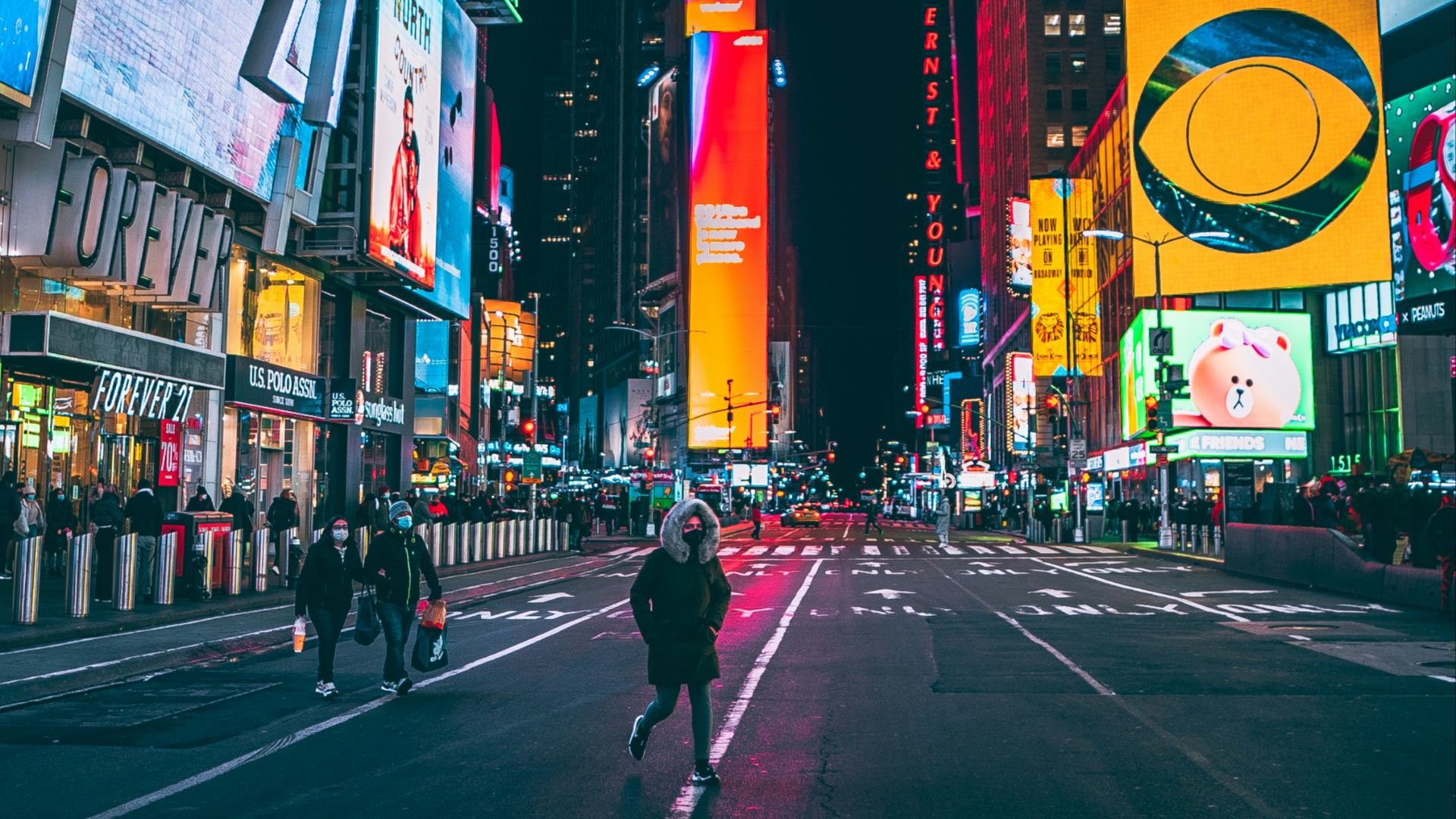
By the late ‘70s and into the ‘80s, Times Square had become infamous for street crime. These problems only deepened with the arrival of “snow” in the mid-1980s, a crime that only continued rising through 1989.
10. Critics Really Did Call It “America’s Sleaziest Block”
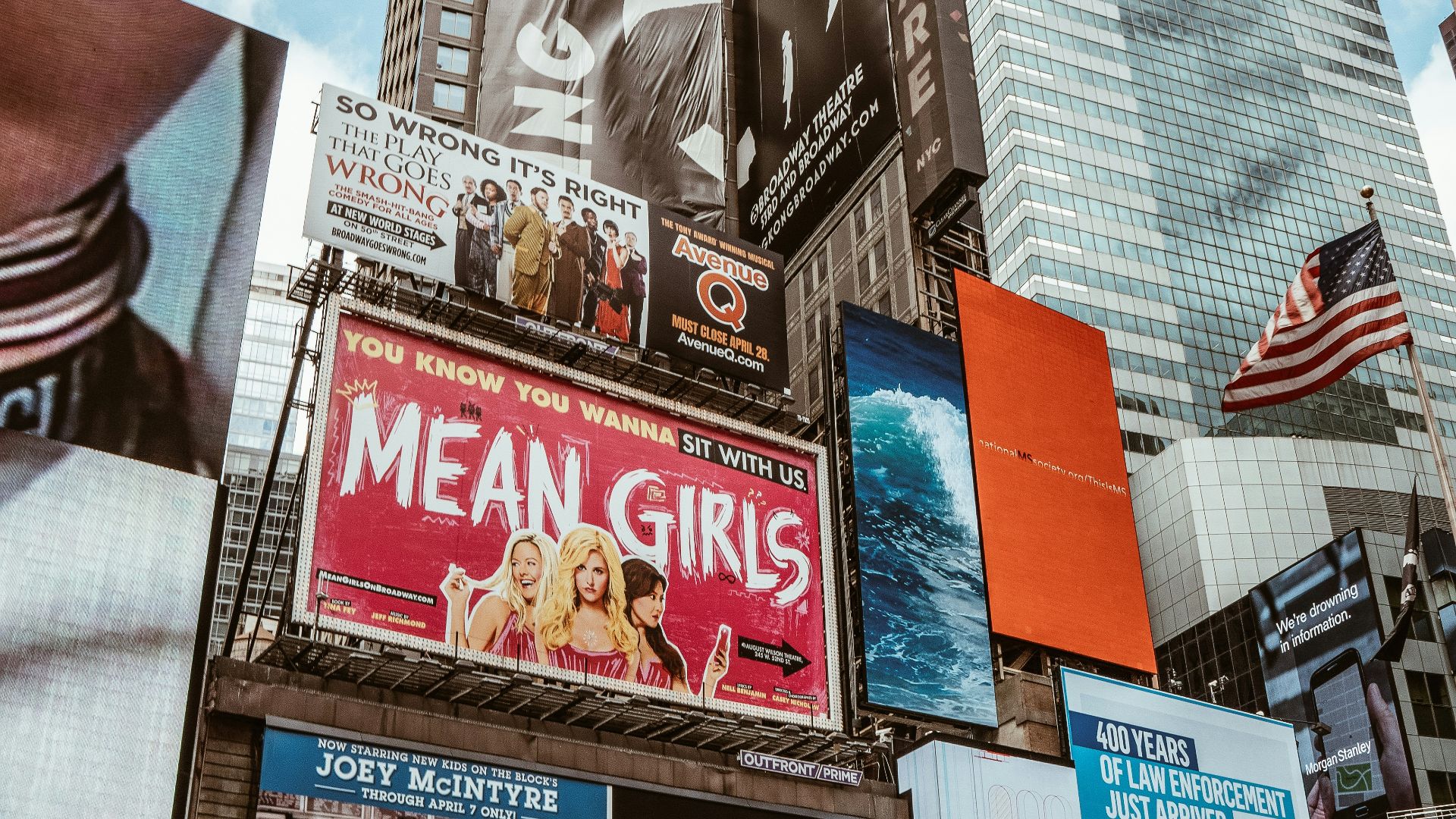
As you can imagine, Times Square’s evolution didn’t help its image, and in 1981, Rolling Stone referred to West 42nd Street in Times Square as “the sleaziest block in America.” It’s crazy to think about today, but at the time, a lot of people shared the sentiment.
11. The Cleanup Was Long
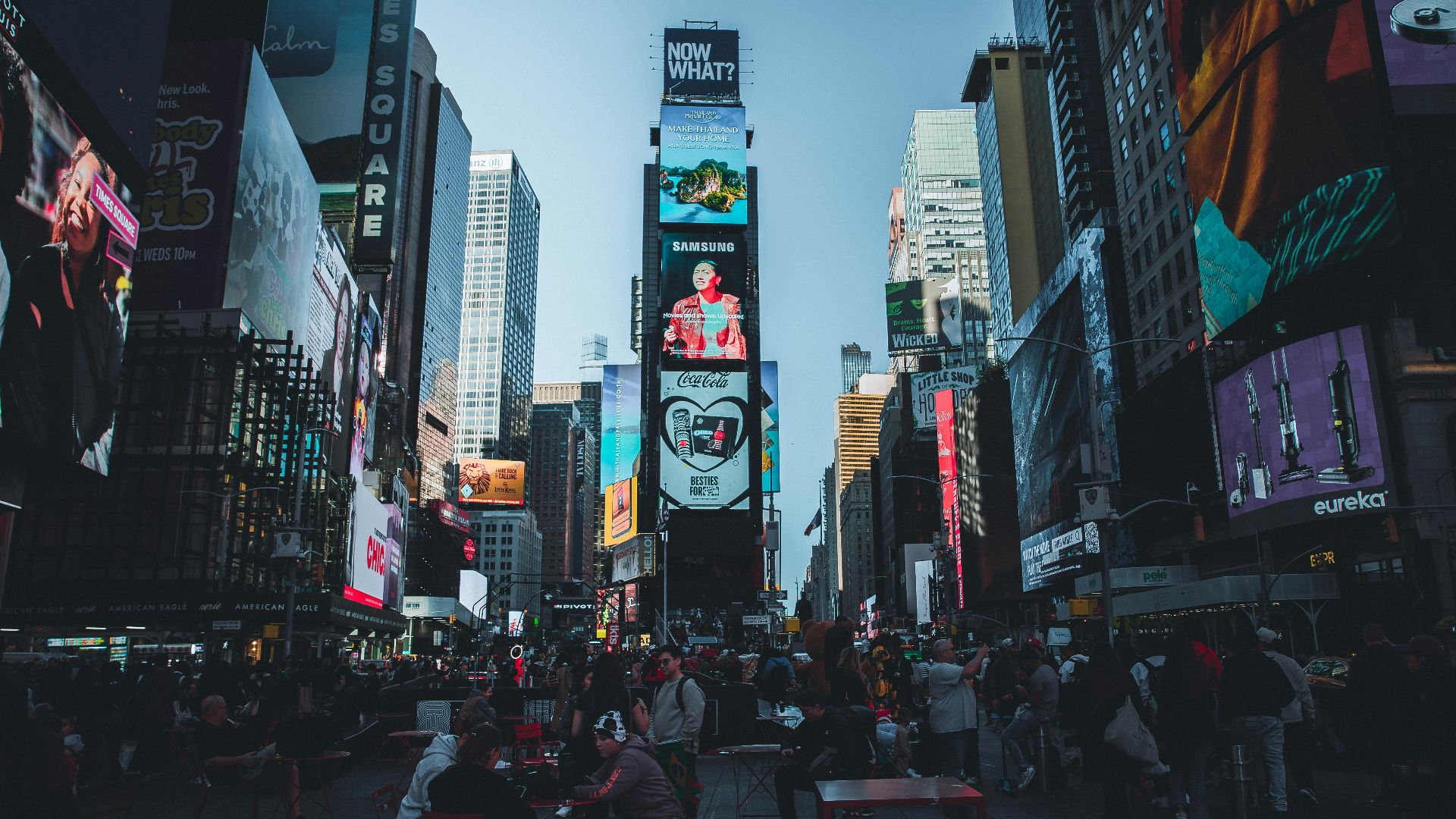
The 42nd Street Development Project became a multidecade effort involving city and state development agencies, theater preservation work, and major real estate planning—all to clean up the place and restore its image. Sure enough, the investment proved fruitful.
12. Theater Restoration Was Central to the Comeback
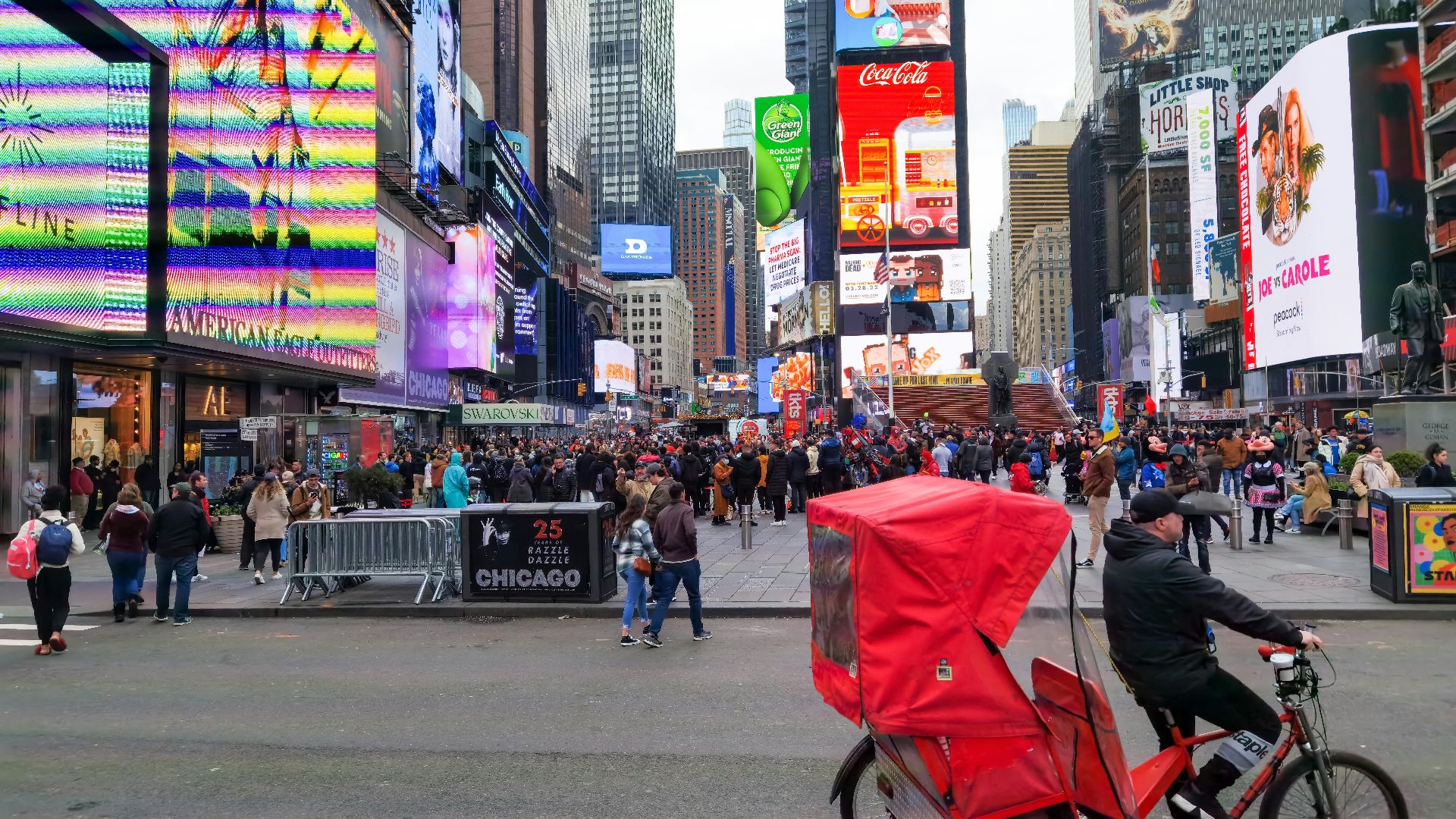
Redevelopment wasn’t only about office buildings and policing; old theaters also had to be saved. Luckily, plans focused on the preservation of important performance spaces, especially along 42nd Street. Before you knew it, restoring those venues helped the district reconnect with the entertainment identity that had made it famous in the first place.
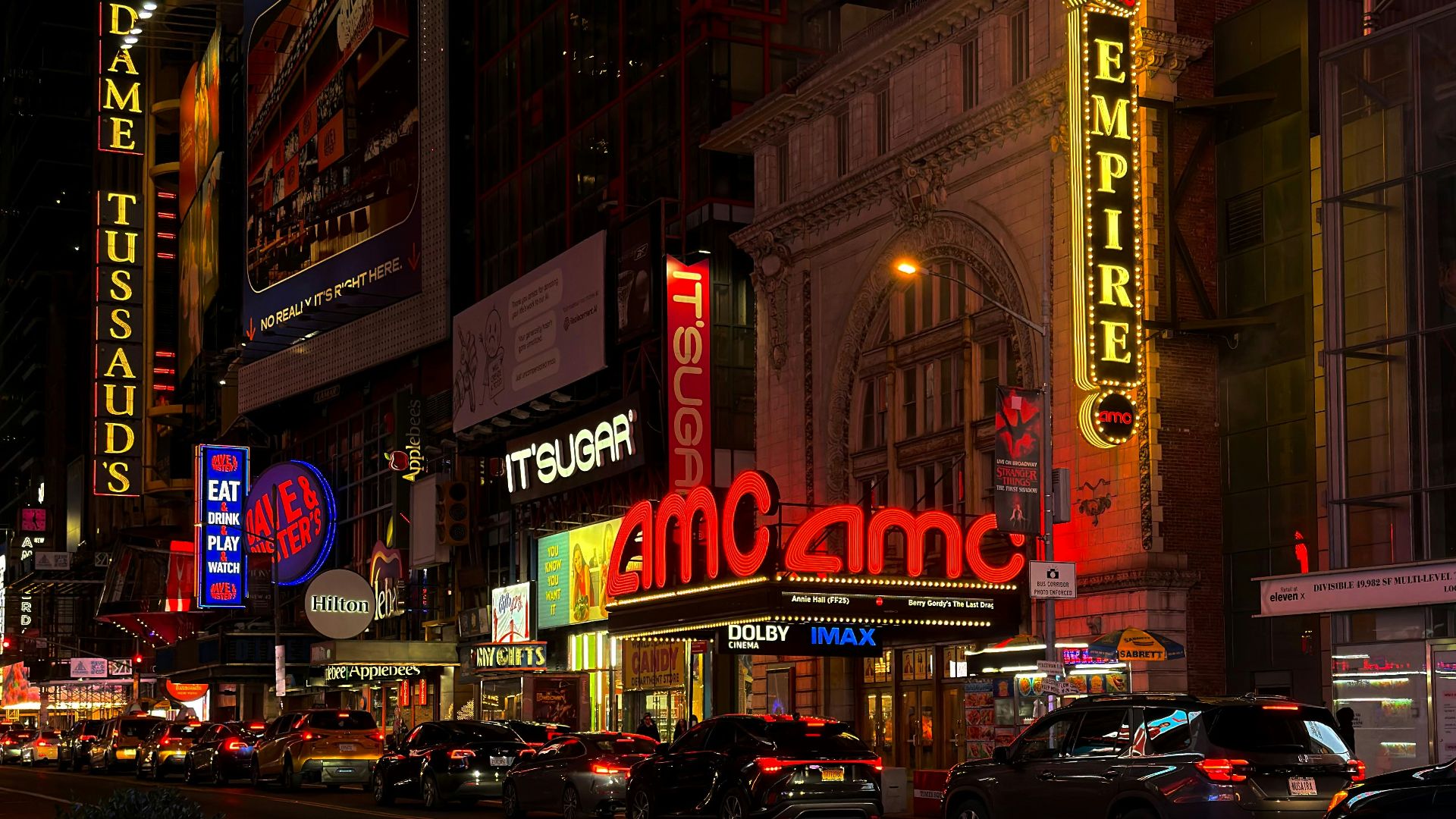
13. Disney’s Arrival Turned Heads
If there’s one monopoly bound to garner attention, it’s Mickey. When Disney agreed to take over the New Amsterdam Theatre, that move encouraged other entertainment companies to take the district seriously again. It didn’t solve everything by itself, but it sent a clear signal that Times Square was coming back into the limelight.
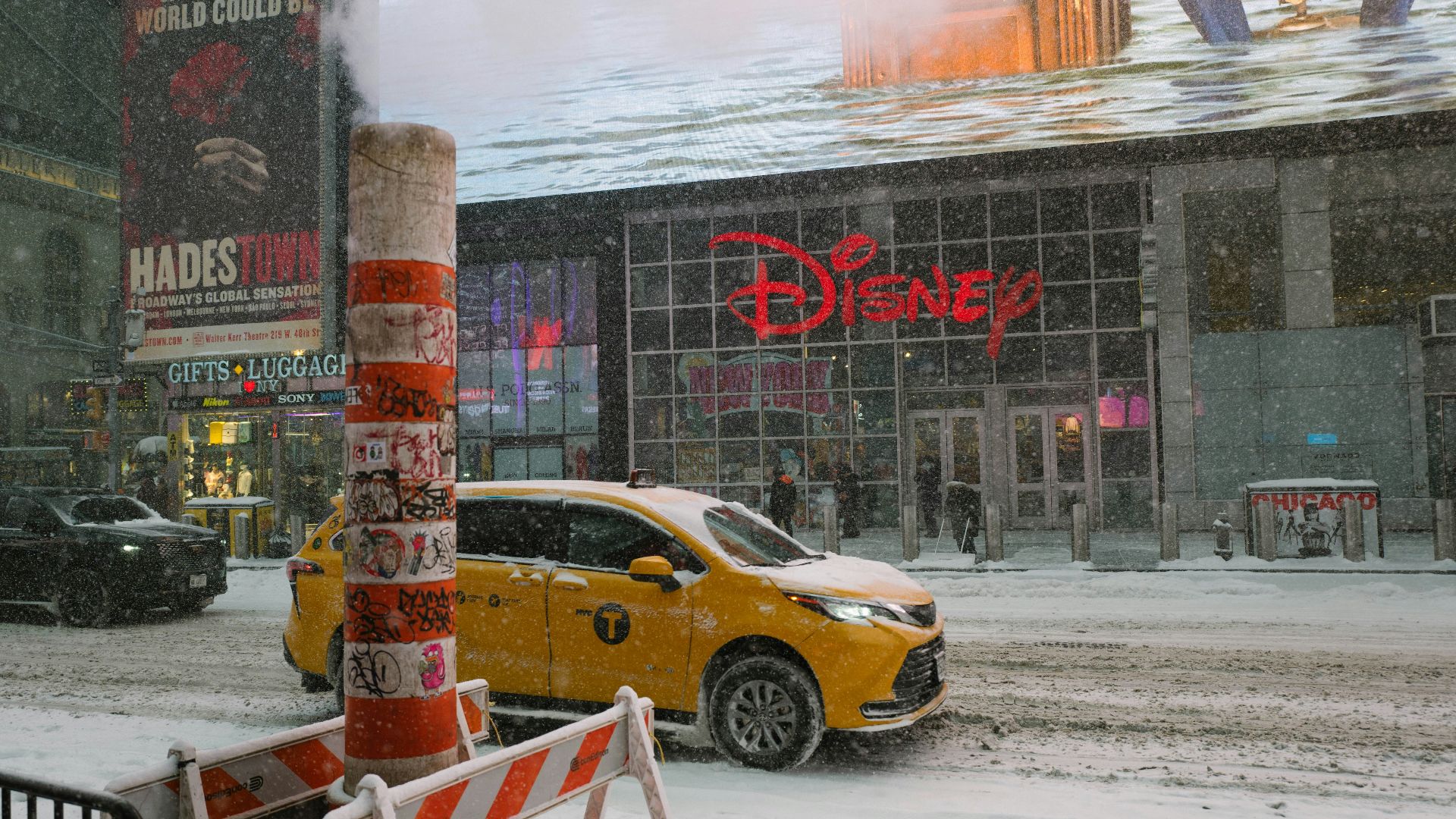
14. The Times Square Alliance
The Times Square Alliance was founded in 1992 to improve and promote the district. Its work has included everything from public space management and sanitation to safety support and programming—all of which helped make the neighborhood more welcoming.
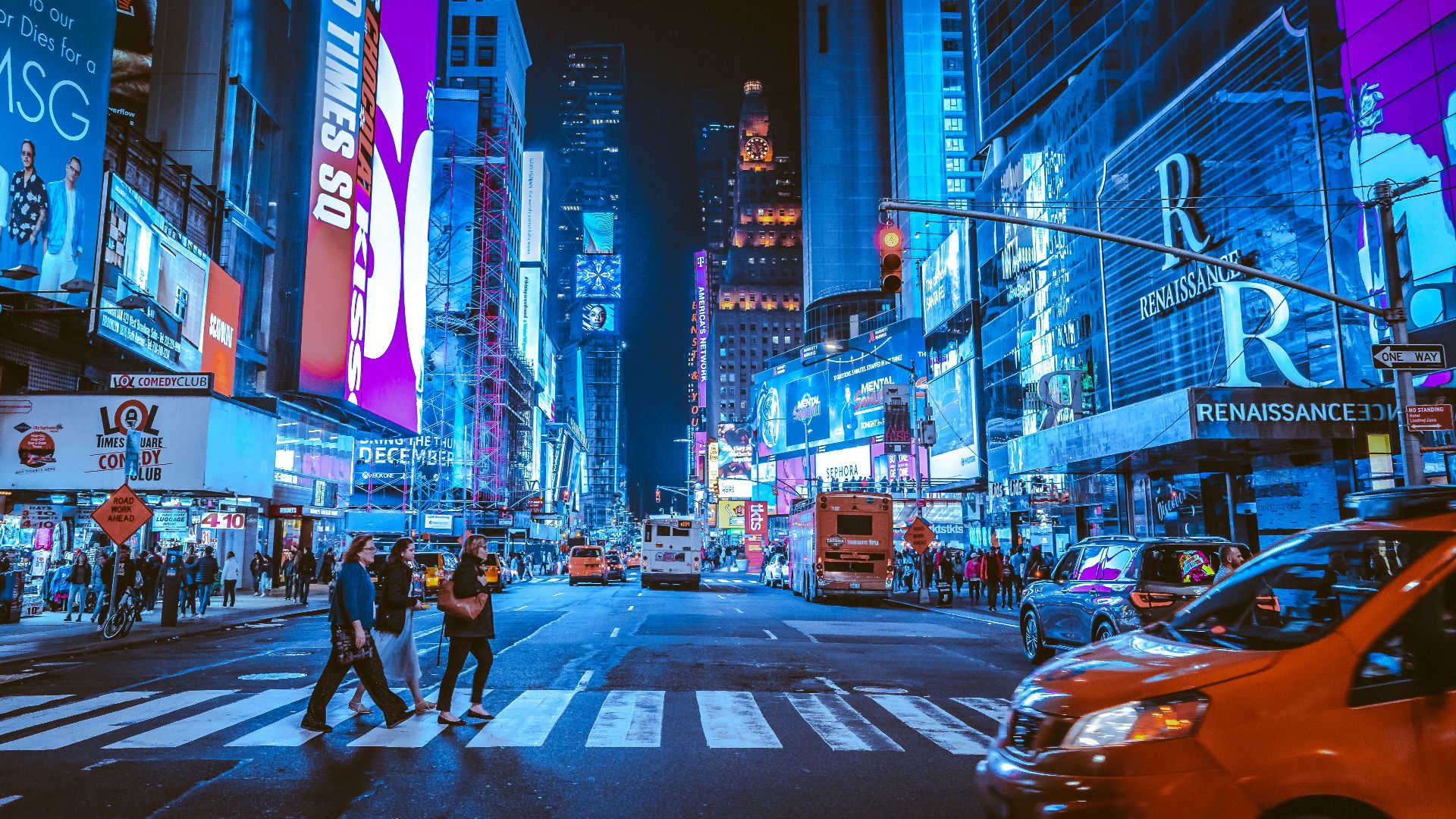
15. Pedestrian Plazas Changed the Experience
A major modern shift came in 2009, when the city replaced vehicular traffic with pedestrian plazas along Broadway in Times Square between West 42nd and West 47th Streets. The whole thing made the area feel less like a traffic knot and more like a place where people could actually stop, look around, and stay a while. And it would appear it worked!
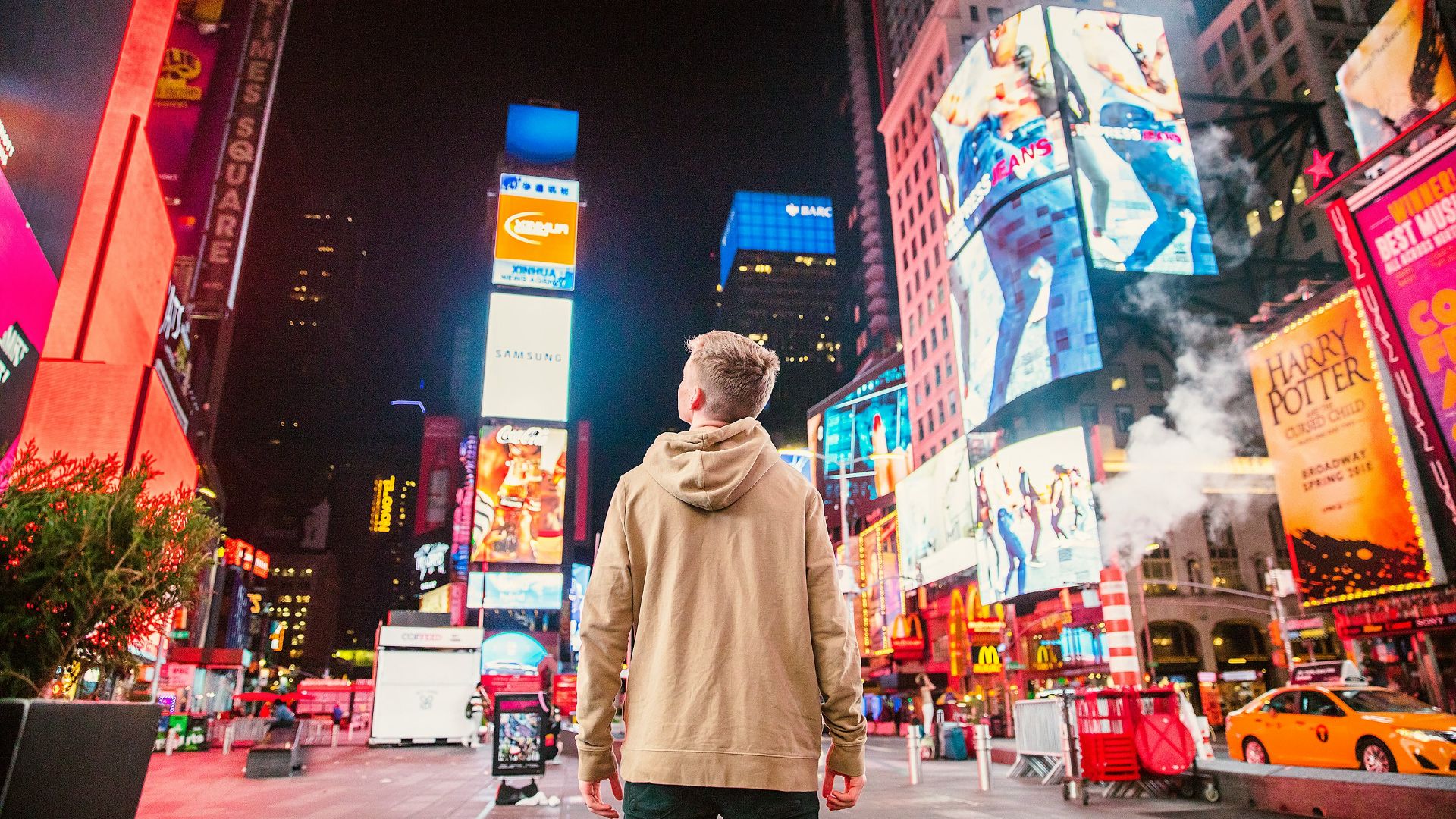
16. The Red Steps Encouraged More Visitors
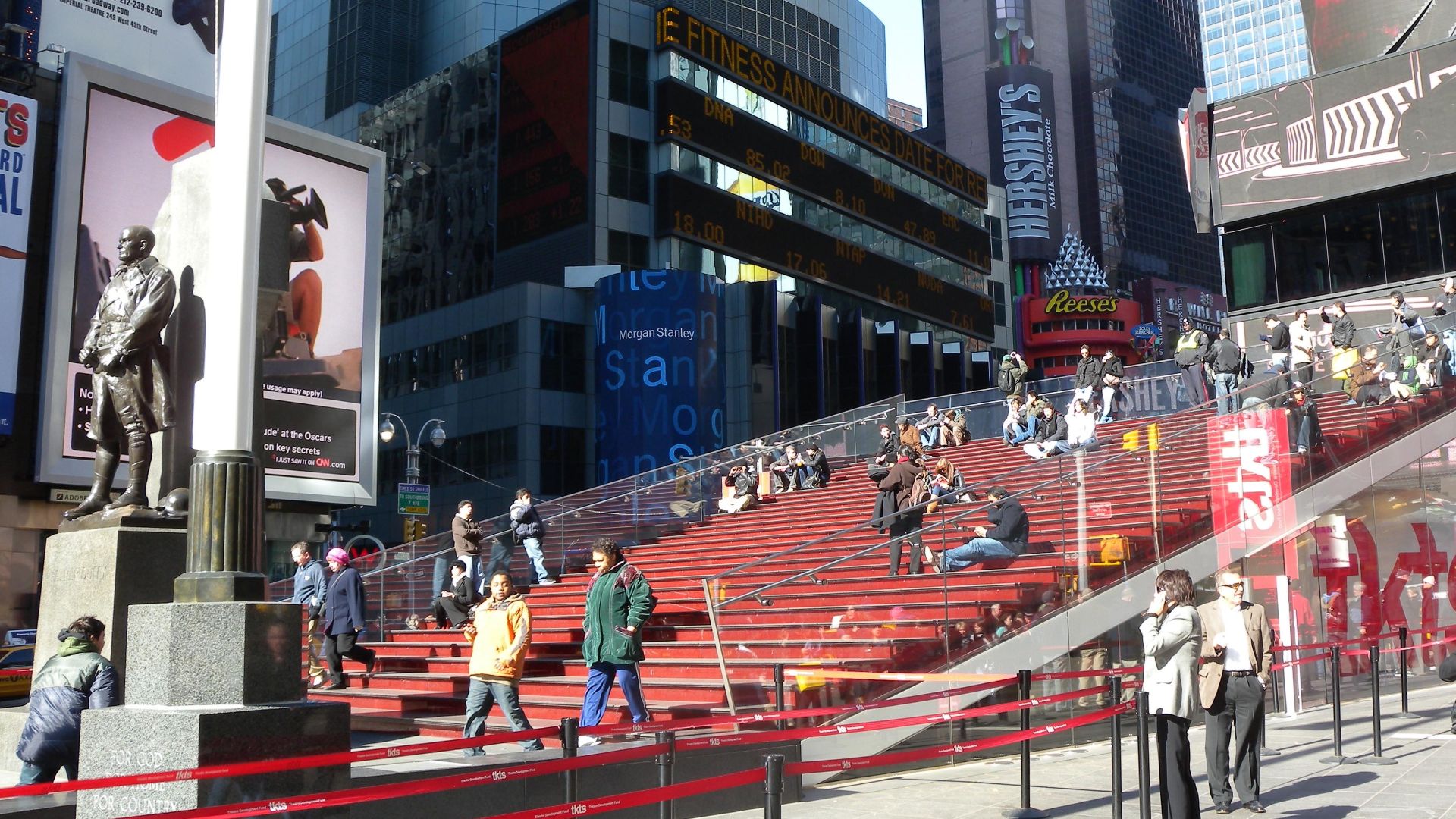
The rebuilt TKTS booth and red steps at Father Duffy Square opened in 2008 and quickly became one of the area’s signature features. Those 27 red steps can accommodate up to 1,500 people, giving every lucky visitor a direct view over the square. It might sound simple, but it’s a clever feature, and it helped drive in more business.
17. Broadway Keeps Pulling People In
TKTS first opened in Times Square in 1973 and became a well-known source for same-day discount theater tickets. If that sounds like a steal, it’s because it was! You no longer had to arrive in New York with a perfect plan; Times Square itself functioned as the place where plans just worked out.
18. Today’s Foot Traffic
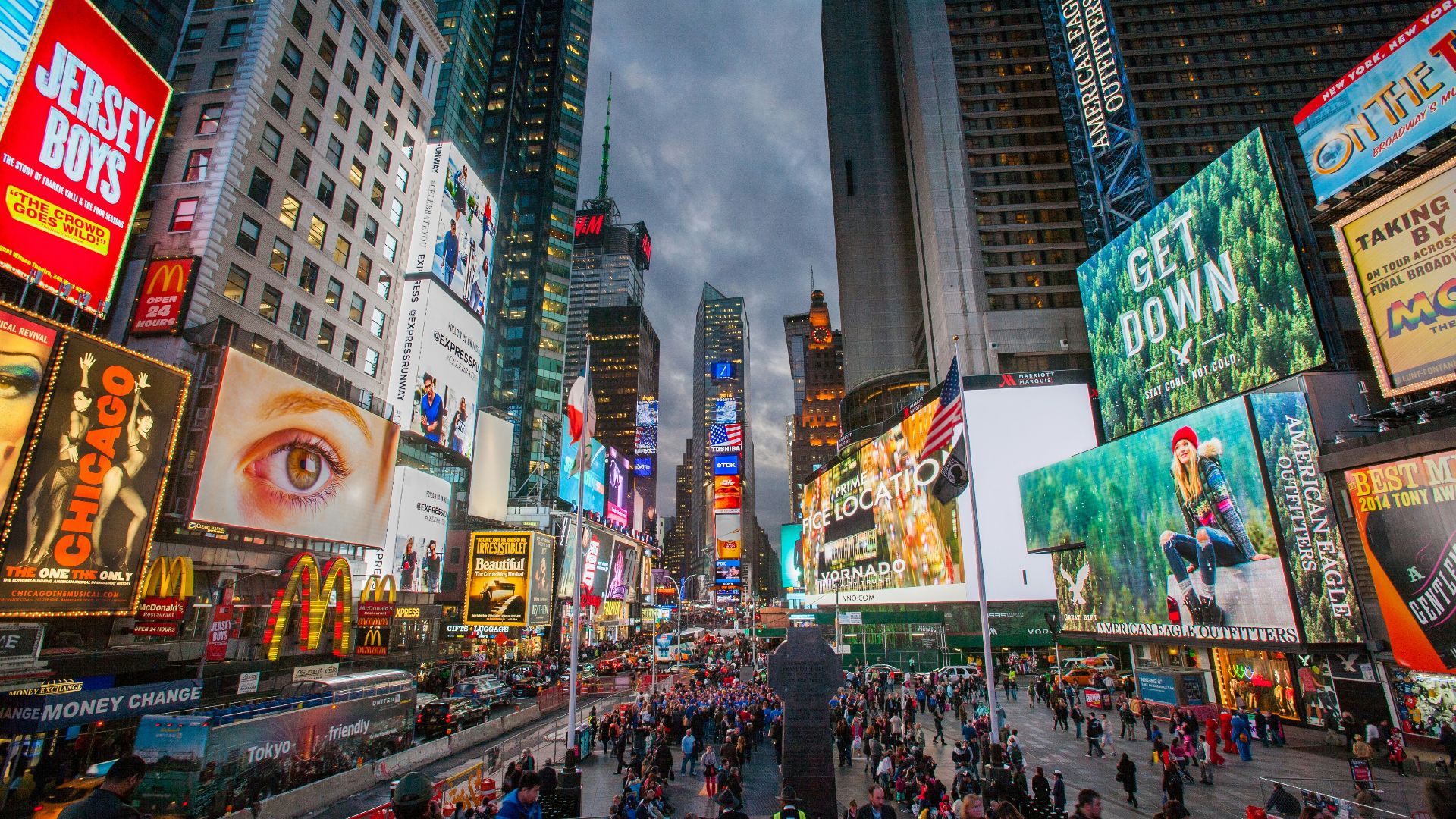
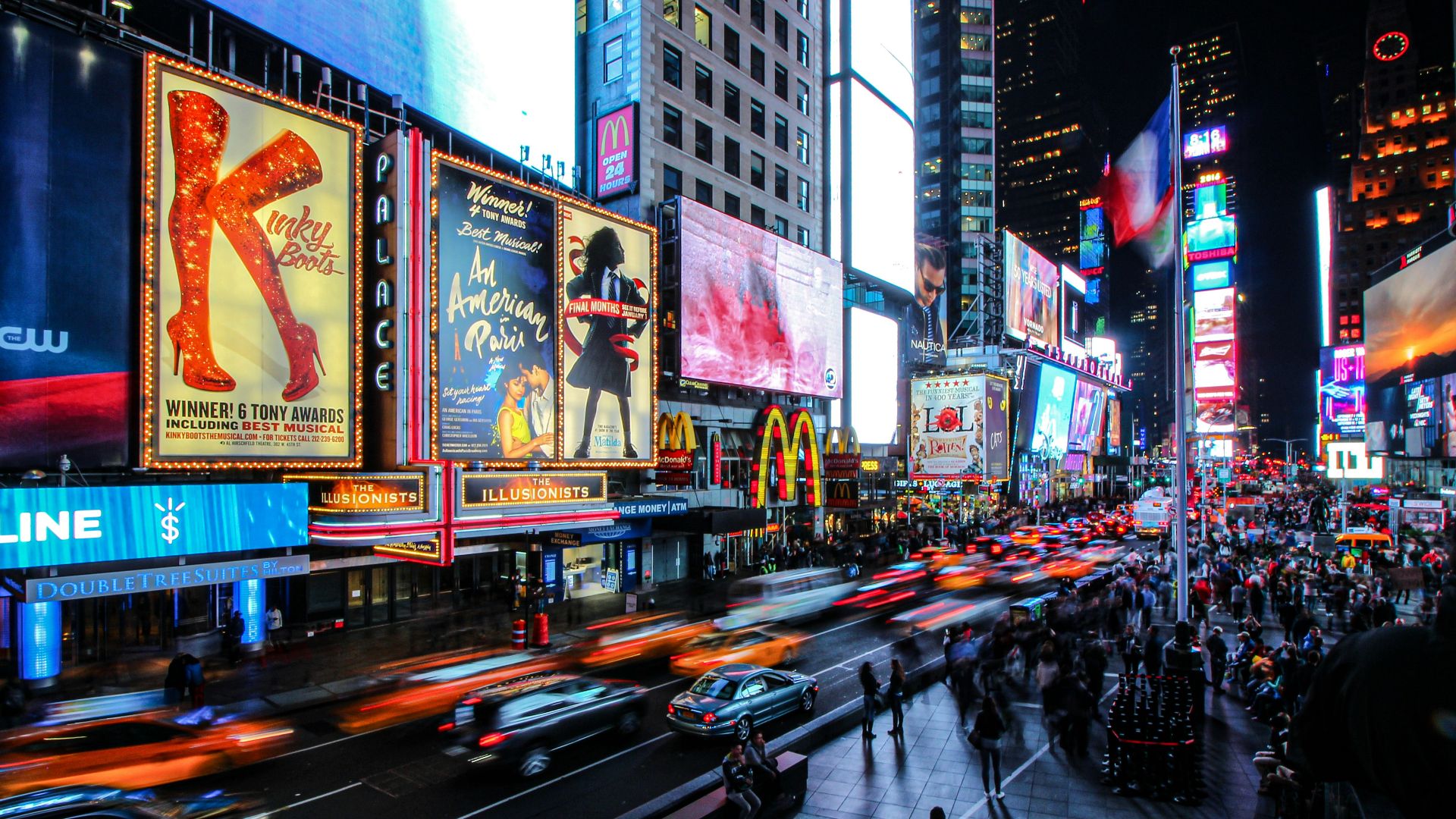
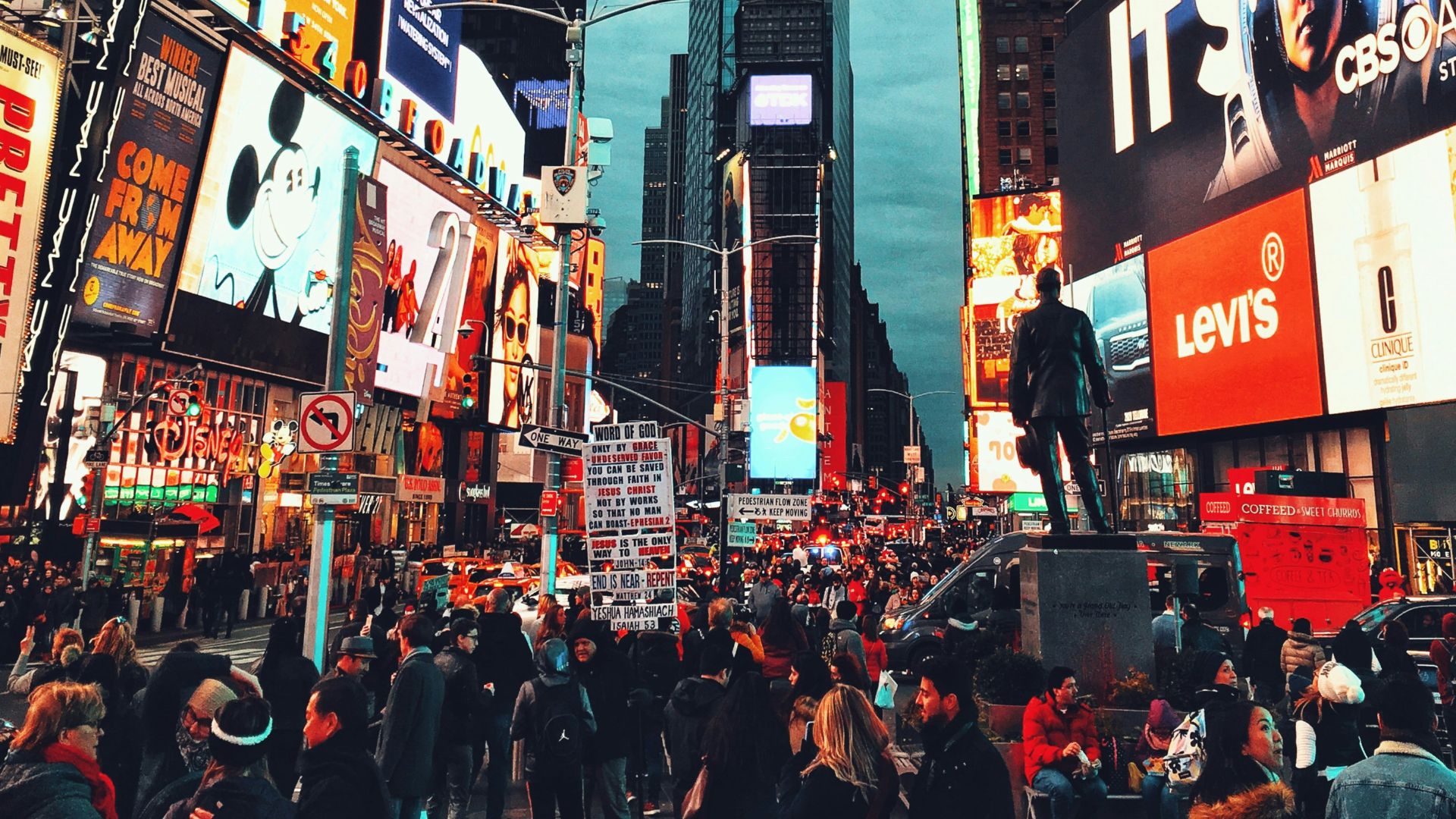
Modern Times Square’s daily numbers are enormous. The Times Square Alliance says the area regularly sees between 200,000 and 250,000 pedestrians a day, with roughly 220,000 pedestrians entering Times Square daily in 2024. So, it would seem that all those restoration efforts paid off in the end!
19. It’s One of the City’s Biggest Transit Hubs
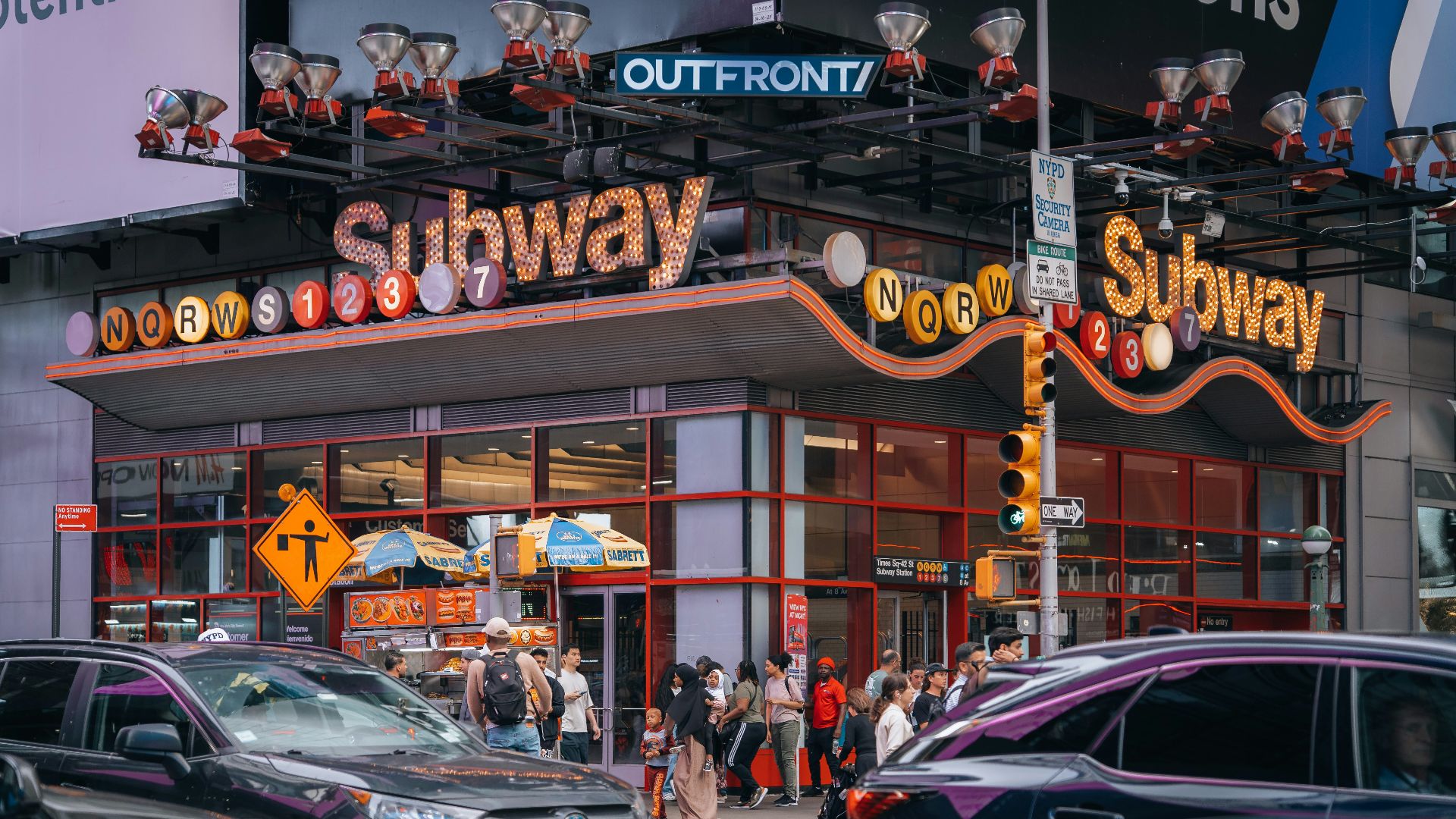
The neighborhood remains easy to reach, which is one of the most practical reasons it keeps drawing tourists. The Times Square-42nd Street station was the busiest in the city in 2024, with 57.7 million annual riders, and the wider district logged more than 79.6 million annual transit riders. Talk about an easy way to get around.
20. It Mixes History, Access, and Constant Activity
Times Square’s appeal today comes from several forces: visitors get the Ball Drop tradition, Broadway access, giant screens, public plazas, restaurants, shopping, free events, and large-scale art programs, all in one compact district. People can say what they want, but Times Square is here to stay this time.