Planes Or Trains? 10 Reasons To Fly To Your Destination & 10 Reasons The Train Is Better
Planes Or Trains? 10 Reasons To Fly To Your Destination & 10 Reasons The Train Is Better
A Faster, Smoother Way To Get Where You’re Going
When you’re deciding how to travel, the details matter more than you think: timing, comfort, cost, and how much control you’ll actually have over your day. Flying often wins because it turns long-distance trips into something you can fit around your schedule. But is it truly the best way to get around?. If you’re weighing planes against trains, we’re here to make a case for both—depending on your needs!

1. You Save Serious Time On Long Routes
Flying covers huge distances quickly, which can turn a full-day journey into a morning flight and a late lunch. If you’re traveling across multiple states, that time difference is hard to ignore. You get more hours for meetings, sightseeing, or just resting instead of watching stops stack up.
2. You Can Reach More Places Without Compromise
Airports connect cities that don’t have direct rail lines, and that network is simply broader in most regions. Even if your destination’s smaller, you can usually fly into a nearby hub and continue from there.
3. Flight Schedules Often Give You More Options
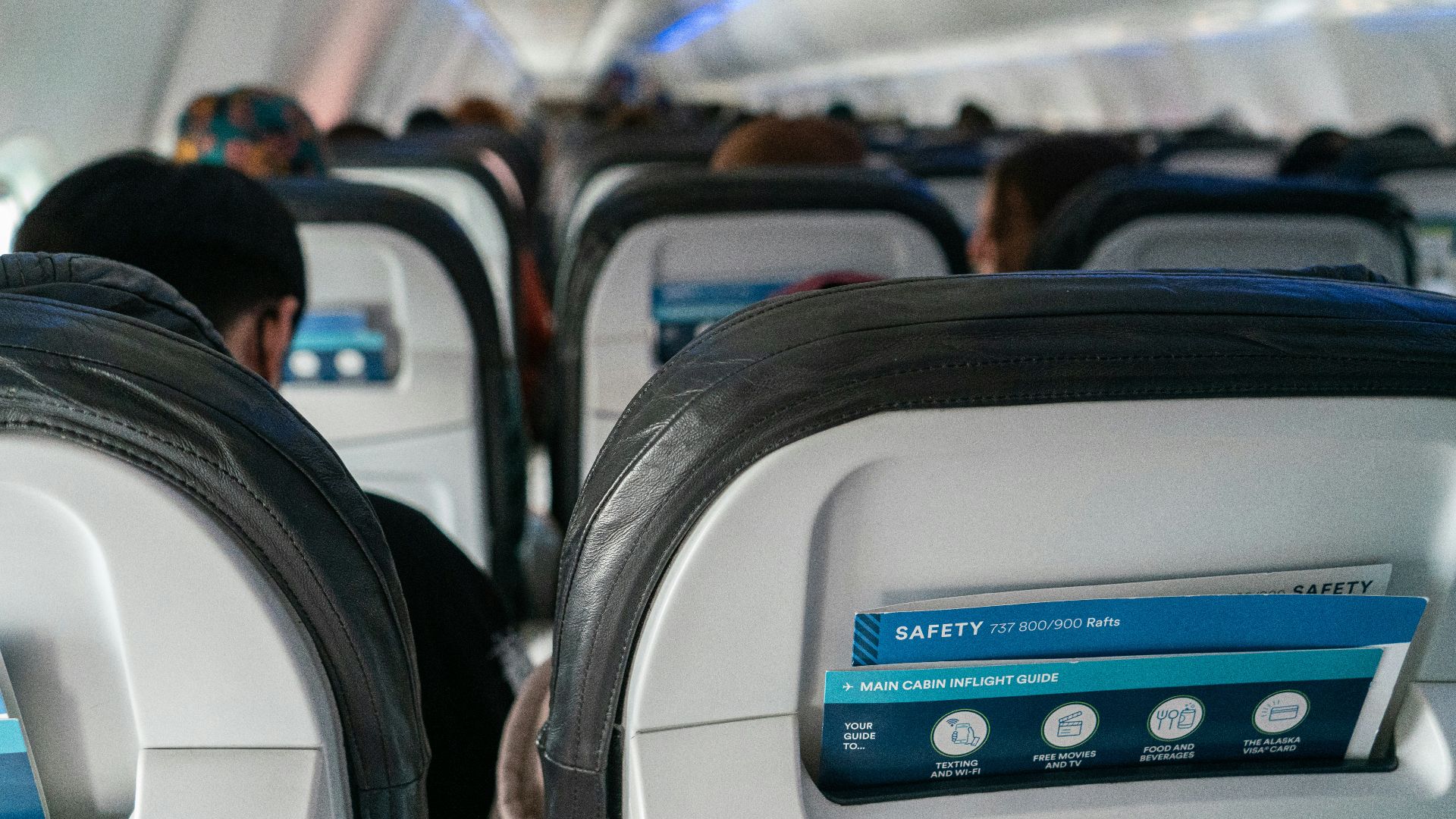
Airlines frequently offer multiple departures per day on popular routes, and that’s the kind of perk that helps when you need a specific arrival time. If a morning plan changes, you may have another flight that still fits your day, whereas with trains, a missed departure can mean waiting much longer.
4. Your Trip is Easier to Plan
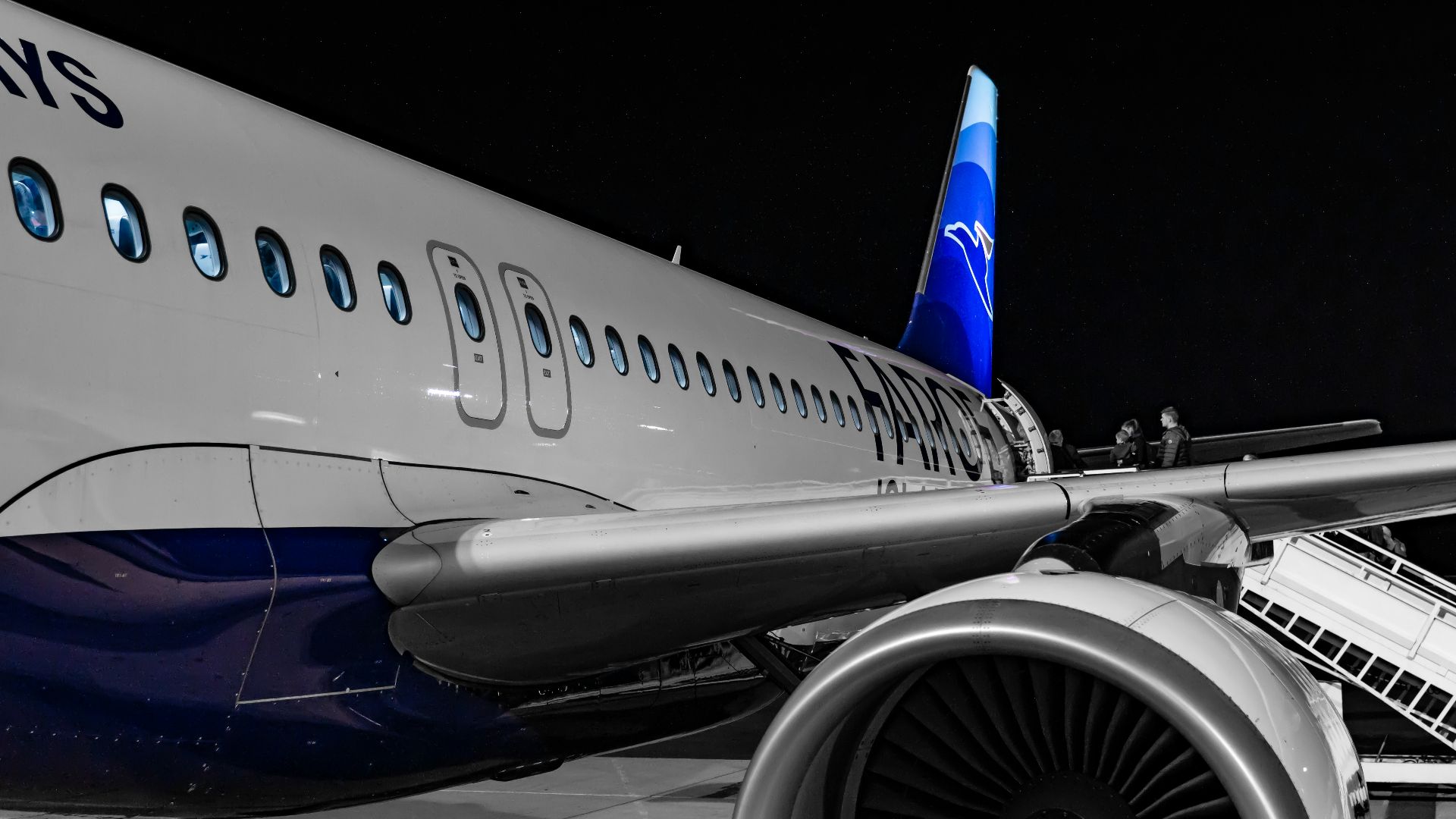
Let’s be real—our PTO is the most important thing when working an adult job. Luckily, a flight’s shorter duration can reduce the number of vacation days you need to take. That convenience is a big deal when you’re juggling deadlines, family plans, and limited time off.
5. You’re More Likely To Avoid Frequent Stops
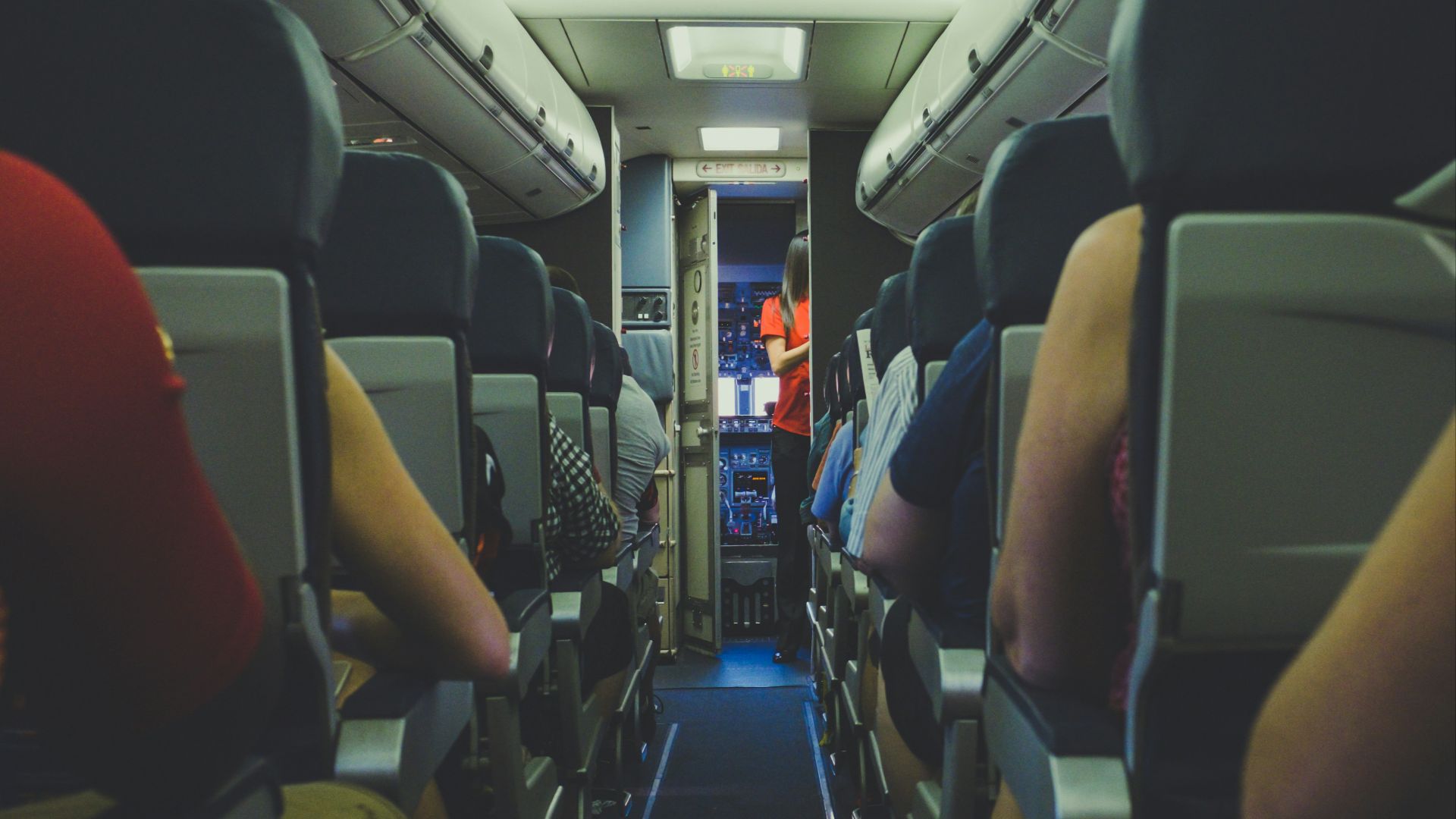
Flights may have connections, but it’s nothing compared to the ground. Many train routes include multiple station stops that add time and create more opportunities for delays. Flights, on the other hand, are typically nonstop or involve a single connection, which keeps the trip structure simpler.
6. Airport Amenities Can Be Surprisingly Practical
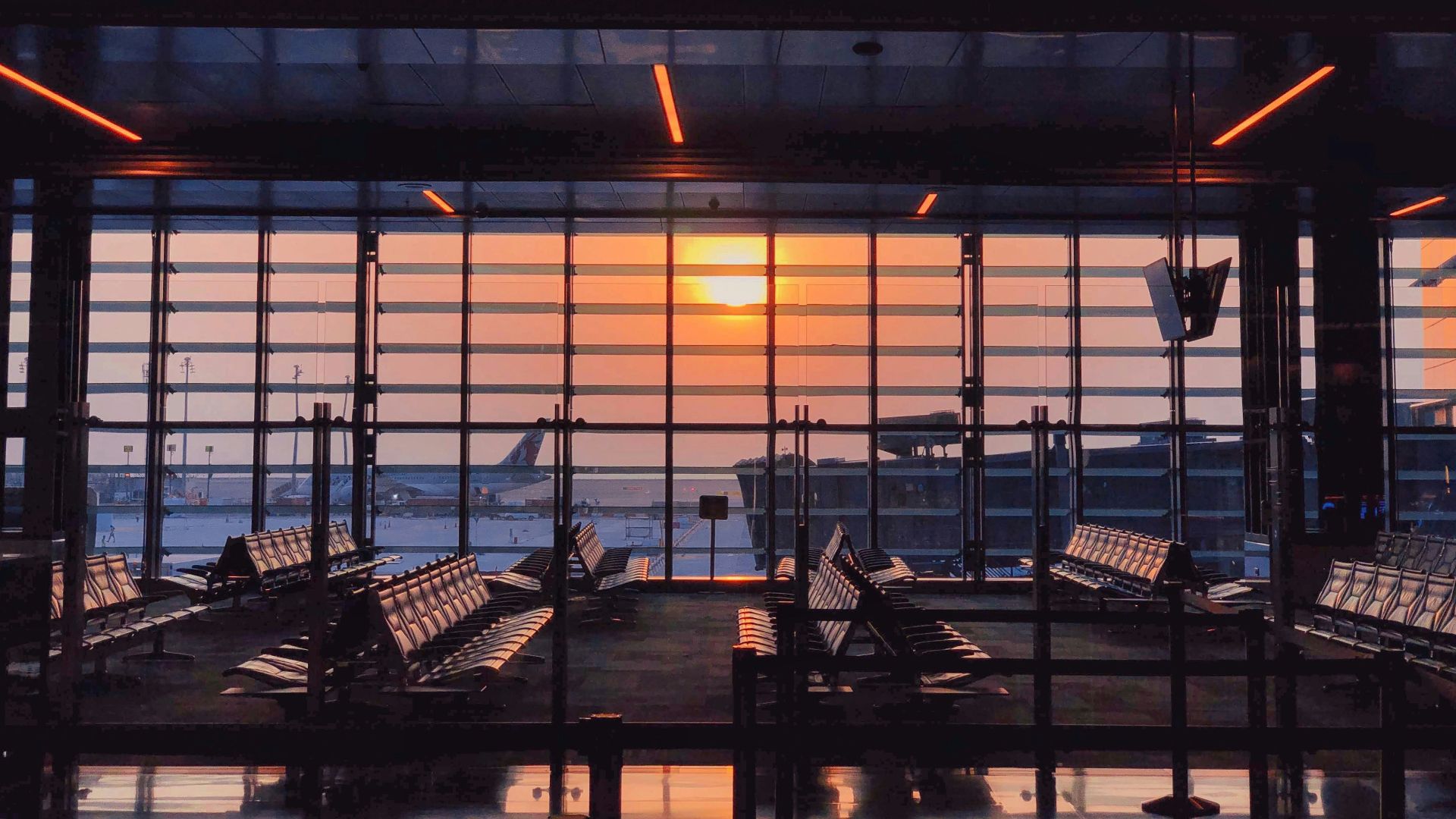
Airports are built for waiting, so you’ll usually find plenty of seating, restrooms, food options, and places to charge your devices. Many terminals even have lounges and work-friendly spaces that make layovers easier to handle.
7. You Can Use Loyalty Programs To Get Real Value
Who doesn’t like collecting money in the air? Frequent flyer miles and airline credit card perks can add up quickly if you travel even a few times a year. You might earn free checked bags, seat upgrades, priority boarding, or discounted flights without changing your routine much.
8. You’ll Often Find Better Price Competition
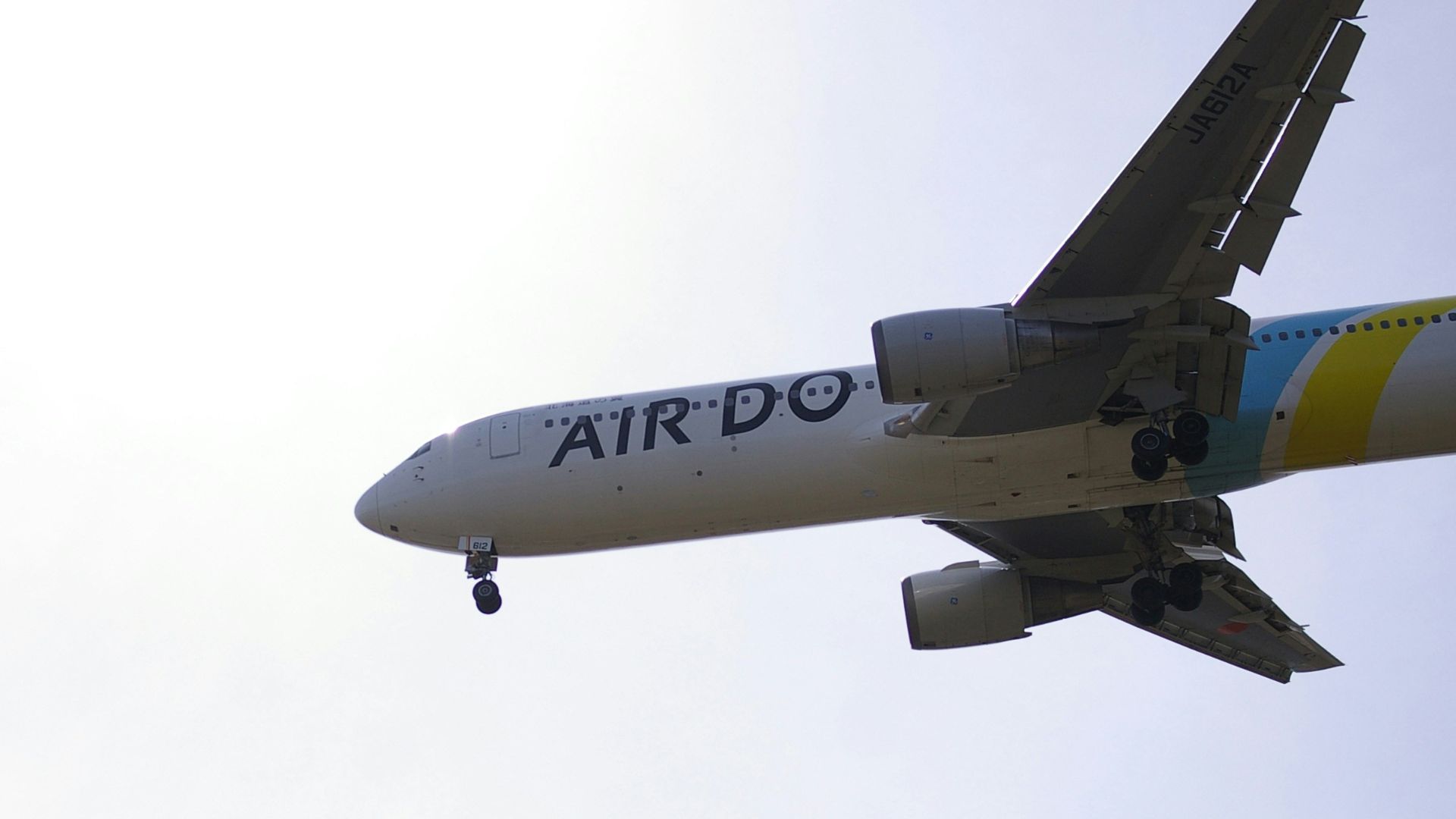
Air travel’s usually competitively priced; multiple airlines fight for the same customers. If you’re willing to fly at off-peak times, you can sometimes get surprisingly low fares. You might even score last-minute deals to take that dream vacation halfway across the world.
9. You Have More Control Over Your Comfort
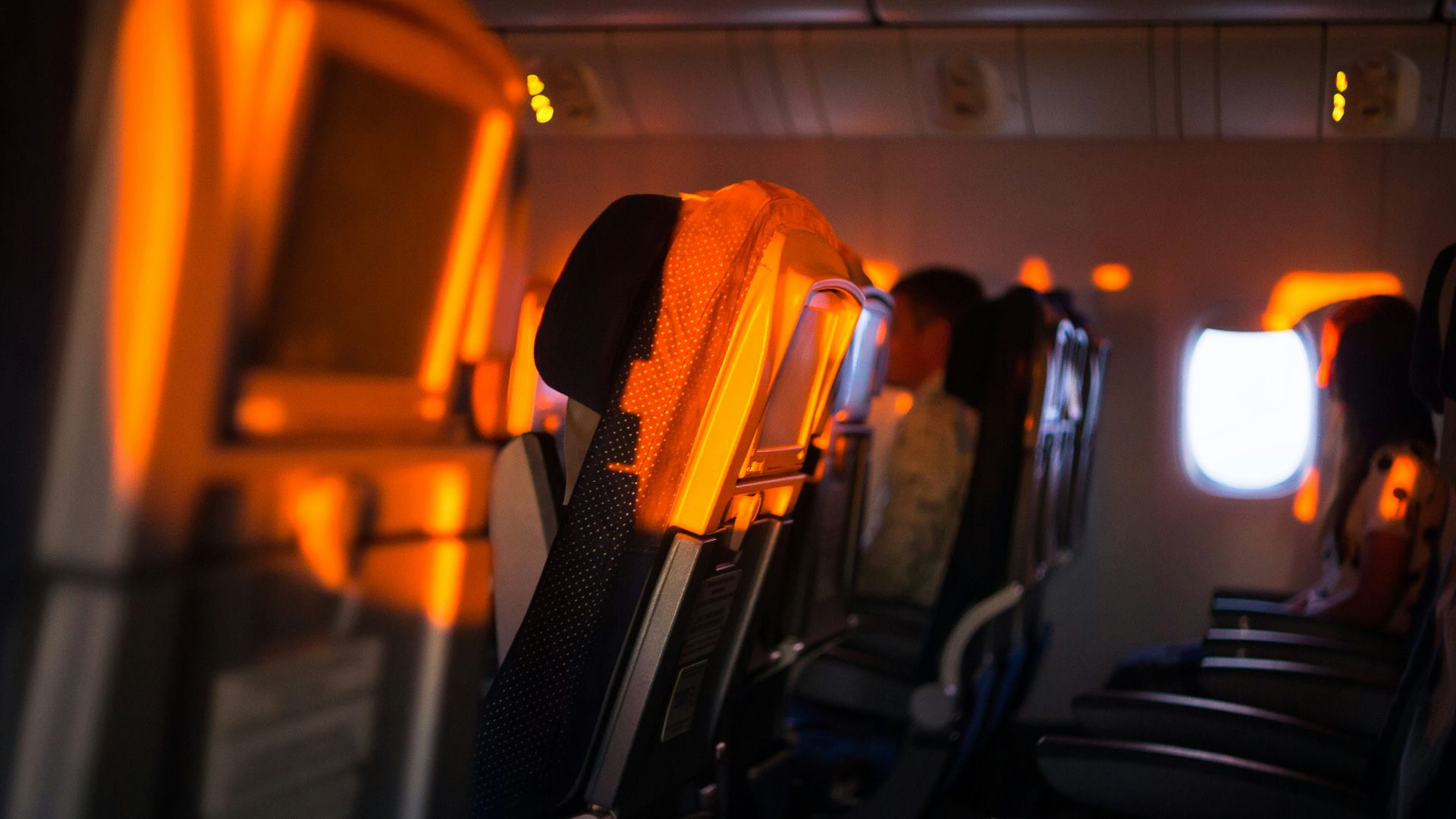
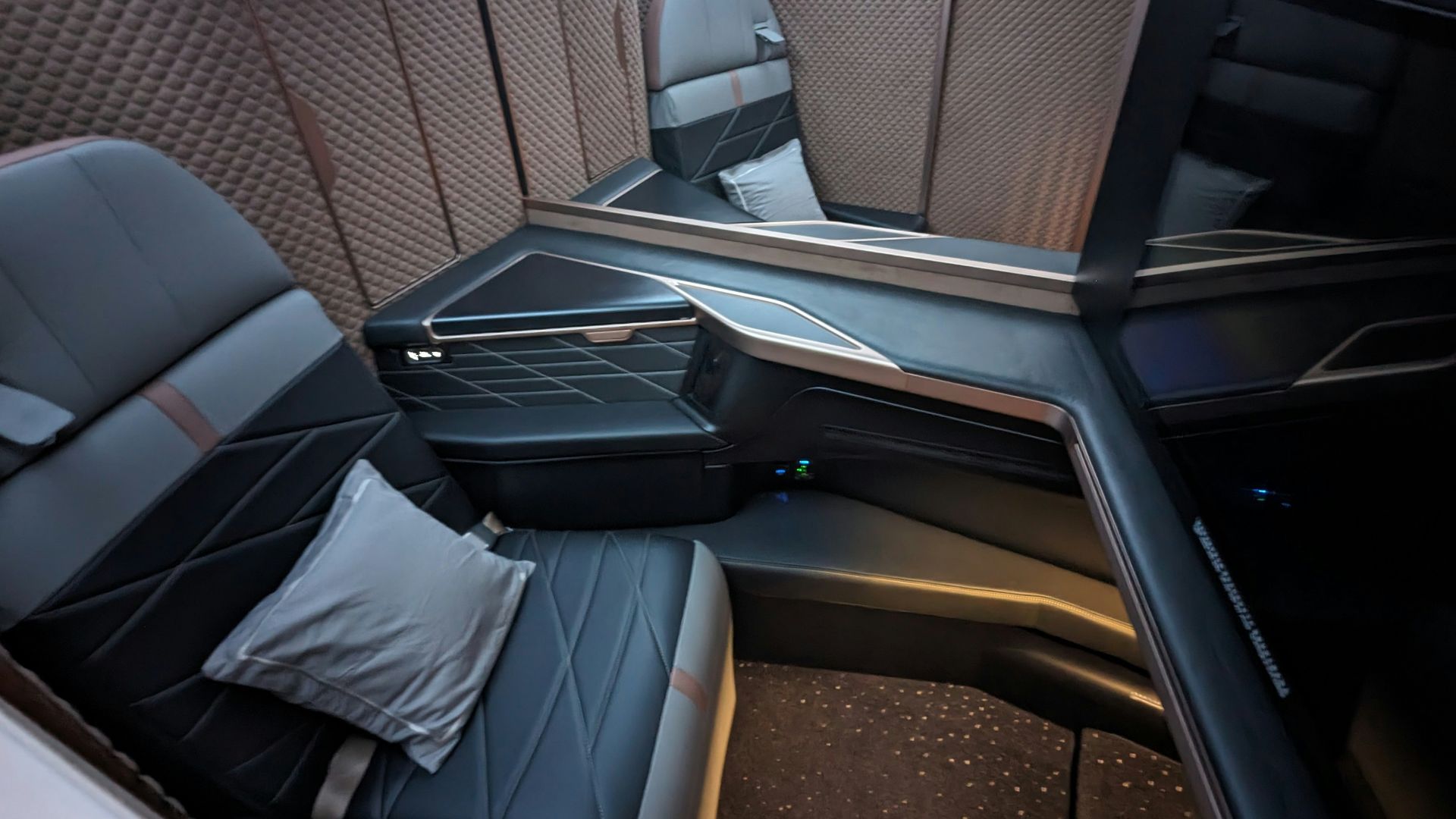
Flights usually let you pick from multiple seating and service tiers, so you can match your budget to your preferences. If you want extra legroom, a quieter cabin section, or priority boarding, you can often buy exactly that.
10. It’s Easier To Keep Your Plans Predictable
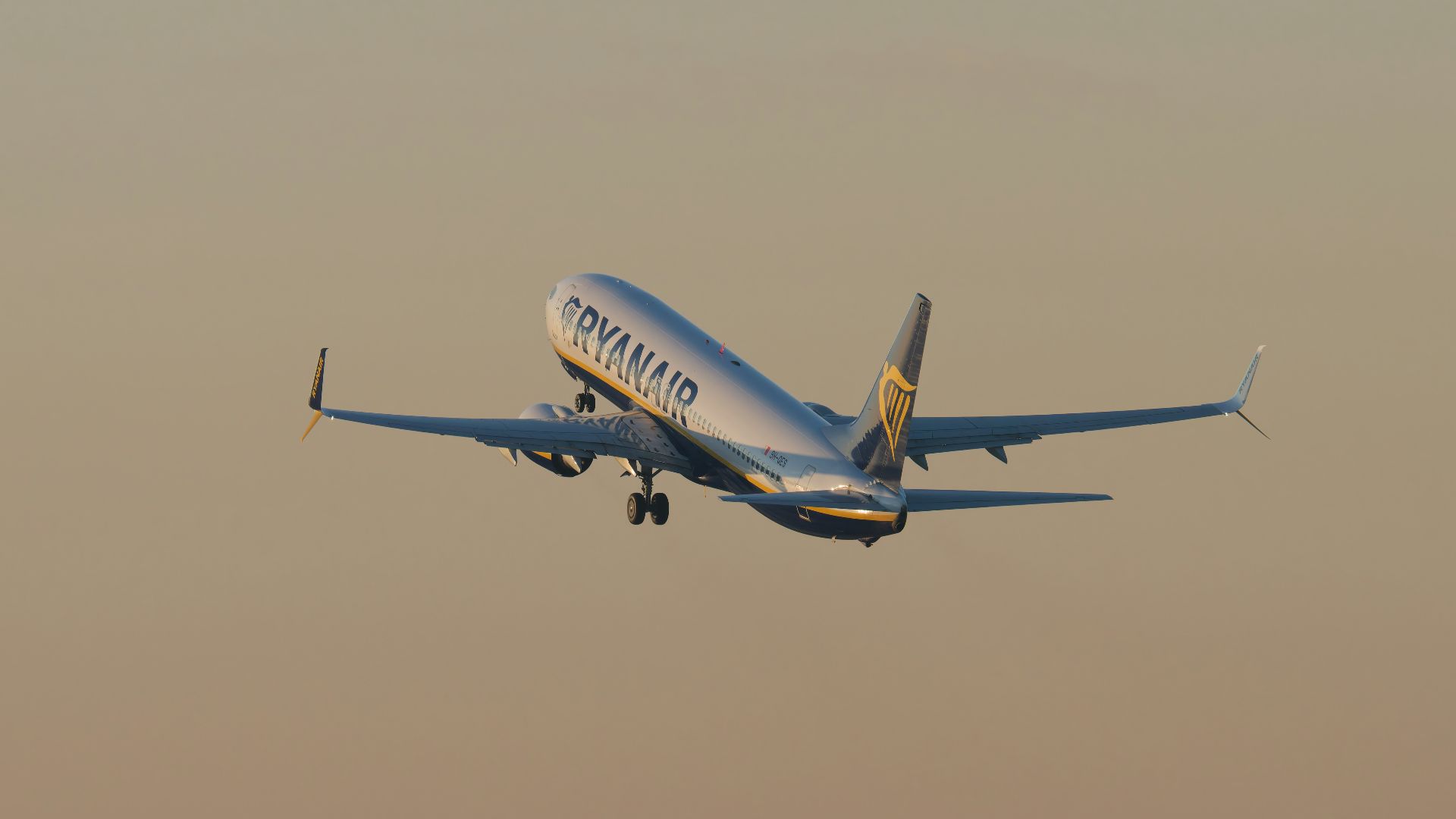
Don’t get us wrong—airlines deal with delays, too. But you’re also working with tighter overall travel windows and more rebooking pathways. If a flight gets disrupted, you can usually hop on a later departure that day.
Now, what about ground travel? Is it all it’s cracked up to be? In some cases, it absolutely is!
1. Boarding is Usually Faster and Less Complicated
At most stations, you can show up closer to departure time and still get on without sprinting through checkpoints. There’s typically less paperwork, fewer rules to juggle, and fewer last-minute surprises at the entrance, too.
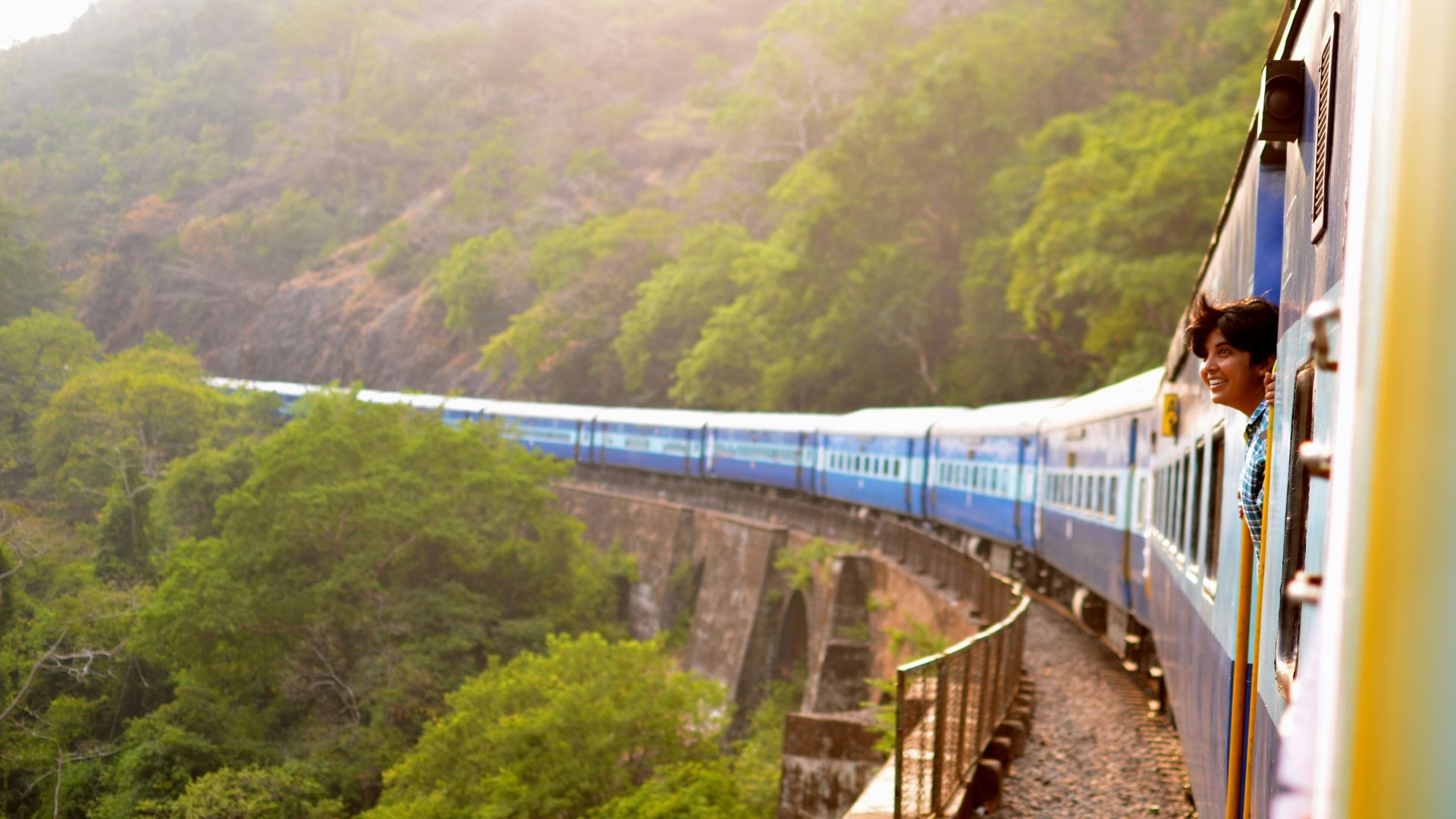
2. Downtown Stations Save You Time On Both Ends
Trains often arrive in city centers, which means you skip the long ride out to an airport on the edge of town. Those saved transfers can make a medium-distance trip feel refreshingly direct. Not to mention, you arrive in the heart of the action!
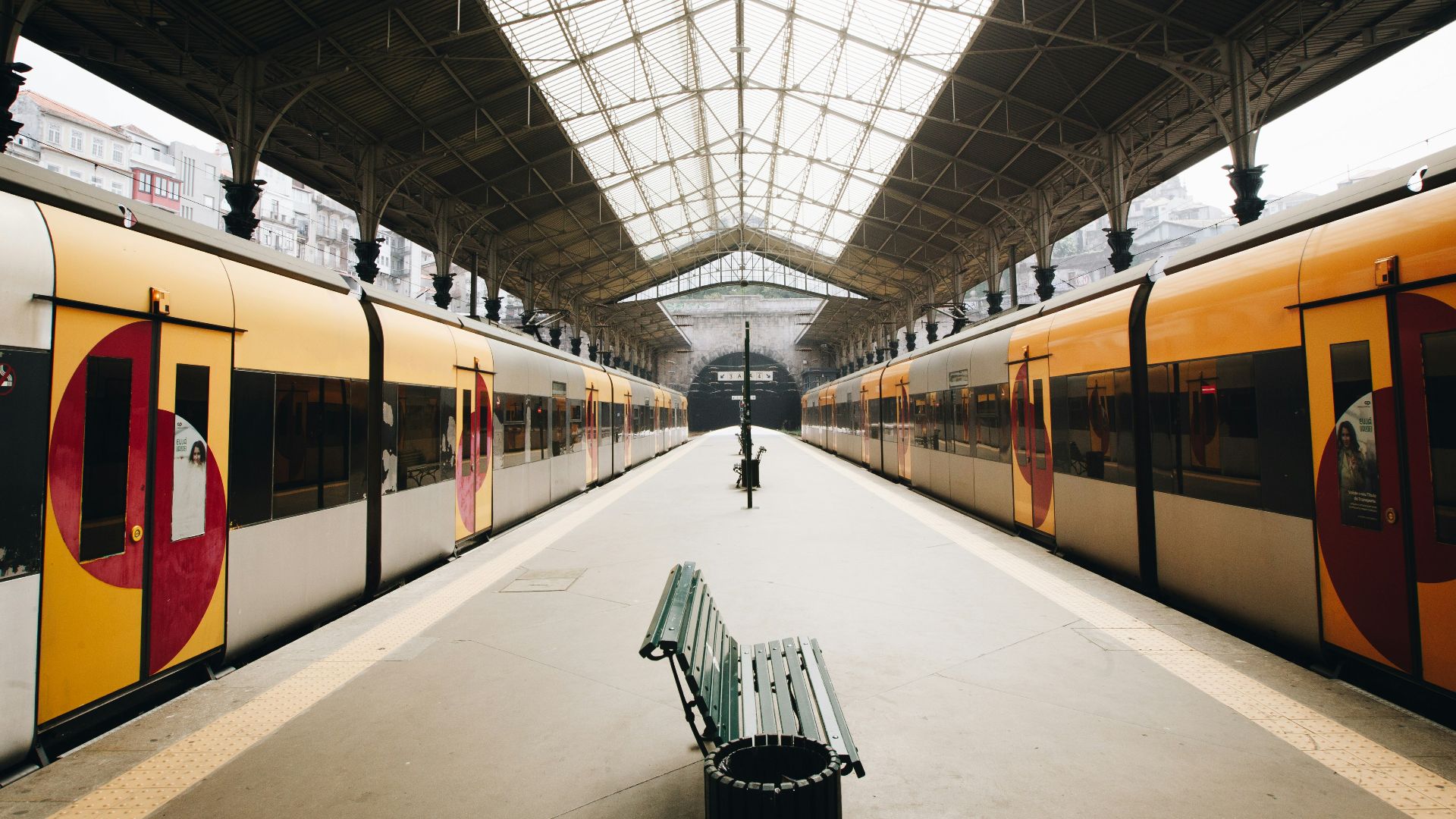
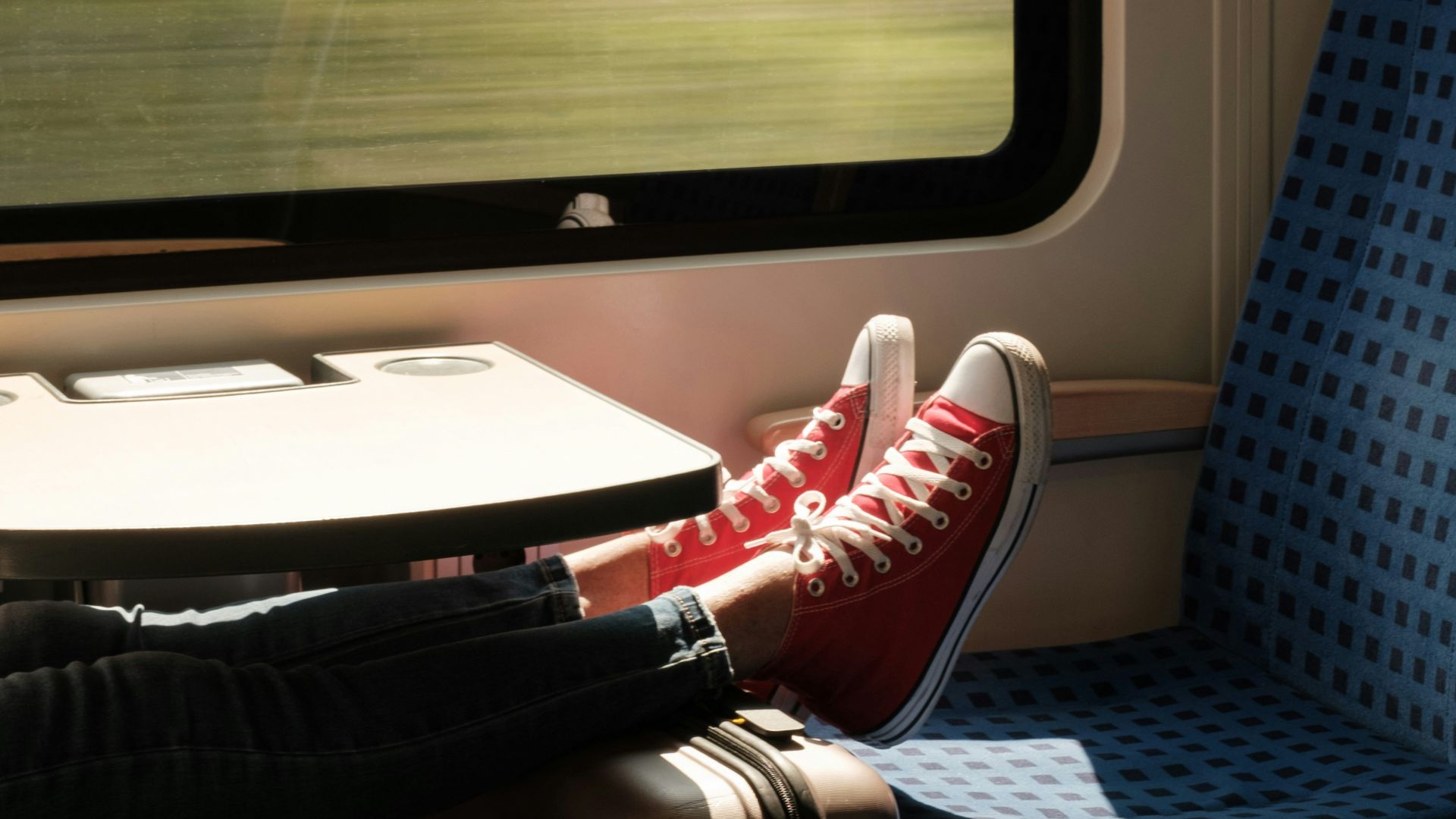
3. You Get More Space To Sit
Say what you want about the convenience of flying—the seats are still terrible! Trains, on the other hand, are frequently wider, and legroom tends to feel less restrictive than in many economy cabins.
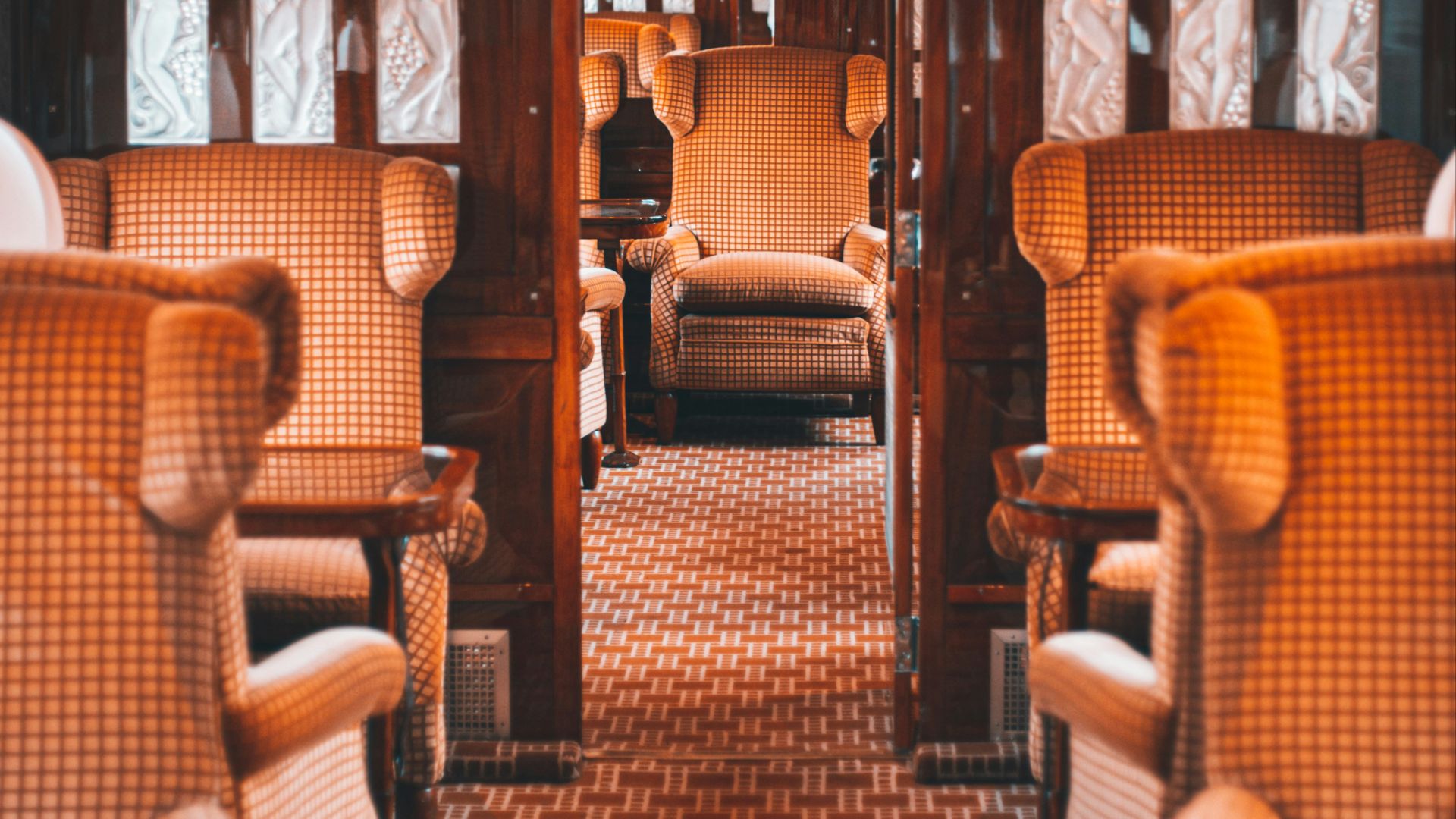
4. Moving Around Doesn’t Feel Awkward
Speaking of cramped economy cabins, on a train, you can stand up, walk to a café car, or simply take a short stroll without waiting for a seatbelt sign to change. Even a quick walk to refill your water can make the ride feel more pleasant.
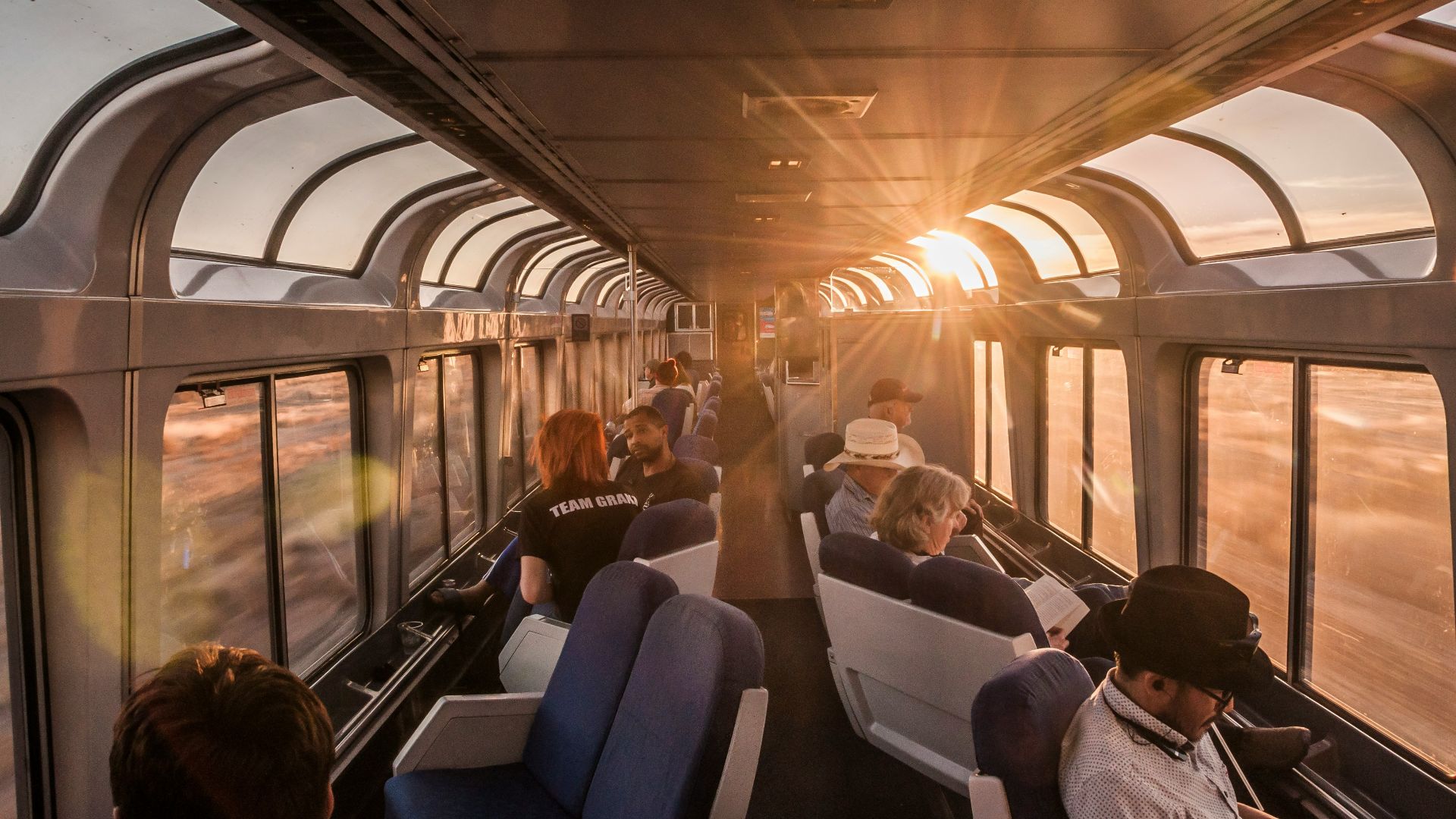
5. More Relaxed Baggage Rules
Many rail services allow you to bring bags without worrying about liquid limits or measuring every zipper. You’re less likely to face surprise fees for an extra suitcase or a slightly heavier carry-on, too.

6. The Trip Can Be More Reliable in Bad Weather
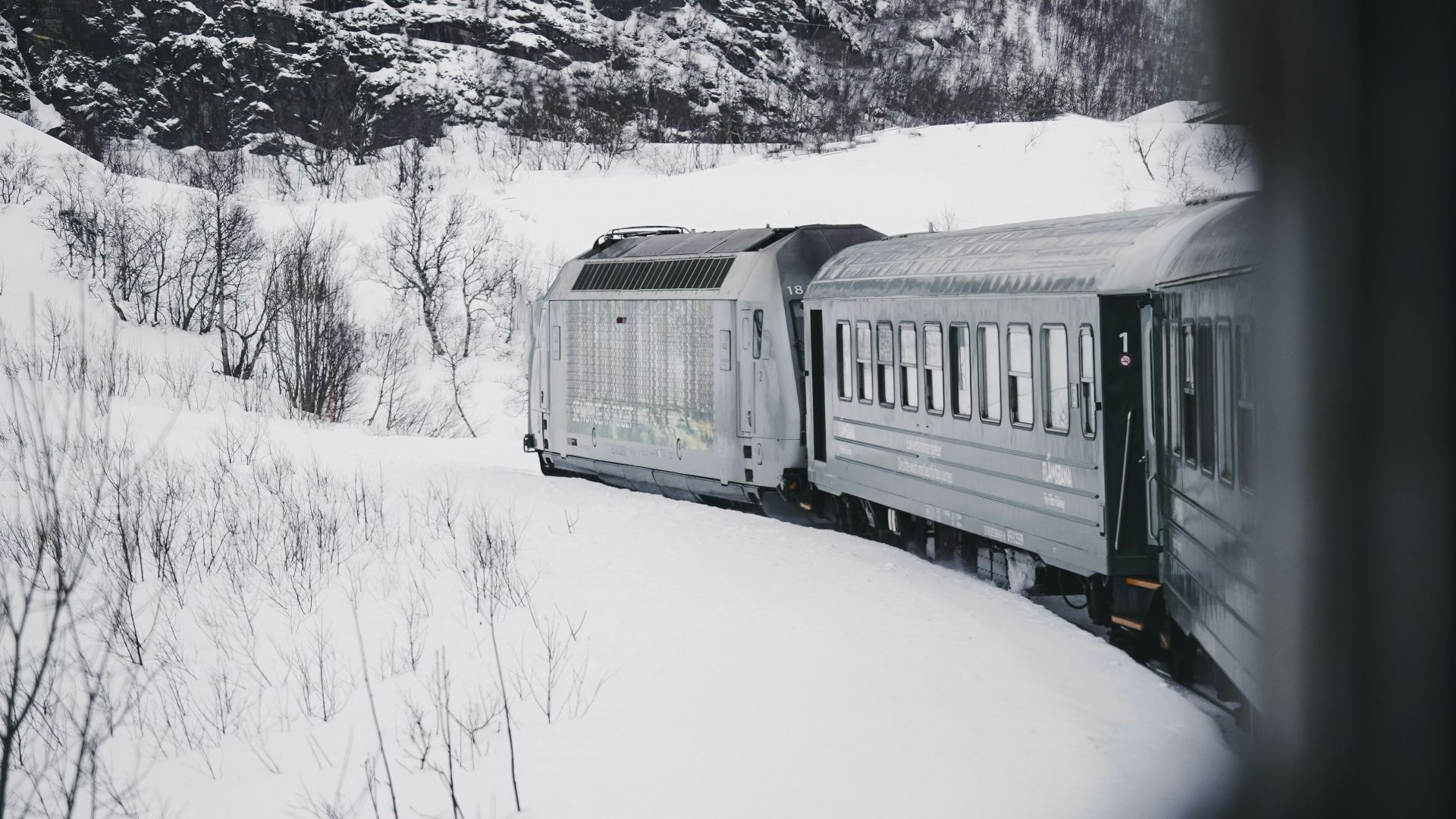
It doesn’t take more than heavy snow or a thunderstorm to cancel your flight, but you don’t have to worry about that on trains. Trains can still be delayed, sure, but they’re often less prone to the same cascading disruptions.
7. You Can Stay Connected More Consistently
Cell service works for large stretches of rail routes, and Wi-Fi is increasingly common on many lines. On an airplane, though? Forget about it! So, if you’re trying to keep up with work while traveling, that stability can make a difference.
8. It’s Easier To Travel With a Group
Managing a family or a few friends is simpler when you’re not splitting up at security bins and reorganizing pockets every ten minutes. On trains, it’s usually easier to sit together, share snacks, and keep everyone comfortable.

9. Food and Breaks Often Feel More Enjoyable
Airplane food really isn’t anything to write home about. However, train dining tends to be less rushed and offers more options. Best of all, you can eat without balancing a tray in a squeezed row. Some routes even offer café cars with hot meals, better beverage options, and space to sit at a table.

10. The Journey Can Feel More Relaxed
On the ground, you’re typically dealing with fewer rigid steps, so the day doesn’t revolve around checkpoints and boarding groups. That smoother pace can leave you less drained when you arrive, which is especially nice if you’re heading straight into an event.