Before You Grab the Keys
Driving abroad shows you just how many rules you follow without thinking too much. Sure, Europe and the Americas share the basics in terms of understanding how to drive, but the small stuff shifts quickly once you’re in real traffic. Units, signs, toll systems, and right-of-way habits can change how confident you feel behind the wheel.
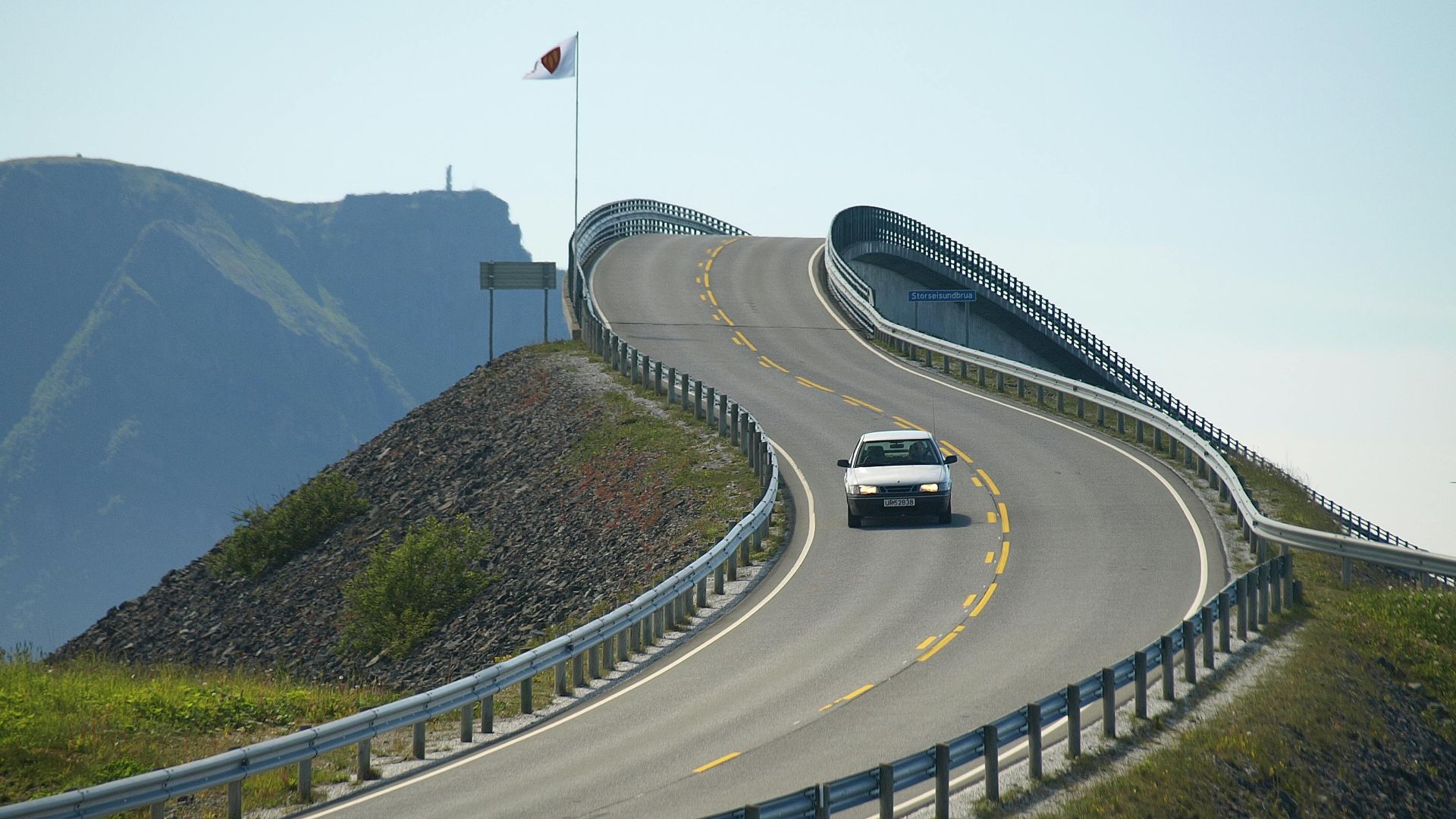
1. Switching Sides
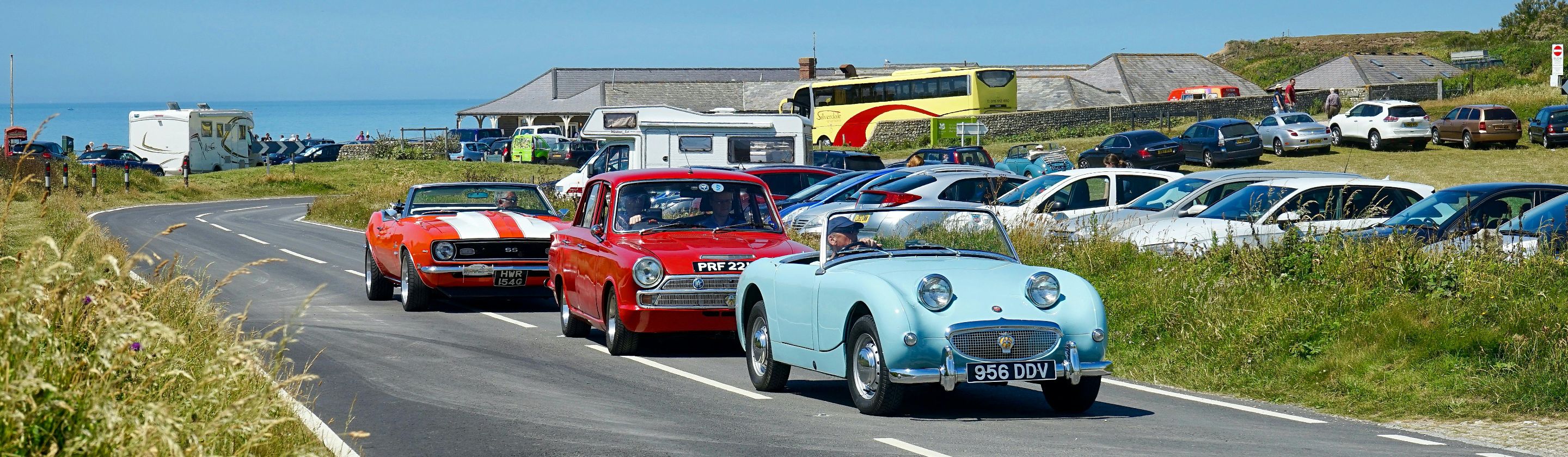
Most of continental Europe and almost all of the Americas drive on the right, so France, Spain, the U.S., and Canada will feel familiar. Major European exceptions include the United Kingdom and Ireland, where you drive on the left, while your driver's seat is on the right side of the vehicle.
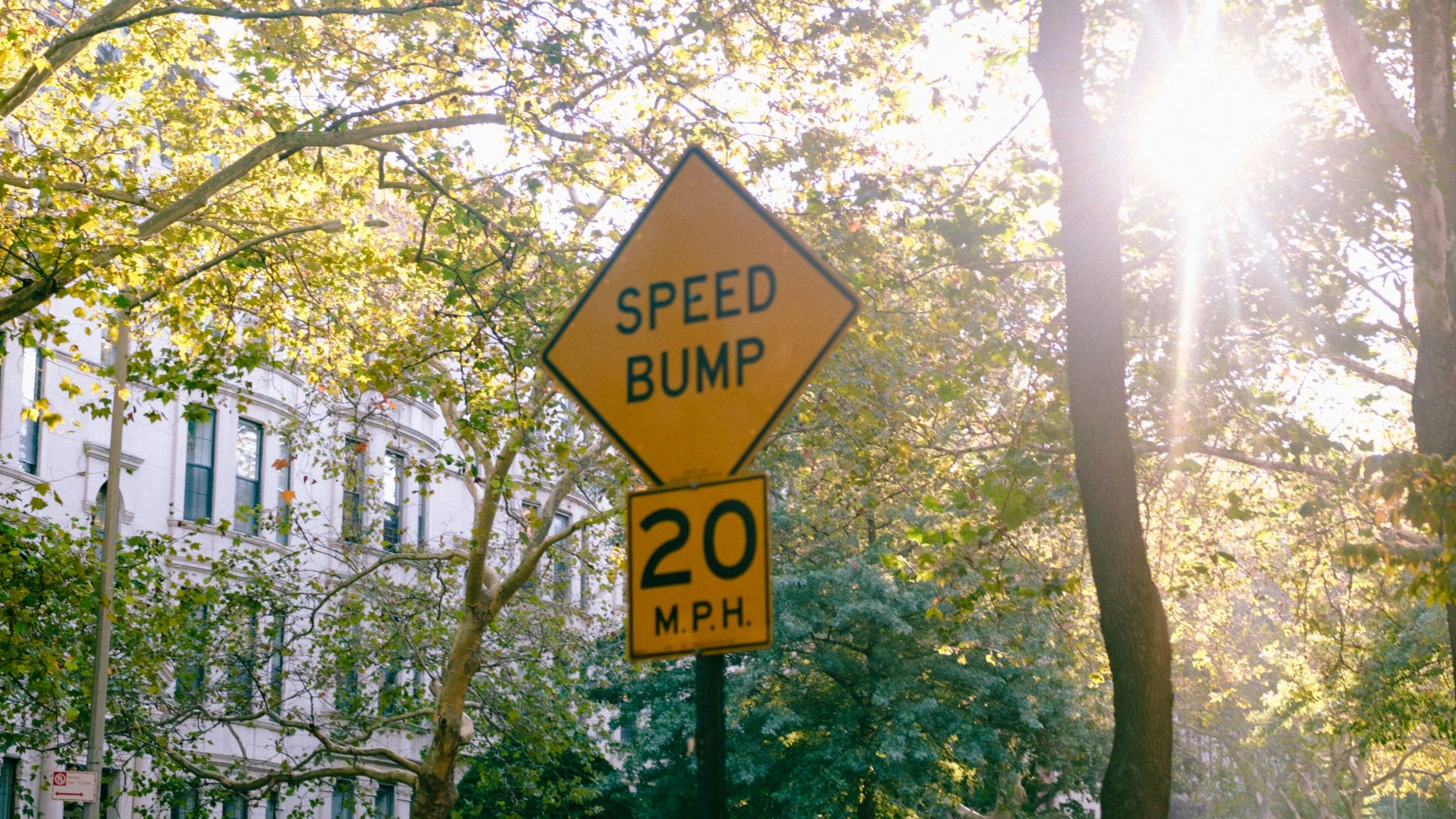
2. Miles vs Kilometers
In the U.S., speed limits are posted in miles per hour, while most of Europe and Canada use kilometers per hour. However, the United Kingdom is an exception to the rule, so you’ll feel familiar in England, Wales, Scotland, and Northern Ireland.
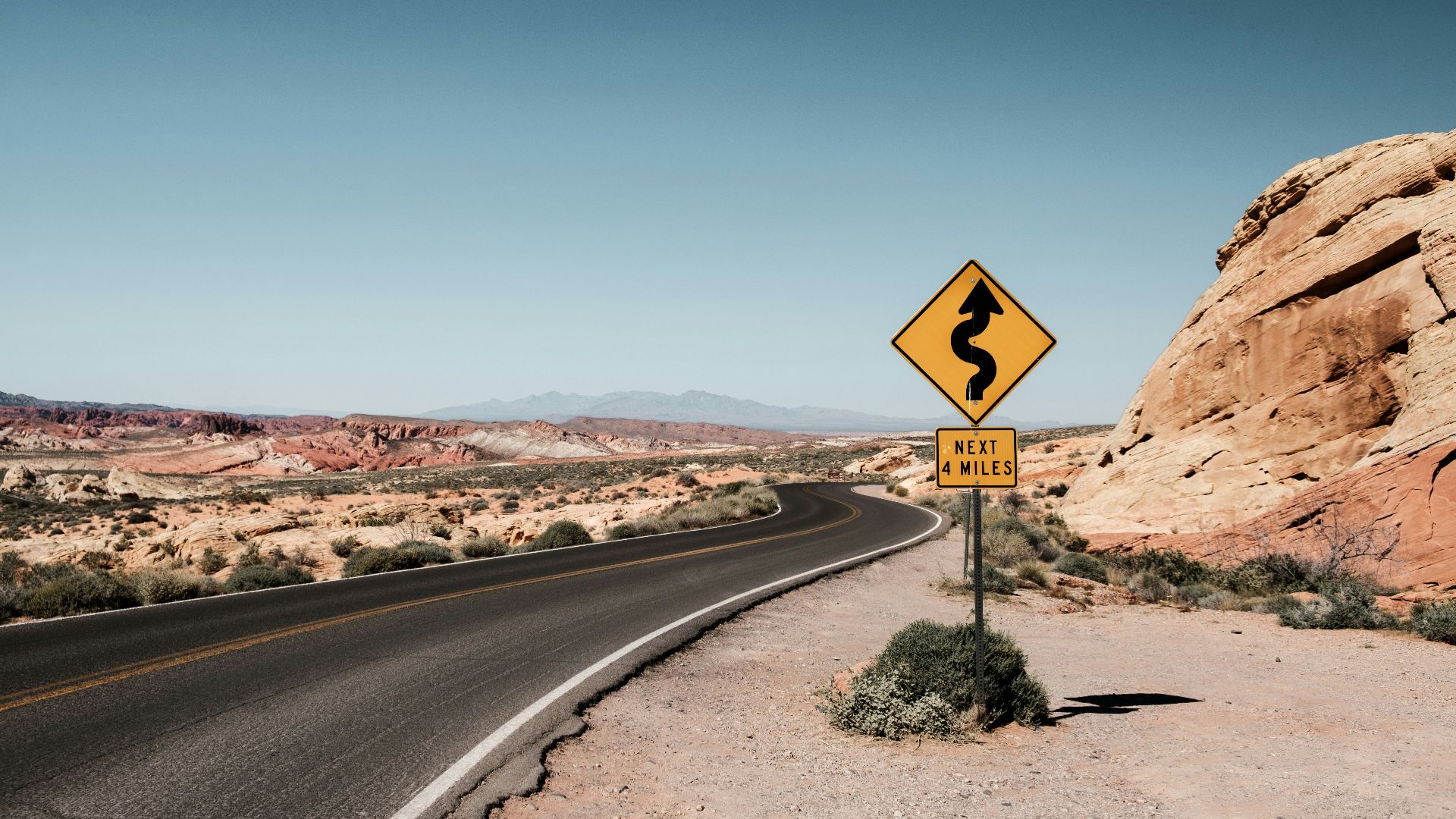
3. Signs: Text vs Symbols
Many European countries rely on standardized symbols so drivers across languages can read signs quickly. In the U.S., regulatory signs often use words and follow national guidance in the Manual on Uniform Traffic Control Devices.
4. Turning on Red
In the United States, right turns on red are generally allowed unless a sign explicitly prohibits it, with exceptions in places like New York City. In much of Europe, turning on red is usually not allowed unless a specific signal or sign permits it. When you’re unsure, waiting for the green is the safest bet.

5. The Four-Way Stop
All-way stops are common in the U.S. and Canada, so the take-turns pattern shows up in most neighborhoods. In many European places, you’ll see fewer all-way stops and more yield, priority signs, and roundabouts.
6. Priority From the Right
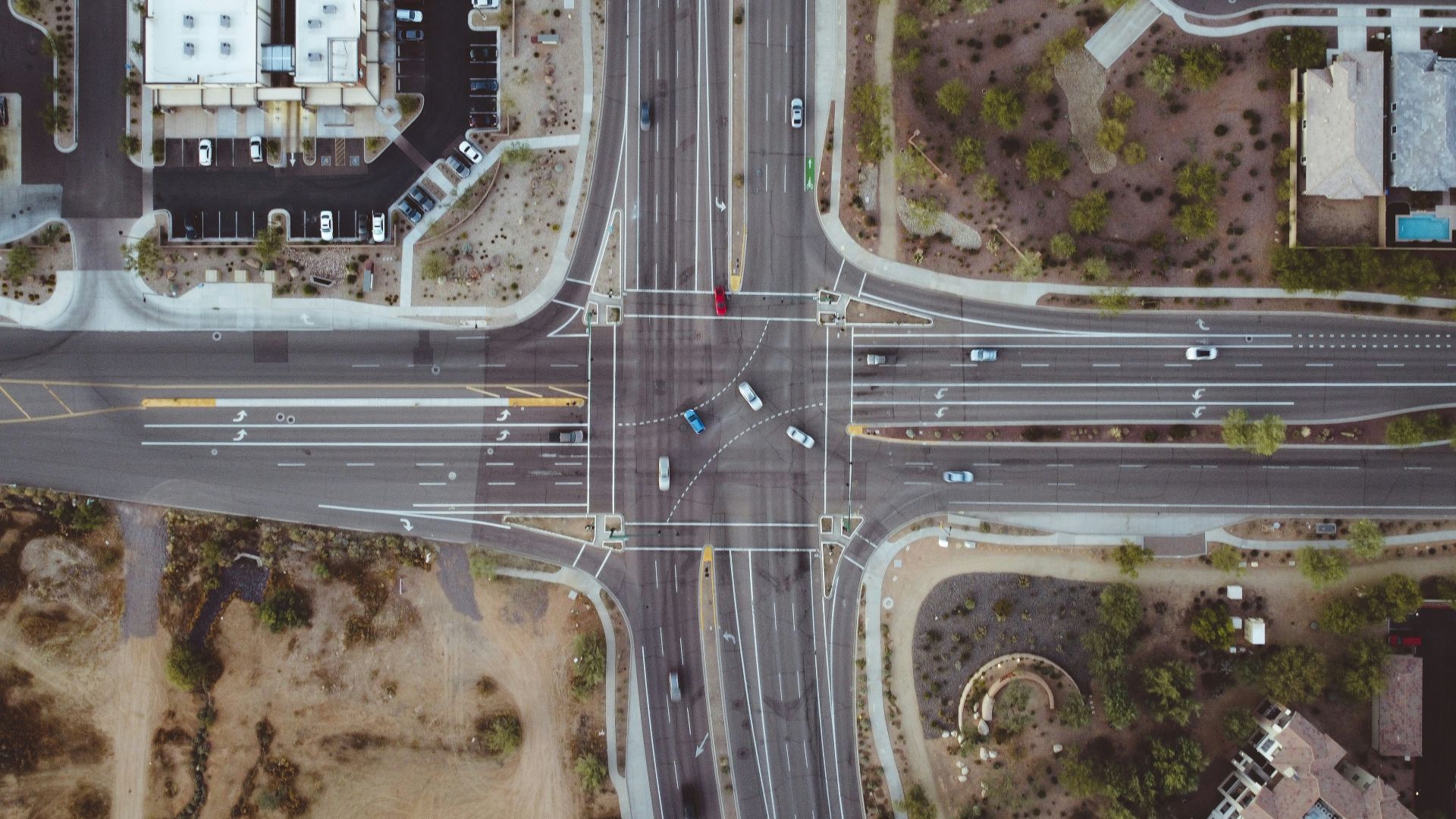
In parts of Europe, an unsigned intersection can default to yielding to traffic coming from your right unless signs say otherwise. North American drivers, however, are often used to stop signs or signals, making the order obvious.

7. Roundabouts as Default
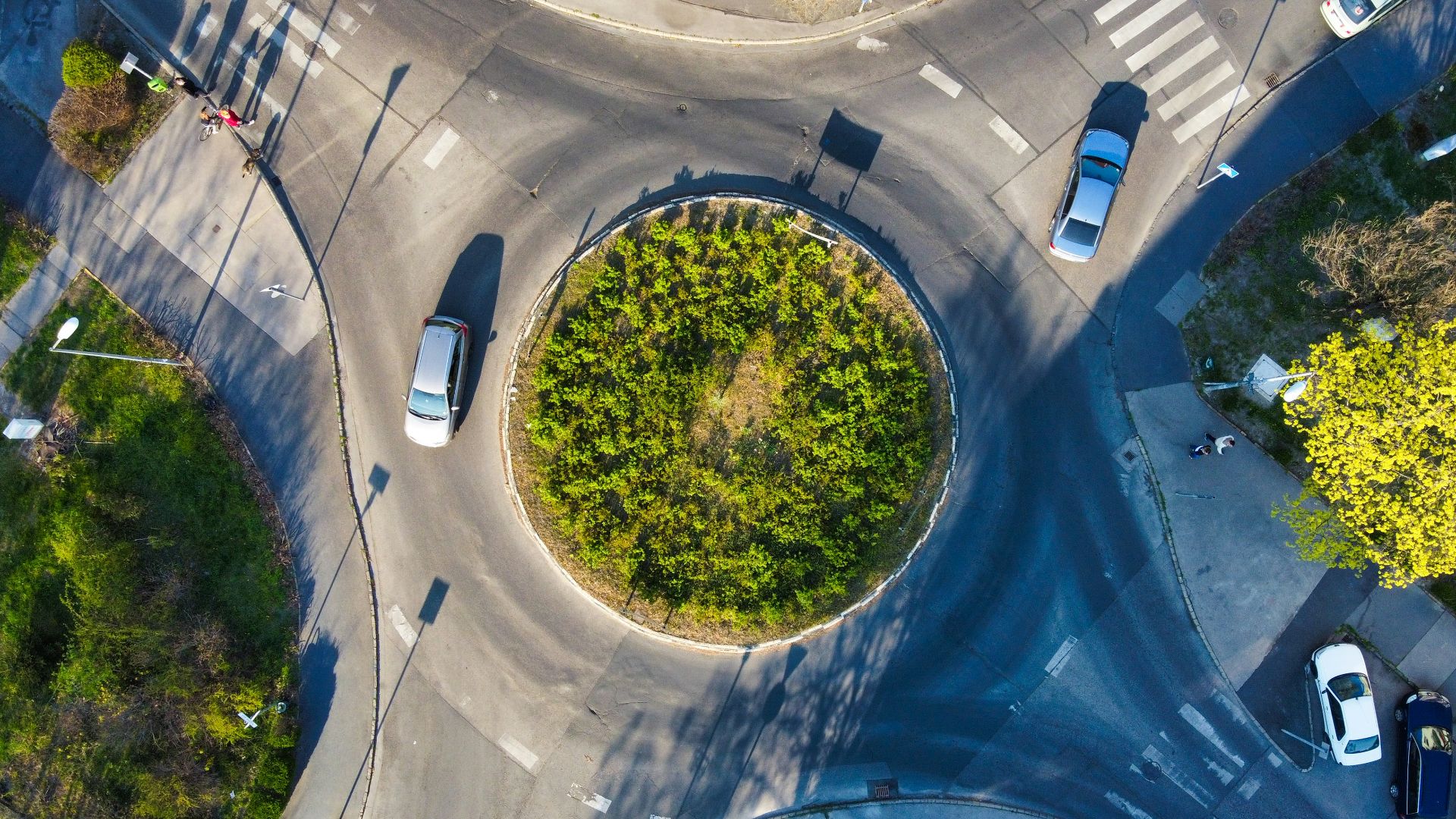
Roundabouts have been widely used across Europe since the early 20th century, making them the preferred way to keep traffic moving. The U.S. and Canada have added more roundabouts in recent years, but you may not be too familiar with them depending on where you live.
8. Tolls Aren’t One-Size-Fits-All
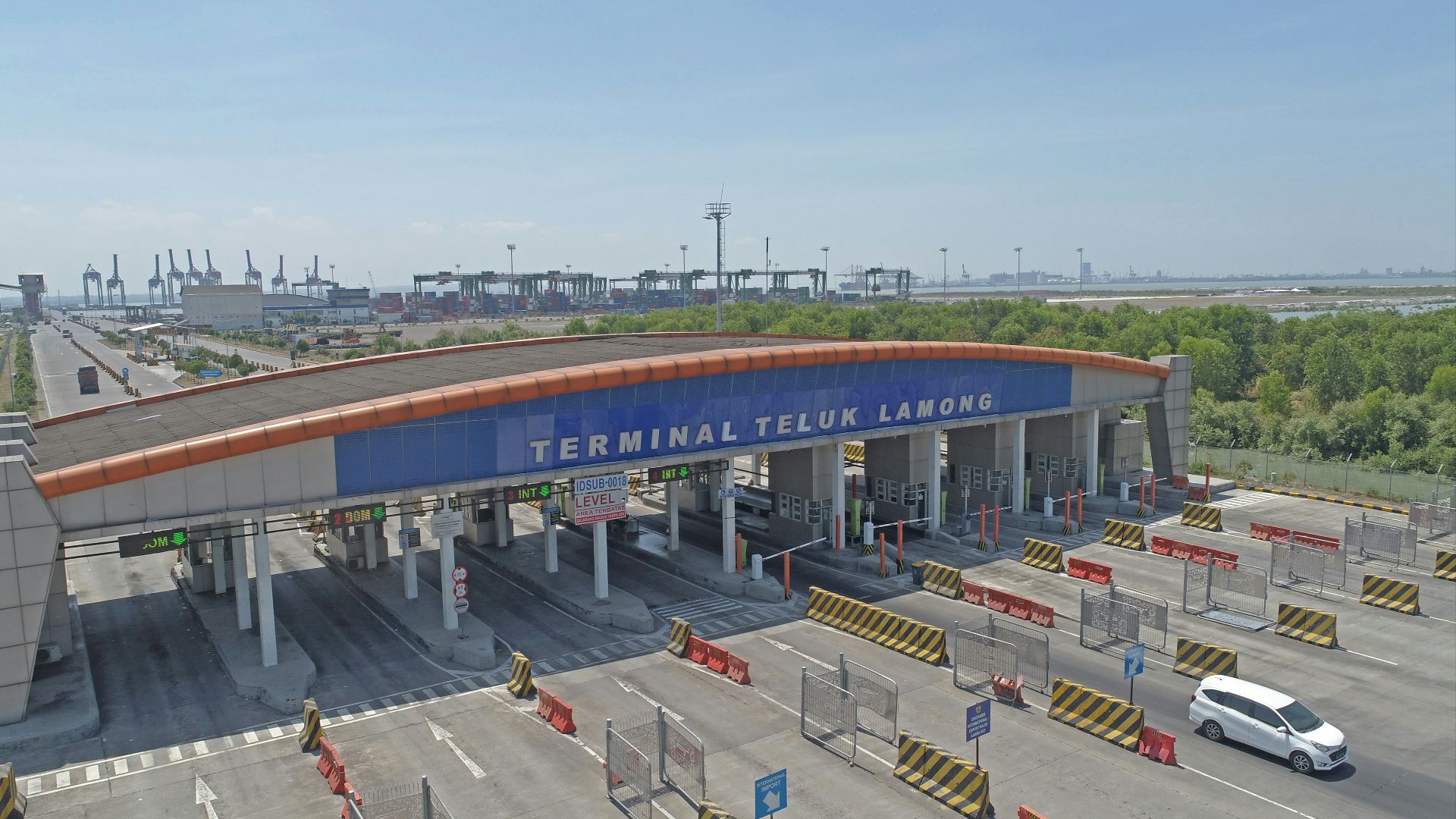
In parts of the U.S., tolling is increasingly cashless, so you might pass under gantries and pay later by transponder or plate billing. Across Europe, you can hit a mix of toll booths, electronic lanes, and country-specific systems on the same trip. Check your route ahead of time so you’re not scrambling to find the exact amount of change.
9. Vignettes on Highways
Some European countries charge for motorway use with a vignette, which is proof that you’ve paid to use certain roads. Austria is a well-known example where you need a vignette for motorways and expressways, even if you’re only passing through.
10. Cameras and Enforcement
Automated enforcement is common in many European cities and on major roads, so speed and red-light cameras are the norm. In the U.S., camera use varies by state and city, but warning signs for photo enforcement are standardized in national guidance. Take posted limits seriously and don’t assume everyone drives 10 miles per hour over the limit as they do in North America.

11. Lower BAC Limits
The legal blood alcohol limit for adult drivers is typically 0.08% in the United States, but many European countries set lower limits, often 0.05% or less. That difference matters, and can lead to potential fines or demerit points, even if you’ve “only had one drink.”
 U.S. Air Force photo by Senior Airman Natasha Stannard on Wikimedia
12. Keep-Right Expectations
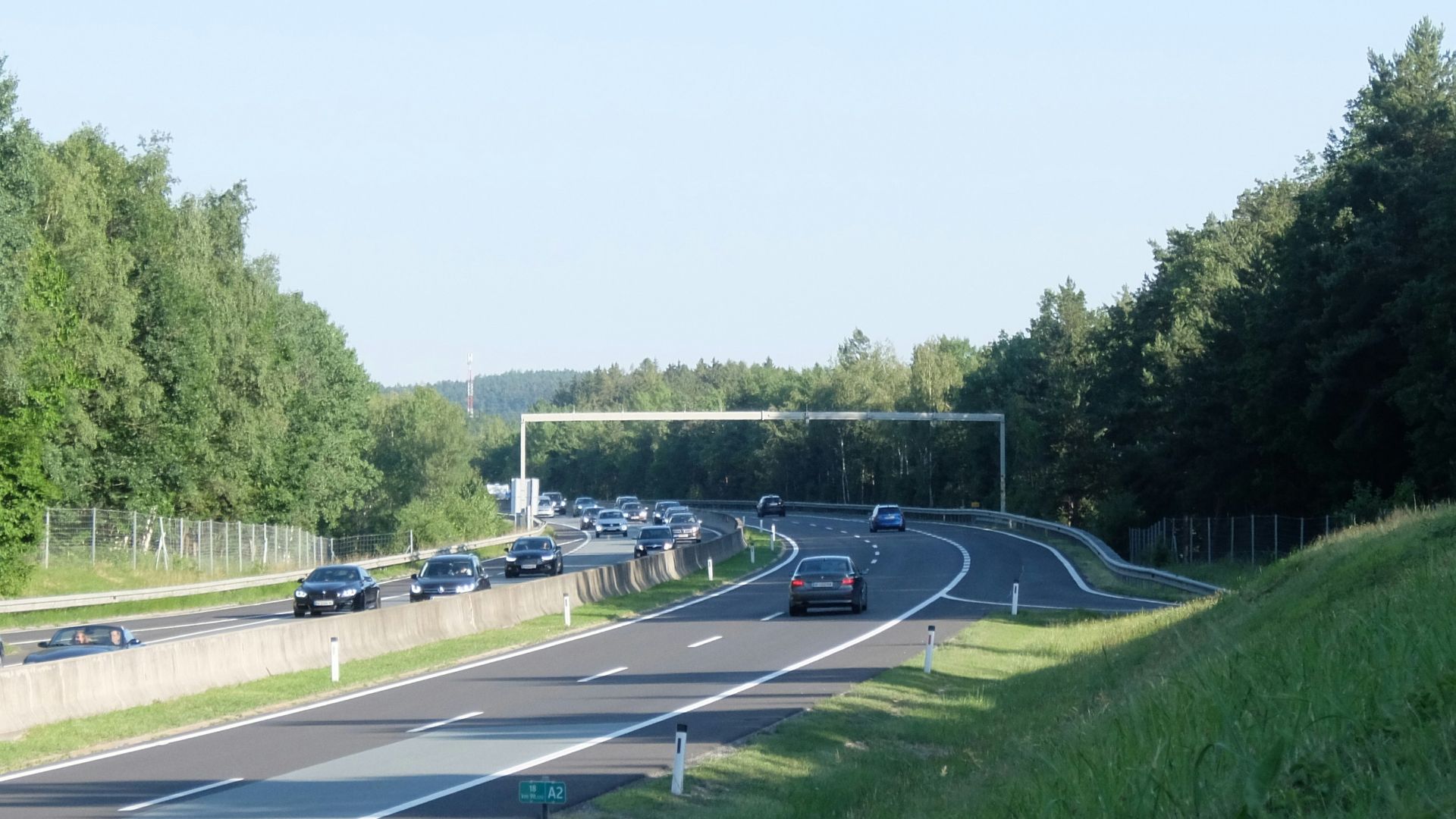
On many European motorways, lane discipline is strict, and drivers expect you to keep right and use the left lane mainly for passing. This social rule is also common in North America, but not everybody likes to follow it.
13. Manual vs Automatic Rentals
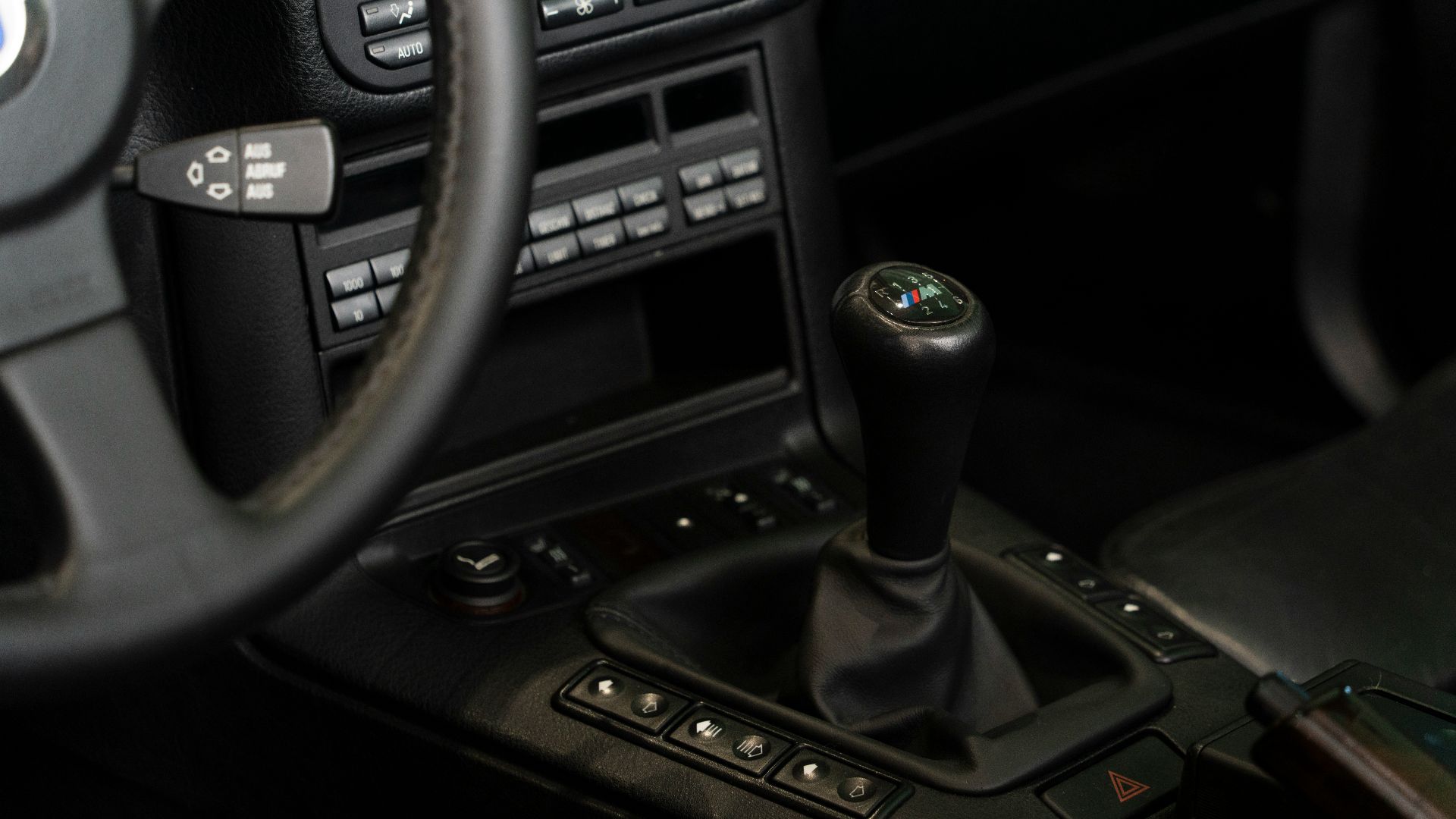
In much of Europe, manual rental cars are still common, and automatics can cost more or be limited during peak times. In the U.S. and Canada, automatics dominate rentals, so you usually don’t think about it at all. If you can’t drive stick, make sure to reserve an automatic early.
14. Fuel Labels Can Surprise You
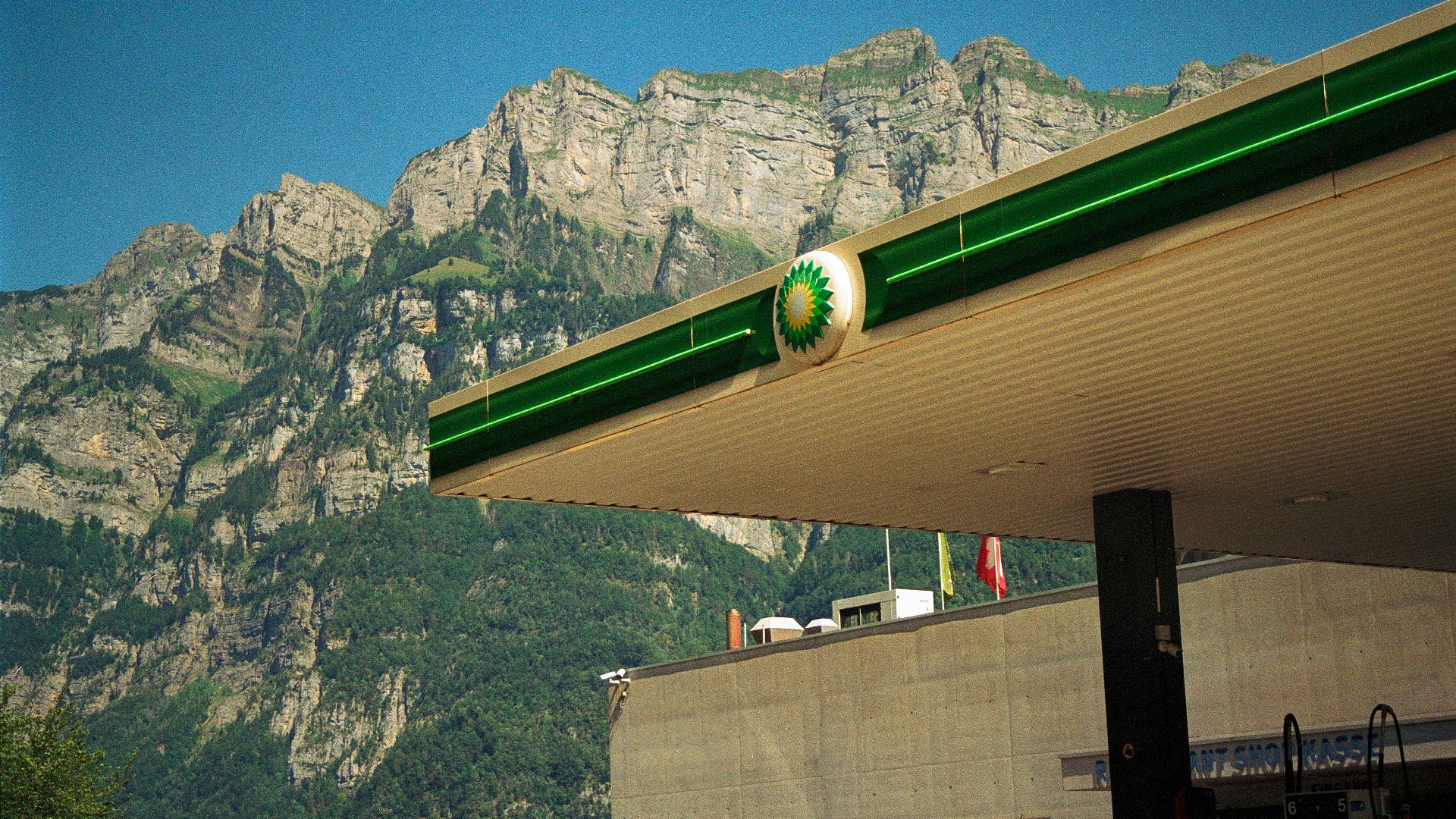
European stations often label fuel using standards and numbers that don’t match U.S. expectations, and diesel is available next to gasoline. Prices are usually posted per liter, which makes the number look smaller than you expect.
15. Smaller Roads, Tighter Turns
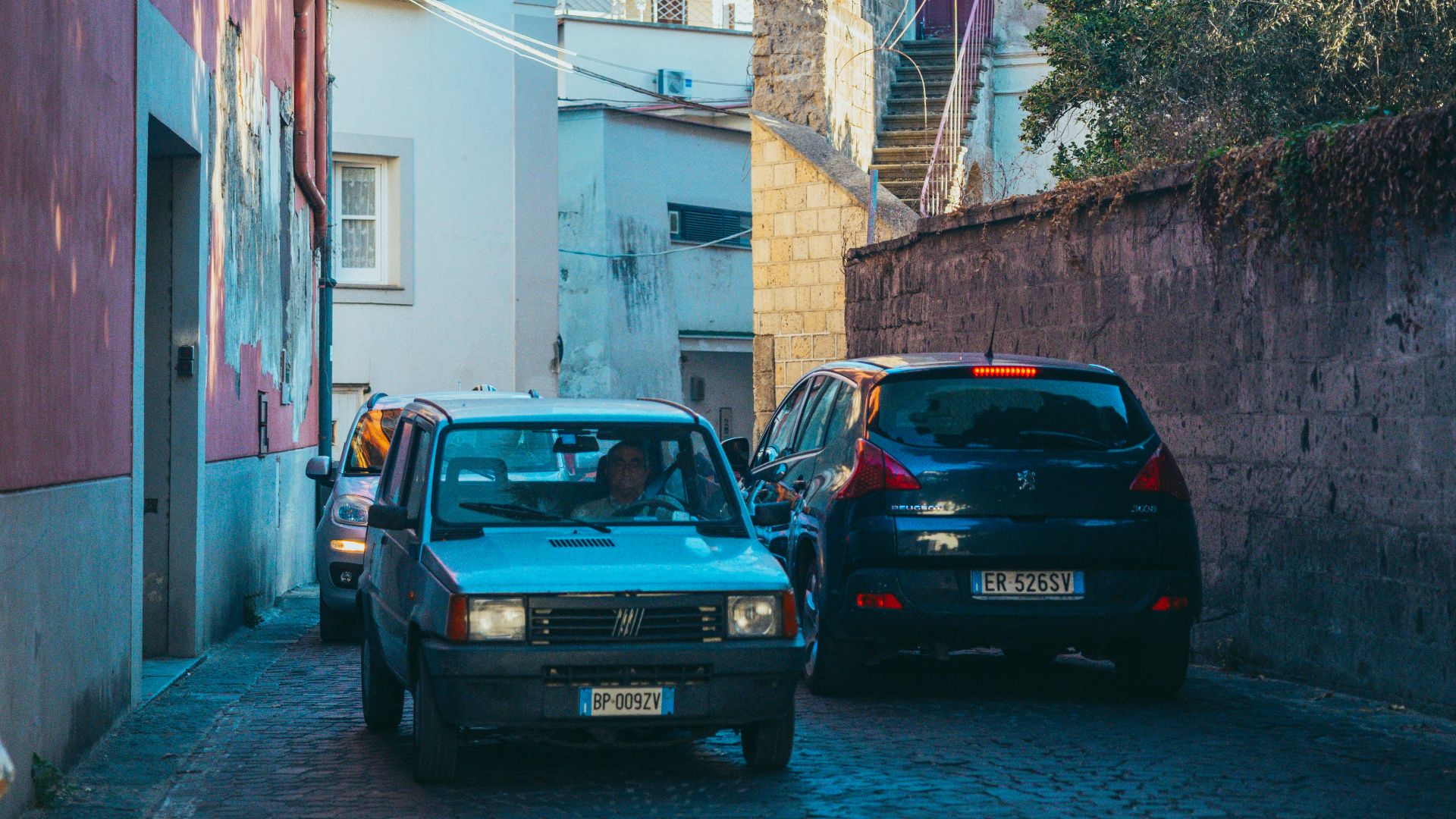
Older European city centers can have narrow streets, sharp turns, and tight parking lanes that demand more focus. In many parts of the Americas, especially newer suburbs and highway corridors, lanes and turns often feel wider. Visiting Europe will really put your parking skills to the test.

16. Parking Rules Feel Strict
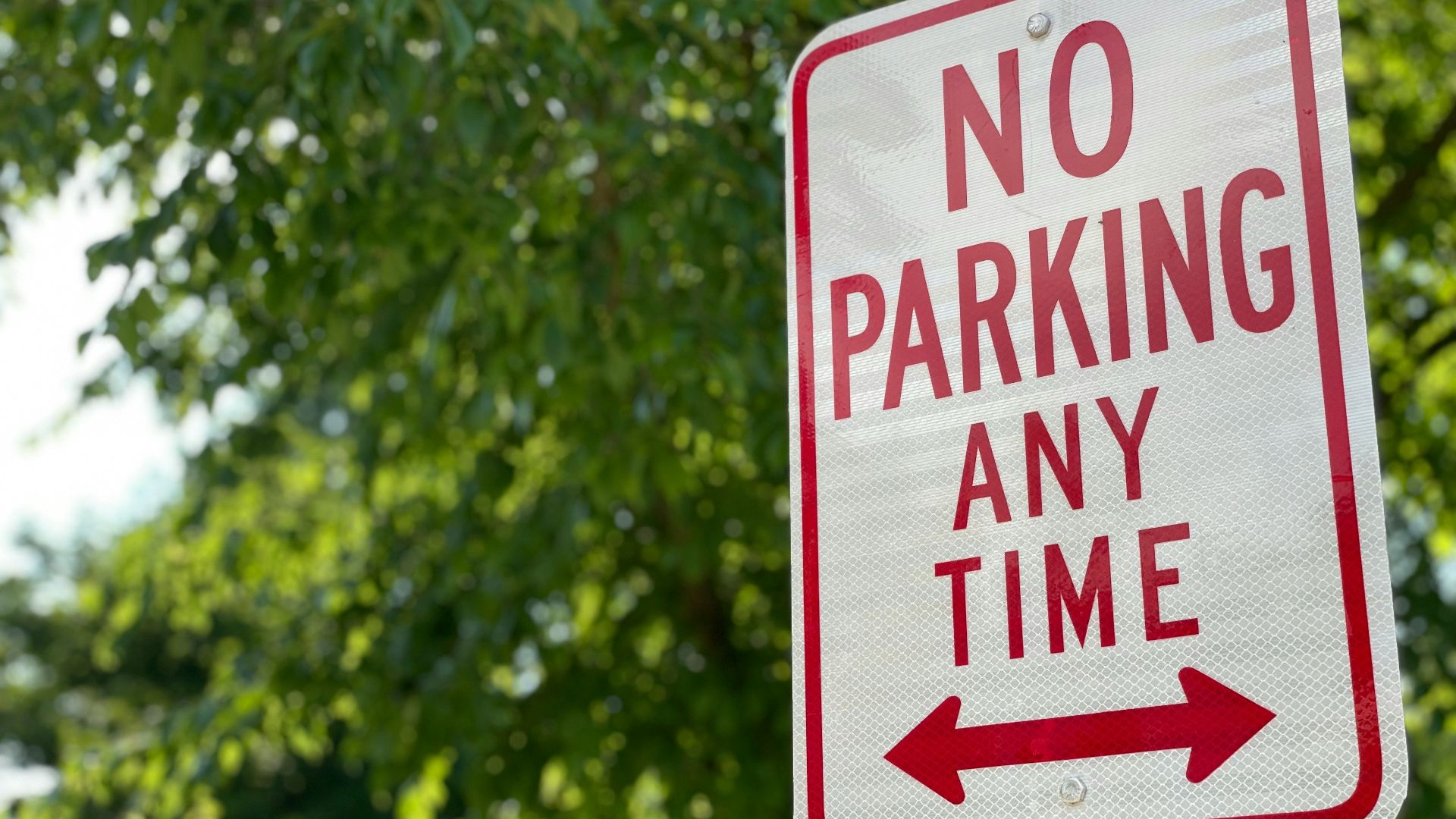
European cities often use pay-and-display machines, permit zones, and limited-hour parking that can be enforced quickly. North American cities also have rules, but you’ll often see more meters and app-based payments by block. Either way, read the posted signs before you walk away.
17. City Access Restrictions
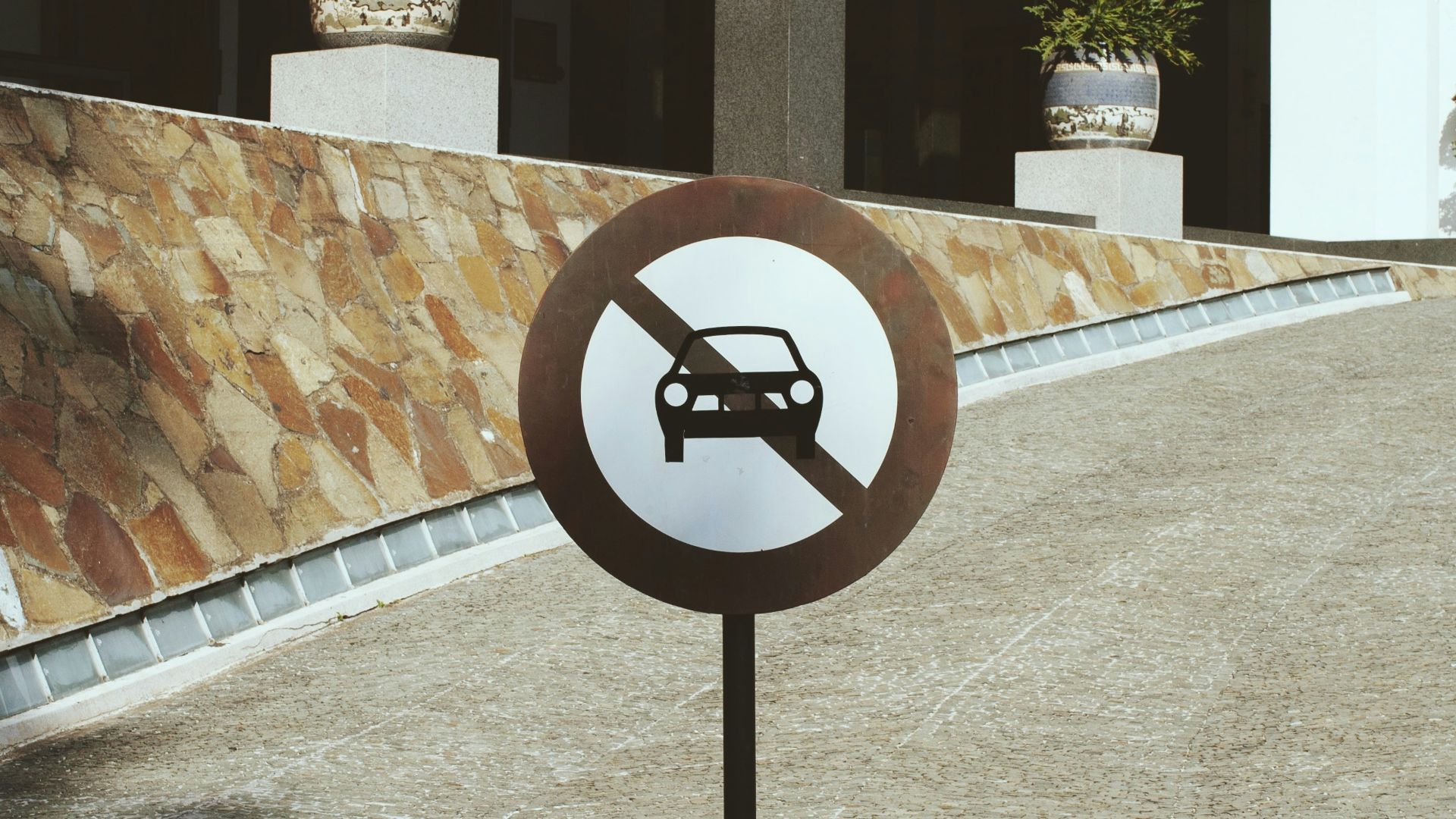
Many European cities restrict certain vehicles with low-emission zones, limited-traffic areas, and congestion charging to cut pollution and crowding. These rules can be tied to your vehicle’s emissions standard, a paid permit, or both. If you enter without meeting the rules or paying, you’ll likely face a fine.
18. Licensing Ages Differ
Across much of Europe, the standard minimum age for a typical car license is 18, though details vary by country and license category. In the United States, many places historically allowed full licensing at 16, and modern graduated systems are designed to reduce unsupervised driving at that age. These age differences also shape rental rules and young-driver fees.
19. Extra Paperwork Abroad
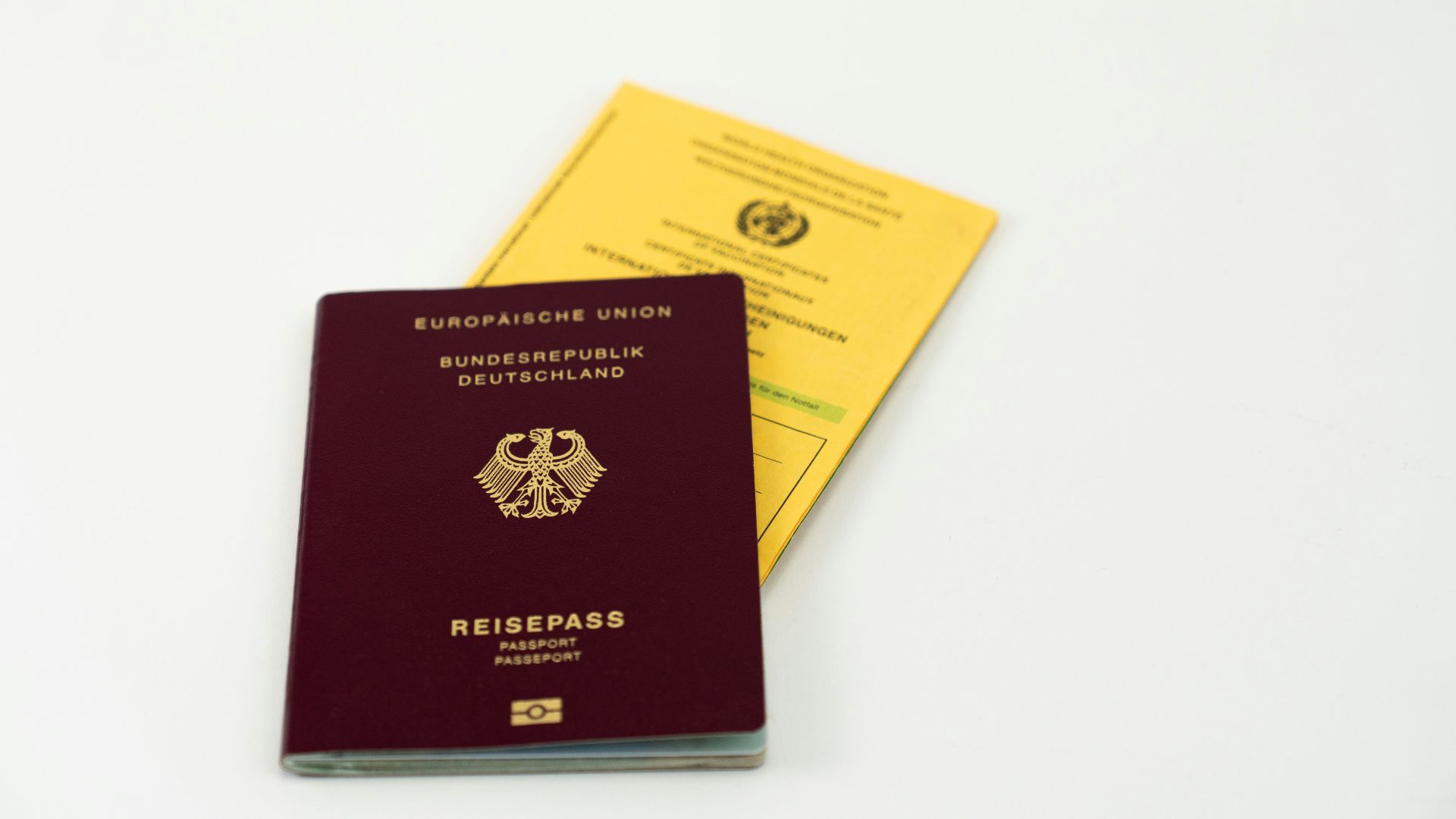
An International Driving Permit is a standardized translation of your license, and some countries require or recommend it for visitors. It doesn’t replace your license, but it can smooth out rental paperwork and traffic stops. If you’re driving in Europe with a North American license, it’s worth bringing.
20. Emergency Numbers Change
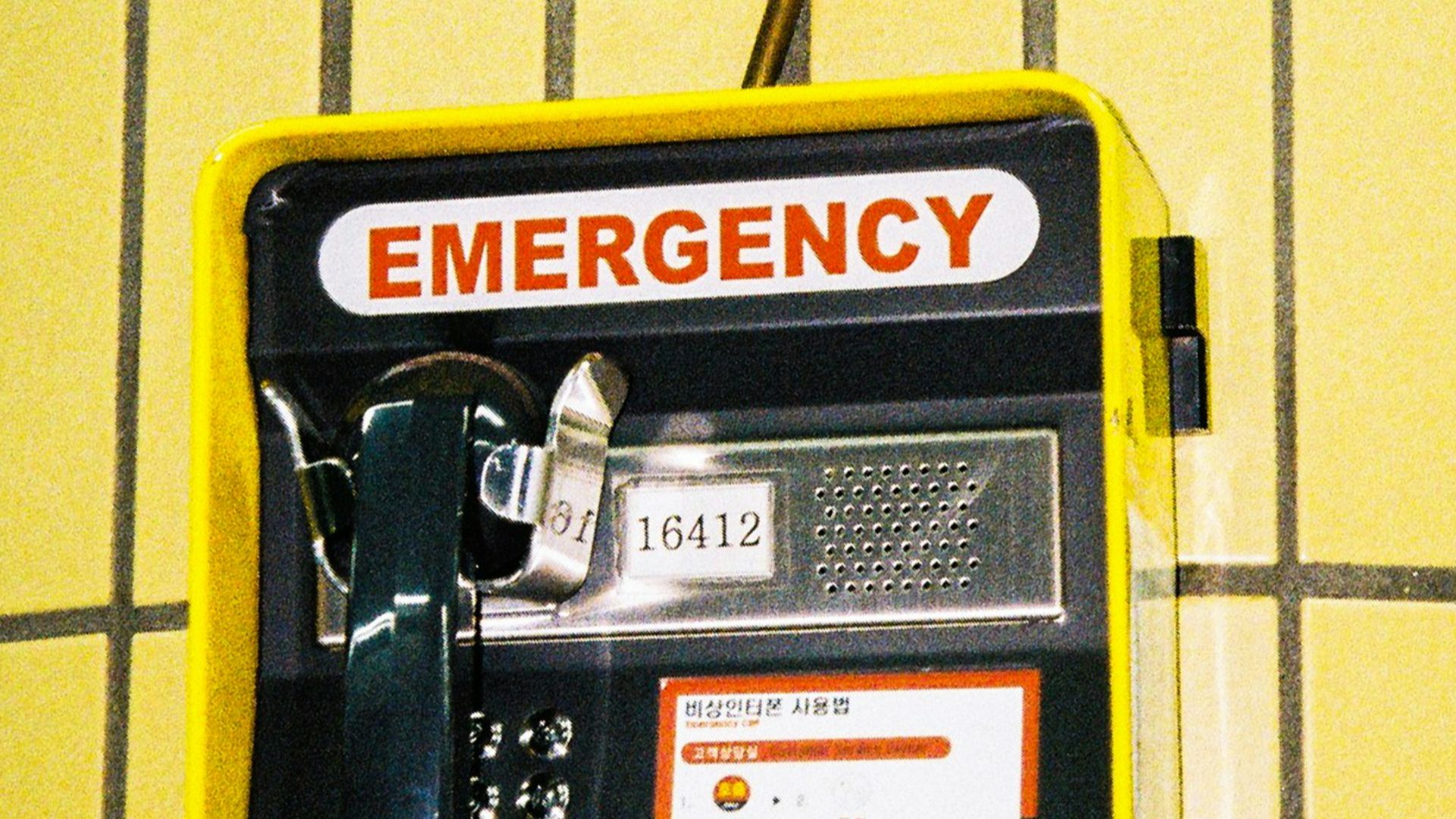
Across the European Union, 112 is the standard emergency number designed to work across member countries. In the United States and Canada, 911 is the official emergency number. Save the local number when you land, just in case.