Santa Claus Comes In Many Shapes And Sizes—Here's What He's Called In Other Countries Around The World
Santa Claus Comes In Many Shapes And Sizes—Here's What He's Called In Other Countries Around The World
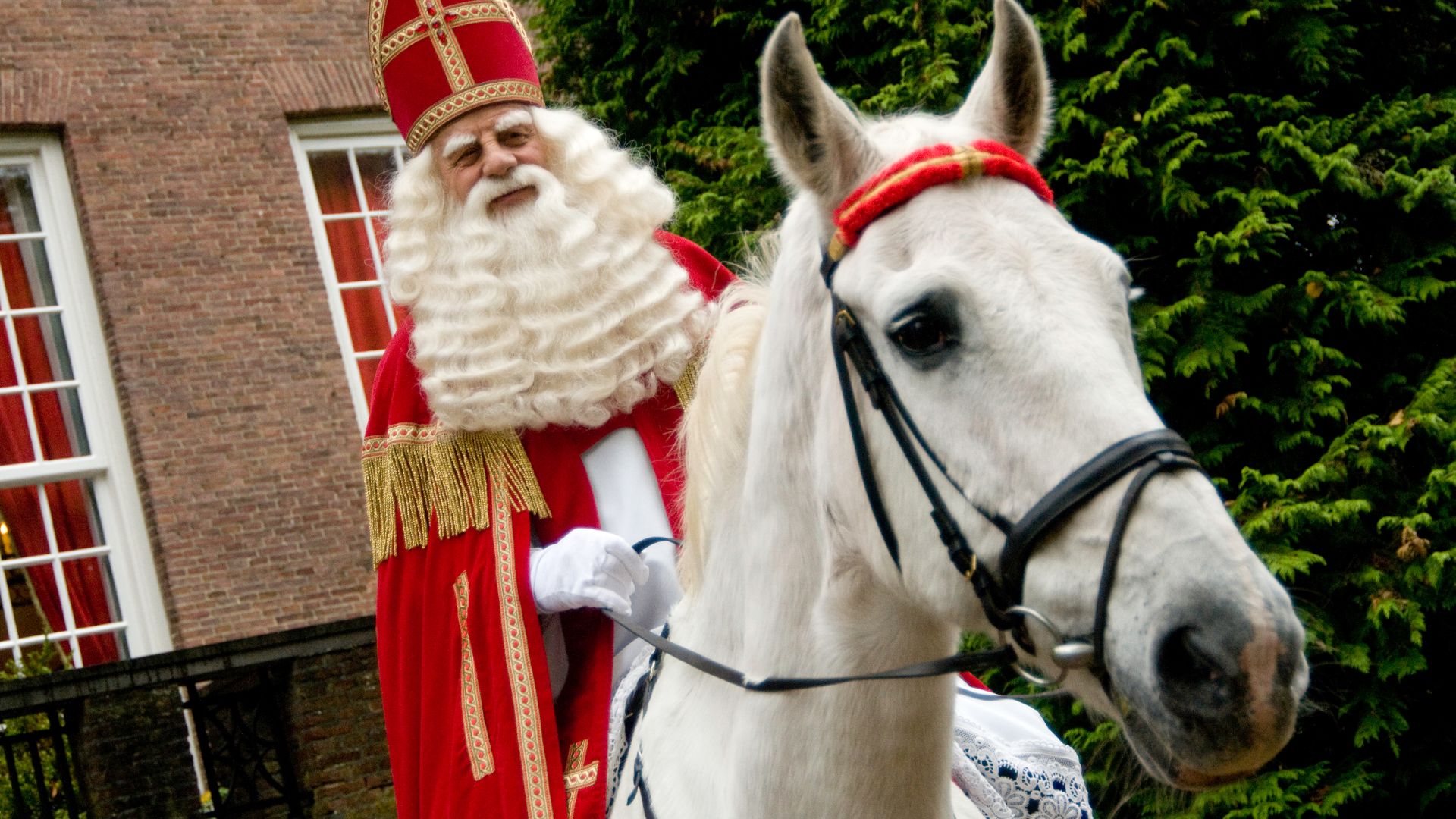 R.F. (Roel) Jorna on Wikimedia
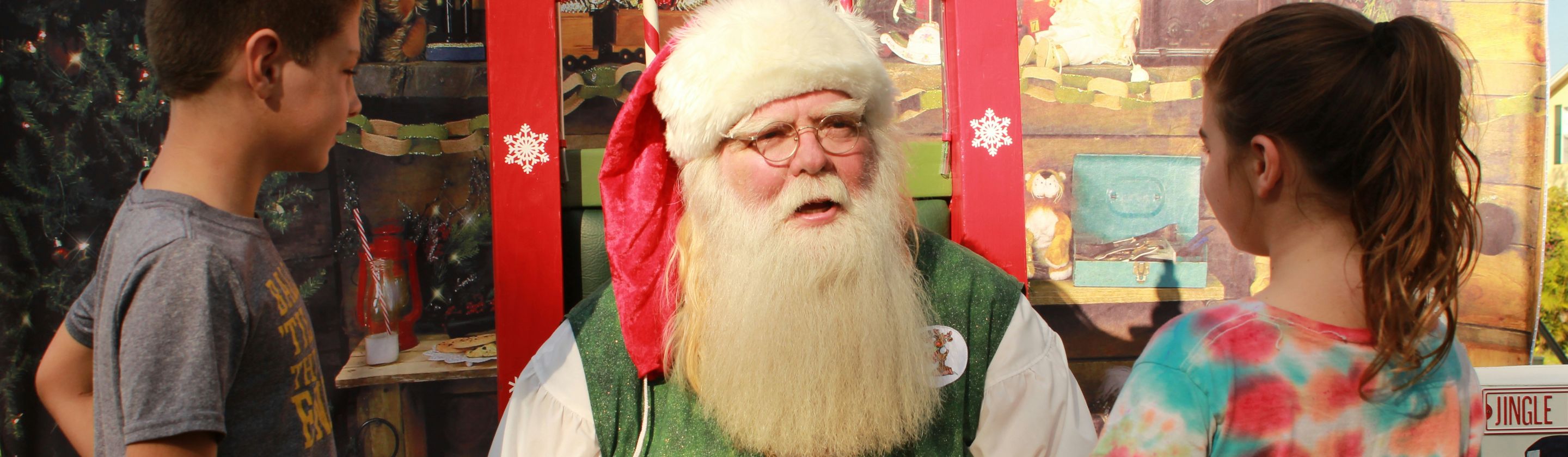
When most of us picture Santa Claus, we think of a jolly man in a red suit, with a snowy beard and a sleigh pulled by reindeer. That image has been stamped into holiday culture for over a century, but the truth is Santa looks very different depending on where you are in the world.
Around the globe, he wears different outfits and sometimes even delivers presents in unusual ways. Exploring these variations is like taking a mini holiday trip without leaving your living room, so let’s take a tour and meet some of Santa’s international counterparts.
Europe’s Festive Variations
In many parts of Europe, Santa has a long history that predates the familiar red suit. In the Netherlands, he is known as Sinterklaas, a tall, elegant figure dressed in bishop’s robes who arrives by steamboat from Spain and travels on a white horse.
Over in Germany, Nikolaus visits on December 6, carrying gifts for good children, while his companion, Knecht Ruprecht, warns those who misbehave. Italy’s La Befana adds another twist to the story. She is a kindly old witch who delivers presents on Epiphany, and children eagerly await her arrival just as much as people wait for Santa in other countries.
In Nordic countries, Santa is often linked to folklore rather than one singular character. Finland claims to be his official home, where he lives in the northern Lapland forests and is surrounded by elves and reindeer. Swedish children await Jultomten, a gnome-like figure who quietly leaves presents, while in Denmark, he appears as a cheerful, gnome-like figure called Julenissen.
Heading to Eastern Europe, Saint Nicholas still plays a major role. In Poland, he is Święty Mikołaj, arriving on December 6 to reward children who have been kind. Russia celebrates Ded Moroz, or Grandfather Frost, who delivers gifts on New Year’s Eve, accompanied by his granddaughter Snegurochka, the Snow Maiden. These variations show how cultural traditions can adapt a single idea in so many different, colorful ways.
Global Twists Keep The Spirit Alive
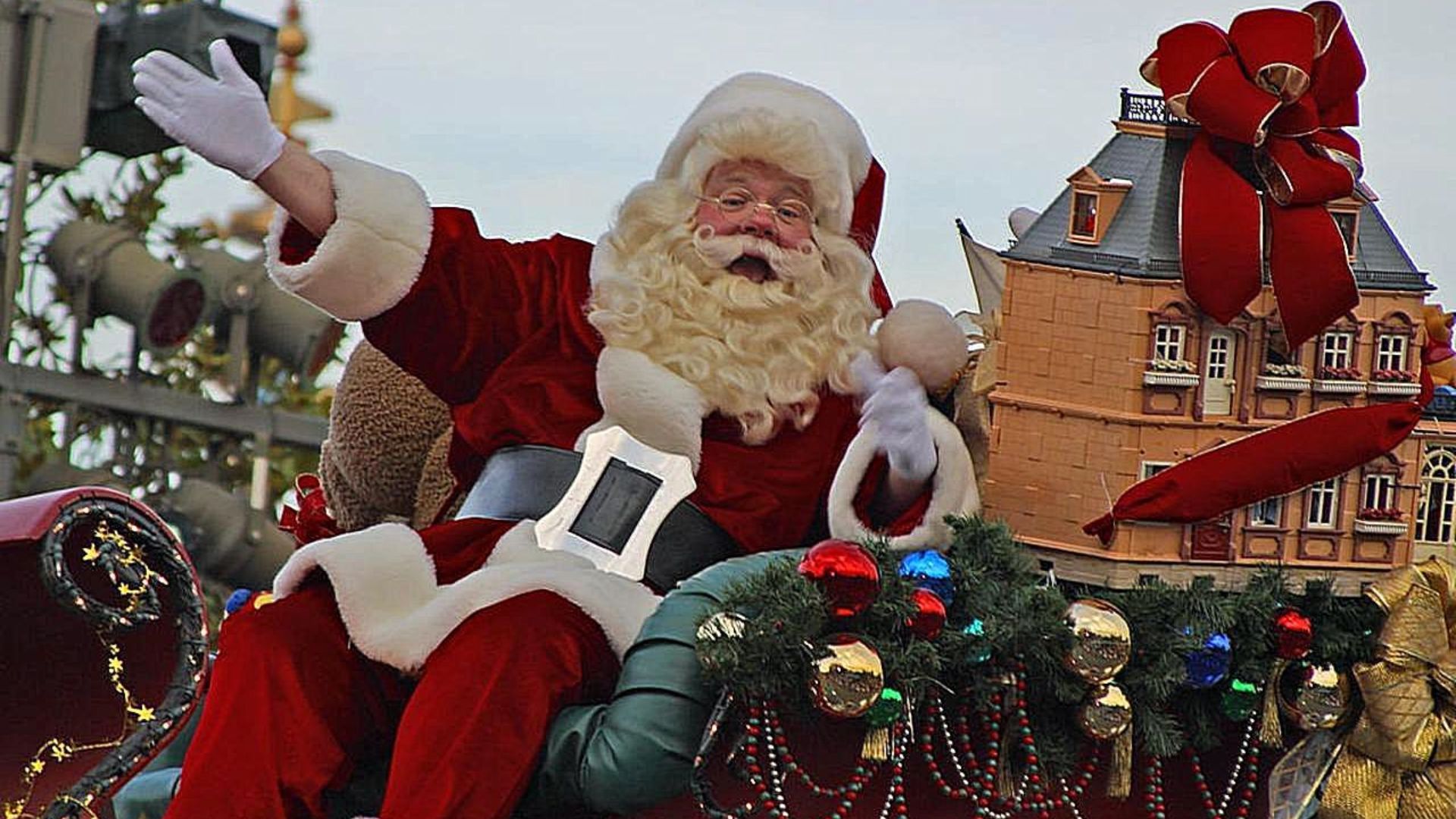
Outside Europe, Santa takes on local touches too. In Mexico and parts of Latin America, children anticipate gifts from El Niño Dios (Baby Jesus) or Papá Noel, depending on the region. In Japan, Christmas has become a festive celebration rather than a religious holiday, and Hoteiosho, a kind monk who brings gifts, sometimes replaces the traditional Santa figure.
What ties all these characters together is the same sense of joy and wonder that we associate with Santa Claus. Each one brings a local flavor to a universal tradition, showing that magic does not need to look the same to be meaningful.
So the next time you imagine Santa coming down a chimney, remember he might also arrive on horseback or even riding a surfboard. The way he spreads cheer may differ, but the delight in giving and the excitement he brings remain the same everywhere.