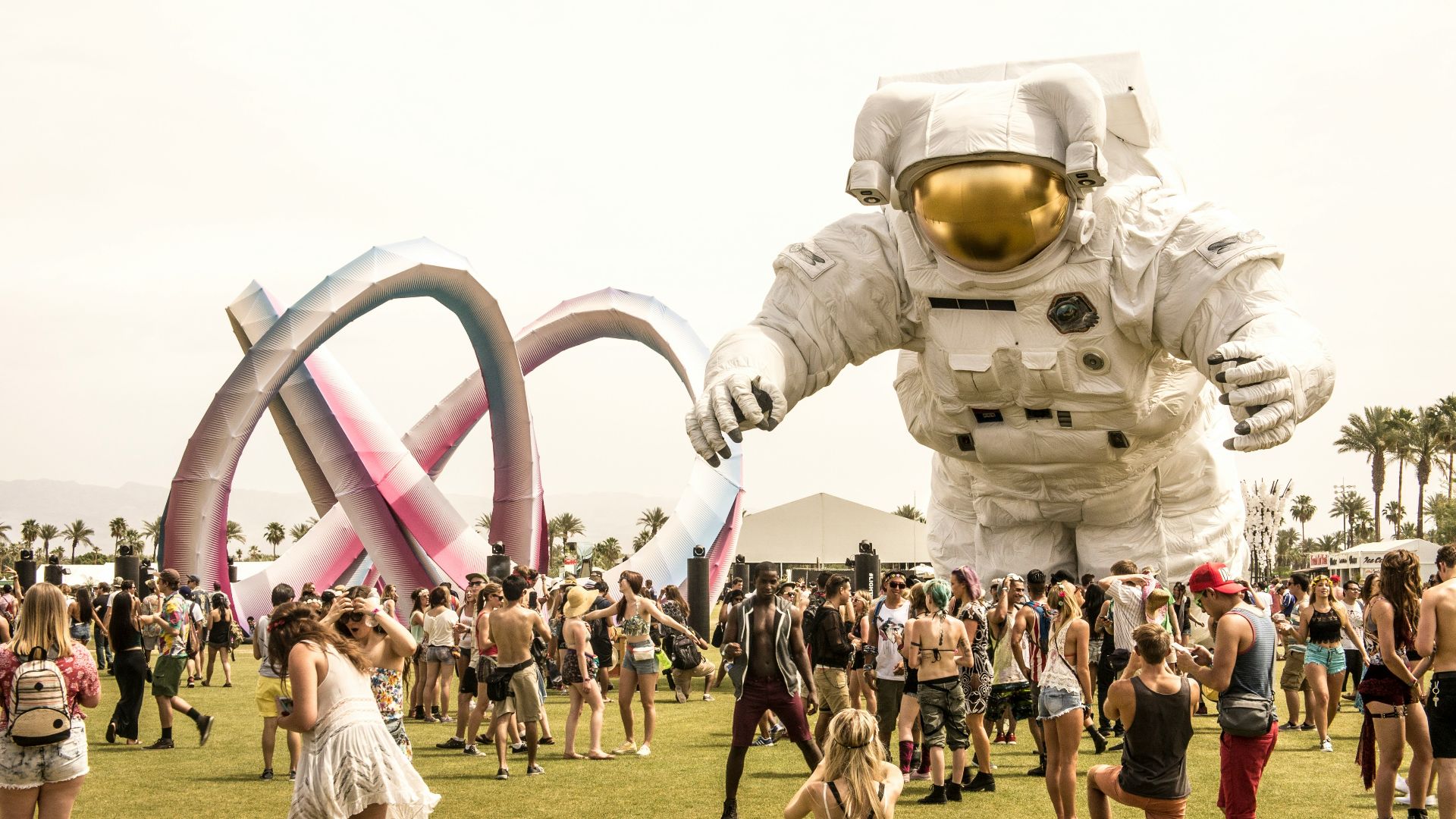
People used to plan trips around monuments and museums. Now they're planning entire vacations around Coachella, Tomorrowland, and Glastonbury. Over 30 million people worldwide travel each year primarily to attend festivals, turning what used to be side attractions into the main event. The global event tourism market hit $1.52 trillion in 2024 and nobody's slowing down. Festivals aren't just competing with traditional landmarks anymore; they're replacing them as the reason people book flights.
The Economics Are Staggering
Festivals generate money in ways that permanent attractions can't touch. Tomorrowland contributes around €100 million annually to Belgium's economy, with €19 million coming from foreign visitors. We’re talking one event over one weekend. These events are portable cash machines, and that kind of concentrated economic impact is why cities fight to host major festivals.
Primavera Sound 2025 boosted Barcelona's economy by €300 million, which is more than many mid-sized museums generate in years. Festival attendees spend on everything: tickets, hotels, restaurants, transportation, merchandise, and late-night food runs when the official vendors close. The ripple effects go beyond obvious tourism revenue to provide local businesses with a surge of income. Even infrastructure improves because cities want to handle the crowds.
Millennials and Gen Z Are Driving Everything
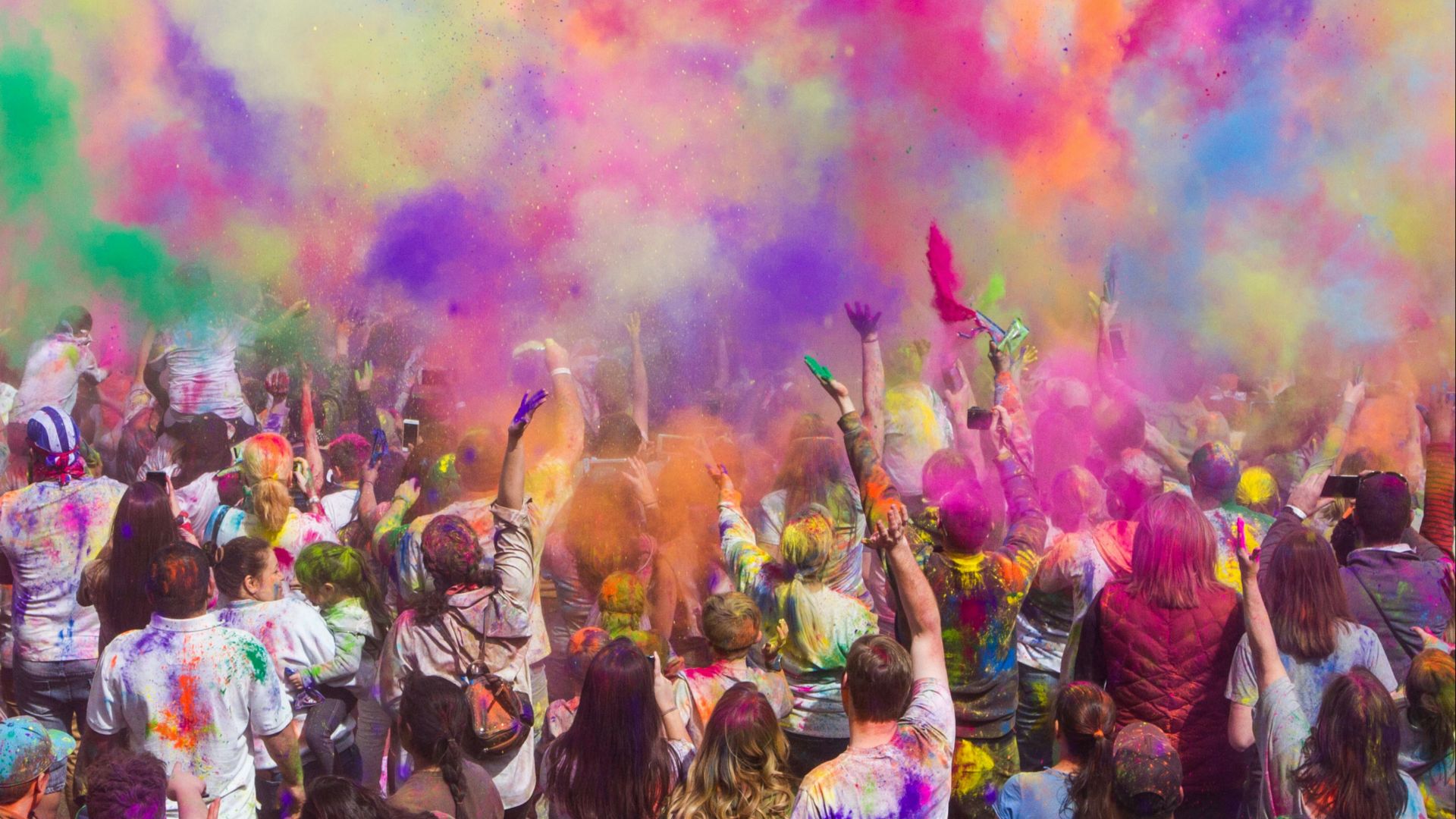
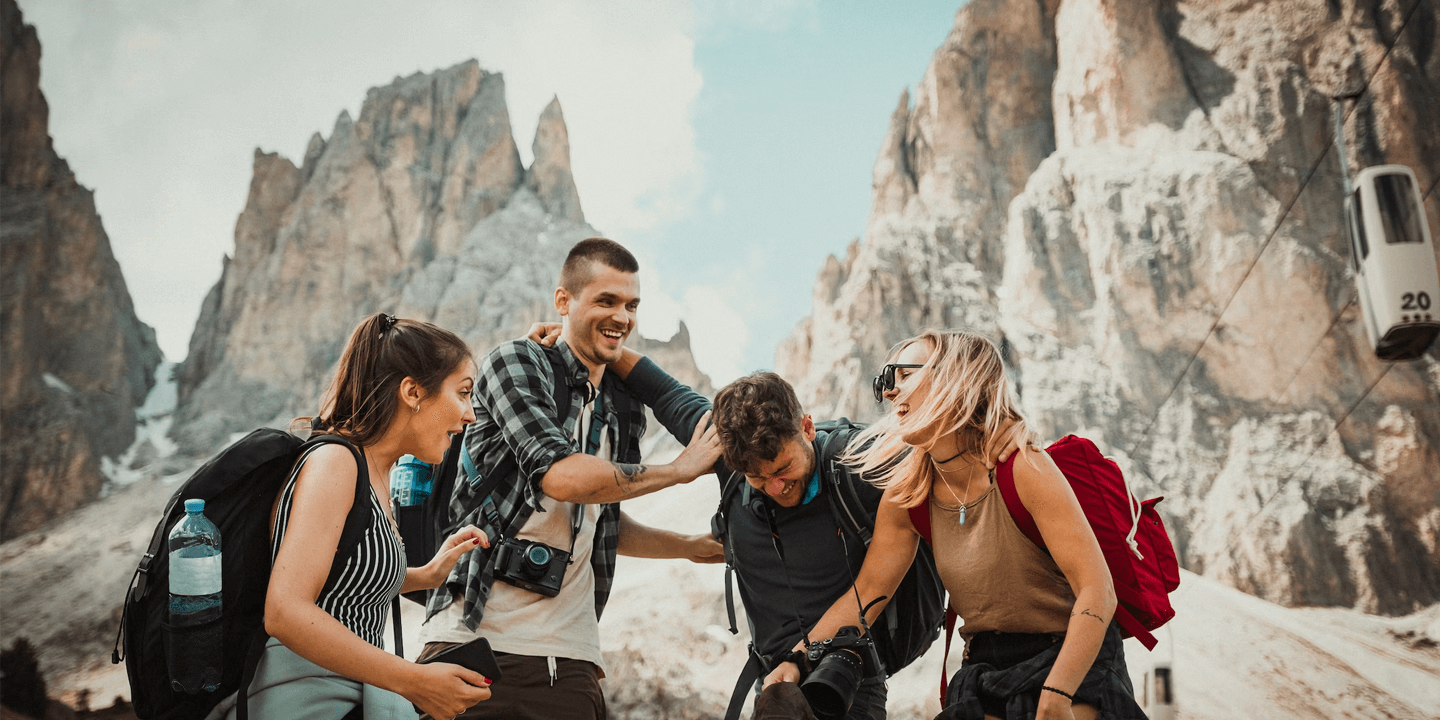
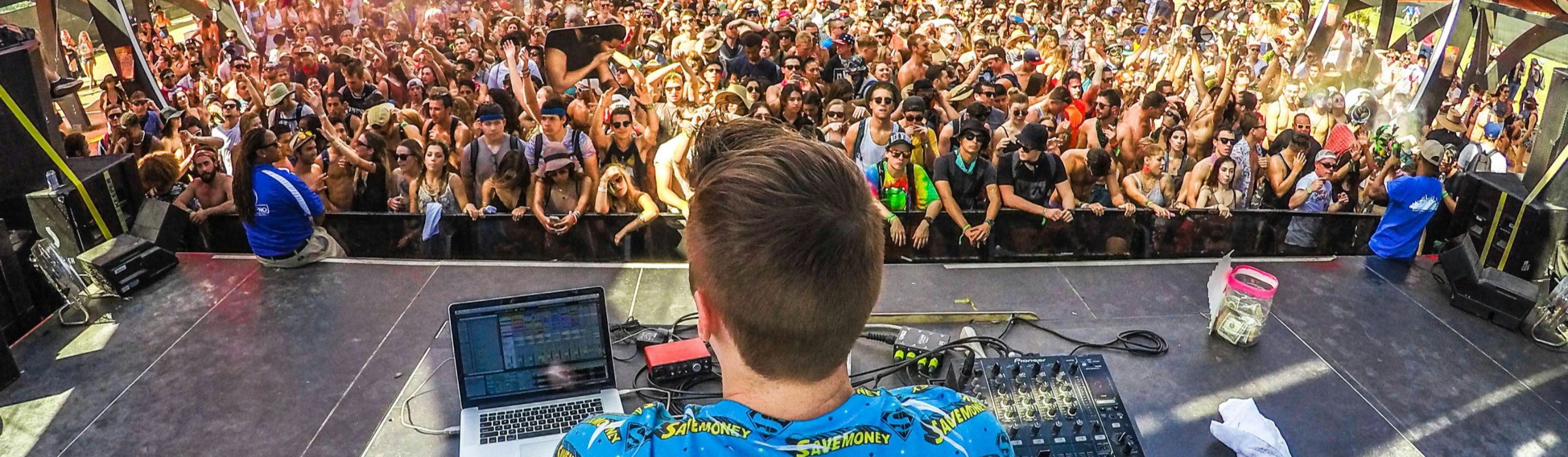
Millennials and Gen Z account for the majority of festival travelers worldwide, making it the dominant driving force in tourism for an entire generation. These travelers want experiences they can photograph, share, and talk about. Standing in front of another historic building doesn't hit the same way as being part of a crowd of 100,000 people watching your favorite artist perform.
The Instagram effect is real, though maybe overstated. What's actually happening is that festivals offer something monuments can't: participation. You're not observing culture from behind a rope barrier. You're in it, covered in mud and glitter, making memories that feel uniquely yours even though 50,000 other people are having similar experiences simultaneously.
Technology Made Festival Tourism Effortless
Booking a festival trip used to require serious planning. Nowadays, millennials and Gen Z travelers represent 60% of online event bookings, and they're doing it all from their phones using apps that integrate their tickets, flights, hotels, and ride shares. It’s never been easier to attend a festival on the other side of the planet. All it takes is few swipes and clicks.
Airbnb reporting record search growth during Coachella and other major events shows how platforms adapted to festival demand. People aren't just booking hotels, they’re renting entire houses with their friends, splitting costs, and turning the accommodation itself into part of the experience.
Virtual elements are blending with physical attendance too. Some festivals offer livestreams or VR experiences for those who can’t afford tickets. It's not the same as being there, obviously, but this accessibility creates an entry-point for all those who wouldn’t otherwise engage.
Cities Are Building Infrastructure Around Festivals
Edinburgh transforms completely during Fringe Festival. In 2024, nightly occupancy regularly exceeded 95% throughout the festival, with average nightly rates surging to over $800 on peak nights in 2025. Hotels that might charge $200 normally can suddenly ask for four times that and still sell out.
Mardi Gras in New Orleans attracts well over one million visitors annually, and the city's entire calendar revolves around preparing for and recovering from that influx. Same with Rio Carnival, which draws over two million people per day. When events generate that kind of reliable, predictable demand, cities treat them like permanent attractions worth building around.
The infrastructure investments aren't just about handling crowds. Cities are building festival districts with year-round facilities, turning temporary events into permanent features of their tourism landscape. Festival grounds that used to be empty fields eleven months a year now host smaller events, markets, and community gatherings.
The Experience Economy Shifted Priorities Completely
Traditional tourism sells history and architecture. Festival tourism sells belonging, discovery, and transformation. You don't just visit Glastonbury, you survive Glastonbury. The mud, the unexpected performances, and the random conversations with strangers who become friends for a weekend is the experience.
Music tourism alone is projected to expand from $6.6 billion in 2023 to $15.2 billion by 2033, and that's just one category of festival tourism. Add food festivals, film festivals, cultural celebrations, religious gatherings, and you're looking at an industry that's fundamentally redefining travel. The landmarks aren't disappearing, exactly. They're just becoming part of a trip instead of the reason for one.