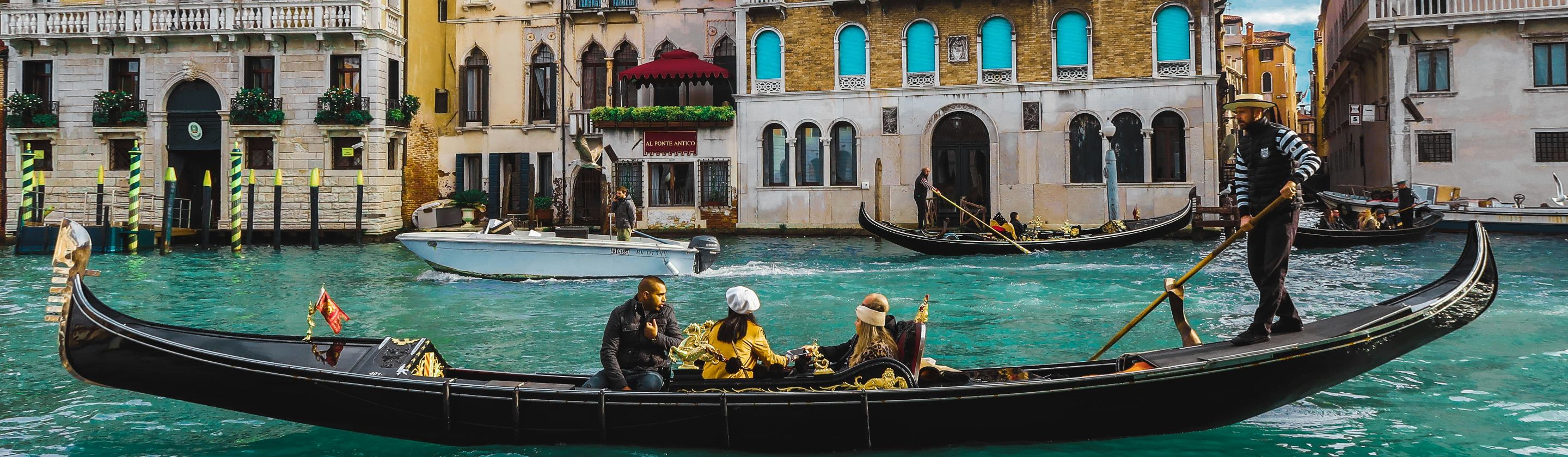
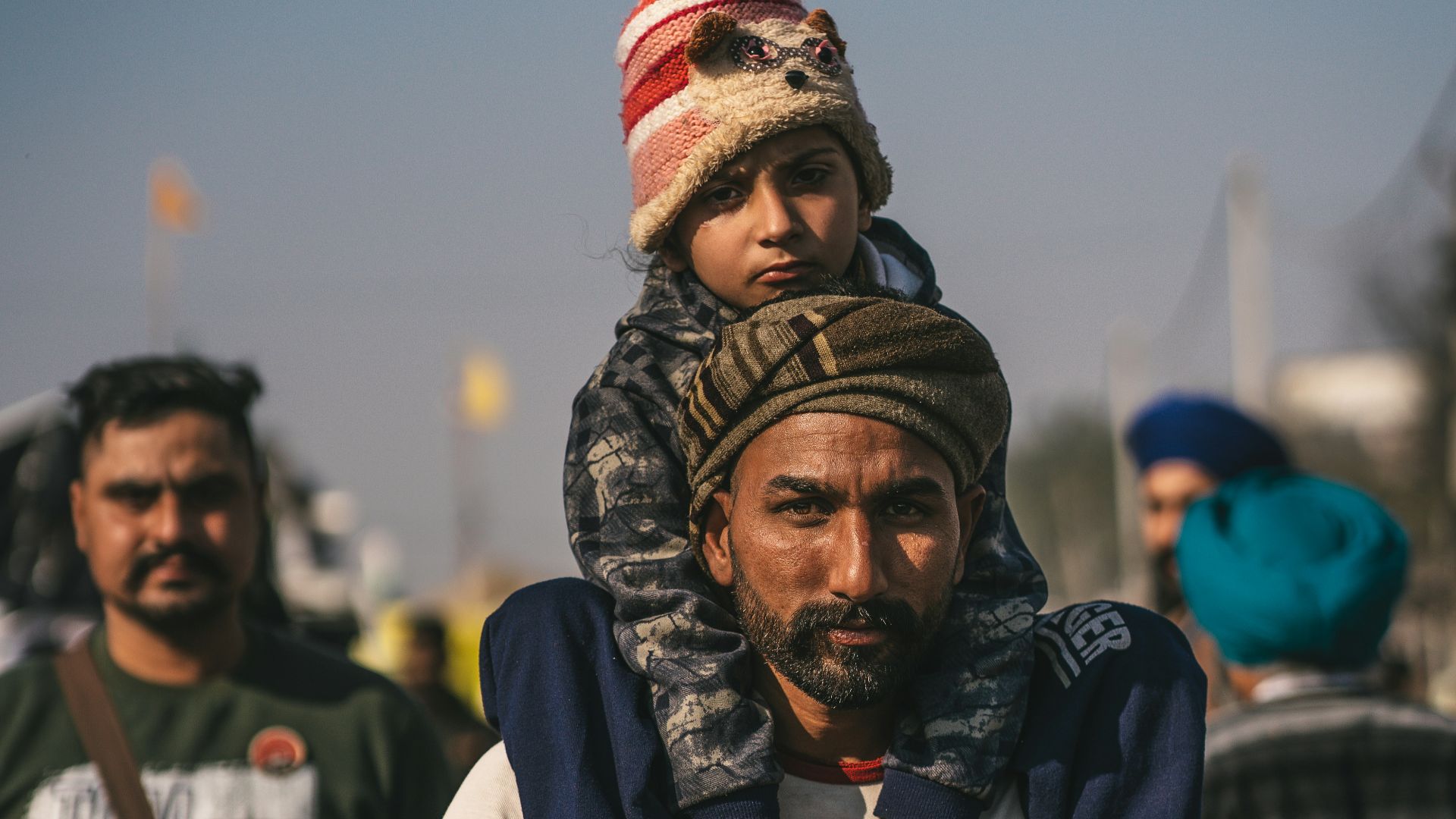
Walk through almost any international airport and you can feel the difference in the air. One line moves like it’s designed for ease, with friendly signage and the quiet assumption that the people in it are welcome. Another line moves slower, under brighter lights, with more questions, more paperwork, and the sense that every answer is being weighed. Most of the time, nobody says this out loud, yet the message lands anyway: some travelers are guests, and some are suspects.
That split doesn’t come exclusively from policy but from economics, politics, and administrative habits that have hardened into culture. Tourists get framed as an economic boost, a temporary injection of spending. Immigrants get framed as a permanent change, and permanence makes people argue about jobs, identity, housing, and who deserves to belong. Three forces explain why the red carpet shows up for visitors, while the velvet rope tightens for newcomers.
Tourists Have Money and a Departure Date
Tourism is easy to sell because it has a clean story. People arrive, spend, post photos, and leave, and the transaction feels contained. UN Tourism reported that international tourism essentially returned to pre-pandemic levels in 2024, with about 1.4 billion international tourist arrivals. When numbers like that start moving again, governments notice, especially in places where the local economy lives and dies by seasonal demand.
The money is not subtle, either. A UNWTO performance report covering 2023 pointed to global tourism receipts around USD 1.5 trillion. That kind of figure turns tourism into a lobbying force and a political talking point, because that kind revenue spreads across visible industries that employ a lot of people.
Immigrants also move money, yet it reads differently in public conversation. Remittances, for example, are enormous, with global flows estimated at USD 865 billion in 2023 and projected around USD 905 billion in 2024. The twist is that remittances often leave the host country, at least in the public imagination, while tourist spending is celebrated as money coming in, which makes tourists feel like a win even to people who never meet them.
Immigration Is Framed as Permanent Change
Tourists don’t trigger the same existential debates because everyone assumes they are passing through. Immigrants, by definition, are not passing through, and permanence raises questions about language, political power, and the feeling that familiar places are shifting. The scale is also larger than most people realize, with global estimates putting international migrants at around 304 million by mid-2024.
Another reason the treatment splits is that immigration often gets filtered through a security-and-enforcement lens. Once a system is built around screening for long-term admission, it naturally becomes more suspicious and more punitive when someone falls out of status. Tourism processing is usually designed for speed because the assumption is low stakes and short duration, and speed is part of the product being sold.
The harshest contrast shows up at borders and along migration routes, where the cost of being treated as “unauthorized” can be lethal. The International Organization for Migration recorded 8,938 migrant deaths in 2024, noting that the real toll is likely higher due to undercounting. Tourists can face danger too, yet the system is not built to deter them through hardship, while migration enforcement often relies on deterrence as a feature, not a side effect.
The Customer Service Gap Is Built Into Institutions
Tourists get treated like customers because, in many places, they are functionally an export industry in human form. Governments fund marketing campaigns, airports add welcome signage, and cities train hospitality staff to smooth over problems, because bad experiences have immediate economic consequences. The whole tourism ecosystem is designed to remove friction, and that logic reaches all the way to visa policies that prioritize convenience for short stays.
Immigrants rarely get that kind of institutional warmth because they are processed through systems built for compliance, not comfort. Even when a country needs migrant labor, the public-facing experience often communicates the opposite, because the bureaucracy is structured around control and verification.
Over time, those design choices turn into culture. When we train ourselves to see tourists as temporary spending and immigrants as permanent responsibility, we start treating the first group with charm and the second with suspicion, even when both groups are simply trying to live normal human lives.