Know the Rules Before You Board
It should go without saying that air travel comes with a long list of unwritten rules, and breaking them can have consequences far more serious than a disapproving look from a flight attendant. Airlines and their crews have full authority to remove passengers they believe pose a safety risk or a disruption to others onboard, and they exercise that right more often than you might think. Whether it's something you said, something you wore, or something you brought with you, here are 20 things that could get you removed from a flight before it even leaves the ground—or worse, after it's already in the air.

1. Making Jokes About Explosives
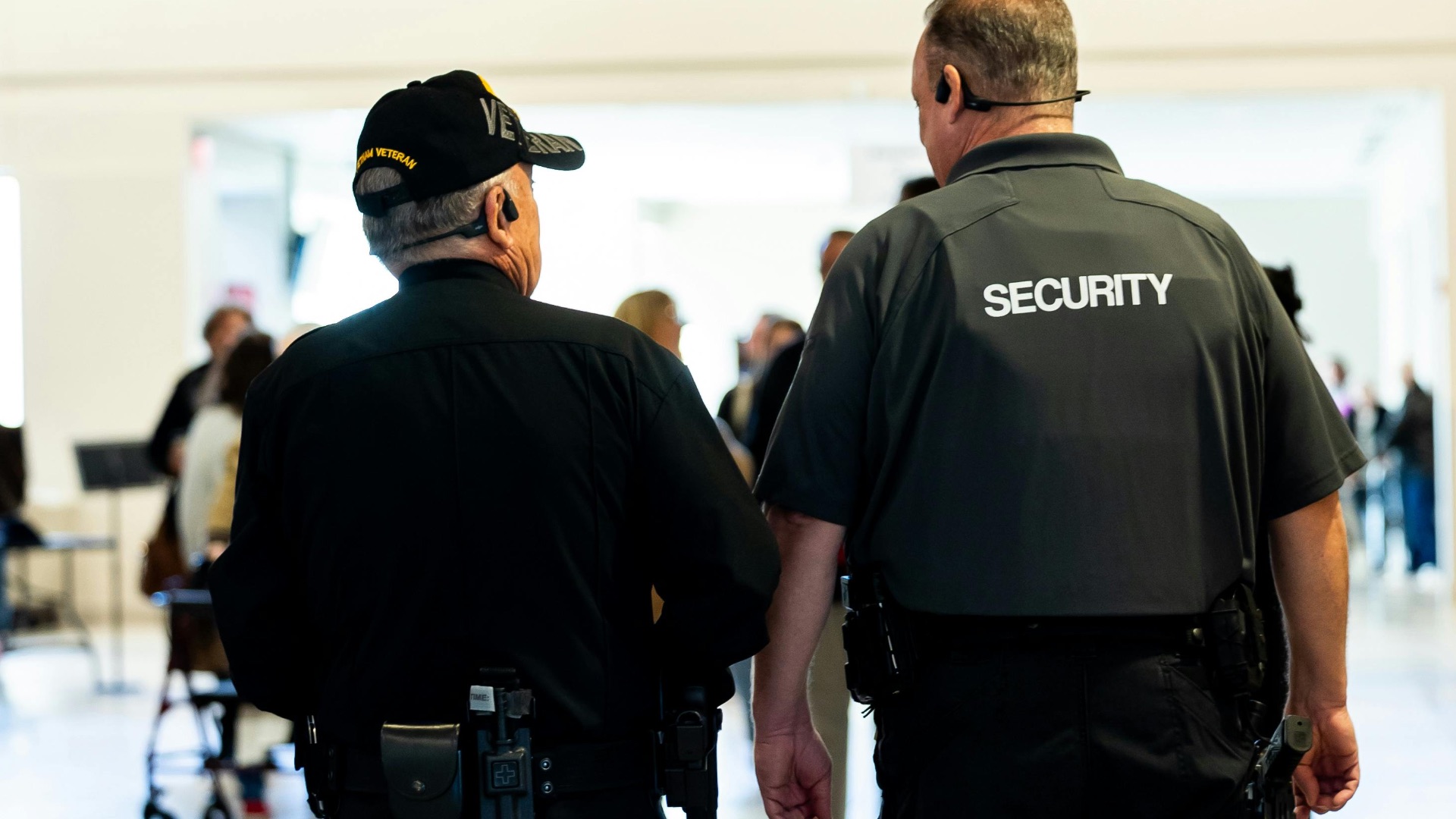
There's no such thing as a harmless security joke at an airport or on a plane, and crews are trained to take every threat seriously, regardless of the intent behind it. Even a sarcastic comment made under your breath can be reported by a fellow passenger and result in you being escorted off the aircraft by law enforcement. Security personnel don't have the time or obligation to assess your sense of humor, so it's best to keep those kinds of jokes entirely to yourself.
2. Showing Up to the Gate Visibly Intoxicated
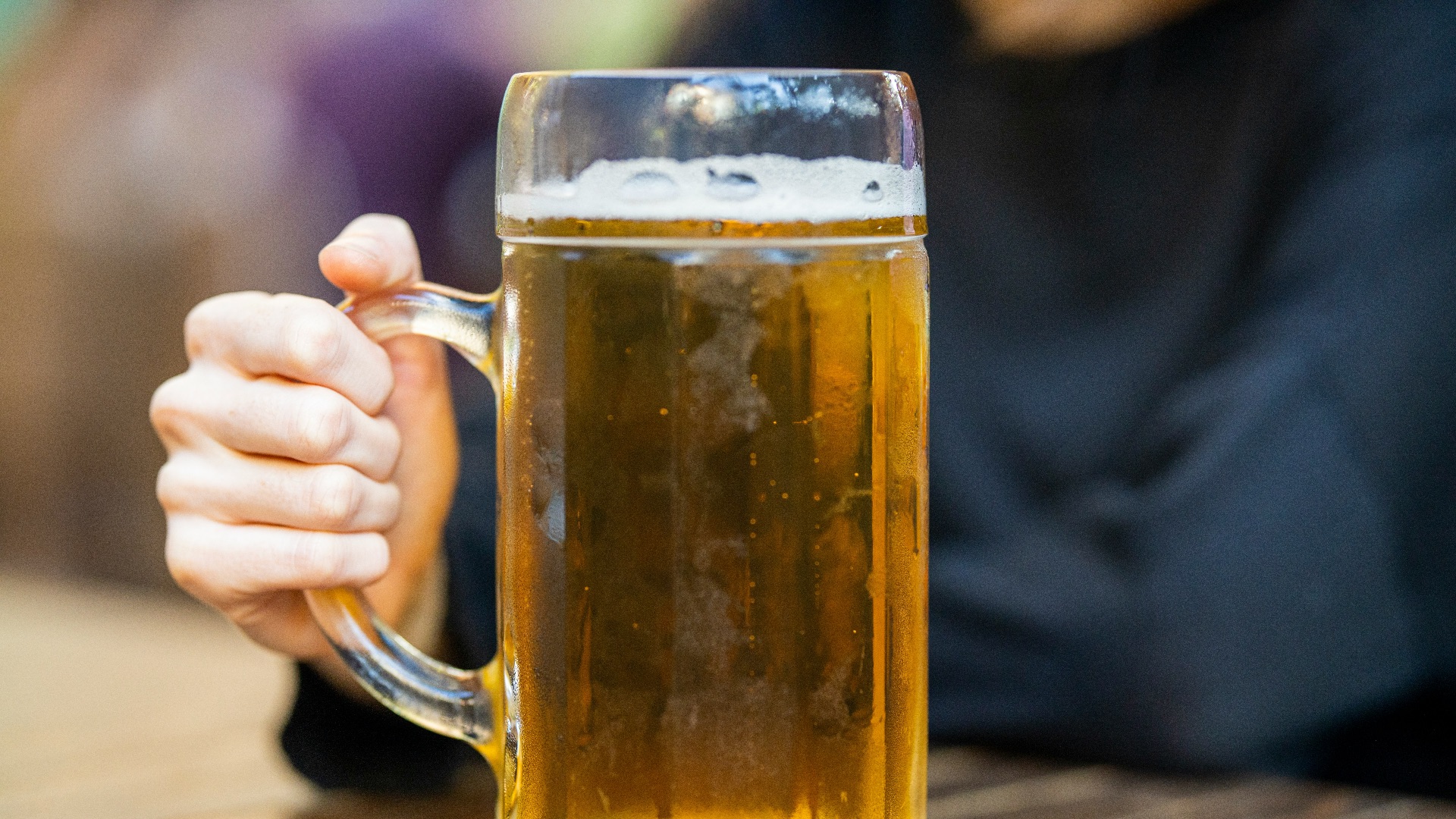
Airlines are within their rights to deny boarding to anyone who appears to be heavily intoxicated, and gate agents are trained to spot the signs before you ever set foot on the plane. Alcohol affects behavior in unpredictable ways at altitude, and carriers aren't willing to take on the liability of managing an unruly drunk passenger mid-flight. If you've had a few too many at the airport bar, there's a real chance you'll be watching your flight depart without you.
3. Getting Into a Physical Altercation
Throwing a punch, shoving another passenger, or engaging in any kind of physical confrontation is one of the fastest ways to end your travel plans on the spot. Pilots have the authority to divert a flight and have aggressive passengers removed and handed over to law enforcement at the nearest airport. Physical violence onboard isn't just a policy violation; it's a federal offense under aviation law in the United States.

4. Verbally Abusing or Threatening Crew Members
Flight attendants are safety professionals first, and subjecting them to verbal abuse, threats, or sustained harassment is treated with zero tolerance by virtually every major airline. Crew members are required to maintain order and ensure passenger safety, and they can't do that effectively if they're being intimidated or belittled. If you're rude enough, the captain will be notified, and that captain has the final say on whether you stay on the plane.

5. Ignoring Seatbelt Instructions
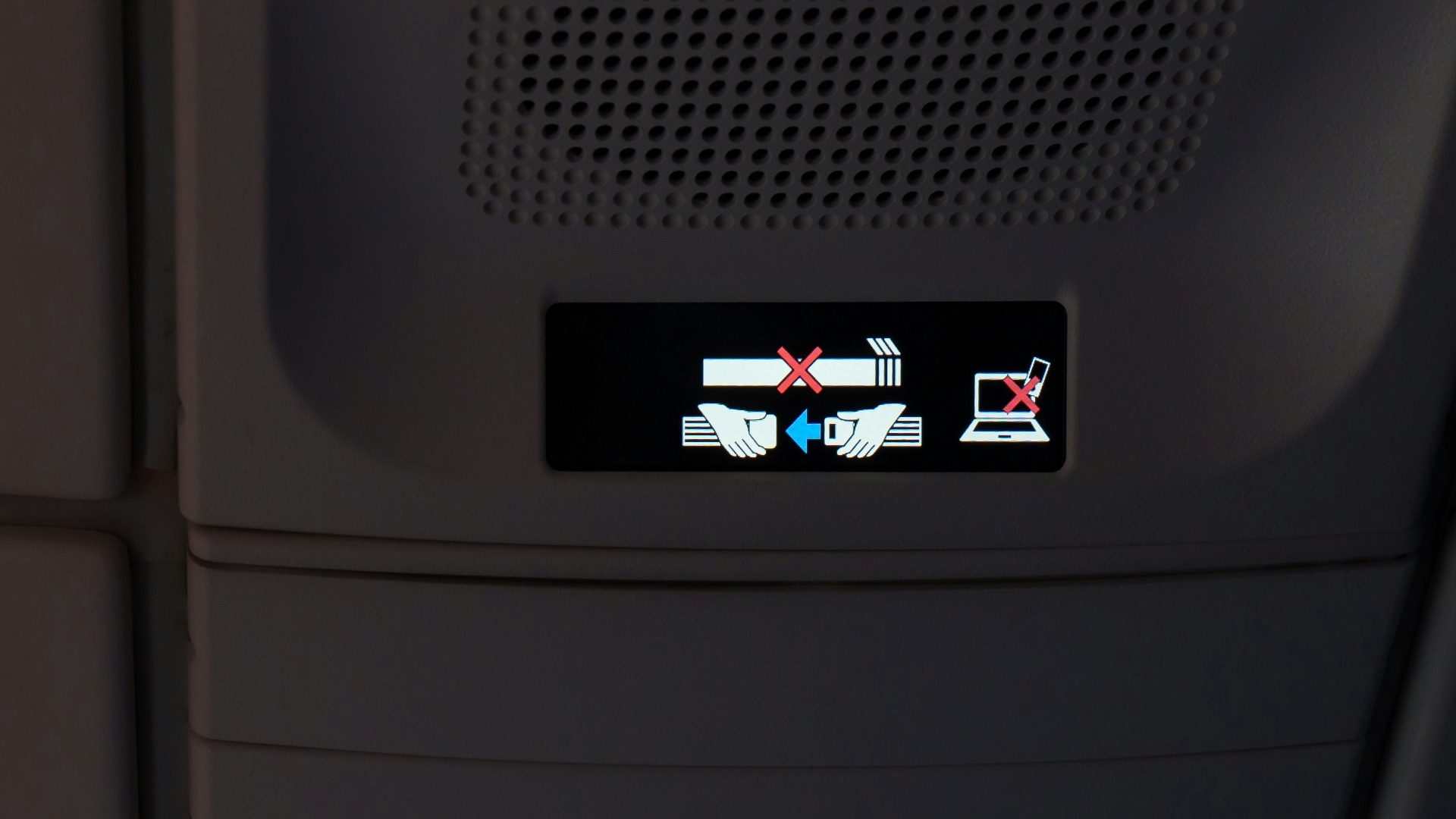
Most people understand the seatbelt sign, but repeatedly unbuckling and wandering the cabin when you've been explicitly told to stay seated is a safety violation that crews don't take lightly. During periods of turbulence or taxi, standing passengers are a genuine danger to themselves and everyone around them, and not being buckled down means you could literally be thrown around and off your flight.
6. Attempting to Smoke or Vape Onboard
Smoking and vaping have been banned on commercial flights for decades, and attempting to light up in the cabin or the lavatory is treated as a serious federal violation. The smoke detectors in aircraft bathrooms are extremely sensitive, and tampering with or disabling them carries its own set of criminal penalties. Passengers caught smoking or vaping mid-flight can be arrested upon landing and face hefty fines on top of being banned by the airline.

7. Bringing Prohibited Items Through Security
Certain items are simply not allowed in the cabin or even in checked luggage, and attempting to bring them onboard can get you pulled from your flight before it departs. The TSA's prohibited items list includes everything from certain lithium batteries to specific types of sporting equipment, and ignorance of the rules isn't considered a valid excuse. If a prohibited item is discovered during screening, you may face delays, fines, and in some cases, a conversation with federal agents.

8. Behaving Erratically or Unpredictably
You don't have to be threatening anyone directly for your behavior to raise enough concern to get you removed from a flight. Extremely erratic behavior, including talking loudly to yourself, appearing severely distressed, or trying to open emergency exit doors, can cause crew members to question whether you're in a safe condition to fly. Airlines prioritize the comfort and safety of all passengers, and if the crew decides your behavior poses a risk to the cabin environment, they can and will act on that judgment.

9. Flying with an Improperly Secured or Unauthorized Pet
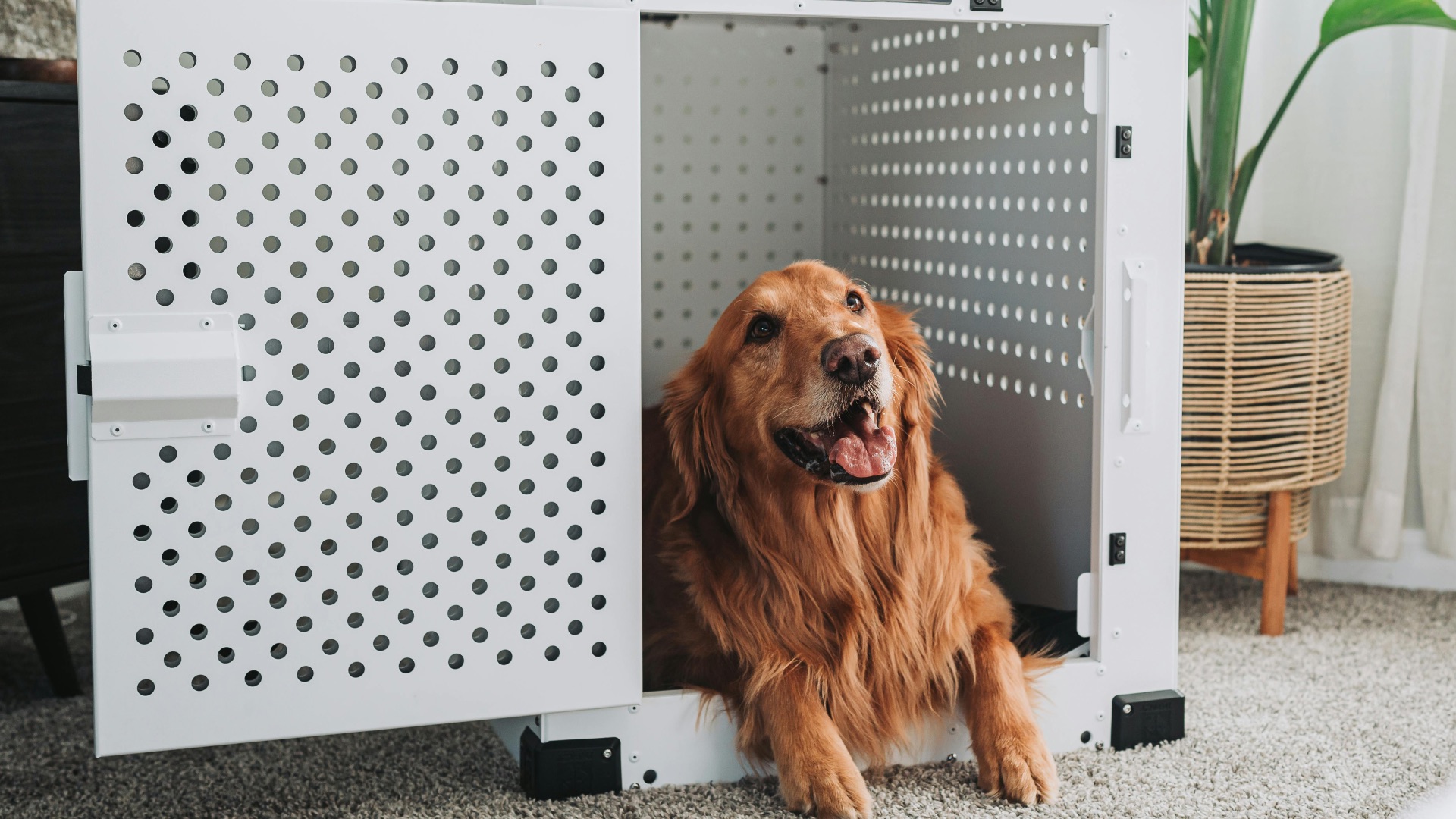
Traveling with pets comes with strict guidelines, and failing to follow them can result in you and your animal being removed from the flight. Animals that aren't in an approved carrier, exceed the size or weight limits, or aren't allowed on that particular route can be turned away at the gate or deplaned if the issue is discovered after boarding. It's worth checking your airline's pet policy carefully in advance, because showing up with an uncrated dog or an unapproved exotic animal won't end well for anyone.
10. Dress Code Violations
Most travelers don't realize that airlines actually have dress codes, and in rare cases, failing to meet them can result in being denied boarding or removed from a flight. Crew members are typically given discretion to determine what counts as appropriate attire, so clothing with obscene or offensive language and excessively revealing outfits are the most common triggers. In other words, dress like you're boarding a plane, not like you're heading to the beach.
 Andrey Zvyagintsev on Unsplash
11. Poor Hygiene
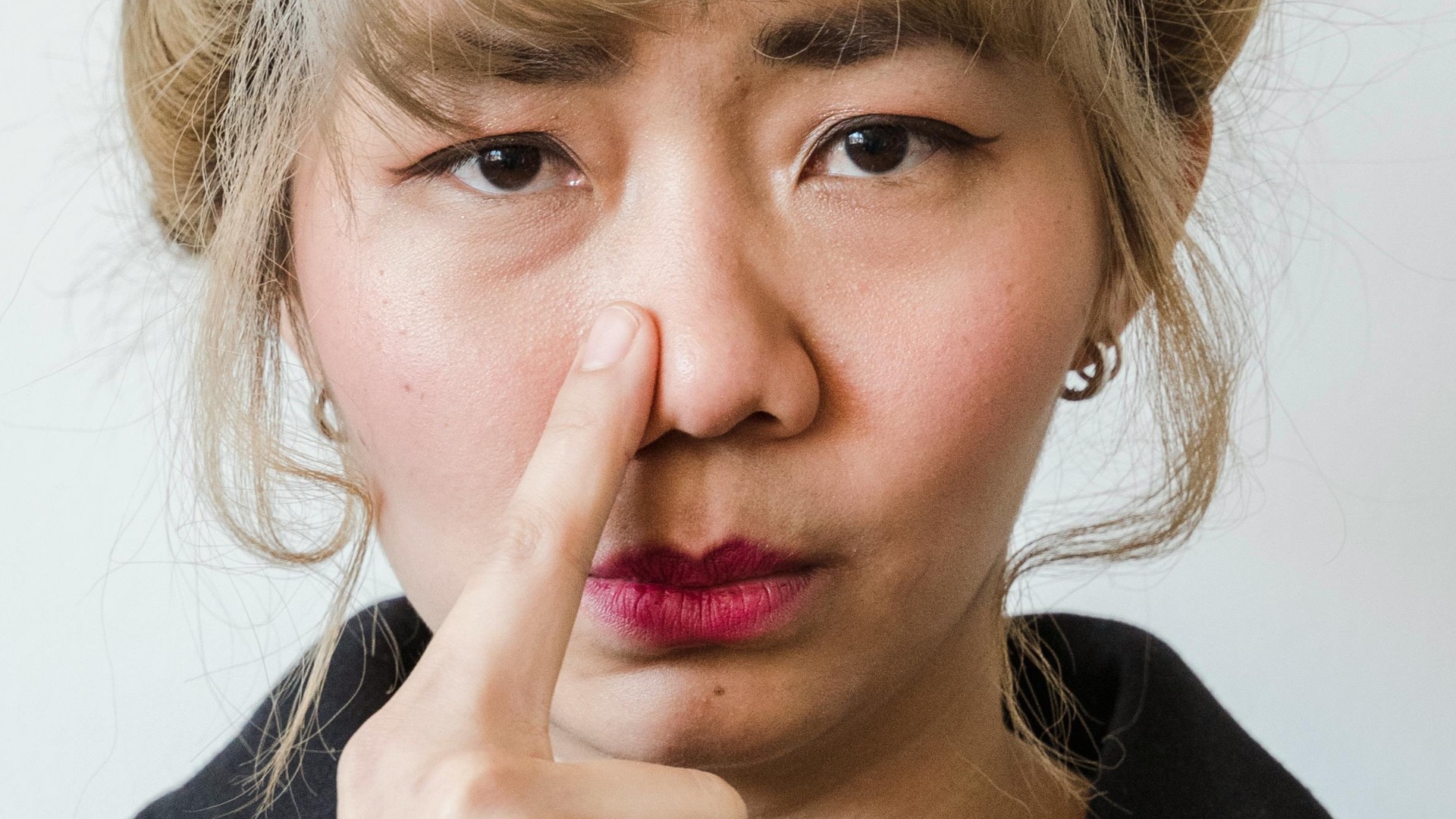
It might sound surprising, but strong body odor that's considered offensive by the crew or that rouses complaints from other passengers can actually be grounds for removal under many airline policies. If it jeopardizes the well-being of everyone onboard, it's not an issue crews can just ignore.
12. Seat Disputes
Refusing to follow crew instructions about seating assignments or turning a minor seat-related annoyance into an all-out confrontation with a neighboring passenger are both situations that can lead to removal. Arguments over armrests and how far you can recline might seem childish, and if you refuse to de-escalate or comply with crew direction, you'll probably get escorted off the flight entirely.
13. Deliberately Violating Personal Space
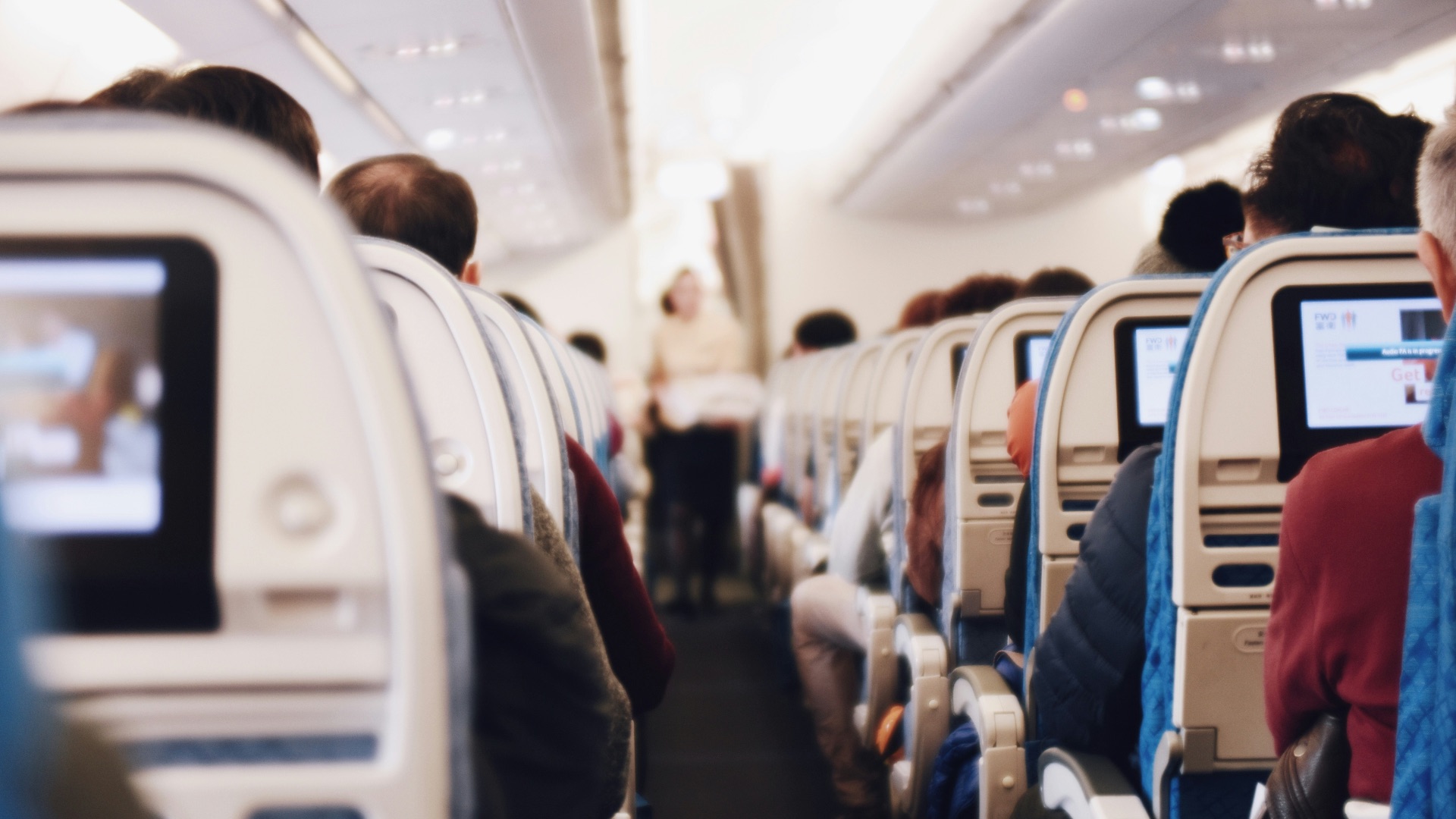
Aggressively encroaching on another passenger's space in a way that makes them feel unsafe or uncomfortable can draw the attention of the crew fairly quickly. Repeatedly reclining into someone's lap after being asked to stop, monopolizing the armrest in a confrontational way, or leaning into a neighboring passenger's seat are all behaviors that can escalate into a formal complaint. If a flight attendant has to intervene multiple times and you're still not adjusting your behavior, removal becomes a very real possibility.
14. Behaving in a Disruptive Way Due to a Mental Health Crisis
This one deserves sensitivity, but it's still a reality of air travel that passengers experiencing a severe mental health episode may be removed for their own safety as much as anyone else's. Crew members aren't trained mental health professionals, and if a passenger appears to be a danger to themselves or others, the pilot may decide that landing with that passenger onboard isn't a risk worth taking.

15. Attempting to Open Emergency Exits
Touching, tampering with, or attempting to open an emergency exit door during a flight is one of the most serious things a passenger can do, and it's treated accordingly under federal law. Even if you're just curious, interfering with emergency equipment puts everyone on the plane at risk. Passengers who repeatedly touch emergency exits are typically restrained, removed upon landing, and charged with federal offenses that can carry significant prison time.
16. Using Offensive or Threatening Language Toward Other Passengers
Directing slurs, threats, or sustained verbal aggression at other passengers isn't just bad manners; it creates a hostile environment that crew members are obligated to address. If someone files a complaint with the flight attendant and the behavior continues, the captain will be informed and may make the decision to return to the gate. Airlines have the right to refuse service to anyone whose behavior is deemed threatening or offensive to other customers or crew.

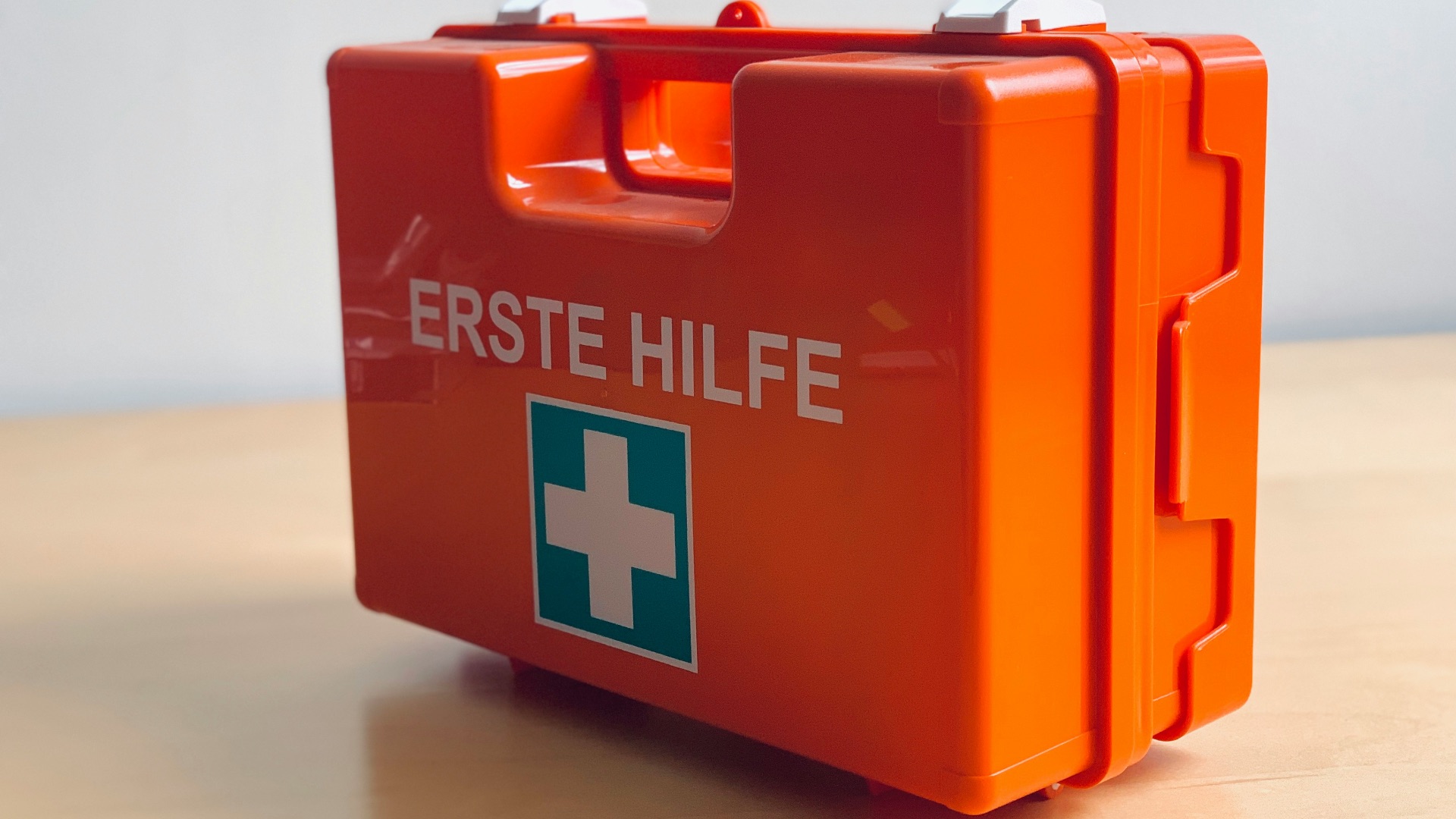
17. Being Non-Compliant During a Medical Emergency
If a medical situation arises onboard and you're interfering with the crew's ability to respond, whether by blocking the aisle, arguing with instructions, or refusing to move to a different seat, you become part of the problem rather than a bystander. Crews managing in-flight emergencies need space, cooperation, and calm from everyone around them, and passengers who can't provide that may be physically relocated or restrained. It's one of the less common reasons for removal, but it does happen when a passenger's interference compromises the response to a medical crisis.
18. Live-Streaming or Recording Crew Members Without Permission
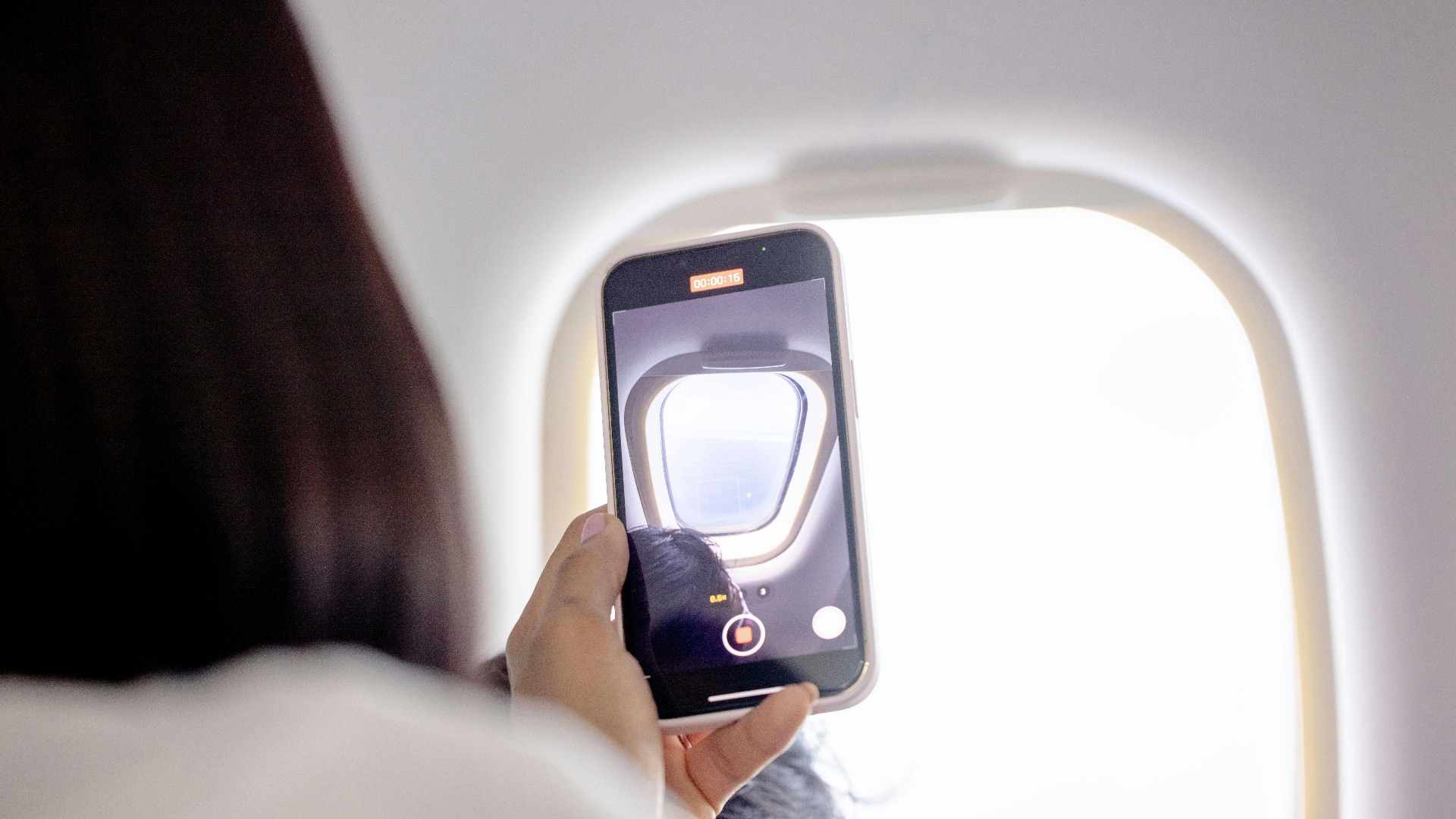
Pointing a camera in a flight attendant's face while they're working or live-streaming an argument with the crew is increasingly becoming a flashpoint for removal incidents. While laws around recording in public spaces are complex, airlines have their own policies about filming onboard, and deliberately broadcasting confrontations or private passenger information is treated as a serious breach. Crew members are allowed to ask you to stop, and continuing to film after being told to put the camera away can be considered harassment.
19. Traveling with Undeclared Hazardous Materials
Packing items like compressed gas canisters, certain aerosols, or flammable liquids in your luggage without declaring them is a federal offense, even if you didn't realize those items were classified as hazardous. The TSA also prohibits certain items from being packed in either carry-on or checked luggage specifically, meaning that putting something in your carry-on when it's only permitted in checked baggage, or vice versa, can land you in just as much trouble as bringing a prohibited item altogether. If any of this is discovered during check-in or screening, you can expect your travel plans to be disrupted significantly while the situation is investigated.
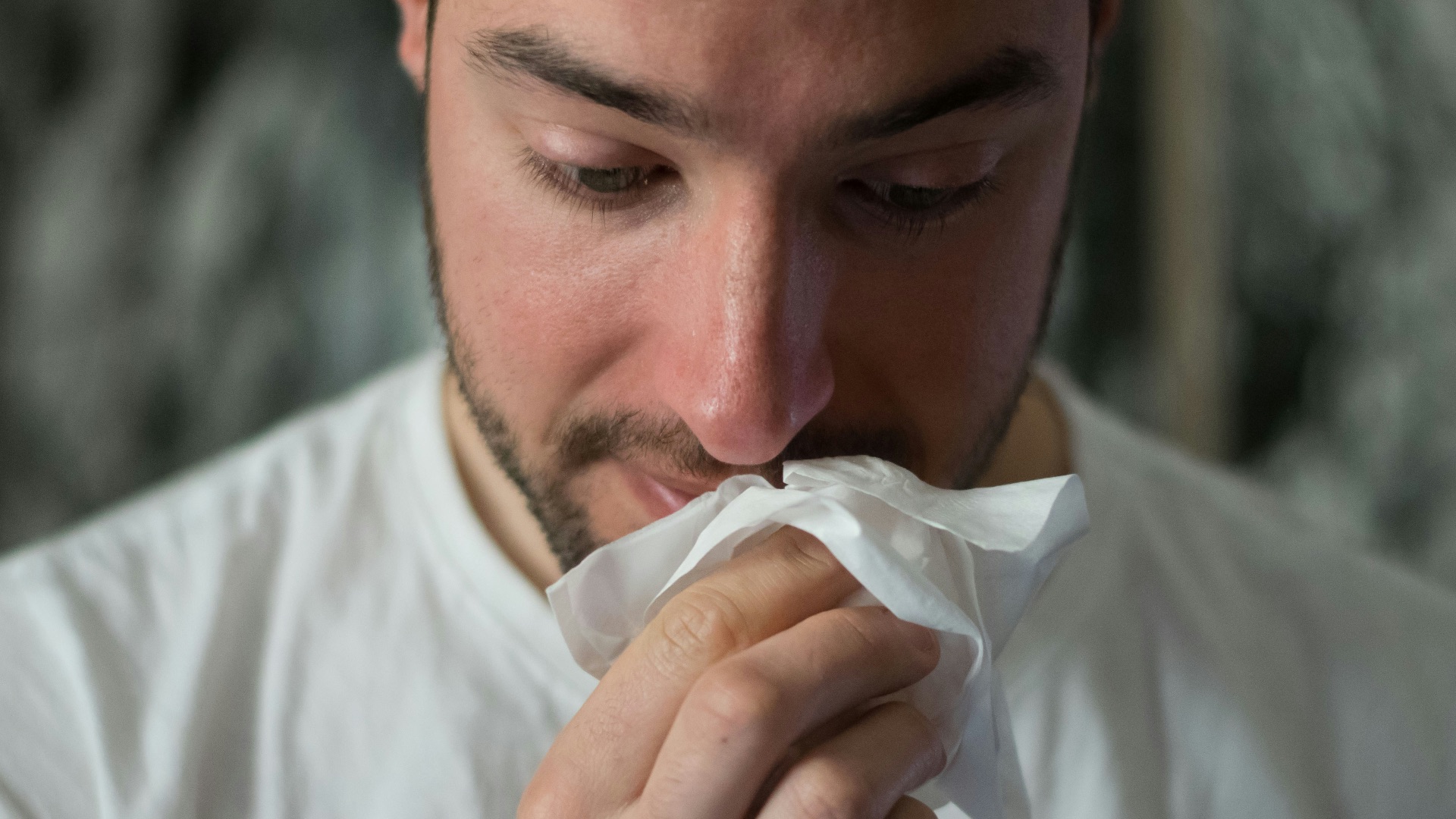
20. Appearing Sick or Contagious
If you're visibly ill or showing signs of a potentially contagious condition, don't be surprised if you're pulled off the flight. Airlines are responsible for ensuring the health and safety of all passengers, so that always has to take priority. It's worth waiting until you're feeling better before flying, both for your own comfort and out of consideration for the people sitting around you.