Flying Has a Safety Record Worth Talking About
Commercial aviation is one of the safest forms of transportation ever developed, but unfortunately, that doesn't mean accidents never happen in the air. Understanding what goes wrong, and why, can give you a much clearer picture of how the industry works to prevent disasters before they strike. From routine mechanical oversights to genuinely bizarre one-in-a-million events, airplane accidents come in all shapes and sizes, and each one has taught engineers, pilots, and regulators something valuable about making the skies safer.
 Air Accident Investigation Branch on Wikimedia
1. Controlled Flight Into Terrain
Controlled flight into terrain occurs when a fully functioning aircraft is unintentionally flown into the ground, a mountain, or another obstacle, most often because the crew isn't fully aware of the plane's position relative to the terrain. It's been one of aviation's most persistent killers over the decades, accounting for a significant portion of fatal crashes worldwide. Modern ground proximity warning systems have dramatically reduced how often this happens, but it hasn't been eliminated entirely.
2. Loss of Control in Flight
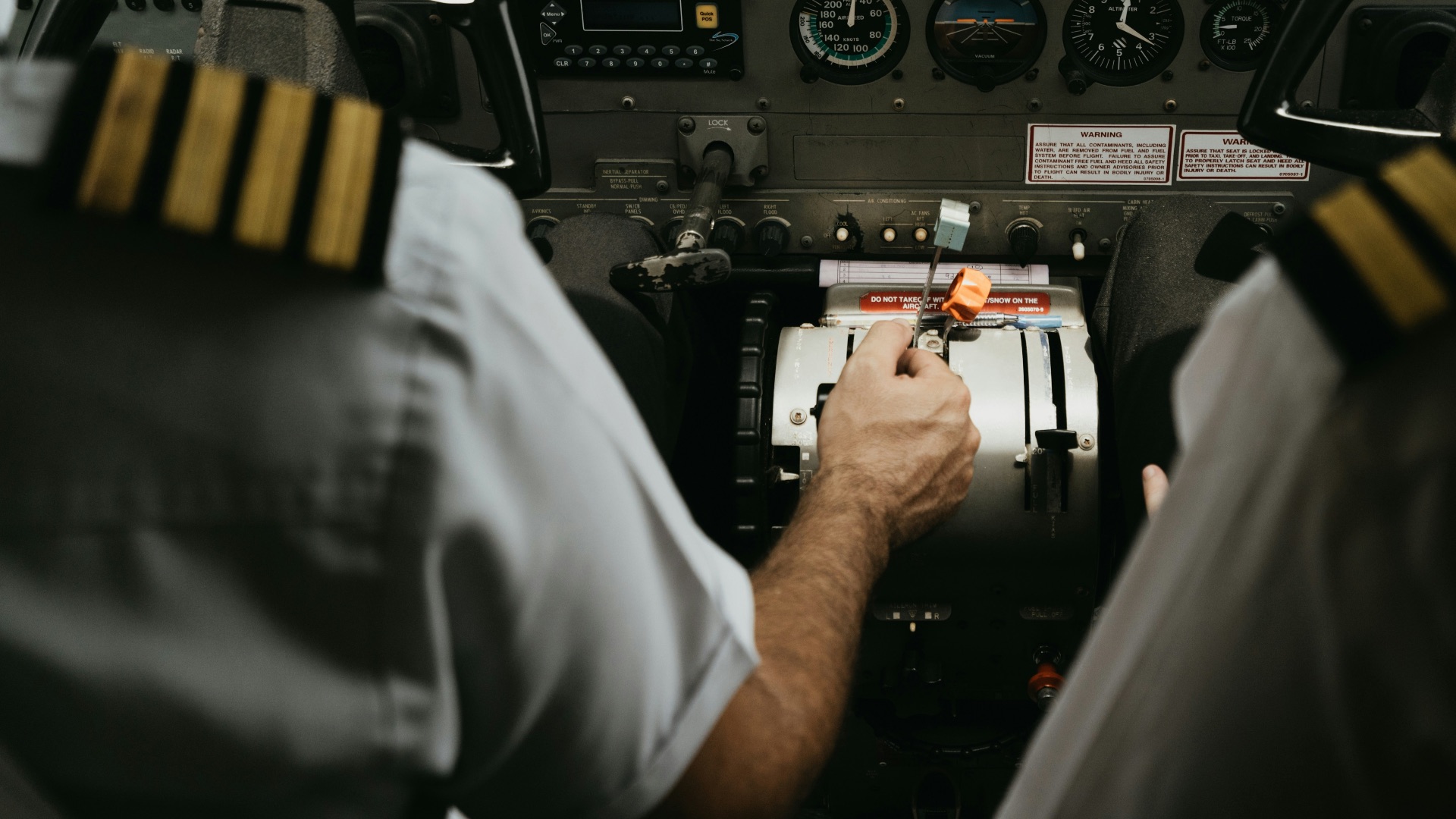
Loss of control in flight is the leading cause of fatal commercial aviation accidents globally, and it happens when a crew loses the ability to manage the aircraft's attitude, speed, or trajectory. This can stem from a combination of factors, including pilot error, unexpected turbulence, or a technical malfunction that overwhelms the flight crew. Recovery training has become a major focus in pilot education precisely because these situations can escalate from manageable to catastrophic in seconds.
 Pasqualino Capobianco on Unsplash
3. Runway Excursions
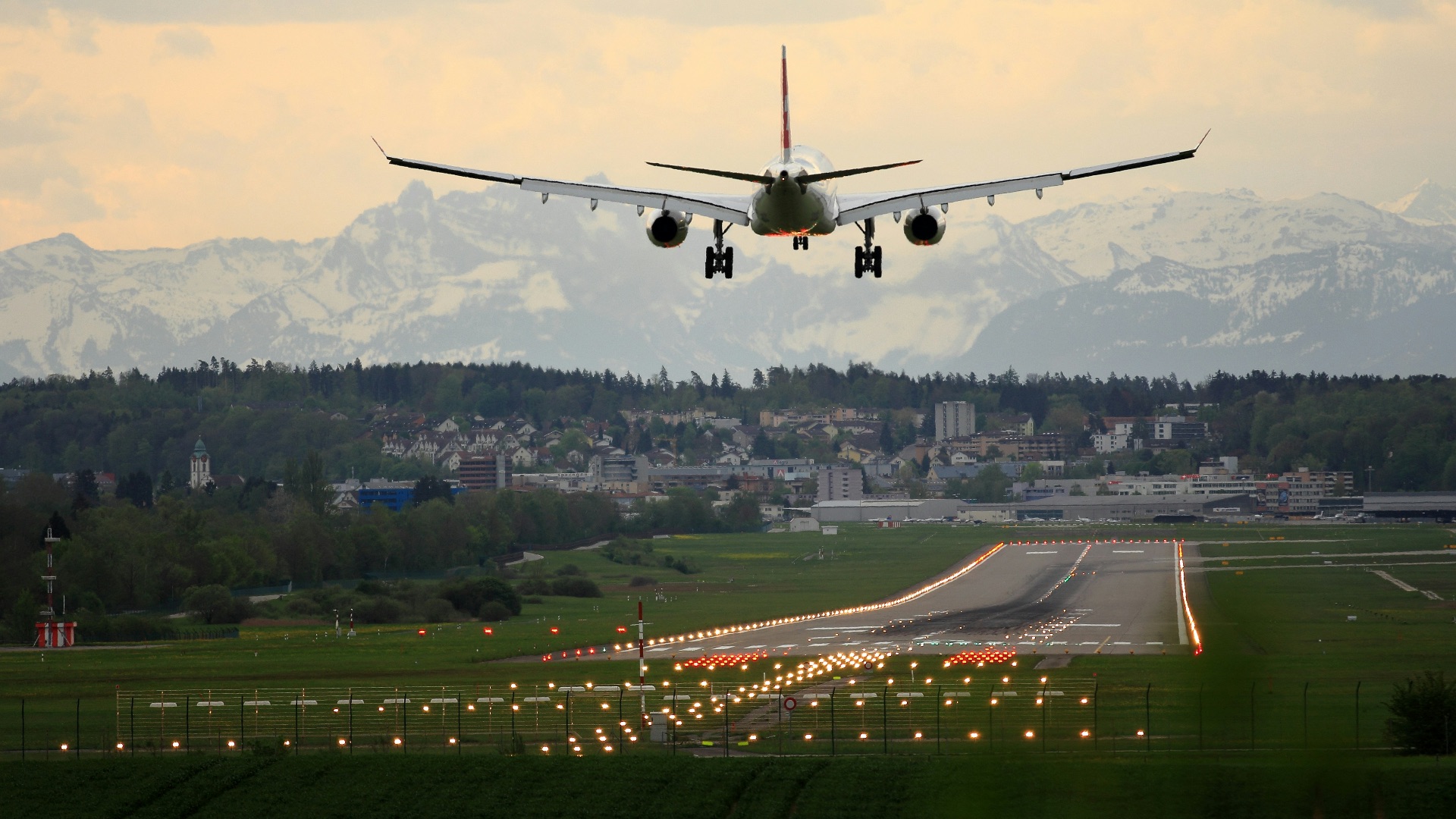
A runway excursion happens when an aircraft veers off or overruns the runway during takeoff or landing, and it's far more common than most passengers realize. Wet or icy surfaces, excessive speed on approach, late touchdown, or brake system failures are among the most frequent contributing factors. While many excursions don't result in fatalities, they can cause serious structural damage and injuries depending on what the aircraft strikes after leaving the pavement.
4. Midair Collisions
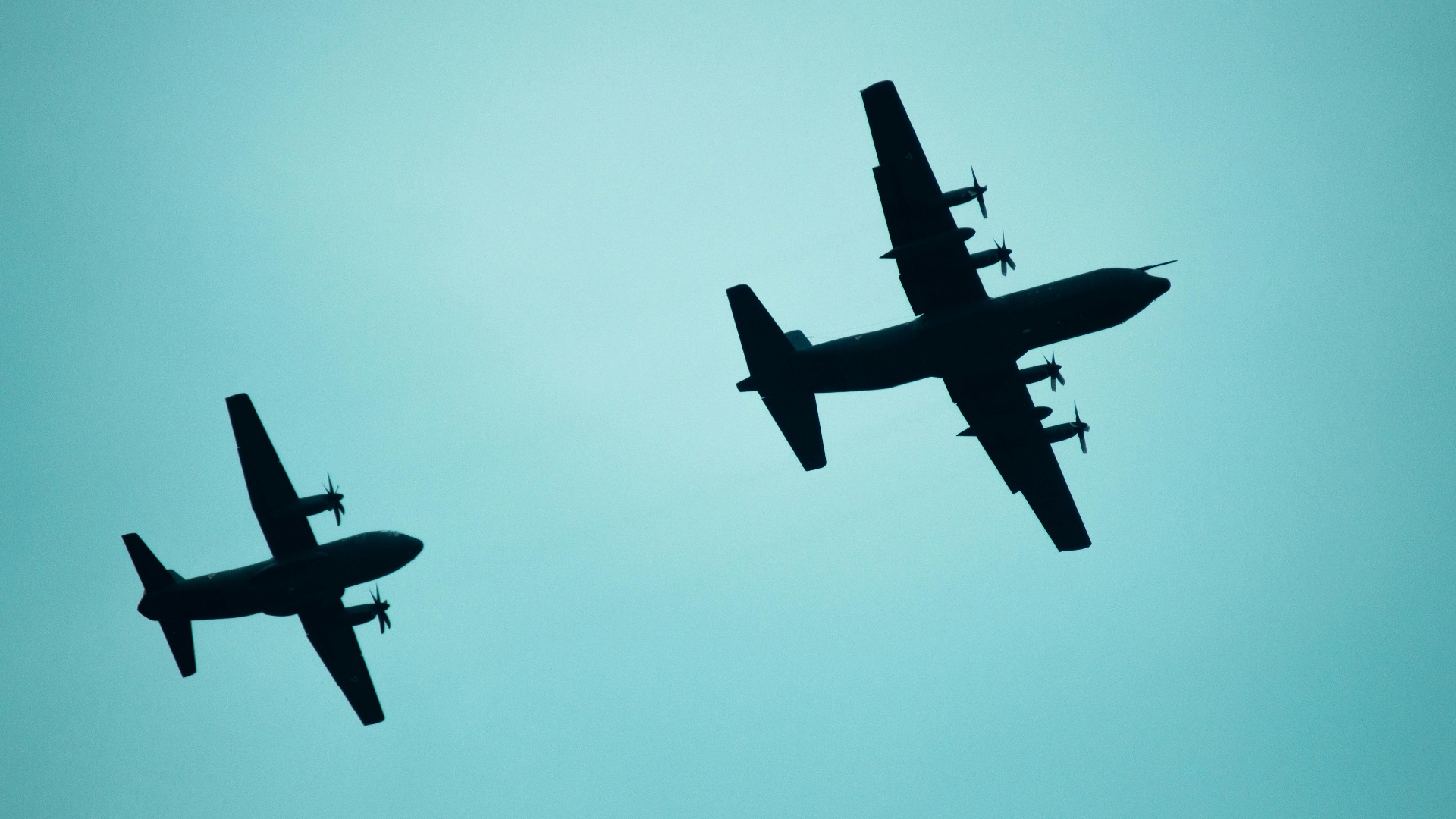
Midair collisions involve two aircraft making contact while both are airborne, and they tend to be more prevalent in uncontrolled airspace where smaller general aviation planes operate without radar guidance. A lapse in situational awareness, communication failures between pilots, or air traffic control errors can all bring two aircraft into the same piece of sky at the wrong moment. Commercial airliners are now equipped with traffic collision avoidance systems that have made this type of accident significantly rarer in busy, controlled corridors.
5. Engine Failure
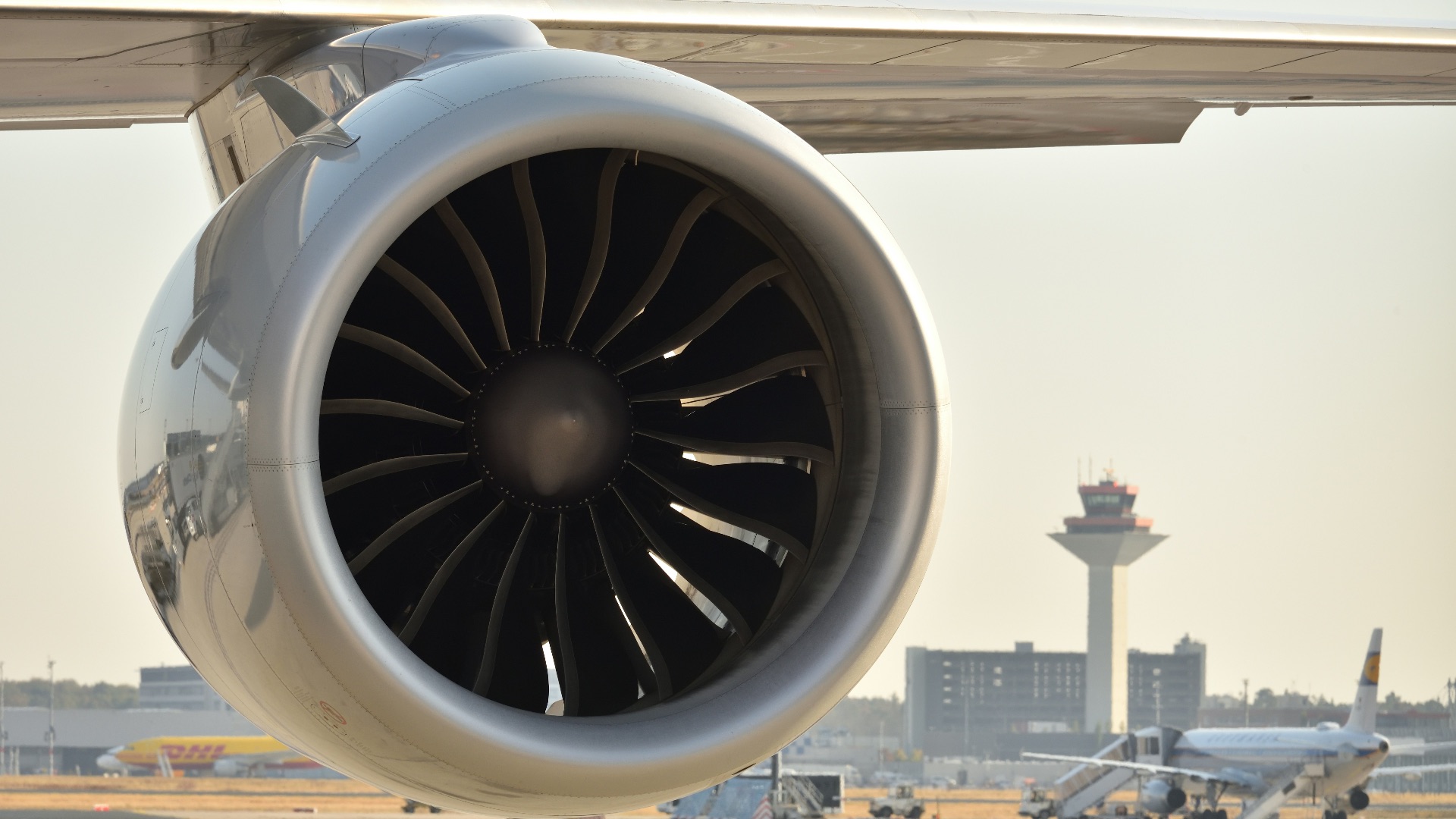
Engine failures are something pilots train for extensively, largely because they can happen for a wide variety of reasons, from bird strikes to fuel exhaustion to mechanical wear. The good news is that most commercial aircraft are certified to fly safely on a single engine, which means an engine failure doesn't automatically spell disaster. That said, dual engine failure or failure during a particularly demanding phase of flight, like takeoff, can leave very little margin for error.
6. Fuel Mismanagement
Fuel mismanagement covers a surprisingly broad range of mistakes, including running out of fuel entirely, contamination of the fuel supply, or using the wrong type of fuel during servicing. You'd think that running out of gas would be an easily preventable problem, but pressure, distraction, and communication breakdowns on the ground have led to more than a few aircraft departing without adequate fuel on board. Proper preflight checks and clear crew communication protocols exist specifically to catch these errors before the wheels leave the ground.
7. Hard Landings
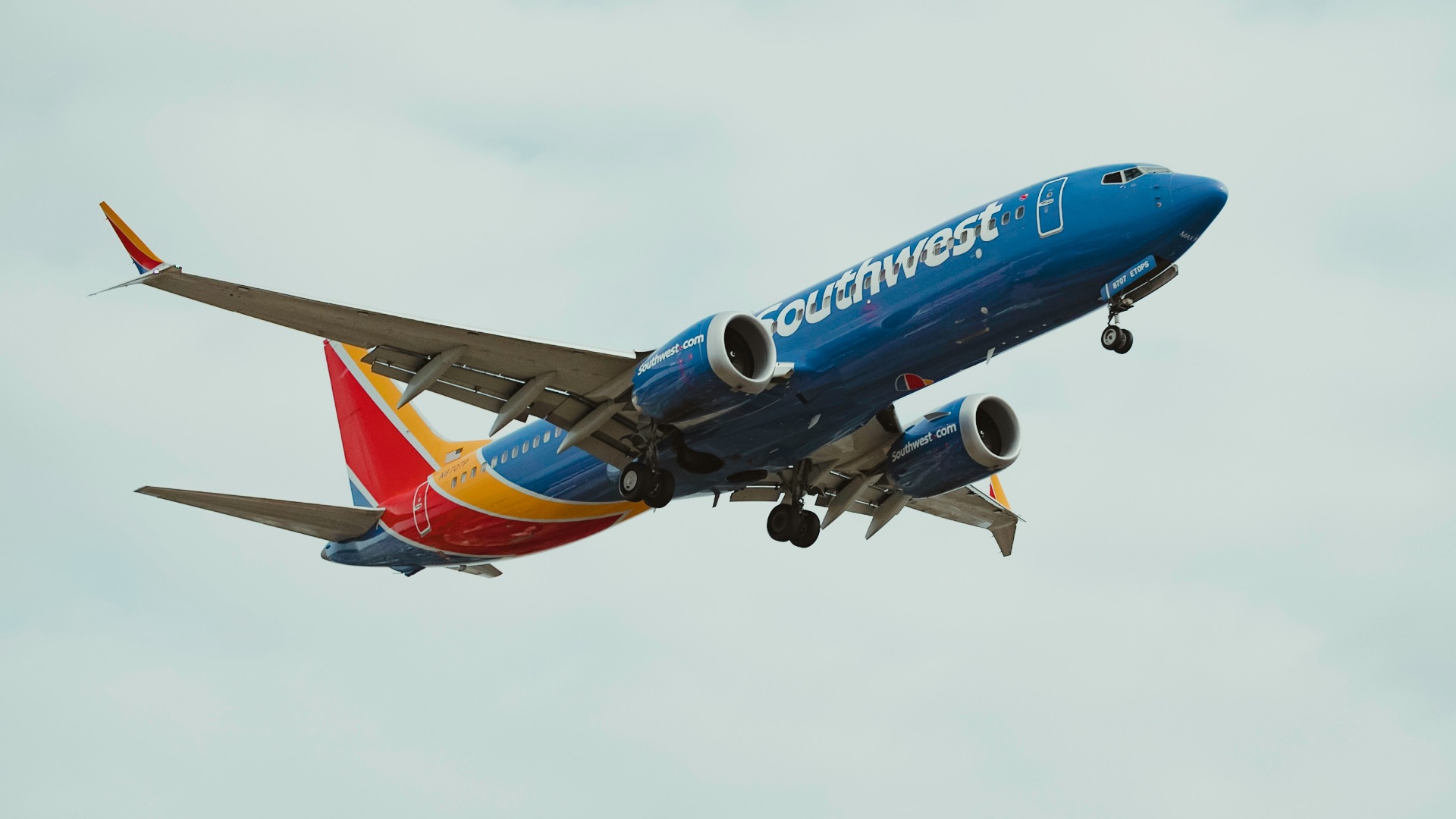
A hard landing occurs when an aircraft contacts the runway with more force than it was designed to absorb in normal operations, and it can range from jarring-but-manageable to structurally damaging. Factors like wind shear on approach, pilot misjudgment of altitude, or a sudden loss of lift in the final moments before touchdown are commonly to blame. Even when a hard landing doesn't immediately ground the plane, it often triggers a mandatory structural inspection that can take the aircraft out of service for hours or days.
8. Bird Strikes
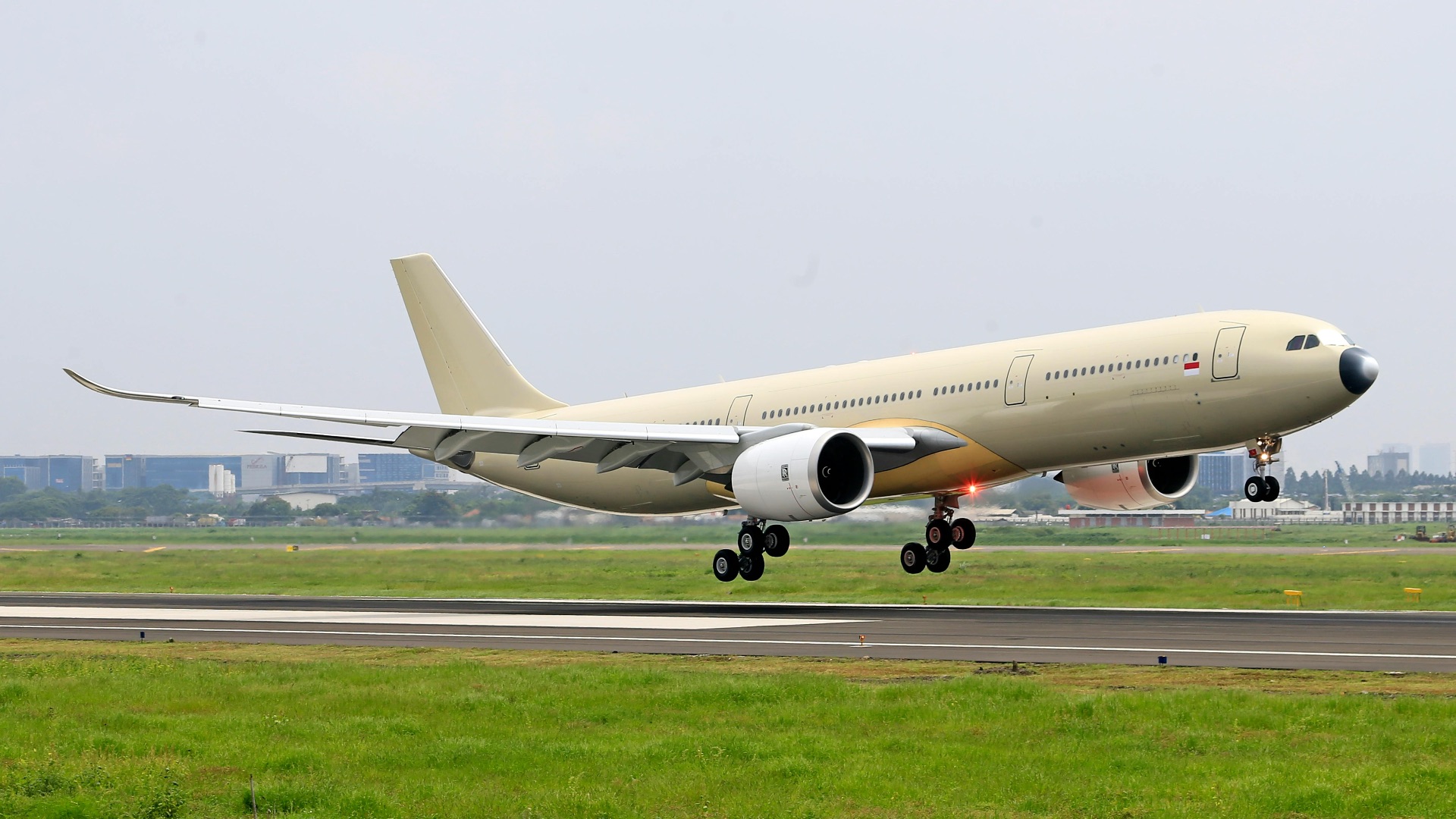
Bird strikes are remarkably common in aviation, with thousands of reported incidents occurring every year across all types of aircraft operations. The danger increases dramatically when birds are ingested into jet engines, where the impact can cause compressor blade damage, power loss, or in serious cases, a complete engine shutdown. Most strikes are minor and cause little more than cosmetic damage, but high-altitude encounters with large flocks remain a genuine safety concern that airports work hard to manage.

9. Fire
Fire or smoke inside or outside of an aircraft, whether in flight or on the ground, demands an immediate and well-rehearsed response from the crew. Onboard fires can originate in the engine, the cargo hold, the cabin wiring, or increasingly, from lithium-ion batteries in passenger luggage, each presenting its own set of challenges. Rapid detection, suppression systems, and clear emergency procedures are the main lines of defense, but a fire that goes uncontrolled at altitude can become life-threatening within minutes.
10. System/Component Failure or Malfunction
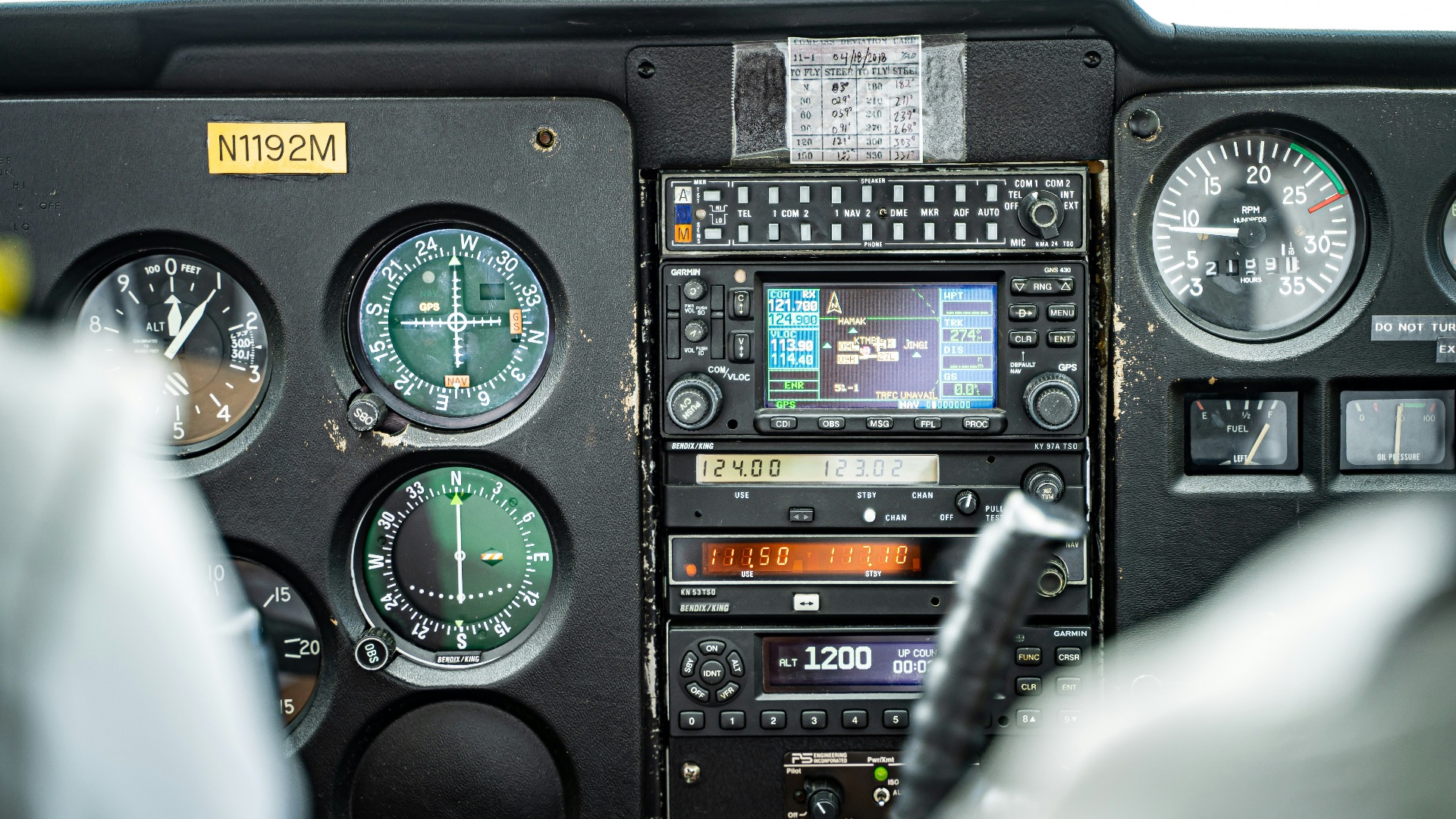
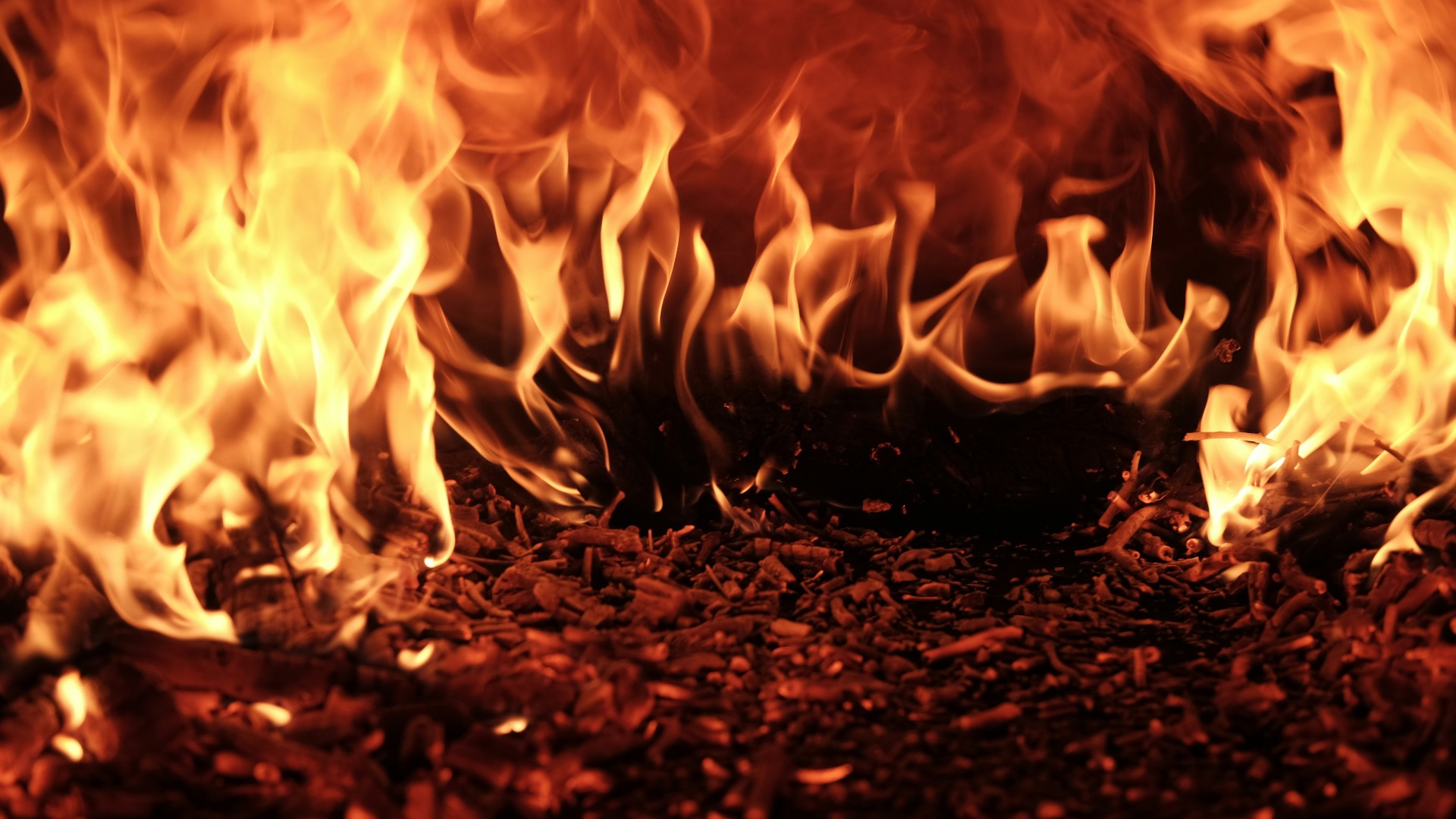
A system or component failure covers any failure or malfunction of an aircraft system tied to its design, the manufacturing process, or a maintenance issue that ultimately leads to an accident. This category is broad enough to include everything from a faulty sensor providing the flight crew with incorrect data to a hydraulic failure that compromises control of the aircraft's flight surfaces, reflecting just how many different systems need to be functioning correctly for a flight to go smoothly.
While these are the most common reasons airplane accidents may happen, there are other causes as well, though much rarer. Let's cover that next.
1. Laser Strikes
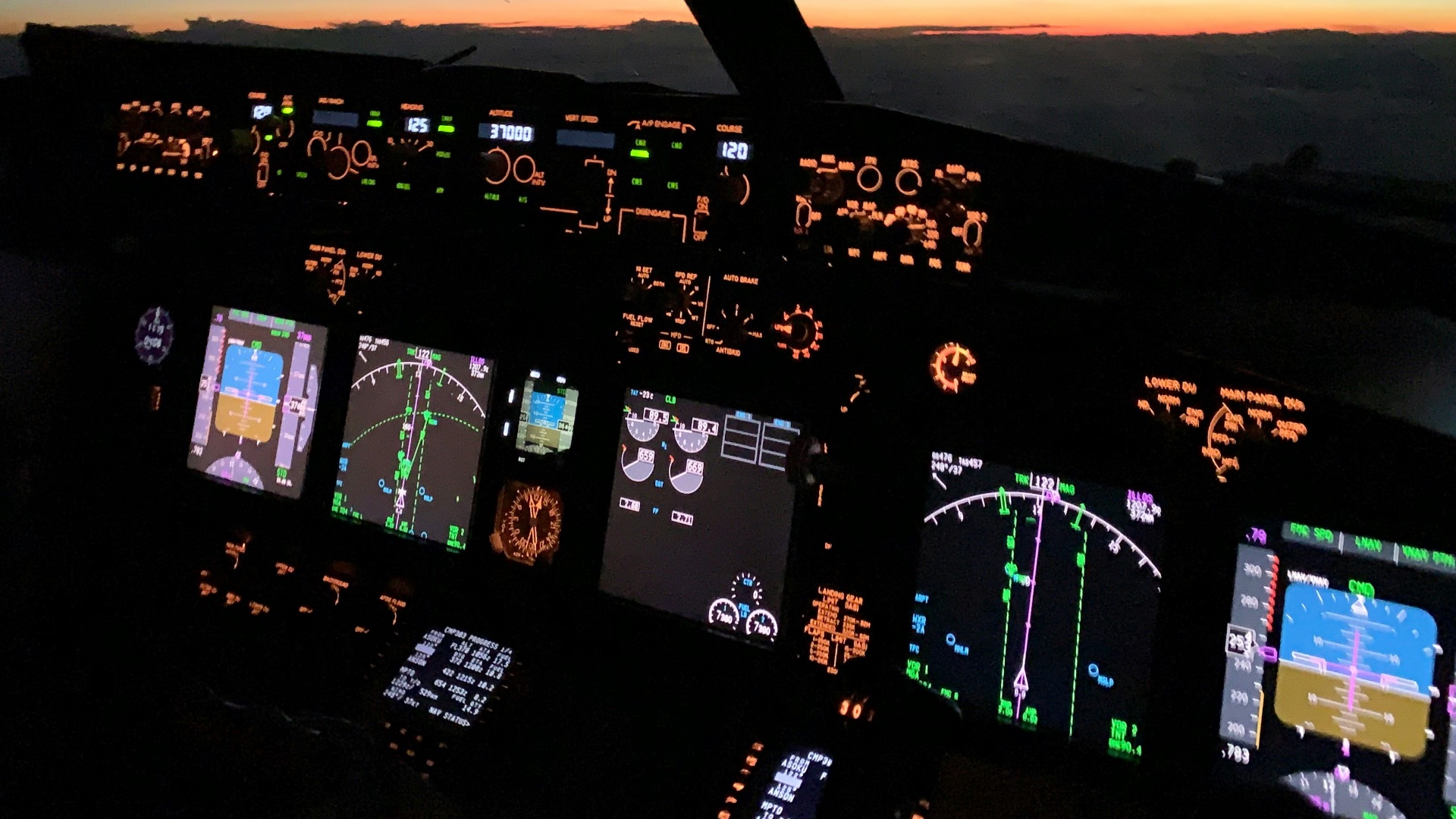
Laser strikes occur when someone on the ground shines a powerful laser beam at an aircraft, and they've been increasing in frequency as high-powered consumer lasers have become easier to obtain. When a laser beam enters a cockpit during a critical phase of flight, like approach or landing, it can temporarily blind or disorient the pilot, creating a genuinely dangerous situation with very little warning. Aiming a laser at an aircraft might seem like a harmless prank, but it's anything but; most countries treat deliberate laser strikes at aircraft as a serious criminal offense, and for good reason.
2. Cargo Shifting
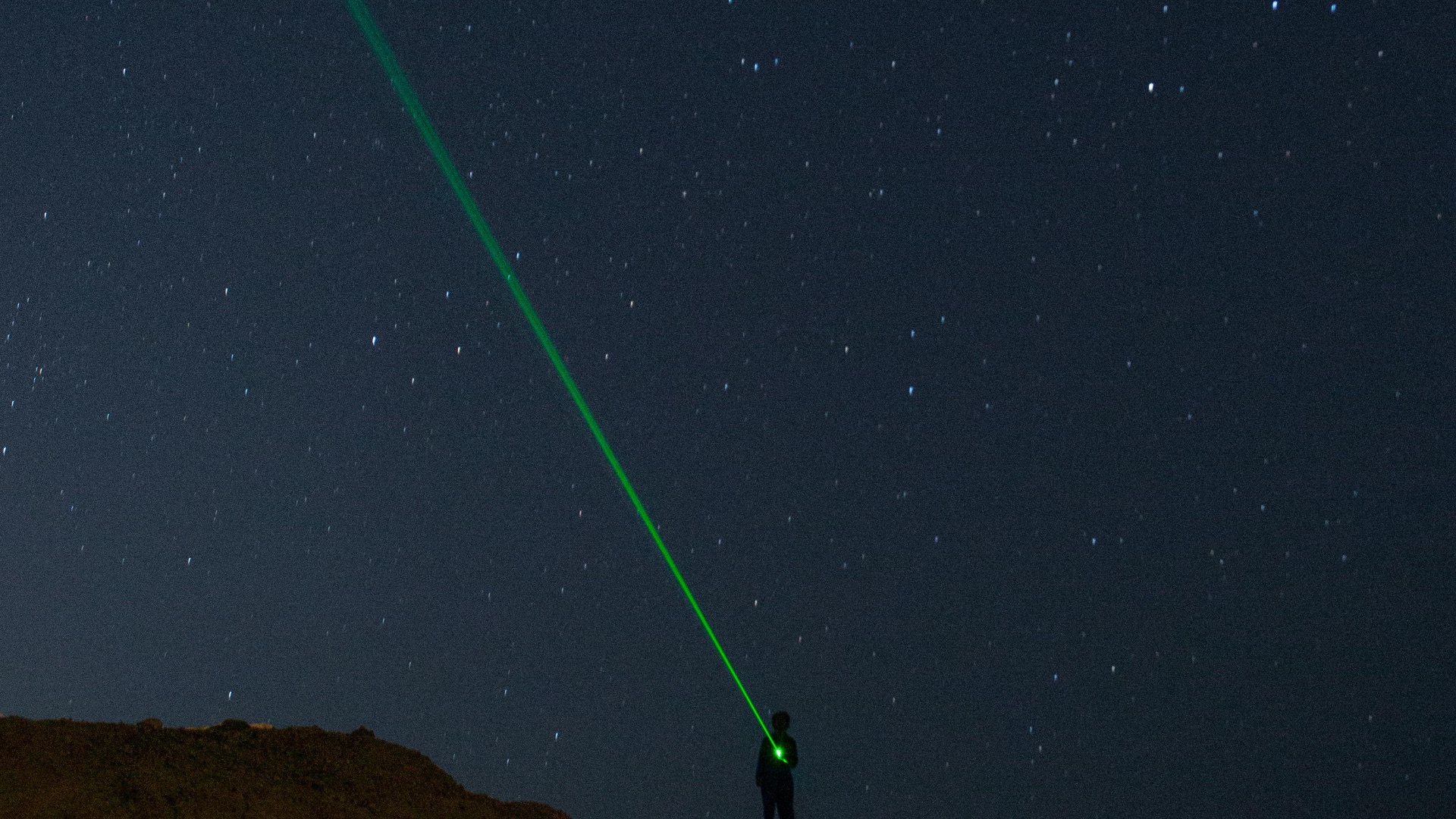
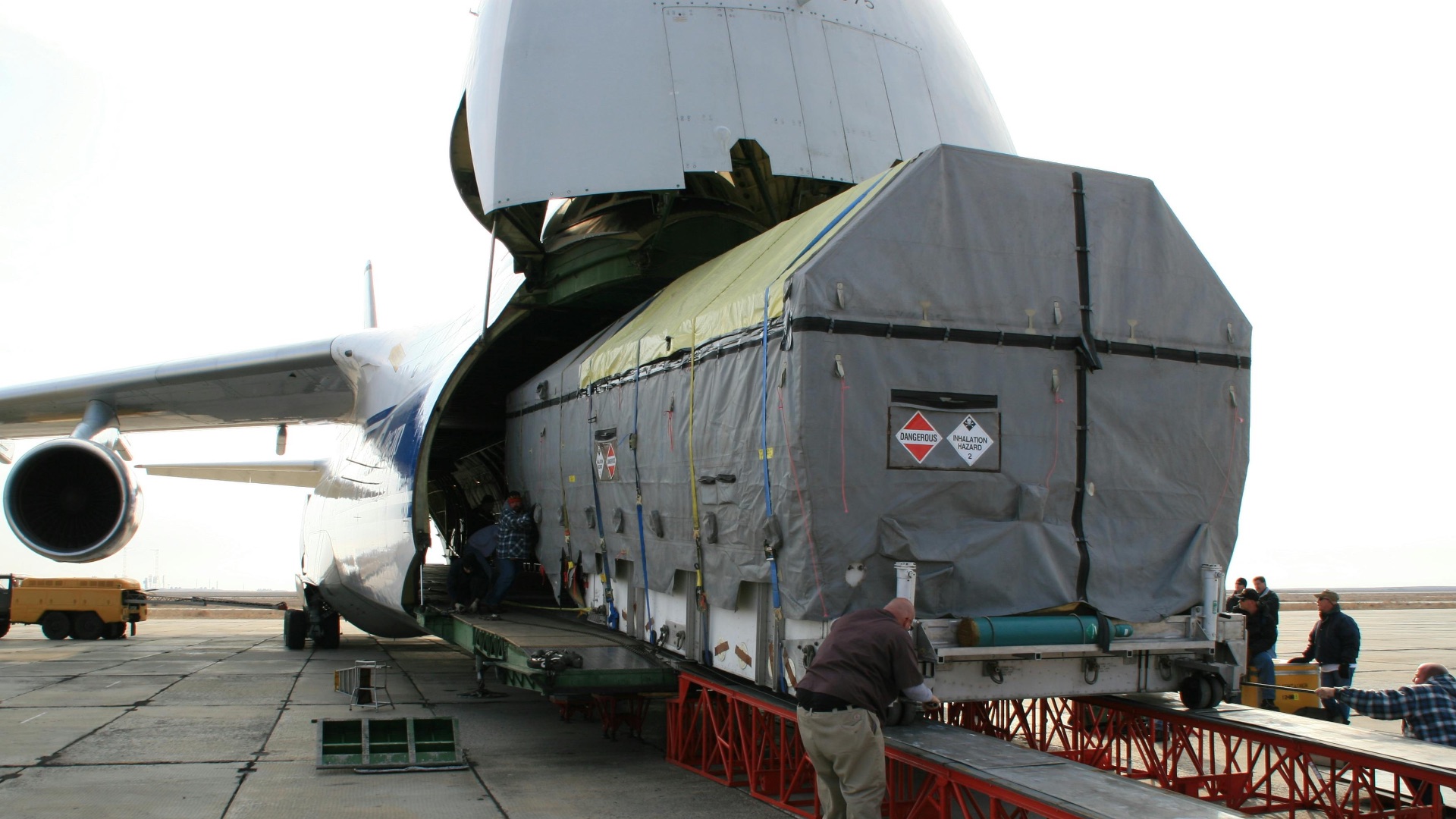
Improperly secured cargo can shift during flight, particularly during turbulence or steep maneuvering, and in serious cases, it can alter the aircraft's center of gravity enough to affect stability and control. A dramatic shift toward the rear of the aircraft can cause the nose to pitch up uncontrollably, which presents a recovery challenge even for experienced crews. Several fatal accidents over the years have been traced back to cargo that wasn't loaded or restrained according to proper weight and balance specifications.
3. Hypoxia from Pressurization Failure
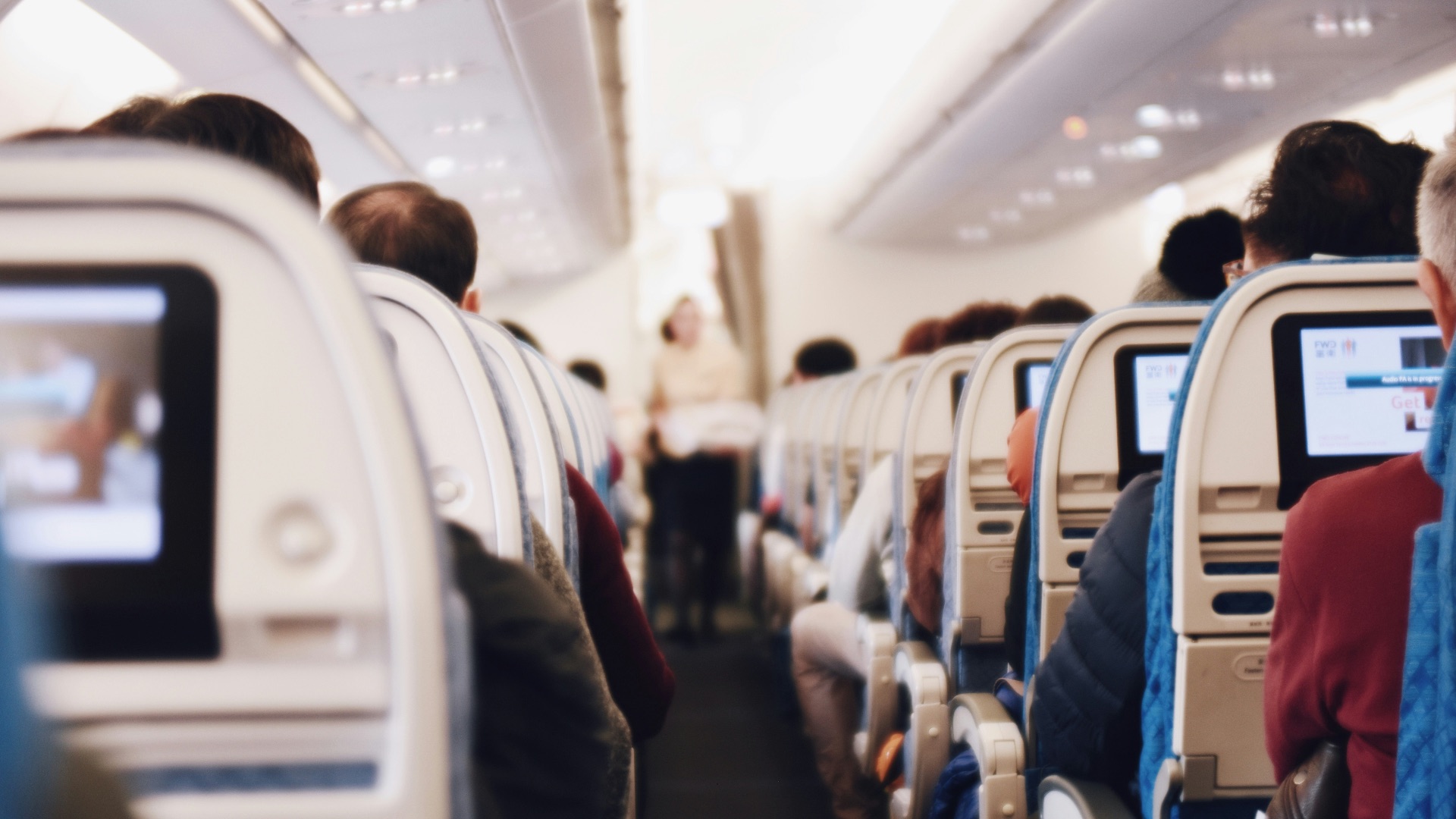
When an aircraft loses cabin pressurization at high altitude, the crew and passengers are exposed to dangerously low levels of oxygen, and unconsciousness can follow surprisingly quickly if supplemental oxygen isn't used immediately. What makes pressurization failures particularly insidious is that hypoxia can impair judgment before a person even realizes something is wrong, meaning a pilot might not recognize the need to act until it's almost too late. The standard response is an emergency descent to a lower altitude where the air contains enough oxygen to sustain consciousness without assistance.
4. Icing
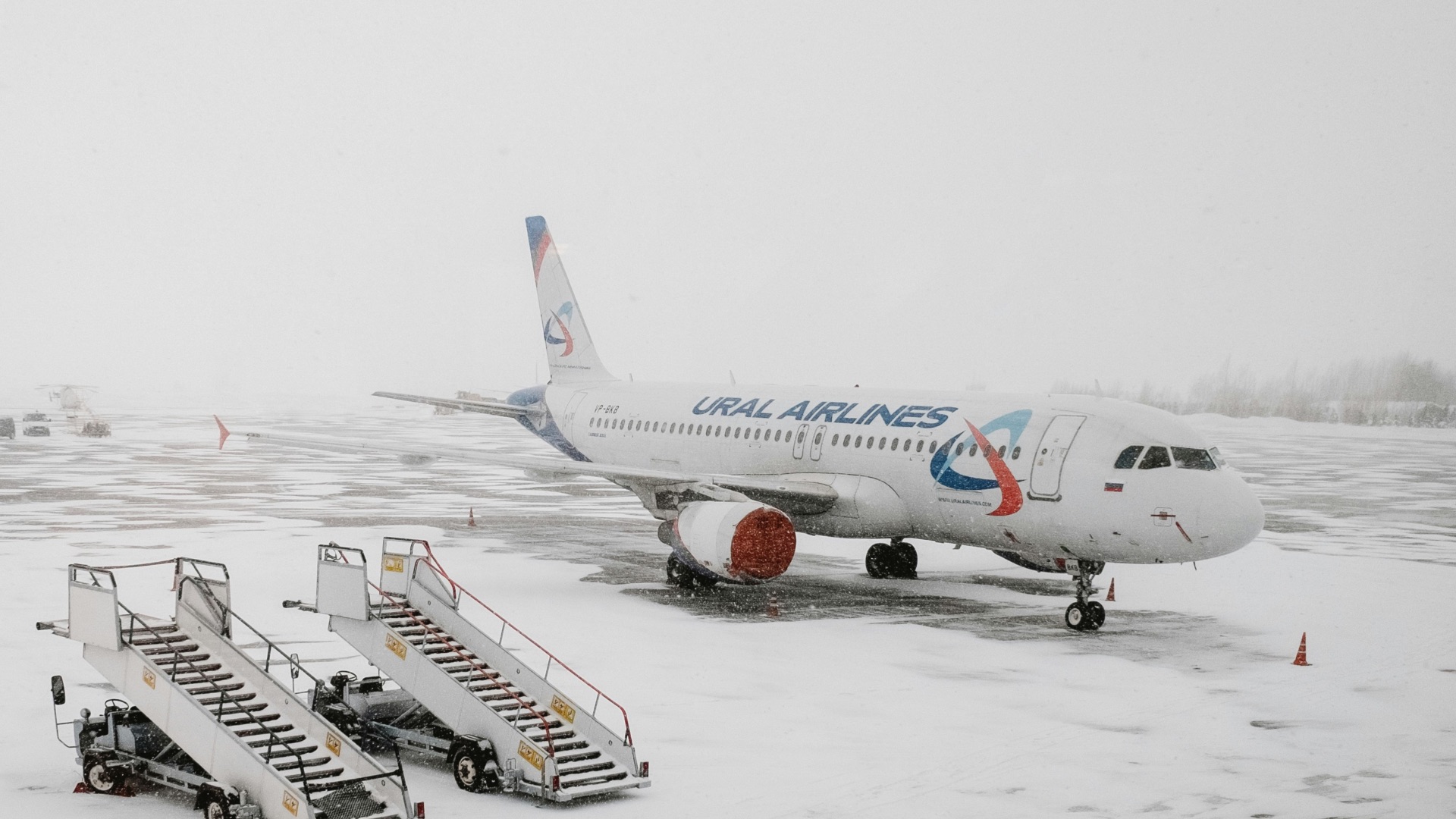
Ice accumulating on an aircraft's wings and control surfaces changes the aerodynamic profile in ways that can significantly degrade performance, reduce lift, and make the plane harder to control. De-icing systems exist on most commercial aircraft, but they have limitations, and flying into freezing conditions without proper equipment or preparation has contributed to a number of serious accidents. Structural icing is particularly hazardous during approach and landing, when the aircraft is already operating with reduced speed and power.
5. Sabotage or Explosive Decompression
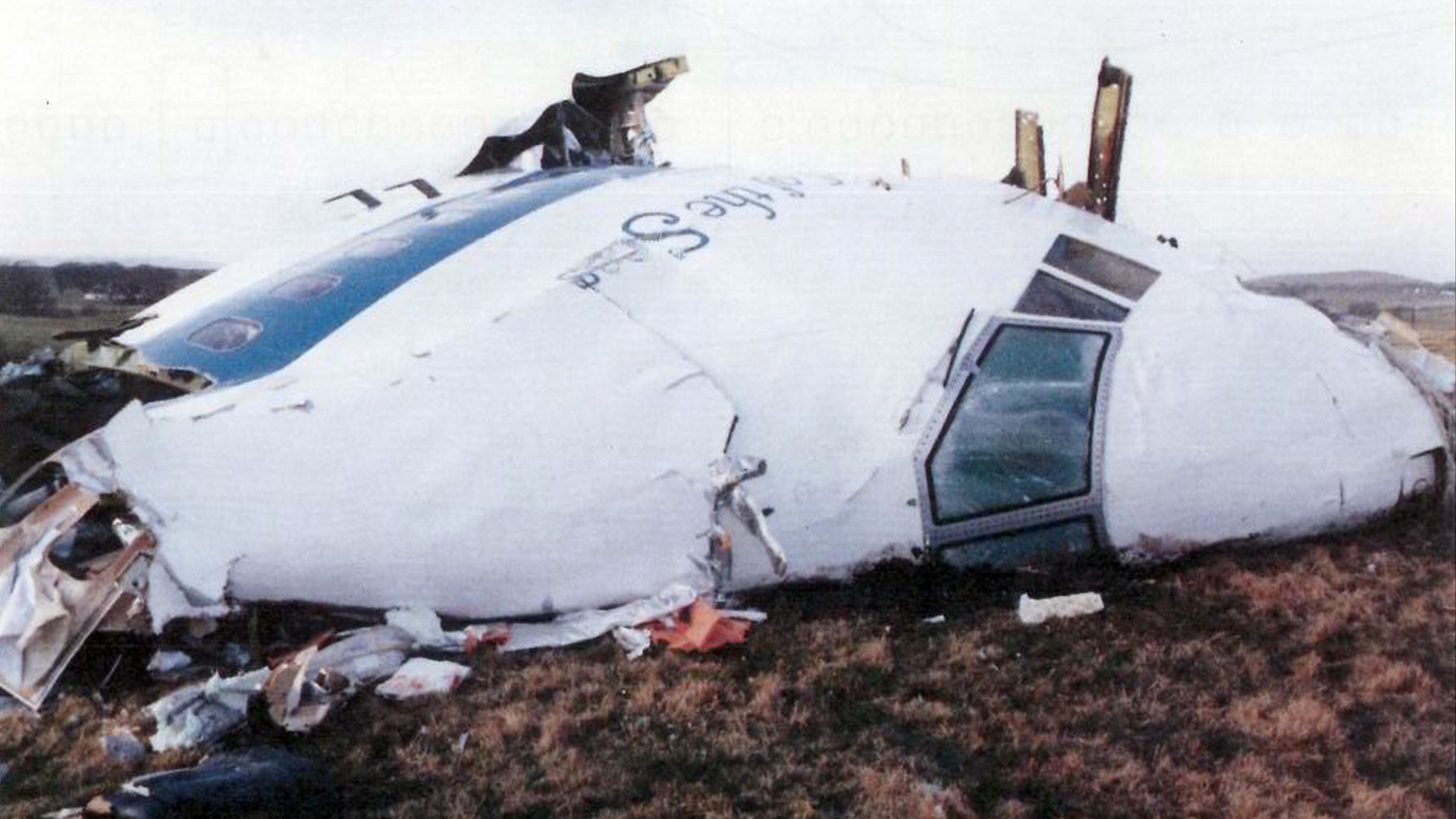
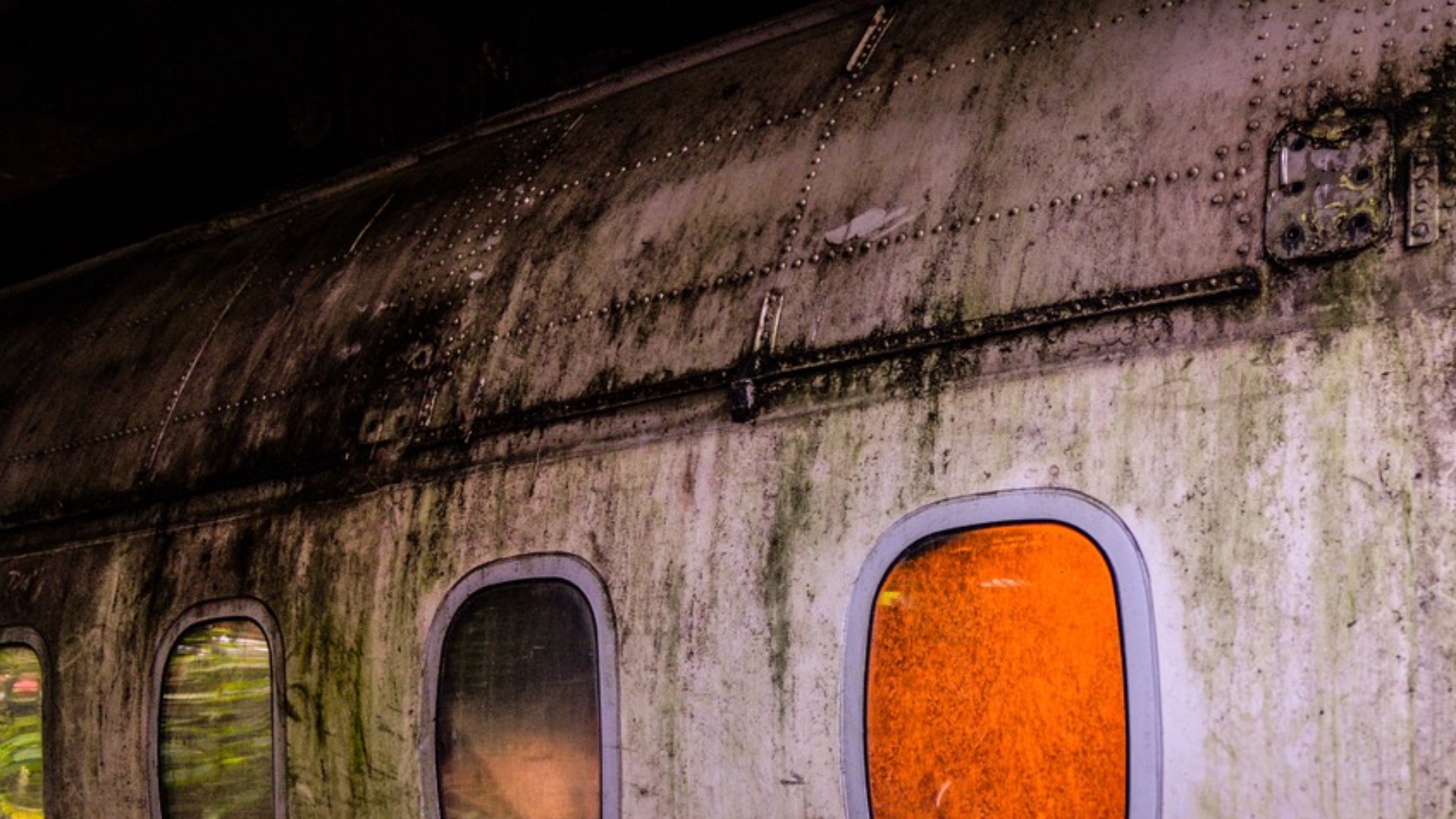
Deliberate sabotage, including onboard explosions from concealed devices, has caused a small but profoundly serious number of aircraft accidents throughout aviation history. An explosion powerful enough to breach the fuselage can cause rapid or explosive decompression, which structurally compromises the aircraft and puts everyone onboard in immediate danger. Security screening technology and intelligence cooperation between agencies around the world have been continuously improved in response to this threat.

6. Structural Fatigue
Aircraft are subjected to thousands of pressurization cycles over their lifetimes, and the repeated stress of pressurizing and depressurizing the cabin causes microscopic cracks to develop in the fuselage over time. If these cracks go undetected during maintenance inspections, they can propagate to the point where a section of the fuselage fails in flight, sometimes catastrophically. Strict maintenance schedules and advanced inspection techniques exist precisely to catch metal fatigue before it reaches a critical stage.
7. Volcanic Ash Encounters
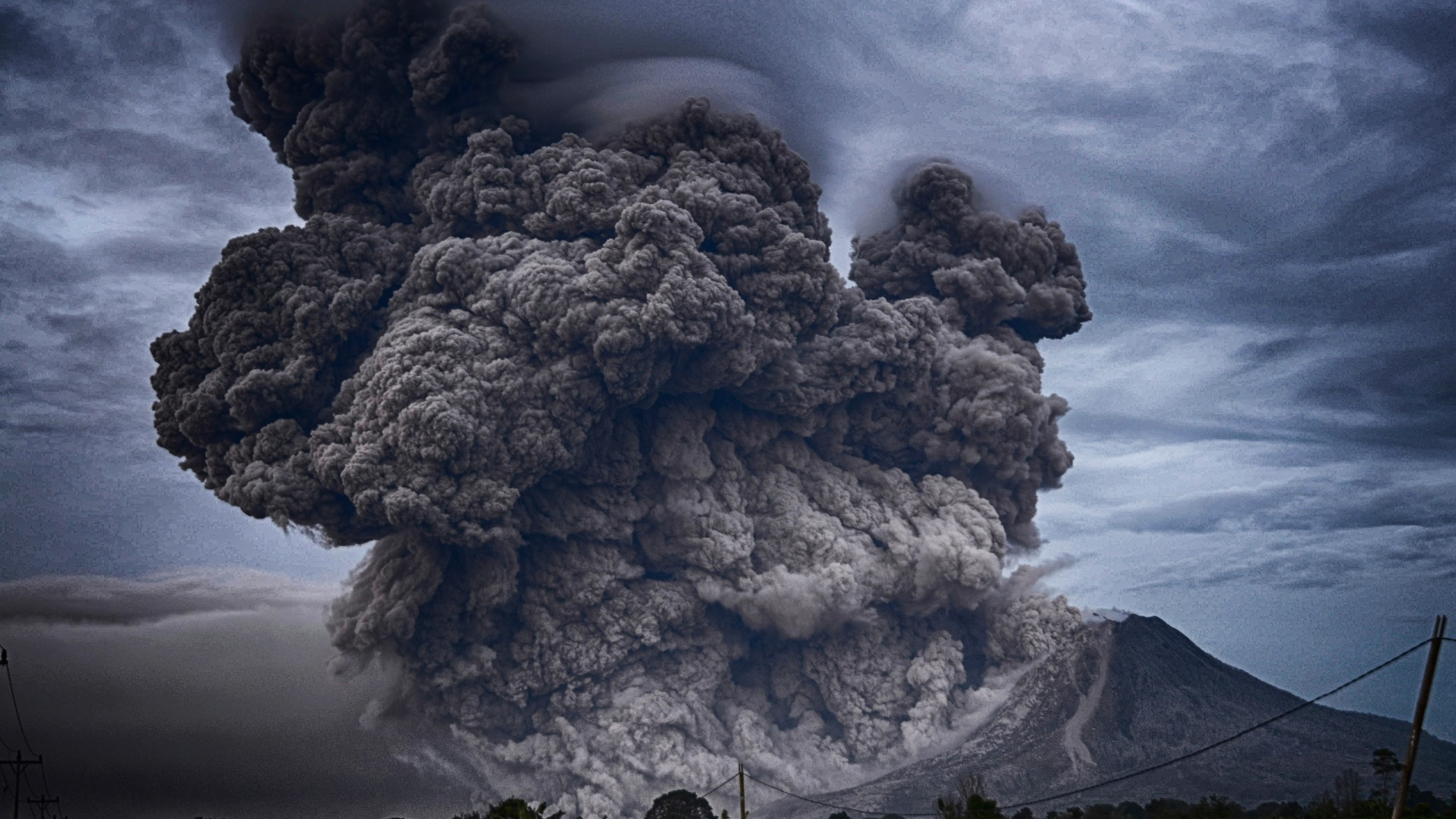
Flying through a volcanic ash cloud is something that sounds almost implausible, but it's happened to multiple commercial flights, and the consequences can be severe. Volcanic ash is abrasive enough to sandblast cockpit windows into opacity, clog pitot tubes that measure airspeed, and, most dangerously, melt inside jet engines and then resolidify on turbine blades, causing the engines to flame out. Improvements in ash cloud detection and routing protocols have made unintentional encounters rarer, but active volcanic regions still require careful flight planning.
8. Wildlife on the Runway
While bird strikes during flight are common, larger wildlife posing a hazard on the runway itself is a less frequently discussed problem with its own set of serious risks. Deer, coyotes, and other animals that wander onto airport grounds can appear on an active runway during takeoff or landing roll, giving pilots almost no time to react. Airport perimeter fencing, wildlife management programs, and dedicated patrol teams work to minimize the chance of an encounter, though eliminating it entirely is an ongoing challenge.
 Benjamin Raffetseder on Unsplash
9. Lightning Strikes
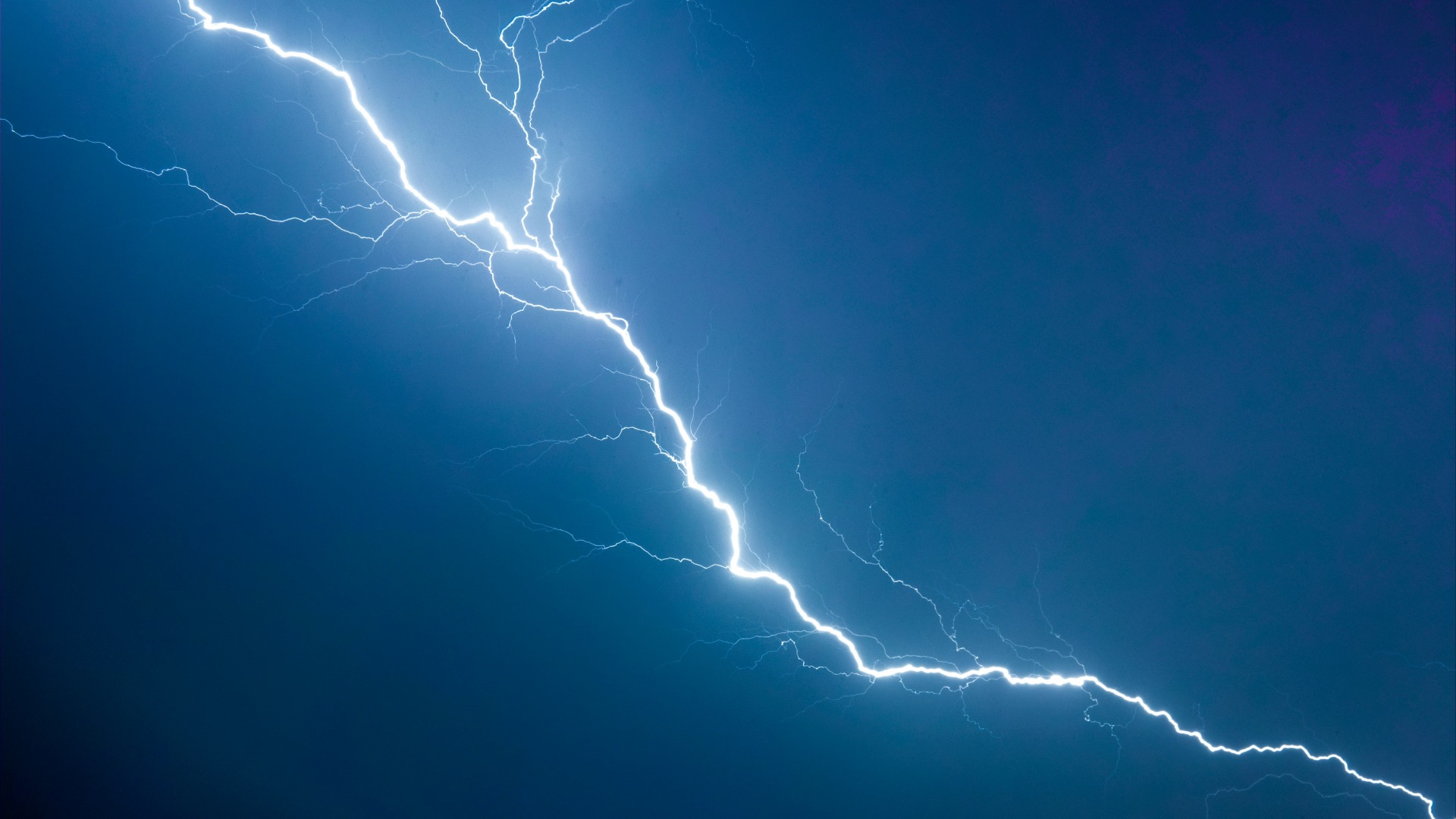
Lightning strikes on aircraft are actually far more common than you might expect, with most commercial jets getting struck at least once a year on average, but they rarely cause accidents on their own. Modern aircraft are designed and tested to withstand a direct strike, with the electrical charge conducted safely along the fuselage and dispersed without affecting critical systems. Where things get more dangerous is when a strike triggers a cascading failure in avionics or fuel systems that haven't been properly maintained or shielded, which is why lightning-related incidents, while infrequent, haven't disappeared from accident records entirely.
10. Cosmic Radiation Affecting Electronics
High-energy particles from space, known as cosmic radiation, are capable of causing what engineers call single-event upsets in onboard electronic systems, essentially flipping a bit of data from a zero to a one in a way that produces an erroneous output. At the cruising altitudes of commercial jets, the exposure to cosmic radiation is considerably higher than at ground level, making avionics potentially vulnerable in ways that are difficult to predict or replicate in testing. Aircraft manufacturers design avionics with redundancy and error-correction specifically to account for this phenomenon, but it remains one of the more unusual variables in aviation safety.