Believe it or not, when it comes to planning a vacation, millions of Americans consistently choose to stay within their own borders rather than venture abroad. The appeal of domestic travel isn't just about convenience; it reflects a broader set of priorities that range from financial practicality to a genuine desire to explore what's already nearby. Year after year, domestic trips account for the overwhelming majority of American travel, and the reasons behind that trend are well worth understanding.
According to the U.S. Travel Association, domestic travel spending reached over $1 trillion annually even before the COVID-19 pandemic reshaped global mobility, and recovery figures have only reinforced that preference since. Traveling domestically isn't a compromise for most Americans—it's often a deliberate and enthusiastic choice. From the Rocky Mountains to the Gulf Coast, the country offers an enormous range of experiences that don't require a passport or a transatlantic flight.
The Financial Case for Staying Closer to Home
International travel can be expensive, and for many American families, the cost of flights alone is enough to make domestic destinations significantly more attractive. A round-trip flight to Europe or Asia can easily run into the thousands of dollars per person, while domestic airfare—especially when booked in advance—tends to be far more manageable. That financial gap becomes even more pronounced when you factor in the costs of accommodations, dining, and activities abroad, where the dollar doesn't always stretch as far.
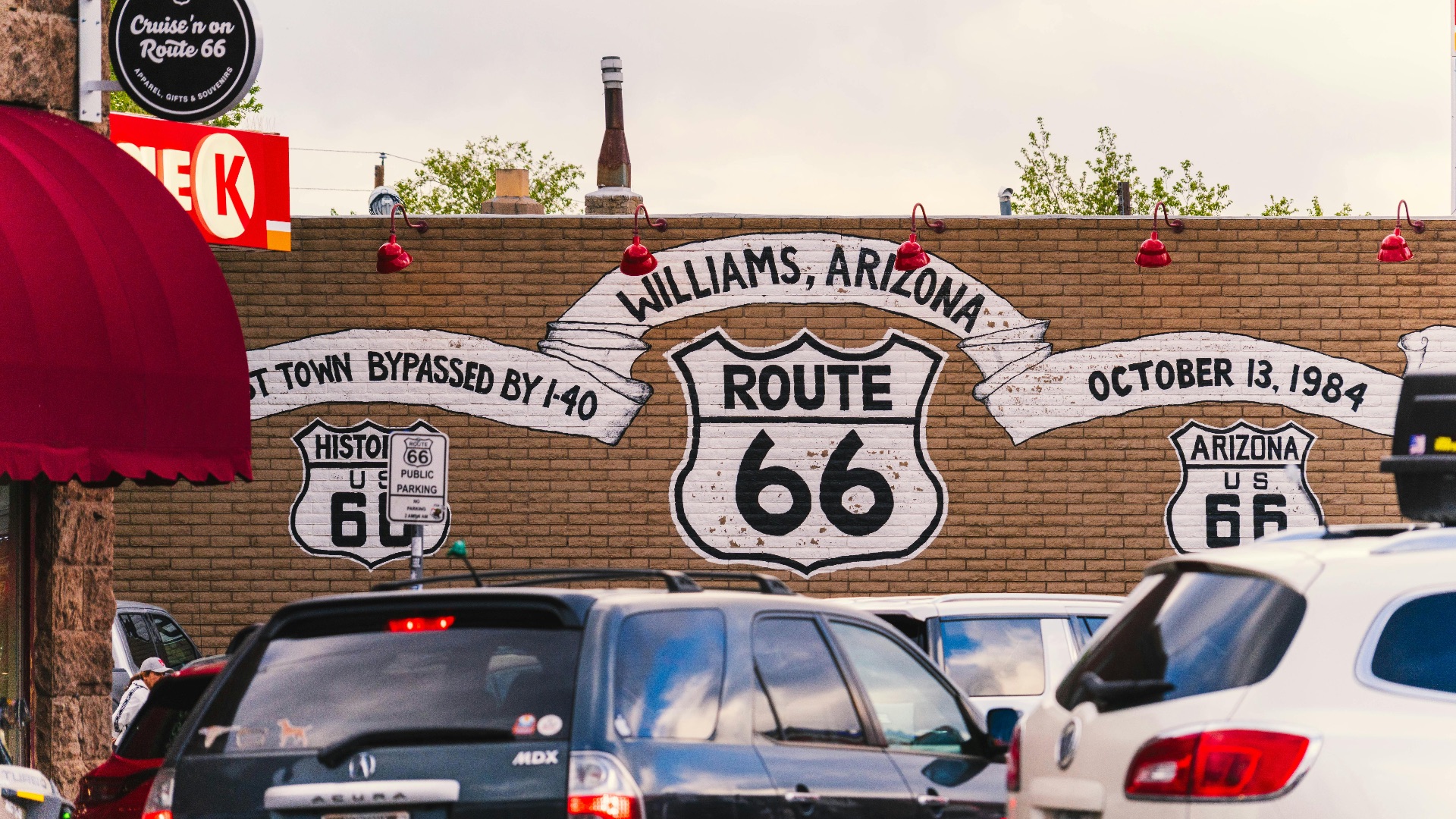
Road trips, in particular, remain one of the most popular and affordable ways that Americans choose to travel. Driving to a destination eliminates airfare entirely and allows for a more flexible, personalized itinerary without the added pressure of strict departure times or baggage fees. The American Automobile Association consistently reports that road trips rank among the top vacation choices for American households, especially during the summer months.
There's also the matter of currency and cost unpredictability when traveling internationally. Exchange rates fluctuate, and in some countries, the everyday expenses that feel routine at home—tipping customs, service charges, tourist taxes—can catch travelers off guard and push budgets higher than expected. Domestic travel removes those variables almost entirely, letting you plan and spend with a much clearer sense of what things will actually cost.
Familiarity, Accessibility, and Ease of Travel
One of the less-discussed but genuinely significant reasons Americans favor domestic travel is the sheer ease of it. There's no need to apply for a passport (in fact, only roughly half the entire U.S. population holds a valid passport), a visa, navigate a foreign healthcare system, or worry about language barriers when you're exploring national parks in Utah or checking out the food scene in New Orleans. The logistical simplicity of traveling within your own country lowers the barrier to entry considerably, making it more likely that people will actually take the trips they've been thinking about.
Accessibility is another factor that shouldn't be underestimated. The United States has an extensive network of airports, highways, and rail connections that make it relatively easy to get from one region to another. Whether you're flying into a major hub or driving through smaller towns, the infrastructure supports a wide range of travel styles and budgets. For travelers with mobility needs or other accessibility concerns, navigating domestic facilities—which fall under U.S. disability laws—is often more predictable than dealing with varying international standards.
Traveling domestically also means you're more likely to have a reliable support system if something goes wrong. Your health insurance typically covers you within the country, your phone plan works without international charges, and you're operating within a legal and consumer protection framework you already understand. That kind of peace of mind matters, especially for families traveling with young children or older relatives who might need medical attention on short notice.
The Surprising Depth and Diversity of the American Landscape
It's easy to underestimate just how much geographic and cultural diversity exists within the United States. In a single country, you can visit subtropical beaches in Florida, alpine meadows in Colorado, arid desert landscapes in Arizona, and dense temperate rainforests in the Pacific Northwest. That kind of variety means that many Americans simply don't feel the urgency to leave the country in order to experience something genuinely different from their everyday environment. Why leave home when you already have everything here?
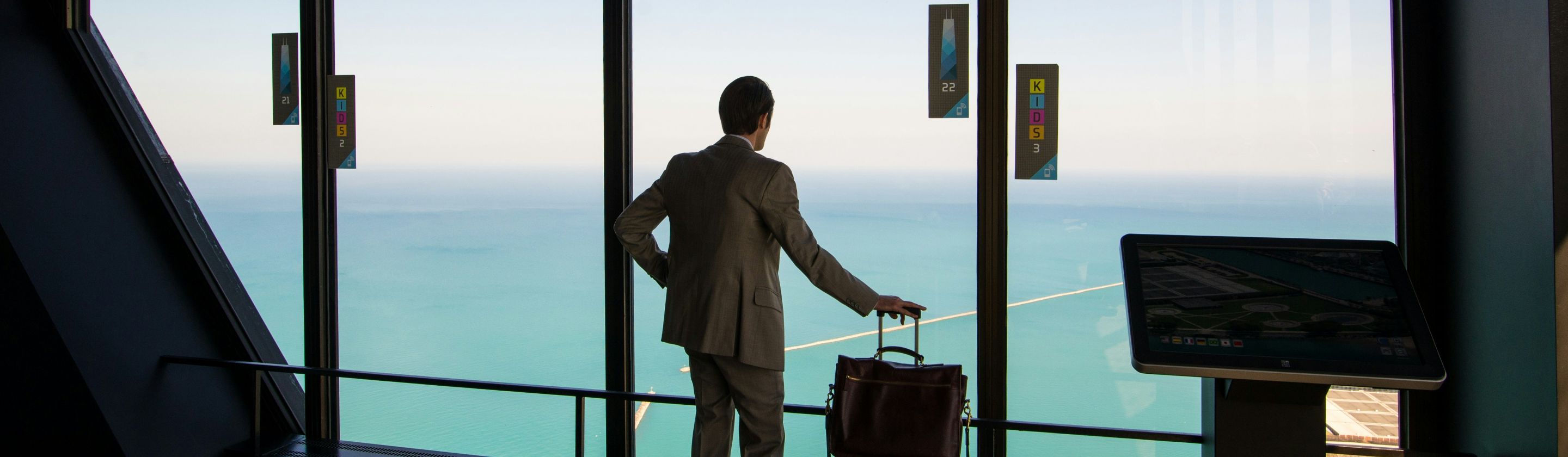
The cultural richness of American cities adds another dimension to this. Cities like Chicago, Nashville, San Francisco, and Miami each have distinct personalities, culinary traditions, and histories that make them feel like entirely separate worlds. Someone from the Northeast exploring the Deep South for the first time—or a Midwesterner discovering the quirks of life in the Southwest—can have a travel experience that feels just as foreign and eye-opening as going abroad, without ever needing to clear customs.
Domestic travel's appeal ultimately comes down to a combination of factors that reinforce one another: it's affordable, accessible, and far more varied than most people give it credit for. Americans don't stay home because they lack curiosity about the world; they stay home because there's genuinely a lot of world to discover right in their own backyard. Whether you're chasing natural wonders, regional cuisine, or simply a change of scenery without the stress of international logistics, the case for exploring within the country is a compelling one—and the numbers show that most Americans already know it.