Because Nature Doesn’t Do Warning Labels.
Some places look like they were designed to calm you down, then they kill people who treat them like scenery. The danger is rarely mysterious; it’s heat that drains you faster than you realize, water that moves with more force than it appears, rock that lets go without asking permission, and air that turns thin or toxic in a hurry. Rangers, coast guards, and mountain rescue teams can post signs and close trails, and the hazards still exist on the other side of the railing. You don’t need paranoia, you need respect, plus the humility to turn around when conditions shift. The following 20 wonders are breathtaking, and each has a specific way it can end a trip fast.
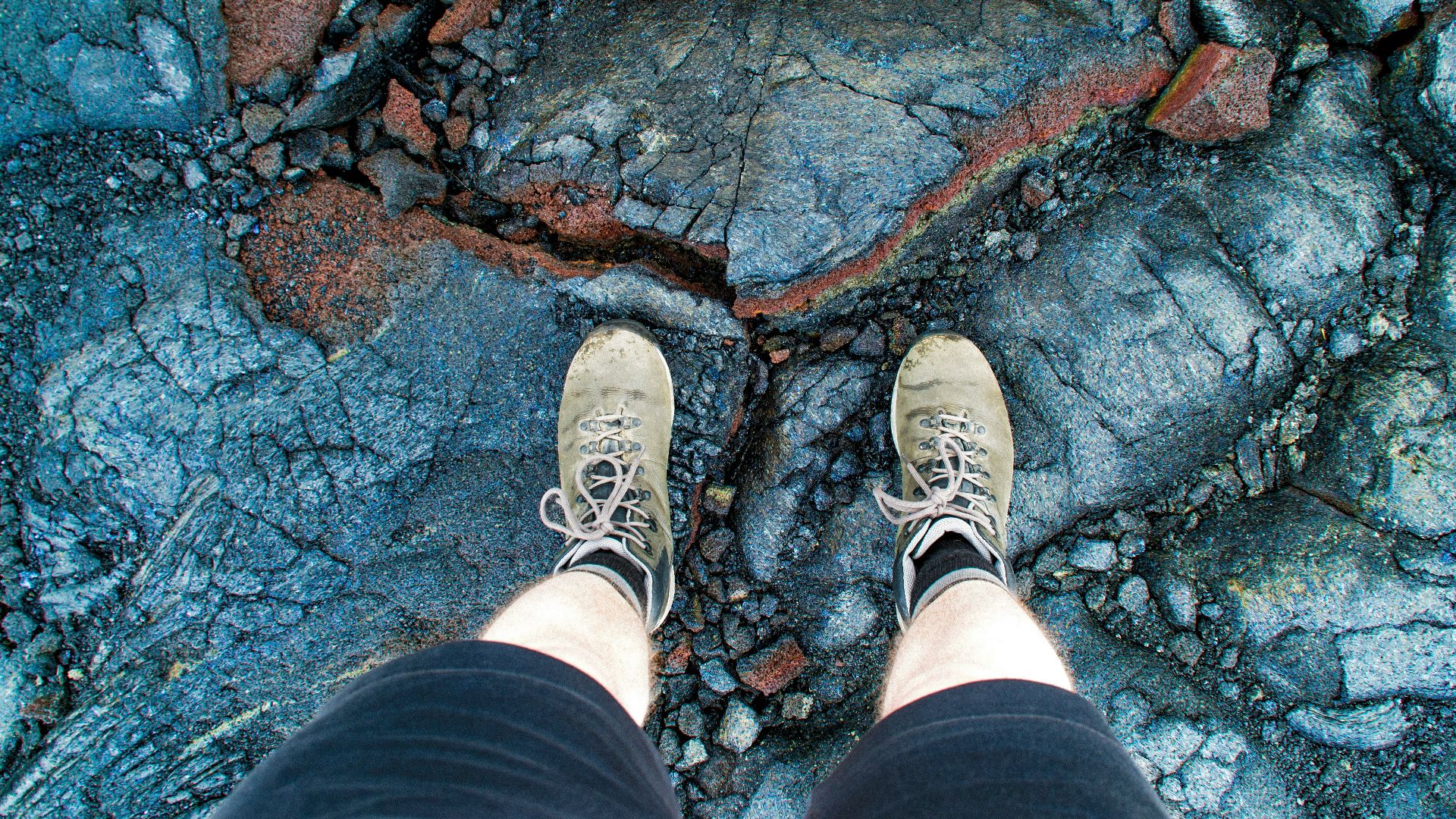
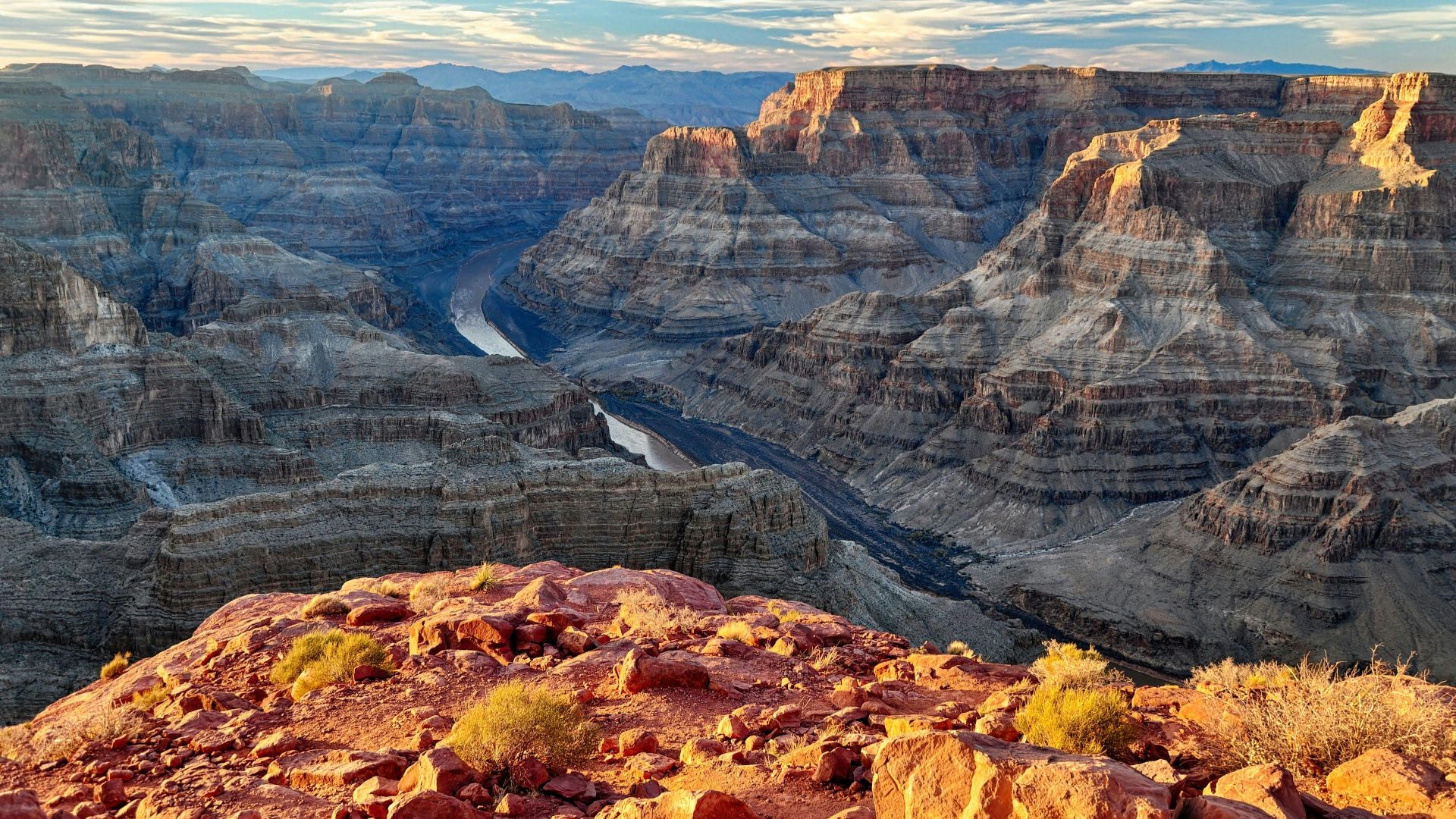
1. The Grand Canyon
The views are gentle, and the environment is not, especially once you drop below the rim. Heat, dehydration, and long uphill climbs turn a casual-looking hike into a medical emergency, and rescue crews deal with this every season.
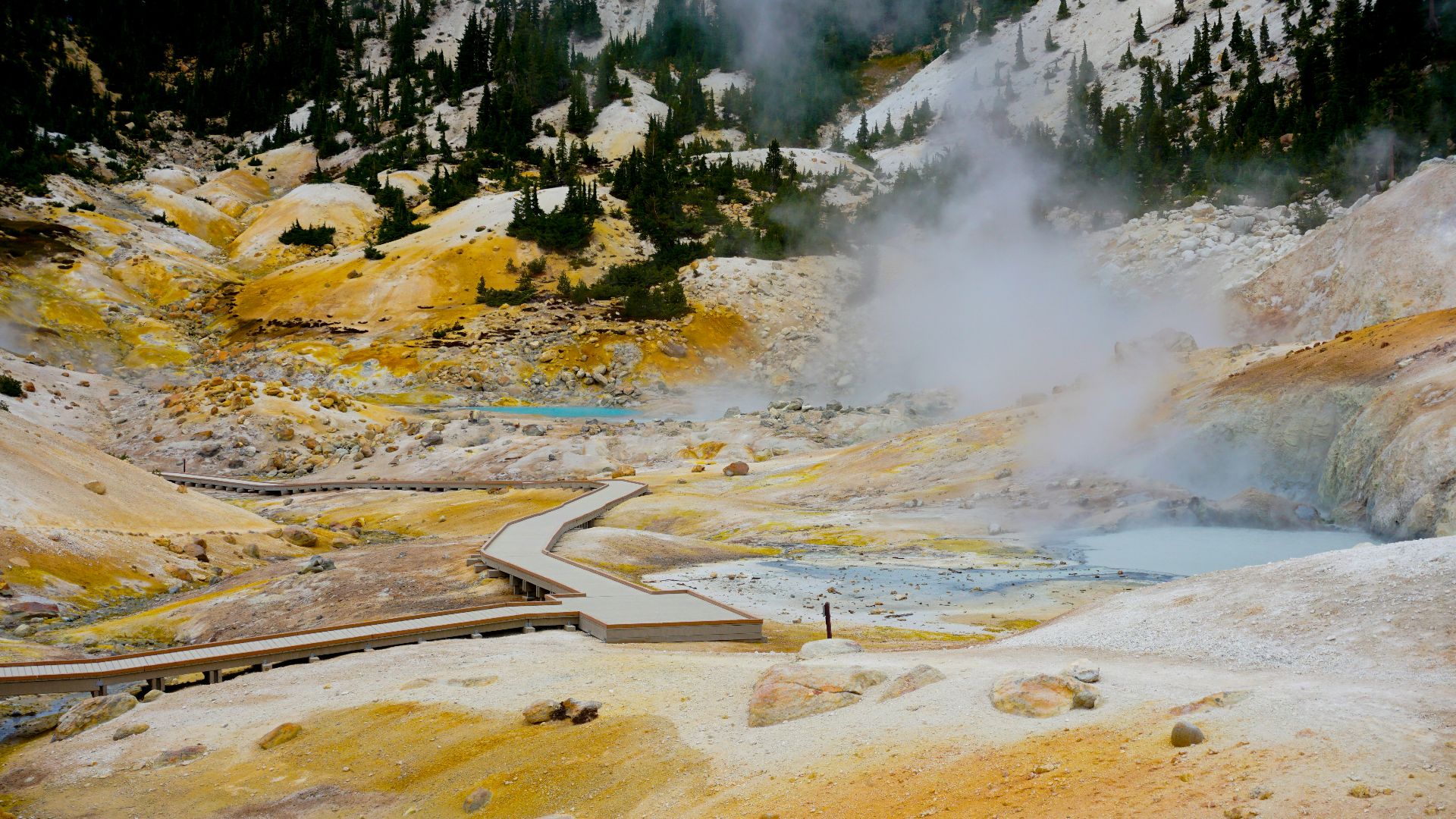
2. Yellowstone Hot Springs And Geyser Basins
Yellowstone’s colors come from extreme heat and chemistry, and the ground can be thin enough to break underfoot. Scalding water and unstable crust make boardwalk rules feel annoying until you watch steam rise from places that look solid. Steam burns are instant, not gradual.
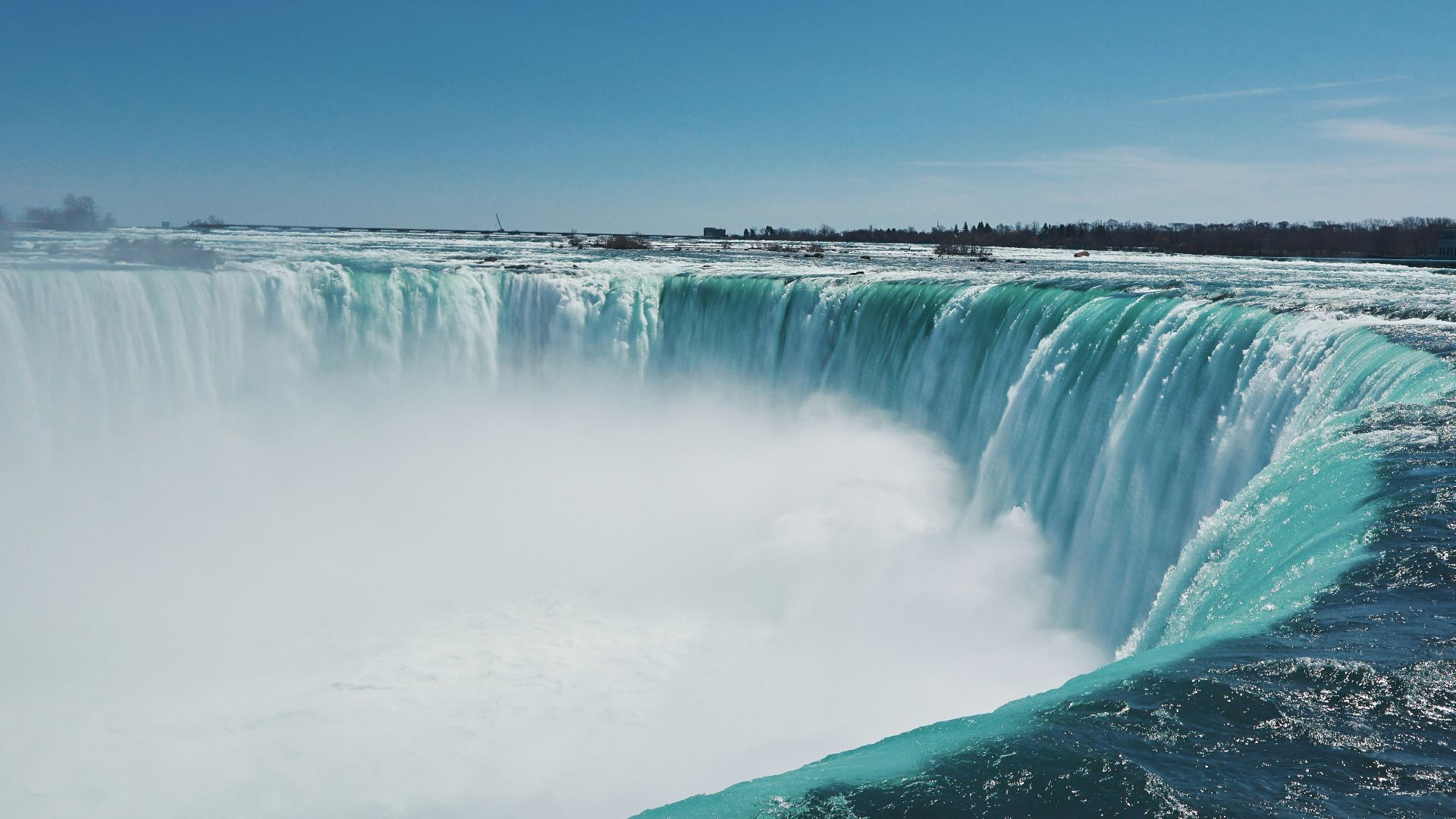
3. The Niagara River Above The Falls
The falls are the famous part, yet the river upstream is the trap, moving fast and dragging hard. People underestimate the current, then lose footing or get swept into rapids that don’t leave room for recovery.
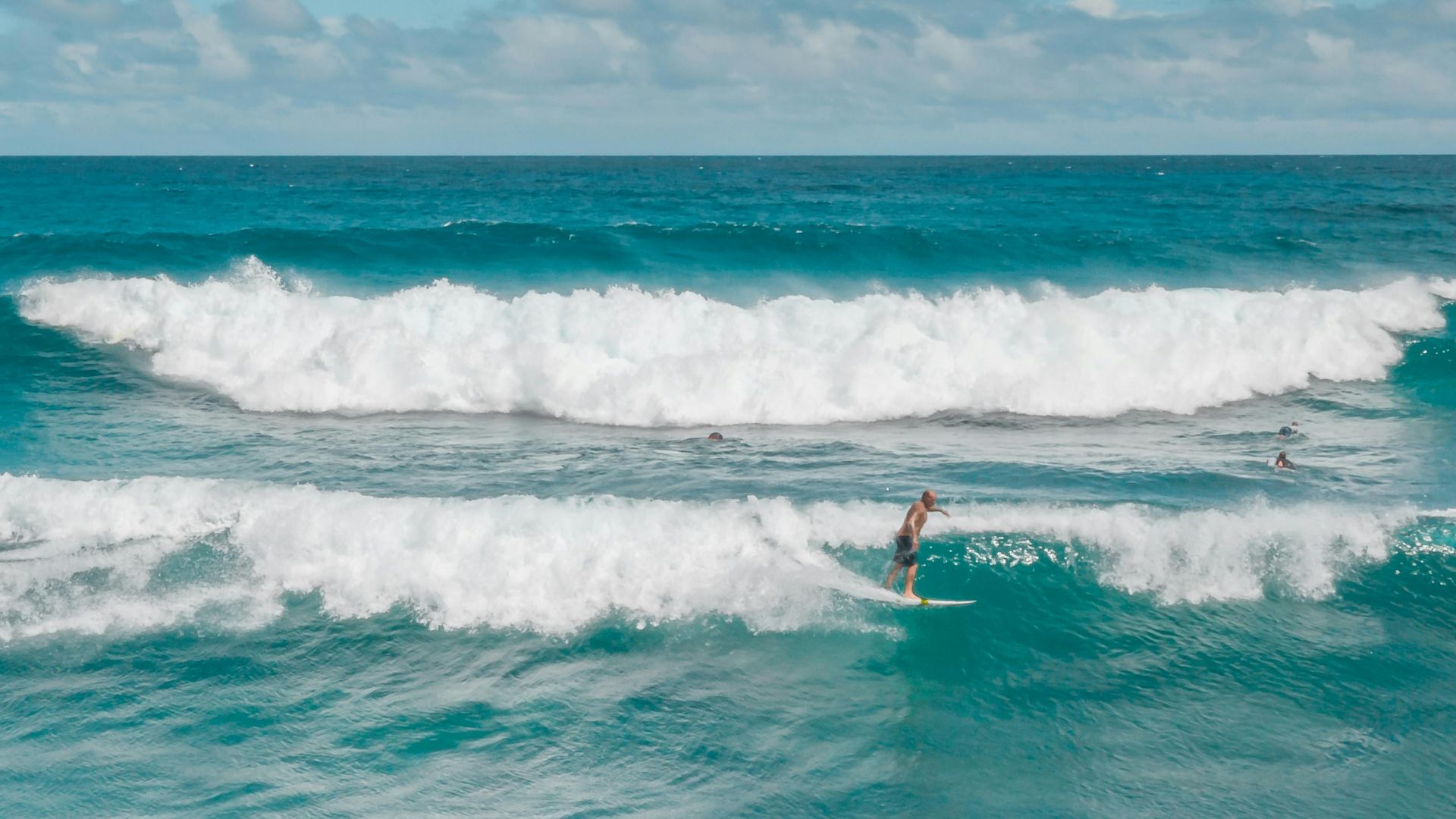
4. The North Shore Of Oahu In Winter
Those waves look cinematic, and they hit like moving buildings. Rogue sets, strong currents, and sharp reef can turn a shoreline photo into a drowning or a brutal impact injury in seconds.
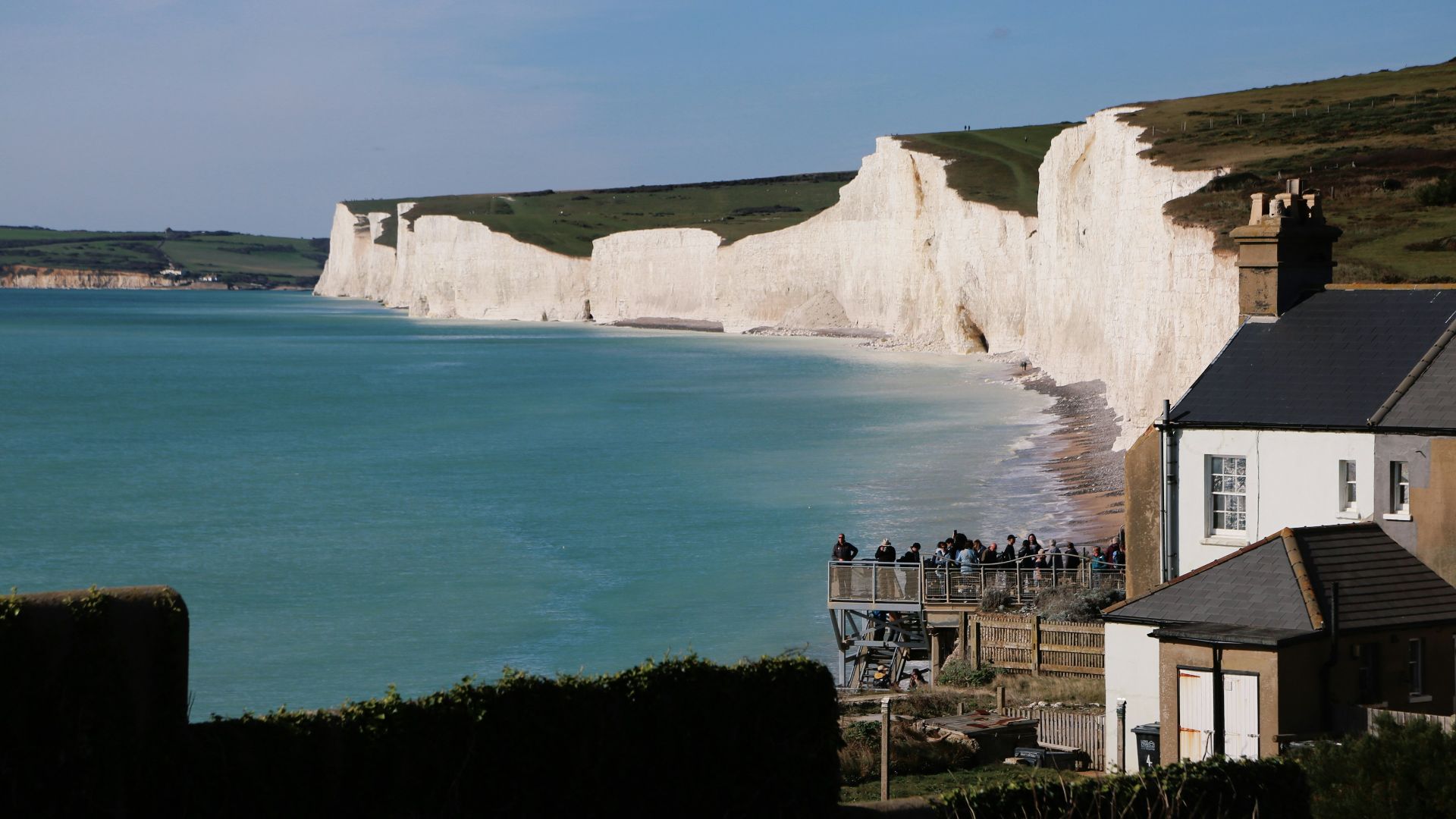
5. The White Cliffs Of Dover
They appear timeless and steady, but chalk cliffs fail without much warning. Rockfall is a real risk along the base and near the edges, especially after rain, so distance from the cliff is a safety decision worth paying attention to.
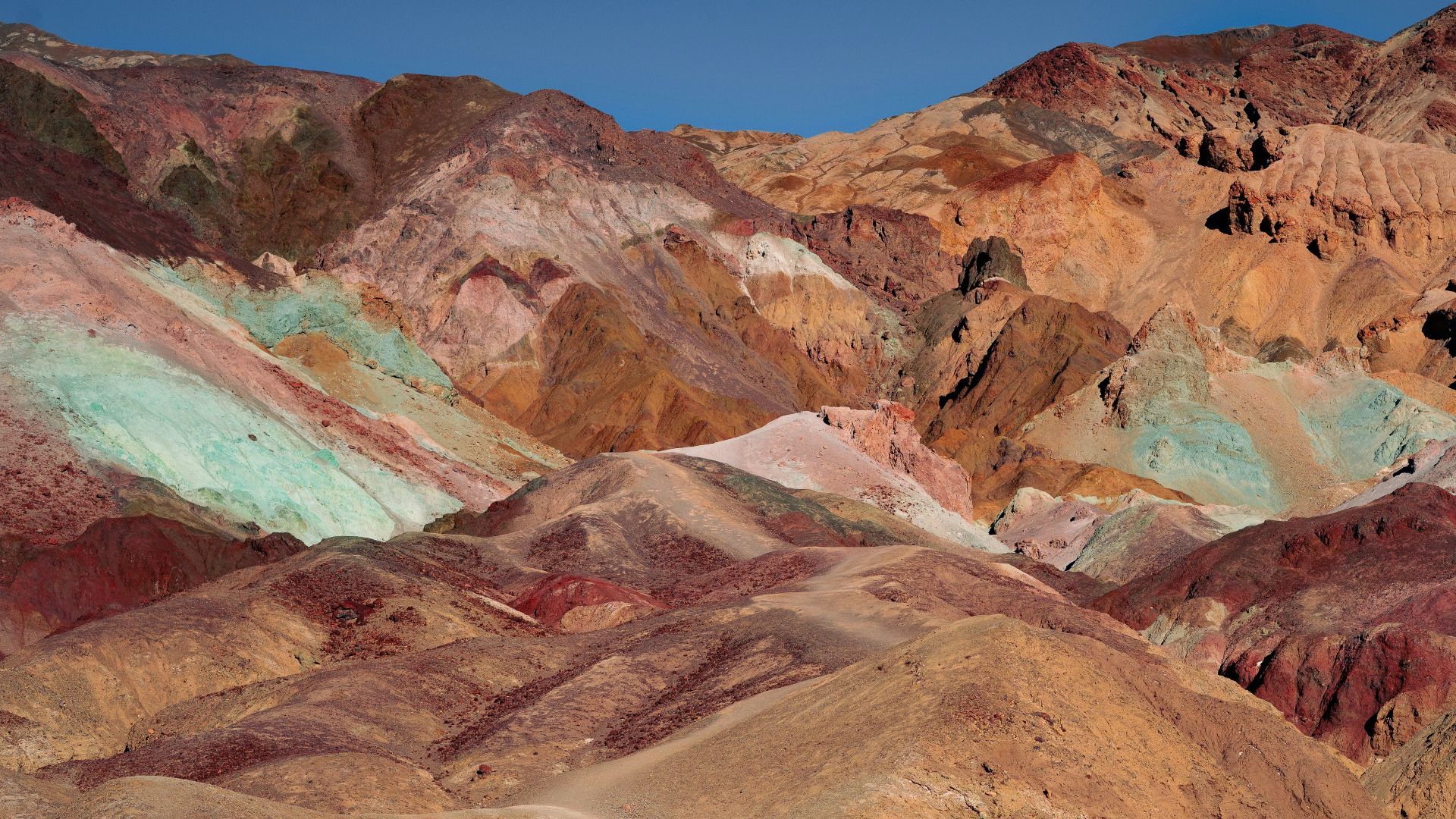
6. Death Valley
Death Valley is gorgeous in a sparse, alien way, and the heat is a pressing problem for human bodies and car engines alike. A short walk can turn into heat illness if water runs low, and getting stranded can become fatal shockingly fast.
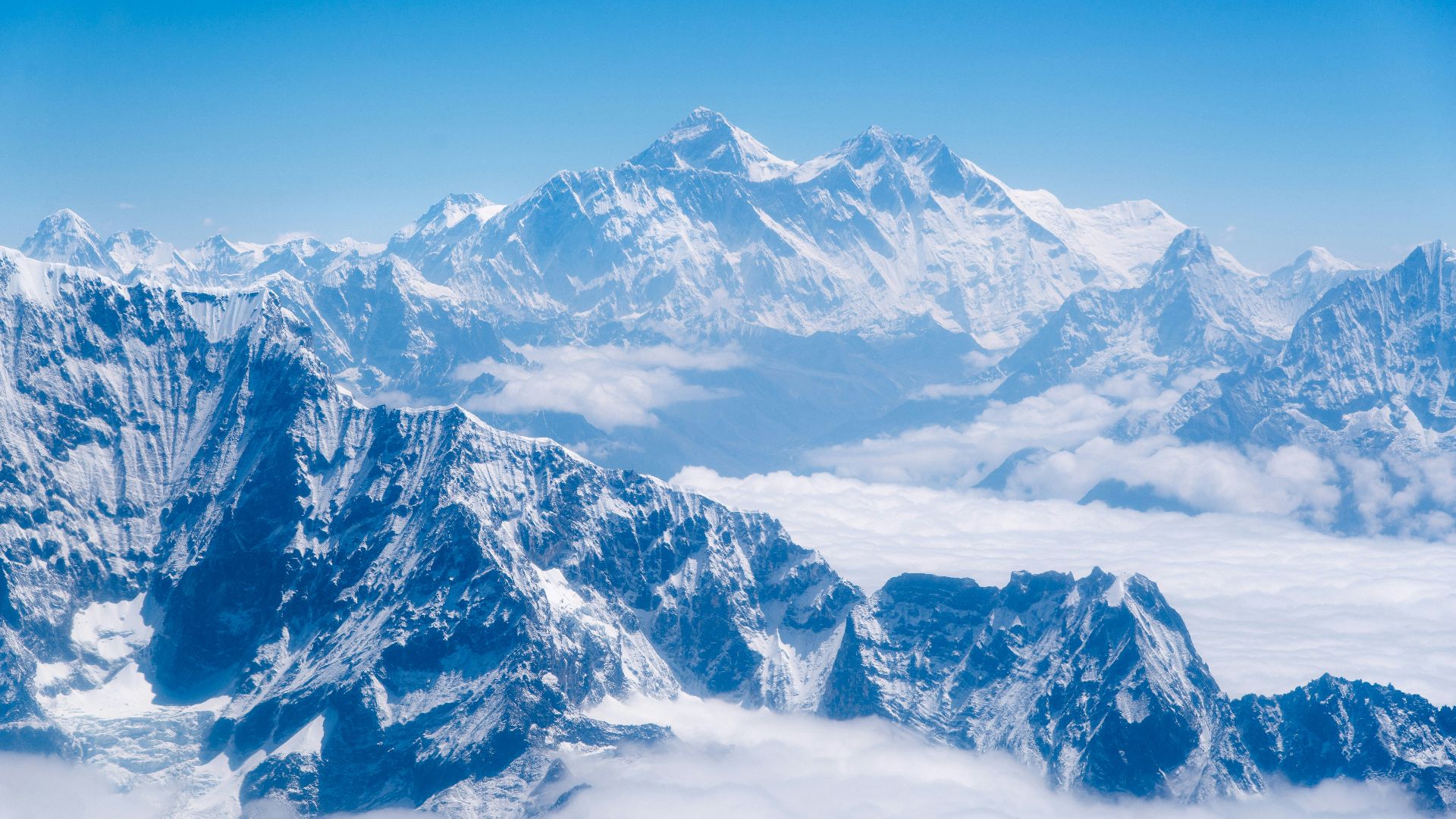
7. Mount Everest
Everest’s danger is not only the climbing, it’s the altitude, which can trigger severe illness even in strong athletes. The so-called death zone is named for a reason, because the body cannot recover there, it only declines.
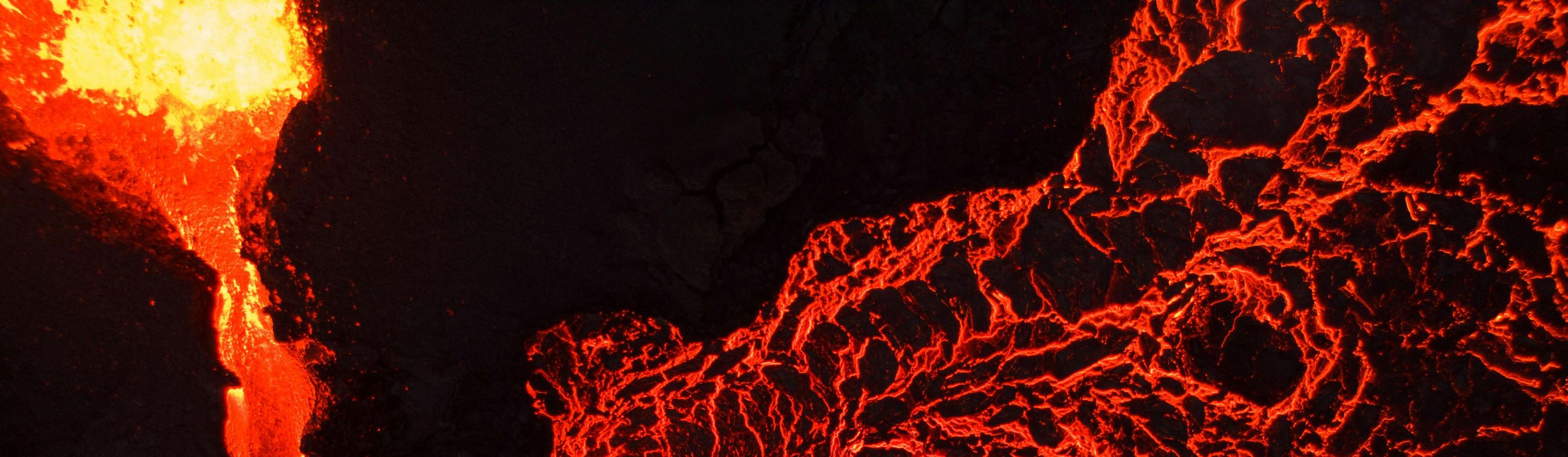
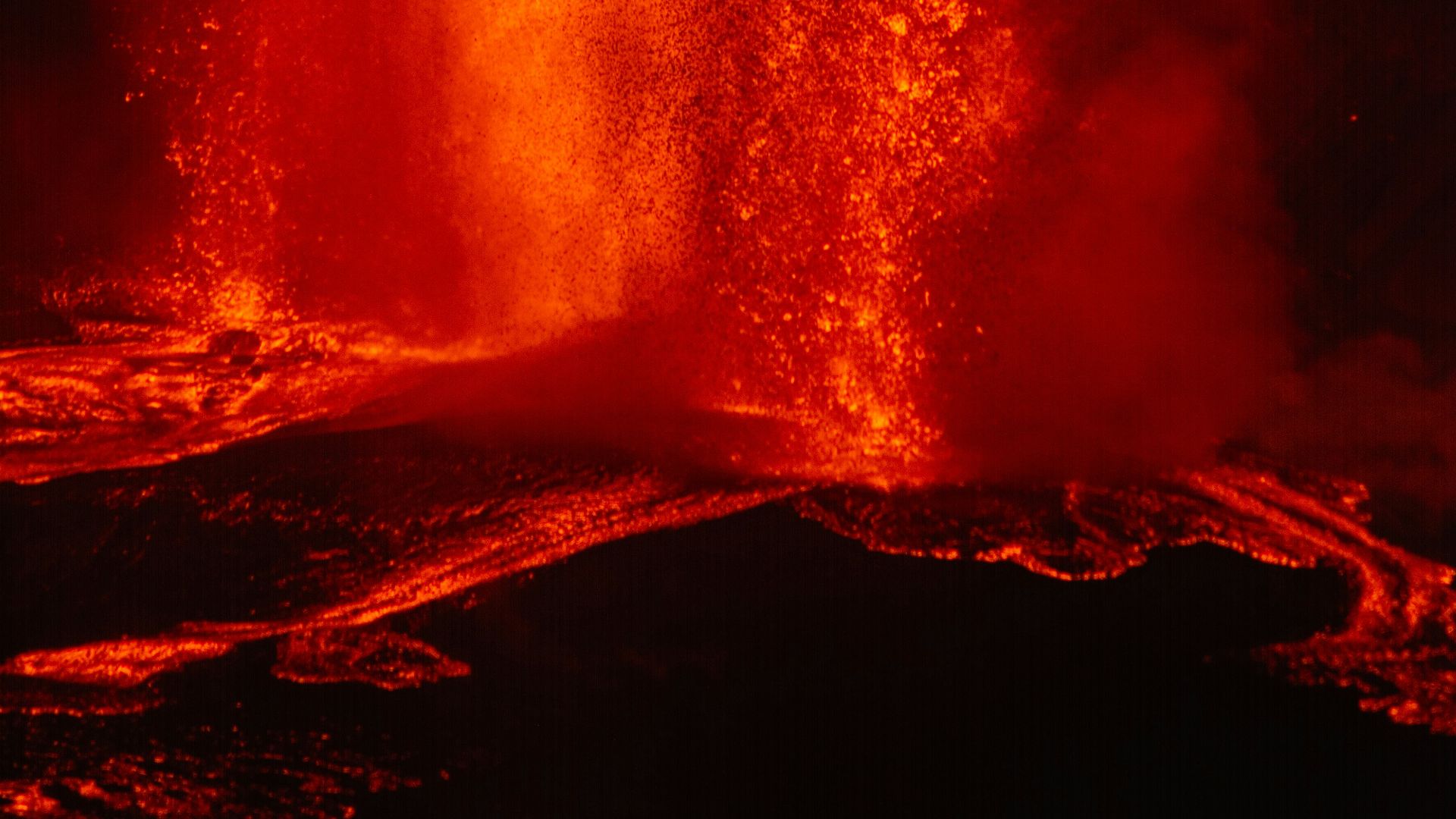
8. Kīlauea And Other Active Lava Zones
Lava feels slow until it cuts off routes, collapses ground, or drives superheated gases into low areas. Volcanic smog can irritate lungs and eyes, and the ocean entry zone can explode into boiling steam and acid mist.
9. The Blue Holes Of The Bahamas
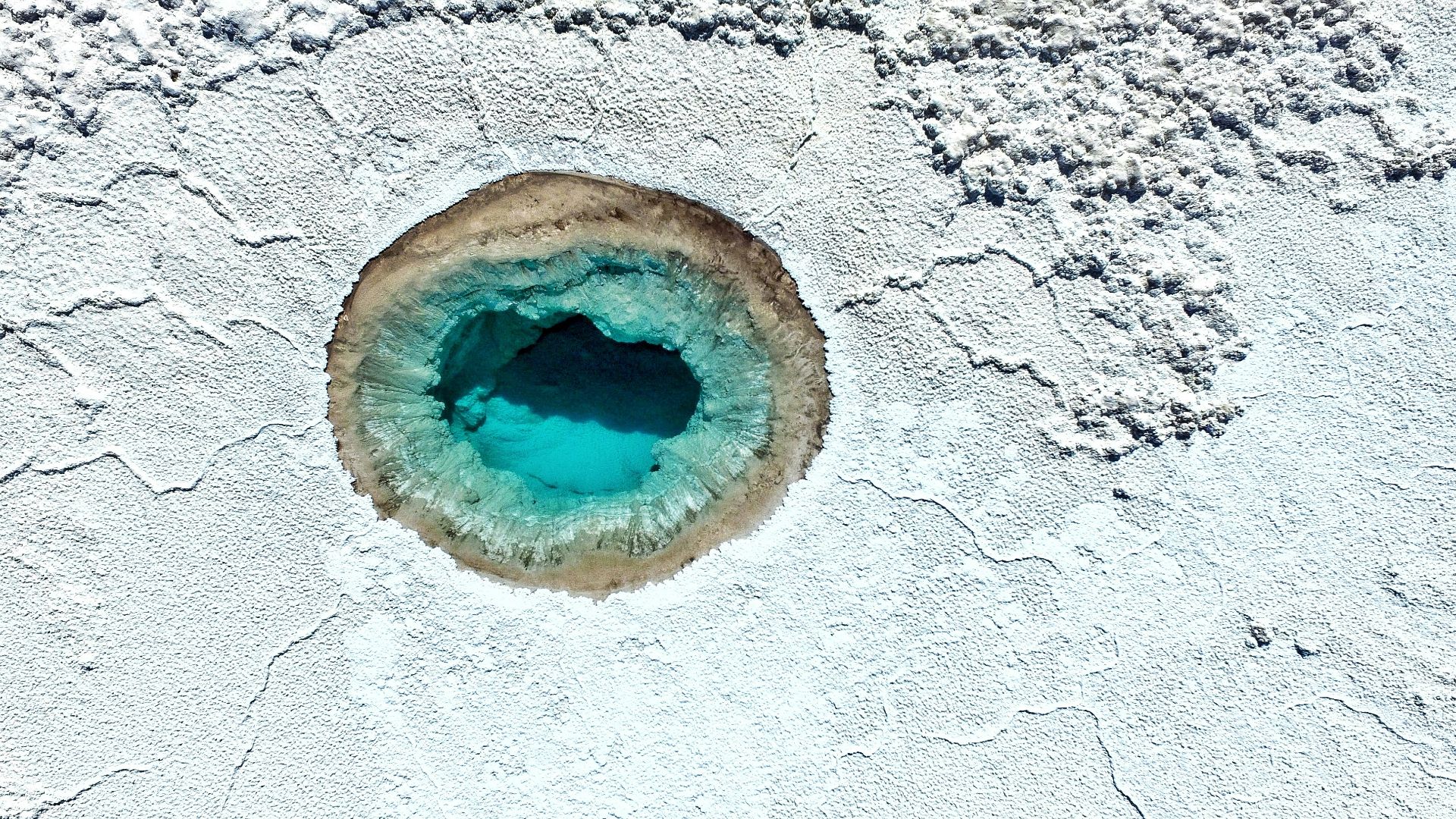
Blue holes are mesmerizing, and they are also labyrinths that punish panic. Strong currents, disorienting light, and overhead environments make them deadly for divers who wander past their training and gear limits. One wrong turn can trap you.
10. Angel Falls And The Venezuelan Tepuis
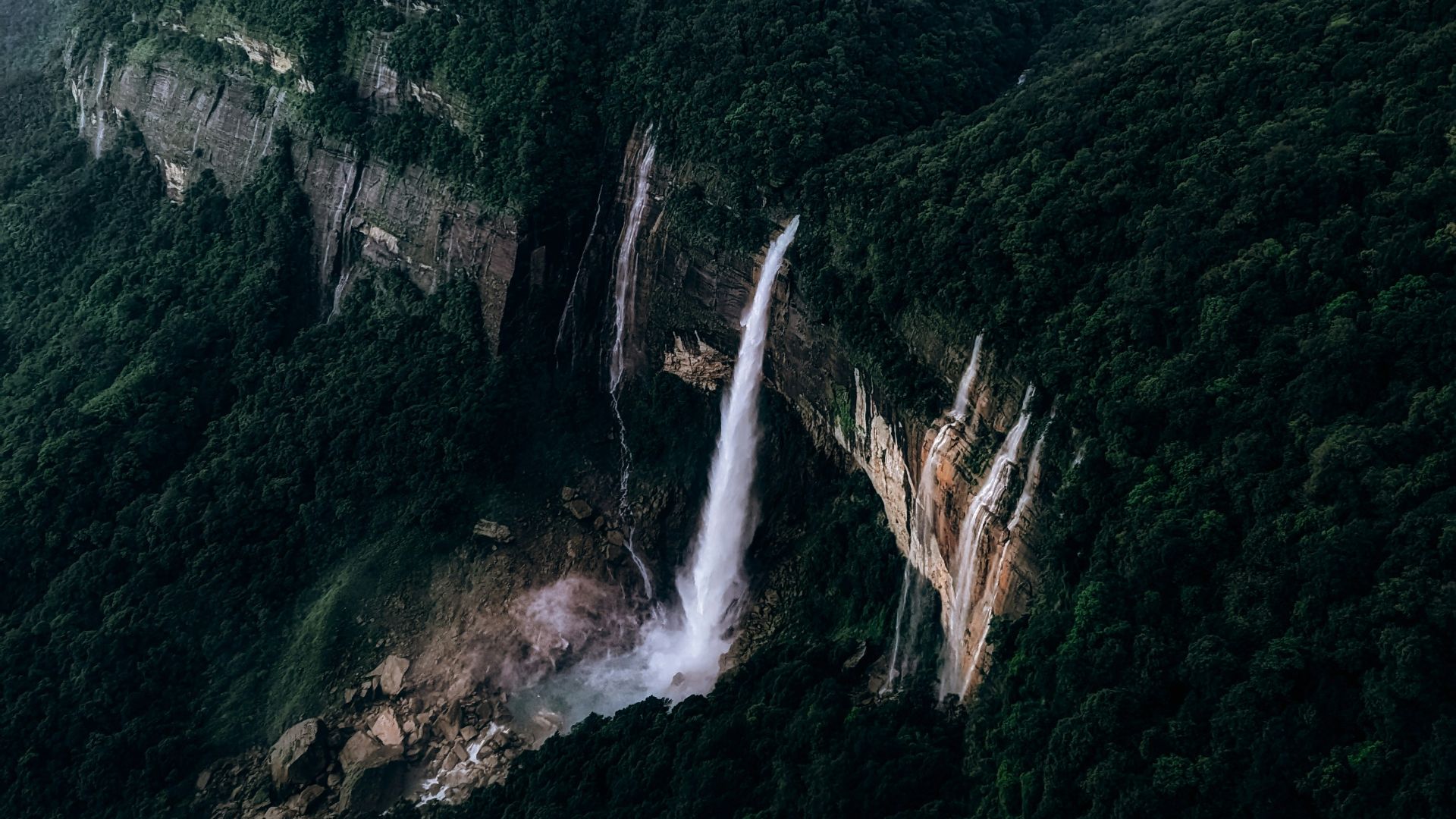
The world’s tallest waterfall sits in a landscape of steep cliffs and sudden weather shifts. Remote terrain, slick rock, and flash flooding can turn a trip into a survival problem far from quick rescue.
11. The Sahara Desert
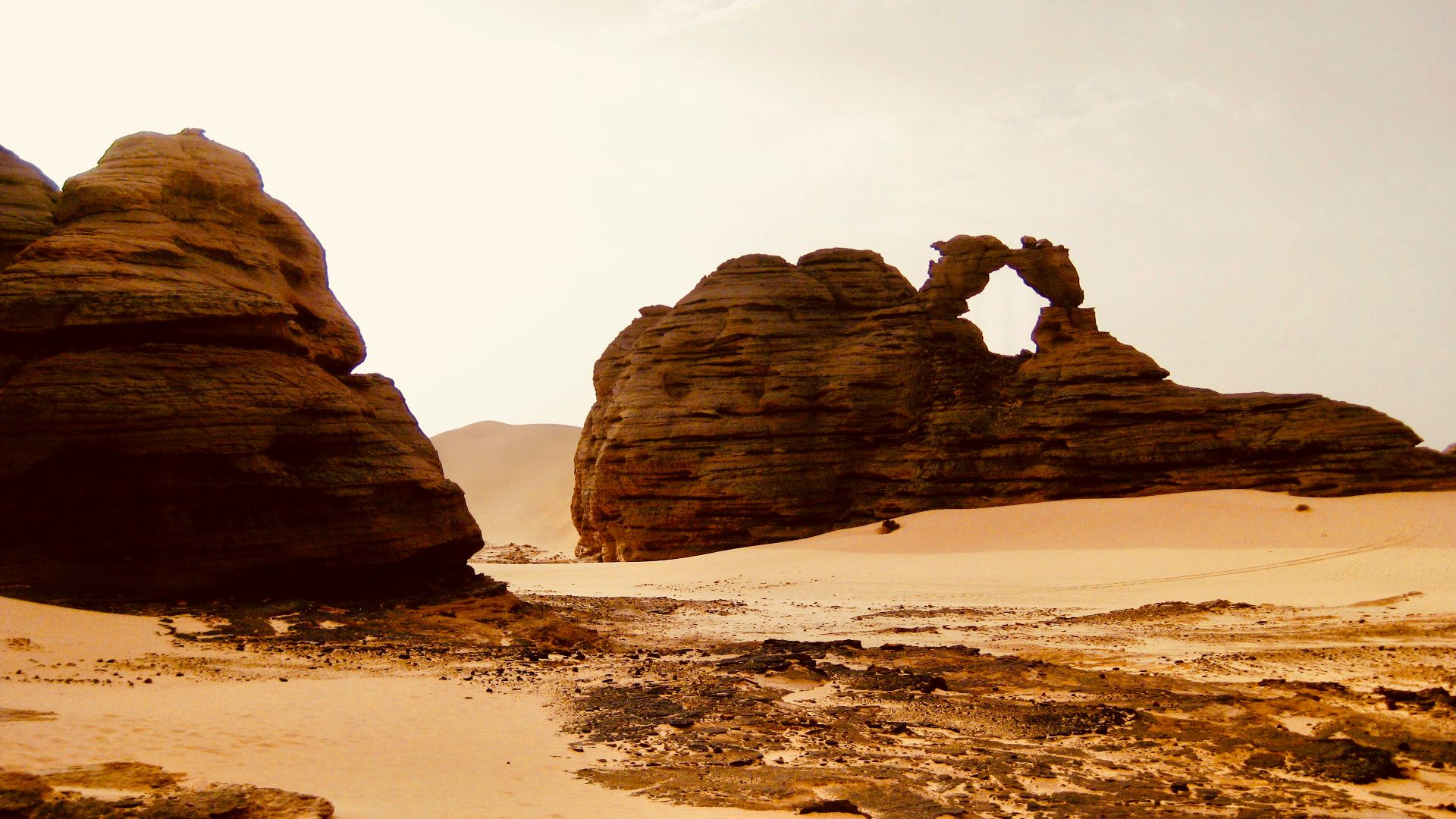
The Sahara’s dunes and stars feel romantic, and the scale is what kills people who misjudge distance and water. Heat, cold nights, and navigation errors can turn a day’s plan into exposure in every direction.
12. The Darién Gap
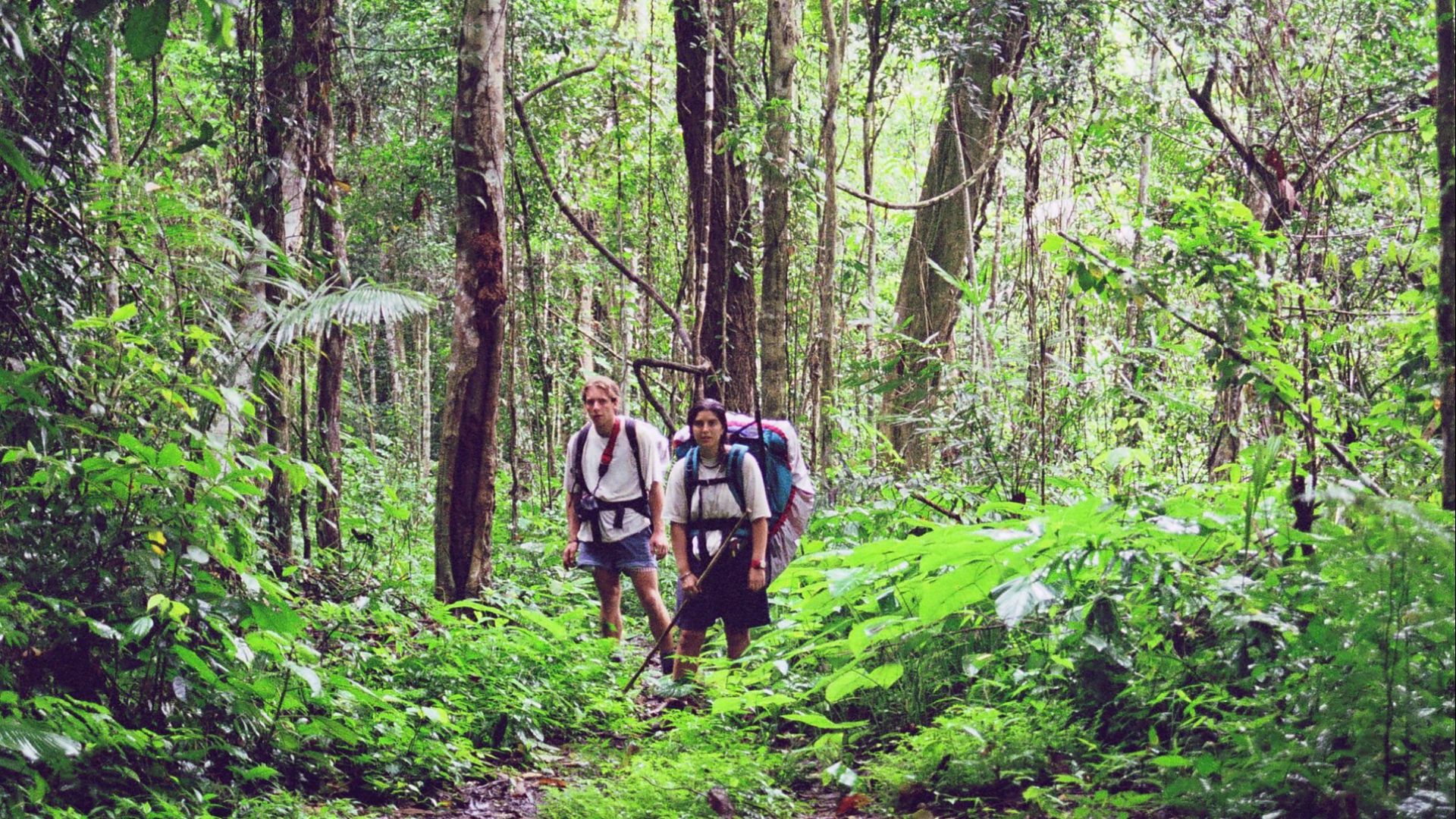
It’s wild, lush, and brutally difficult, with rivers, swamps, and disease vectors that don’t care how tough you feel. The terrain is hazardous on its own, and getting lost or injured there can become deadly because help is hard to reach.
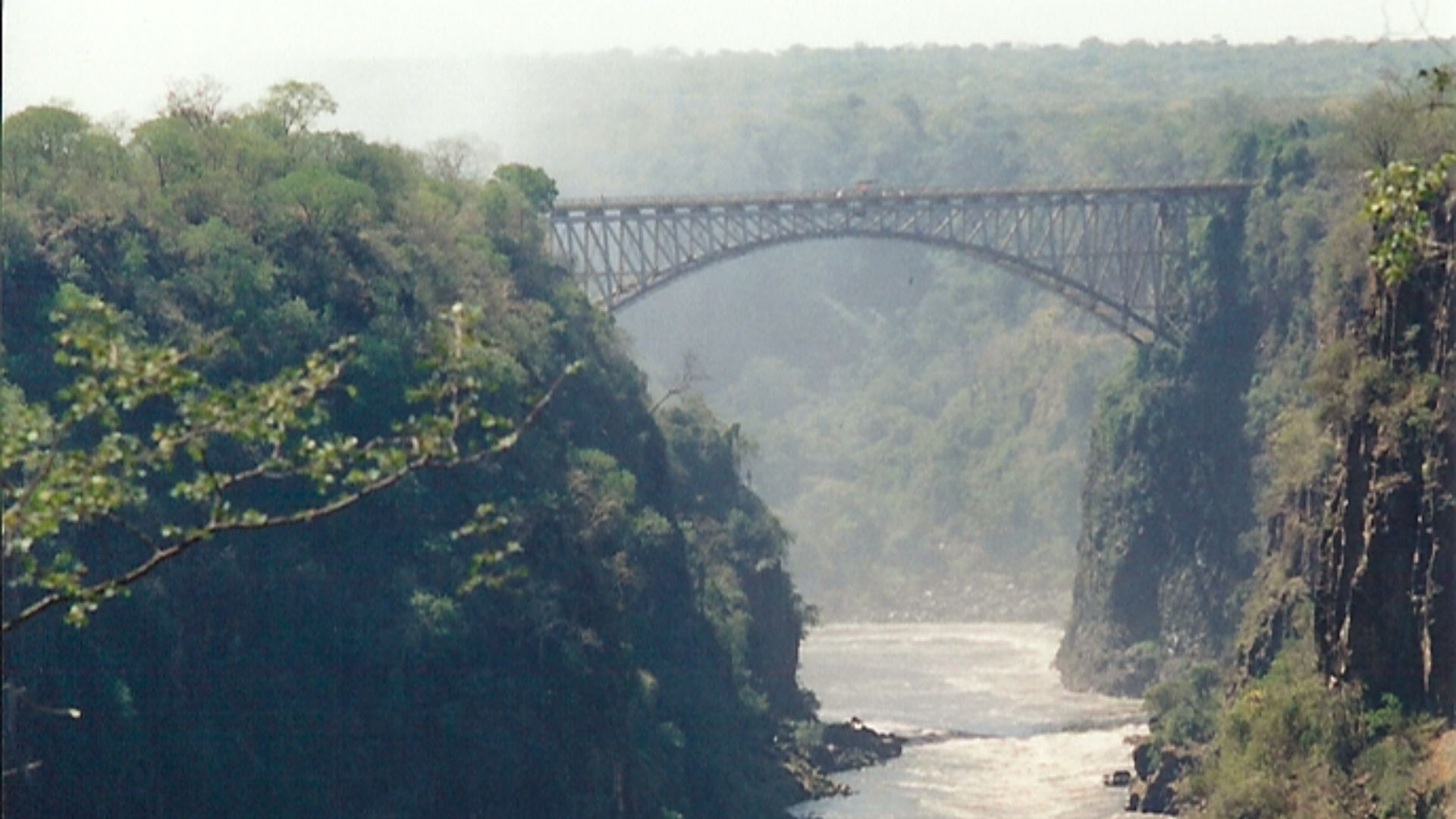
13. Victoria Falls And The Zambezi Gorges
The spray makes a rainbow, and the drop makes a grave. Slick rocks near the edge, powerful currents, and sudden surges during high water can sweep people into places where swimming is irrelevant.
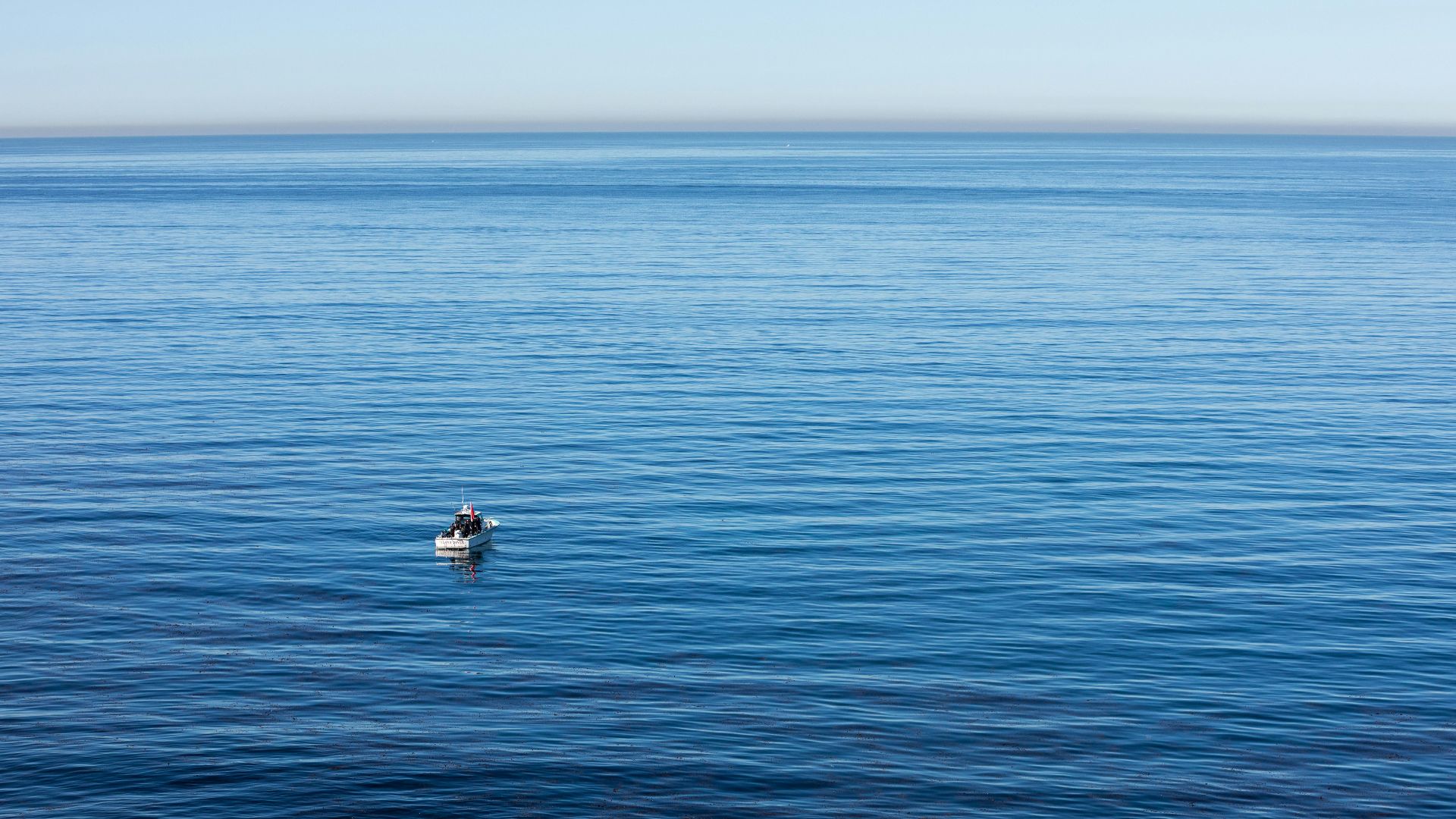
14. The Southern Ocean
It looks like open water, and it behaves like a pressure system with teeth. Cold shock, massive swells, and violent winds can overwhelm boats and bodies, and survival time in near-freezing water is short.
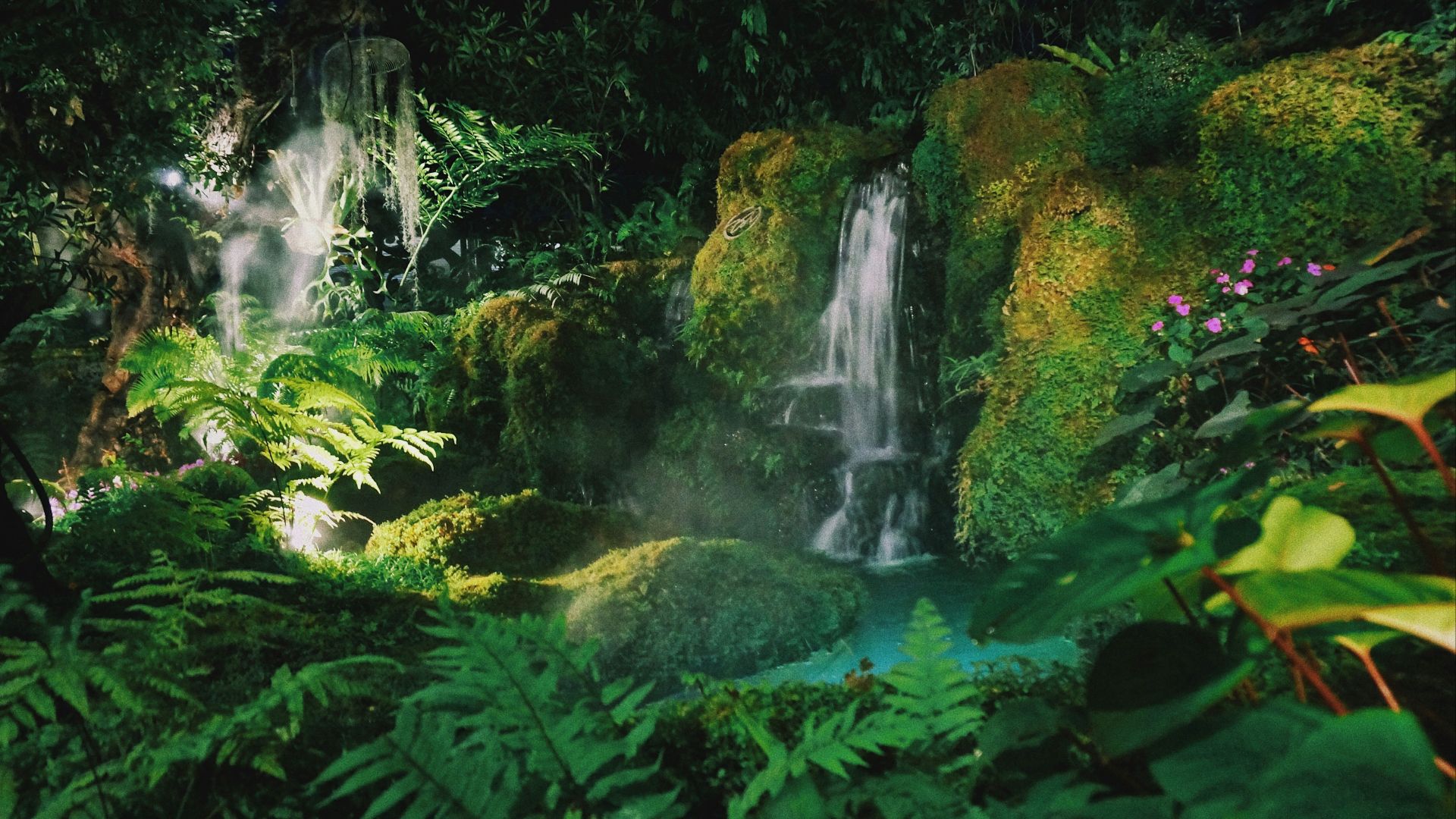
15. The Amazon Rainforest
The Amazon is a cathedral of life, and it can overwhelm you with the basics of survival. Heat, humidity, infections, and the difficulty of navigation mean small injuries and mistakes can spiral when evacuation is slow.
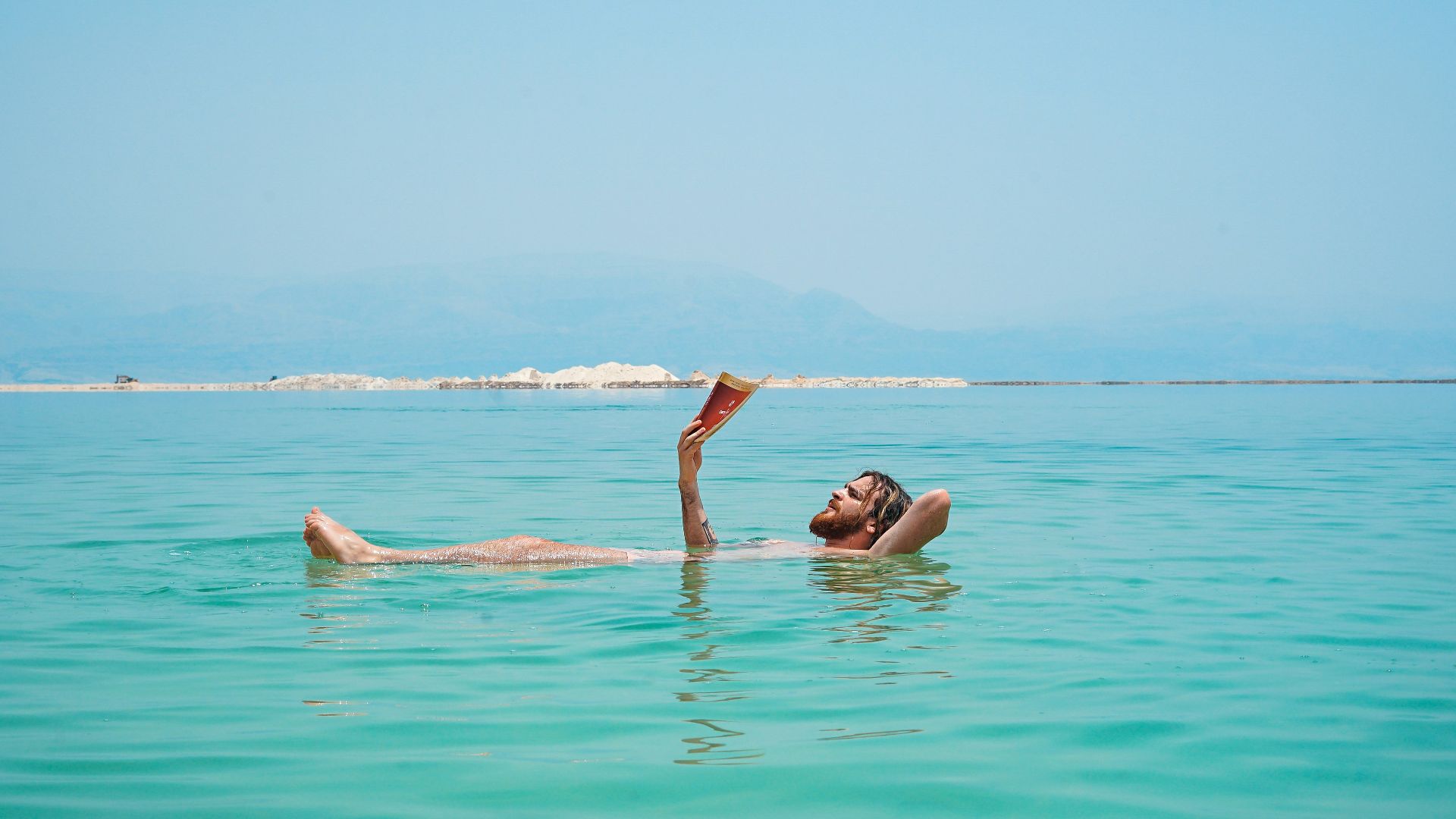
16. The Dead Sea
Floating feels like a party trick, and the water chemistry is harsh enough to burn eyes and skin. The shoreline can have sudden sinkholes, and swallowing the water can cause serious medical distress.
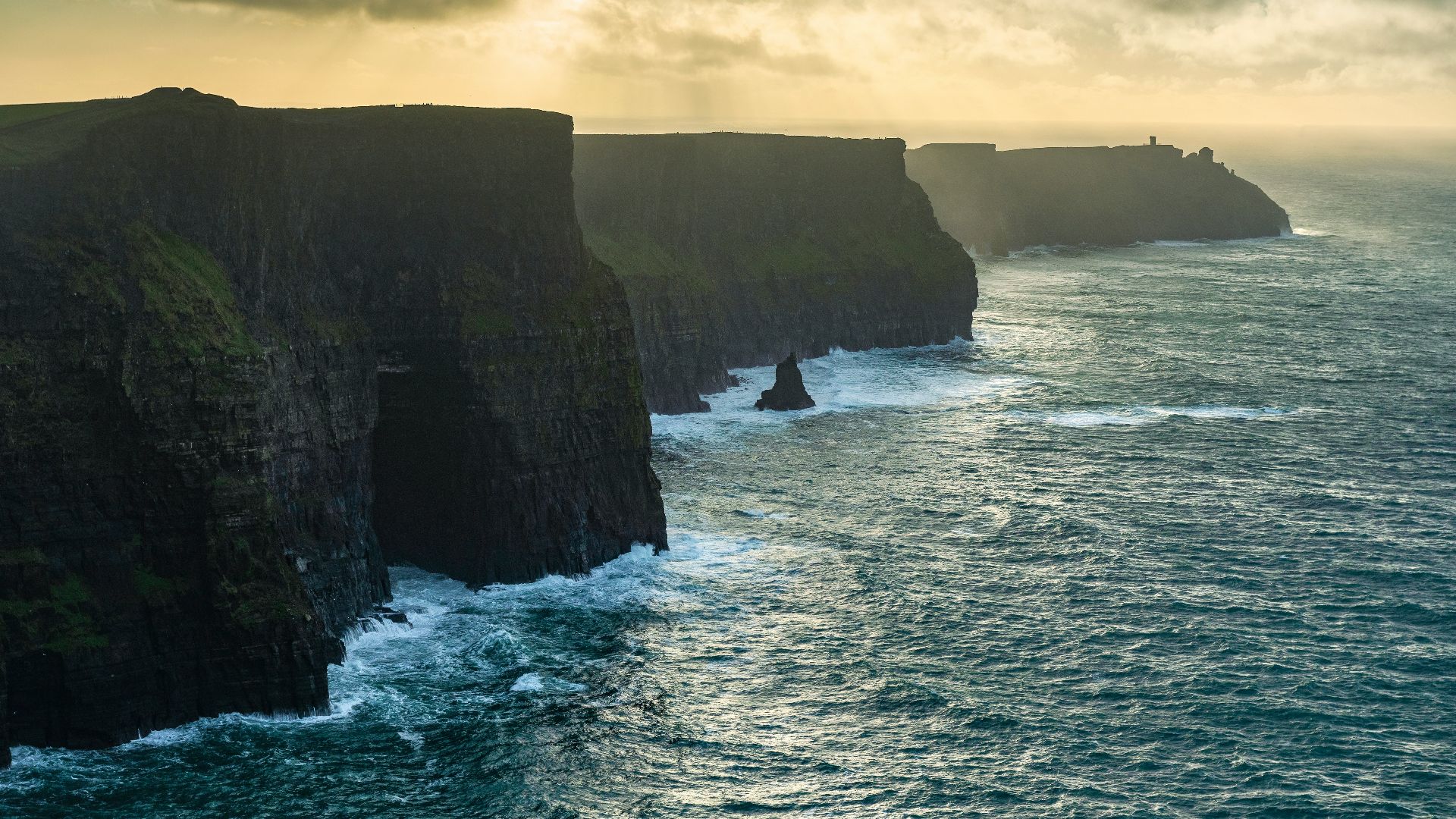
17. The Cliffs Of Moher
The cliffs are breathtaking, and the wind can be stronger than it looks on a phone screen. Edges crumble, footing can fail, and one distracted step near soft ground can be final.
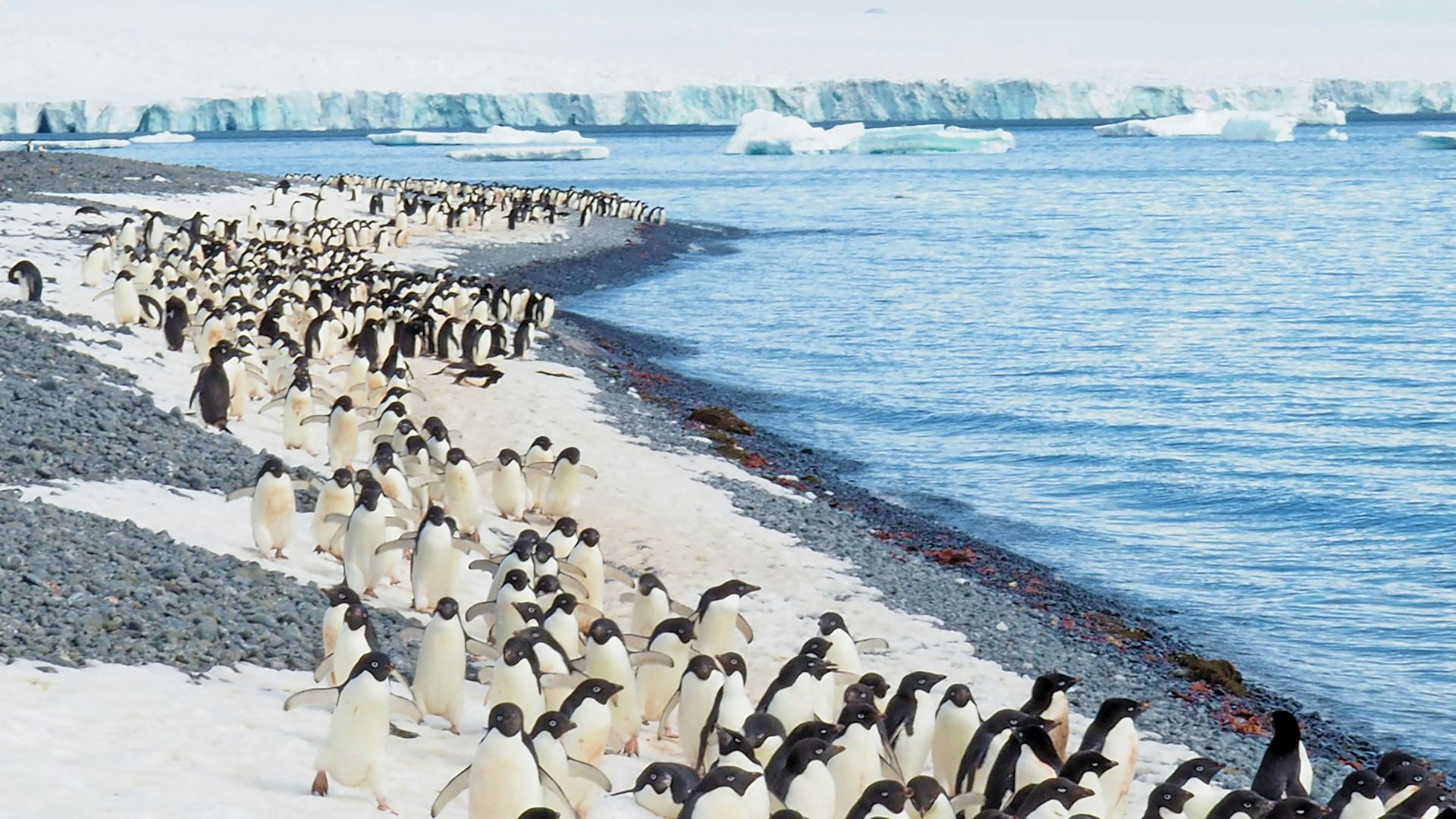
18. Antarctica
Antarctica is stunning, and it is fundamentally hostile to unprotected humans. Extreme cold, katabatic winds, and whiteout conditions can erase navigation cues, turning a short trip into lethal exposure.
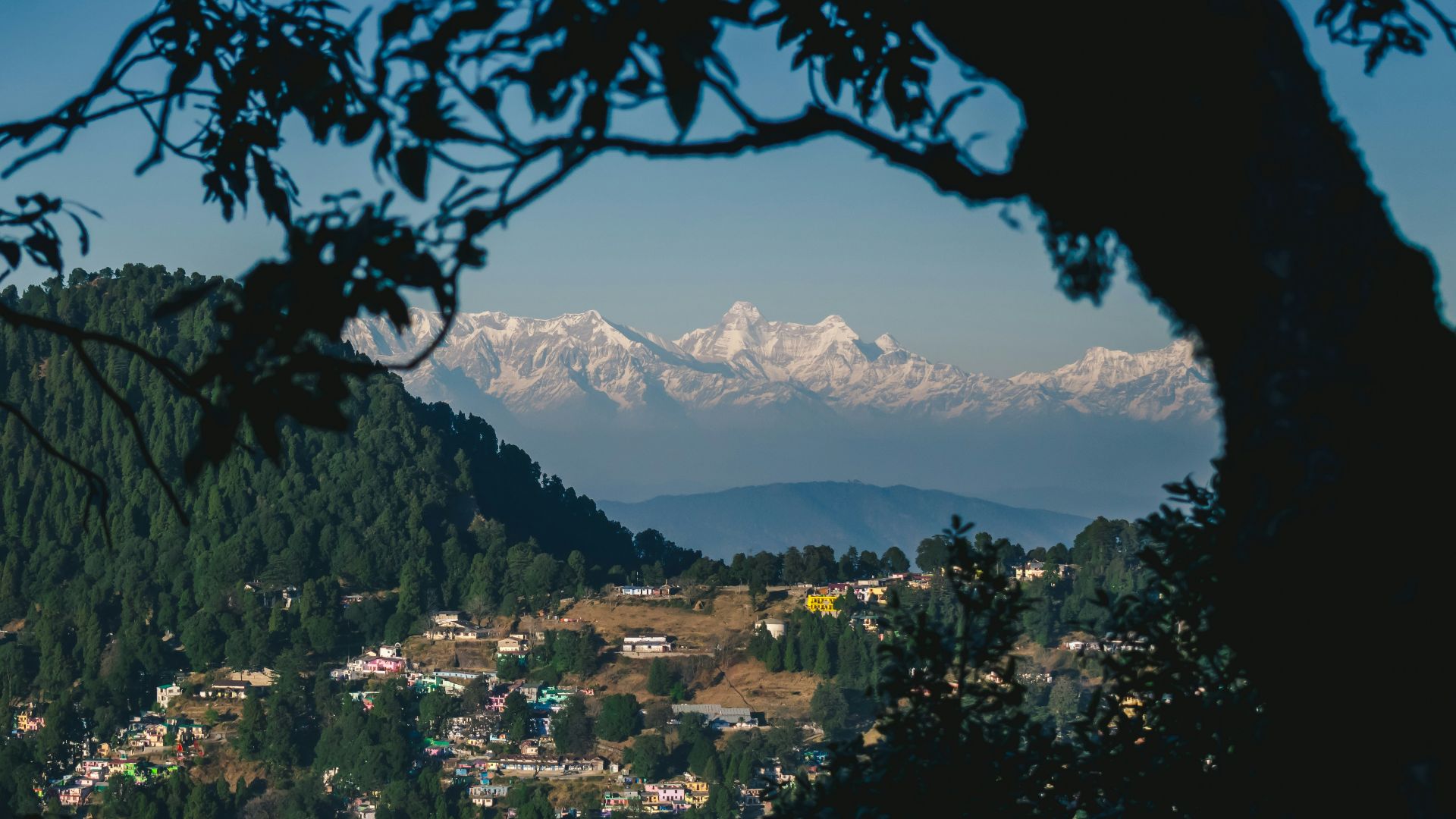
19. The Himalayas During Monsoon Season
These mountains are legendary, and monsoon turns trails into moving hazards. Landslides, swollen rivers, and low visibility can isolate villages and trekkers, making timing and route choice a life decision.
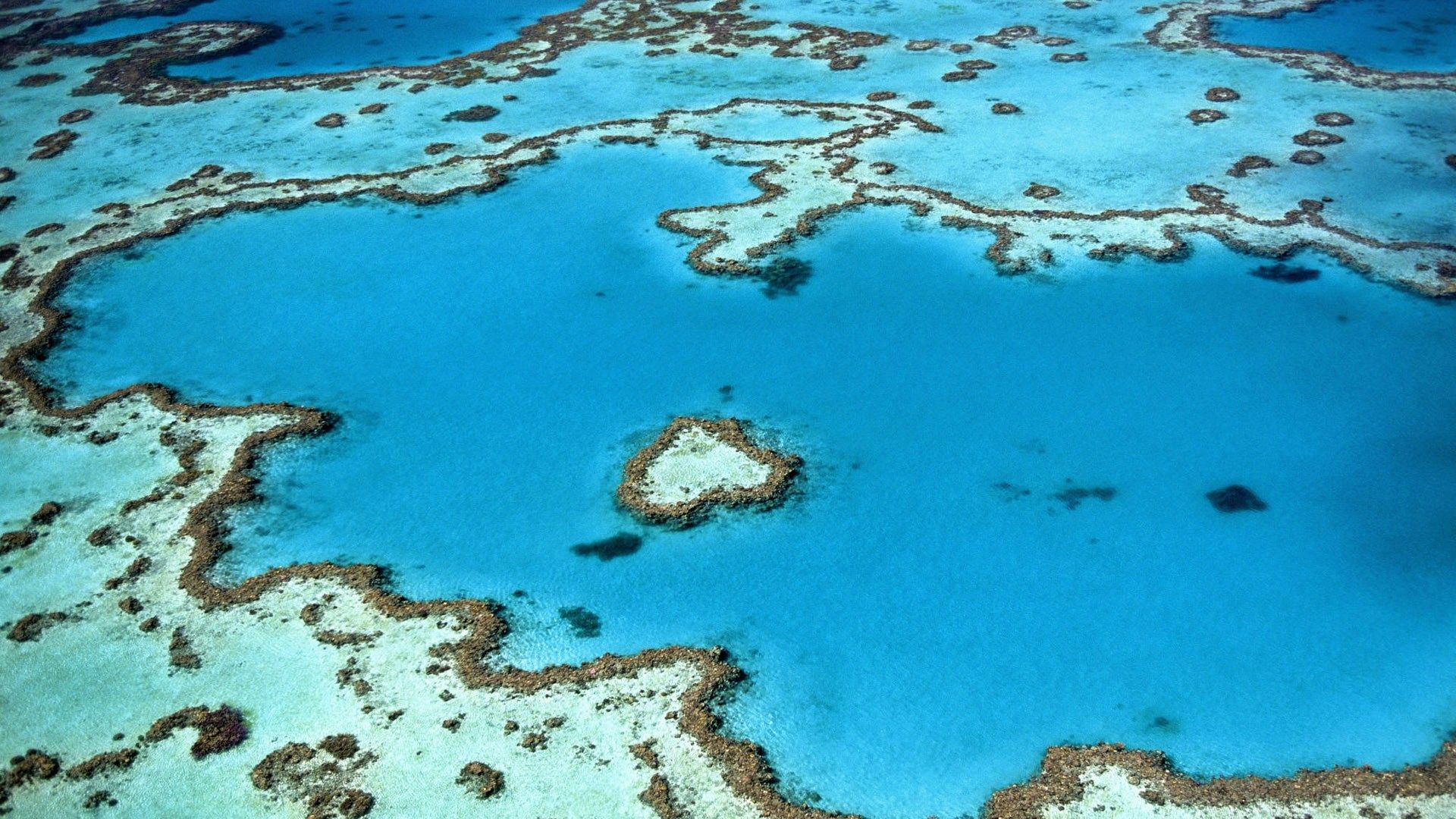
20. The Great Barrier Reef
The reef is a living wonder, and it’s also a place with powerful currents, sharp coral, and wildlife that demands respect. Sun exposure, dehydration, and marine stings can become serious quickly when people treat a reef day like a pool day. A small cut can get infected.