When Infamy Replaces Identity
Some places earn their reputation through beauty, innovation, or cultural significance. Others get thrust into the spotlight for disasters, crimes, or moments they'd desperately like to erase from collective memory. These locations didn't ask to become landmarks of tragedy or scandal, yet that's precisely what happened. Here are twenty places that became famous (or infamous, depending on your perspective) for all the wrong reasons.
 Steve Shook from Moscow, Idaho, USA on Wikimedia
1. Chernobyl, Ukraine
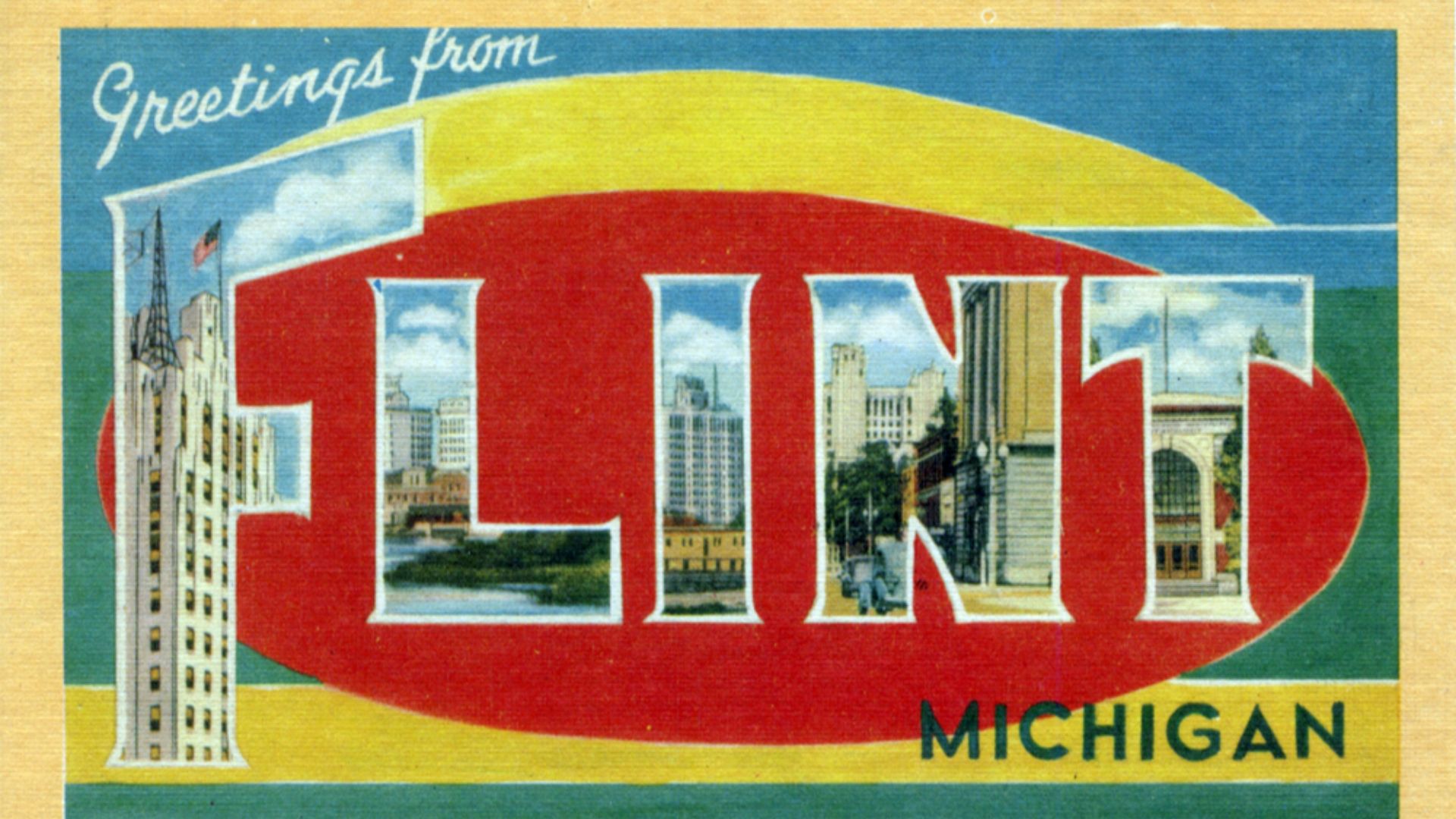
Before April 26, 1986, Chernobyl was just another Soviet city with a population of around 14,000. The nuclear disaster at the nearby power plant changed everything, forcing the evacuation of over 350,000 people. Radiation levels have decreased enough that limited tours now operate, turning catastrophe into dark tourism.
2. Dealey Plaza, Dallas
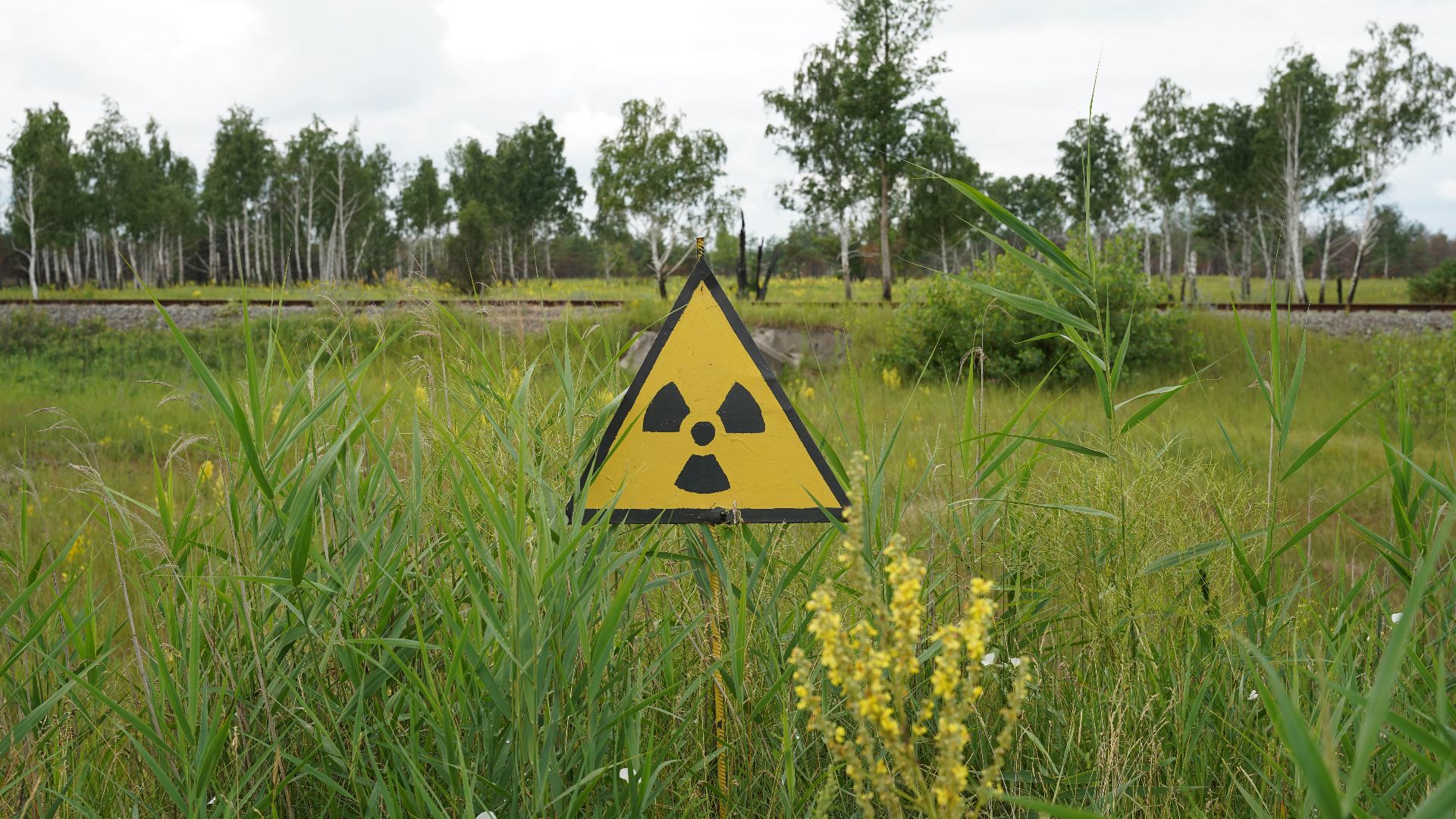
President Kennedy's assassination on November 22, 1963, transformed this ordinary downtown plaza into a perpetual crime scene in the public imagination. Millions of tourists visit annually, many recreating the motorcade route or standing on the painted X marking where the fatal shots struck.
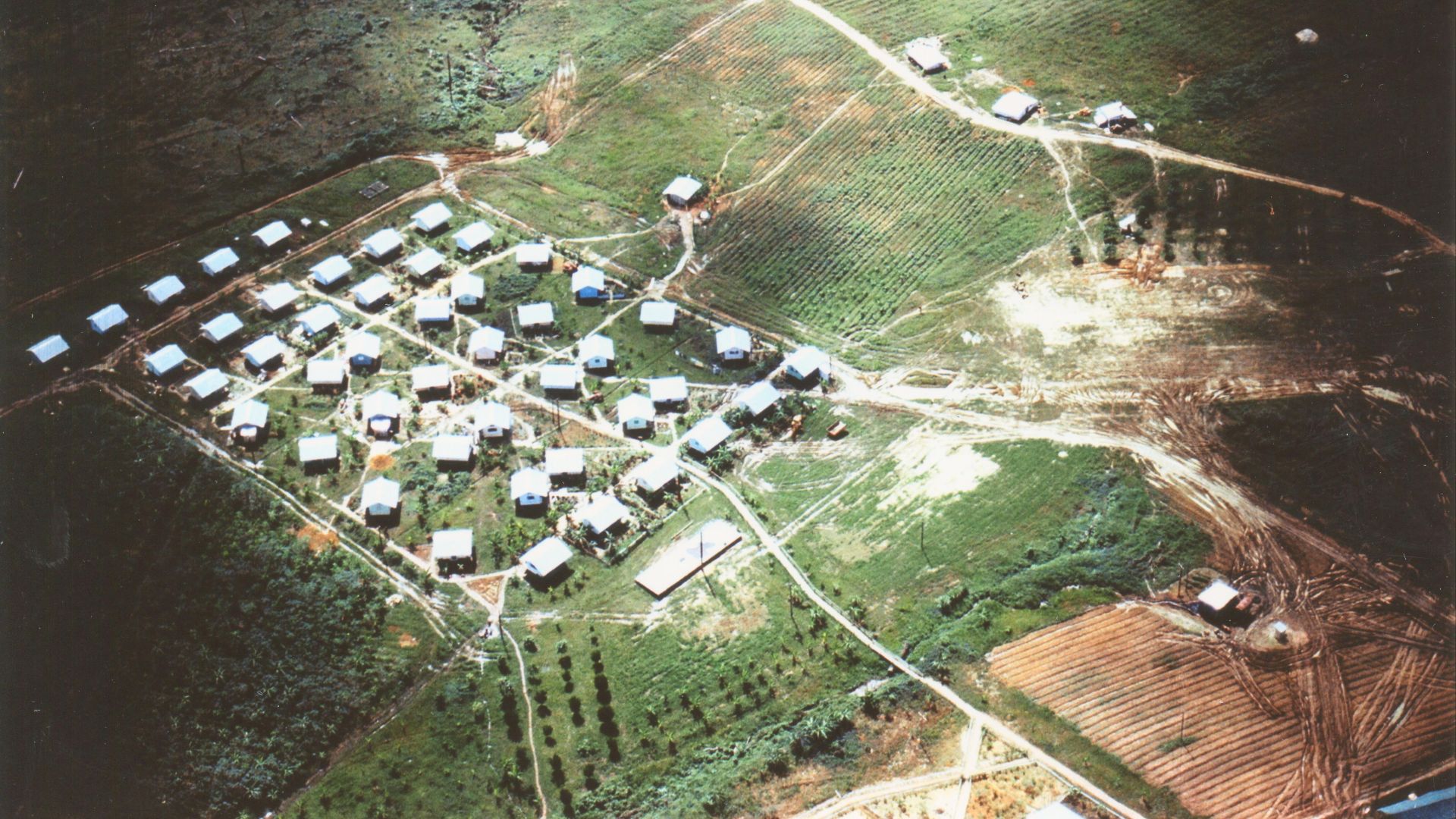
3. Jonestown, Guyana
The agricultural commune seemed utopian until November 18, 1978, when 918 people died in a mass murder-suicide orchestrated by Jim Jones, launching the phrase "drinking the Kool-Aid" into common vernacular. The Guyanese government demolished the commune, and the jungle has reclaimed the site.
 Federal Bureau of Investigation on Wikimedia
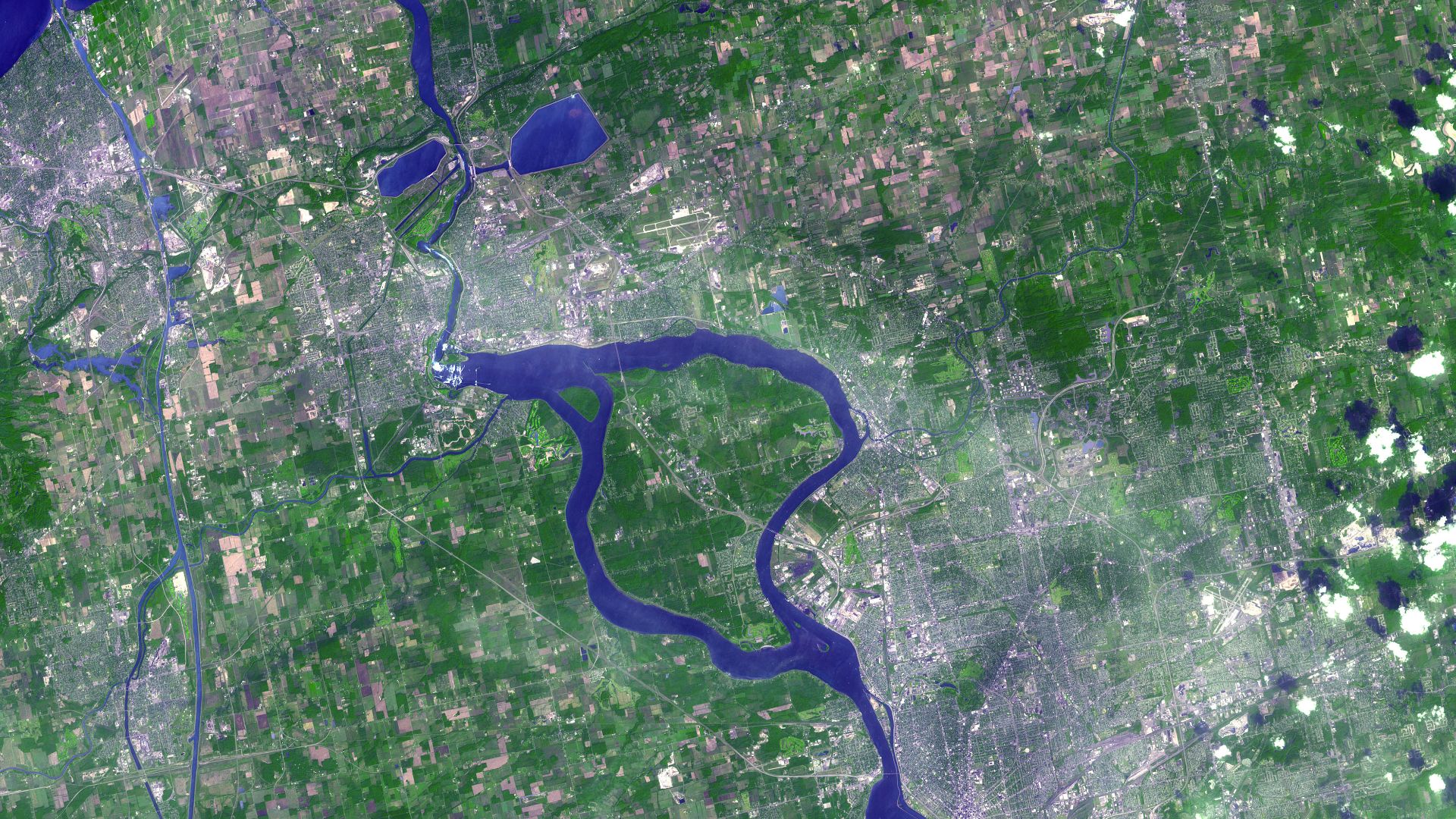
4. Love Canal, Niagara Falls
This neighborhood became America's most infamous toxic waste site after years of chemical dumping by Hooker Chemical Company came back to haunt residents. Throughout the 1970s, families discovered black sludge seeping into basements, unusually high rates of birth defects, and mysterious illnesses.
 Glenn Research Center on Wikimedia
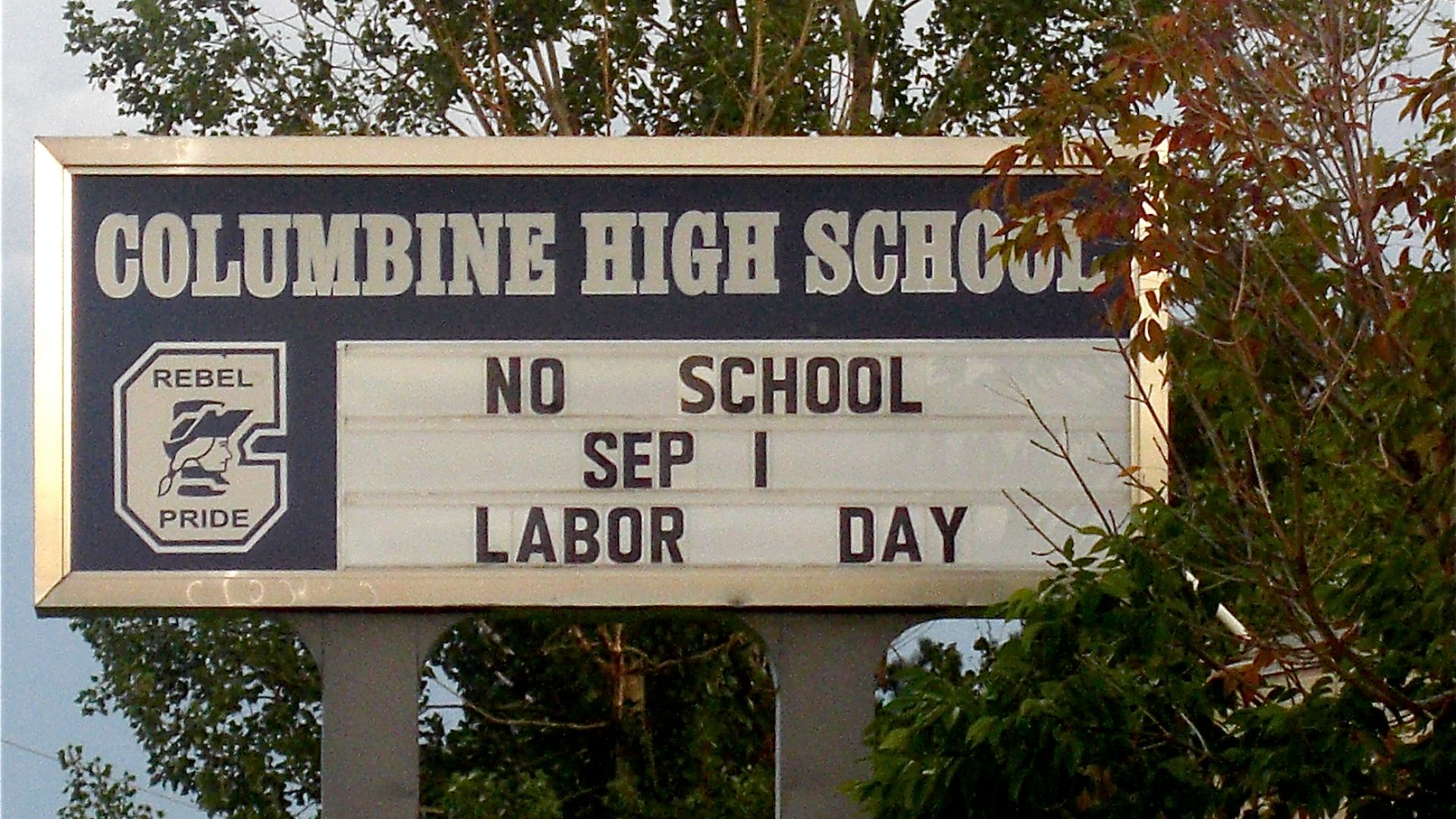
5. Columbine High School, Colorado
April 20, 1999, changed how Americans think about school safety forever. Twelve students and one teacher died in what would become synonymous with school violence. Students and staff have tried to reclaim their school's identity through academic achievements and community service, yet Columbine's dark reputation remains firmly entrenched.
6. Centralia, Pennsylvania
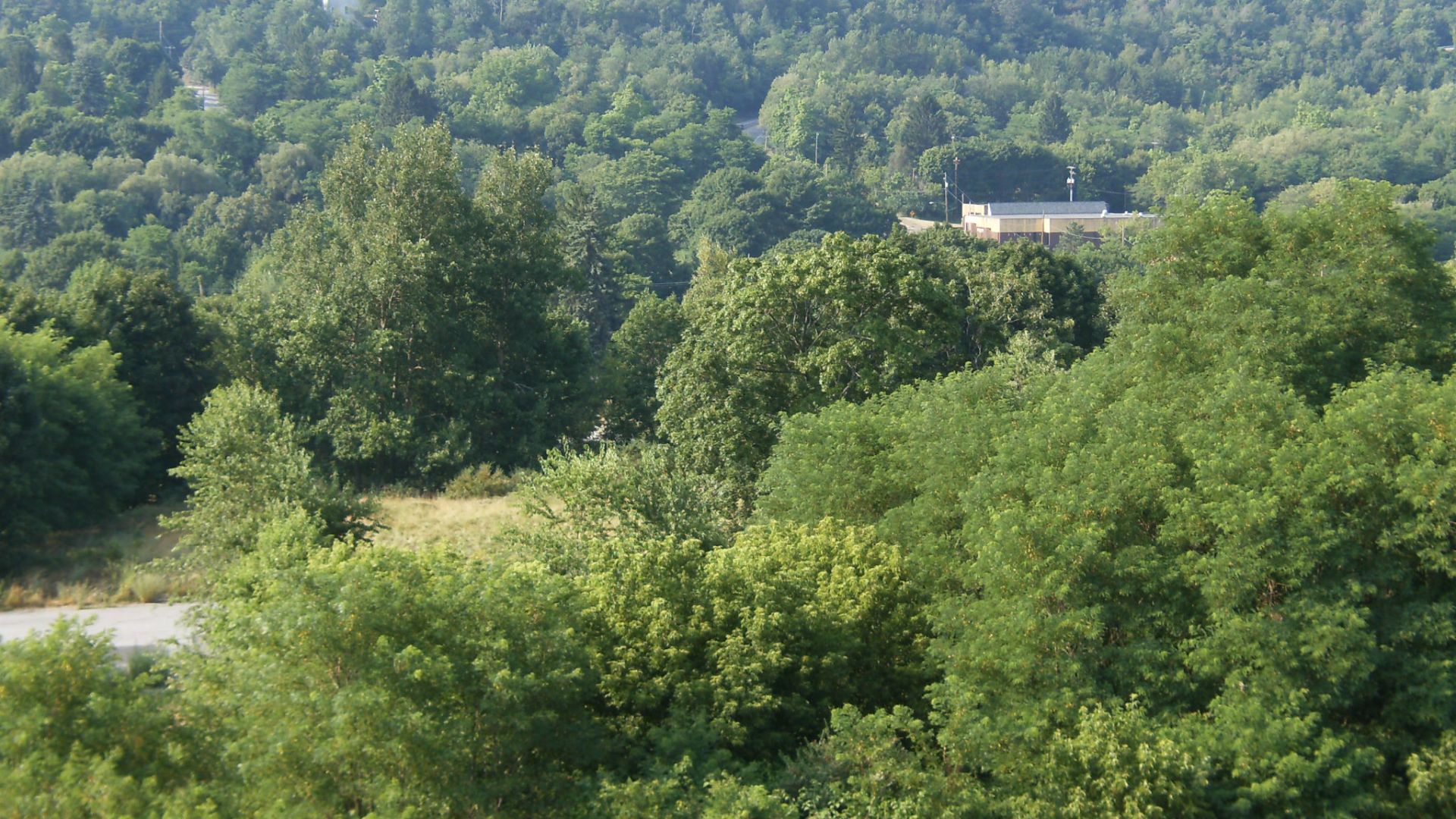
An underground coal fire has burned beneath this town since 1962, possibly ignited by burning trash in an abandoned mine pit. Steam and smoke rise from cracks in the ground, with carbon monoxide seeping into buildings. All but a handful of the population has moved away.
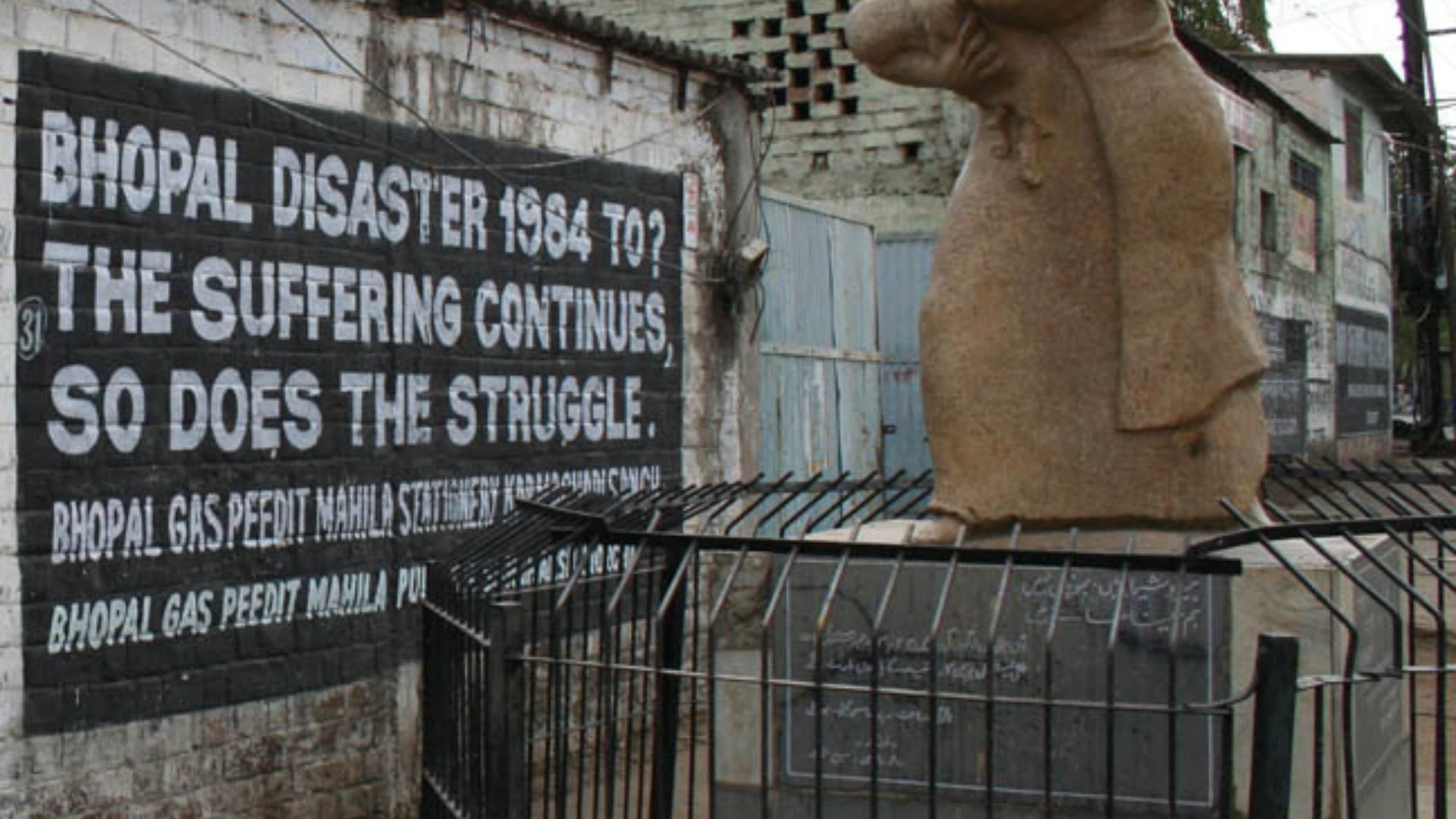
7. Bhopal, India
The Union Carbide pesticide plant leak on December 3, 1984, killed thousands immediately and tens of thousands more as toxic gas spread through the neighborhood. Bhopal was an ancient city with a rich history before becoming synonymous with industrial disaster.
 The original uploader was Simone.lippi at Italian Wikipedia. on Wikimedia
8. Waco, Texas
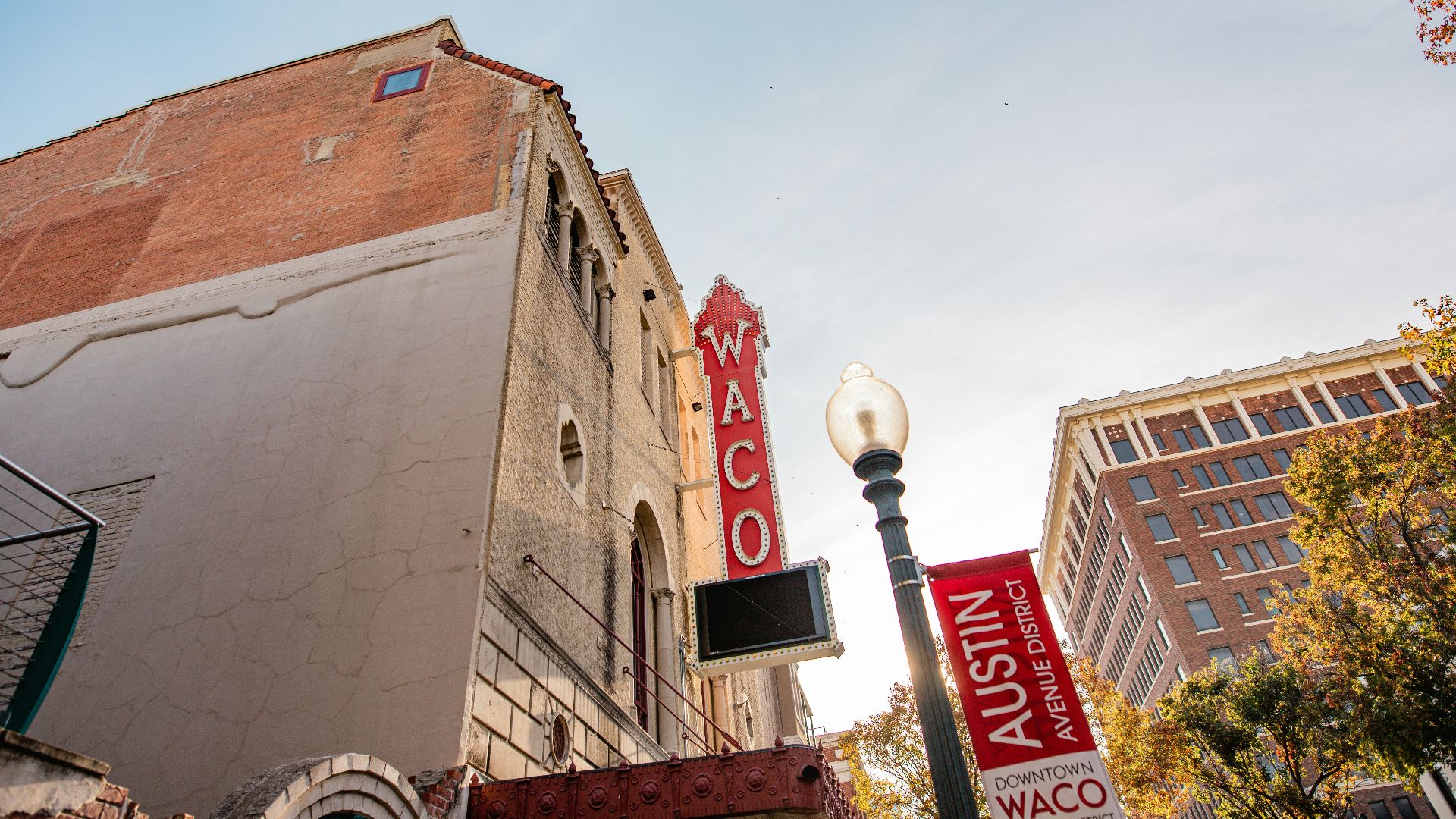
The Branch Davidian compound siege in 1993 put this college town on the map for all the wrong reasons. The 51-day standoff between federal agents and David Koresh's religious group ended with a fire that killed 76 people, including 25 children. The site became a memorial, though few visit.
9. Fukushima, Japan
The March 11, 2011, earthquake and tsunami triggered nuclear meltdowns at the Fukushima Daiichi power plant, displacing over 150,000 residents. Some areas remain exclusion zones where nature has reclaimed abandoned neighborhoods. Local fishermen struggle to sell their catch because consumers fear contamination.

10. Flint, Michigan
In 2014, officials switched the water source to save money, exposing residents to dangerous lead levels. Children suffered irreversible developmental damage. The pipes themselves leached lead because the river water wasn't properly treated.

11. Pripyat, Ukraine
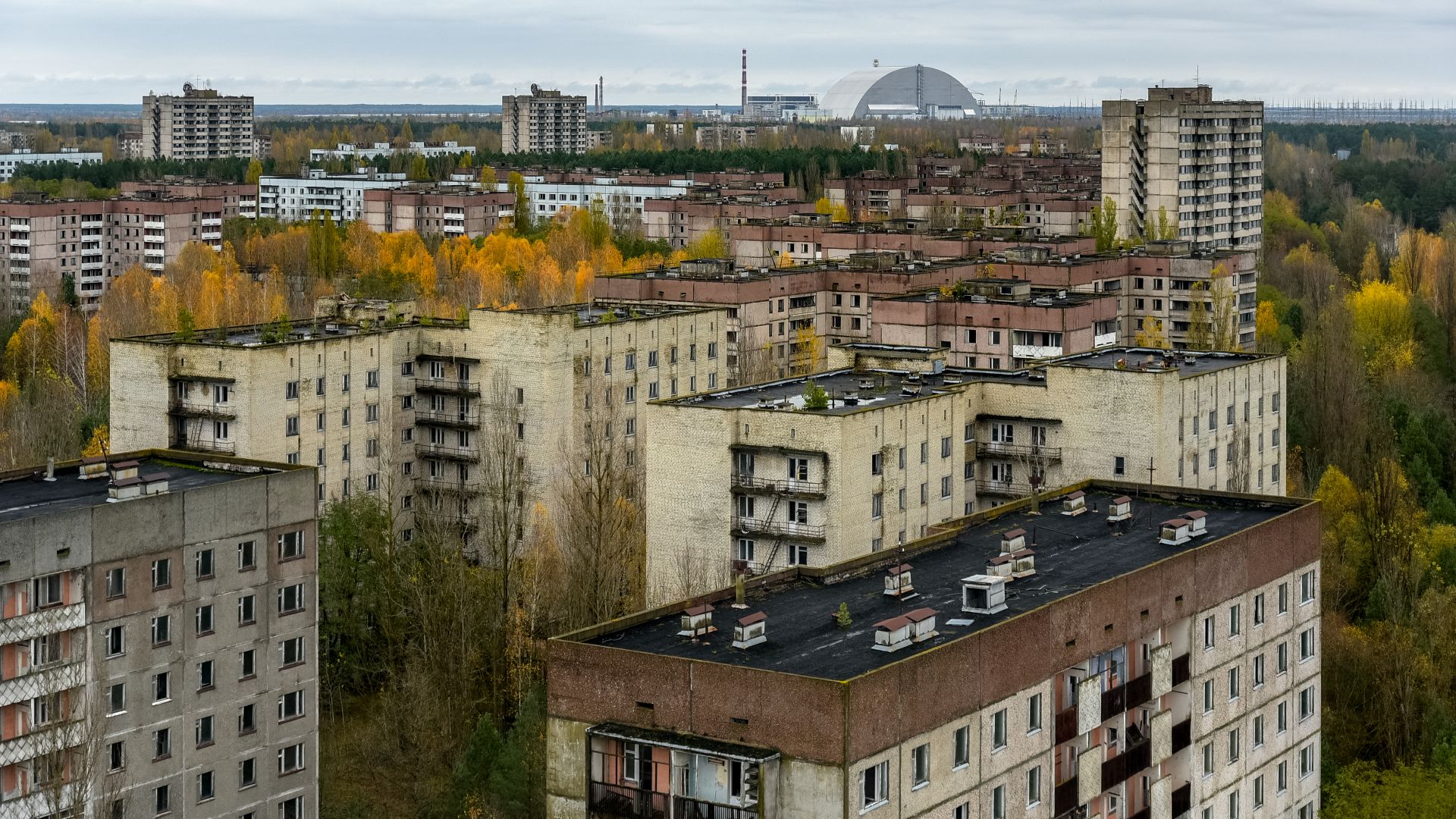
Built in 1970 to house Chernobyl Nuclear Power Plant workers, Pripyat earned its fame by becoming the world's most famous ghost town. Residents left everything behind, expecting to return in a few days. They never did.
 Jorge Franganillo from Barcelona, Spain on Wikimedia
12. Wounded Knee, South Dakota
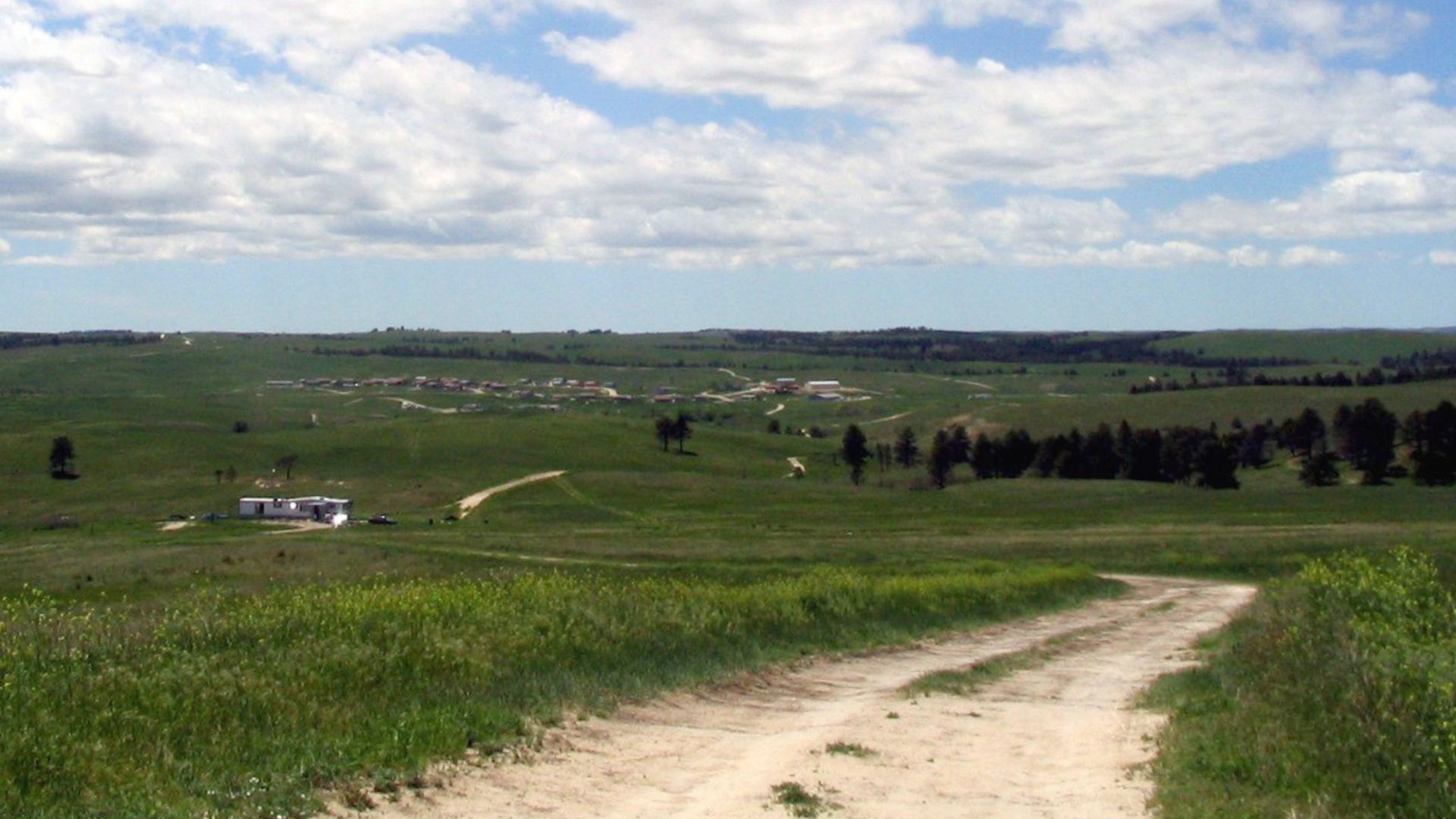
On December 29, 1890, U.S. Army troops killed approximately 300 Lakota people, mostly women and children. Then, in 1973, the American Indian Movement occupied the site for 71 days in protest against government treatment. Both events turned Wounded Knee into a symbol of Indigenous oppression.
13. Pompeii, Italy
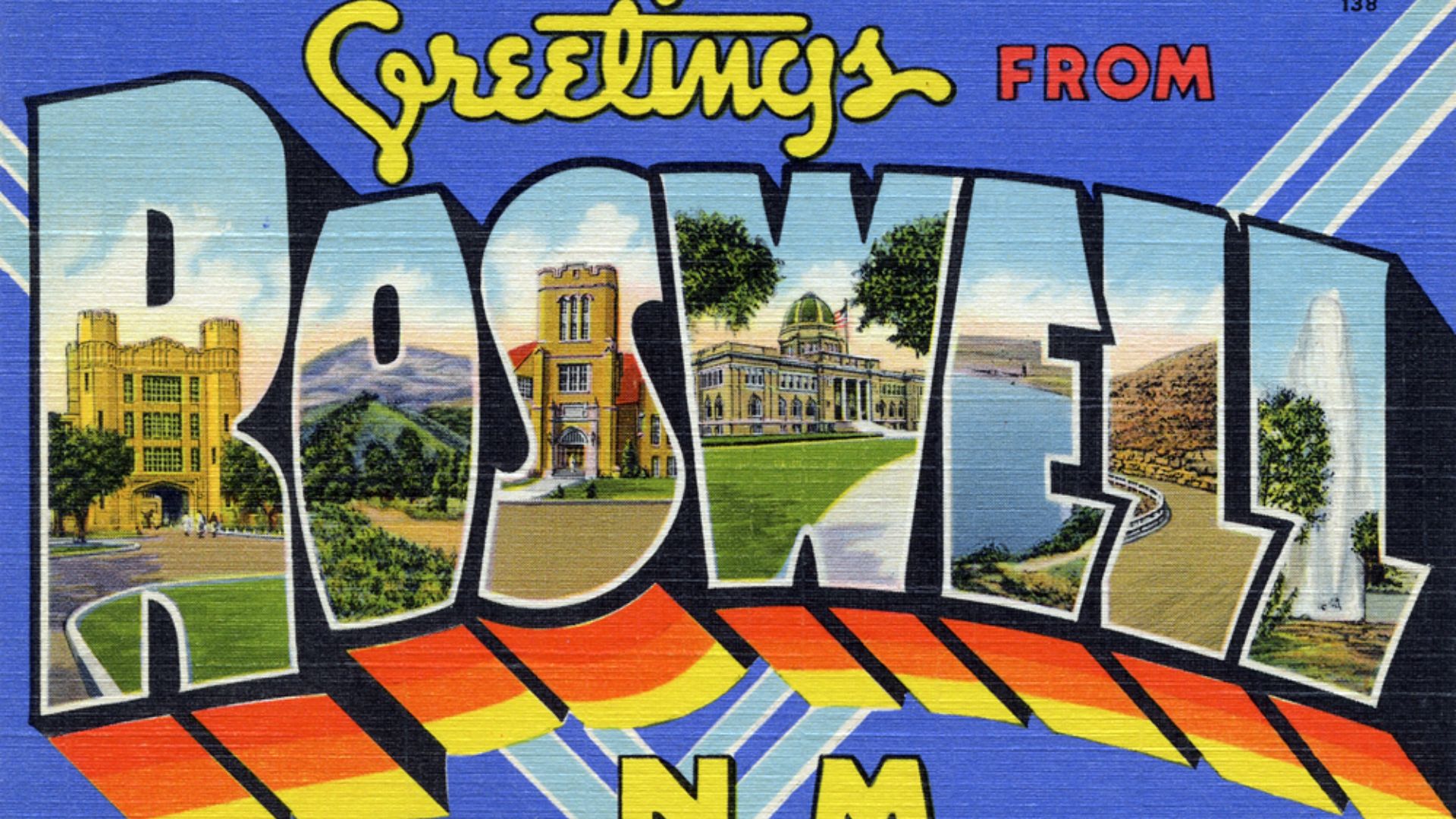
This Roman city enjoyed prosperity until Mount Vesuvius erupted in 79 AD, burying everything under volcanic ash and pumice. Pompeii's death became its immortality. Nobody remembers what the city accomplished during its heyday. We only know it as the place where time stopped violently.
14. Bikini Atoll, Marshall Islands
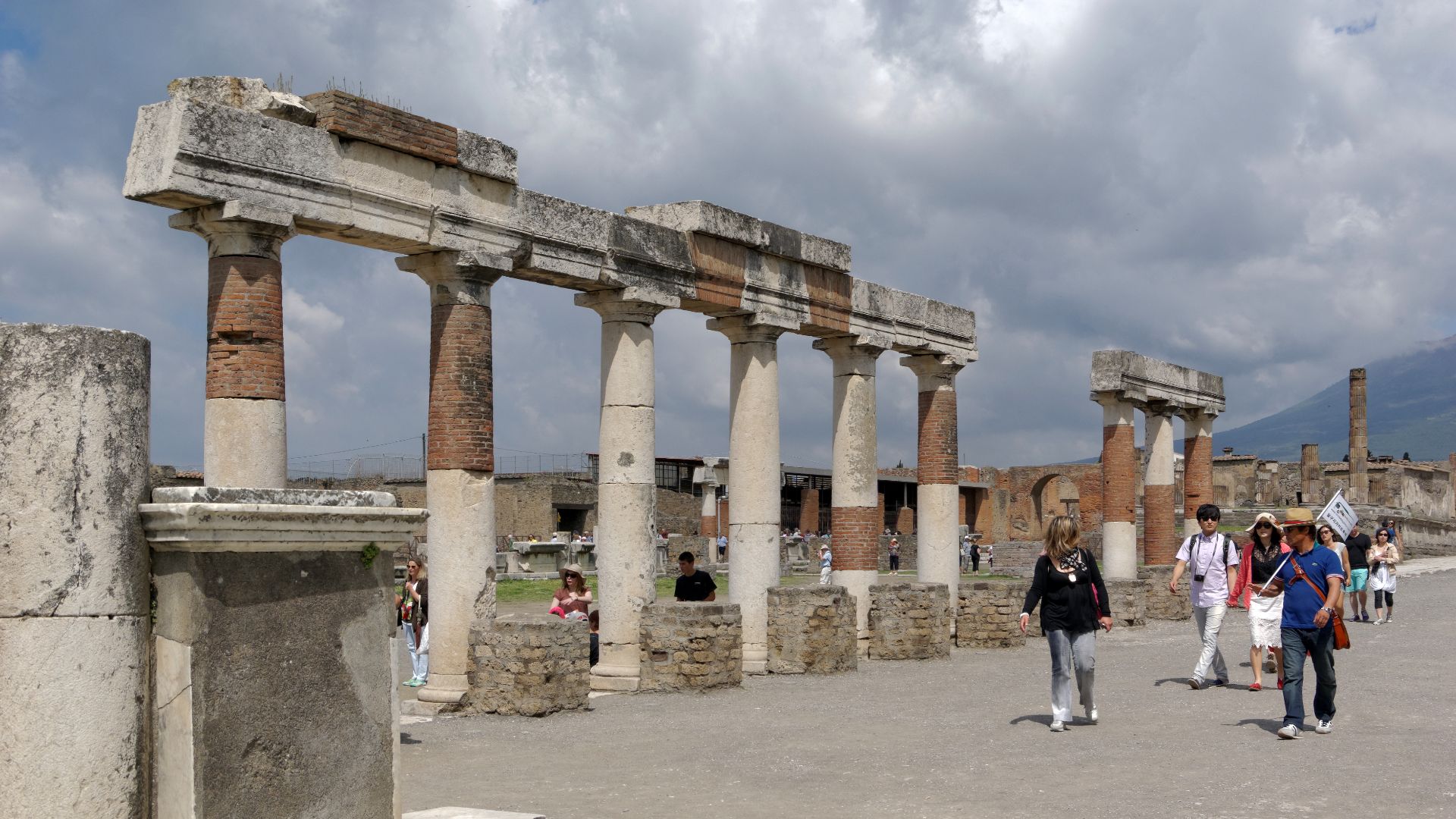
The U.S. conducted 23 nuclear tests here between 1946 and 1958, including the Castle Bravo hydrogen bomb test that was 1,000 times more powerful than the Hiroshima bomb. The 167 residents were relocated before testing began, and their descendants still cannot return permanently due to radiation.
15. Ruby Ridge, Idaho
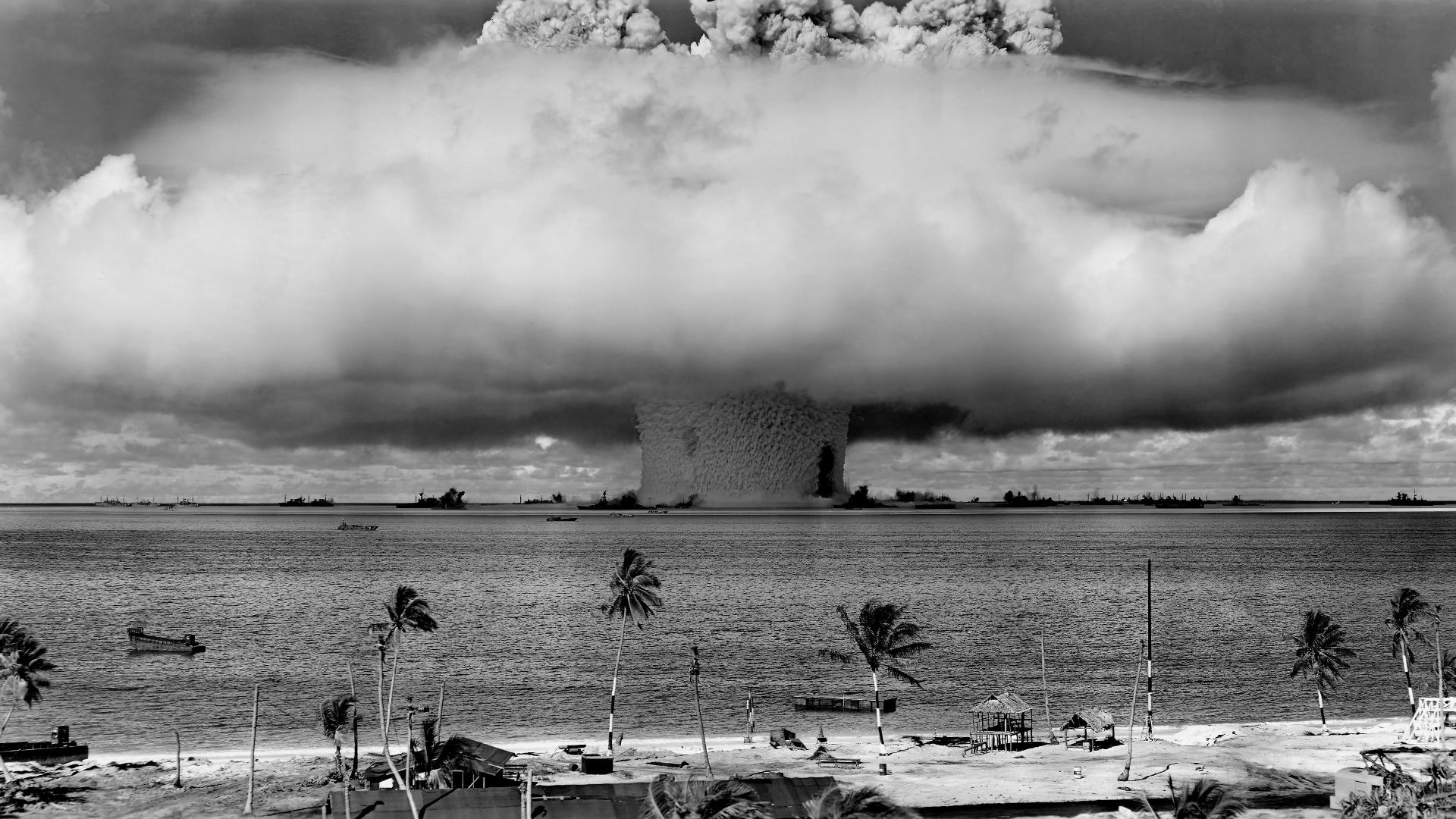
An 11-day standoff in August 1992 between federal agents and the Weaver family left three people dead and became a rallying cry for anti-government movements. Randy Weaver's wife and 14-year-old son were killed during the siege at their remote cabin. This ridge in northern Idaho became symbolic shorthand for government distrust.
16. Roswell, New Mexico
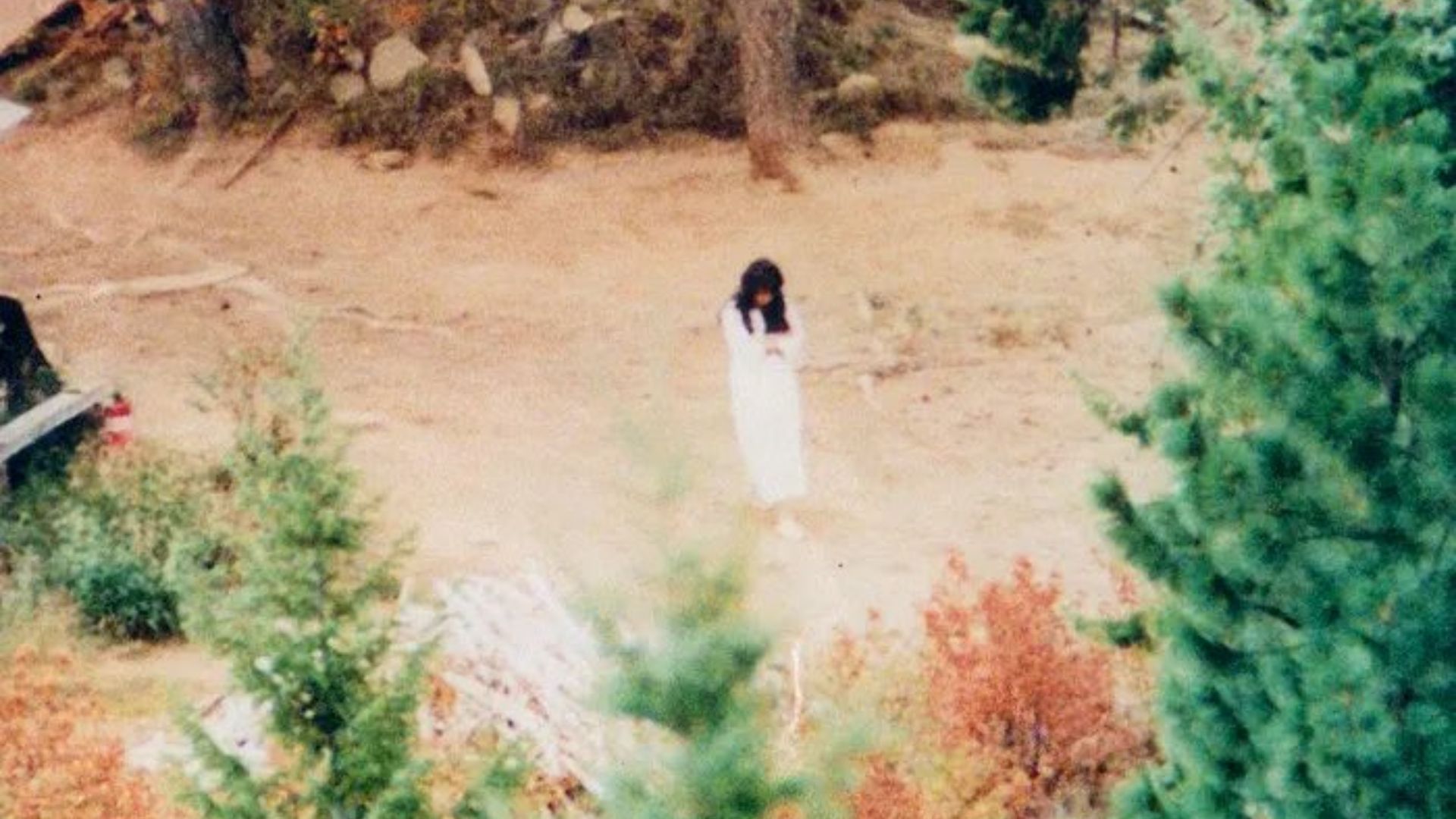
A supposed UFO crash in 1947 transformed this quiet ranching town into alien central. The military initially reported recovering a "flying disc" before quickly changing the story. Conspiracy theorists never accepted the explanation, and Roswell leaned into the alien tourism industry.
 Steve Shook from Moscow, Idaho, USA on Wikimedia
17. Aberfan, Wales
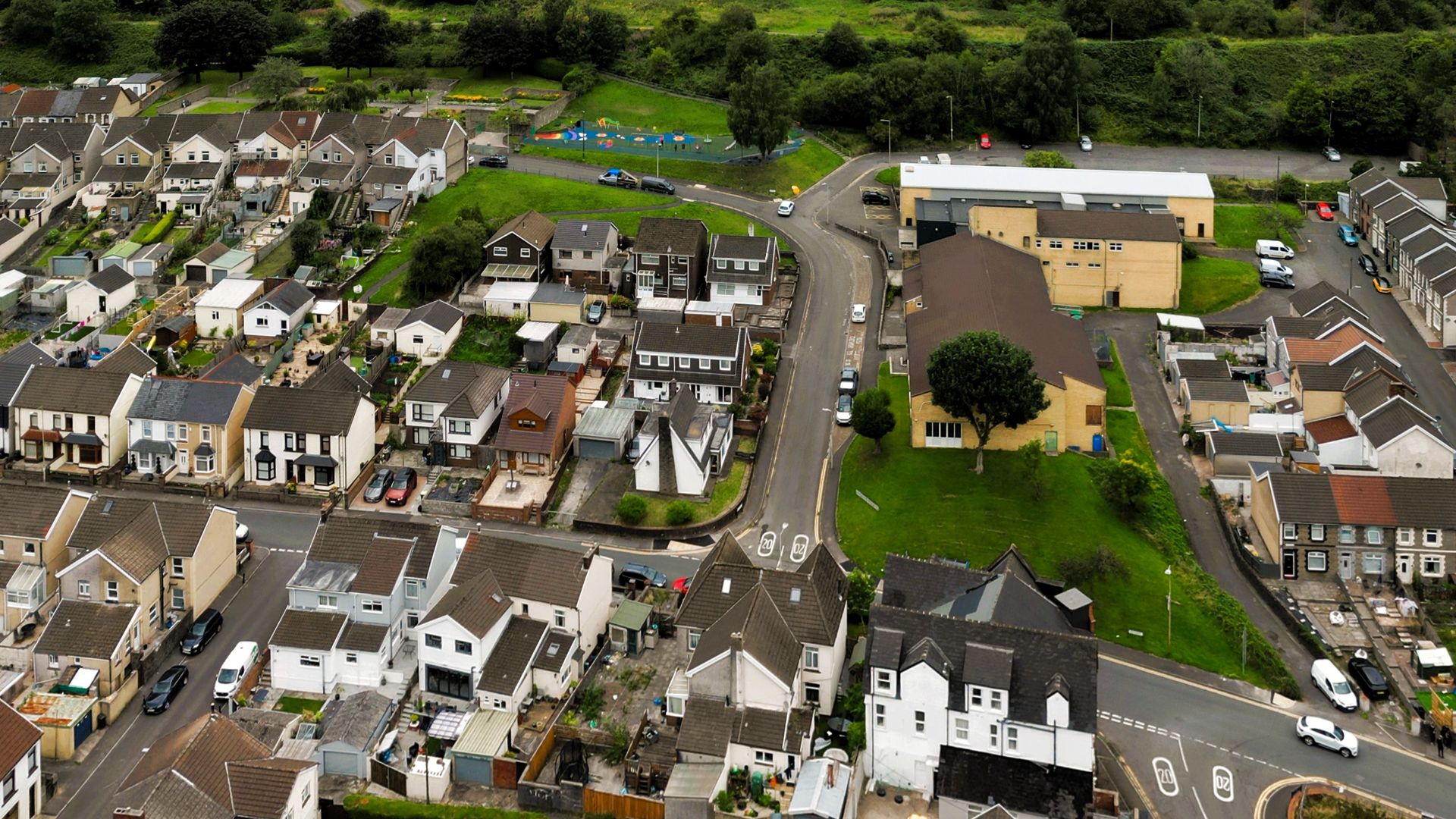
On October 21, 1966, a large mound of mining waste collapsed and engulfed Pantglas Junior School, killing 116 children and 28 adults. The disaster resulted from negligent waste management by the National Coal Board, shattering the town’s innocence forever.
18. Lockerbie, Scotland
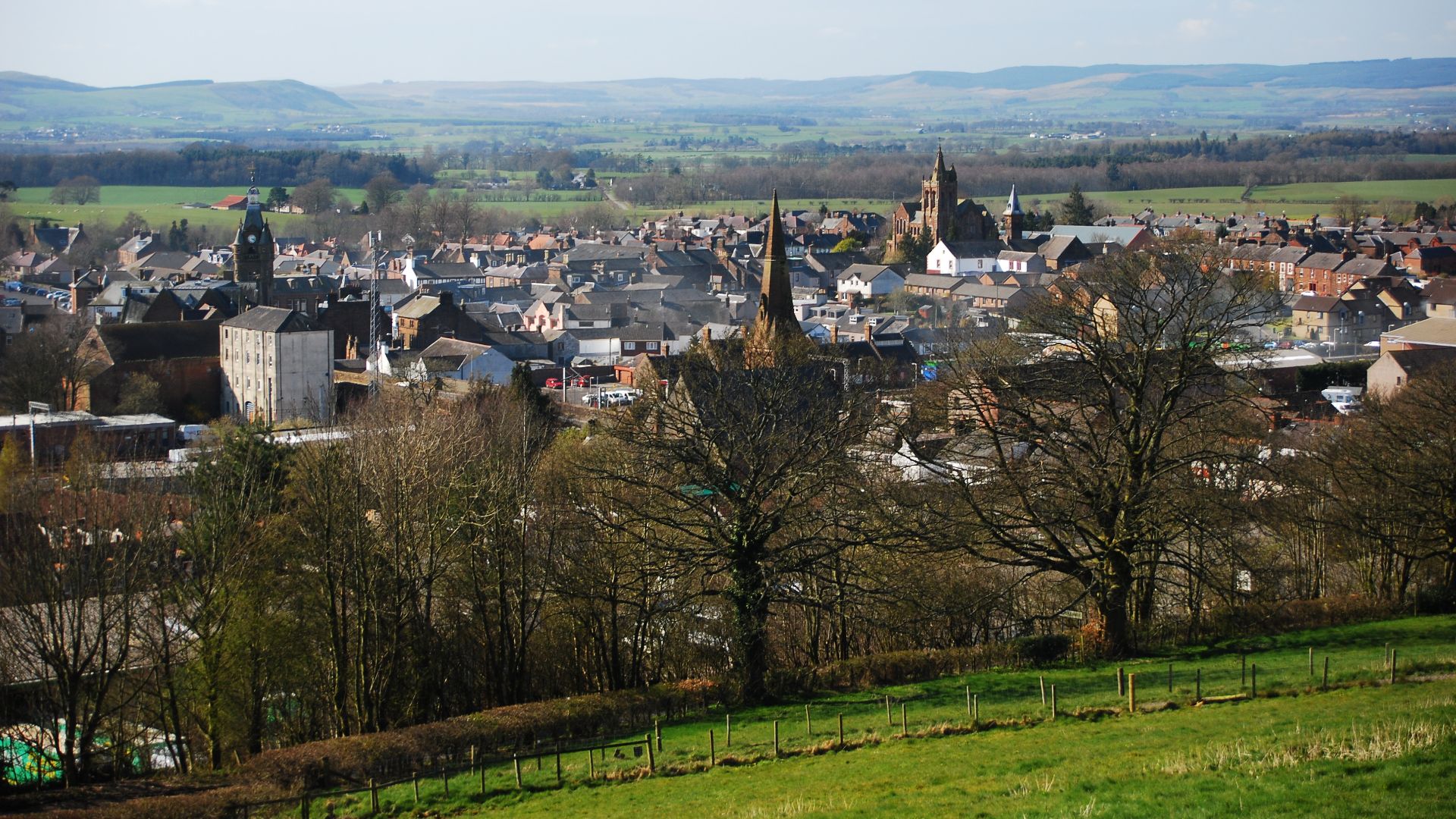
Pan Am Flight 103 exploded over this small town on December 21, 1988, killing all 259 people aboard and 11 on the ground as wreckage rained down. A terrorist bomb hidden in a radio cassette player caused the explosion at 31,000 feet. The town memorialized the victims, and residents still find small pieces of wreckage occasionally.
19. Gilgo Beach, New York
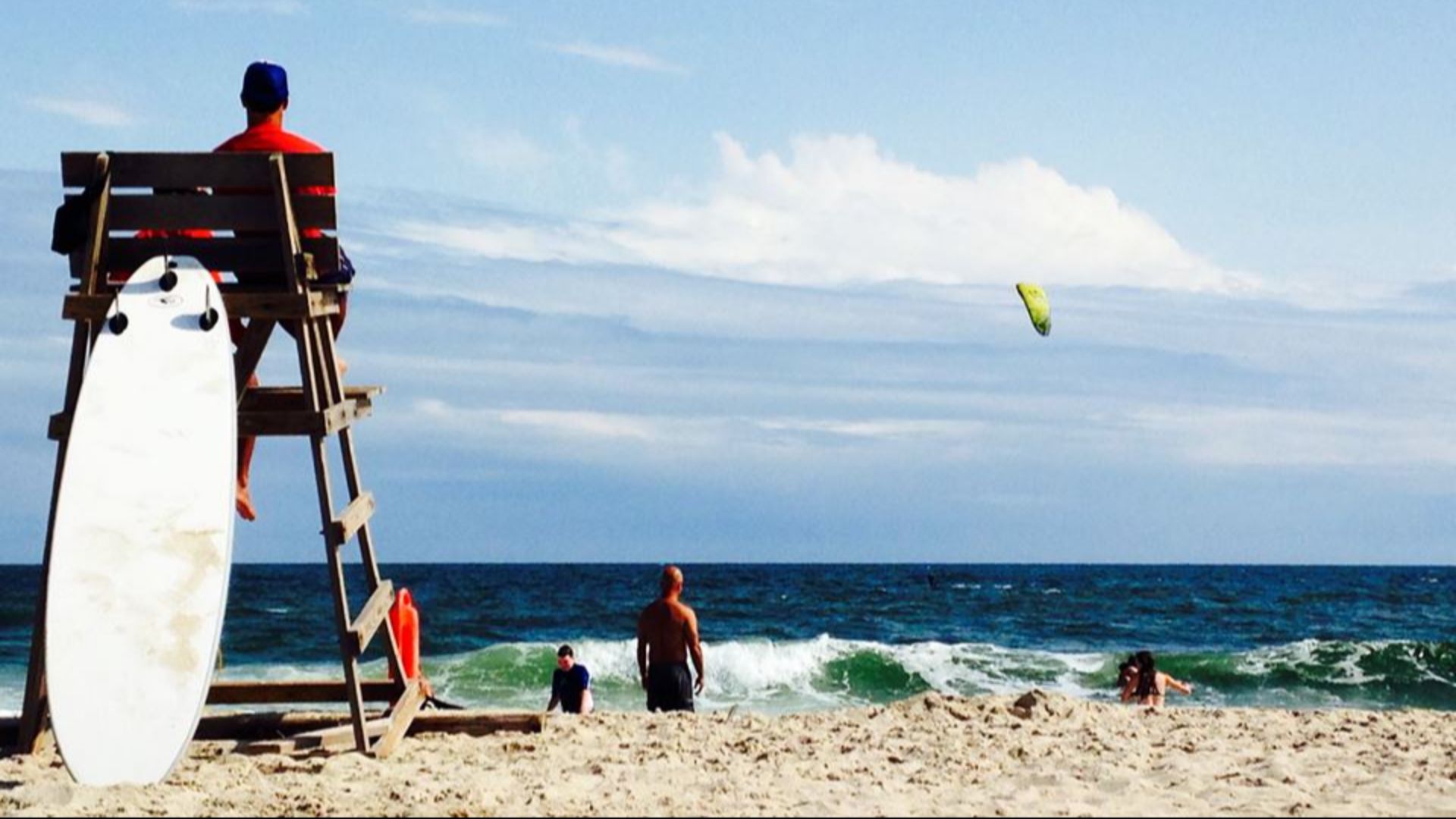
In December 2010, police searching for a missing sex worker discovered four bodies wrapped in burlap along Ocean Parkway. Eventually, ten sets of human remains were found in the area. The beach became shorthand for serial murder and the vulnerability of marginalized victims that society overlooks.
20. Fyre Festival Site, Bahamas
Promoted in 2017 as a luxury music festival with gourmet food and glamorous accommodations, attendees arrived on this private island to find disaster relief tents and no infrastructure. The island became permanently associated with influencer culture gone wrong.