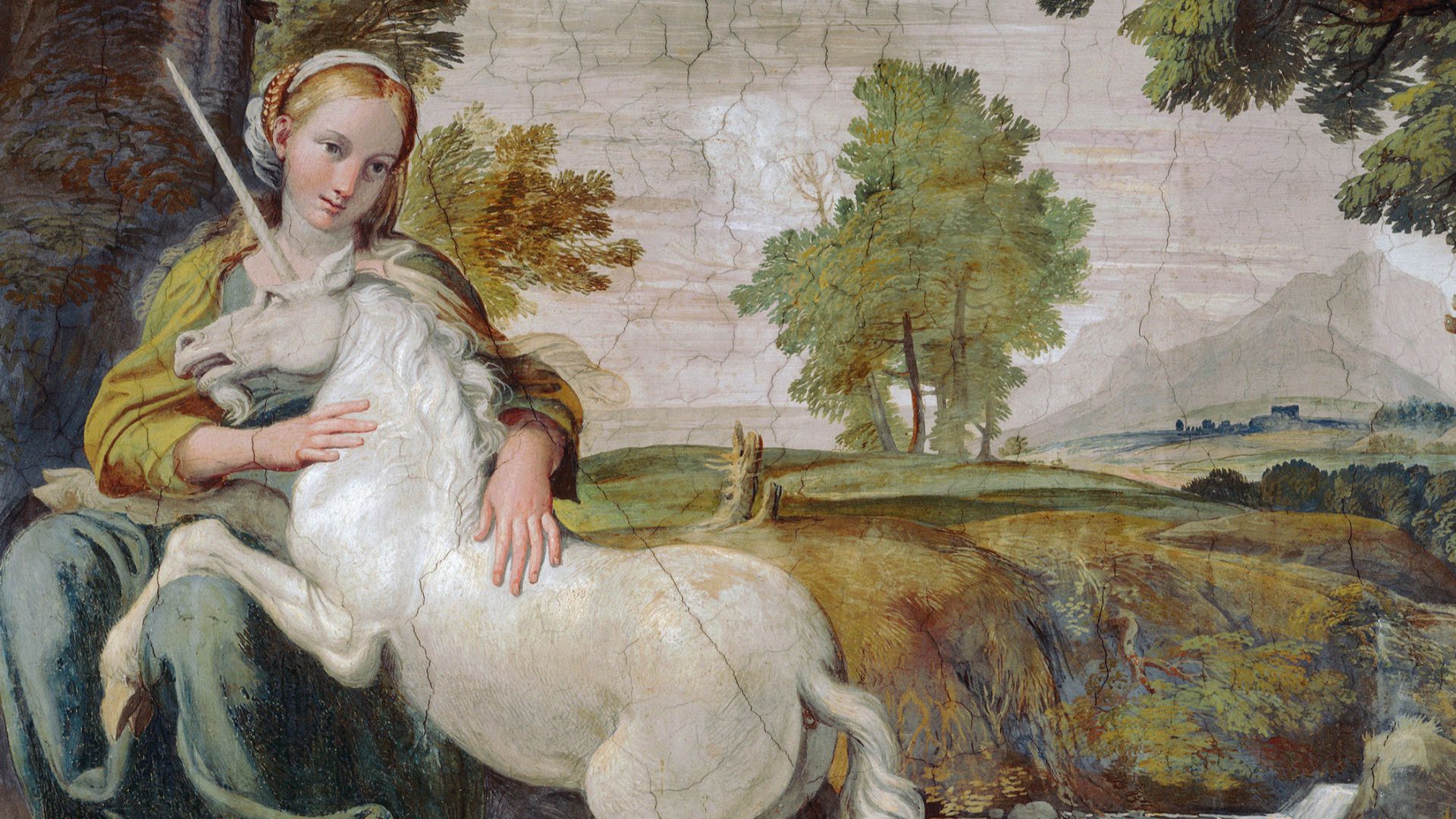
Most countries pick eagles, lions, or bears as their national animals—creatures that actually exist and can be photographed doing majestic things.
But Scotland? Scotland looked at the entire animal kingdom, shrugged, and chose a mythical horse with a horn growing out of its forehead. Yes, the unicorn has been Scotland's official national animal since the 1300s, and there's a fascinatingly defiant reason behind this choice that tells you everything you need to know about Scottish culture.
A Medieval Symbol Of Power And Purity
The unicorn's journey to becoming Scotland's national animal began in the royal courts of medieval Europe, where this mythical creature represented everything a kingdom aspired to be. In Celtic mythology and medieval bestiaries, unicorns were described as the strongest of all animals—wild, fierce, and impossible to tame unless approached by someone pure of heart. Scottish kings adopted the unicorn as a royal symbol because it embodied strength, independence, and the untameable spirit of the Scottish people themselves.
By the 15th century, the unicorn had become firmly established in Scottish royal heraldry, appearing prominently during the reign of King James III, who was asserting Scotland's sovereign power and refusal to be conquered. The symbolism became even more pronounced when these mythical creatures began appearing on Scottish gold coins, further cementing their importance to the nation's identity. These weren't cute, prancing unicorns either. They were depicted as powerful beasts with twisted horns, often shown in chains to represent that only the Scottish crown was strong enough to control such a magnificent creature.
When Scotland and England unified under James VI in 1603, the royal coat of arms combined Scotland's unicorn with England's lion, creating one of history's most symbolic heraldic matchups. The Scottish unicorn appears on the left side, always depicted in chains, while the English lion stands unchained on the right. This detail has sparked countless debates about what it really means for Scottish-English relations.
Living Proof Across Scotland Today
 Kenneth C. Zirkel on Wikimedia
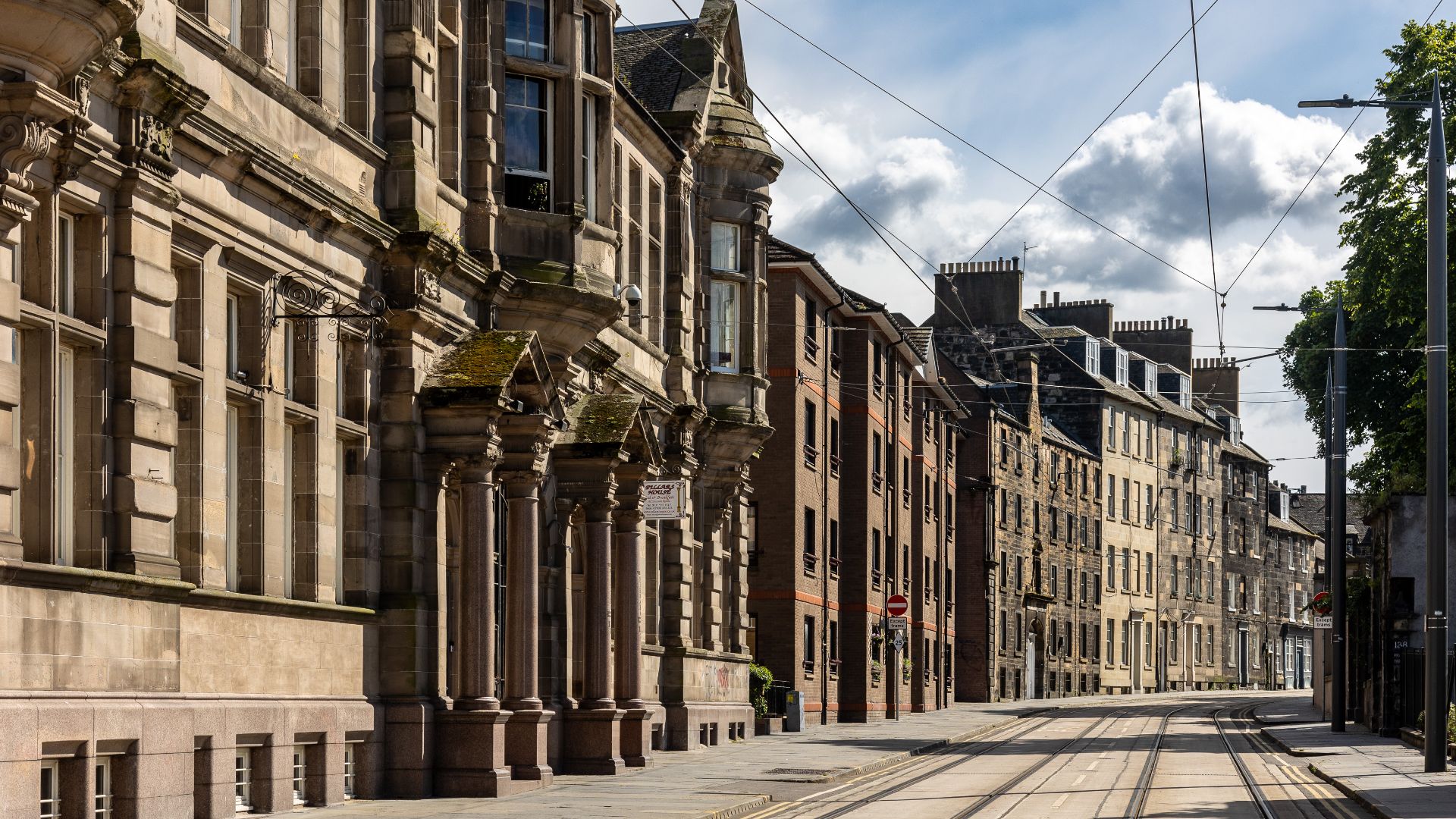
Walk through Scotland today, and you are sure to find unicorns absolutely everywhere, proving this isn't just some forgotten medieval quirk. The entrance to Edinburgh's Holyrood Palace features massive unicorn statues standing guard, while countless Scottish castles display unicorn carvings in stone and wood. In Stirling Castle, you can see incredibly detailed unicorn tapestries and sculptures that have survived for centuries.
Scottish currency prominently features the creature. Even modern Scotland embraces its mythical mascot as tourist shops overflow with unicorn merchandise, street art celebrates the symbol, and it's become a point of genuine national pride. The choice makes perfect sense when you understand Scotland's history of fierce independence and its tendency to do things differently.
While other nations picked animals they could hunt, or cage, Scotland chose something that couldn't be captured, controlled, or proven not to exist—a perfect metaphor for the Scottish spirit itself. It remains a powerful symbol of national identity, pride, and the enduring magic of Scottish culture.