Do You Love Japan? The Government Will Pay You To Move There
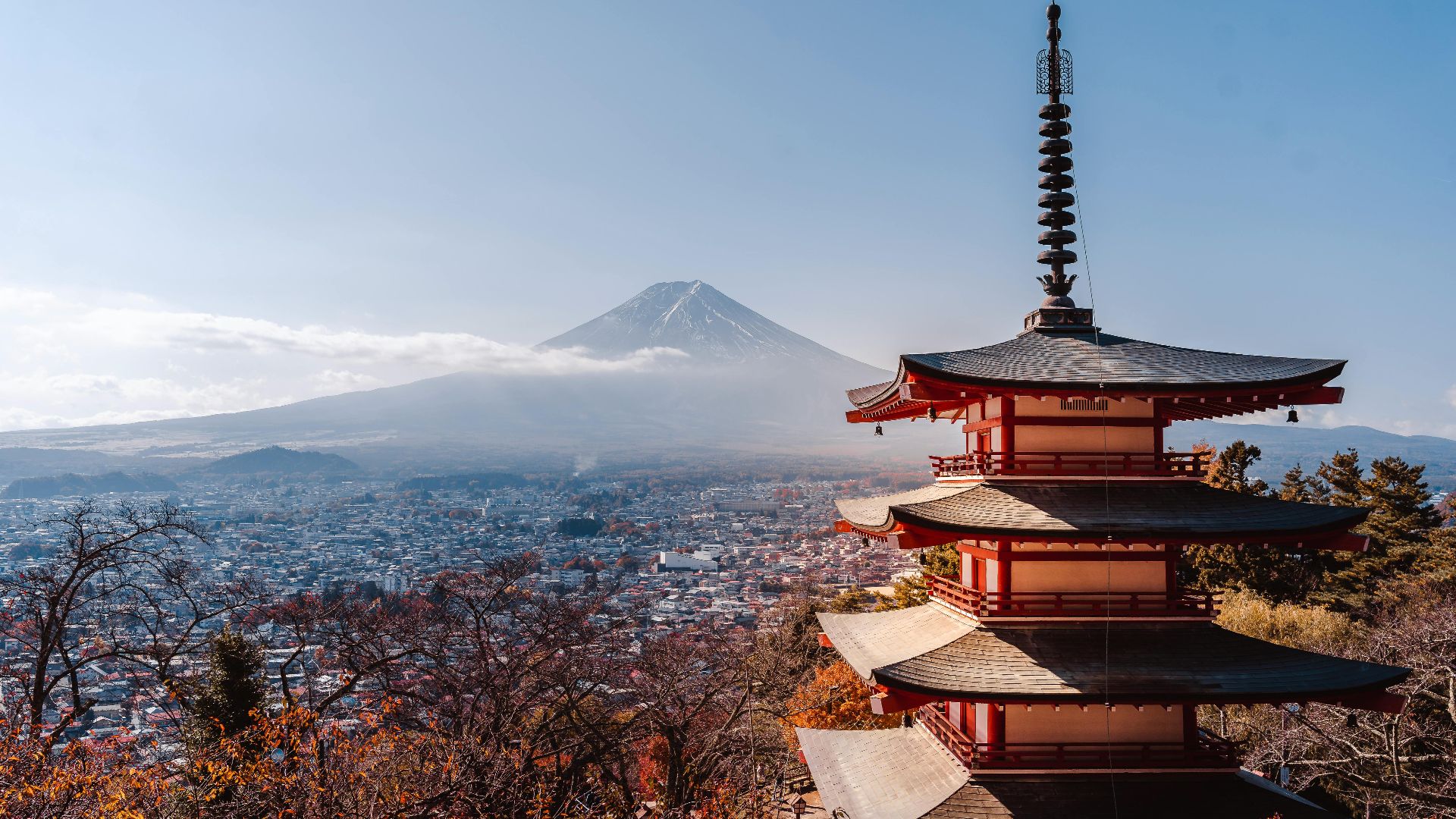 Willian Justen de Vasconcellos on Pexels
Japan has long been flocked to for its incredible food, nature, rich history, and distinct culture. Cherry blossom trees against the backdrop of ancient temples, bustling fish markets, and late-night ramen on a neon-soaked city street have all become synonymous with the "Japanese experience." If you're one of the millions of visitors who adore Japan, now may be the right time to consider moving there.
In recent years, the country has been facing a serious demographic challenge. Young people aren't having children, resulting in a rapidly shrinking and aging population. Rural towns are particularly suffering because of this, facing a dwindling workforce, abandoned homes, and crumbling economies. To address the issue, the government has introduced the Regional Revitalisation Program, a series of financial incentives designed to lure new residents to the country's lesser-known areas.
What's on offer?
One of the most talked-about incentives involves the revitalization of Japan’s many akiya, or abandoned houses. Across the country, there are millions of beautiful vacant homes slowly crumbling and being reclaimed by nature as young people migrate to cities like Tokyo and Osaka.
To prevent communities from disappearing, local governments and regional programs offer grants, steep discounts, and in some cases, free homes to new residents willing to relocate. Some municipalities provide renovation subsidies to help newcomers repair and modernize these properties.
In 2023, the government expanded its relocation support program, offering families substantial payouts for moving from places like Tokyo to rural areas. Depending on the region, a family can receive up to $7,500 per child, in addition to other incentives that may include moving stipends, childcare support, and business start-up grants.
Business and work incentives
In an effort to breathe new life into the economy, the government is also offering alluring incentives to entrepreneurs interested in building a business in Japan. To do this, you will need:
- A business plan
- Investment capital
- A valid passport and resume
- An endorsement from the local government where you plan to open your business
If the requirements are met, you'll get a special visa, customized support, and in some regions, subsidized housing, co-working spaces, or grants.
The government is also luring digital nomads with a special visa that allows remote workers with an annual income of at least $65,000 to live in Japan for up to six months. The aim is to encourage more young people to come to Japan, immerse themselves in the culture, and inject new life into communities without relying on the local job market.
Challenges
Of course, relocating to Japan comes with its own complexities. Foreigners still need valid visas, whether through work, entrepreneurship, or family ties.
Rural living means adjusting to a slower pace of life, and integrating into traditional, close-knit, culturally different communities can be tough, especially if you don't know the language. However, for those who genuinely love Japan and are ready for the kind of immersive experience no vacation can provide, the rewards can be profound.
These programs represent a cultural shift in Japan, traditionally a fairly isolationist country. It's finally opening its doors, actively inviting newcomers to become part of its future rather than remain distant admirers. If you’ve ever felt at home wandering the streets of Kyoto or exploring the forests of Hokkaido, now might be the perfect time to make Japan home for good, especially if you're literally getting paid to do so!