The Tap
I was rushing to meet a friend for coffee when it happened. You know that walk you do when you're already ten minutes late and your phone's at three percent? That was me, weaving through the lunch crowd on a sunny Tuesday afternoon. Then this guy tapped my shoulder—not aggressive, but firm enough that I had to stop. I turned around, annoyed, expecting someone to tell me I'd dropped my wallet or something. He looked nervous, almost apologetic, this man in his early forties with dark hair and tired eyes. 'I'm sorry,' he said, his voice catching slightly. 'I know this is strange, but you need to get that mole on your neck checked.' I remember laughing because what else do you do when a complete stranger says something like that? He kept talking, something about his sister and melanoma and how he'd noticed it from behind me in the crosswalk. The whole thing felt surreal and uncomfortable and I just wanted to leave. But then he said, 'Please, I'm serious,' and his expression made my stomach twist. I touched the back of my neck and felt the mole I'd never thought about before.
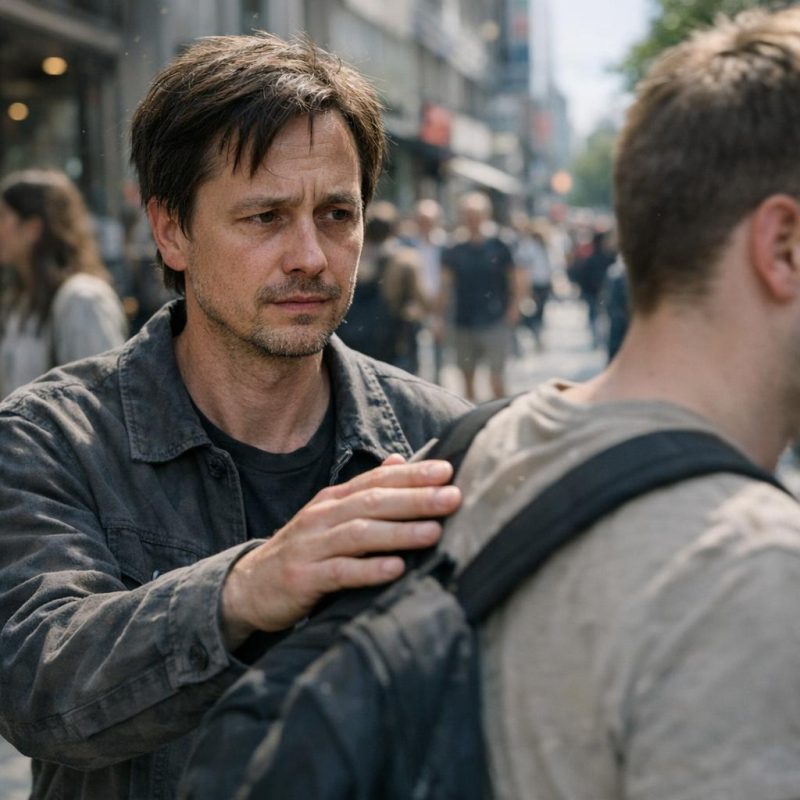 Image by RM AI
Dismissed
I texted my friend that I'd be even later and ducked into a café bathroom. Standing there under those harsh fluorescent lights, I twisted awkwardly trying to see the back of my neck in my phone camera. There it was—a small dark spot I'd probably had for years, the kind of thing you never really look at because it's just there. The stranger's words kept replaying in my head, but I pushed them away. People don't just walk up to you on the street with medical advice, right? That's weird. That's... invasive. I convinced myself he was probably one of those overly concerned types who sees danger everywhere. Maybe he really did lose a sister and now he's traumatized, I thought, trying to be generous. But that night, I stood in front of my bathroom mirror for twenty minutes with a hand mirror, contorting myself to get a better view. The overhead light cast shadows that made everything look sinister. The edges looked uneven—or maybe I was imagining things.
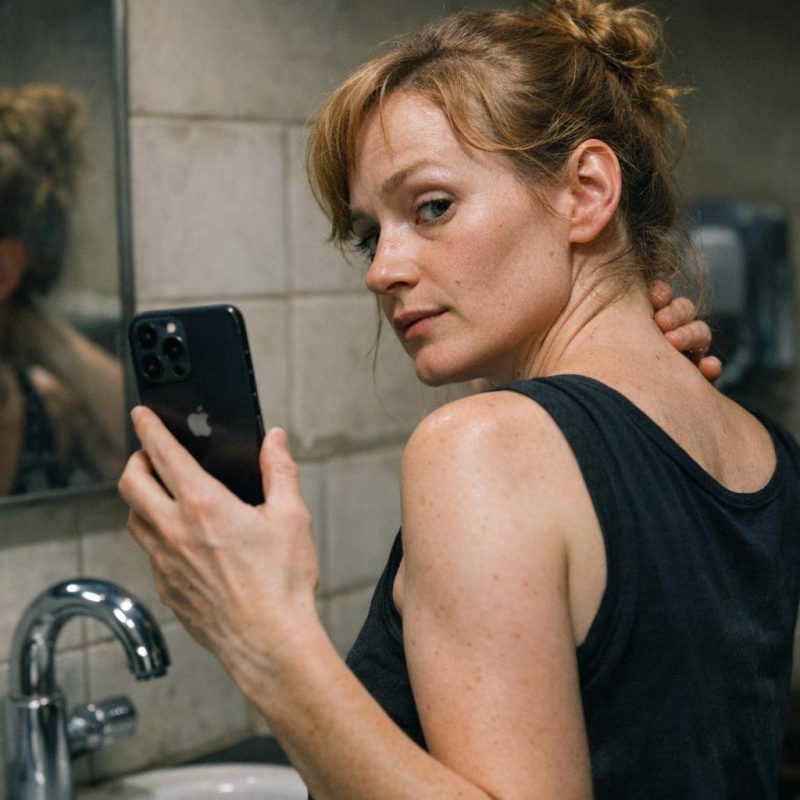 Image by RM AI
The Appointment
Three days later, I called a dermatologist. I told myself it was just to be safe, just to quiet that stupid nagging voice that wouldn't shut up every time I touched my neck. The receptionist could fit me in the following week, which felt like forever but also gave me time to convince myself this was all unnecessary. I almost cancelled twice. The morning of the appointment, I put on my favorite sweater and told myself I'd be in and out in twenty minutes with a clean bill of health and a funny story about the concerned stranger. The waiting room had that sterile smell and outdated magazines, exactly what you'd expect. When they called my name, I followed the nurse back, already rehearsing how I'd describe the encounter. 'So this random guy on the street told me to get this checked,' I planned to say with a self-deprecating laugh. Dr. Rivera was professional and warm, the kind of doctor who actually looks at you when she talks. I pointed to my neck, explained the situation, expecting her to smile and tell me everything was fine. The doctor's face changed when she looked at my neck.
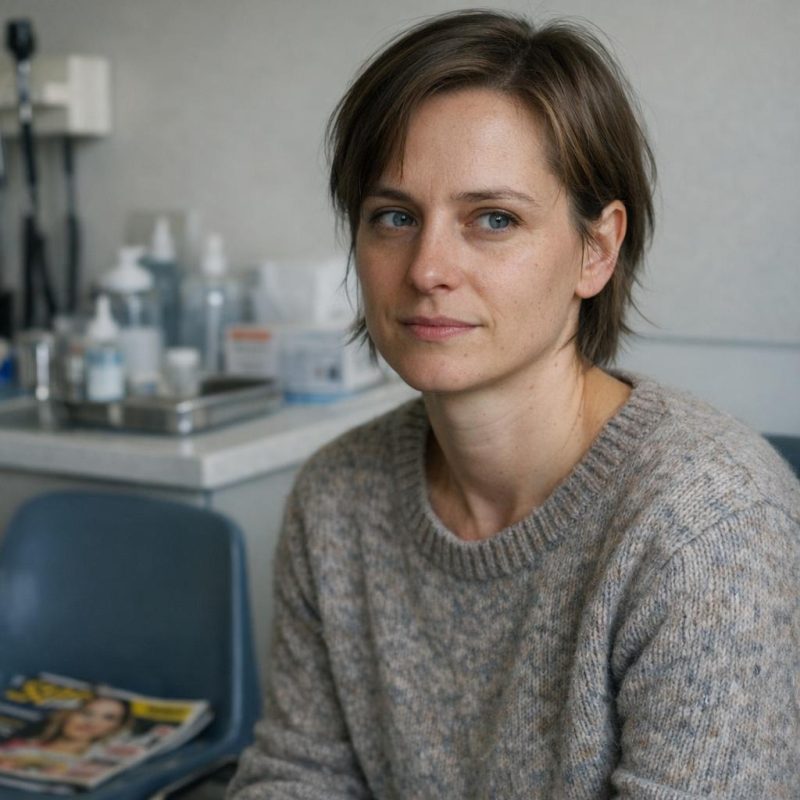 Image by RM AI
Changed Demeanor
She didn't say anything at first, just moved closer with this intense focus that made my mouth go dry. She pulled out a dermatoscope—I learned that's what it's called later—and examined the mole for what felt like an eternity. 'How long have you had this?' she asked, her voice careful and measured. I shrugged, said probably forever, I'd never really paid attention. She made a small humming sound that wasn't reassuring at all. Then she stepped back and said, 'I want to get a colleague to take a look, if that's okay.' My heart started pounding. That's never a good sign, is it? When they need a second opinion? The room suddenly felt twenty degrees colder and I became hyperaware of every sound—the clock ticking, voices in the hallway, my own breathing. Dr. Rivera returned with another doctor, and they both examined my neck, speaking in low voices using words I didn't fully understand. Asymmetry. Border irregularity. Concerning presentation. When they were done, Dr. Rivera sat down across from me with this expression I couldn't read. She scheduled a biopsy on the spot.
Waiting
They told me it would take five to seven business days for the results. Those days became a special kind of hell I'd never experienced before. I couldn't focus on anything. Work emails blurred together and I'd read the same sentence four times without absorbing it. My friends tried to reassure me, saying it was probably nothing, that doctors are just cautious these days. But I couldn't stop Googling melanoma survival rates at two in the morning, falling down rabbit holes of medical websites and patient forums. I stopped going to the gym. I barely ate. Every time I looked in the mirror, I saw that mole and wondered if it was quietly killing me, if it had already spread, if that stranger on the street had spotted something that would've been too late in another few months. The anxiety sat on my chest like a physical weight. I started avoiding people because I couldn't handle the 'how are you?' questions, couldn't pretend everything was normal when I felt like I was waiting for a verdict on my own life. My phone rang during a work meeting.
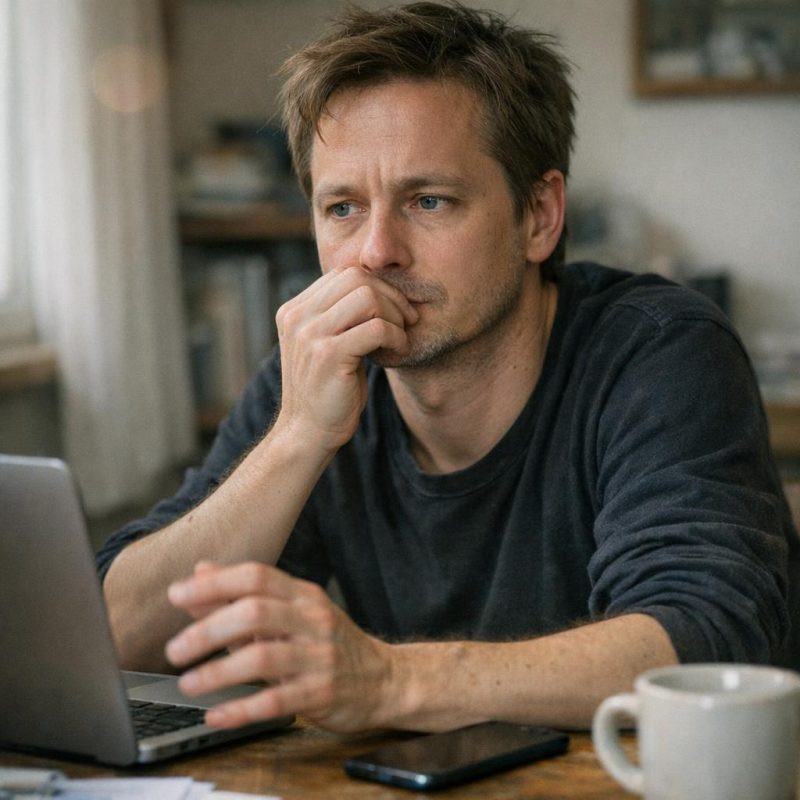 Image by RM AI
The Word
I saw Dr. Rivera's office number and my hands started shaking so badly I could barely swipe to answer. I excused myself and basically ran to the hallway, my heart slamming against my ribs. She didn't waste time with pleasantries. 'Alex, I need you to come in to discuss your results,' she said, and I knew. You just know from their tone, don't you? I made it to her office in a fog, don't even remember the drive. She sat me down in her consultation room, not the exam room, which somehow made it worse. More serious. More real. 'It's melanoma,' she said gently, and the words hit me like a physical blow. I slid down the hallway wall onto the floor after I left her office, not even making it outside before my legs gave out. A nurse helped me up, got me some water, but I couldn't process anything except that word. Cancer. I had cancer. But then Dr. Rivera had called me back into her office and explained that we'd caught it early, stage one, excellent prognosis with surgical removal. She said we caught it early—because of Daniel.
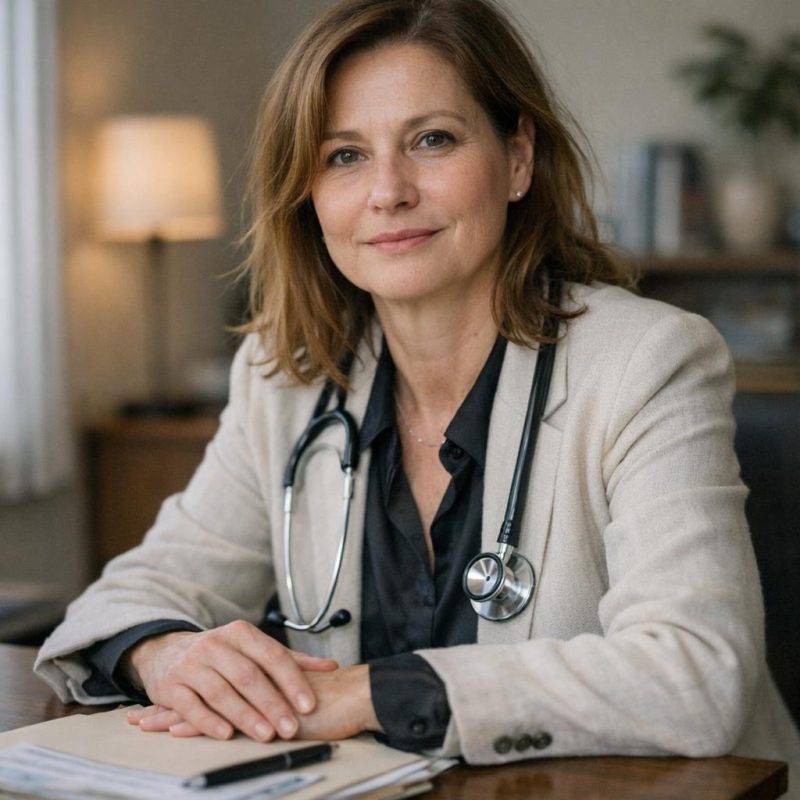 Image by RM AI
Surgery Prep
I didn't even know his name until she said it. Apparently I'd mentioned 'a man named Daniel' when describing how I'd noticed the mole, though I didn't remember him telling me his name. Everything after the diagnosis became a blur of appointments and medical terminology. Surgical oncologist. Wide local excision. Margins. Sentinel node biopsy. They scheduled everything quickly because that's what you do with melanoma—you move fast. I signed consent forms without really reading them, just trusting that these people knew what they were doing, that they were saving my life. My parents flew in. My best friend took time off work to come to appointments with me. Everyone kept saying how lucky I was, how if that stranger hadn't stopped me, I might not have caught it until it was too late. Stage three. Stage four. Metastasized. The surgery was circled in red on my calendar, two weeks away. At night, alone with my thoughts, I couldn't stop thinking about that Tuesday afternoon, the tap on my shoulder, Daniel's nervous voice. I kept thinking about the man who'd stopped me on the street.
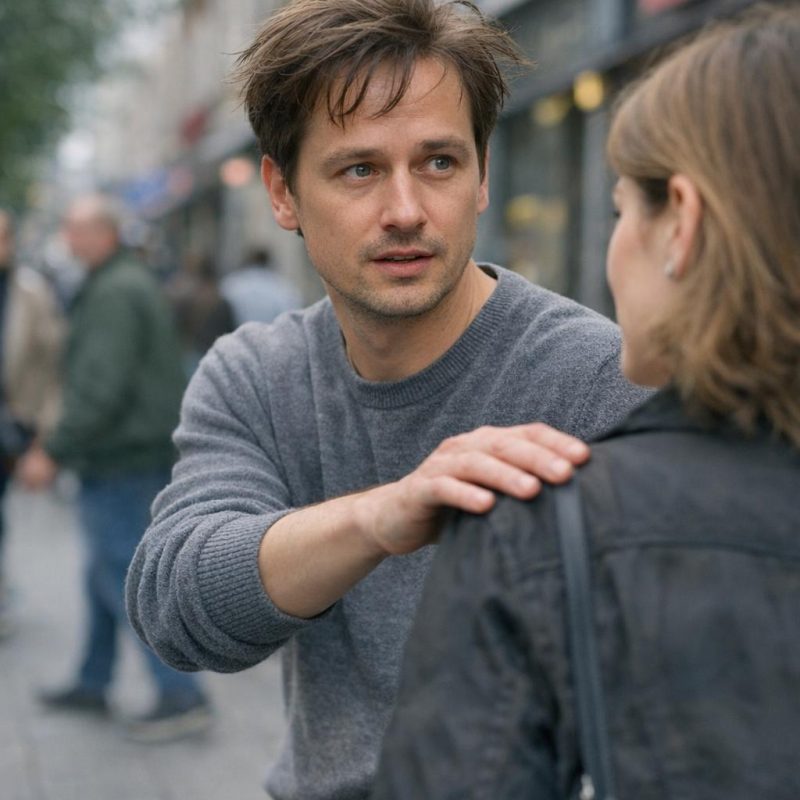 Image by RM AI
Under the Knife
The surgery itself was quick—less than two hours. They put me under and when I woke up, there was a bandage on my neck and a dull ache that painkillers barely touched. Recovery was slower than I expected. I couldn't turn my head without pulling at the stitches. Couldn't sleep on my left side. Couldn't stop staring at the ceiling at three in the morning, thinking about the randomness of it all. What if I'd taken a different route that day? What if I'd been too rushed to stop when Daniel tapped my shoulder? What if he'd decided it wasn't his business, that approaching a stranger was too awkward, too weird? I'd be dead in a year, maybe two. The thought wouldn't leave me alone. My mom stayed with me during recovery, fussing over my pain medication schedule and bringing me soup I couldn't really taste. She kept calling Daniel my guardian angel. Two weeks after surgery, the pathology confirmed they'd gotten clean margins. I was cancer-free. I should've been celebrating, but instead all I could think about was that I'd never thanked him properly, never got his contact information. I decided I had to find Daniel and thank him properly.
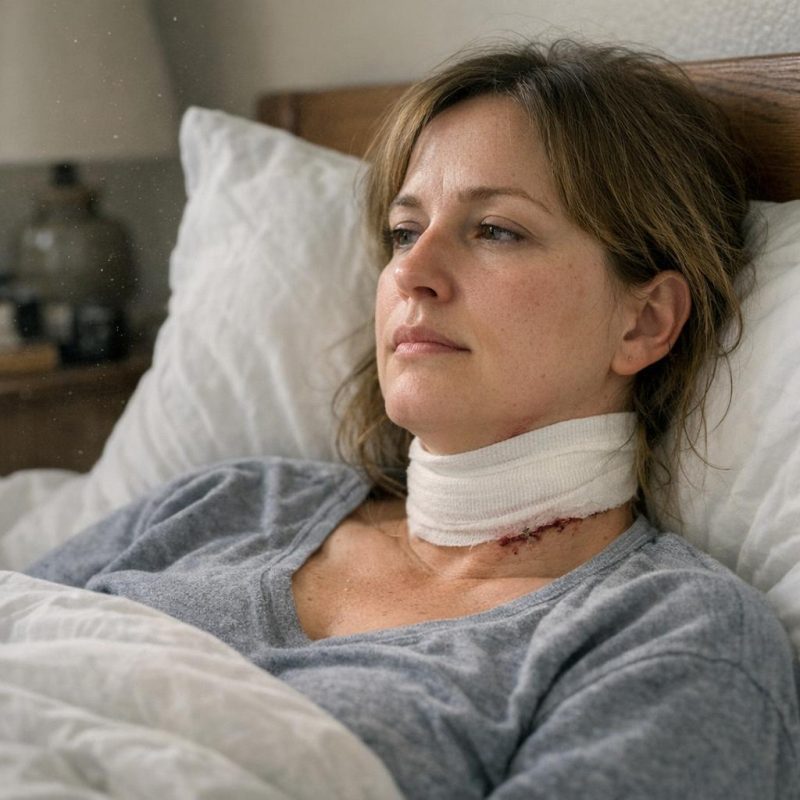 Image by RM AI
The Search Begins
Maya came over the day after I got my pathology results, bringing wine and takeout because she knows me too well. I told her everything—the stranger on the street, the mole, the surgery, the clean margins. She kept pausing with her fork halfway to her mouth, eyes wide. 'Wait, so some random guy just walked up and diagnosed you?' she said. 'That's insane. That's like something from a movie.' I nodded, feeling that familiar wave of gratitude mixed with disbelief. I explained I needed to find him, to thank him properly, and she immediately pulled out her laptop. We started making lists—Daniel, dermatologist, works somewhere in the city. Maya's background is in marketing, so she approached it like a campaign. Social media searches. Medical directories. LinkedIn. We tried every combination of keywords we could think of. The problem became clear pretty quickly: I didn't have his last name, didn't know which clinic he worked at, didn't even know what part of the city he practiced in. After two hours of scrolling through profiles and coming up empty, Maya sat back and rubbed her eyes. 'This is like finding a needle in a haystack,' she said. 'Except the haystack is the size of Chicago, and we're not even sure the needle exists.' We had almost nothing to go on—just a first name and a profession in a city of millions.
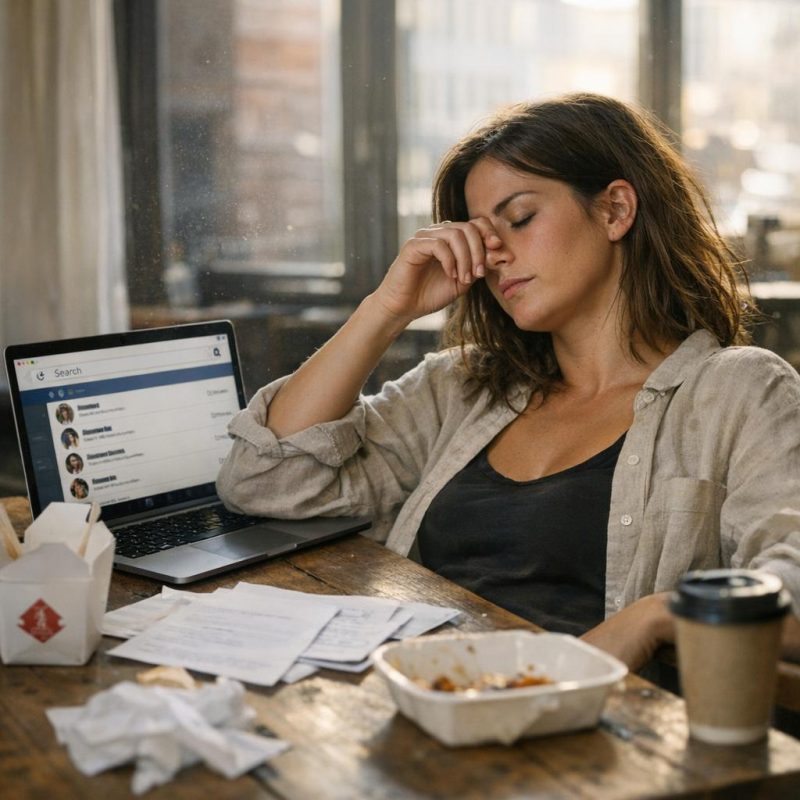 Image by RM AI
Dead Ends
I became obsessed. That's the only word for it. I posted in neighborhood Facebook groups with vague descriptions: 'Looking for a dermatologist named Daniel who helped me in early spring near Division Street.' I called every dermatology clinic within a five-mile radius of where we'd met, asking receptionists if they had a Dr. Daniel on staff. Most were polite but unhelpful. Some thought I was a solicitor and hung up. One receptionist asked if I had a last name, and when I said no, she laughed—not meanly, just like it was absurd. Which, honestly, it was. Weeks passed. I'd refresh my social media posts hoping for comments, but got nothing useful. Just people wishing me well or suggesting I contact the state medical board, which required more information than I had. Maya checked in regularly, sending me links to new Daniel dermatologists she'd found online, but none of them matched. Wrong age, wrong vibe, wrong everything. At night I'd lie awake replaying that moment on the sidewalk, trying to remember any detail I'd missed—a name tag, a clinic logo on his bag, anything. But there was nothing. My mom suggested maybe it was meant to be a one-time encounter, that some angels appear and disappear. I started to worry I'd never find him.
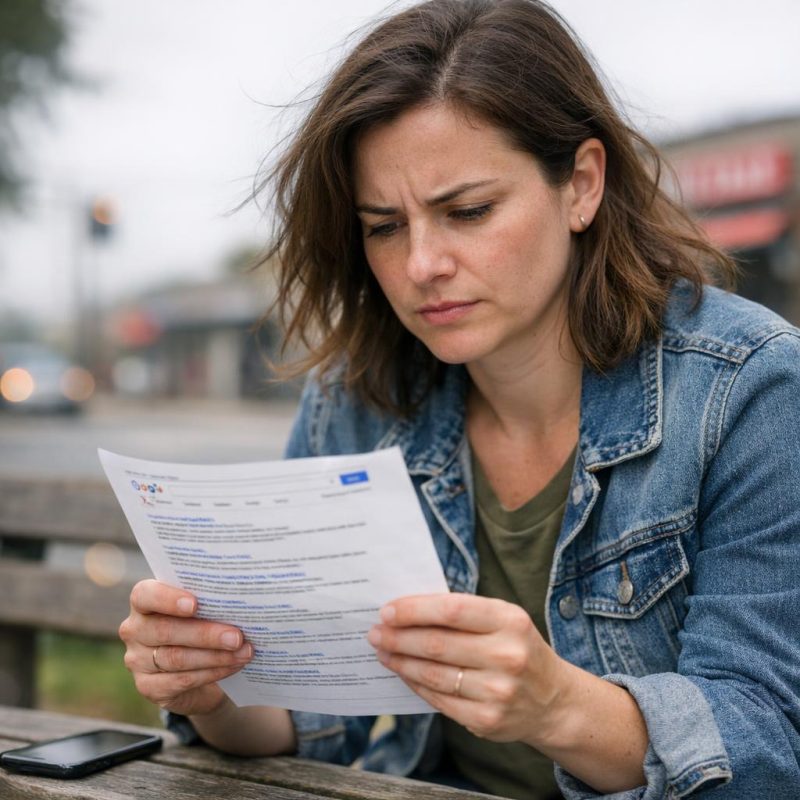 Image by RM AI
A Lead
The call came on a Tuesday afternoon while I was folding laundry. Unknown number. I almost didn't answer. 'Hi, is this Alex?' a woman's voice said. 'This is Dr. Chen from Northside Dermatology. You called a few weeks ago asking about a Daniel?' My heart actually stopped for a second. I sat down on the couch, laundry forgotten. 'Yes,' I managed. 'Yes, I did.' She explained that she'd been on vacation when I'd called, but her receptionist left a note. 'I think I know who you're talking about,' she said. 'Daniel Reeves. He's not on our staff, but he consults with us occasionally. Freelance work, second opinions, that kind of thing.' I grabbed a pen, my hand shaking. She gave me more details—said he was thoughtful, professional, kept to himself mostly. 'He's actually scheduled to stop by our clinic this Thursday around two,' she said. 'If you want to come by, I can let him know someone's looking for him.' I thanked her about fifteen times. After we hung up, I just sat there staring at my phone, hardly believing it. The search had felt so hopeless for so long, and now suddenly I had a real lead. She gave me an address and said Daniel would be there Thursday afternoon.
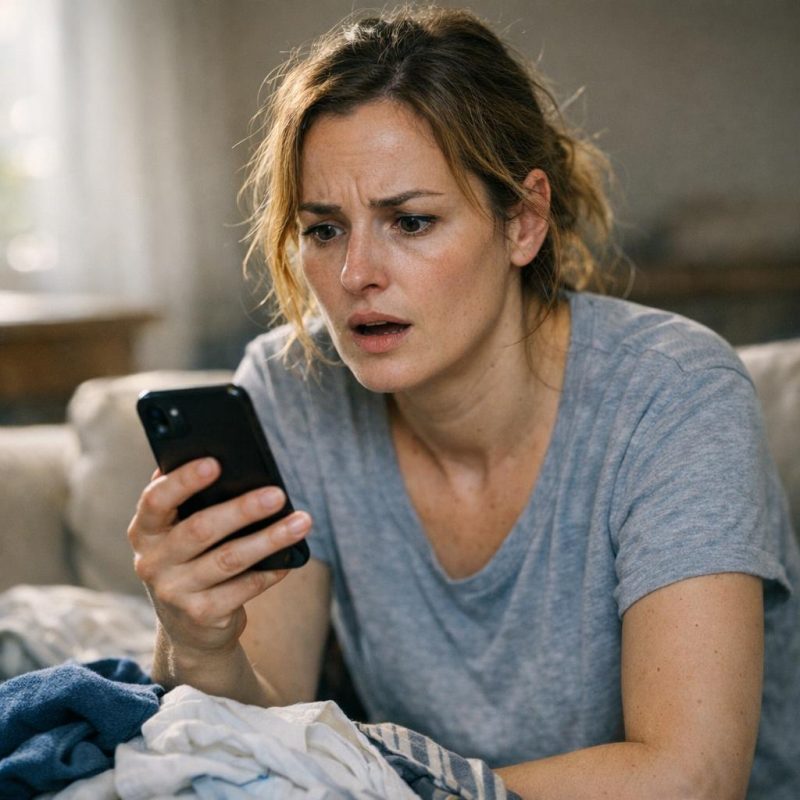 Image by RM AI
The Reunion
Thursday couldn't come fast enough. I changed outfits three times that morning, which was ridiculous—this wasn't a date, it was a thank you. But I wanted to look put-together, wanted him to see that I was okay, that his intervention had worked. The clinic was in a medical building near Wicker Park, small and professional with abstract art on the walls. The receptionist recognized my name and smiled. 'He's in the back office,' she said. 'I'll let him know you're here.' My stomach was doing flips. I'd rehearsed what I wanted to say a hundred times, but suddenly it all felt inadequate. How do you thank someone for saving your life? Then Daniel walked out, and I recognized him immediately—same kind eyes, same calm presence. 'Alex?' he said, and his face registered surprise. Real surprise, like he genuinely hadn't expected to see me. I stood up, suddenly emotional. 'I found you,' I said, and my voice cracked a little. He smiled, but there was something else in his expression too. Confusion, maybe? Like he was trying to piece together how I'd tracked him down. 'I can't believe you went to all this trouble,' he said quietly. He looked genuinely surprised to see me—almost too surprised.
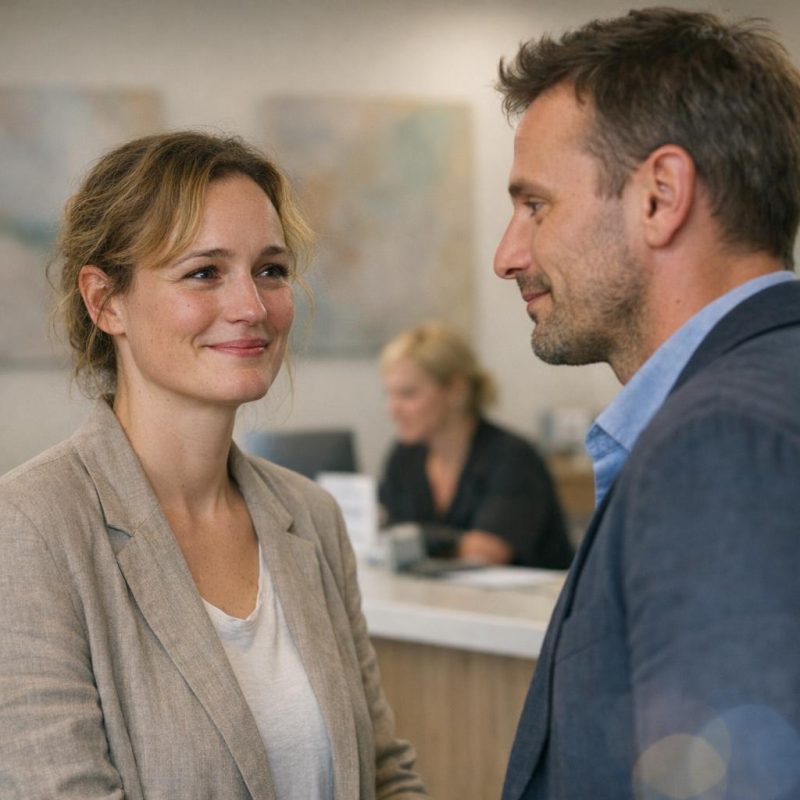 Image by RM AI
Telling the Story
We moved to a small consultation room for privacy, and I told him everything. The dermatologist appointment, Dr. Morrison's concern, the biopsy results, the surgery. I showed him the scar on my neck, still pink and healing. 'Stage one melanoma,' I said. 'They got it all. Clean margins.' Daniel listened intently, his expression shifting from concern to relief. When I finished, he sat back and exhaled slowly. 'I'm so glad,' he said. 'I've been wondering. I mean, I hoped you'd taken it seriously, but you never really know.' I asked him what made him stop that day, what made him say something to a complete stranger. He looked down at his hands. 'Honestly? I almost didn't,' he said. 'I walked past you, kept going. Made it about half a block before I turned around.' He explained that he'd debated with himself the whole way back—was it overstepping, was it weird, would I think he was a creep? 'But I kept thinking about my sister,' he said. 'She had melanoma. She didn't catch it early enough.' His voice went quiet. 'I couldn't walk away.' I felt tears pressing at my eyes. The thought of him wrestling with that decision, turning back, choosing to speak up despite the awkwardness—it made the whole thing even more powerful. He admitted he'd gone back and forth for half a block before deciding to say something.
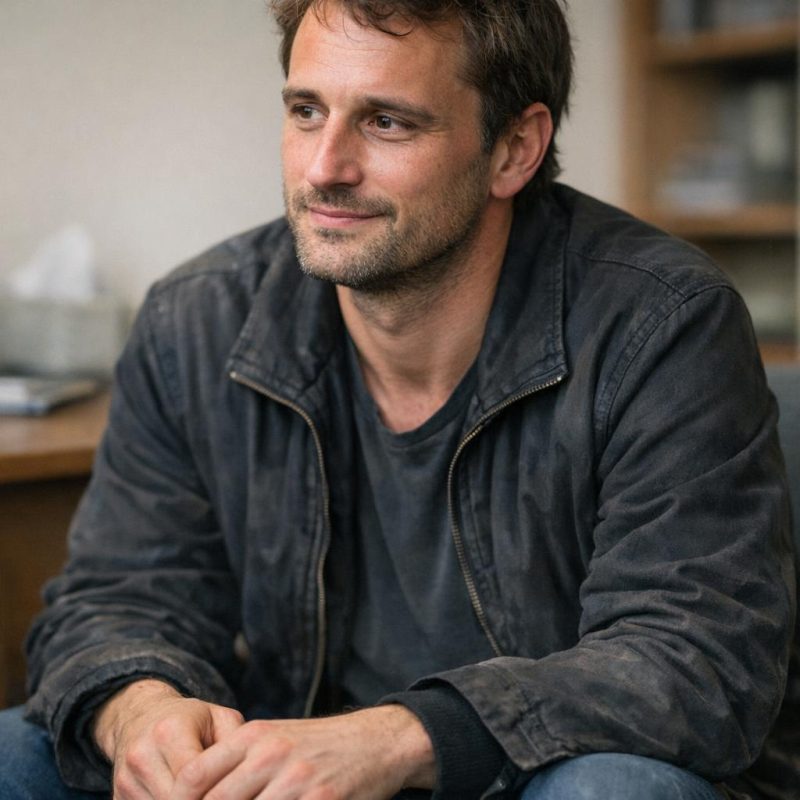 Image by RM AI
Coffee
After the clinic visit, Daniel suggested we grab coffee. There was a place across the street, one of those cozy spots with mismatched furniture and local art on the walls. We ordered—him a black coffee, me a latte—and settled into a corner booth. For the first time in months, I felt something other than medical anxiety or recovery fatigue. I felt normal. We talked about easy things at first. The weather, the neighborhood, good restaurants nearby. Then deeper stuff. I told him about my job, my apartment, my mom's overprotective hovering during recovery. He laughed at the right moments, asked thoughtful questions. He had this way of listening that made you feel heard, really heard. Not just waiting for his turn to talk. I asked about his work, and he described the satisfaction of catching things early, of making a real difference. 'It's not always dramatic,' he said. 'But when it is, it reminds you why you do it.' We stayed for over an hour, our cups long empty. When we finally stood to leave, he hesitated at the door. 'Would you want to do this again sometime?' he asked. 'I mean, get coffee. Talk. I'd like to hear how your recovery goes.' I said yes immediately, already looking forward to it. Daniel asked if we could meet again sometime.
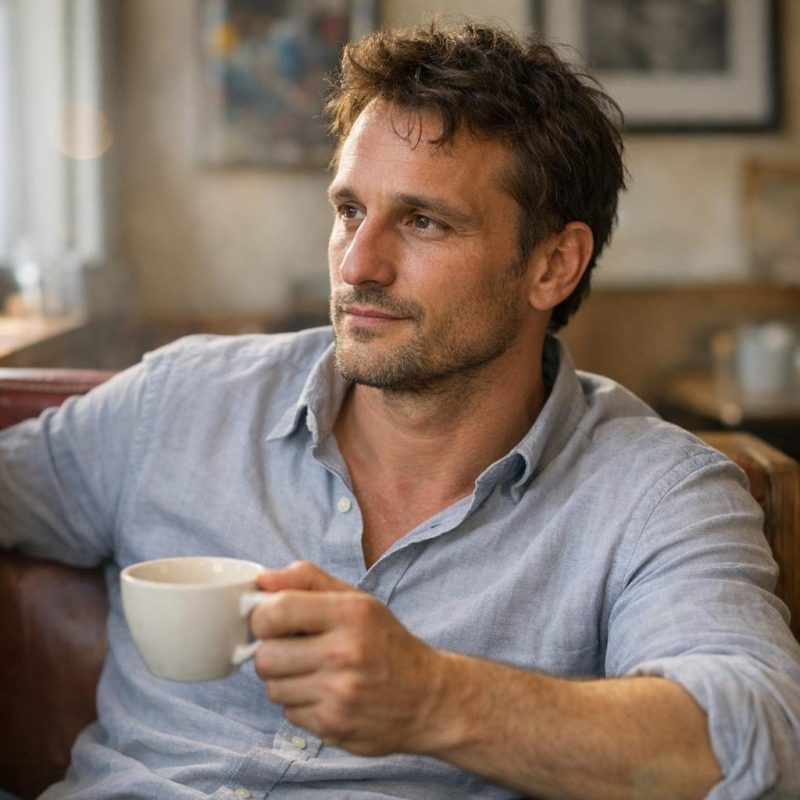 Image by RM AI
Second Meeting
The following week we met for lunch at a Vietnamese place Daniel recommended. The conversation flowed so naturally it surprised me—easier than with friends I'd known for years. We talked about everything. Books, childhood, embarrassing moments, dreams we'd had and abandoned. He told me about growing up in Wisconsin, about medical school, about the loneliness of moving to a new city for work. 'Chicago's amazing,' he said, 'but it can feel isolating. You know?' I nodded, because I did know. Even surrounded by millions of people, you could feel completely alone. He asked about my family, and I told him about my parents' divorce, about Maya being more like a sister than a friend. He listened the way he had before—fully present, no phone checking, no distracted nodding. It felt rare. Important. When I asked if he had close friends here, he looked down at his pho and shook his head. 'Not really,' he said. 'Work keeps me busy. And I guess I'm not great at putting myself out there.' There was something vulnerable in his voice, something that made me want to fix it somehow. Here was someone who saved lives, who'd literally saved mine, and he was lonely. It seemed unfair. He mentioned he didn't have many close friends in the city.
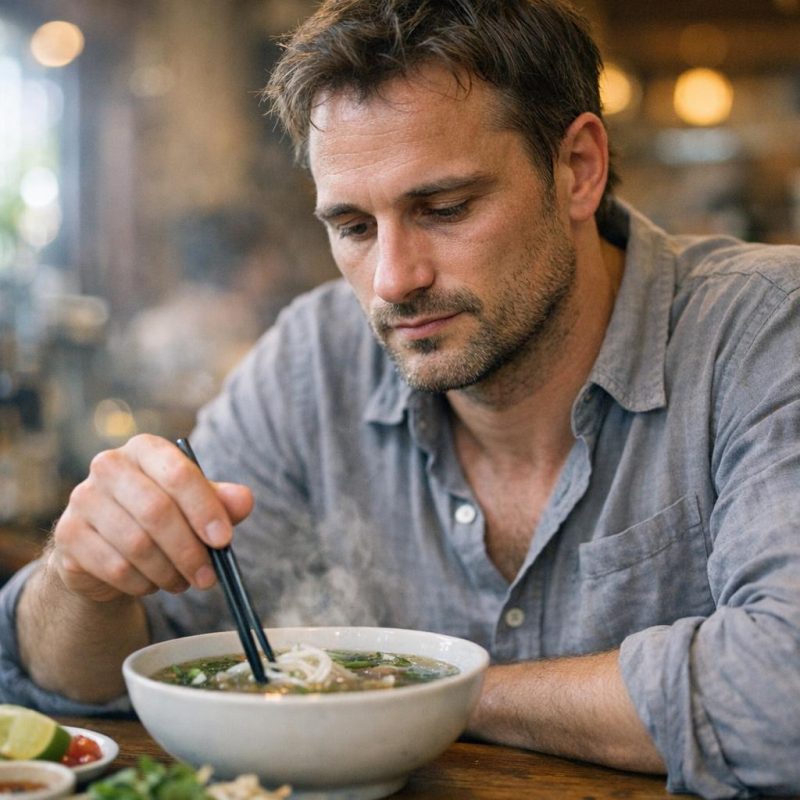 Image by RM AI
A Pattern of Kindness
Over dessert—we'd ordered Thai iced teas and shared mango sticky rice—Daniel told me about other times he'd helped patients outside normal protocols. A teenager whose parents couldn't afford a biopsy. An elderly woman he'd visited in the hospital to check on a post-procedure infection. 'It's not really part of the job description,' he said, almost sheepishly. 'But I don't know, I can't just clock out and forget about people.' He described recognizing suspicious growths at a farmer's market, at a wedding, at the gym. Always the same internal debate: say something or stay silent. 'Usually I say something,' he admitted. 'I figure if I'm wrong, the worst that happens is they get an unnecessary checkup. But if I'm right and I said nothing?' He didn't finish the sentence. Didn't need to. I sat there thinking about all these moments he'd described, all these small interventions that probably saved lives or at least prevented serious problems. How many people had he touched without ever knowing the outcome? How many were walking around healthy because a stranger had spoken up? It made me feel even more grateful that I'd found him, that I could be the one person who came back to say thank you. I wondered how many lives he'd touched without ever knowing the outcome.
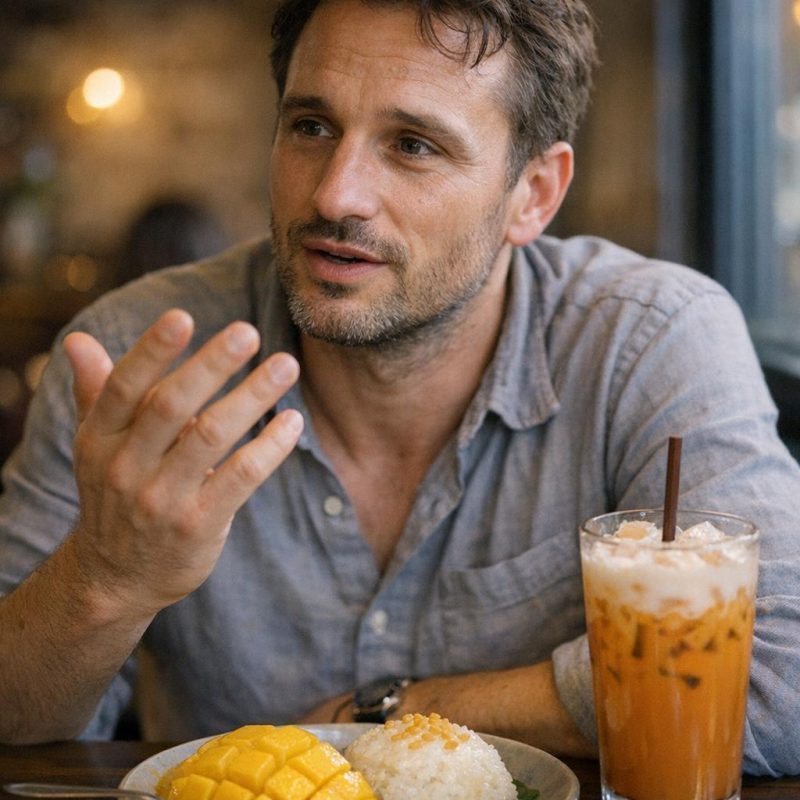 Image by RM AI
Maya's Question
Maya cornered me at a coffee shop three weeks after my surgery. I'd been showing her photos from the dinner with Daniel, gushing about how incredible he was, when she put down her latte and gave me this look. 'Don't you think it's a little strange?' she asked. 'What's strange?' I said, already feeling defensive. 'That he just happened to be walking behind you that exact day. That exact moment. On that exact street.' I laughed it off. Told her she watched too many true crime documentaries. Daniel had explained it perfectly—he walked that route all the time, it was near the clinic. Pure coincidence. Lucky coincidence. Maya pressed a little harder. 'I'm just saying, Alex, doesn't it feel almost too perfect? Like, what are the odds?' I remember getting irritated then. She was trying to poke holes in something beautiful, something meaningful. 'Some things just happen, Maya,' I said firmly. 'Not everything needs a suspicious explanation.' She backed off after that, but I could see she wasn't convinced. I told her some things were just meant to be.
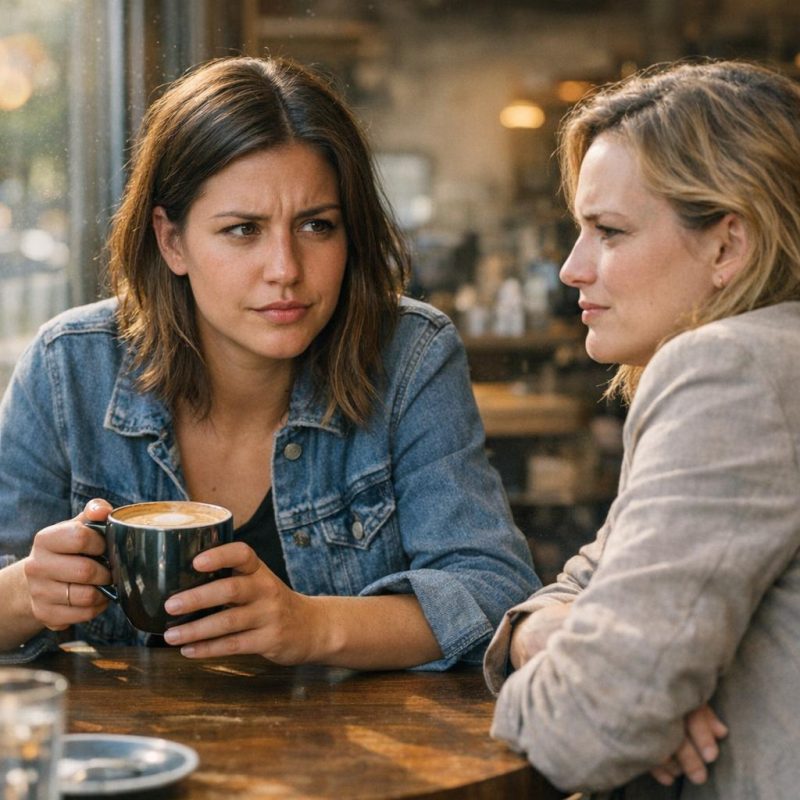 Image by RM AI
Meeting Rebecca
Daniel texted me about meeting for coffee, said he wanted me to meet someone. When I arrived at the café, there was a woman already sitting with him—late twenties, auburn hair, warm smile. 'This is Rebecca,' Daniel said. 'Another patient I helped a while back.' Rebecca's face lit up when she saw me. 'You're Alex! Daniel told me about you. About the melanoma.' We fell into easy conversation. She told me her story—Daniel had spotted a suspicious mole on her shoulder at a yoga studio two years ago. She'd ignored it at first, but he'd been so insistent that she finally got it checked. Stage one melanoma. Completely treatable because he'd caught it early. 'I think about what would've happened if he hadn't said something,' Rebecca said, her voice getting thick. 'I probably would've waited until it was too late.' I felt this surge of validation, of connection. Here was someone who understood exactly what I was going through. Someone else who'd been saved by this incredible man. She reached across the table and squeezed my hand. 'Daniel saved my life too,' she said.
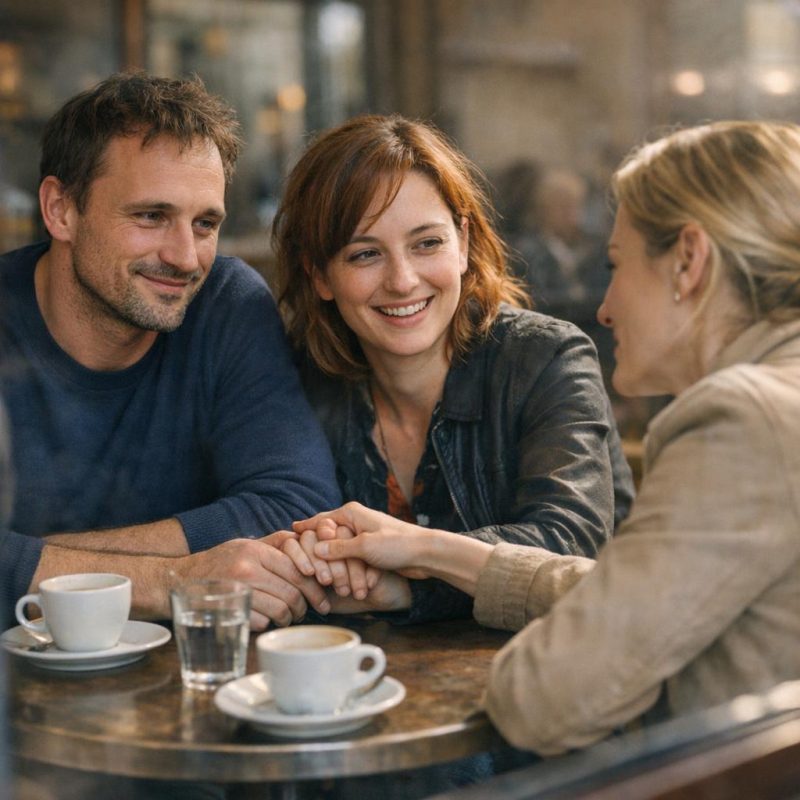 Image by RM AI
A Small Request
We were walking through the park after a follow-up appointment when Daniel mentioned it. Casual, almost offhand. 'Hey, random question,' he said. 'You work in marketing, right? Corporate communications?' I nodded. He explained that a friend of his was hiring for a consulting position, someone who could help with branding for a medical startup. 'Would you be willing to put in a good word? Maybe write a brief recommendation? I know it's a lot to ask.' A lot to ask? I almost laughed. This man had literally saved my life, and he was worried about asking for a professional favor? 'Of course,' I said immediately. 'Send me the details. I'd be happy to help.' He looked genuinely relieved, grateful even. Said he really appreciated it, that this opportunity meant a lot to his friend. The whole conversation took maybe two minutes. I remember feeling good about it, like I was finally able to give something back after everything he'd done for me. It felt like the least I could do. I was happy to help the man who'd saved my life.
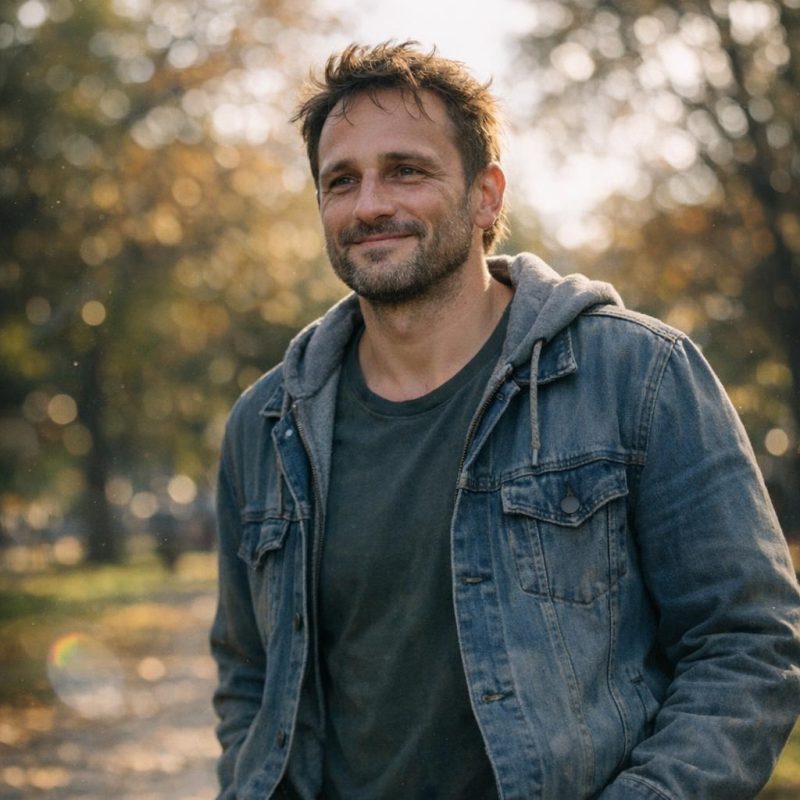 Image by RM AI
The Dinner Party
The dinner party was at a beautiful loft downtown—exposed brick, candlelight, the kind of place that screamed sophisticated adult gathering. Daniel introduced me to everyone as his friend, and I felt this little glow of pride at being included. There were maybe eight people there, mostly medical professionals and their partners. Over wine and appetizers, the stories started flowing. A radiologist talked about a patient Daniel had personally followed up with when her insurance lapsed. A nurse mentioned how he'd stayed late to help with a complicated case that wasn't even his responsibility. Rebecca was there too, and she told the melanoma story again, this time with even more detail. Everyone nodded knowingly, like of course Daniel had done that. It struck me then, just for a second, how every single person at this dinner had some story about Daniel going above and beyond. Every single one. But then I thought, well, that's just who he is. That's why we're all here. That's why he brings people together like this. The pattern felt less like suspicion and more like proof of his character. Everyone there had a story about someone Daniel had helped.
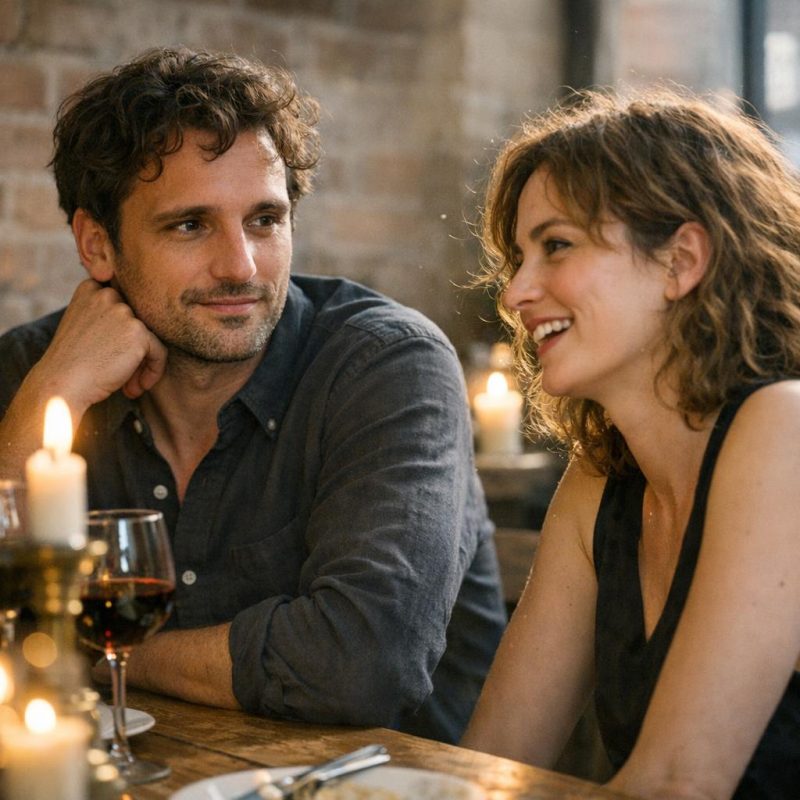 Image by RM AI
A Bigger Ask
We met for lunch on a Tuesday, and Daniel seemed distracted. Not himself. I asked if everything was okay, and he hesitated before answering. 'Yeah, just some unexpected financial stuff,' he said. 'Medical bills from my sister's treatment. Insurance is fighting me on coverage.' He explained it quickly, clearly uncomfortable with the topic. Said he'd figure it out, not to worry about it. But I could see the stress on his face. This man had saved my life. Had probably saved dozens of lives. And now he was struggling because he'd prioritized helping his sister over his own financial stability? It felt wrong. Unfair. 'How much do you need?' I asked. He immediately shook his head. 'No, Alex, I wasn't asking—' 'I know you weren't asking. I'm offering.' We went back and forth for a few minutes. He insisted he'd be fine. I insisted I wanted to help. Finally, he admitted he was short about five thousand dollars. I didn't even think twice. Transferred the money to him that afternoon from my savings account. The relief on his face made it worth every penny. I offered to lend him money without hesitation.
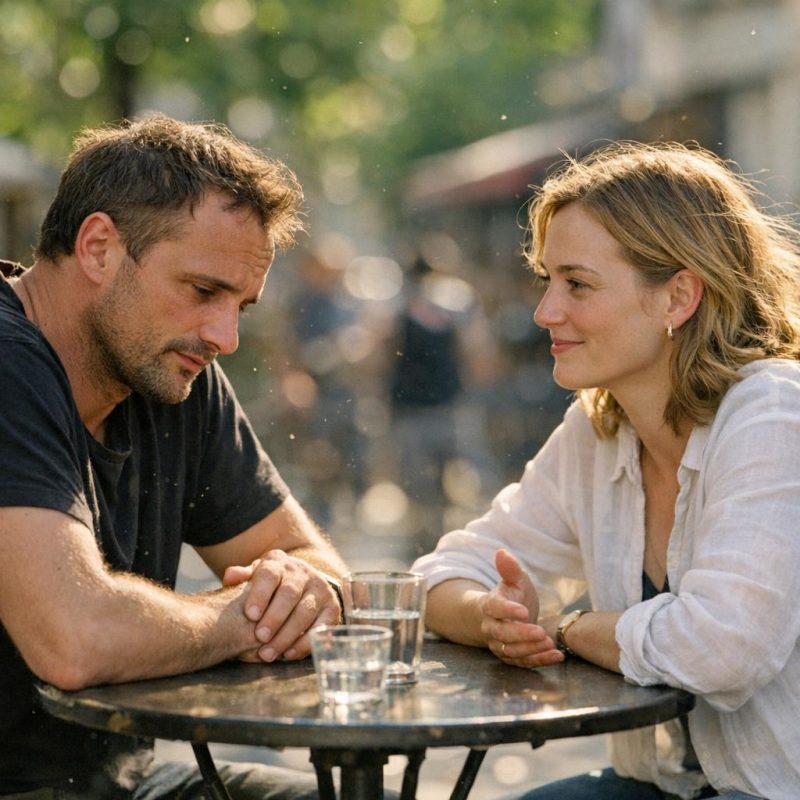 Image by RM AI
Tom's Warning
Tom caught me in the break room on a Thursday morning. 'Hey, can I ask you something?' he said, lowering his voice. 'That doctor you've been hanging out with. Daniel, right?' I felt immediately defensive. 'Yeah, what about him?' Tom glanced around like he was worried someone might overhear. 'I heard something weird from a friend who works in healthcare administration. Something about a dermatologist who befriends patients under strange circumstances. Gets involved in their lives.' My stomach tightened. 'That's not Daniel,' I said firmly. 'How do you know?' 'Because I know him, Tom. He's not like that.' Tom held up his hands. 'I'm just saying, be careful. The story my friend told me had some red flags. Guy gets really close to patients, helps them out, then—' 'Then what? Saves their lives? Yeah, that sounds terrible.' I was angry now. Tom backed off, said he was probably mixing up details, that he just wanted me to be aware. But I wasn't interested in his vague rumors and secondhand gossip. Daniel had proven himself to me. He'd literally changed the course of my life. I told him he was mistaken—Daniel wasn't like that.
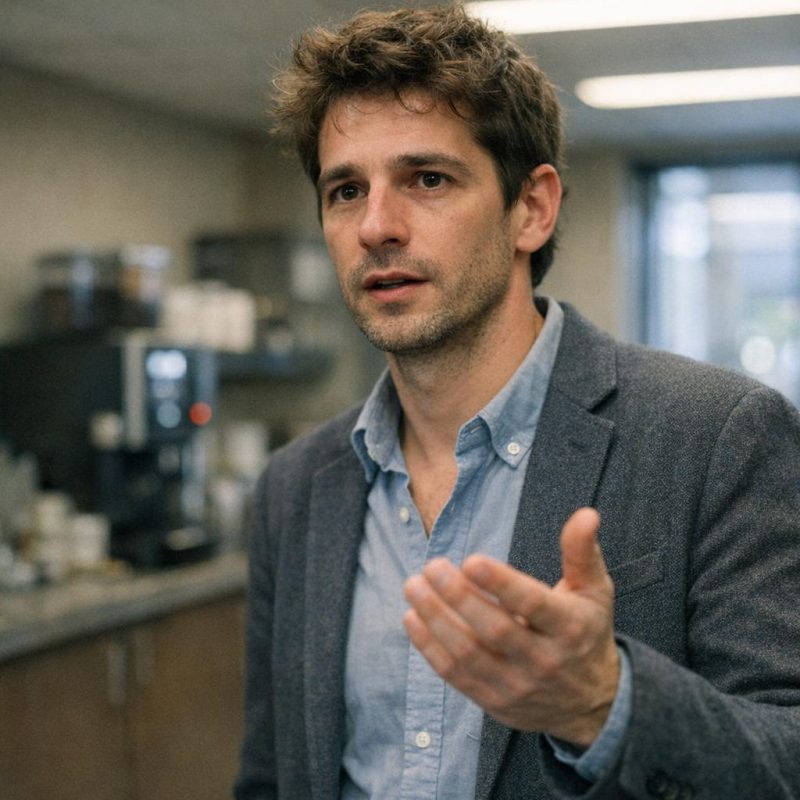 Image by RM AI
More Time Together
It started gradually, the way these things do. A coffee here, a dinner there. Then we were meeting twice a week. Then three times. Daniel was easy to talk to, the kind of person who actually listened instead of just waiting for his turn to speak. We'd have these long conversations over wine about everything—work stress, family issues, relationships, existential fears about mortality and meaning. He got me in a way most people didn't. Understood the weird headspace I was in after the cancer scare. After a particularly rough day at work, I texted him, and he showed up at my apartment with takeout and let me vent for two hours. When I was anxious about a follow-up scan, he talked me through it, explained exactly what to expect. I started checking my phone constantly to see if he'd messaged. Started planning my week around when I'd see him next. It felt reciprocal, like we were becoming real friends. But looking back now, I can see the shift. The way I'd started to need his reassurance, his perspective, his presence. I realized I'd started to depend on him for emotional support.
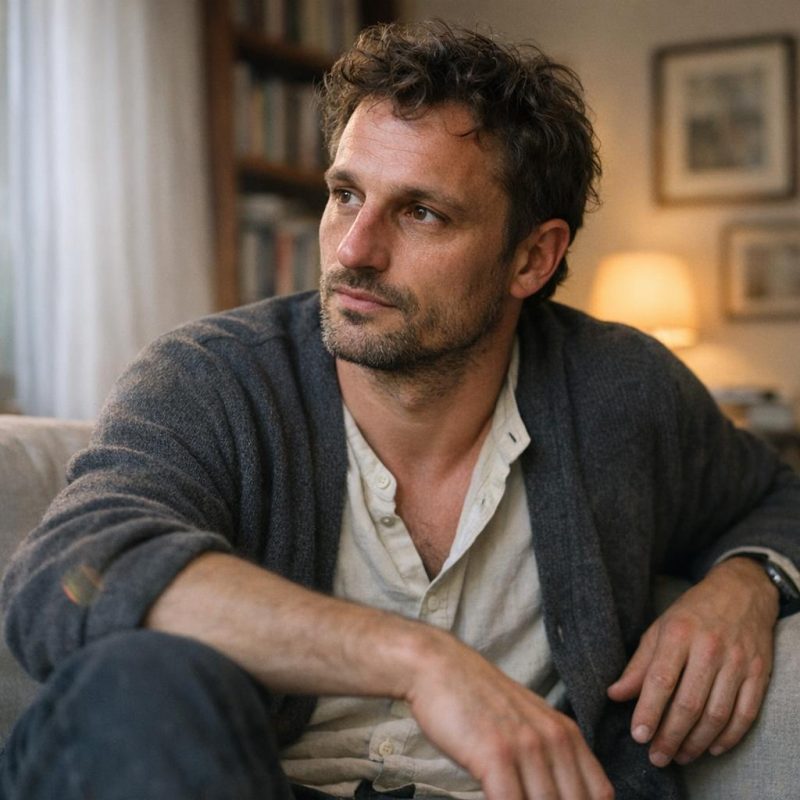 Image by RM AI
The Investment
We were having dinner at his place when Daniel brought it up. He seemed excited, energized in a way I hadn't seen before. 'I've been looking into this investment opportunity,' he said. 'Medical technology startup, really innovative stuff. Early-stage funding round.' He pulled up a presentation on his laptop, showed me projections and testimonials and market analysis. It looked legitimate, impressive even. 'I'm putting in fifteen thousand,' he continued. 'But I thought of you because the minimum buy-in is only ten, and I think this could be really significant. Life-changing returns if it goes the way I think it will.' The way he framed it, we'd be in this together. Partners in something potentially huge. He wasn't asking me to give him money—he was inviting me to join an opportunity he was excited about. How could I say no? This was the man who'd saved my life. Who'd become one of my closest friends. Who'd never steered me wrong. 'I'm in,' I said. He smiled, pulled up the wire transfer details. I transferred the money that same day.
 Image by RM AI
Rebecca's Distance
Rebecca stopped responding to my messages. At first, I figured she was busy—nurses work insane shifts, I knew that. But after a week of silence, I mentioned it to Daniel over coffee. 'Oh, Rebecca,' he said, not even looking up from his phone. 'She moved. Seattle, I think? Got a job offer at one of the big hospitals out there.' He said it so casually, like it was old news. 'When did that happen?' I asked. 'Few weeks ago,' he replied. 'Kind of sudden, but you know how these opportunities go.' I nodded, but something felt off. Rebecca had seemed so rooted here, always talking about her neighborhood, her favorite running trails. And wouldn't she have mentioned a cross-country move? Even just in passing? I pulled out my phone, opened her Instagram. Her last post was from ten days ago—a latte from a local café I recognized. Nothing about Seattle. Nothing about moving. I looked at Daniel, who was smiling at something on his screen, completely relaxed. Maybe she just hadn't updated her social media yet. Maybe I was making something out of nothing. But his answer had come so quickly, so smoothly. Almost like he'd been expecting the question.
 Image by RM AI
The Follow-Up
The routine follow-up appointment was supposed to be simple. Just a check-in, six months post-procedure. I sat in the exam room while a nurse I didn't recognize reviewed my chart. 'Everything looks good,' she said. 'The margins were clear, no sign of recurrence.' I relaxed a little. 'Yeah, Daniel said I was in the clear. He's been amazing through all of this.' She glanced up, eyebrows slightly furrowed. 'Daniel?' she asked. 'Dr. Daniel Weber,' I clarified. 'He was the one who caught it during the initial screening.' The nurse looked at me for a long moment, then back at the chart. 'There's no one by that name on our staff,' she said carefully. 'Are you sure you have the right clinic?' My stomach dropped. 'What? No, he definitely works here. He's a dermatologist. He did my biopsy.' She shook her head slowly. 'I've been here four years. We only have three dermatologists on staff, and none of them are named Daniel.' She showed me the chart—the procedure had been signed off by Dr. Patricia Chen. My hands felt cold. There was no one by that name on their staff.
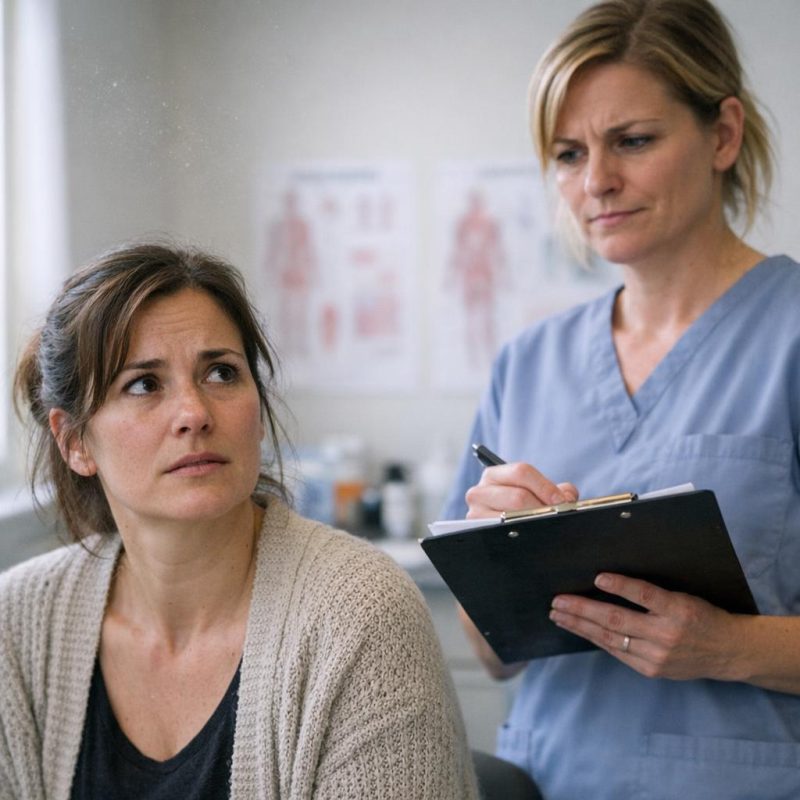 Image by RM AI
Rationalization
I walked out of that clinic telling myself there was a simple explanation. Maybe Daniel worked at a different location. Maybe he was a consultant who rotated between practices. The city had dozens of dermatology clinics—I could have easily gotten confused about where I'd first met him. Right? I mean, it had been over a year ago, and I'd been so panicked about the diagnosis that the details were fuzzy. I pulled up my bank statements that night, searching for the initial appointment charge. It was there, but the merchant name was generic: 'Metro Medical Services.' Could have been anywhere. See? I told myself. You just mixed up the clinics. It happens. People get details wrong all the time, especially when they're stressed. But when I turned off the lights and lay in bed, the nurse's face kept appearing in my mind. That careful, concerned expression when she'd said there was no Daniel on their staff. Not 'I don't know him.' Not 'maybe he's new.' No one by that name. I pulled the covers tighter around myself, heart racing in the dark. At night, the doubt crept back in.
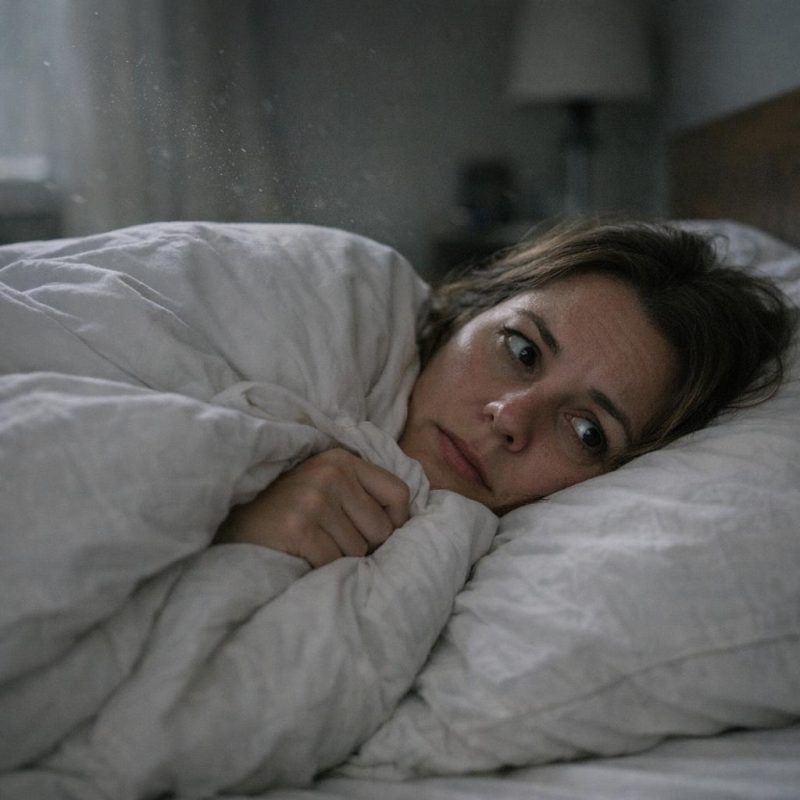 Image by RM AI
Sarah's Story
I was working on my laptop at a café when I mentioned Daniel's name during a phone call with Maya. After I hung up, a woman at the next table leaned over. 'Sorry, I couldn't help overhearing. Did you say Daniel Weber?' She was probably mid-forties, well-dressed, with tired eyes that seemed to carry old anger. 'Yeah,' I said cautiously. 'Why?' She introduced herself as Sarah. 'I knew a Daniel Weber,' she said. 'About five years ago. We met at a conference—he told me he was a medical consultant. We became friends.' She paused, stirring her coffee. 'He seemed so genuine. So kind. Eventually, he asked to borrow money. Said he had a family emergency, his sister needed surgery. Twenty thousand dollars.' My chest tightened. 'And?' I asked, though I already sensed where this was going. 'He never paid it back,' Sarah said flatly. 'Stopped answering my calls. Changed his number. I tried to track him down, but he'd given me a work address that didn't exist.' She looked at me carefully. 'If it's the same person, be careful. He's very convincing.' She said he'd borrowed money from her years ago and never paid it back.
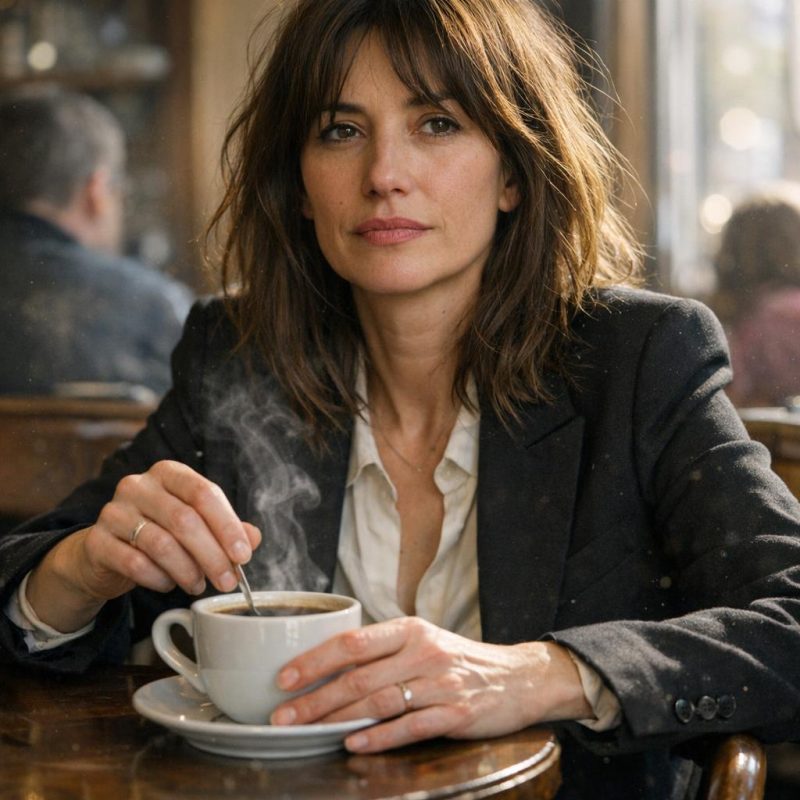 Image by RM AI
Confrontation Avoided
I met Daniel for dinner that Thursday with every intention of asking about Sarah. I'd rehearsed the conversation in my head: casual but direct. 'Hey, weird thing happened—someone said they knew you...' But when I walked into the restaurant and saw him waiting at our usual table, smiling that warm smile, something in me faltered. He stood up, gave me a hug. 'You look stressed,' he said immediately. 'Everything okay?' His concern seemed so genuine. This was the man who'd noticed a spot on my shoulder that could have killed me. Who'd held my hand before the biopsy. Who'd checked in on me every week during recovery. How could that person be the same man Sarah described? 'Just work stuff,' I heard myself say. The lie felt thick in my throat. 'You sure?' he pressed gently. 'You know you can talk to me about anything.' I nodded, forced a smile. 'I'm sure. Really, I'm fine.' We ordered dinner. I laughed at his stories. I didn't mention Sarah, or Rebecca, or the nurse who said he didn't work there. I didn't ask any of the questions burning in my chest. He asked if everything was okay, and I lied and said yes.
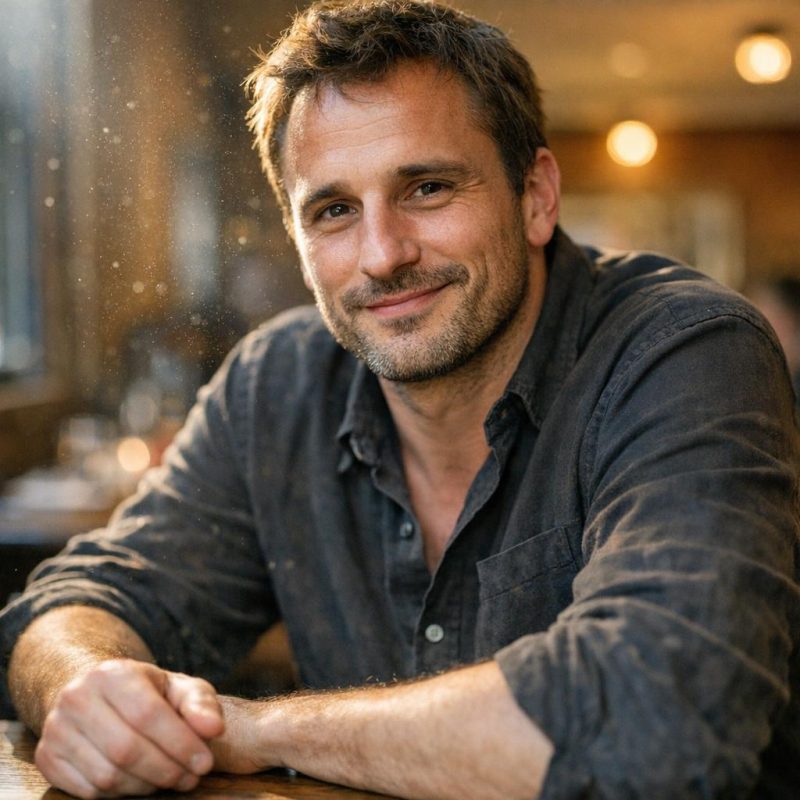 Image by RM AI
The Research
I told myself I was just being thorough. Due diligence, nothing more. It was two in the morning and I couldn't sleep, so I opened my laptop and searched for 'Daniel Weber dermatologist license.' I wasn't doubting him, I rationalized. I was just... confirming. Putting my anxieties to rest so I could stop thinking about Sarah and that nurse and Rebecca's sudden disappearance. The state medical board had a public database. I typed in his name, hit search. Several results came up—Daniel Weber was apparently a common name in medicine. I scrolled through them: Daniel J. Weber, pediatrician in Springfield. Daniel M. Weber, psychiatrist in Columbus. Daniel R. Weber, dermatologist in the state capital. That had to be him. I clicked on the profile, waiting for the page to load. There was his name, his credentials, his license number. Active status. Everything looked legitimate. Then the photo loaded. My breath caught. The man in the picture was maybe sixty years old, completely bald, with a round face and thick-framed glasses. I found his name—but the photo didn't match.
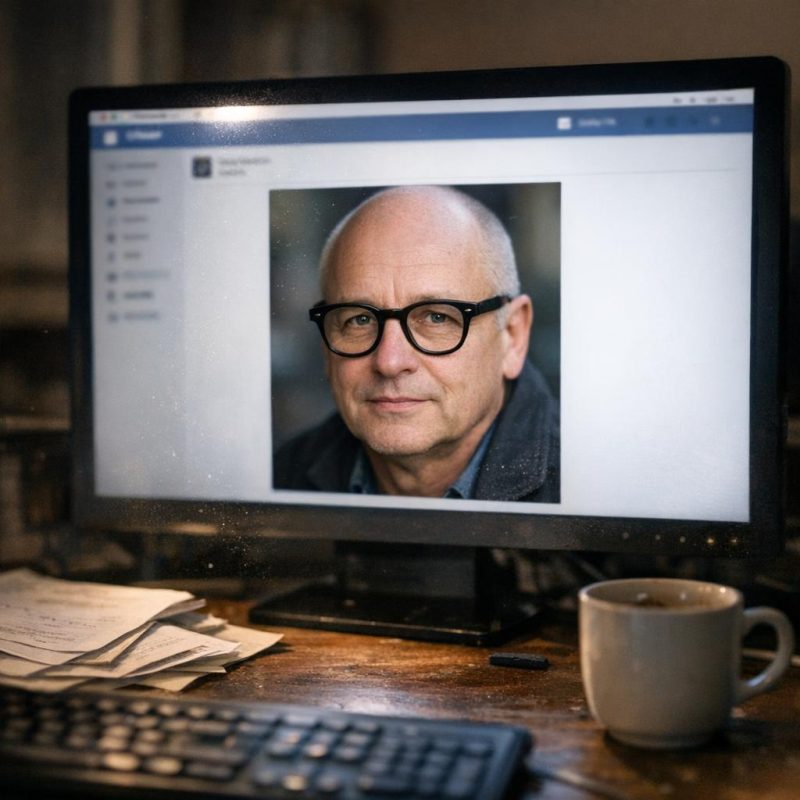 Image by RM AI
The Explanation
I confronted him the next day. I couldn't wait, couldn't pretend anymore. I showed him my phone with the medical board photo. 'Daniel, I need you to explain this.' I expected defensiveness, anger, maybe panic. Instead, he sighed—not annoyed, but sad. 'I was wondering when this would come up,' he said quietly. 'I should have told you earlier.' He explained that his last name used to be Thornton. 'I changed it legally about eight years ago, after my divorce. My ex-wife was... it was a really difficult situation. She made threats, contacted my patients, tried to destroy my career. I needed a fresh start.' He pulled out his wallet, showed me his driver's license: Daniel Weber. 'The medical board database hasn't been updated with my current photo since the name change. Bureaucracy, you know? But my license is valid under both names. I can show you the court documents if you want.' The way he said it—so calm, so reasonable—it made sense. Messy divorces happened. People changed their names. Databases got outdated. 'I'm sorry,' I said, feeling embarrassed. 'I just... there were some things that didn't add up.' 'I understand,' he said, reaching across to squeeze my hand. The explanation made sense, but I couldn't shake the feeling something was still wrong.
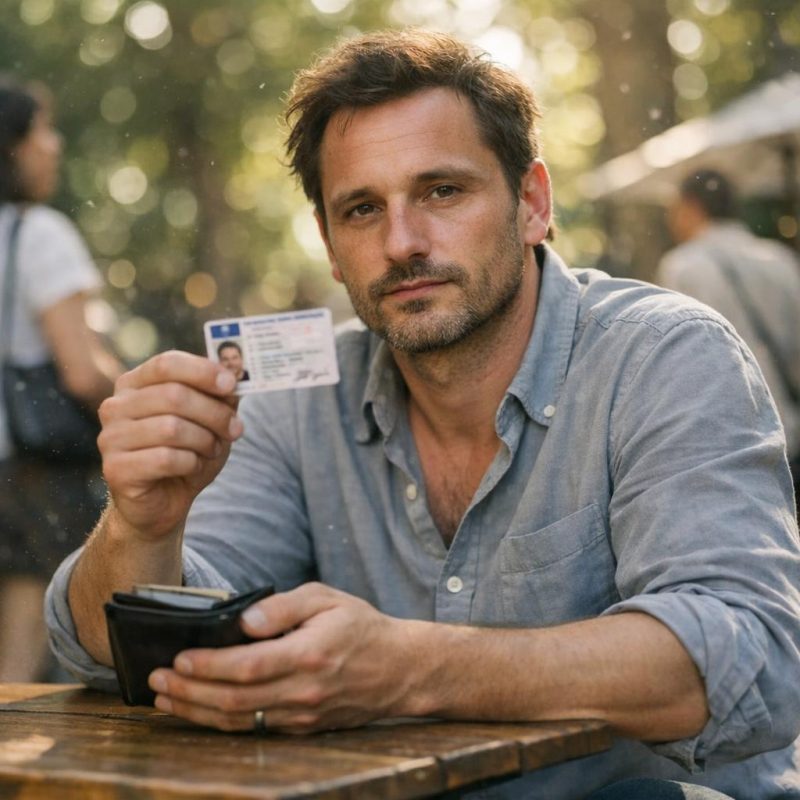 Image by RM AI
Maya's Ultimatum
Maya called me the next morning. 'We need to talk,' she said. 'About Daniel.' We met at her apartment, and she didn't waste time. 'Alex, I'm worried. You've given this man how much money?' I bristled. 'It's not like that. The medical stuff was legitimate treatment, and the investment was my choice.' 'Ten thousand dollars to someone you've known for a year,' she said. 'Plus whatever the procedures cost. Do you hear yourself?' I felt defensive, cornered. 'He saved my life, Maya. He caught cancer that other doctors missed.' 'Did he though?' she asked quietly. 'Have you verified any of this with another doctor? An objective third party?' That stung. 'You don't understand our friendship,' I said. 'Maybe not,' Maya replied. 'But I understand what I'm seeing. You're isolated from everyone else. You're defensive when anyone questions him. You're giving him money. Alex, I love you. Please, just talk to someone objective. A therapist. Someone who can help you see this clearly.' I wanted to argue, to defend Daniel, to tell her she was wrong. But something in her face—genuine fear—stopped me. 'Fine,' I said finally. 'I'll make an appointment.' I agreed to see a therapist, mostly to prove her wrong.
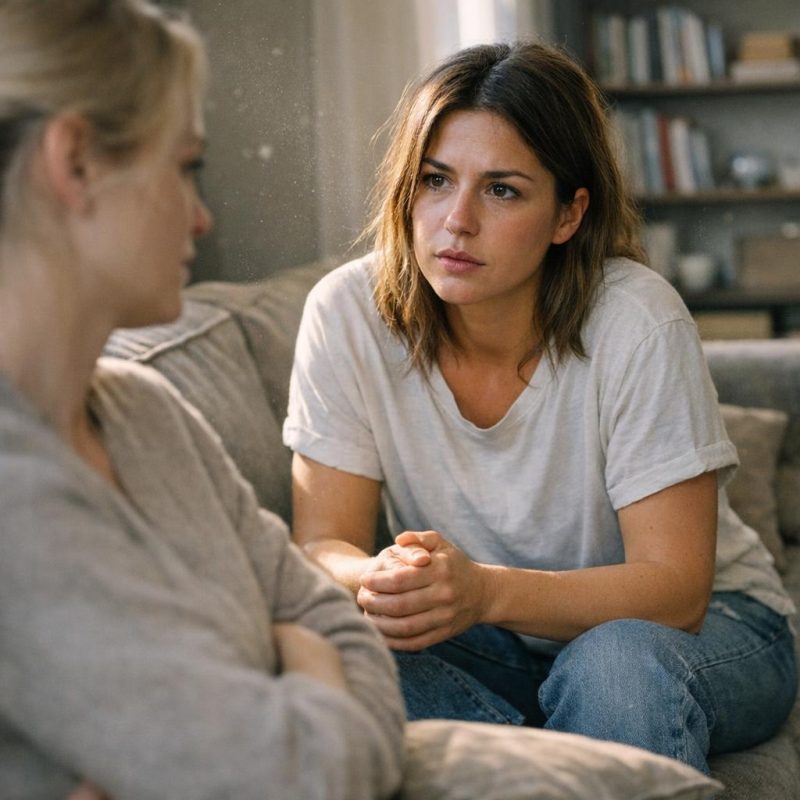 Image by RM AI
Therapy Session
The therapist's office smelled like lavender and leather. I sat on the couch and told her everything—the shoulder tap, the mole, the treatments, the investment opportunity, Maya's concerns. She listened without interrupting, occasionally nodding. When I finished, she was quiet for a long moment. Then she asked, 'What would it mean if Daniel wasn't who you thought he was?' I opened my mouth to answer and nothing came out. The question hung in the air like smoke. I felt exposed, like she'd peeled back something I'd been protecting. 'I mean, he saved my life,' I said finally. 'Did he?' she asked gently. 'Or did he tell you he did?' My throat tightened. 'The biopsy results were real. The treatments worked.' 'And you've verified all of this independently?' she asked. I thought about Dr. Chen, about the clinic, about how everything had flowed through Daniel. 'He's a doctor,' I said, but it sounded weak even to me. She didn't push further, just let the silence settle. When the session ended, she asked if I wanted to schedule another appointment. I couldn't answer that either.
 Leuchtturm Entertainment on Unsplash
The Other Patients
I started digging online that night. 'Daniel medical consultant melanoma' brought up nothing useful at first, but I kept searching. I tried variations, added the city name, looked through health forums and cancer support groups. That's when I found them. A woman named Jennifer posted in a melanoma survivor group about a 'miracle consultant' who'd caught her Stage II when other doctors missed it. The details matched—the random encounter, the urgent concern, the private treatments. I found two more. A man named Marcus. Another woman named Stephanie. All three had similar stories: unexpected meeting, aggressive diagnosis, expensive treatments through private channels. I messaged them all. Jennifer responded first. We talked on the phone, and her voice shook when she described Daniel's approach. 'Did you ever verify the original diagnosis with another doctor?' I asked. Long pause. 'No,' she said. 'Daniel handled everything. Why?' Marcus said the same thing. So did Stephanie. Three people, three identical patterns, and not one of them could prove their cancer had ever actually existed.
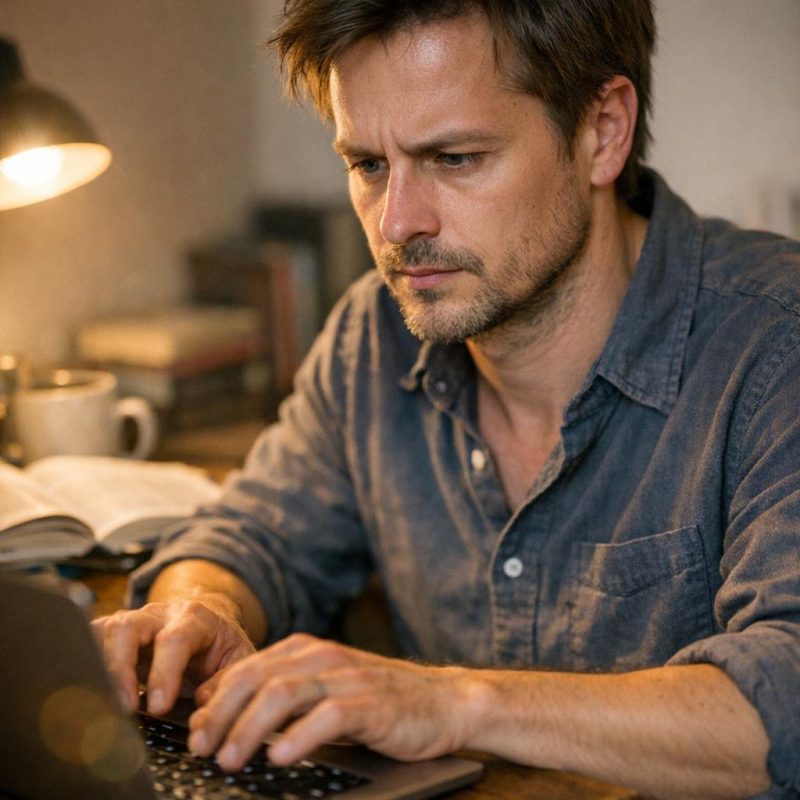 Image by RM AI
Medical Records Request
I called the clinic the next morning. 'I need copies of my medical records,' I said, trying to keep my voice steady. 'Specifically the biopsy results from last year.' The woman on the phone was pleasant enough. 'We'll process that request and get back to you within five business days.' Five days passed. Nothing. I called again. 'Still processing,' they said. 'Some records take longer to locate.' Another week went by. I called every other day, always getting the same vague responses. 'We're working on it.' 'There's a backlog.' 'Should be soon.' I asked to speak to a supervisor. She told me the same thing in a slightly firmer voice. I mentioned Dr. Chen by name, asked if I could speak to her directly. 'Dr. Chen doesn't handle records requests,' the supervisor said. I felt like I was being stonewalled, though I couldn't prove it. Maya asked if I'd gotten the records yet. 'Any day now,' I told her, but I'd stopped believing it. The delay lasted three weeks.
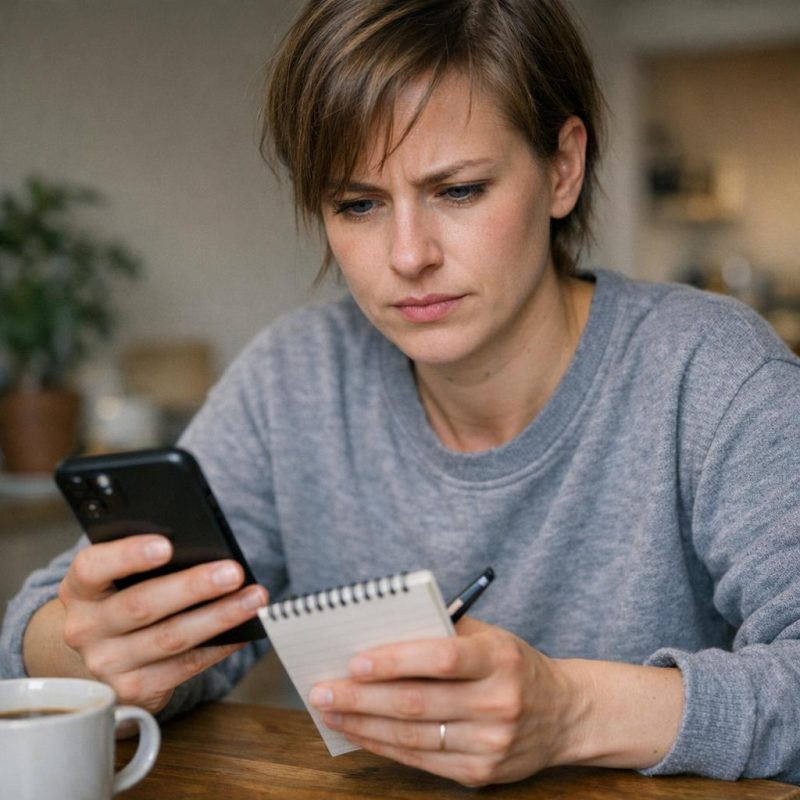 Image by RM AI
Daniel's Pressure
Daniel noticed I was pulling away. The texts increased first—'Haven't heard from you in a few days, everything okay?' Then calls. Then a concerned voicemail about whether my health was stable. When we finally met for coffee, he leaned forward with that familiar worried expression. 'Alex, have I done something wrong? You seem distant.' I forced a smile. 'Just busy with work.' 'You'd tell me if something was bothering you, right?' he asked, reaching across the table to touch my hand. 'We're friends. I care about you.' The words that once felt comforting now felt heavy, loaded. He started texting good morning and good night every day. Sending articles about melanoma prevention. Asking about my vitamin regimen. Each message felt like a check-in, like surveillance dressed up as care. 'Just want to make sure you're taking care of yourself,' he said when I mentioned the frequency. 'You know how dangerous this disease can be.' I couldn't breathe around him anymore. His care felt suffocating instead of comforting.
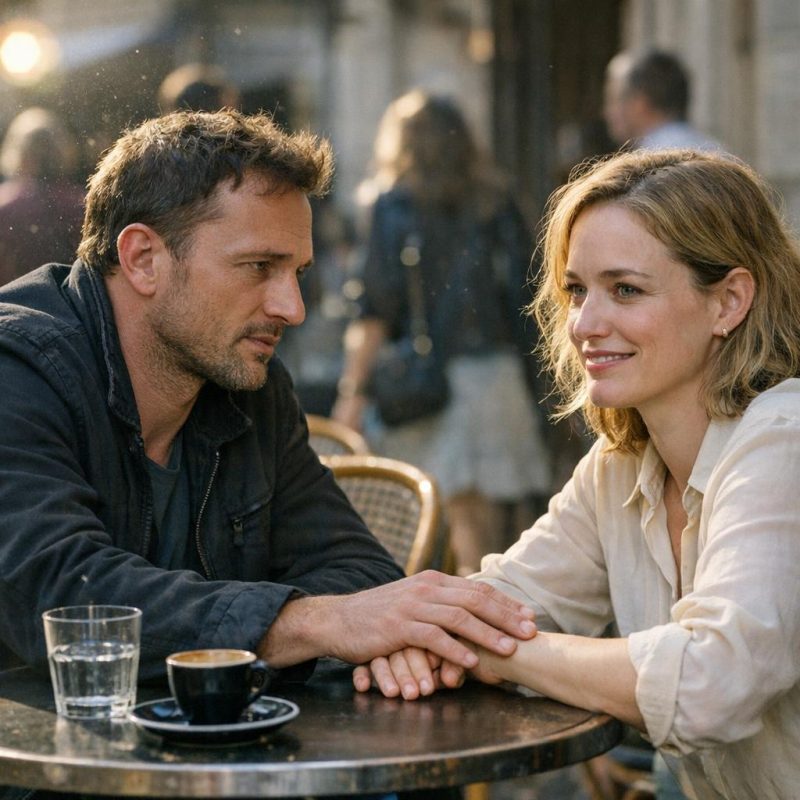 Image by RM AI
The Clinic Visit
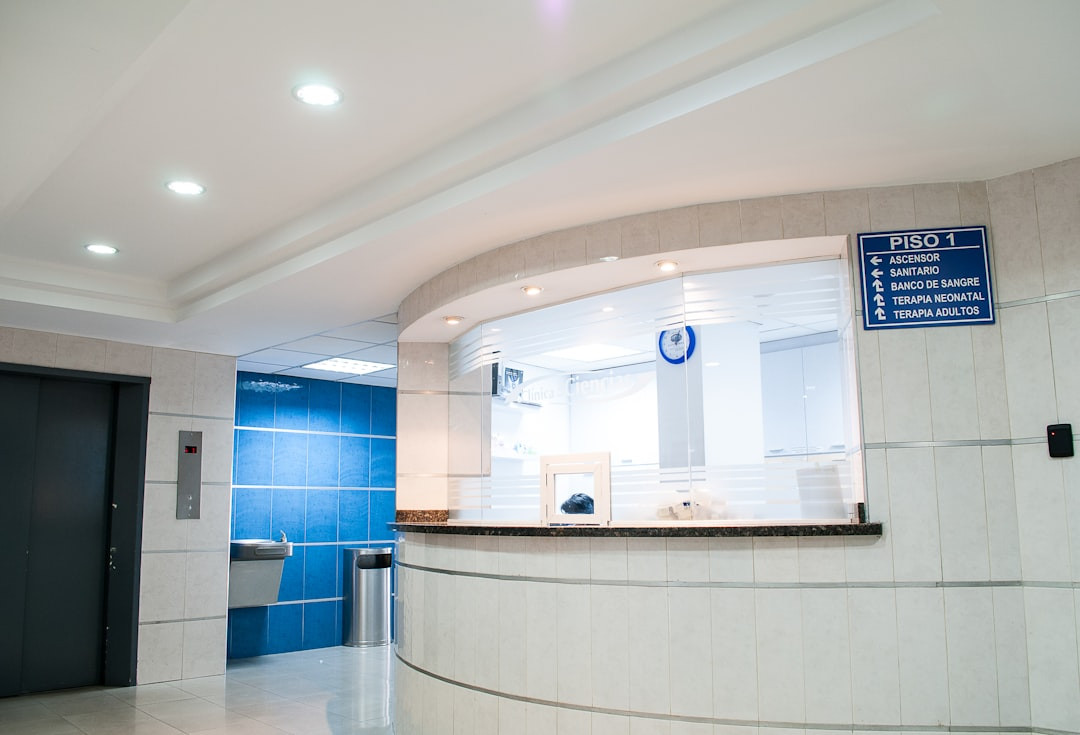
I went back to the clinic without calling ahead. The receptionist looked confused when I asked for Dr. Chen, but she made a call. Five minutes later, Dr. Chen appeared in the waiting room, and I saw recognition flicker across her face. 'Can we talk?' I asked. 'Privately?' We sat in an empty consultation room. I asked her directly about Daniel—his role, his credentials, his relationship to the clinic. She shifted uncomfortably. 'Daniel worked here briefly as a consultant,' she said carefully. 'He provided referrals, helped with some diagnostic work.' 'Is he a licensed dermatologist?' I asked. She looked down at her hands. 'He has medical training,' she said, which wasn't an answer. 'But is he licensed to practice in this state?' I pressed. The silence stretched out. Finally, she met my eyes. 'No,' she said quietly. 'He's not licensed to practice medicine here. I thought you knew he was just consulting.' The room tilted. She said he wasn't licensed to practice in this state.
 Martha Dominguez de Gouveia on Unsplash
Isolated
I stopped answering Daniel's texts that afternoon. Blocked his number that evening. The silence felt terrifying at first—what if something was actually wrong with my health? What if I needed him? But then the terror shifted into something lighter. I could breathe again. Two days passed without contact. I started sleeping better. Maya noticed the change immediately. 'You look different,' she said. 'Lighter.' I was sitting on my couch, actually relaxing for the first time in weeks, when I heard the knock. Three sharp raps on my apartment door. I wasn't expecting anyone. I looked through the peephole and my stomach dropped. Daniel stood in the hallway, hands in his pockets, looking up at where he knew the peephole was. He smiled slightly, like he could see me seeing him. 'Alex?' he called through the door. 'I know you're home. We need to talk.' My hand was still on the doorknob, frozen. He showed up at my apartment unannounced.
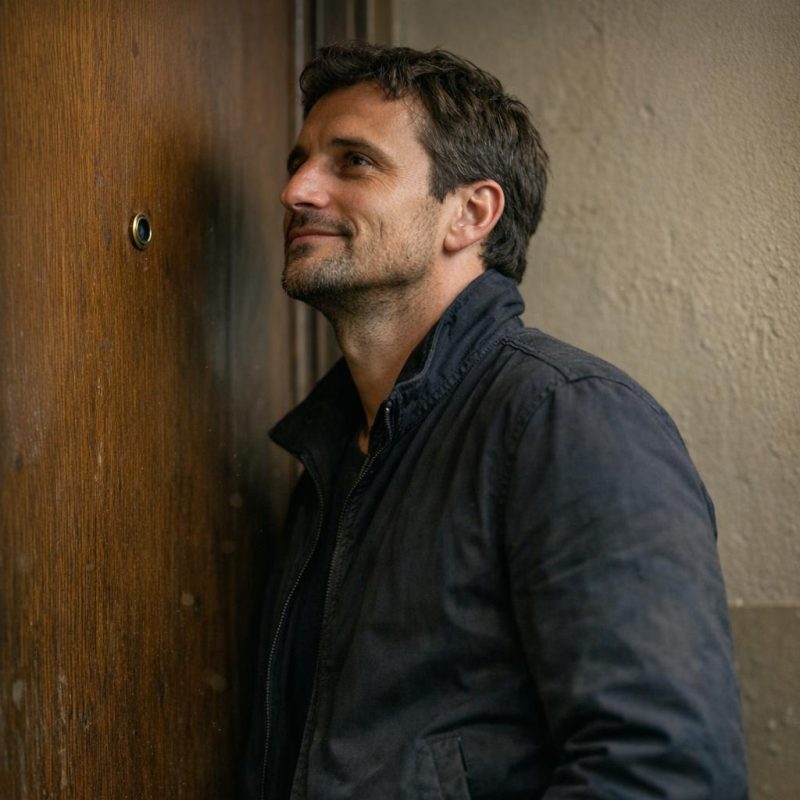 Image by RM AI
The Confrontation
I opened the door but didn't invite him in. 'How did you get my address?' I asked, though I'd probably given it to him months ago. 'We're friends,' he said, like that explained everything. 'Why are you avoiding me?' I took a breath. This was it. 'Because I know you're not who you said you were.' His expression didn't change immediately. Then something shifted—not dramatically, but like a light switching off behind his eyes. The warmth drained out of his face. 'What do you think you know?' he asked, voice flat. 'You're not licensed to practice medicine here,' I said. 'I talked to Dr. Chen.' He was quiet for a moment, studying me. 'And what else?' 'I found other people,' I said. 'Jennifer. Marcus. Stephanie. Same pattern with all of them.' His mouth tightened into something that wasn't quite a smile. The man in my doorway looked like Daniel but felt like a stranger. 'What pattern would that be?' he asked softly. He asked me what I thought I knew.
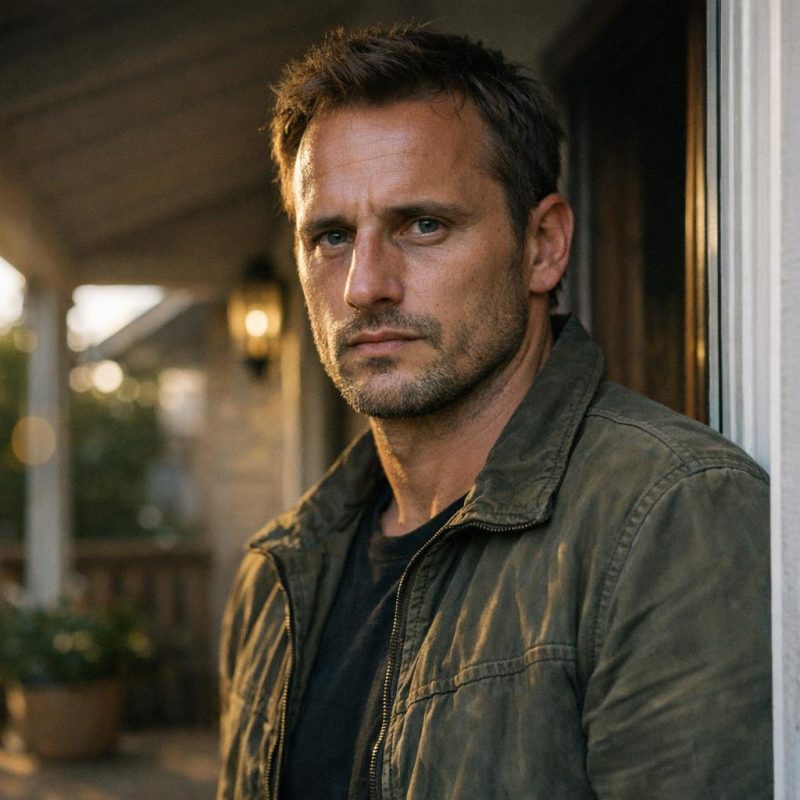 Image by RM AI
His Version
Daniel's shoulders sagged. He looked down, and when he looked back up, his eyes were wet. 'Can I come in? Please. You deserve to understand.' Against my better judgment, I stepped aside. He sat on my couch and told me about his sister, Rebecca. How she'd died at twenty-eight from melanoma that three doctors had dismissed as nothing. How he'd watched her deteriorate, how preventable it all was. 'I couldn't practice anymore after that,' he said, voice breaking. 'Not in the traditional system that failed her. So I work outside it. I find people who need help before it's too late.' He looked at me with those familiar concerned eyes. 'Alex, I saved your life. The licensing is just bureaucracy. The work is real.' Parts of his story aligned—I could probably verify a sister named Rebecca existed. But other parts felt rehearsed, too smooth. 'The other patients I found,' I said. 'They all had the same story.' 'Because the system fails everyone the same way,' he said. I wanted to believe him, but the story had too many holes.
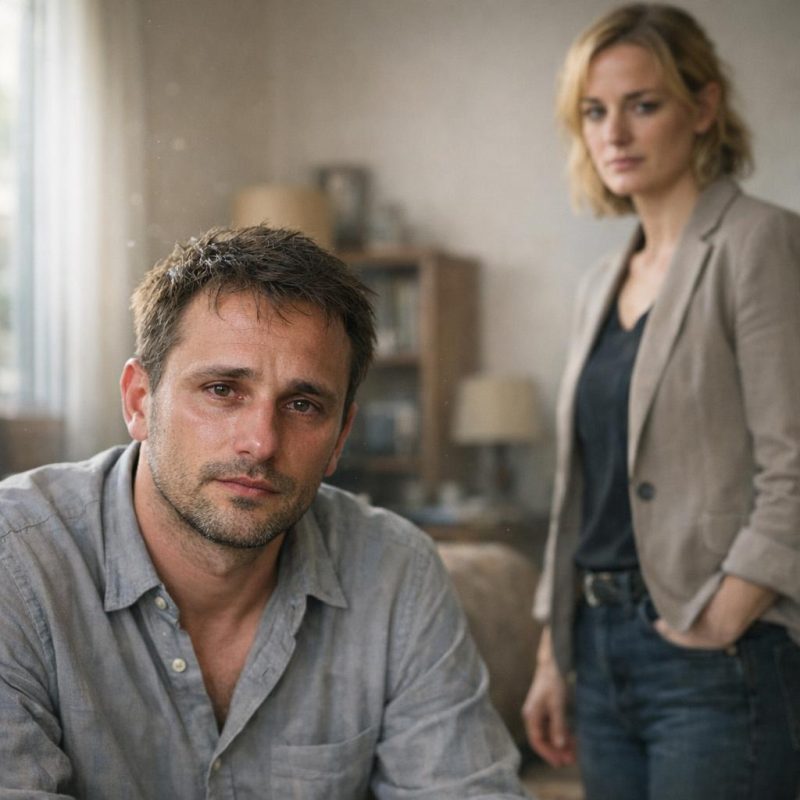 Image by RM AI
Fact-Checking
I spent three days on my laptop, searching everything I could find. I looked for obituaries with the name Rebecca and Daniel's last name. I searched medical malpractice cases, memorial pages, anything that might confirm the story he'd told me. I even paid for a background check service that promised access to death records. Nothing came up. No Rebecca in the right age range, no melanoma deaths connected to his family, no trace of the tragedy that supposedly shaped his entire life. I called the hospital where he claimed she'd been treated—they had no record of any patient by that name during the timeframe he'd given me. I tried variations of the spelling, different years, neighboring hospitals. Still nothing. My chest felt tight as I clicked through page after page of search results that led nowhere. I wanted so badly to find something, anything, that would prove at least part of his story was real. But the more I looked, the clearer it became. There was no sister.
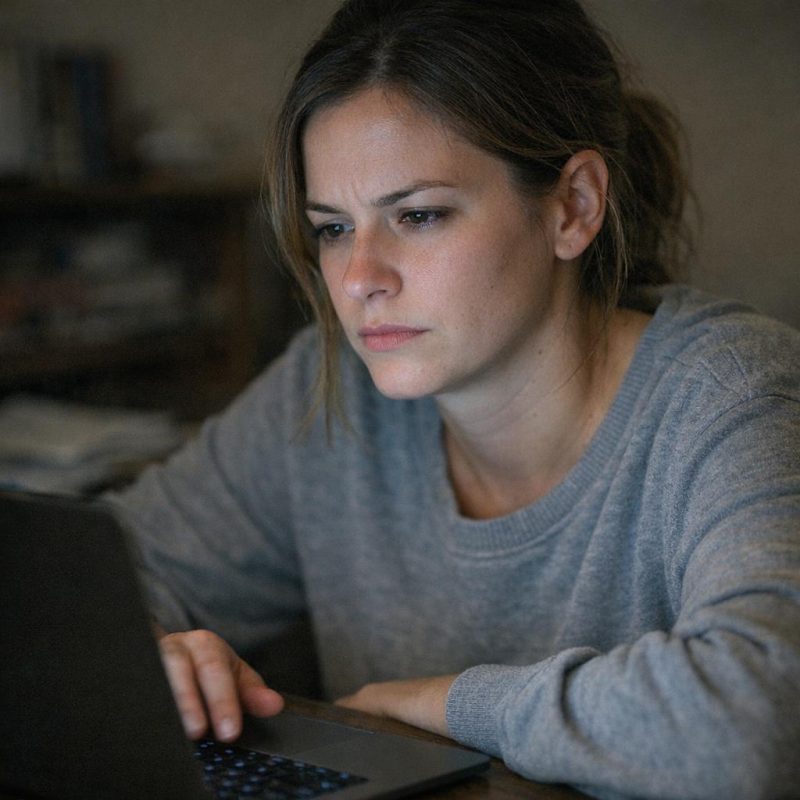 Image by RM AI
The Medical Records
When the envelope from the pathology lab finally arrived, my hands shook as I opened it. I'd requested copies of my biopsy slides and the original pathology report—it took two weeks and three phone calls to get them released. I made an appointment with Dr. Ellen Hartman, an independent pathologist Rebecca had recommended when I reached out to her for the first time since our awkward dinner months ago. Dr. Hartman had no connection to Daniel, no reason to lie. I sat in her office while she examined the slides under her microscope, making small humming sounds as she adjusted the focus. The minutes felt like hours. Finally, she looked up at me, her expression puzzled rather than grave. 'I've reviewed these samples thoroughly,' she said slowly, as if choosing her words carefully. 'The tissue architecture is normal. There's some sun damage, yes, but that's common.' She paused, glancing back at the microscope. 'This tissue shows no evidence of melanoma.'
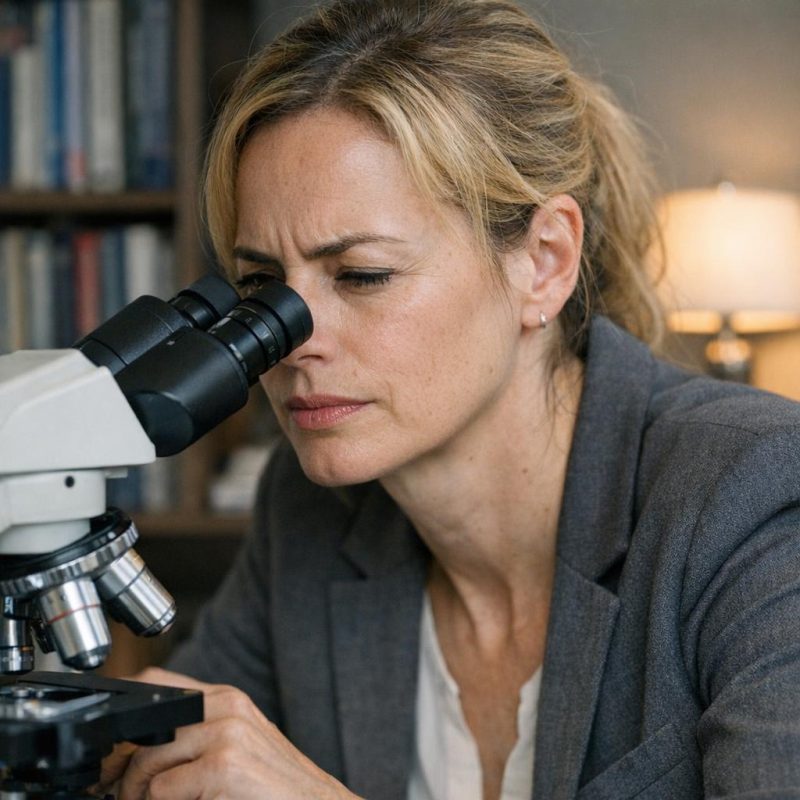 Image by RM AI
The Truth Sinks In
I drove home on autopilot and sat on my couch for what might have been hours. I'd never had cancer. The surgery that left a scar on my back had been completely unnecessary. The fear, the sleepless nights, the calls to my parents where I tried to sound brave—all of it based on a lie. Daniel had looked me in the eye and told me I was dying, and I'd believed him because he seemed so concerned, so knowledgeable, so caring. I thought about the vitamins I'd taken religiously, the dietary changes, the follow-up appointments where he'd examined me with such gravity. I thought about how grateful I'd felt, how I'd called him my guardian angel. The shame was almost worse than the anger. How could I have been so stupid? But then I remembered the others—the people in that support group forum, the patients Daniel had 'saved' over the years. If my diagnosis was fabricated, what about theirs? I wondered how many others had been through the same manipulation.
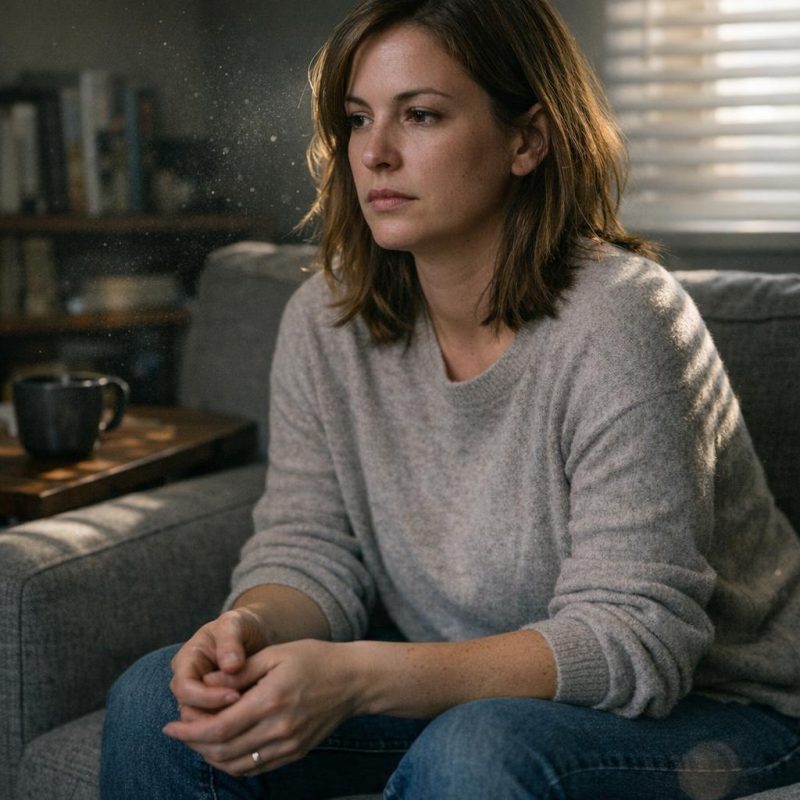 Image by RM AI
Finding the Others
It took me a week to find contact information for four other people Daniel had approached. Rebecca was first—she'd been the woman at the coffee shop who'd mentioned her 'life-changing diagnosis' at our dinner. When I called her, there was a long silence after I explained what I'd discovered. Then she started crying. 'I knew something felt wrong,' she whispered. Sarah was next—she'd met Daniel at a farmer's market three years ago. Her 'melanoma' had been on her shoulder. Two others, Michael and Joanna, had similar stories: the chance encounter, the concerned stranger, the urgent diagnosis that turned out to be fabricated. We met at a café downtown, and I watched as each person shared their story. The details were eerily identical—the staging, the false concern, the exploitation that followed. Michael had paid Daniel nearly fifteen thousand dollars for 'alternative treatments.' Joanna had been convinced to cut ties with her actual dermatologist. By the time we finished talking, we all had tears in our eyes. We decided to go to the police together.
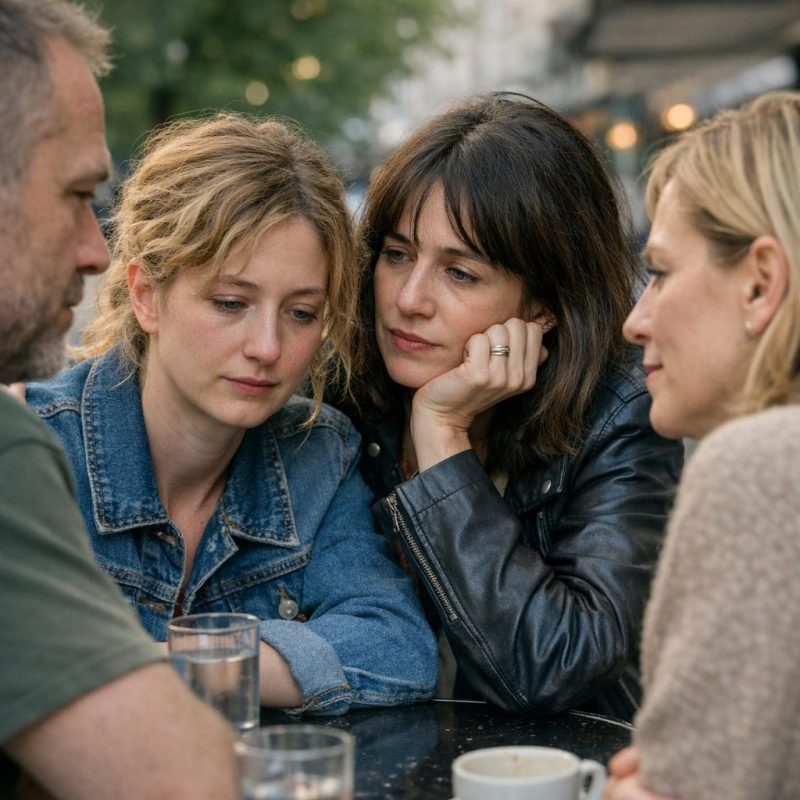 Image by RM AI
The Pattern Revealed
Detective Morris was in his mid-fifties, with gray hair and tired eyes that suggested he'd seen too much. He listened to our stories without interrupting, taking notes in a small leather notebook. When we finished, he leaned back in his chair and sighed. 'Daniel Hoffmann has been on our radar for two years,' he said. 'We just couldn't get enough victims to come forward.' He explained the full pattern: Daniel would research people, learn their routines, then stage what appeared to be chance encounters. He had connections at several clinics—technicians and administrative staff who would falsify records in exchange for kickbacks. He'd create fake biopsy reports, fake pathology results, all to convince healthy people they were dying. Then he'd offer hope—treatments, supplements, consultations—while extracting money and psychological control. 'He's good at choosing vulnerable targets,' Morris said, looking at each of us. 'People going through transitions, people who are isolated or dealing with stress.' I felt sick. There were at least twelve known victims, possibly more.
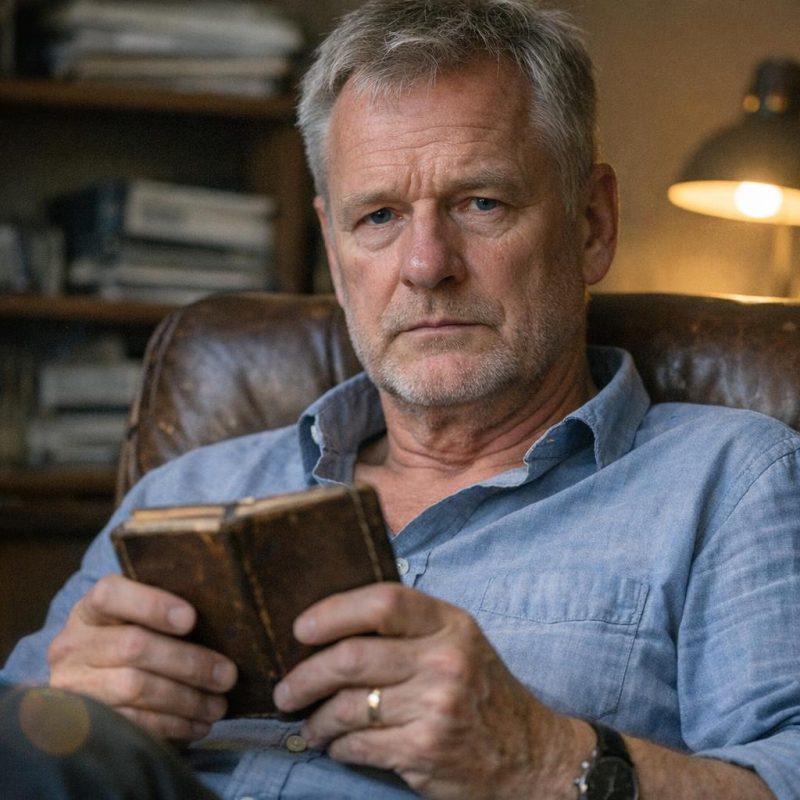 Image by RM AI
The Investigation
Detective Morris walked us through what would happen next. The investigation was complex—they needed to document the falsified records, trace the money, interview staff at multiple clinics who'd been complicit. 'Some of these people have already flipped,' he explained. 'We have testimony from a lab technician who admitted to creating fake pathology reports for Hoffmann. But building a solid case takes time.' I wanted to scream. Time meant Daniel was still out there, possibly targeting someone new. 'What if he runs?' Sarah asked, voicing what we were all thinking. Morris nodded. 'We're monitoring him. He doesn't know yet that multiple victims have come forward.' But even as he said it, I could see the concern in his eyes. There were too many variables, too many ways this could go wrong. 'How long?' I asked. 'Weeks? Months?' Morris closed his notebook. 'We're moving as fast as we can,' he said. 'But you need to understand—building a case would take time, and Daniel knew we were coming for him.'
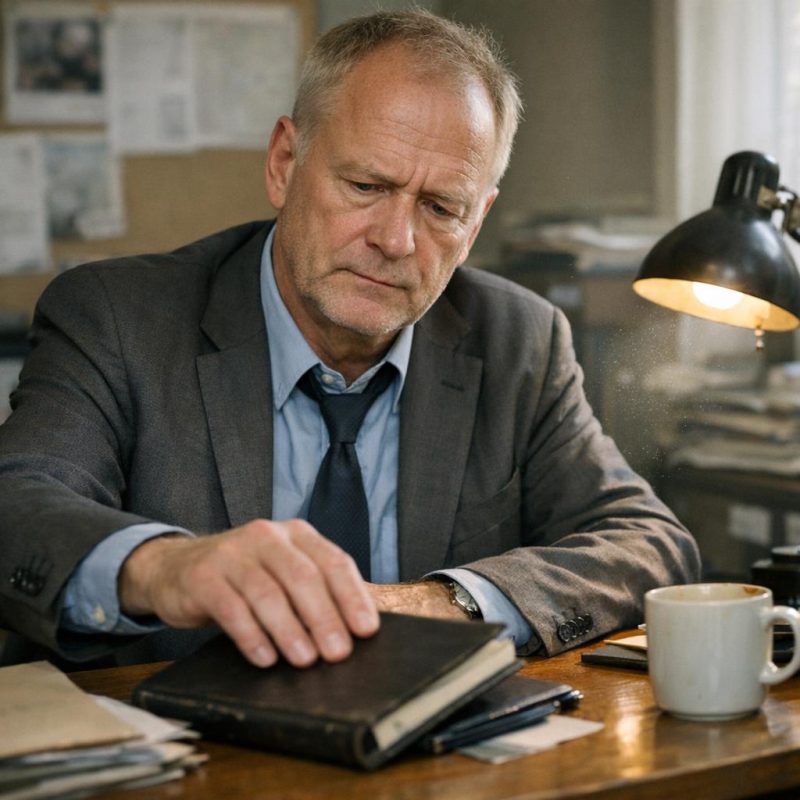 Image by RM AI
Waiting for Justice
I couldn't sleep. Every creak in my apartment building sent my heart racing. I changed my routine—took different routes to work, checked over my shoulder constantly, stopped posting on social media. Rebecca called me almost daily; we'd formed a strange bond through our shared trauma. Sarah texted the group chat every time she saw a man who resembled Daniel on the street. Two weeks passed, then three. Detective Morris sent occasional updates: they'd executed a search warrant on one of the clinics, seized records, were building the case. But Daniel remained free, and the waiting was excruciating. I imagined him watching me, planning something, or worse—disappearing before they could arrest him. Every notification made me jump. Every knock at the door triggered panic. I'd installed a video doorbell and checked it obsessively. My friends thought I was losing it. Maybe I was. Then, on a Tuesday morning, my phone rang. It was Detective Morris. 'We have enough to make an arrest,' he said.
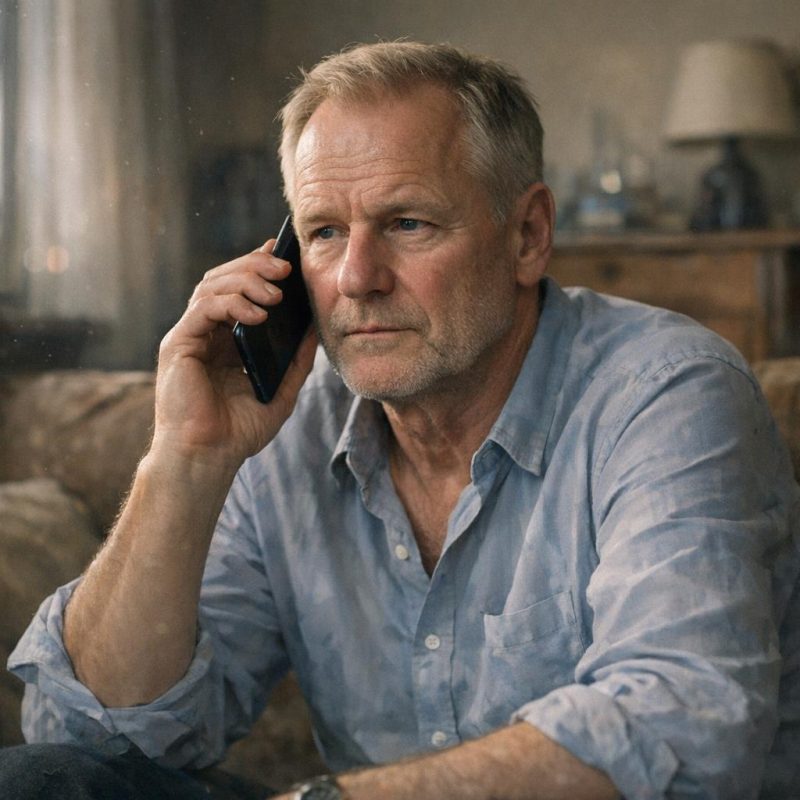 Image by RM AI
The Arrest
They arrested Daniel at his apartment complex at six in the morning. I didn't witness it myself, but the news stations picked up the story by evening—'Local Man Arrested in Medical Fraud Scheme.' I watched the footage on my phone, sitting on my couch with a glass of wine I hadn't touched. The video showed Daniel being led out in handcuffs, wearing sweatpants and a t-shirt, his hair disheveled. Police had surrounded him, and reporters shouted questions he didn't answer. I should have felt triumphant. I should have felt relief. Instead, I felt hollow, like I was watching something happen to someone else. Rebecca called, crying with what sounded like joy. Sarah sent a string of celebration emojis to the group chat. But I couldn't stop replaying the footage. Just before police guided him into the car, Daniel turned toward the cameras. His expression was unreadable—not angry, not scared, just focused. He looked directly at the camera, and for a moment I swore he was looking at me.
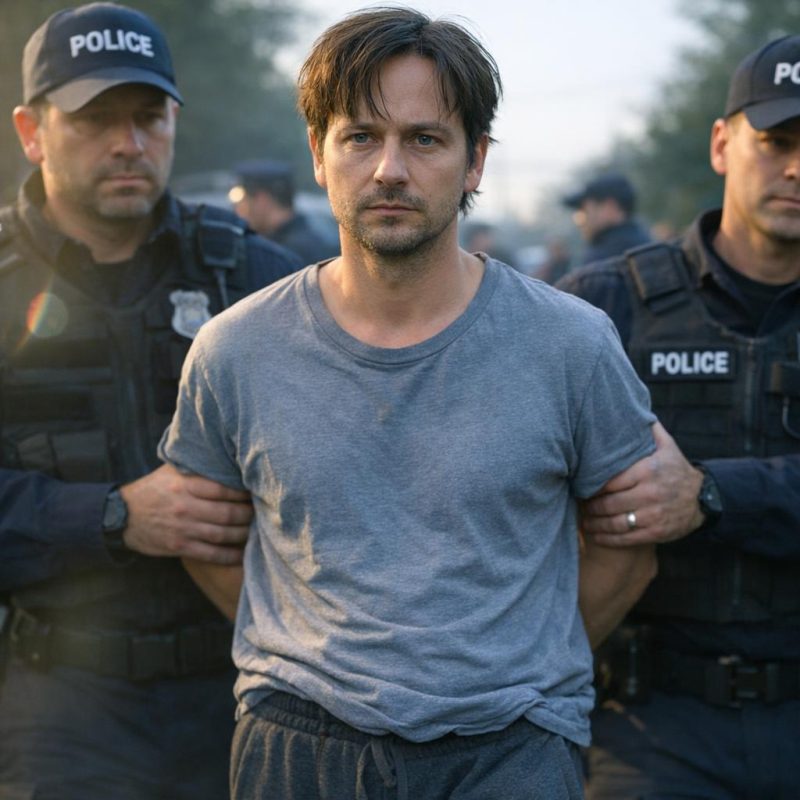 Image by RM AI
Pre-Trial
The months before trial were a blur of depositions, legal meetings, and sleepless nights reliving every moment I'd trusted him. I sat in conference rooms with prosecutors going over timelines, receipts, messages—everything documented and dissected. They'd ask me to recall specific conversations, and I'd close my eyes trying to remember Daniel's exact words, the tone of his voice when he'd mentioned the clinical trial. My lawyer, a sharp woman named Monica, prepared me for cross-examination by playing devil's advocate until I wanted to scream. Rebecca and I met for coffee before one deposition, and she looked as exhausted as I felt. We'd become bonded by this nightmare, members of a club nobody wants to join. Sarah checked in regularly through text, always asking how I was holding up. I wasn't, really. I'd wake up at three in the morning replaying that first encounter on the street, wondering if I'd somehow manifested this disaster by being too trusting, too desperate. My therapist kept reminding me that wasn't how manipulation worked, but guilt doesn't listen to logic. The prosecution said our testimonies would be crucial to conviction.
 Image by RM AI
The Courtroom
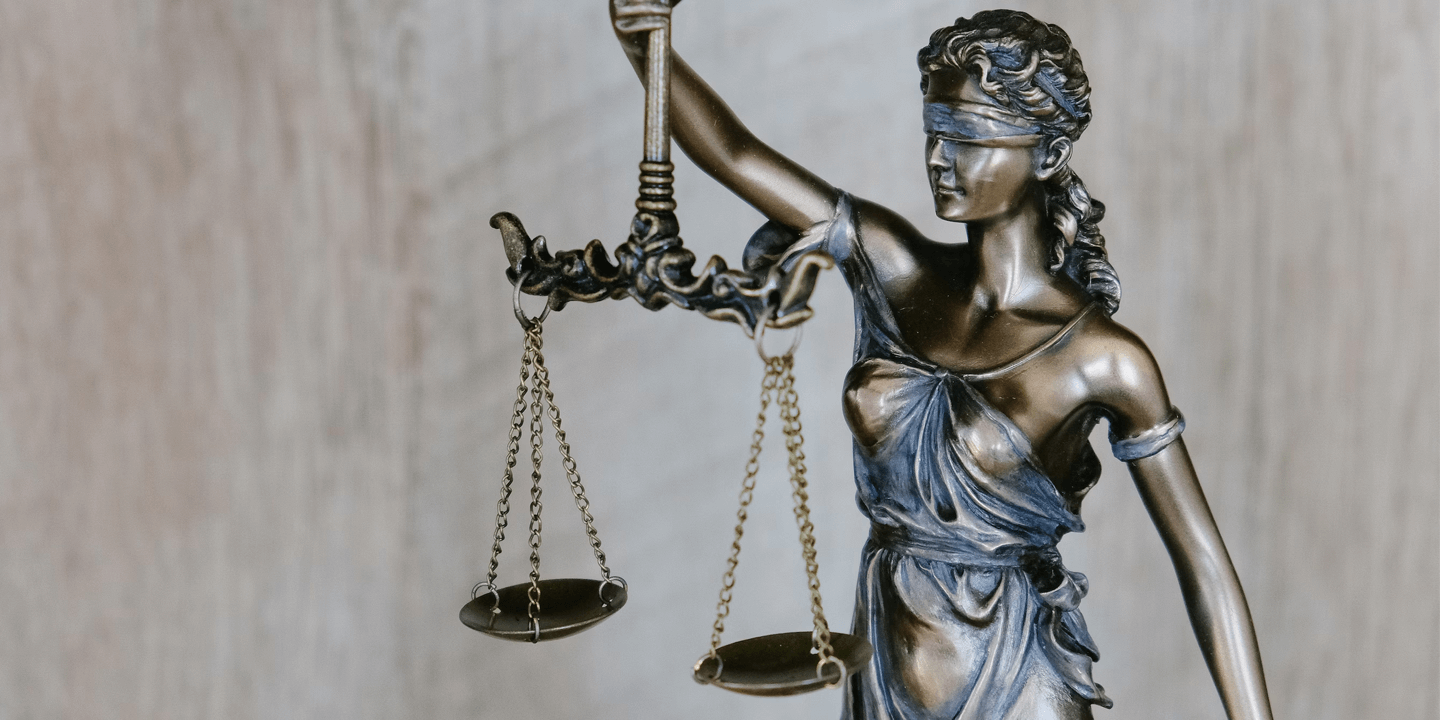
Walking into the courtroom and seeing Daniel at the defense table made everything real in a way it hadn't been before. He wore a gray suit that made him look professional, respectable—nothing like the man in handcuffs I'd seen on television. His hair was neatly trimmed, his posture straight, and when I entered he glanced up briefly before looking away. No recognition, no acknowledgment, like I was a stranger. The courtroom was smaller than I'd expected from TV shows, more intimate, which somehow made it worse. I sat in the gallery behind the prosecution table, flanked by Rebecca and Sarah, and we held hands like schoolchildren afraid of the dark. The judge entered, we all stood, and the bailiff read out charges that sounded both too clinical and too devastating. Medical fraud. Identity theft. Criminal impersonation. Each count carried years of potential prison time. When everyone settled and the proceedings began, Daniel's lawyer stood—a slick man in an expensive suit with perfectly coiffed silver hair. His lawyer stood and began painting him as a misunderstood humanitarian.
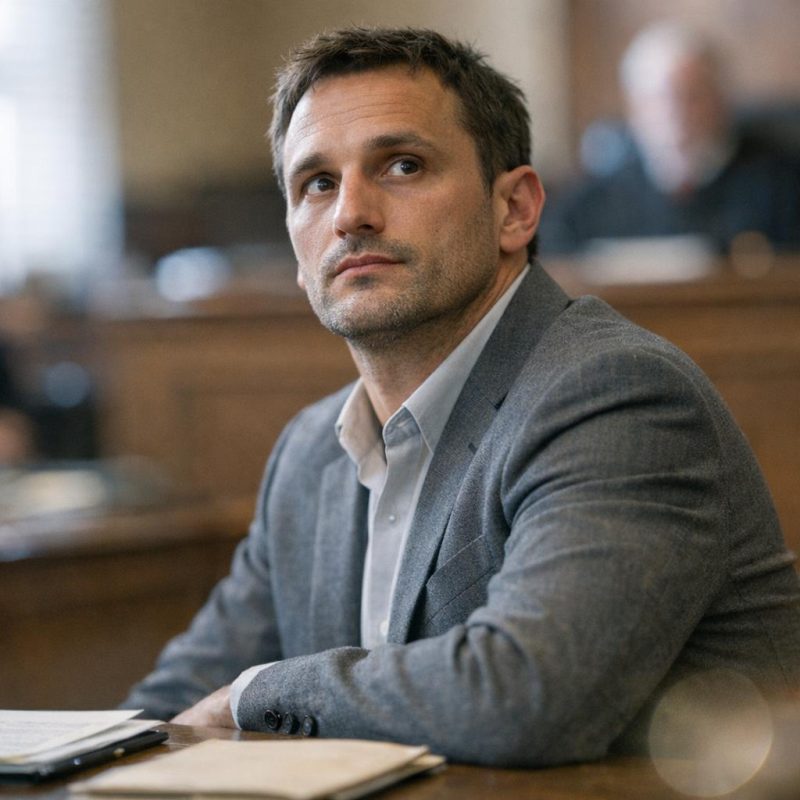 Image by RM AI
Taking the Stand
When I took the witness stand, Daniel's eyes never left my face, and I forced myself to speak the truth clearly and calmly. My voice shook at first, describing that September afternoon when he'd tapped my shoulder and said those five words. The prosecutor guided me through the timeline—the coffee shop meetings, the clinical trial paperwork, the supplements he'd given me, the follow-up appointments. I explained how he'd known details about my medical history that felt impossibly specific, how he'd made me feel seen and cared for. Daniel watched with this expression of patient interest, like he was observing a case study rather than hearing about his own crimes. The prosecutor asked me to identify him, and I pointed directly at him, our eyes locking for just a moment. Then came the cross-examination. His lawyer approached with a sympathetic smile that made my skin crawl. He asked about my stress levels before meeting Daniel, my history of health anxiety, whether I'd been seeing a therapist. He suggested I'd been vulnerable and searching for answers. Then he paused, letting silence fill the courtroom. His lawyer asked if I'd ever considered that Daniel genuinely believed he was helping people.
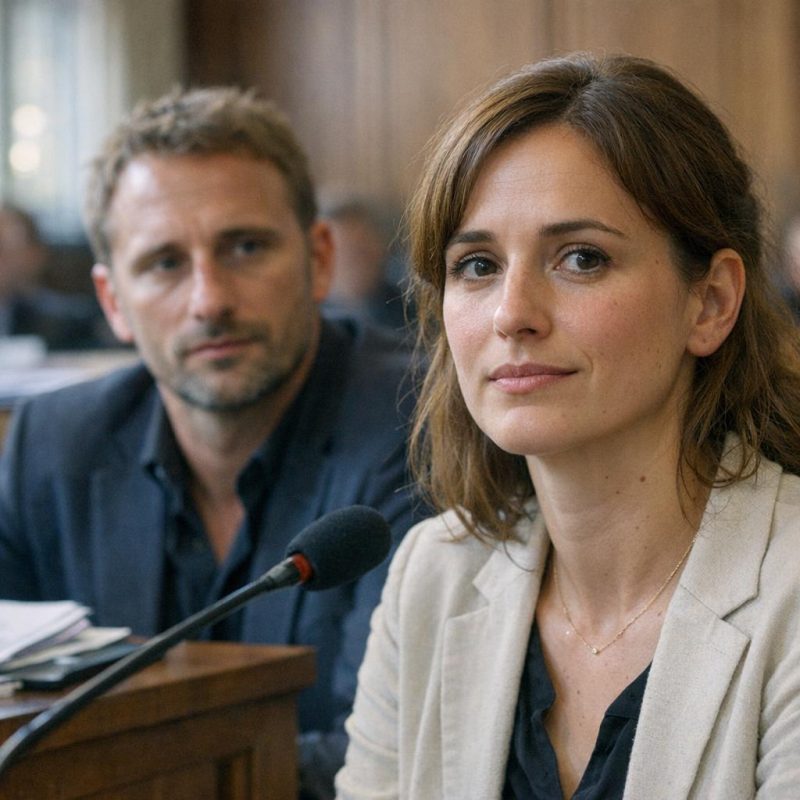 Image by RM AI
Other Voices
Rebecca, Sarah, and the other victims testified one after another, each story adding weight to the pattern. Rebecca broke down describing how she'd postponed real cancer treatment because Daniel convinced her the trial was more promising. Sarah's voice was steady but her hands trembled as she explained how he'd targeted her after her divorce, when she was at her most isolated. There was Marcus, a retired teacher who'd given Daniel access to his retirement account for 'trial administration fees.' There was Jennifer, who'd introduced Daniel to her elderly mother. Six of us total, spanning three years, each approached with the same script adapted to our specific vulnerabilities. The prosecution displayed our stories on a timeline that showed Daniel's methodical rotation—never too many marks at once, always moving to new neighborhoods before suspicion could build. The defense tried to poke holes in each testimony, suggesting misunderstandings or coincidences, but the cumulative weight was undeniable. Between testimonies, I watched the jury. Their expressions shifted from skepticism to concern to what looked like genuine horror. The jury looked increasingly disturbed.
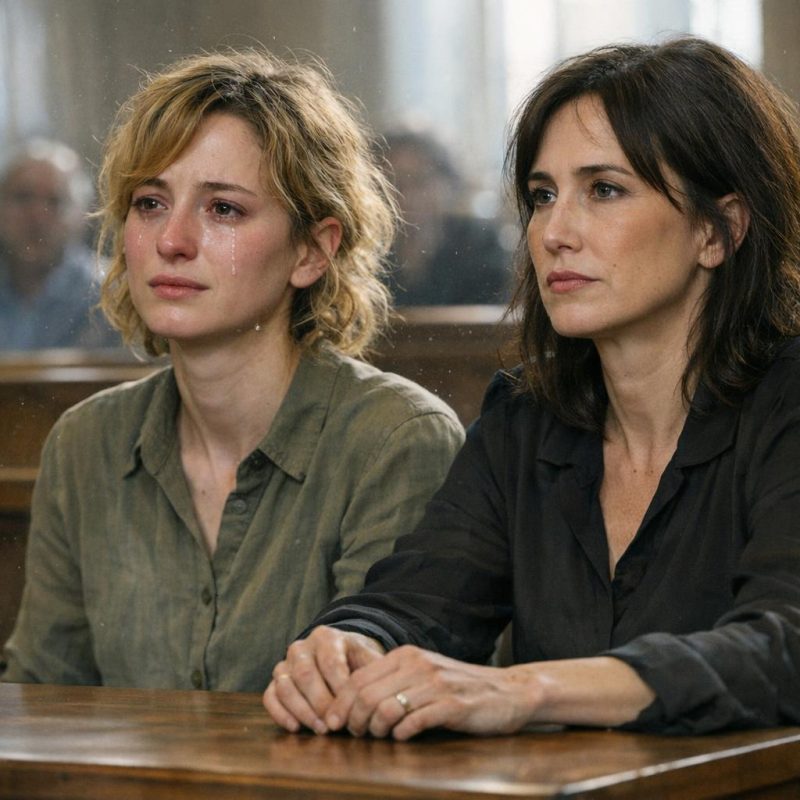 Image by RM AI
The Defense
Daniel's defense presented character witnesses who painted him as dedicated and caring, and for a moment I worried it might work. A woman from his gym testified that he'd always been helpful and kind, remembering people's names and asking about their families. A former colleague from an actual pharmaceutical company years ago described him as passionate about patient care, someone who'd gone into the field to make a difference. His sister took the stand and cried, saying Daniel had struggled with depression after losing his medical license—wait, he'd actually had one?—and might have lost touch with reality. The defense argued he wasn't a predator but a man who'd suffered a breakdown and genuinely believed he was conducting legitimate research. For a terrifying hour, I watched the jury's faces soften slightly, saw doubt creep into their expressions. My stomach turned. Could they actually buy this? Then the prosecution's rebuttal began. They brought in a forensic document analyst who testified about the falsified medical records. Then the prosecution presented the falsified medical records.
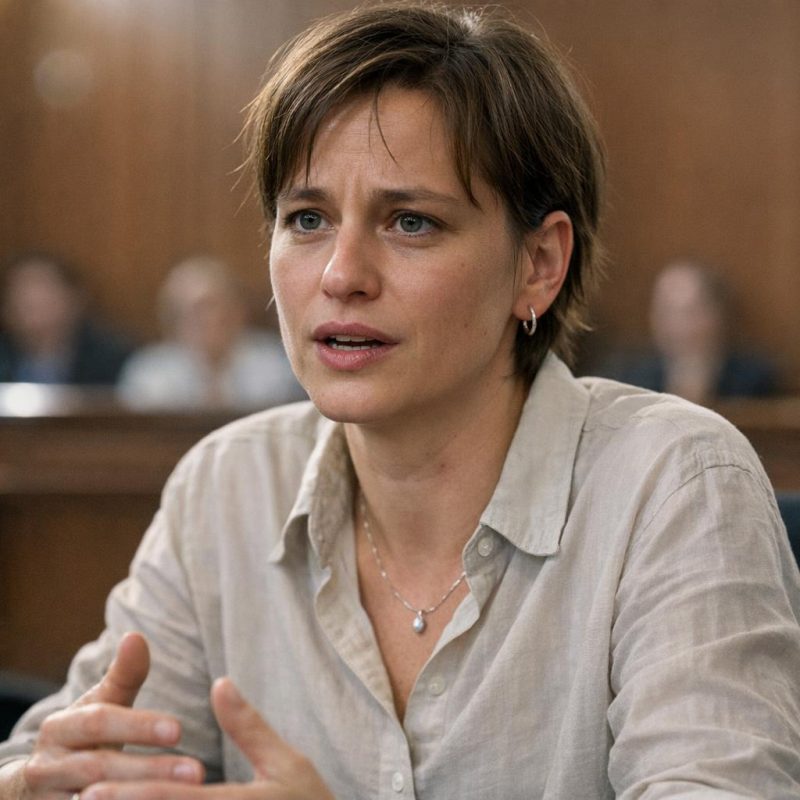 Image by RM AI
Closing Arguments
The prosecutor's closing argument laid out the pattern so clearly I couldn't believe I'd once been blind to it. She walked the jury through Daniel's method step by step: the research phase where he'd gather information about potential targets, the strategic 'chance' encounters, the carefully calibrated medical knowledge mixed with just enough legitimate terminology to sound credible. She displayed his bank records showing deposits that coincided with our payments. She showed emails where he'd purchased fake credentials from online vendors. She presented testimony from the real Dr. Harrison Chen, whose name Daniel had been using, who confirmed he'd never authorized any clinical trials and had never met Daniel. The prosecutor's voice grew stronger as she described the psychological manipulation, the exploitation of hope and fear. 'This wasn't confusion or delusion,' she said. 'This was calculation. This was predation.' She pointed at Daniel. 'The defense wants you to believe this man lost his way. The evidence shows he knew exactly where he was going.' The jury left to deliberate, and all we could do was wait.
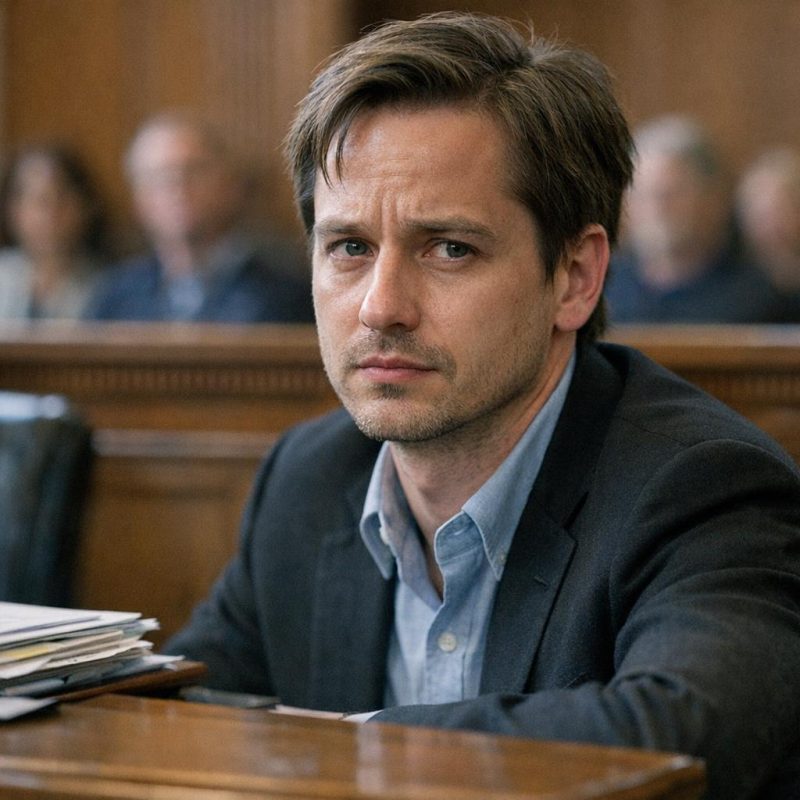 Image by RM AI
The Verdict
After two days of deliberation, the jury found Daniel guilty on all counts, and I felt something break open inside me. The foreman read each verdict—guilty, guilty, guilty—seventeen counts total, and with each word I felt lighter and heavier simultaneously. Rebecca grabbed my hand so tightly it hurt. Sarah was crying silently beside us. I kept my eyes on Daniel, watching for a reaction, any crack in his composure. He stood motionless as the verdicts were read, his lawyer's hand on his shoulder. When the judge thanked the jury and dismissed them, Daniel finally moved, turning slightly to look back at the gallery. His gaze swept across all of us, his victims, sitting in a row. There was something in his expression I couldn't name—not quite resignation, not quite defiance. Maybe just acknowledgment. The judge struck her gavel and announced that sentencing would be scheduled once pre-sentencing reports were completed. We filed out of the courtroom into the harsh afternoon sunlight, and I realized I was shaking. Sentencing was scheduled for three weeks later.
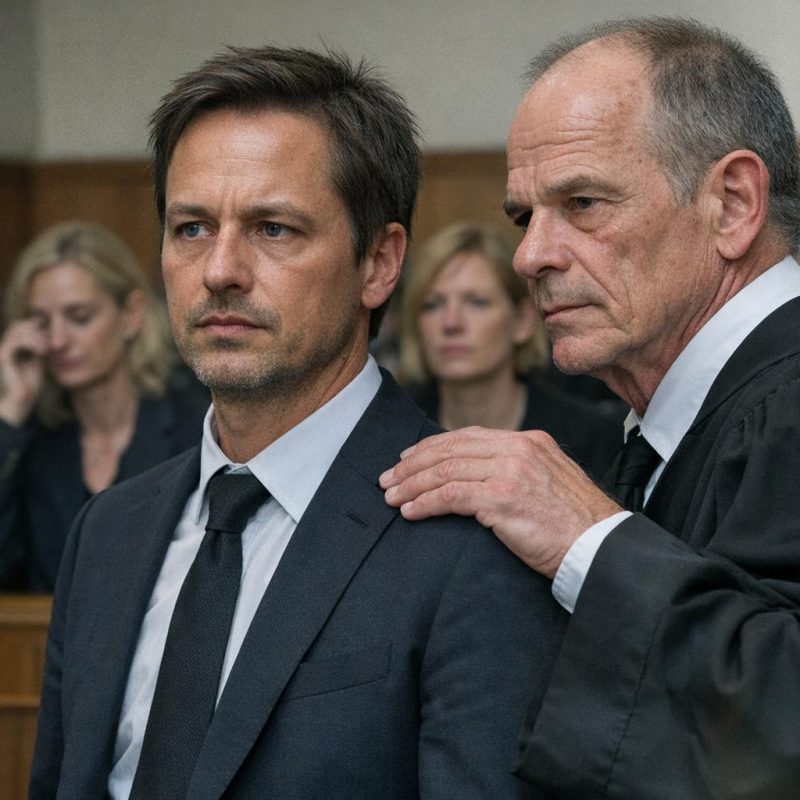 Image by RM AI
Victim Impact Statements
At sentencing, each of us read statements describing how Daniel's manipulation had damaged our lives, our trust, our sense of reality. Rebecca went first, her voice breaking as she described missing months of actual cancer treatment. Sarah talked about the paranoia that had infected every new relationship since. Marcus explained how he'd lost his retirement security. When my turn came, I stood at the podium and looked directly at Daniel. I told him how he'd stolen my sense of agency over my own body, how I'd second-guessed every medical decision since, how I'd stopped trusting my own judgment. I told him about the nightmares where I relived that moment on the street, wishing I'd just kept walking. I told him I hoped he'd spend his time in prison thinking about the real people he'd hurt, though I suspected he wouldn't. My voice didn't shake. I'd practiced. When I finished and returned to my seat, I waited for some reaction, some sign that my words had landed. Daniel sat silently, showing no emotion.
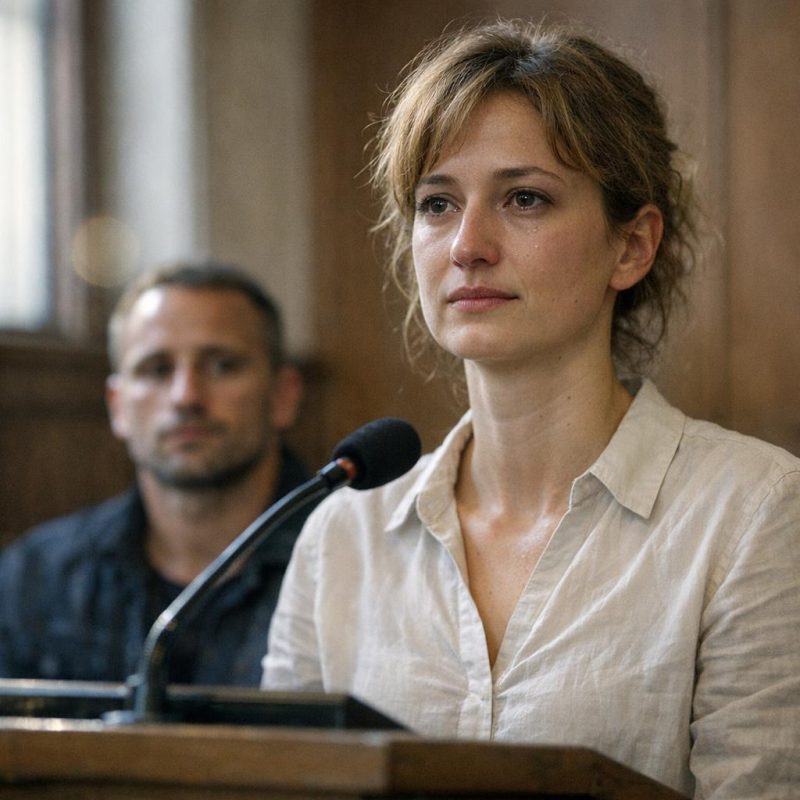 Image by RM AI
Sentencing
The judge read the sentence without drama, just facts and years stacked on top of each other. Fifteen years in prison. Wire fraud, medical malpractice without a license, elder abuse, exploitation of vulnerable individuals. The bailiff moved toward Daniel's table, and he stood without expression, hands already positioned for the cuffs. No protest, no final speech. Just compliance, like he'd already moved on to whatever calculation came next. The courtroom was silent except for someone's quiet crying—I think it was Marcus's daughter. I sat perfectly still, watching Daniel's profile as the bailiff secured the restraints. Then, as they began leading him toward the side door, he turned his head. His eyes found mine across the room, that same steady gaze from the day he'd tapped my shoulder. For three years, I'd flinched away from that look, questioned myself, wondered if I'd misunderstood everything. This time I stared right back, unblinking, until he disappeared through the doorway. I refused to look away.
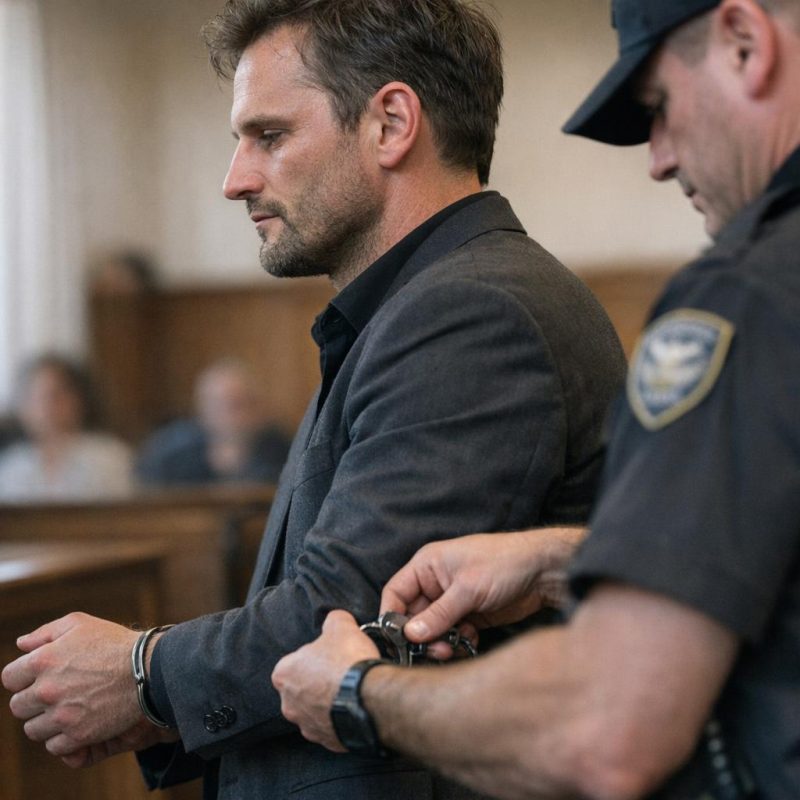 Image by RM AI
Aftermath
The weeks after the trial felt weirdly anticlimactic, like I'd braced for an explosion that turned into a long, slow deflation instead. I started seeing Dr. Chen, a therapist who specialized in trauma from betrayal and manipulation. She didn't try to rush me through feelings or package everything into neat recovery milestones. We just talked. About trust, about the way Daniel had weaponized my fear, about how I'd second-guessed every instinct since that day on the street. Slowly—and I mean glacially slowly—I started making small decisions without spiraling into doubt afterward. Bought groceries without obsessively checking expiration dates. Went to my regular doctor for a checkup without preparing a interrogation. Maya came over one evening with takeout, and we sat on my couch like we used to, before everything got complicated. She was quiet for a while, then asked, 'Do you ever regret it? That he tapped your shoulder that day?' I opened my mouth to answer, to say something definitive about fate or lessons learned. But nothing came out, because honestly? I didn't know.
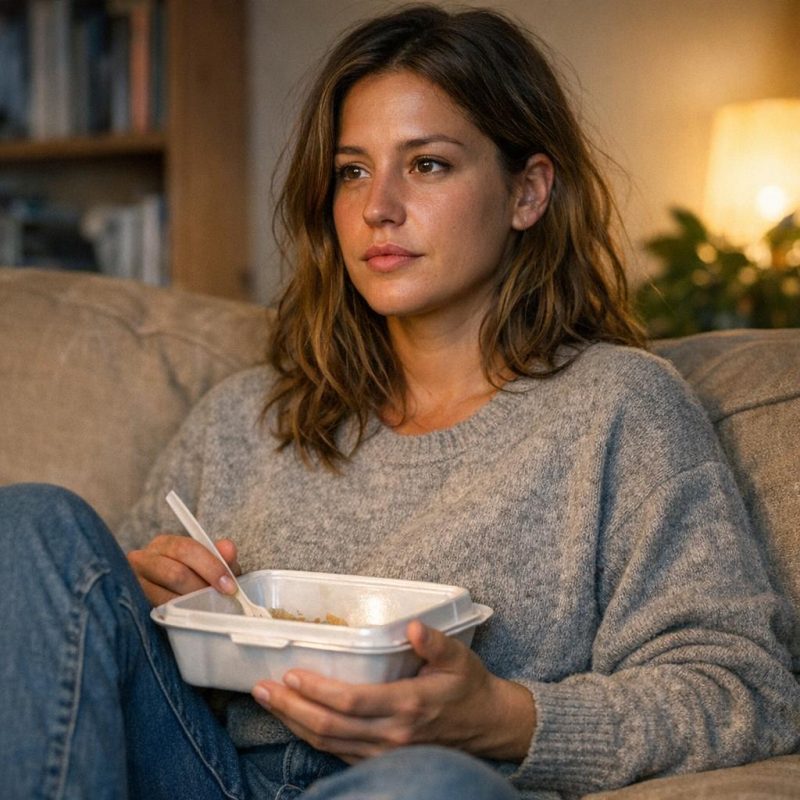 Image by RM AI
Connection
Rebecca texted me about two months after sentencing, asking if I wanted to get coffee. She'd been talking with Sarah and Marcus, and they'd had an idea: what if we turned this whole nightmare into something that might actually help people? We started meeting monthly, just the four of us at first, sharing resources and checking in. Then Sarah found two other victims of medical fraud schemes—different perpetrators, same playbook of manufactured urgency and false expertise. We invited them to join us. The group grew. We created a website with red flags to watch for, testimonials, links to actual medical resources. Rebecca, who'd finished her real cancer treatment and was in remission, became a fierce advocate for patient rights legislation. I started volunteering with a fraud prevention nonprofit, teaching people how to verify credentials and trust their gut when something felt off. It wasn't therapy exactly, but it was something. Helping others recognize the warning signs I'd missed gave my experience a meaning I hadn't expected to find.
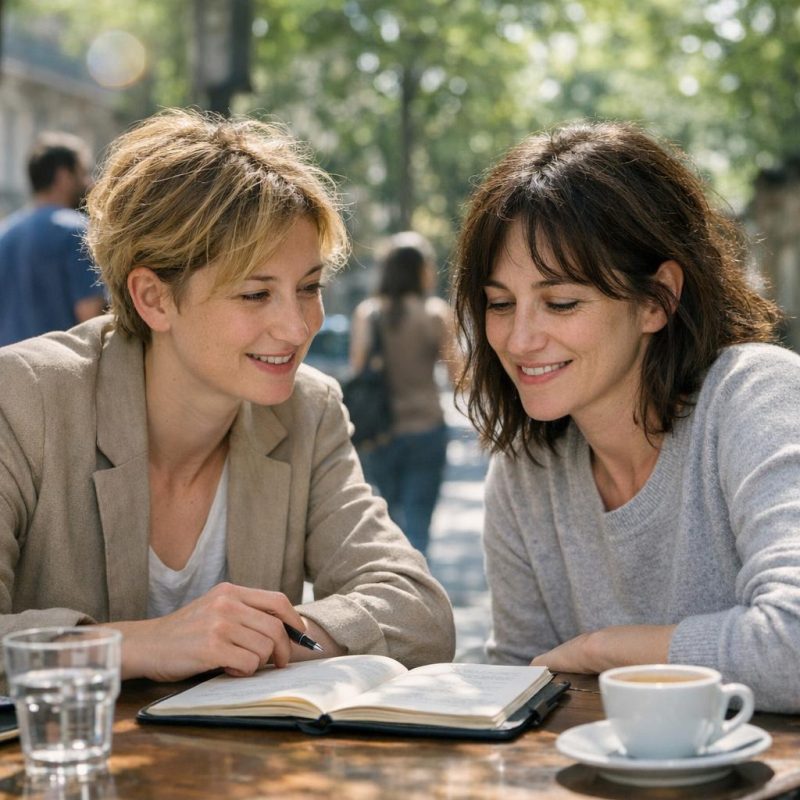 Image by RM AI
The Shoulder Tap
It's been four years now, and I still think about that afternoon all the time. The weight of Daniel's hand on my shoulder, the way the crowd parted around us, how his voice carried such conviction when he said those five words: 'You need to see this.' He changed my life, absolutely. Just not remotely the way he claimed he would. Sometimes I wonder about the alternate timeline where I kept walking, where I never stopped, never got tangled in his web. Would I have actually missed something critical? Probably not. But I also wouldn't have met Rebecca or Sarah, wouldn't have found this strange purposeful work, wouldn't have learned to trust my instincts again by having them so thoroughly violated. My therapist says trauma doesn't have to make you grateful, that you're allowed to wish it never happened while still acknowledging what came after. I'm working on that. What I know for certain is this: I've learned that salvation and destruction can wear the same face, speak with the same confidence, and the only way forward is to keep looking closely.
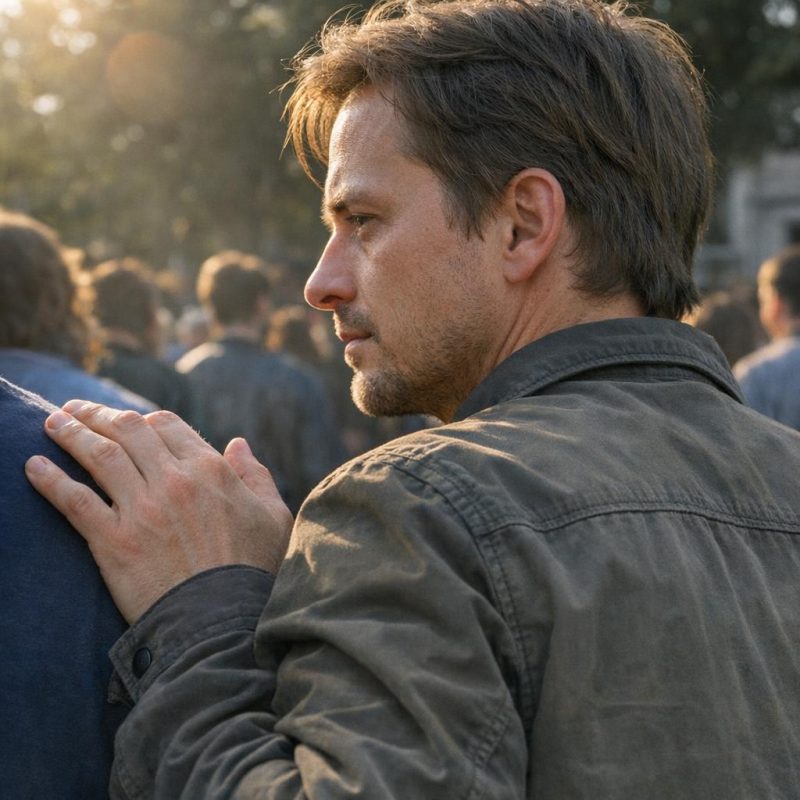 Image by RM AI