Places That Feel Wrong For Different Reasons
Some places get called cursed because the facts are already unsettling enough, and folklore simply rushes in to finish the job. A forest feels unnaturally quiet, a town empties out, lights appear where they should not, or a landscape carries the afterimage of disaster for so long that people stop reaching for ordinary language. In some cases, the eerie reputation rests on causes that are now pretty well understood, whether that means bad geology, industrial mistakes, mass panic, or optics playing tricks at a distance. In other places, the basic facts are known, but the central question still refuses to settle into one clean answer. Here are 10 destinations whose reputations have solid explanations behind them, and 10 where the mystery still has not gone away.
 commons.wikimedia.org on Google
1. Bermuda Triangle
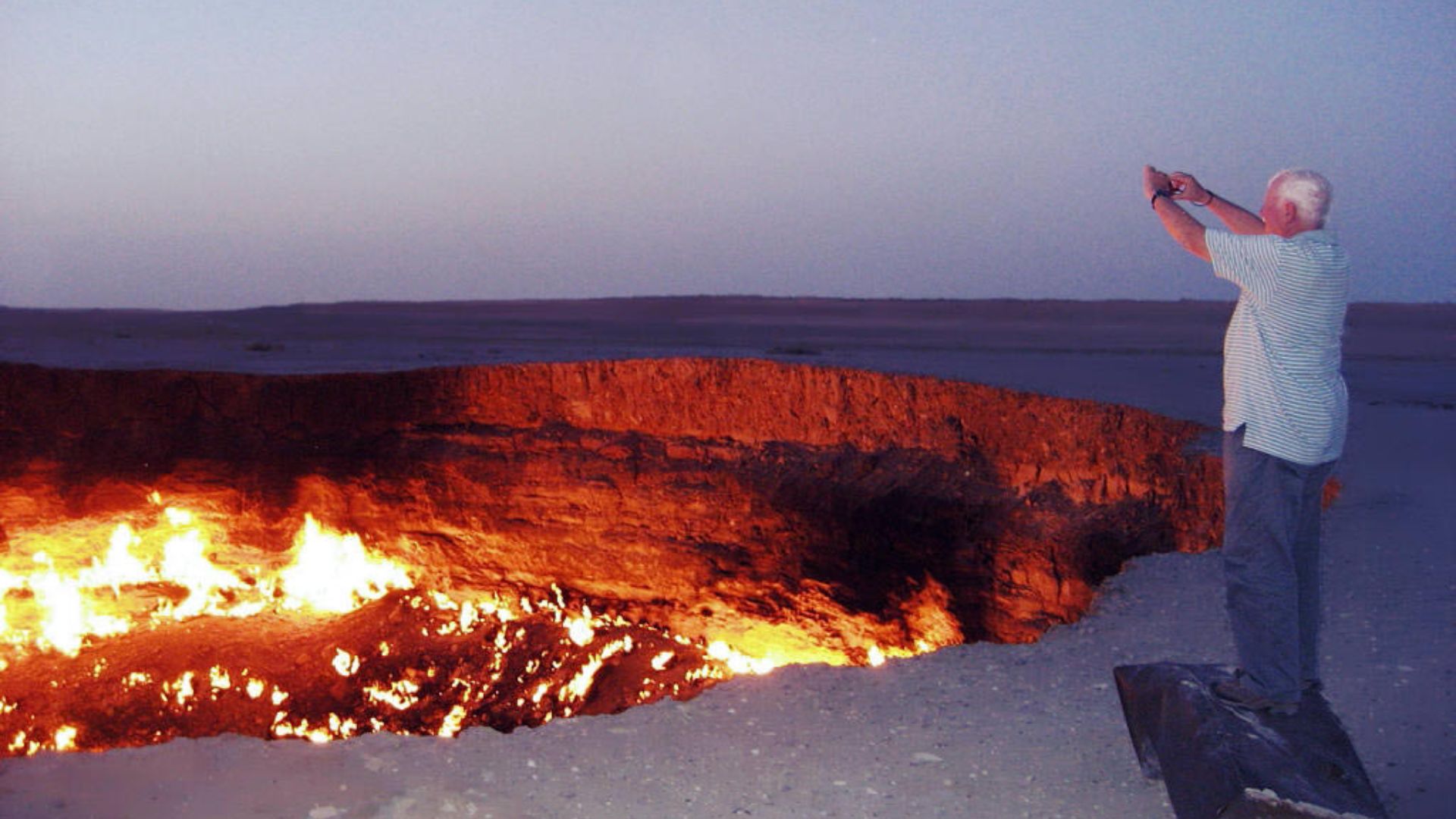
The Bermuda Triangle still sounds like a supernatural trap, but NOAA says there is no evidence disappearances happen there more often than in any other heavily traveled part of the ocean. That makes weather, navigation errors, and ordinary accident rates far more convincing than any curse story.
2. Centralia
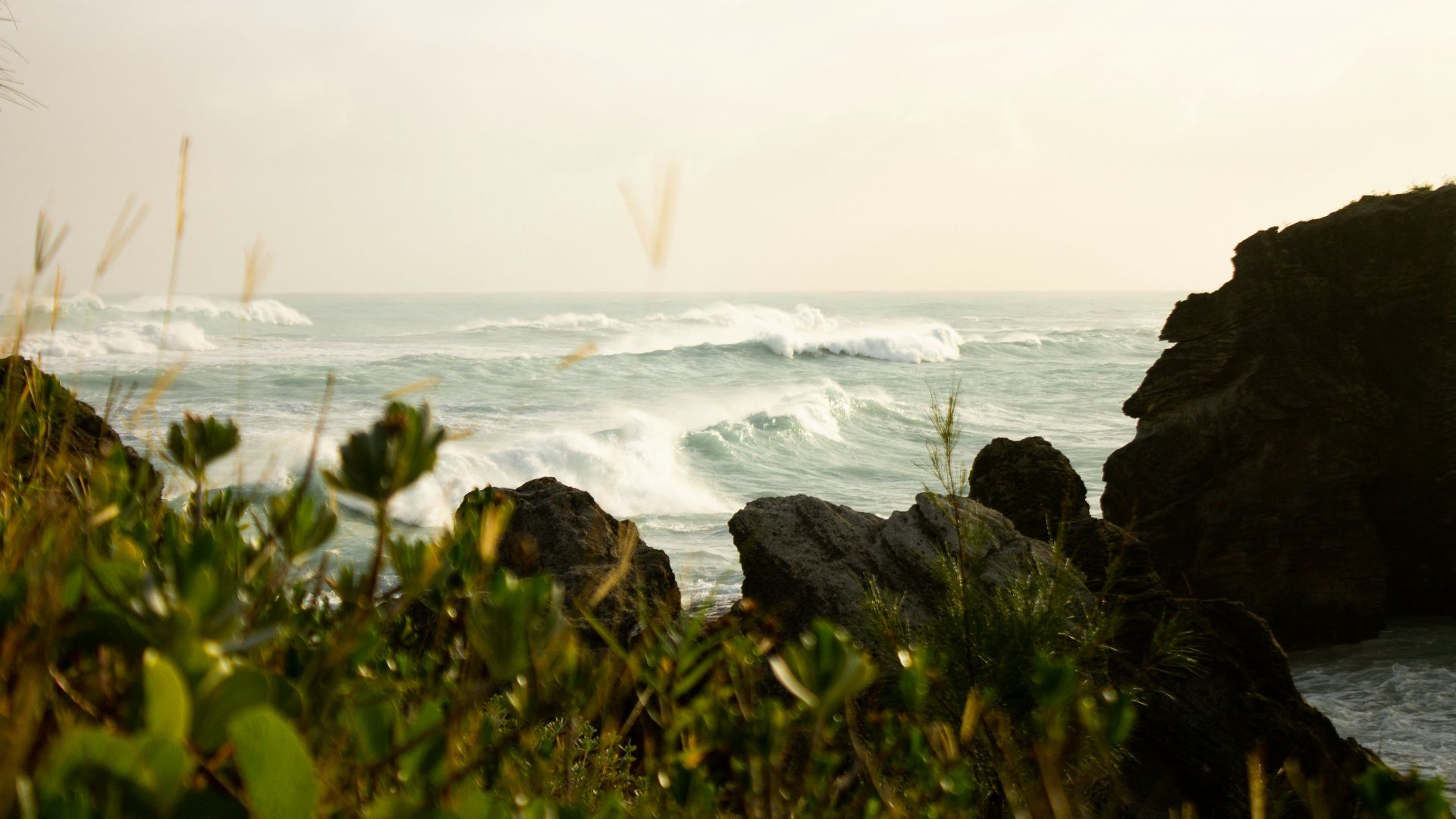
Centralia looks cursed because it is the remains of a town undermined by a mine fire that began in 1962 and could not be fully controlled. Pennsylvania’s own chronology shows how the fire spread, damaged roads, and forced relocations, which is more than enough to explain the town’s apocalyptic reputation.
 commons.wikimedia.org on Google
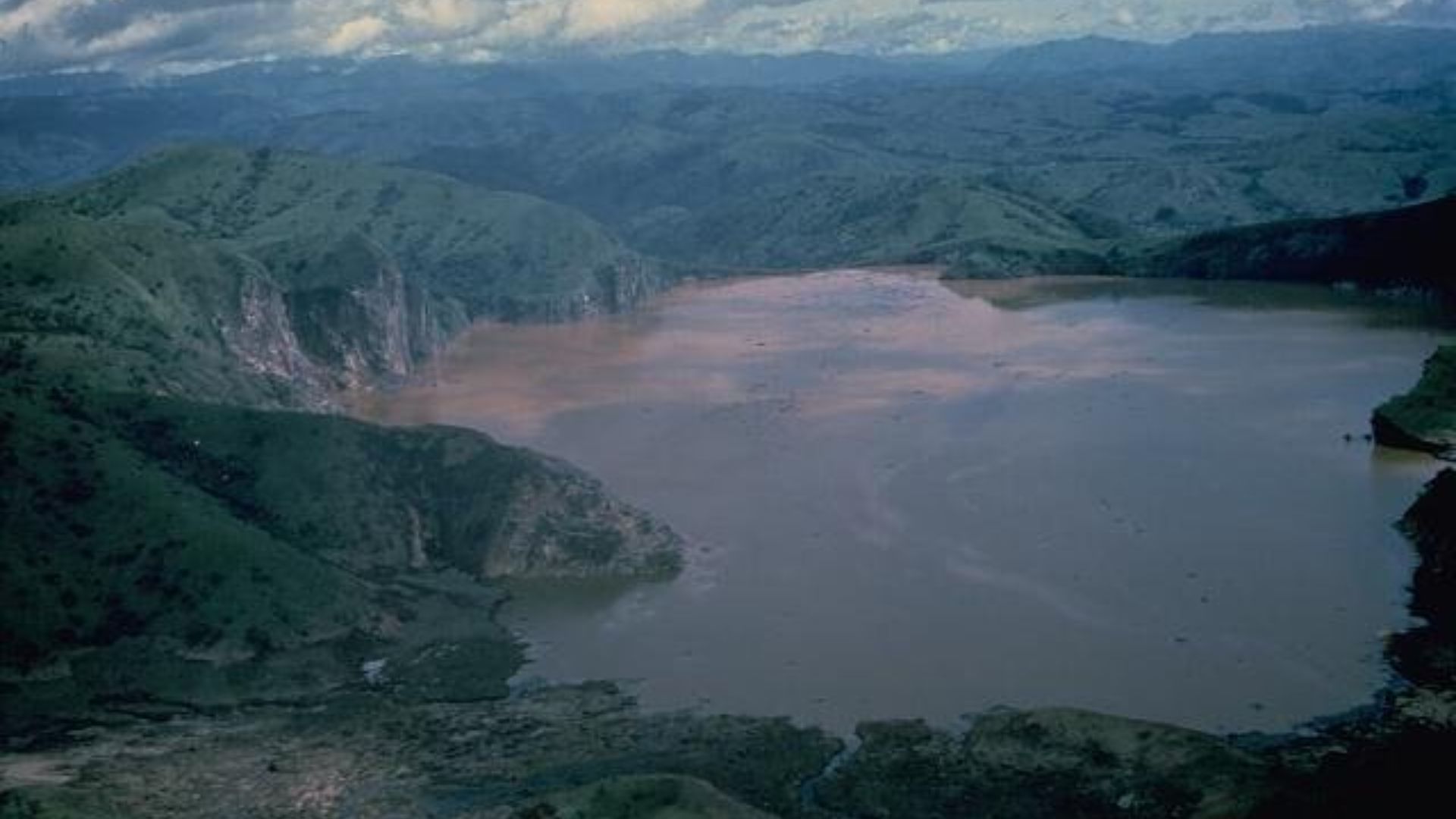
3. Lake Nyos
Lake Nyos became one of the most frightening places on earth after a 1986 limnic eruption released a huge cloud of carbon dioxide and killed roughly 1,700 to 1,800 people. It sounds like folklore, but the horror came from a rare and very real geological event.
 Jack Lockwood, USGS on Wikimedia
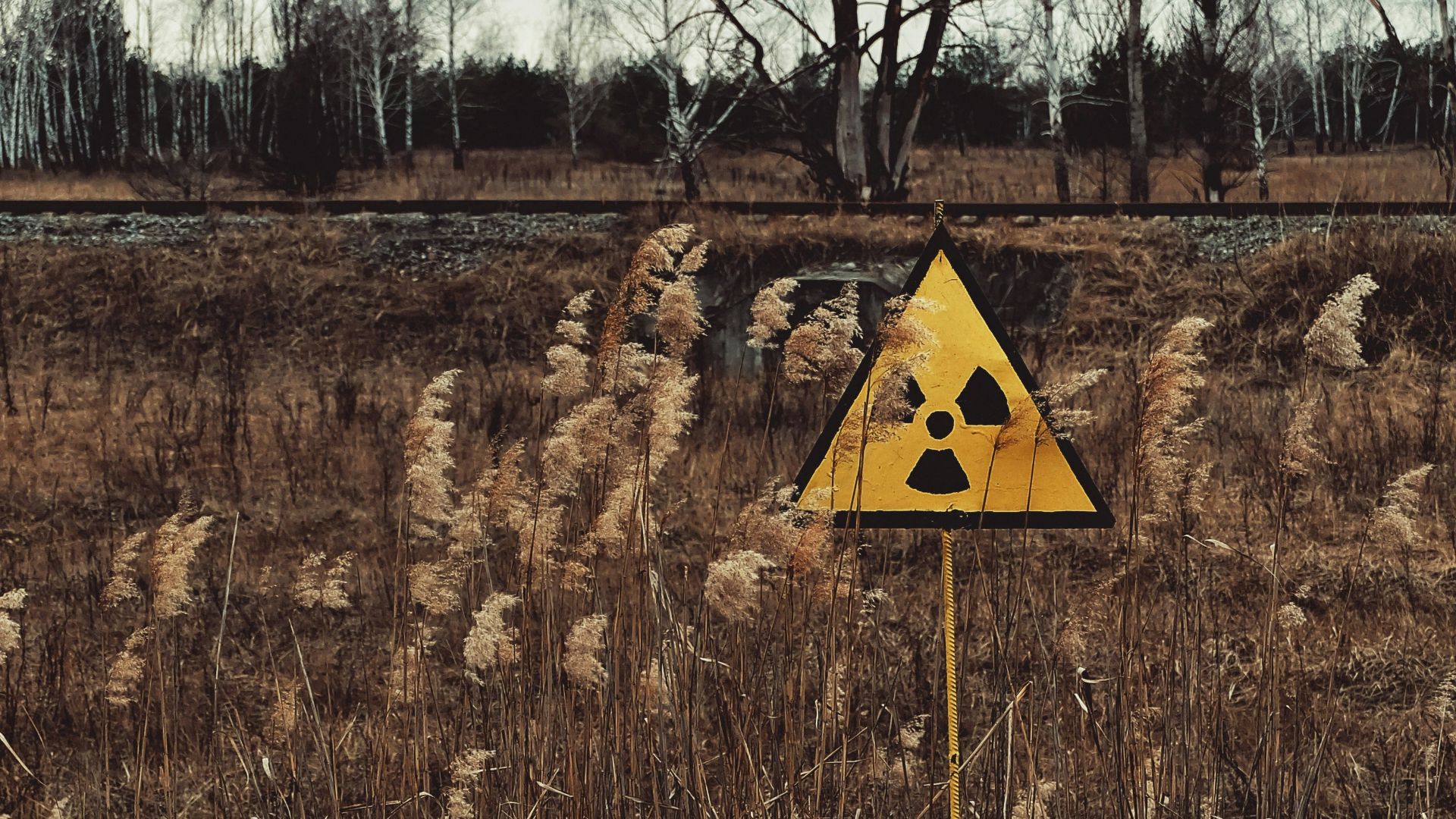
4. Chernobyl
Chernobyl feels haunted because the place was shaped by the worst disaster in the history of nuclear power generation. The abandoned buildings, exclusion zone, and long shadow of radioactive contamination explain the atmosphere without needing anything paranormal added on top.
 Oleksandra Bardash on Unsplash
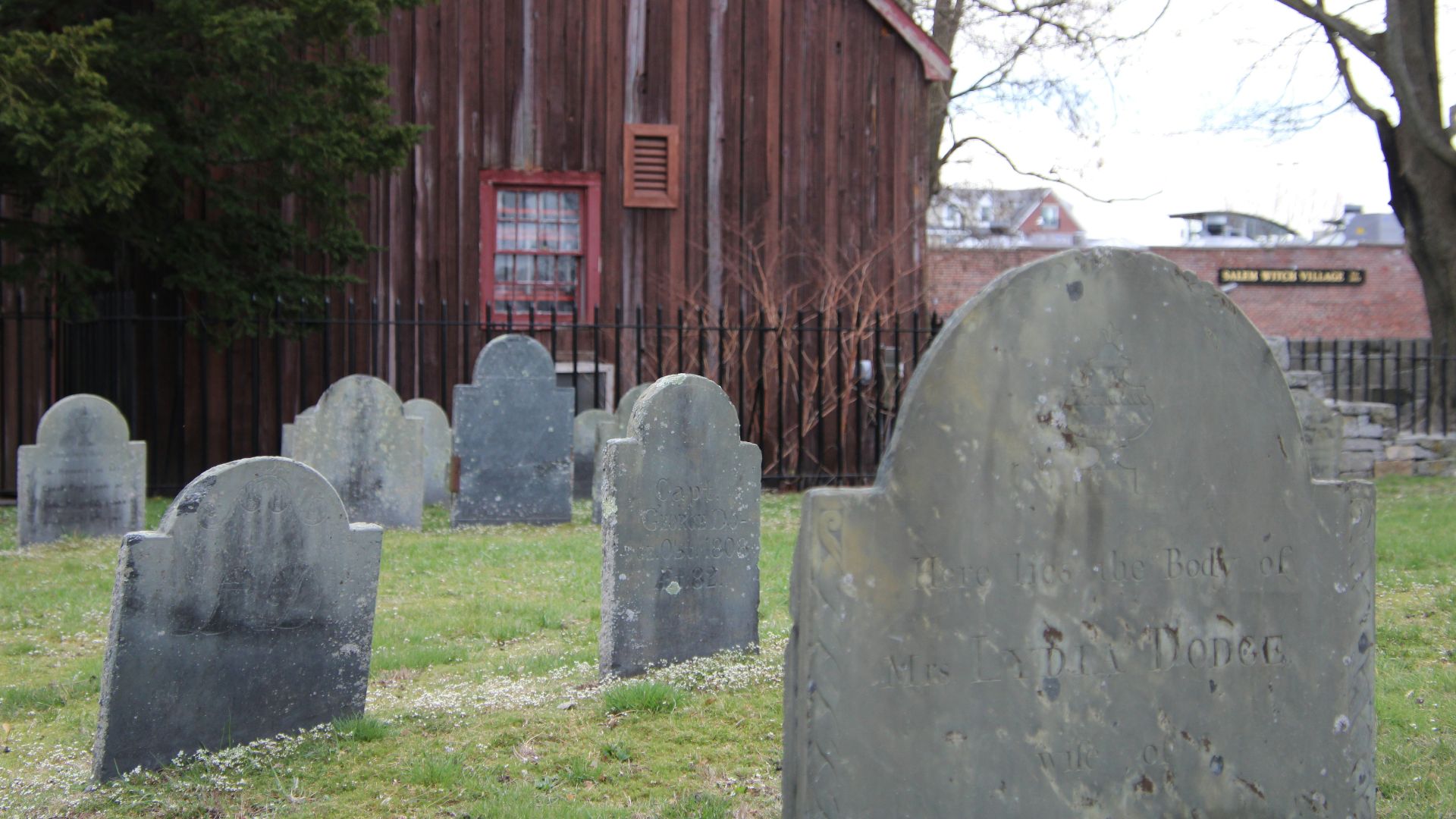
5. Salem
Salem’s reputation came from human fear, not supernatural proof. The trials grew out of accusation, hysteria, and legal procedures that treated spectral claims as evidence, which makes the real story darker and more plausible than the myth.
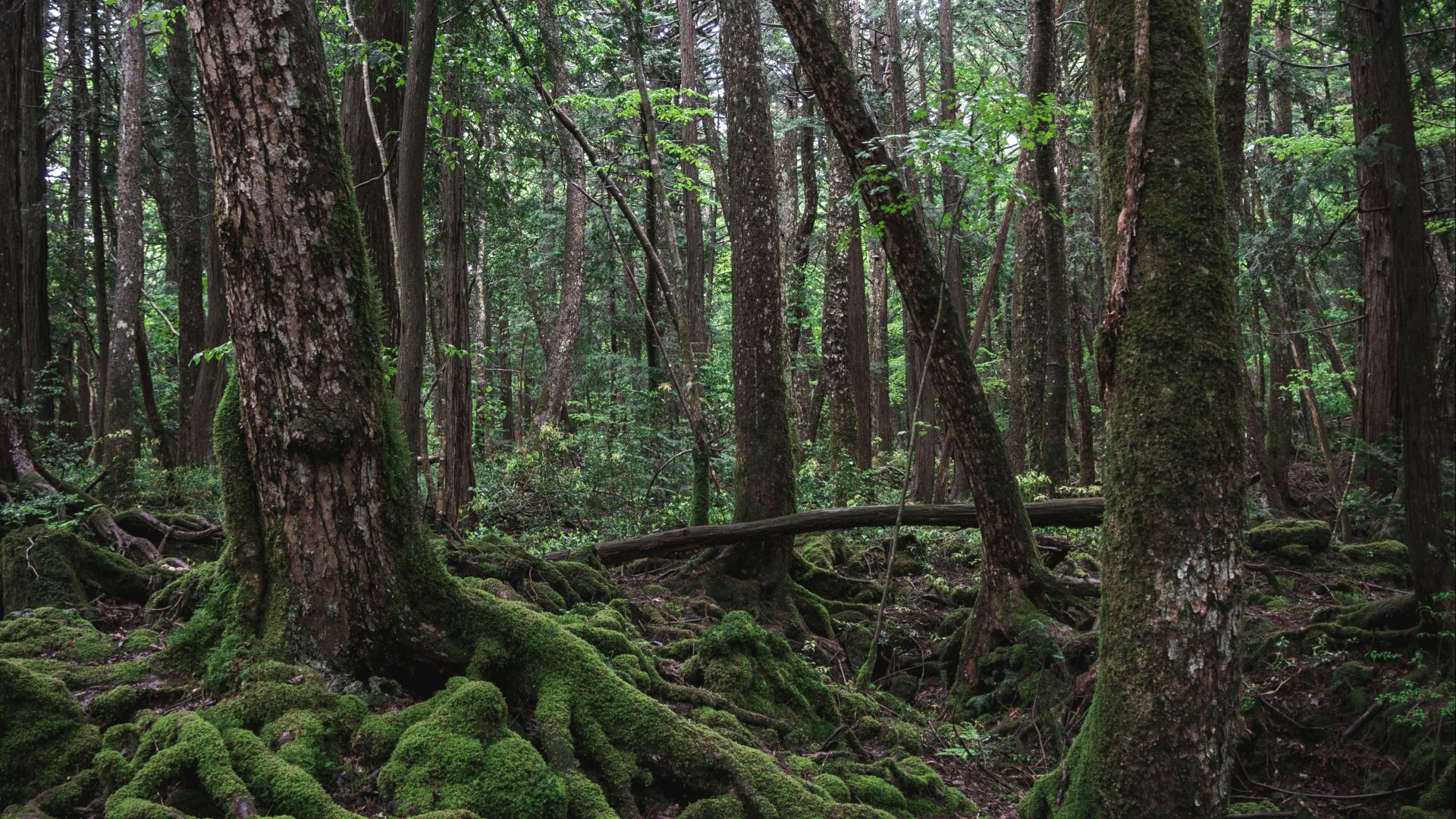
6. Aokigahara
Aokigahara has an unnerving reputation that starts with the physical setting itself. Japan’s official tourism site notes that the forest grew on lava from Mount Fuji’s ninth-century eruption, and that the porous lava bedrock absorbs sound, deepening the sense of isolation people feel there.
7. Brown Mountain
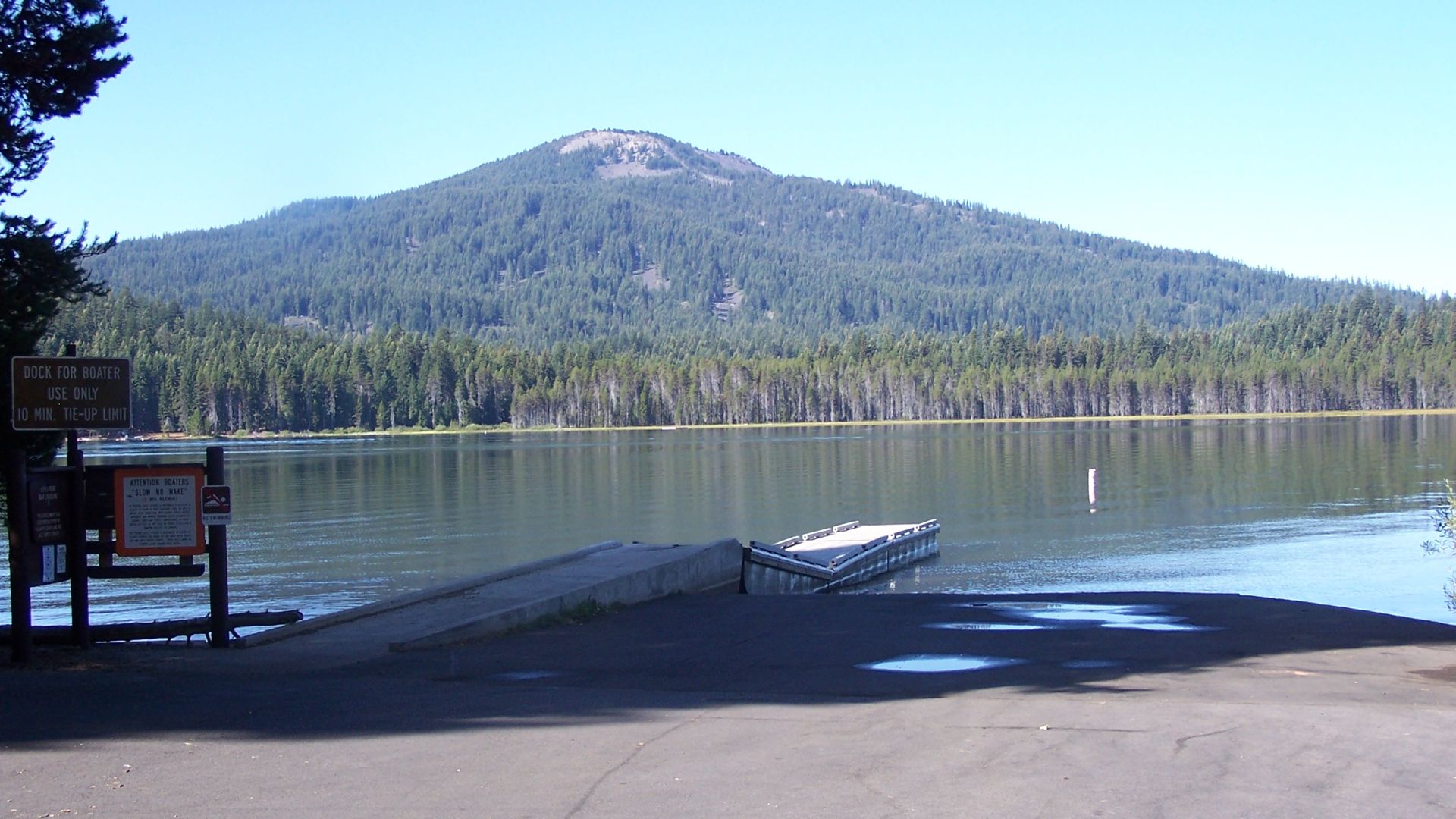
The Brown Mountain lights inspired generations of ghost stories, but investigations traced many sightings to train lights, car headlights, and brush fires. The mystery lasted because distant light can behave strangely, not because the mountain needed a curse.
 Little Mountain 5 on Wikimedia
8. Darvaza Gas Crater
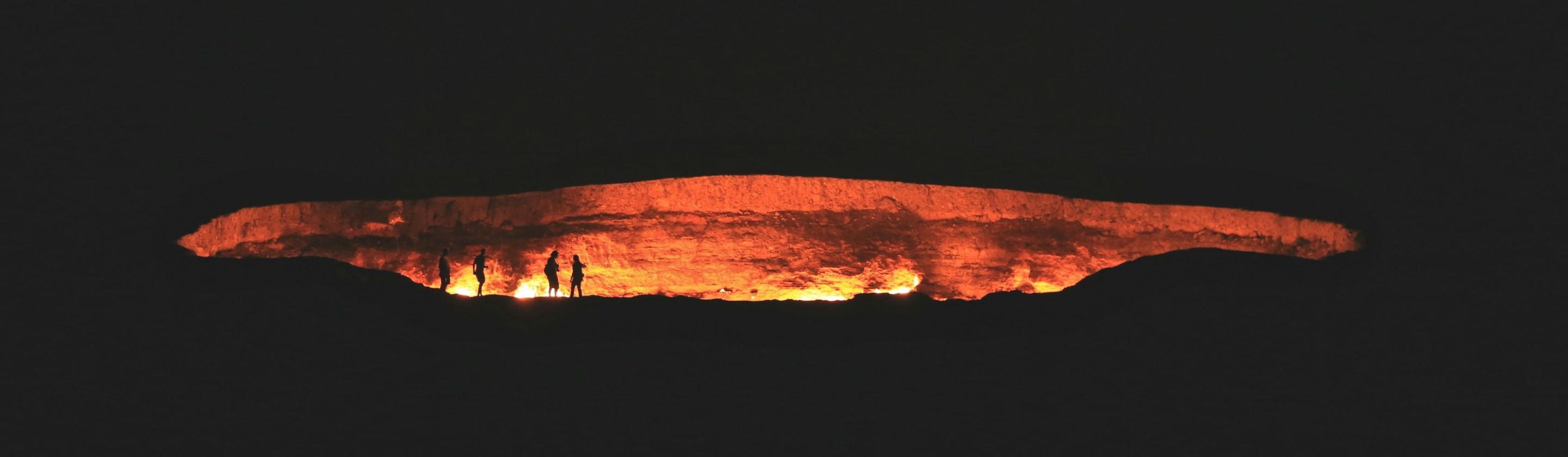
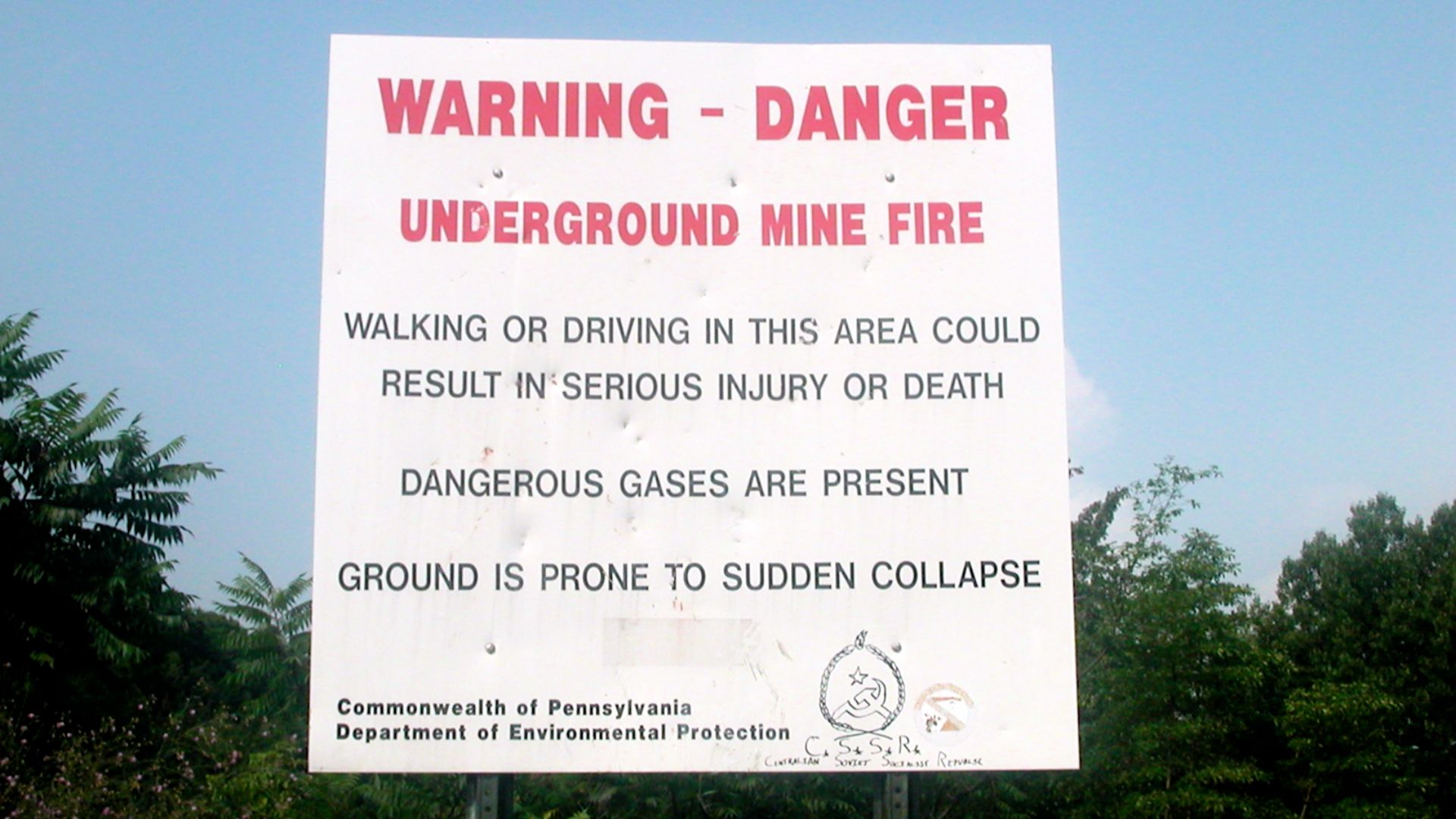
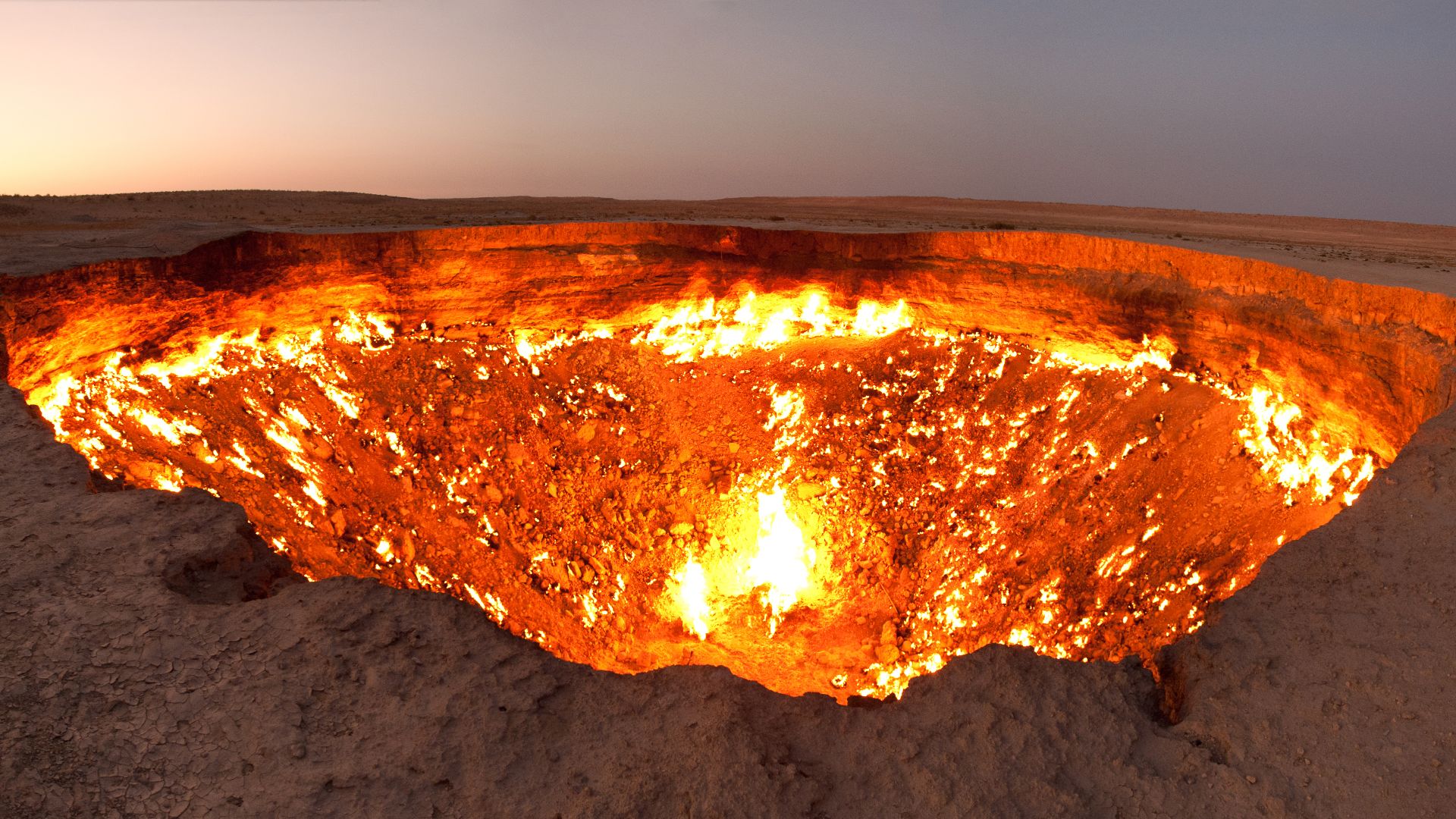
Turkmenistan’s Door to Hell looks like a landscape designed by rumor, but the broad outline is earthly enough: a drilling operation in 1971 punctured a gas cavern, the ground collapsed, and the escaping gas was ignited. The result feels mythical only because the fire kept burning.
 Tormod Sandtorv (original picture)
Hellbus (derived work) on Wikimedia
Tormod Sandtorv (original picture)
Hellbus (derived work) on Wikimedia
9. Marfa
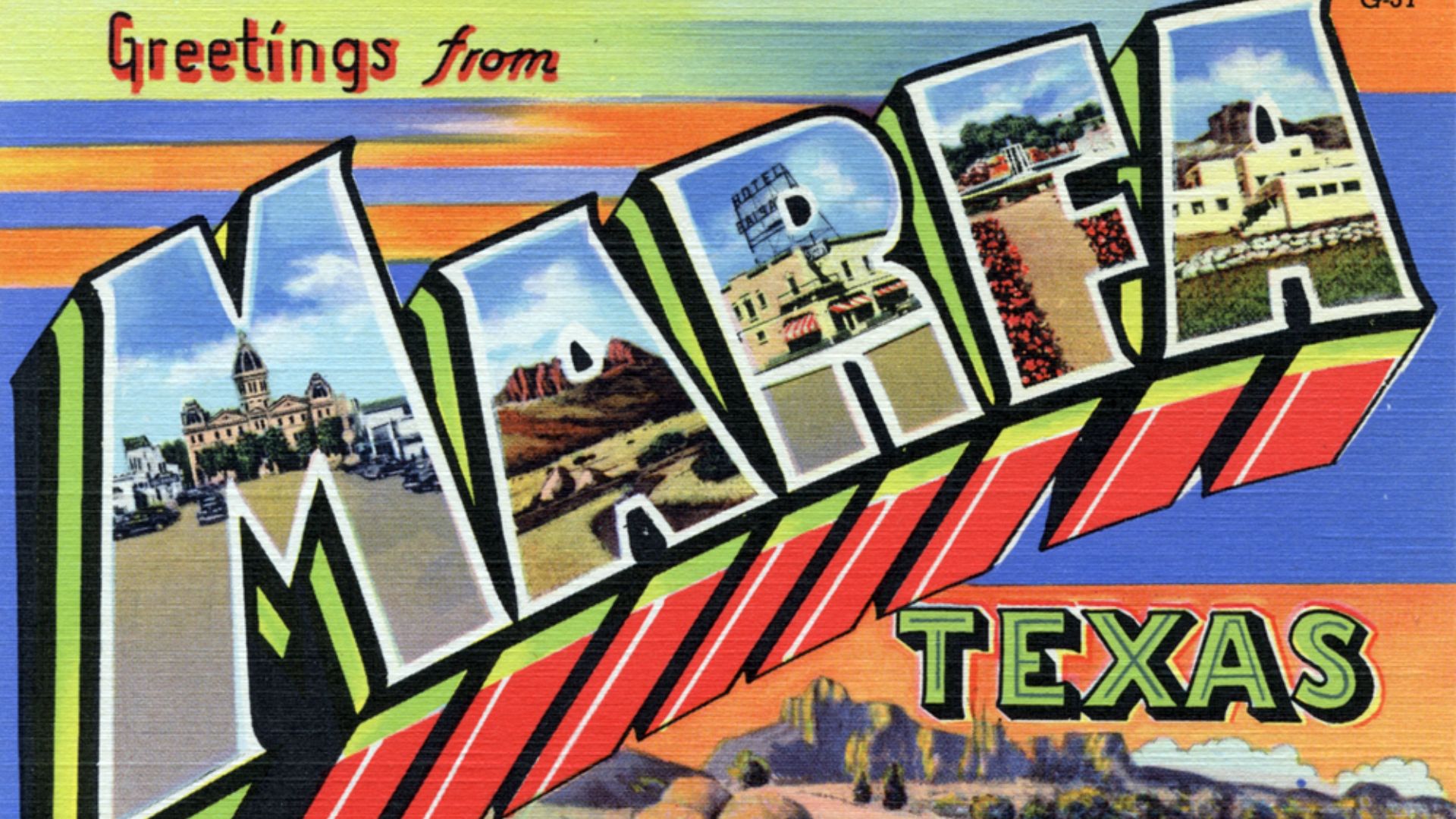
The Marfa lights have built a whole ghost-light mystique, yet scientists studying them from 2000 to 2008 concluded that the famous lights were mostly automobile headlights distorted by warm desert air. The view is real, but the curse language has always done more work than the evidence.
 Steve Shook from Moscow, Idaho, USA on Wikimedia
10. Death Valley’s Moving Rocks
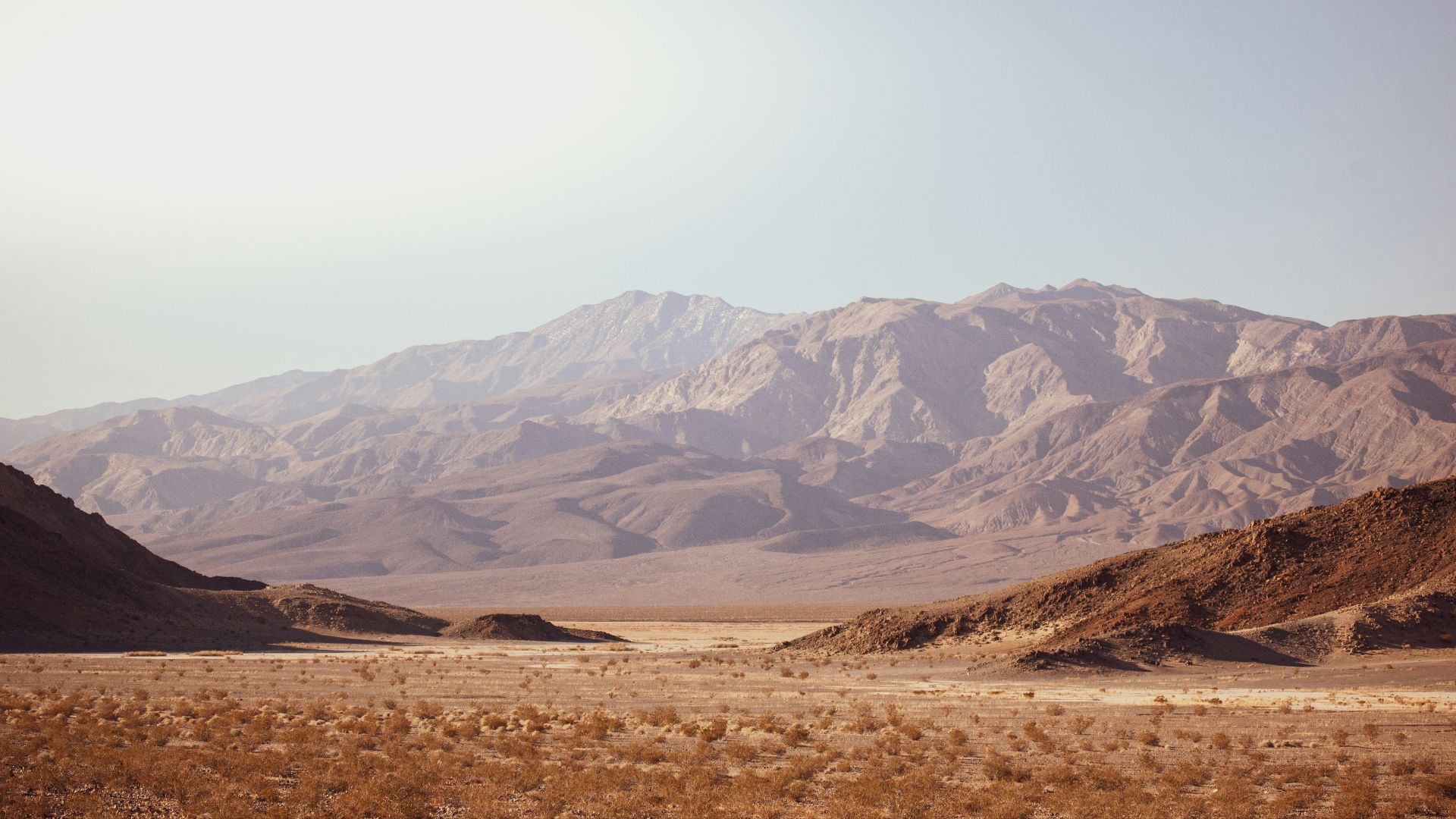
Death Valley’s sailing stones once looked like one of those mysteries that would never survive daylight. The National Park Service says researchers finally showed the rocks move through a rare combination of water, thin sheets of ice, and wind, which is strange enough without turning the playa into something occult.
Some places are harder to file away. The folklore may be exaggerated, but the missing piece in the story still has not been pinned down. Here are ten.
1. Roanoke Island
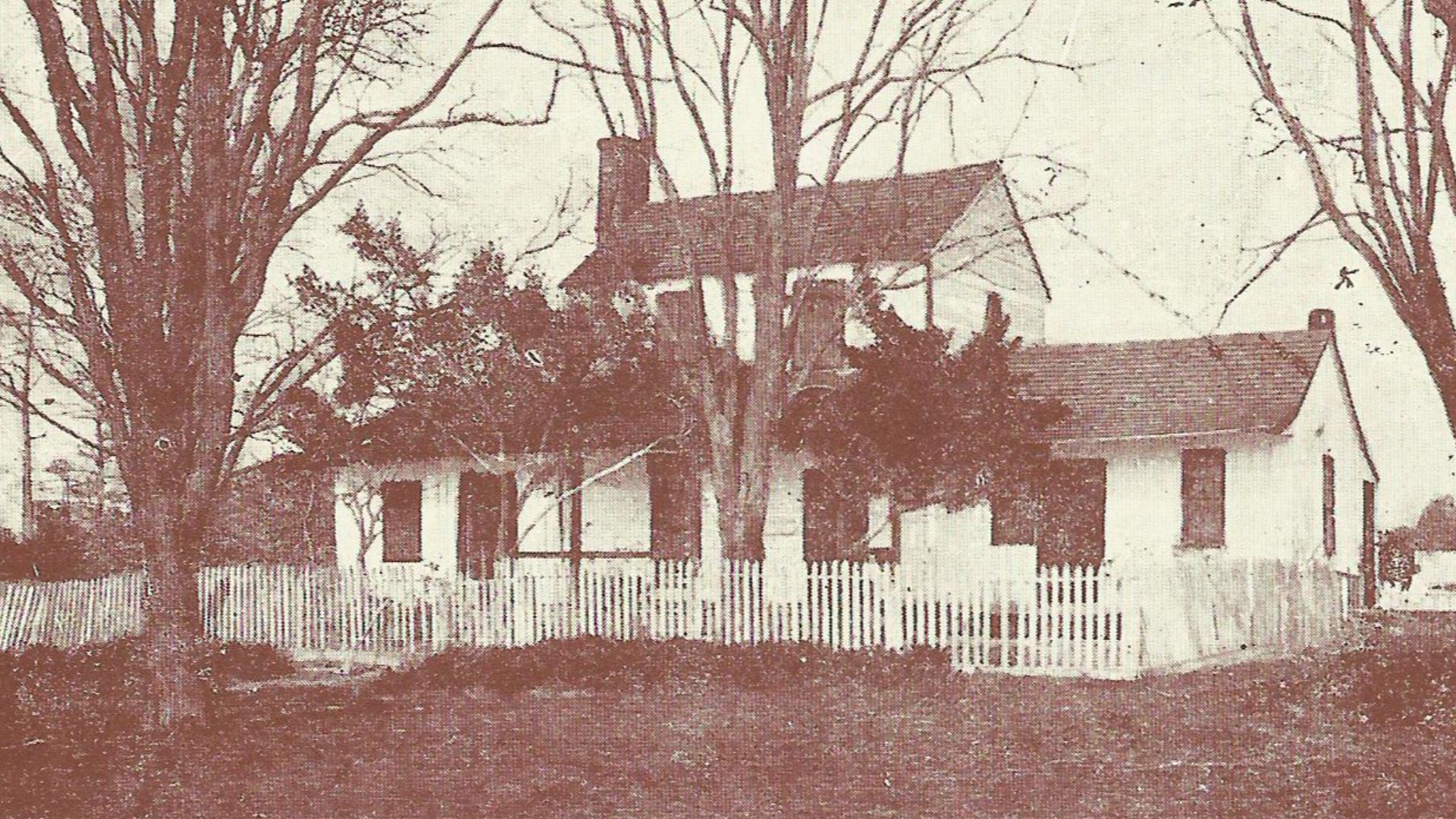
Roanoke remains unsettling because the colony was simply found abandoned, and the most likely theories still stop short of certainty. The National Park Service lays out explanations involving relocation, disease, famine, or assimilation, but none closes the case cleanly.
 State Archives of North Carolina on Wikimedia
2. Flannan Isles
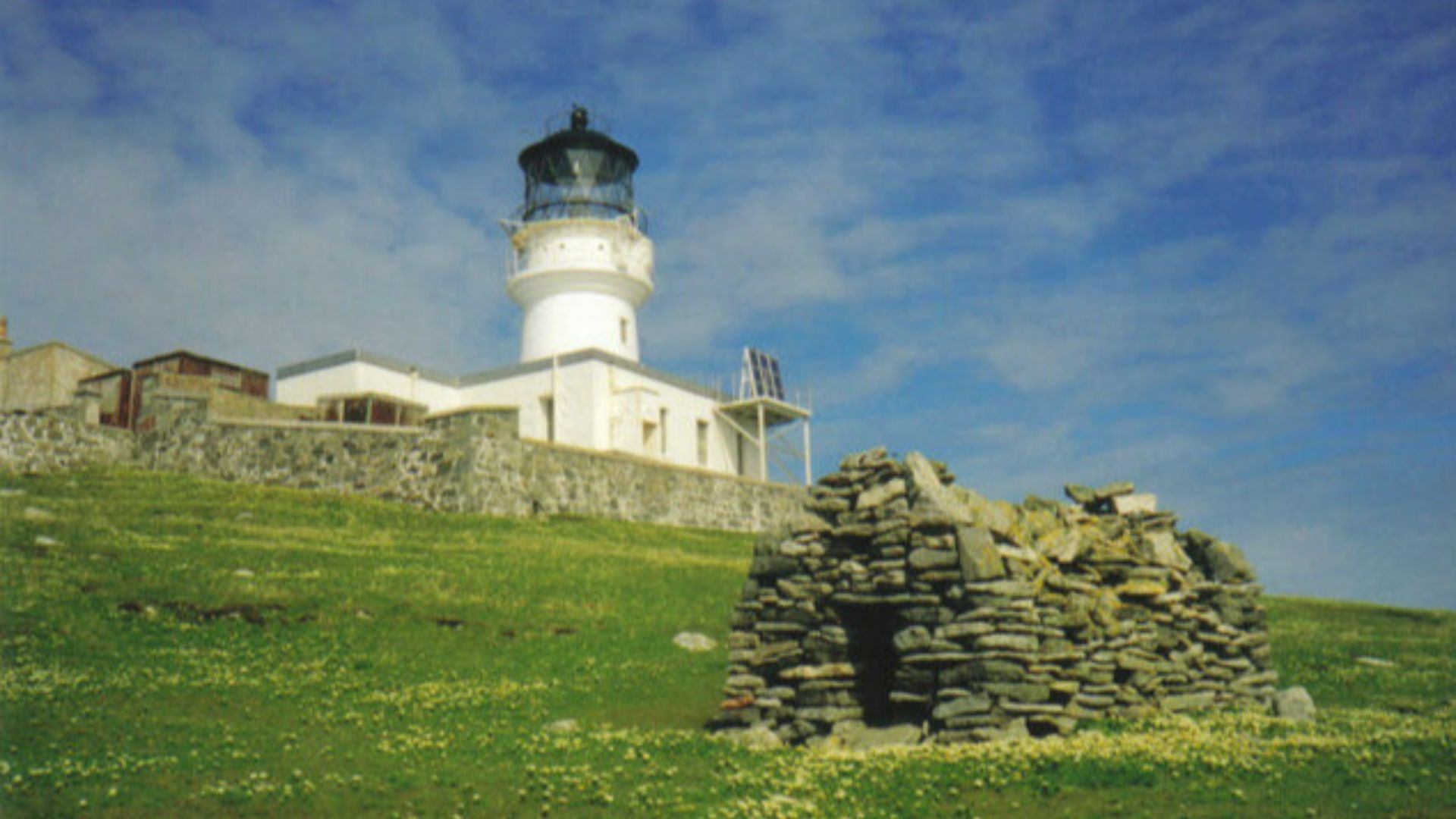
The Flannan Isles mystery still works because the official record is so bare. The Northern Lighthouse Board says only that the three keepers were lost in 1900 and that it can report only what was recorded at the time, which leaves the ending permanently unfinished.
3. Dyatlov Pass
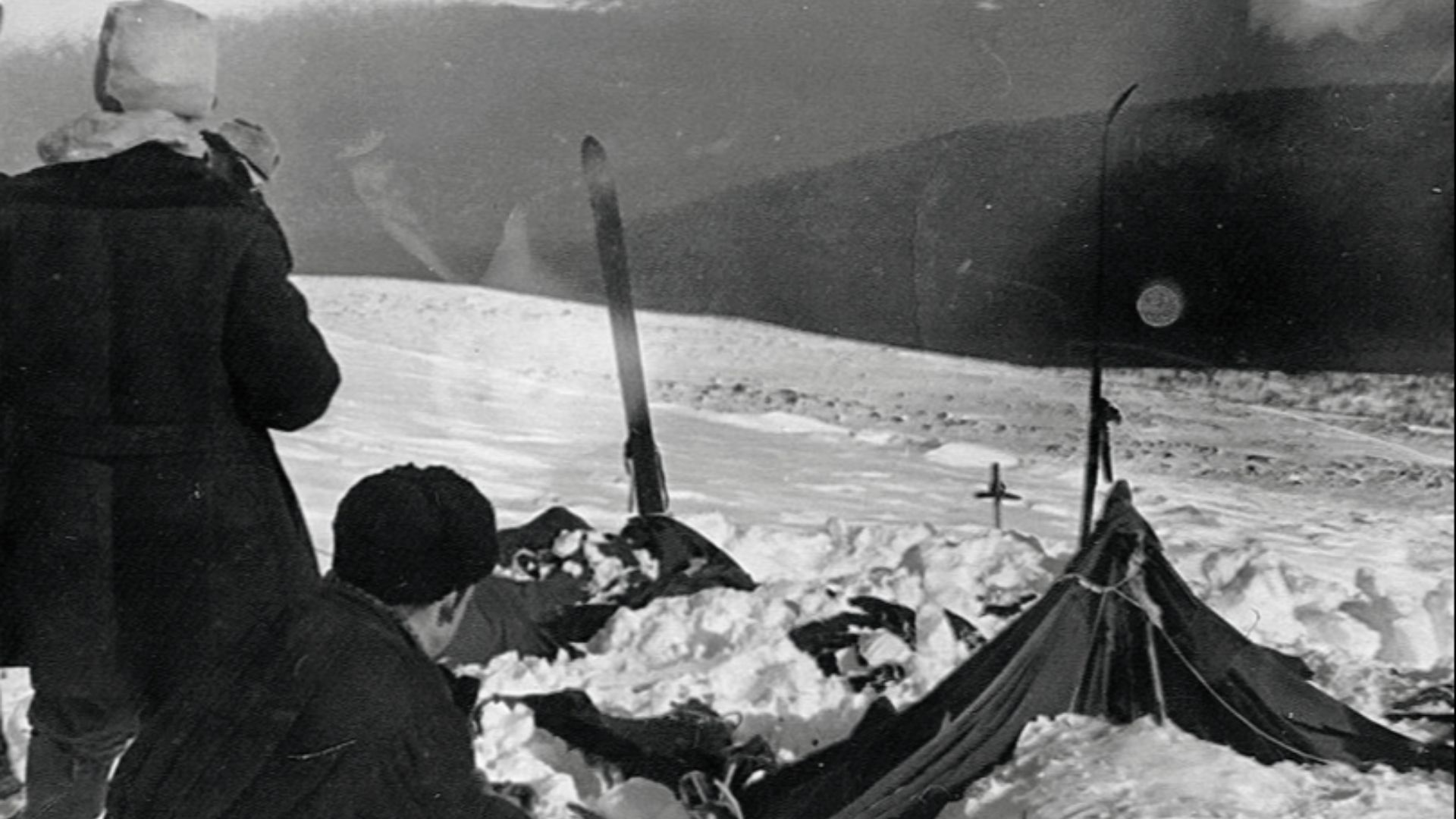
Dyatlov Pass has better science around it than it used to, but not total closure. A 2021 study argued that a slab avalanche could plausibly explain the incident, yet the case remains one of those mysteries people keep revisiting because the evidence never resolves into something emotionally satisfying.
 AnonymousUnknown author / Soviet investigators on Wikimedia
4. Nazca Lines
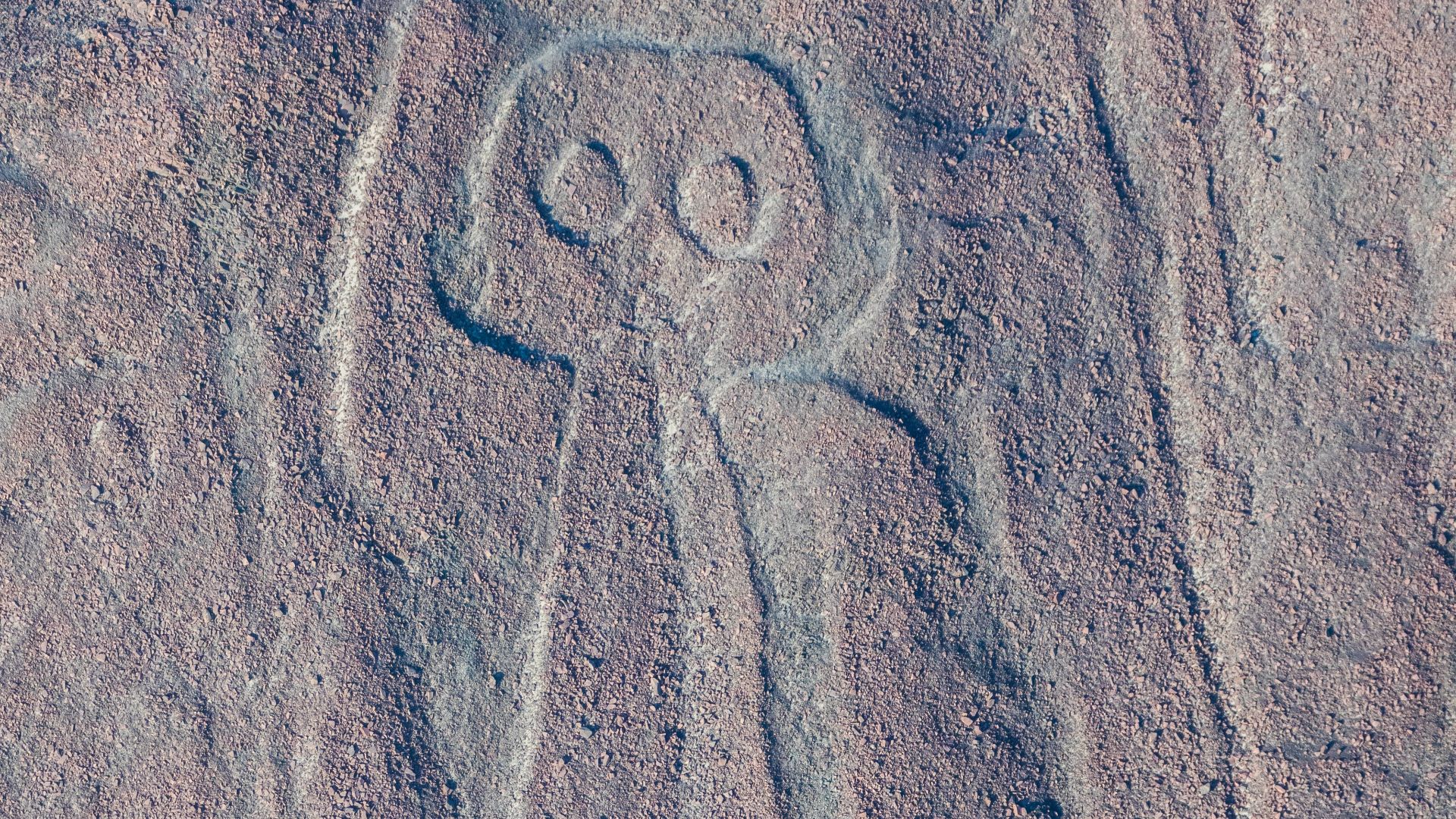
Nobody doubts the Nazca Lines were made by people, but their purpose is still debated. Scholars have proposed ritual, astronomical, and water-related explanations, and the fact that several serious ideas still coexist tells you the answer is not settled.
5. Plain Of Jars
UNESCO says the Plain of Jars was tied to Iron Age funerary practices, which explains a great deal, but not everything. The landscape still feels unresolved because the full story of who made the jars, why they took this exact form, and how all the sites related to one another remains incomplete.
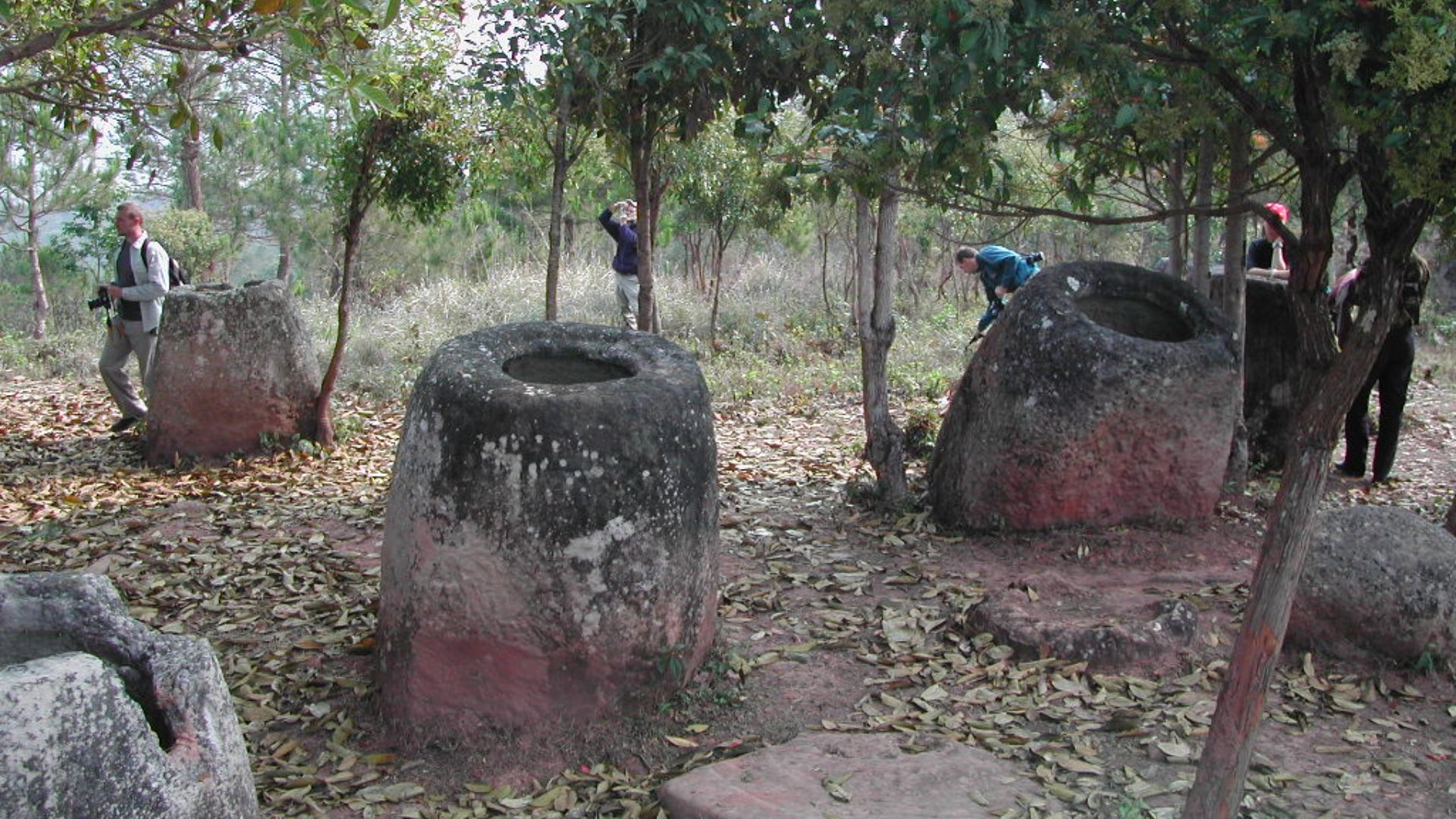 Christopher Voitus on Wikimedia
6. Stonehenge
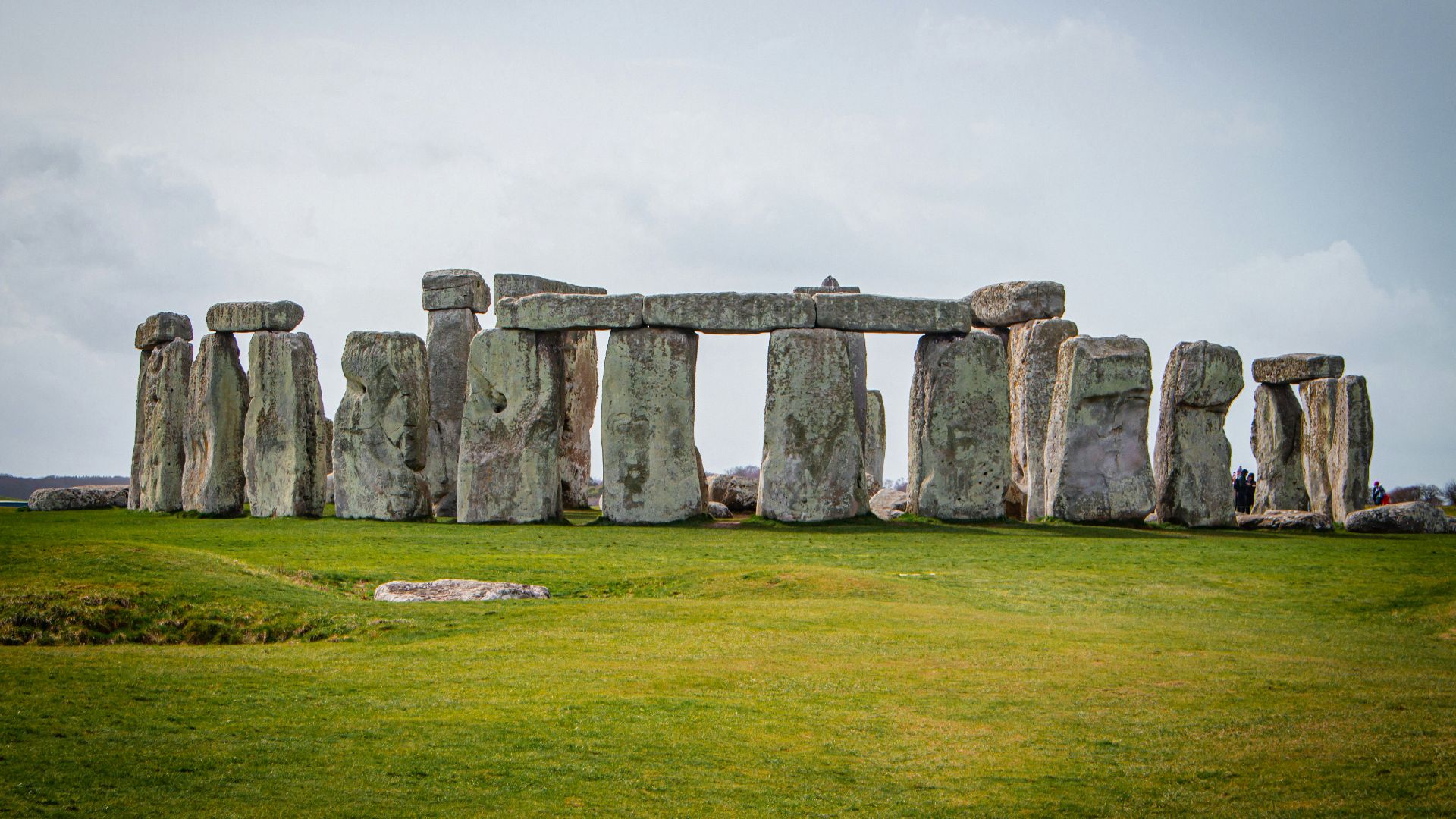
Stonehenge is one of the most studied sites in the world and still refuses to offer one final purpose. Britannica says there is no definite evidence for its intended use, which is about as direct an admission of enduring uncertainty as a famous monument can get.
7. Göbekli Tepe
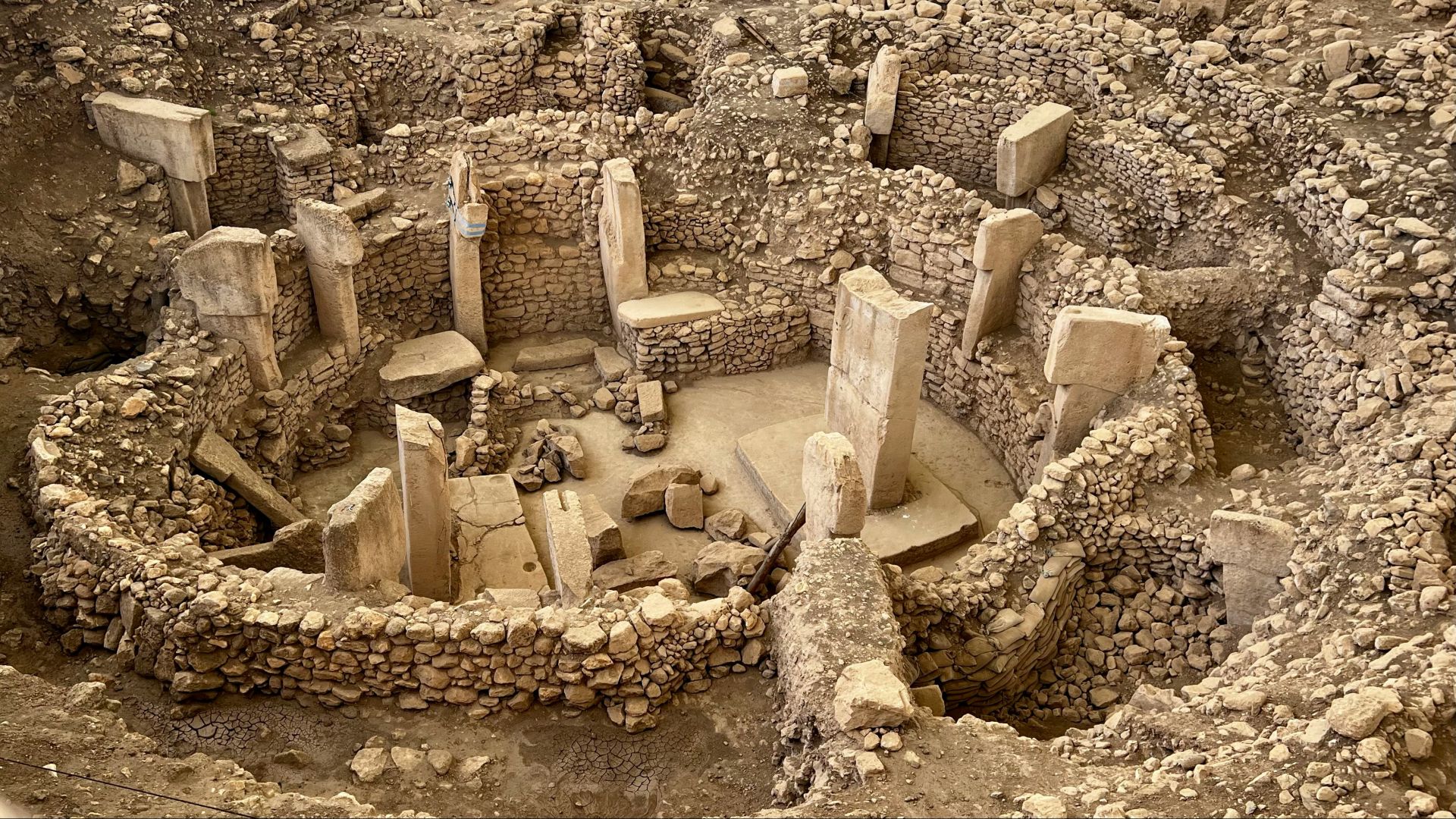
Göbekli Tepe is clearer than it once was, but not fully explained. Britannica describes it as a site believed to have been a sanctuary of ritual significance, and that careful wording matters because believed is not the same thing as proved.
8. Hessdalen
The Hessdalen lights are still being studied because they have not been pinned down to one accepted cause. Project Hessdalen openly describes the phenomenon as unexplained, which is why the valley keeps its reputation even after decades of observation.
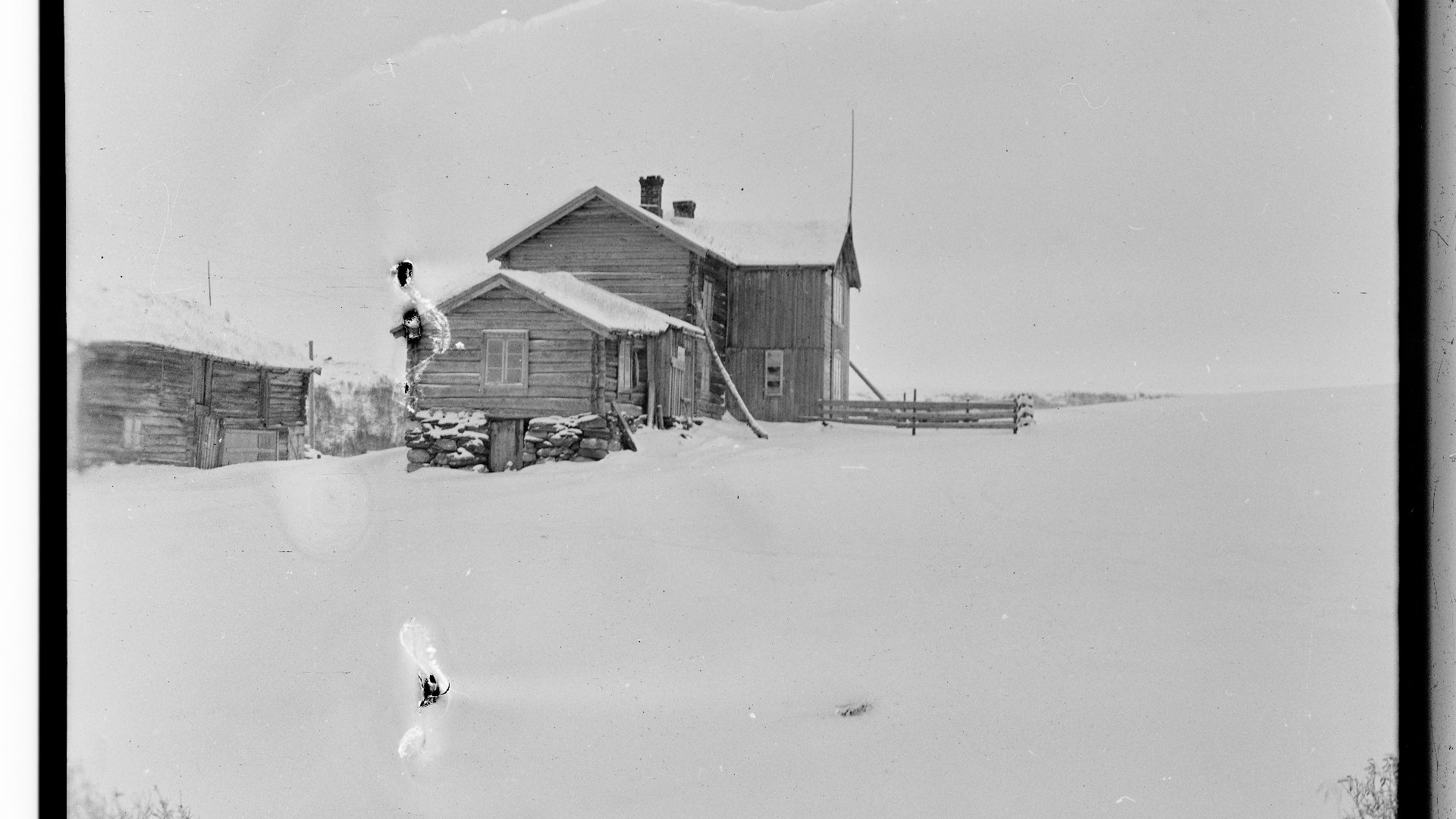 Unknown authorUnknown author on Wikimedia
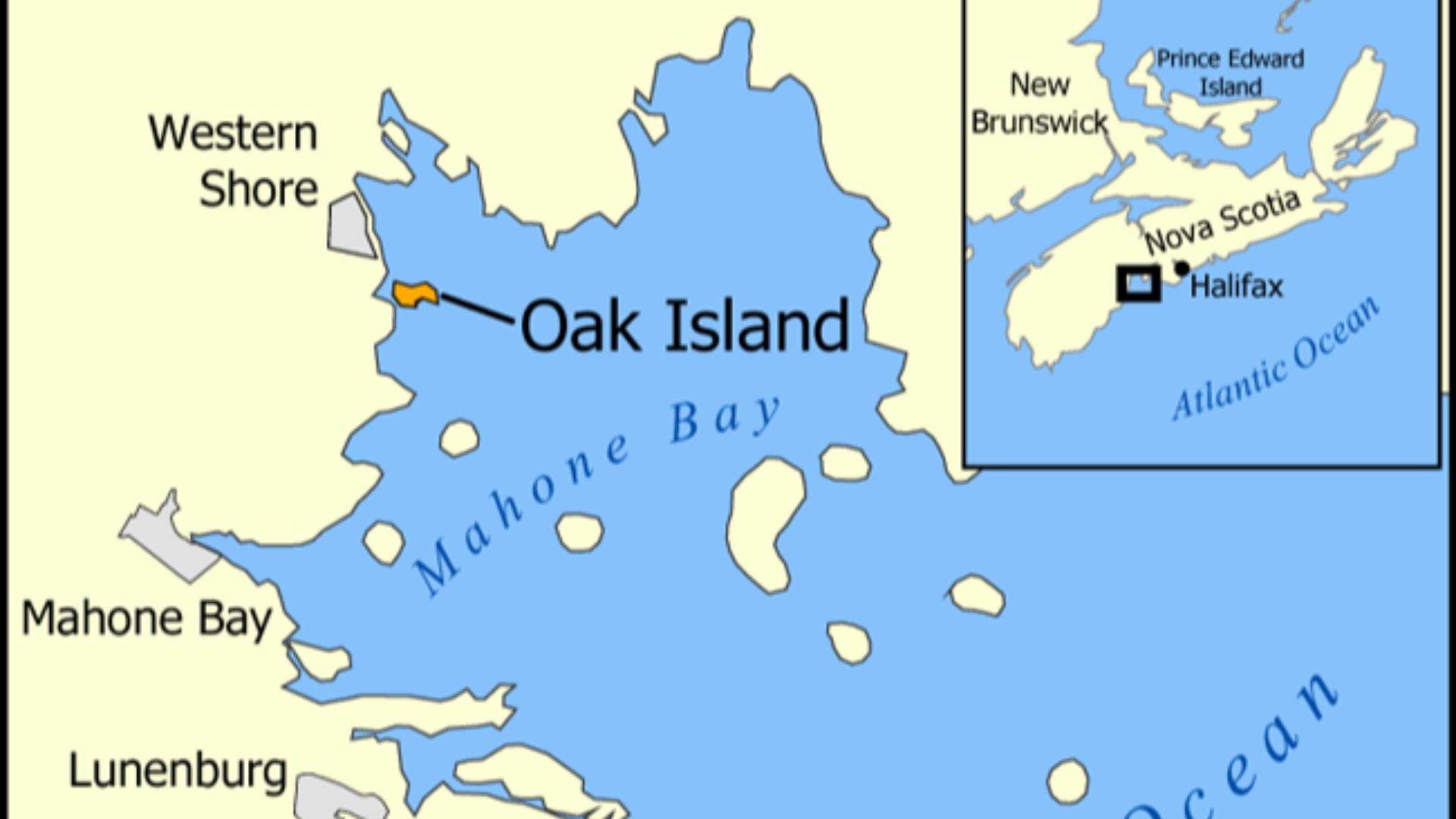
9. Oak Island
Oak Island has been excavated, theorized over, and commercialized for generations, and it still does not have a satisfying answer at the center of it. Even the official tourism language leans on the fact that it remains a treasure mystery rather than a solved historical site.
10. Mima Mounds
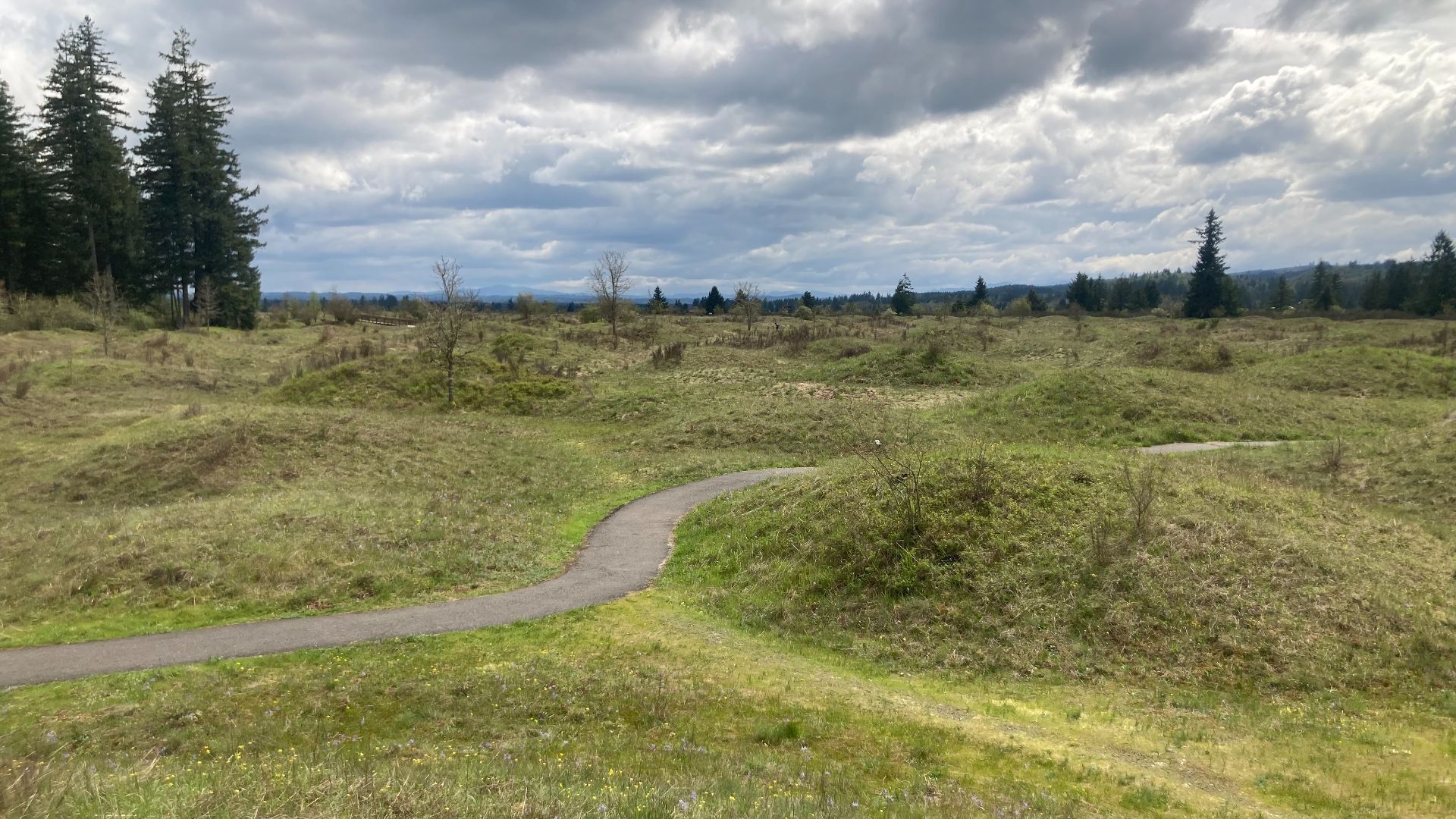
Mima Mounds in Washington state feel mysterious in a quieter way than ghost stories do, because the landscape is real, visible, and still not fully explained. Washington’s Department of Natural Resources describes multiple competing theories for how the mounds formed, from glacial flood deposits to erosion shaped by vegetation, which is another way of saying scientists still do not have one settled answer.