Real Roads Out
When people needed to get out, they usually did not head toward some vague idea of safety. They followed a specific way out. It might be a rail line to a port, a ferry crossing to a neutral country, a mountain pass over a border, or a road that had already carried others to safety. Some of these routes were official for a time. Others were improvised in crisis and only stayed open because a few people on the ground kept them moving. What matters is that they were real, named paths with a record behind them. These are 20 documented routes people used to escape wars, epidemics, and drafts.
 Charles T. Webber on Wikimedia
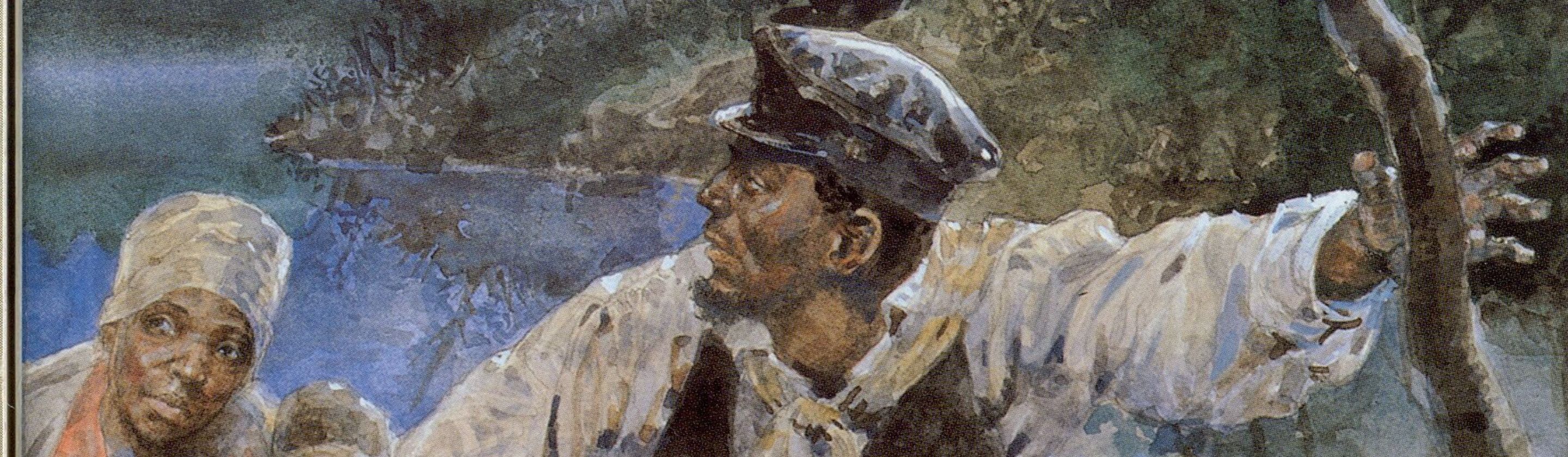
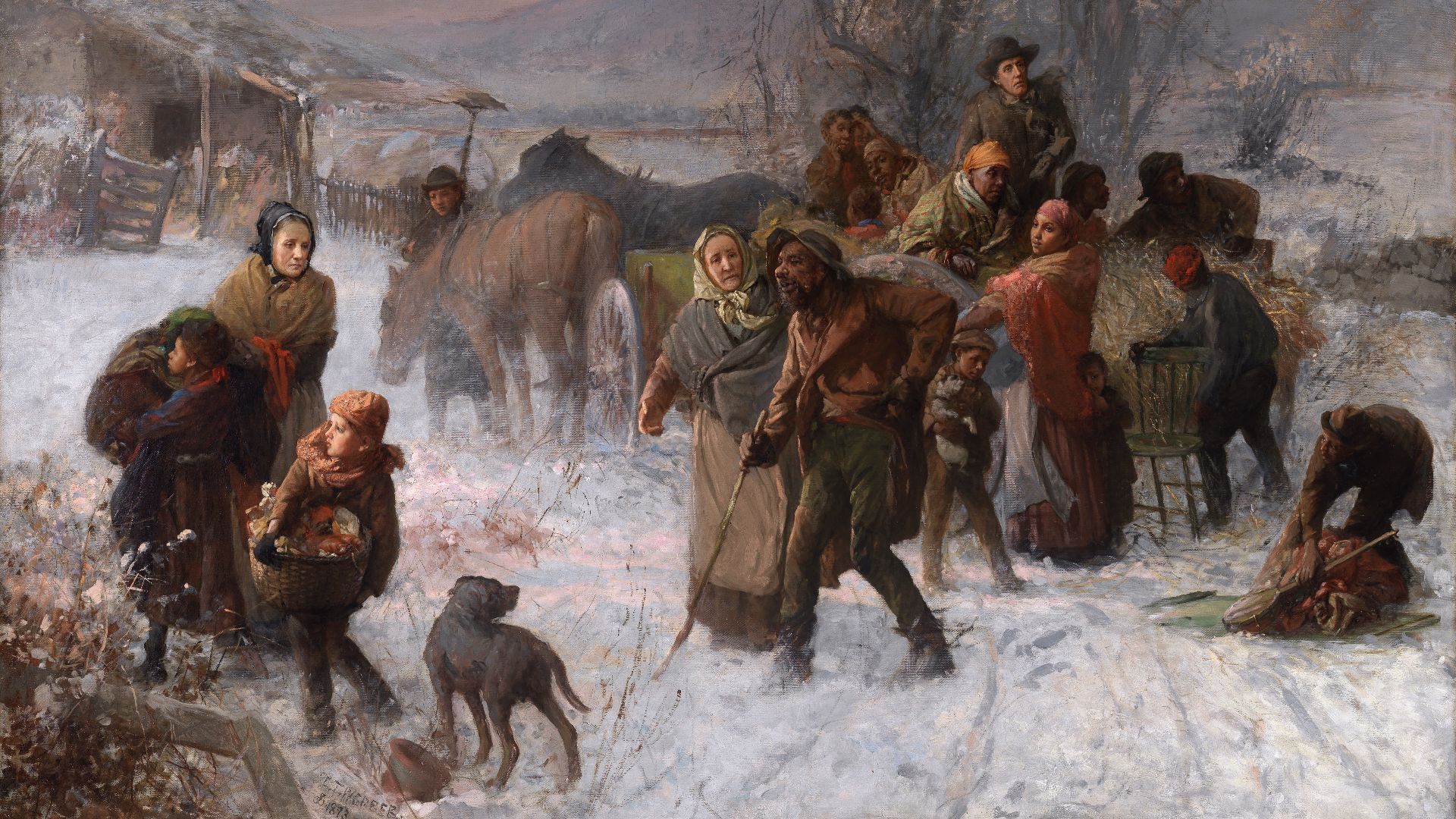
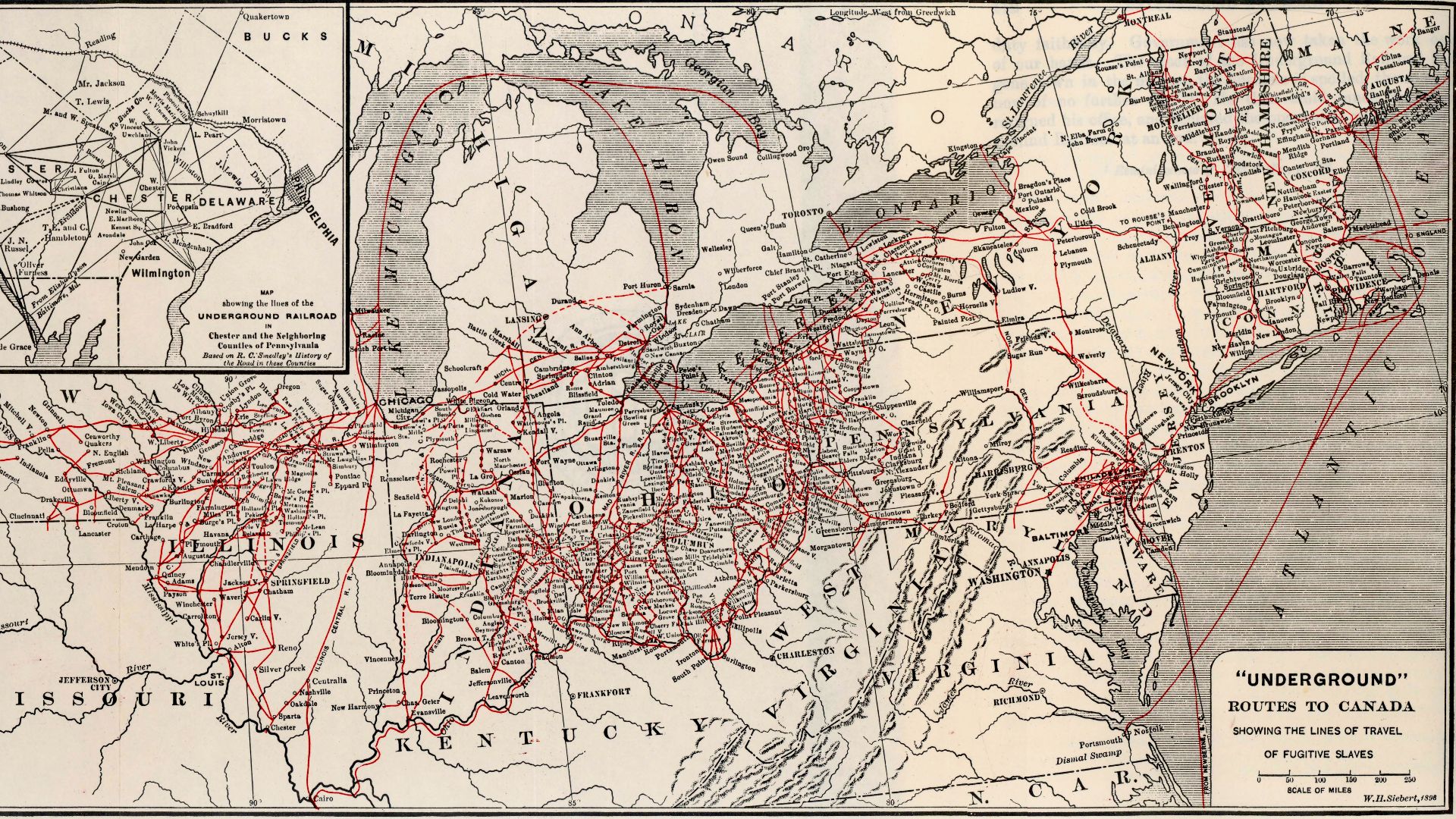
1. The Underground Railroad To Canada
The Underground Railroad was not one track but a network of routes that moved enslaved people out of the American South through free states and on into Canada. It became one of the best-known escape systems in North American history because it linked safe houses, guides, and border crossings into something people could actually follow.
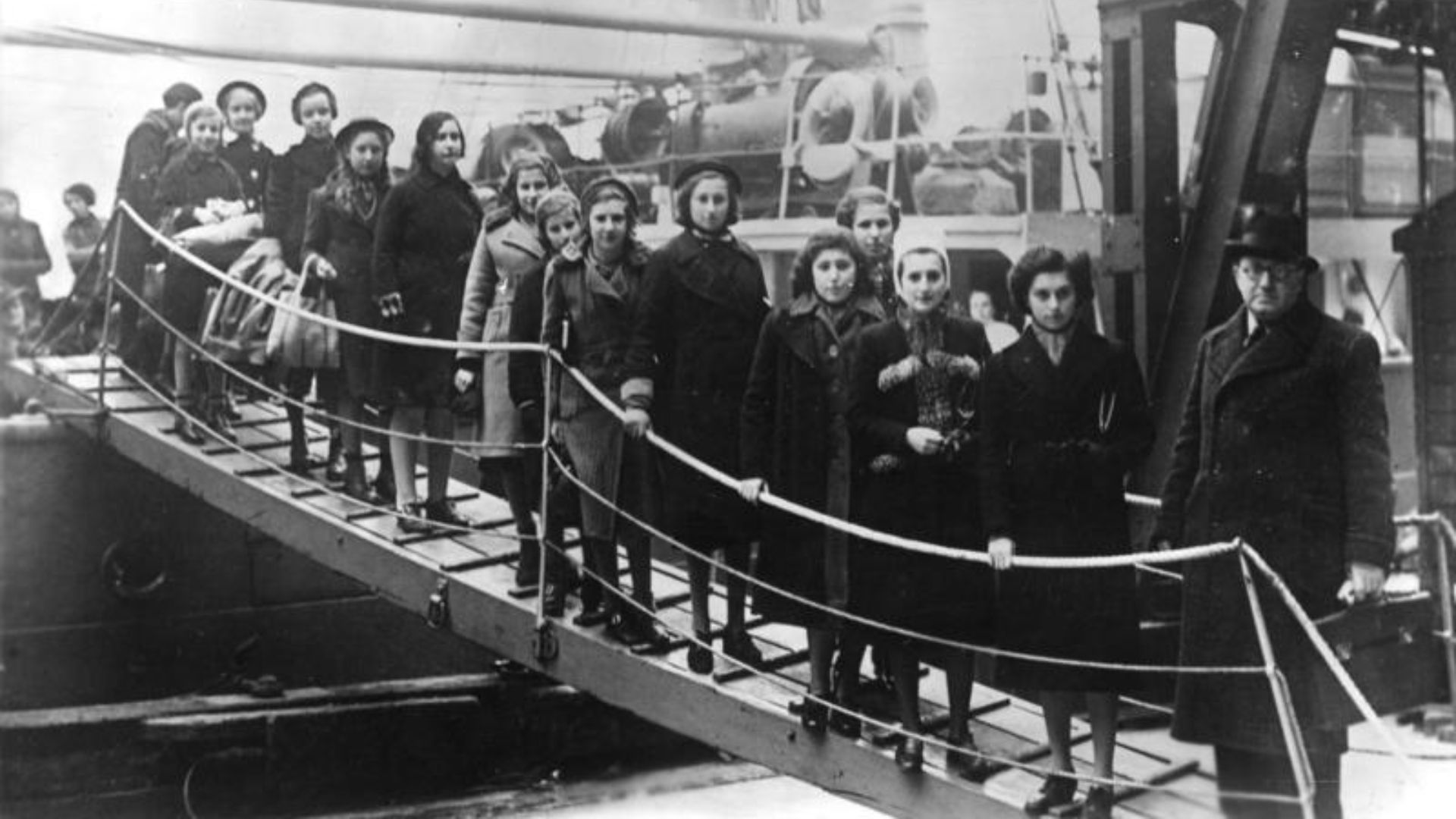
2. Berlin, Vienna, And Prague To Harwich On The Kindertransport
The Kindertransport moved mostly Jewish children out of Nazi-controlled Europe by train from cities like Berlin, Vienna, and Prague, then on by boat to Britain, with Harwich as one key arrival point. It was a rescue route with paperwork, rail timetables, port handling, and heartbreaking speed behind it.
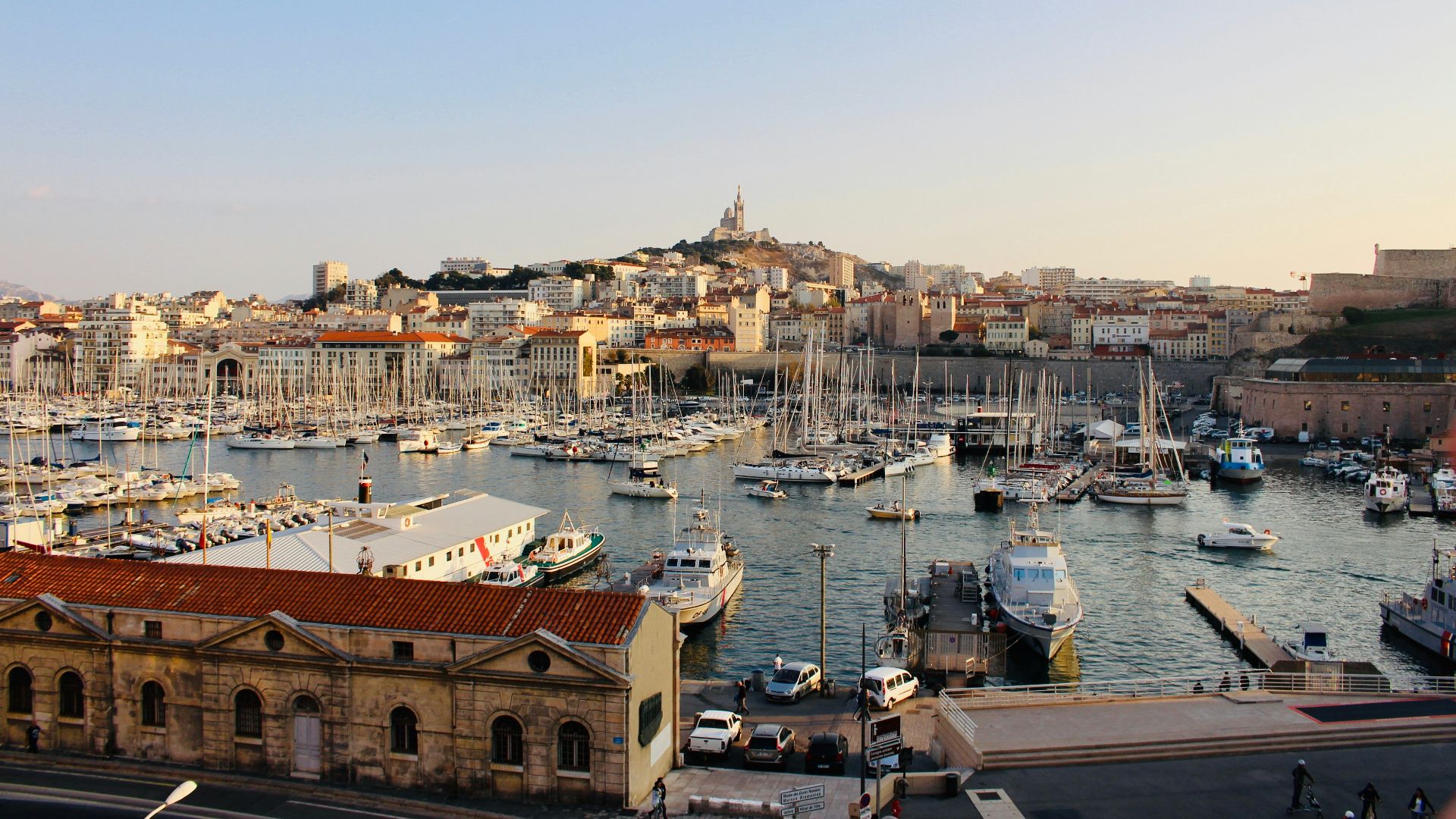
3. Marseille To Lisbon
For refugees trapped in Vichy France, Marseille became a crucial exit point, and Lisbon became the port that could still connect them to the United States or South America. That route mattered because Portugal remained neutral and because rescue workers, including Varian Fry’s network, treated Marseille not as a dead end but as the beginning of a narrow way out.
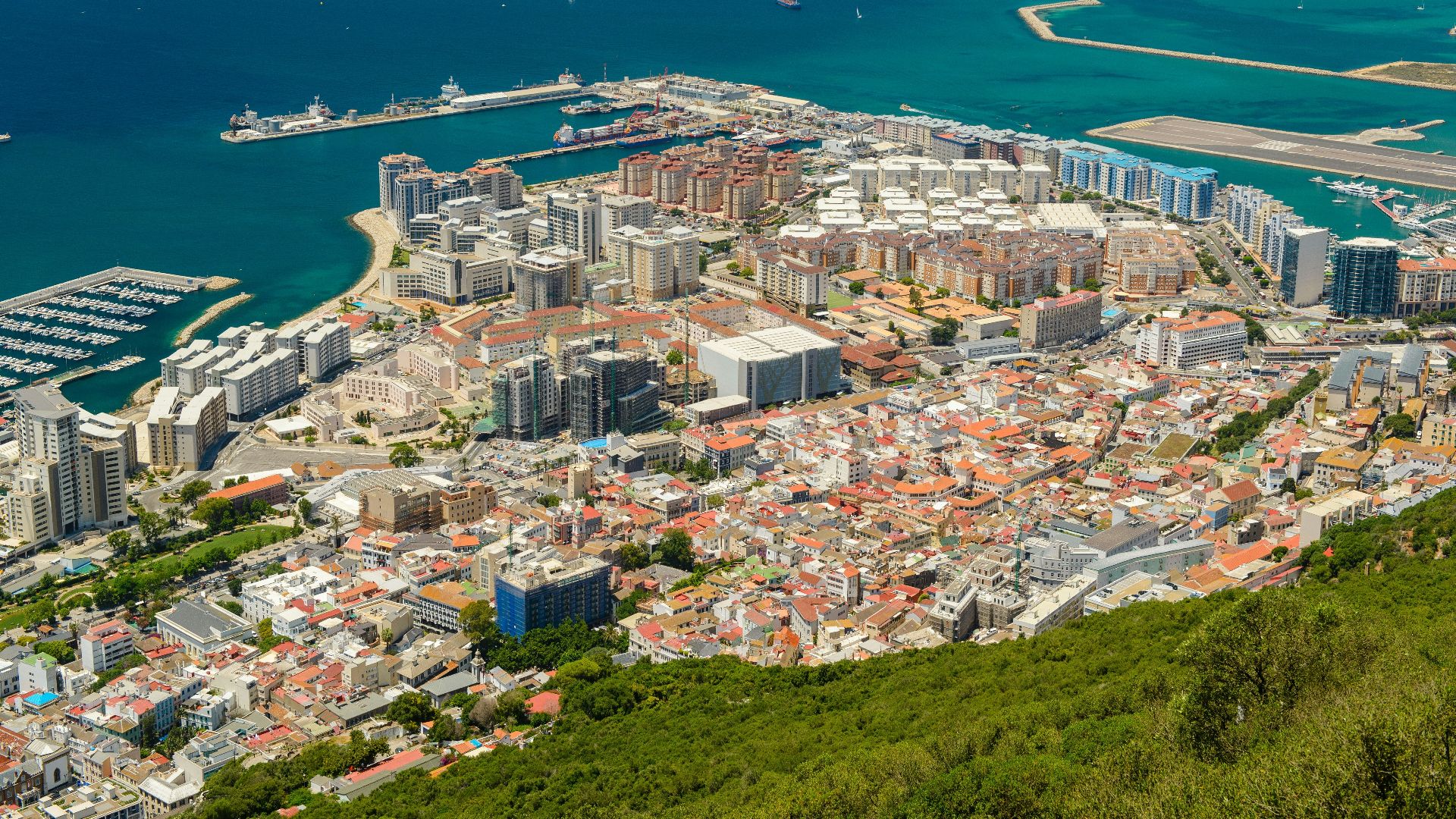
4. The Comet Line To Gibraltar
The Comet Line carried downed Allied airmen and other fugitives from occupied Belgium and France south across the Pyrenees, then on through Spain to Gibraltar. It worked because people on the route knew their exact piece of the chain and usually knew as little as possible about the rest.
5. The Danish Coast To Sweden Across The Oresund
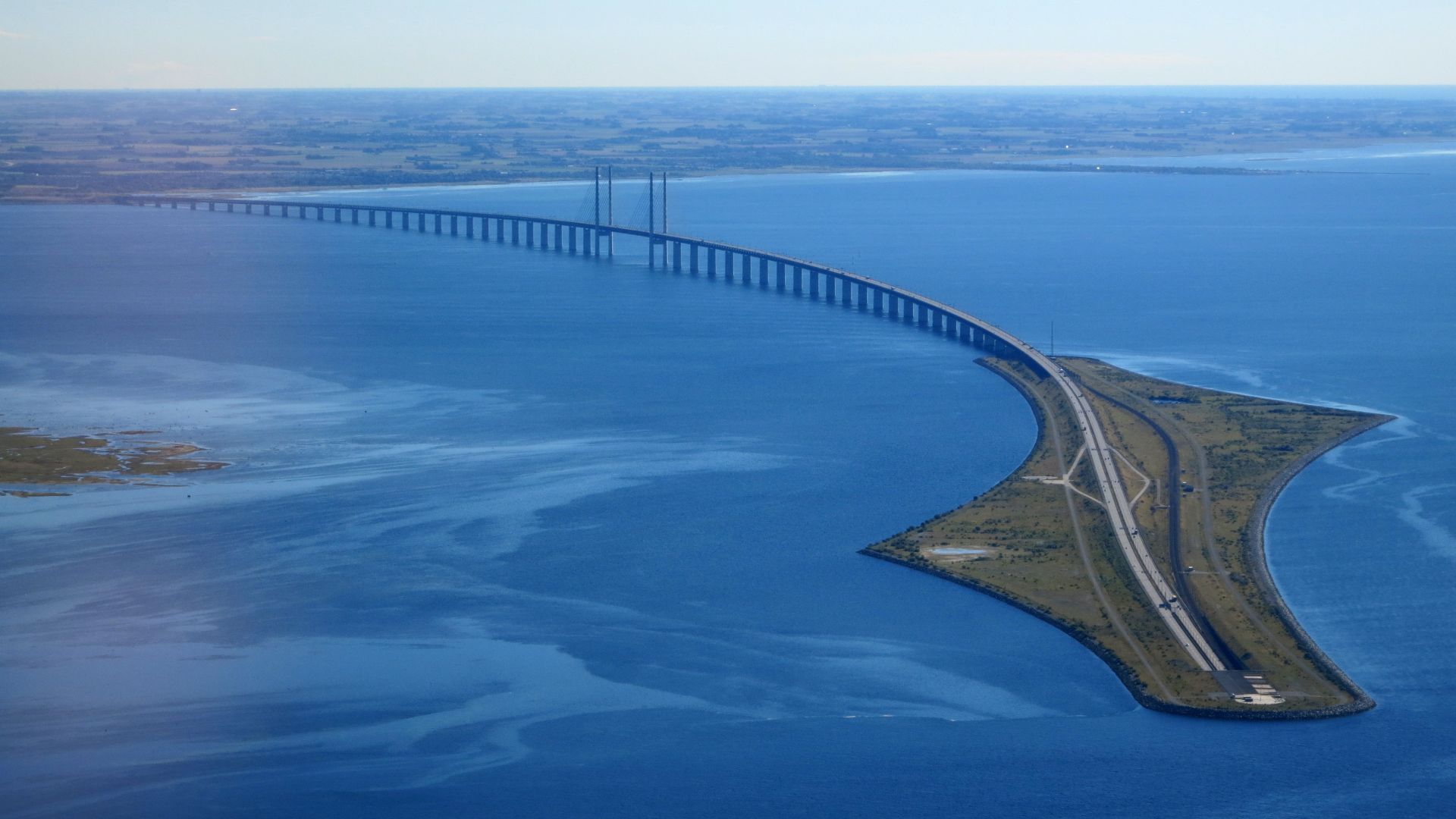
In 1943, Danish Jews were moved into hiding, taken to the coast, and then ferried across the narrow water to neutral Sweden. It was one of the clearest documented cases of a whole country helping turn a short sea crossing into a mass escape route.
6. Kovno To Moscow To Vladivostok To Japan
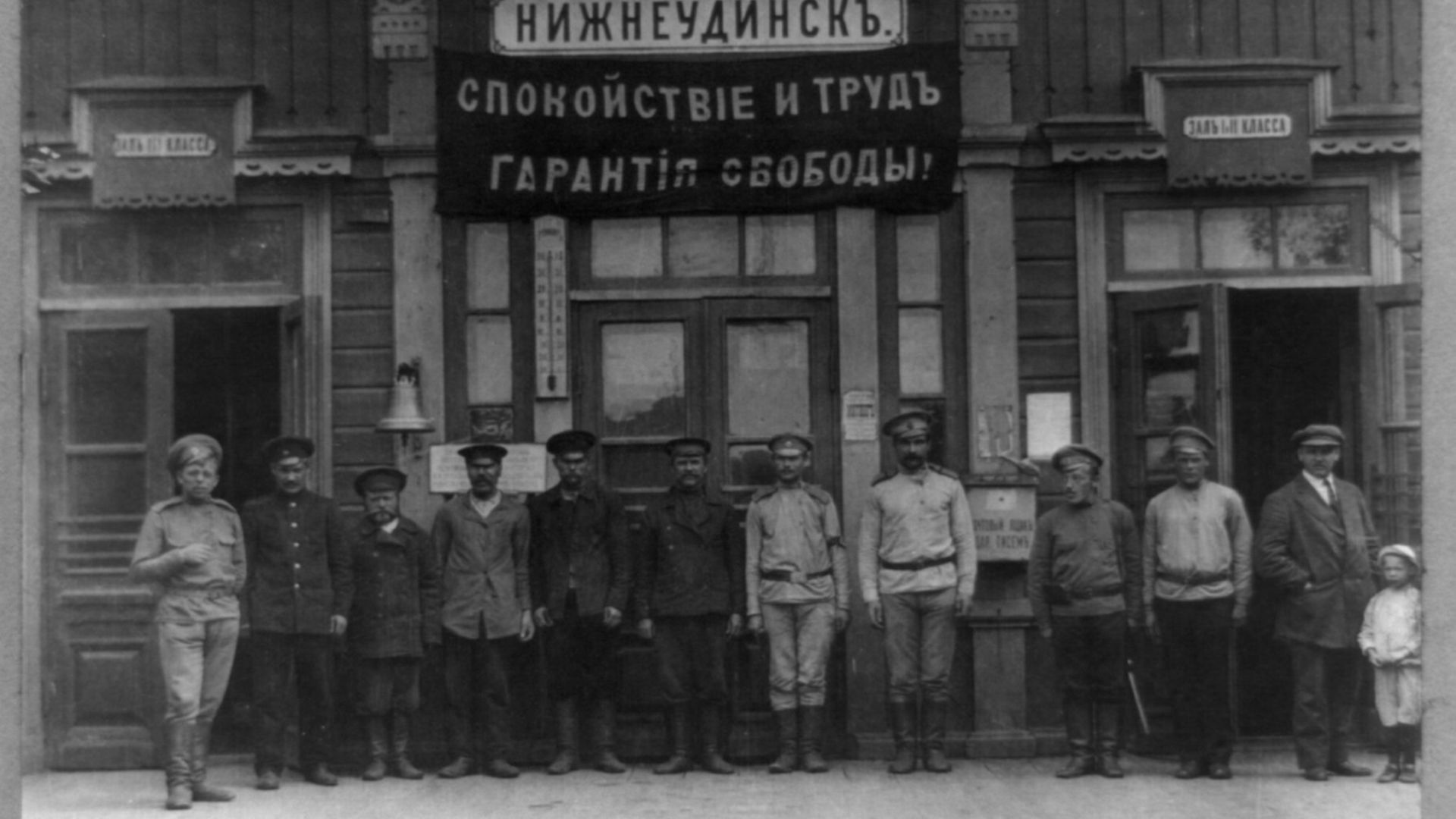
In 1940 and 1941, Jewish refugees in Lithuania used visas issued by Chiune Sugihara to leave Kovno, travel through Moscow, board the Trans-Siberian Railroad, reach Vladivostok, and continue on to Japan. It sounds almost impossibly long on paper, but it was a real, documented route, and thousands used it.
 Miscellaneous Items in High Demand, PPOC, Library of Congress on Wikimedia
7. Black Sea Ports To Palestine
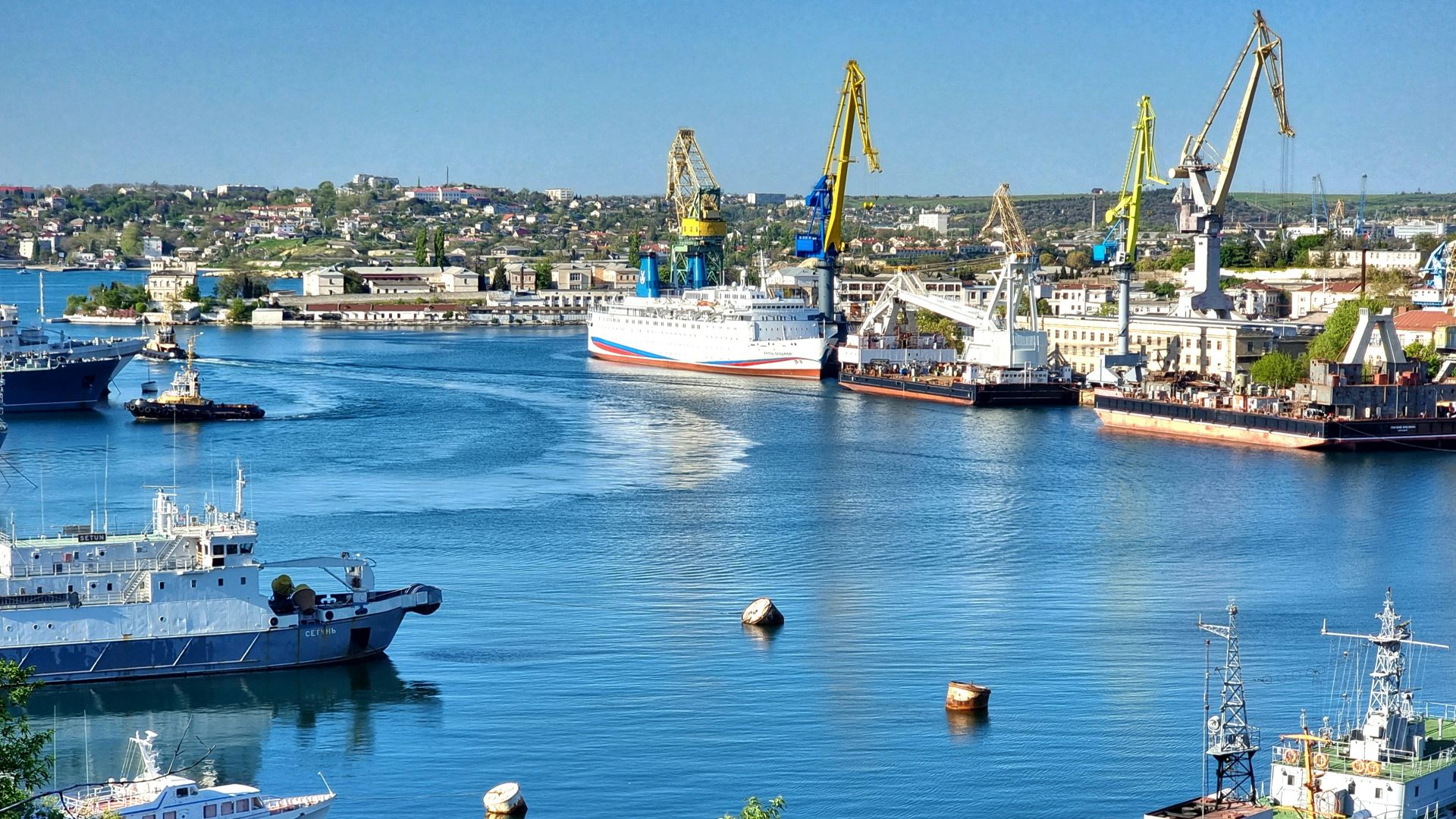
Some Jews fleeing German-controlled Europe managed to leave from Black Sea ports in Bulgaria and Romania and try to reach Palestine by sea. It was dangerous and uneven, but it was a documented maritime corridor that existed because land routes had narrowed so badly.
 Konstantin Dyadyun on Unsplash
8. Eastward Through The Soviet Interior After 1941
After Germany invaded the Soviet Union, more than a million Soviet Jews escaped eastward, away from the advancing front, into the Soviet interior. This was less a single road than a massive directional route, but it was still a real and documented movement shaped by rail lines, evacuation orders, and the speed of the German advance.
9. The Eastern Pyrenees During La Retirada
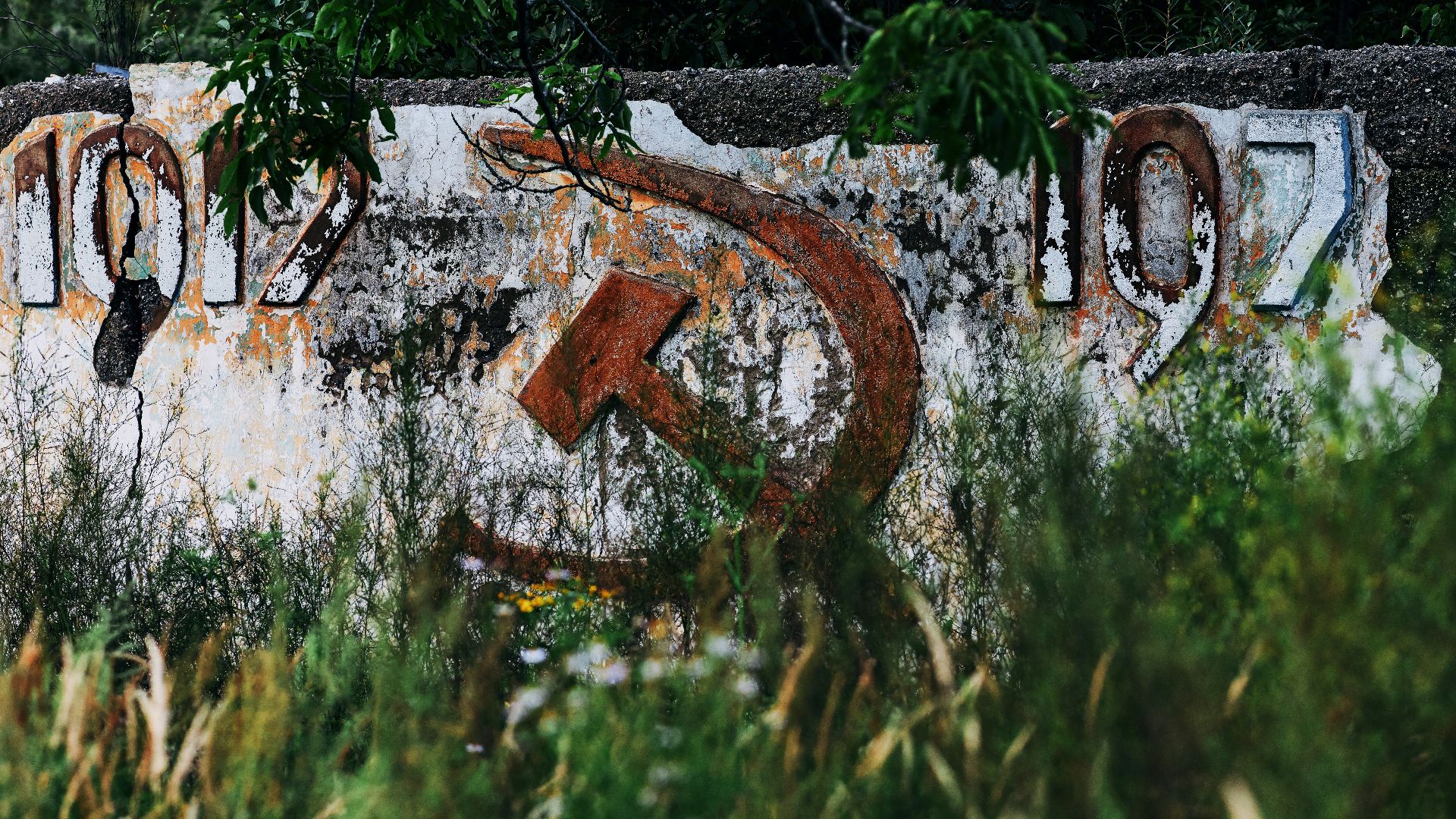
At the end of the Spanish Civil War, hundreds of thousands of Republicans fled over the eastern Pyrenees into France in the retreat known as La Retirada. That escape was harsh, crowded, and winter-bound, and the mountain crossings were not symbolic at all once people were dragging families and what they could carry over them.
10. Tunnel 57 Under The Berlin Wall
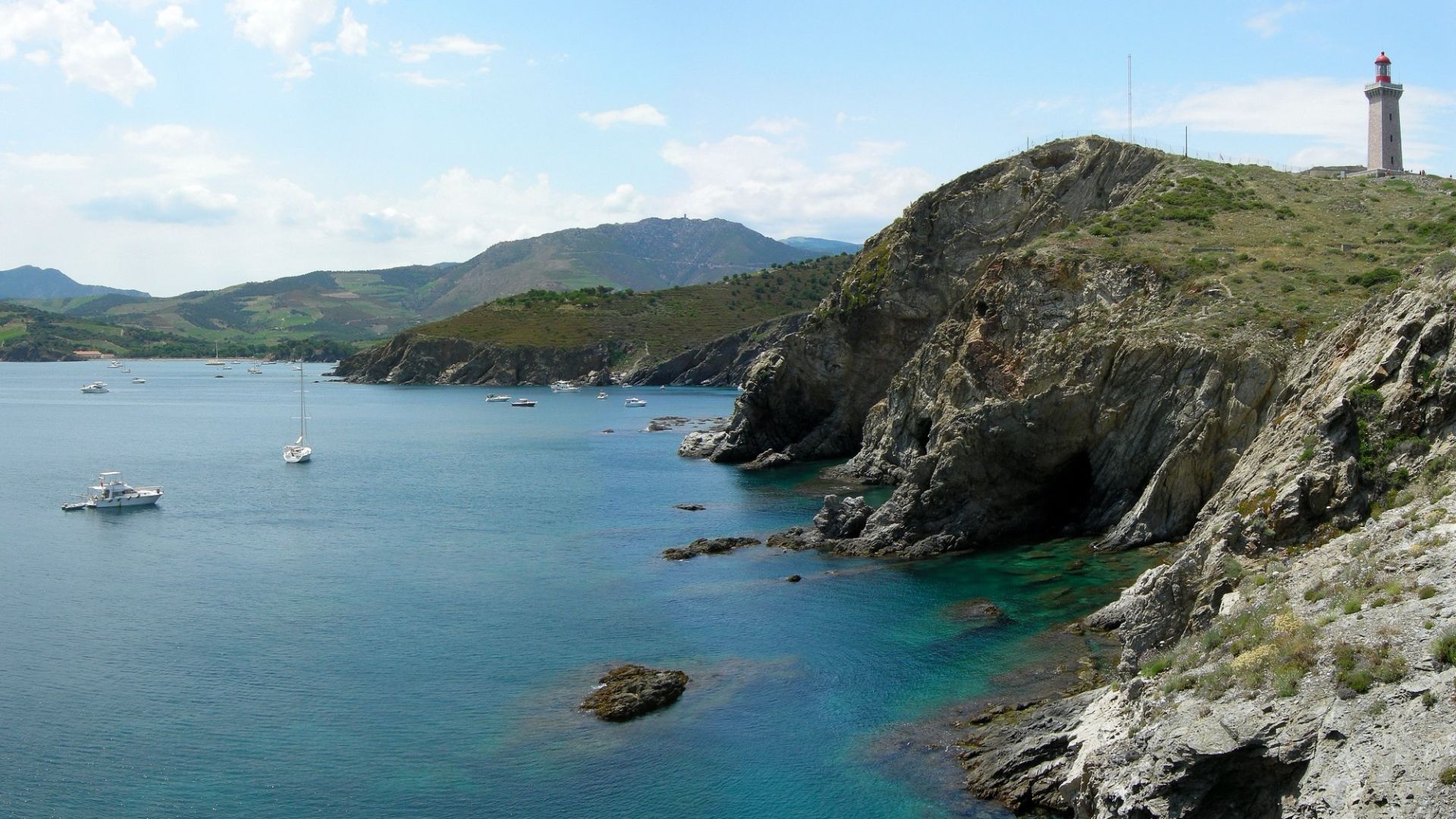
In 1964, Tunnel 57 ran from a former bakery on Bernauer Strasse in West Berlin to a building on Strelitzer Strasse in East Berlin, and 57 people escaped through it. It was one of the most successful engineered escape routes of the Cold War, which is part of why its exact street geography is still remembered.
11. The Blace Crossing Out Of Kosovo
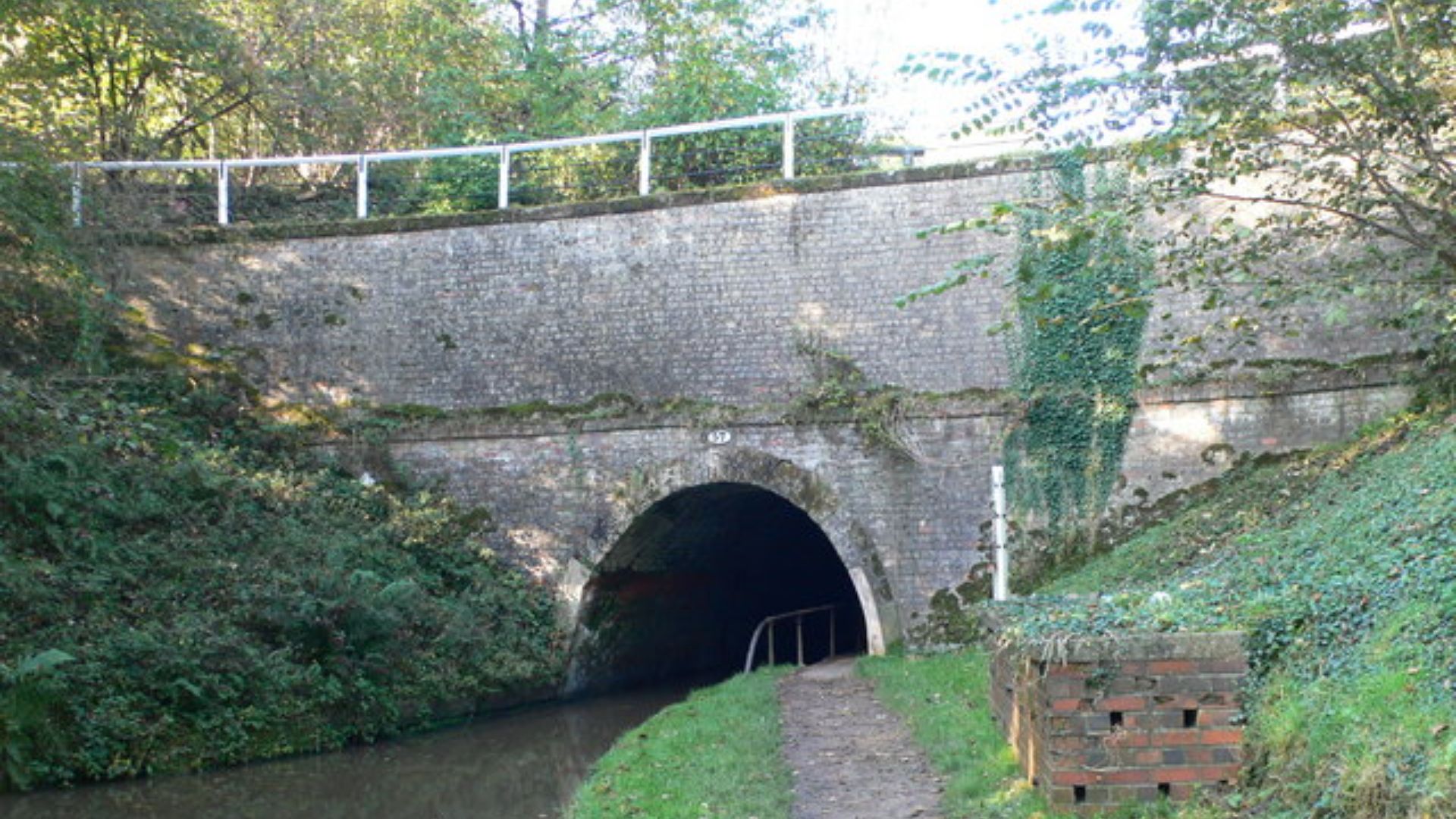
During the Kosovo crisis in 1999, Blace on the Macedonian border became one of the most visible refugee exits out of Kosovo. It was not orderly and it was not dignified, but it was absolutely a documented route people were forced through when villages were emptied and columns of civilians were pushed outward.
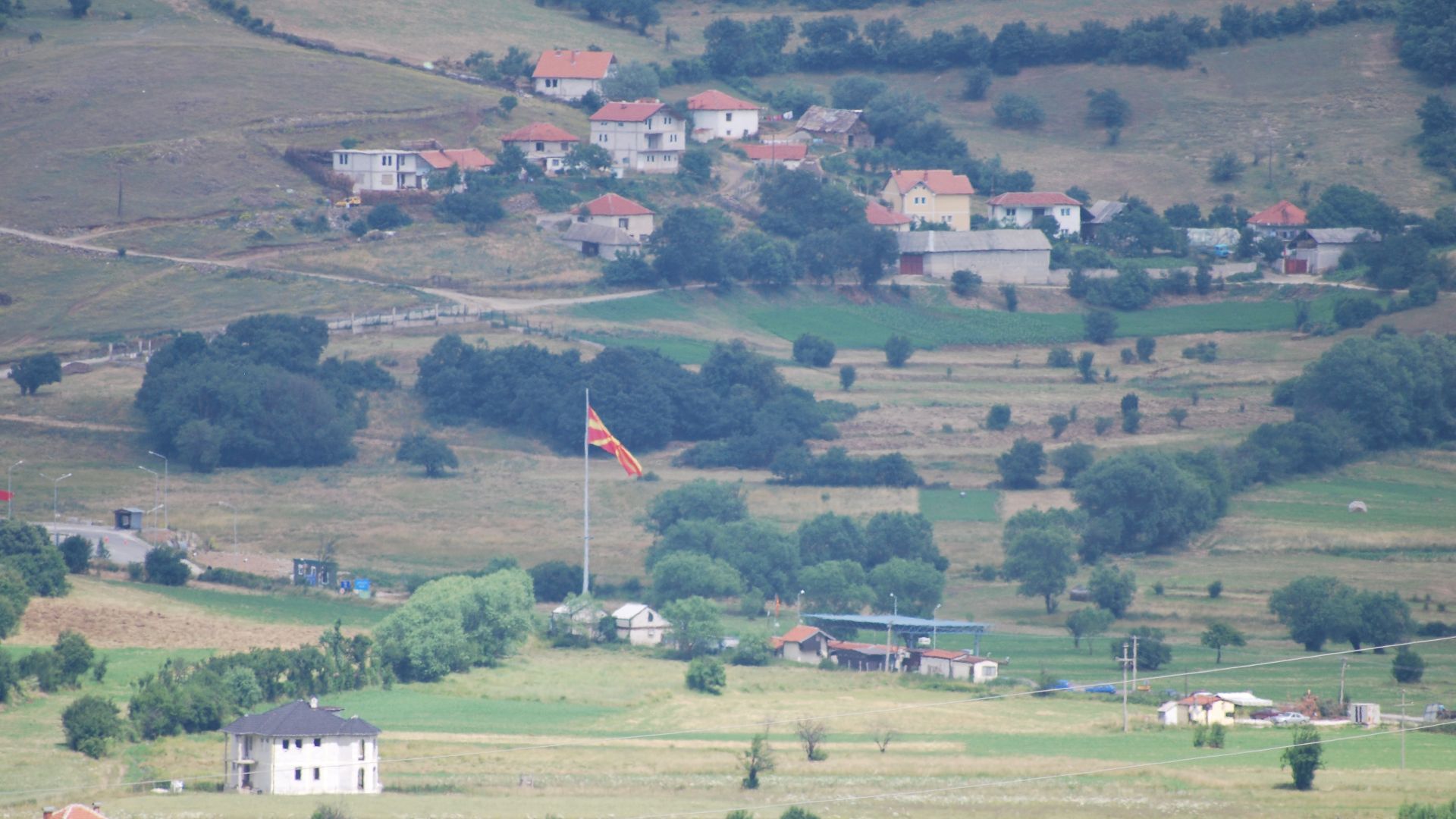
12. The Jazince Crossing Out Of Kosovo
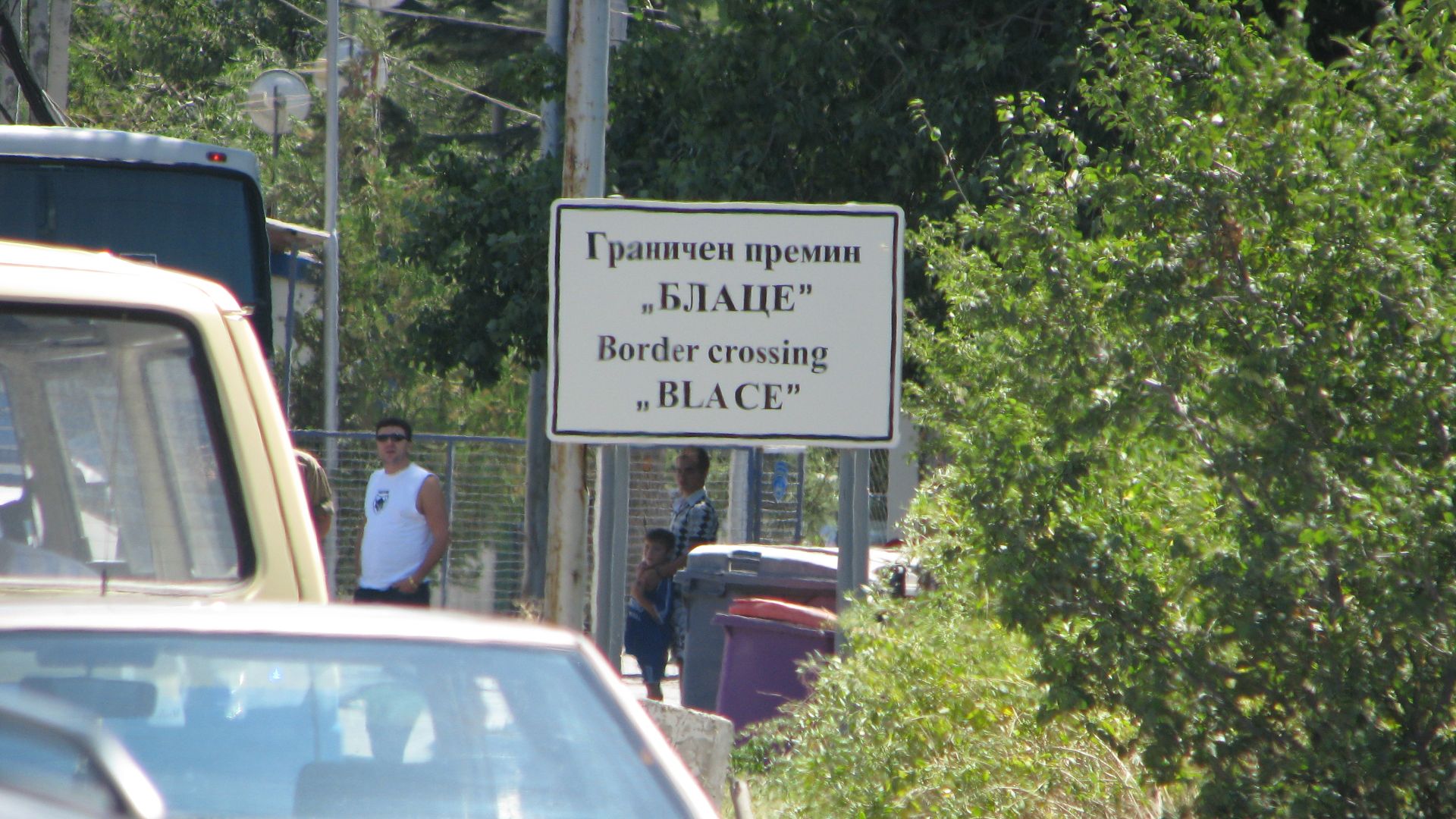
Jazince, another crossing on the Macedonian border, also became a major passage point during the same refugee emergency. UNHCR reports from the time describe congestion, delays, injuries, and the sheer pressure at the crossing, which makes it exactly the kind of named route this piece needs.
 This illustration was made by Rašo. An email to Rašo would be appreciated too. on Wikimedia
13. Turkey To Lesvos
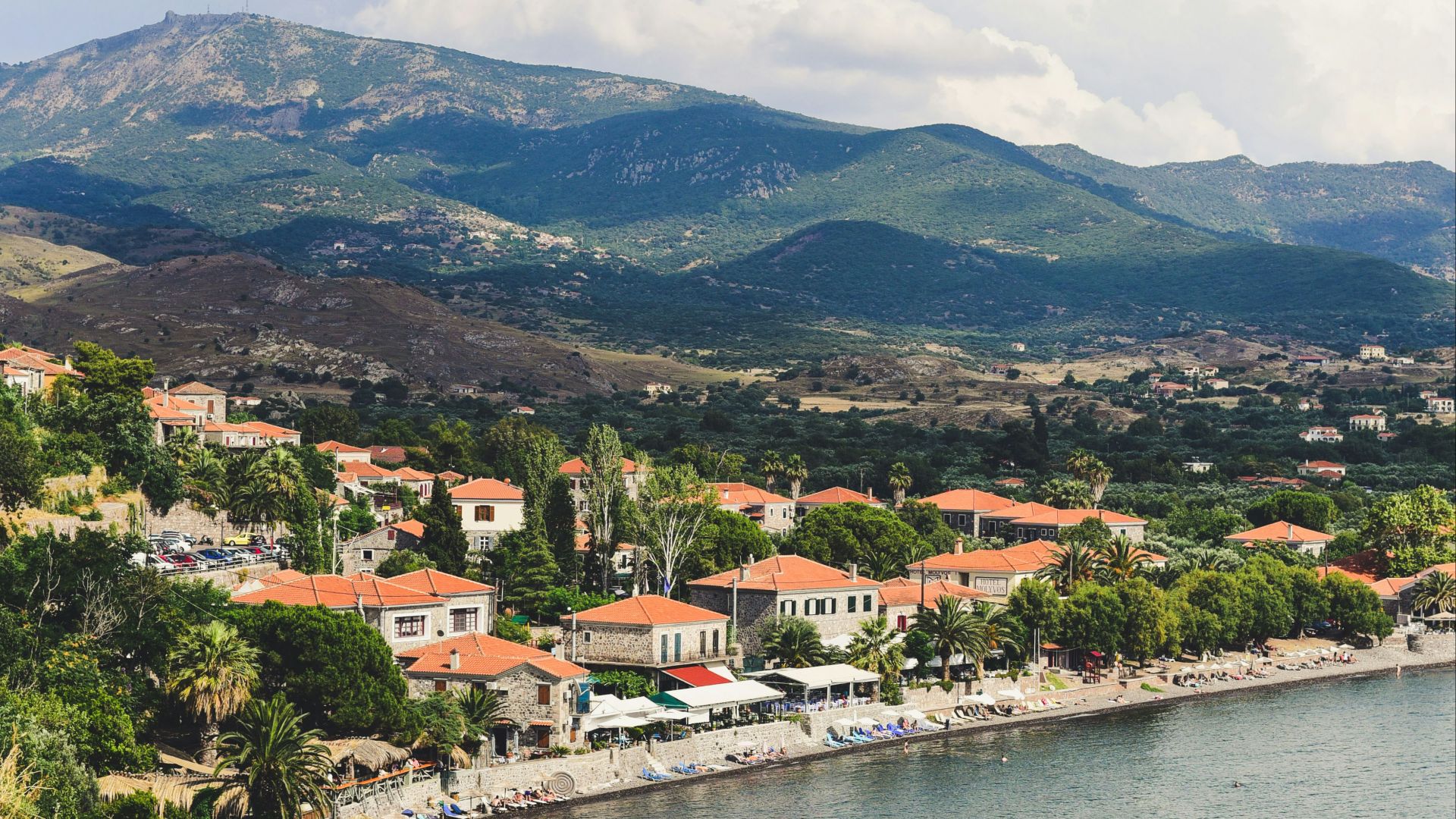
In 2015, one of the main refugee routes into Europe shifted toward the sea crossing from Turkey to Greek islands like Lesvos. That route became globally recognizable because it was short enough to attempt, dangerous enough to kill people constantly, and central enough to reshape European politics in real time.
14. The Western Balkans Route
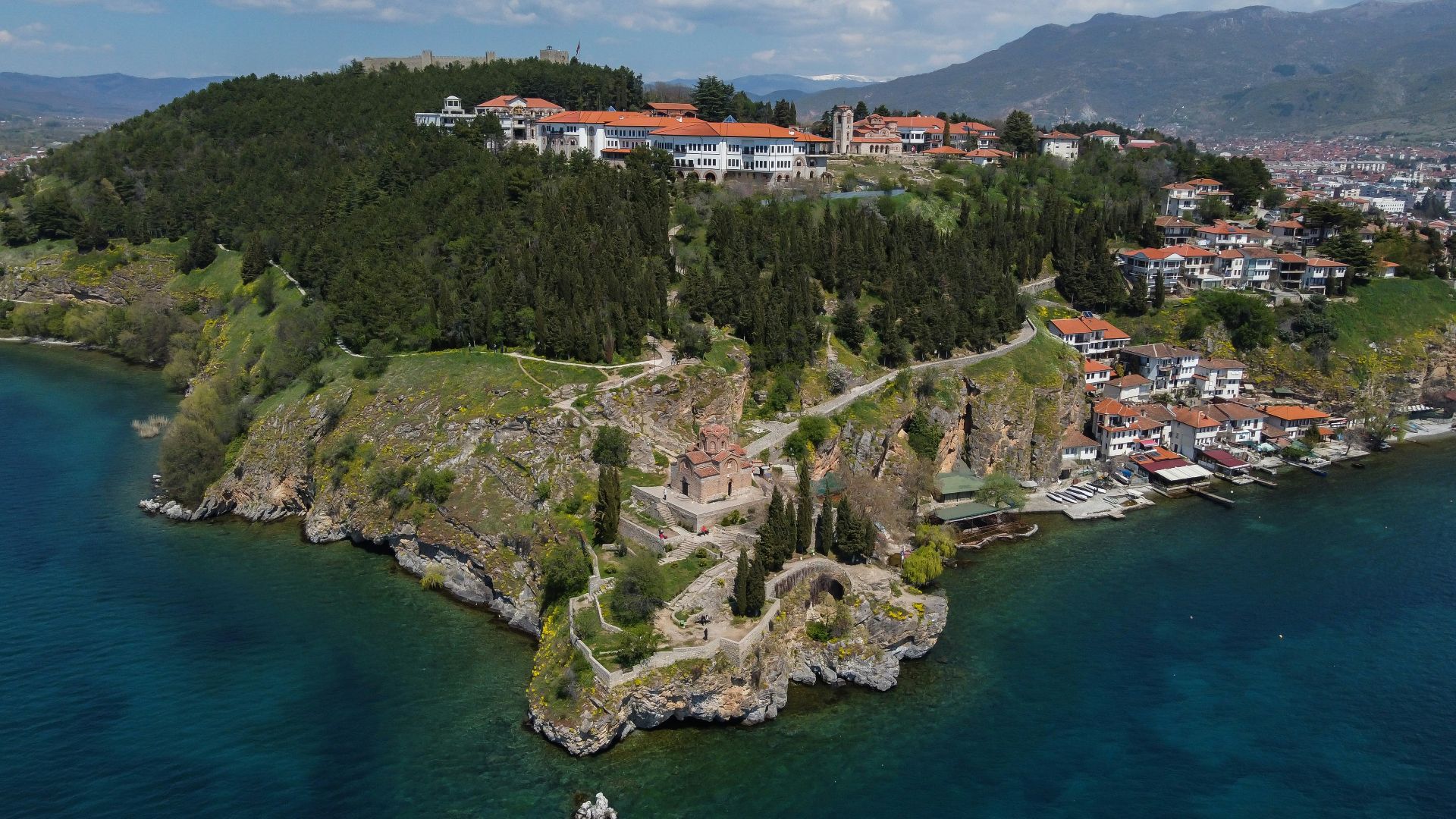
From Greece, many refugees and migrants moved north through North Macedonia, Serbia, and onward toward Hungary, Austria, and Germany on what became known as the Western Balkans route. It was one of the main pathways into Europe during the 2015 crisis, and it was tracked almost day by day because the numbers moving through it were so high.
 Ljupco Dzambazovski on Unsplash
15. Southern Vietnam By Boat
After the fall of South Vietnam, hundreds of thousands fled by sea in the movement later associated with the boat people. These departures from southern Vietnam toward places like Hong Kong and Malaysia were documented not just as migration, but as escape from a collapsing war order and the harsher political conditions that followed it.
16. Addis Ababa To Tel Aviv In Operation Solomon
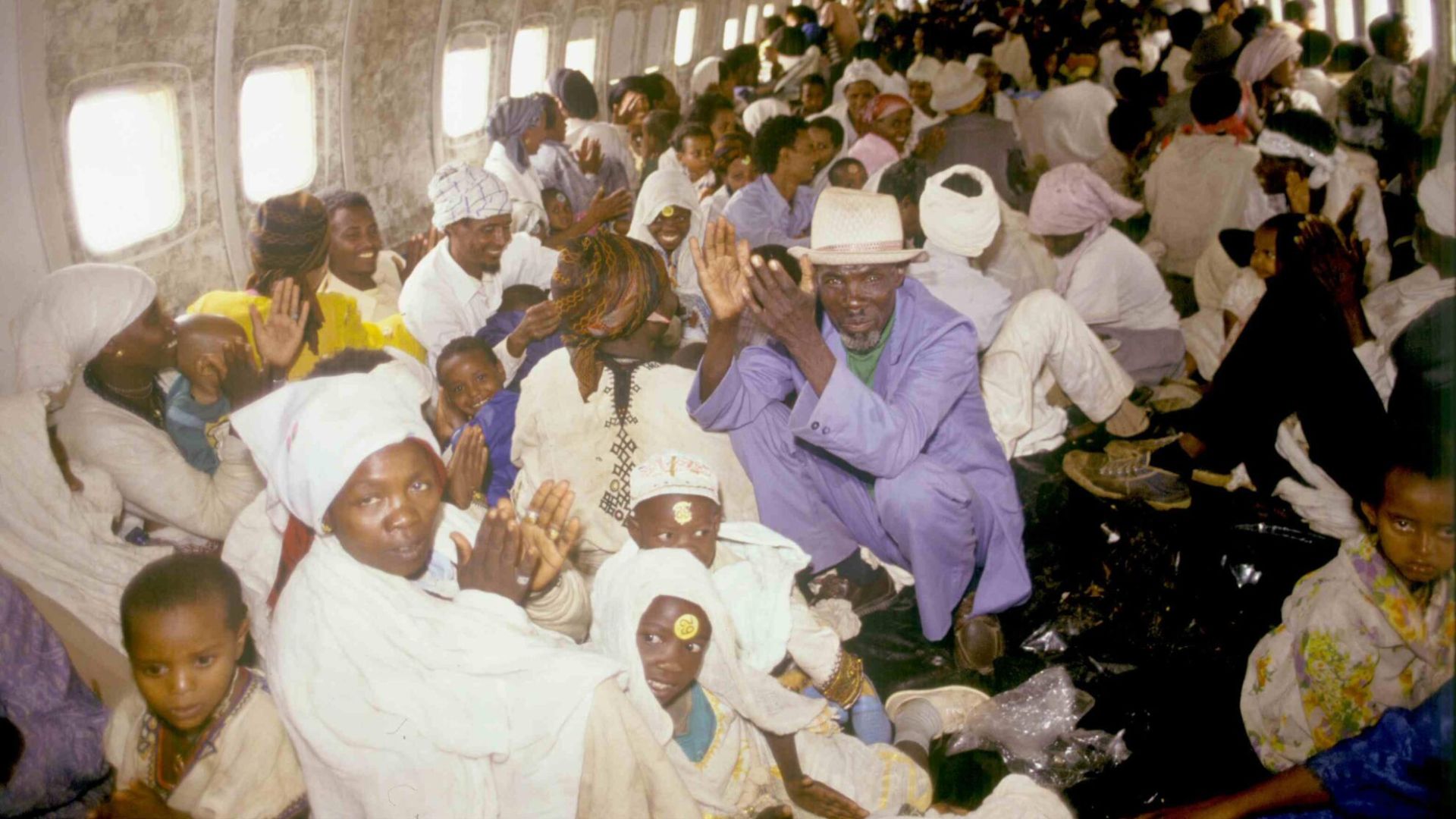
In May 1991, Operation Solomon airlifted Ethiopian Jews from Addis Ababa to Israel in a rapid evacuation as Ethiopia’s political and military situation worsened. This was an escape route by aircraft rather than by road or sea, but it was still a direct path out of danger with a clear beginning and end.
17. Detroit To Windsor For Vietnam Draft Resisters
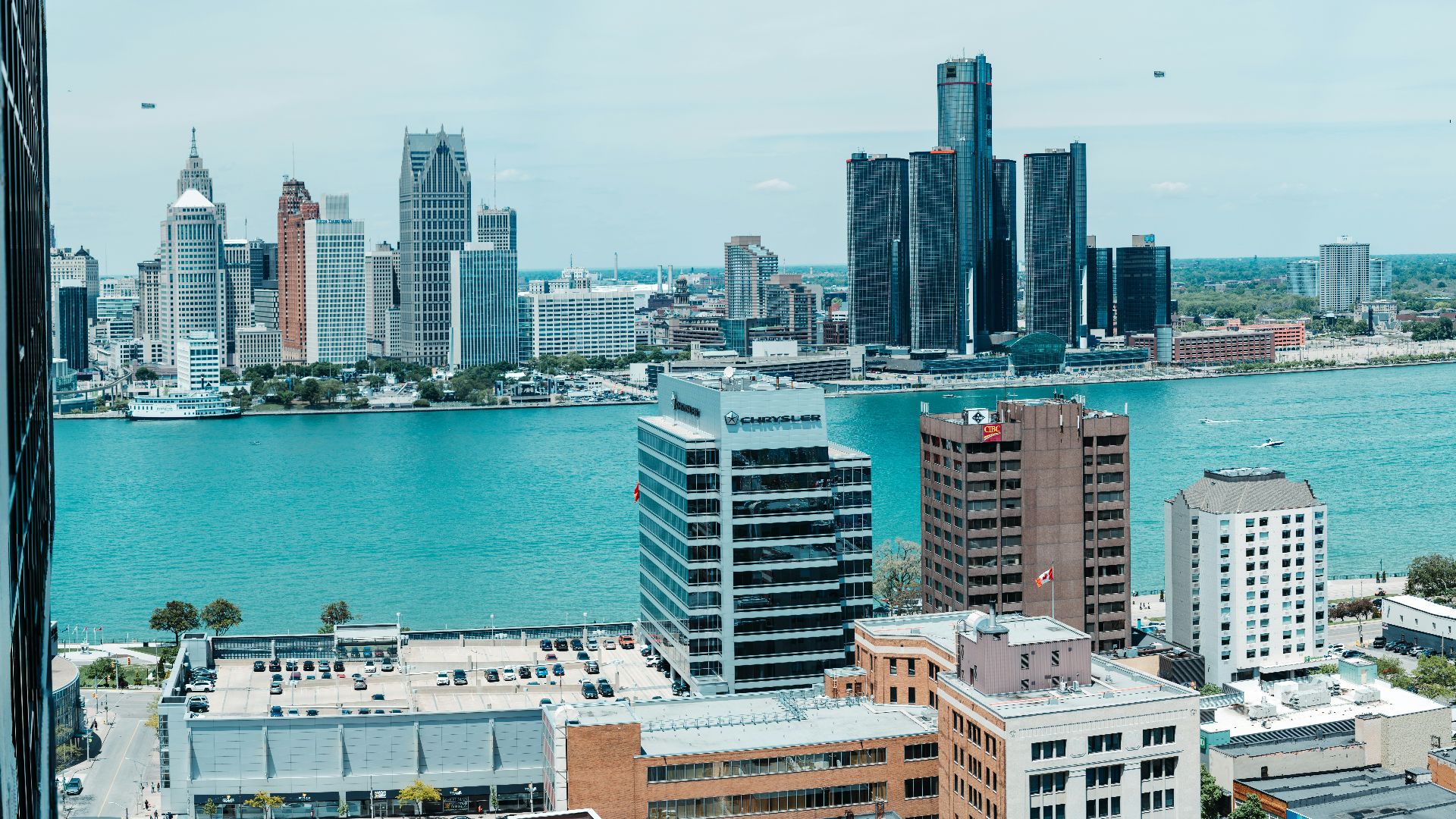
During the Vietnam War era, Canada became a refuge for large numbers of American draft dodgers and deserters, and the Detroit-Windsor corridor was one of the most practical crossings. It was close, well known, and ordinary-looking, which is often exactly what a useful escape route is.
18. Philadelphia To Germantown During Yellow Fever
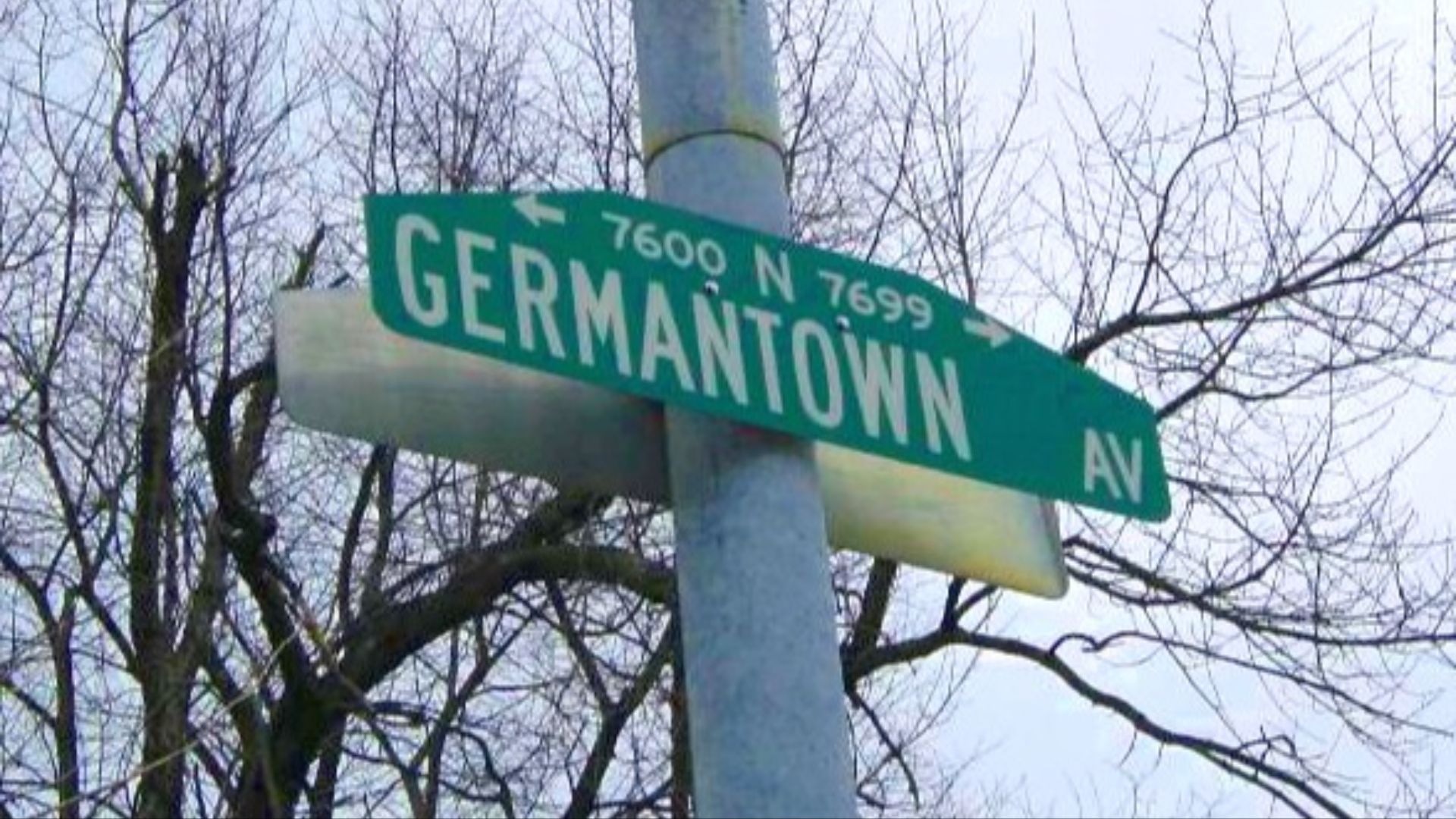
During the 1793 yellow fever epidemic, many Philadelphians with money or connections fled the city for outlying places such as Germantown. It was not a secret route, but it was a documented epidemic escape line out of an infected city, and that counts here more than romance does.
19. Florence To Fiesole During The Black Death
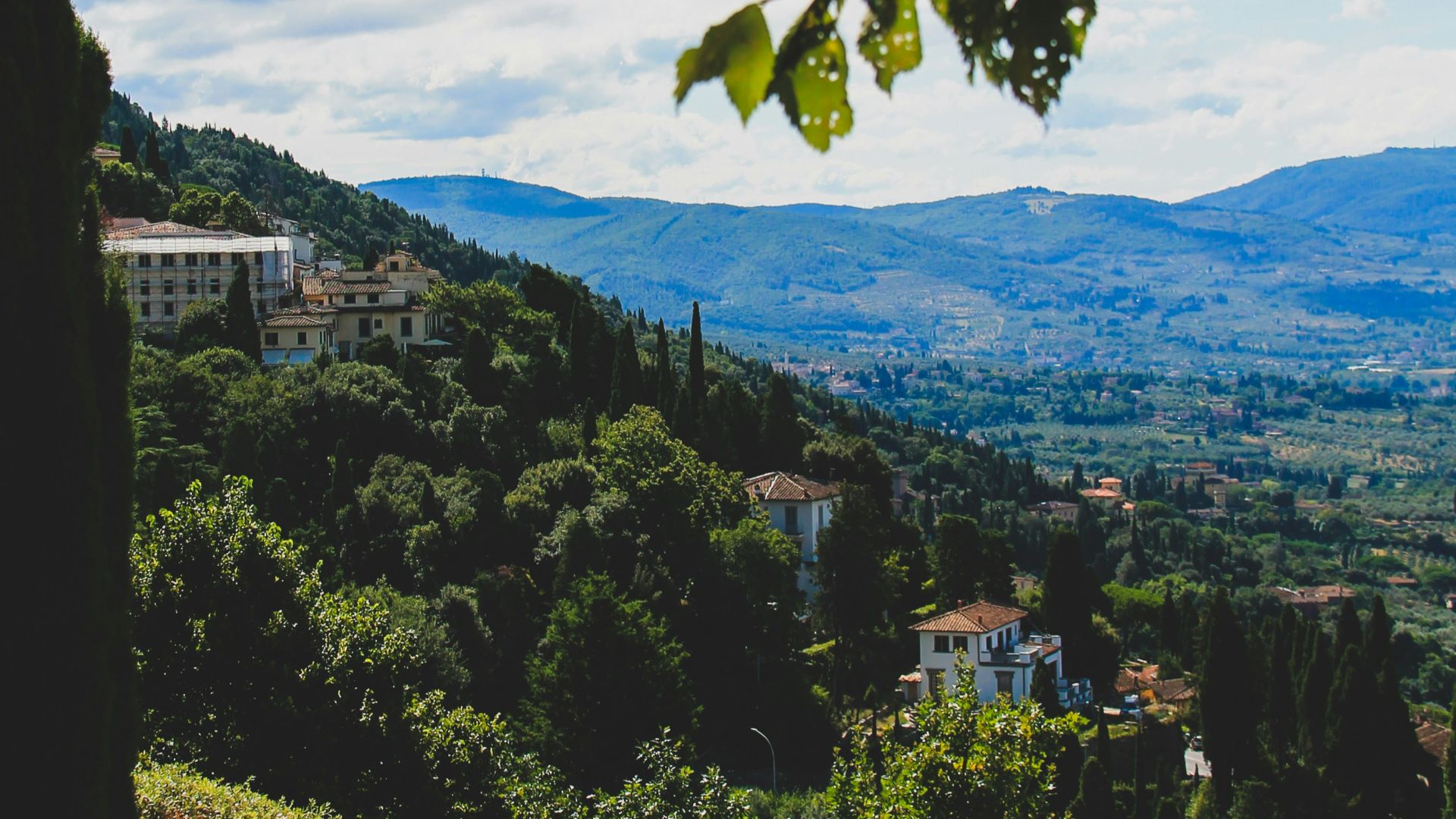
One of the best-known plague flights in European literature begins with ten young people leaving plague-stricken Florence for a villa in nearby Fiesole. The frame of The Decameron is literary, but the movement itself reflects a documented pattern of escaping epidemic cities for nearby country estates.
20. Occupied France Across The Pyrenees Into Spain
Even outside the organized Comet Line, the Pyrenees remained a crucial escape corridor for people trying to get out of occupied France and into Spain, then onward to Portugal and Lisbon. The numbers were limited and the risks were high, but the route was real enough that wartime records still track how many people Spain admitted and where they hoped to go next.