No Warning at All
Most people think of the ground as the reliable part of the landscape. Roads crack, bridges rust, trails wash out, sure, but the basic deal is that the earth stays put underneath you while the risky part is everything moving across it. Then you start reading through sinkhole reports, cave-diving histories, and road-collapse investigations, and that confidence gets a lot thinner. In some places, pavement has opened under drivers in the middle of a normal day, while in others, trains, pedestrians, and divers have vanished into holes that looked almost unreal even in photos. Here are twenty places where the ground literally swallowed travelers.
1. Jalan Masjid India, Kuala Lumpur
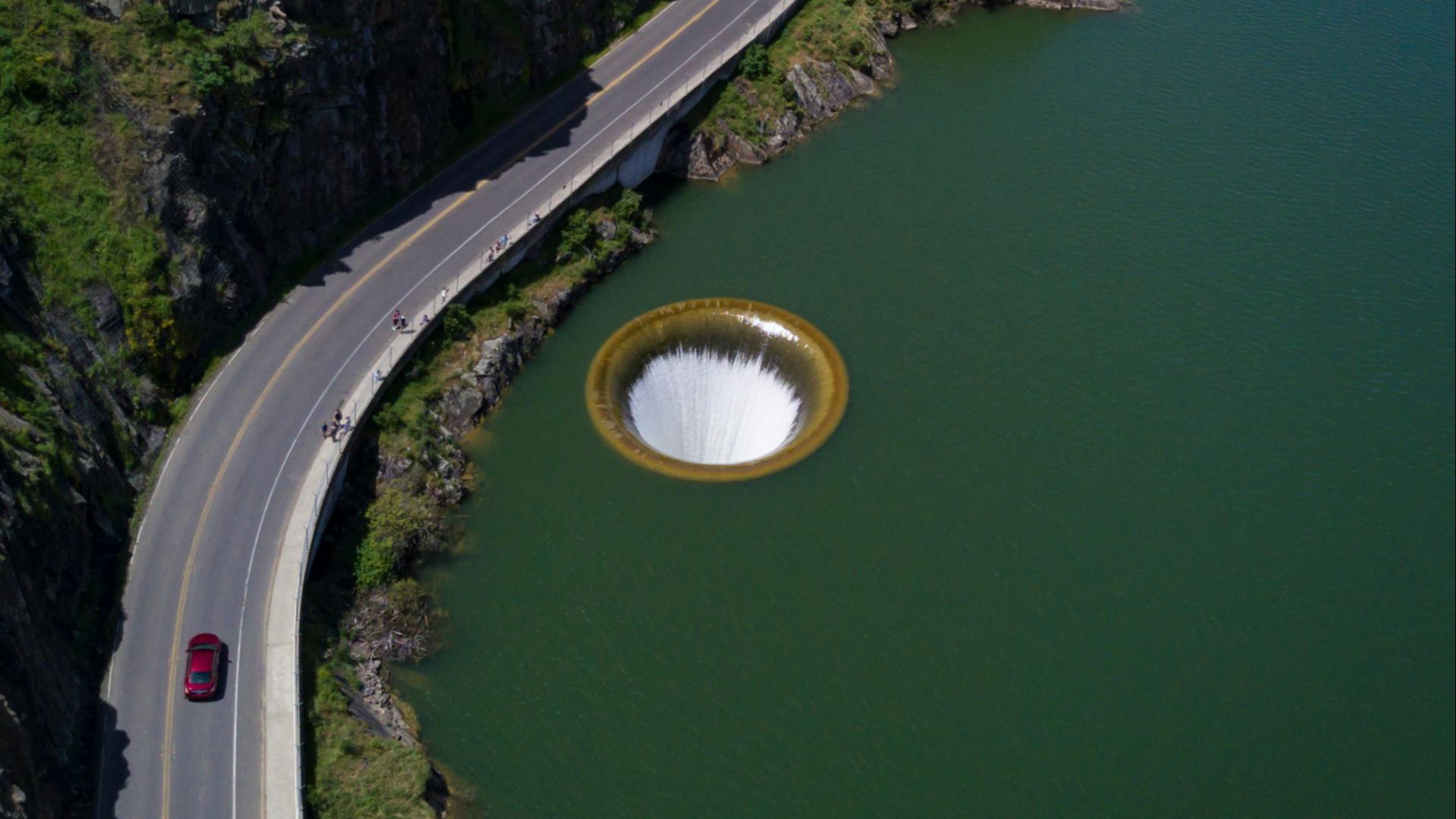
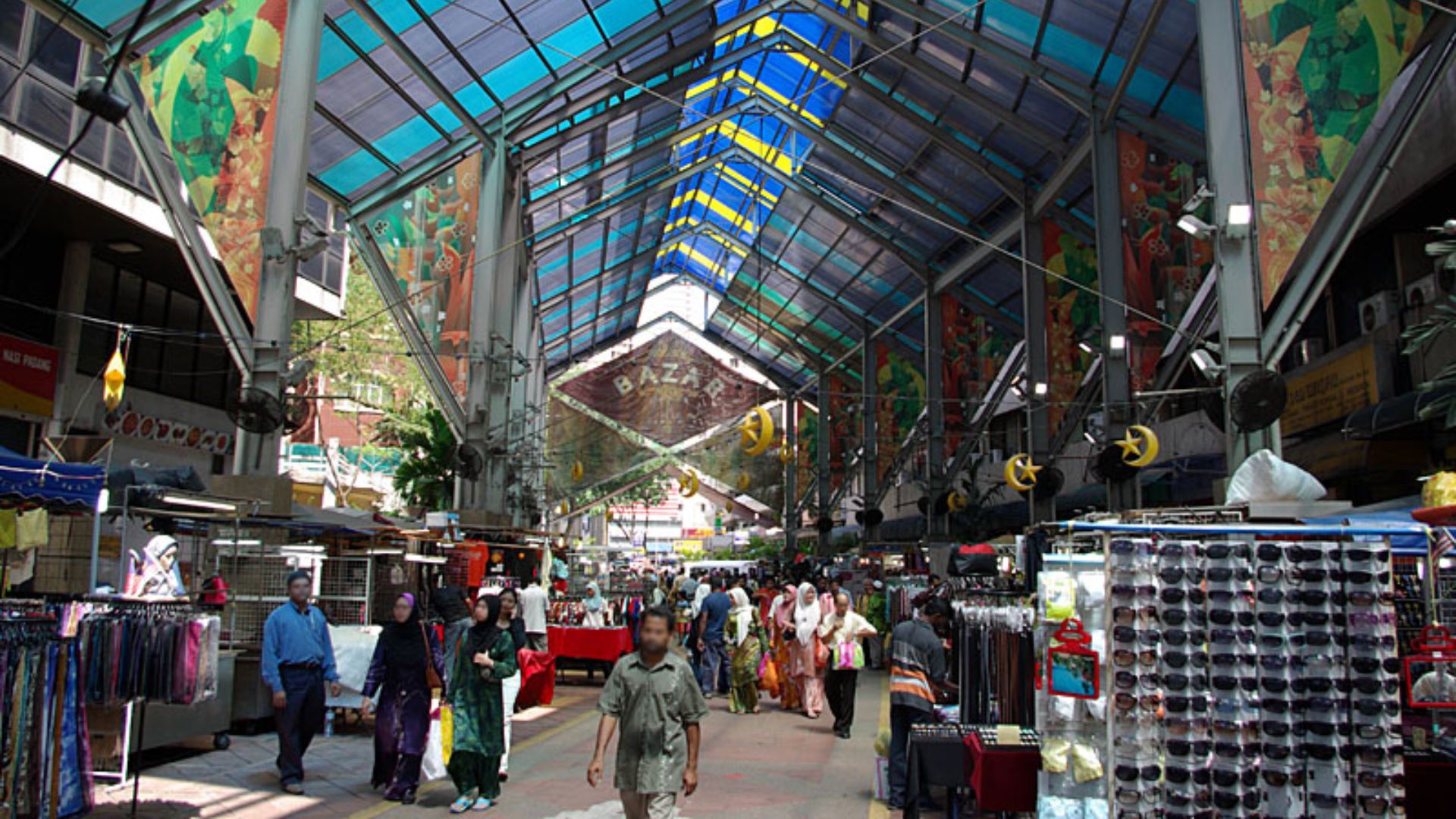
In August 2024, a sinkhole opened on Jalan Masjid India in Kuala Lumpur and swallowed a tourist who was walking to a nearby temple. What makes the story so unsettling is how ordinary the moment was right before it happened: a city street, tiled pavement, morning foot traffic, and then suddenly no ground where there had been ground a second earlier.
2. Zona 6, Guatemala City
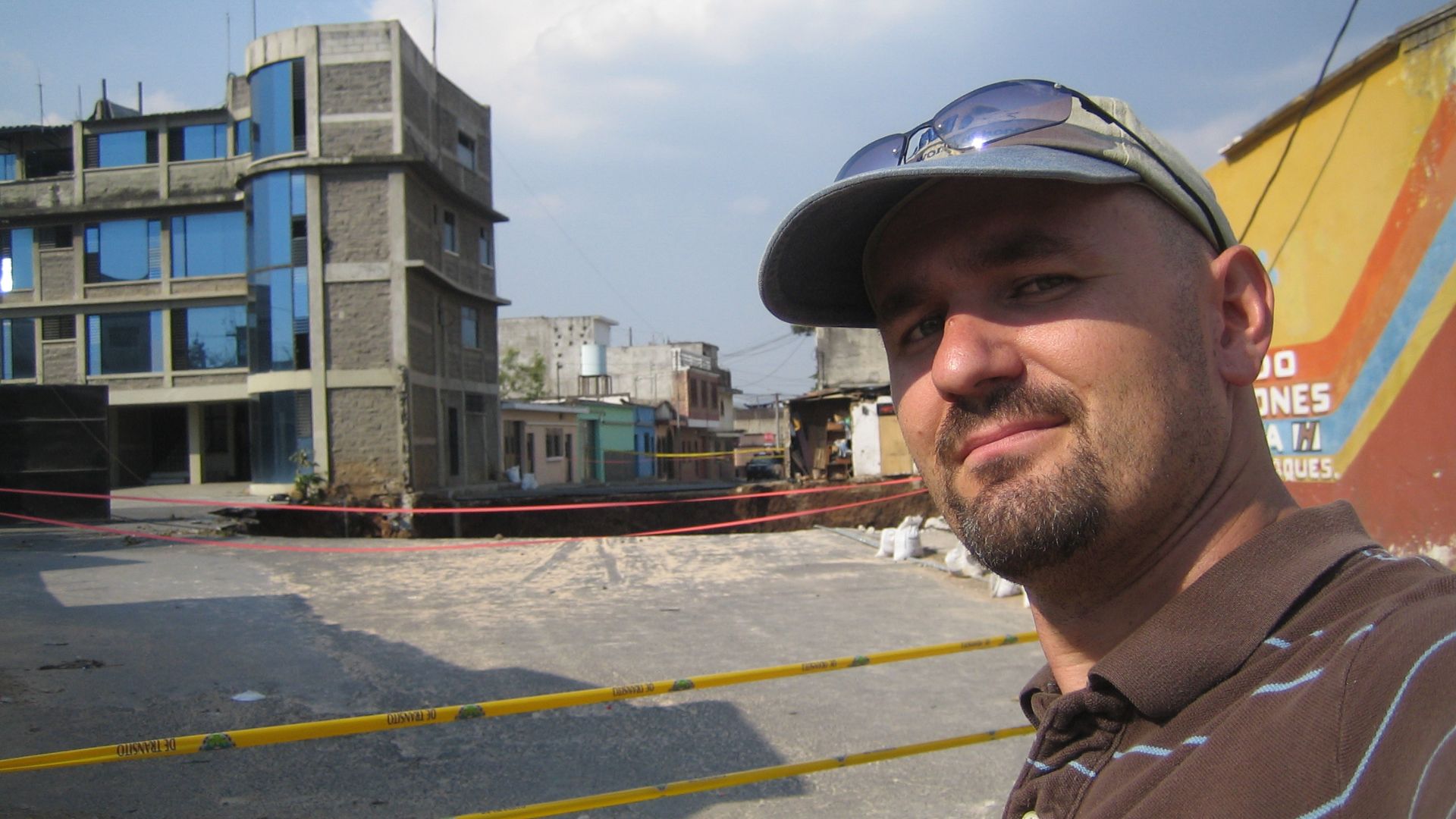
The 2007 Guatemala City sinkhole was about 100 meters deep and killed five people after the ground gave way in the city. It was caused by ruptured sewage infrastructure eroding the material below, which is a grim reminder that a street can look solid long after the support under it has already started disappearing.
 commons.wikimedia.org on Google
3. Zona 2, Guatemala City
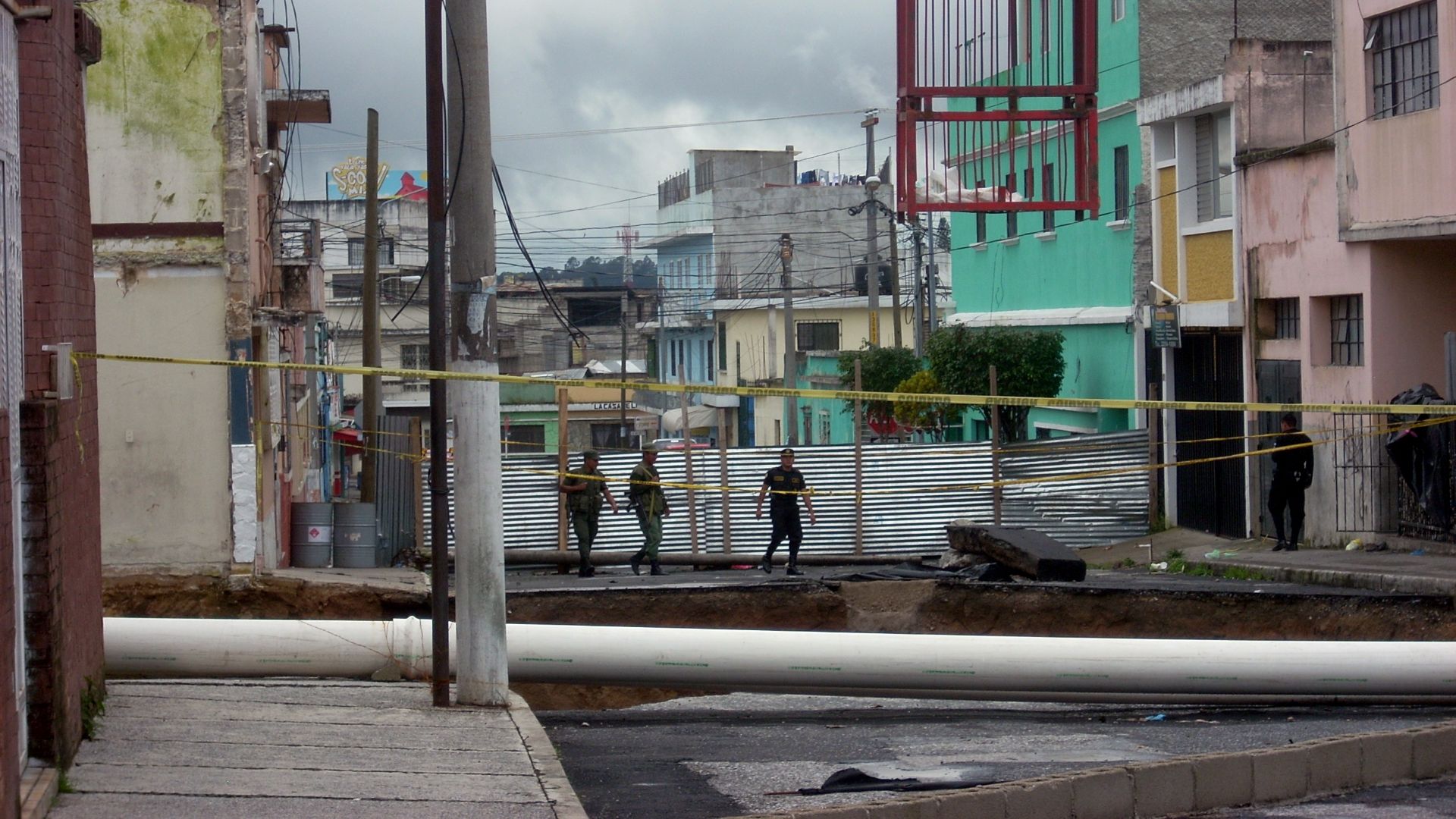
Three years later, Guatemala City had another spectacular collapse, this time in Zona 2, where a deep sinkhole swallowed a three-story factory. By that point the city had already become one of those places where the phrase “the ground opened up” was not a metaphor, but a recurring urban problem with terrifying scale.
4. Lindal-in-Furness, England
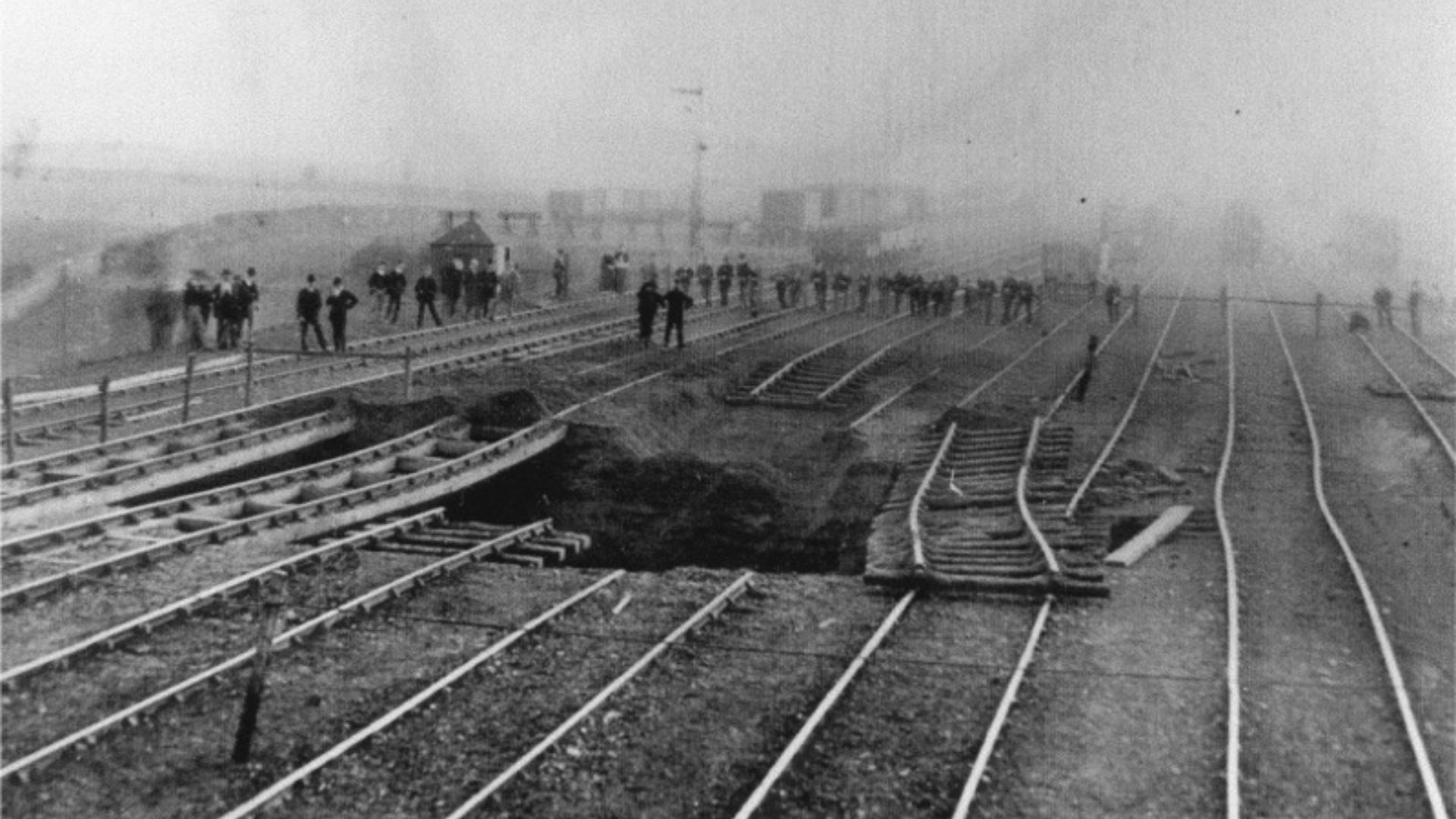
In 1892, a locomotive near Lindal-in-Furness disappeared into a hole that suddenly opened under the railway. Passengers had to get off trains and walk around the crater while officials tried to keep traffic moving, which is about as clear a sign as you can get that the ground had stopped behaving like ground.
5. Rideau Street, Ottawa
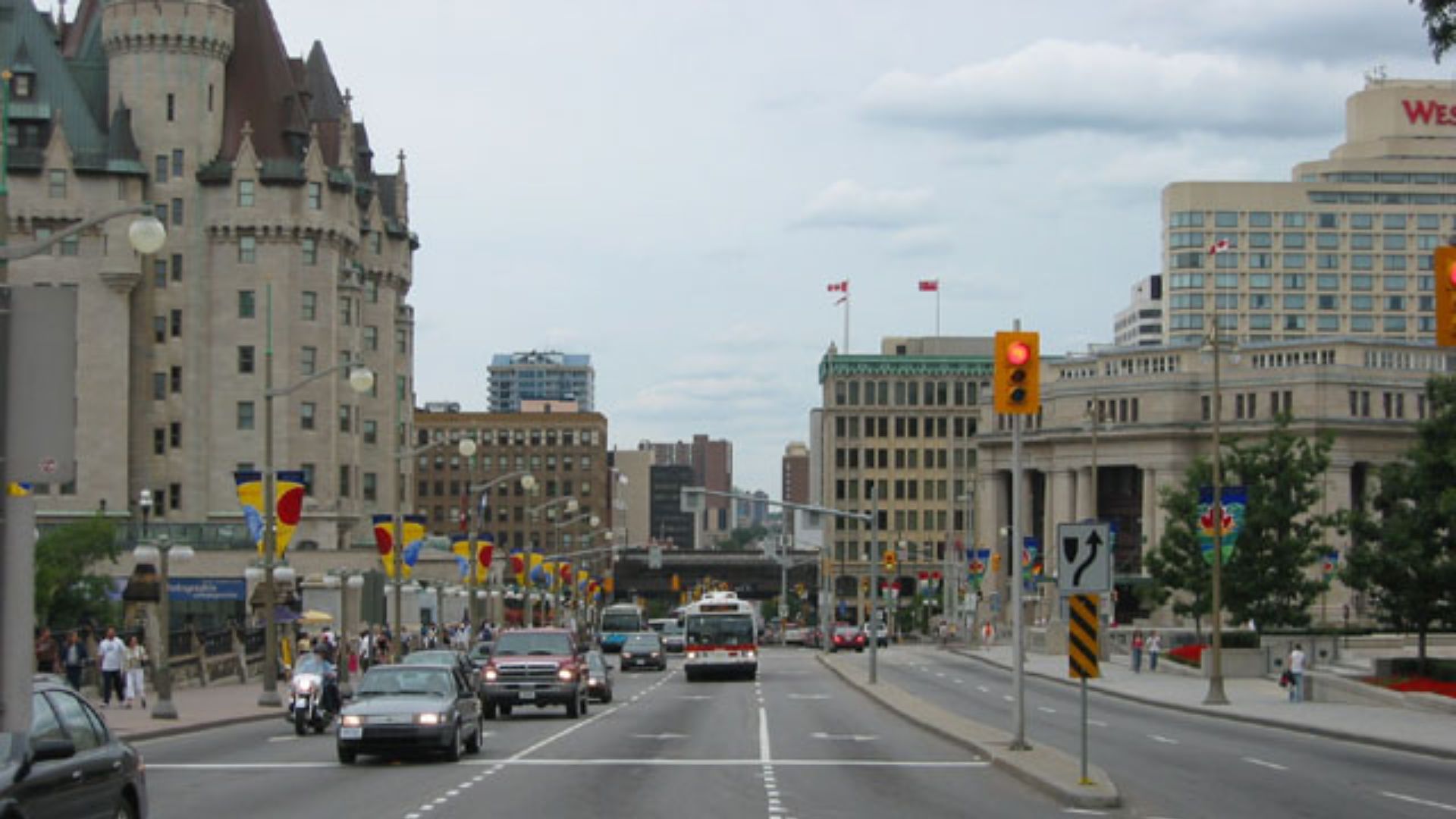
Ottawa’s 2016 sinkhole shut down Rideau Street after the road collapsed above light-rail construction, and reports at the time said it swallowed a parked van. It is one of those downtown failures that feels extra eerie because it happened in a dense, everyday part of the city where people expect disruption, not a hole opening across multiple lanes.
6. Road 174 at Jeanne D’Arc, Ottawa
Ottawa had already seen another serious collapse in 2012, when a pipe failure under Road 174 at Jeanne D’Arc created a sinkhole large enough for a vehicle to drop into it and lodge inside the storm pipe. That detail is hard to shake, because it turns a traffic incident into something much stranger and more claustrophobic.
7. Waller Street, Ottawa
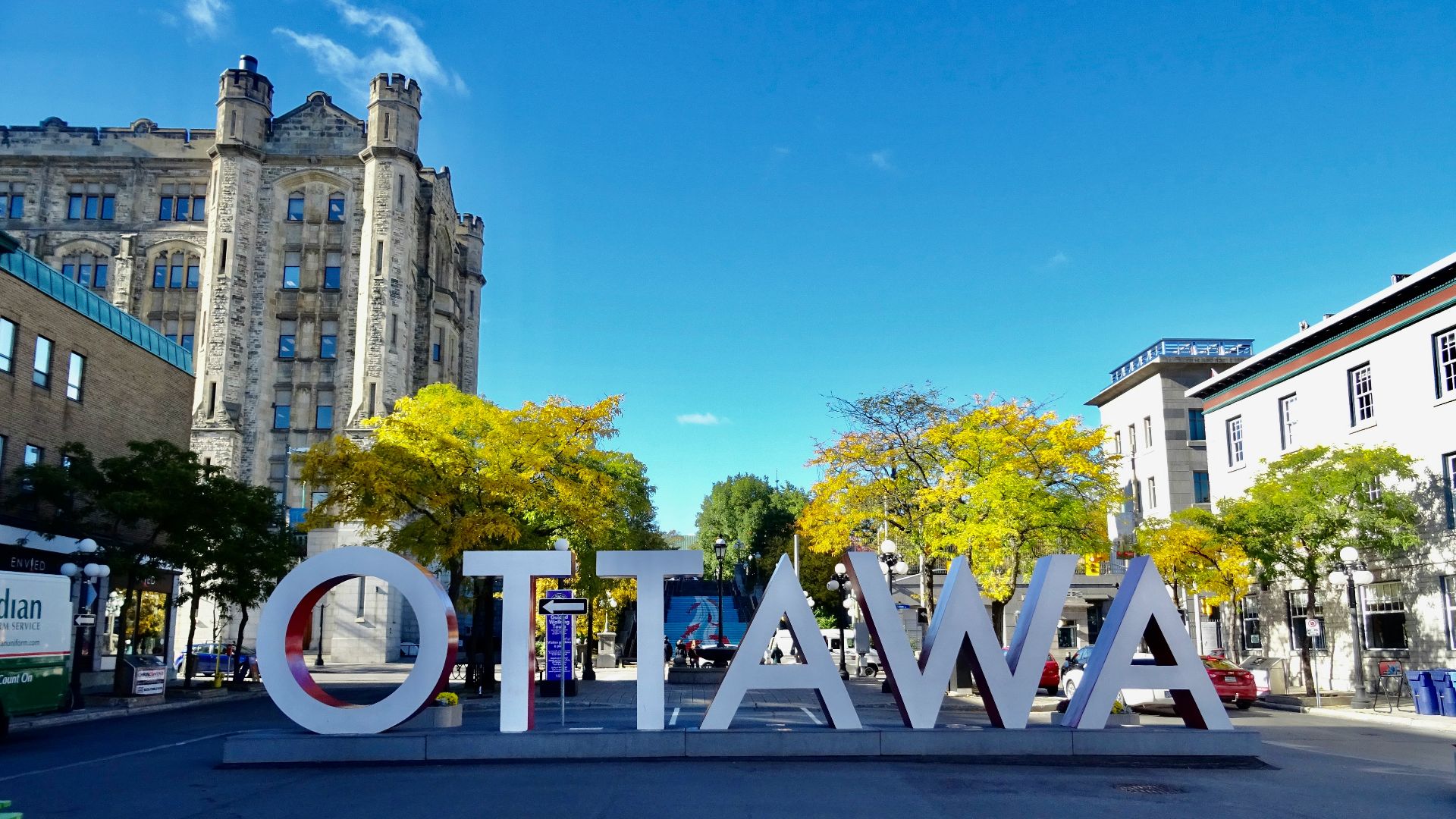
A 2014 sinkhole near Waller Street opened above tunneling work for Ottawa’s rail project. Even when nobody disappears into a collapse like that, the image still lands the same way: a city block behaving like a trapdoor.
8. Ruijin, China
In 2016, a sinkhole in downtown Ruijin swallowed four cars near a major intersection. The footage and photos from incidents like this always look slightly fake at first, probably because the human brain is not built to expect a normal street to suddenly start eating parked vehicles.
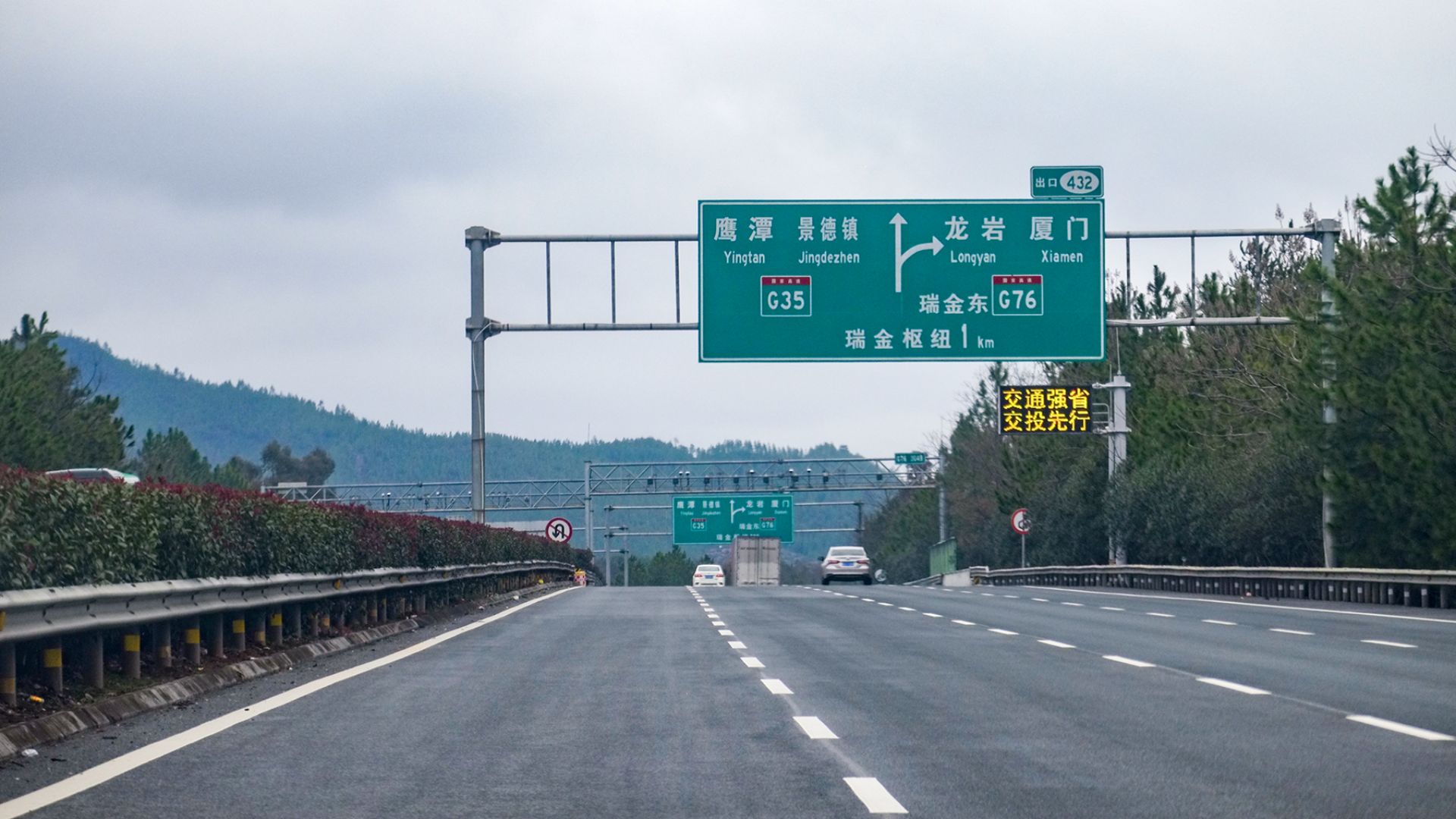
9. Lungarno Torrigiani, Florence
Florence had its own dramatic collapse in 2016 when a burst water main created a long sinkhole along Lungarno Torrigiani near the Arno, swallowing dozens of parked cars. There is something especially jarring about a Renaissance postcard of a city suddenly including a torn-open road full of half-buried vehicles.
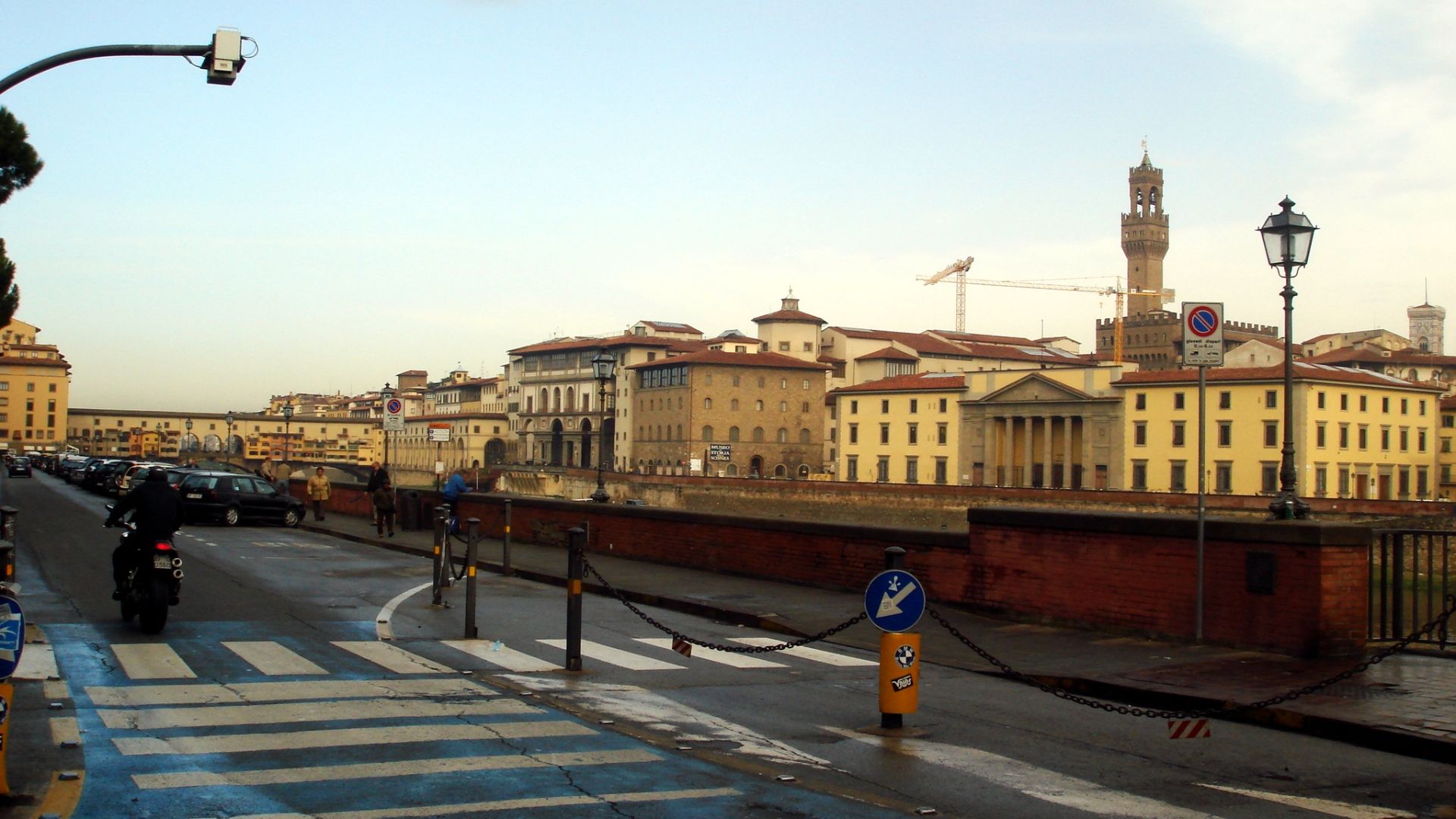 Giovanni Dall'Orto on Wikimedia
10. Jalan Raya Gubeng, Surabaya
A huge sinkhole opened on Surabaya’s Jalan Raya Gubeng in 2018 during nearby construction work. The road is heavily used, which is part of why the story stuck: thousands of vehicles normally crossed that stretch, and the collapse made the whole street look like it had simply given up.
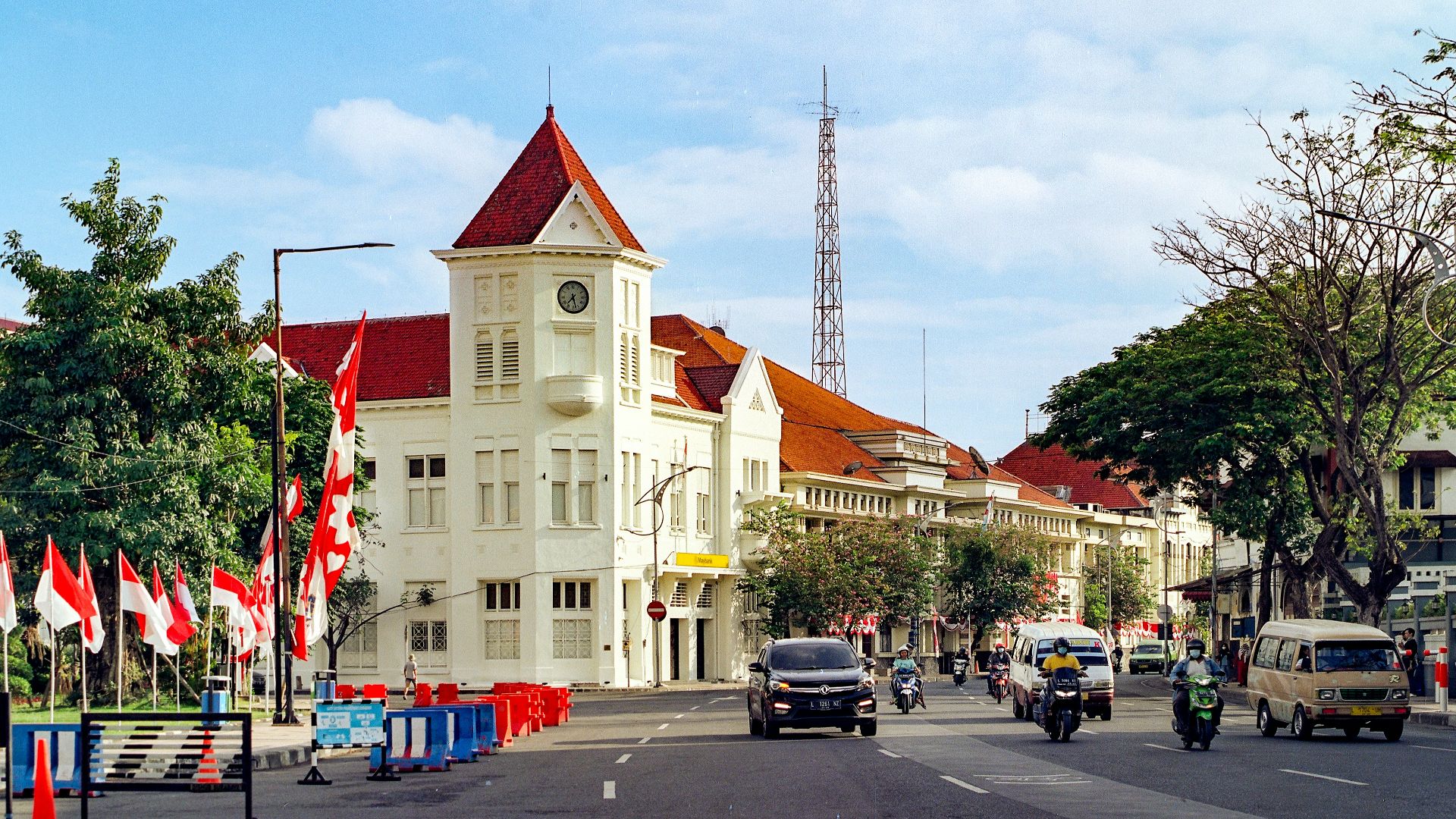
11. Tanjong Katong Road South, Singapore
Singapore’s 2025 Tanjong Katong sinkhole swallowed a car and trapped its driver after the road collapsed beside sewer-laying works. The driver survived, but the incident still had the exact nightmare quality these stories always have, where a routine drive turns into a vertical drop with almost no warning.
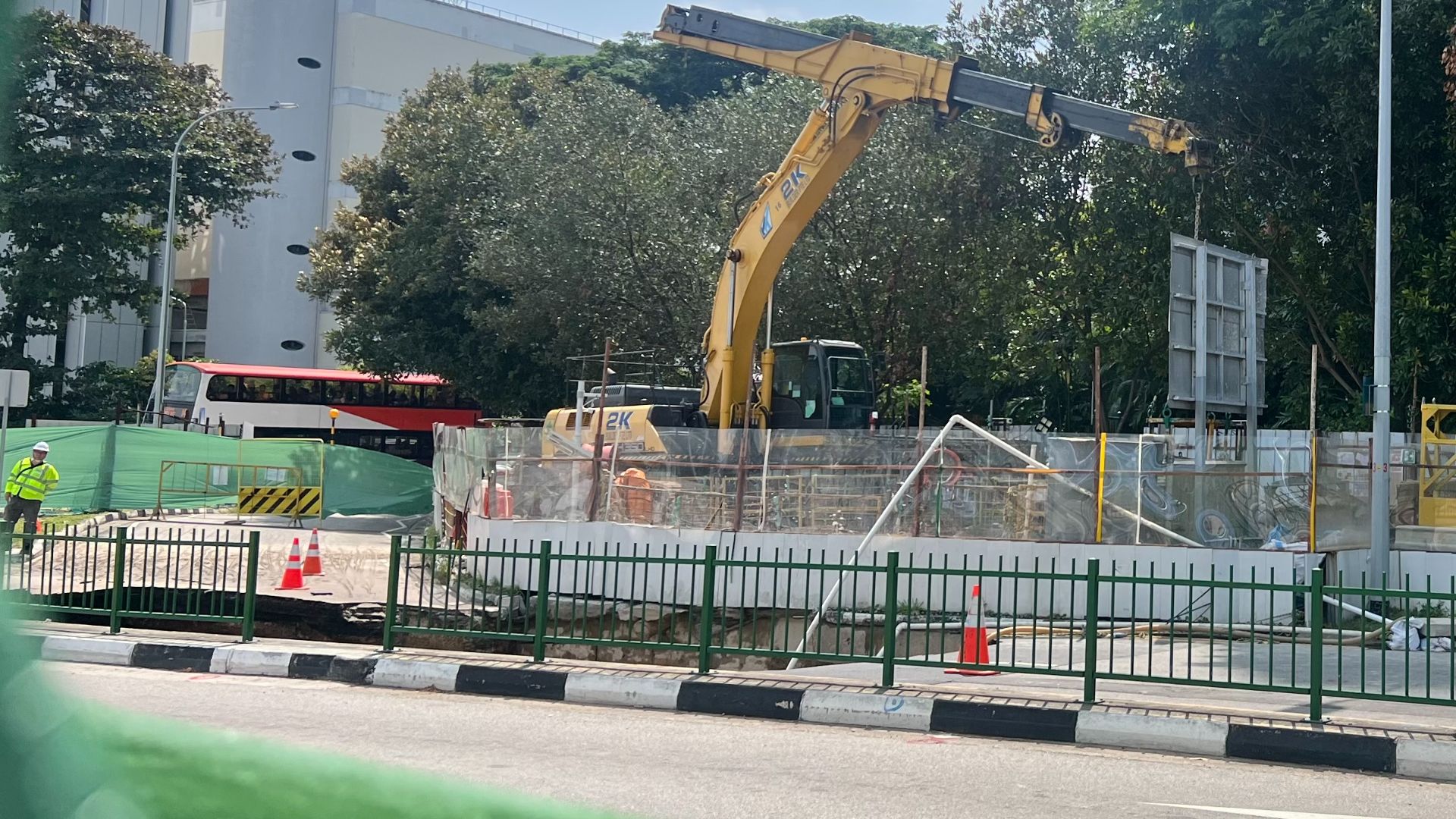
12. Samsen Road, Bangkok
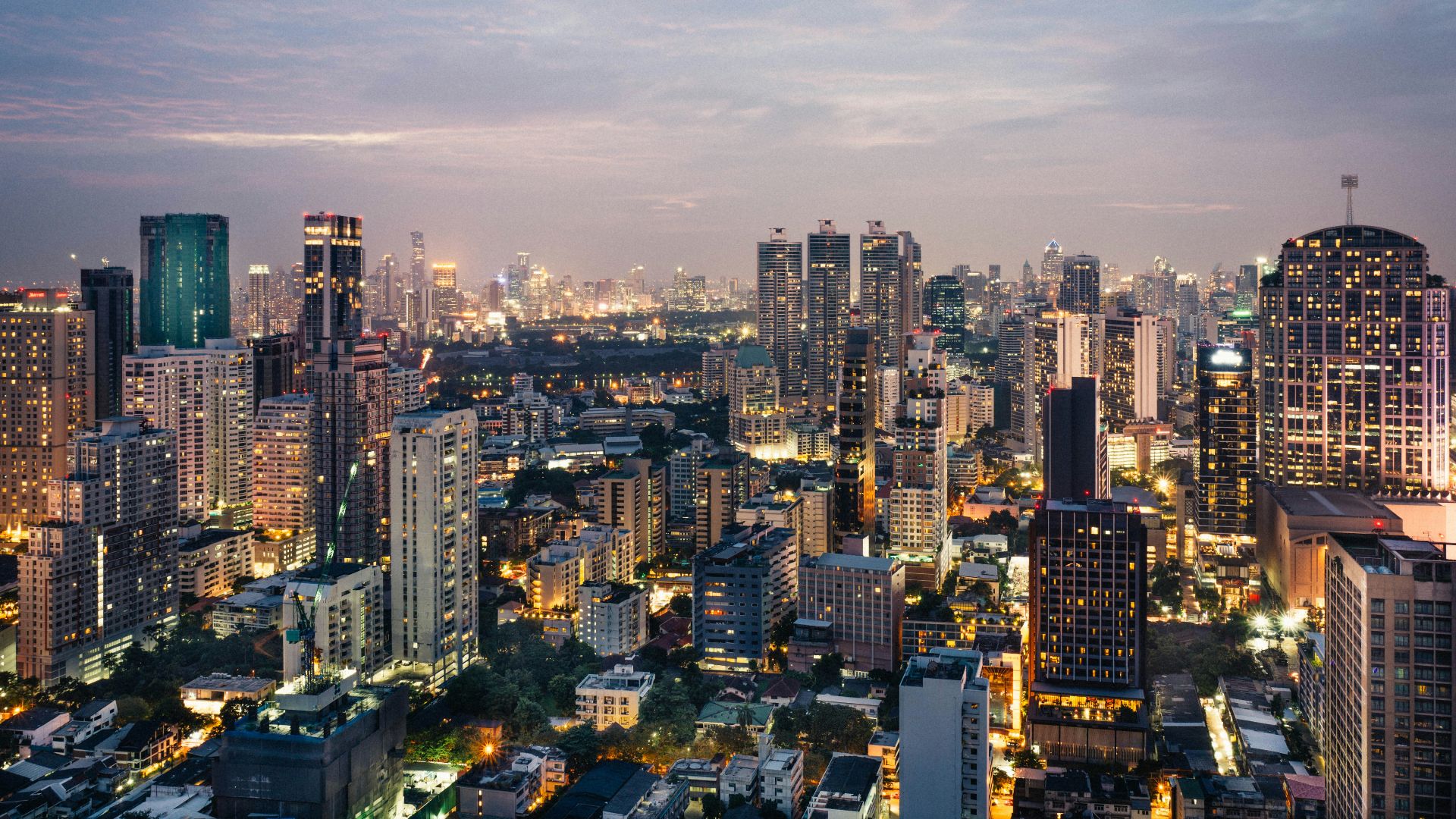
In September 2025, part of Samsen Road in Bangkok collapsed into a huge crater that swallowed vehicles, including a police tow truck. The scale alone was enough to make the scene look unreal, but what really stays with you is that it happened on an ordinary city road next to a hospital and police station, not some remote disaster zone.
13. Meilong Expressway, Meizhou
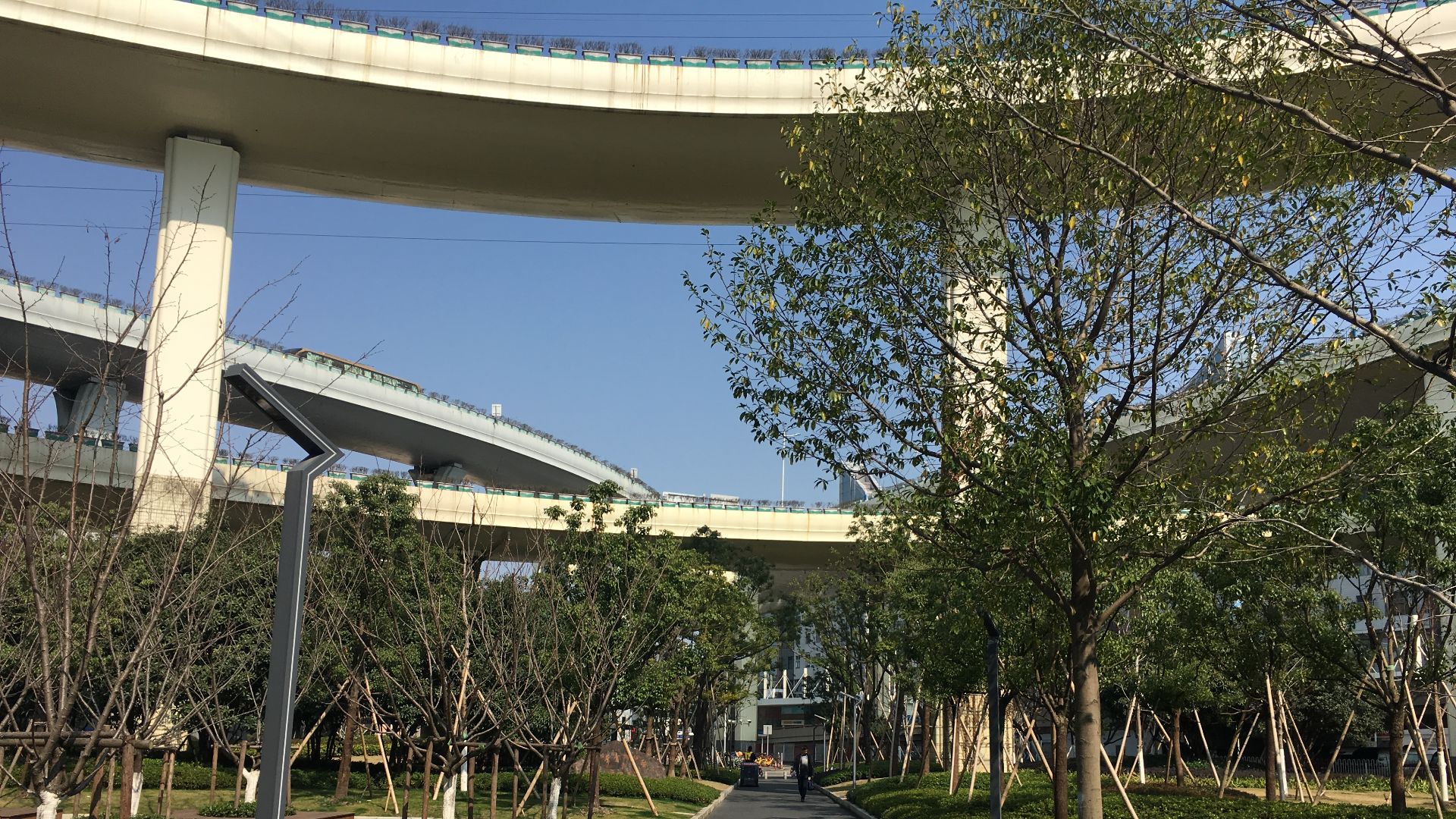
The 2024 Meizhou expressway collapse in Guangdong sent multiple vehicles into a failed section of roadway and killed dozens of people. This was not a classic sinkhole in the strictest sense, but from the perspective of the people driving into darkness at highway speed, that distinction probably felt academic.
 commons.wikimedia.org on Google
14. The Shaft, Mount Gambier
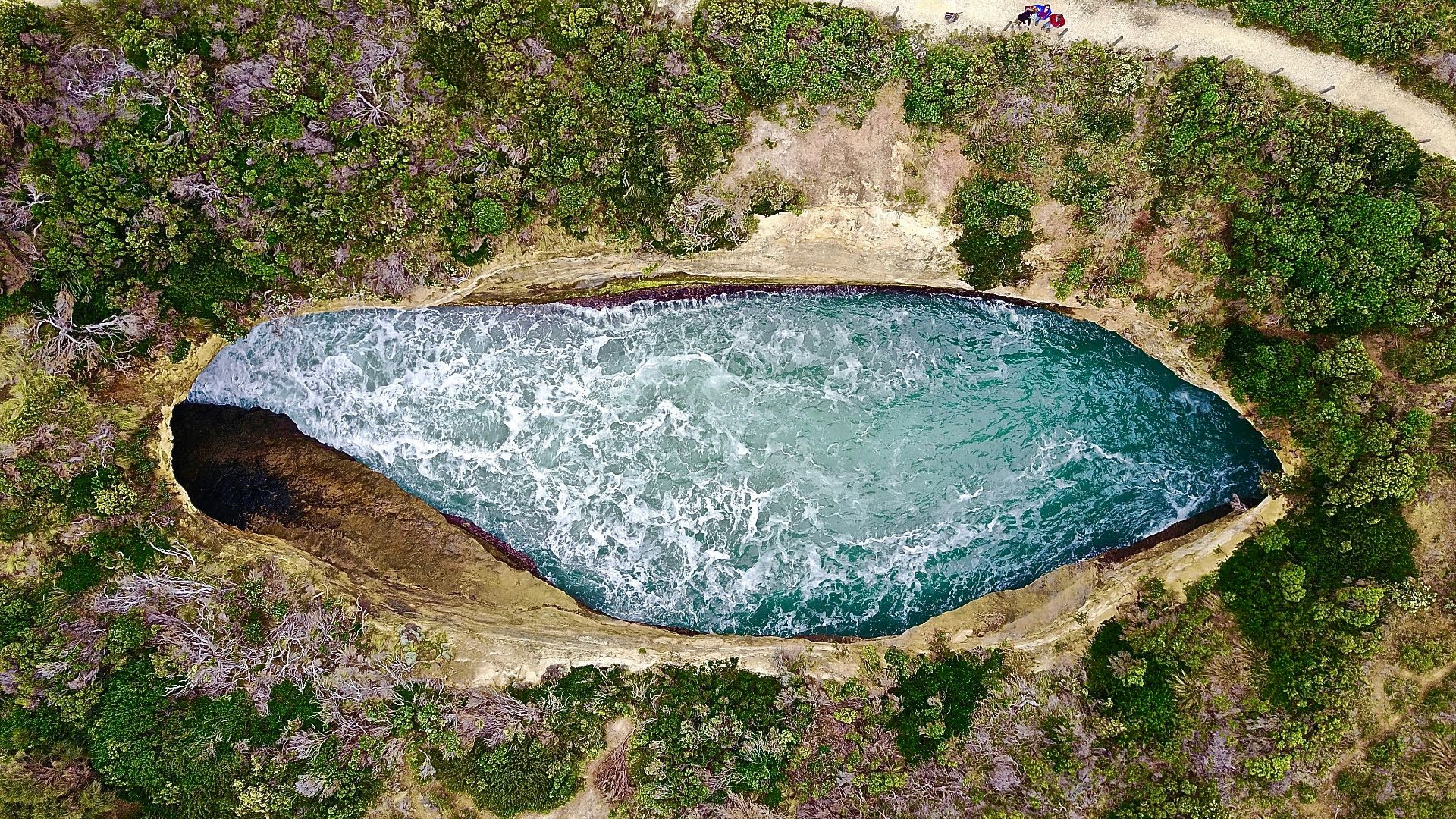
“The Shaft,” a flooded sinkhole near Mount Gambier in South Australia, became the site of a deadly cave-diving accident in 1973 that killed four recreational divers. Water-filled sinkholes have a different mood from collapsing roads, but they belong on this list because they still involve travelers entering what looks like a contained place and finding out, too late, how deep and unforgiving it really is.
15. The Blue Hole, Dahab
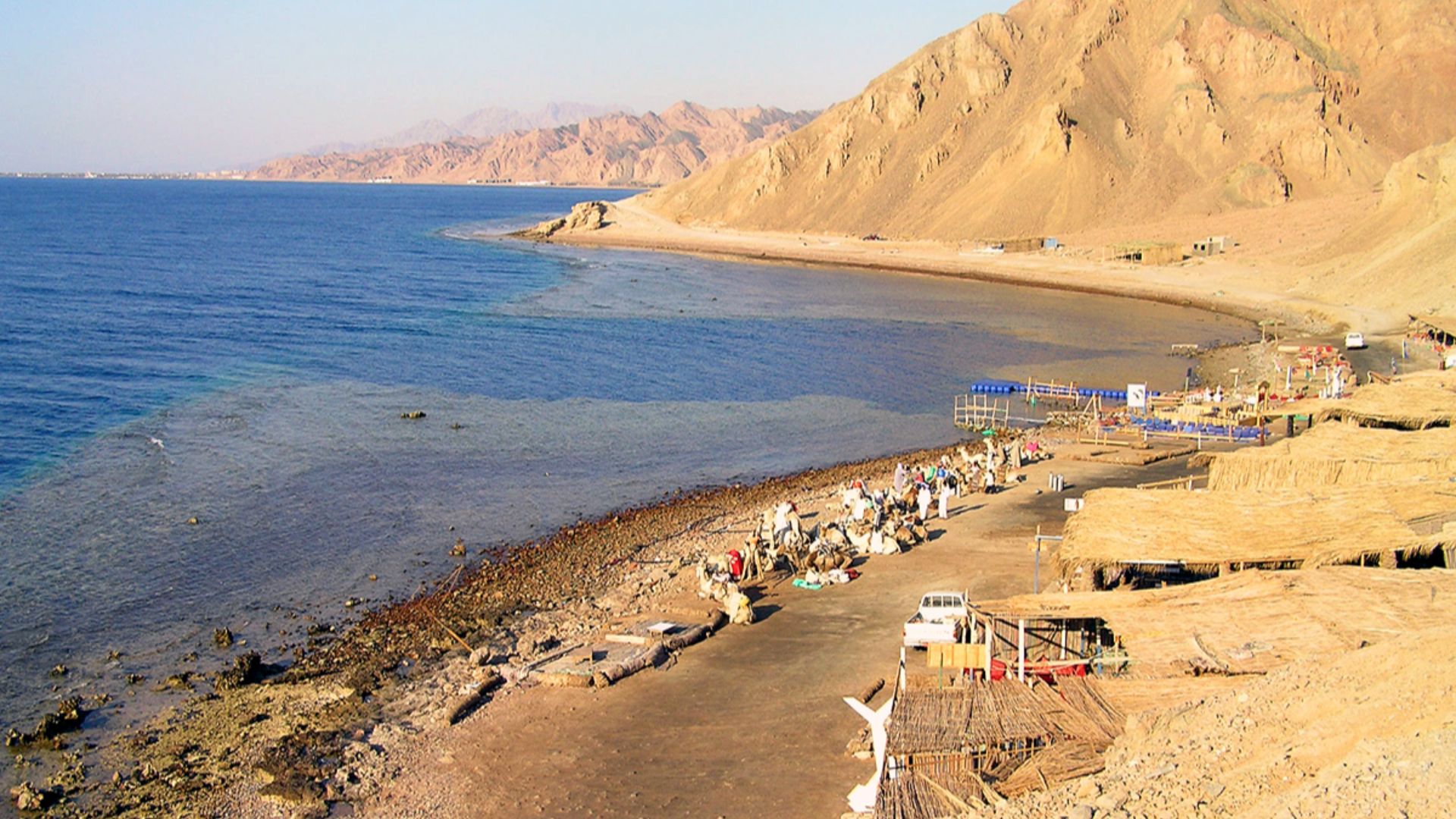
The Blue Hole near Dahab in Egypt has a reputation as one of the world’s deadliest dive sites, with many fatalities tied to deep attempts through the Arch. It is beautiful enough to attract people from everywhere, which is part of the tragedy, because places that look this calm are often the ones people underestimate hardest.
 Ggerdel - Fotografía tomada por: Gustavo Gerdel on Wikimedia
16. Dean’s Blue Hole, Bahamas
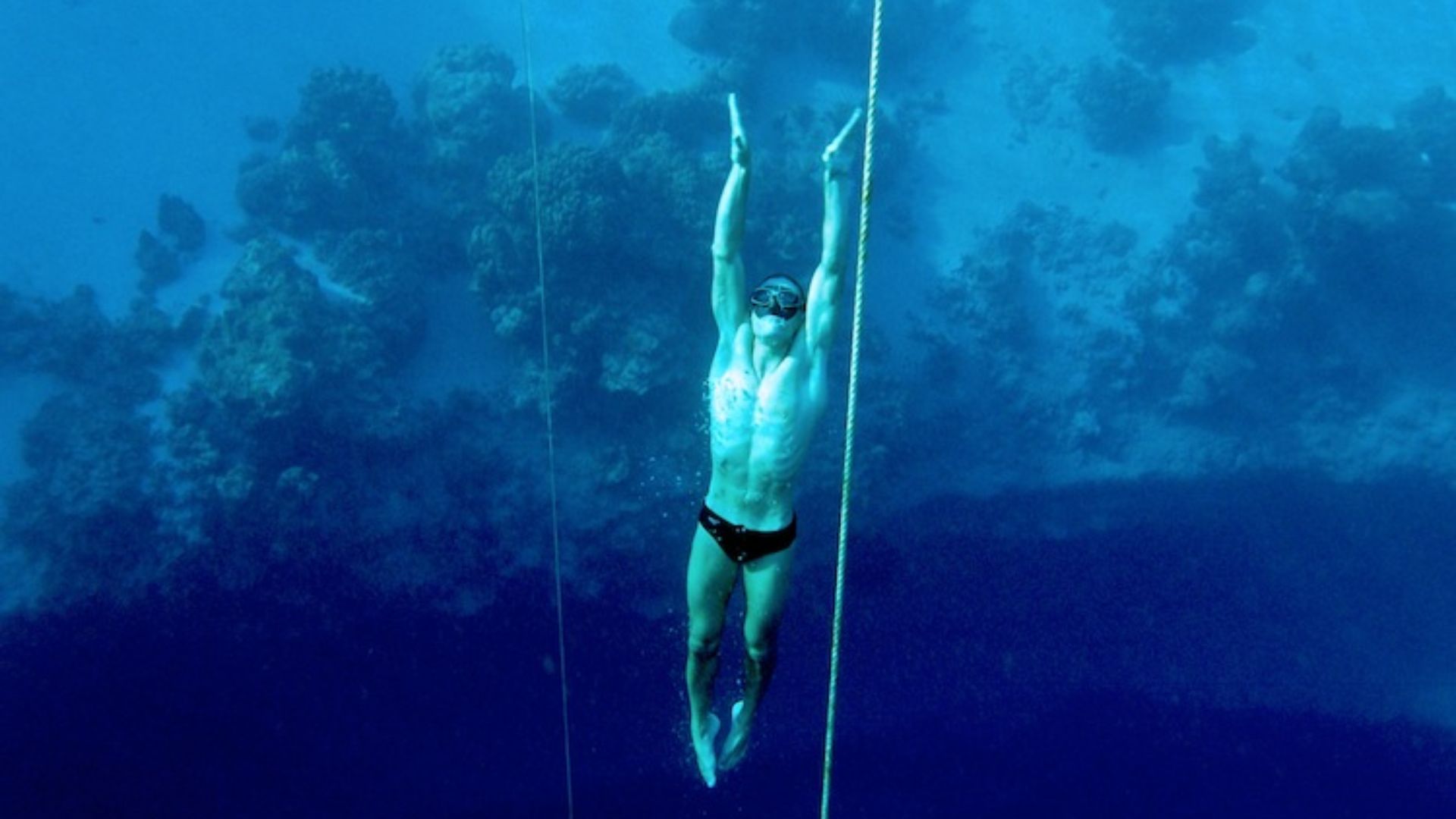
Dean’s Blue Hole is famous for freediving records, but it is also the site of fatal dives, including the death of Nicholas Mevoli in 2013. That combination of beauty, prestige, and lethal depth is what makes blue holes so unnerving: they are tourist landmarks, athletic stages, and vertical voids all at once.
17. Boesmansgat, South Africa
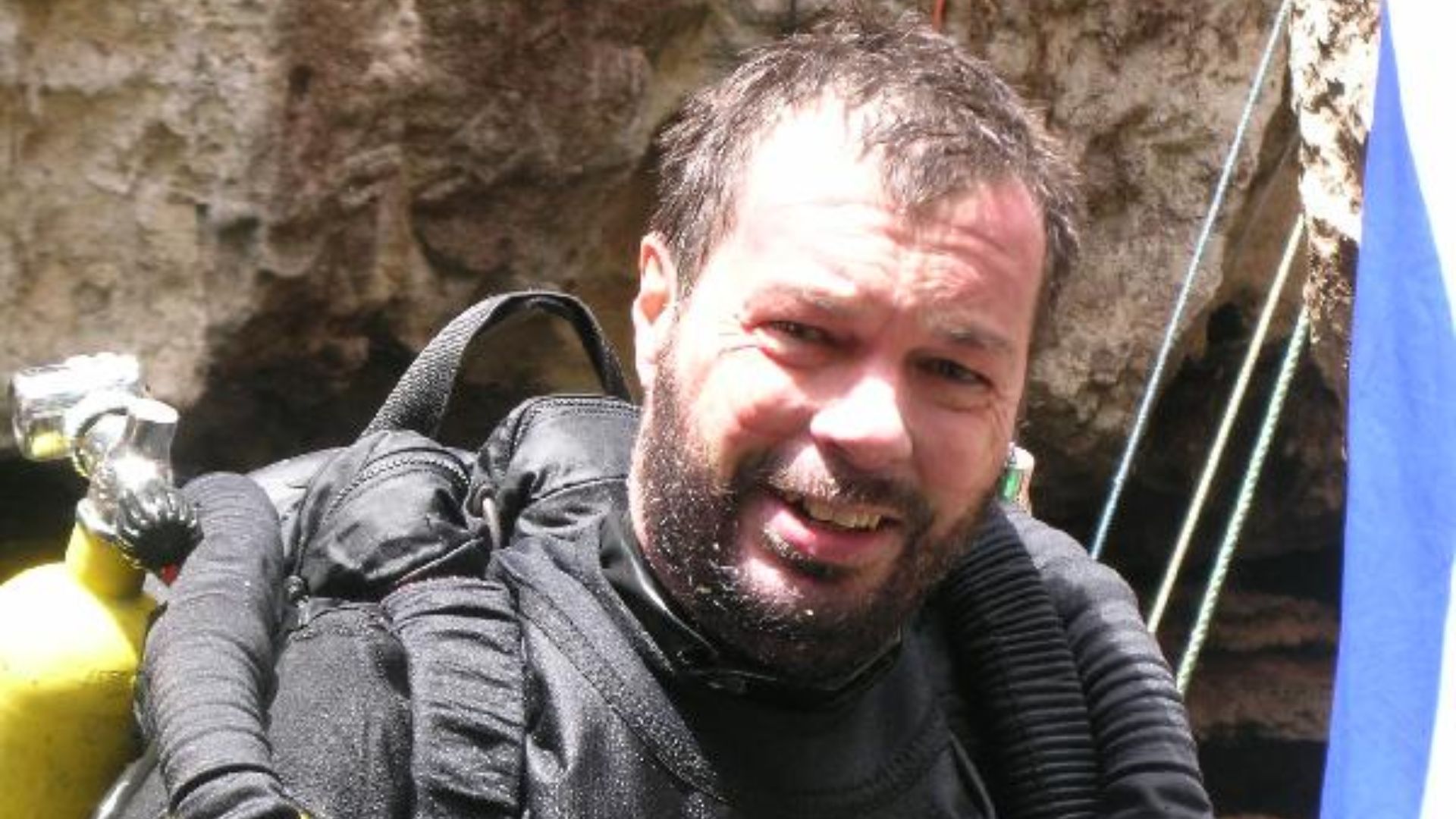
Boesmansgat, also called Bushman’s Hole, is one of those places whose numbers alone tell you trouble is close: extreme depth, altitude, and a long history of difficult dives. Several divers have died there, including Deon Dreyer and Dave Shaw, which is why the site carries the kind of reputation that makes even experienced people speak a little more carefully.
18. Zacatón, Mexico
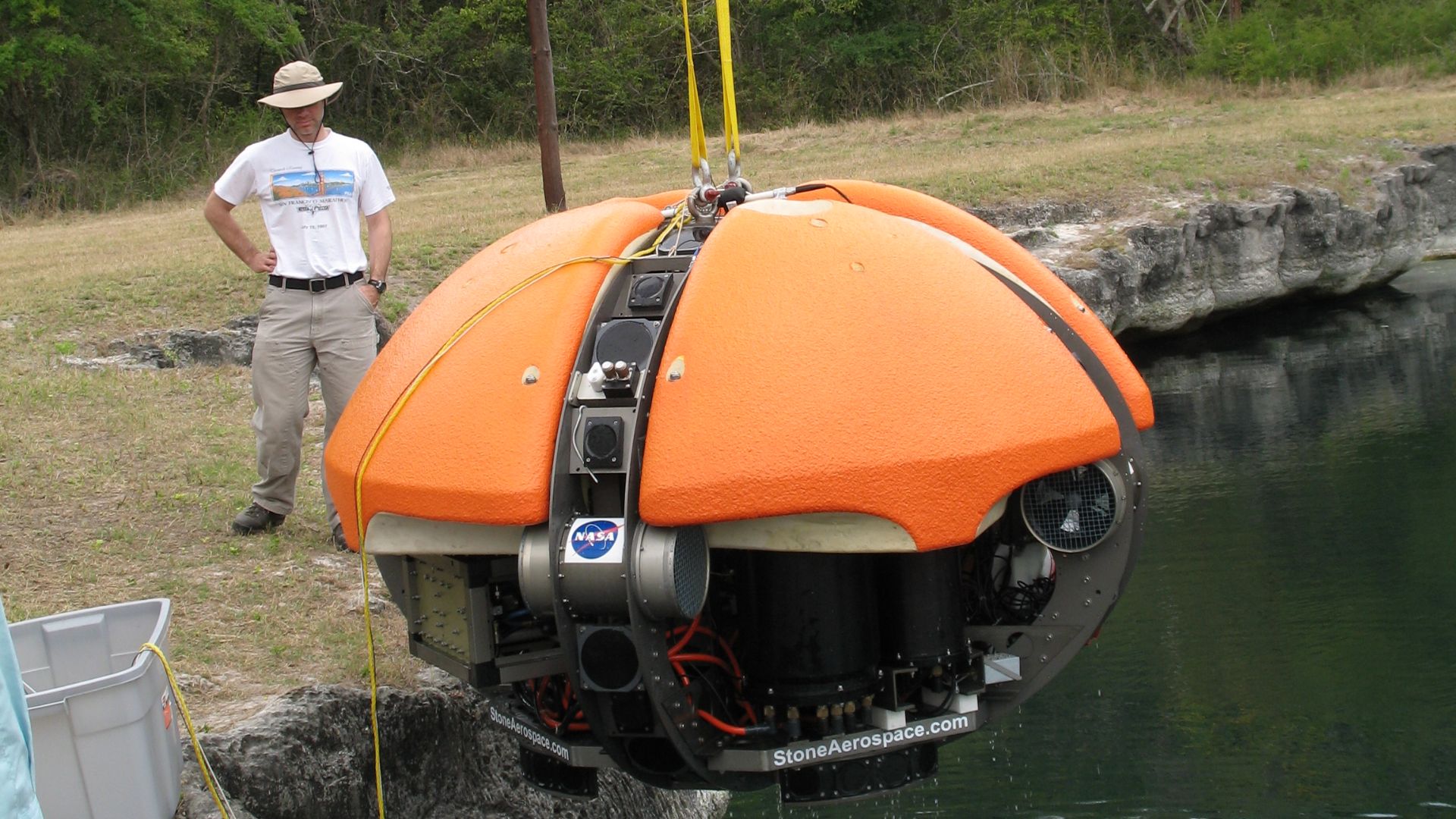
Zacatón in Tamaulipas is a freshwater sinkhole that drew elite deep divers precisely because its bottom was so hard to define. That same pull helped make it fatal for Sheck Exley in 1994, which is the recurring story with places like this: the depth is the attraction until it becomes the whole danger.
 Marc Airhart (Marcairhart at en.wikipedia) on Wikimedia
19. Lake Peigneur, Louisiana
Lake Peigneur changed shape completely in 1980 after a drilling accident triggered a massive collapse into an underlying salt mine, swallowing a drilling platform, barges, trees, and part of the surrounding land. Everyone escaped, but it still belongs here because a fisherman, rig workers, and miners all watched a familiar landscape turn into a giant rotating drain.
20. The Dead Sea Shoreline
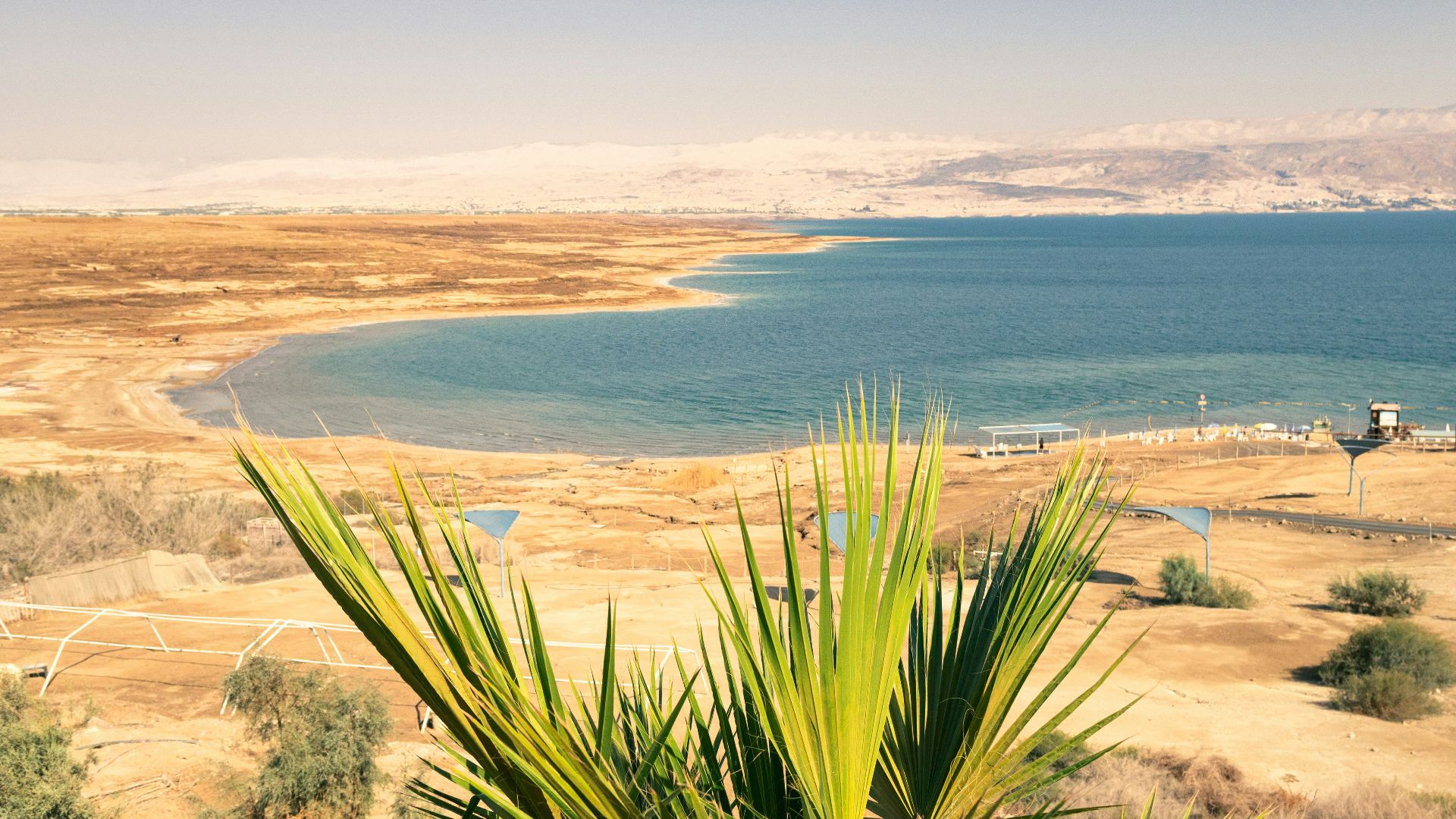
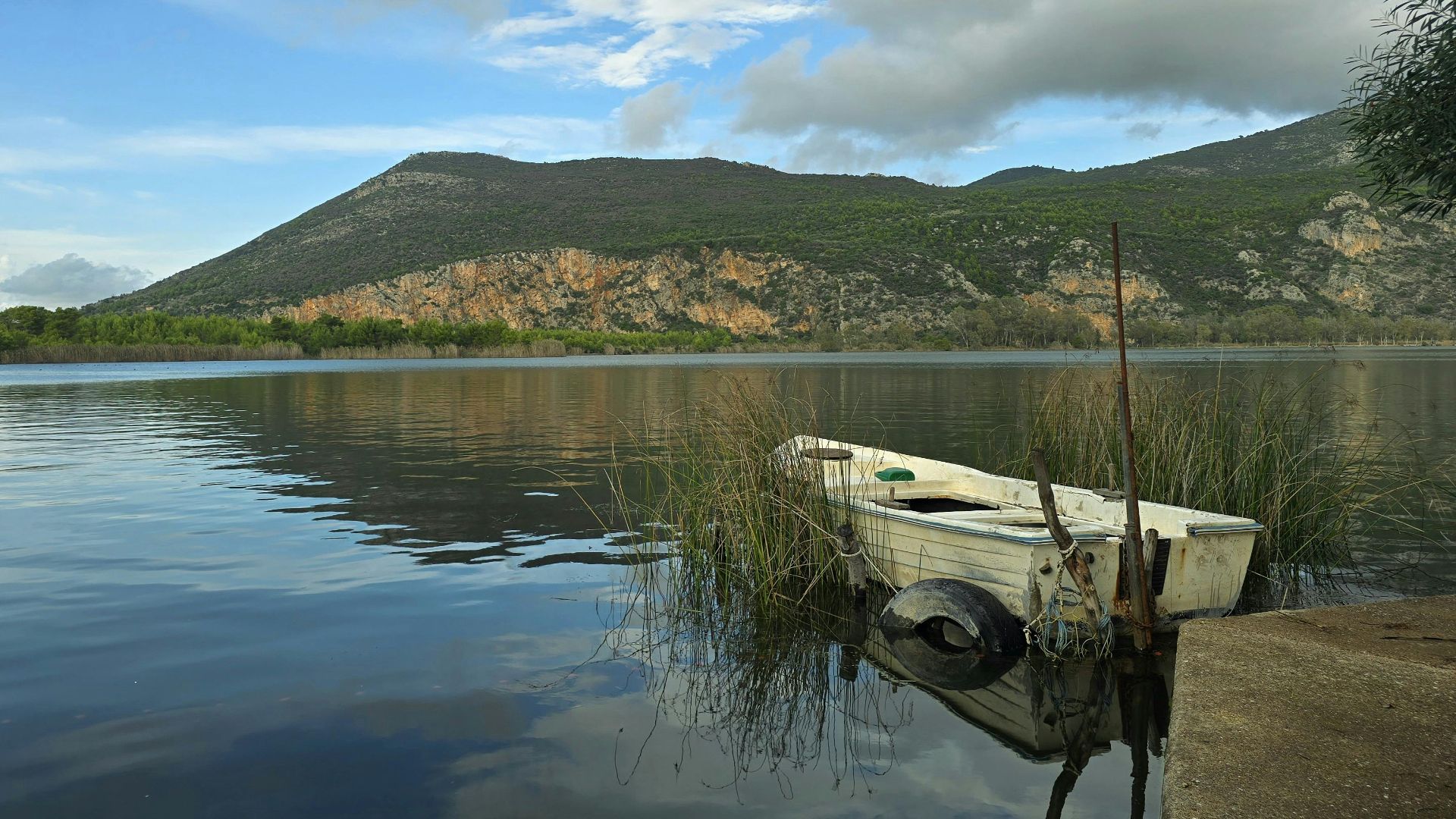
The Dead Sea shoreline has developed thousands of sinkholes as falling water levels and dissolving underground salt destabilize the ground. Beaches, roads, and tourist areas have had to close in places, which means travelers now visit one of the world’s most famous landscapes knowing that parts of the shore can literally drop out beneath them.