I Lost My Best Friend of 30 Years Over a Wedding Rumor—Then I Discovered the Shocking Truth That Changed Everything
I Lost My Best Friend of 30 Years Over a Wedding Rumor—Then I Discovered the Shocking Truth That Changed Everything
I Lost My Best Friend of 30 Years Over a Wedding Rumor—Then I Discovered the Shocking Truth That Changed Everything
Thirty Years of Friendship
I met Marlene at a neighborhood block party in the summer of 1994, and I remember thinking she was the kind of person who made a room feel warmer just by walking into it. We were both in our thirties, both freshly divorced, both pretending we were handling everything just fine. We weren't, of course. But somehow that shared pretending turned into honesty, and that honesty turned into the kind of friendship most people only read about. Over the next thirty years, we celebrated every birthday together without fail — hers in March, mine in October, always with cake and too much wine and conversations that stretched past midnight. We sat with each other through the hard things too. When her mother passed, I drove four hours in a rainstorm to be at the funeral. When I lost my job at fifty-two and spent three weeks convinced my life was essentially over, she showed up at my door with groceries and a very firm opinion that I was being dramatic. We used to joke that we'd skipped the friend stage entirely and gone straight to sisters. And honestly, that's what it felt like. Not the polished, holiday-card version of friendship, but the real thing — the kind where someone knows your worst habits and loves you anyway. Thirty years of that. Thirty years of someone who felt less like a choice and more like family.
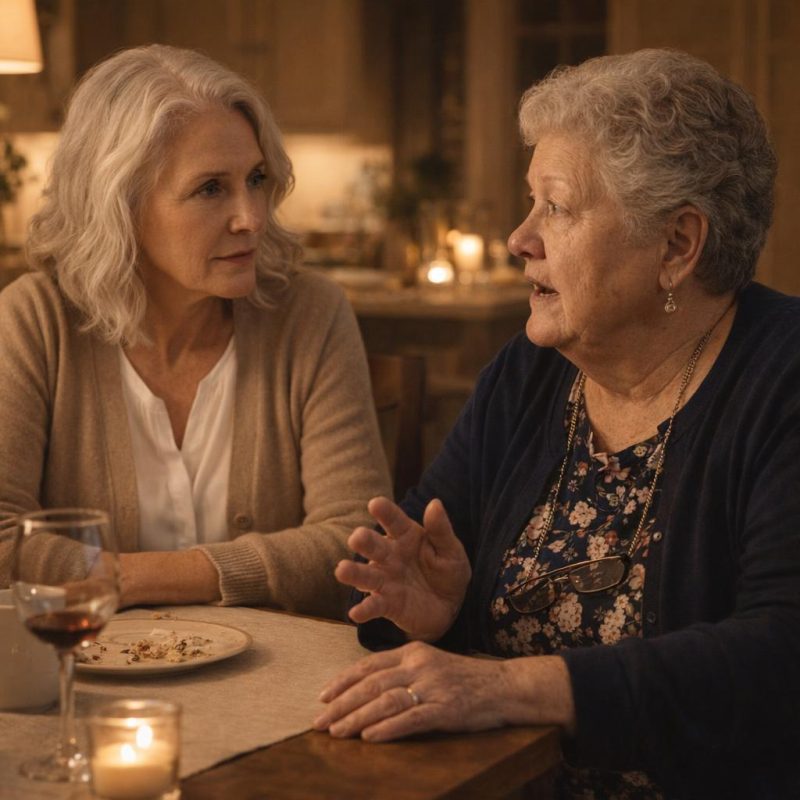 Image by RM AI
The Wedding Invitation
When Marlene told me Sophie was getting married, I think I actually squealed. I'm sixty-four years old and I squealed like a teenager, and I'm not even a little embarrassed about it. I had watched Sophie grow up — from a gap-toothed kid doing cartwheels in Marlene's backyard to this poised, put-together young woman who somehow managed to make everything look effortless. The engagement felt like a family milestone, and Marlene treated it that way, pulling me into every conversation about venues and centerpieces and whether the bridesmaids' dresses should be sage green or dusty rose. I offered to help wherever I could — addressing envelopes, picking up supplies, whatever was needed. Sophie called me one afternoon to thank me personally, and her voice was so warm and genuine that it caught me off guard. She said she couldn't imagine the day without me there. I told her I wouldn't miss it for anything in the world. The three of us spent one Saturday afternoon at a bridal boutique, laughing at the truly alarming price tags and taking photos in the dressing room mirror. It felt easy and joyful and right. So when the formal invitation arrived a few weeks later, I stood at my mailbox turning it over in my hands — thick cream envelope, my name written across the front in the most beautiful cursive I had ever seen.
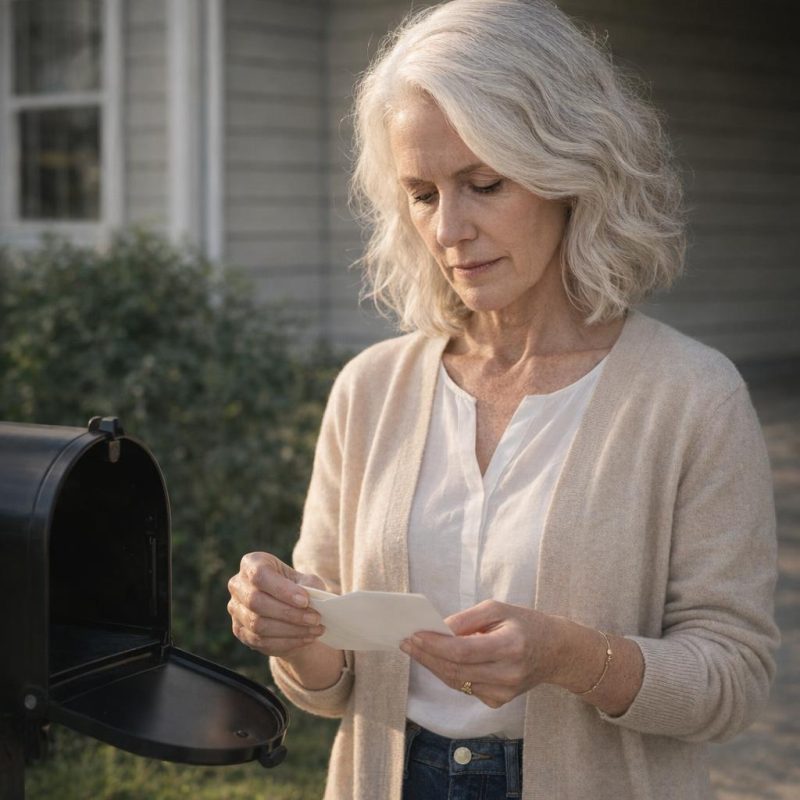 Image by RM AI
Leaving Early
The ceremony itself was everything Marlene had hoped it would be. Sophie looked stunning, Jake looked like he might cry before she even reached the altar, and I sat in the third row with a tissue already in my hand because I knew myself well enough to come prepared. The reception started beautifully — dinner, toasts, the first dance. I was genuinely happy, the uncomplicated kind that doesn't ask for anything. But somewhere around the second hour, a headache crept in behind my eyes and my stomach started doing something unpleasant. I'd been fighting a mild bug all week and had convinced myself I was over it. I was not over it. I found Marlene near the dessert table and pulled her aside quietly. I told her I was so sorry, that I hated to leave early, but I wasn't feeling well and didn't want to make a scene. She put both hands on my arms and told me not to be silly, that she was glad I'd come at all, and that I should go home and rest. She looked genuinely concerned, not put out. I hugged her, found my coat, and slipped out through the side entrance. The parking lot was quiet, and the night air was cool against my face — that particular kind of cool that feels like relief when your head is pounding. I stood there for a moment before getting in my car, breathing it in, grateful for the stillness.
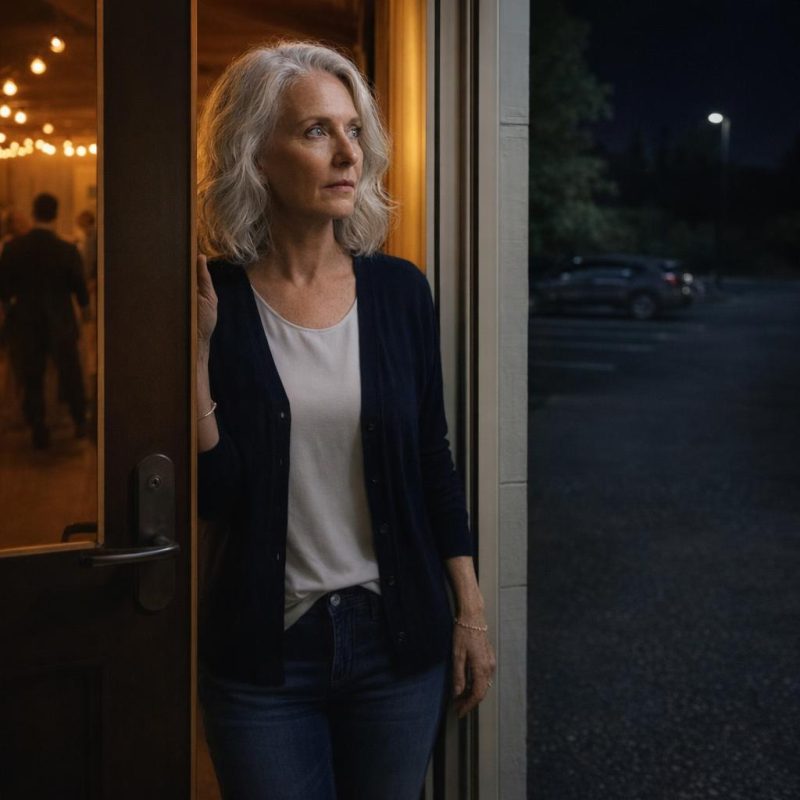 Image by RM AI
The First Missing Invitation
Three weeks after the wedding, I heard through a mutual acquaintance that Marlene had hosted a small birthday dinner for a friend of ours named Carol. I hadn't been invited. I sat with that information for a moment, turning it over, and then I set it down. It wasn't like Marlene to leave me out of something like that — Carol had been part of our circle for years, and birthday dinners were usually a group affair. But I also knew that weddings were expensive and exhausting, and that the weeks after a big event like Sophie's could leave a person completely wrung out. Maybe Marlene had kept it small to save money. Maybe she'd thrown it together last minute and assumed I was busy. I ran through the reasonable explanations the way you do when you don't want to land on the unreasonable one. I decided not to bring it up. The last thing I wanted was to seem like the kind of friend who kept score, who noticed every small omission and needed reassurance. We were sixty-something women with full lives, not teenagers tracking who got invited to whose party. I told myself that, and I mostly believed it. But that evening, sitting in my kitchen with my phone on the table and no message from Marlene asking how I was doing, I felt something I couldn't quite name — the quiet shape of a space where something familiar should have been.
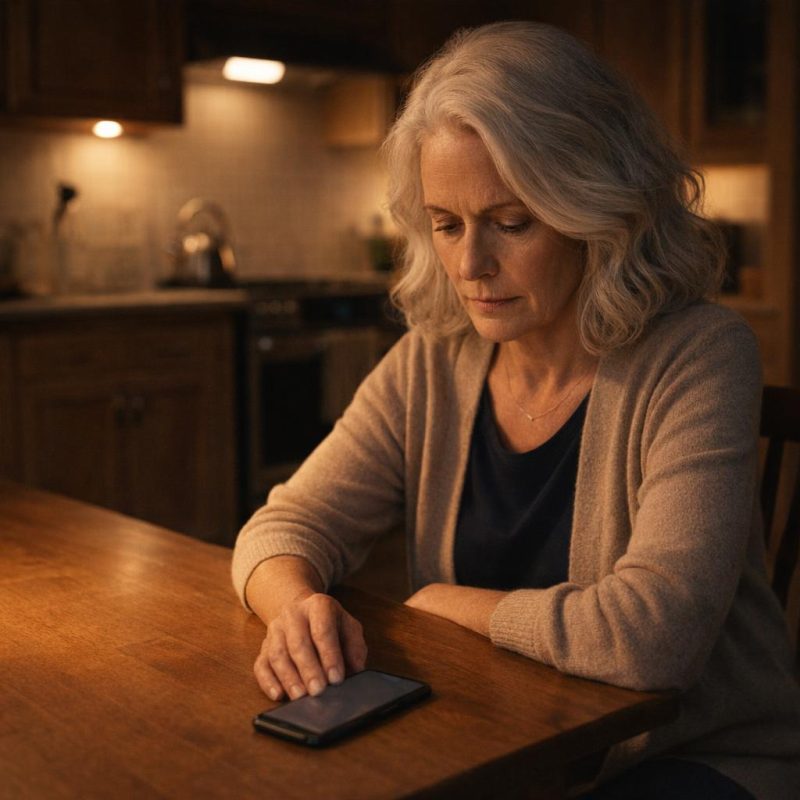 Image by RM AI
Calls Returned Late
I called Marlene on a Tuesday afternoon the way I always had — no particular reason, just to talk. She didn't pick up, which wasn't unusual. What was unusual was that she didn't call back until Thursday. When she did, the conversation felt different. Not cold exactly, but compressed, like she was fitting me in between other things. I asked how she was settling back into normal life after the wedding, and she said fine, busy, the usual. I suggested we get lunch the following week and she said she'd have to check her calendar and get back to me. She never got back to me. I told myself she was overwhelmed. Weddings leave a particular kind of aftermath — thank-you notes, returned gifts, family dynamics to smooth over. I gave her space and tried again the following week. That call went to voicemail. I left a cheerful message, nothing heavy, just that I was thinking of her and would love to catch up when she had a chance. Four days passed. Then five. I started paying attention to things I hadn't paid attention to before — how long it had been since she'd texted first, how many of our recent conversations I had initiated. I kept landing on numbers that didn't sit right. But I pushed the thought away each time, because thirty years of friendship doesn't just quietly change without a reason, and I couldn't think of a single reason. Then I picked up my phone on a Friday evening and heard her voicemail greeting for the third time that week.
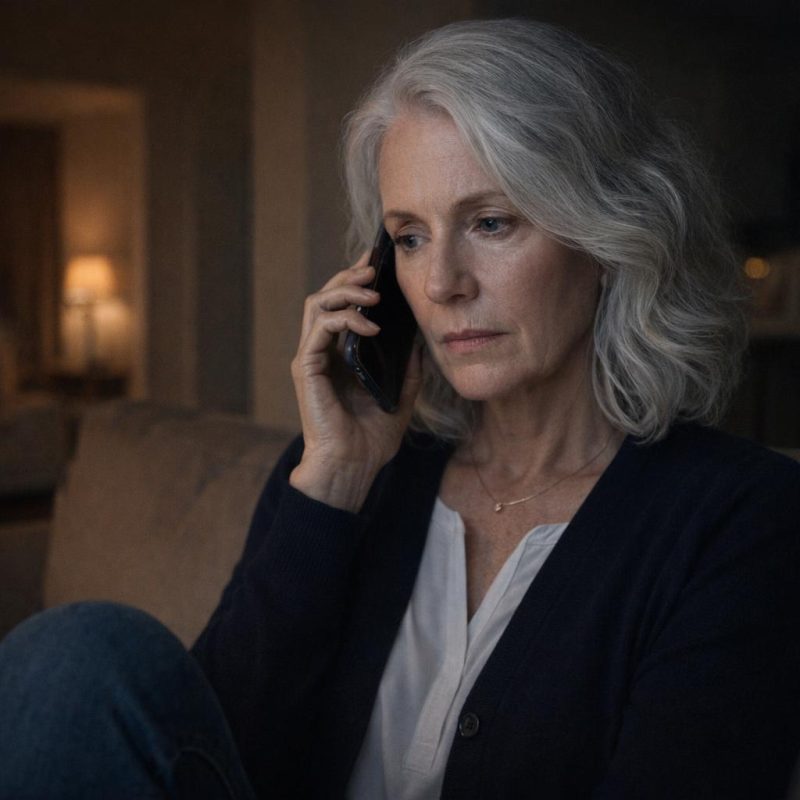 Image by RM AI
The Holiday Without Me
Thanksgiving had always been one of my favorite holidays, mostly because Marlene and I had spent so many of them together over the years — sometimes at her house, sometimes at mine, always loud and warm and full of leftovers we'd argue over the next day. That year, I spent it quietly at home. I told myself it was fine. I made a small meal, watched something forgettable on television, and tried not to notice how still the house was. In the evening I picked up my phone and did what people do when they're trying not to feel lonely — I scrolled. I wasn't looking for anything in particular. And then I stopped. Marlene had been tagged in a photo posted by one of our mutual friends. It was a Thanksgiving dinner, a big one by the look of it — long table, candles, the good dishes out. I recognized the dining room immediately. I recognized the faces too: Carol, two women from Marlene's book club, a cousin of hers I'd met at a birthday years ago. Everyone was laughing, glasses raised. It was a beautiful photo. I sat there on my couch in the quiet of my own house, staring at it, trying to find the explanation that made sense. I scrolled through the comments. People tagging each other, saying what a wonderful evening it had been. And there, near the top, was the photo itself — Marlene at the head of the table, smiling, surrounded by people she loved.
 Image by RM AI
Messages Left Unread
After Thanksgiving I gave myself a week before reaching out again. I didn't want to crowd her, and I didn't want to send a message while I was still sitting with that photo and the strange, hollow feeling it had left behind. When I finally wrote to her, I kept it light — asked how her holiday had been, mentioned something funny I'd seen at the grocery store, the kind of message that asks nothing and expects nothing except a friendly reply. It showed as delivered. Then it sat there, unread, for four days. When she finally opened it, there was no response. I waited another few days and tried again, this time sharing a memory — something from years ago, a trip we'd taken together that had gone spectacularly wrong in the best possible way. I thought if anything would get a real response, it would be that. She replied with three words: 'Ha, good times.' I read it twice. Then I put my phone down and didn't pick it up again for the rest of the evening. I kept telling myself there was an explanation. People got busy. People went through things they didn't talk about right away. I had been through enough of my own hard seasons to know that sometimes you pulled inward without meaning to hurt anyone. I held onto that. I held onto it for two more weeks, and then one morning I picked up my phone and saw that my last message — sent fourteen days earlier — had finally been read.
 Image by RM AI
Six Months of Silence
Six months after Sophie's wedding, I sat down one evening and did something I hadn't let myself do before — I counted. I went back through my texts with Marlene and counted how many times I had reached out versus how many times she had. The ratio was not close. I counted how many times we had seen each other in person since the wedding: twice. Once at a mutual friend's retirement party where we'd exchanged a hug and maybe ten minutes of conversation, and once at a pharmacy where we'd run into each other by accident and talked for less time than it takes to brew a pot of coffee. I thought about all the years before that — the calls that used to come out of nowhere just because she'd heard a song that reminded her of something we'd done together, the standing Sunday check-ins, the way she used to text me photos of things she thought I'd find funny. None of that had happened in six months. I tried to be fair to myself and to her. Friendships did ebb and flow. Life got complicated. People changed without meaning to. I had told myself all of those things, and I had believed them, or tried to. But sitting there with our text history scrolled out in front of me, the one-sided pattern was hard to argue with. I closed the app and set my phone face-down on the table. The house was quiet around me, and I sat with the weight of six months of slowly disappearing.
 Image by RM AI
The Backyard Cookout
I ran into my neighbor Carol while grabbing the mail one afternoon — one of those quick sidewalk exchanges that usually lasts thirty seconds. She was cheerful, the way people are when they've recently had a good time, and she mentioned almost immediately that she'd had such a lovely afternoon at Marlene's cookout the weekend before. She said it the way you say something to someone you assume already knows — casually, warmly, no hesitation. I kept my face neutral. She described the burgers, the potato salad, the way everyone had ended up staying well past dark because nobody wanted to leave. She named people I'd known for years. People Marlene and I had both known for years. I heard myself say something about having had a prior commitment, and Carol nodded sympathetically and said I'd really missed a good one. I don't know how I got through the rest of that conversation. I think I smiled. I think I said something about the weather. When I finally got back inside, I set the mail on the counter without looking at it and stood in the kitchen for a while. I wasn't angry, exactly. It was something quieter than anger — the specific ache of picturing a table full of people I loved, laughter I hadn't been invited to share.
 Image by RM AI
Nearly a Year Gone
Eleven months. That's what it had been since Sophie's wedding, and I only knew the exact number because I'd looked at the date on my phone one morning and done the math without meaning to. Eleven months since I'd sat in that reception hall and felt, for the first time, like something between Marlene and me had shifted. I walked through my house that afternoon and kept finding small things — a photo from a trip we'd taken to Savannah maybe eight years ago, a coffee mug she'd given me as a birthday gift, a handwritten recipe she'd passed along after I'd raved about her sweet potato casserole at Thanksgiving. Thirty years of a friendship leaves traces everywhere, it turns out. I'd been telling myself for months that friendships ebb and flow, that life gets busy, that people change without meaning to. I'd been patient. I'd been understanding. I'd given it time and space and every generous interpretation I could manage. But standing in my kitchen holding that recipe card in her handwriting, I couldn't keep the thought at arm's length anymore — something specific had happened, and I didn't know what it was. I went to the hall closet to put away a jacket and found it on the shelf: a birthday card I'd bought for Marlene eleven months ago, still in its envelope, still unsigned.
 Image by RM AI
The First Question
I called Marlene on a Tuesday morning and asked if she wanted to get coffee. There was a small pause before she said yes — brief enough that I might have imagined it, but I didn't think I had. We met at a café we'd been to dozens of times over the years, a neutral, comfortable place, and for the first twenty minutes we talked about nothing in particular. Her garden. My sister's knee surgery. The weather, which had been strange all month. I kept waiting for the right moment, and then I stopped waiting and just said it. I told her I felt like something had changed between us and I wanted to understand if I'd done something to upset her. She looked down at her coffee cup. She said of course not, that everything was fine, that she'd just been busy with family things. Her voice was even and her smile was in place, but her hands moved to her napkin and stayed there. I didn't push hard. I told her I missed her, that I valued what we had, that I just wanted to know if there was something we needed to talk through. She said there wasn't. We hugged goodbye in the parking lot and I drove home with the windows down, turning over the careful neutrality in my voice when I'd asked her what had changed.
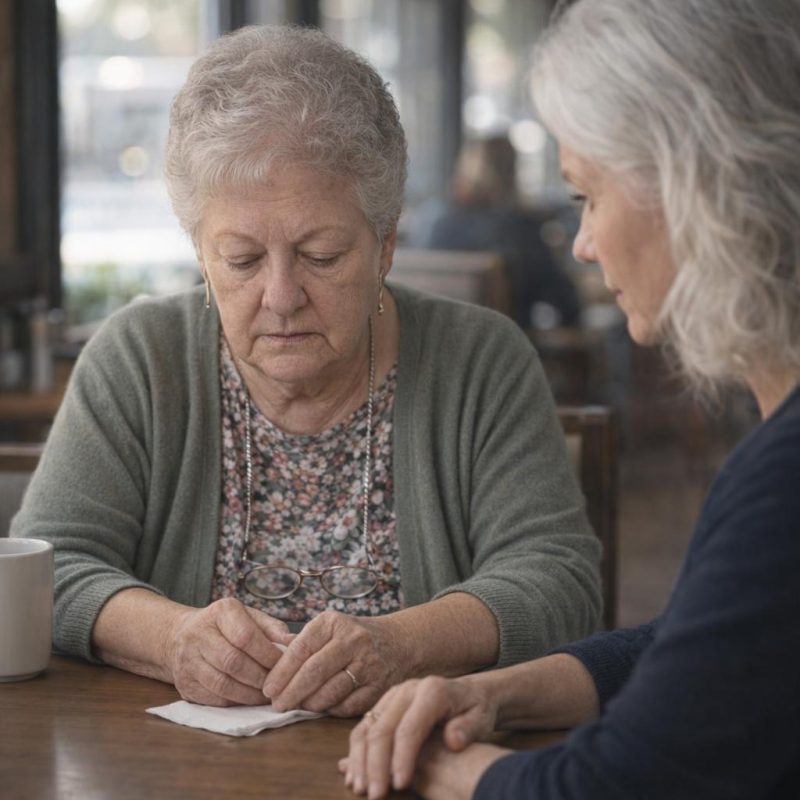 Image by RM AI
Everything Is Fine
We sat across from each other with our coffee cups between us, and I tried again. I mentioned the cookout — gently, without accusation — and said I'd heard from Carol that it had been a nice afternoon. Marlene said she'd meant to reach out, that it had come together last minute, that she hadn't wanted to bother me if I was busy. I nodded and let that sit for a moment. Then I mentioned the retirement party, how we'd barely spoken, how our texts had thinned out to almost nothing. She said she'd been dealing with a lot at home, that time had gotten away from her, that she was sorry if it had felt like distance because that wasn't her intention. Every answer was smooth and reasonable and landed just slightly wrong, the way a picture hangs crooked on a wall and you can't stop noticing it even when you're trying not to look. I wanted to believe her. Part of me was working very hard to believe her. But then she looked me in the eye and said, with a kind of careful steadiness that didn't match the conversation we were actually having, that everything between us was completely fine — and something about the way she said it told me it wasn't.
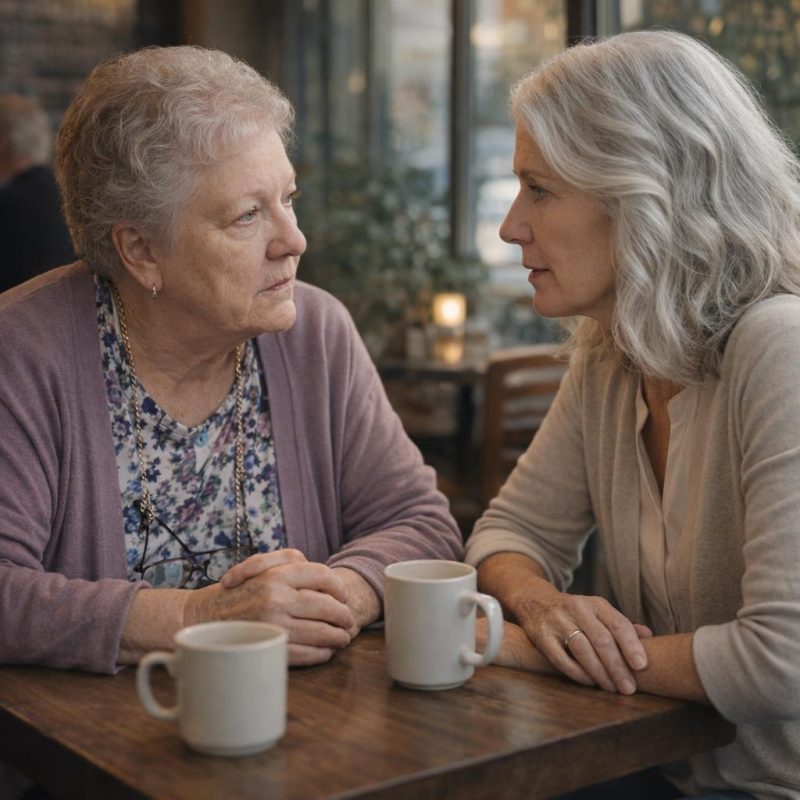 Image by RM AI
The Second Attempt
A few weeks later I tried again. I called instead of texting, because I wanted to hear her voice, and I asked if we could talk — really talk. She agreed, and we met at the same café, and this time I didn't spend twenty minutes on small talk. I told her directly that I felt like our friendship had changed since the wedding and that I needed to understand why. I wasn't accusatory. I was careful. But I was also done pretending I hadn't noticed. Marlene shifted in her seat. She said I was reading too much into things, that life just got complicated sometimes, that she had a lot going on with Sophie and Jake settling in and family obligations pulling her in different directions. I said I understood all of that, but that this felt different from ordinary busy. She looked out the window. I asked her again — quietly, plainly — if there was something specific I'd done or said that had hurt her. She didn't answer right away. She picked up her cup, set it back down, and said she really didn't know what I wanted her to say. We sat there after that, the café noise filling in around us, and the silence that stretched between us when I asked again held more truth than anything she'd said out loud.
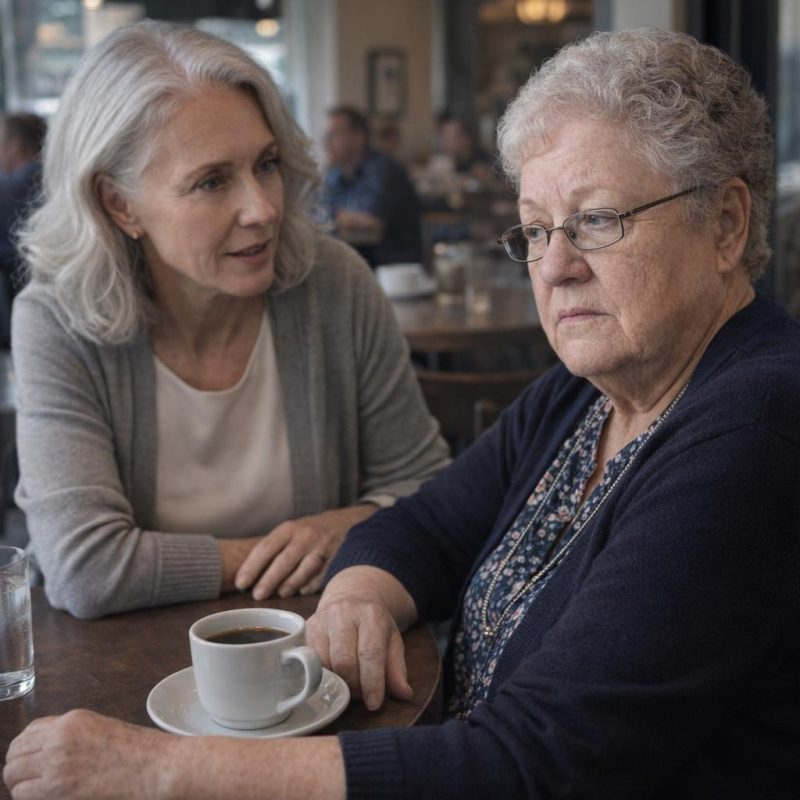 Image by RM AI
People Drift Apart
I spent a few weeks after that trying to make peace with it the rational way. I read an article about how friendships in your sixties naturally thin out as people's lives reorganize around grandchildren and health concerns and shifting priorities. I told myself that thirty years was a remarkable run and that not every friendship was meant to last forever. I reminded myself that Marlene had a daughter who'd just gotten married, a new son-in-law, probably a whole new rhythm to her weeks. People drift. It happens. I'd seen it happen to other people and I'd always understood it, so I tried to apply that same understanding to myself. I made a list in my head of all the friendships I'd watched quietly dissolve over the decades — college friends, work friends, neighbors who moved away — and I tried to place Marlene in that same category, as if the label would make it feel less like something had been taken and more like something had simply run its course. It didn't work. Every explanation I reached for felt like a coat that didn't quite fit — I could pull it on, but I couldn't button it up. I sat with the hollow comfort of explanations that didn't explain anything.
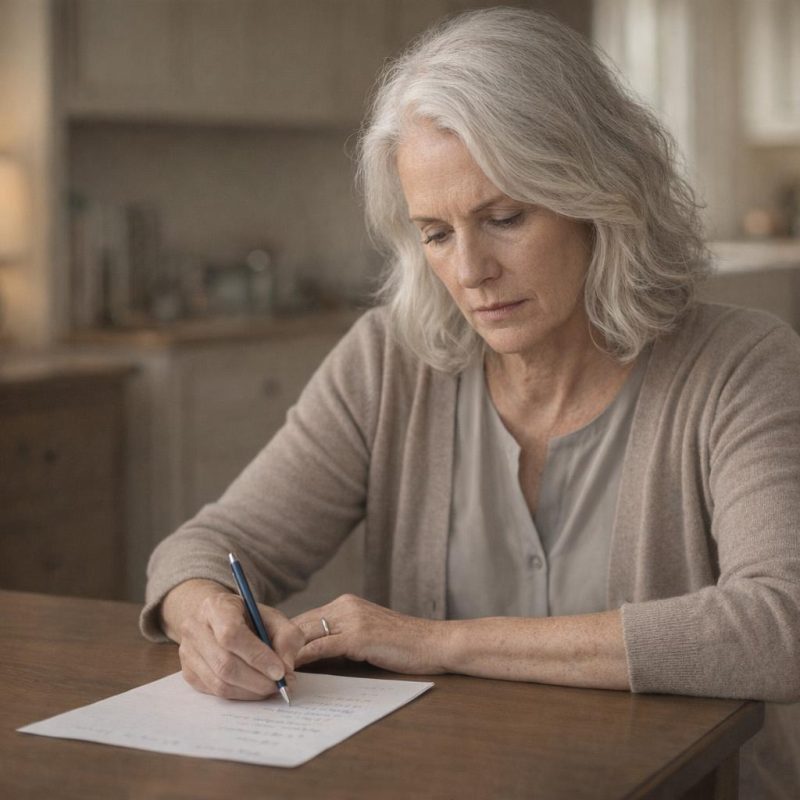 Image by RM AI
Deep Down Knowing
There was a morning, maybe a week after all the rationalizing had worn itself out, when I sat at the kitchen table with my coffee and just stopped. Stopped explaining. Stopped being generous with the ambiguity. I thought about the timeline — the wedding, the reception, the way things had shifted in the weeks immediately after — and I let myself sit with what that timing actually suggested. Something had happened. Not a slow drift, not a natural reorganization of priorities, not the ordinary friction of two people getting older and busier. Something specific, something tied to that day or close to it, had changed the way Marlene looked at me. I didn't know what it was. I had no evidence, no conversation to point to, no moment I could identify and say there, that's where it broke. But the feeling that had been building underneath every excuse I'd made, every generous interpretation I'd offered, every patient month I'd waited — it had stopped feeling like a feeling and started feeling like a fact. I couldn't keep pretending I was imagining it. Something had happened at that wedding, and until I knew what it was, I wasn't going to be able to let it go.
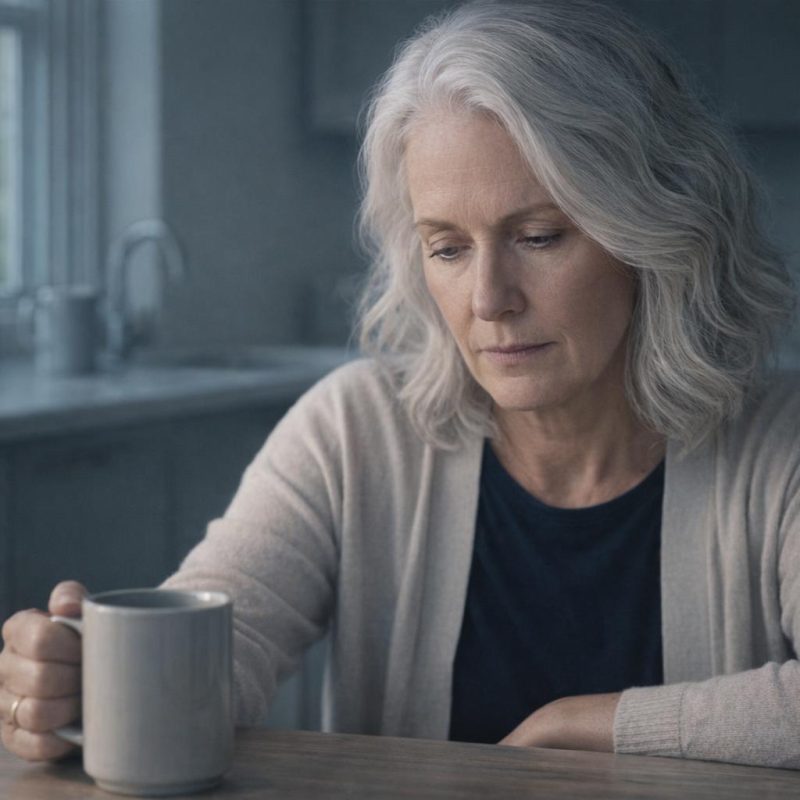 Image by RM AI
The Community Fundraiser
Eighteen months after Sophie's wedding, I got an invitation to a community fundraiser for the local library — the kind of event I would have circled on the calendar without a second thought in another life. I set it on the counter and walked past it for four days. I'd gotten used to my own company in a way that felt less like contentment and more like a habit I'd fallen into without noticing. My social world had quietly contracted, and I'd let it, telling myself I was just being selective, just taking a break. But on the fifth day I picked up the invitation and thought about what it meant to keep saying no to things, and I didn't love the answer. I put on a blazer and drove to the community center. The parking lot was fuller than I'd expected. I sat in my car for a moment longer than I needed to, then got out and walked toward the entrance. The noise reached me before I even opened the door — voices layered over each other, the particular hum of a room full of people who knew each other. I pushed through the door and stepped inside, and the room opened up around me, full of familiar faces looking back.
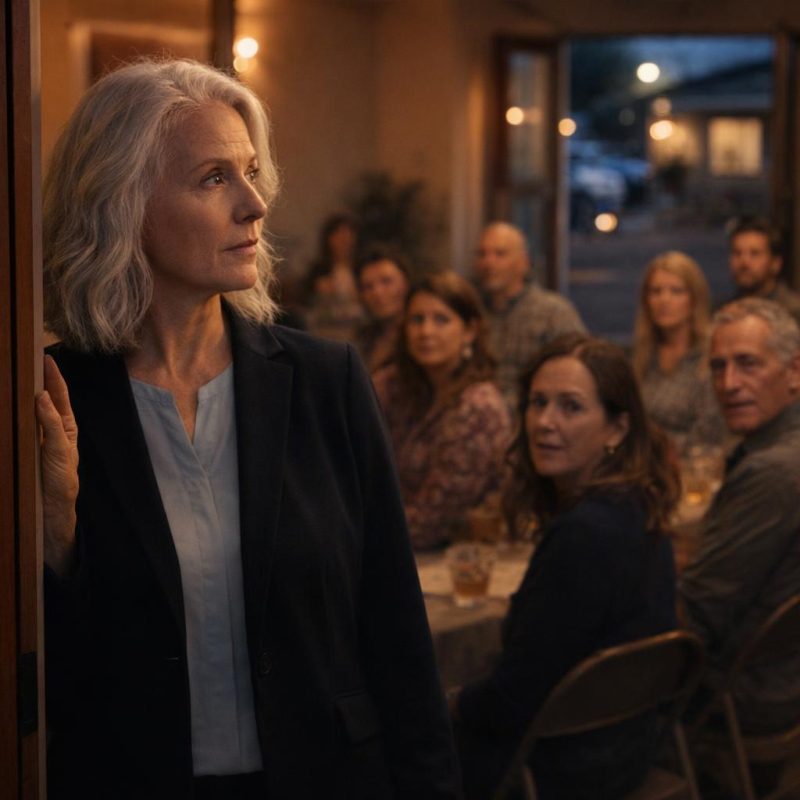 Image by RM AI
Near the Refreshment Table
I made my way to the refreshment table the way you do when you don't quite know where else to stand — slowly, with purpose, like I had a specific reason to be there. I poured myself a coffee I didn't particularly want and held the cup with both hands, which at least gave me something to do. The room was warm and full of conversation, and I smiled at a few people I half-recognized, the kind of smiles that don't quite commit to stopping. I'd been there maybe twenty minutes and had managed three exchanges that could generously be called conversations. I wasn't miserable, exactly. I was just aware of myself in a way I hadn't expected — aware of the space around me, the way I kept shifting my weight, the way I kept glancing toward the door. Two women drifted over to the table beside me, close enough that I could hear them clearly without trying. They were somewhere in their late fifties, well-dressed, the kind of women who knew everyone in the room and were comfortable showing it. They were mid-conversation already, laughing about something I'd missed. I refilled my cup even though it was still half full. And then one of them said the word wedding, and something in me went still.
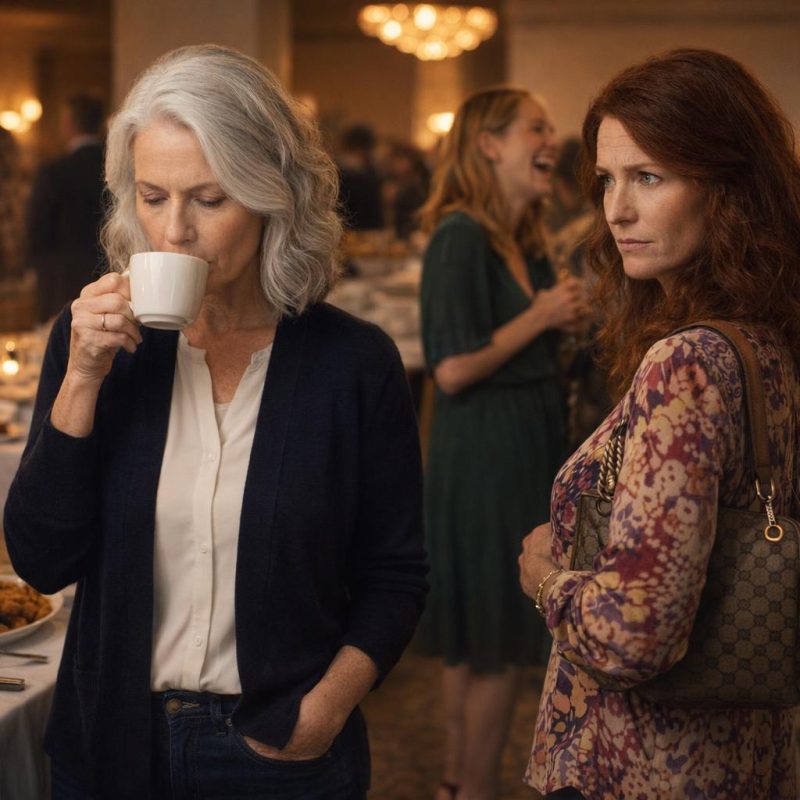 Image by RM AI
The Argument Everyone Remembers
I didn't move. I kept my eyes on the coffee station and my hands around my cup and I listened. They were talking about a reception — a wedding reception, from the sound of it, sometime in the past couple of years. One of them was describing it the way people describe things that have already become a story, something that gets told at dinner parties and retold until the edges are smooth. She said it had been a beautiful venue, that the food was lovely, and then her voice dropped just slightly and she said but you heard what happened, didn't you. The other woman said of course, everyone heard. I set my cup down carefully on the edge of the table. They talked about an argument — a real one, apparently, not just a tense moment but a full scene, voices raised, family members pulled in, the kind of thing that overshadows the photographs. One of them said it had caused a rift that still hadn't healed. The other nodded and said it was such a shame, on a day like that. I stood very still and tried to place it, tried to pull up any memory of raised voices or a commotion from that evening. I'd been at Sophie's wedding. I'd sat at my table and watched the first dance and eaten the salmon and felt quietly out of place. I couldn't remember any argument. I couldn't remember anything that matched what they were describing. The gap between their story and my memory of that night sat in my chest like something I couldn't quite swallow.
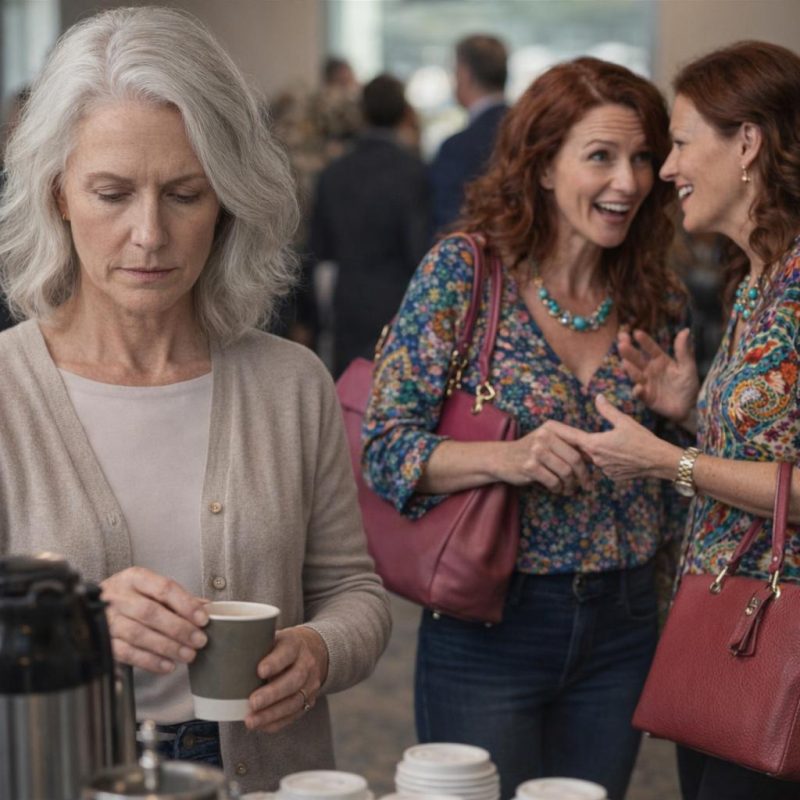 Image by RM AI
Everyone Still Blames Me
I was about to step away — I'd told myself I wasn't going to stand there eavesdropping all evening — when one of them said a name. My name. She said it the way you say the name of someone everyone already knows is the subject of the story, matter-of-factly, without any particular weight, because the weight was already assumed. She said that Denise had started the whole thing. The other woman made a sound of agreement, like this was not new information, like it was simply the part of the story they'd arrived at. I felt the cup tilt in my hand and caught it before it went anywhere, but just barely. My heart was doing something strange and fast. I stood there with my back half-turned to them, and I understood that they were not talking about someone else who happened to share my name. They were talking about me. They were talking about me as though I were a known quantity, a settled fact in a story that had already been told and filed away. The confidence in their voices was the part that hit hardest — not cruelty, not gossip-pleasure, just the flat certainty of people repeating something they had no reason to question. I had no idea what argument they meant. I had no memory of starting anything. And yet my name was sitting in the middle of their conversation like it had always belonged there, attached to something I didn't recognize at all.
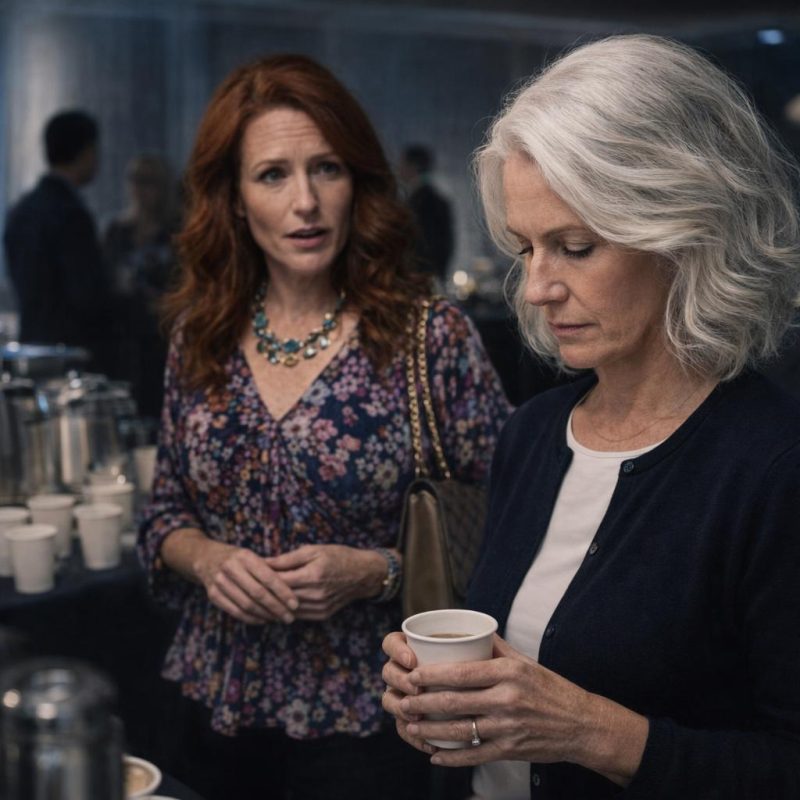 Image by RM AI
I Wasn't Even There
I made myself breathe. I kept my face toward the table and let them keep talking, and I started doing the math in my head. They were describing an argument that happened late in the evening — one of them said it was after the cake cutting, after the toasts, when the dancing had been going for a while. I stood there and I counted backward. I had left Sophie's reception early. I remembered it clearly because I'd felt a headache coming on — the kind that starts behind one eye and doesn't negotiate — and I'd said my goodbyes quietly, found my coat, and slipped out. I remembered the parking lot, the cool air, the relief of it. I remembered checking the time on my phone as I got to my car. It had been just past eight-thirty. The cake cutting at that wedding had been closer to nine-thirty, maybe ten. I knew that because someone had mentioned it when I was still there, that they were pushing it back. I had been home, in my own kitchen, making tea, before any of the things these women were describing could have happened. The timeline didn't bend. It didn't leave any room. I had left that reception nearly an hour before the argument they were describing could have taken place.
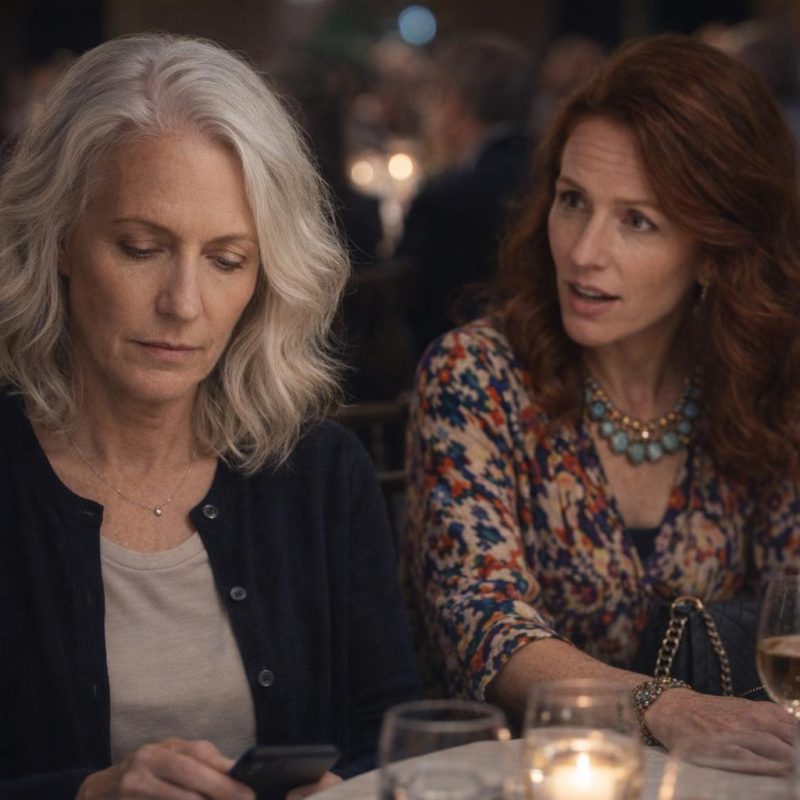 Image by RM AI
Introducing Myself to Strangers
I stood there for another moment, just long enough to be sure my voice would come out level. Then I turned around. The two women were still talking, cups in hand, comfortable in the way people are when they're on familiar conversational ground. I waited for a small pause and then I said, excuse me, I'm sorry to interrupt. They both looked at me with the polite, slightly guarded expressions of people who weren't sure if they knew me. I said my name. I said I'd overheard a little of what they were talking about, and I apologized for that, and I said I was hoping they might be willing to tell me a bit more about what they'd heard. I kept my voice as even as I could manage. I said I had been at that wedding, and that I was trying to understand something. The woman closest to me — the one who'd been doing most of the talking — looked at me for a moment with an expression I couldn't quite read. Then something shifted in her face. Her eyes moved to her friend and then back to me, and her mouth opened slightly, and she said, oh. Just that. Oh. Her friend had gone very still beside her. The two of them looked at me the way people look when a name they've been saying out loud has suddenly walked up and introduced itself, and the silence that followed held more weight than anything any of us had said.
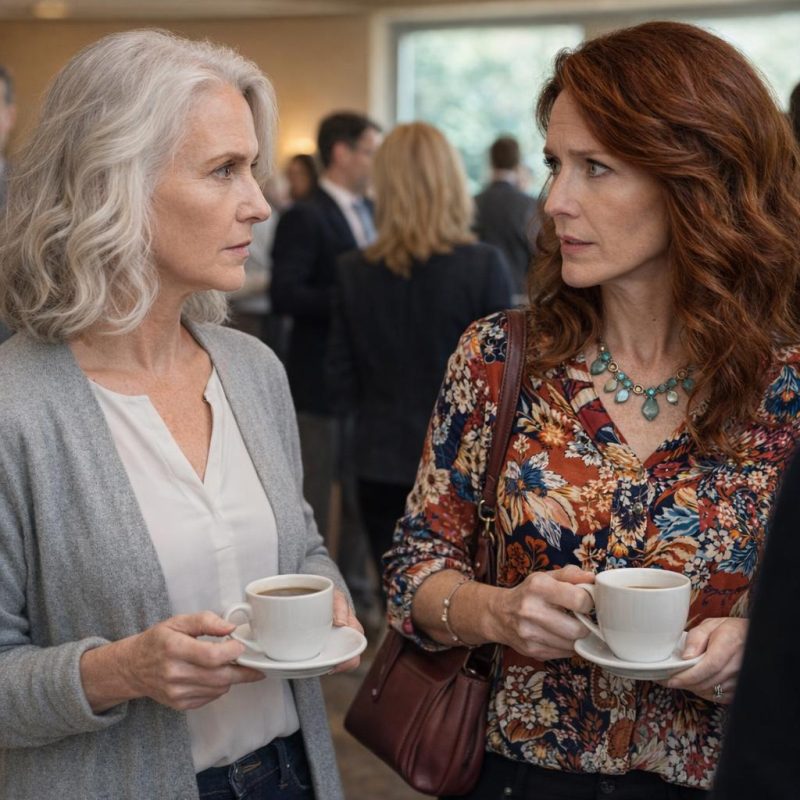 Image by RM AI
The Story Everyone Knows
The woman recovered first. She was gracious about it, I'll give her that — she didn't try to pretend she hadn't said what she'd said. She took a small breath and told me what she knew, which was apparently quite a lot. She said that at the reception, toward the end of the evening, I had approached one of the groom's relatives — she thought it was an aunt, or maybe a cousin, she wasn't entirely sure — and that I had accused this person of being dishonest about something to do with the family. She said it in the careful tone of someone trying to be accurate, consulting her memory as she went. Her friend added that the way she'd heard it, I had been loud about it, that people at nearby tables had turned to look. The first woman nodded and said yes, that was how she'd heard it too, that it had caused a real disruption, that the groom's family had been upset for weeks afterward. They both spoke with the ease of people who had no reason to doubt what they were saying. I listened and kept my expression as neutral as I could, which took more effort than I would like to admit. I had never approached anyone's relative at that reception. I had never accused anyone of anything. I had eaten my salmon and watched the first dance and left before nine. And yet here was this story, detailed and confident, placing me at the center of a confrontation with one of Jake's relatives that I had absolutely no memory of — because it had never happened.
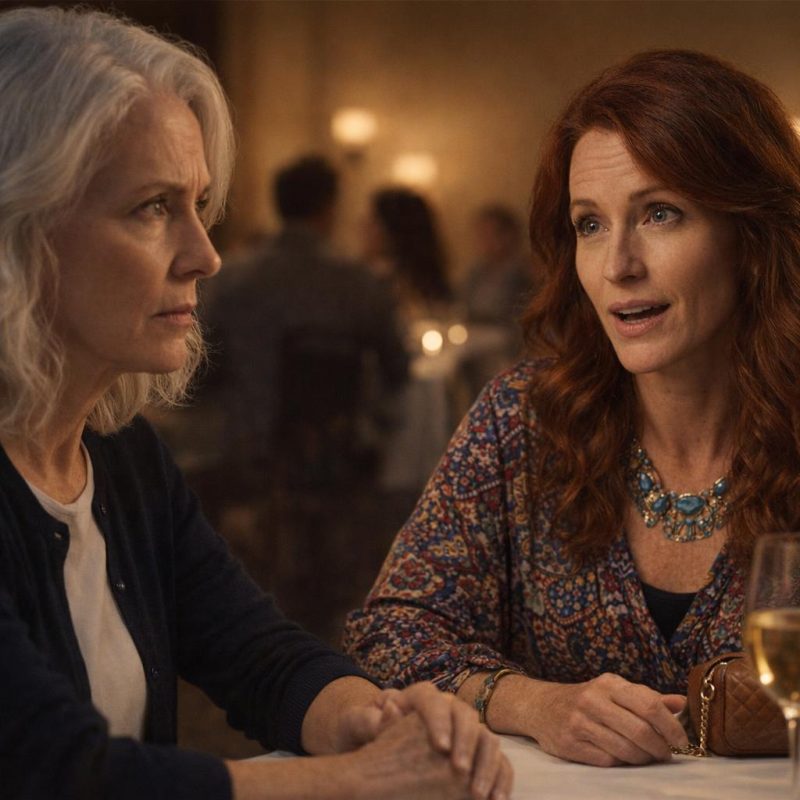 Image by RM AI
Wildly Inaccurate Details
They kept going, and I let them, because I needed to hear all of it. The details got more specific as they talked, the way details do when a story has been passed through enough hands to acquire texture. One of them mentioned what I had supposedly been wearing — a dark jacket, she said, maybe navy — and I thought about the pale green cardigan I'd actually had on that evening, which I remembered because I'd spilled a drop of salad dressing on the sleeve and spent ten minutes worrying about it. The other woman recalled the exact table where the confrontation had supposedly taken place, near the windows on the far side of the room, and described how I had pointed my finger. I had never pointed my finger at anyone in my life in the way she was describing. One of them quoted something I had allegedly said, a specific phrase, something sharp and accusatory, and I had no connection to those words at all — not the phrasing, not the sentiment, not the situation that would have produced them. I stood there and I listened to this portrait of myself, vivid and detailed and entirely unrecognizable, and something cold settled in my stomach. Stories don't get that specific by accident. They get that specific because they've been told many times, refined with each telling, until they feel like memory even to people who weren't there. Whatever this was, it had been traveling for a long time.
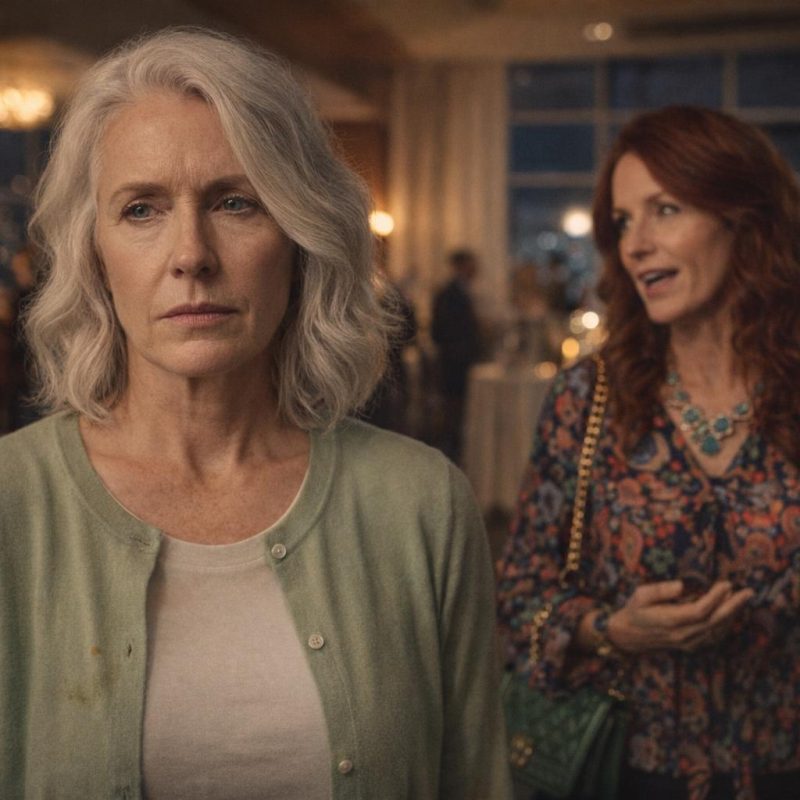 Image by RM AI
Deciding to Investigate
I thanked them. I meant it, genuinely — they hadn't done anything wrong, they'd only repeated what they'd been told, and they'd been decent enough to tell me directly once they knew who I was. I said I appreciated their honesty and I excused myself as calmly as I could manage. I made it to the door without stopping to talk to anyone else, which took some navigation, and then I was outside and the night air was cool and I walked to my car and got in and sat there. The parking lot was quiet. Through the community center windows I could see the shapes of people moving around inside, the warm light of the room I'd just left. I sat with my hands in my lap and tried to think clearly. Somewhere out there, for nearly two years, a story had been circulating about something I hadn't done, at a time when I hadn't even been in the building. People I'd never met knew my name in connection with it. The women inside had repeated it without hesitation, without doubt. That meant it hadn't started as a whisper — it had started as something that sounded like fact. I didn't know yet where to begin. I didn't know who to call first or what I was even looking for. But the confusion that had been swirling in my chest since I walked out of that room was slowly finding a shape, and underneath it, something steadier was taking hold.
 Image by RM AI
Tracking Down Witnesses
I drove home that night with the radio off. I needed to think, and thinking required quiet. By the time I pulled into my driveway, I had the beginning of a plan. I wasn't going to call Marlene — not yet. Not until I understood more about what was actually being said and how far it had spread. What I needed first were witnesses. People who had been at Sophie and Jake's wedding, people who might remember the reception, people who could tell me what they'd heard and when. I still had the paper program from the wedding tucked in a keepsake box — I'd kept it because I'd helped address the invitations and it felt like something worth holding onto. I pulled it out that night and sat at the kitchen table with it, along with a few old photos from the day and a mental list of names I could put to faces. I wrote down everyone I could think of who'd attended — mutual acquaintances, a few women from the neighborhood, a couple of people I'd met at bridal shower events beforehand. I sorted them by how well I knew them, starting with the ones I was least close to. I didn't want word getting back to Marlene before I had a clearer picture. I kept my notes vague, just names and phone numbers and a few question marks. I told myself I was just gathering information. I wasn't accusing anyone of anything. I was just going to ask some careful questions and listen. The next morning, I picked up the phone and started making calls.
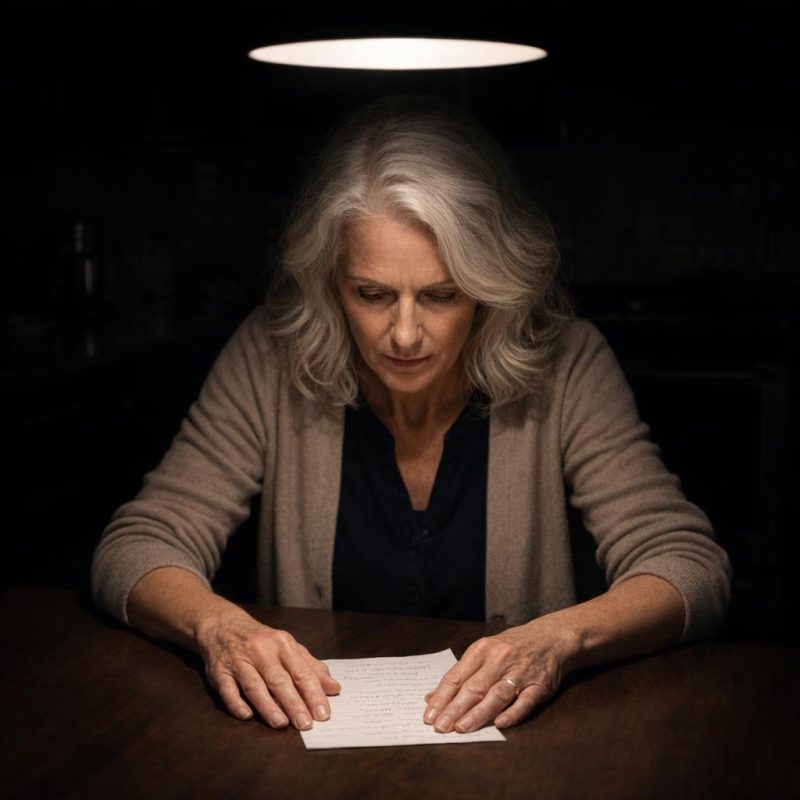 Image by RM AI
Slightly Different Versions
The first woman I reached was someone I'd met at the bridal shower — a neighbor of Sophie's family who'd been friendly enough at the time. She remembered the reception well, she said, and yes, she'd heard about the argument. She placed it near the dance floor, said it had gotten loud, said I'd raised my voice at one of Jake's relatives. The second person I called was a woman from Marlene's church group who'd been invited as a family friend. Her version was different in small ways that I almost missed at first. She said the argument had happened near the gift table, not the dance floor. She said I'd been cold and cutting, not loud. The relative involved wasn't Jake's aunt in her telling — it was a cousin. I wrote everything down. By the fourth call, I had four versions of the same basic story, and they didn't quite match each other. The location shifted. My tone shifted. The person I'd supposedly confronted shifted. But the core of it stayed the same in every single account — I had started something, I had caused a scene, I had ruined a moment at someone else's wedding. I sat at my kitchen table with my notes spread out in front of me and looked at what I'd written. The details changed from person to person, but the blame stayed fixed on the same name every time.
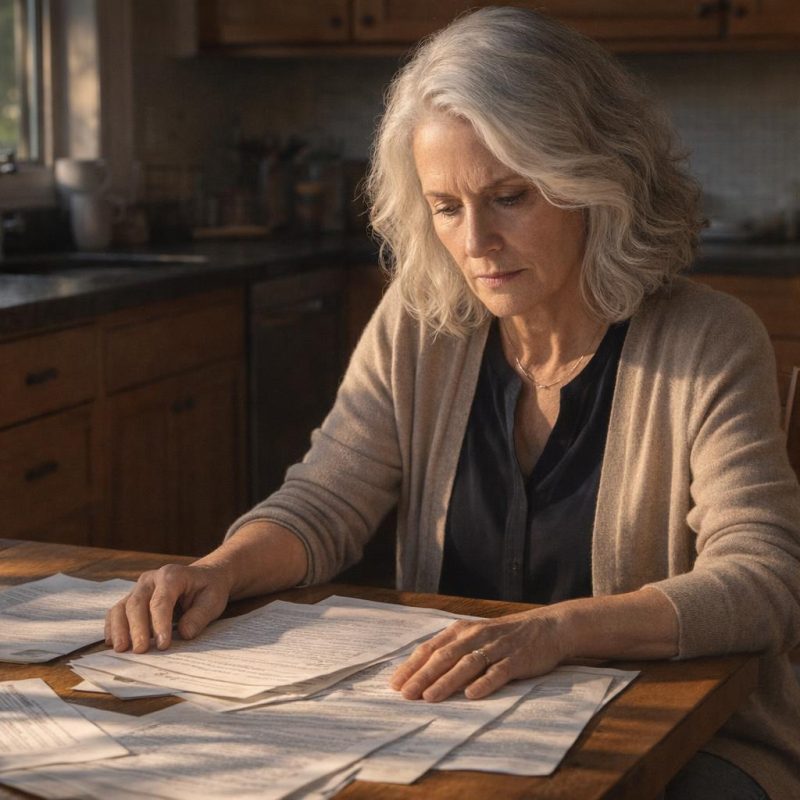 Image by RM AI
No One Knows the Source
After I'd gathered the different versions of the story, I started asking a follow-up question at the end of each call. I tried to keep it casual, like it was just an afterthought. I'd say something like, 'Oh, I'm just curious — do you remember who first mentioned it to you?' The answers surprised me. The first woman said she'd heard it from another guest at the reception itself, someone she couldn't quite name now. The second person said she'd heard it a few days after the wedding from a family member, but she couldn't remember which one. A third told me she honestly couldn't recall — it had just sort of been something people were talking about, and she'd assumed she'd heard it from someone at the event. Not one person I spoke to claimed to have seen the argument with their own eyes. Not one. They'd all heard it from someone else, who had presumably heard it from someone else before that. I tried to trace it backward, asking each person if they could point me to whoever had told them, but the chain just dissolved. Every thread I pulled came loose in my hand. I filled two pages of notes and ended up with nothing that pointed anywhere definitive. I sat back and looked at the ceiling for a long moment. Somewhere at the beginning of all of this, there was a person who had said something first — and none of the guests I'd spoken to could tell me who that was.
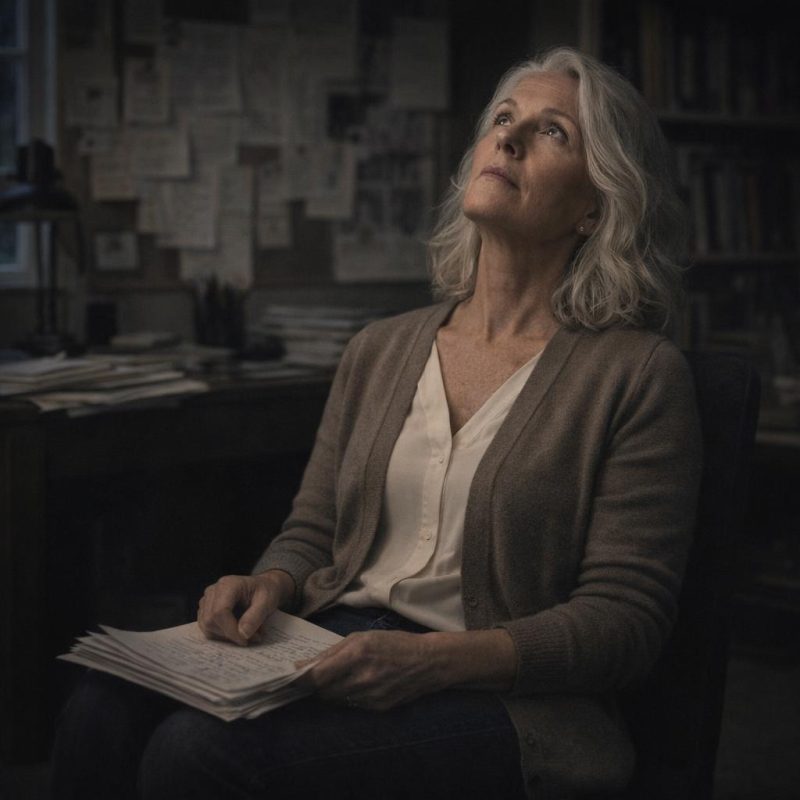 Image by RM AI
The Bridesmaid's Hesitation
I'd been working through my list methodically, but there was one name I kept circling back to and putting off. Linda had been a bridesmaid — she'd been close to Sophie in the months leading up to the wedding, had been at the rehearsal dinner, had been in the photos. If anyone had been near the center of things that day, it was her. I found her number through a mutual contact and left a voicemail that I kept deliberately light, just that I was an old friend of the family and had a quick question about the wedding if she had a moment. She called back two days later. Her voice was careful from the first hello. I introduced myself and said I was trying to piece together something I'd heard about the reception, and there was a pause — not a long one, but noticeable. I asked if she remembered anything unusual happening that evening, and she went quiet again. When she spoke, she said she wasn't sure she was the right person to ask. I told her I wasn't looking to cause any trouble, that I just needed to understand something that had affected me personally. Another pause. Then she said maybe it would be better if we talked in person. She suggested coffee, somewhere quiet. I said of course, named a place near my side of town, and she agreed without hesitation. I wrote down the time and date and set the notepad on the counter. It was that long pause before she said yes that stayed with me the rest of the afternoon.
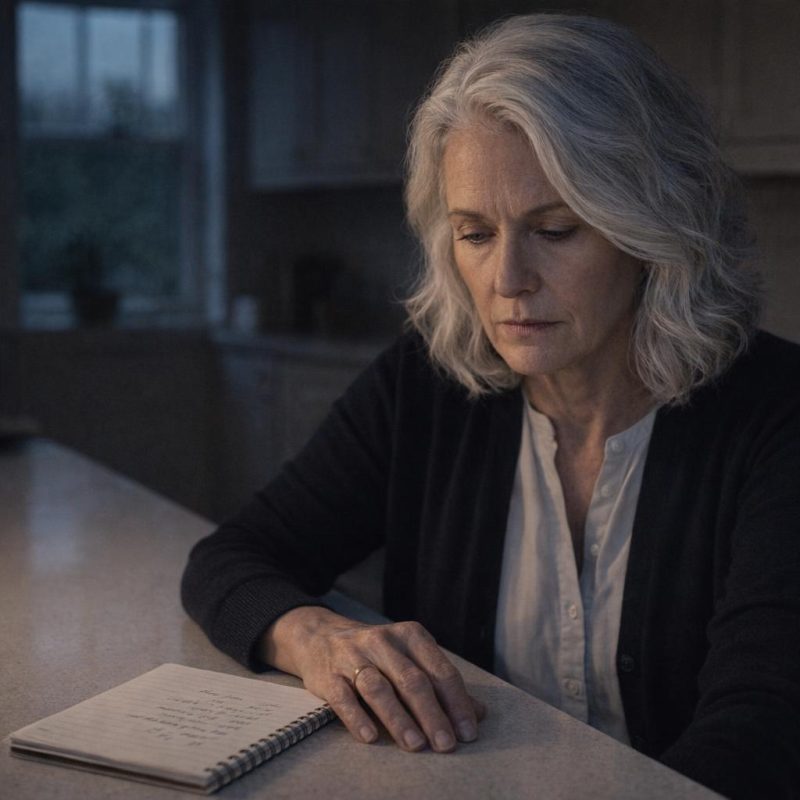 Image by RM AI
The Bride First Blamed Me
We met at a small coffee shop on a Tuesday morning, the kind of place with mismatched chairs and not much foot traffic. Linda was already there when I arrived, both hands wrapped around a mug, and she looked up at me with an expression I recognized — the look of someone who had been carrying something uncomfortable for a while and wasn't sure they were ready to put it down. We made small talk for a few minutes, the way you do when you're both stalling. Then I told her, as plainly as I could, that I was the person the story was about. That I hadn't been at the wedding. That I hadn't caused any scene. I watched her face as I said it. She set her mug down slowly. She said she'd wondered, over the years, whether the story had been entirely right. She said it had never quite sat comfortably with her, but she hadn't known what to do with that feeling. Then she told me where she'd first heard it. It wasn't from another guest. It wasn't from a family member passing it along secondhand. She'd heard it from Sophie — directly, in the days right after the wedding. Sophie had called the bridesmaids together, Linda said, and told them that I had caused a scene at the reception and upset several of Jake's relatives. Linda had believed her because Sophie had seemed genuinely distressed. She hadn't questioned it. None of them had. I sat with my coffee going cold in front of me, and the quiet of that little shop settled around me like something heavy.
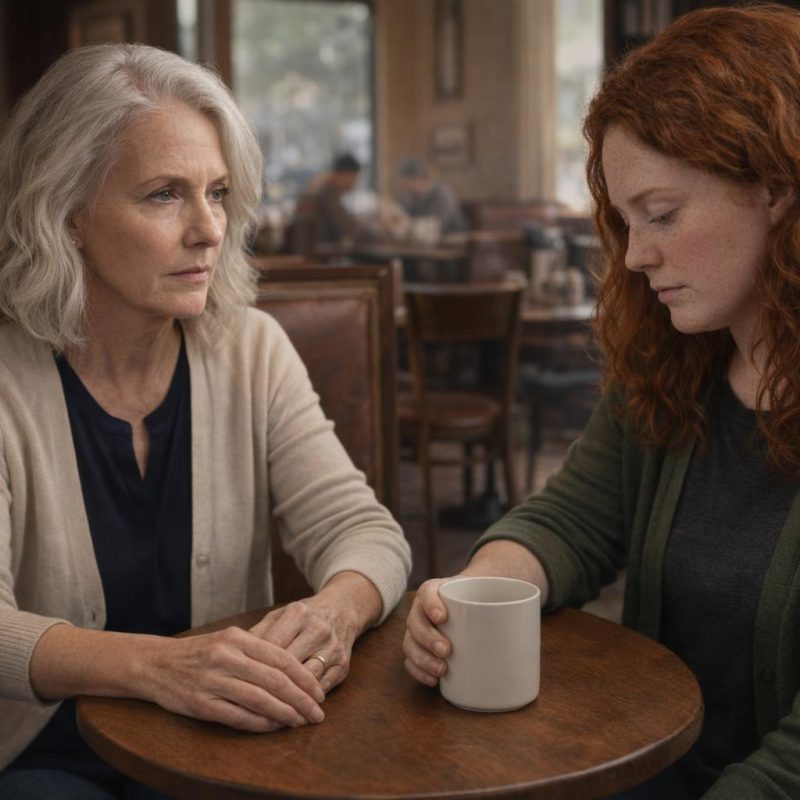 Image by RM AI
Why Would She Lie
I drove home from that coffee shop in a kind of fog. I kept the radio off again, the same as I had after the fundraiser, but this time the silence felt different — less like space to think and more like a room with no doors. Sophie. I turned the name over in my mind the whole drive home and couldn't make it fit. I had known her since she was in her mid-twenties. I had helped her mother address wedding invitations. I had sat at her bridal shower and watched her open gifts and laughed along with everyone else. We had never argued. We had never had a tense moment that I could recall. She had hugged me at the reception and thanked me for everything I'd done to help in the months leading up to the wedding. I went back through every interaction I could remember, looking for something I might have missed — a slight, an offhand comment, a moment where something had gone sideways between us. I found nothing. No friction, no jealousy, no old wound I'd forgotten to tend to. I pulled out the notes I'd been keeping and read through them again at the kitchen table, as if the answer might be hiding somewhere in the margins. It wasn't. I had a name now — I had the source — but I still had no explanation for why. I wrote the question down at the bottom of the last page, underlined it twice, and sat there looking at it.
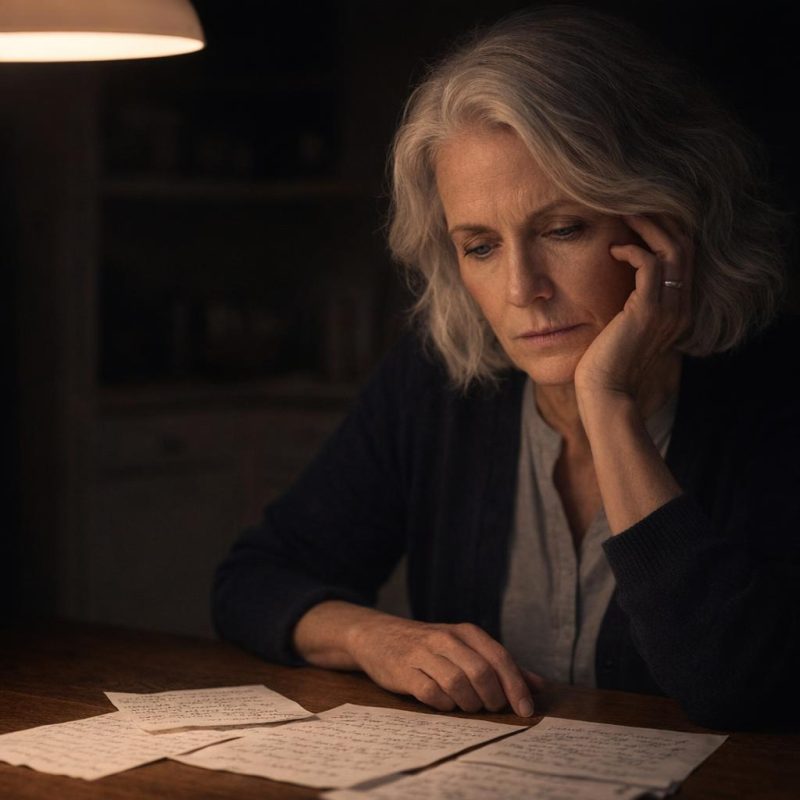 Image by RM AI
Preparing for Confrontation
I spent a few days sitting with what I knew, turning it over, waiting to see if anything new would surface on its own. Nothing did. The question of why Sophie had said what she said wasn't going to answer itself, and the distance between me and Marlene wasn't going to close without someone walking toward it. That someone was going to have to be me. I started thinking about what I would say. I rehearsed it in my head while I was washing dishes, while I was walking the neighborhood in the evenings, while I was lying awake at two in the morning staring at the ceiling. I wanted to be calm. I wanted to be clear. I didn't want it to turn into an accusation or a fight — I wanted Marlene to hear me, and I knew that if I came in with my defenses up, she'd put hers up too, and we'd lose each other all over again before we'd even started. But I was also afraid. Thirty years is a long time. Thirty years of birthdays and phone calls and sitting in each other's kitchens through every hard thing life had handed us. I was afraid that whatever I said in that conversation might be the last thing I ever said to her as her best friend. I picked up the phone on a Thursday evening and called her. She answered on the third ring, and I asked if we could meet for coffee. She said yes. I hung up and sat in the quiet of my living room, feeling the full weight of what I still needed to say.
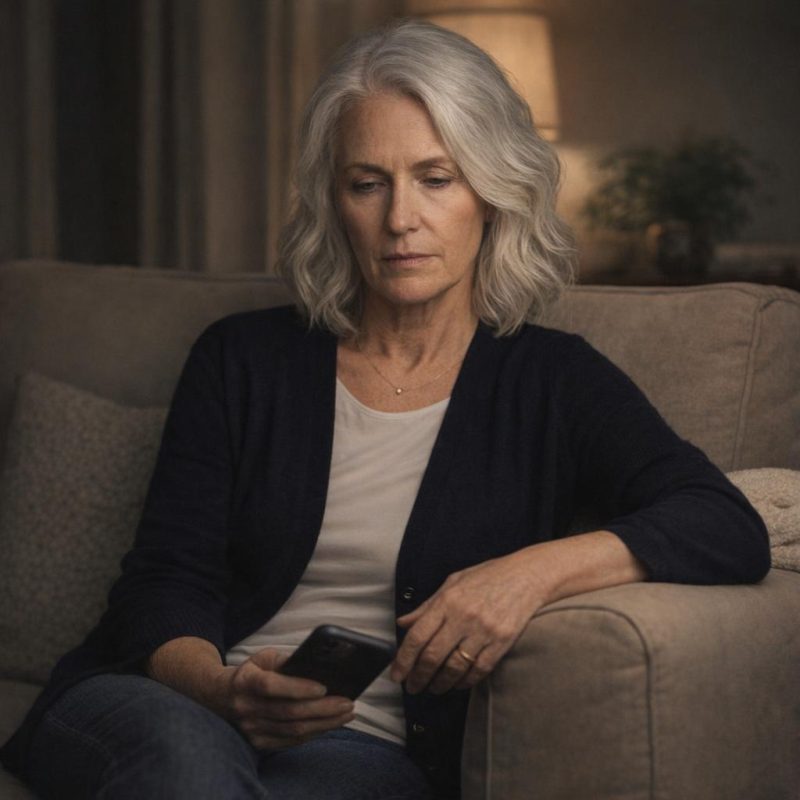 Image by RM AI
Marlene Becomes Uncomfortable
We met at a café we'd been to dozens of times over the years — neutral ground, familiar enough that neither of us would feel ambushed. Marlene was already seated when I got there, and she smiled when she saw me, the warm open smile I'd known for three decades. We ordered coffee and talked about nothing for a few minutes, the way old friends do when they're both pretending everything is fine. Then I set my cup down and told her what I'd found out. I said it carefully, without drama — that I'd heard a story circulating about me, that it involved her daughter's wedding, that it described an argument I had never had with anyone. I said I'd spent weeks tracing it back through guests and phone calls and a quiet Tuesday morning with a former bridesmaid. I watched Marlene's face as I spoke. The smile faded. Her eyes dropped to the table. She reached for her coffee cup and turned it slowly in her hands without drinking from it. She didn't say the story was news to her. She didn't say she'd never heard it. She sat there with her hands around that cup, not quite meeting my eyes, and the silence between us stretched out in a way it never had before in thirty years of friendship.
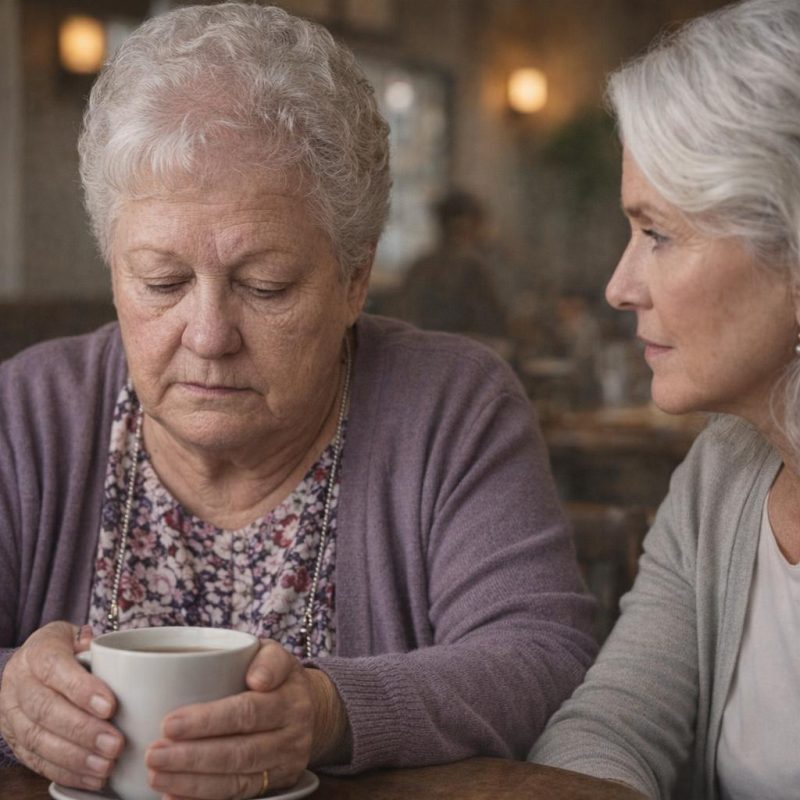 Image by RM AI
She Heard It Too
She didn't make me wait long. After a moment of silence that felt like it lasted an hour, Marlene set her coffee cup down and said she'd heard the story. Not just once — multiple people had told her about it, she said, different guests, different versions, all pointing in the same direction. I asked her when. She said shortly after the wedding. I sat there doing the math in my head — weeks, maybe months, of her knowing and saying nothing to me. I asked her why she hadn't called me. She looked at the table. She said she didn't know how to bring it up. And then she said the thing that I wasn't prepared for, the thing that landed like something physical: she said that after hearing it from so many people, she had come to believe it was probably true. I didn't say anything for a long time. Thirty years. Thirty years of birthday calls and hospital waiting rooms and showing up at each other's doors without warning, and not one of those years had been enough for her to pick up the phone and ask me directly whether any of it was real. She never asked. She just decided. I looked at her face across that familiar table, and I felt something I hadn't expected to feel — not anger, not yet. Just a quiet, hollow grief that settled into my chest and stayed there.
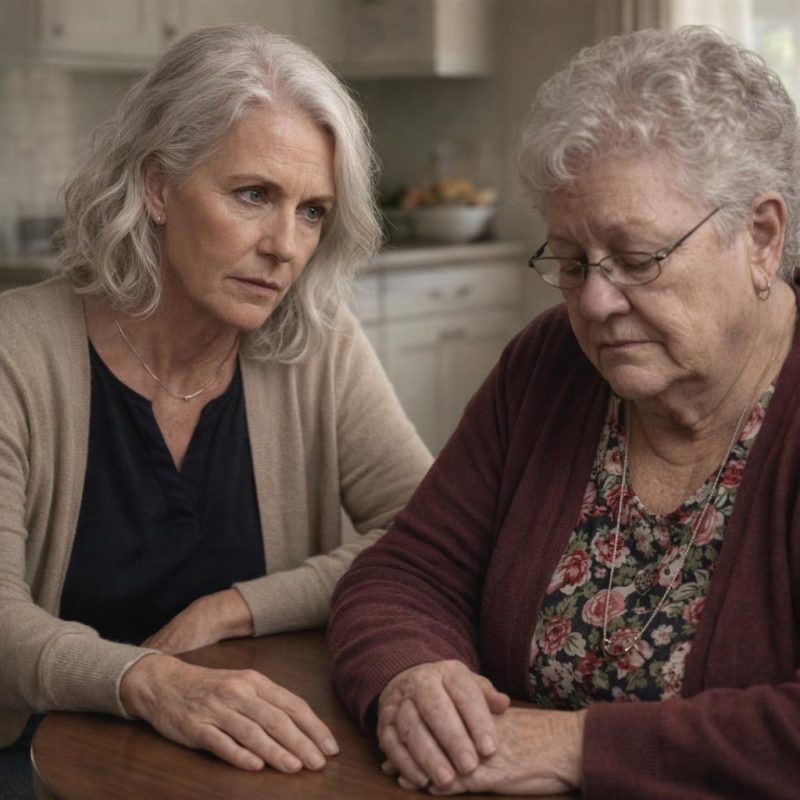 Image by RM AI
Still Doesn't Add Up
I took a breath and walked her through it. I told her I had left the reception early — before nine o'clock — because I hadn't been feeling well. I reminded her that she herself had seen me say my goodbyes. I told her I had driven home alone, taken something for the headache I'd had since the ceremony, and been in bed before ten. Whatever argument people claimed I'd been part of, I wasn't there for it. I couldn't have been. Marlene's face changed as I spoke. I watched the color shift in her expression, something between recognition and distress. She said she hadn't thought about the timeline. She said she hadn't thought to check. That sentence sat between us like a stone. We both went quiet after that. She acknowledged the story didn't hold up. She said she was sorry. I believed that she meant it, and I also didn't know what to do with it. Because even with the apology on the table, even with both of us agreeing the story was false, neither of us could answer the question that mattered most: why would Sophie have let a story like that take root in the first place? What had actually happened at that reception after I left? I turned my coffee cup in my hands the same way Marlene had turned hers, and I sat with the weight of everything we still didn't know.
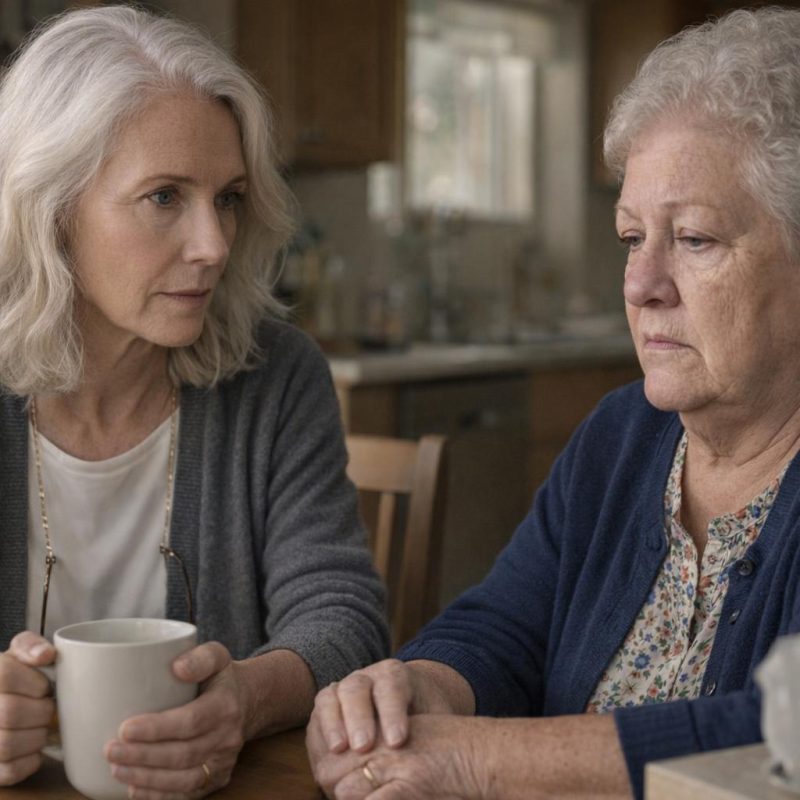 Image by RM AI
Photographs from the Reception
The weeks after that café conversation were quieter than I expected, but my mind wouldn't settle. I kept going back over the guest list, the timeline, the names of people I'd already spoken to, looking for anything I might have missed. Then one afternoon I got a message from a man named Greg — I'd reached out to him early on, back when I was still just trying to confirm the basics. He'd been at the wedding, a friend of Jake's family, and he'd been polite but vague the first time we spoke. This time he was more direct. He said he'd been thinking about our earlier conversation and that he had something that might help. He'd taken a lot of photographs at the reception — not as the official photographer, just as a guest with a good camera — and he thought some of them might be worth looking at. He said he remembered there being some kind of commotion toward the end of the evening and that he'd been snapping pictures around that time. He wasn't sure if anything useful had been captured, but he wanted me to have the chance to look. I told him yes, absolutely, and gave him my email address. I sat by my laptop for the rest of that afternoon, not quite able to focus on anything else. Then the notification came in — a new message from Greg, with several attachments.
 Image by RM AI
Confrontation in the Background
I opened the photos one by one, starting with the earlier ones from the ceremony and the first hour of the reception. Most of them were exactly what you'd expect — guests laughing, the cake table, toasts being made. But I kept moving forward through the timestamps, past the point where I knew I had already left, and that's when the pictures started to feel different. In the background of three separate shots, taken within about fifteen minutes of each other, I could see Sophie and Jake standing apart from the main crowd. They weren't dancing. They weren't talking to guests. They were facing a woman I didn't recognize — older than Sophie, younger than me, dark jacket, standing very still. The timestamps on those photos put them well after nine o'clock. I zoomed in as far as the image quality would allow. Sophie's posture was rigid, her arms crossed close to her body. Jake had one hand raised, palm out, the way people do when they're trying to slow something down. The woman in the dark jacket had her chin up and her shoulders squared. None of them were smiling. I went back and forth between the three images, trying to read what I was seeing. Whatever was happening in that corner of the room, it had nothing to do with dancing or toasts — and in the last photo, Sophie and Jake stood facing the woman in what looked like a tense, unresolved exchange.
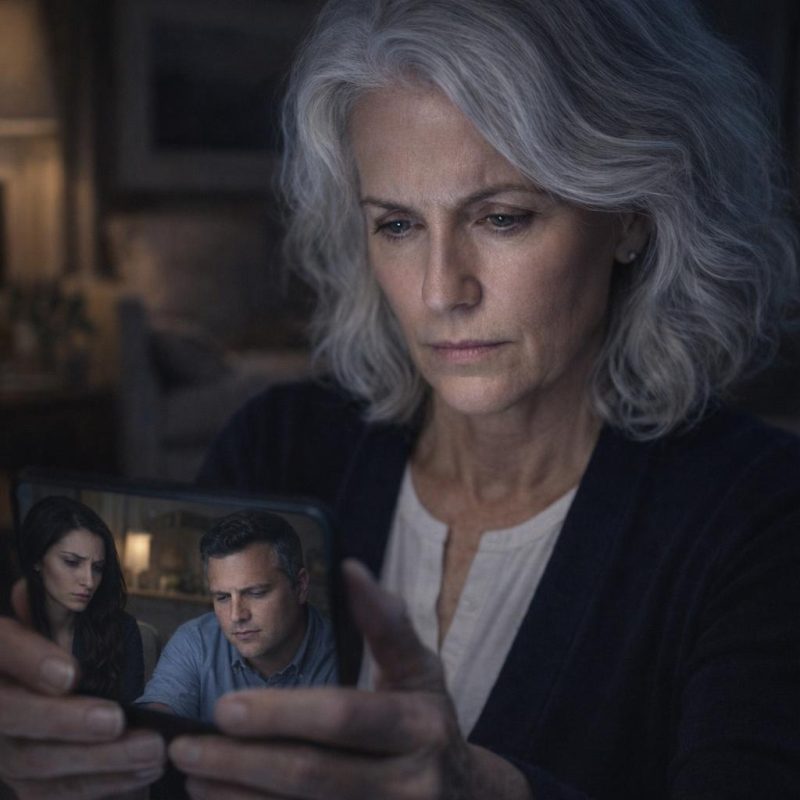 Image by RM AI
Tracking Down the Photographer
Greg had mentioned the name of the official wedding photographer in passing during our first conversation, and I'd written it down without thinking much of it at the time. I dug out my notes and found it: James. I tracked down his business website without much trouble — he had a professional portfolio, a contact form, a phone number listed at the bottom of the page. I called him on a Tuesday morning, not entirely sure what I was going to say. I introduced myself, explained that I was a guest at the wedding he'd photographed, and told him I was trying to understand something that had happened during the reception. I described what I'd seen in Greg's photos — the corner of the room, the two figures I recognized, the woman I didn't, the body language that didn't match the rest of the evening. I asked if any of it rang a bell. There was a pause on his end. I heard him shift, the sound of a chair, maybe papers moving. I told him I wasn't looking to cause trouble for anyone — I just needed to understand what had happened that night. Another pause. And then he said he remembered that argument clearly.
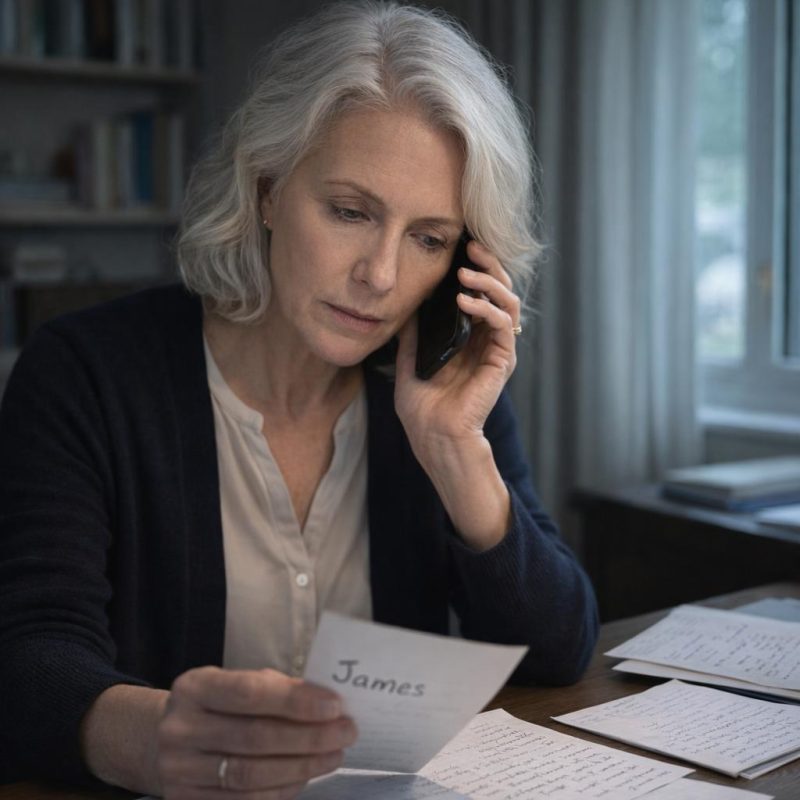 Image by RM AI
The Sealed Envelope
We met at a coffee shop near his studio two days later. James was composed and careful with his words, the kind of person who thinks before he speaks. He said he'd been moving through the room getting candid shots when he noticed the group in the corner — he'd clocked it because the energy was so different from the rest of the room. He said it started with an envelope. Someone had brought it to the table where Sophie and Jake were sitting, and when it was opened — he wasn't sure by whom — the mood shifted immediately. He said he didn't hear everything, but he heard enough to know it wasn't a happy surprise. A few other family members drifted over within minutes, and what had been a quiet exchange became something more heated. He hadn't photographed the envelope itself, he said, but he'd captured the aftermath — the faces, the posture, the way the group had pulled tight and then fractured. He said the envelope clearly wasn't supposed to be opened there, at the reception, in front of everyone. Whatever was inside it had caught people off guard. I asked him if he knew what was in it. He shook his head. He'd been close enough to see that something was wrong, but not close enough to hear the specifics. I sat with my coffee going cold in front of me, turning over the image of a sealed envelope landing in the middle of a wedding reception and unraveling something that had apparently been held together until that moment.
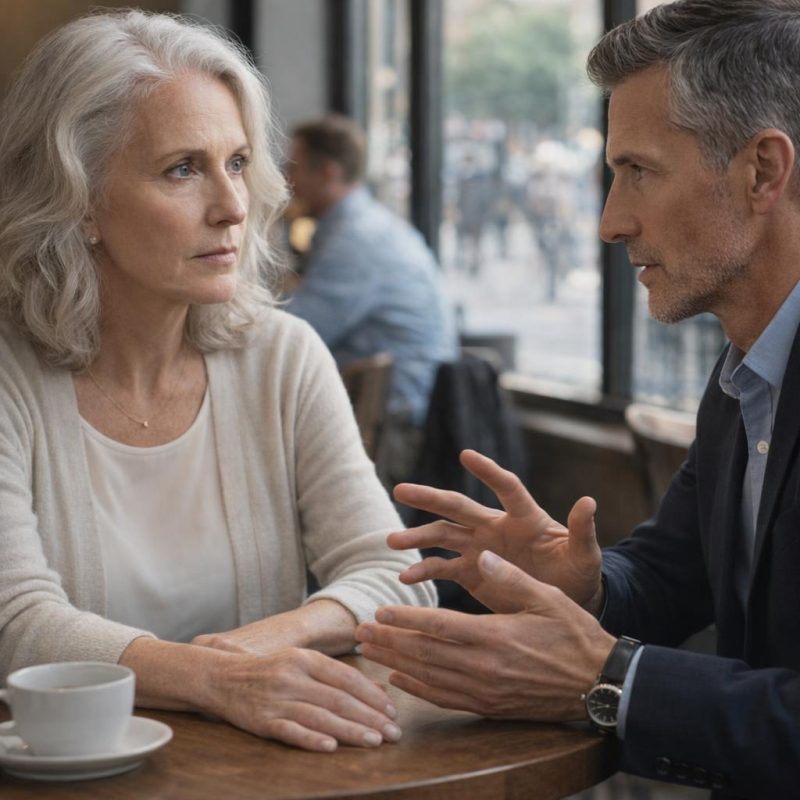 Image by RM AI
Financial Documents Inside
I asked James if he remembered anything else — any words, any names, anything at all that had floated out of that corner of the room. He thought for a moment, turning his coffee cup slowly on the table. He said he'd caught fragments, the way you do when you're moving through a noisy room and something pulls your attention. He mentioned that the papers inside the envelope had looked official — not a card, not a letter, something with columns or figures on it, the kind of document that comes from a bank or a lawyer's office. He said one of the family members, an older woman, had been the most visibly upset. He remembered hearing the word gift — said more than once, and not warmly. He also thought he heard something about a promise, though he couldn't say exactly how it was used or by whom. He said the older woman kept looking at the papers and then looking at Sophie, back and forth, like she was trying to reconcile two things that didn't match. James said he hadn't understood what he was witnessing at the time, and he still didn't, not fully. But he'd remembered it because it was so out of place — that particular kind of tension, the kind that comes from money and expectations and something that someone believed had been settled. I thanked him and drove home slowly, the words gift and promise sitting quietly in the back of my mind.
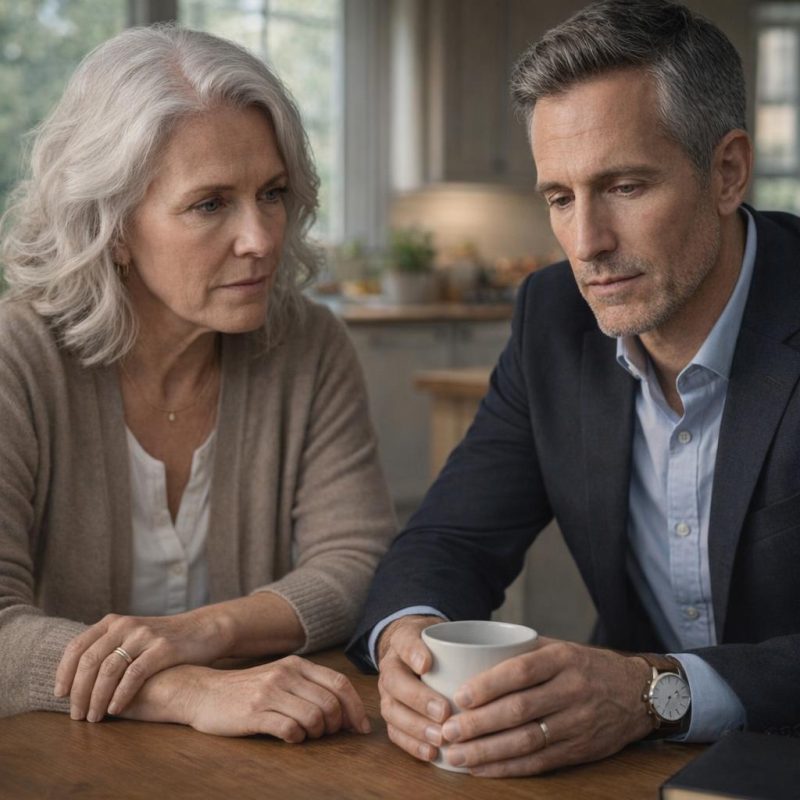 Image by RM AI
The Promised Gift Redirected
I spent the next few days making calls. I went back to two guests I'd spoken to briefly before, people who had been seated near the family tables that evening, and I asked more specific questions this time. I mentioned the envelope, the older woman, the documents. One of them remembered it clearly once I gave her those details — she said she'd been close enough to see that the older woman was genuinely distressed, not just surprised. The second guest confirmed there had been an argument about money, something involving a gift that had been promised to Sophie and Jake before the wedding. He said he hadn't understood the full picture, but he'd heard enough to know that whatever had been promised wasn't what the documents showed. I called a third person after that, someone who had been at the same table as the older woman for part of the evening. She was hesitant at first, but she confirmed what the others had said — a substantial gift had been promised to the newlyweds, and the documents in that envelope showed it had been redirected somewhere else before the wedding ever took place.
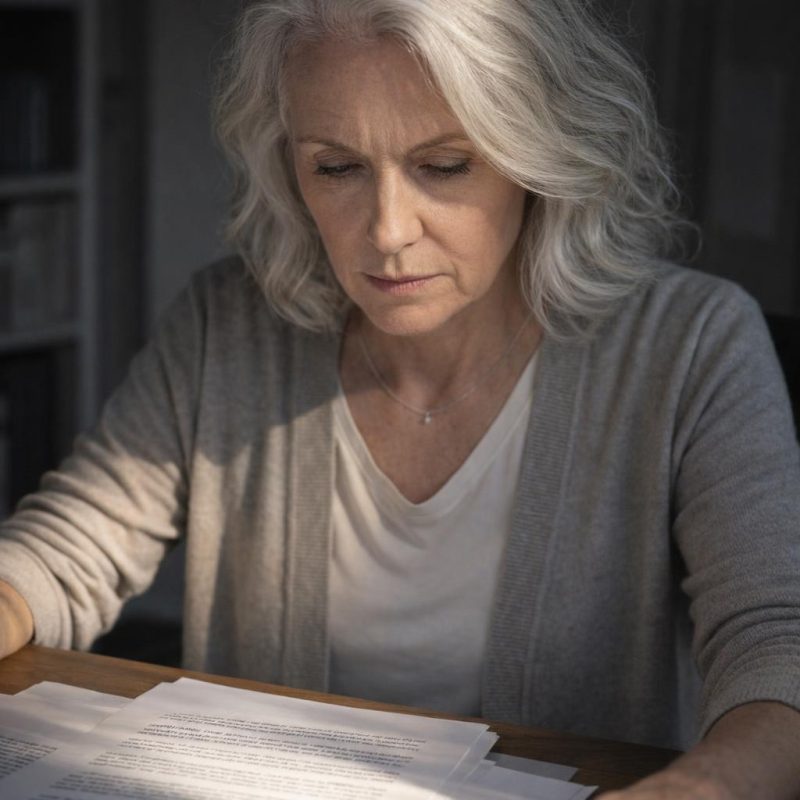 Image by RM AI
The Wedding Planner's Notes
I wasn't expecting the call. A woman named Ashley introduced herself as the assistant to the wedding planner who had handled Sophie and Jake's reception, and she said she'd heard through a mutual connection that I'd been asking questions about what happened that evening. Her voice was calm and professional, and she got straight to the point — she had kept detailed notes from the reception, the kind she always kept at every event, and she thought some of what she'd recorded might be useful to me. I almost didn't believe it at first. I asked her why she was reaching out, and she said simply that she didn't like loose ends, and that what she'd witnessed that night had stayed with her. We agreed to meet at a coffee shop near her office two days later. When I arrived, she was already there, a notebook open on the table in front of her — not a phone, not a tablet, an actual spiral-bound notebook filled with handwritten entries, timestamps, and margin notes. She slid it toward me without ceremony and let me look. The pages were dense with observations, organized by time of evening, each entry precise and unhurried. I sat there with my hands around my coffee cup, reading through the careful organization of someone who had witnessed everything.
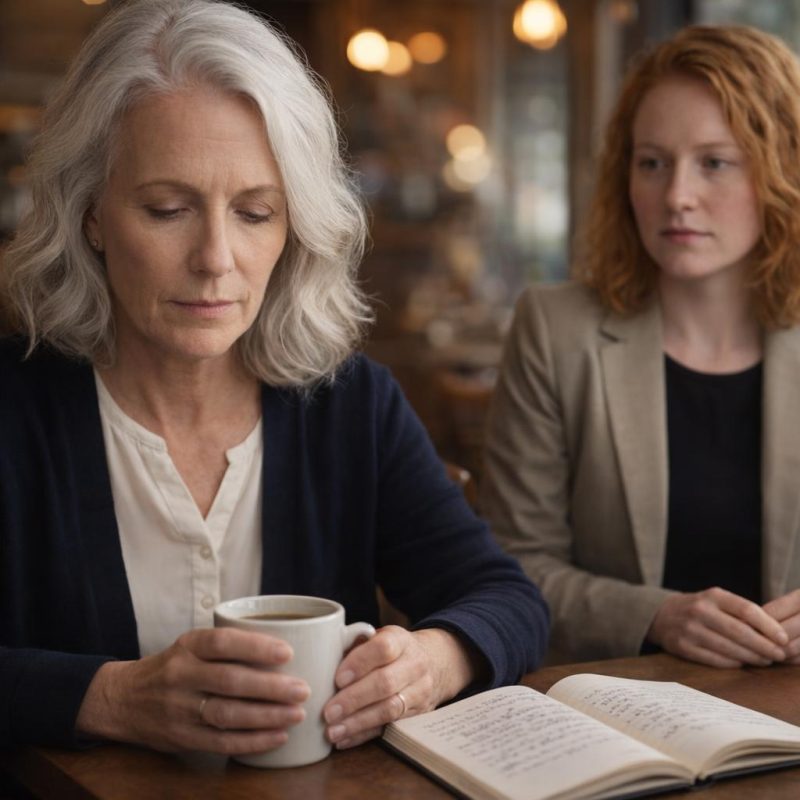 Image by RM AI
The Bride Wanted Attention Diverted
Ashley walked me through the notes section by section, and I tried to keep up. The entry for the late evening was the one that mattered most. She had written it in real time, she said, because the energy in the room had shifted so suddenly that she wanted to document it before the details blurred. According to her notes, the moment the envelope was opened near the family tables, Sophie's expression changed completely. Ashley described it as a kind of controlled panic — Sophie kept her voice low, but she was moving quickly, touching people's arms, leaning in close to relatives who had started to raise their voices. Ashley had written in the margin: bride visibly distressed, redirecting family members, repeated phrase — don't let this ruin tonight. I read that line twice. Sophie had been working the room, trying to pull attention away from whatever those documents showed, trying to keep the argument from spreading to the rest of the reception. Ashley said she hadn't understood at the time what Sophie was so desperate to hide — she'd assumed it was just wedding-day nerves amplified by a family disagreement. But the notes were clear. Sophie's anxiety hadn't been about the argument itself. It had been about something underneath it, something she didn't want anyone else to see. I sat with that for a long moment, the weight of it settling quietly around me.
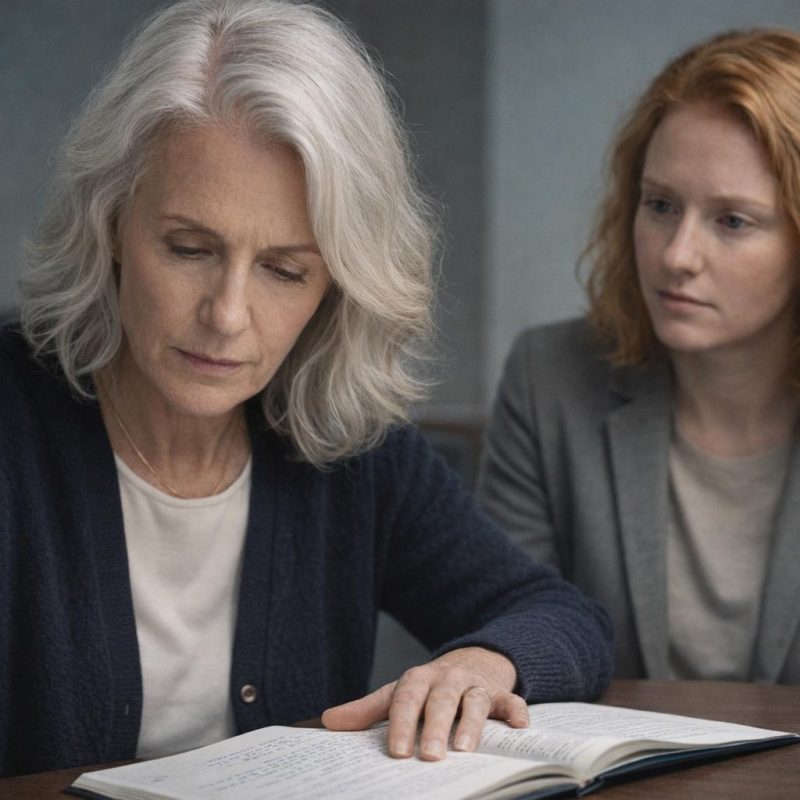 Image by RM AI
Uncomfortable Questions Earlier
Ashley turned to another page and tapped a specific entry near the bottom. She said this was the part she'd thought about most since hearing I was asking questions. In the middle of the argument, when several family members were pressing Sophie about the documents, Sophie had said something that Ashley found odd enough to write down word for word. According to the notes, Sophie had said — almost in passing, almost like she was thinking out loud — that Denise had been asking uncomfortable questions earlier in the evening, that she'd been stirring things up before any of this started. Ashley told me she'd written it down because the comment seemed to land differently than everything else Sophie was saying. Some of the relatives who had been focused on the documents paused. The energy in the cluster shifted slightly. Ashley said she hadn't thought much of it in the moment — she assumed it was just something Sophie said under pressure — but she'd also noted that she herself hadn't seen me asking anyone anything unusual that evening. She'd been watching the room all night. She said she would have noticed. I looked down at the notebook entry, at Sophie's name and the timestamp beside it, and then Ashley said it again quietly, almost to herself: she mentioned your name right in the middle of it all.
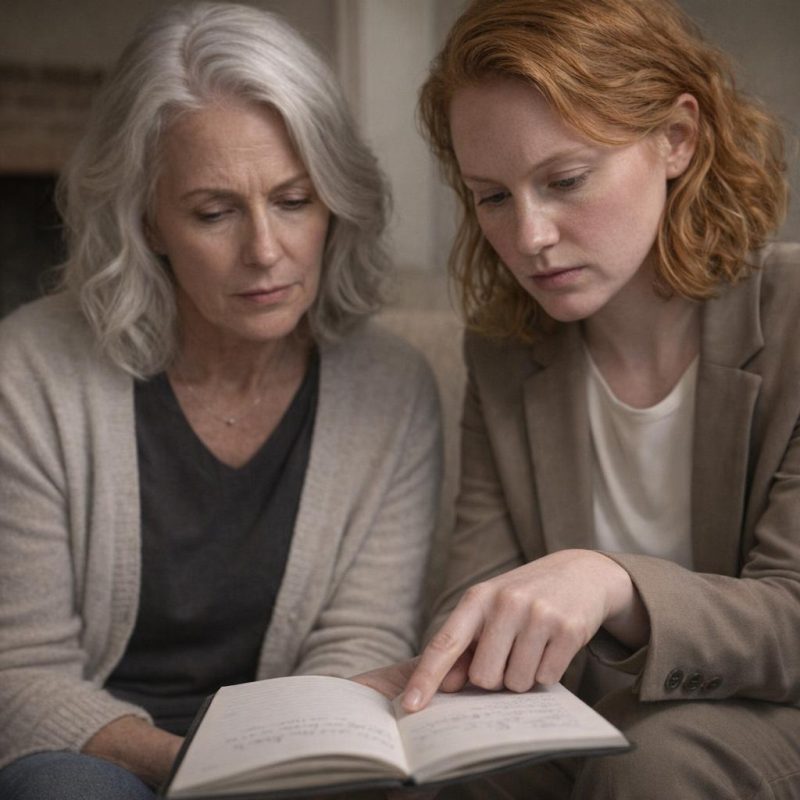 Image by RM AI
The Seed of the Lie
I sat back in my chair and looked at the ceiling for a second. Something had just clicked into place, not completely, not with every detail filled in, but enough. Sophie had been cornered. The documents were out, the family was asking questions she couldn't answer, and she needed the room to look somewhere else — anywhere else. And in that moment, under pressure, she had said my name. Not as an accusation exactly, not yet. Just a comment. Just a small, offhand remark that I'd been asking questions earlier. That was all it took. I thought about how those things travel. One person hears it and repeats it to another, and the second person adds a detail they think they remember, and by the third retelling it isn't a comment anymore — it's a story. I hadn't been there to say it wasn't true. I'd left early, which meant no one could turn to me and ask. The comment had room to grow because I wasn't in the room to stop it. Ashley was still talking, but I was only half listening. I kept turning it over in my mind — how something that small, that unguarded, could become the thing that cost me thirty years of friendship. A single sentence, spoken in a moment of panic, and then passed from person to person until it hardened into something that felt like fact.
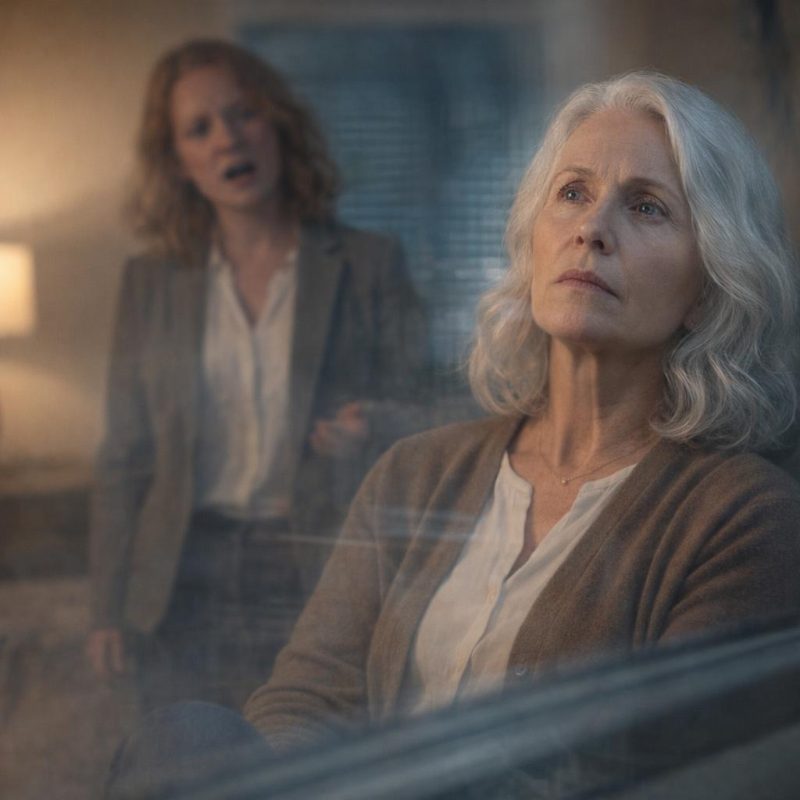 Image by RM AI
Following the Money
I drove home from that coffee shop with Ashley's words still running through my head, but by the time I pulled into my driveway I knew the comment was only part of the picture. Sophie had needed a distraction, and she'd used my name to create one — but the thing she was distracting everyone from was still sitting there, unexamined. The redirected gift. That was the center of it. Everything else had grown up around it like a story built to keep people from looking too closely at the real thing. I sat at my kitchen table that evening with a notepad and wrote down everything I actually knew: a substantial gift had been promised to Sophie and Jake before the wedding, the documents in that envelope showed it had gone somewhere else, and Sophie had panicked the moment those documents appeared. I didn't know who the elderly relative was by name yet, though I had a feeling she was close family. I didn't know where the money had actually gone. Those were the two questions I needed to answer, and I was going to answer them the same way I'd answered everything else — carefully, one conversation at a time. I circled the word redirected on my notepad and underlined it twice. I needed to find out exactly where that money had ended up.
 Image by RM AI
Sophie Saved Her Brother
It took me another week of careful conversations before the full picture came together. The elderly woman at the reception was Sophie's great-aunt Ruth — Aunt Ruth, as the family called her — and she had promised Sophie and Jake a significant financial gift as a wedding present, money she had set aside specifically for them. But several months before the wedding, Sophie had gone to Aunt Ruth privately and asked her to redirect it. Not to keep it, not to cancel the gift — to send it instead to Michael, Sophie's brother, whose small family business had been hemorrhaging money for over a year and was weeks away from collapse. Aunt Ruth had agreed. The gift was redirected quietly, the paperwork was drawn up, and Michael's business was saved. Sophie had kept the whole thing secret — from Jake, from the rest of the family, from everyone — because she was afraid of how it would look, afraid people would say she had taken her own wedding gift and given it away without telling her new husband. When the envelope appeared at the reception and Aunt Ruth's documents surfaced, Sophie's carefully kept secret was seconds away from becoming public. She panicked. She reached for the first thing she could find to pull the room's attention sideways — and my name was the thing she reached for. I sat with that for a long time. Then I picked up the phone and called Michael directly, and he confirmed every word of it.
 Image by RM AI
Understanding the Sacrifice
Michael didn't try to minimize it. He told me the business had been in serious trouble — suppliers threatening to pull contracts, payroll getting harder to meet each month, his wife losing sleep over it. He said Sophie had come to him quietly about six weeks before the wedding and told him she'd worked something out with Aunt Ruth, that help was coming. He hadn't known the full details until later, hadn't known it was the wedding gift money until after the reception, when Sophie finally told him what had happened that night. He said he'd felt sick about it ever since. I believed him. And sitting with everything I now knew, I could see the shape of what Sophie had done — not as a villain's scheme, but as a sister's desperate attempt to hold her family together without anyone finding out the cost. She had loved her brother enough to give up something that was meant to be hers. That part I could understand. What I couldn't quite settle was the rest of it — the way my name had been the thing she grabbed when she needed cover, the way a thirty-year friendship had been the price of keeping her secret intact. She hadn't set out to destroy anything. But the road between a panicked moment and the wreckage it left behind was one I had walked every step of, and she hadn't walked any of it at all. Good intentions and terrible consequences don't cancel each other out — they just sit there together, unresolved.
 Image by RM AI
The Convenient Target
The more I turned it over, the clearer one thing became. Sophie hadn't chosen me because she disliked me, or because she had some long-standing grievance she'd been waiting to settle. She had chosen me because I wasn't there. I had left the reception early that evening — said my goodbyes, hugged Marlene, slipped out before the dancing really got going. I hadn't thought anything of it at the time. But my absence meant that when Sophie said my name in that cluster of arguing relatives, no one could look across the room and see me standing there with a perfectly ordinary expression on my face. No one could walk over and ask me directly. I wasn't available to contradict anything, to look confused, to say I hadn't done what she was implying. The story had space to breathe and expand precisely because I wasn't in it anymore. I had handed Sophie a gift without knowing it — the gift of my empty chair. She probably hadn't thought it through that far in the moment. She probably hadn't expected the comment to travel the way it did, or to last as long as it had. But none of that changed what it had cost me. I had left early to be considerate, to avoid overstaying, the way I always did — and that small, ordinary courtesy had made me the perfect person to blame.
 Image by RM AI
Waiting for Proof
I sat with everything I'd found spread across my kitchen table — the bank records, the transfer documentation, the timeline I'd pieced together over months of quiet, careful work. I knew the truth. I had known it for a while now. But knowing something and being able to prove it to people who had already made up their minds are two entirely different things. Marlene hadn't asked me a single question in two years. Sophie's version of events had settled into the family like furniture — nobody questioned it anymore because it had just always been there. If I walked into a room and said what I knew, I'd be the bitter woman making accusations at a family gathering. I'd be the one who couldn't let it go. The story would become about my anger, not about the truth. I needed something they couldn't argue with. Something with a signature on it. Something that didn't require anyone to take my word for anything. I stacked the papers carefully and slid them into a folder. I wasn't going to rush this. I had waited two years already — I could wait a little longer. The right moment would come. It always did. And when it did, I wasn't going to say a single word until the evidence had already done the talking for me.
 Image by RM AI
Years Pass, Estate Settlement Begins
Three years went by. I know that sounds like a long time to carry something quietly, and it was. But I had learned, somewhere in the middle of all of it, that I wasn't going to get justice by demanding it. I kept the folder. I kept my distance from Marlene and the family — not out of bitterness, but because there was nothing left to say that wouldn't make things worse. We exchanged a few polite messages over the years, the kind you send when someone posts a birthday photo or announces something on social media. Surface-level. Careful. I watched from the edges as Sophie and Jake settled into their life, as Michael's business steadied itself, as the family moved forward the way families do. And then, in the spring of what would have been Aunt Ruth's eighty-seventh year, she passed away quietly in her sleep. She was eighty-six. She had lived a full, generous life, and I grieved her genuinely — she had always been kind to me, even when the rest of the family had grown cool. But her passing set something in motion. The estate settlement process began within weeks, and I heard through a mutual acquaintance that financial records going back several years would be part of the review. I sat with that information for a long time before I let myself feel anything about it.
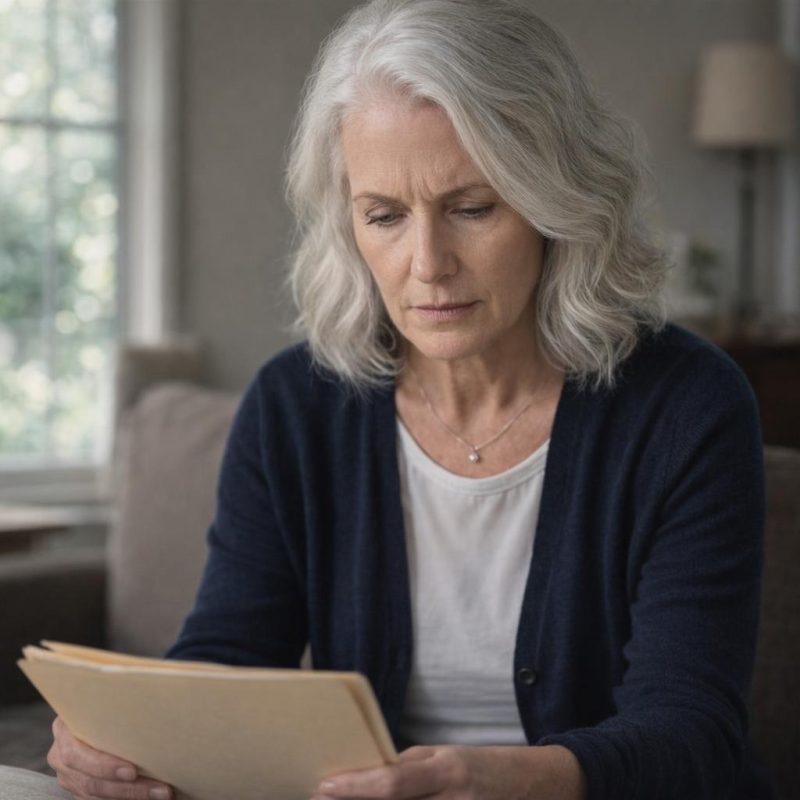 Image by RM AI
The Family Gathering Announced
The invitation arrived by email, which surprised me. It was formal — a notice from the estate attorney's office, addressed to family members and close associates of Aunt Ruth, requesting attendance at a gathering to discuss the terms of the estate settlement. I read it twice before I understood why my name was on it. Aunt Ruth had apparently listed me as a person of interest in her personal correspondence — someone she had considered family in the truest sense of the word, even if the rest of them hadn't treated me that way in years. I sat at my desk for a long time after reading it. Part of me wanted to decline. The thought of walking into a room with Marlene and Sophie after everything that had passed between us — or rather, everything that had been done to me without my knowledge — made my chest tighten in a way I hadn't felt in a while. But I knew what those financial records contained. I had known for three years. And I understood, sitting there with the invitation on my screen, that this was the moment I had been waiting for. Not because I wanted a scene. Not because I wanted anyone to suffer. But because the truth was finally going to be in the room whether anyone wanted it there or not, and I owed it to myself to be there with it. I printed the invitation, set it on top of the folder I had kept all those years, and felt the full weight of what was coming settle over me.
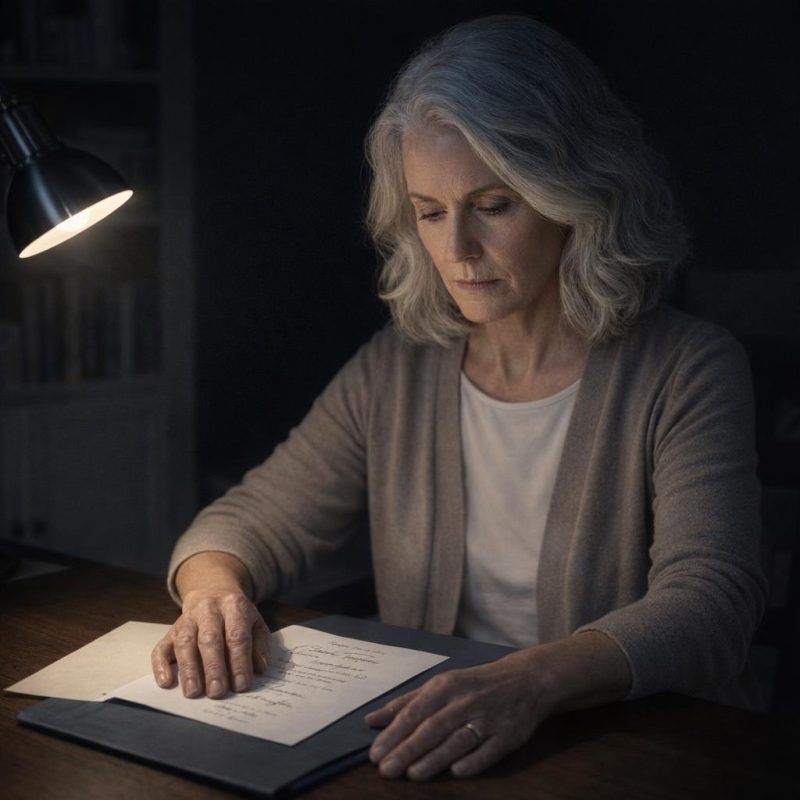 Image by RM AI
Financial Records Emerge
The conference room at the attorney's office was smaller than I expected — a long table, eight chairs, a window that looked out onto a parking structure. I arrived early and took a seat near the end, away from the center of things. Marlene came in with Sophie and Jake a few minutes later. Michael arrived separately, looking tired in the way he always did when something important was happening. Nobody acknowledged me beyond a brief nod. The attorney — a composed man in his forties named James — opened the meeting by explaining that Aunt Ruth's estate included several financial instruments and that her records had been organized and reviewed prior to the gathering. He set a stack of folders on the table and began distributing them. The room had the particular quiet of people who are trying to appear calm. I watched Sophie's hands as she accepted her copy of the documents. She set the folder flat on the table in front of her and didn't open it right away. Jake leaned over and said something low near her ear. She gave a small shake of her head. Michael opened his folder immediately, and I watched the color shift in his face as his eyes moved down the first page. James continued speaking — explaining account histories, transfer records, the standard language of estate review — and the pages rustled softly as people began to read, the quiet tension of the documents spreading through the room like something held just below the surface.
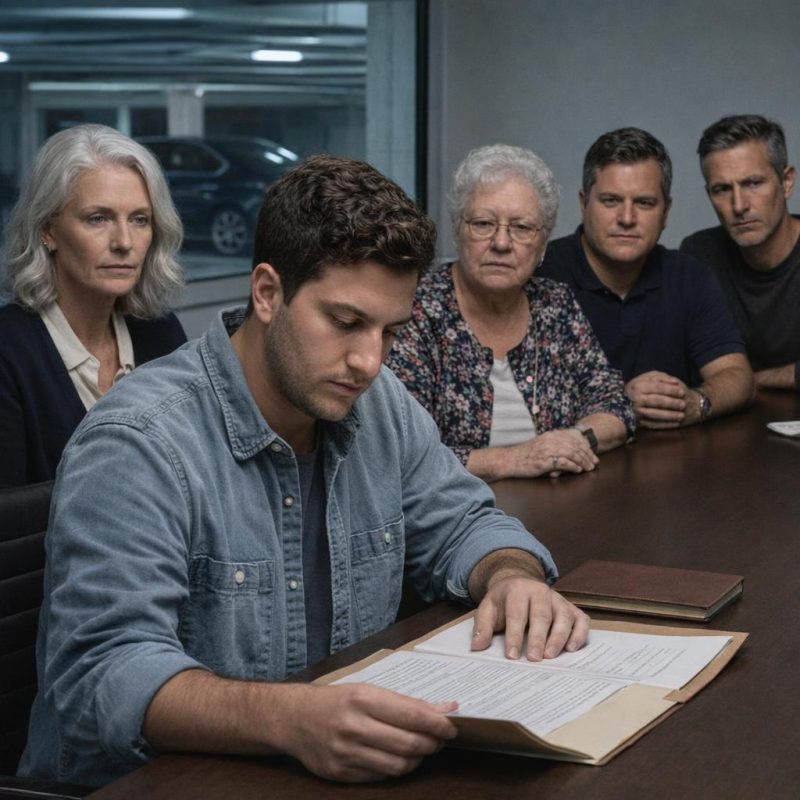 Image by RM AI
The Documents Prove Everything
Nobody said anything for a long moment after the first page. Then I heard Marlene make a small sound — not quite a word, more like the beginning of one that didn't finish. She was looking at a line item near the bottom of the second page. I had seen that same line item three years ago, sitting at my kitchen table at two in the morning. A transfer authorization, dated eight months before the wedding. Sophie's signature, clear and unhurried, on the line marked 'authorized by.' The amount matched exactly what Aunt Ruth had originally designated as a wedding gift. James had moved on to explaining the broader estate structure, but nobody in the room was listening to him anymore. Jake turned to the second page slowly, then back to the first. Michael had gone very still. Sophie sat with her hands flat on the table, her eyes fixed somewhere past the documents in front of her. Marlene looked up from her folder and across the table — not at Sophie, not at me, just at the middle distance, the way people do when something they've read doesn't match what they thought they knew. One of the other family members — a cousin I barely recognized — leaned toward the person beside her and said something quietly. James paused his explanation and asked if there were questions. The silence that followed was the kind that fills a room completely, the kind where everyone is thinking the same thing but no one has said it yet.
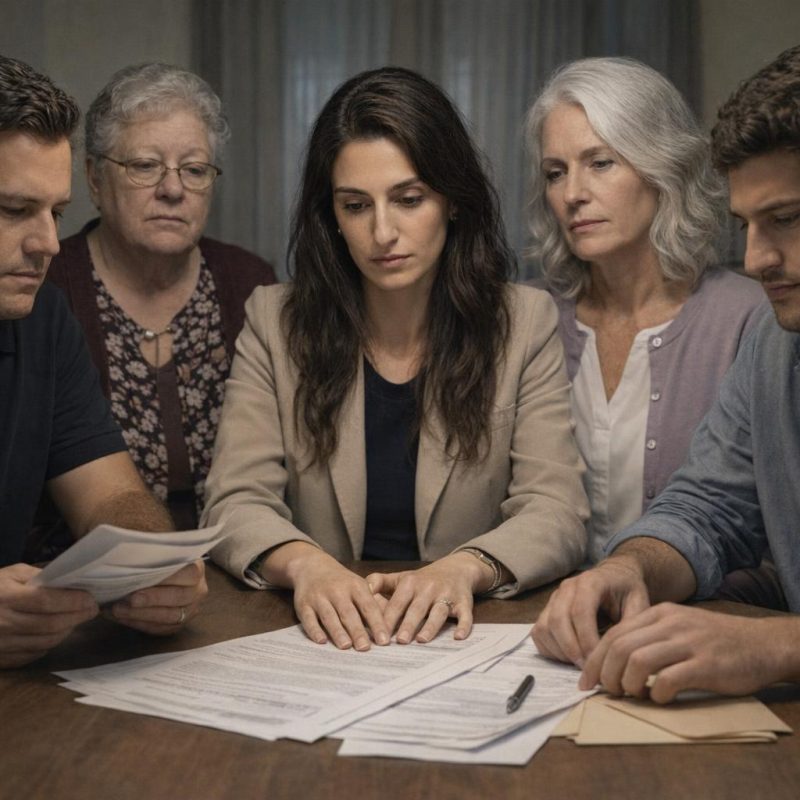 Image by RM AI
Questions Turn to Sophie
It was the cousin who asked first. She looked directly at Sophie and said, simply, 'Can you explain this transfer?' Her voice was even, not accusatory — just the tone of someone who genuinely needed an answer. Sophie looked at the page as though she were reading it for the first time, though I could see from where I sat that her jaw had tightened. Jake was watching her now, his folder open to the same page, his expression somewhere between confused and careful. 'It was a long time ago,' Sophie said. 'There were circumstances.' The cousin waited. James waited. The room waited. Sophie looked at Michael, and Michael looked down at the table. 'Michael's business was in trouble,' she said finally, her voice quieter than before. 'It was serious trouble. The kind where you lose everything.' She stopped there, as if she hoped that would be enough. It wasn't. Marlene said her name — just her name, nothing else — and something in Sophie's posture shifted. Jake set his folder down and said, 'Sophie, what is this?' Not angry, just — asking. The way you ask when you're not sure you want the answer. Sophie opened her mouth, and I watched her search the middle distance for words that didn't seem to be there.
 Image by RM AI
Sophie Confesses Everything
She took a breath that was audible across the table. 'I asked Aunt Ruth to redirect the gift,' Sophie said. 'Michael's business was going under. His family would have lost their home. I couldn't watch that happen and do nothing.' She looked at Michael when she said it, and he didn't look back. 'Aunt Ruth agreed. She understood. We kept it between us because I knew how it would look — a wedding gift redirected before the wedding even happened. I thought if no one knew, no one would be hurt.' The room was very still. Jake said, 'Why didn't you tell me?' Sophie shook her head slowly. 'I was ashamed. And I was afraid of exactly this.' Then Marlene asked the question I had been waiting three years to hear answered out loud. 'What happened at the reception?' Sophie's hands pressed flat against the table. 'Someone started asking questions that night. About the gift, about where it had gone. I panicked. I said — I said Denise had been asking about the gift earlier, that she'd seemed very interested in it. I didn't say she took anything. I just — I put her name in the conversation. I thought it would redirect things for a moment. I never thought it would turn into what it turned into. I never corrected it because by the time I understood what had happened, I was too ashamed to admit what I'd done.' She said it plainly, without drama, and the room absorbed it the way rooms absorb things that can't be taken back.
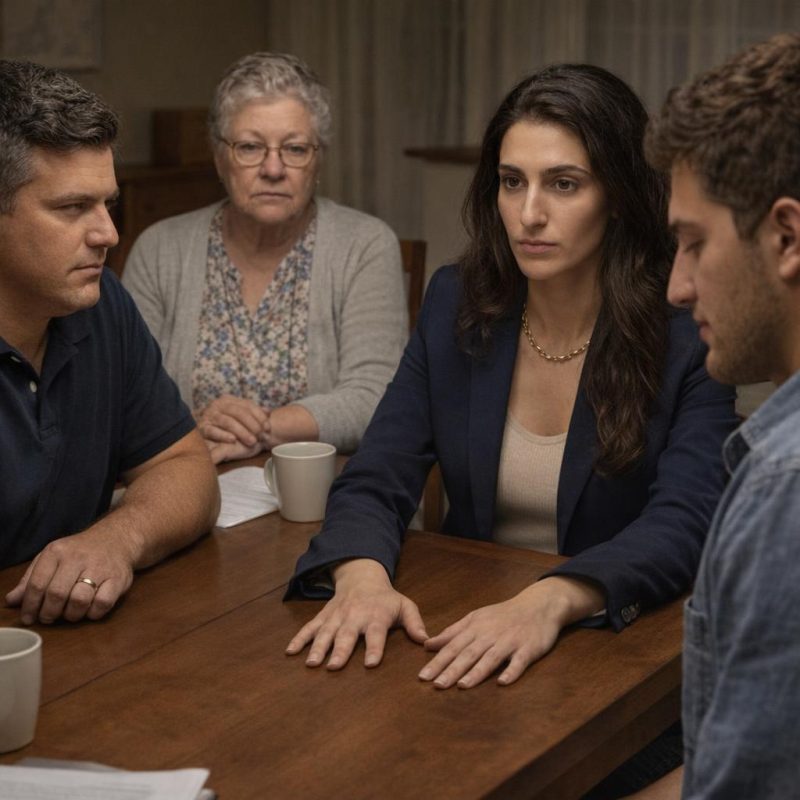 Image by RM AI
Marlene Realizes What She Did
I had imagined this moment many times over three years. I had imagined feeling relief, or anger, or some clean and satisfying sense of vindication. What I actually felt was something quieter and harder to name. I looked at Marlene. She was still sitting in her chair, her folder closed in front of her, her hands resting on top of it. She wasn't looking at Sophie. She wasn't looking at Jake or Michael or the cousin or James. She was looking at the table. I had known Marlene for thirty years. I had sat with her through her divorce, through her mother's illness, through every ordinary Tuesday that turned into a three-hour phone call because that's what we did. I knew what her face looked like when she was processing something she didn't want to be true. I watched her work through it in real time — the small movements around her eyes, the way her mouth pressed together, the stillness that settled over her when she had arrived somewhere she hadn't wanted to go. The room had gone completely quiet. Sophie had stopped talking. Michael was looking at his hands. Jake was looking at Sophie. And Marlene — my best friend of thirty years, the woman who had stopped calling without ever once asking me if the story was true — slowly raised her eyes from the table and found my face across the room.
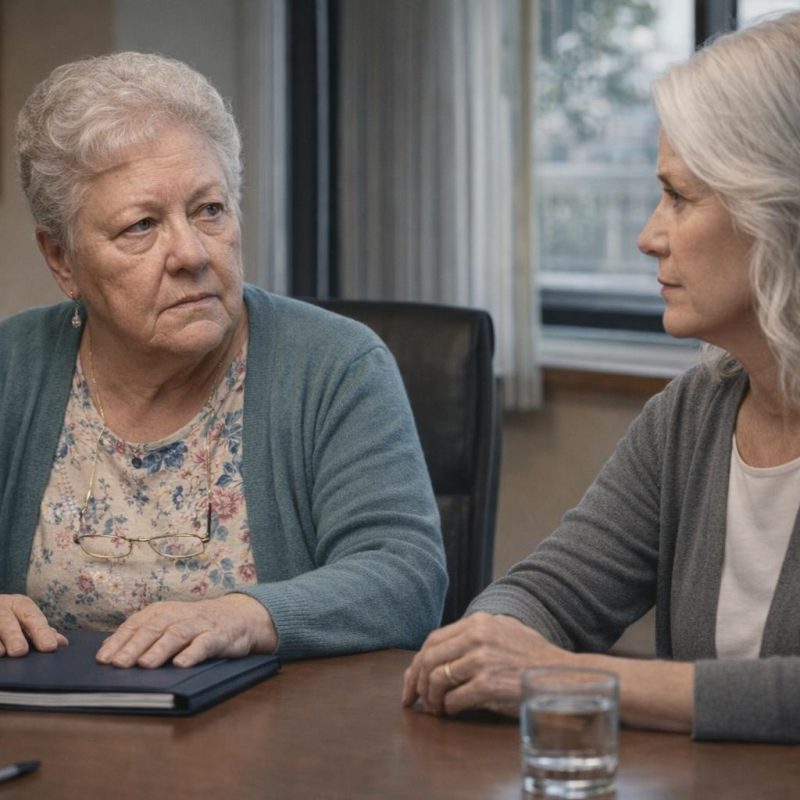 Image by RM AI
The Story Collapses
The truth moved faster than I expected. Within two days of that meeting, my phone was lighting up with names I hadn't heard from in months — wedding guests, neighbors, women from the community fundraiser circuit, a cousin of Jake's I had met exactly once. The messages were all some version of the same thing: I had no idea, I'm so sorry, I should have asked you directly. One woman — someone who had looked right through me at a church event last spring — sent three paragraphs explaining how she had only repeated what she'd heard, as if the chain of transmission somehow softened her part in it. I read every message. I didn't respond to all of them right away. What struck me wasn't the apologies themselves. It was the speed. The same people who had passed the story along in hushed tones at dinner tables and parking lots were now passing the correction along just as quickly, through the same texts and phone calls and quiet conversations. The network that had carried the lie didn't slow down for the truth — it just changed direction. Sophie had said one thing in a panicked moment three years ago, and it had traveled farther than she could have imagined. Now the correction was traveling the same roads. I sat with that for a long time. The lie had taken three years to unravel. The truth replaced it in seventy-two hours.
 Image by RM AI
Marlene Reaches Out
Marlene called on a Thursday morning, which is when she always used to call. I don't know if that was intentional or just muscle memory from thirty years of Thursdays. She asked if I would meet her at the coffee shop on Clement Street — the one with the small corner table we had claimed as ours sometime around 2003. I said yes before I had time to think about whether I was ready. She was already there when I arrived, sitting at that same corner table with two cups in front of her, the way she used to do when she got there first. She looked tired. She looked like someone who had been carrying something heavy and had finally set it down, but her arms still remembered the weight. She didn't make small talk. She said, "I should have called you the moment I heard it. I should have asked you. Thirty years, and I let one story do what thirty years couldn't." Her voice broke on the last part. I didn't say anything right away. I let it sit between us, because it needed to. I told her I was hurt — genuinely, deeply hurt — in a way I hadn't fully let myself say out loud before. She nodded and didn't try to explain it away. We sat there for almost two hours, and by the end, something had shifted — not back to what it was, but toward something that still felt, carefully and tentatively, like the beginning of us.
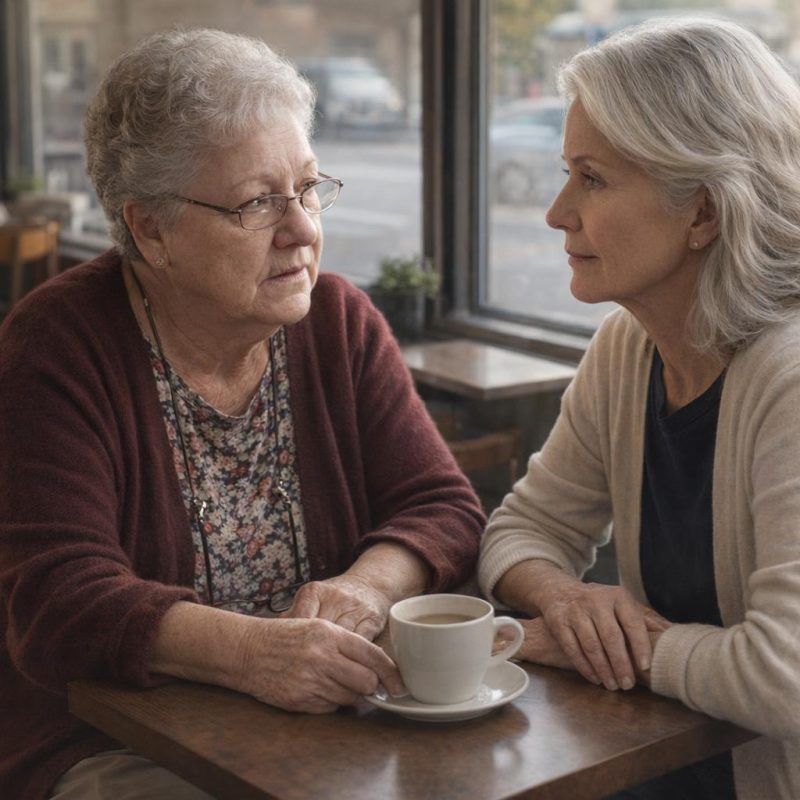 Image by RM AI
Slowly Rebuilding
We started meeting again on Thursdays. Not every Thursday — some weeks one of us cancelled, and we let that be okay without making it mean something. The conversations were different now. More careful. There were pauses where there used to be none, small hesitations before certain topics, a new awareness of how much we were choosing to say versus how much we were choosing to hold back. I noticed it and I think she did too, though neither of us named it directly. What we did instead was show up. Week after week, we showed up to that corner table and ordered the same drinks and talked about our kids and our gardens and the books we were reading, and slowly — so slowly I almost missed it happening — some of the old warmth started finding its way back in. It wasn't the same warmth. It was quieter, more deliberate, earned in a way it hadn't needed to be before. One afternoon she laughed at something I said — really laughed, the way she used to — and for a moment it felt like no time had passed at all. Then the moment settled, and I remembered that time had passed, that something real had broken and was only now being carefully, imperfectly mended. I didn't try to rush past that feeling. I just let it be what it was — two women in their sixties, sitting with the slow, uneven work of finding their way back to each other.
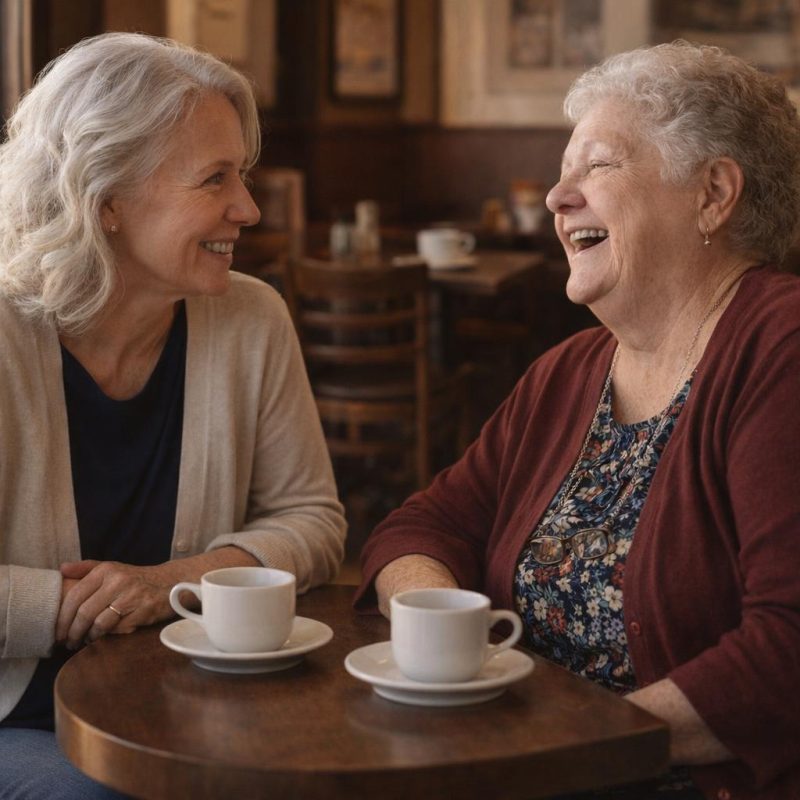 Image by RM AI
What Hurt Most
I've thought a lot about what hurt most, and it wasn't the rumor. Rumors exist. People panic and say things they shouldn't, and Sophie's lie came from a desperate place, not a cruel one — I understood that now, even if understanding it didn't erase the damage. What hurt most was how quickly thirty years became insufficient evidence. One story, unverified, passed through enough mouths, and suddenly the woman who had sat with Marlene through her divorce and her mother's illness and every ordinary crisis of her adult life became someone Marlene wasn't sure she knew. That's the part that stayed with me. Not Sophie's panic. Not the guests who repeated what they heard. But the ease of it — how little it took to make a long friendship feel suddenly uncertain. I've also thought about what I learned. I learned that I'm not immune to the same thing. I've probably believed things about people I shouldn't have, without asking. Most of us have. The difference, I think, is whether you catch yourself and what you do when you do. Marlene caught herself, eventually. It took longer than it should have, but she got there. And the truth — slow and unglamorous as it was — got there too. It didn't arrive with fanfare. It arrived in a conference room with documents and a woman who finally ran out of room to keep the story standing. But it arrived. And when it did, it held.
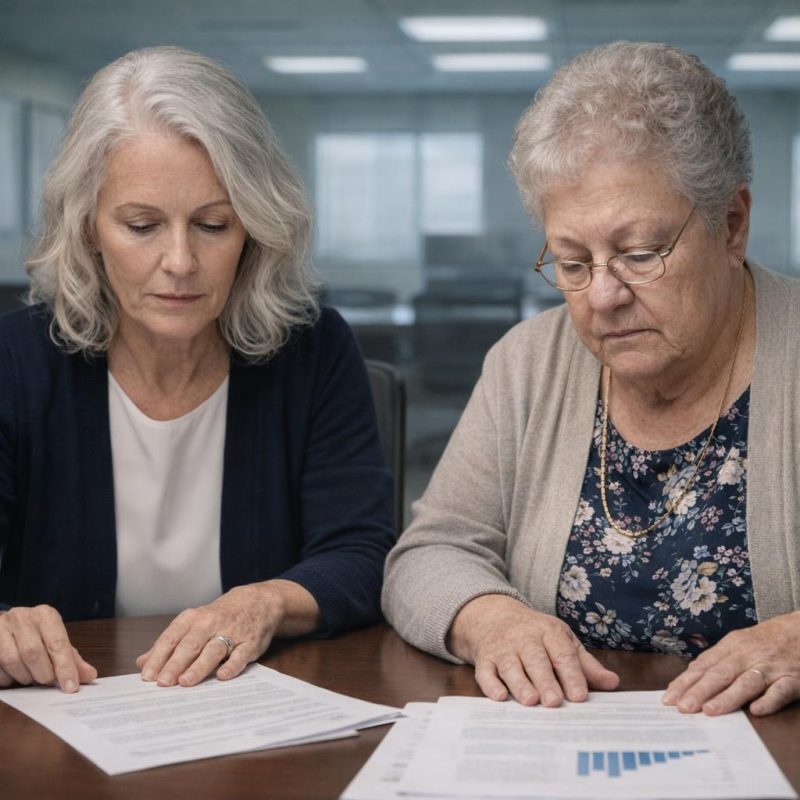 Image by RM AI