The Yes Pattern
I'd been at the company for three years, and somewhere along the way, "yes" had become my entire vocabulary. David would swing by my desk with that approachable smile and ask if I could take on another project, and I'd already be nodding before he finished the sentence. Extra reports? Sure. Last-minute presentations? No problem. Covering for someone else's deliverables? I was on it. It wasn't that I felt pressured, exactly. It felt more like building something—like each yes was another brick in a foundation I was constructing. My colleagues would sometimes joke about how I never turned anything down, and I'd laugh along, secretly proud. I thought it showed dedication. Reliability. The kind of work ethic that got noticed and rewarded. David seemed to appreciate it, always thanking me warmly, always coming back when he needed someone dependable. The requests had become part of my normal workflow, woven into the fabric of my week. I didn't question it. Why would I? This was how you built a career, wasn't it? You showed up, you delivered, you made yourself indispensable. Looking back, I couldn't remember the last time I'd said no.
 Image by RM AI
When Weekends Disappeared
That Saturday morning, I woke up and opened my laptop before I'd even made coffee. There were three emails from David marked urgent, and I worked through them at my kitchen table still in my pajamas. By afternoon, I'd moved to the couch with my phone, responding to messages between bites of a sandwich I barely tasted. Sunday looked identical—more emails, another deliverable that needed tweaking, a presentation deck that required one more revision. I didn't have plans anyway. When had that happened? My calendar used to have brunches, hiking trips, visits with friends. Now it was just color-coded blocks of work tasks bleeding into every day of the week. I felt tired, sure, but that was just the job, right? Everyone was tired. This was what professional life looked like. The boundary between weekday and weekend had dissolved so gradually I hadn't noticed it disappearing. It just seemed normal now—this was what my life was. By Sunday evening, I was already answering emails for Monday morning.
 Image by RM AI
The Temporary Promise
David called me into his office on a Tuesday afternoon, and I could tell he wanted to address something. He leaned back in his chair, that warm smile in place, and thanked me for being so flexible lately. "I know the pace has been intense," he said, his tone reassuring. "But we're in a critical growth phase. Once we get through this quarter and lock down the Henderson account, things will settle down." I nodded, feeling a wave of relief. It made sense. Every company went through these pushes, these temporary sprints where everyone had to dig deeper. He wasn't asking for forever—just for now. Just until things stabilized. "I really appreciate you being a team player through this," he continued. "It's people like you who make the difference." I left his office feeling renewed, ready to push through. The word "temporary" echoed in my mind like a promise, giving me a mental finish line I could aim for. I could handle anything if I knew it had an endpoint. I'd heard that before, but this time felt different—or at least I wanted it to.
 Image by RM AI
Recognition
The company-wide meeting fell on a Thursday, and I sat in the back row expecting the usual updates and announcements. Then David stood up and started talking about quarterly wins, and suddenly my name was coming out of his mouth. "I want to recognize Alex for her exceptional dedication," he said, gesturing toward me. "She's consistently delivered beyond expectations, taking on additional projects and producing outstanding results even under tight deadlines." Heat rushed to my face as people turned to look at me. A few colleagues smiled and nodded. Jordan, who sat two rows ahead, glanced back with what looked like genuine respect. After the meeting, people stopped by my desk to congratulate me. Maya squeezed my shoulder and said, "Well deserved." David sent a follow-up email thanking me again, copying the leadership team. I saved that email. The recognition felt good—proof that the sacrifice was worth it.
 Image by RM AI
The Unbroken Stretch
I was updating my calendar when I noticed something that made me pause. I scrolled backward through the weeks, looking for the last time I'd blocked off a full day for myself. Not a sick day, not a holiday—just a regular day where I'd stepped away completely. I kept scrolling. January, February, March. The blocks were all work. Meetings, deadlines, project milestones. Even the Saturdays and Sundays had tasks scattered across them. I counted backward from today and landed on seventeen weeks. Four months. I'd worked every single day for four months without a real break. My body felt it—the constant low-grade exhaustion, the way my shoulders never fully relaxed, the headaches that arrived every afternoon like clockwork. But I was managing. I was functional. And things were going to calm down soon, just like David said. I'd take time off then. Maybe a long weekend, or even a full week. Once we got through this busy period and everything stabilized. I told myself I'd take time off soon, once things calmed down.
 Image by RM AI
The First No
The email from David arrived Friday at four PM. Subject line: "Weekend deliverable—client presentation." He needed a full deck rebuilt by Monday morning for a pitch meeting. Normally, I would've already been mentally rearranging my Saturday to fit it in. But I stared at the screen and felt something shift inside me. I was tired. Bone-tired. And I had nothing planned for the weekend except sleep and maybe a walk, but those things suddenly felt precious. I needed them. I opened a reply and typed carefully: "Hi David, I won't be able to take this on this weekend. I need some personal time to recharge. Happy to discuss how we can tackle it next week." My finger hovered over the send button. My heart was actually racing. It was just an email. Just a boundary. A reasonable, professional boundary. I hit send before I could second-guess myself. The words felt strange in my mouth, like I'd broken an unspoken agreement.
 Image by RM AI
A Shift in Tone
David's response came back within twenty minutes. "Understood. We'll figure it out." That was it. Two sentences. I read the email once, then again, then a third time. The words themselves were fine—perfectly professional, even supportive on the surface. But something felt off. Where was the usual warmth? The "no problem" or "thanks for letting me know" that typically cushioned these exchanges? This felt clipped. Formal. Like I was talking to a different person. I tried to remember if David had ever been this brief with me before. Maybe he was just busy. Maybe I was reading tone into a simple acknowledgment. Email was a terrible medium for nuance anyway. People always said that. But I couldn't shake the feeling that something had shifted, some invisible line had been crossed. Was I overthinking this? Probably. It was just two sentences. Completely neutral sentences. I read it three times, trying to figure out what felt different.
 Image by RM AI
Maya's Observation
Maya stopped by my desk on Wednesday with her coffee, leaning against the partition like she always did when she wanted to chat. We talked about the usual stuff—weekend plans, a new lunch spot downtown—and then she said something that made my stomach drop. "Hey, have you been pulled into the Q3 strategy sessions? I noticed you weren't in the last couple." I blinked at her. Strategy sessions? "Which ones?" I asked, trying to keep my voice casual. She named two meetings from the past week and a half, both with David and the senior team. Both about projects I'd been deeply involved in. "I just figured you were busy with other stuff," Maya said, her tone light but her eyes searching my face. "Seemed weird though, since you've been so central to that work." I pulled up my calendar. She was right. I hadn't been invited. I'd been so focused on my regular tasks that I hadn't even noticed the absence. When had that started? I hadn't noticed until she said it, but she was right.
 Image by RM AI
The Silence
I sent David an email Tuesday morning about the client deliverable timeline—routine stuff, the kind of question that used to get a response within the hour. By lunch, nothing. I checked my sent folder twice to make sure it had actually gone through. It had. Wednesday, I followed up on budget approval for the vendor contract. Radio silence until almost 5 PM, when I got a two-word reply: "Looks fine." Thursday morning, I needed his sign-off on the presentation deck before the afternoon meeting. I sent it at 9 AM. He responded at 2:47 PM—thirteen minutes before the meeting started. I kept telling myself he was swamped. David was always in back-to-back meetings, always juggling a million things. His calendar was a nightmare of overlapping blocks. But I'd worked with him for two years, and I knew his patterns. He was religious about email. He prided himself on being responsive. The delays were consistent now, a new rhythm I couldn't quite sync with. Maybe he was just busy—but the timing bothered me.
 Image by RM AI
Second Guessing
I pulled up my email history with David and scrolled back through the past month. Was I making this up? The response times looked... normal, mostly. A few delays here and there, but nothing I could screenshot and say, "See? This is proof." I felt ridiculous, like I was building a conspiracy theory out of ordinary workplace friction. Maybe I was being oversensitive. Maybe setting that boundary had made me hyperaware of every tiny shift, reading intention into randomness. I thought about the weekend work request, how uncomfortable I'd felt saying no. Had I been carrying guilt about it? Was I projecting that guilt onto David's behavior, inventing distance where there was just normal busy-ness? I couldn't point to anything concrete. No harsh words, no explicit exclusion, nothing I could bring to anyone without sounding paranoid. The doubt crept in like cold water. What if this was all in my head? What if I'd created a problem by expecting one? I wanted to believe I was overthinking it.
 Image by RM AI
The Missing Invitation
I was refilling my coffee when I overheard Jordan mention the Riverside client to someone in the break room. "Yeah, this morning's strategy session was productive," he said. "We landed on a good approach." My hand froze on the coffee pot. Strategy session? This morning? Riverside was my account. I'd been managing that relationship for eight months. I walked back to my desk and checked my calendar, my email, my meeting invites. Nothing. I searched for any mention of a Riverside meeting. Not a single message. I pulled up the shared project folder and found fresh notes uploaded an hour ago—meeting minutes from a discussion I didn't know had happened. Jordan's name was listed as an attendee. So was David's. So were three other senior team members. My name was nowhere. I sat there staring at the document, my coffee going cold in my hand. Had there been a calendar glitch? Had someone forgotten to add me? But no one had mentioned it afterward either. No one had stopped by to catch me up or apologize for the oversight. No one mentioned why I wasn't included, and I didn't know how to ask.
 Image by RM AI
Jordan's Distance
I saw Jordan coming down the hallway Thursday afternoon, and I lifted my hand in a casual wave. He glanced up, made eye contact for half a second, then suddenly veered toward the stairwell like he'd just remembered something urgent. It was so abrupt I actually stopped walking. We'd always been friendly—not close friends, but the kind of colleagues who chatted easily about weekend plans and grabbed lunch occasionally. The next day, I passed him in the lobby. "Hey Jordan," I said. He nodded, mumbled something that might have been "hey," and kept moving, eyes fixed on his phone. Monday morning, I saw him approaching from the opposite end of the corridor. He saw me too—I know he did—and immediately turned into a conference room he had no reason to be in. It wasn't subtle. It wasn't accidental. When we ended up in the same meeting Tuesday, he sat at the far end of the table and contributed without ever looking in my direction. If I spoke, he'd nod vaguely at the wall behind me. We'd always been friendly, but now he acted like I was contagious.
 Image by RM AI
The Mistake Question
I lay in bed that night staring at the ceiling, replaying the moment I'd told David I couldn't do the weekend work. Had my tone been wrong? Had I sounded ungrateful, entitled? I'd tried to be professional about it, but maybe I'd miscalculated. Maybe in this office, in this role, saying no to anything was career suicide. Maybe everyone else understood an unspoken rule I'd been naive enough to miss. I thought about all the times I'd seen other people stay late, come in on Saturdays, respond to emails at midnight. Had they wanted to? Or had they just been smarter than me, understanding what was really required to stay in good standing? The boundary I'd set felt less like self-care now and more like self-sabotage. I'd been so proud of myself for finally pushing back, for valuing my own time. But what if I'd just torched my credibility? What if everything I'd built here was contingent on never saying no, and I'd violated the one rule that mattered? Maybe I should have just kept saying yes.
 Image by RM AI
Overcompensation
I started arriving at 7:30 AM, a full hour before I used to. I made sure David saw me there, coffee already brewing, laptop already open. I stayed until 6:30, sometimes 7:00, long after most people had left. I volunteered for the tasks no one wanted—the tedious data cleanup, the formatting of the quarterly report, the scheduling coordination for the leadership retreat. I sent detailed project updates without being asked. I made my effort visible, undeniable. If anyone questioned my commitment, they'd have to ignore the evidence right in front of them. David walked past my desk one evening at 6:45. I looked up, hoping for acknowledgment, maybe even approval. He glanced at his watch, then at me. "Still here?" he said. Not impressed, not concerned. Just... noting it. "Just wrapping up the client analysis," I said. He nodded once and kept walking. The next morning, I checked my email hoping for some response to the analysis I'd sent at 7 PM. Nothing. My extra hours filled the office but seemed to disappear into a void. If I worked harder, maybe things would go back to normal.
 Image by RM AI
Outside Perspective
Rachel met me at the Thai place near her apartment, and I barely made it through ordering before everything spilled out. I told her about the delayed emails, the missing meeting invitation, Jordan's sudden avoidance, the extra hours that seemed to evaporate without acknowledgment. She listened without interrupting, her expression shifting from casual to focused. "Okay, wait," she said when I finally paused. "When did this start?" I thought about it. "Maybe two, three weeks ago?" "And what happened three weeks ago?" I blinked. "I... I told David I couldn't work that weekend." Rachel leaned back, her eyes searching my face. "And before that? How were things before that?" "Fine," I said. "Good, actually. He was always responsive, included me in everything, seemed happy with my work." She didn't say anything for a moment, just let that sit between us. "I don't know," I said quickly. "Maybe I'm connecting things that aren't connected. Maybe it's just coincidence." "Maybe," Rachel said carefully. "But you don't really think that, do you?" Saying it out loud made it real in a way I wasn't ready for.
 Image by RM AI
Small Accumulations
Wednesday morning, I discovered I'd been removed from the email thread about the product launch timeline—a project I'd been on since the beginning. I only found out because Maya forwarded me a message asking for my input, clearly assuming I'd seen the earlier discussion. I hadn't. Thursday, the deadline for the vendor proposal moved up by three days. I learned about it when Jordan mentioned it in passing, surprised I didn't know. "David sent that out Monday," he said, frowning. I checked my inbox again. Nothing. Friday afternoon, I walked into the break room and found David and two other team members mid-conversation. They went quiet the second they saw me. Not a natural pause—an abrupt stop, like I'd interrupted something I wasn't supposed to hear. David smiled. "Hey. Just grabbing coffee." I nodded, filled my mug, and left. Each thing alone meant nothing. A missed email could be a technical glitch. A moved deadline could be an oversight. A paused conversation could be coincidence. But I'd started keeping a mental list, and it was getting longer. Each thing alone meant nothing, but together they formed something I couldn't ignore.
 Image by RM AI
The Timeline
I opened my calendar and started scrolling backward. The missed email about the product launch—that was three weeks ago. The vendor proposal deadline I wasn't told about—same week. I kept going. The first meeting I wasn't invited to happened exactly two weeks after I'd told David I couldn't work that weekend. I pulled up my sent folder and found the email where I'd declined. Sunday, October 15th. Then I went through every change I'd been tracking. The project status meeting removal—October 23rd. The first email thread I was dropped from—October 24th. The break room conversation that stopped when I walked in—October 27th. I made a list with dates. Stared at it for a long time. Before October 15th, everything had been normal. After October 15th, everything shifted. Not immediately—there was about a week of normalcy, maybe two. Then the changes started, one after another, like dominoes falling in slow motion. I wanted to find a gap in the timeline, some proof that I was connecting things that weren't actually related. But every single incident fell within the same window. The correlation was impossible to miss.
 Image by RM AI
Project Reassignment
The email from David arrived Tuesday morning with a subject line that made my stomach drop: "Project Reassignment - Effective Immediately." I'd been leading the Riverside client account for six months. We were two weeks from launch. I'd built the timeline, managed the vendor relationships, presented three rounds of revisions to the client myself. The email was four sentences long. Due to shifting team priorities, Jordan would be taking over the Riverside project. I should brief him by end of week. David appreciated my work getting things to this stage. Let him know if I had questions. I read it three times. No performance concerns mentioned. No explanation of what "shifting priorities" meant. No acknowledgment that this was my project, that I'd done everything right, that pulling me off now made no sense. Jordan stopped by my desk an hour later, looking almost apologetic. "Hey, so... I guess we need to set up a handoff meeting?" He wouldn't meet my eyes. I nodded and opened my calendar. No explanation, no discussion—just a decision I had to accept.
 Image by RM AI
Another Missing Meeting
The calendar notification popped up Thursday afternoon: "Q4 Planning Session - November 16th, 2:00 PM." I clicked on it to check the agenda. My name wasn't on the attendee list. I refreshed the page, thinking it was a sync error. Still not there. David was listed. Jordan was listed. Maya was listed. Three other team members I'd sat next to at this exact meeting for the past two years were listed. I pulled up my calendar history and searched for the previous quarterly planning sessions. March—I'd attended. June—I'd attended. September—I'd attended. Every quarter since I'd started, I'd been in that room, contributing to the roadmap, weighing in on resource allocation. It wasn't a senior leadership meeting. It wasn't above my level. It was the standard planning session for everyone working on client accounts, which I still was, technically, even after losing Riverside. I checked my spam folder, my deleted items, my inbox filters. Nothing. No email explaining why I'd been removed. No message saying the meeting structure had changed. I checked twice to make sure I hadn't missed it somehow.
 Image by RM AI
Undeniable
I sat at my desk Friday afternoon and stopped pretending. The missed emails weren't technical glitches. The project reassignment wasn't about shifting priorities. The meeting exclusion wasn't an oversight. I'd been making excuses for weeks, finding reasonable explanations for each individual thing because the alternative felt too big, too deliberate, too much like something that couldn't actually be happening. But it was happening. I had a list now. Dates, incidents, a clear timeline that all pointed back to one moment: the weekend I'd said no. I couldn't dismiss it anymore. Couldn't tell myself I was being paranoid or oversensitive or reading too much into normal workplace changes. This wasn't normal. Normal was what I'd had before October 15th. This was something else, something that had a shape and a pattern and a consistency that made my chest tight every time I thought about it. I'd been waiting for it to stop on its own, hoping that if I just kept my head down and did good work, things would reset. They weren't going to reset. I needed to decide what I was going to do about it.
 Image by RM AI
The Direct Question
I drafted the email Monday morning, keeping it simple and professional. "Hi David, I'd like to schedule some time to talk about our working relationship and my role on the team. Do you have availability this week?" I read it over five times before hitting send. His response came back within an hour: "Of course, let me check my schedule and get back to you." That was Monday. Tuesday, I followed up. "I saw you have a few open slots on Thursday afternoon—would 2:00 or 3:30 work?" I'd looked at his shared calendar. The blocks were right there, marked available. His reply came Wednesday morning: "This week is pretty packed, let me see what I can move around." Thursday passed. Friday morning, I tried again. "Hi David, still hoping to find time to connect. You have an opening Monday at 10:00 if that works?" His response came Friday afternoon: "Thanks for your patience. Next week is tough with the board prep. I'll circle back with some options." His calendar showed available slots, but his response said he'd need to find time later.
 Image by RM AI
Professional Opacity
David finally met with me the following Wednesday, six days after my first request. He closed his office door and sat across from me with an expression of polite concern. I'd prepared what I wanted to say, kept it factual. "I've noticed I'm not being included in meetings I used to attend regularly. The quarterly planning session, for example. And the Riverside reassignment happened without any discussion about my performance." He nodded slowly. "I appreciate you bringing this up. You know how things are right now—we're restructuring some of our team dynamics, trying to distribute work more evenly. Jordan's been looking to take on more client-facing responsibility." "But my performance on Riverside was solid," I said. "Absolutely," he agreed. "This isn't about performance. It's about team balance and growth opportunities for everyone." I asked about the meetings. He talked about streamlining communication and avoiding too many people in the room. I asked about the email threads. He mentioned something about keeping lists focused. Every answer sounded reasonable in the moment but dissolved into nothing when I tried to hold onto it. Twenty minutes later, I was standing in the hallway outside his office, and I couldn't remember a single concrete thing he'd actually committed to. I left his office with the same confusion I'd walked in with, just wrapped in more words.
 Image by RM AI
The HR Reach
I opened a new email to Sarah Kim in Human Resources and stared at the blank screen. How do you describe a pattern without sounding like you're connecting dots that aren't there? I started typing. Deleted it. Started again. "Hi Sarah, I'm reaching out because I've experienced some changes in my work assignments and meeting inclusion over the past several weeks that I'd like to discuss." I listed the timeline. Removed from quarterly planning session I'd attended for two years. Reassigned from client project without performance concerns. Excluded from email threads related to my work. I didn't use the word retaliation. Didn't mention the weekend I'd declined. Just described what had happened and when. "I've spoken with David but haven't received clear answers about these changes. I'd appreciate the opportunity to meet and discuss options for addressing these concerns." I rewrote the last paragraph three times, trying to sound professional instead of desperate. Hit send before I could overthink it further. Sarah's response came the next morning: "Thank you for reaching out. I'd be happy to meet with you to discuss. Does next Tuesday at 10:00 work?" I confirmed immediately. I rewrote it four times, trying to sound professional instead of paranoid.
 Image by RM AI
The Waiting Week
Seven days until Tuesday. I marked it on my calendar and tried to focus on normal work. Monday, I wasn't included in a client call I'd normally join. Tuesday, David walked past my desk without his usual greeting. Wednesday, Maya stopped by with coffee and asked how I was holding up. I must have looked as tired as I felt. "Hanging in there," I told her. She gave me a look that said she didn't quite believe me but wasn't going to push. Thursday morning, David sent a team-wide email about new project assignments. My name wasn't mentioned. I noticed he seemed different around me—more formal, more distant. I hadn't told him I'd contacted HR, but something in his demeanor made me wonder if he knew anyway. Friday afternoon, I sat through a department meeting where David outlined Q4 priorities. He made eye contact with everyone except me. I counted down the hours until Tuesday, hoping Sarah would see what I was seeing, that she'd validate the pattern and help me figure out what to do next. But every day that passed made me more anxious. Every day that passed felt like giving David more time to shape the narrative.
 Image by RM AI
Retroactive Criticism
The email arrived on Monday morning with the subject line "Project Retrospective: March Campaign." I stared at it, confused. We'd wrapped that project two months ago. David had called it "exactly what the client needed" in his April review. Now he'd written three paragraphs detailing flaws in my approach—strategic missteps, missed opportunities, execution issues he'd never mentioned when he approved the final deliverable. I scrolled through my archived emails, hands shaking slightly. There it was: his message from March 28th. "Great work on this. Client is thrilled. Your instincts on the messaging were spot-on." I compared the dates. He'd reviewed the work back then with zero concerns, praised it publicly in a team meeting, used it as an example in a presentation to leadership. Now suddenly it was full of problems that needed to be addressed? I read through his new critique again, looking for some explanation, some context for why he was revisiting completed work with completely different standards. There wasn't one. Just detailed criticism of a project he'd celebrated, presented as professional feedback like the contradiction didn't exist. The email had timestamps showing he'd reviewed the work back in March with no concerns.
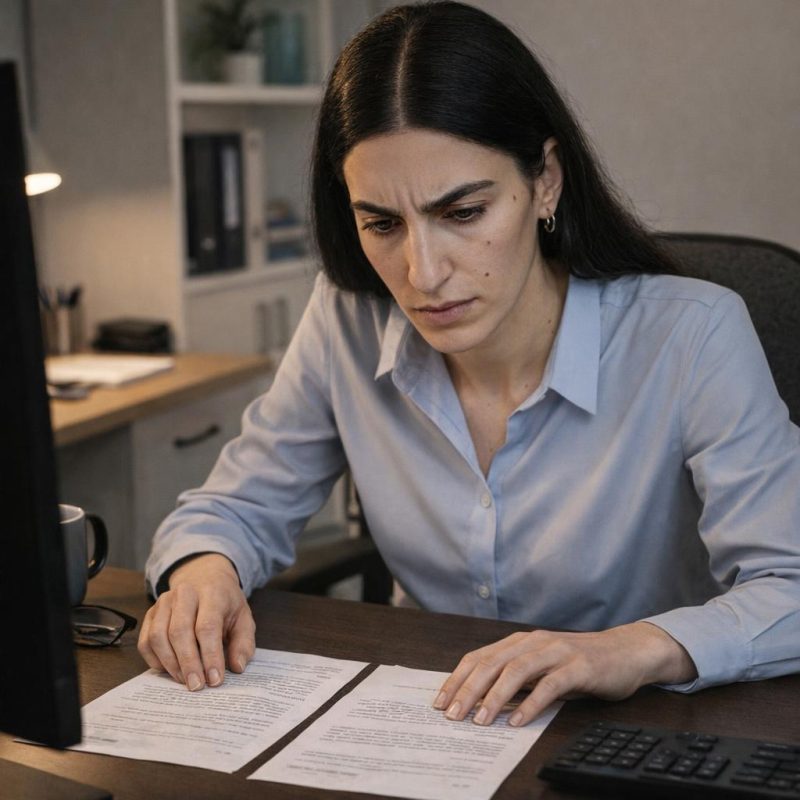 Image by RM AI
Moving Targets
Tuesday morning: David sent specifications for the quarterly report. Standard format, emphasis on client retention metrics, due Friday. I started pulling the data. Wednesday afternoon: new email. Actually, he wanted the focus on acquisition instead, different template, same deadline. I wrote back asking which version he preferred. Thursday morning: his response ignored my question entirely and provided a third set of requirements—hybrid approach, new sections he'd never mentioned, metrics that would take days to compile properly. "Let me know if you have any questions," he wrote, like he hadn't just given me three completely different roadmaps. I sat at my desk trying to figure out which direction to go. The retention focus from Tuesday? The acquisition angle from Wednesday? This impossible hybrid from Thursday? I drafted another email asking for clarification. Deleted it. Tried again with different wording. Deleted that too. What was I supposed to say? "You've contradicted yourself twice and I need to know which version you'll pretend was correct when you review my work?" I started building the hybrid version because it was the most recent instruction, knowing it probably wouldn't matter. I had no idea which version he'd claim was correct when the deadline hit.
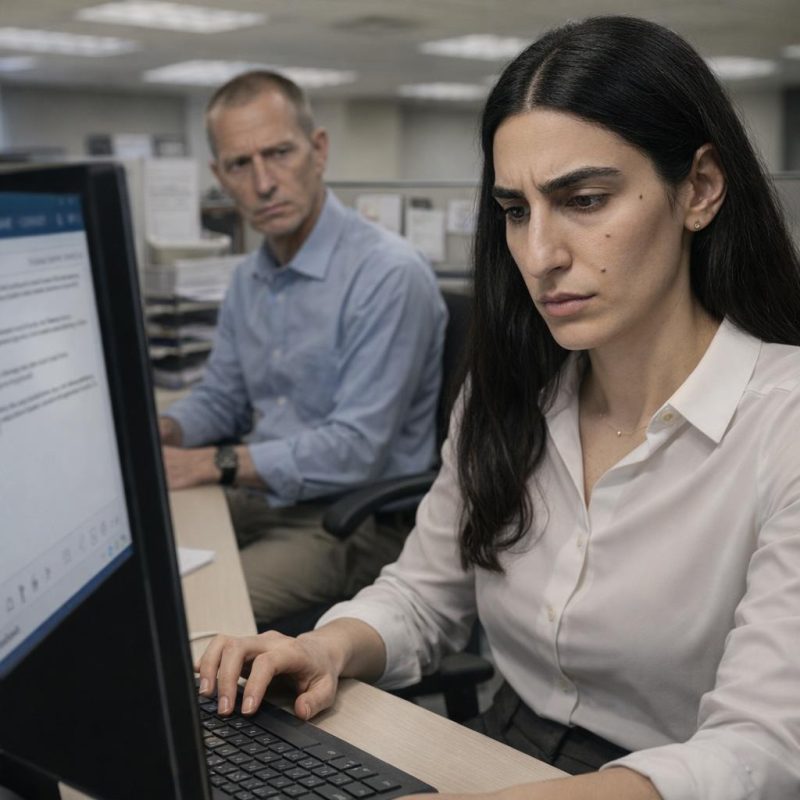 Image by RM AI
Paper Trail
That night I sat at my kitchen table with my laptop and created a new folder in my personal email: "Work Documentation." I forwarded every email from David from the past month. Then I went back further, pulling the March praise for the project he'd just criticized, the original weekend request that started everything, every message where expectations had shifted. I opened a document and started writing down the verbal conversations I could remember. Tuesday, April 18th, 10:15 AM: David stopped by my desk, asked about the Henderson project timeline, I said end of week, he said that was fine. Wednesday, April 26th, 2:30 PM: David in the hallway, mentioned he'd be out Friday, didn't include me in the usual Thursday planning meeting. I added timestamps to everything. Created calendar entries for meetings I'd attended and ones I'd been excluded from. Saved copies of project files with their original approval dates. It felt paranoid, this level of detail. It felt necessary. I'd spent weeks thinking maybe I was overreacting, maybe I was reading too much into normal workplace friction. But normal workplaces didn't require this kind of defensive documentation. If this was going where I thought it was, I needed evidence of what actually happened.
 Image by RM AI
The HR Meeting
Sarah's office was smaller than I expected, decorated with motivational posters about teamwork and growth. She gestured to the chair across from her desk and smiled warmly. "Thanks for coming in. Tell me what's been going on." I walked her through everything. The weekend request. The pattern of exclusions. The retroactive criticism. The contradictory instructions. She nodded, asked clarifying questions, made sympathetic sounds at appropriate moments. Forty minutes of me laying out a documented timeline while she listened with what looked like genuine concern. "I can see this has been really difficult for you," she said when I finished. "These situations can be challenging to navigate. Have you tried talking directly with David about your concerns?" I blinked. I'd just spent forty minutes explaining why that felt impossible. "What I'd suggest," she continued, "is trying to work through this with David first. Sometimes these things are just communication issues that can be resolved between manager and employee. But I'll definitely keep an eye on the situation." She stood, signaling the meeting was over. No action items. No timeline for follow-up. No commitments about what HR would actually do. She never wrote down a single thing I said.
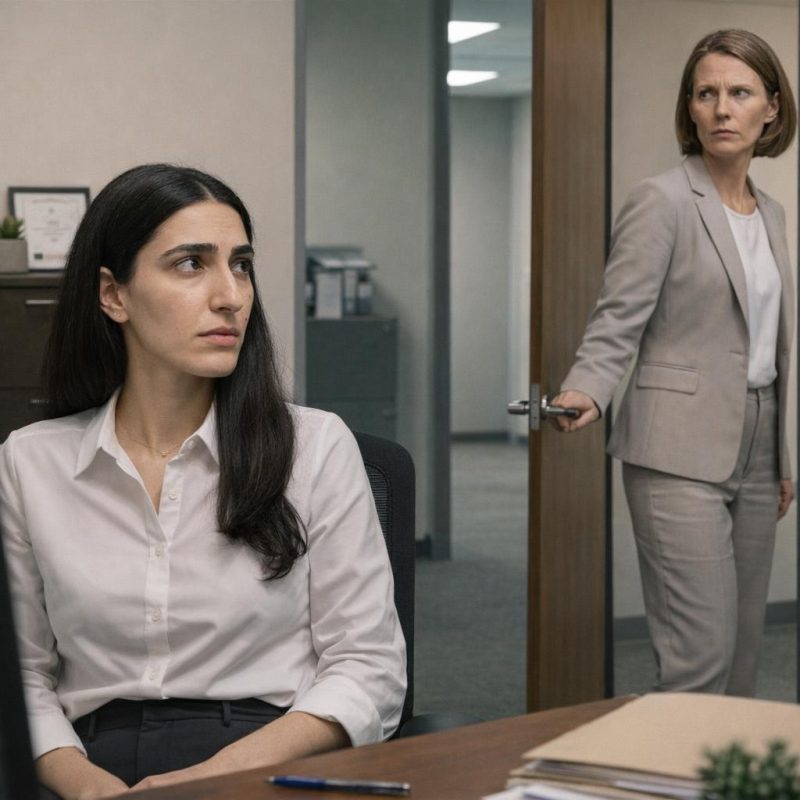 Image by RM AI
The Social Freeze
The cafeteria had always been where I caught up with people. Maya and I used to grab the table by the windows. Jordan would join us sometimes, complaining about his project deadlines in that half-joking way he had. Now I walked in with my lunch and scanned for familiar faces. Maya was at a corner table with two people from accounting. She saw me, gave a small wave, but didn't gesture me over. Jordan was at the far end with his team. He looked up as I entered, then very deliberately looked back down at his phone. I took a table by myself near the exit. Watched as people I'd worked with for three years chose seats on the opposite side of the room. Lisa from marketing, who used to ask me about my weekend plans. Tom, who'd collaborated with me on four major projects. They weren't being obviously rude. They just weren't being friendly anymore. Maya stopped by my desk later that afternoon, but the conversation was brief, professional. She didn't linger like she used to. I'd become someone people avoided, and I hadn't done anything except set one boundary.
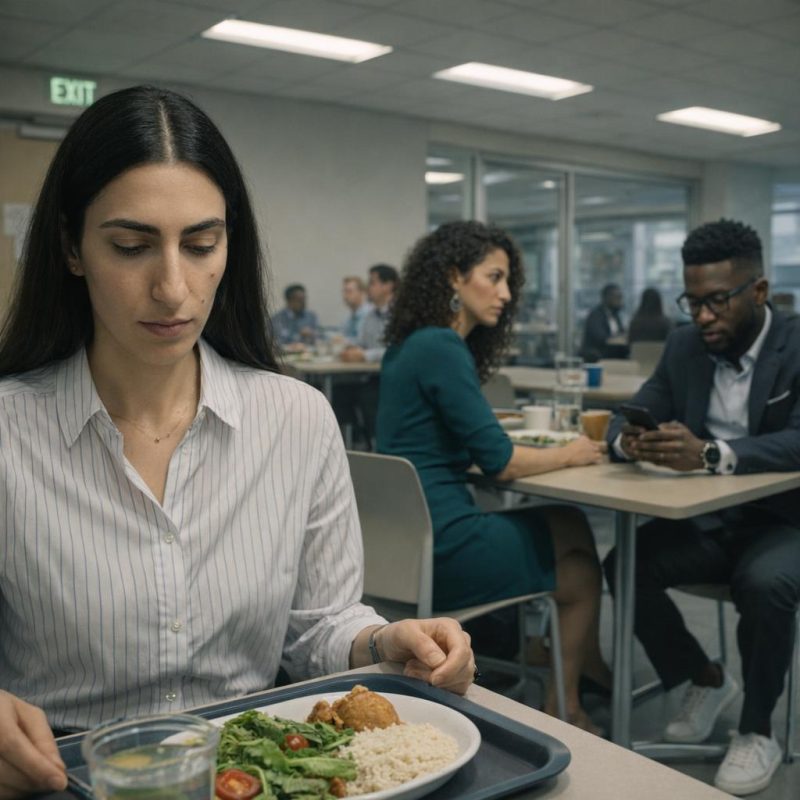 Image by RM AI
The Real Issue
I sat in my car in the parking garage after work, not ready to drive home yet. My hands rested on the steering wheel while I stared at the concrete wall in front of me. All of it—the exclusions, the criticism, the impossible standards, the social isolation—I'd been trying to figure out what I'd done wrong. What mistake in my work had triggered this. But my work hadn't changed. I pulled up the same quality reports I always had. Met the same deadlines. Produced the same results that had earned me positive reviews for three years. The only thing that changed was that weekend in March when I said I couldn't come in. When I stopped being available whenever he needed me. Everything that came after—it wasn't about my performance at all. Something shifted when I set that boundary. When I indicated that my time outside work hours belonged to me. The realization settled over me like cold water. This had never been about building something stable together, about being a valued team member, about professional growth. It was about what happened when I stopped being available on his terms.
 Image by RM AI
Searching for Precedent
That night I couldn't sleep, so I opened my laptop and started searching. "Manager retaliation after setting boundaries." "Workplace punishment for saying no." "Boss changed after I stopped working weekends." The forums and advice sites loaded one after another, and I read story after story that sounded like mine. Someone who'd been a star employee until they couldn't stay late anymore. Someone who set one limit and watched their work life unravel. The patterns were so similar it was eerie. Exclusion from meetings. Contradictory instructions. Retroactive criticism. Social isolation. And then the endings: forced resignation, termination for manufactured performance issues, pushed out after months of documented "concerns." I clicked through pages of results, looking for the stories where it got better. Where HR intervened effectively. Where the employee set boundaries and kept their job and everything worked out fine. Those stories were rare. Most of them ended with the person leaving, voluntarily or otherwise. I bookmarked articles about documentation, about legal protections, about how to recognize retaliation patterns. The stories I found didn't end well.
 Image by RM AI
Impossible Standards
Friday afternoon, David forwarded me a project brief. "Need this completed by Monday end of day. Handle it independently—I want to see your individual approach without team input." I opened the attachment and felt my stomach drop. It was a comprehensive market analysis with competitive research, strategic recommendations, and a full presentation deck. The kind of project we'd normally assign to a team with a two-week timeline. He wanted it in three days. Solo. I wrote back: "This scope typically takes two weeks with team support. Can we discuss timeline or resources?" His response came back in minutes: "The deadline is firm. This is a priority client request. I'm confident you can handle it." I looked at the requirements again. Was this confidence in my abilities, or something else entirely? I forwarded the email to my personal account, documented the timestamp, noted the typical timeline for comparable projects. Then I opened my laptop at home that night and started working. Pulled data until midnight. Woke up early Saturday and kept going. The pattern was becoming impossible to ignore. The deadline wasn't a goal—it was a setup.
 Image by RM AI
Walking on Ice
I started reviewing every email three times before hitting send. Read it once for content, once for tone, once to imagine how it could be twisted. Deleted words like "concerned" and "confused" because they sounded emotional. Replaced them with "seeking clarification" and "requesting confirmation." In meetings, I measured every response. When David asked my opinion, I'd pause just long enough to consider every angle before speaking. Was this a genuine question or a trap? Would my answer be used as evidence of something later? Jordan sat across the table during one strategy session, and I caught him watching me with this calculating expression. I wondered if he was taking notes on what I said, how I said it. Every casual conversation in the break room felt like a performance. Maya asked how I was doing, and I heard myself say "Great, just busy" in this bright, fake voice that didn't sound like me anymore. I went home exhausted every night, not from the work itself but from the constant vigilance. From being so careful. From second-guessing every word, every facial expression, every moment of every day. Being this careful at work felt like trying to defuse a bomb while pretending everything was normal.
 Image by RM AI
Confirmation in Writing
After every conversation with David, I sent an email. "Per our discussion this morning, you've requested the client presentation be reformatted to include quarterly projections. Please confirm or let me know if I've misunderstood the scope." After our hallway chat about the budget meeting: "Following up on our conversation, you mentioned I should attend Friday's budget review but not present findings. Please correct me if I've gotten any details wrong." Every verbal instruction, every casual mention of expectations, every comment about my work—I documented it all in writing within an hour. Professional, polite, asking him to confirm or correct any misunderstandings. He never responded to a single summary email. Not one. At first, I thought maybe he was just busy, but then I realized what his silence meant. No correction implied agreement. His lack of response created a written record of exactly what he'd said, exactly what he'd asked for, exactly what expectations he'd set. I was building a comprehensive paper trail of every interaction, every instruction, every shifting goalpost. I had written proof of exactly what he'd said.
 Image by RM AI
Maya's Careful Words
Maya stopped by my desk around six-thirty on a Thursday. Most people had already left. She set down a folder she didn't really need to deliver and glanced toward David's office. His door was closed, light off. "How are you holding up?" she asked quietly. I gave her the same bright response I'd been giving everyone, but she shook her head. "I've been here five years," she said. "I've seen things before. Similar situations." The way she said it made my chest tighten. "In other departments?" I asked. She nodded, her expression careful. "It follows a pattern. Starts small, escalates gradually. I just—I wanted you to know you're not imagining things." She didn't offer specifics. Didn't name names or describe what happened to those other people. But her tone carried this weight of familiarity, like she'd watched this play out before and knew how it developed. "Be careful," she said, picking up her folder. "Document everything." Then she left, and I sat there feeling less alone but also more afraid. She didn't say more, but the look she gave me said she knew how these things ended.
 Image by RM AI
Unexpected Review
The calendar invitation appeared on a Tuesday morning. "Performance Review - Alex." Scheduled for the following week. I stared at the date, then pulled up last year's review. August fifteenth. My annual reviews had always been in August, aligned with the fiscal year. This invitation was for June twentieth. Two months early. David's note in the invitation was brief: "Time for a mid-year check-in to discuss your progress and development areas." Professional. Reasonable-sounding. Except we didn't do mid-year reviews. I'd never had one in three years at the company. I checked with Maya casually, asked if she'd gotten a review invitation. She looked confused. "Mine's not until September," she said. I went back to my desk and started pulling together documentation. Every project I'd completed. Every positive email from clients. Every deadline I'd met. The metrics showing my work quality. I knew what was coming. The timing wasn't coincidental. This review would contain criticism, concerns, documented deficiencies—regardless of my actual performance. I was being set up for a paper trail that justified whatever came next. David's note said it was time for a check-in, but we both knew what this really was.
 Image by RM AI
Manufactured Deficiencies
David slid the review document across the table. I scanned the first page and felt something cold settle in my stomach. "Concerns about attention to detail in client deliverables." I'd received praise for those same deliverables when I'd submitted them. "Difficulty meeting deadlines without supervision." I had emails proving I'd met every deadline, many ahead of schedule. "Inconsistent communication with team members." I'd been excluded from half the team meetings. He walked through each point with this concerned, supportive tone. Framed everything as developmental feedback, areas for growth. Mentioned these were patterns he'd noticed over recent months. But I had documentation proving the opposite of everything he was saying. The presentation he criticized for lack of detail? He'd emailed me calling it "thorough and well-researched." The deadline I supposedly missed? I had his response thanking me for early delivery. I sat there, professional smile fixed on my face, mentally cataloging every contradiction. The review was going into my official file. Permanent record. Manufactured deficiencies presented as longstanding concerns. I had emails proving the opposite of everything he'd just said, and he knew it.
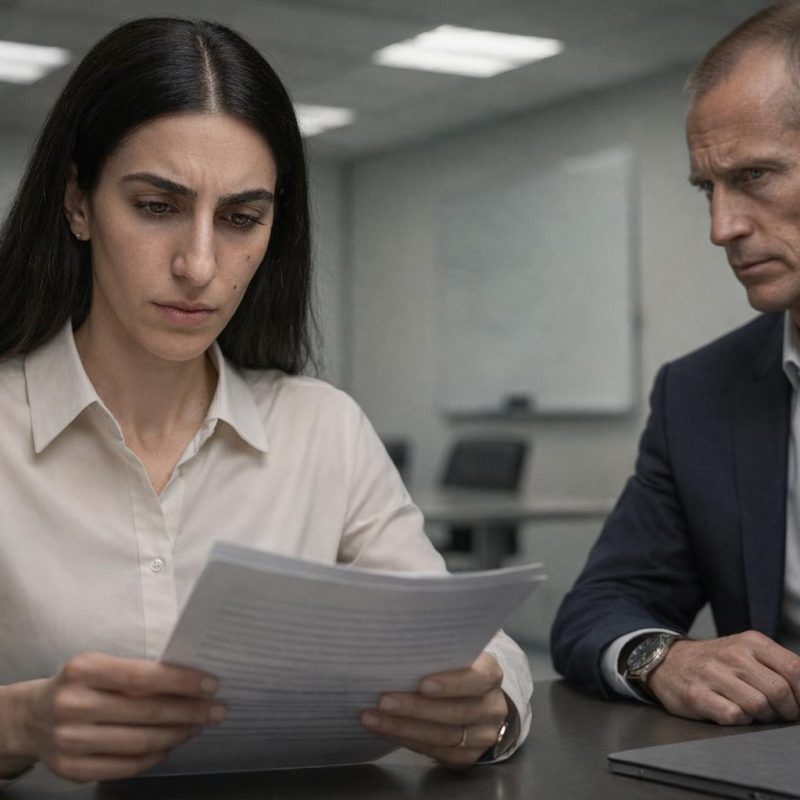 Image by RM AI
The Predecessor
Tom Brennan and I grabbed coffee in the building café on a Friday afternoon. He was senior project manager, someone I'd worked with occasionally on cross-functional initiatives. Quiet guy, been with the company maybe fifteen years. We were talking about the upcoming client pitch when he paused, gave me this odd look. "You remind me of someone," he said. "Jennifer Chen. She used to be in your role, maybe two years ago." I didn't recognize the name. "What happened to her?" I asked. Tom's expression shifted, became uncomfortable. "She left pretty suddenly. Spring of 2021, I think. April, maybe." He stirred his coffee, not meeting my eyes. "Similar situation to what you're dealing with now." My pulse quickened. "What do you mean, similar?" He shook his head, changed the subject to the client pitch timeline. Wouldn't go back to it no matter how I tried to redirect. We finished our coffee talking about project specs, but I could see the discomfort in his posture. He'd said something he maybe shouldn't have, and now he was backing away from it. When I asked what happened to her, he looked uncomfortable and changed the subject.
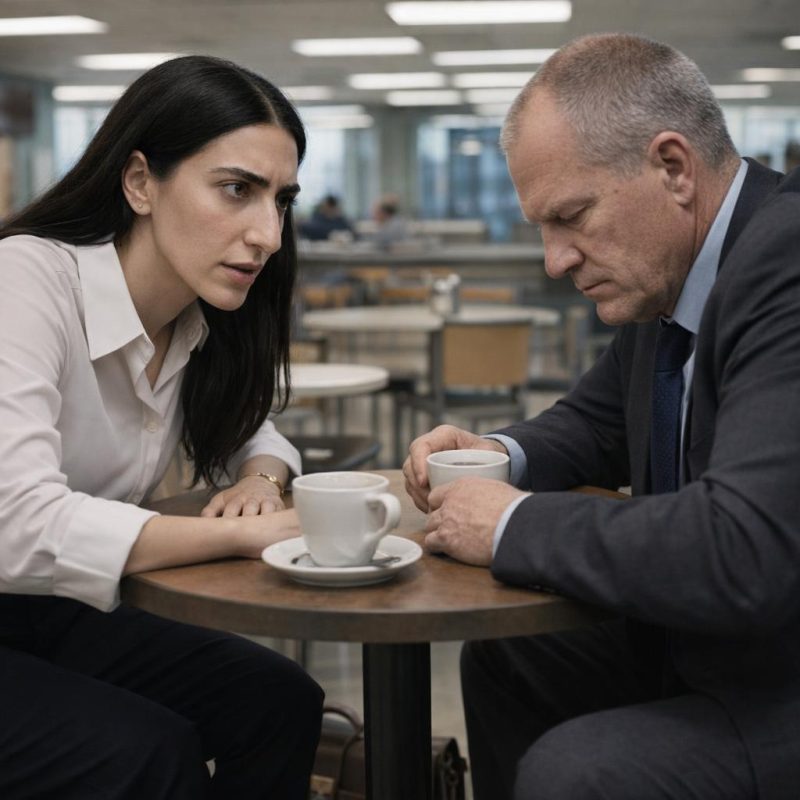 Image by RM AI
Digital Archaeology
I searched the company shared drives that night from home. Typed "Jennifer Chen" into the file directory. Found a folder structure under archived projects. Her name was on dozens of files. Client presentations, research documents, strategy briefs. I opened the properties panel and checked the dates. Active work through March 2021. Regular file updates, normal project progression. Then April showed a few scattered updates in the first two weeks. After April fourteenth, nothing. Complete stop. No transition documentation. No handoff notes. No exit summary. I opened some of her final project files. Meeting notes from March mentioned being excluded from client calls. An email draft, never sent, questioning why her role in a presentation had been reduced. A timeline document tracking changing expectations on a deliverable. My hands felt cold. I pulled up my own documentation folder and set it next to Jennifer's timeline. The pattern was identical. Meeting exclusions. Shifting expectations. Contradictory feedback. The same sequence of events, just separated by two years. The final entries stopped abruptly in April, and there was no exit documentation, no transition plan.
 Image by RM AI
Pattern Recognition
I printed everything. Jennifer's timeline on the left side of my dining table. Mine on the right. Drew lines connecting the similar events. First sign of change: Jennifer in early February, me in late March. Approximately six weeks in, meeting exclusions began for both of us. Around week eight, contradictory expectations appeared. Week ten, increased scrutiny and criticism. For Jennifer, the documented trail ended at roughly twelve weeks. I was currently at week nine. I sat there staring at the parallel timelines. This wasn't reactive behavior. This wasn't a personality conflict that escalated organically. The sequence was too similar. The timing too consistent. The progression too familiar. Jennifer's situation had followed the same path mine was following now, beat for beat. Which meant someone had done this before. Had practiced it. Had refined it into something that looked professional and justified on paper while systematically dismantling someone's position. I didn't know yet what had happened to Jennifer, how her story ended. But I knew I wasn't the first person this had happened to. This had happened before, which meant it might not have been an accident.
 Image by RM AI
The Reluctant Source
I messaged Tom asking if we could talk. Not at the office. Somewhere else. He read it immediately but didn't respond for three hours. When he finally replied, it was just: "About what?" I told him I'd found some things that connected to what he'd mentioned about Jennifer. That I needed to understand what happened. Another hour passed. Then: "I shouldn't have said anything." I wrote back that I understood his position, that I wasn't trying to put him in a difficult spot, but that I was experiencing something similar and needed to know if my instincts were right. The typing indicator appeared and disappeared four times. Finally: "Coffee. Not near the office." We arranged to meet the next day. He picked a place three blocks from the building, which felt both close enough to be convenient and far enough to avoid colleagues. When I thanked him, he sent one more message: "Don't mention my name to anyone."
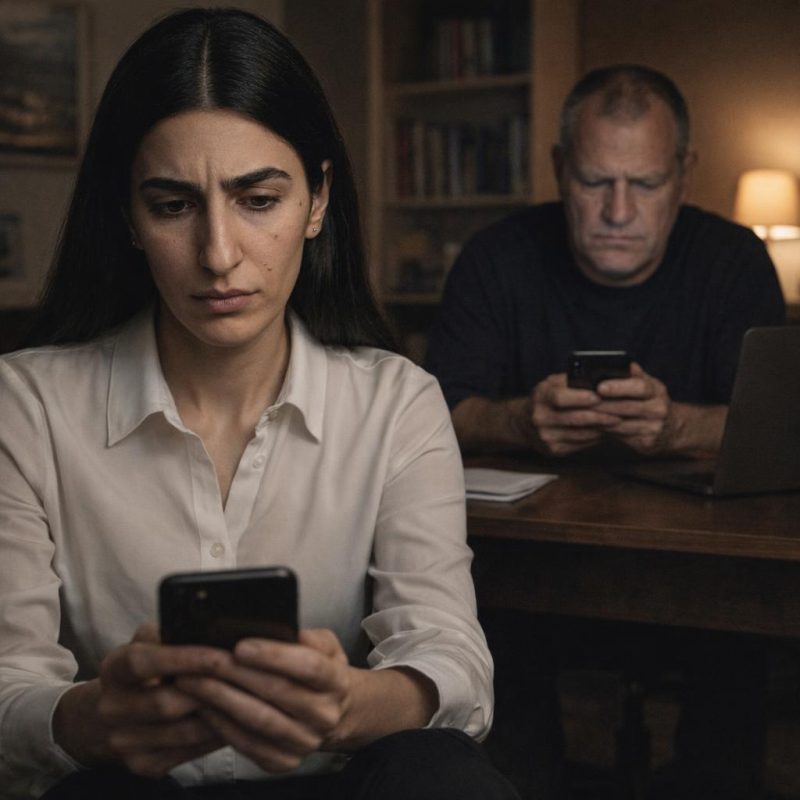 Image by RM AI
What Tom Remembered
Tom looked older than I remembered. We sat in the back corner, and he kept his voice low. Jennifer had been a solid performer, he said. Always delivered. Then about two years ago, she started pushing back on weekend work. Said she had family commitments. Within a month, Tom noticed she wasn't in meetings anymore. Projects got reassigned without explanation. She'd ask for clarification on assignments and get vague responses, then get criticized when the work didn't match unstated expectations. Her performance review came early. Suddenly there were concerns about her attitude, her reliability. Things that had never been issues before. Then one day she was just gone. Tom never found out if she quit or was let go. He paused, stirred his coffee. "There was another one before Jennifer," he said. "Marcus. Four years ago. Same thing." He looked at me directly. "I need this job. I've got two kids in college. I can't afford to become a target." I told him I understood. He nodded. "Be careful what you do with this."
 Image by RM AI
Archived Records
I went back through the shared drives that night, looking for anything beyond project files. Marcus's work ended abruptly in folders dated four years ago. Jennifer's trail stopped two years back. Normal work, then nothing. I clicked through the directory structure, exploring management folders I'd never had reason to access before. Most were locked. Department budgets. Personnel files. Strategy documents. I was about to close out when I noticed a folder labeled "Performance Documentation" that didn't have the usual lock icon. I clicked it. It opened. Inside were subfolders organized by employee names. I scrolled through. Some I recognized. Some I didn't. Jennifer's name was there. Marcus's name was there. My stomach dropped. I sat staring at the screen, cursor hovering over Jennifer's folder. This shouldn't be accessible to me. Permissions must have been set incorrectly, or the folder was misfiled. But it was open, and the evidence I'd been searching for might be right there. I found a folder labeled 'Performance Documentation' that I'd never had access to before—but somehow, it opened.
 Image by RM AI
Familiar Footprints
I opened Jennifer's folder first. Memos detailing performance concerns that escalated over months. Meeting notes documenting missed expectations and attitude issues. The language was formal, measured, building a case. I moved to Marcus's folder. The same progression. Remarkably similar phrasing. Concerns about reliability. Questions about commitment. Documentation of meetings he apparently missed, projects that didn't meet standards. The timeline matched what Tom had described. I noticed the documentation for each person started shortly after their tenure changed, after they'd been there long enough to feel secure. My hands were shaking. I scrolled back to the main folder. There were other names I didn't recognize. And then I saw it. A folder with my name on it. I clicked it open. The first file was a memo dated three days after I'd said no to that weekend project. Subject line: "Initial Performance Concerns." I stared at the date. Three days after I'd set a boundary. There was a folder with my name on it, and the first file inside was dated three days after I said no to that weekend project.
 Image by RM AI
The Manufactured Record
I read through every file in my folder. Performance memos documenting concerns that had never been communicated to me directly. Meeting notes describing my absence from meetings I was deliberately not invited to. Project reassignments framed as evidence I couldn't handle responsibility. The contradictory instructions I'd received were documented as my failure to follow direction. My declined weekend request was noted as the beginning of an attitude problem. Every confusion I'd felt, every moment I'd questioned myself, was recorded as proof of my declining performance. The documentation created a narrative that contradicted everything I knew to be true. I opened Jennifer's folder again. Same template. Same progression. Same manufactured decline. Marcus's folder showed identical methodology. This wasn't reactive. This wasn't a personality conflict that escalated. David had been building a termination case since the moment I set a boundary, following the same procedure he'd used before. Every exclusion, every contradiction, every criticism had been part of constructing justification. Every moment I'd thought was happening to me had been done to me, step by step, following a process David had used before.
 Image by RM AI
The System
I printed the timelines and laid them side by side. Marcus, Jennifer, me. The phases were identical. Initial compliance concern within days of boundary-setting. Meeting exclusions beginning around week six. Project reassignments by week eight. Contradictory instructions creating documented failure points. Early performance reviews adding negative documentation. The language in the memos was nearly identical across all three cases. Only the names and dates changed. "Concerns about reliability and commitment." "Failure to meet expectations despite clear direction." "Attitude issues impacting team dynamics." Each case was structured to create plausible justification for termination while maintaining deniability. Marcus's file ended with termination for cause. Jennifer's ended with resignation. Both outcomes removed the employee while protecting the company from unemployment claims or wrongful termination suits. This wasn't personal. It wasn't about me specifically. David had perfected a method for eliminating employees who stopped complying, who set boundaries, who pushed back. A systematic procedure for removing people who became inconvenient. He'd done this at least twice before, and now I was next in line.
 Image by RM AI
Reframing Everything
I sat with my notes and reread months of interactions through this new lens. The vague meeting responses weren't confusion—they were designed to avoid putting anything in writing that could be contradicted later. Project reassignments created documented failure points without my input or defense. Contradictory instructions were impossible to follow correctly by design. The early performance review was timed to add negative documentation before I could build a counter-narrative. Retroactive criticism of old work manufactured a history of problems that didn't exist. Jordan's distance, colleagues' avoidance—they were likely responding to warnings about my performance, my attitude. Every moment I'd felt confused was intentional. Designed to make me appear incompetent while I scrambled to understand what was happening. HR's lack of notes meant no record of my complaints existed. No paper trail of my attempts to clarify expectations or address concerns. The entire sequence was a procedure for building justification while maintaining deniability. Every question I'd asked myself—was I overreacting, was I imagining things, was I the problem—had been part of the design. Nothing had been accidental, and I'd been playing a game without knowing the rules.
 Image by RM AI
Weighing Options
I met Rachel for dinner and laid out everything. The folders. The timelines. The identical methodology across three cases. She listened without interrupting, then asked clarifying questions about the documentation and what it proved. We worked through options. Confront David directly with the evidence. Go to HR with what I'd found. Seek legal counsel. Resign and walk away. Each path had different risks. Legal action could be costly and prolonged with uncertain results. Confrontation with evidence would force a response but could escalate the situation. Going to HR meant trusting an institution that had already failed to document my concerns. Resignation meant David faced no consequences but I'd escape the immediate situation. Rachel leaned back. "What do you actually want here? Justice or safety?" I admitted I wanted accountability. I wanted him to face consequences for what he'd done to me, to Jennifer, to Marcus. But I also needed to protect myself, my career, my mental health. "Those might not be compatible goals," Rachel said. "You need to decide which matters more." She paused. "What does success look like for you?" Rachel asked me what outcome I wanted, and I realized I hadn't thought past exposing the truth.
 Image by RM AI
Building the Case
I spent the entire weekend at my dining table with three laptops open and documents spread across every surface. The folders I'd photographed became spreadsheets. The spreadsheets became timelines. The timelines became comparison charts showing identical language across three different employees over three different years. I organized everything chronologically, starting with Jennifer's case from three years ago, then Marcus two years later, then my own. The patterns were impossible to miss when laid out side by side. Same methodology. Same escalation timeline. Same contradictions between actual feedback and secret documentation. I added my own email records showing the disconnect between what David said to my face and what he was writing in my file. Screenshots of everything went to my personal backup. Then I wrote a summary document explaining what the evidence showed—not interpretation, just observable facts about timing and language. I included proof that I'd been meeting expectations right up until the documentation began. By Sunday night, my eyes burned and my back ached from hunching over the keyboard. When I finished, I had forty-seven pages of documentation and three years of proof that this wasn't about performance.
 Image by RM AI
An Ally Steps Forward
Maya knocked on my door Monday evening after most people had left. I almost didn't answer—I was exhausted and not ready to explain anything to anyone. But she said through the door that she needed to talk to me, and something in her voice made me open it. She came in and stood there for a moment, clearly working up to something. Then she said she'd seen enough over the past months to know something was wrong with how I was being treated. She'd noticed the meeting exclusions, David's changed behavior, Jordan suddenly taking over my projects. I started to deflect, but she cut me off. She said she'd witnessed the same thing happen to Jennifer two years ago and stayed quiet because she was afraid of becoming a target herself. Her voice cracked slightly when she said that. Maya offered to provide a statement or speak to HR if I decided to escalate. I showed her what I'd compiled. She went pale reading through it, then confirmed it matched exactly what she'd observed happening to Jennifer. She said she'd witnessed what happened to Jennifer and stayed quiet, and she wasn't going to make that mistake again.
 Image by RM AI
Requesting the Meeting
I drafted the email Tuesday morning. Professional. Specific. Requesting a formal meeting with David and Sarah from HR to discuss concerns about documentation and evaluation processes. I mentioned having materials to share regarding practices that warranted review. I read it twelve times before sending it from both my work email and my personal account—I wanted a record that existed outside the company system. Then I hit send and waited. David replied within five minutes. Not five hours. Five minutes. He said he was happy to meet and discuss any concerns I had. His tone was warm, collaborative, exactly the David from my first year at the company. Sarah confirmed her availability and scheduled the meeting for the following afternoon. I stared at David's email, reading between the lines of his sudden friendliness. This was the same person who'd been excluding me from meetings and documenting secret performance concerns for months. Now he was happy to chat? Maya stopped by my desk and I showed her the response. She raised her eyebrows. We both knew what it meant—he thought he could manage this, smooth it over, make it go away. David replied within five minutes saying he was happy to meet—and his tone was the friendliest it had been in months.
 Image by RM AI
The Confrontation
The conference room felt smaller than usual Wednesday afternoon. I sat across from David and Sarah with my evidence folder on the table between us. David started with small talk about the weather, that same warm smile he'd used in his email. I didn't return it. I stated clearly that I had documentation of concerning patterns I needed to address. Then I opened the folder and began walking them through my timeline—starting with the declined weekend request and showing how documentation began immediately after. I presented emails showing positive feedback alongside the secret performance concerns from the same time periods. David's smile held, but his eyes shifted. Then I introduced Jennifer's case. Laid out her timeline next to mine. Showed the identical methodology, the same language, the same escalation pattern. Added Marcus's case demonstrating this had happened three times over three years. I pointed out phrases that appeared word-for-word in files created years apart for different employees. Sarah started taking notes—the first time she'd ever done that in a meeting with me. David's smile disappeared somewhere around page twelve.
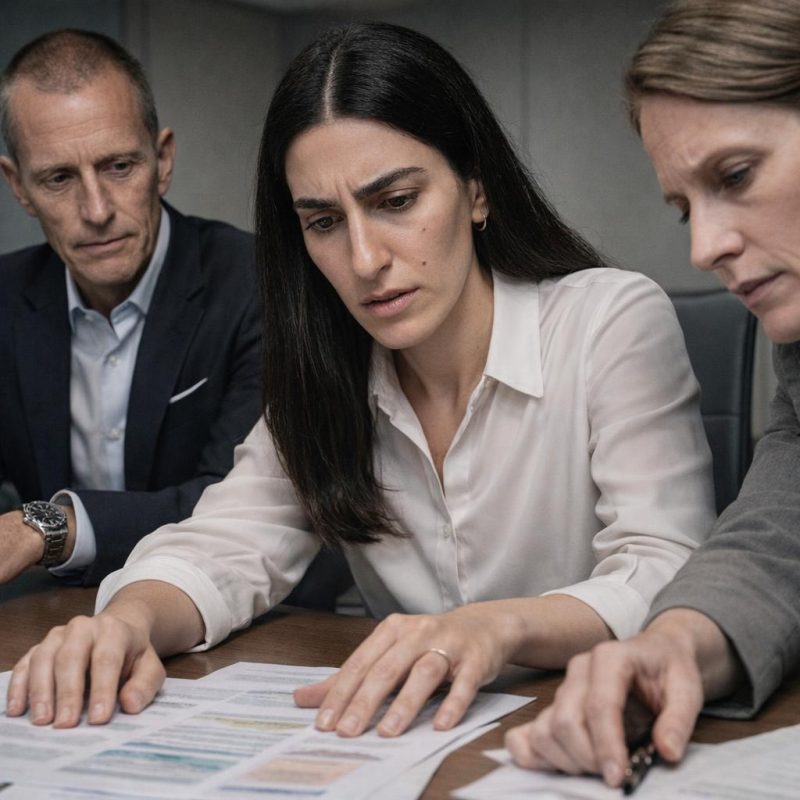 Image by RM AI
The Deflection
David leaned forward, his voice taking on a tone of concern that would've sounded genuine if I hadn't just shown him forty-seven pages of evidence. He said he was worried about my wellbeing, that the stress I'd been under might be affecting how I was interpreting normal management practices. He suggested the documentation was standard performance management, that any similarities across cases were coincidental. I stayed calm and redirected to the specific contradictions in my own file—emails where he praised my work on the same days he documented concerns. He pivoted, saying Jennifer and Marcus had legitimate performance issues that I couldn't fully understand without access to all the context. I slid across printouts of contemporaneous emails showing positive feedback during the exact periods when concerns were supposedly being documented. David's jaw tightened. He turned to Sarah and suggested that perhaps I needed support rather than an investigation, that this level of focus on perceived patterns might indicate I was struggling more than anyone had realized. I looked directly at Sarah and asked whether identical language across multiple employee files created years apart warranted review, or whether the company's position was that this was all in my head. He looked at Sarah and said I was clearly under a lot of stress, and maybe that explained everything.
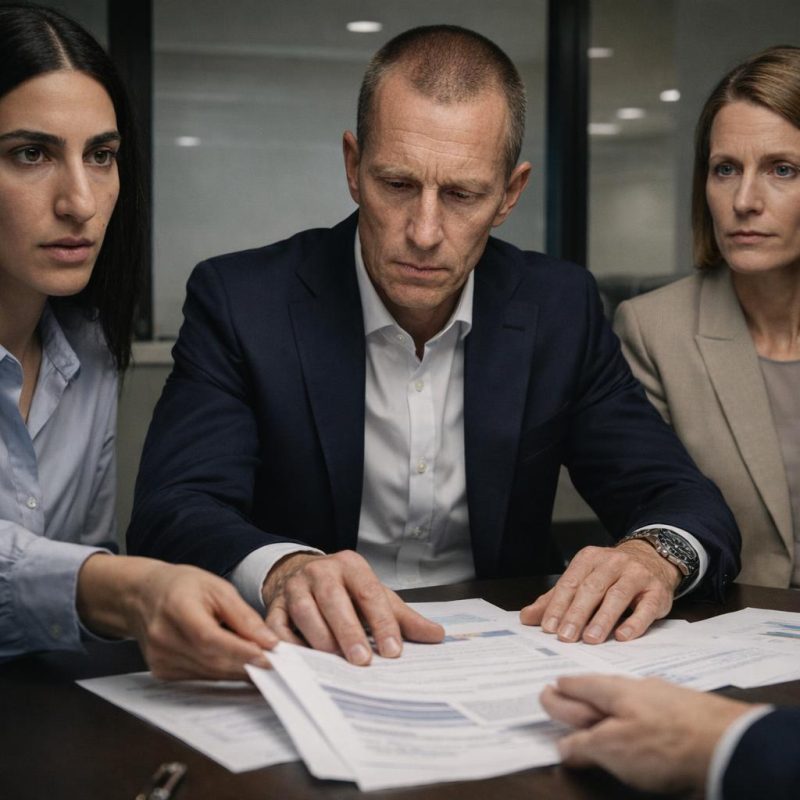 Image by RM AI
No More Deniability
Sarah set down her pen and looked at the comparison documents I'd laid out. Then she looked at David. The silence stretched for what felt like a full minute. Finally, she said this would need to be escalated to senior leadership and legal. David started to protest, saying this was being blown out of proportion, but Sarah held up her hand. She said the patterns raised questions that required investigation. Then she said something that made my stomach drop and my vindication feel hollow at the same time. She admitted this wasn't the first time concerns about this pattern had been raised. HR had received questions two years ago after Jennifer left. Informal concerns from colleagues who'd noticed things. But no formal complaint was filed, and when Jennifer accepted her severance and left, the matter was considered closed. No investigation occurred. I stared at her, processing what that meant. They'd known. They'd had warning signs two years ago and chose to do nothing. Sarah acknowledged that the evidence I'd compiled would have warranted different handling of those previous concerns. David's face had gone carefully blank, his earlier warmth completely gone. She said HR had received similar questions two years ago after Jennifer left, but the matter was considered closed.
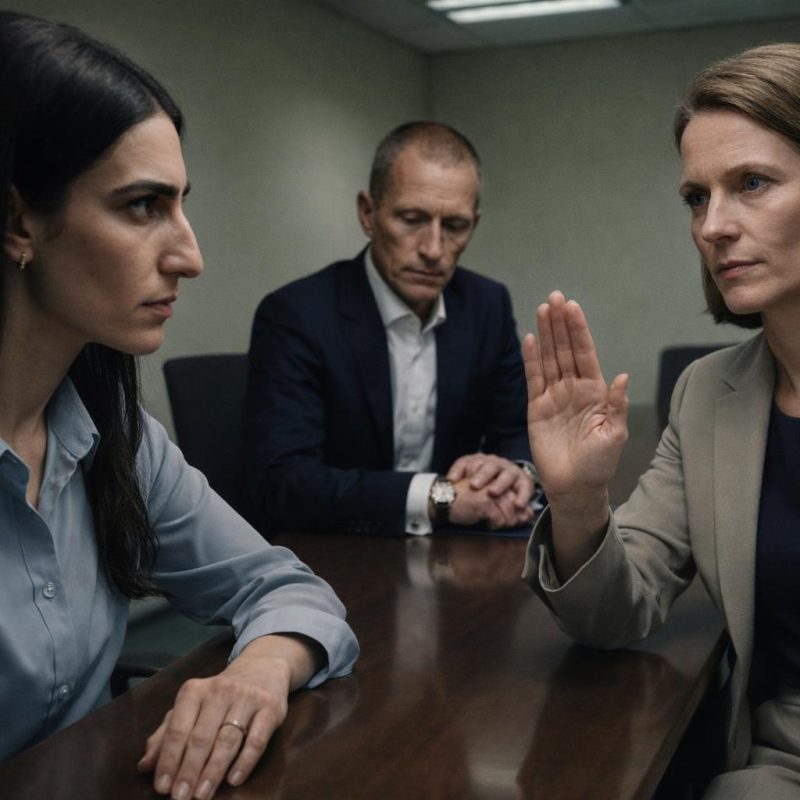 Image by RM AI
My Terms
I took a breath and stated exactly what I expected. First, removal of the fabricated documentation from my personnel file. Second, a formal investigation into the pattern across all three employees. Third, assurance that David would not be permitted to continue this practice with anyone else. Fourth, written acknowledgment that my performance had been satisfactory throughout my employment. David tried to interject, saying we should all take a step back and approach this collaboratively, but Sarah cut him off and asked me to continue. I appreciated that small gesture even as I recognized it for what it was—damage control. Sarah explained what she could and couldn't guarantee. She could commit to escalation and investigation. She could ensure my file was reviewed. But specific outcomes regarding David's employment weren't within her authority, and she couldn't promise what senior leadership would decide. I understood the limitations. What mattered was that my documentation had made ignoring the situation impossible. The evidence was too clear, too systematic, too damning. Sarah looked at me directly and said she couldn't promise all of that, but she could promise this wouldn't be swept under the rug again.
 Image by RM AI
Institutional Reality
Sarah called me into her office the following Tuesday. Senior leadership had responded. They would investigate, she said, but as she walked me through their decision, I could see the shape of what was really happening. The investigation would focus on my specific situation. Jennifer and Marcus's cases were considered closed matters that wouldn't be reopened. David would be placed under review, but what that meant or what consequences he might face wouldn't be disclosed to me. My personnel file would be corrected and the documentation removed. And here was the offer: a transfer to a different department with a clean slate and a small salary increase to reflect my contributions. It was clearly designed to resolve my complaint without addressing the systemic problem I'd exposed. The company wanted this to end quietly—no public acknowledgment of the pattern, no accountability for the previous cases they'd ignored, no transparency about whether David would face real consequences or just a slap on the wrist before continuing as before. Sarah presented it as a win, and in some ways it was. My file would be clean. I'd escape David's management. But Jennifer and Marcus would remain footnotes in closed files. The company wanted this to end quietly, and I had to decide if quiet was good enough.
 Image by RM AI
The Decision
I met Rachel at the coffee shop where this whole thing had started to crystallize months ago. She ordered us both lattes and waited while I laid out the options one more time. The transfer would keep me employed, give me a raise, clean my record—but I'd still be working for a company that had protected David, that had closed Jennifer's and Marcus's cases without real investigation. External legal action was possible, my documentation was solid, but it would cost money I didn't have, stress I couldn't afford, and months or years of my life fighting an uncertain battle. Staying and pushing for change internally sounded noble, but the company had already shown me exactly how much they valued that kind of persistence. Rachel listened without interrupting. When I finally stopped talking, she asked what I actually wanted, not what I thought I should want. The question hit differently than I expected. I wanted to sleep through the night again. I wanted to stop checking my phone with dread. I wanted to work somewhere that didn't require constant vigilance and documentation just to protect myself. I wanted out, and I wanted my record clean so I could start over. Rachel nodded. "Then that's your answer," she said. I chose to leave on my own terms, with my record clean and my boundaries intact.
 Image by RM AI
The Exit
I submitted my resignation on Thursday morning. Sarah accepted it with professional courtesy and confirmed that my personnel file had been corrected, the false documentation removed. I packed my desk that afternoon—three years of work fitting into two cardboard boxes. A few colleagues stopped by, some who knew what had happened, others who just thought I'd found a better opportunity. Tom passed my cubicle and gave me a single nod that felt like acknowledgment. David appeared in the hallway as I was carrying my boxes toward the elevator. Our eyes met for half a second before he looked away and turned down a different corridor. No confrontation, no final words. Just avoidance. Maya caught me in the parking lot as I was loading my car. She hugged me hard, and when she pulled back, her eyes were wet. "I'm proud of you," she said. "For fighting back. For not just disappearing quietly." I hugged her again, thanked her for believing me when it mattered. Then I got in my car and drove away from the building I'd given three years to, feeling lighter than I had in months. Maya hugged me in the parking lot and said she was proud of me for fighting back.
 Image by RM AI
What I Learned
I didn't start job searching right away. I needed time to process what had happened, to understand what I'd learned before jumping into the next thing. Rachel came over one evening with takeout, and we talked through it all. I'd spent years saying yes to everything, believing that dedication and hard work would be recognized and rewarded. But what I'd actually done was teach people that my boundaries were negotiable, that I'd absorb whatever was asked of me. The lesson wasn't that boundaries are dangerous—it was that they reveal who people really are. I couldn't have prevented David's behavior, but I could have protected myself sooner if I'd trusted my instincts instead of second-guessing them. There was grief in that realization. Grief for the job I'd thought I had, for the mentor I'd believed David was, for the version of myself who'd walked into that office three years ago thinking effort alone would be enough. Rachel helped me see the strength in how I'd handled things once I understood what was happening. I'd documented, I'd reported, I'd stood my ground. Moving forward, I'd maintain boundaries from day one, regardless of the cost. I'd learned that protecting yourself isn't selfish—it's necessary.
 Image by RM AI
New Chapter
The new job came through my network—a former colleague who'd moved to a smaller company with a reputation for healthy management. I vetted them carefully during the interview process, paying attention to how they responded to my questions about work-life balance and communication styles. They didn't flinch. I started on a Monday with clear expectations set on both sides. Two weeks in, my new manager asked if I could work that Saturday to help with a project deadline. I said no, professionally but without elaborate explanation. I had plans. He said no problem, they'd adjust the timeline. That was it. No change in his tone, no shift in how he treated me the following week, no passive-aggressive comments or sudden performance concerns. I watched for the retaliation that didn't come, and the absence of it hit me with a mixture of relief and sadness. Healthy workplaces existed. My previous experience wasn't normal, wasn't something I'd caused or deserved. I still kept documentation out of habit, but I didn't need it. I'd moved forward, wiser and more protective of myself. Boundaries weren't a risk anymore—they were a requirement. This time, when I set a boundary, I watched for what happened next—and nothing did.
 Image by RM AI