My Neighbor Started a War Over a Fence Line—By the Time I Realized What Was Really Happening, It Was Almost Too Late
My Neighbor Started a War Over a Fence Line—By the Time I Realized What Was Really Happening, It Was Almost Too Late
The Line Between Us
I was pulling weeds along the back fence when I spotted the first stake—a bright orange flag on a thin metal rod, stuck right in the middle of what I'd always thought of as my yard. Then I saw another one, about ten feet away. And another. They formed a neat line running parallel to the fence, each one planted with the kind of precision that suggested someone knew exactly what they were doing. I stood there with dirt under my fingernails, trying to figure out who would've put them there. The utility company, maybe? Some kind of cable installation? But there were no notices on my door, no calls about upcoming work. I walked the line they created, counting six stakes in total, and that's when the unease started creeping in. They weren't just near the fence—they were marking a boundary that cut through my flower beds, through the area where I'd planted hostas last spring. I pulled out my phone to take pictures, thinking I'd call the city in the morning to sort out whatever mix-up this was. The stakes weren't mine, and they marked a line three feet into what I'd always considered my property.
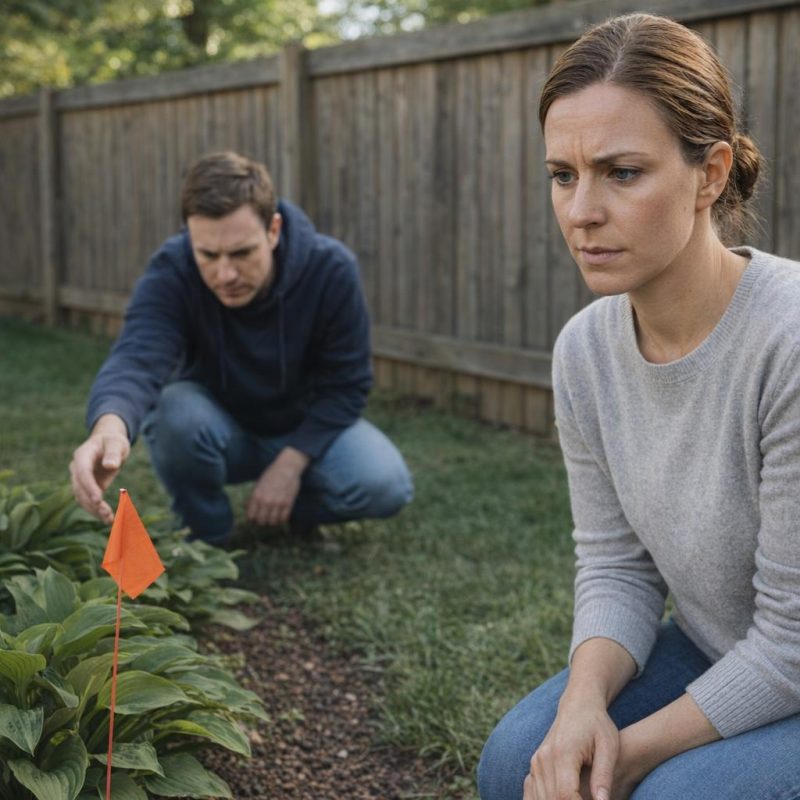 Image by RM AI
A Neighborly Introduction
The next afternoon, I was still photographing the stakes when a man appeared at the fence line. He was probably in his late fifties, with silver at his temples and the kind of posture that suggested he'd never slouched in his life. "You must be my neighbor," he said, extending his hand over the fence. "Richard. I should have introduced myself sooner—we moved in about six months ago." His handshake was firm, his smile pleasant. I mentioned the stakes, expecting him to look confused, but instead he nodded like he'd been waiting for me to bring it up. "Yes, those are mine," he said. "I had a professional survey done last month. Just wanted to establish the actual property line." He said it so casually, like he was talking about getting the lawn aerated. I must have looked surprised because he quickly added, "I'm sure it's nothing to worry about. Just due diligence." Then he pulled a folder from under his arm—navy blue, the kind with multiple tabs and plastic sleeves. "I brought copies of everything. The survey results, the original property deeds, the plat map. I thought you might want to review them." He handed me a folder of documents, all neatly tabbed and organized, as if he'd been preparing for this conversation.
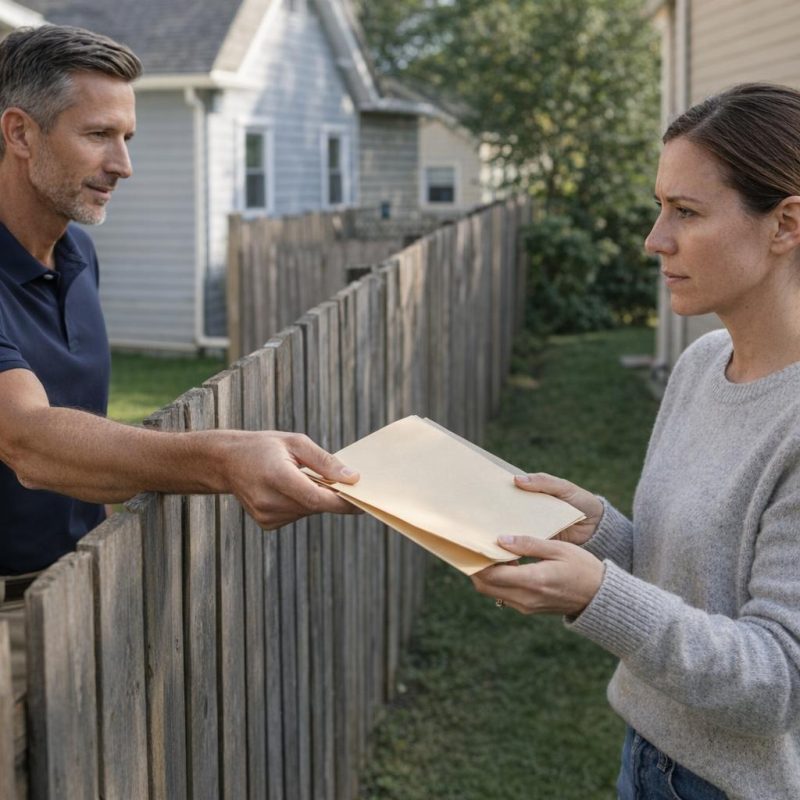 Image by RM AI
The Wife Who Watched
Two days later, I stood on Richard's front porch with the folder in my hands, having spent the previous evening trying to make sense of legal descriptions and bearing angles. Richard answered the door with that same pleasant smile, and behind him I could see a woman I assumed was his wife. "Come in, come in," he said, but I suggested we talk outside—it felt less formal somehow. He agreed, and the woman followed him out. "This is Linda, my wife," he said. She was dressed in coordinated separates, the kind of outfit that looked effortless but probably wasn't. "Nice to meet you," she said softly, then positioned herself slightly behind Richard's shoulder. I tried to explain what I'd found in my own property records, how the fence had been there since before I bought the house, but Richard kept interjecting with points about legal boundaries versus physical markers. Linda nodded at each thing he said, a small smile fixed on her face. At one point I turned to her directly. "What do you think about all this?" I asked, hoping for some kind of ally in reasonableness. Richard answered for her.
 Image by RM AI
Kitchen Table Concerns
That evening, I spread Richard's documents across our kitchen table like I was preparing for an exam I hadn't studied for. Morgan came in from the garage, took one look at the paper explosion, and asked what was going on. I explained the whole thing—the stakes, Richard's survey, the property line that apparently wasn't where we thought it was. Morgan picked up one of the documents, squinted at it, then set it down. "This seems like a lot for a fence line," he said. "I mean, has this guy got nothing better to do?" I appreciated the solidarity, but I was starting to worry we were missing something. Morgan pulled up our closing documents on his laptop, and we compared them to Richard's survey. The legal descriptions were dense, full of "thence north 47 degrees east" language that might as well have been another language. "We should probably get our own survey," Morgan said finally. "Just to make sure we're not crazy." I nodded, already googling local surveyors. Morgan suggested we get our own survey, just to be sure we weren't missing something.
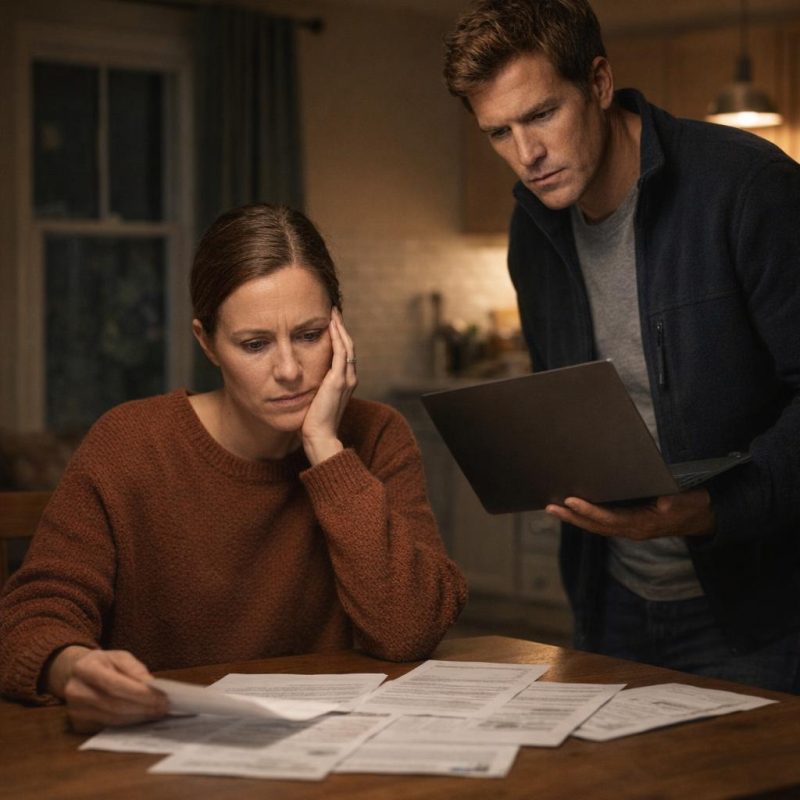 Image by RM AI
The Middle Ground
I caught Richard in his driveway the following Saturday, hoping a face-to-face conversation might move things forward. I'd rehearsed what I wanted to say—something reasonable, something that acknowledged both our positions. "What if we split the difference?" I suggested. "The disputed area is only about three feet. We could agree on a middle point, move the fence together, and be done with it." I thought it was a pretty fair compromise, the kind of thing normal neighbors would jump at. Richard listened with his head tilted slightly, like he was genuinely considering it. Then he smiled. "I appreciate the creative thinking," he said. "But there's the issue of adverse possession to consider. And boundary by acquiescence. If we split the difference, we're both potentially waiving rights under different legal doctrines." He kept talking, using terms like "prescriptive easement" and "statutory requirements," and I felt myself shrinking with each phrase. I'd thought I was being smart by doing some research, but Richard was operating on a completely different level. He thanked me for the suggestion, then explained why it wouldn't work, using property law terminology I didn't fully understand.
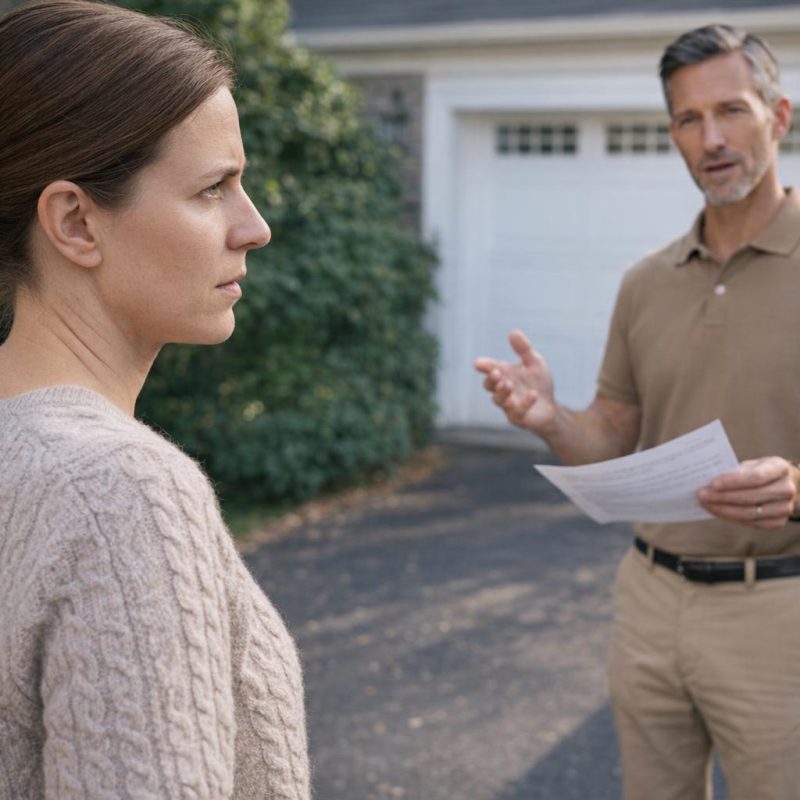 Image by RM AI
Property Rights
Richard appeared at my front door on a Tuesday morning, apologetic about the interruption. "I just wanted to make sure we're on the same page," he said. "This isn't personal. I'm not trying to be difficult." He was wearing a polo shirt and khakis, looking like he'd just come from a golf course. I invited him to sit on the porch steps, and he did, maintaining that perfect posture even on concrete. "Property rights are important to me," he continued. "I've seen too many situations where people let these things slide, and then years later there's a real problem." It sounded reasonable when he said it like that. Then he mentioned, almost as an afterthought, that he'd been taking photographs of the fence line every few months since they'd moved in. "Just for my records," he said. "In case we ever needed to establish a timeline." I felt something shift in my chest—not quite alarm, but close to it. Who documents a fence line for six months before saying anything? He stood up, brushed off his khakis, and shook my hand again. He mentioned he'd been documenting the fence position for years, just in case this ever came up.
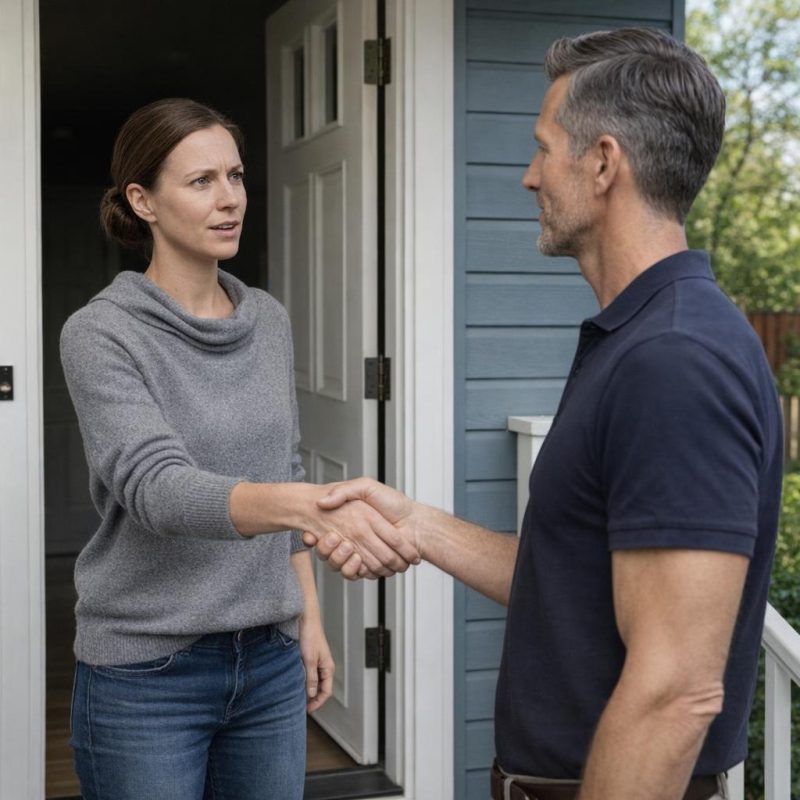 Image by RM AI
Second Opinion
Our surveyor was a guy named Tom who'd been doing property work in the area for twenty years. He walked the line with his equipment, took his measurements, and came back three days later with a report. Morgan and I sat at that same kitchen table while Tom explained his findings. "The fence has been in this exact position since at least 1987," he said, pointing to historical records he'd pulled. "That's significant in property law. There's something called adverse possession—basically, if a boundary's been accepted for long enough, it can become the legal boundary." I felt a surge of vindication. See? We weren't crazy. But then Tom kept talking. "Now, Richard's survey isn't wrong, exactly. He's measuring what's called the 'record boundary'—the line described in the original deeds. What you've got here is a record boundary that doesn't match the occupied boundary." Morgan and I looked at each other. "So who's right?" I asked. Tom shrugged. "That's not really a surveying question. That's a legal question." But he also said Richard's survey wasn't technically wrong—it just measured a different kind of boundary.
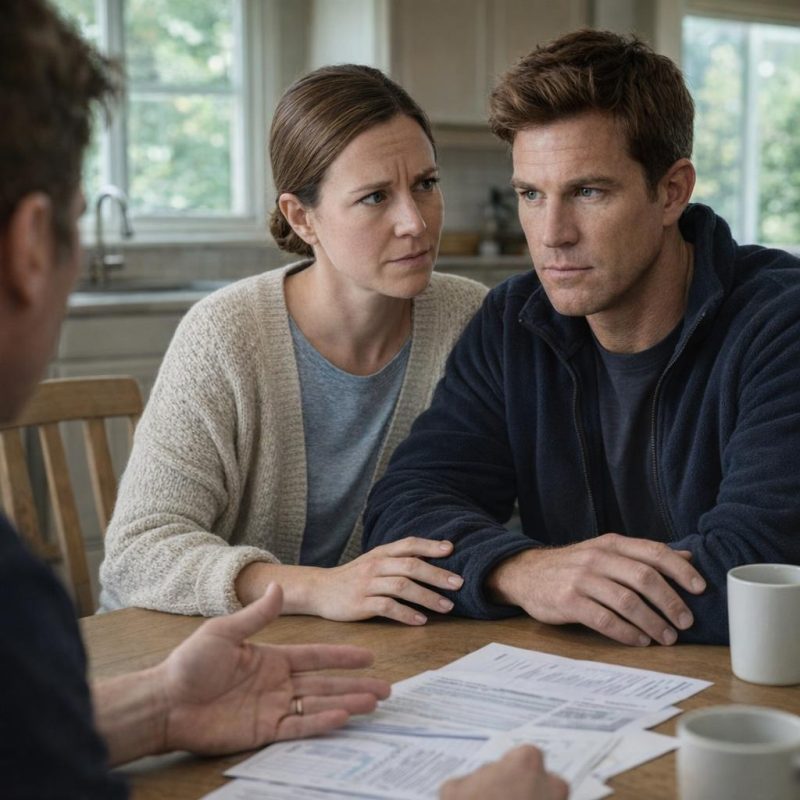 Image by RM AI
Competing Surveys
We met in the backyard on a Sunday afternoon, both of us holding folders like we were about to negotiate a corporate merger. The disputed strip of grass between us looked absurdly small for all this trouble—you could barely park a car in that space. I showed Richard our survey results, and he showed me an addendum to his that addressed the adverse possession question. His surveyor had included case law citations. Case law. For a fence. "It seems we have two professional opinions that don't quite align," Richard said, his tone measured and calm. "The next step would be to bring in a third surveyor, someone we both agree on, to do boundary line arbitration." He made it sound so logical, so inevitable. Then he added, "Of course, that's not cheap. We're probably looking at a few thousand dollars each, minimum. And if we can't agree even then, well, there are legal options, but those get expensive quickly." He wasn't threatening me, exactly. He was just laying out facts. But standing there in my own backyard, I felt the weight of it—the money, the time, the escalation. Richard said we'd need a third survey to settle it, and asked if I was prepared for what that would cost.
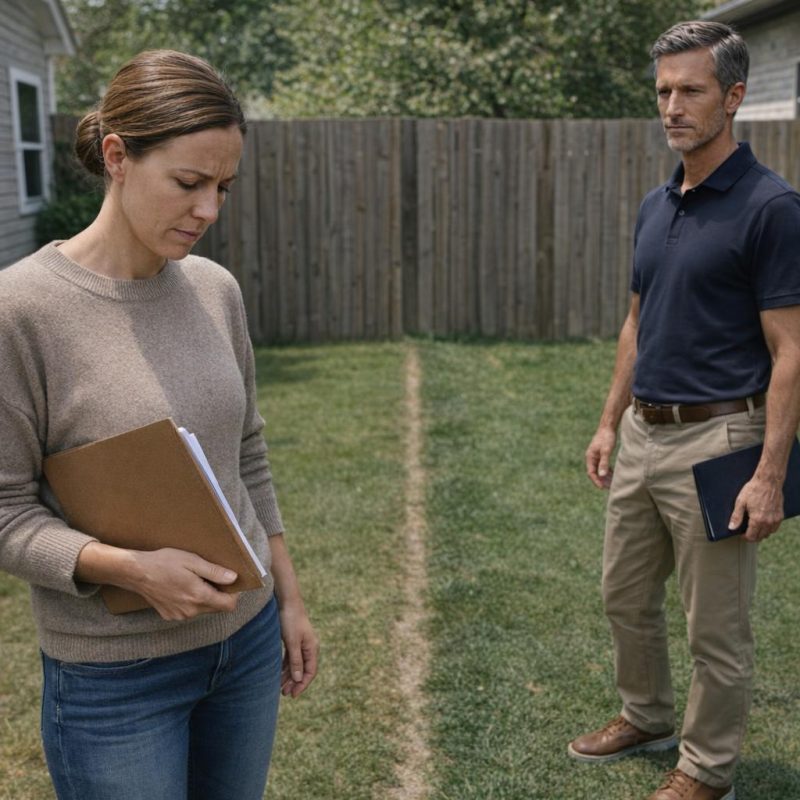 Image by RM AI
The Particular Neighbor
I was walking off my frustration three days later when Diane from two houses down stopped me near the corner. She had that kind face that made you want to trust her, and she'd always been friendly in that low-key neighborhood way. "I heard you and Richard are having some boundary issues," she said, not unkindly. "I just wanted to mention—he's always been very particular about his property. Very meticulous." She said it like it was a personality quirk, something charming almost. "But he's been pleasant to me, always waves, you know." I nodded, grateful for the perspective even if it didn't help much. Then she added something that stuck with me: "Though I will say, he was friendlier before he bought the Kowalski place." I must have looked confused because she just shrugged. "Just an observation." She smiled and continued her walk, leaving me standing there wondering what the Kowalski place had to do with anything. I didn't even know which house that was.
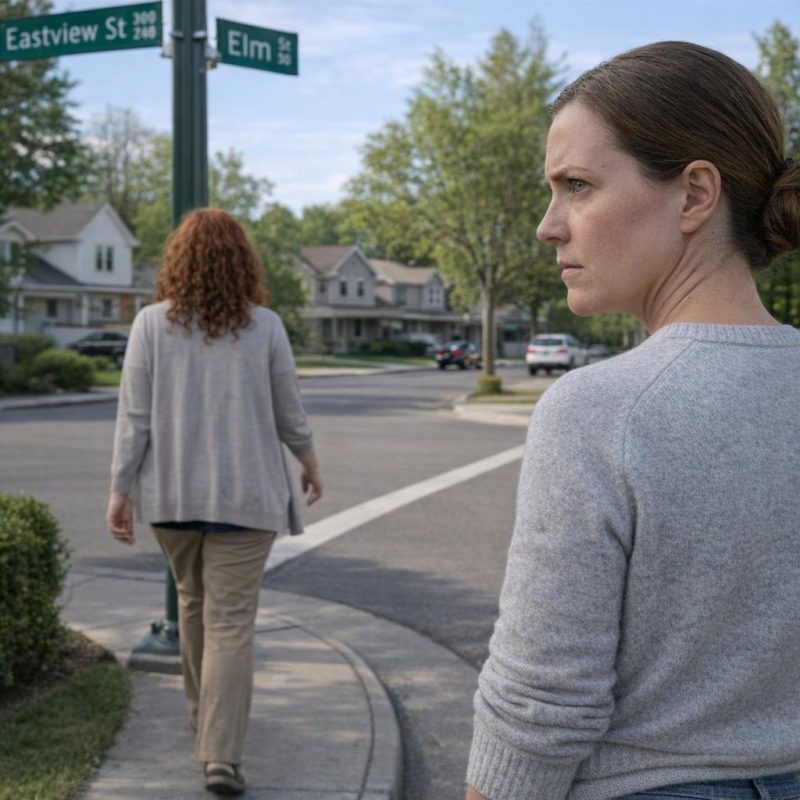 Image by RM AI
Documentation
Two days later, I was in the kitchen making coffee when I noticed Richard in his side yard with a camera. Not a phone—an actual professional-looking camera with a serious lens. He was photographing our fence, moving methodically along the property line, crouching for different angles, stepping back for wider shots. I stood at the window watching him document every post, every board, every inch of that disputed boundary. My first instinct was to go out there and ask what he was doing, but what would I even say? He was on his own property. When he noticed me at the window, he didn't look caught or embarrassed. He just waved—cheerfully, like we were still friendly neighbors—and continued taking photos. I waved back automatically, feeling stupid for it. Morgan asked me later why I hadn't said anything, and I couldn't explain it. Richard had made something that should have felt aggressive seem perfectly reasonable, and I'd just stood there and watched him do it.
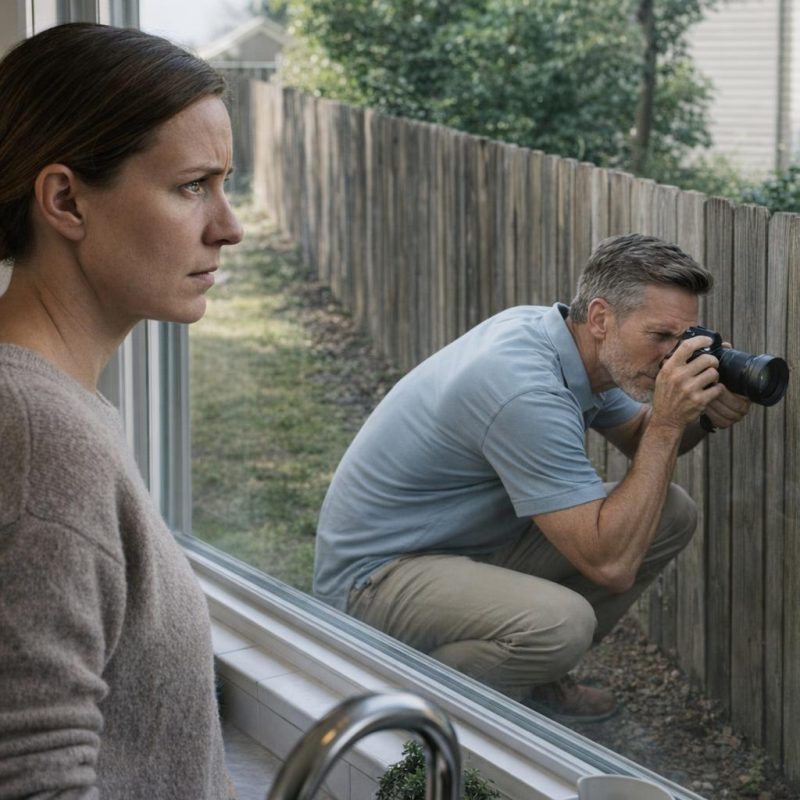 Image by RM AI
Windows
Over the next week, I started noticing a pattern. Whenever I worked in the backyard—pulling weeds, watering plants, just sitting outside with my laptop—Richard appeared at his upstairs window. Not every single time, but enough that I couldn't ignore it. I'd look up and there he'd be, standing back from the glass just far enough that I couldn't tell if he was holding anything. I couldn't prove he was photographing me. I had no evidence. But the timing felt too consistent to be coincidence. I mentioned it to Morgan one evening, and he looked at me with concern. "Are you sure? Maybe he's just looking out his own window." Maybe. Probably. But I started changing when I went outside anyway, varying my schedule, sometimes skipping the backyard entirely. I felt ridiculous, like I was being paranoid. But I also felt watched, and I couldn't shake it. Morgan noticed I'd stopped working at the patio table, and I couldn't quite explain why.
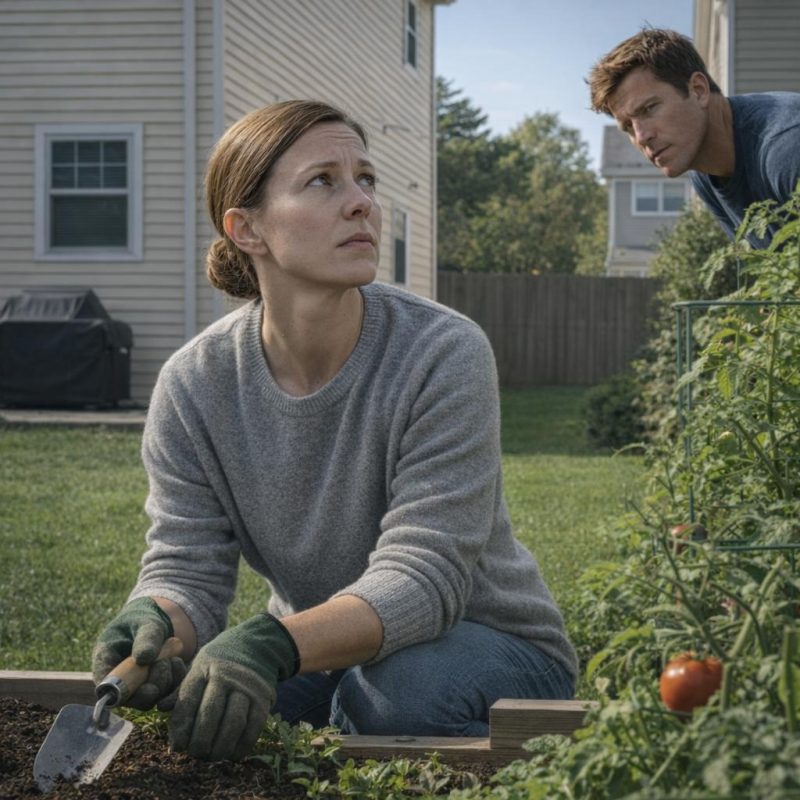 Image by RM AI
The Dog Walker
Tom from across the street caught me getting the mail on a Thursday afternoon. He was walking his terrier, same route he took twice daily, and he had that friendly-but-nosy expression people get when they want information. "Hey, I heard you and Richard are having some property line issues," he said, his voice carrying across the quiet street. I felt my face get hot. "It's just a survey discrepancy," I said, trying to sound casual. "We're working it out." Tom nodded slowly, like he was considering this. "That's good. Richard mentioned you were being a little difficult about a simple boundary correction. I'm glad to hear you're coming around." The words hit me like cold water. Difficult. Simple boundary correction. That's what Richard had told people? "That's not exactly—" I started, but Tom was already moving on, waving as his dog pulled him forward. I stood there holding my mail, stung and embarrassed, realizing the whole neighborhood was hearing Richard's version of events while I'd been trying to keep the whole thing private.
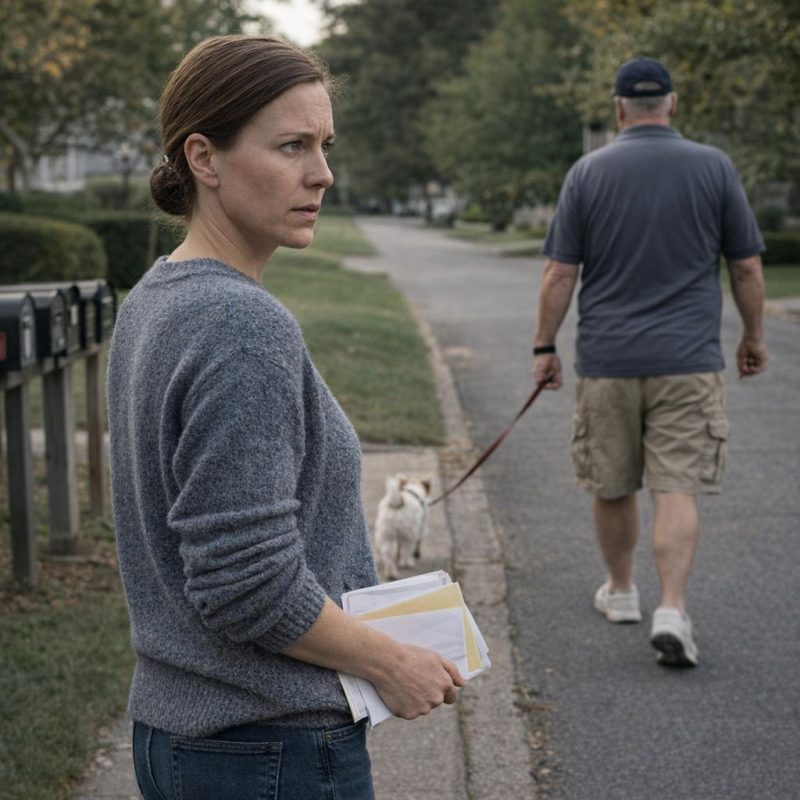 Image by RM AI
Taking Sides
Over the next week, three more neighbors asked me about the fence. First it was the couple from the end of the street, then someone I barely knew from around the corner, then Diane again. Each conversation had slightly different details—one had heard it was six feet of property, another thought it was about tree roots, someone else mentioned adverse possession like they'd just learned the term. I realized Richard's version was spreading faster than mine, mutating slightly with each retelling, and I hadn't even been telling my side. I'd been so focused on keeping it private, on not being the person who aired neighborhood drama, that I'd let Richard control the narrative entirely. When Tom asked me about it again during his evening walk, I actually explained our position—calmly, factually, without emotion. He listened with interest, like he was collecting data points. After he left, I felt both relieved and disgusted with myself. I was managing my reputation now, playing the same game Richard was playing, and I hated that this was what the dispute had become.
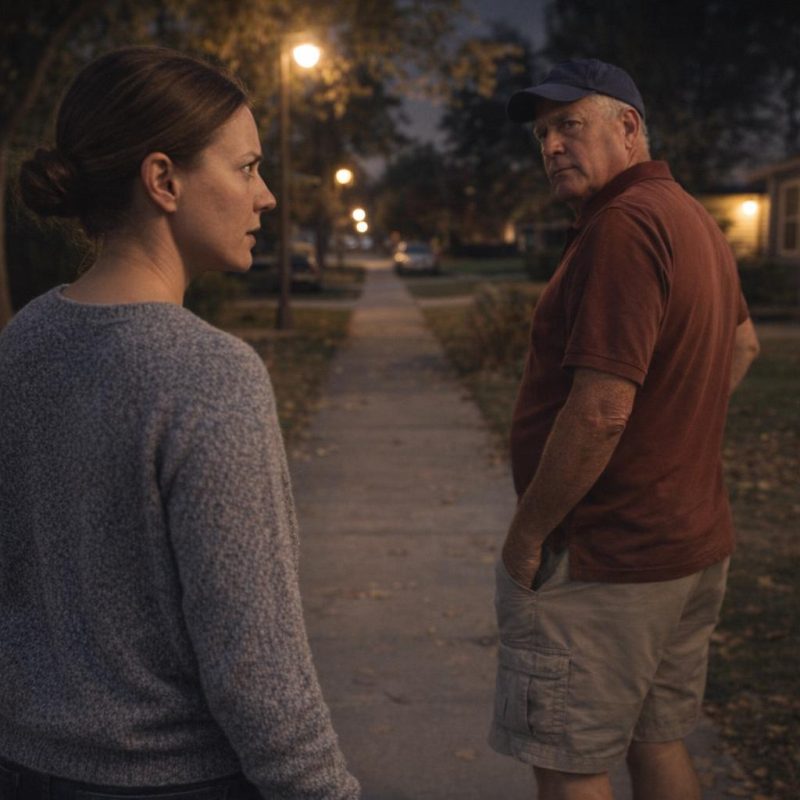 Image by RM AI
Reputation Management
Diane stopped me near the mailboxes a few days later with an apologetic expression. "I wanted to mention something," she said carefully. "Richard showed me his survey documents the other day. He had them right there at the mailbox, very official-looking." She paused, weighing her words. "He said you'd refused to look at the evidence he'd provided." I felt my stomach drop. "That's not true. We both looked at each other's surveys. We had a whole meeting about it." Diane nodded slowly, like she'd suspected as much. "I thought it seemed odd. You don't strike me as unreasonable." But the damage was done—she'd heard his version first, and now mine sounded defensive. That evening, Morgan said we were losing the public relations battle, and he wasn't wrong. I wanted to retreat, to stop defending myself to neighbors I barely knew. But I also couldn't let Richard's version stand unchallenged. I felt trapped between maintaining my privacy and protecting my reputation, and Richard had somehow made those two things incompatible.
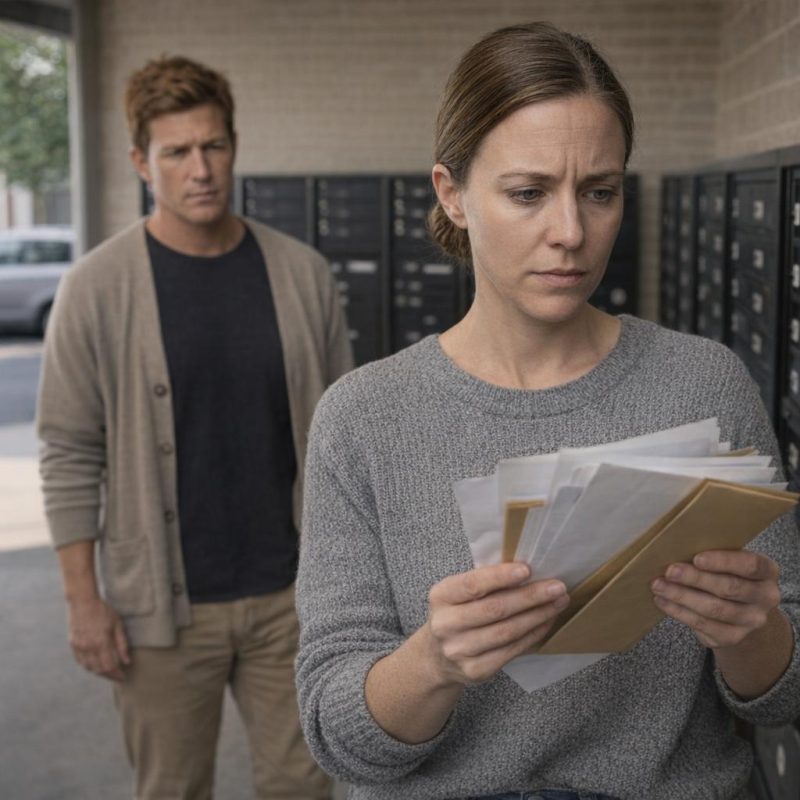 Image by RM AI
Shorter Sentences
The next time Richard and I spoke, it was about a package that had been delivered to his house by mistake. The entire exchange lasted maybe forty-five seconds. "This came to my address," he said, handing me the box. "Thanks," I said. "No problem." That was it. No small talk about the weather, no polite questions about how we were doing. Just the necessary facts, delivered in flat, careful tones. We sounded like two lawyers exchanging discovery documents. I remembered our first conversation, how friendly he'd been, how I'd actually liked him. That person was gone, or maybe had never existed. Now we were just two people on opposite sides of a property line, and every word felt like it might be used against us later. The friendliness was gone, replaced by something that felt like two lawyers talking, and I mourned the loss of what I'd thought was a decent neighbor relationship even as I wondered if I'd somehow contributed to destroying it.
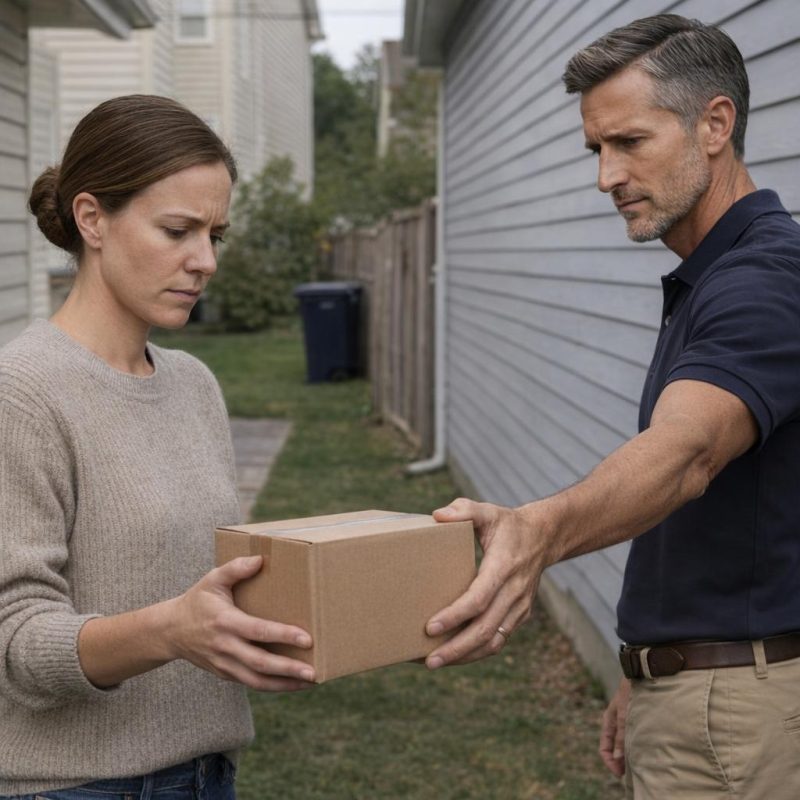 Image by RM AI
Official Channels
Barbara from the HOA called on a Tuesday morning, and I could hear the discomfort in her voice. "I've received a formal inquiry from Richard about your shared property line," she said, very professional. "I'll need to review both surveys and any supporting documentation you have." She explained the HOA's boundary dispute process—something about a review committee, written statements, possibly bringing in their own surveyor. I'd lived here four years and never heard of any of this. "How often does this happen?" I asked. Barbara paused. "This is actually the first boundary dispute I've dealt with in my five years as president." Something about that made it feel more real, more serious. This wasn't normal neighborhood friction. I thanked her and said I'd send over our documents, feeling a strange mix of apprehension and hope. Maybe official intervention would resolve this. Maybe having the HOA involved would force some kind of mediation, some reasonable compromise. Or maybe it was just another escalation, another step away from the simple neighborly resolution I'd wanted from the beginning.
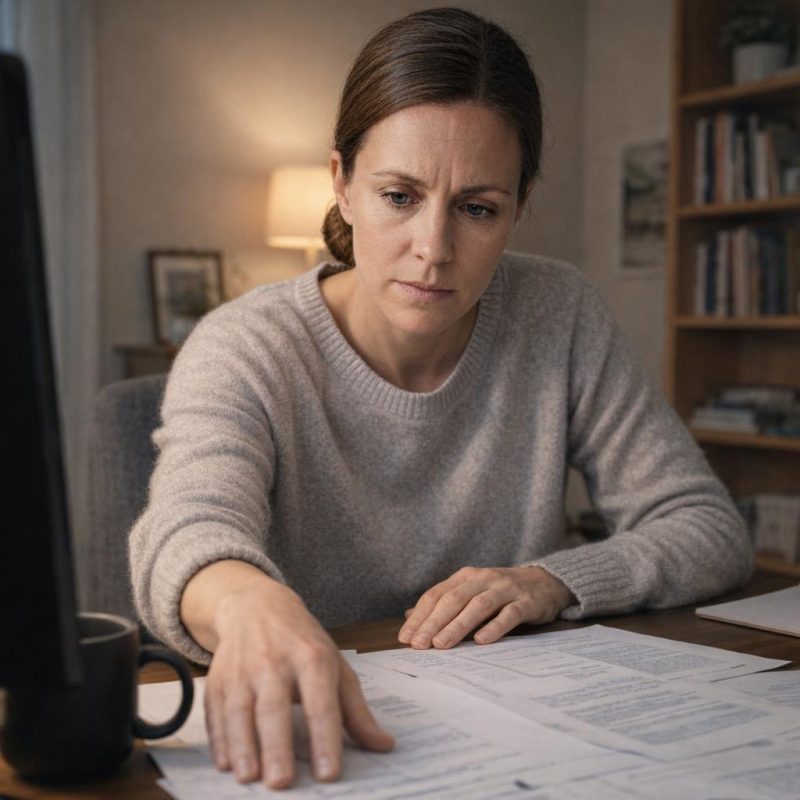 Image by RM AI
Paper Trail
I spent that evening at the dining room table with our survey, property deed, and every photo I'd taken spread out in front of me. Morgan helped me organize everything chronologically—the initial conversation, the survey results, Richard's emails, the fence company visit. I created a timeline with dates and times, cross-referenced the survey measurements with the deed description, even printed out screenshots of our text exchanges. We put it all in a binder with labeled tabs, the kind of presentation you'd make for a business meeting. It felt professional, thorough, responsible. I was building a case, documenting everything, making sure we had evidence for every claim. Morgan stood back and looked at the finished binder, then at me. "You realize we're doing exactly what Richard did from the start, right?" he said quietly. I looked down at the organized documentation, the highlighted passages, the annotated photos. He was right. We'd been pulled into this process, this adversarial stance, this need to prove ourselves. We weren't trying to be good neighbors anymore. We were building a case against someone who lived fifteen feet away.
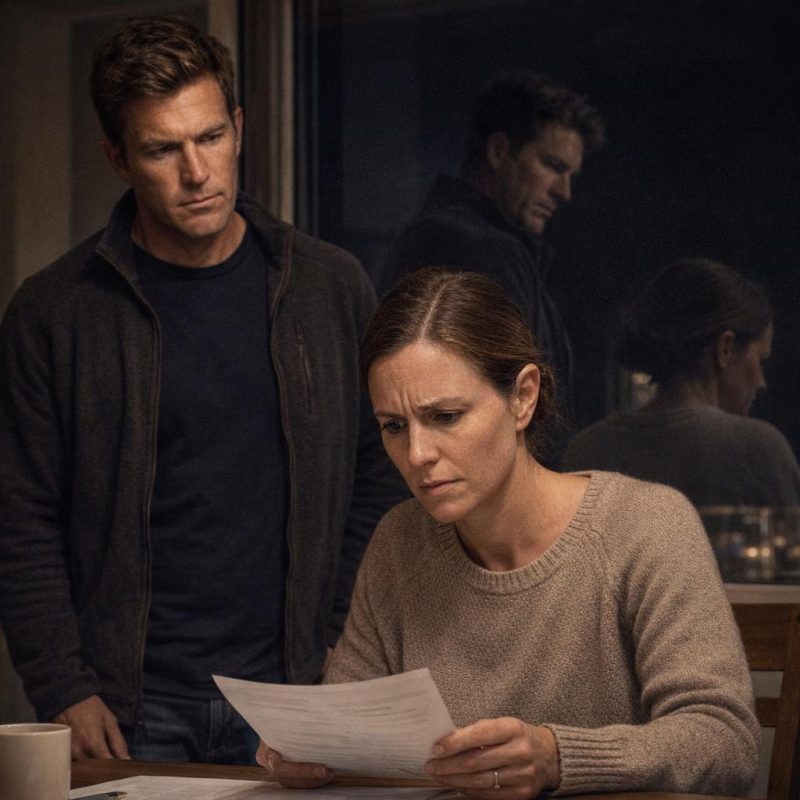 Image by RM AI
Driveway Encounters
Every time I pulled into my driveway after that, I found myself checking the windows of Richard's house first, scanning his yard for movement. If I saw him outside, I'd calculate the fastest route from car to front door, which bags I could grab in one trip, whether I could avoid eye contact. Getting the mail became a tactical decision—was he in his garage? Near the property line? Watering those plants he seemed to tend at the most inconvenient times? One morning I sat in my car for a full ten minutes because he was out there with his hose, moving slowly along the flower beds that bordered our properties. I had groceries in the trunk, ice cream melting, but I couldn't make myself get out. I watched him through my windshield, this man I'd once waved to every morning, and waited for him to go inside. He took his time, adjusting the spray nozzle, deadheading a few flowers, checking his phone. When he finally went in, I grabbed everything in one trip and practically ran to my door. I felt trapped in my own driveway, and I hated it.
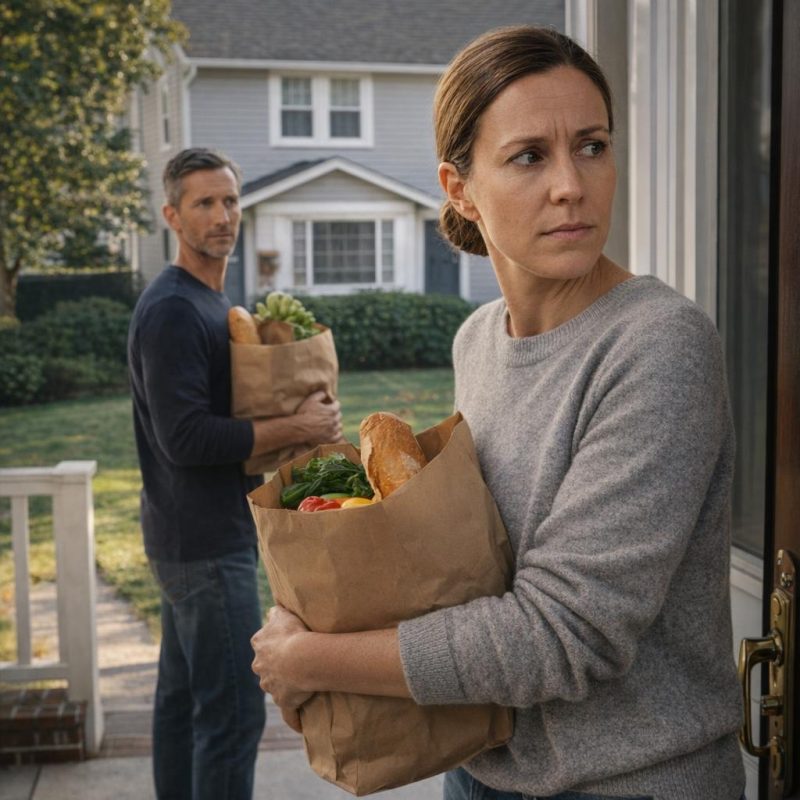 Image by RM AI
The Silent Partner
A few days later, I ran into Richard and Linda near the mailboxes. We ended up in one of those unavoidable conversations about trash pickup schedules—the city had changed the route, and no one was sure if we were Tuesday or Wednesday now. Richard explained the new system with his usual precision, referencing the notice from the city, the map on their website. Linda stood beside him the entire time, her hands folded in front of her, not saying a word. I'd noticed this before, but it struck me differently now. She was right there, part of the conversation by proximity, but completely silent. "Linda, do you know which day they picked up on your street at your old house?" I asked, trying to include her. "We're Tuesday," Richard answered before she could open her mouth. "I confirmed it with the city office yesterday." Linda's expression didn't change. She just nodded slightly, as if agreeing with his answer to my question directed at her. I couldn't remember the last time I'd heard her voice, her actual opinion about anything. It troubled me in a way I couldn't quite articulate.
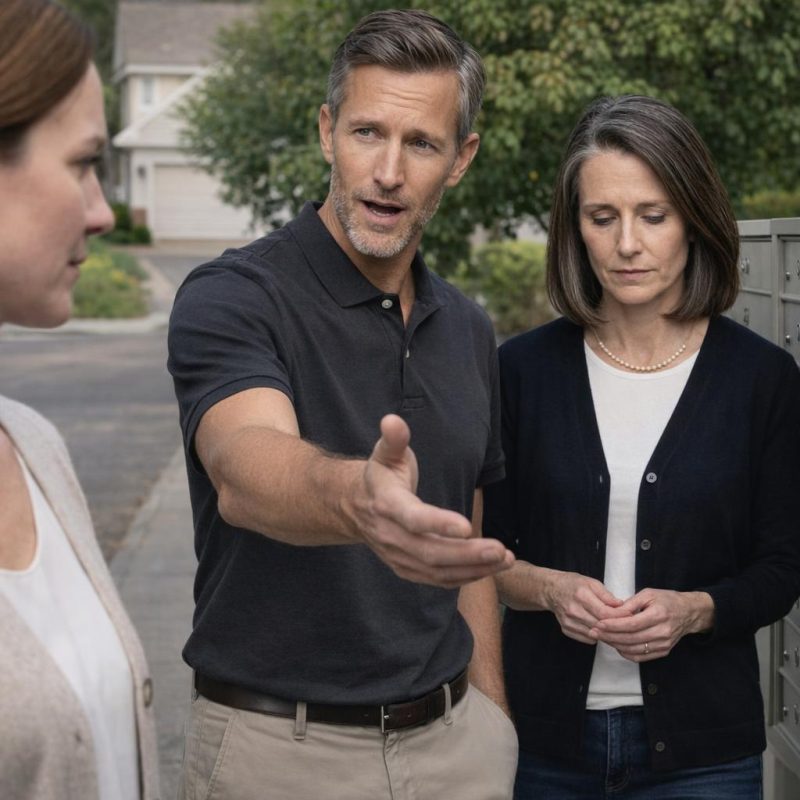 Image by RM AI
Invisible Lines
I started noticing the small changes in how neighbors interacted with me. Mrs. Patterson, who used to stop and chat about her grandchildren, now checked her phone as she walked past. The couple three houses down crossed to the opposite sidewalk when they saw me coming, suddenly very interested in a tree on that side of the street. People who'd always waved now seemed to look right through me. Tom was still friendly when I saw him with his dog, but the conversations had shifted. "Richard mentioned you guys are still working through that survey thing," he'd say, or "Richard was telling me about the fence company mix-up." He'd nod sympathetically when I tried to explain our side, but I could tell he'd already heard Richard's version first, and it had stuck. I mentioned it to Morgan that night, how I felt like I was being slowly erased from the neighborhood social fabric. "They're not avoiding the situation," I said. "They're avoiding me specifically." I'd lived here four years, and suddenly I was the outsider.
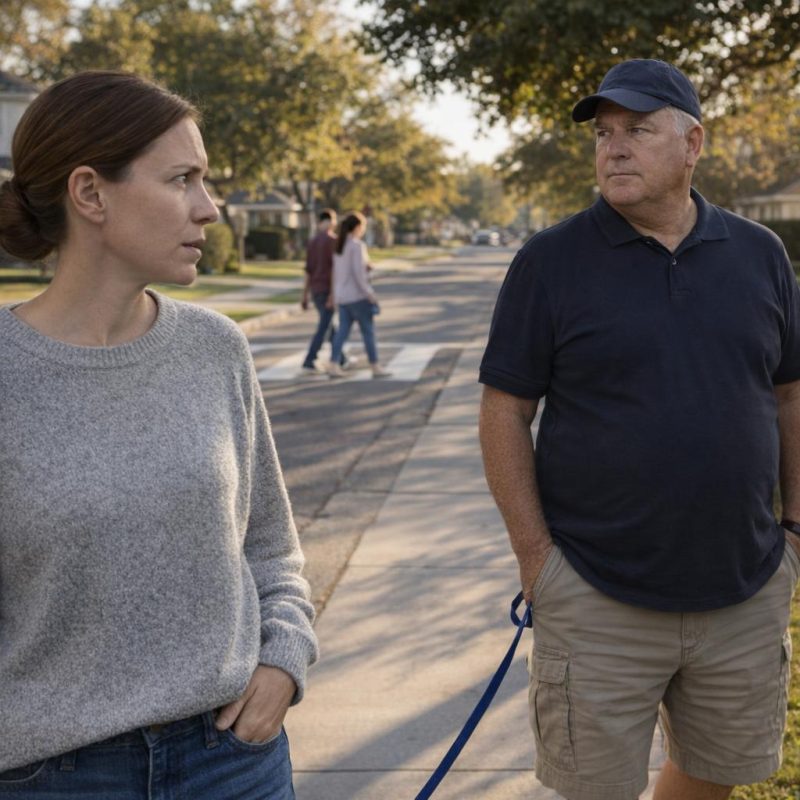 Image by RM AI
Telephone Game
Within a week, I'd heard three completely different versions of what I'd supposedly said to Richard, and none of them were accurate. Diane mentioned in passing that she'd heard I'd accused Richard of trying to steal my land. Tom said someone told him I'd threatened to sue. Another neighbor asked if it was true that I'd called Richard a liar to his face. I hadn't done any of those things. I'd been careful, measured, exactly the kind of reasonable person I'd always tried to be. But the story had gotten away from me, passed from person to person like a game of telephone, each retelling adding a new detail or sharpening the conflict. I tried to correct the record when I could. "That's not quite what happened," I'd say, and then attempt to explain the actual sequence of events. But I could see it in their faces—the truth was longer, more complicated, less interesting than the version they'd already heard. Morgan pointed out that evening that we'd lost control of the narrative. "Once it's out there, it doesn't matter what actually happened," he said. He was right. I'd lost control of my own story.
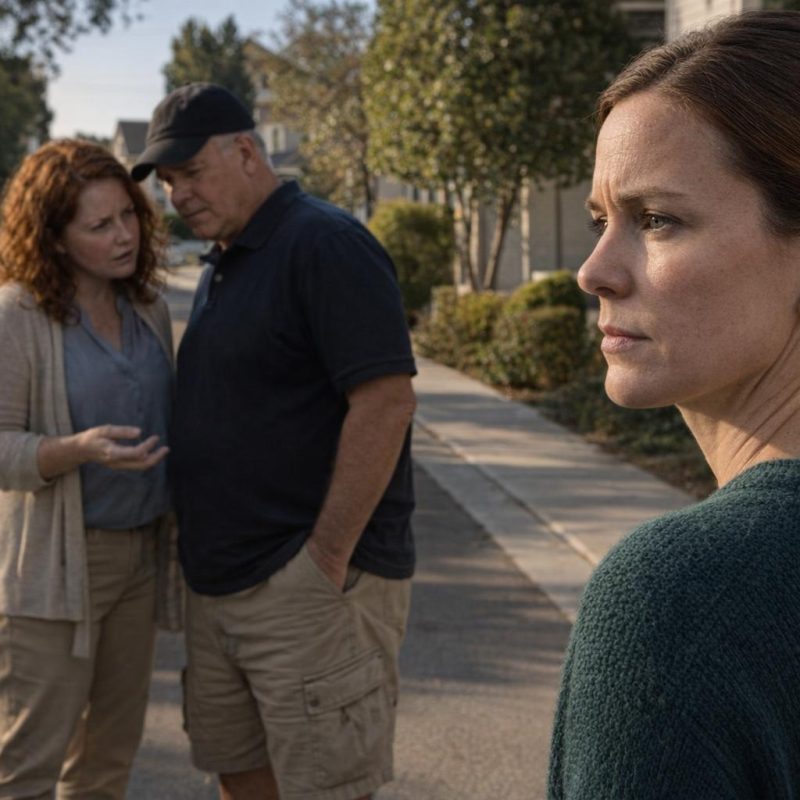 Image by RM AI
Performance Anxiety
I started planning my yard work around the neighborhood's rhythms, choosing times when the fewest people would be outside. Early morning before the dog walkers, or late afternoon when everyone was inside making dinner. When we needed to paint the front door, I spent an hour researching which colors were most common in the neighborhood, which ones wouldn't draw attention or comment. I chose a safe navy blue instead of the deep red I'd actually wanted. Morgan noticed me checking the street before taking out the recycling one evening. "When did you start living like someone was grading your homework?" he asked. I didn't have a good answer. Every decision had become weighted with potential judgment. Should I trim the hedges this weekend or wait until next? Would planting those flowers look like I was trying too hard, or not trying enough? I'd started censoring my own choices, my own preferences, based on how they might be perceived or reported or discussed. I was performing being a good neighbor instead of just being one.
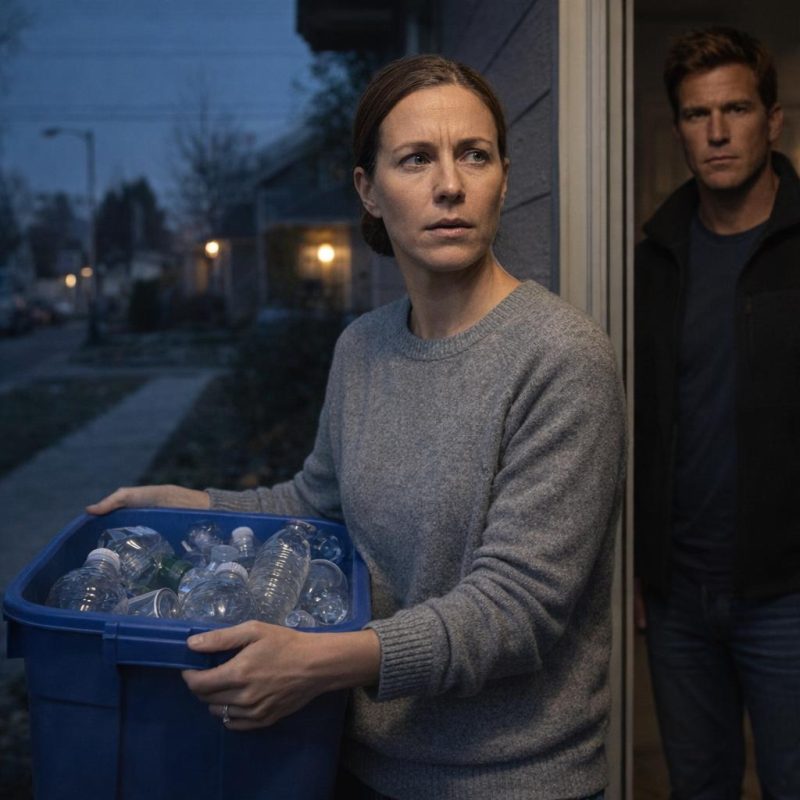 Image by RM AI
Scope Creep
Richard's email arrived on a Thursday afternoon, this time about our oak tree. The branches extended over his driveway by approximately three feet, he wrote, and had been dropping leaves and acorns on his car for months. He'd attached photos from multiple angles, measurements, and citations from the city code about overhanging vegetation. It was thorough, professional, and completely unexpected. "This is the fourth thing he's brought up in two weeks," Morgan said, reading over my shoulder. He was right. First it was the fence line, then a concern about our outdoor lighting, then something about our trash cans being visible from the street, and now the tree. None of these issues were related to each other. None of them had apparently bothered him enough to mention casually before now. I looked at the email again, at the careful documentation, the formal tone. "Do you think these things actually bother him?" I asked Morgan. "Or is there another reason he keeps finding problems?" Morgan didn't answer, but I could see him wondering the same thing. The dispute was spreading, metastasizing into every aspect of our properties.
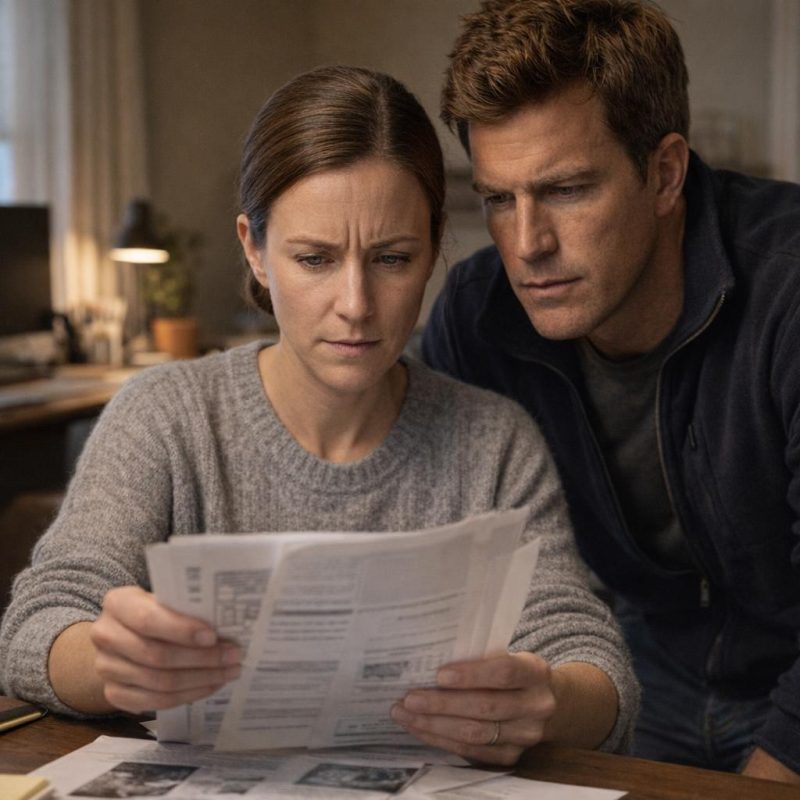 Image by RM AI
Choreography
I started tracking it on Saturday, just to see if I was imagining things. I went outside at 9 AM to water the plants—Richard appeared in his yard within four minutes, checking his mailbox. At 2 PM, I went out to sweep the porch—he came out three minutes later to wash his car. Sunday morning at 7:30, I took out the recycling—he emerged to adjust his sprinkler system. It happened every single time. Monday evening, I tested it. I went outside at 10 PM, an hour I'd never normally be in the yard, just to get something from the car. I watched through the window as Richard's garage door opened five minutes later. He came out, walked to his own car, retrieved something from the trunk, went back inside. It could have been coincidence. It could have been that he just happened to need something at that exact moment. But when I mentioned it to Morgan, showed him my notes with the times, he just stared at the pattern. "That's not random," he said quietly. When I tested it by going out at odd hours, he still appeared.
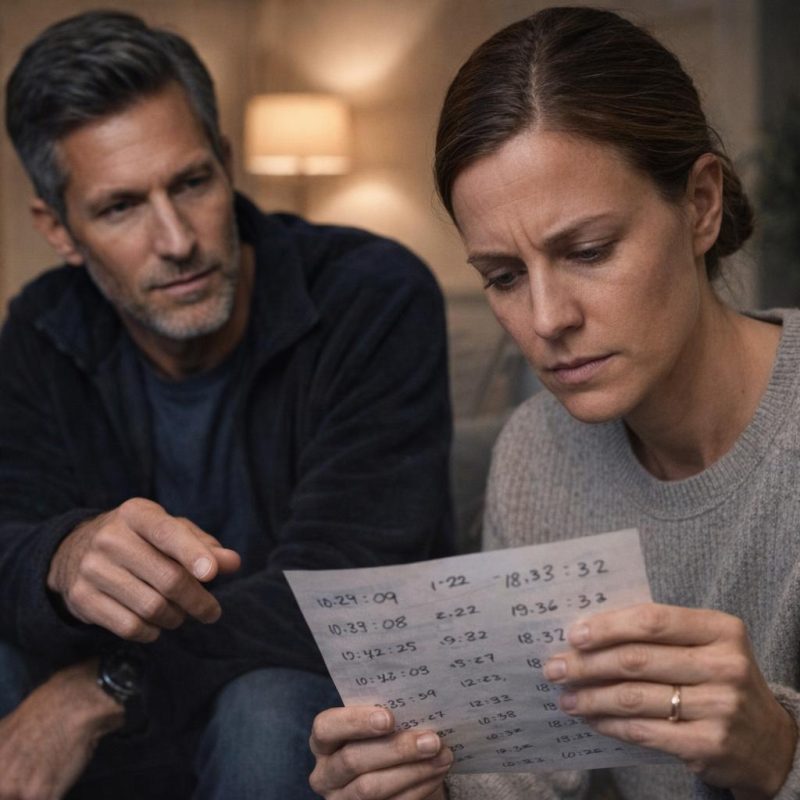 Image by RM AI
Second Opinion
Morgan said it first, which somehow made it easier to hear. We were sitting at the kitchen table after another one of Richard's perfectly-timed appearances—I'd gone out to check the mail, he'd emerged to trim a hedge that didn't need trimming—and Morgan just set down his coffee and said, "What if he's doing this on purpose?" I'd been thinking it for weeks but hadn't wanted to say it out loud because it sounded paranoid, like I was the one escalating things in my head. But Morgan laid it out: the timing was too consistent, the complaints always came right after we'd tried to de-escalate, every interaction seemed designed to create more conflict rather than resolve anything. I admitted I'd had the same thought, that I'd been tracking the pattern because something felt coordinated about it all. We sat there trying to work backwards to a motive—was he trying to drive us out, did he just hate us, was this some kind of power thing—but nothing made sense. You don't wage a months-long campaign over a property line unless there's something bigger at stake. I asked why someone would do that, and Morgan didn't have an answer.
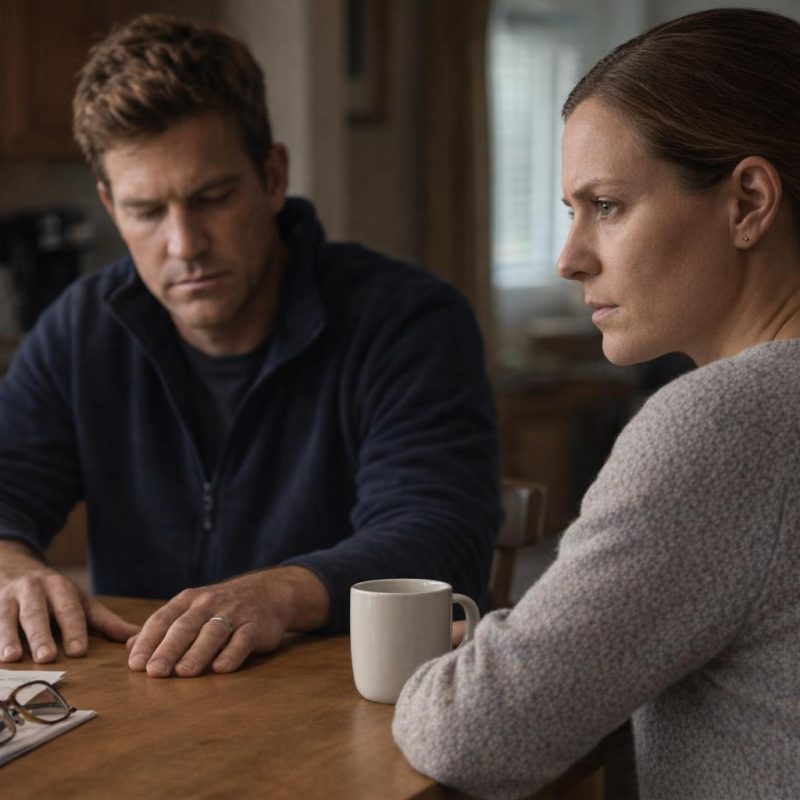 Image by RM AI
Surveillance
The security camera arrived in two days, and I installed it myself, angling it to capture the disputed property line and our backyard. Morgan held the ladder while I drilled the mount into the soffit, and we spent an hour getting the Wi-Fi connection stable enough for continuous recording. The camera had night vision, motion detection, a whole app that would send alerts to my phone—it felt excessive and necessary at the same time. I'd never been the kind of person who needed surveillance equipment, never thought I'd be documenting my own yard like it was a crime scene. But after months of he-said-she-said, after Richard's binder full of photos and timestamps, I wanted my own record of what actually happened. Morgan tested it by walking the property line while I watched the feed on my phone, and the image quality was clear enough to read the survey stakes. We could see the back corner where the fence dispute started, the area where Richard claimed we'd encroached, everything. Richard's upstairs window was visible in the frame, which felt appropriate.
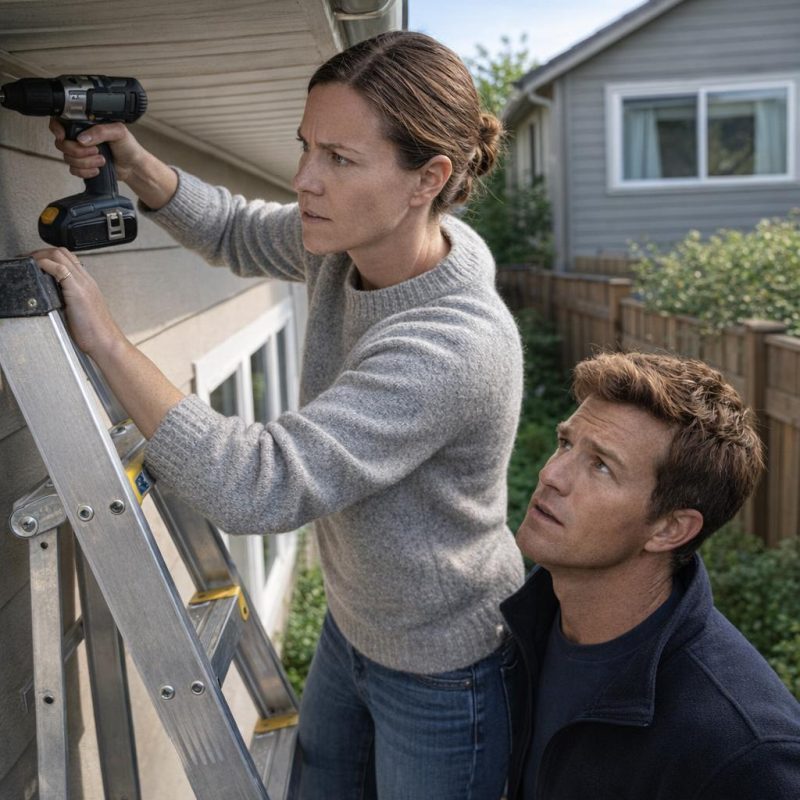 Image by RM AI
Mirror Image
I started a spreadsheet documenting every interaction with Richard, complete with dates, times, witnesses, and exactly what was said. Each row had columns for location, duration, his exact words when I could remember them, my response, and whether anyone else had been present. I added photos from the security camera, screenshots of text messages, copies of the letters he'd sent. It took three evenings to input everything from memory, going back through my phone's photo timestamps and Morgan's recollections to fill in gaps. The file grew to fifteen pages, organized by category—boundary disputes, noise complaints, HOA violations, general interactions. I color-coded entries by severity and added a notes column for context. Morgan looked over my shoulder one night while I was updating it and went quiet for a long moment. Then he pointed at the screen and said, "That's exactly how Richard's binder was organized. Same categories, same color system." I stared at the spreadsheet, at the meticulous documentation I'd been so proud of, and felt something cold settle in my stomach. Morgan pointed out the file was organized exactly like the documentation Richard had shown me months ago.
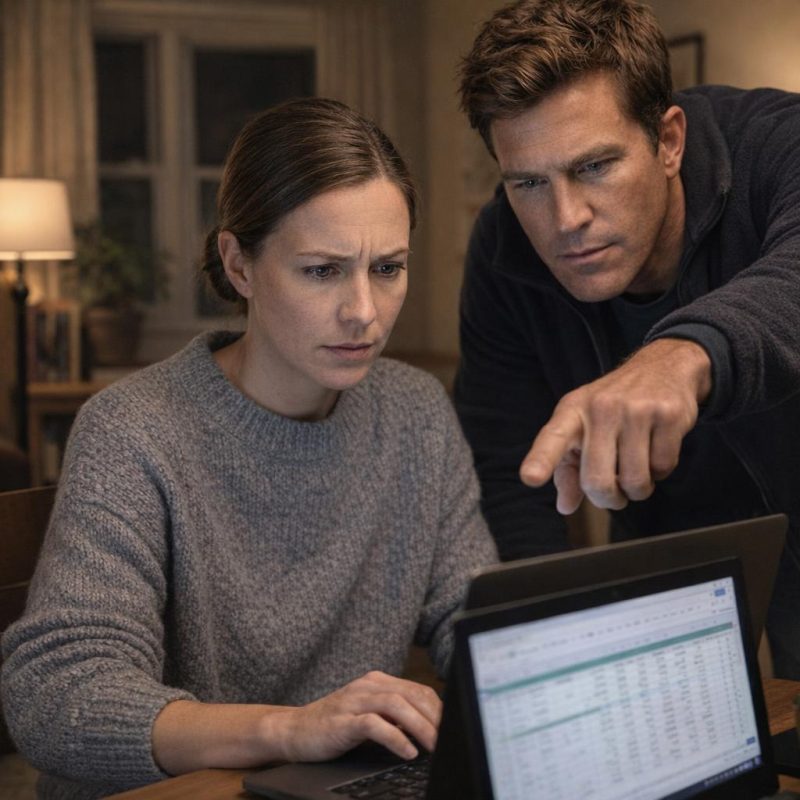 Image by RM AI
Formal Proceedings
Barbara called to schedule the HOA hearing for the following Tuesday evening, asking us both to prepare ten-minute presentations. Her voice had that careful neutrality she'd perfected, the tone that said she was following procedure and nothing more. She explained the format—Richard would present first, then we'd have our turn, then the board would ask questions before deliberating. She reminded us to stick to facts, bring any supporting documentation, and keep our presentations professional. I asked if Richard had already submitted materials, and there was a pause before she answered. She said yes, he'd dropped off his packet the previous week, and she'd forwarded copies to all board members for review. I asked how much material, and she hesitated again before saying thirty pages, plus a flash drive with photos and video. Morgan and I spent that evening at the dining table, organizing our own presentation—the survey results, the property records, photos showing the fence had been in the same location for decades. But everything we assembled felt thin compared to what Richard had apparently prepared. She mentioned she'd already received thirty pages of documentation from Richard.
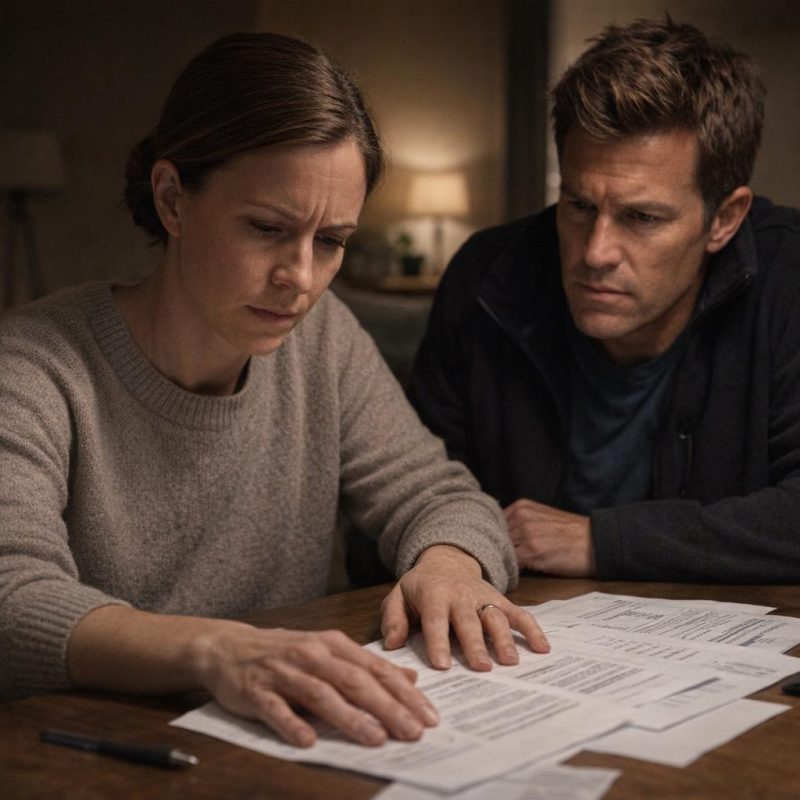 Image by RM AI
Sleepless
I lay awake at three in the morning mentally rehearsing what I'd say to the HOA board, while Morgan snored beside me. I kept running through the presentation, trying to anticipate questions, wondering if I should lead with the survey or the historical photos. Every time I closed my eyes, I saw Barbara's neutral expression and imagined the board members flipping through Richard's thirty-page packet, already forming opinions before I'd said a word. I got up twice to revise the presentation outline on my phone, adding points and then deleting them, trying to find the right balance between thorough and defensive. My mind wouldn't stop spinning through scenarios—what if they sided with him, what if they split the difference and made us move the fence anyway, what if this hearing just made everything worse. Around four, I gave up on sleep and went downstairs to make coffee, standing at the kitchen window in the dark. The neighborhood was completely still, every house dark except for the streetlights. In the morning, I saw Richard's kitchen light on at the same hour I'd been awake.
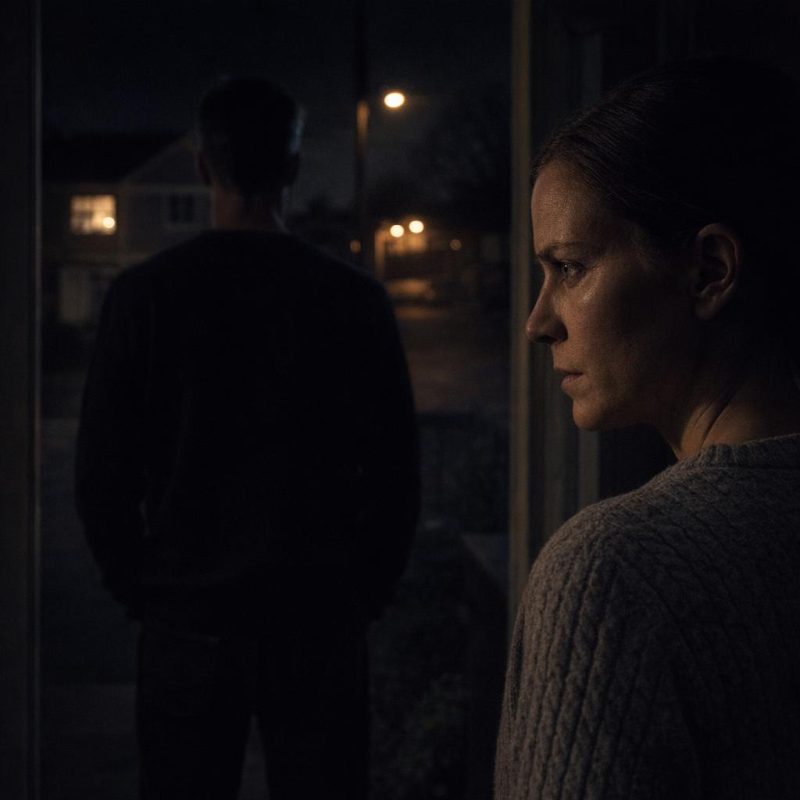 Image by RM AI
The Hearing
The HOA board sat at a folding table in the community center while Richard and I took turns presenting our cases to the four of them. Richard went first, setting up a laptop and projector he'd brought, walking them through a PowerPoint presentation with aerial photos, survey overlays, and a timeline of what he called "encroachment events." He spoke calmly, referencing specific HOA bylaws and county regulations, never once looking at me. His presentation ran exactly ten minutes. When it was my turn, I handed out printed copies of the survey and property records, explained the fence had been in place since before either of us bought our homes, showed photos proving the boundary hadn't changed. The board members asked questions—had we considered mediation, had we consulted the original developer's plans, were we willing to compromise. I answered as clearly as I could while my hands shook. Richard sat in the back row, taking notes. When we'd both finished, Barbara thanked us for our presentations and said the board would review everything carefully. Barbara said they needed two weeks to review everything and would send their decision by mail.
 Image by RM AI
Official Notice
The certified letter from the city code enforcement office arrived three days after the HOA hearing, listing six violations Richard had reported on our property. I signed for it at the door, saw the official city seal, and felt my stomach drop before I'd even opened it. The violations were itemized with codes and ordinance numbers: shed door not properly maintained, recycling bins visible from street, downspout drainage issue, fence height discrepancy in front yard, peeling paint on garage trim, and landscaping encroaching on sidewalk. Each one had a deadline for correction and a warning about fines for non-compliance. I read through the list twice, then called Morgan over. Some of these were fair—the shed door did stick, the paint was peeling—but others felt like someone had walked our property looking for anything they could report. The fence height issue referenced a section we'd replaced three years ago, properly permitted. The downspout drainage had been corrected before we'd even met Richard. Two of them were for things I'd fixed years ago, before we'd even met.
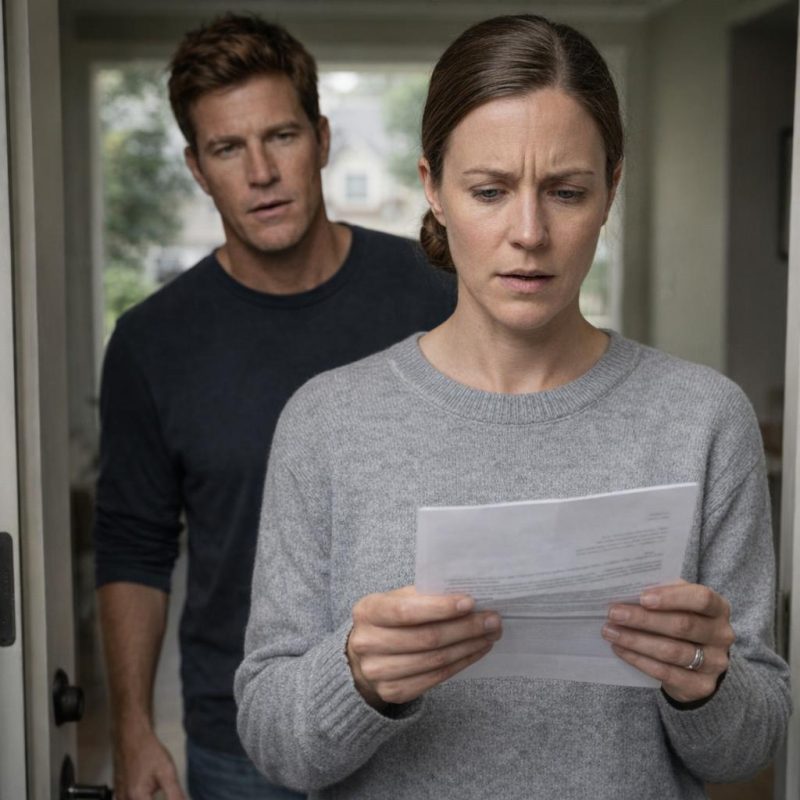 Image by RM AI
Inspection
The code enforcement officer walked our property with a clipboard, photographing the shed door that wouldn't quite close and the recycling bins visible from the street. She was professional and thorough, measuring the fence height with a tape measure, checking the downspout drainage with a level, documenting everything with a tablet camera. I followed her around trying to explain context—the shed door had been on my list to fix, the recycling bins were only out on collection day, the downspout had been corrected years ago but maybe the records weren't updated. She nodded politely and kept taking notes. Morgan stood on the porch with his arms crossed, not saying anything but radiating frustration. When she finished, she reviewed the violations with me one by one, confirming which ones were still valid and which ones she could mark as resolved. The downspout was fine, she'd update that. The fence was within code, she'd note it. But the shed, the bins, the paint, the landscaping—those were all technically violations, even if minor. She handed me a correction timeline and said most of it was straightforward to fix. She said everything Richard reported was technically accurate, even if minor.
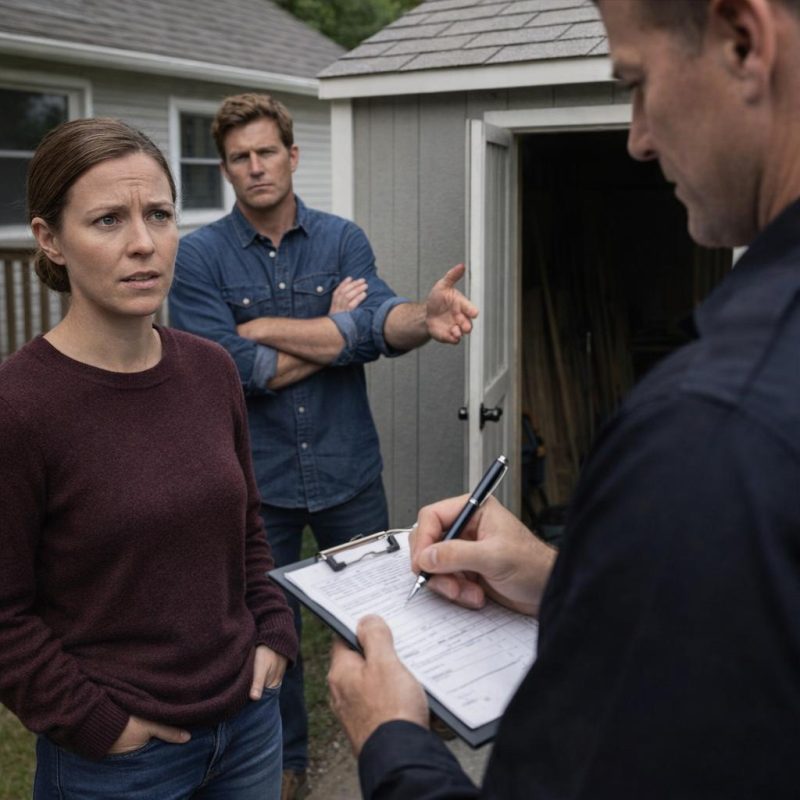 Image by RM AI
Adding Up
I sat at the kitchen table with three months of credit card statements spread out in front of me, adding up what this whole thing had cost us so far. The property survey—eight hundred dollars. The HOA special assessment for the fence dispute mediation—two hundred fifty. The code compliance repairs, which included a new shed door, paint for the trim, and landscaping adjustments—twelve hundred. Two separate lawyer consultations at three hundred each. Filing fees for the HOA appeal. The certified letters. The time Morgan had taken off work to be present for inspections. I wrote each number down in a column, my handwriting getting smaller as the list grew longer. Morgan stood behind me, reading over my shoulder, not saying anything. When I added it all up, I had to check the math twice because it didn't seem possible. But the numbers were right there in black and white, charges we'd made to cover expenses that hadn't existed four months ago. I circled the total at the bottom of the page and pushed the paper toward Morgan. The number was almost five thousand dollars, and we hadn't even gone to court.
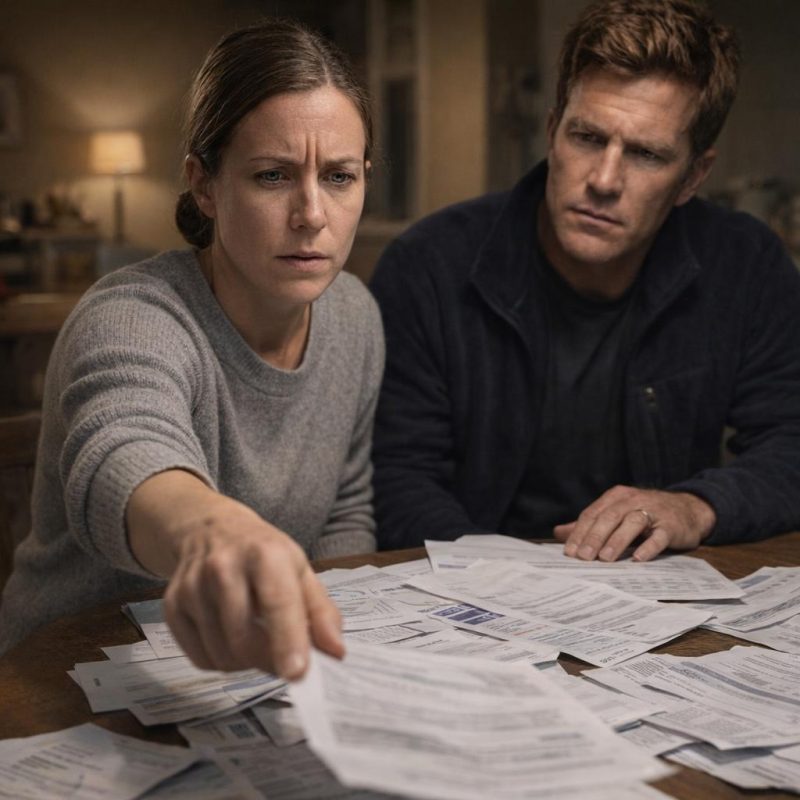 Image by RM AI
Legal Counsel
James Rodriguez listened to the whole story without interrupting, his silver-streaked hair catching the light from his office window as he took occasional notes on a legal pad. I'd brought the timeline I'd been maintaining, the survey results, the HOA correspondence, the code enforcement report, all of it organized in a binder that felt simultaneously thorough and ridiculous. Morgan sat beside me, adding details I'd forgotten—the timing of the fence dispute, the way Richard had escalated after each resolution attempt. James asked specific questions about dates, about what exactly Richard had said during various encounters, about whether we'd documented the interactions. His tone was professional, measured, the kind of calm that comes from having seen this type of thing before. When we finished, he leaned back in his chair and was quiet for a moment, considering. Then he said the phrase I'd been dreading, the one that meant this was real and serious and not something we could handle ourselves anymore. 'You need to retain me formally.' His retainer fee was three thousand dollars.
 Image by RM AI
Reality Check
James explained that boundary disputes could take years to resolve, his voice matter-of-fact as he outlined the various stages of litigation. There would be discovery, depositions, possibly expert witnesses if it went to trial. The survey we'd already paid for was just the beginning—Richard could commission his own, and if they disagreed, we'd need a third. Appeals could extend the timeline even further. He quoted figures for different scenarios, ranges that made my stomach drop. Even in a best-case outcome where we won decisively, the legal costs could easily exceed ten thousand dollars. And that assumed Richard didn't appeal, didn't drag it out, didn't find new angles to pursue. James had seen property disputes consume years of people's lives and tens of thousands of dollars over land that was worth a fraction of the legal fees. He wasn't trying to discourage us, he said, just wanted us to understand what we were committing to. Then he leaned forward slightly, his expression thoughtful, and asked a question that hung in the air between us. He asked if we'd considered what we were really fighting for.
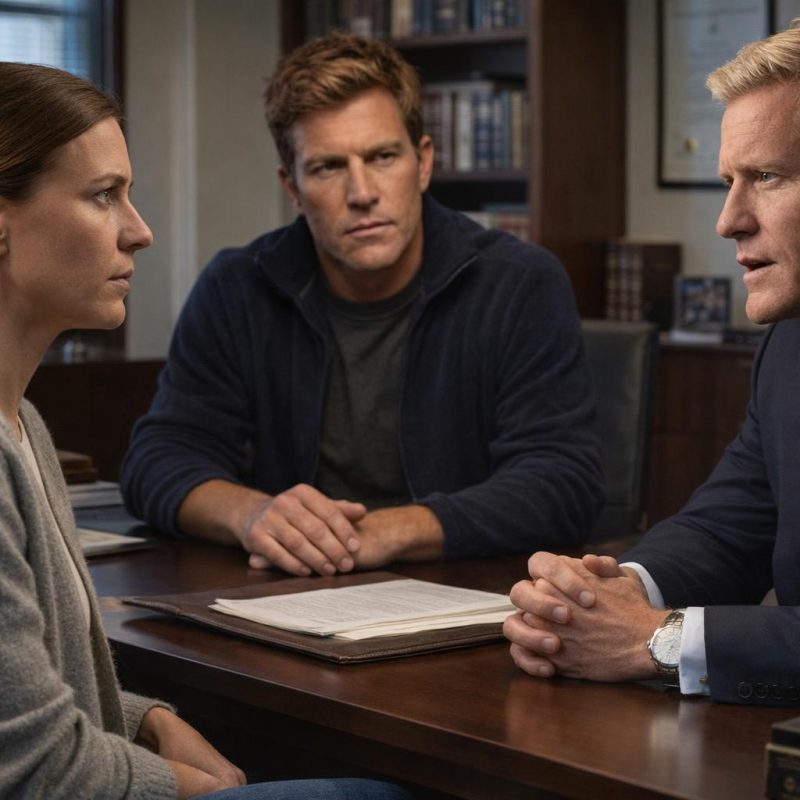 Image by RM AI
Exit Strategy
Morgan asked what the house would sell for in the current market, and whether that would be easier than fighting. We were in the car, driving home from James's office, and the question came out flat and practical, like he was asking about grocery shopping. I kept my eyes on the road, watching the familiar streets of our neighborhood pass by. He wasn't suggesting we give up, exactly—more like he was voicing the thought we'd both been avoiding. We could list the house, take whatever equity we'd built, find somewhere else to start over. Somewhere without a neighbor who'd made it his mission to make our lives difficult. Somewhere we wouldn't have to budget for legal fees and wonder what fresh complaint would arrive next. It was a reasonable question, the kind of pragmatic assessment Morgan was good at. We could cut our losses, walk away, let Richard have his victory or whatever it was he wanted. The silence stretched out between us as I turned onto our street, and I realized I couldn't answer because I'd already looked up the estimated value the night before.
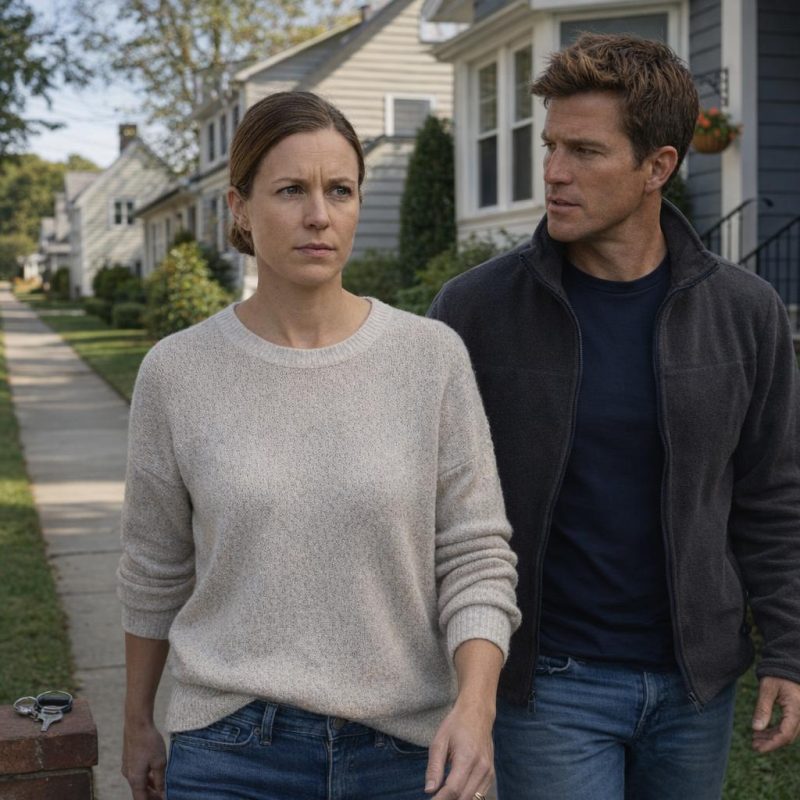 Image by RM AI
Line in the Sand
I told Morgan we weren't selling, that this was our home, and we'd see it through no matter what Richard did next. We were sitting in the driveway, the engine off, neither of us moving to go inside yet. I'd spent the whole drive thinking about it, turning the question over in my mind, and I knew that leaving would feel like letting Richard win in a way I couldn't accept. We'd done nothing wrong. We'd followed every rule, fixed every violation, tried every reasonable path to resolution. This was our house, the place we'd chosen, the neighborhood we'd invested in. If we left now, it would be because someone had made our lives miserable enough that staying felt impossible, and I wasn't ready to give him that power. Morgan nodded slowly, then reached over and squeezed my hand. He agreed. We'd retain James formally, pay the retainer, prepare for whatever came next. We'd document everything, follow every legal avenue, do this the right way even if it took months or years. We were in this together, and we'd see it through. Then Morgan asked what I thought Richard would do next.
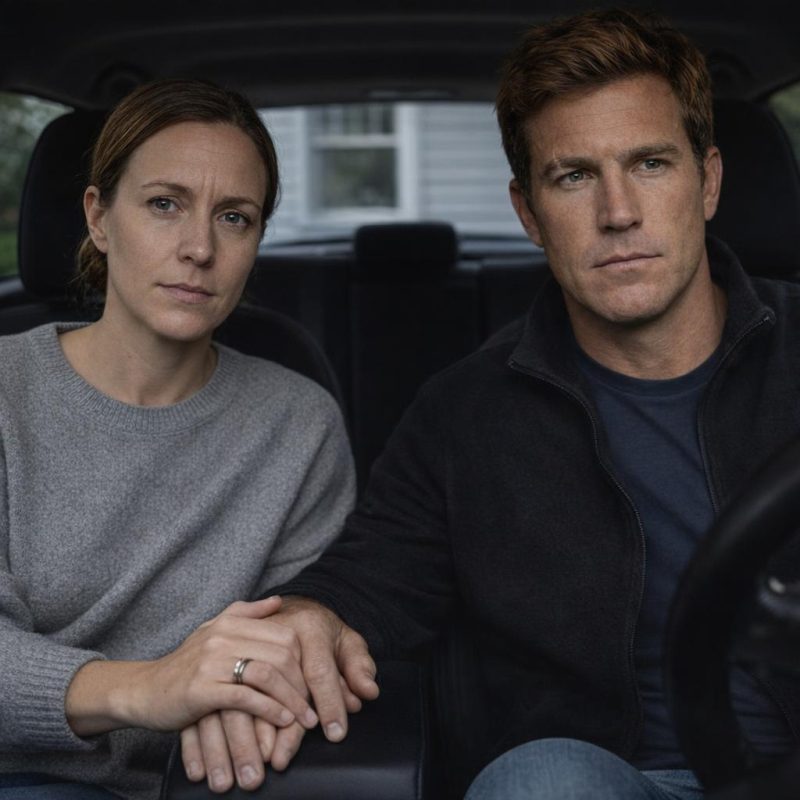 Image by RM AI
Casual Mention
Kevin Marsh, the real estate agent from two blocks over, mentioned during a neighborhood barbecue that Richard had bought the Kowalski house back in 2015. It came up casually, the way these things do when people are standing around with paper plates and making small talk. Kevin was telling a story about a difficult closing he'd handled recently, and it reminded him of another transaction years ago. He'd represented the buyers on a different property on our street, and Richard had been the seller's agent on the Kowalski place. Kevin remembered because Richard had been particularly knowledgeable about the property, had handled the whole thing smoothly. Diane was there too, listening with interest, mentioning she'd wondered who'd bought that house after the Kowalskis moved. I'd always assumed the Kowalskis had sold to a developer, someone who'd planned to renovate and flip it. But Kevin said no, Richard had purchased it himself, had been living there for a while before buying his current place. Morgan caught my eye across the patio, and I could see he was filing away the same information I was. I'd always assumed the Kowalskis had sold to a developer.
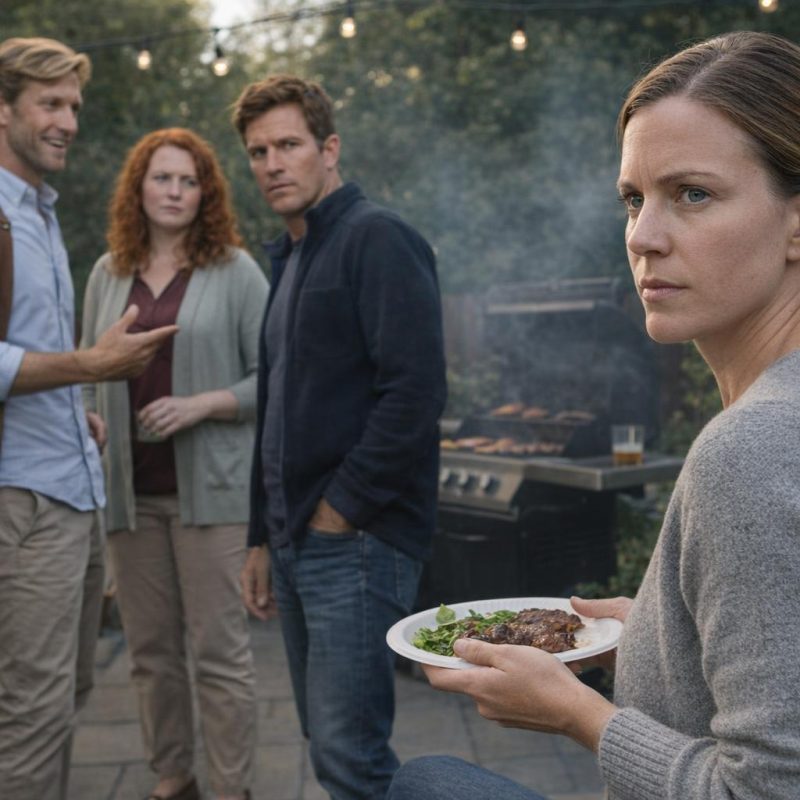 Image by RM AI
Public Records
I spent two hours on the county assessor's website that night, tracing property ownership records on our street. The interface was clunky, designed for bureaucratic efficiency rather than user experience, but once I figured out the search functions, the information was all there. I started with the Kowalski house, confirming what Kevin had mentioned. Richard Chen, purchased 2015. Then I searched the other properties on our block, clicking through parcel numbers and ownership histories. Morgan pulled up a chair beside me when he saw what I was doing, and we started making a list. The house three doors down, the one that had been empty for a few months last year before new renters moved in—Richard Chen, purchased 2018. The corner property that I'd thought belonged to an investment company—Richard Chen, purchased 2016. We pulled up a map of the neighborhood and marked each one. The pattern emerged clearly as we worked through the records. Richard owned three houses on our block, not including the one he lived in.
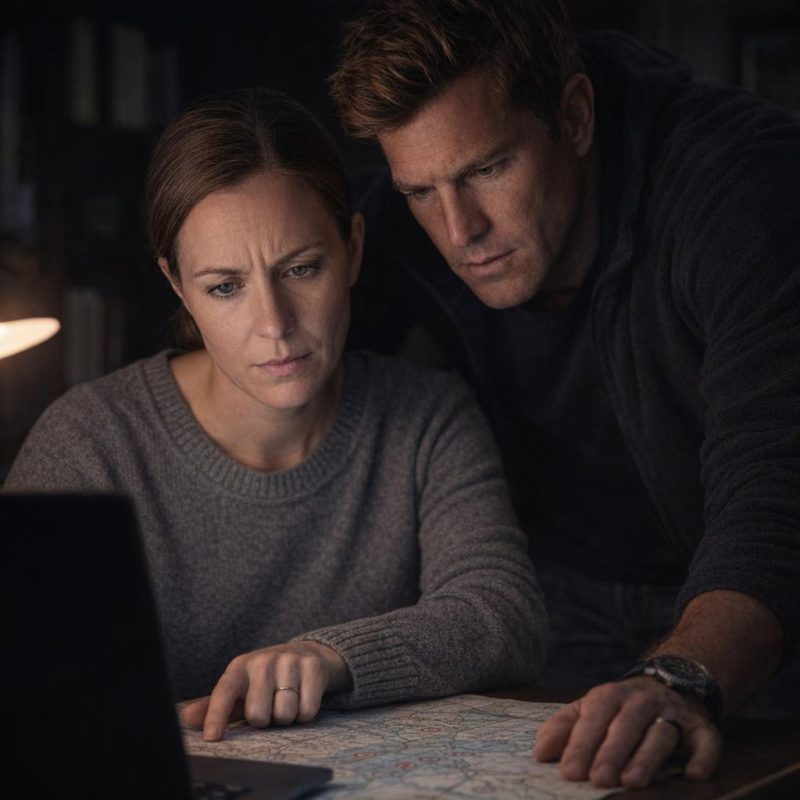 Image by RM AI
Below Market
Every house Richard owned had sold for fifteen to twenty percent below the assessed market value at the time of purchase. I cross-referenced the sale prices with the county's assessed values from those years, and the pattern was consistent across all three properties. The Kowalski house had been assessed at three hundred twenty thousand, sold for two seventy. The corner property, assessed at two ninety-five, sold for two fifty-five. The house three doors down, assessed at three forty, sold for two eighty-five. Morgan pulled up comparable sales from those same years, and the discounts were even more striking when you looked at what similar houses had sold for in the same timeframe. These weren't just good deals or motivated sellers making reasonable concessions. These were significant losses, the kind of below-market sales that usually only happened in foreclosures or estate situations where families needed to liquidate quickly. But none of these had been foreclosures. I checked. They'd all been standard sales, owners who'd lived there for years before selling. I stared at the numbers and wondered what could make three different families sell their homes for that much less than they were worth.
 Image by RM AI
Timeline
I spread a map of our block across the kitchen table and marked each of Richard's property acquisitions with the date it occurred. The Kowalski house, purchased in 2014. The corner property, 2017. The house three doors down, 2020. Morgan stood beside me, watching as I drew circles around each address and wrote the purchase dates in red marker. The spacing was consistent—roughly three years between each acquisition. I pulled back and stared at the timeline, feeling something cold settle in my chest. We'd moved in during the spring of 2023. If there was a pattern here, if Richard operated on some kind of cycle, we fit it perfectly. Morgan noticed it too. He pointed at the dates without saying anything at first, then finally asked what I was thinking. I told him I didn't know yet, that I couldn't explain why someone would space out property purchases like this or what it meant. But the consistency felt unusual. Too regular to be coincidence, too deliberate to ignore. We agreed we needed to find out what had happened to the families who'd sold—what had made them accept those below-market offers. The purchases happened roughly every three years, and if the pattern held, we fit the timeline perfectly.
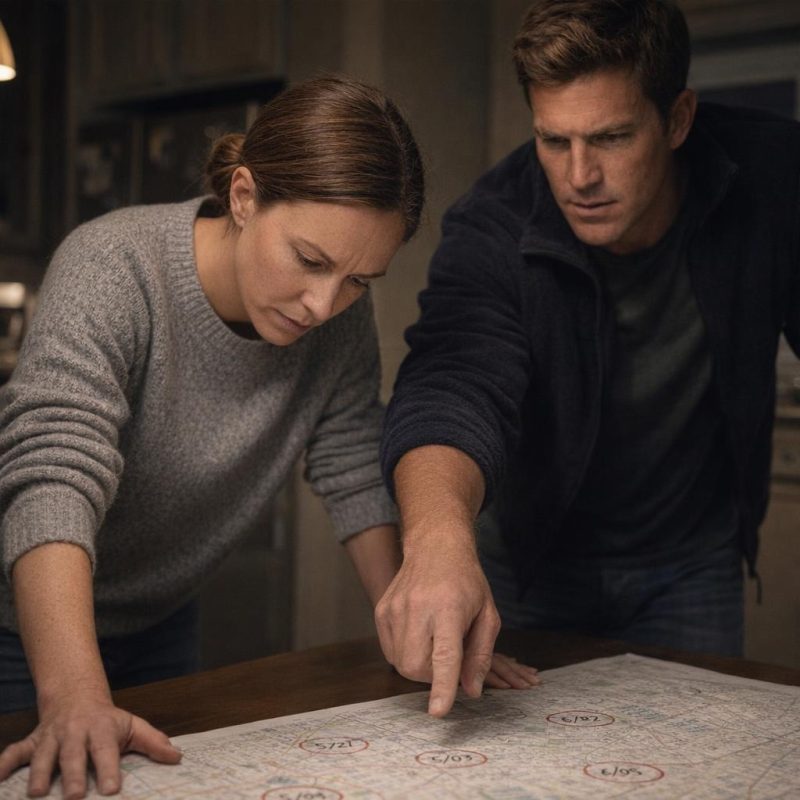 Image by RM AI
A Name
Diane hesitated before giving me Sandra Wright's phone number, asking if I really wanted to know what happened with the Kowalskis. We were standing in her driveway, and she had that careful expression people get when they're weighing whether to share something difficult. I told her I needed to understand what we were dealing with, that the property records had raised questions I couldn't answer on my own. She nodded slowly, then pulled out her phone and scrolled through her contacts. Sandra had been the Kowalskis' next-door neighbor before Richard bought their house, Diane explained. They'd stayed in touch over the years, exchanged Christmas cards, occasional phone calls. Diane's voice dropped when she mentioned that Sandra had moved away after selling her own house to Richard a few years later. She said Sandra had never been quite the same afterward, that something about the experience had changed her. I asked what had happened, but Diane just shook her head and said Sandra should be the one to tell me, if she was willing. She texted me the number with visible reluctance, then asked me to be gentle. She said Sandra had moved away after selling, and that she'd never been quite the same afterward.
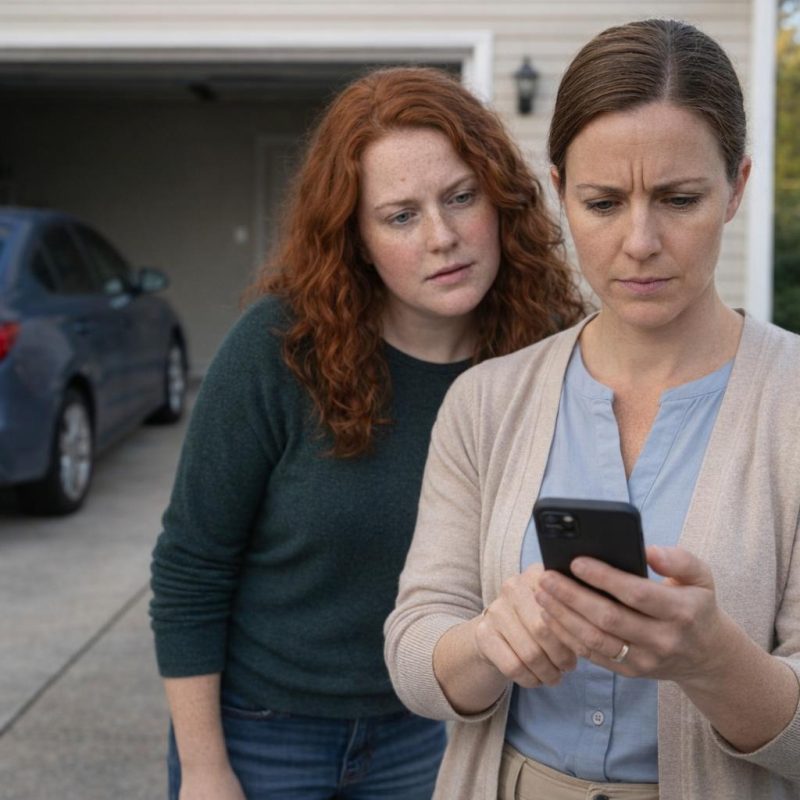 Image by RM AI
The Woman Who Left
Sandra's voice was steady but hollow when she described the two years of escalating complaints, inspections, and isolation that preceded her decision to sell. I'd called her that evening, introduced myself as Diane's neighbor, and explained that I was having a property dispute with Richard. There was a long pause, then she asked which house I lived in. When I told her, she made a small sound that might have been recognition or sympathy. She knew exactly what I was talking about, she said. It had started small for her too—a disagreement about a shared fence that needed repair. Richard had insisted on specific materials, specific contractors, specific timelines. When she'd tried to compromise, he'd filed complaints with the city about her yard maintenance, her driveway condition, her tree branches. The sequence felt familiar in a way that made my skin prickle. Code enforcement visits, certified letters, neighbors who stopped making eye contact. She described months of documentation and escalation that mirrored what Morgan and I had been experiencing. Then, after nearly two years of conflict, Richard had approached her with an offer to purchase her house. She asked how far into it I was, as if she already knew the answer.
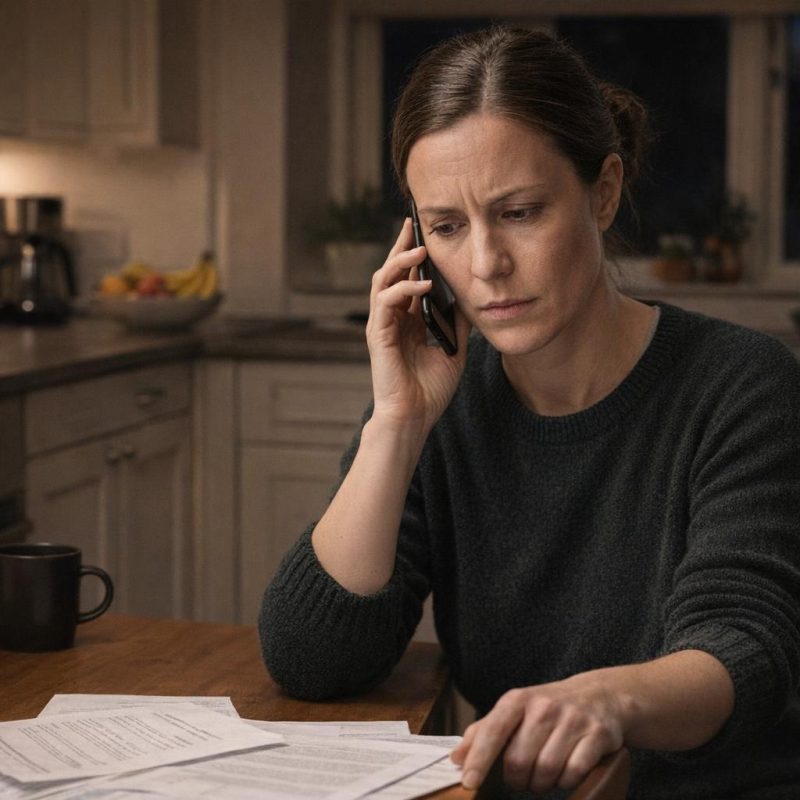 Image by RM AI
The Price of Peace
Sandra described the day Richard approached her with a sympathetic smile and a number that was thirty percent below what her house had been worth the year before. He'd been polite about it, she said. Told her he understood how stressful property disputes could be, how exhausting it was to deal with code enforcement and legal complications. He'd positioned the offer as a solution, a way for both of them to move forward. She'd known it was low. She'd known she was being pressured. But by that point, she'd been so worn down by the constant conflict, so isolated from neighbors who'd grown tired of the drama, that the idea of staying felt impossible. Morgan had joined me on the call by then, listening on speaker. He asked Sandra if she'd considered fighting back, hiring a lawyer, pushing through. She laughed, but there was no humor in it. She said she'd thought about it, but the financial and emotional cost had seemed endless. Richard had resources, patience, and apparently no limit to how long he'd sustain a dispute. She'd taken the offer because she couldn't imagine another year of living next door to him. She told me she took it because she couldn't imagine another year of living next door to him.
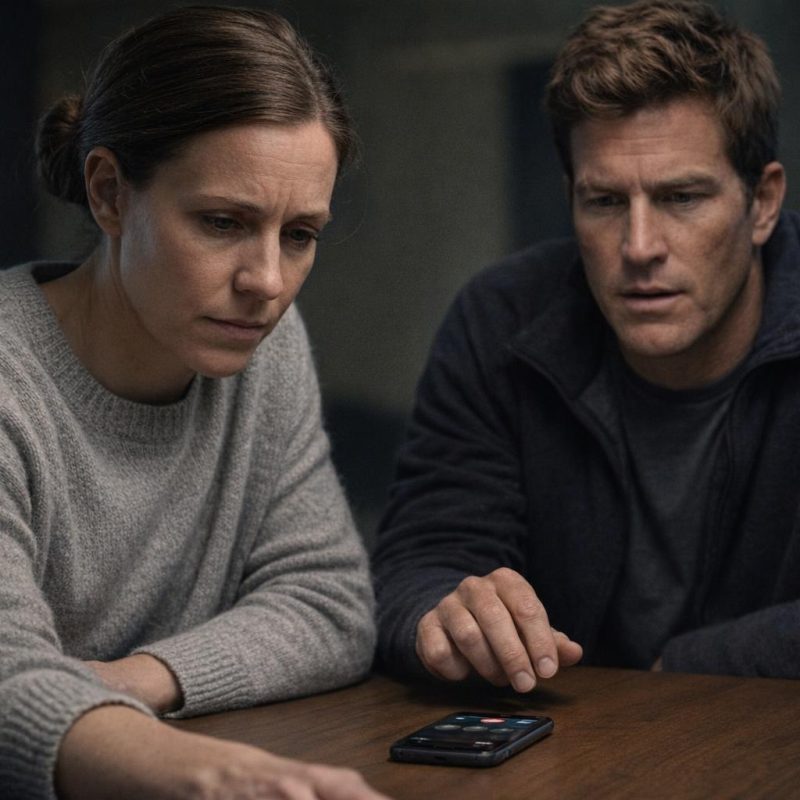 Image by RM AI
The Pattern
I hung up the phone and stared at the timeline on our table, finally understanding that Richard had done this before—that everything from the survey stakes to the code complaints had been part of a practiced sequence designed to make us want to leave. It wasn't a coincidence that his approach had felt so methodical, so perfectly calibrated to create maximum pressure. He'd refined it over a decade and three previous acquisitions. The polite documentation, the strategic escalation, the way he'd isolated us socially while maintaining his own reputation—it had all been deliberate. Morgan sat across from me, his face pale as the realization settled over both of us. Every interaction we'd had with Richard, every seemingly reasonable request that had somehow led to greater conflict, had been part of a script he'd already performed three times. Kevin's warning about Richard's patience made sense now. Sandra's hollow voice made sense. The below-market sale prices made sense. Richard didn't want to resolve property disputes. He created them, sustained them, and waited for his neighbors to break. Then he bought their houses at a discount and started over with the next target. This wasn't a property dispute; it was a property acquisition strategy, and we were his next target.
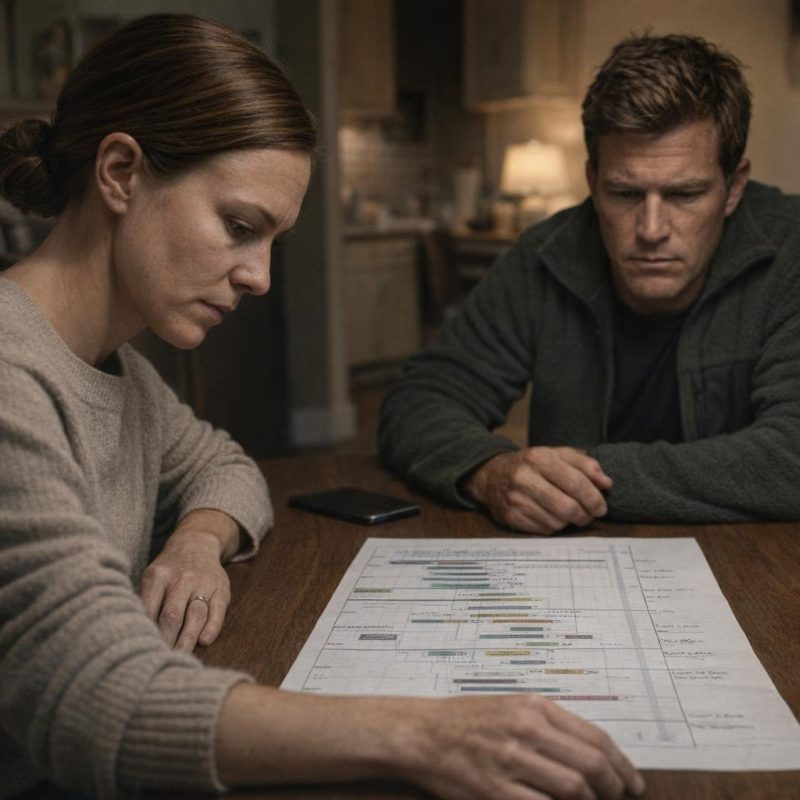 Image by RM AI
New Strategy
I sat across from James in his office, presenting not just our dispute but the documented history of Richard's three previous property acquisitions. I'd brought copies of the property records, Sandra's timeline, and notes from my conversation with her. James listened without interrupting, his expression growing more focused as I laid out the pattern. When I finished, he leaned back in his chair and studied the documents for a long moment. Then he asked if I had contact information for the other families who'd sold to Richard. I told him I was working on it, that Diane was helping me track them down. James nodded and said this changed the nature of our case significantly. We weren't just defending against code complaints anymore. We had evidence of a systematic pattern of harassment designed to force below-market property sales. That was actionable in ways a simple boundary dispute wasn't. He started making notes, asking questions about dates, documentation, witnesses. His energy had shifted from cautious defense to something sharper, more aggressive. James said we'd shifted from defense to offense, and that changed everything.
 Image by RM AI
Corroboration
Over the next week, I tracked down two other former owners of Richard's properties and listened to versions of the same story repeated with different names and dates. Diane had helped me find the family who'd sold the corner property, and I'd located the third family through public records and some persistent searching on social media. Both conversations followed the same pattern Sandra's had. Initial disputes over minor property issues, escalating complaints, social isolation, and eventually a below-market purchase offer that had felt like the only way out. The consistency was striking. Richard had used nearly identical tactics in each case—the same progression from reasonable neighbor to relentless adversary, the same documentation and code enforcement strategies, the same patient willingness to sustain conflict until his targets broke. None of them had realized they were part of a larger pattern until I called. One woman actually started crying when I explained what I'd discovered, saying she'd thought it was just her, that she'd somehow failed to handle a difficult neighbor. Morgan helped me document each conversation, taking notes while I talked to people who'd moved away years ago but still carried the weight of what had happened. All three families had sold after identical sequences of escalation, and none of them had connected the dots until I called.
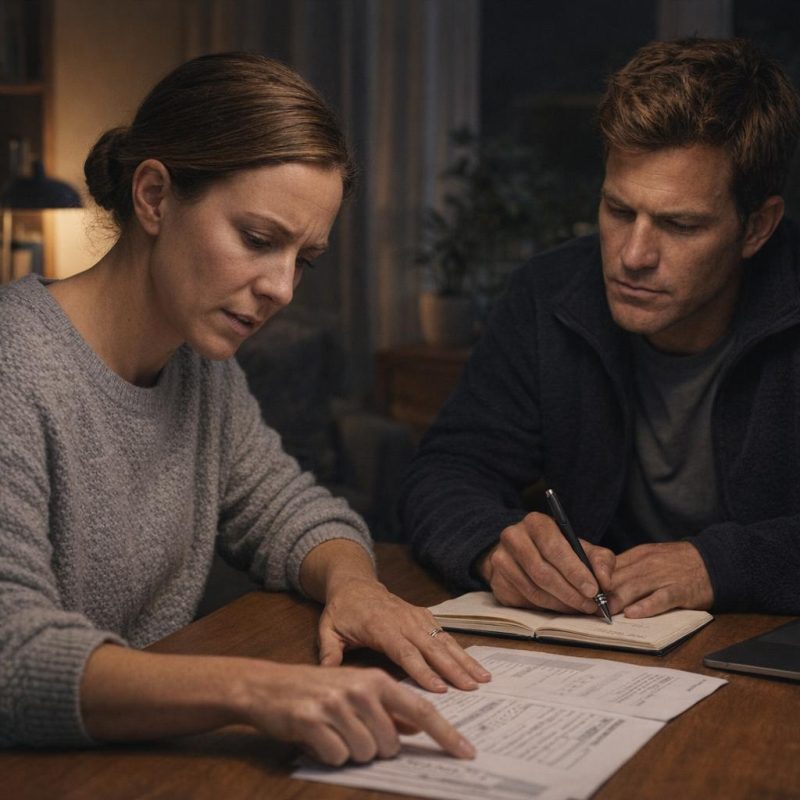 Image by RM AI
Building the Case
James assembled the testimonies, property records, and timeline into a comprehensive filing that documented Richard's decade-long pattern of neighbor harassment. I sat in his office with Morgan, watching him organize the evidence into a narrative that was impossible to dismiss. Four families, four nearly identical sequences of manufactured disputes, four below-market property acquisitions. The documentation was extensive—code enforcement records, certified letters, purchase agreements, and detailed testimonies from people who'd lived through Richard's process. James explained that the pattern evidence was crucial. It transformed what might have looked like isolated property disputes into a clear scheme of predatory conduct. A judge would see the repetition, the consistency of tactics, the financial benefit Richard had gained from each acquisition. James said cases like this rarely went to trial because the exposure risk was too high for the defendant. Richard had built his property portfolio quietly, one pressured sale at a time, but that only worked if nobody connected the pieces. Now we had. Morgan asked what happened next, and James said we'd file formally, serve Richard, and see how he responded. He said a judge would find this very interesting, assuming Richard didn't settle first.
 Image by RM AI
First Strike
James filed the complaint on a Tuesday morning, and I spent the rest of the day watching Richard's house from my office window like some kind of surveillance operative. The process server arrived just after three, walking up Richard's driveway with that distinctive purposeful stride they all seem to have. I watched Richard answer the door, watched him accept the papers with that same controlled smile he'd used on me a hundred times. But then he opened the envelope right there on his porch, and I saw something I'd never seen before—his posture changed. He read through the pages slowly, methodically, his face absolutely still in that way that suggested he was working very hard to keep it that way. James had warned me that Richard would likely respond with some form of retaliation, that men like him didn't accept challenges gracefully. But watching him stand there reading the documentation of his own pattern, seeing him realize that someone had finally connected all the pieces—it felt like the balance had shifted for the first time since this whole thing started. He finally went back inside after what must have been ten minutes. His porch light stayed on all night, and I knew he was making calls, planning his next move, trying to figure out how much we actually knew.
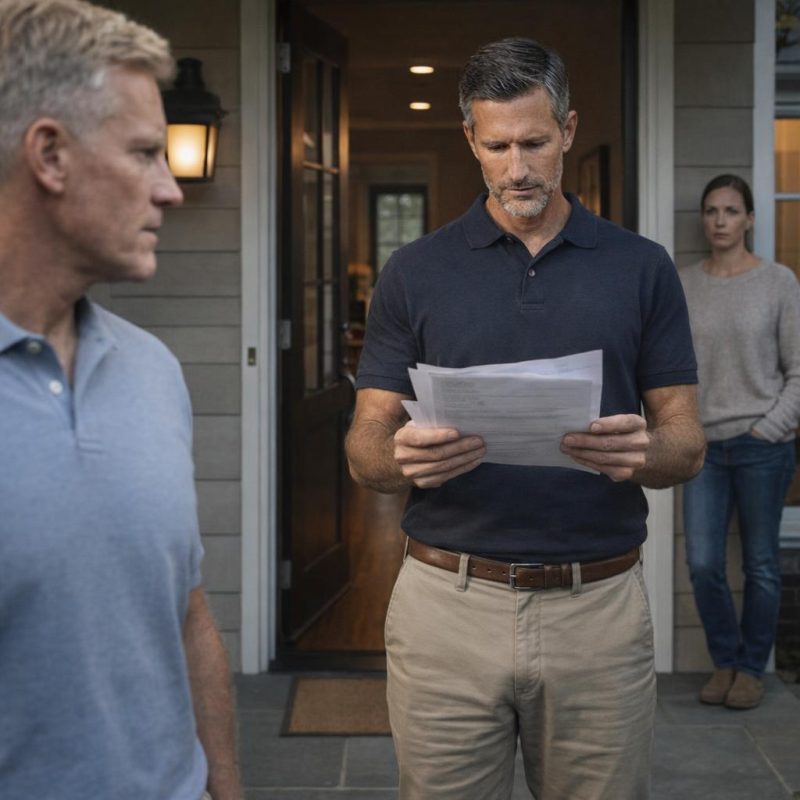 Image by RM AI
Discovery
The discovery phase was like watching Richard's entire operation laid bare in black and white. James received boxes of correspondence, property records, and financial documents that Richard's attorney was legally obligated to produce. The purchase offers were all there—Sandra's, the Hendersons', the Chens', every single one. I sat in James's office with Morgan, spreading them across the conference table like evidence at a crime scene. Each offer had arrived within two to three weeks of peak harassment in each case. Each one was fifteen to twenty-five percent below market value. Each one used nearly identical language about resolving neighborhood tensions and moving forward amicably. Richard's handwriting was on the cover letters, his signature on every document. James pointed out the phrases that repeated across all of them—'unfortunate misunderstandings,' 'fresh start for everyone,' 'fair resolution.' It was a script, refined over years, deployed with precision. Morgan asked how anyone could look at this and not see what it was. James said that was exactly what a judge would think, and that Richard's attorney was probably thinking the same thing right about now. His handwriting was on every offer, and the language was nearly identical in all of them.
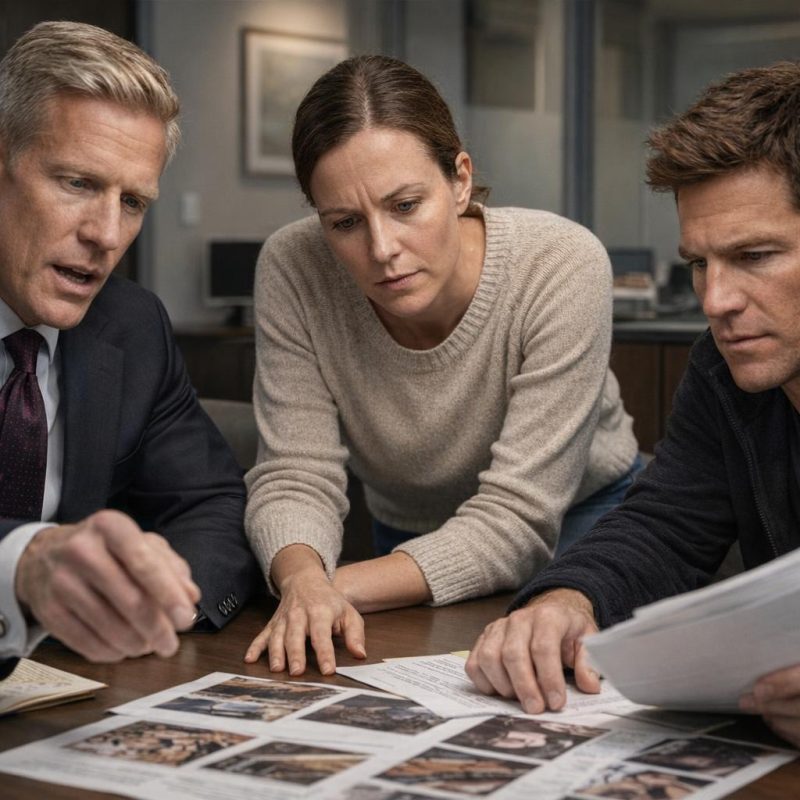 Image by RM AI
Counterattack
Richard's cease and desist letter arrived by certified mail on a Friday afternoon, and the language was designed to terrify. His attorney accused me of defamation, harassment, and intentional interference with his property rights. The letter claimed I'd damaged Richard's reputation through false statements to neighbors and had conspired to harm his business interests. It demanded we withdraw our complaint within ten days or face a lawsuit seeking damages that would, according to the letter, cost us everything we owned. Morgan read it twice, his jaw getting tighter each time. He wanted to know if Richard could actually do this, if we could lose the house over this. James came over that evening to review the letter, and he was calmer than either of us. He said it was a standard intimidation tactic, that Richard was trying to scare us into backing down before the case went any further. But he also said we needed to take it seriously, that Richard clearly had resources and wasn't afraid to use them. I felt the weight of it that night—the realization that standing up to someone like Richard meant he'd try to destroy you for it. His attorney demanded we withdraw the complaint within ten days or face a lawsuit that would cost us everything.
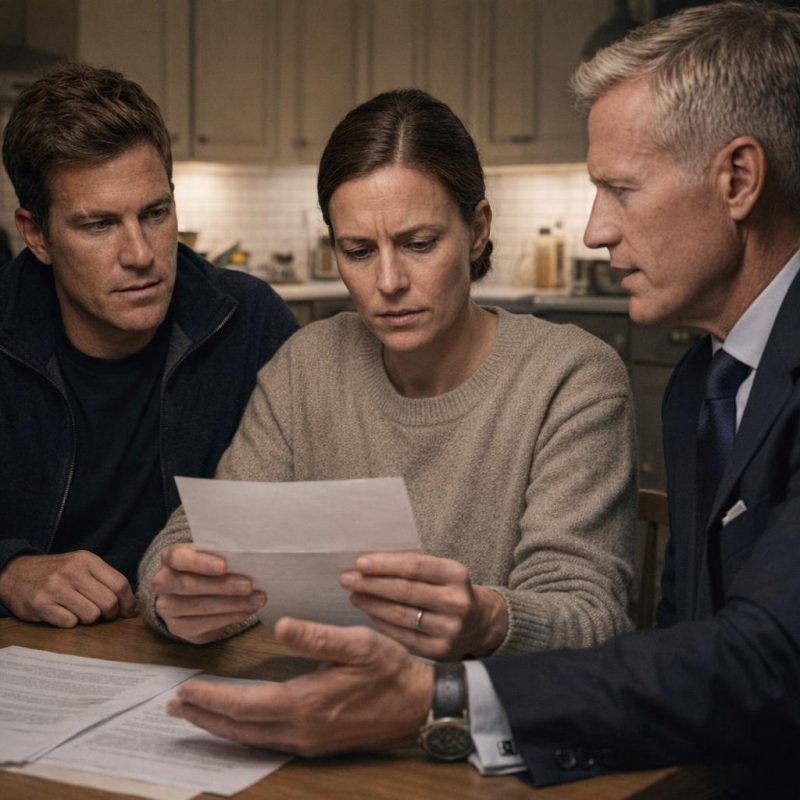 Image by RM AI
Standing Ground
James didn't waste time responding. Within three days, he'd filed a comprehensive countersuit against Richard for harassment, intentional infliction of emotional distress, and predatory conduct. He attached every testimony we'd collected, every piece of pattern evidence, every document that showed Richard's decade-long scheme. The filing was over forty pages, and James walked me through the key sections—the timeline showing identical tactics across four properties, the financial analysis demonstrating Richard's profit from each acquisition, the psychological impact statements from his previous targets. It was aggressive, thorough, and designed to show that we weren't backing down. James said Richard's attorney called him that same afternoon, which was unusual. Attorneys typically communicated through formal letters, not phone calls. The conversation had been brief, but James said the tone was different—more questions than threats, more concern about the evidence than bluster about their client's rights. He asked specifically about the testimonies, about how many former neighbors we'd contacted, about what other documentation we might have. James had been polite but firm, offering nothing beyond what was already filed. He said Richard's attorney had called him that afternoon, and for the first time, they sounded worried.
 Image by RM AI
Shifting Loyalties
I showed Diane the full documentation one afternoon when she stopped by to check on us. She sat at my kitchen table reading through the timeline, the testimonies, the purchase offers, her expression shifting from concern to something like anger. She asked if she could share this with a few people, and I said yes. Within a week, everything changed. Three neighbors who'd avoided eye contact with me for months knocked on my door to apologize. They said they'd believed Richard's version, that I was difficult and unreasonable, that the fence dispute was my fault. But seeing the pattern, seeing what he'd done to others—they felt foolish for not questioning it sooner. Morgan was there when the Johnsons came by, and I watched him struggle between vindication and frustration that it had taken this long. Even Tom stopped by one evening, his usual booming confidence subdued. He said he'd had no idea, that Richard had seemed so reasonable, so concerned about property values and neighborhood harmony. But his eyes told a different story—he felt foolish for not seeing it sooner, for being the kind of person who'd sided with the polished neighbor over the one actually telling the truth. Even Tom stopped by, saying he'd had no idea, though his eyes suggested he felt foolish for not seeing it sooner.
 Image by RM AI
The Offer
The formal purchase offer arrived two weeks after our countersuit, delivered by Richard's attorney with a cover letter that was almost sympathetic in tone. They were offering to buy our house for twenty-two percent below current market value. The letter suggested this could all go away if we just took the money, that continued litigation would be expensive and stressful for everyone involved, that this was an opportunity to put this unpleasantness behind us and move forward. I read it twice before the full weight of it hit me. Morgan saw my face and asked what was wrong. I handed him the letter and watched him read it, watched the recognition dawn. This was it—the exact playbook Sandra had described, the same offer the Hendersons and Chens had received, the same sympathetic language about resolving tensions and fresh starts. James came over that evening to review it, and he was almost pleased. He said this was Richard following his pattern in real time, that we now had documentation of him doing to us exactly what he'd done to four other families. He photographed every page, noting the date and delivery method. It was exactly what Sandra had described, down to the sympathetic language about putting this unpleasantness behind us.
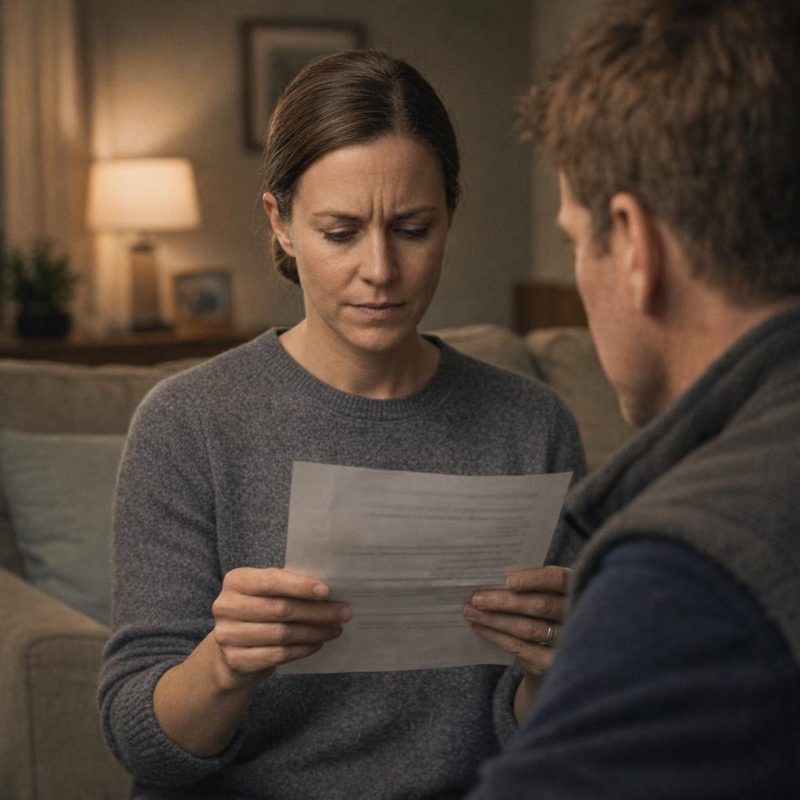 Image by RM AI
Counter Offer
James drafted our response over the weekend, and it was perfect. We formally rejected Richard's offer and proposed instead that he sell us one of his three investment properties—specifically the Henderson house—at fair market value. The letter noted that since Richard seemed interested in resolving neighborhood tensions through property transactions, perhaps he'd be willing to divest himself of a property he'd acquired under questionable circumstances. James kept the tone professional but the message was clear: we knew exactly what Richard had done, we knew about his entire portfolio, and we weren't intimidated. Morgan loved it, said it was exactly the kind of aggressive response Richard deserved. We sent it on Monday morning. James called me that afternoon, and I could hear something like satisfaction in his voice. Richard's attorney had called within an hour of receiving our counteroffer, and the conversation had been very different from previous ones. There was no bluster, no threats, no confident assertions about their client's position. Instead, there were questions about what we knew, about what we wanted, about whether we'd be willing to discuss settlement terms. Richard's attorney called James within the hour, and for the first time, Richard's name was mentioned with something like uncertainty.
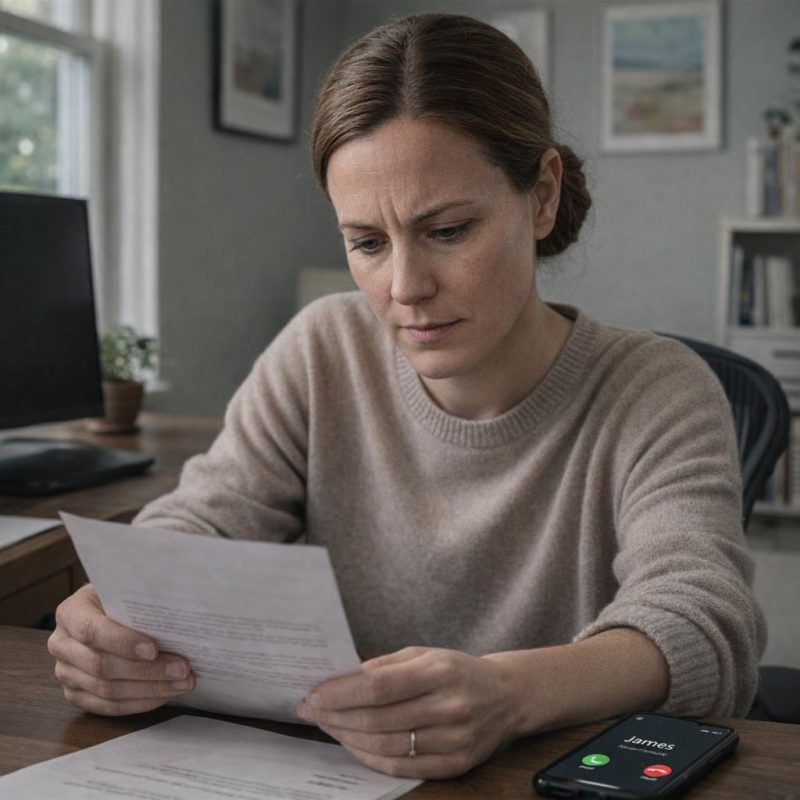 Image by RM AI
Mediation
The court ordered mediation before the case could proceed to trial, and we all arrived at the county building on a gray Thursday morning. Richard was already there with his attorney when we walked in, and it was the first time I'd been in the same room with him since this started. He looked composed, perfectly dressed, but there was something different in his eyes when he glanced at me—not the cold confidence I'd seen before, but something more guarded. The mediator was a retired judge who'd seen everything, and she asked both sides to present their documentation. James laid out our timeline, the testimonies, the purchase offers, the pattern evidence. It took twenty minutes to walk through it all. The mediator read through everything methodically, making notes, asking occasional questions. Richard's attorney tried to interject a few times, but she held up her hand, indicating she wanted to review it all first. The room was silent except for the sound of pages turning. Fifteen minutes passed. Finally, she looked up, her expression carefully neutral but her eyes sharp. The mediator read through our evidence for fifteen minutes without speaking, then asked Richard's attorney if his client understood what this looked like.
 Image by RM AI
Exposure
The mediator spread the documents across the conference table in three neat stacks. "Mr. Harrison," she said, her voice measured and professional, "I want to make sure you understand what we're looking at here." She walked through each property acquisition methodically—the Hendersons' place, the Martins' home, the Chens' property. For each one, she laid out the timeline: the initial friendly contact, the escalating complaints, the code enforcement calls, the harassment documentation, the eventual below-market sale. James had organized everything chronologically, and seeing it presented this way, the pattern was undeniable. Richard sat perfectly still, his attorney shifting uncomfortably beside him. Linda was there too, seated slightly behind Richard, and I watched her face as the mediator spoke. Her expression didn't change, but her hands gripped her purse tighter with each property the mediator described. "Three properties," the mediator continued, "three identical sequences of events, three sales significantly below market value, all to you or entities you control." She looked directly at Richard. "Do you understand how this will appear if we proceed to open court? How a judge will interpret this pattern?" The room felt airless. For the first time since I'd met him, Richard didn't have a prepared answer.
 Image by RM AI
Settlement
The settlement took two hours to finalize, but the core terms were clear within the first twenty minutes. Richard would drop all complaints, all claims, all filings related to our property. He'd pay our legal fees in full—every invoice James had submitted, every hour of research, every filing fee. The binding agreement James drafted was comprehensive: Richard could never file any claim against us or our property again, couldn't contact us except through attorneys, couldn't make any statements about us to neighbors or code enforcement. It was everything we'd hoped for and more. Morgan squeezed my hand under the table as Richard's attorney reviewed the final document. I should have felt pure triumph, but watching Richard sign each page, his movements precise and controlled even now, I felt something more complicated. He'd lost, completely and publicly, and the mask he'd worn so carefully had finally cracked. When we stood to leave, he extended his hand to me—a final performance of civility. I shook it, and he still couldn't meet my eyes. He shook my hand without meeting my eyes, and I felt something I hadn't expected: pity.
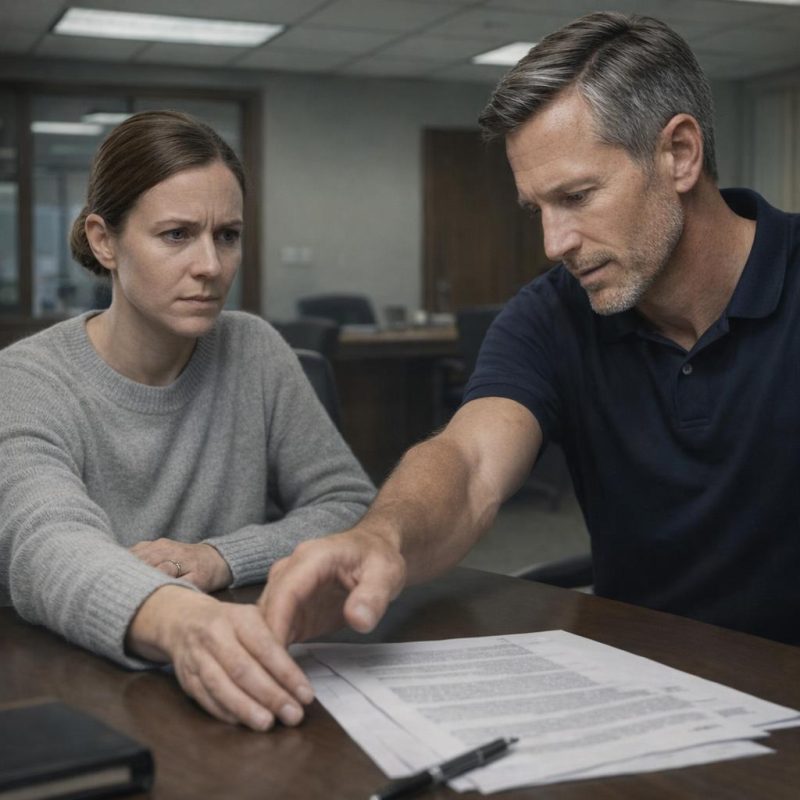 Image by RM AI
Boundary Lines
The official survey results arrived three weeks after the settlement, delivered in a thick envelope with the county seal. Morgan opened it at the kitchen table while I made coffee, and we both knew what it would say before he read it aloud. The fence had been in the correct position all along—our property line was exactly where we'd always believed it to be, exactly where the previous survey had indicated. We'd been right from the beginning. I walked outside with the document in my hand, standing in the backyard where this had all started. The fence looked the same as it always had, just weathered wood marking a boundary. But the fight had never really been about those few feet of land, had it? It had been about power, about control, about someone who'd found a system that worked and kept using it until someone finally said no. Morgan joined me, wrapping an arm around my shoulders. "We can just be boring neighbors again," he said, and I laughed because it sounded impossibly luxurious. I stood in my backyard without checking Richard's window for the first time in over a year.
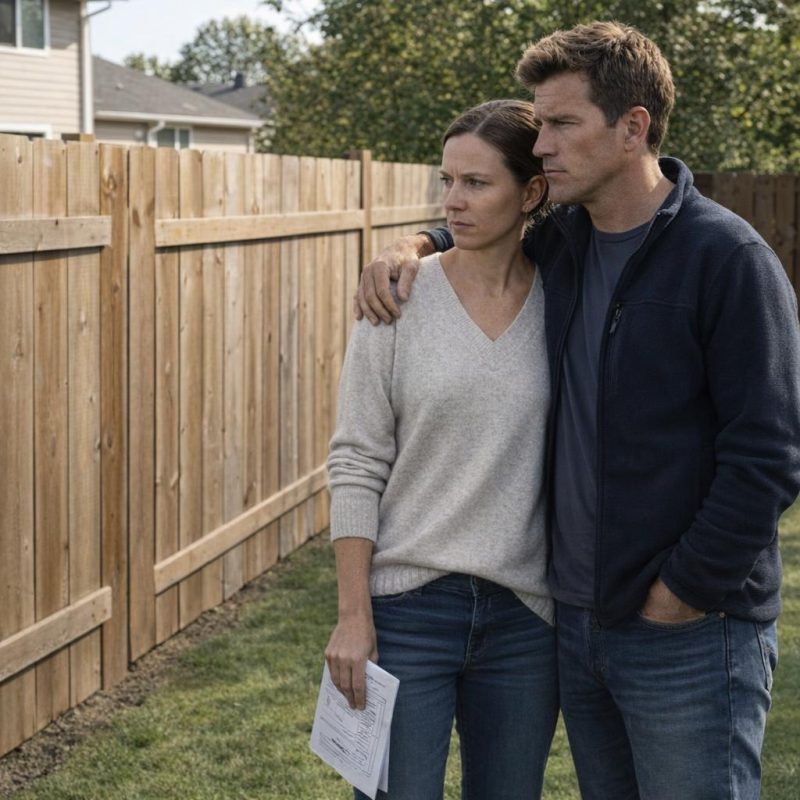 Image by RM AI
Lessons
Diane's block party happened on a warm Saturday in October, six months after everything ended. She'd set up tables in her driveway, and neighbors I'd barely spoken to during the worst months came by with dishes and drinks. Tom was there, louder than ever, but when he caught my eye, he gave me a small nod that felt like an apology. People were careful with each other in a way they hadn't been before—more thoughtful about assumptions, quicker to verify facts before spreading stories. Morgan and I stayed for hours, and it felt like breathing again. Diane pulled me aside at one point. "You did something important," she said quietly. "Not just for yourself." I didn't know if that was true, but I knew we'd all learned something about what could happen when you weren't paying attention, when you assumed the best without asking questions. A week later, I saw the moving truck across from Richard's house. New family, young couple with a toddler. I watched them unload for a few minutes, then walked over before anyone else could. When a new family moved into the house across from Richard's, I made sure to introduce myself before anyone else could.
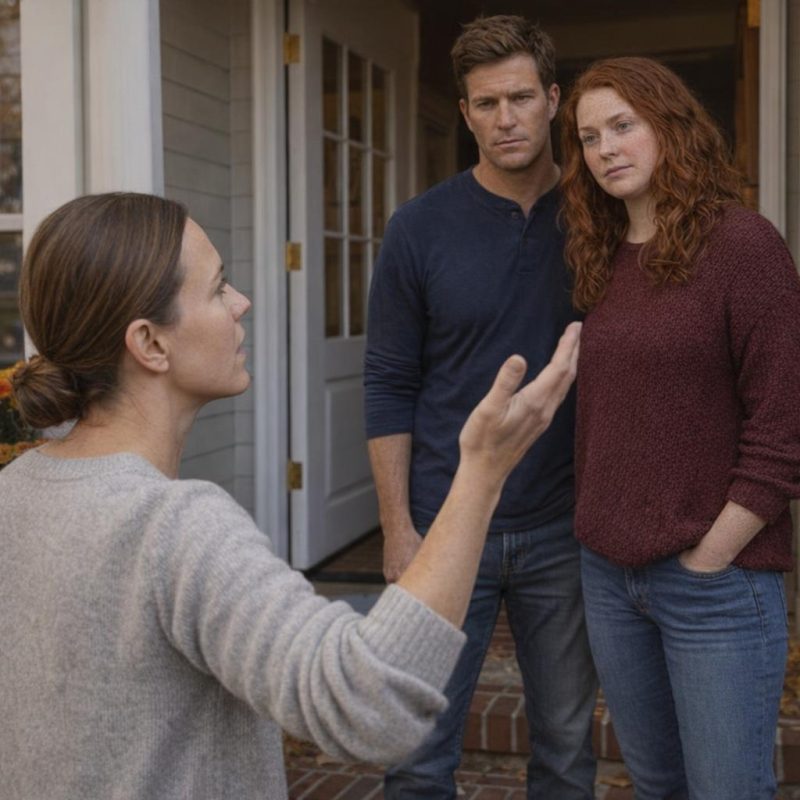 Image by RM AI