The Widow's Inheritance: How I Survived My Husband's Death and His Children's Betrayal
The Widow's Inheritance: How I Survived My Husband's Death and His Children's Betrayal
The Day After Goodbye
I wake up to the first morning without Thomas, the silence in our bedroom deafening. The indentation on his pillow remains, but he doesn't. For thirty seconds after opening my eyes, I forget he's gone—then reality crashes back like a wave. The funeral was just yesterday. Black dresses, hushed voices, and hollow condolences still echo in my mind. I shuffle to the kitchen in my robe, the hardwood floors cold beneath my feet, and make a single cup of coffee instead of our usual two. The house feels impossibly large now. As I sit at our breakfast nook, staring at the garden Thomas tended so carefully, my phone buzzes. Three messages from his children. Not one asks how I'm holding up. Instead, they want to know about 'arrangements' and 'paperwork' and when would be 'convenient' to come by and discuss 'Dad's things.' I set the phone face-down on the table. Thomas has been gone less than 48 hours, and already I can feel them circling. I take a deep breath and remind myself what Thomas whispered to me in those final days: 'Stand your ground, Margaret. You earned your place here.' If only he could see how quickly his prediction was coming true.
 Image by RM AI
The Life We Built
I run my fingers along the spines of Thomas's gardening books, remembering the day we met at the community garden fundraiser. I was arranging dahlias for the silent auction; he was donating heirloom tomato seedlings. 'Those flowers look like they're having a better day than I am,' he'd said, and I laughed despite myself. We were both in our fifties then—me freshly divorced, him a widower of three years. Our love wasn't the breathless, desperate kind you see in movies. It was deliberate, comfortable, like finding a perfect-fitting glove you didn't know you'd lost. We built this life brick by careful brick: Sunday crosswords, his-and-hers coffee mugs, compromise about thermostat settings, and quiet understanding when grief visited either of us. The doorbell's chime shatters my reverie, and my stomach tightens. Through the frosted glass, I recognize Robert's broad shoulders—Thomas's eldest and most opinionated child. He's clutching a manila folder, his face set in what I've come to recognize as his 'business expression.' I take a deep breath, smooth my cardigan, and open the door. Whatever's in that folder, I know it isn't condolences.
 Image by RM AI
The First Intrusion
Robert stands in our foyer, his condolence hug stiff and perfunctory. 'Sorry for your loss, Margaret,' he says, already looking past me toward Thomas's study. 'I need to find some important papers Dad mentioned.' Before I can respond, he's striding down the hallway like he owns the place. I follow, watching as he pulls open drawer after drawer of Thomas's carefully organized desk. When he thinks I'm not looking, I catch him snapping photos of documents with his phone, the flash reflecting off the framed photo of Thomas and me in Bermuda. 'Would you like some tea?' I offer, mostly to interrupt whatever he's doing. Robert glances at his expensive watch—the one Thomas bought him for his 40th birthday. 'Can't stay long,' he says, barely looking up. 'But I was thinking I could come back tomorrow? Bring Lisa and Michael too. We should really start sorting through some of Dad's things.' The way he says 'Dad's things' makes my skin crawl, as if Thomas's possessions—our possessions—are already being mentally catalogued and divided. I nod noncommittally, remembering Thomas's warning. This isn't about grief or memories for them. This is inventory.
 Image by RM AI
The Family Descends
True to Robert's word, all three of Thomas's children descended on our home the next morning like a team of professional appraisers. I hadn't even finished my coffee when the doorbell rang. Diana breezed past me with barely a hello, making a beeline for the dining room where she ran her manicured fingers over the mahogany sideboard. 'Was this from Dad's family?' she asked, not bothering to mask her calculating tone. Meanwhile, Michael stood in the hallway, head tilted as he examined Thomas's favorite painting—the one we'd found at that little gallery in Santa Fe on our anniversary trip. 'This would look perfect above my fireplace,' he announced to no one in particular. I retreated to the kitchen, methodically preparing sandwiches I knew they wouldn't touch, listening to their voices drift through the house. 'The silver needs to be divided equally,' Robert was saying. 'And someone should check if those golf clubs are worth anything.' I gripped the counter until my knuckles turned white, remembering how Thomas had squeezed my hand in the hospital and whispered, 'They'll show their true colors, Maggie. Just wait and see.' I never imagined how quickly he'd be proven right, or how much it would hurt to be treated like a temporary caretaker in my own home—as if I were already a ghost too.
 Image by RM AI
Whispers and Assumptions
I was deadheading Thomas's prized roses when their voices drifted through the garden air. They hadn't noticed me behind the tall hydrangea bushes, too absorbed in their whispered calculations. 'She only had a few years with Dad,' Diana said, her voice carrying that familiar edge of entitlement. 'We had our whole lives.' Michael hummed in agreement. 'Exactly. She should be reasonable about inheritance expectations. It's not like she raised us or contributed to the family wealth.' I froze, pruning shears suspended mid-cut, a strange numbness spreading through my chest. The casual dismissal of my fifteen years with Thomas—years filled with love, partnership, and ultimately, grueling caregiving—felt like a physical blow. When I shifted position, the watering can at my feet tipped over with a metallic clang. Their heads snapped in my direction, eyes widening with the unmistakable guilt of being caught. 'Margaret!' Diana's voice instantly transformed into syrupy sweetness. 'We were just discussing the funeral arrangements. Do you think Dad would have wanted his navy suit or the gray one?' I straightened my back, meeting their gaze steadily as Thomas's voice echoed in my memory: 'They'll rewrite history to justify what they want, Maggie. Don't let them.'
 Image by RM AI
The Caregiver's Memories
That night, after the vultures finally left, I found myself staring at Thomas's medication schedule still pinned to our refrigerator with those silly magnet clips he loved. The meticulous chart I'd created—color-coded boxes for morning, afternoon, and night doses—now just a useless piece of paper. My fingers traced over the notes where I'd recorded his good days and bad ones. I collapsed against the kitchen counter, finally letting myself break completely. For months, I'd been the rock—administering morphine at 3 AM, changing sweat-soaked sheets, helping him to the bathroom when his legs could no longer carry his weight. Where were his children then? Too busy with their important lives to sit with their dying father. Always armed with excuses: Michael's business trip, Diana's children's recitals, Robert's allergies to 'hospital environments.' When Elena called to check on me, something inside me cracked open. 'They never came, Elena,' I whispered into the phone. 'He waited for them every Wednesday. He'd ask me to help him look presentable, even when he could barely sit up.' I could hear Thomas's voice so clearly: 'Don't worry, Maggie, they're just busy.' But I saw the hurt in his eyes each time the doorbell didn't ring. What Thomas's children will never understand is that inheritance isn't just about what you receive—it's about what you were willing to give.
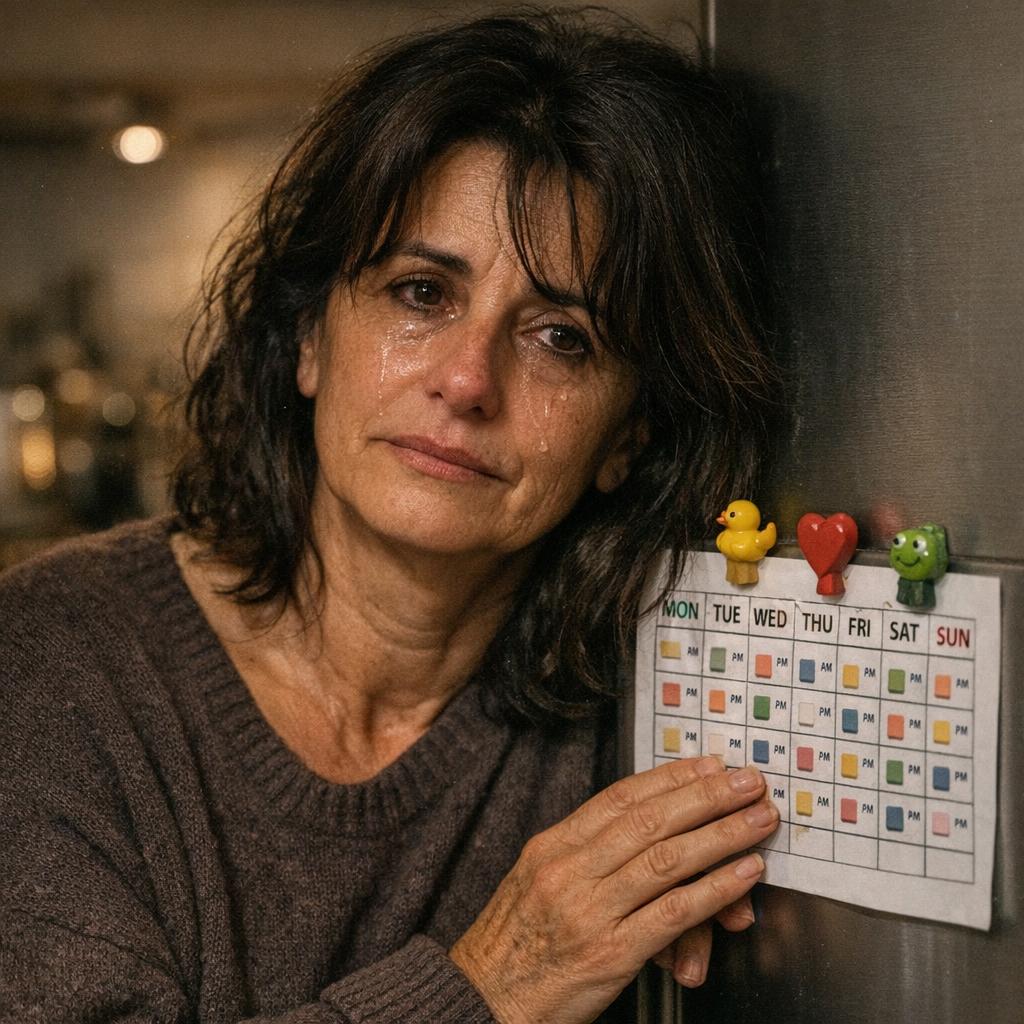 Image by RM AI
The Cancer Journey
I found myself sitting at the kitchen table one rainy Tuesday afternoon, sorting through the mountain of medical records that had become our life's documentation. Bills, test results, and doctor's notes spread before me like a morbid confetti. I remember the day everything changed—Thomas and I sitting in those uncomfortable plastic chairs as Dr. Reeves delivered the news with all the emotion of someone reading a grocery list. 'Stage four pancreatic cancer. Metastasized to the liver.' The fluorescent lights buzzed overhead as my world collapsed. In the car afterward, Thomas finally broke. Not with loud sobs, but with quiet tears that somehow hurt more. 'I don't want to be a burden to you, Maggie,' he whispered, his hand trembling in mine. I promised him then—fiercely, completely—that I would be there for every appointment, every treatment, every moment. 'In sickness and in health,' I reminded him, trying to smile through my own tears. What I couldn't have known then was how the circle around us would shrink. How his children would drift away like smoke when the treatments got ugly. How friends would stop calling because illness makes people uncomfortable. How eventually, it would just be Thomas and me against an enemy we couldn't defeat, in a battle that would leave only one of us standing.
 Image by RM AI
The Disappearing Family
The first few weeks after Thomas's diagnosis, his children seemed to rally. Lisa brought homemade lasagna on Tuesdays. Michael stopped by with fresh flowers and sat reading the newspaper to his father. Robert called daily with updates about his kids. I remember feeling grateful, thinking we'd face this terrible journey surrounded by family. But as Thomas's body began to betray him—as the treatments left him gaunt and the pain medications made conversations harder—I watched them slowly disappear. First, the visits shortened. 'Sorry, can't stay long today.' Then the excuses multiplied like cancer cells. 'Work's crazy right now.' 'The kids have soccer.' 'Traffic was terrible last time.' I'd watch Thomas check his phone throughout the day, his face brightening at each notification only to fall when it wasn't them. 'They have their own lives, Maggie,' he'd say, but I caught him staring at family photos when he thought I wasn't looking. By month four, the lasagna stopped coming. By month six, the calls became weekly, then monthly. I kept a calendar in the kitchen drawer—not of appointments, but of their visits. The empty squares spoke volumes. What hurt most wasn't their absence during the hardest moments; it was watching Thomas pretend it didn't matter, even as he kept glancing toward the door every Wednesday afternoon, hoping someone would come.
 Image by RM AI
The Lawyer's Call
The phone rang on a Tuesday morning, exactly one week after we laid Thomas to rest. I almost didn't answer it, exhausted from playing hostess to his children's impromptu inventory sessions. 'Mrs. Margaret Winters? This is Edward Harmon, your husband's attorney.' His voice carried a warmth that had been absent from my house lately. As he asked about my wellbeing, I felt tears threatening—someone finally asking how I was doing instead of what I owned. When I mentioned Thomas's children had been visiting daily to 'organize his belongings' (their words, not mine), there was a telling pause on the line. 'Margaret,' he said, his tone shifting slightly, 'I'd strongly advise you not to sign anything or make any promises regarding property or possessions until after the will reading.' My stomach tightened. 'Is there something I should know, Mr. Harmon?' Another pause. 'Let's just say Thomas was... very specific about his wishes. The reading is scheduled for Monday at 10 AM. And Margaret? Perhaps consider changing your locks before then.' After hanging up, I sat at the kitchen table, staring at Thomas's favorite coffee mug. What exactly had my husband anticipated that I was only beginning to understand?
 Image by RM AI
The Unexpected Visit
The doorbell rang just after lunch, startling me from my daze of grief. Diana stood on the porch with Greg hovering behind her like a shadow. 'Margaret!' she exclaimed with that artificial brightness that never reached her eyes. 'We were in the neighborhood.' Before I could respond, they were inside, Diana's gaze already sweeping the living room. 'We thought today might be a good time to look at Mom's jewelry,' she announced, as if this had been a scheduled appointment. 'Dad always said I would get her pieces when the time came.' I blinked, trying to recall Thomas ever mentioning such a promise. Greg cleared his throat, all business. 'Actually, we thought it might be prudent to make an inventory of valuables. For insurance purposes, of course.' The way his eyes lingered on Thomas's grandfather clock made my skin crawl. 'I'm sorry,' I said, summoning strength from somewhere deep within, 'but I'm really not up for this today. Perhaps after the will reading on Monday?' Diana's smile tightened at the corners. 'The will reading?' she repeated, exchanging a quick glance with Greg. 'Yes, of course. We understand.' But the way her fingers drummed against her purse told me she understood something else entirely—that the game was changing, and she wasn't sure of the rules anymore.
 Image by RM AI
The Last Conversations
I find myself drawn to Thomas's study like a moth to flame, seeking his presence in the lingering scent of his cologne and worn leather chair. I run my fingers across his desk—the one where he spent those final weeks writing in his journal, making phone calls when he thought I was napping. 'I gave them everything but time,' he'd confessed one evening as I adjusted his oxygen. His voice was barely above a whisper, but the regret echoed like thunder. 'And now they've learned to live without me.' I remember how his eyes, sunken but still sharp, had fixed on mine with unexpected clarity. 'Promise me you'll take care of yourself when I'm gone, Margaret. Don't let them bulldoze you.' He'd squeezed my hand with surprising strength. 'I've made arrangements,' he added, that cryptic half-smile playing on his lips. I'd nodded, assuming it was the morphine talking. Now, sitting in his chair, surrounded by the books he loved and the photos he cherished—most featuring us, not them—I wonder what exactly he meant. What arrangements? And why did he look almost... satisfied when he said it? The lawyer's call suddenly makes more sense, like puzzle pieces clicking into place. Thomas wasn't just saying goodbye during those final weeks—he was preparing for a battle he wouldn't live to fight.
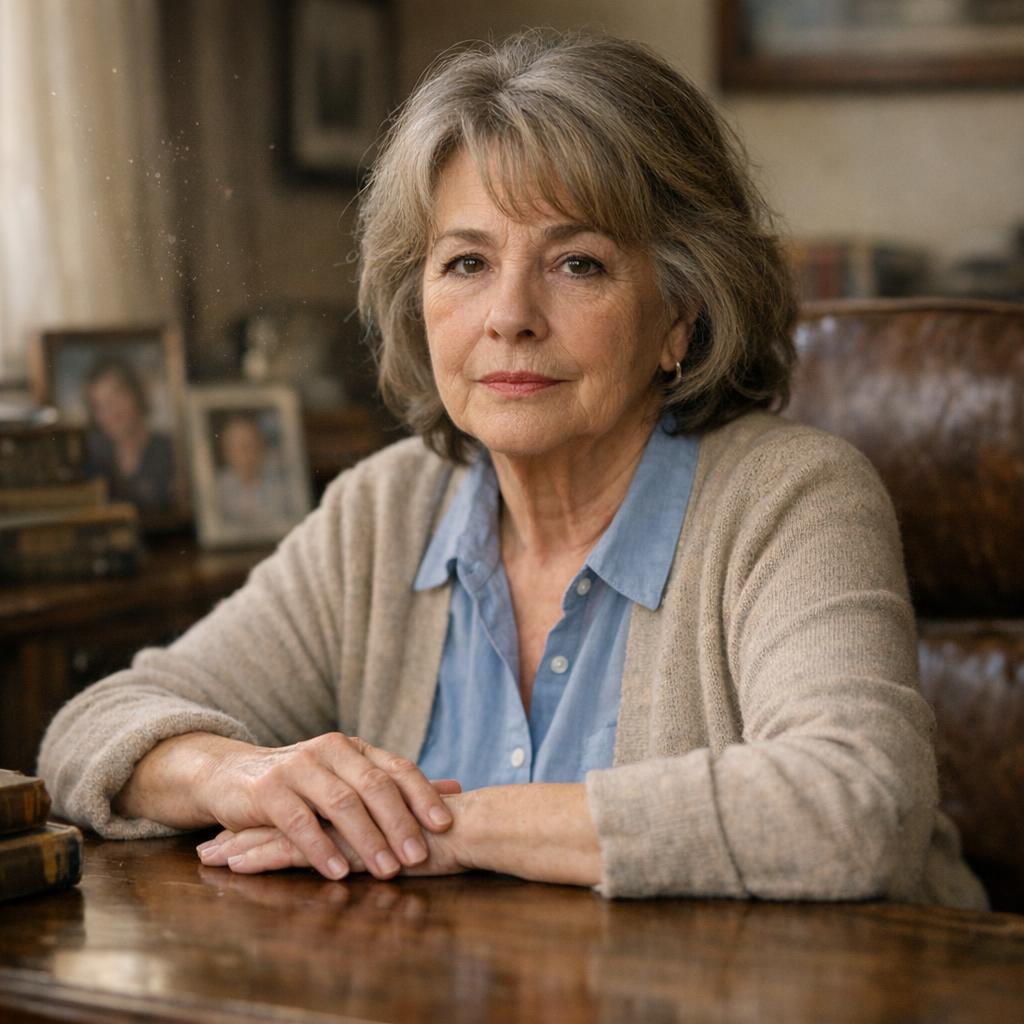 Image by RM AI
The Mysterious Box
I was sorting through Thomas's closet on a quiet Sunday afternoon, trying to find the strength to organize his clothes for donation, when my fingers brushed against something cold and metallic behind his winter sweaters. A sleek, gunmetal gray box—about the size of a hardcover book—sat tucked away on the top shelf. In our fifteen years together, I'd never seen it before. My heart quickened as I lifted it down, noting its substantial weight and the small keyhole on the front. It felt like discovering a secret chapter in a book I thought I'd finished reading. After an hour of searching through his desk drawers, I found a small key taped to the underside of his fountain pen case—so like Thomas to be methodical even in his secrets. With trembling hands, I turned the key and lifted the lid. Inside lay several cream-colored envelopes, each addressed to one of his children in his distinctive, architect-precise handwriting. Beneath them was a USB drive and another envelope—this one addressed to me. 'Open After the Will Reading' was written across the front, underlined twice. I traced his handwriting with my fingertip, feeling both comforted and unsettled by this message from beyond. What final words had Thomas left for me? What truths were contained in those sealed envelopes to his children? I carefully closed the box, respecting his timeline if not understanding it. Whatever Thomas had planned, he wanted it revealed in a specific order. And after all we'd been through, I could wait a few more days to honor his final request.
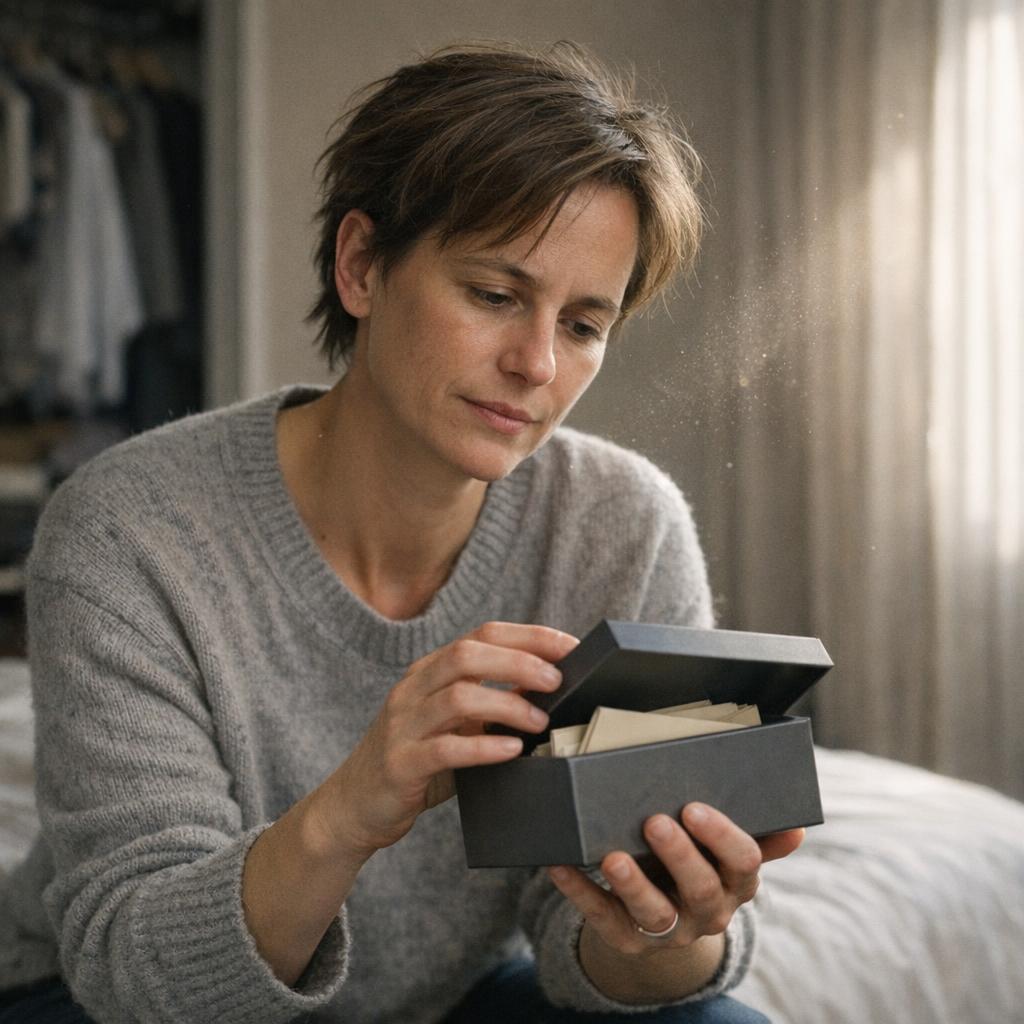 Image by RM AI
The Neighborhood Support
The doorbell rang just as I was about to pour myself another glass of wine—my third that day, but who was counting? It was Sophia from next door, balancing a casserole dish in one hand and a stack of mail in the other. 'I intercepted your mail carrier,' she explained, following me into the kitchen. 'And I made that chicken thing Thomas always raved about.' For the next two hours, Sophia sat with me at the dining table, helping me sort through the mountain of sympathy cards. 'Remember when Thomas climbed onto my roof during that storm?' she chuckled, passing me another envelope to open. 'Seventy years old and still playing handyman.' When I finally confided about Robert, Diana, and Michael's behavior—the inventory-taking, the whispered conversations—Sophia's expression hardened. 'Listen to me, Margaret,' she said, covering my hand with hers. 'When my sister passed, her kids tore the family apart fighting over china nobody even wanted. Grief makes people strange, but it also reveals who they truly are.' She squeezed my fingers. 'Thomas knew exactly who showed up for him when it mattered. Don't let anyone make you feel guilty for being the one who stayed.' As she helped me stack the cards, I noticed one envelope that had fallen under the table—postmarked three weeks before Thomas died, addressed in his handwriting to his attorney.
The Midnight Caller
The phone jolted me awake at 1:17 AM, Thomas's side of the bed still achingly empty. Michael's voice came through slightly slurred, catching me off-guard. 'Margaret? Sorry it's late... I've been thinking about how we've been treating you.' I sat up, suddenly alert, as he launched into apologies that sounded rehearsed, blaming grief and stress for their behavior. I almost believed him until the conversation took an abrupt turn. 'You know,' he said, his tone shifting to something more calculated, 'have you thought about selling the house? It's so big for just one person. Probably hard to maintain alone.' I clutched the phone tighter, remembering Thomas's warning. The audacity was breathtaking—not even waiting until after the funeral to start eyeing real estate values. 'I appreciate your concern, Michael,' I replied, keeping my voice steady despite the anger bubbling inside me. 'But I think we should discuss everything after the will reading on Monday.' His pause spoke volumes. 'Right, of course,' he backpedaled quickly. 'Just trying to help.' After hanging up, I stared at the ceiling, wondering if Diana and Robert would be making their own midnight pitches before the lawyer revealed whatever Thomas had planned. The chess pieces were moving, but I was beginning to suspect my late husband had anticipated every possible play in this game.
 Image by RM AI
The Family Photo Albums
I found the photo albums tucked away in Thomas's study, leather-bound volumes chronicling a life I'd only partially shared. Sitting cross-legged on the floor, I opened the first one—Thomas with a young Diana on his shoulders, Michael learning to ride a bike, Robert's high school graduation. Their mother, Catherine, beautiful and vibrant before cancer took her too. Family vacations to lakeside cabins and national parks, Christmas mornings with wrapping paper chaos. Then suddenly, there I was—appearing in holiday photos, always slightly off-center, smiling politely from the edge of family circles. I noticed how Thomas's arm would always find its way around my waist, anchoring me to him even as his children maintained their distance. The final album hit me hardest. Just Thomas and me—at the botanical gardens he loved, celebrating our anniversary at that little Italian place, him dozing in his favorite chair with our cat. Two years of memories where his children were conspicuously absent. No birthdays. No Christmases. No Sunday dinners. Just empty spaces where family should have been. I traced my finger over a photo of Thomas smiling weakly from his hospital bed, me beside him holding his hand. 'You were documenting the truth, weren't you?' I whispered to the ghost of my husband. 'Creating evidence of who showed up.'
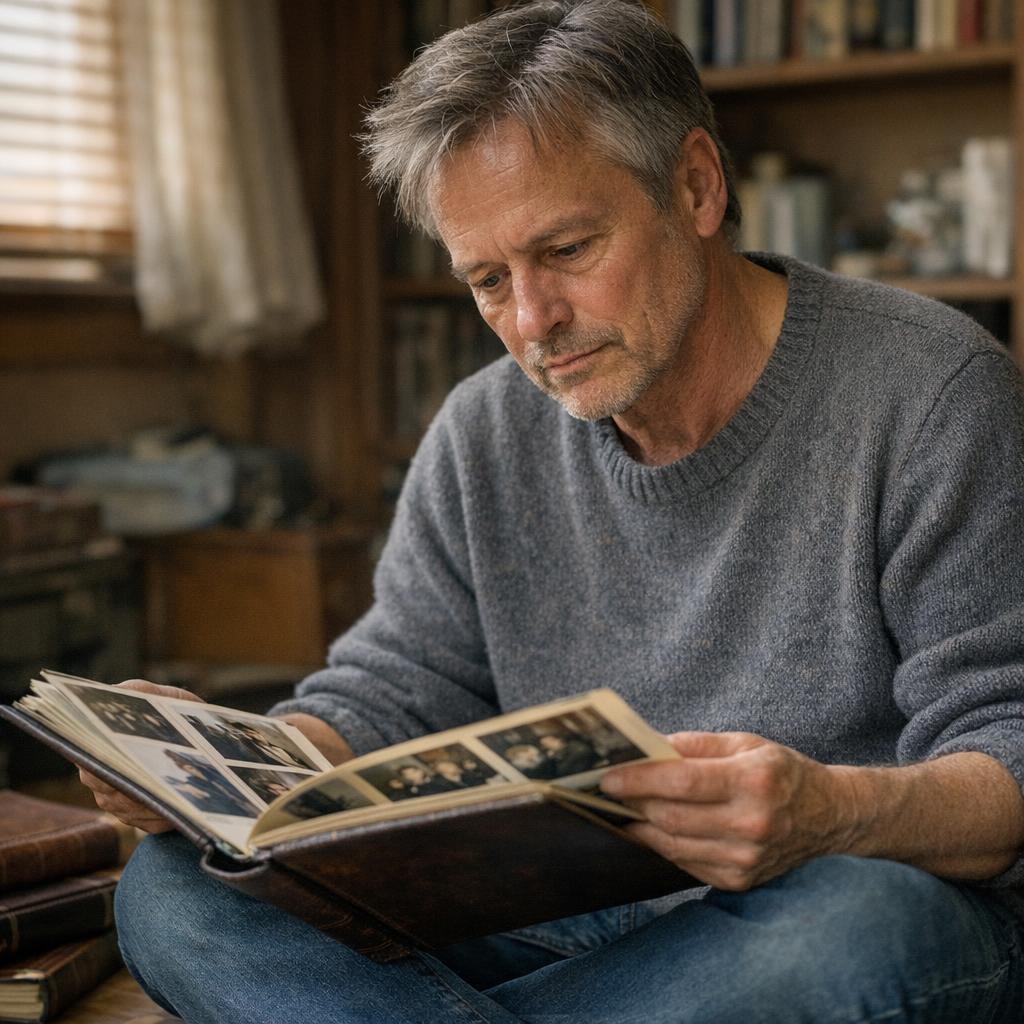 Image by RM AI
The Missing Heirloom
I noticed it on Thursday morning—Thomas's grandfather's pocket watch was missing from its display case in the study. The antique timepiece had always sat proudly on the mahogany shelf, its gold chain carefully arranged in a perfect spiral. Thomas would wind it every Sunday, a ritual he maintained even when his hands shook from the chemo. My stomach knotted as I dialed Robert's number, wondering if I was overreacting. 'Robert, it's Margaret. I'm calling about your grandfather's pocket watch—it seems to be missing.' The pause on the other end lasted a beat too long. 'Oh, that old thing?' he finally replied, his voice unnaturally casual. 'Dad probably gave it to Michael before he... you know.' I felt my grip tighten on the phone. 'That's strange,' I said, keeping my voice steady, 'because Thomas specifically told me he wanted the watch to stay with the house. He said it belonged here.' Another pause, followed by a throat clearing. 'Well, memories can get confused during difficult times,' Robert said, his tone suddenly patronizing. 'But I'll look into it, Margaret. Gotta run now—important meeting.' As I hung up, I glanced at the empty display case and wondered what else might disappear before Monday's will reading.
 Image by RM AI
The Day Before the Reading
Sunday evening, the doorbell chimed at precisely 6 PM. I opened the door to find all three of Thomas's children standing there like carolers who'd forgotten their songbooks. Diana thrust a bottle of expensive cabernet into my hands—Thomas's favorite, though she wouldn't have known that. 'We thought we'd check on you before tomorrow,' she said with a smile that didn't quite reach her eyes. The transformation was jarring. Suddenly Michael was pulling out my chair at dinner, Robert was asking about my 'emotional wellbeing,' and Diana was complimenting the house she'd barely acknowledged during Thomas's illness. 'To family,' Robert proposed, raising his glass with theatrical sincerity. 'To sticking together through thick and thin.' I nodded politely, watching them exchange glances when they thought I wasn't looking. The charade continued through dessert, until Robert casually mentioned his friend's mother who 'absolutely loves' her retirement community. 'So much less to worry about,' he emphasized, 'no maintenance, no stairs...' Diana quickly added how 'freeing' it must be to 'downsize after loss.' I smiled and served more coffee, thinking of Thomas's mysterious box upstairs and tomorrow's appointment. They were setting the stage for something, unaware that Thomas had already written the final act.
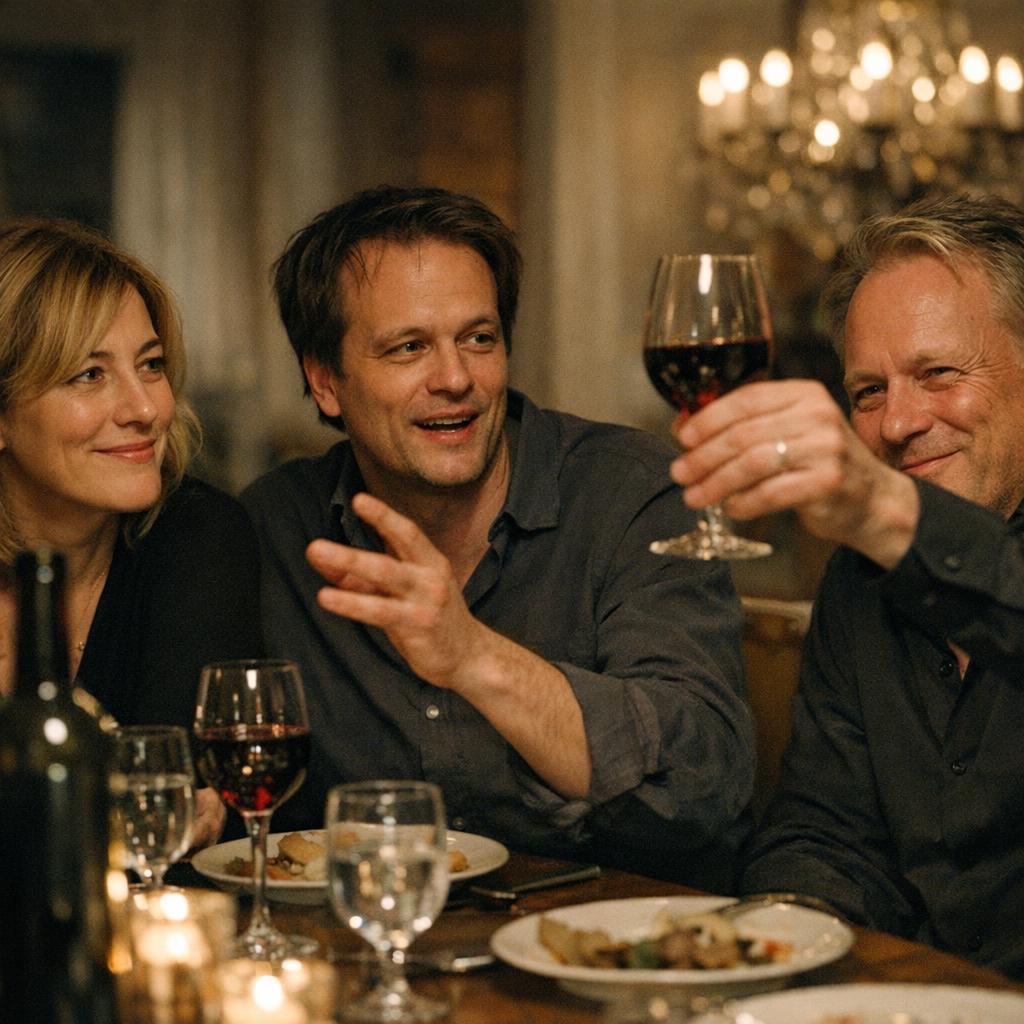 Image by RM AI
The Morning of Truth
I woke up at 5:17 AM, my eyes snapping open like I'd heard an alarm only my subconscious could detect. The will reading was scheduled for 10 AM, but my body knew today was the reckoning. I laid there watching dawn creep through the curtains Thomas and I had picked out together, wondering if he somehow knew this day would come when he was still here. After a shower that couldn't wash away my anxiety, I carefully selected the navy blue suit he always said made me look 'formidable'—his word, not mine. As I smoothed the lapel, my fingers found his handkerchief still tucked in the breast pocket where I'd placed it after the funeral. The faint scent of his cologne lingered, and I pressed it briefly to my face before returning it to its place. Elena called just as I was attempting to force down some toast. 'I'll be thinking of you today,' she said, her voice warm with concern. 'Remember, you're not alone in that room, even if it feels like it.' She paused before adding, 'Thomas was smarter than they give him credit for, Margaret. Much smarter.' We arranged to meet for coffee afterward, though whether it would be a celebration or consolation remained to be seen. As I gathered my purse and keys, I glanced at the mysterious box on the dresser, wondering if its contents would finally make sense after today. Whatever Thomas had planned, in just a few hours, there would be no more secrets—and no more pretending.
 Image by RM AI
The Law Office
Mr. Harmon's law office felt like stepping into another era—all mahogany paneling and leather-bound books that probably hadn't been opened in decades. I settled into a chair on one side of the massive conference table, painfully aware of the empty seats beside me. Across from me, Thomas's children formed a united front: Diana with her husband, Michael with his wife, and Robert leaning forward with his elbows on the table like he was about to close a business deal. The family photos on Mr. Harmon's desk caught my eye—smiling faces, arms around shoulders, genuine connection. What a concept. I smoothed my navy suit and felt Thomas's handkerchief in my pocket, drawing strength from it. Diana whispered something to Michael, who nodded with a barely concealed smirk. They looked so confident, so certain of what was coming. I recognized that look—it was the same expression Thomas would get when he knew something others didn't. The irony wasn't lost on me. Mr. Harmon entered with a leather portfolio and several folders, nodding respectfully in my direction before taking his seat at the head of the table. "Shall we begin?" he asked, his voice cutting through the tension like a knife through butter. And just like that, the moment Thomas had carefully orchestrated was finally here.
 Image by RM AI
The Will Reading
Mr. Harmon cleared his throat and began reading in that measured lawyer voice that somehow makes even the mundane sound like a proclamation. 'To my son Robert, I leave my collection of vintage watches, excluding my grandfather's pocket watch...' He continued methodically, listing modest financial gifts and specific heirlooms for each child. Diana nodded smugly at first, but her expression gradually shifted as the bequests seemed... underwhelming. I kept my eyes fixed on my hands, feeling their stares burning into me. Then came the bombshell. 'To my wife, Margaret, I leave our home, all investment accounts, and the remainder of my estate.' The room froze. Mr. Harmon continued, 'This bequest comes with the condition that my children shall not contest this will or harass Margaret in any way.' Three heartbeats of stunned silence followed before the room erupted. 'This is ridiculous!' Robert shouted, his face flushing crimson. Diana was already on her phone, presumably texting her lawyer. Michael stood up so abruptly his chair crashed backward. 'She manipulated him when he was sick!' he spat, pointing at me like I was a criminal. Through it all, I sat perfectly still, Thomas's handkerchief clutched in my palm, as the truth I'd suspected all along played out exactly as my husband had predicted.
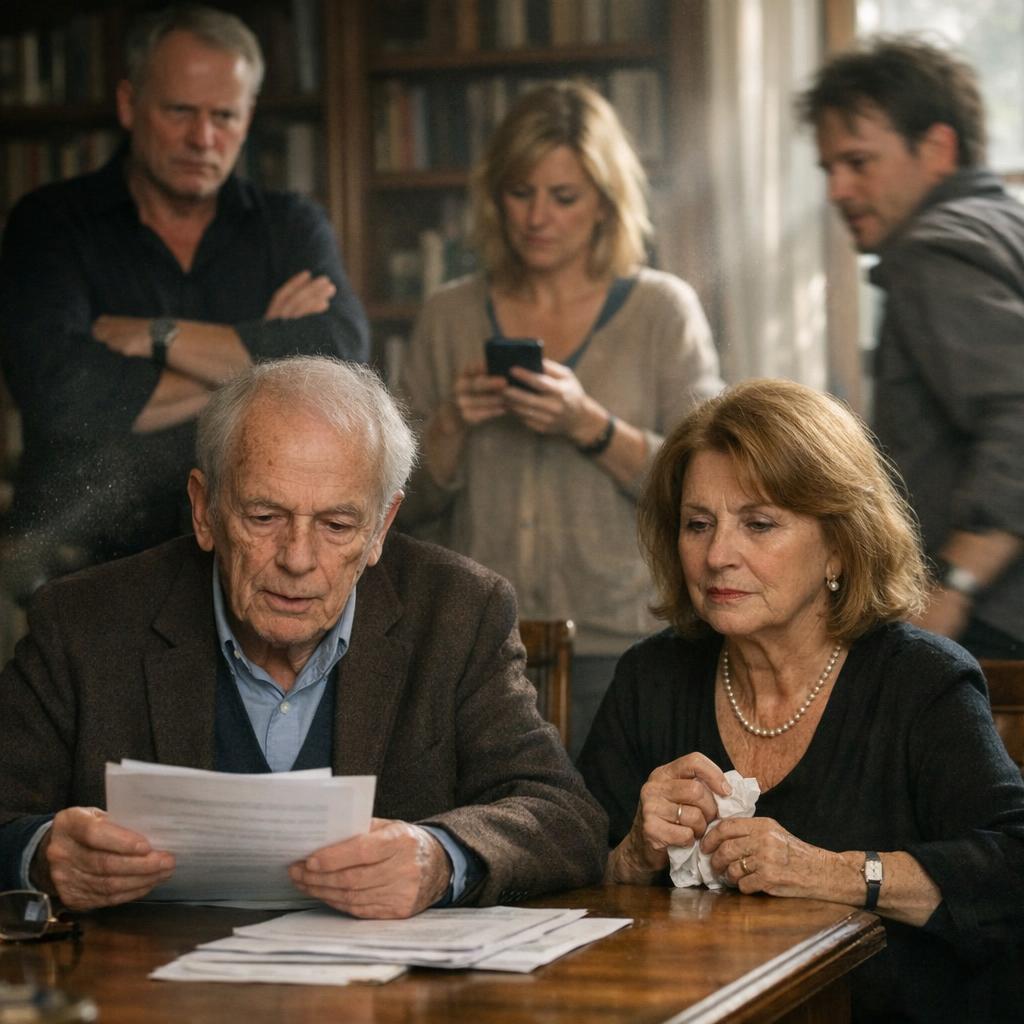 Image by RM AI
The Explosion
Diana shot to her feet, her manicured finger pointing at me like I was on trial. 'She isolated him from us!' she shouted, her voice cracking with what sounded like genuine pain but felt like performance. Robert, always the businessman, turned to Mr. Harmon. 'This can't possibly be legal. He wasn't in his right mind.' Michael just sat there, staring at his hands, the color drained from his face. I remained perfectly still, Thomas's handkerchief hidden in my palm, my anchor in this storm. Mr. Harmon adjusted his glasses and pulled out a USB drive. 'Mr. Winters anticipated this reaction,' he said with remarkable calm. 'He recorded several video statements explaining his decisions in detail. He also documented who visited during his illness and who didn't.' The room went deadly quiet. 'There are timestamps, hospital logs, and witness statements,' he continued. 'Your father was meticulous.' I watched their faces transform as the reality sank in—Thomas hadn't just left a will; he'd left evidence. Evidence of absence. Evidence of choices. Evidence of truth. Diana collapsed back into her chair, mascara already smudging beneath her eyes. What none of them realized yet was that this wasn't even the biggest bombshell Thomas had prepared.
 Image by RM AI
The Video Testament
Mr. Harmon inserted the USB drive into his laptop and turned the screen toward us. The room fell into a heavy silence as Thomas's face appeared—thinner than his healthy days but still unmistakably him, his eyes clear and determined. 'If you're watching this,' he began, his voice steady despite the oxygen tube visible in his nose, 'then I'm gone, and my will has caused exactly the reaction I anticipated.' I felt a tear slide down my cheek as his familiar voice filled the room. Thomas spoke with remarkable clarity about his decisions, detailing how I had bathed him, dressed him, and held his hand through endless nights of pain. 'While Margaret gave me dignity in my final days,' he continued, looking directly into the camera, 'my children couldn't bear to witness my decline.' Diana's quiet sobbing was the only sound as Thomas methodically listed dates and times—missed birthdays, unanswered calls, holidays spent alone. 'This isn't punishment,' he said gently. 'It's acknowledgment of reality.' Robert stared at the floor, his earlier bravado evaporated. Michael's wife squeezed his hand, but he pulled away. What none of them realized was that Thomas wasn't finished speaking yet—and his next words would change everything.
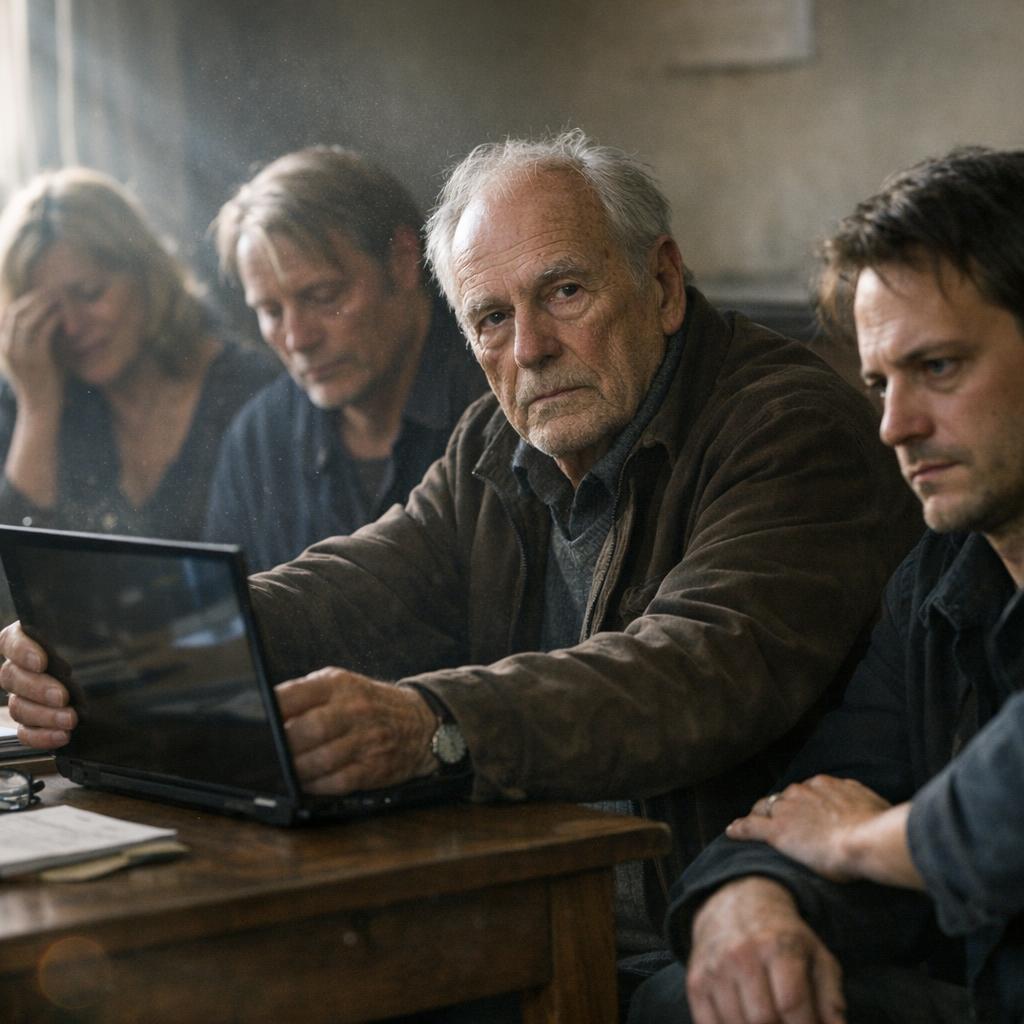 Image by RM AI
The Aftermath
I slipped out of Mr. Harmon's office while Thomas's children were still arguing about legal options, their voices rising as I quietly closed the door behind me. The bright sunlight in the parking lot felt jarring after the tension-filled room. I was fumbling for my car keys when I heard rapid footsteps behind me. 'Margaret!' Robert's voice cut through the air like a knife. I turned to find him red-faced, his expensive tie loosened and hair disheveled. 'This isn't over,' he said, stepping uncomfortably close. 'You need to do the right thing here. Split the estate the way Dad would have wanted if he wasn't...' he paused, choosing his next word carefully, '...manipulated.' The accusation hung between us like poison. For weeks I'd been silent, accommodating, understanding. But something in me finally broke. 'Your father made his wishes perfectly clear, Robert,' I said, my voice steadier than I expected. 'He wasn't confused or manipulated. He was disappointed.' I turned and walked toward my car as he called after me, his threats becoming more desperate with each step I took. What Robert didn't know was that Thomas had left me one more thing that hadn't been mentioned in the will—something that would change everything if I chose to use it.
 Image by RM AI
The Sanctuary
The bell above the café door jingled as I entered, spotting Elena already waiting at our usual corner table. My hands trembled as I set down my purse, the events of the morning still reverberating through me like aftershocks. 'You look like you've been through war,' she said, pushing a steaming mug toward me. I recounted everything—the reading, Thomas's video, the explosion of accusations, Robert's parking lot confrontation. Elena listened without interruption, her eyes softening with each detail. When I finally finished, she reached across the table and squeezed my hand. 'Thomas told me about his plans months ago,' she confessed quietly. 'He knew exactly what would happen, Margaret. Every last bit of it.' My throat tightened. 'He wanted to protect you from the storm he saw coming.' I stared into my untouched coffee, the reality sinking in that my husband had predicted his own children's behavior with devastating accuracy. The drive home felt surreal—windows down, spring air rushing past, feeling simultaneously vindicated and hollowed out by grief. Not just grief for Thomas anymore, but grief for the family that could have been. As I pulled into our—my—driveway, I noticed a small package on the porch that hadn't been there this morning. The return address made my heart skip: Thomas's handwriting.
 Image by RM AI
The Letter
I sat at the kitchen table, the package from Thomas trembling in my hands. Inside was a letter, the paper bearing the slight indentations of his pen pressing too hard—a side effect of the medication. His handwriting was shaky but determined, each word carefully formed as if he'd spent hours on it. 'My dearest Margaret,' it began, and I could almost hear his voice. 'By now you know what I've done. Please understand that my decisions weren't about punishing my children, but protecting you.' I traced his words with my fingertip as tears blurred my vision. 'I've watched how they treat you when they think I don't notice. The dismissive glances, the way they talk over you, their convenient absences when help was needed most.' He wrote about witnessing their entitlement grow as his health declined, how they'd already begun dividing his possessions while he was still breathing. 'I won't leave you vulnerable to them,' he continued. 'You deserve peace.' The final paragraph hit me hardest: 'Live fully, Margaret. Travel. Adopt that dog you've always wanted. Use the money for joy, not guilt. Remember that love is proven through presence, not blood.' I folded the letter, pressing it to my heart, when I noticed something else in the envelope—a small key I'd never seen before.
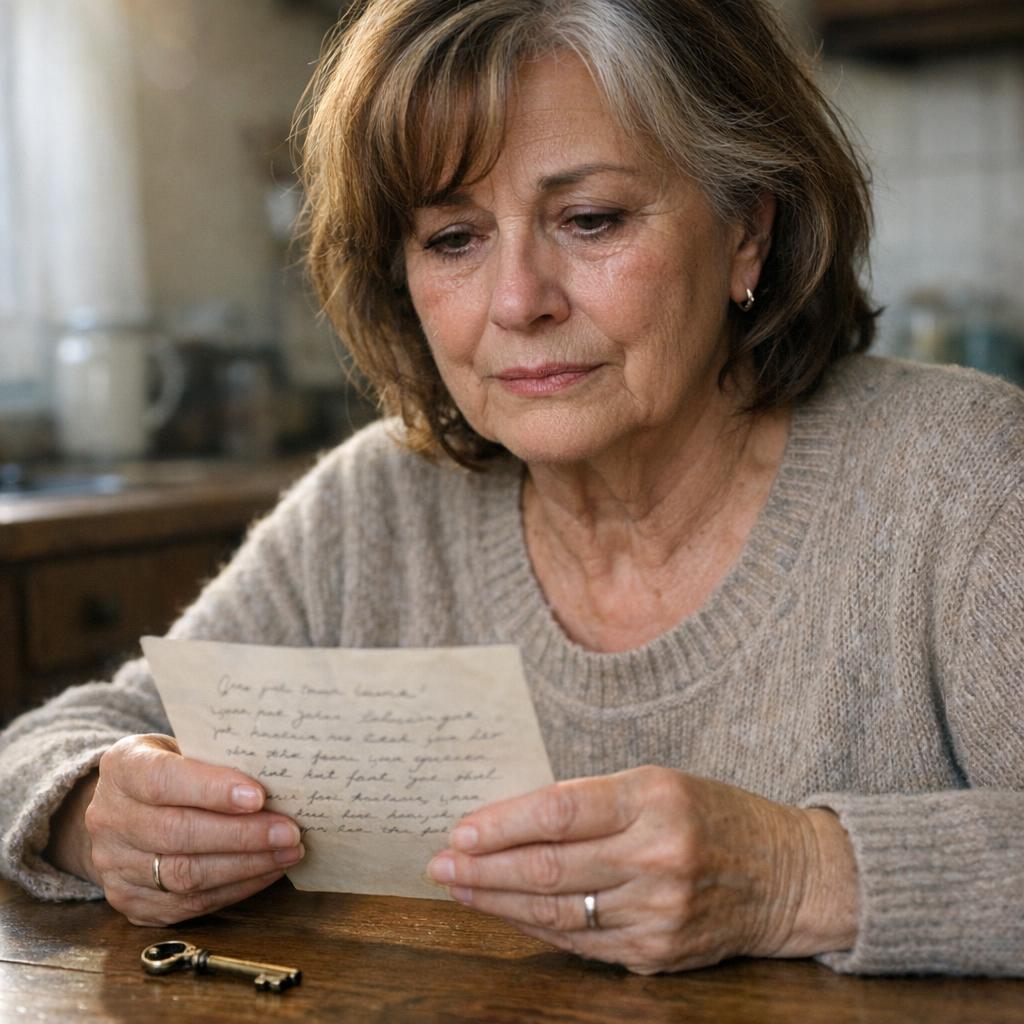 Image by RM AI
The First Attack
The first attack came at 7:13 AM the next morning—my phone lit up with Diana's name while I was still nursing my first cup of coffee. I opened her email with trembling hands: five paragraphs of carefully crafted accusations claiming Thomas 'wasn't of sound mind' during his final months. Before I could even process it, my phone buzzed with a voicemail from Michael, his voice unnaturally gentle as he suggested we 'meet without all those lawyers to find a family compromise.' The final blow landed at 9:30—a text from Robert with three links to articles about 'caregiver manipulation of the elderly' and 'undue influence in terminal patients.' I sat at the kitchen table, surrounded by the home Thomas had fought to protect for me, feeling like I was under siege. The coordinated nature of their messages wasn't lost on me—this wasn't grief or shock talking anymore. This was strategy. I forwarded everything to Mr. Harmon as he'd instructed, my fingers shaking slightly on the keyboard. 'Document everything,' he'd said. 'Don't engage directly.' As I set my phone down, I noticed Thomas's framed photo watching me from the sideboard. He'd known this was coming—every last bit of it. What he couldn't have known was that his children were just getting started.
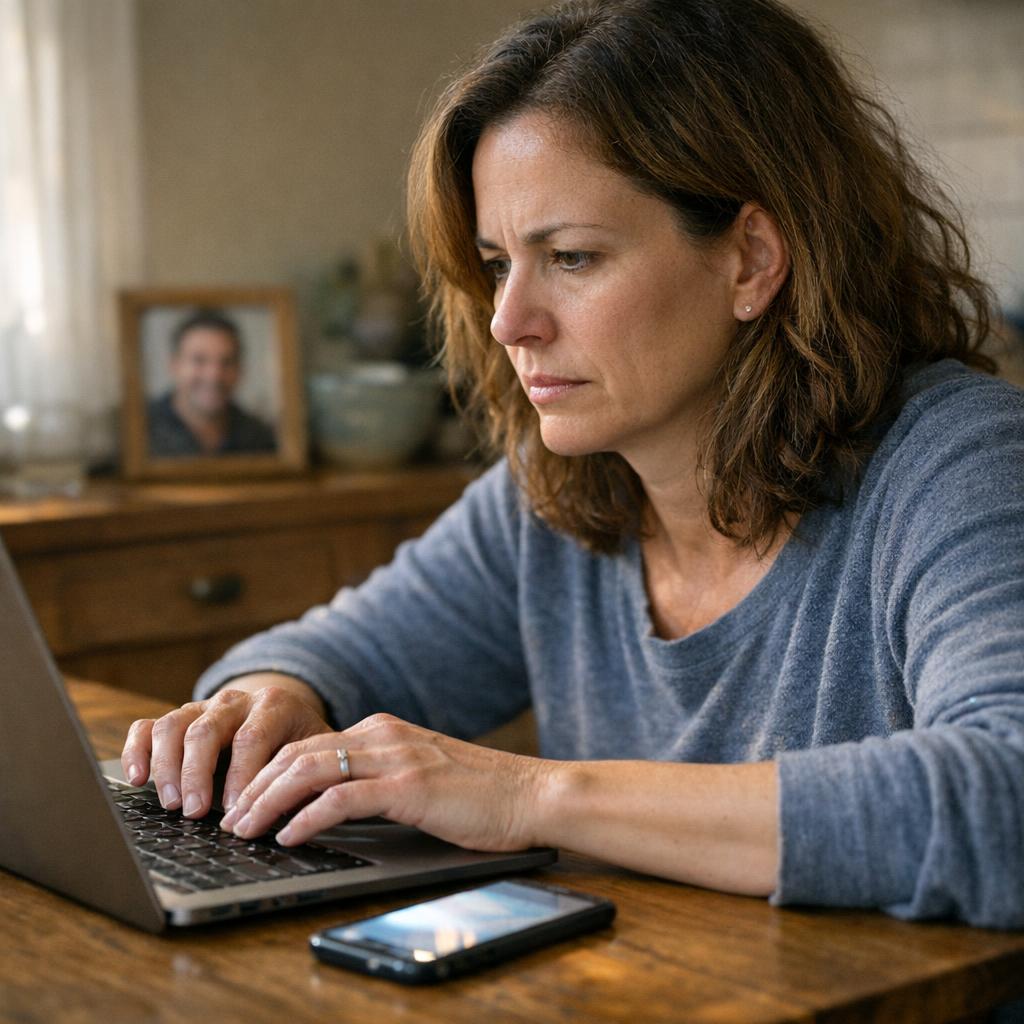 Image by RM AI
The Unexpected Ally
The phone rang at 2:17 PM on Tuesday, a number I didn't recognize. I almost didn't answer, exhausted from the barrage of hostile messages from Thomas's children. 'Margaret? It's Jennifer... Michael's wife.' Her voice was hushed, almost conspiratorial. 'I'm calling from work. Michael doesn't know.' I braced myself for another attack, but what came next left me speechless. 'I wanted to tell you how sorry I am for how they're treating you.' She paused, her breath catching. 'Thomas actually reached out to me months ago. He showed me his calendar—all the appointments, the nights you stayed awake with him. He was worried about how they were treating you even then.' I sank into Thomas's armchair, tears welling up. 'Not everyone thinks you're wrong,' she continued. 'What you did for him was... well, it was what family should do.' I wanted to believe her sincerity, but caution kept me guarded. Was this genuine compassion or another strategy to get close to me? 'I have something Thomas asked me to hold for you,' she said finally. 'Something he didn't want the others to know about. Can we meet?'
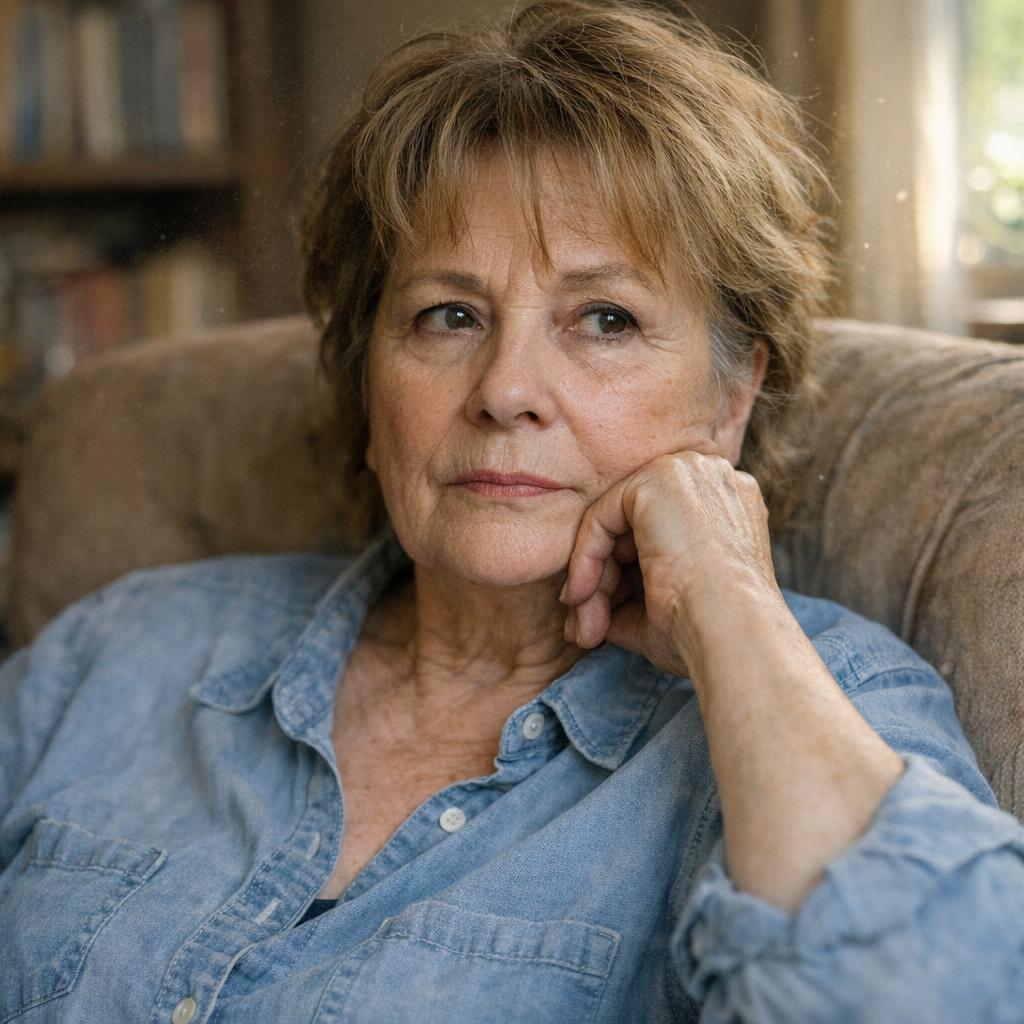 Image by RM AI
The Community Garden
I found myself drawn to the community garden on Thursday morning, seeking solace in the place where Thomas and I first met five years ago. There's something healing about getting your hands dirty in soil that remembers you. I knelt beside our plot—now just my plot—methodically pulling weeds and checking the tomato plants Thomas had been so proud of. The familiar routine of gardening felt like meditation, each pull of a weed releasing a small fraction of my grief. I was so absorbed that I barely noticed Walter, a retired history professor with kind eyes, approaching until his shadow fell across the soil. 'Beautiful day, Margaret,' he said, leaning on his rake. We chatted about the unseasonable warmth until his expression suddenly shifted. 'Say, that daughter of yours was here yesterday. Diana, right?' My stomach tightened. Walter continued, lowering his voice, 'She was taking photos of the garden entrance, asking how often you come here and if you ever bring...guests.' He emphasized the last word in a way that made my skin crawl. 'Said she was planning a surprise for you, but something felt off.' I thanked him with as steady a voice as I could manage, but inside, alarm bells were ringing. They weren't just monitoring my finances—they were monitoring me. And I had a sinking feeling I knew exactly why.
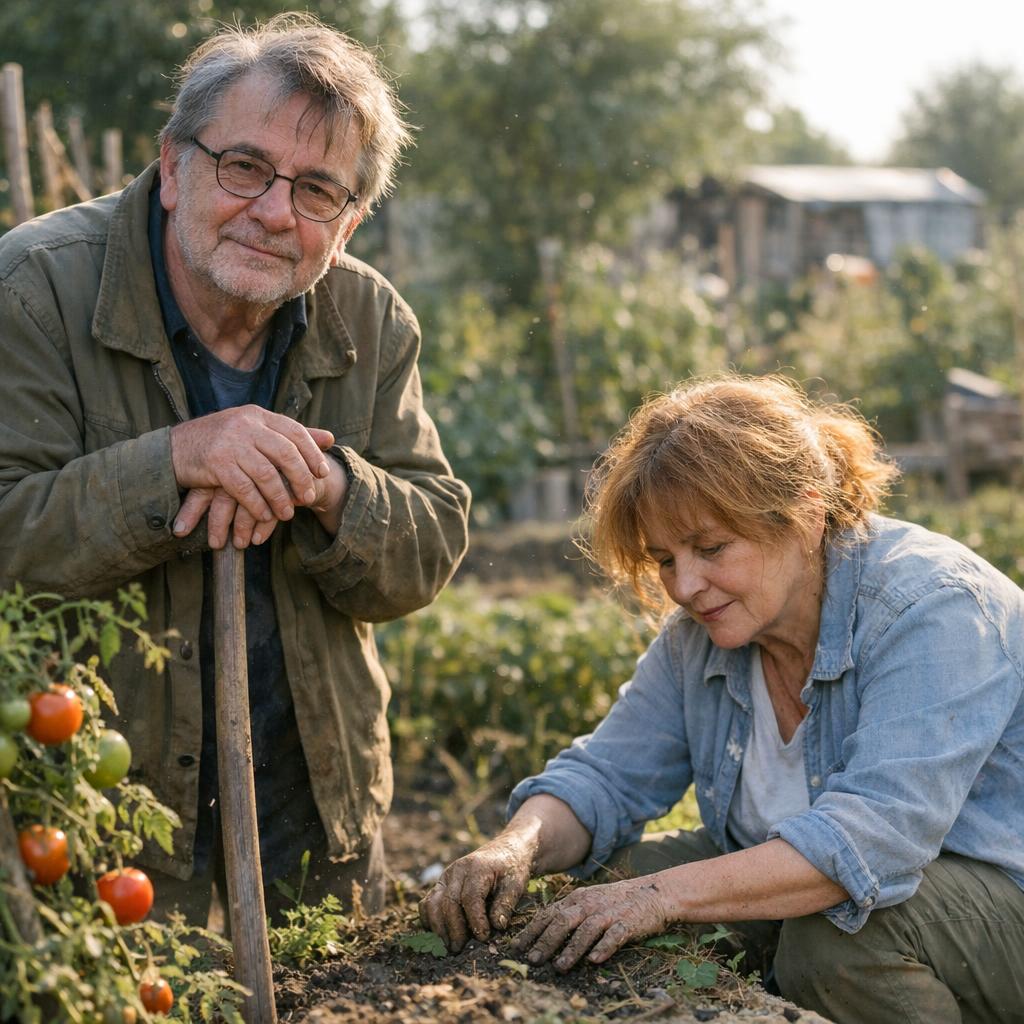 Image by RM AI
The Legal Warning
Mr. Harmon's call came just as I was watering Thomas's favorite orchid—the timing so perfect it felt like the universe was punctuating my life with dramatic moments. 'Margaret, I wanted to give you a heads-up,' he said, his voice carrying that careful tone lawyers use when delivering unwelcome news. 'Robert has consulted with Jacobson & Myers about contesting the will.' I set down the watering can, my hand suddenly unsteady. 'Should I be worried?' I asked, watching water droplets slide down the orchid's stem. Mr. Harmon's reassurance was measured. 'Thomas's documentation is exceptionally thorough. The video testimony alone would be difficult to challenge.' He paused, and I could hear papers shuffling. 'But I need you to be vigilant. They're looking for any evidence of coercion or mental incapacity. Document every interaction—dates, times, what was said.' I nodded, then remembered he couldn't see me. 'And Margaret?' he added, his voice softening slightly. 'Consider installing security cameras at the house. Not to alarm you, but...' He didn't need to finish. I understood. Thomas had protected me with legal documents, but paper can only shield you from so much. What I didn't tell Mr. Harmon was that I'd already found the first listening device hidden behind a family photo in the living room.
 Image by RM AI
The Uninvited Visitors
I was juggling grocery bags when I spotted Diana's silver SUV in my driveway, her husband Greg leaning against it with a practiced casualness that immediately set off alarm bells. Diana stood with her children—Thomas's grandchildren—who were fidgeting in their Sunday best. My heart sank. I hadn't invited them. 'Margaret!' Diana called with a smile that didn't reach her eyes. 'The kids have been so upset about losing Grandpa. We thought they could pick up some of those things he promised them.' I set my bags down carefully, buying time to compose myself. 'I wasn't expecting company,' I said evenly. 'Perhaps we could schedule a proper time?' Diana's smile tightened like shrink-wrap. 'They're already devastated about losing their grandfather,' she said, her voice dropping to that performative whisper adults use when manipulating through children. 'They shouldn't have to lose their memories of him too.' The children looked up at me with genuine confusion—clearly they'd been told a different story about why they were here. I felt the weight of Thomas's absence acutely in that moment. He would have seen right through this. Against my better judgment, I unlocked the door, watching as Diana's eyes darted around the entryway, cataloging everything. What she didn't realize was that I'd been expecting something like this—and I'd prepared accordingly.
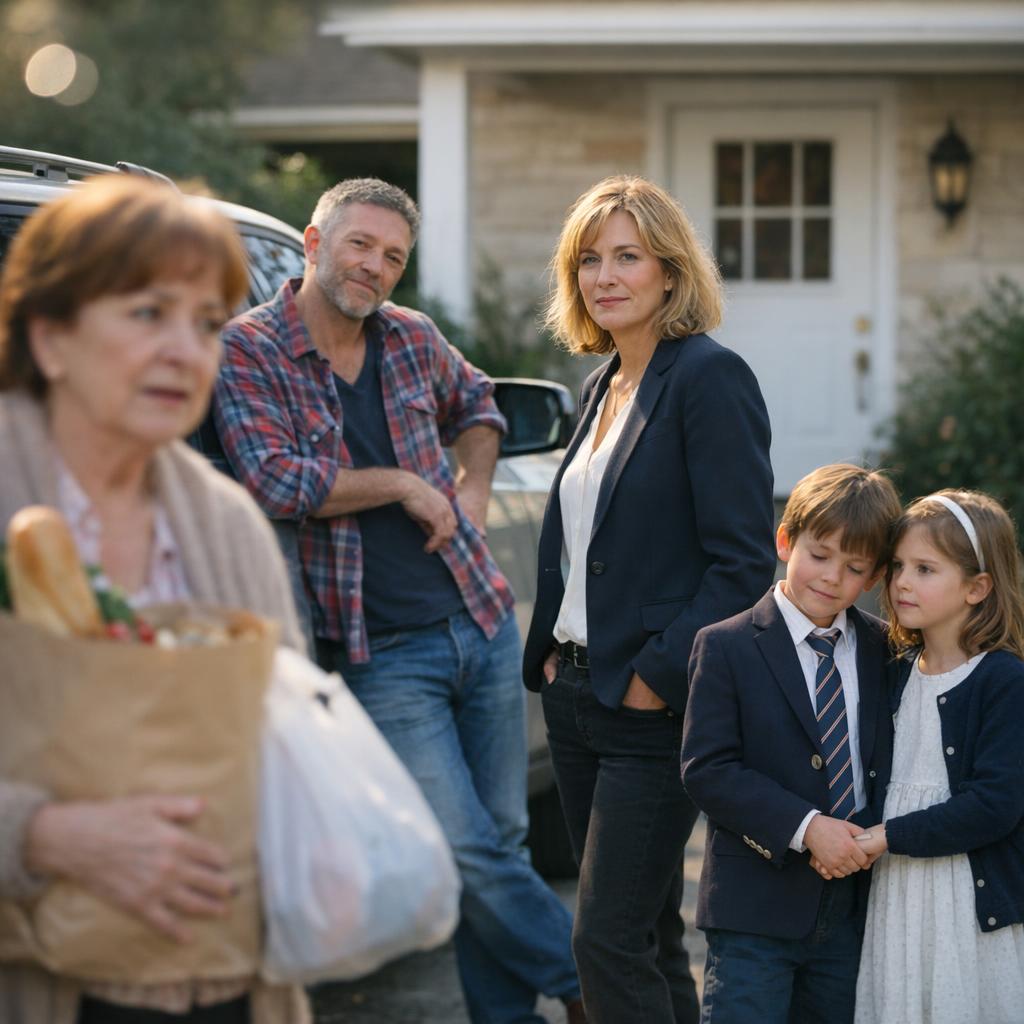 Image by RM AI
The Missing Documents
After Diana and her family finally left, I felt that familiar post-invasion exhaustion wash over me. Something felt off, though. I couldn't quite place it until I went to Thomas's desk to file the notes from Mr. Harmon. The medical file—the thick blue one with all of Thomas's treatment records—was missing from its usual spot. My heart raced as I searched through the drawers, finding nothing. When I called Diana, her voice was honey-sweet poison. 'I didn't take anything, Margaret,' she said with exaggerated patience. Then came the kicker: 'Perhaps you're becoming a bit forgetful? It happens at our age.' The implication hung in the air like a threat. I spent hours searching, growing increasingly frantic, until I spotted a corner of blue peeking from beneath a sofa cushion—a place I never would have put it. Flipping through, I noticed several dog-eared pages—all documenting Thomas's pain medication schedule and the neurologist's assessments confirming his mental clarity. This wasn't carelessness. This was reconnaissance. They weren't just looking for inheritance leverage anymore—they were building a case that I had manipulated a man whose mind was clouded by medication. What they didn't know was that Thomas had anticipated this too, and the real documentation was somewhere they would never think to look.
 Image by RM AI
The Support Group
I sat in the folding chair, clutching my styrofoam cup of lukewarm coffee like it was the only thing keeping me tethered to earth. Elena had practically dragged me to this grief support group at the community center, insisting I needed to 'connect with people who get it.' For twenty minutes, I'd listened to strangers share their pain while studying the scuff marks on my shoes. Then Martha, a silver-haired woman with kind eyes, started describing how her stepchildren had contested her husband's will before his body was even cold. 'They acted like forty years of marriage meant nothing compared to DNA,' she said, her voice steady despite the hurt behind it. Something broke open inside me. Before I knew it, I was telling them everything—Diana's accusations, Robert's threats, the missing medical files. Heads nodded around the circle. A man named Jim described finding his late wife's jewelry in his daughter-in-law's purse. Another woman shared how her husband's siblings had changed the locks on their family cabin the day after the funeral. 'Grief brings out who people really are,' the group facilitator said gently. 'Sometimes that's beautiful. Sometimes it's... revealing.' For the first time since the will reading, I felt the weight on my chest lighten slightly. I wasn't crazy. I wasn't alone. And as I listened to their stories of survival, I realized something else—Thomas wasn't the only one who had prepared for what was coming.
 Image by RM AI
The Social Media Campaign
I was sipping my morning tea when Sophia burst through my front door, her face flushed with anger. 'Margaret, you need to see this.' She thrust her phone into my hands, and there it was—a Facebook post from Robert's wife with a family photo of Thomas surrounded by his children. The caption read: 'Heartbroken that a manipulative caregiver convinced our dying father to cut out his own flesh and blood.' My hands trembled as I scrolled through dozens of sympathetic comments. 'Poor dears, how awful!' wrote someone who'd attended our wedding. 'Predatory relationships with vulnerable seniors are all too common,' commented another. I felt physically ill seeing Thomas's memory twisted this way. My finger hovered over the reply button—I wanted to defend myself, to tell them about the empty chairs during chemotherapy, about changing Thomas's bedsheets alone at 3 AM. Instead, I called Mr. Harmon. 'Don't engage,' he warned firmly. 'This is bait, Margaret. They're hoping you'll respond emotionally with something they can screenshot and use against you.' I set the phone down, feeling the walls closing in. They weren't just attacking my inheritance anymore—they were attacking my character, my marriage, my very place in Thomas's life. What they didn't realize was that their public smear campaign had just crossed a line that even Thomas hadn't anticipated.
 Image by RM AI
The Formal Challenge
The certified letter arrived on a Tuesday, its official seal and return address making my stomach drop before I even opened it. Inside was exactly what Mr. Harmon had warned might come: a formal notice from Robert's high-priced attorney contesting Thomas's will on grounds of 'undue influence' and 'diminished capacity.' My hands shook as I scanned the cold, clinical language that effectively painted me as a predator who had manipulated my dying husband. I immediately scanned and emailed it to Mr. Harmon, who called within minutes. 'This is exactly what we prepared for, Margaret,' he said, his voice steady and reassuring. 'Thomas's video testimony is crystal clear, and we have three separate neurological evaluations confirming his mental competence.' He paused, and I could hear him shuffling papers. 'This is pure intimidation. They're hoping you'll crack under the pressure and agree to settle just to make it all go away.' I gazed at Thomas's photo on my desk, remembering how he'd squeezed my hand in the hospital and whispered, 'They'll try everything, Maggie. Don't let them wear you down.' What Robert and his siblings didn't understand was that after watching the love of my life fight cancer, I wasn't afraid of a legal battle—I was just getting started.
 Image by RM AI
The Unexpected Evidence
I was organizing Thomas's computer files—a task I'd been avoiding for weeks—when I stumbled upon a folder simply labeled 'Insurance.' Curious, I clicked it open, expecting medical paperwork. Instead, I found dozens of audio recordings, meticulously dated and labeled. My hands trembled as I pressed play on the first file. Thomas's voice filled the room: 'Dr. Winters, I want to confirm for the record that I'm making these decisions of sound mind.' The doctor's clear response followed: 'Yes, Mr. Harrington, your cognitive function tests show no impairment whatsoever.' I listened through tears as file after file revealed Thomas documenting his mental clarity. Then I found the other recordings—calls with his children. 'Dad, we just can't make it this weekend,' Diana's voice echoed. Another from Robert made my stomach turn: 'It's not like he'll remember we were there anyway. What's the point of driving three hours?' I sat frozen, listening to the evidence Thomas had quietly gathered. The betrayal in these recordings wasn't just about inheritance—it was about a father realizing his children saw him as an obligation, not a person. With shaking hands, I forwarded everything to Mr. Harmon, a strange mixture of vindication and heartbreak washing over me. Thomas hadn't just protected me legally; he'd documented the truth they could never deny.
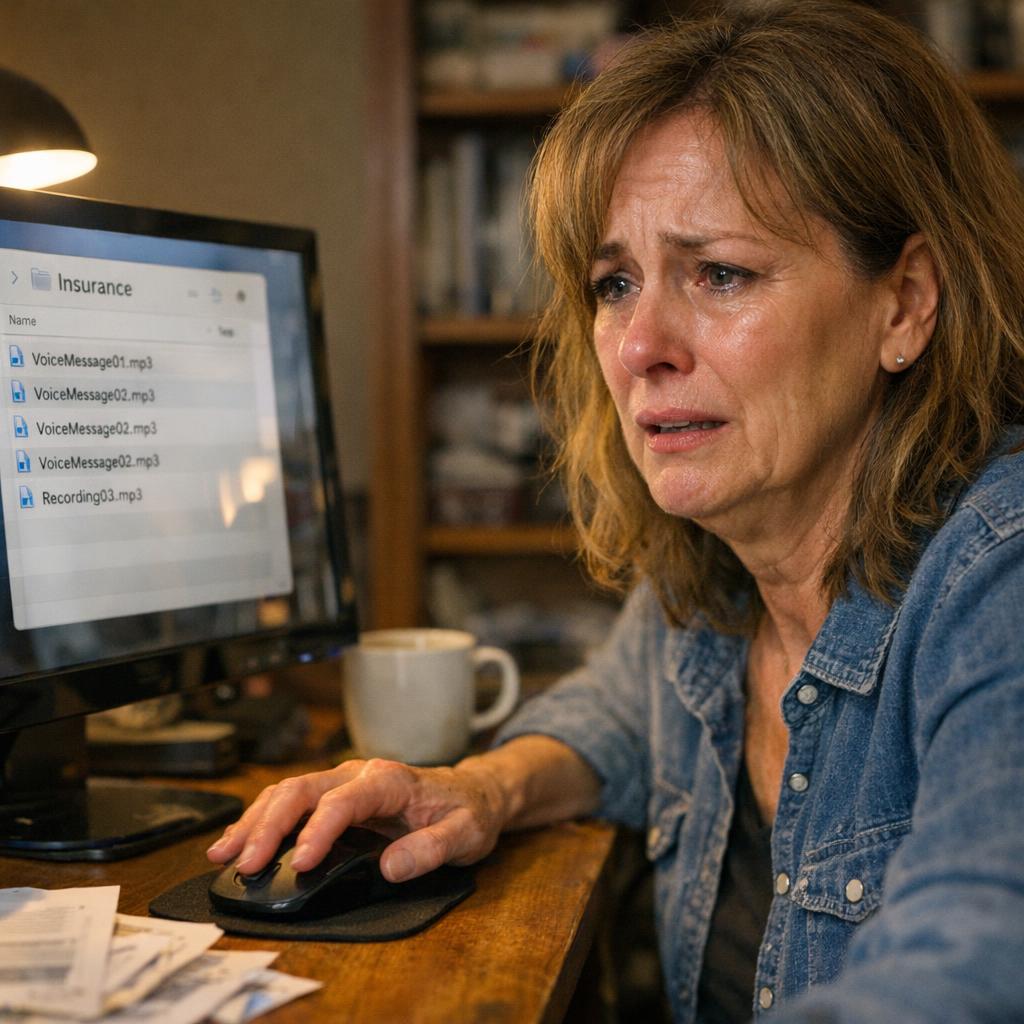 Image by RM AI
The Peace Offering
Michael's call came on a Thursday afternoon, his voice uncharacteristically gentle. 'Margaret, I think we need to talk—just us. I'm not comfortable with how Robert's handling things.' I felt that familiar flutter of hope mixed with suspicion. Was this an olive branch or another trap? Against Mr. Harmon's advice and my better judgment, I agreed to meet at Riverside Café downtown. 'I just want to clear the air,' Michael insisted, and part of me—the part that remembered how he'd once helped Thomas build my garden shed—wanted to believe him. Elena practically insisted on coming with me. 'I'll sit three tables away and pretend I don't know you,' she said, her eyes narrowing. 'But if he tries anything, I'm right there.' As I hung up my coat at the café, I caught sight of Michael already seated, fidgeting with a napkin. He looked up, offering a smile that didn't quite reach his eyes. I straightened my shoulders and approached his table, noticing Elena slipping in behind me, her protective gaze fixed on us like a hawk. What I didn't notice until I sat down was the manila folder tucked beside Michael's coffee cup—and the small recording device partially hidden under his napkin.
 Image by RM AI
The Café Confrontation
I settled into the café chair, watching Michael and Jennifer approach. Her sympathetic smile caught me off guard—a stark contrast to Michael's rehearsed pleasantness. Elena kept her promise, nursing her latte three tables away while pretending to scroll through her phone. 'Margaret, you look well,' Michael began, sliding into small talk about Thomas's favorite fishing spot and how the weather reminded him of their family trips. I nodded along, waiting for the other shoe to drop. It took exactly seventeen minutes. 'About Dad's estate,' he finally said, voice dropping to a confidential whisper. 'I think I have a solution everyone can live with.' He slid a document across the table. 'You keep the house—that's fair—but we split the financial assets equally.' When I gently explained that wasn't what Thomas wanted, the transformation was instant. His smile vanished like it had been wiped away with a cloth. 'Let's cut the act,' he hissed, leaning forward. 'We both know you played the devoted wife while Dad was too drugged to know better.' I felt the blood drain from my face as Jennifer stared at her lap, saying nothing. That's when I noticed the recording device peeking from beneath his napkin—and realized this whole meeting was never about compromise.
 Image by RM AI
The Recording
Michael's voice grew louder, his accusations cutting through the café's gentle hum. 'You manipulated him when he was vulnerable!' I felt my cheeks burning with humiliation as nearby patrons glanced our way. Just as I opened my mouth to defend myself, Elena materialized at our table like an avenging angel. 'I think that's quite enough,' she said, her voice calm but steely. She held up her phone, the recording app clearly visible on the screen. 'I've been documenting this entire conversation.' Michael's face drained of color so quickly I thought he might faint. Jennifer's eyes widened in horror, her hand flying to her mouth. 'That's—that's illegal,' Michael stammered, but the tremor in his voice betrayed his uncertainty. Elena smiled thinly. 'Actually, in this state, single-party consent is perfectly legal. And harassment is still harassment.' She turned to me with gentle authority. 'Margaret, I think we have enough evidence now. Are you ready to go?' I nodded, gathering my purse with shaking hands. As we walked toward the exit, Jennifer hurried after us, catching up in the parking lot. 'Margaret, wait,' she called, her voice cracking. 'I'm so sorry. This whole thing—it was Robert's idea. He thought if we could get you to say something incriminating...' She trailed off, unable to finish the shameful admission. What she didn't know was that her confession had just given us something even more valuable than Elena's recording.
 Image by RM AI
The Security Measures
The security technician, David, arrived promptly at nine, his van loaded with cameras that would soon become my electronic guardians. 'Mr. Harmon recommended our company,' he explained, testing wires with practiced efficiency. 'We work with a lot of clients in... situations like yours.' His tactful phrasing made me smile despite everything. For three hours, I followed him around my home—Thomas's and my home—watching as he installed discreet cameras at entry points, the driveway, and backyard. 'This app will send alerts directly to your phone,' David demonstrated, his patience reminding me of my late husband. 'You can view live footage anytime, anywhere.' As he adjusted the final camera above the garage, a silver SUV crawled past the house like a predator sizing up its prey. Diana's vanity plate—DIDI4EVER—gleamed in the sunlight. David followed my gaze, his expression shifting from professional to concerned. Without a word, he repositioned the camera for a better view of the street. 'I'll throw in this doorbell camera at no extra charge,' he said quietly, pulling additional equipment from his van. 'It captures audio too.' As he worked, I realized Thomas wasn't the only one protecting me anymore. Sometimes, guardian angels arrive in work vans with tool belts.
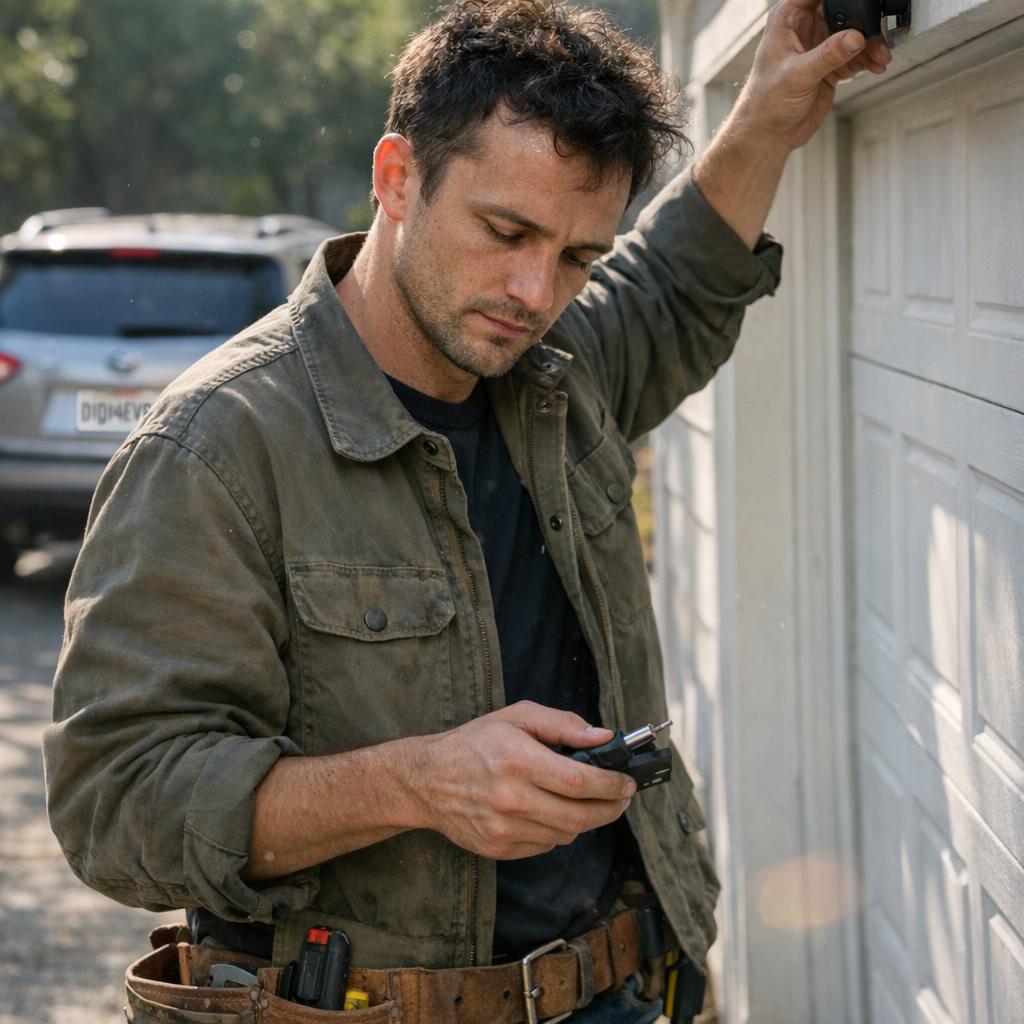 Image by RM AI
The Break-In
The shrill alert from my phone jolted me awake at 2:17 AM. My heart hammered against my ribs as I fumbled for my glasses and stared at the notification: "Motion detected: Backyard." With trembling fingers, I opened the security app David had installed just days earlier. There on the screen, illuminated in the eerie night-vision green, was a figure in dark clothing methodically testing my back door, then moving to the kitchen window. I called 911 immediately, my voice barely above a whisper as if the intruder might hear me through the walls. "Someone is trying to break into my home," I told the dispatcher, giving Thomas's address—our address. I watched, paralyzed with fear, as the figure produced something long and metallic. A crowbar. When blue and red lights suddenly flashed in my driveway, the shadowy figure bolted, disappearing into the darkness beyond the camera's range. The officers found the crowbar abandoned near the window, taking photos and dusting for prints. "Unfortunately, ma'am, the footage isn't clear enough to make an identification," the younger officer explained sympathetically. As they left, promising increased patrols, I sat alone in my kitchen, clutching Thomas's old cardigan around my shoulders. This wasn't just about inheritance anymore—this was escalation. And something told me I knew exactly whose fingerprints they'd find on that crowbar.
 Image by RM AI
The Accusation
The phone rang at 10:17 the next morning. I nearly dropped my teacup when I saw Robert's name on the caller ID. 'Margaret,' he said, his voice dripping with that saccharine concern that always made my skin crawl. 'I just heard about the break-in attempt. Are you alright?' My blood ran cold. I hadn't told anyone except the police and Mr. Harmon. 'How did you know about that, Robert?' I asked, keeping my voice steady despite my racing heart. He paused—just a beat too long. 'Oh, Mrs. Abernathy next door mentioned it when I called to check on you.' A lie. Mrs. Abernathy was visiting her daughter in Florida, and she certainly didn't have Robert's number. 'I've been thinking,' he continued smoothly, 'it's not safe for you to be rattling around in that big house all alone. I know a lovely assisted living facility that has openings.' I gripped the counter to steady myself. 'That's very thoughtful, Robert, but I'm perfectly fine here in my home.' The word 'my' hung between us like a gauntlet thrown. 'We'll see,' he replied, his tone shifting from concerned to cold in an instant. After hanging up, I immediately called Mr. Harmon. This wasn't just intimidation anymore—this was something far more calculated. And I couldn't help wondering if Robert knew about the break-in because he had orchestrated it himself.
 Image by RM AI
The Doctor's Visit
I sat nervously in Dr. Winters' examination room, my fingers fidgeting with the paper gown that crinkled with every movement. 'Margaret, your blood pressure's a bit elevated today,' she noted, removing the cuff. 'How are things at home?' Something about her gentle tone broke my carefully constructed dam. Before I knew it, I was telling her everything—the break-in attempt, Robert's threatening calls, the social media smear campaign. Dr. Winters listened intently, her pen occasionally scratching against my chart. 'I'm here because Mr. Harmon suggested documenting my mental competence,' I admitted finally. 'In case they try to claim I'm not fit to manage Thomas's estate.' She nodded, understanding immediately. 'Let's do a full cognitive assessment then.' For the next twenty minutes, I identified shapes, recalled word lists, and solved simple puzzles while she meticulously recorded my responses. 'Margaret, you're sharper than most of my patients half your age,' she said finally, handing me a sealed envelope with my test results. 'But I'm concerned about the toll this stress is taking.' She wrote out a referral slip. 'This is Dr. Levine—she specializes in grief counseling and family conflict.' I clutched the papers like lifelines as she added quietly, 'Document everything, Margaret. I've seen cases like yours before, and they rarely stop at intimidation.'
 Image by RM AI
The Therapy Session
Dr. Levine's office felt like a sanctuary—warm lighting, comfortable chairs, and not a single family photo that could trigger my grief. 'Margaret, what you're experiencing is a form of secondary trauma,' she said after I'd spent twenty minutes detailing the break-in and Robert's thinly veiled threats. 'You're not only processing Thomas's death but defending yourself against those who should be supporting you.' Her validation nearly broke me. For months, I'd questioned if I was overreacting. When I mentioned Thomas's oncologist was also named Levine, her eyes softened. 'He's my father, actually. Retired now.' She adjusted her glasses, hesitating. 'Patient confidentiality prevented him from saying much, but he spoke highly of you both. He was... disturbed by how Thomas's children behaved during his illness.' My breath caught. 'He noticed?' Dr. Levine nodded. 'Medical staff see everything, Margaret. The empty chairs during treatments. Who asks questions. Who doesn't.' She leaned forward, her voice gentle but firm. 'You're not crazy for feeling betrayed. But we need to develop strategies so this conflict doesn't consume what should be your healing time.' As she outlined breathing techniques and boundary-setting exercises, I felt something I hadn't experienced since Thomas died—the profound relief of being truly believed. What I didn't realize was that Dr. Levine's connection to Thomas's medical care would soon provide the evidence I desperately needed.
 Image by RM AI
The Court Date
The manila folder Mr. Harmon handed me felt heavier than its actual weight, like it contained not just legal papers but the full burden of what was to come. 'The court date is set for May 15th,' he said, his voice steady as always. 'Judge Calloway is presiding—she's thorough, fair, and doesn't tolerate theatrics.' I nodded, trying to absorb this new reality. 'Will I have to testify?' My voice sounded small even to my own ears. Mr. Harmon leaned forward, his eyes kind behind wire-rimmed glasses. 'Yes, Margaret. And I won't sugarcoat it—Robert's attorney will try to paint you as a manipulative gold-digger who took advantage of a dying man.' He tapped Thomas's video testimony folder. 'But we have truth on our side.' That night, sleep came fitfully. In my dreams, I stood alone in a vast courtroom, Thomas's children transformed into towering accusers, their fingers pointed at me like weapons, faces contorted with rage I barely recognized. 'Thief!' they shouted in unison, their voices echoing. I woke at 3 AM, drenched in sweat, reaching instinctively for Thomas's side of the bed. The emptiness there reminded me that in this battle, I stood alone—except I wasn't entirely alone, was I? Thomas had prepared for this very moment, almost as if he'd seen the future unfolding with painful clarity.
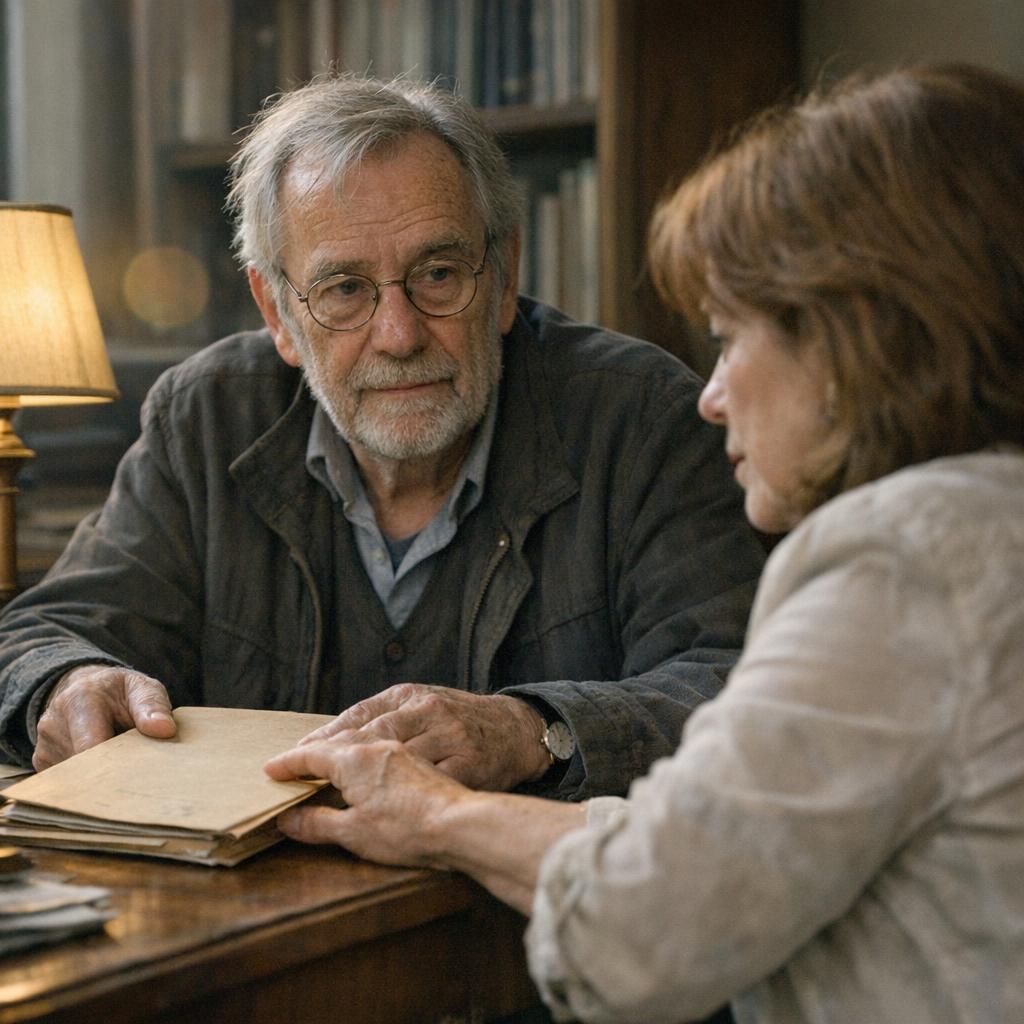 Image by RM AI
The Unexpected Visit
The doorbell rang on a quiet Tuesday afternoon, startling me from my crossword puzzle. I wasn't expecting anyone, and these days, unexpected visitors usually meant trouble. I peered through the peephole and felt my heart skip—Emma, Diana's seventeen-year-old daughter, stood on my porch, shifting nervously from foot to foot. Against my better judgment, I opened the door. 'Hi, Mrs. Margaret,' she said, her voice barely above a whisper. 'Can we talk?' Inside, Emma perched on the edge of Thomas's favorite armchair, looking so much like him it made my chest ache. 'I'm sorry about my parents,' she blurted suddenly. 'The way they're treating you... it's not right.' Tears welled in her eyes as she glanced around the living room. 'I miss coming here for Thanksgiving. Grandpa always let me help with the pumpkin pie.' We talked for nearly an hour—about Thomas, about school, about the guitar lessons he'd paid for that she still continued. As she was leaving, Emma surprised me with a fierce hug. 'Grandpa always said you were the kindest person he knew,' she whispered against my shoulder. I watched her walk down the driveway, wondering if this unexpected olive branch was genuine—or if Diana had sent her daughter on a reconnaissance mission.
 Image by RM AI
The Angry Call
The phone rang at 7:30 that evening, and I knew before answering that my peaceful moment with Emma had come at a price. Diana's voice sliced through the receiver like a serrated knife. 'How DARE you manipulate my daughter into visiting you behind my back!' she hissed. My explanation that Emma had reached out first only fueled her rage. 'Don't lie to me, Margaret! We all know what you're capable of!' Diana's voice cracked with venom as she threatened to add 'child manipulation' to their growing list of legal complaints. I remained silent, letting her fury exhaust itself before quietly hanging up. Ten minutes later, my phone pinged with a text from Emma: 'I'm so sorry, Mrs. Margaret. Mom took my phone and saw our texts. She's grounded me for a month.' I sank into Thomas's chair, clutching my phone, a fresh wave of sadness washing over me. This wasn't just about money or property anymore—the poison had seeped into the next generation. Thomas's grandchildren were now collateral damage in a war they never asked to join. As I stared at Emma's text, I wondered if there was any way to shield her from the ugliness the adults had created, or if some bridges, once burned, leave nothing but ashes for everyone involved.
 Image by RM AI
The Deposition
The deposition room felt like an interrogation chamber—cold, sterile, and designed to break spirits. Robert's lawyer, a sharp-featured woman with predatory eyes, fired questions at me like bullets. 'Did you prevent Thomas's children from visiting during his illness?' she demanded. I explained how they simply stopped coming. 'And who administered his pain medication?' she asked with a raised eyebrow, the implication hanging in the air like poison. Mr. Harmon objected repeatedly, his hand gently touching my arm when I tensed. 'Was Thomas fully lucid when he changed his will?' she finally asked, leaning forward with thinly veiled triumph. I straightened my spine, meeting her gaze directly. 'My husband discussed Hemingway's symbolism in The Old Man and the Sea the week before he died,' I replied steadily. 'He remembered our first date—April 17th, 1998, at Carmela's Italian restaurant where I ordered eggplant parmesan. He followed current events and could tell you exactly why the stock market dropped that Tuesday.' Her smirk faltered as I continued listing evidence of Thomas's sharp mind. What she didn't know was that I'd been recording every hospital visit in a journal—including the ones his children missed—and Dr. Levine had just agreed to testify about Thomas's mental clarity during those final months.
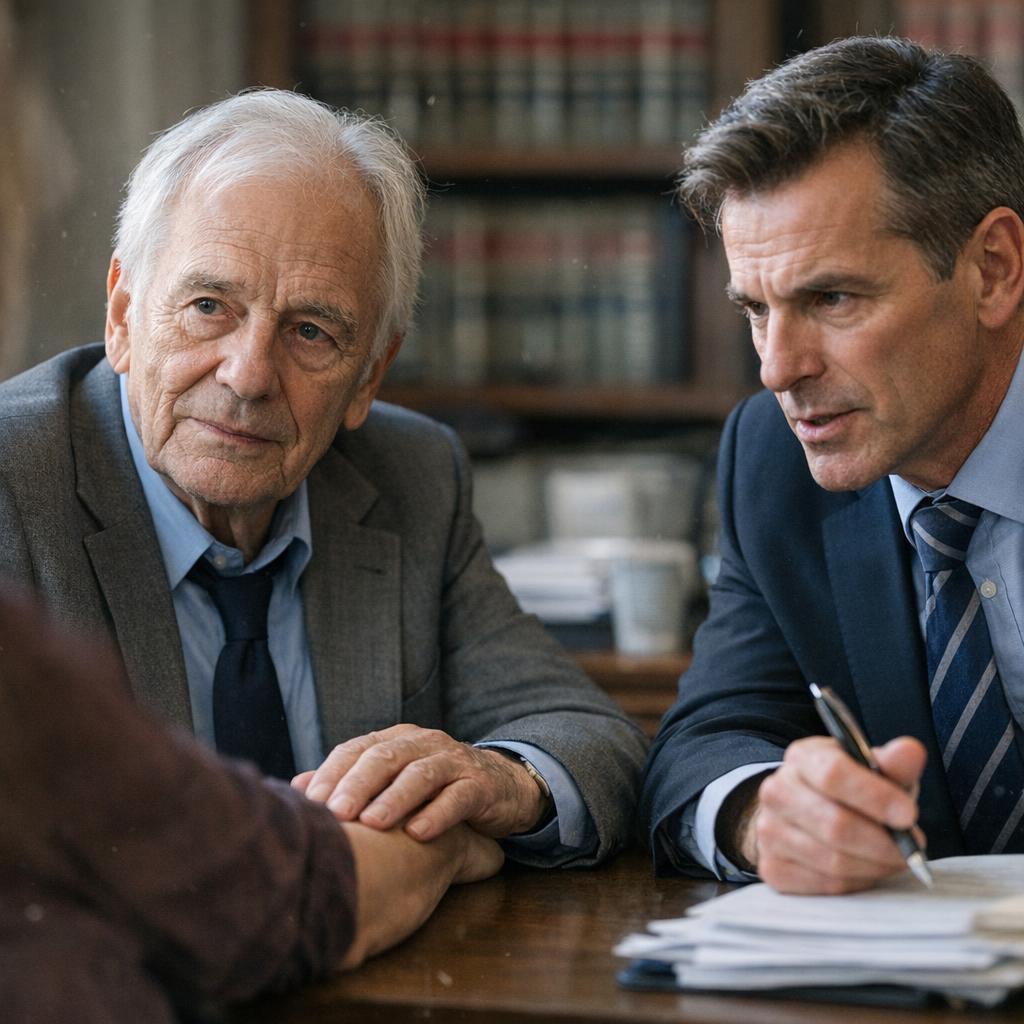 Image by RM AI
The Medical Records
Mr. Harmon arrived at my house on Thursday morning, a thick manila folder tucked under his arm. 'Margaret, I have something that might change everything,' he said, his eyes twinkling with rare optimism as he spread Thomas's complete medical records across my kitchen table. Dr. Levine Sr. had provided them, complete with meticulous notes documenting Thomas's mental state throughout his treatment. 'Look here,' Mr. Harmon pointed, his finger tracing the doctor's elegant handwriting. 'Patient remains fully cognizant and expresses concern that his adult children may contest his final wishes.' Another entry noted, 'Wife continues exemplary care while children's visits have become increasingly infrequent.' I felt tears welling as I read Dr. Levine's observations: 'Mr. Reynolds discussed his estate planning today, demonstrating clear decision-making capacity. He expressed gratitude for his wife's unwavering support and disappointment in his children's absence.' My hands trembled as I gathered the papers. 'Will this be enough?' I whispered. Mr. Harmon nodded confidently. 'These records are gold, Margaret. They establish two critical facts: Thomas was of sound mind, and he anticipated exactly what's happening now.' What neither of us realized was that Robert had connections at the hospital—and he was about to discover we had these records.
 Image by RM AI
The Settlement Offer
The email from Mr. Harmon arrived with a subject line that made my stomach clench: 'Settlement Offer.' Robert's lawyer had contacted him with what they called a 'generous compromise'—I could keep the house if I surrendered half of Thomas's financial assets. When I called Mr. Harmon, his voice was measured. 'This is actually good news, Margaret,' he explained. 'They wouldn't offer a settlement if they felt confident about winning.' He paused, the silence heavy with unspoken understanding. 'That said, accepting would end this nightmare quickly. No more depositions, no more accusations.' I sat in Thomas's study, surrounded by his books, his reading glasses still perched on the side table where he'd left them. 'What would you do?' I asked. Mr. Harmon sighed. 'Legally speaking, it's reasonable. But this isn't just about legality, is it?' That night, I couldn't sleep. I paced our bedroom, having conversations with Thomas in my head. By morning, my decision crystallized with the dawn light filtering through the curtains. I called Mr. Harmon before I could second-guess myself. 'Tell them no,' I said firmly. 'Thomas knew exactly what he was doing. I won't betray that.' What I didn't realize was that declining their offer would unleash a storm that would make everything that came before seem like gentle rain.
 Image by RM AI
The Court Preparation
Mr. Harmon's office felt like a war room as we prepared for battle. 'Margaret, when you take the stand, remember to speak clearly and directly to the judge,' he advised, adjusting his reading glasses. 'Judge Calloway appreciates authenticity, not performance.' For three hours, we rehearsed potential questions, with Mr. Harmon playing the role of Robert's shark-like attorney. 'And how often did you administer Thomas's pain medication?' he asked, his voice suddenly sharp. I flinched, then steadied myself. 'Exactly as prescribed, and documented in the medical log.' He nodded approvingly. 'Good. Don't let them rattle you.' That evening, I stood before Thomas's photograph in our—my—bedroom, his smile frozen in happier times. 'Am I doing the right thing?' I whispered, tracing the frame with my fingertip. 'They're your children, Thomas.' In the silence that followed, I could almost hear his voice: 'They stopped acting like my children long before I changed that will.' I straightened my shoulders, feeling a strange calm settle over me. The woman who had quietly hosted holidays and stepped back when unwanted was gone. In her place stood someone Thomas had seen all along—someone stronger than she knew. What I couldn't possibly anticipate was who would walk through the courtroom doors the next morning, or how their testimony would change everything.
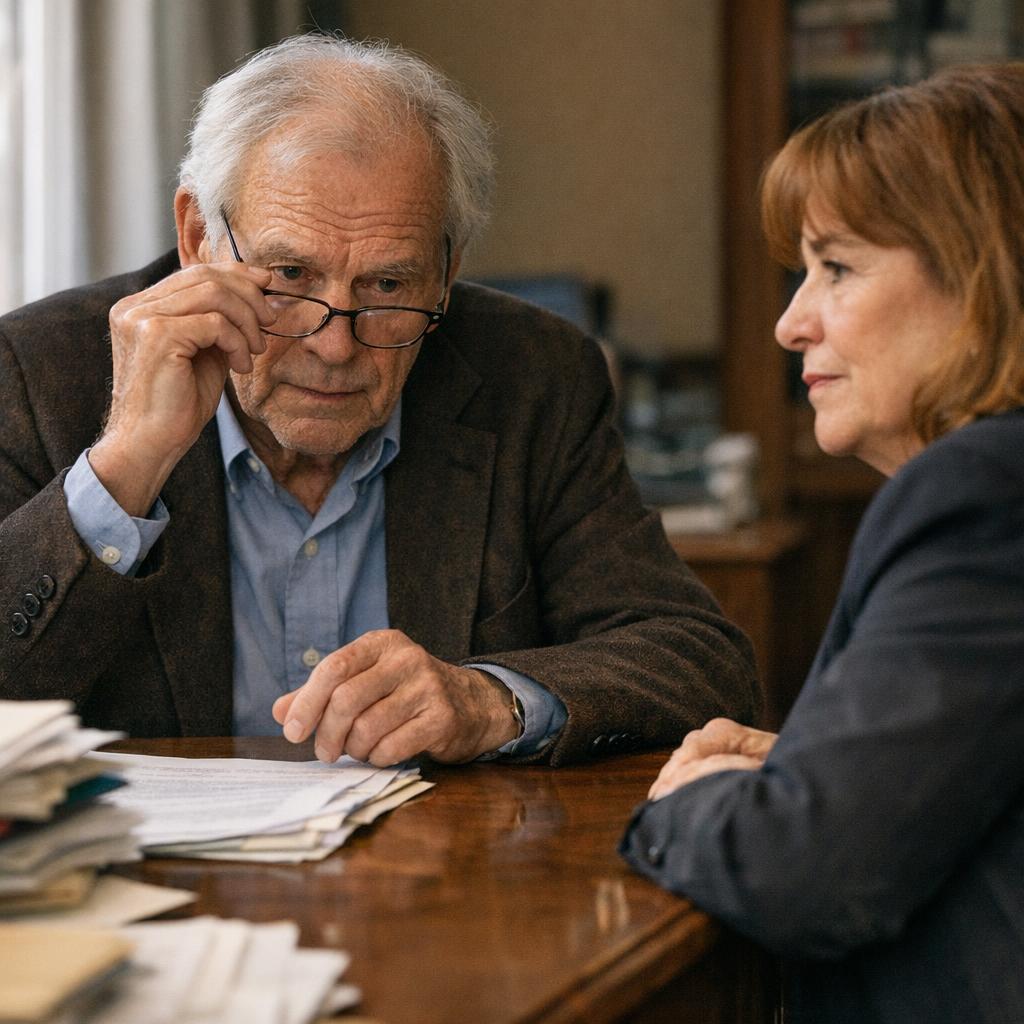 Image by RM AI
The Courthouse Steps
The morning of the hearing arrived with a sky so clear and blue it felt like mockery. Elena and Sophia flanked me as we climbed the courthouse steps, their presence steadying me like human guardrails. I'd chosen my navy suit—Thomas always said it made me look formidable—though inside I felt anything but. As we approached the massive doors, I spotted them huddled near the entrance: Robert, Diana, and Michael with their spouses, a small army of entitlement. Diana noticed me first, her eyes narrowing as she whispered something that made the entire group turn and stare. The hatred in their gaze was palpable, like heat radiating off summer asphalt. 'Don't look at them,' Sophia murmured, squeezing my arm. 'Remember what Mr. Harmon said—you're not the villain here.' I nodded, drawing a deep breath that filled my lungs but did little to calm my racing heart. As we passed their little cluster, I kept my head high, my eyes forward, my steps measured. Robert's lawyer—that predatory woman from the deposition—smirked as if she knew something I didn't. Perhaps she did. Perhaps they all did. But as the heavy courthouse doors swung open before us, I realized something too: I was done being afraid of these people who had abandoned Thomas when he needed them most.
The Courtroom Battle
The courtroom fell silent as Robert's lawyer stood, her voice dripping with rehearsed concern. 'Ladies and gentlemen, this case is about a vulnerable widower manipulated in his final days.' I gripped the edge of my seat, watching her paint me as some calculating villain who'd isolated Thomas from his 'devoted' family. Mr. Harmon squeezed my hand reassuringly before rising to present our case. With methodical precision, he dismantled their narrative piece by piece—Thomas's medical records showing his clear mental state, video testimony where Thomas explicitly stated his reasons, and those damning recordings I'd found of Robert discussing how they'd 'deal with the old man's new wife' after he was gone. The judge's face remained impassive throughout, occasionally scribbling notes or asking pointed questions. When I finally took the stand, my heart hammered against my ribs. 'Mrs. Reynolds,' Robert's lawyer began, 'isn't it true that you limited his children's hospital visits?' I took a deep breath and looked directly at the judge. 'No,' I said simply. 'I begged them to come.' For the next hour, I spoke honestly about loving Thomas, about holding his hand through chemo, about the nights I slept in a hospital chair while his children were nowhere to be found. What happened next, though, left everyone in that courtroom completely stunned.
 Image by RM AI
The Cross-Examination
Ms. Blackwell circled me like a shark that had spotted blood in the water. 'Mrs. Reynolds,' she said, her voice dripping with false sympathy, 'why would Thomas suddenly disinherit his children after a lifetime of close relationships?' I met her gaze steadily. 'He didn't disinherit them,' I replied. 'He left them specific bequests while ensuring I wouldn't be forced from my home.' Her smile tightened. 'And during his illness, you were the one administering his medication, correct? Medication that might have... clouded his judgment?' The implication hung in the air like poison. Without breaking eye contact, I reached into the folder Mr. Harmon had prepared. 'This is Thomas's medication log,' I said, my voice stronger than I felt. 'Each entry countersigned by Nurse Patel, who visited daily.' I handed it to the bailiff. 'You'll notice there wasn't a single deviation from prescribed dosages.' Judge Calloway examined the log carefully, her eyebrows rising slightly. Ms. Blackwell's questions grew increasingly desperate, her composure cracking as each attack fell flat. What she didn't know was that I had one more piece of evidence that would silence her accusations forever—something Thomas had recorded just three days before he died.
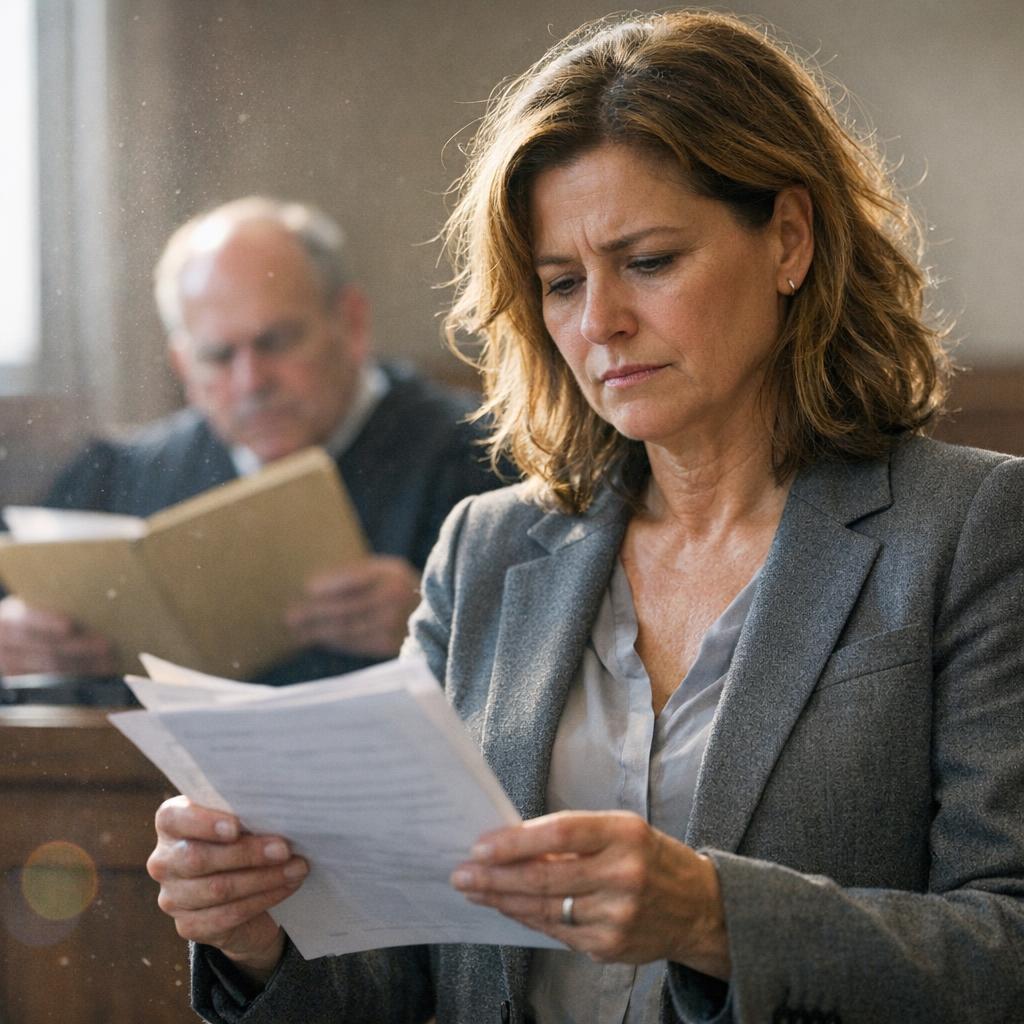 Image by RM AI
The Doctor's Testimony
The courtroom fell silent as Dr. Levine Sr. appeared on the large monitor, his silver hair and bow tie lending him an air of old-school authority that even Judge Calloway seemed to respect. 'I've been Thomas Reynolds' physician for twenty-three years,' he stated, his voice steady and clear despite the video connection. 'Throughout his illness, including the final months, Mr. Reynolds maintained remarkable mental clarity.' When he described how Thomas had expressed concerns about his children's motives, I noticed Robert shifting uncomfortably in his seat. 'He told me, and I quote, "They ask about my portfolio more than my pain levels," Dr. Levine testified, consulting his meticulous notes. Ms. Blackwell pounced like a cat on wounded prey. 'Isn't it true that your daughter is Mrs. Reynolds' therapist? That hardly seems impartial.' Dr. Levine adjusted his glasses, unruffled. 'I referred Mrs. Reynolds to my daughter for grief counseling only after Thomas passed. My medical observations were documented contemporaneously, as required by both medical ethics and law.' He held up his original handwritten charts. 'These notes weren't created for this courtroom, Ms. Blackwell. They were created at the bedside of a dying man who was failed by his children but never lost his mental faculties.' The judge leaned forward, clearly interested in what the doctor would reveal next.
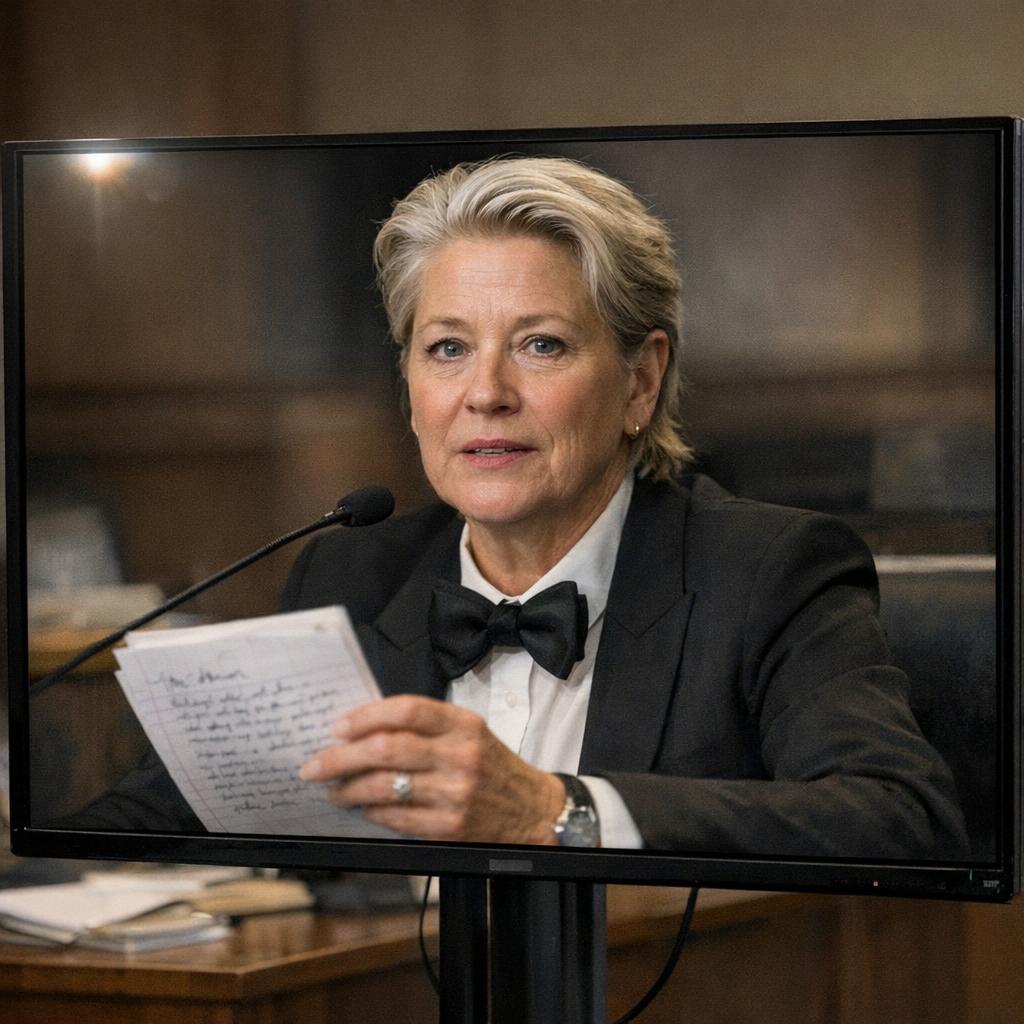 Image by RM AI
The Final Video
The courtroom fell into a hushed silence as Mr. Harmon set up the video. My heart pounded so loudly I was sure everyone could hear it. Then Thomas appeared on screen, his face gaunt but his eyes—oh, those eyes I'd fallen in love with—still sharp and clear. 'I'm recording this of sound mind and body,' he began, his voice weaker than in life but his resolve unmistakable. 'I want to explain why I've structured my will as I have.' He spoke for nearly ten minutes, detailing how I'd been there through every doctor's appointment, every midnight pain crisis, every moment of fear. 'My children have their own homes, their own wealth,' he said firmly. 'Margaret gave me dignity when I needed it most. She deserves security and peace.' I couldn't look at his children, but I felt Diana's quiet sobs from across the room. Robert stared fixedly at the floor, his jaw clenched tight. Michael kept checking his watch, as if even his father's final testimony was an inconvenience. When Thomas's face froze on the final frame, his gentle smile lingered like a benediction. Judge Calloway removed her glasses, and I saw something in her expression that gave me the first flicker of hope I'd felt in months. What happened next would change everything—not just for me, but for Thomas's children too.
 Image by RM AI
The Judge's Decision
Judge Calloway's courtroom fell silent as she adjusted her glasses and cleared her throat. After two grueling days of testimony, accusations, and evidence, the moment of truth had arrived. I gripped Elena's hand so tightly I worried I might cut off her circulation. 'Having reviewed all evidence presented,' Judge Calloway began, her voice resonating with authority, 'I find no indication whatsoever of coercion or diminished capacity in Thomas Reynolds' decision-making.' She looked directly at Robert, Diana, and Michael. 'Furthermore, I find the plaintiffs' behavior both during their father's illness and following his death to be deeply troubling.' Her words hung in the air like thunder. 'This court upholds the will in its entirety.' Mr. Harmon squeezed my shoulder gently as tears of relief streamed down my face. I wasn't crying from triumph—God knows there were no winners in this ugly battle—but from vindication. Thomas's final wishes would be honored. As we gathered our things to leave, I caught Diana's eye across the room. For just a moment, beneath the anger, I thought I saw something else—perhaps the first flicker of shame. What I didn't realize then was that Judge Calloway's decision wasn't the end of this story, but rather the beginning of something none of us could have anticipated.
 Image by RM AI
The Unexpected Apology
The doorbell rang on a rainy Tuesday morning, exactly one week after the court decision. I opened the door to find Jennifer, Michael's wife, standing there with a cardboard box and an expression I couldn't quite read. 'I hope I'm not intruding,' she said softly. I invited her in, surprised by her visit but curious. In my kitchen—the same kitchen where Thomas and I had shared thousands of meals—she placed the box on the table. 'Michael took these for safekeeping,' she explained, revealing Thomas's beloved first-edition Hemingway collection. As I ran my fingers over the familiar spines, Jennifer's eyes welled with tears. 'I'm so sorry, Margaret. For everything.' Over tea, she confessed that the inheritance battle had fractured the siblings. 'Michael regrets his part in it,' she admitted, stirring her tea absently. 'But Robert is still...well, Robert.' Then she asked something that caught me completely off guard: would I consider allowing Emma and Jacob—Thomas's grandchildren—to visit occasionally? 'They miss this place,' she said. 'They miss the connection to their grandfather.' I sat there, cup halfway to my lips, wondering if this olive branch was genuine or just another strategy. What Jennifer said next, however, would force me to question everything I thought I knew about Thomas's family.
 Image by RM AI
The New Normal
Six months have passed since the courtroom battle, and I've found a rhythm to my days that feels almost like peace. My mornings start with coffee on the porch Thomas built, afternoons at the community garden where I've planted his favorite dahlias, and evenings often spent with Elena and Sophia, who refuse to let me become a hermit. The security cameras Mr. Harmon insisted I install still blink their red eyes from discreet corners, but there have been no more 3 AM drive-bys or anonymous notes. Robert and Diana have maintained radio silence—a blessing, really—though Michael sent an awkward but seemingly sincere email apologizing for his behavior. The most healing part of my new normal, though, has been Emma and Jacob's monthly visits. Watching Thomas's grandchildren sprawl across his study floor, paging through photo albums as I tell them stories about their grandfather's terrible jokes and brilliant mind, feels like keeping a small flame alive. 'Grandpa really built this treehouse himself?' Jacob asked during their last visit, his eyes wide with wonder. I nodded, remembering how Thomas had insisted on finishing it despite his diagnosis. 'He wanted to make sure you'd have somewhere magical to visit.' What I didn't tell them was that I'd found something hidden in that treehouse—something that might change everything all over again.
 Image by RM AI
The Foundation
One year after Thomas's passing, I stood in the community center's atrium, watching as people filtered in for the launch of the Thomas Reynolds Foundation for Caregiver Support. The idea had come to me during those sleepless 3 AM moments when grief feels most raw—what if Thomas's legacy could ease the burden for others walking the same exhausting path? With a portion of the inheritance that had caused so much strife, we would now provide respite care, counseling, and practical assistance to those caring for terminal cancer patients. I nearly dropped my glass when I spotted Michael and Jennifer hovering near the entrance, looking uncertain but present. They kept their distance, nodding respectfully from across the room. Dr. Levine Sr. took the podium, bow tie perfectly centered as always, and spoke with such eloquence about dignity in end-of-life care that several attendees dabbed at their eyes. "The true measure of our healthcare system," he said, "isn't how we treat the patient, but how we support those who become the frontline of that care." As applause filled the room, I felt Thomas's presence so strongly it took my breath away—not in grief, but in purpose. What I couldn't have known then was that someone else was watching from the back of the room, someone whose presence would soon force me to confront the most difficult question of all: was I truly ready to practice the forgiveness I was preaching?
The Letter to Thomas
The study still smells like him—old books, pipe tobacco he'd quit but couldn't part with, and that sandalwood aftershave. I settle into his leather chair, the one that still holds the impression of his body, and uncap my favorite pen. 'Dear Thomas,' I write, my handwriting steadier than my heart feels. For an hour, I pour everything onto the page—how Emma asked about his fishing stories last week, how Jacob wears his grandfather's watch on special occasions, how the foundation has already helped seventeen families. 'The dahlias are spectacular this year,' I tell him. 'Remember how you said they were too fussy? You were wrong about that, just like you were wrong about me not being strong enough.' I describe the peace I've found in this new life—not the one I wanted, but the one I've built from the ruins of what we lost. 'You were right about the important things, though,' I continue, tears blurring the ink. 'Your last gift wasn't the house or the money. It was freedom—freedom to become someone I never knew existed inside me.' When I finish, I don't seal the letter in an envelope. Instead, I fold it carefully and place it in the hollow of the oak tree we planted on our fifth anniversary. Some communications aren't meant for sending; they're just meant to be released. What I didn't expect was who would be waiting for me when I returned to the house.
 Image by RM AI