Tasting Europe’s Hits And Misses
Some cities win you over the moment you take a bite. Their food tells stories of old markets, secret recipes, and local pride passed through generations. Others, despite the charm, just don’t deliver that same magic at the table. Across Europe, culinary reputations can surprise you. Keep reading to see which places truly delight food lovers. Let’s begin with the ones that taste as unforgettable as they look.
1. Paris, France
Few cities celebrate taste quite like Paris. With over 100 MICHELIN-starred restaurants, it turns dining into an art form. Markets brim with fresh produce, patisseries dazzle with buttery perfection, and chefs like those at Kapara reinvent French tradition through bold global twists.
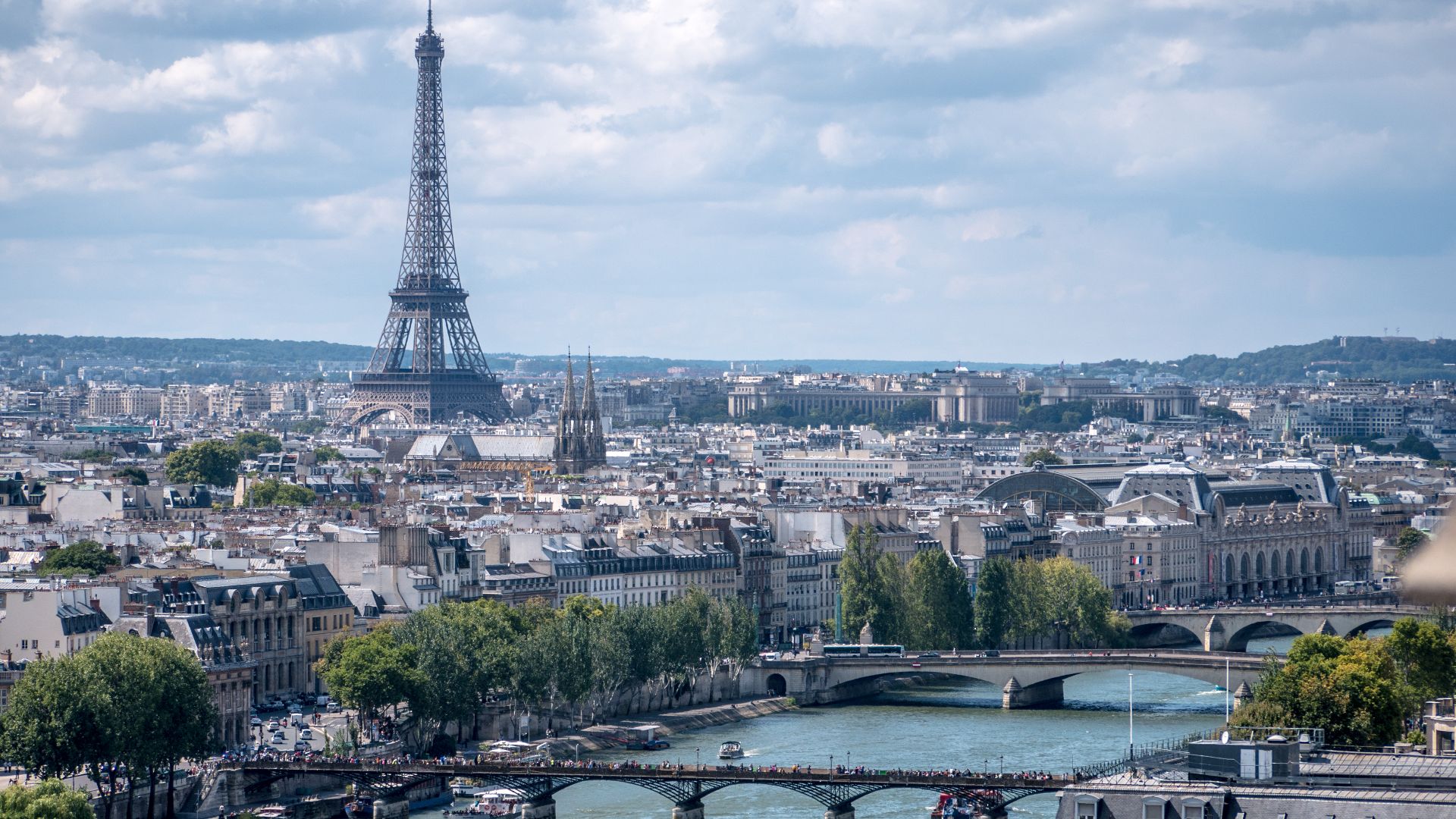 Yann Caradec from Paris, France on Wikimedia
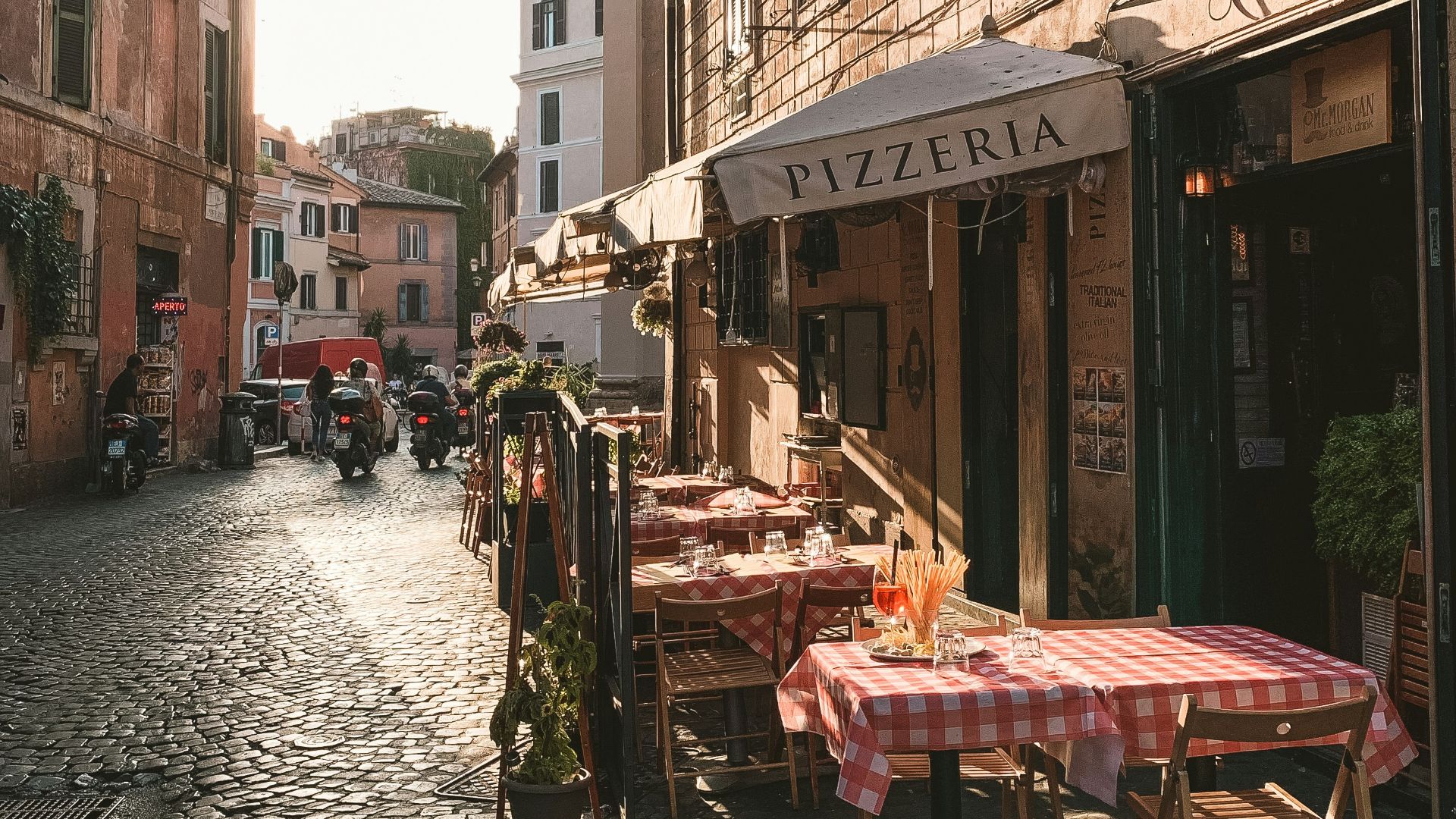
2. Rome, Italy
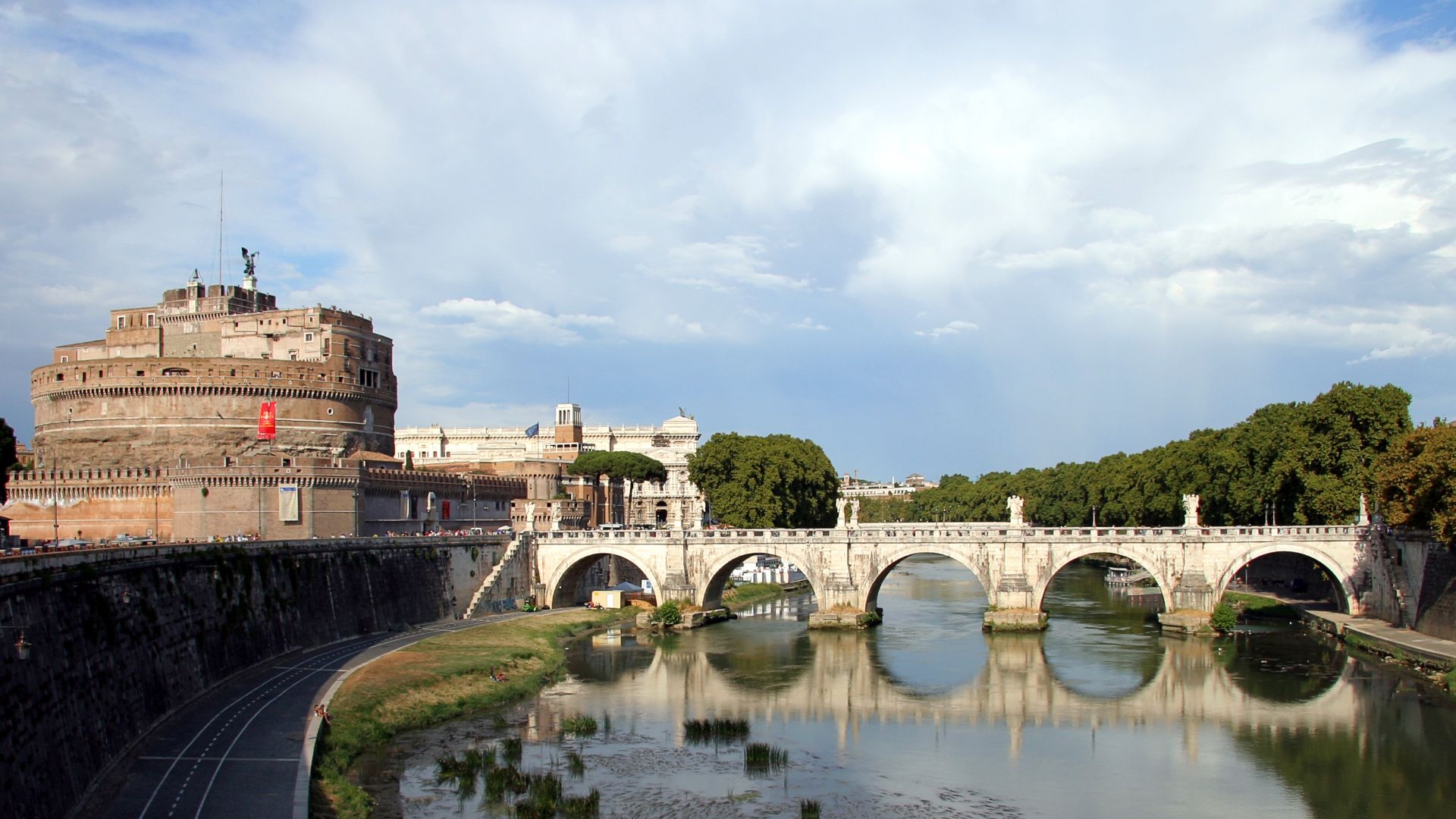
Every plate in Rome tells a story of pride and patience. From cacio e pepe to carbonara, each dish honors humble roots and local ingredients. Even the city’s leftover-inspired recipes reveal centuries of resourcefulness that turned simple meals into beloved culinary treasures.
3. Barcelona, Spain
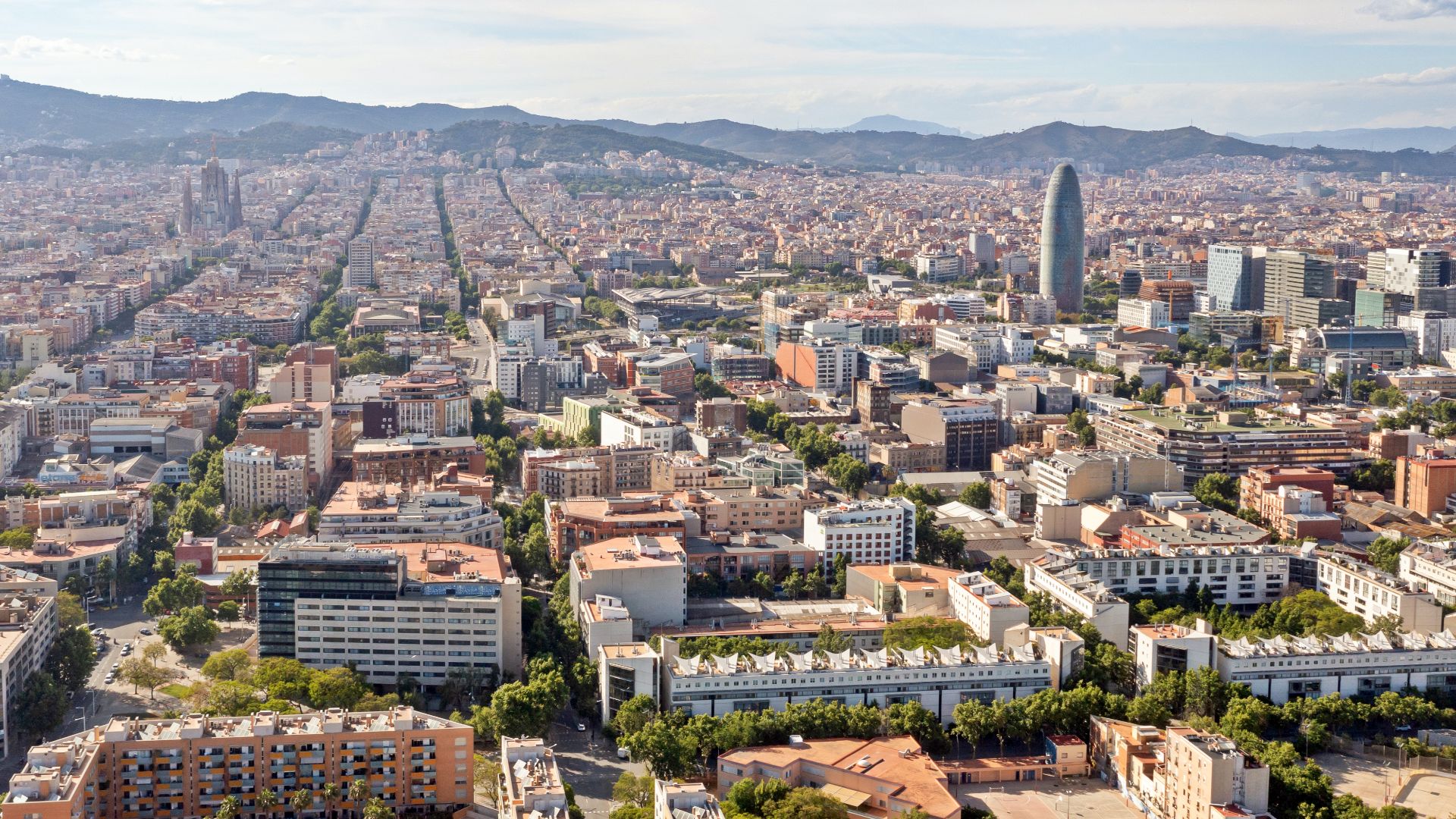
There’s electricity in Barcelona’s kitchens. Tapas such as patatas bravas and pan con tomate fill lively tables, while La Boqueria market fuels the city’s creative chefs. Catalan heritage meets modern invention here, where every dish feels like a flavorful dialogue between past and future.
4. London, United Kingdom
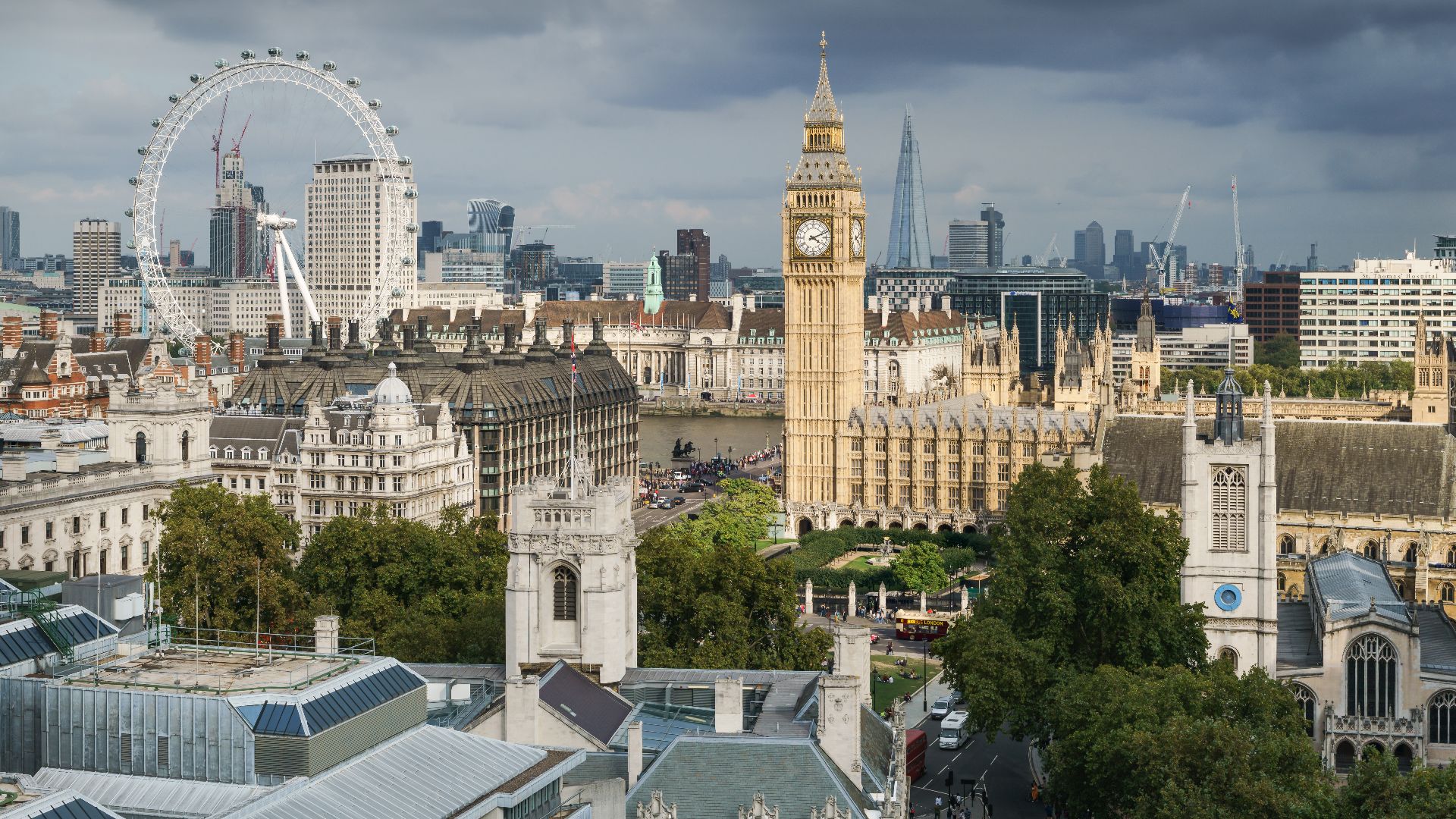
London thrives on cultural fusion and traditional staples. At Borough Market, you’ll encounter global flavours alongside Britain’s hearty classics. Dig into chicken tikka masala in Brick Lane or a crisp plate of fish and chips near the Thames—both capture the city’s wide culinary embrace.
5. Naples, Italy
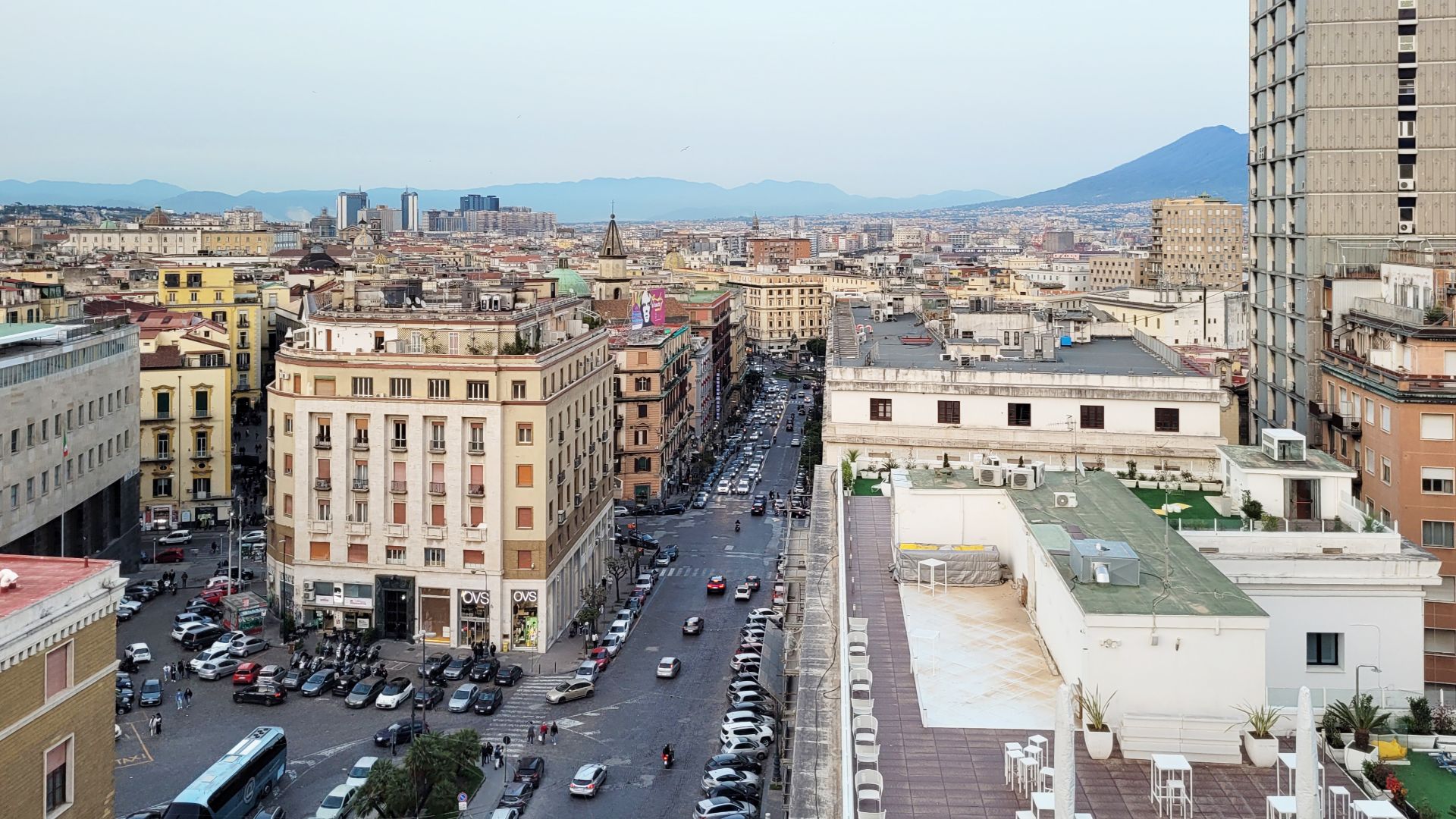
In Naples, flavor comes straight from its fiery soul. The birthplace of pizza still thrills with street eats like cuoppo and pizza fritta. Centuries of Mediterranean influence and Vesuvius-grown tomatoes give its food a depth no imitation can ever match.
6. Athens, Greece
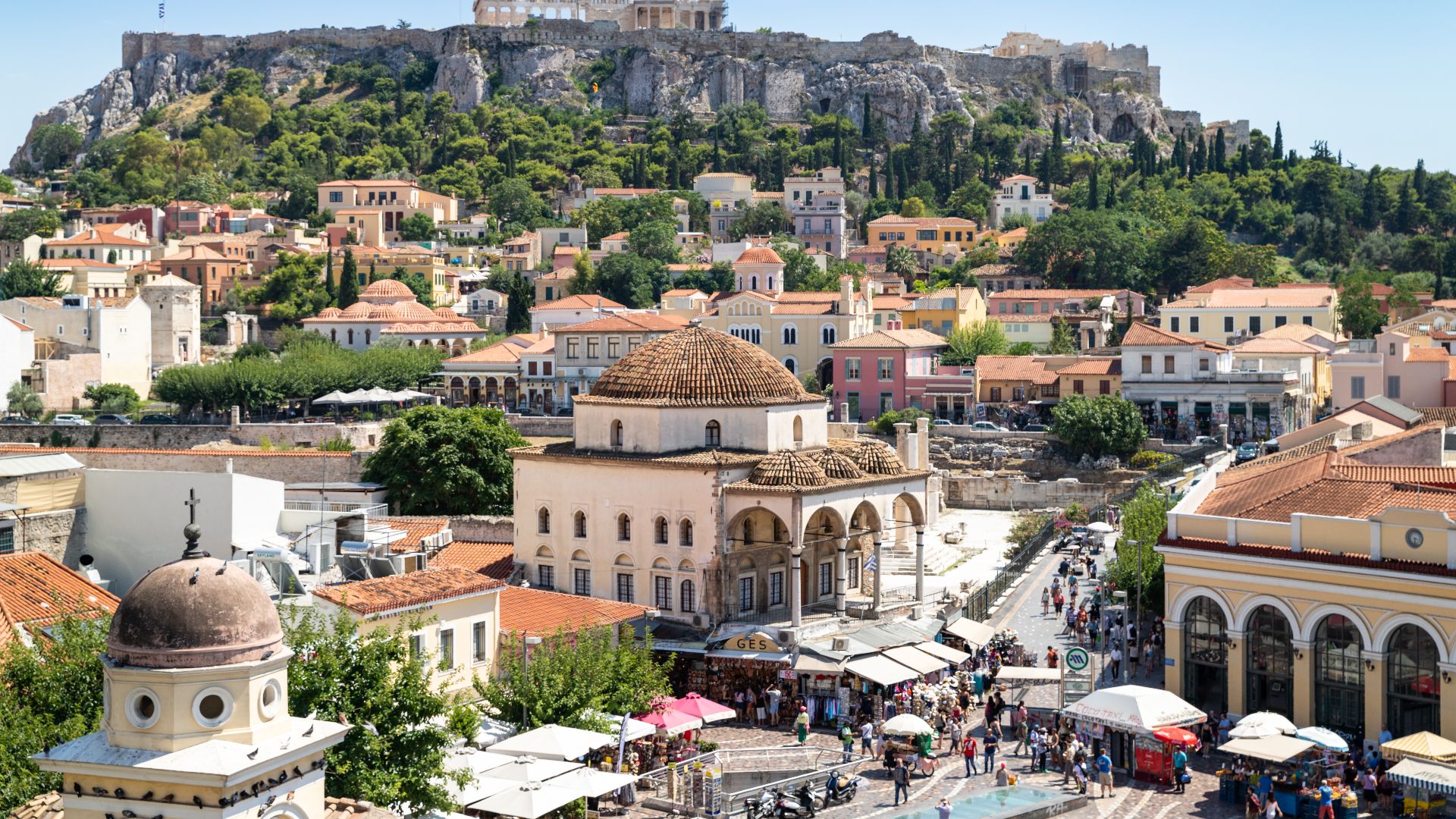
Step into Athens, and food feels like a celebration. Mezze plates crowd the table—tzatziki, dolmades, grilled octopus—each dish a snapshot of Greek generosity. At Varvakios Agora, fresh fish and cheeses reveal how tradition still shapes the city’s lasting love for shared meals.
7. Istanbul, Turkey
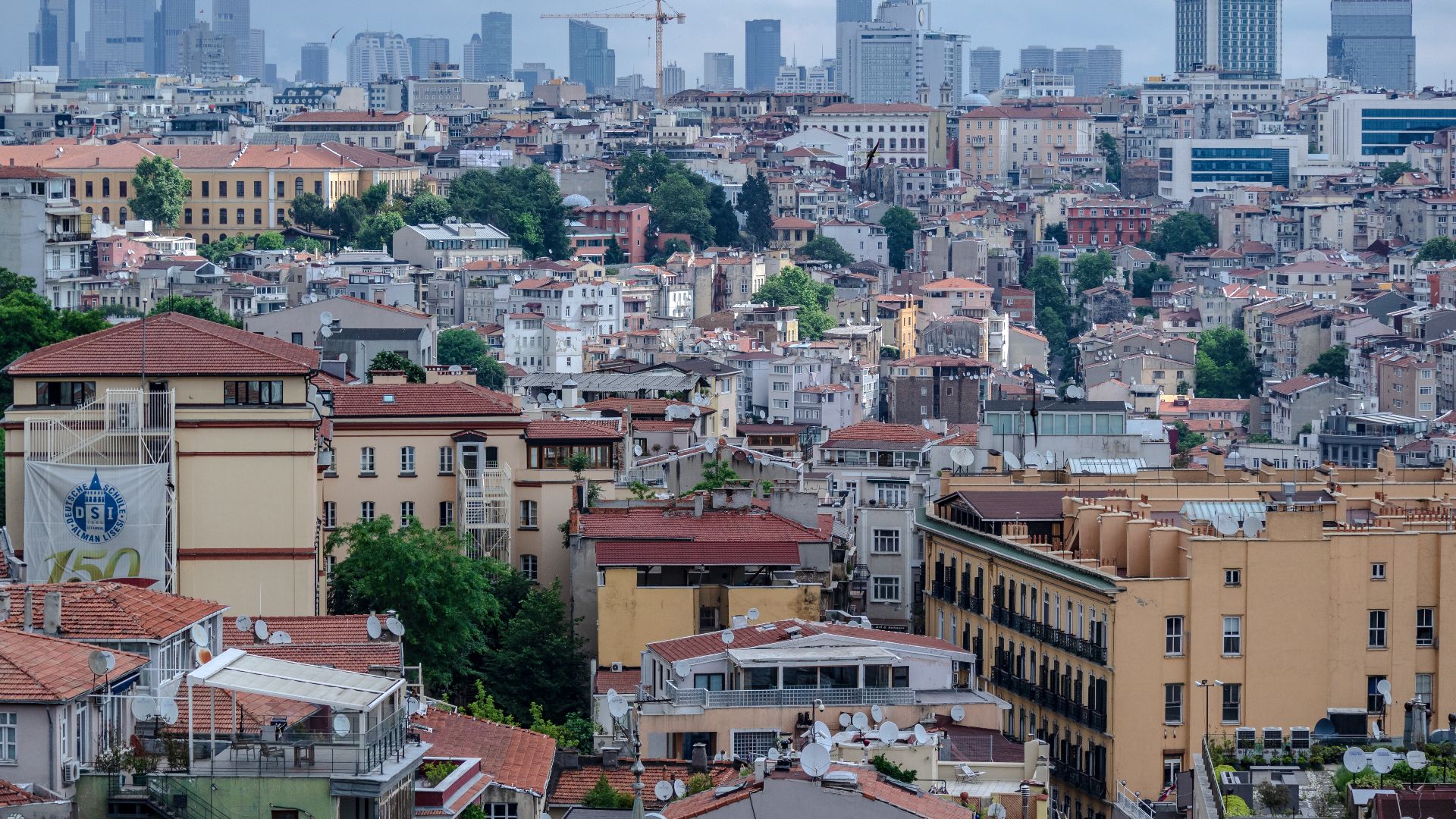
Few cities feed the senses like Istanbul. Street vendors sell simit beside steaming tea, while kebabs and baklava capture centuries of fusion. Every bite, rooted in Ottoman and Balkan heritage, reminds you that this is where East and West meet over food, not maps.
8. Porto, Portugal
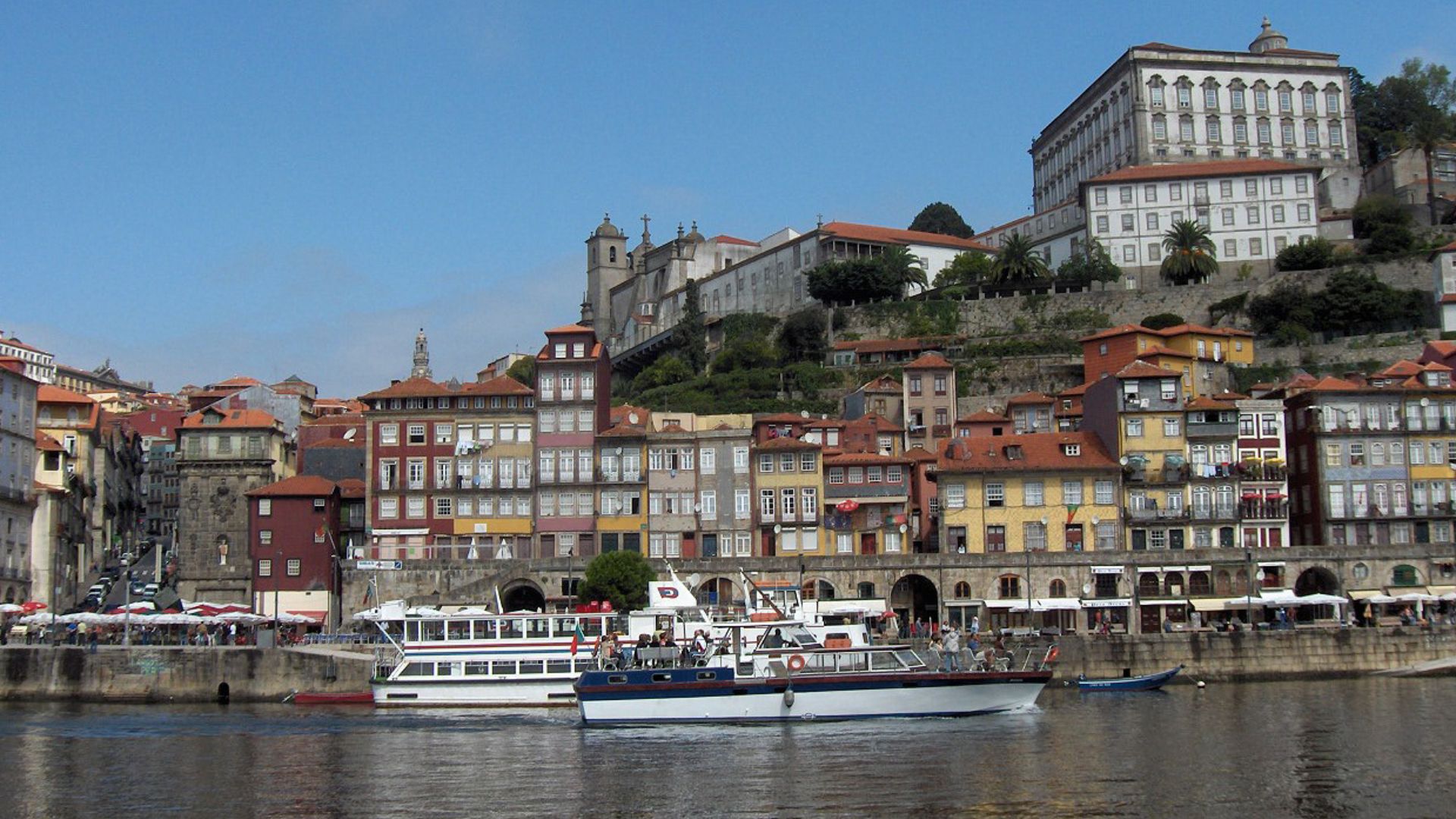
Porto eats from the heart, not the wallet. The city’s francesinha sandwich, smothered in beer sauce and melted cheese, feels like pure indulgence. Locals wash it down with port wine before heading to Mercado do Bolhão for fresh fish and daily gossip.
9. San Sebastián, Spain
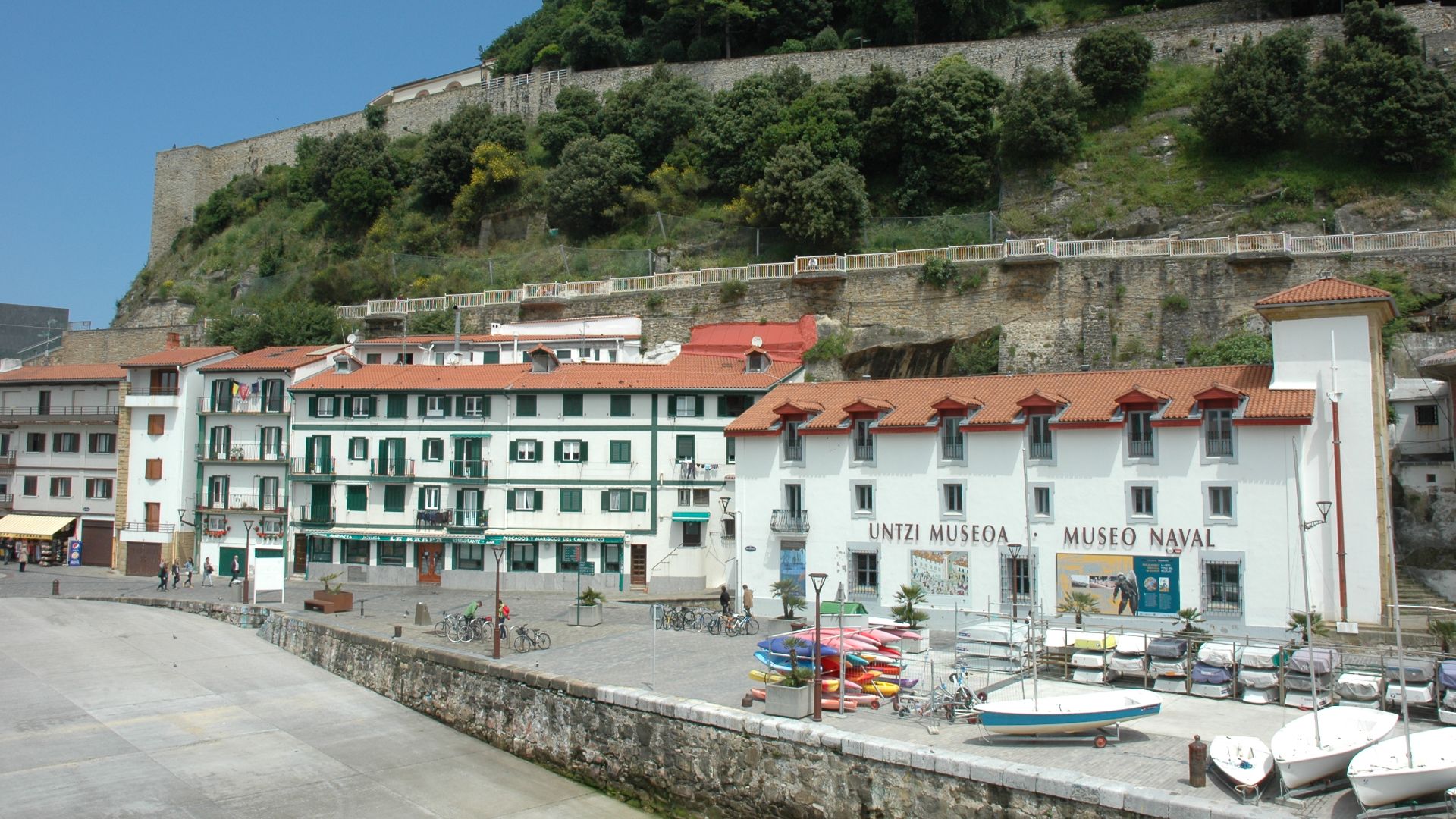
Bars, not dining rooms, set the stage in San Sebastián. Locals hop between counters stacked with pintxos—tiny bites like hake cheeks or spider crab. Even casual eats rival fine dining here, earning the city more MICHELIN stars per capita than almost anywhere else.
10. Copenhagen, Denmark
Copenhagen rewrote the rules of fine dining. At Geranium, artistry meets restraint, while Noma’s influence birthed a generation of daring chefs. From foraged herbs and fermented vegetables to open-faced rye sandwiches called smørrebrød topped with pickled herring or salmon, the city thrills every sense.
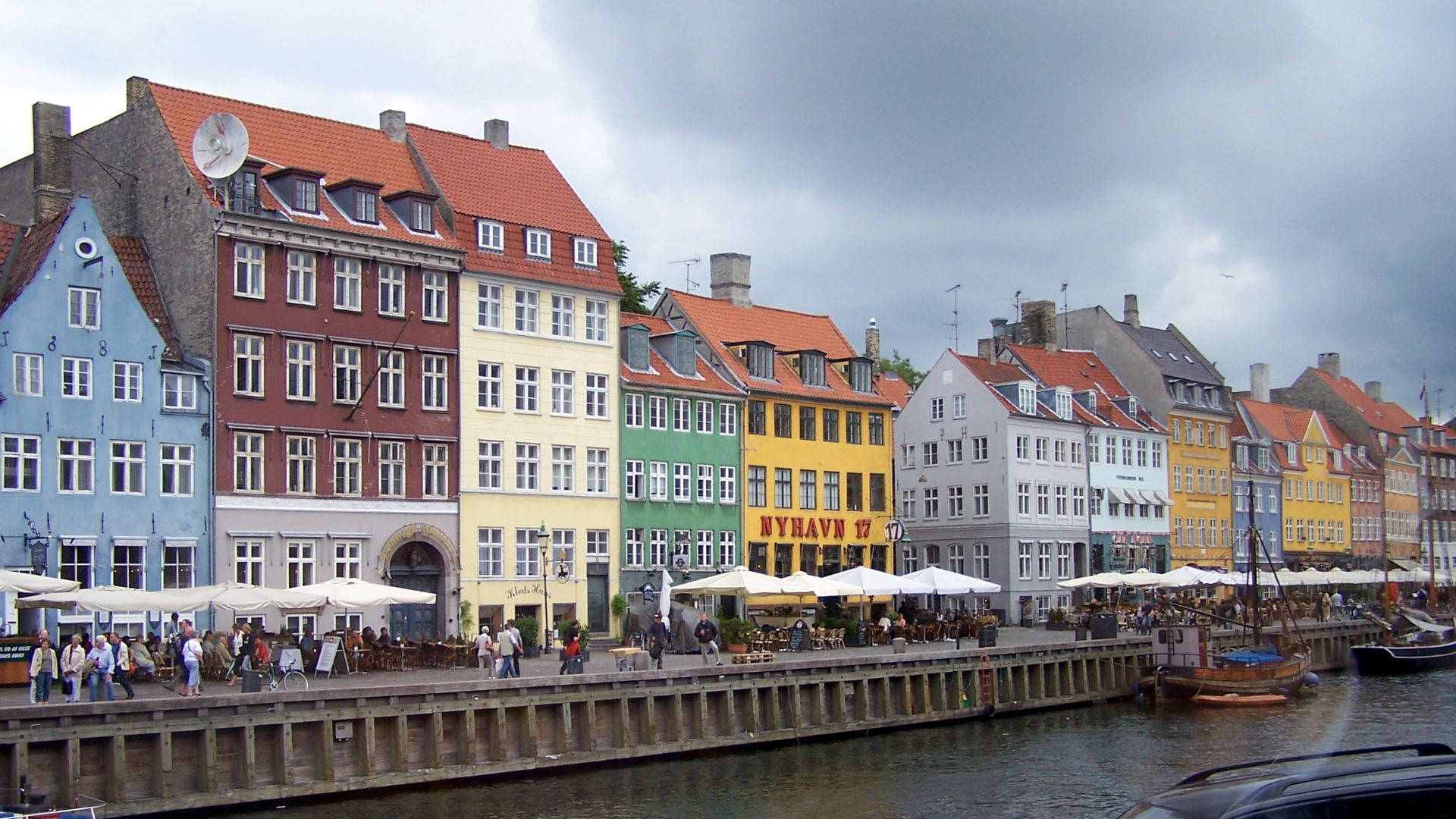
But not every European capital serves up culinary magic—some, despite their beauty and charm, still struggle to make their food as unforgettable as their views.
1. Zurich, Switzerland
Cheese, potatoes, and cream dominate Zurich’s table, echoing its Alpine roots. Quality is never in doubt, but prices make fine dining feel exclusive. Additionally, financial prestige overshadows flavor innovation to keep the city polished yet rarely playful about what’s on the fork.
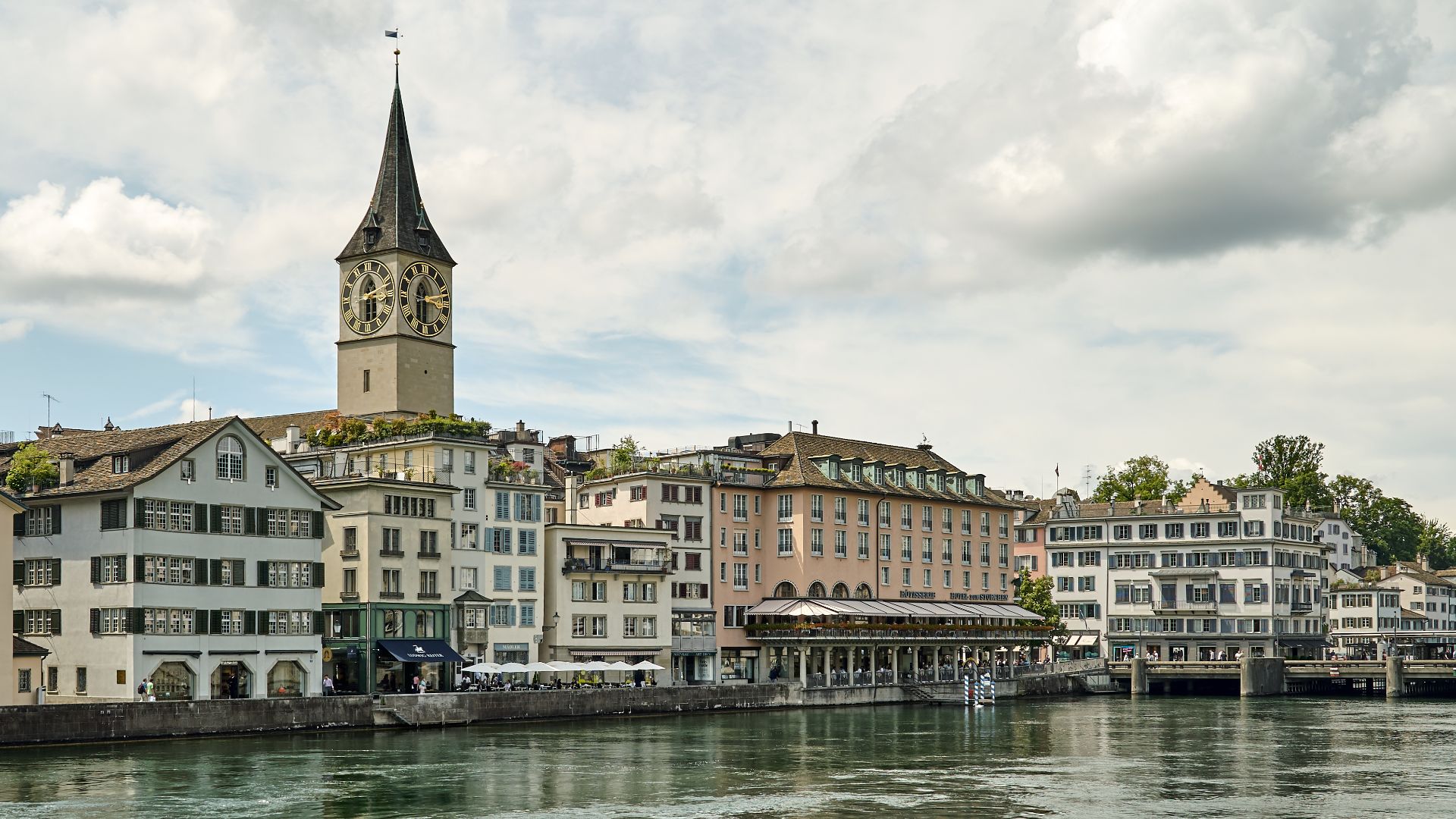 Pedro Szekely from Los Angeles, USA on Wikimedia
2. Oslo, Norway
Visitors often spend more on dinner here than anywhere else in Europe. Oslo’s traditional plates—salted fish and root vegetables—come from centuries of survival, not showmanship. Beautiful fjords aside, the city’s food scene still leans modest, though modern chefs are slowly rewriting its reputation.
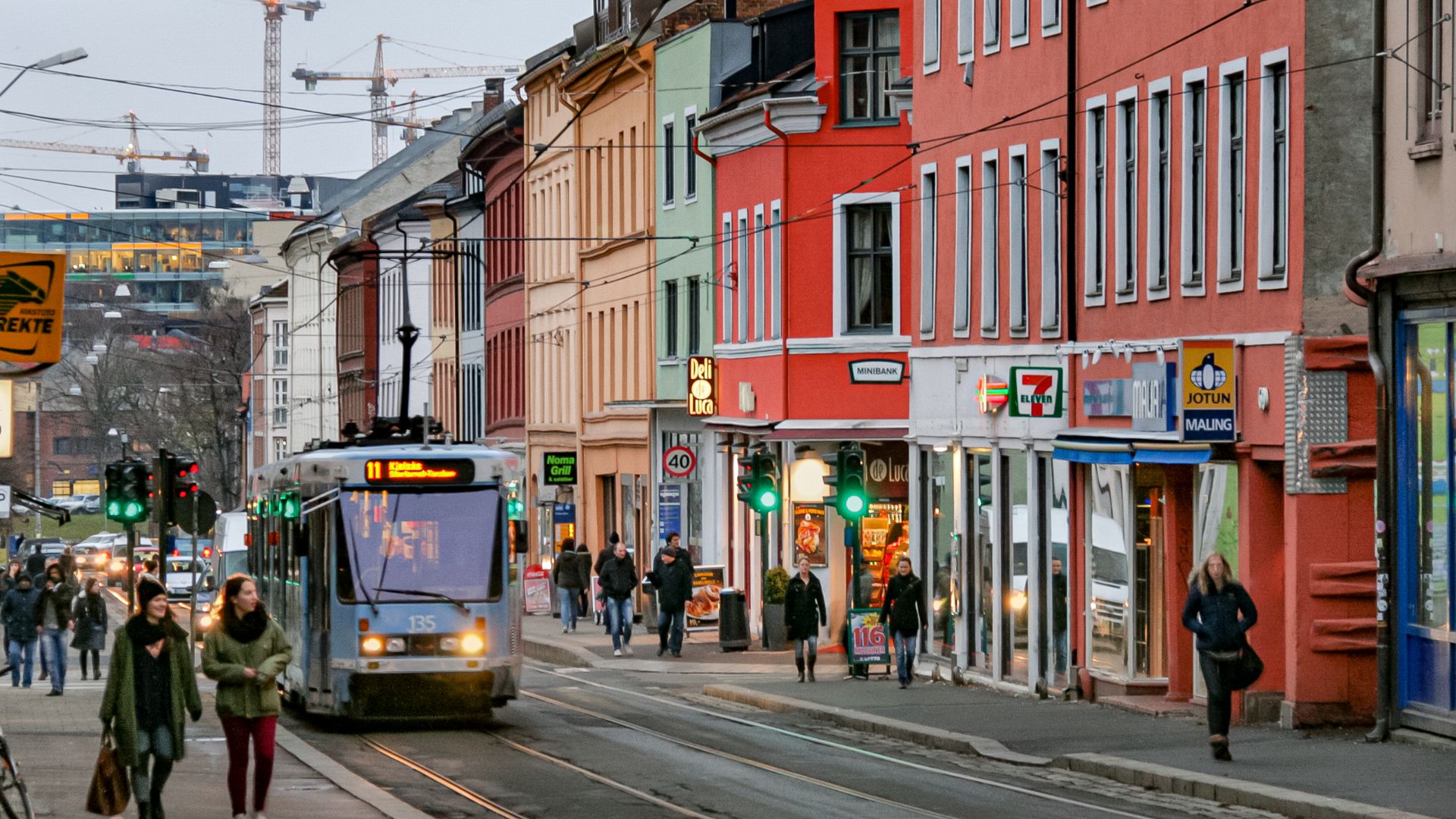 Jorge Franganillo on Wikimedia
3. Stockholm, Sweden
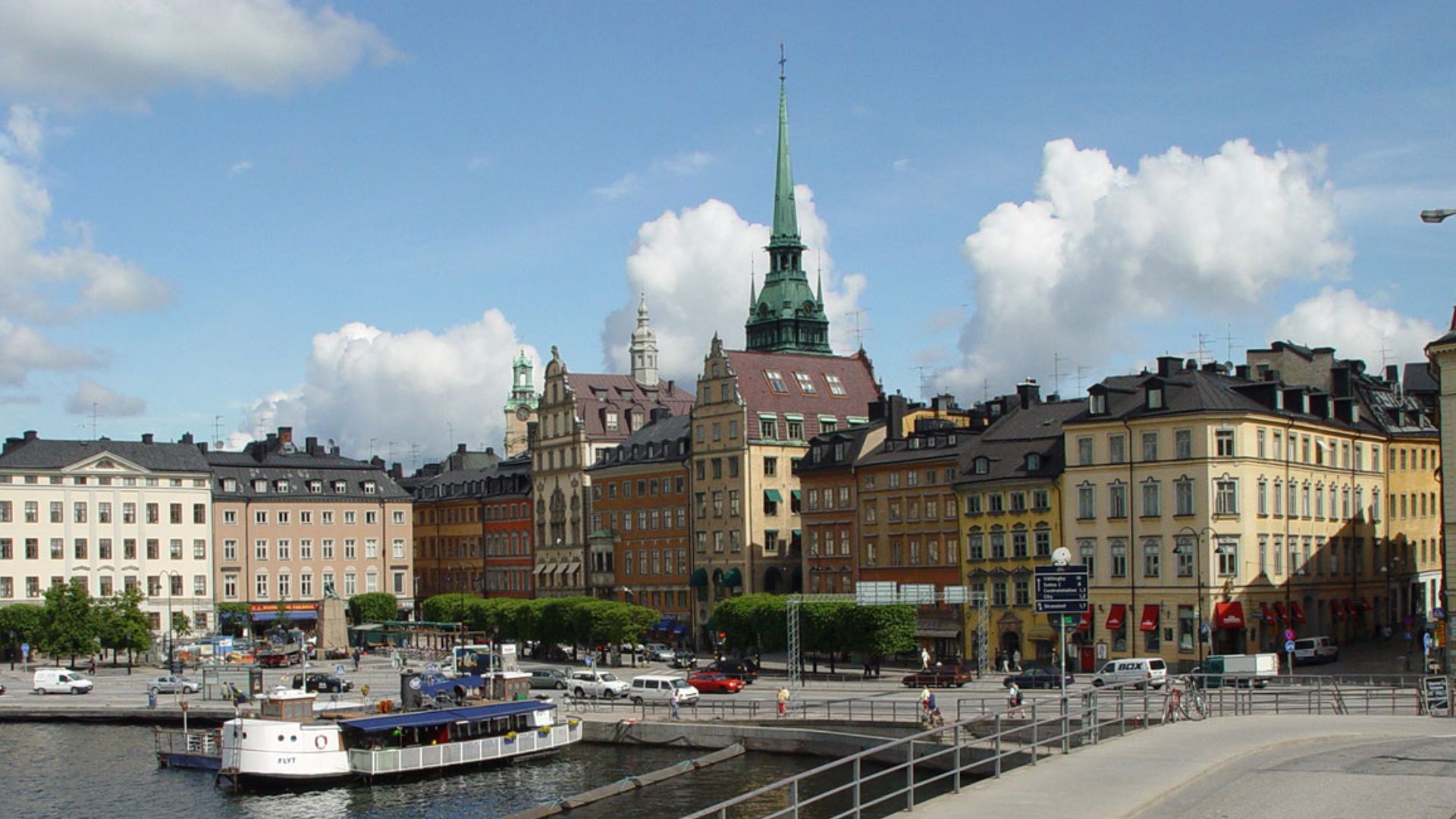
Stockholm’s beauty often steals the spotlight long before its food does. The city’s minimalist cooking leans on fresh, local ingredients and quiet balance rather than indulgence. Each dish reflects the same restraint and elegance that shape Sweden’s architecture and lifestyle.
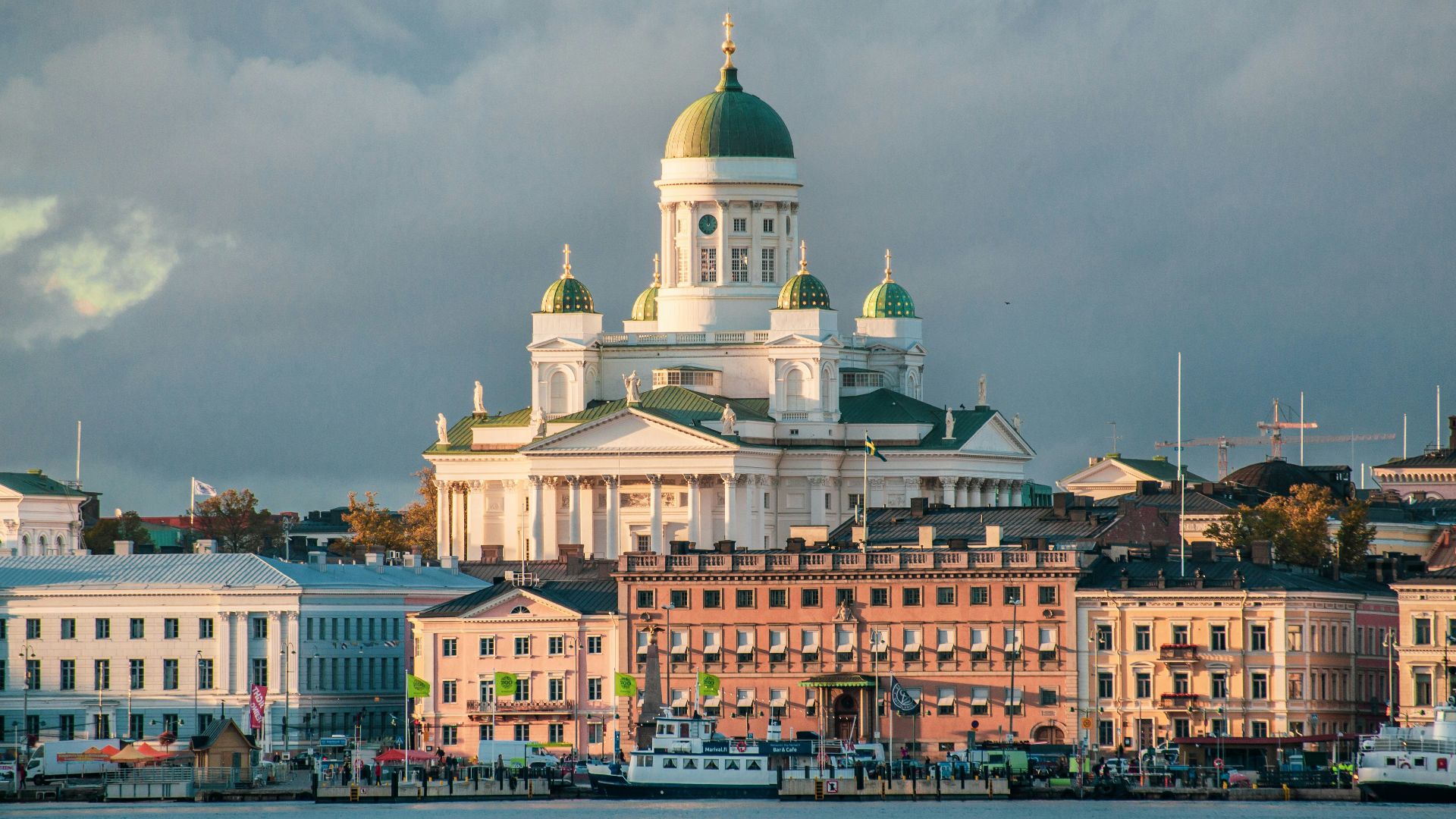
4. Helsinki, Finland
Helsinki’s food doesn’t shout for attention—it earns quiet respect. Meals built around fish, potatoes, and rye bread reflect northern simplicity. Few MICHELIN stars dot its map, yet locals prize freshness and heart over glamour, staying true to Finland’s rustic roots.
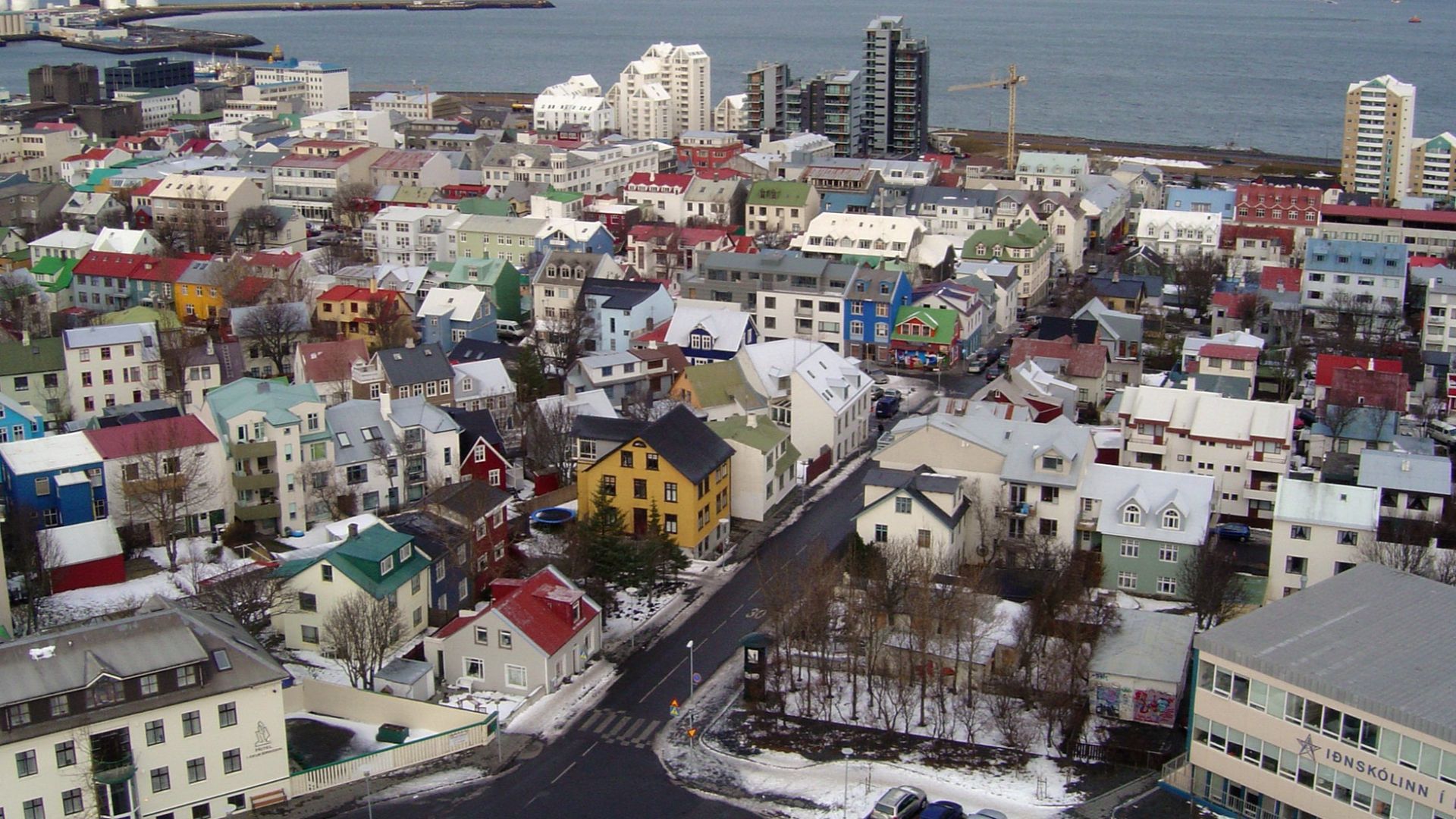
5. Reykjavik, Iceland
If bold flavor had a frontier, it would be Reykjavik. Here, survival once meant innovation. They relied on fermented shark and dried fish. The food isn’t built for everyone’s palate, but it tells Iceland’s story better than any souvenir ever could.
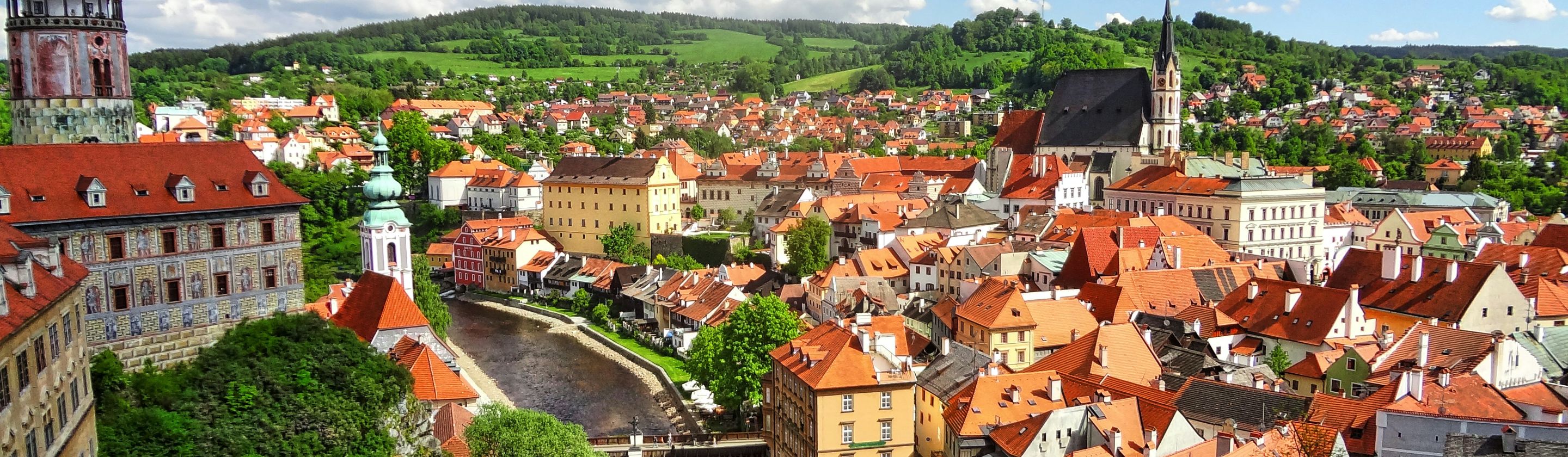
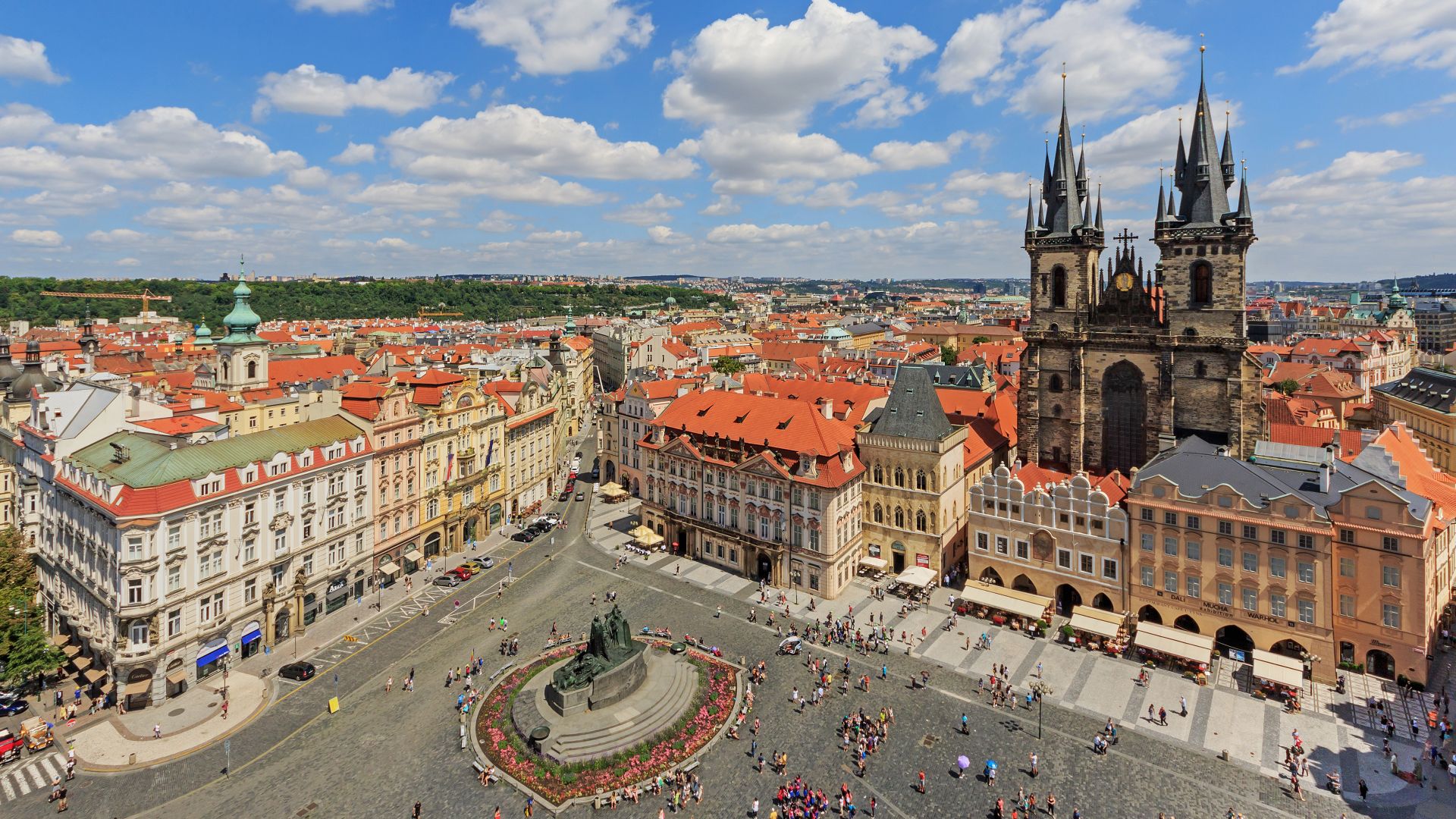
6. Prague, Czech Republic
In Prague, comfort takes center stage. Goulash, svíčková, and dumplings bring warmth to every table, echoing the city’s love for hearty tradition. Its Gothic beauty often steals attention, but the food remains loyal to flavor built on simplicity and heart.
7. Glasgow, Scotland
Music pulses louder than frying pans in Glasgow. Fried favorites still dominate menus, but creativity lags behind its booming arts scene. Though its Victorian streets inspire admiration, the city’s cuisine remains plainspoken—filling comfort more than refined craft.

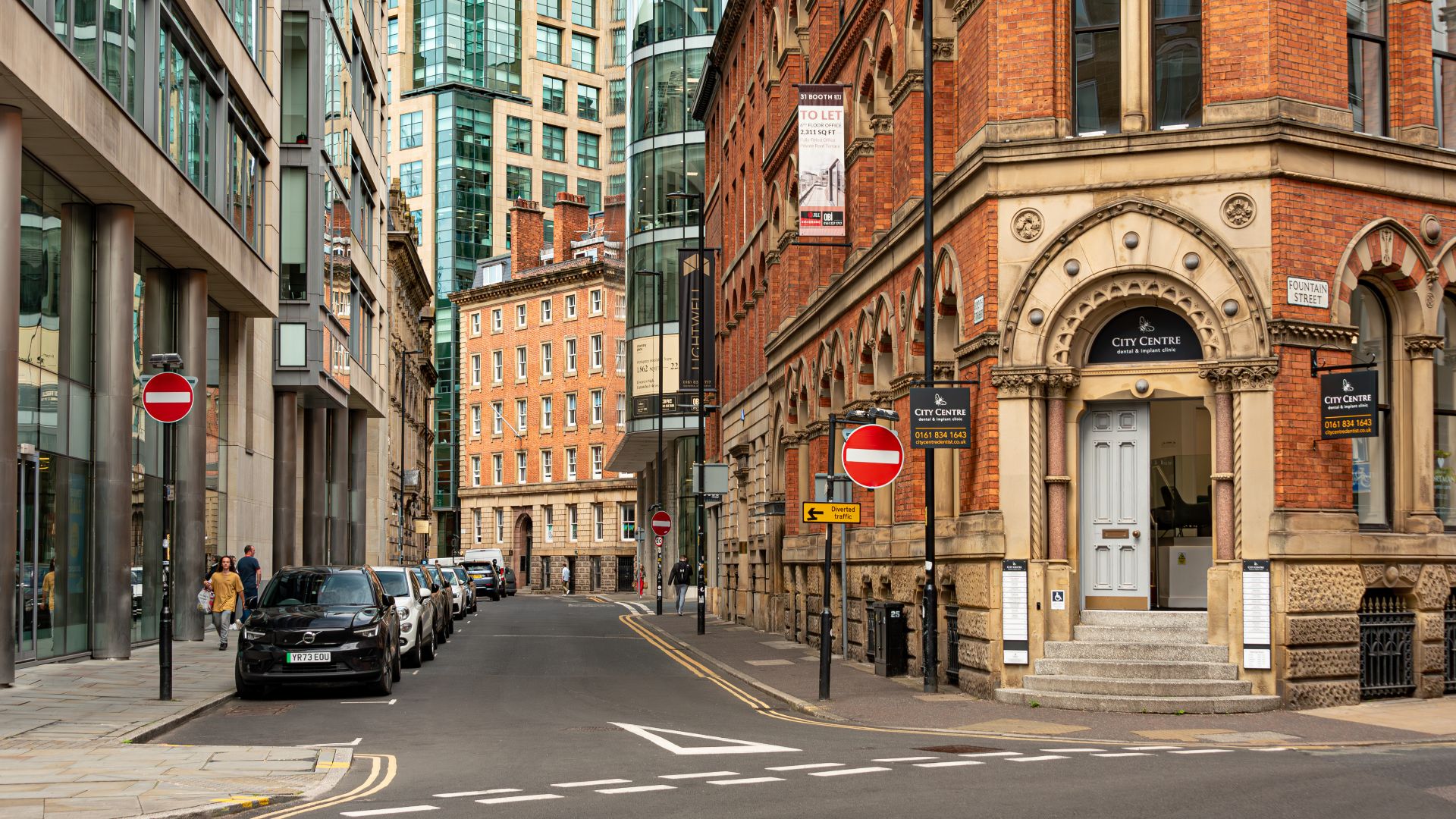
8. Manchester, United Kingdom
Manchester feeds nostalgia. Meat pies and mushy peas echo its industrial past, hearty yet humble. New global influences are changing that rhythm, yet the city remains better known for football chants than culinary fireworks.
 Jorge Franganillo on Wikimedia
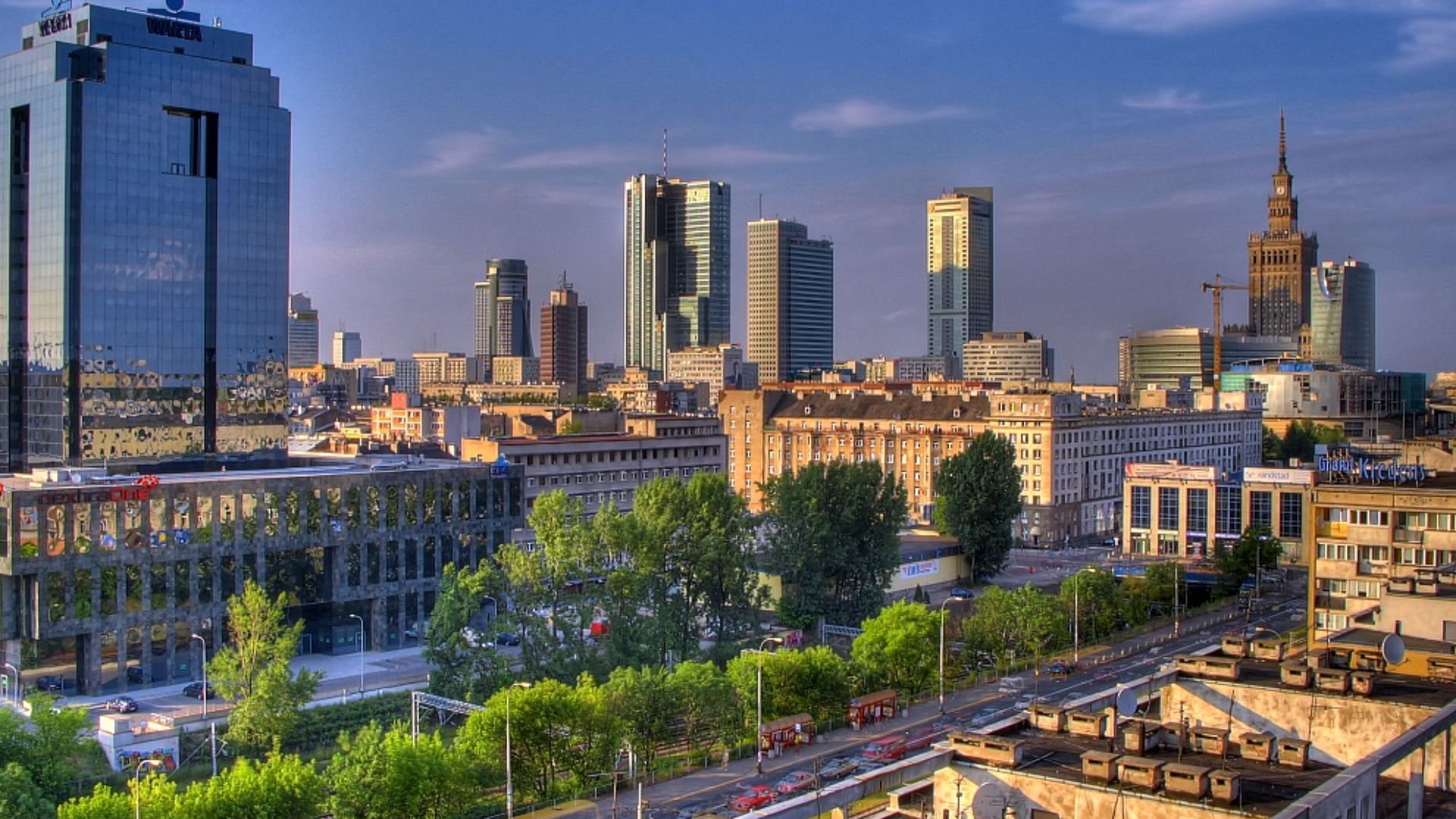
9. Warsaw, Poland
Warsaw’s cuisine reflects resilience shaped by history. Pierogi, cabbage rolls, and stews define its honest, no-frills charm. The city cooks for comfort, not spectacle, and serves food that speaks quietly of strength and the simple joy of something made to last.
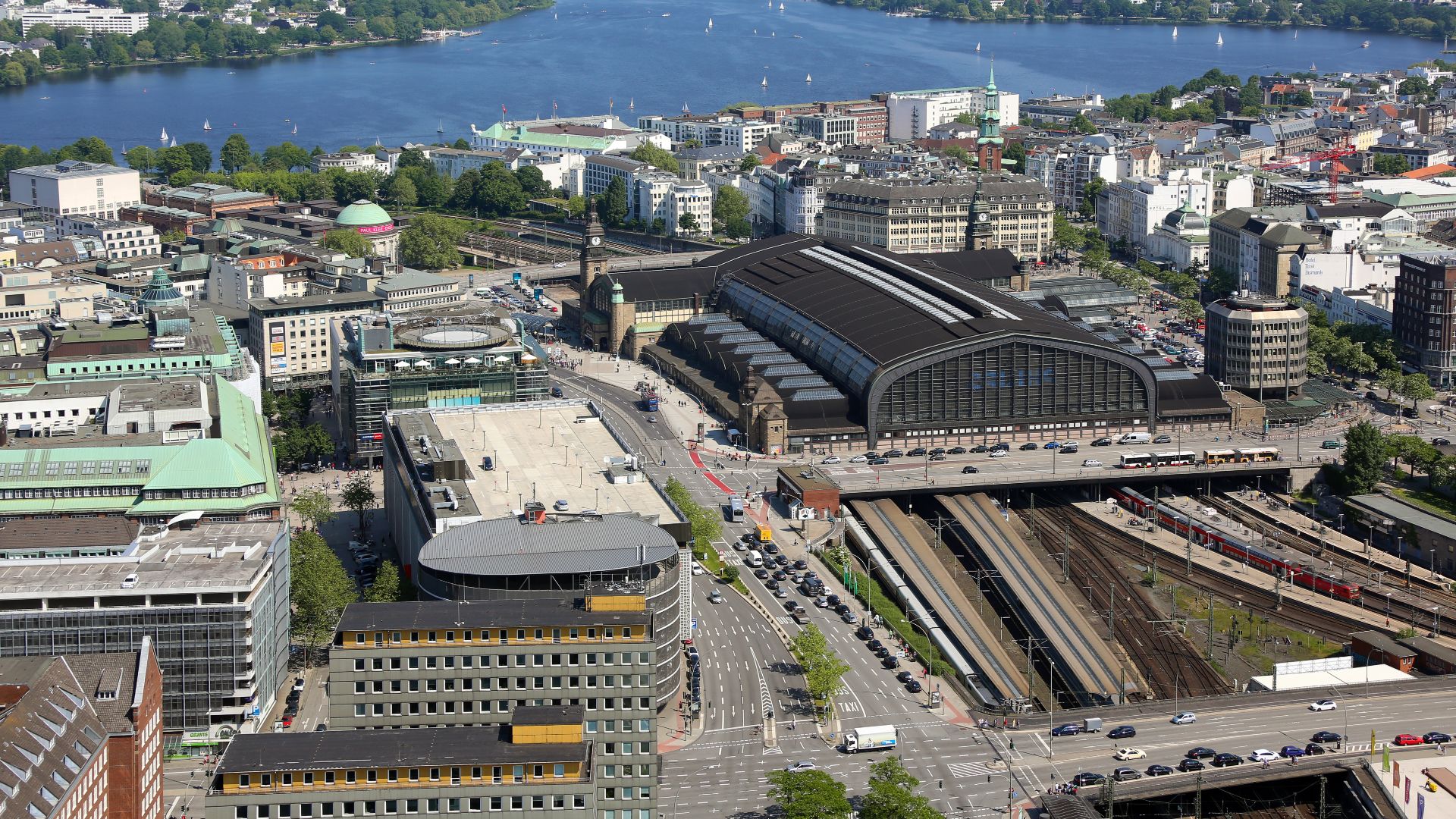
10. Hamburg, Germany
Seafaring traditions shape Hamburg’s palate. Dishes like Labskaus and Fischbrötchen reflect sailors’ needs—salty and sustaining. Tourists come for the port views, not the plates, leaving the city’s food legacy anchored firmly in practicality.