A Smooth Ride, If You Know Where to Look
Well-versed travelers know the importance of public transport—but where do you go for state-of-the-art options? Some popular spots can move you across a city quickly, letting you pay without friction and trusting the system to connect the dots. And some locations don’t. Let’s break down which locations crush it in the transportation game and which need a serious upgrade.

1. Singapore
Singapore’s transit culture is built around integration, including a modern e-payment platform designed to make tapping in and tracking rides easier. Its rail network also includes automated, driverless operations that push consistency and frequency in the direction commuters actually want.
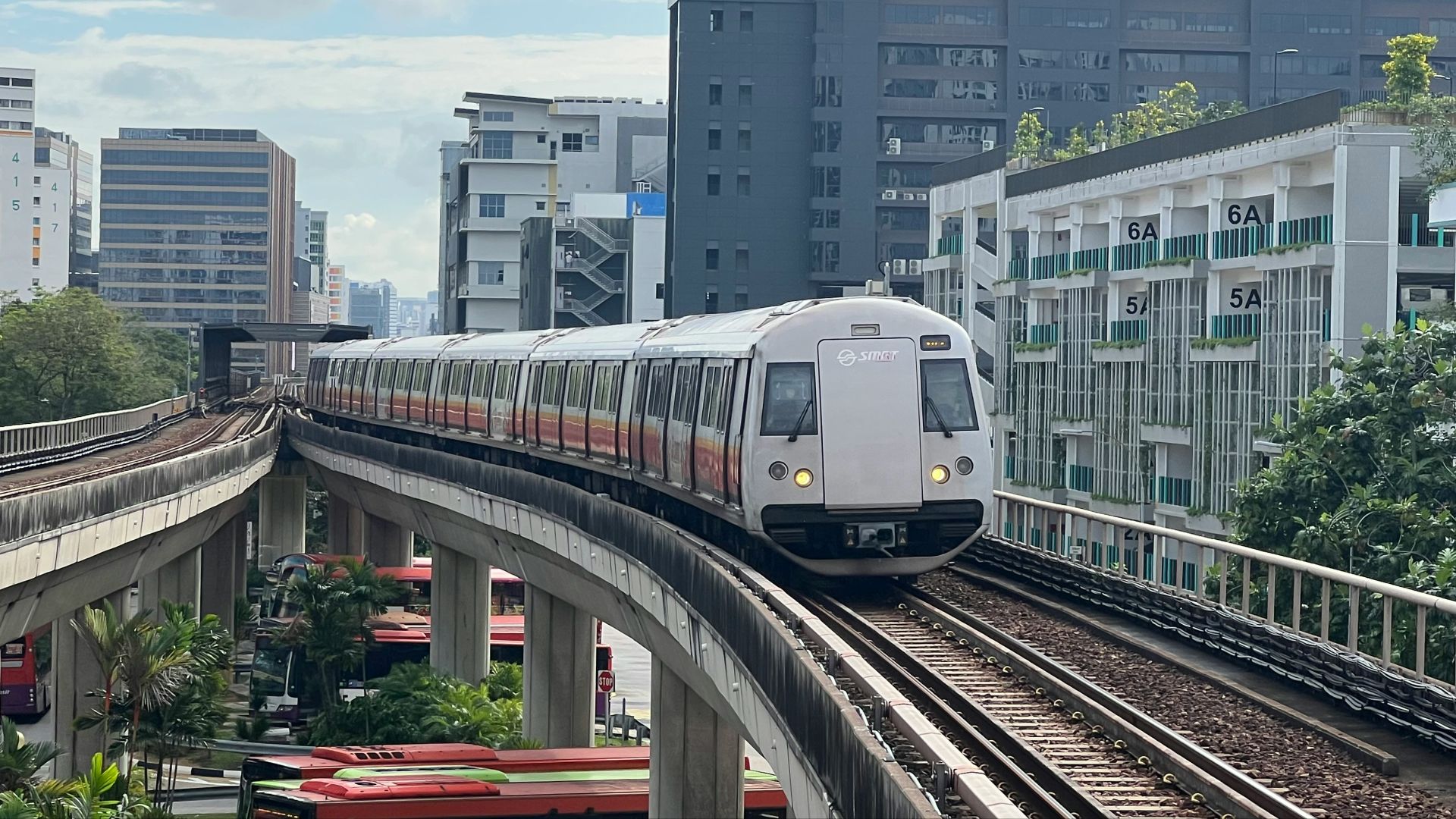 The Transport Enthusiast DC on Unsplash
2. Tokyo, Japan
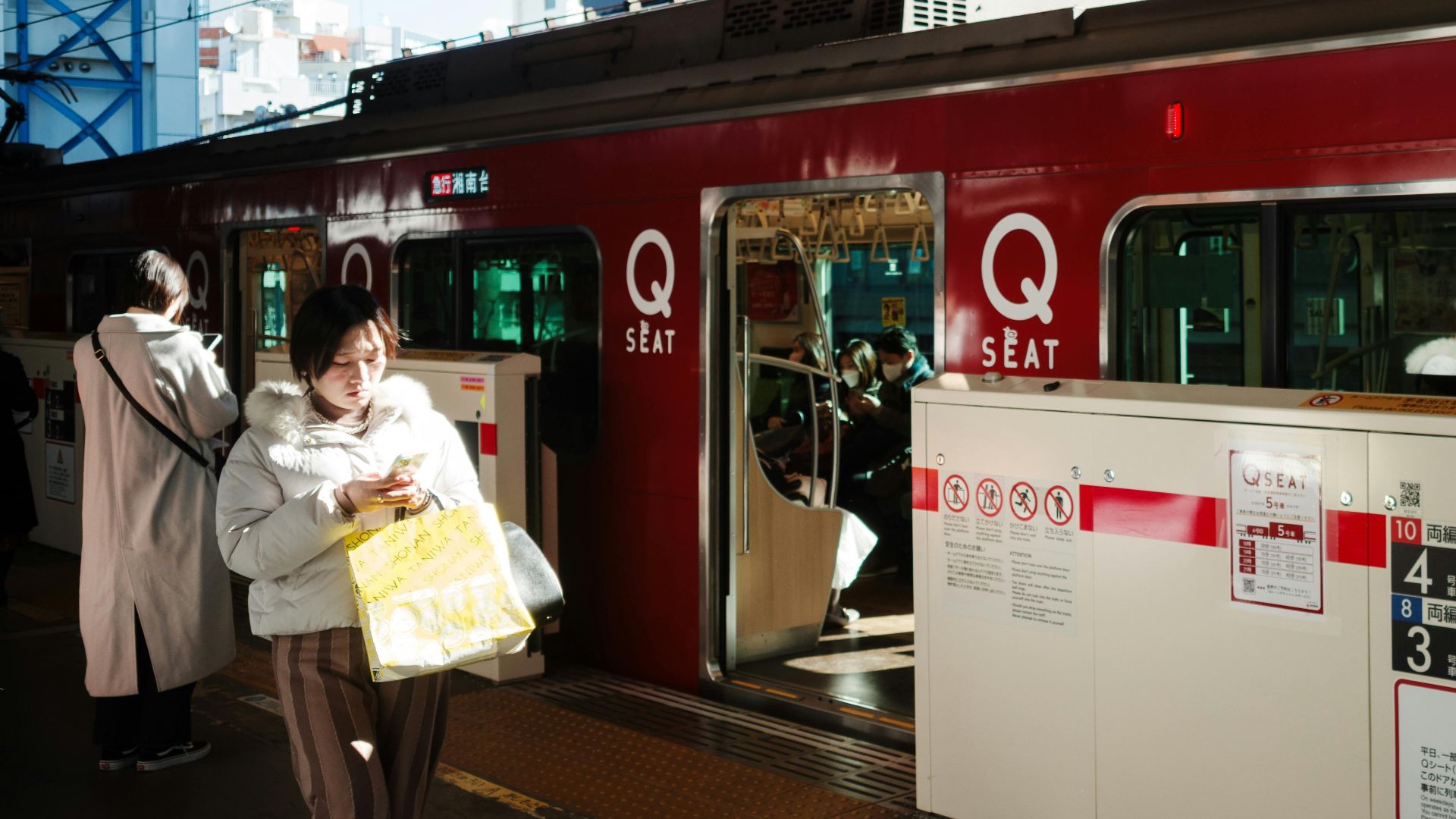
Tokyo makes complexity feel manageable by leaning hard on IC fare tech that’s designed for fast, repeatable entry through gates. PASMO is built to work beyond a single operator, so you can also ride across participating rail and bus networks without rethinking your payment every time.
3. Hong Kong
Hong Kong’s transit advantage is how efficiently payment and access scale across the network, starting with Octopus as a widely used option for multiple transport modes. The MTR’s automatic fare collection ecosystem also supports modern choices like QR tickets and contactless bank cards, which keep the gates moving even when riders have different preferences.
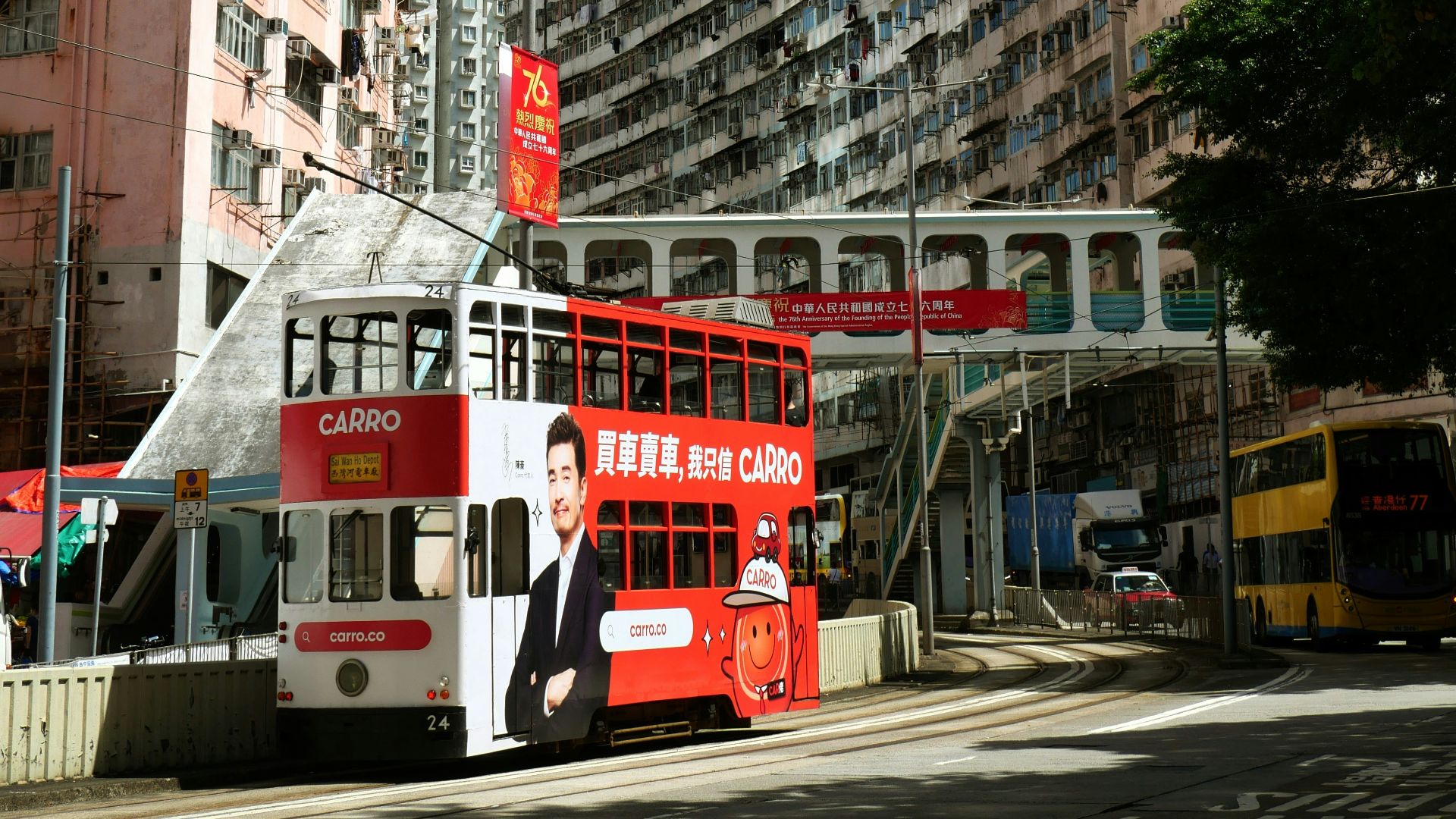
4. Copenhagen, Denmark
Copenhagen’s metro leans into automation. Their service has been built around driverless operations as an everyday standard; the newer lines expanded the network while keeping the same operational philosophy: frequent service without trapping you in a bottleneck. If you’re the type who checks the clock, you’ll notice how much the system is designed to reduce wait-time drama.
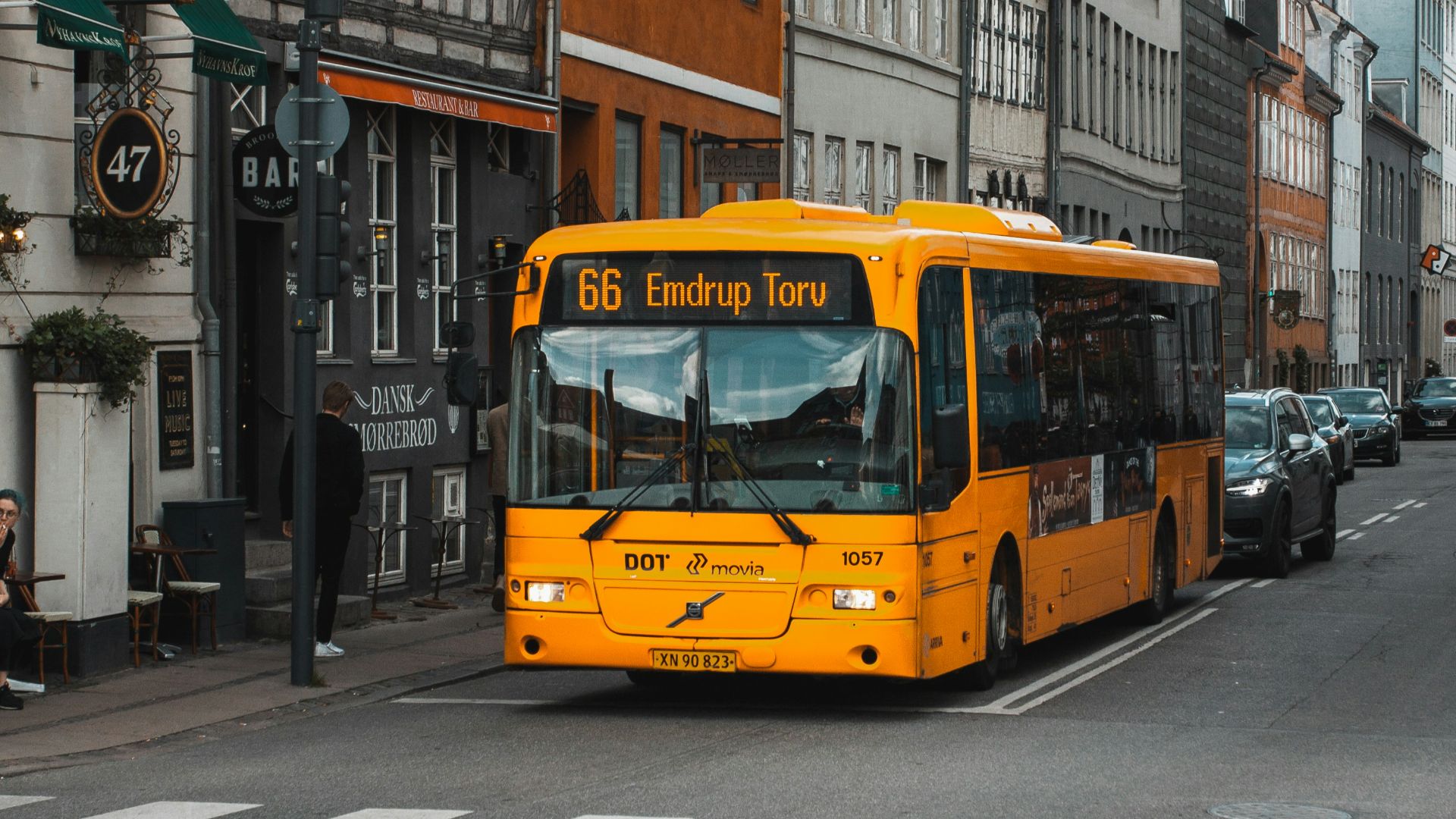
5. Zurich, Switzerland
Zurich excels at network integration! That “one ticket across modes” approach supports easy transfers between train, bus, and tram within the paid zones, which is exactly the kind of efficiency you want.
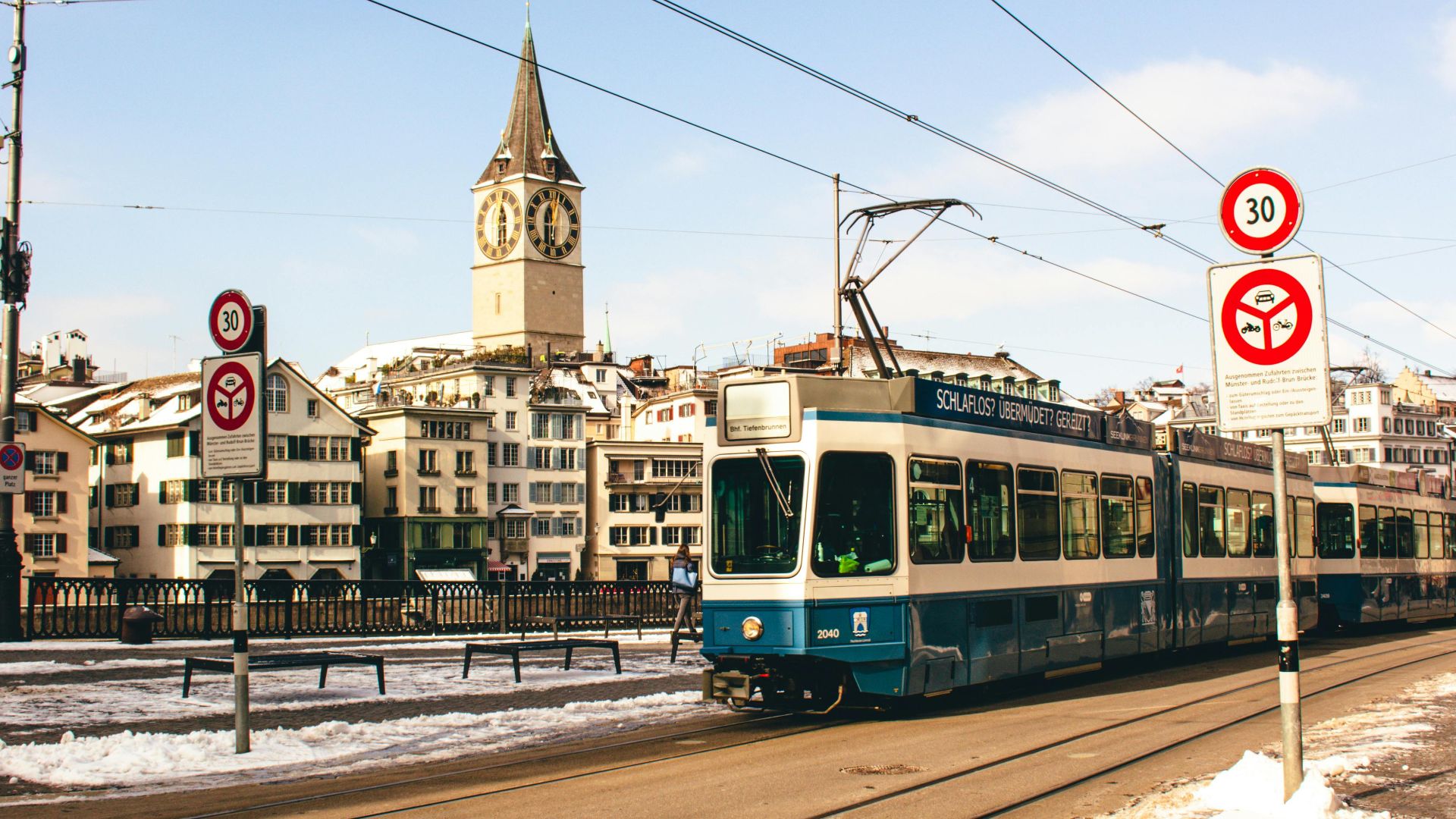
6. Vienna, Austria
Vienna pairs broad coverage with a pass structure. Together, they encourage frequent use rather than occasional splurges. The annual pass is valid on major city services, too, including underground, trams, buses, and selected regional rail within the core zone.
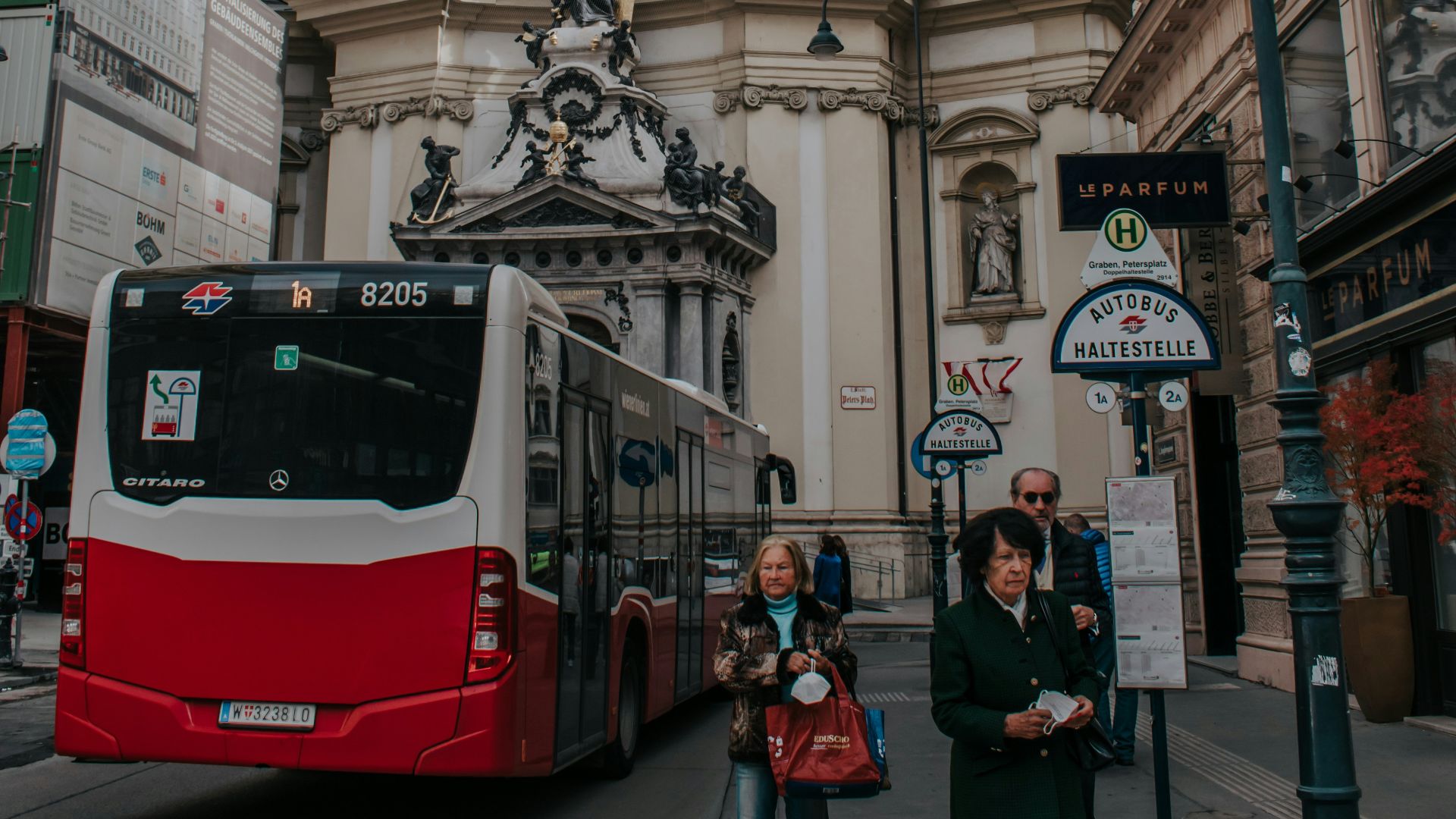
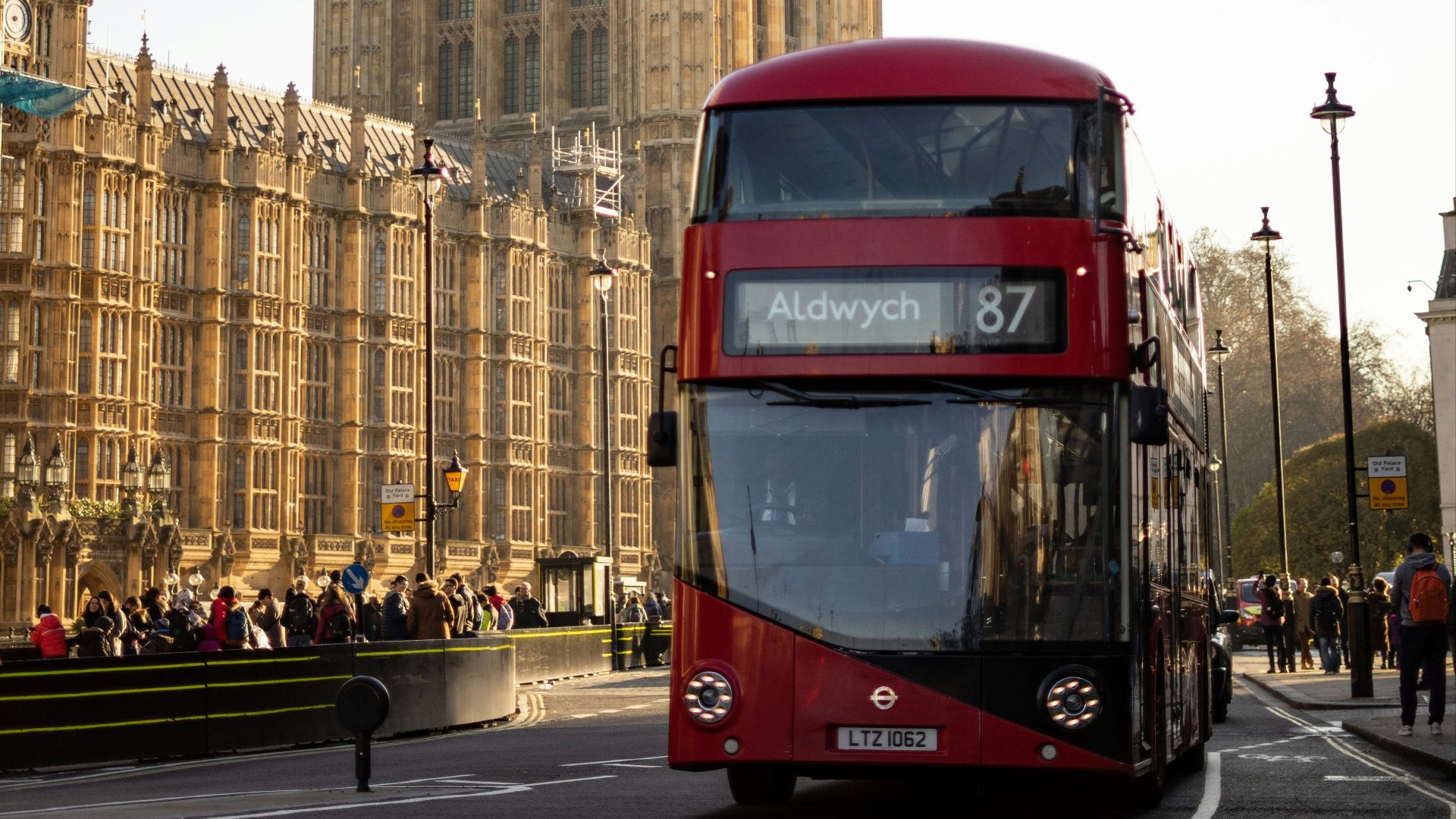
7. London, United Kingdom
London stands out because it’s built around widely adopted digital behaviors, including a dedicated ecosystem for Oyster and contactless accounts. That setup supports straightforward pay-as-you-go movement across the network, which is a practical kind of “advanced” that you’ll feel immediately.
8. Paris and the Île-de-France Region, France
Paris has modernized access with reloadable contactless options designed for quick, repeatable use. The Navigo Easy pass, in particular, is built to store multiple tickets and be recharged through stations or the official app! If you’re trying to keep your day moving, that kind of simplicity is a quiet win.

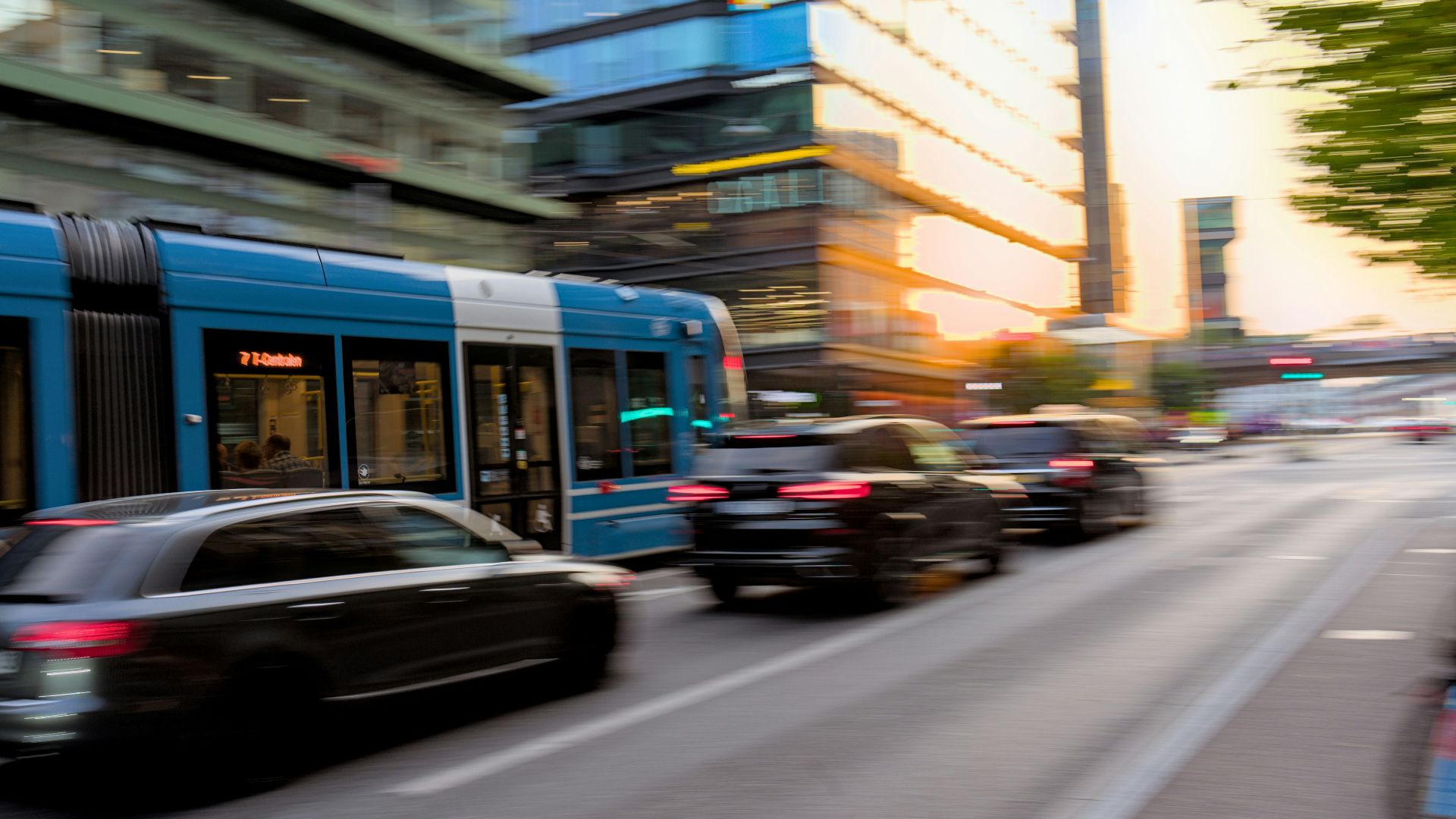
9. Stockholm, Sweden
Stockholm’s system has leaned into contactless pay-as-you-go so you can tap a card or mobile wallet directly on SL readers for single journeys. The approach reduces the hassle of figuring out which ticket product to buy first, making Stockholm’s direction feel refreshingly up to date.
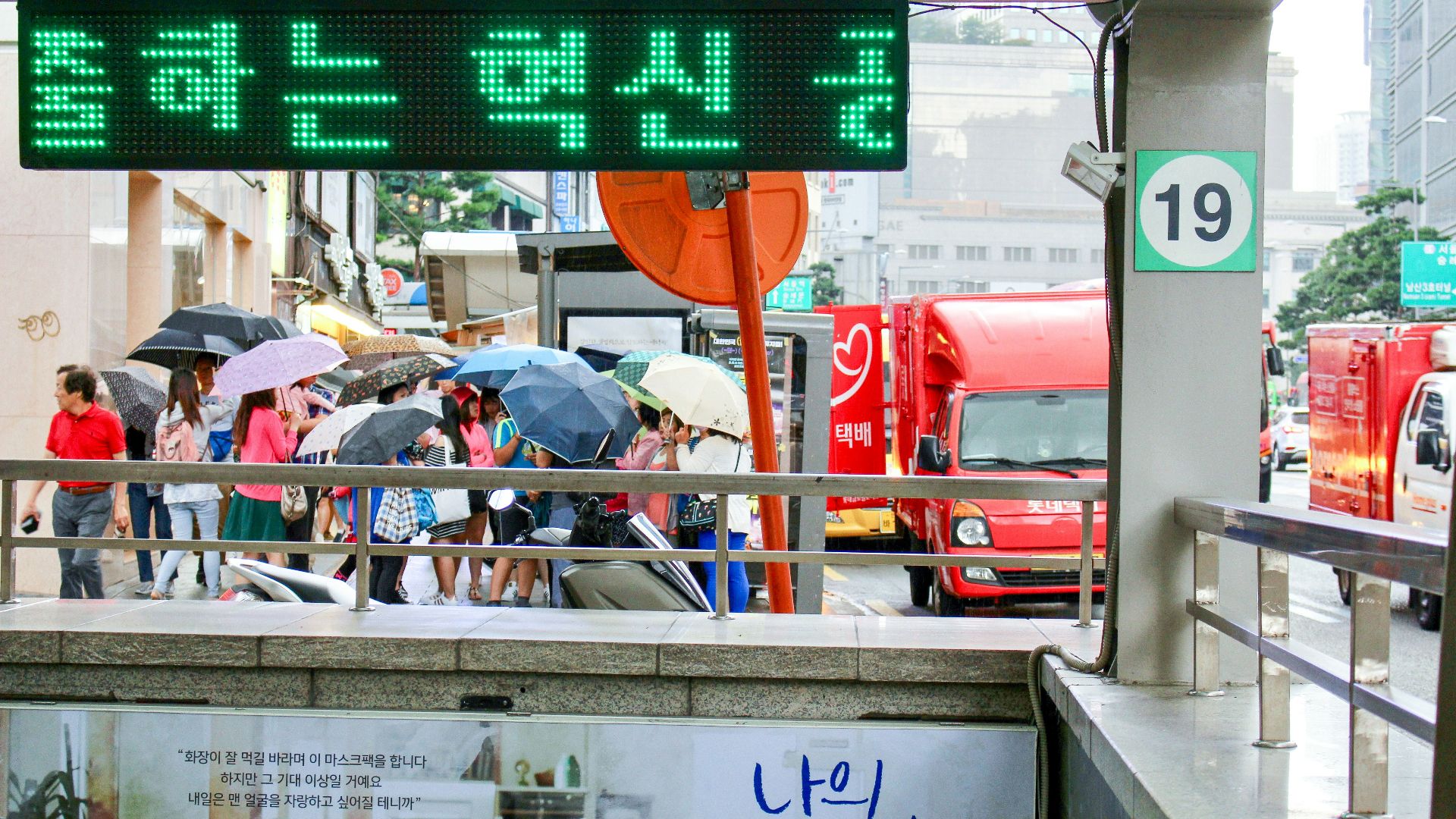
10. Seoul, South Korea
Seoul’s metro is supported by a widely used stored-value payment approach. The system benefits from rider-friendly wayfinding and transfer habits that are treated as essential, not optional. It’s especially beneficial if you’re new to the city—you’ll somehow feel at home in the network.
Now, not every place brings technological advancement. You can still get around in these next 10 locations, but you’ll want to plan more carefully and keep your expectations realistic.
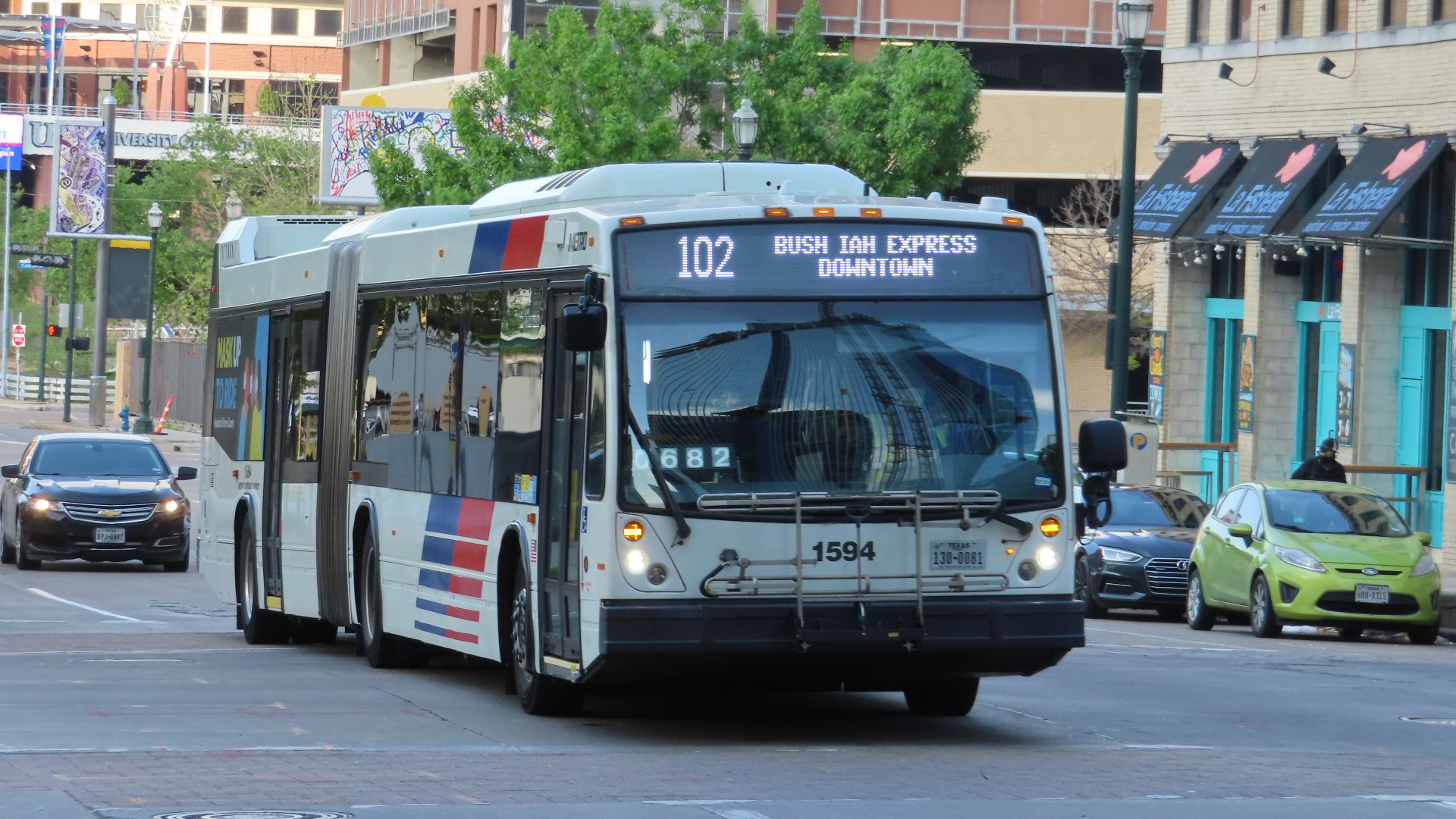
1. Houston, Texas
Houston’s size makes frequent, all-day transit coverage tough to deliver. Travelers often find that trips require long waits, indirect routing, or transfers that don’t line up neatly. Even when services exist, the overall experience can feel like it’s built for occasional use rather than daily dependence.
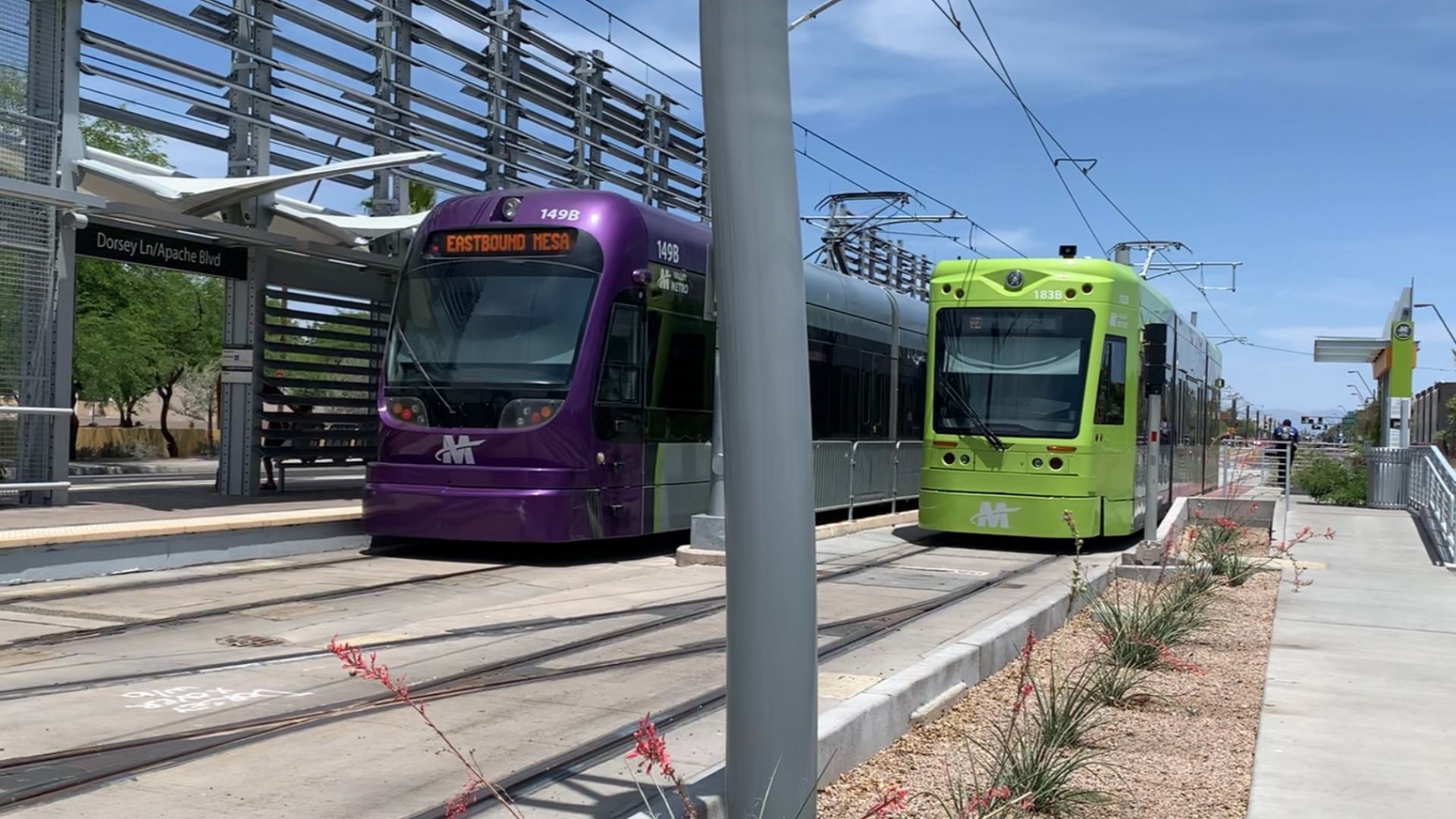
2. Phoenix, Arizona
Phoenix has grown quickly, but the built environment still leans heavily toward cars. Many riders run into gaps where routes don’t connect cleanly to where people actually live and work. If you’re trying to move across the metro area without driving, the time cost can be more discouraging than you’d think.
3. Jacksonville, Florida
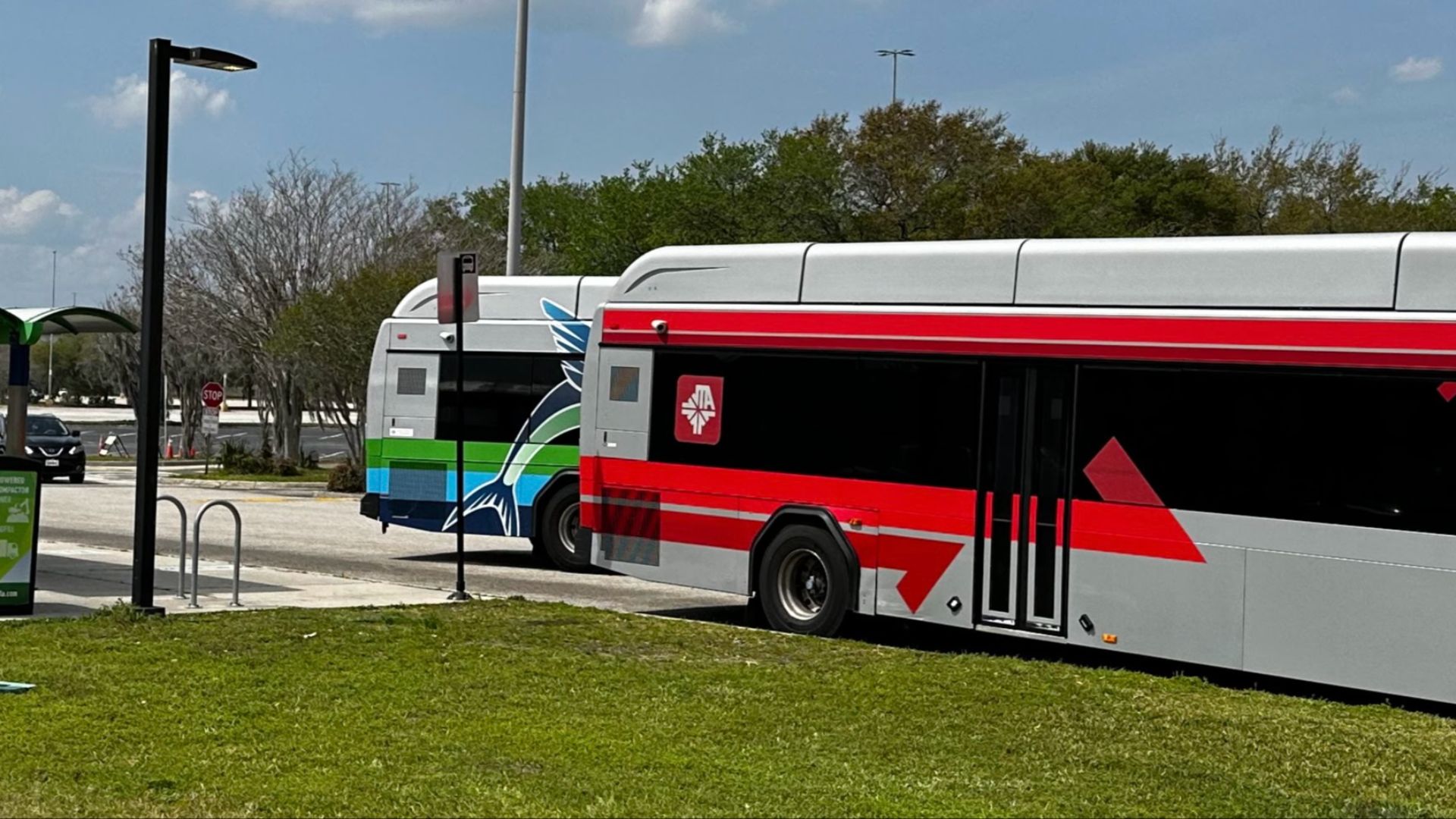
Jacksonville covers a huge area, so you’d think decent transit was a must. However, service feels thin across many neighborhoods, especially once you leave the most central corridors. And frequency is limited, you end up scheduling your day around the bus instead of the other way around.
 Jack Skellington III on Wikimedia
4. San Antonio, Texas
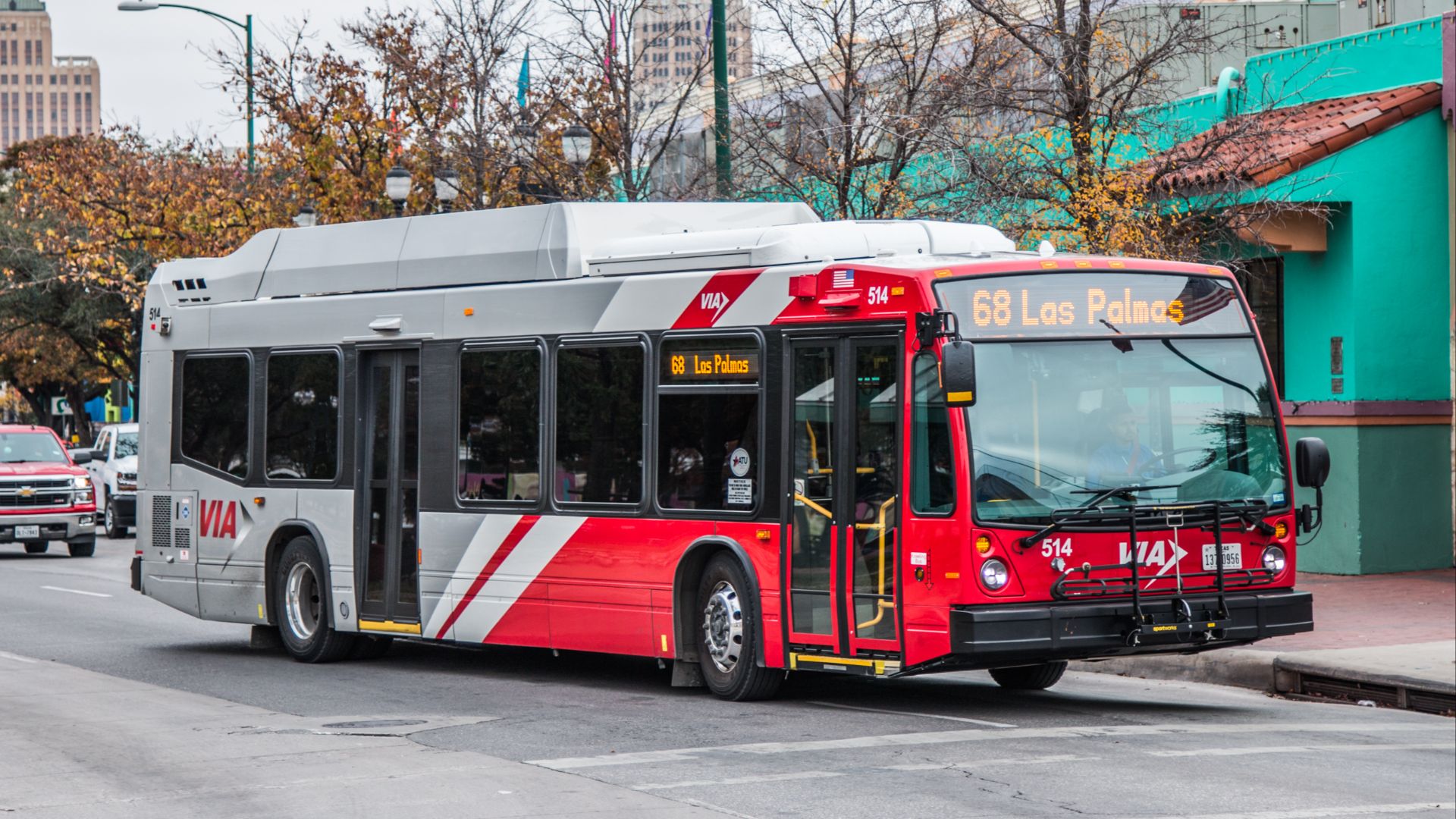
San Antonio may have key routes, but the system struggles to stay tightly connected across the city. Should you travel there, you’ll likely notice that trips take significantly longer than the same journey by car.
5. Nashville, Tennessee
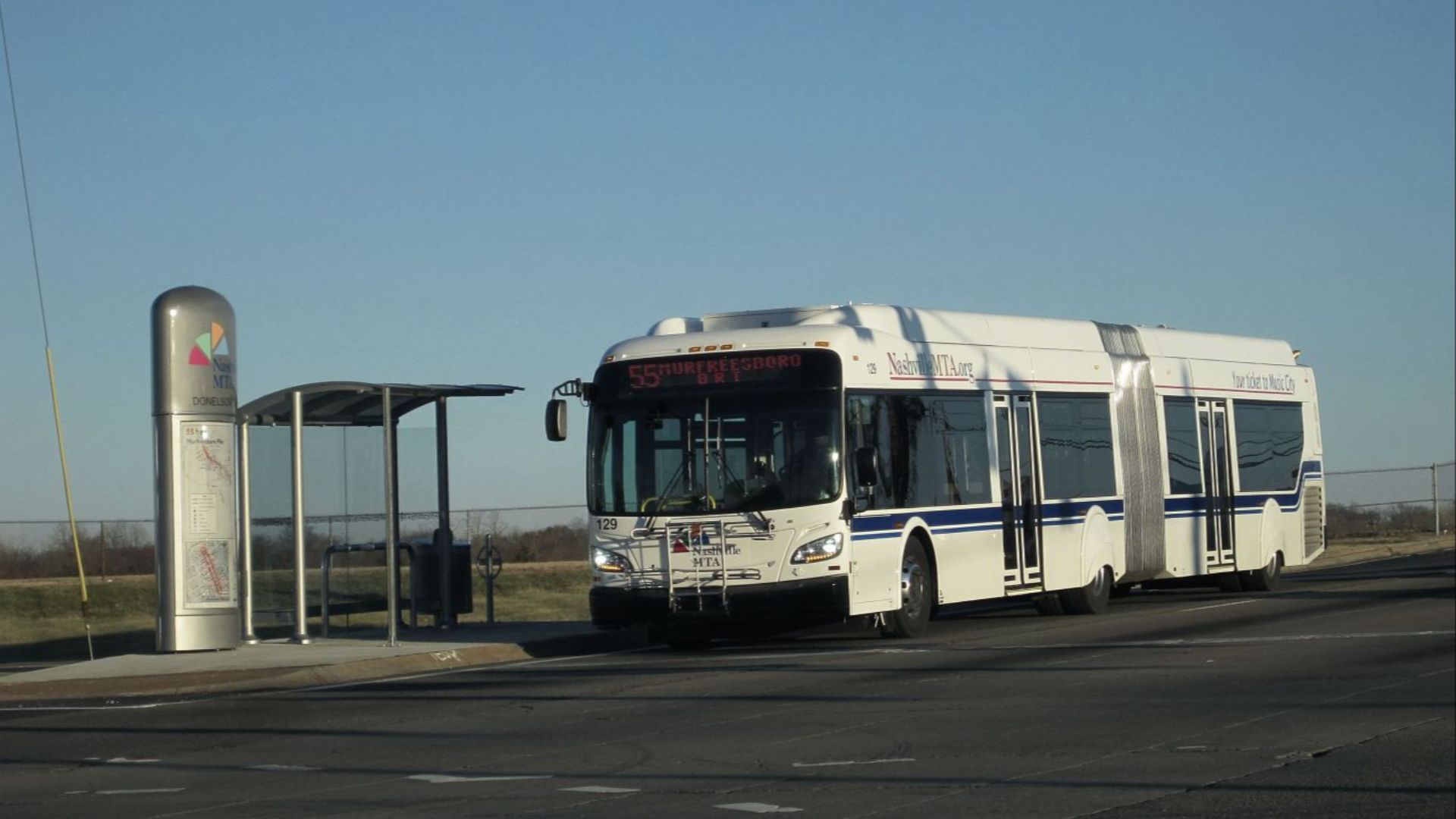
Nashville’s popularity and growth don’t automatically translate into a robust, high-capacity transit grid. Riders face limited night and weekend options that reduce the system’s usefulness for everyday life. Service doesn’t come very often, so even basic errands are more complicated.
 Thomas R Machnitzki (thomasmachnitzki.com) on Wikimedia
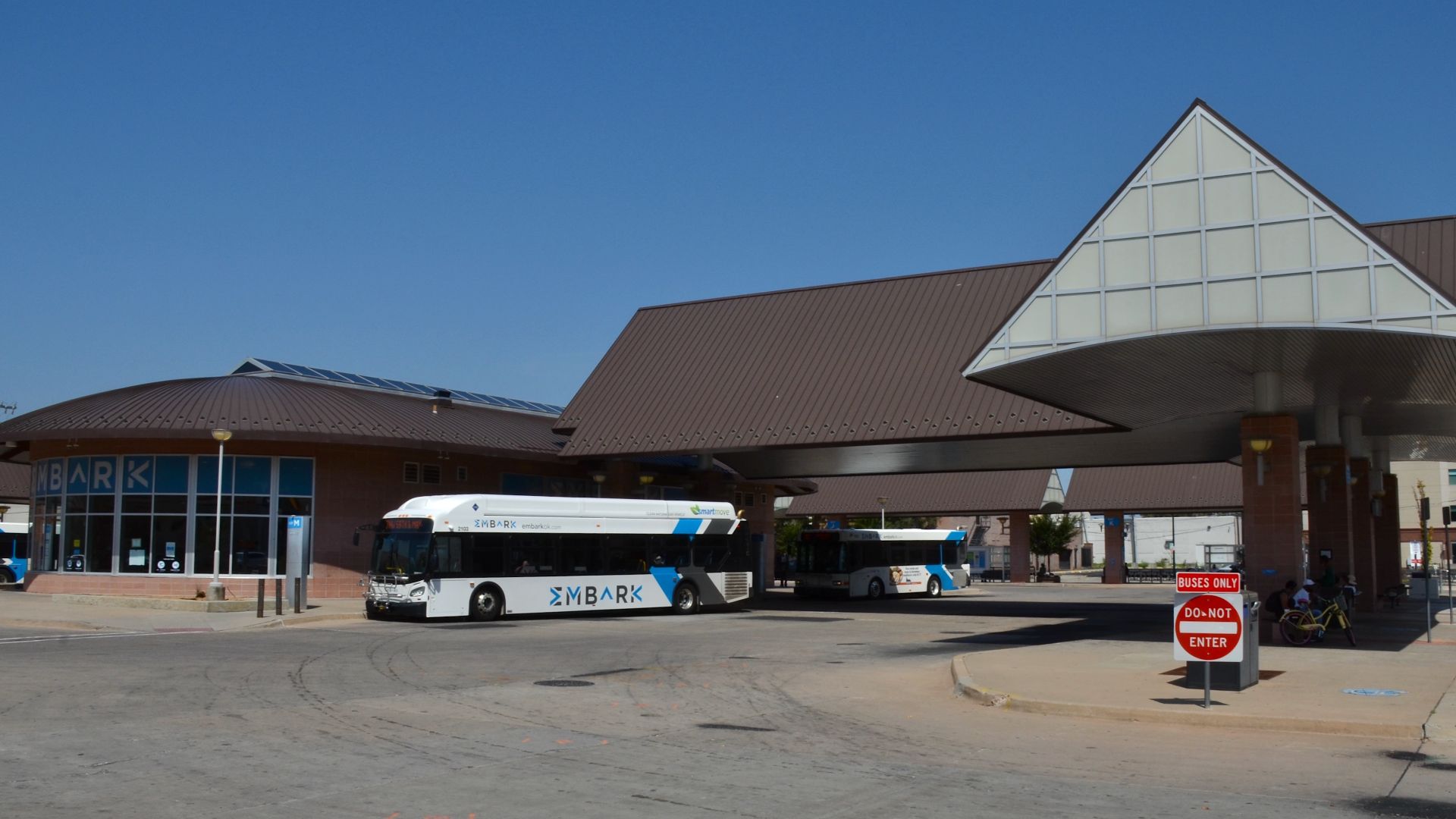
6. Oklahoma City, Oklahoma
Oklahoma City’s low density makes high-frequency coverage difficult to justify. The result is just a network that works for specific corridors but feels incomplete for most cross-town needs. It’s best not to rely on transit here; you’ll do more waiting than you’d prefer.
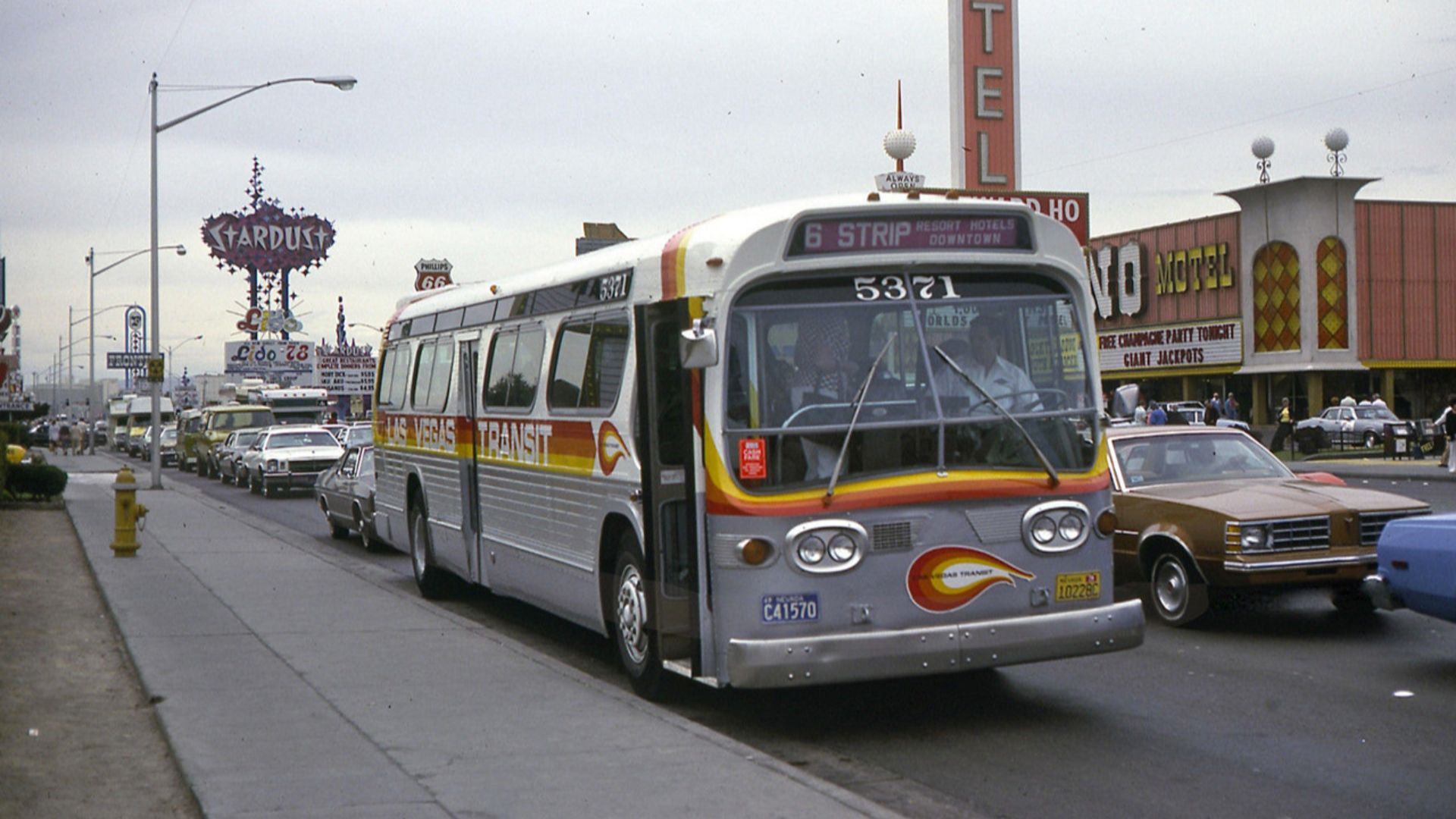
7. Las Vegas, Nevada
Las Vegas is convenient for tourists—and tourists alone. Once you move beyond major attractions, routes and schedules are only uneven and less intuitive. You can get where you’re going, but it may take a serious backup plan.
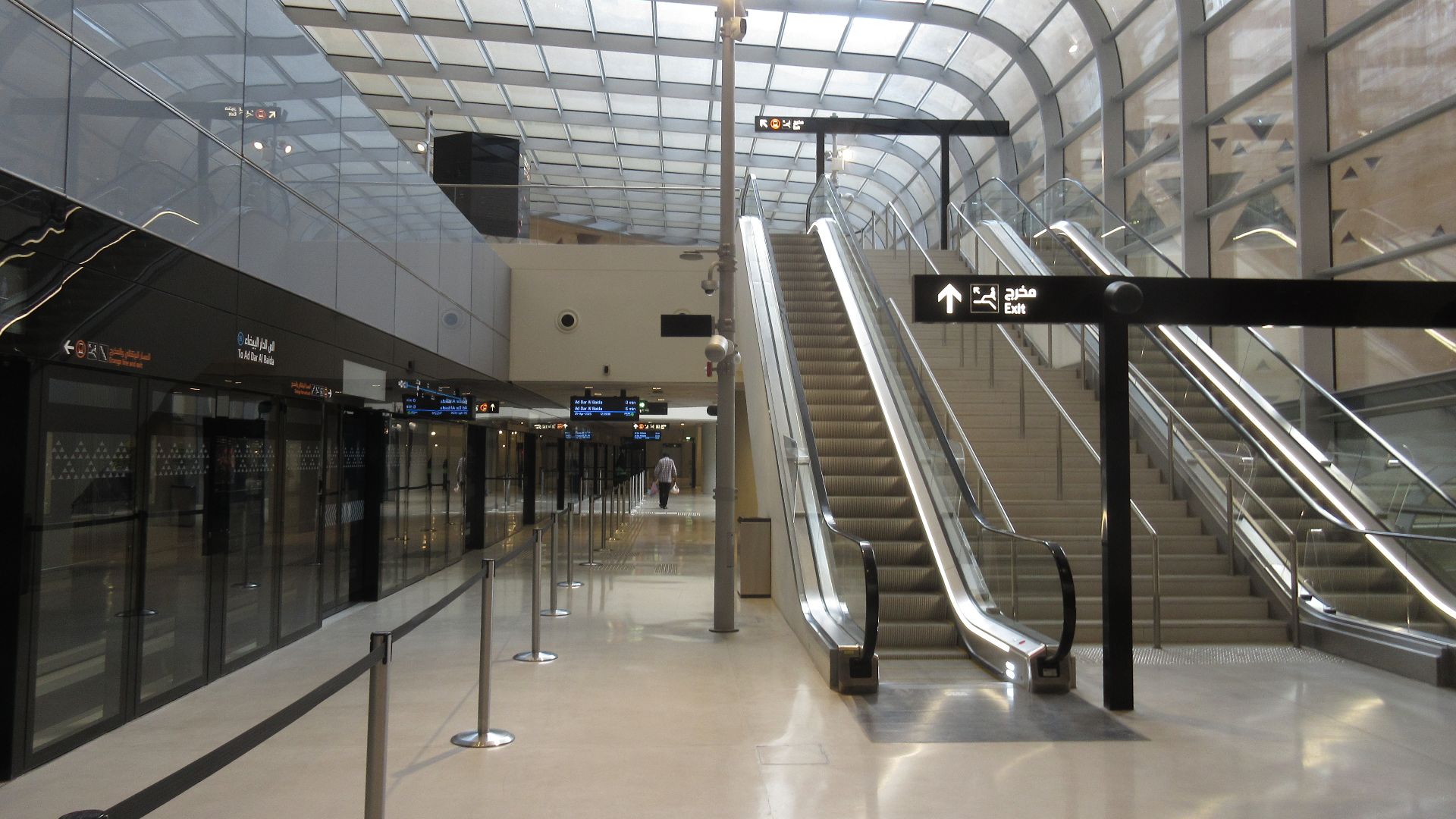
8. Riyadh, Saudi Arabia
Riyadh has traditionally been built around driving, which shapes how public transport functions on the ground. Coverage can lag behind what you’d see in long-established transit cities, and though they’ve undergone improvements over time, you’ll find the day-to-day system less mature than you’d hope.
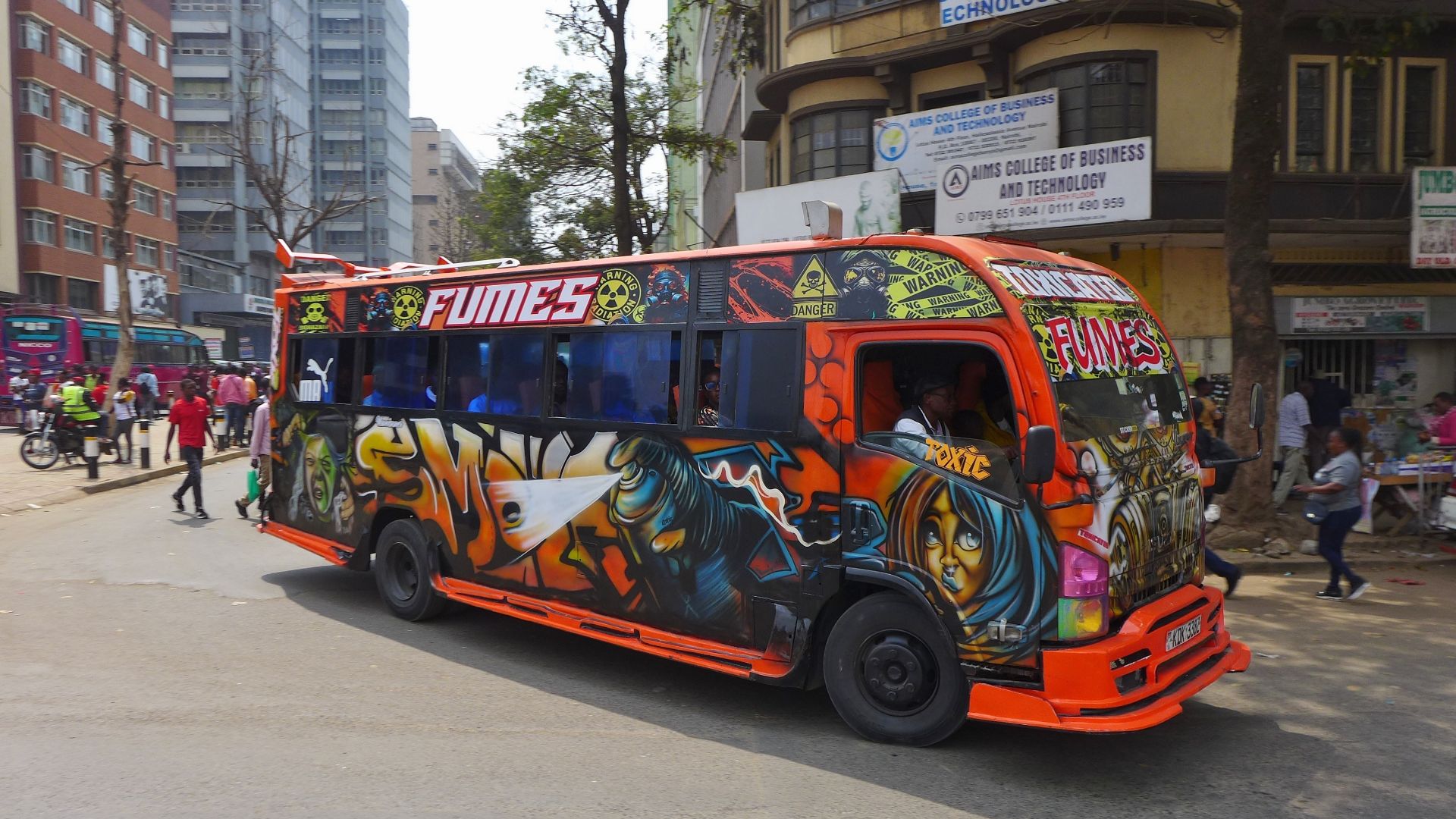
9. Nairobi, Kenya
Nairobi’s mobility can be energetic and widely used, but don’t get your hopes up for “advanced” features. Travelers will likely find it harder to count on standardized stops, stable schedules, or clear systemwide passenger information. Luckily, local guidance remains valuable and easily available.
10. Anchorage, Alaska
Anchorage faces geographic spread, weather realities, and smaller population patterns. As you can imagine, that complicates transit. Service can be limited in frequency, and the practical range of the network may feel narrow for a city of its footprint.