A Lifestyle Built on Mobility
Living as a digital nomad can feel like you’ve traded a stable routine for freedom, flexibility, and a changing view outside your window. At the same time, that freedom comes with real trade-offs that don’t always show up in the highlight reel, especially around logistics, relationships, and long-term planning. If you’re considering this path, it helps to look at both the upside and the friction honestly so you can decide whether the day-to-day reality fits how you want to live and work. Here are 10 pros and 10 cons that might help narrow down your decision.
1. Location Flexibility
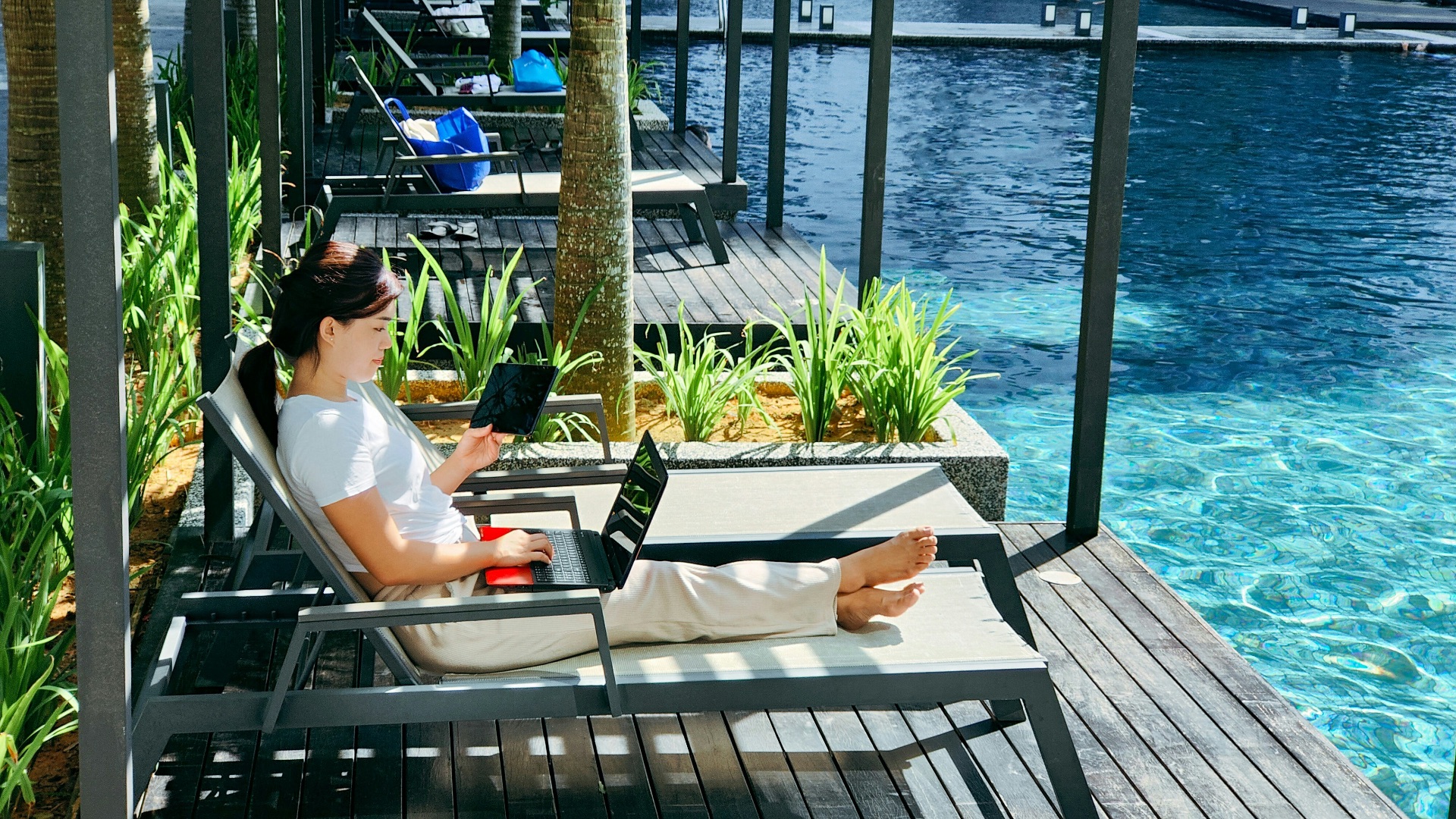
One of the biggest perks of a digital nomad lifestyle is that you can choose where you live based on what you want your life to look like, not just where your office is. That flexibility can help you sort out what you prioritize, whether that's climate, pace, safety, or cultural fit. Over time, you may feel more in control of your environment and your daily choices.
2. More Intentional Use of Time
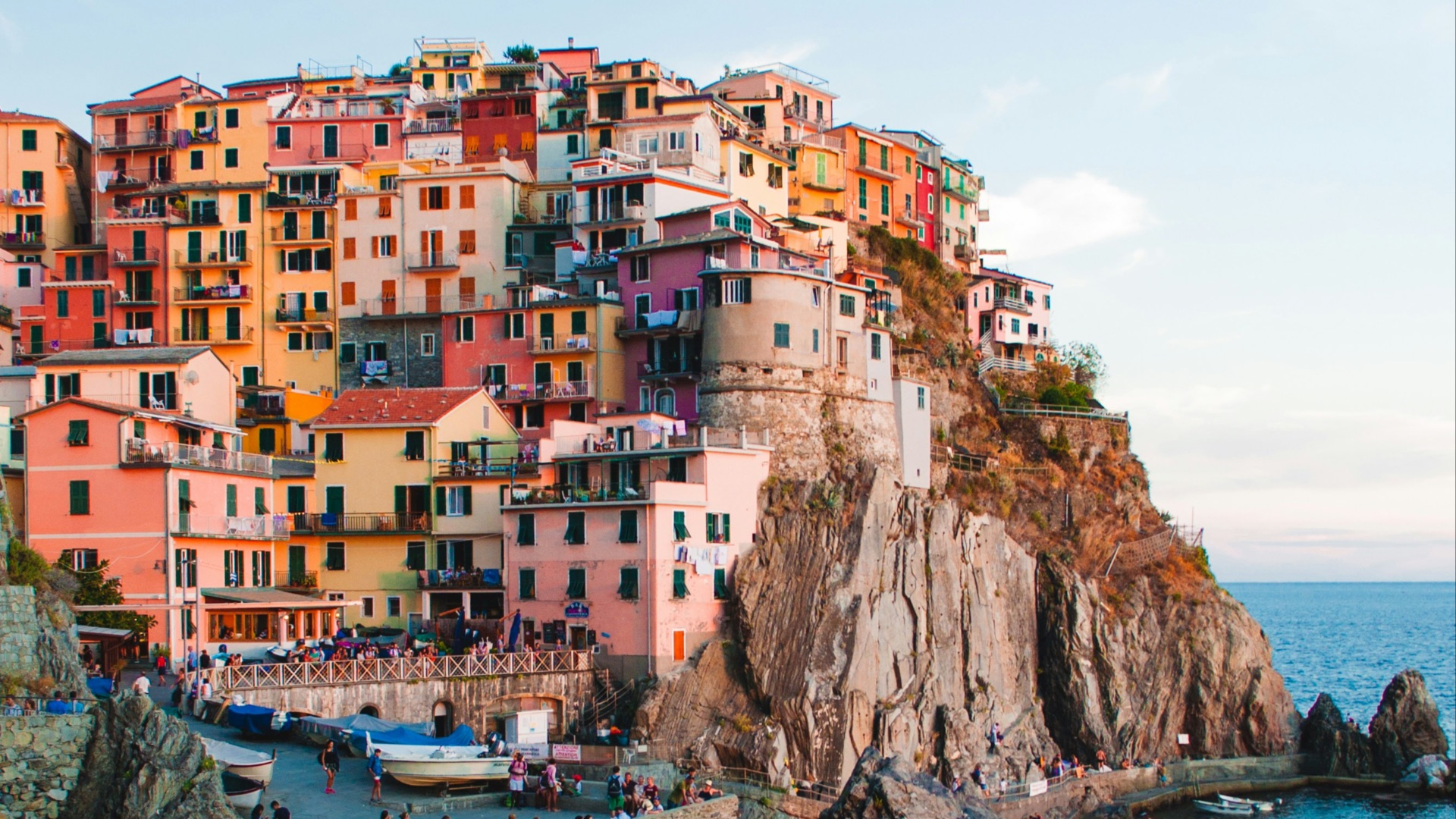
When you aren’t commuting the same route every day, you often reclaim time that used to disappear into routine. You can shape your schedule around your energy and deadlines instead of defaulting to a standard workday. If you’re disciplined, that freedom can lead to stronger productivity and better work-life boundaries.

3. Exposure to New Cultures and Norms
Being in different countries pushes you to notice how people solve everyday problems in different ways. You’ll likely become more adaptable as you learn local etiquette, expectations, and communication styles. The great thing is that awareness can make you a better collaborator, especially in global teams.
4. Lower Cost of Living in Certain Places
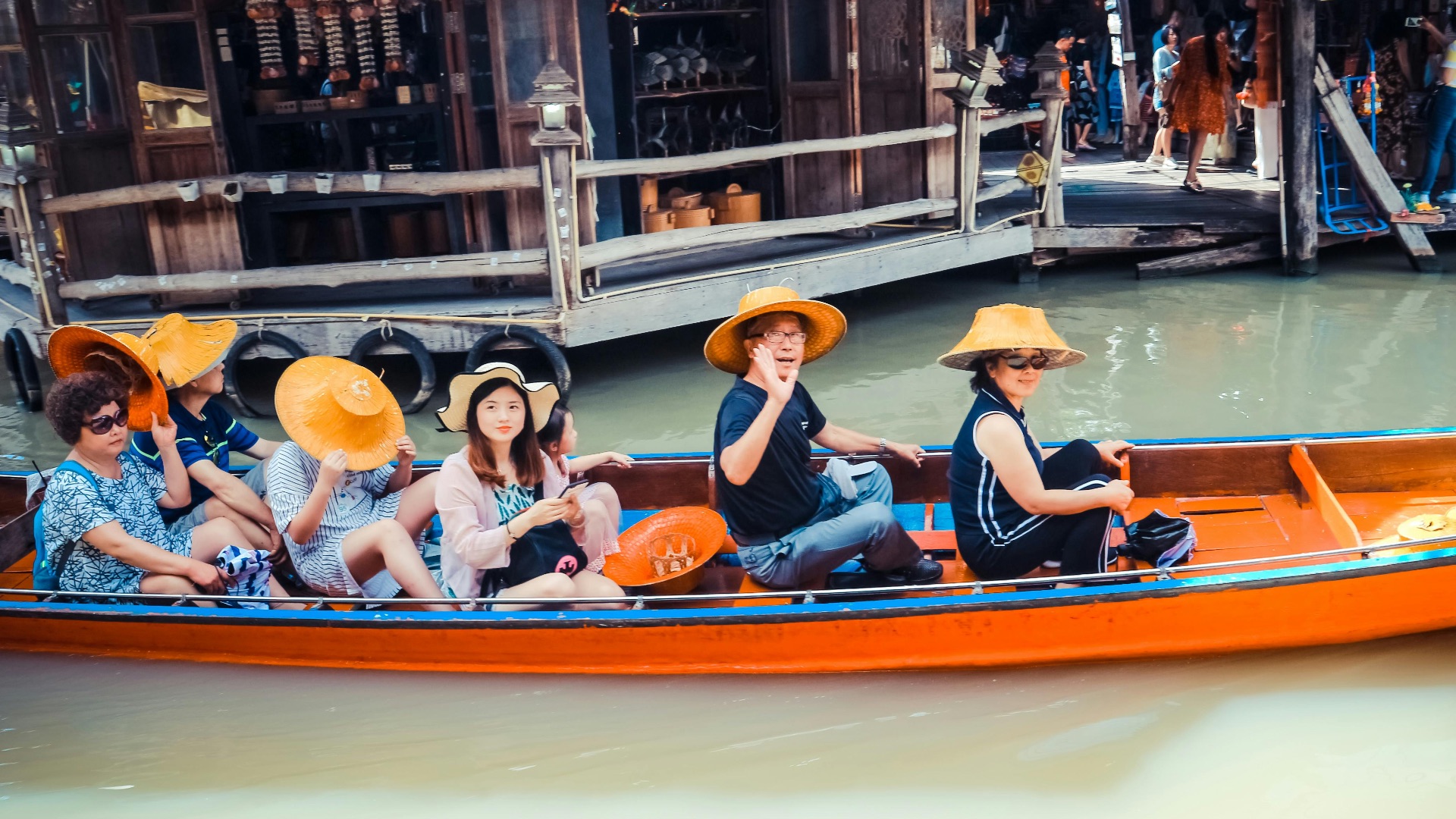
Depending on where you go, your housing, transportation, and food costs can drop substantially. That can free up money for savings, debt payoff, or experiences you genuinely value. It also gives you options if you want to work fewer hours or take longer breaks between projects.
 Dominic Kurniawan Suryaputra on Unsplash
5. Professional Growth Through Independence
Remote work in unfamiliar settings forces you to own your workflow and stay accountable without constant oversight. That often means you get better at planning, prioritizing, and communicating clearly because no one is around to fill in the gaps. Those habits can then translate into stronger leadership skills even if you’re not managing a team.

6. A Broader Network
Nomad hubs, coworking spaces, and remote communities can connect you with people across industries and countries. You might meet founders, freelancers, and specialists you’d never run into if you were stuck at home. These relationships could even lead to collaborations, referrals, or new career paths.
 Cytonn Photography on Unsplash
7. Greater Personal Autonomy
You get to decide what your days look like, from your workspace to your weekend plans. That control can be especially meaningful if you’ve felt boxed in by rigid corporate structures. If you use it well, autonomy can strengthen your confidence and self-direction.

8. Easier Access to Adventure and Learning
Travel becomes less of a rare event and more of an integrated part of life. You can pick up languages, local skills, and regional history in a way that’s hard to replicate through short trips. Those experiences can add depth to how you think and how you relate to other people.

9. The Ability to Test Different Lifestyles
Instead of committing to one city for years, you can experiment with different living setups; you can learn whether you prefer big cities, smaller towns, or somewhere in between without making a permanent move. That trial-and-error approach can help you make smarter long-term decisions later and allows you to explore more of the world.
10. A Stronger Sense of Perspective
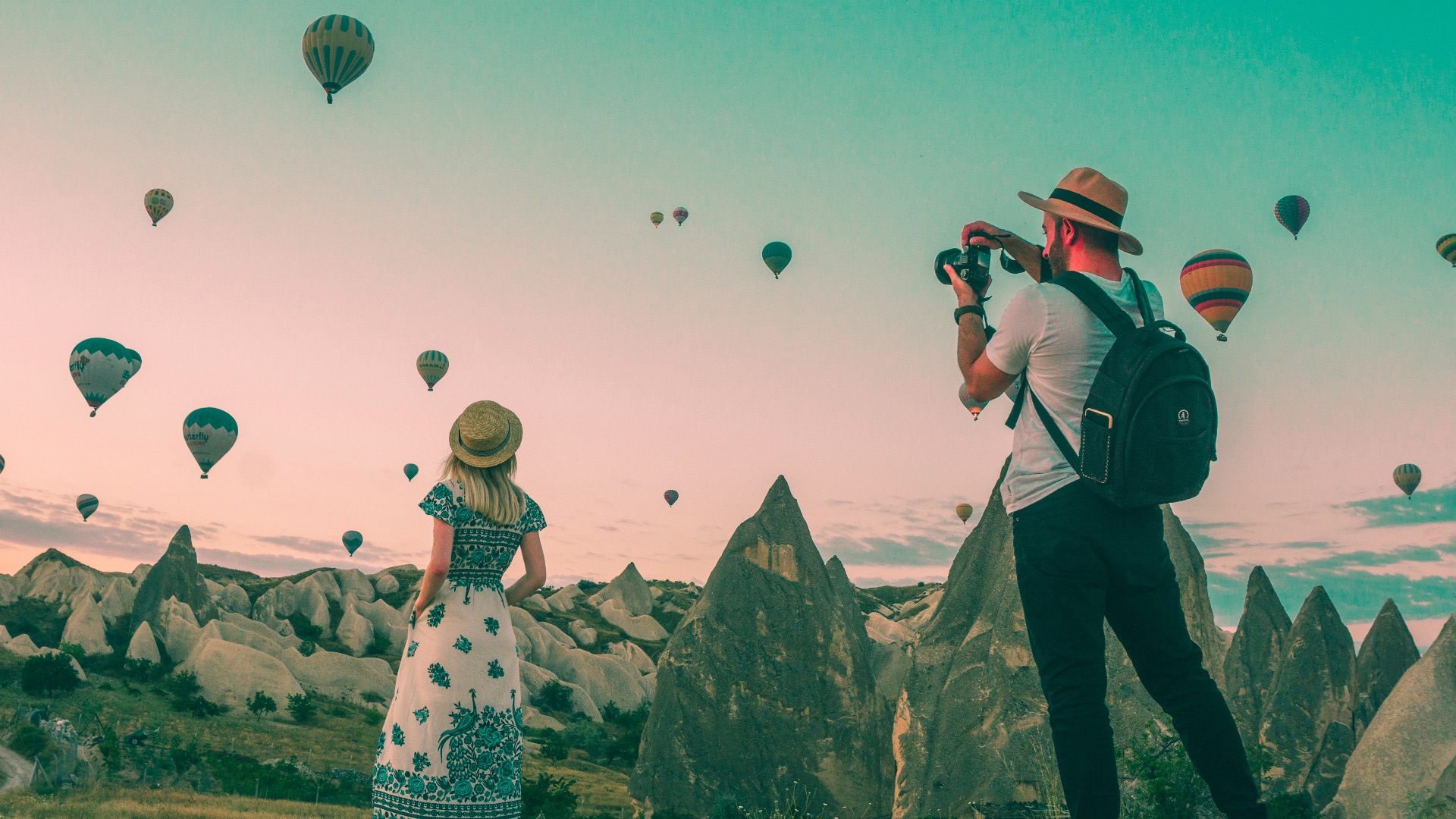
Being away from familiar routines often forces you to reevaluate what you actually need to feel good. For one, you may become less attached to norms you never chose and more selective about what you keep in your life. That clarity can influence everything from spending habits to career goals.
But while living as a digital nomad certainly has its perks, it also has some downsides as well. Let's dive into that next.

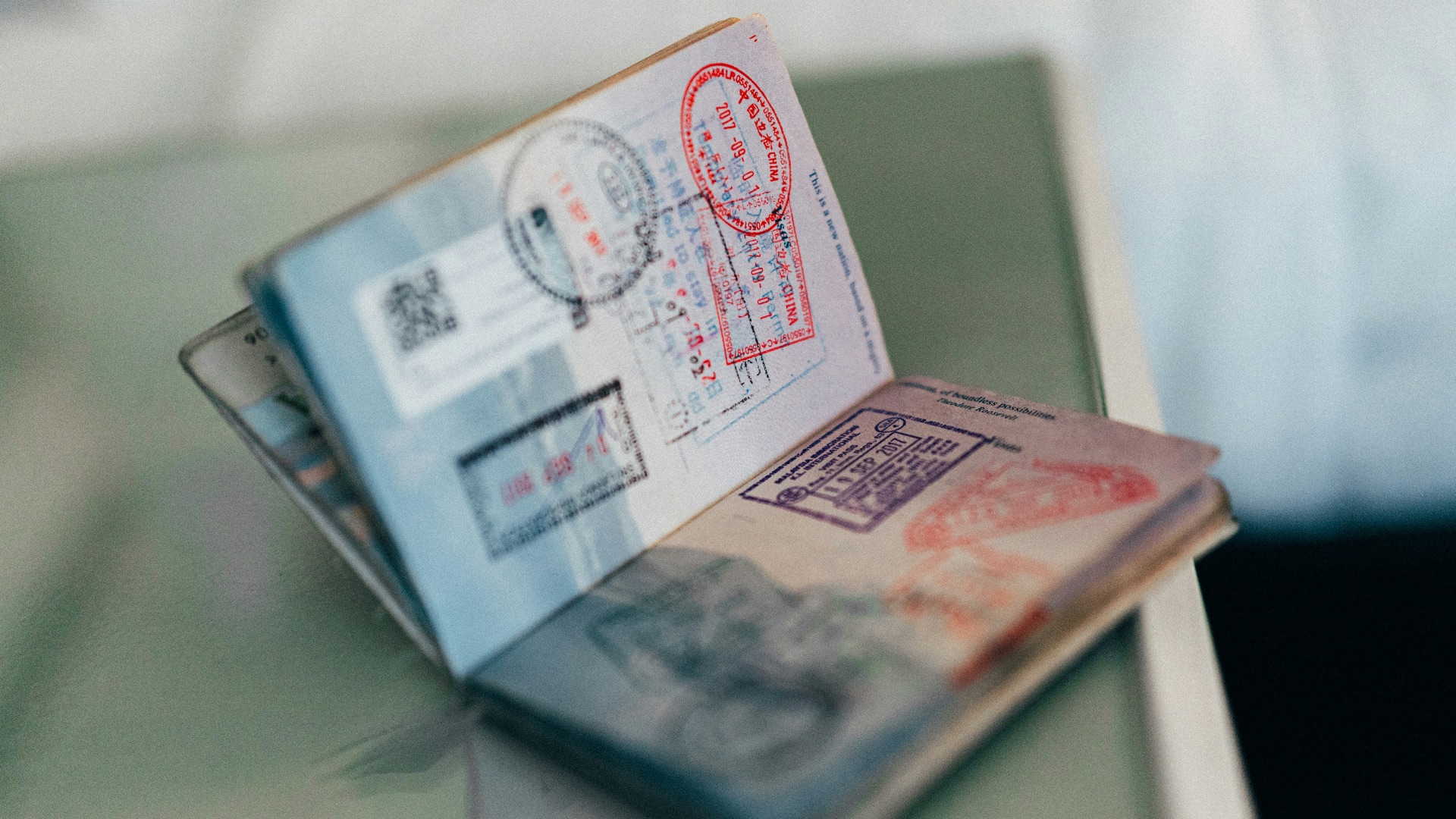
1. Administrative Complexity
Visas, entry rules, and local requirements can be confusing, and unfortunately, they change more often than you’d expect. Even when you do everything correctly, the logistics can still be slow and unpredictable. You’ll need patience and a system for staying organized to avoid expensive mistakes.
 Kit (formerly ConvertKit) on Unsplash
2. Loneliness and Social Fatigue
Constant movement can make it harder to build friendships that feel stable and deep. Meeting new people repeatedly can also become tiring, especially when you’re busy or stressed. If you don’t invest intentionally in community, isolation can sneak up on you.

3. Time Zone Challenges
Working across time zones can disrupt your sleep and make your calendar feel like a puzzle you never finish. Meetings can land early in the morning or late at night, and that contrast can wear you down. The strain gets worse when your team’s schedule changes often or your location shifts frequently.

4. Inconsistent Work Environments
Not every apartment has a proper desk, and not every neighborhood has reliable internet. Noise, lighting, and ergonomics can vary wildly, and that impacts both focus and health. You may find yourself spending extra time and money just to create a workable setup.

5. Difficulty Maintaining Routines
It’s hard to keep stable habits when your daily rhythms change all the time. Even simple things like meal planning can take more effort in a new place. Without structure, your work quality and well-being can start to slip in ways that aren’t obvious at first.

6. Healthcare and Insurance Gaps
Medical systems vary, and navigating them can be stressful if you’re sick or injured. Some travel insurance policies have limits that don’t match how long you’re abroad or what you actually need. That means you’ll have to plan ahead and accept that access and quality may be uneven.

7. Strain on Long-Term Relationships
Distance can make friendships and family connections harder to maintain, even when everyone means well. It’s easy to miss important moments and feel like you’re always catching up from afar. Romantic relationships can be especially challenging if you and your partner aren’t aligned on timelines and expectations.
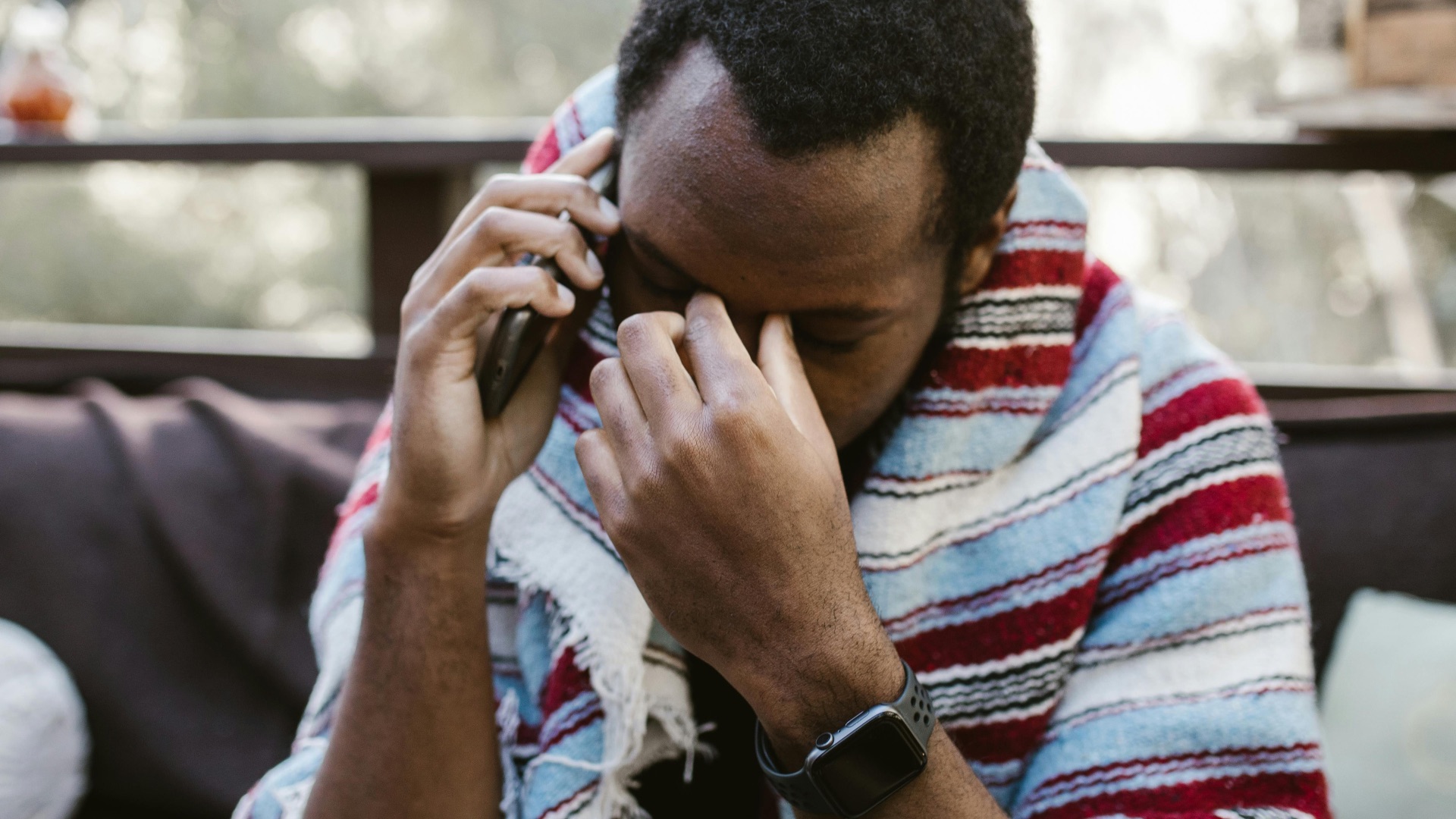
8. Financial Uncertainty
Income can fluctuate, especially for freelancers or contractors, and that instability feels more pronounced when you’re far from your home base. Exchange rates, tax obligations, and unexpected travel costs can also complicate budgeting. If you aren’t careful, the lifestyle can become more expensive than it looks.

9. Career Visibility Risks
Some workplaces still reward in-person presence, even when performance is strong. You might miss informal opportunities, quick feedback loops, or internal networking that happens naturally in an office. Unless you communicate proactively, your contributions can be easier to overlook.
 Karolina Grabowska www.kaboompics.com on Pexels
10. Decision Fatigue and Constant Planning
Travel involves ongoing choices about housing, transportation, safety, and the practical details of daily life. When you’re always planning the next move, it can feel like your mind never fully rests. Eventually, you may crave simplicity more than novelty, and that’s a real signal to pay attention to.