Pack Wrong and End Up in Handcuffs
Americans traveling abroad often assume the whole world operates on roughly the same rules we do, which is how you end up watching someone get detained at customs over a bottle of mouthwash or a pack of gum. The things we toss in our bags without a second thought can land you with fines, confiscation, or even imprisonment. Some of these restrictions make a certain kind of sense, but others feel completely arbitrary. Here are twenty things to ditch from your bag before you head to the airport.
 Bangun Stock Production on Unsplash
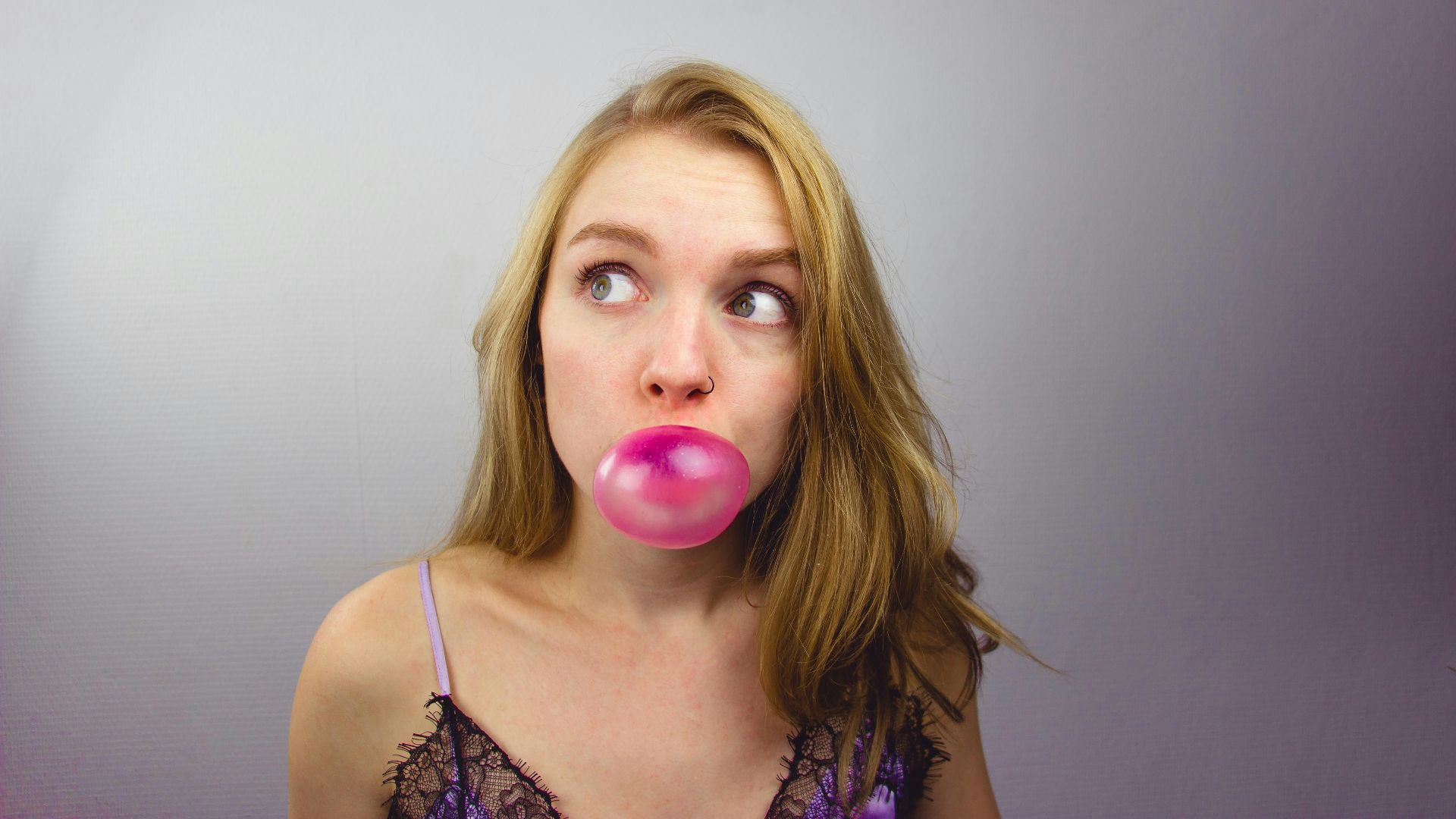
1. Chewing Gum (Singapore)
Singapore banned the import and sale of chewing gum in 1992 after authorities got fed up with people sticking used gum everywhere. Violators face fines of up to 100,000 Singapore dollars, though tourists usually just get their contraband confiscated.
2. Kinder Surprise Eggs
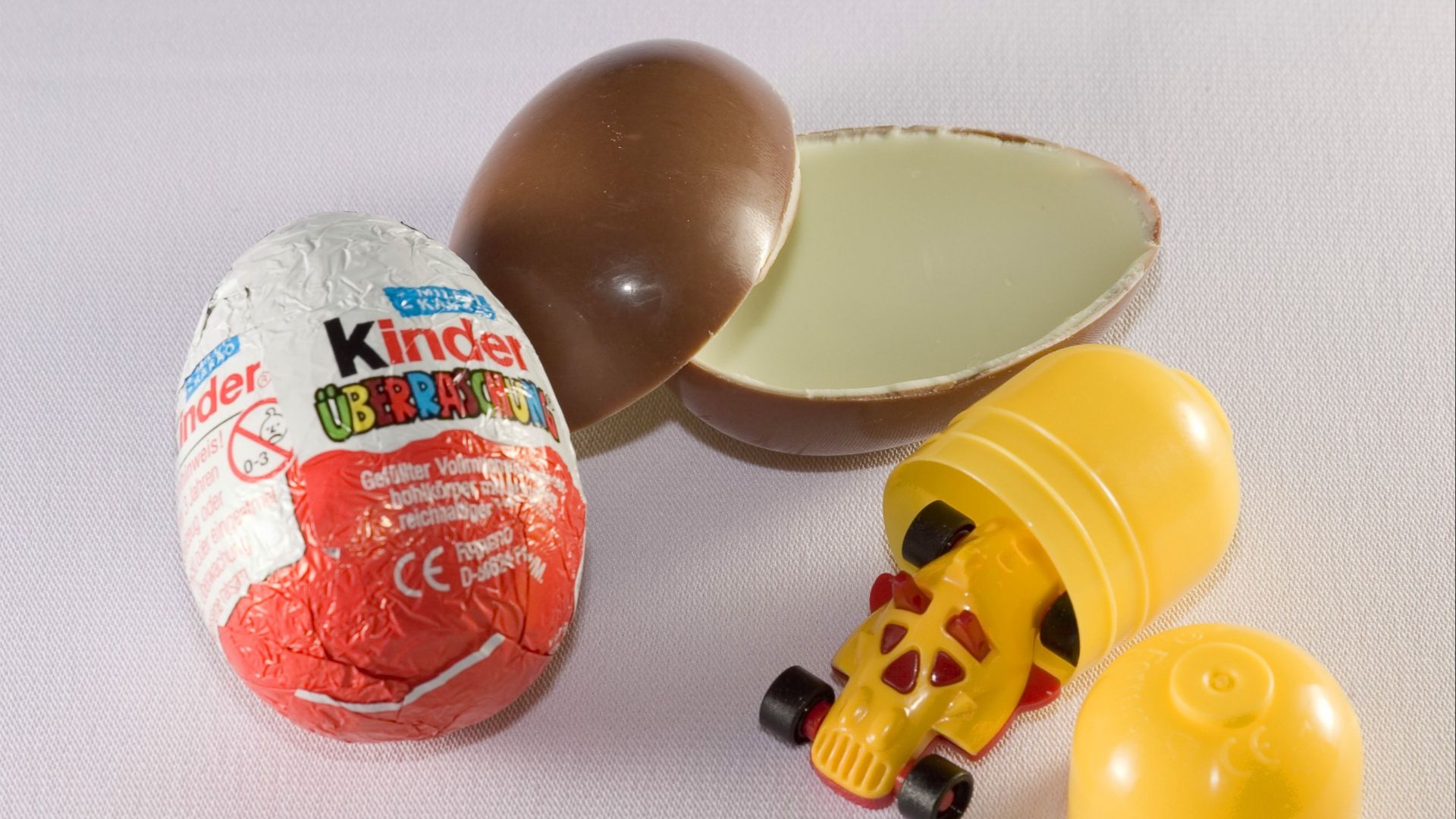
For decades, these chocolate eggs with toys inside were illegal under a 1938 FDA regulation banning food products with objects embedded in them because of the choking hazard. The ban was technically lifted in 2017 for Kinder Joy eggs, where the toy and chocolate are separated, though the original Surprise eggs with toys fully encased in chocolate remain restricted.
 United States Customs and Border Protection on Wikimedia
3. Vicks Inhalers (Japan)
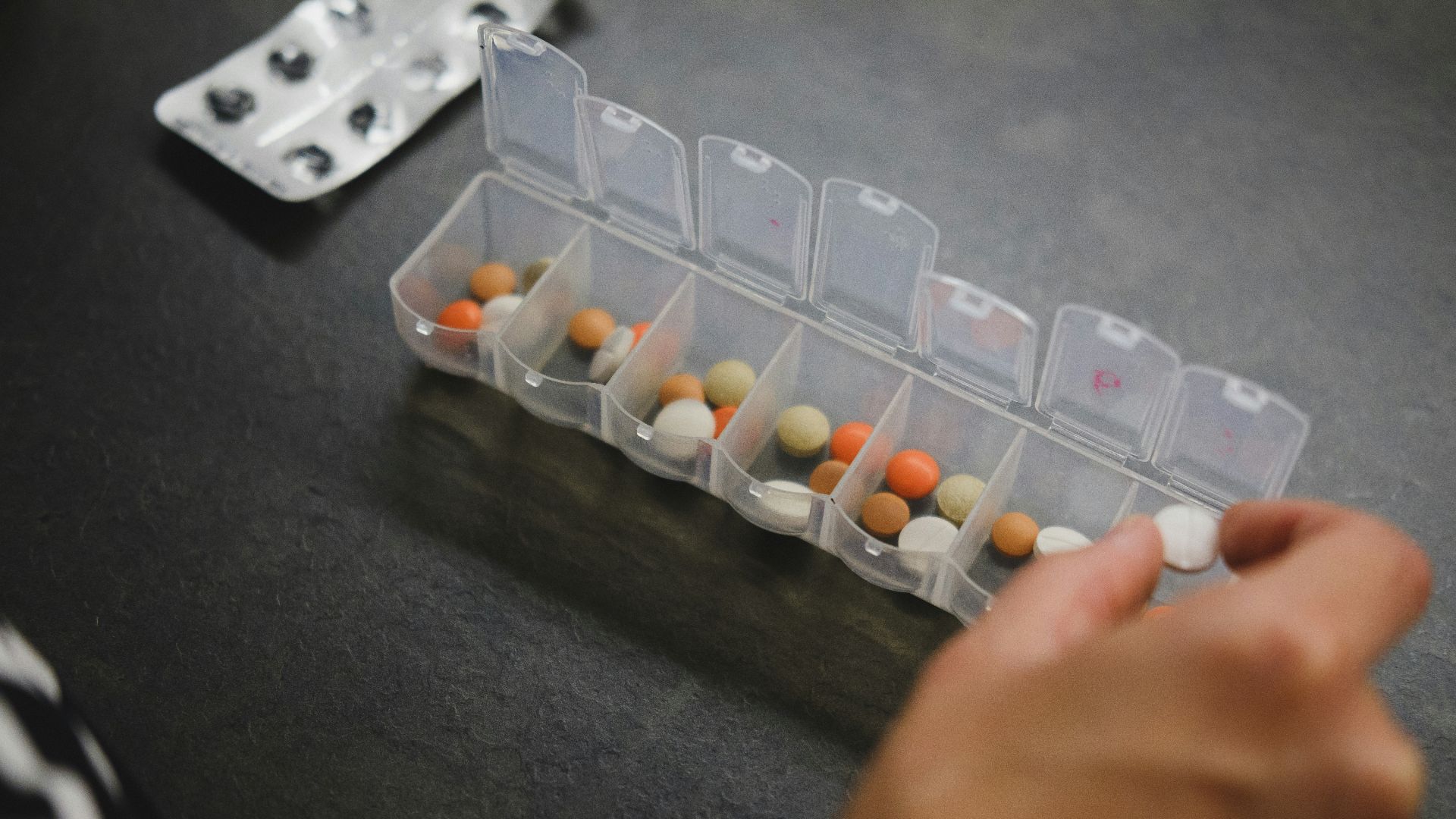
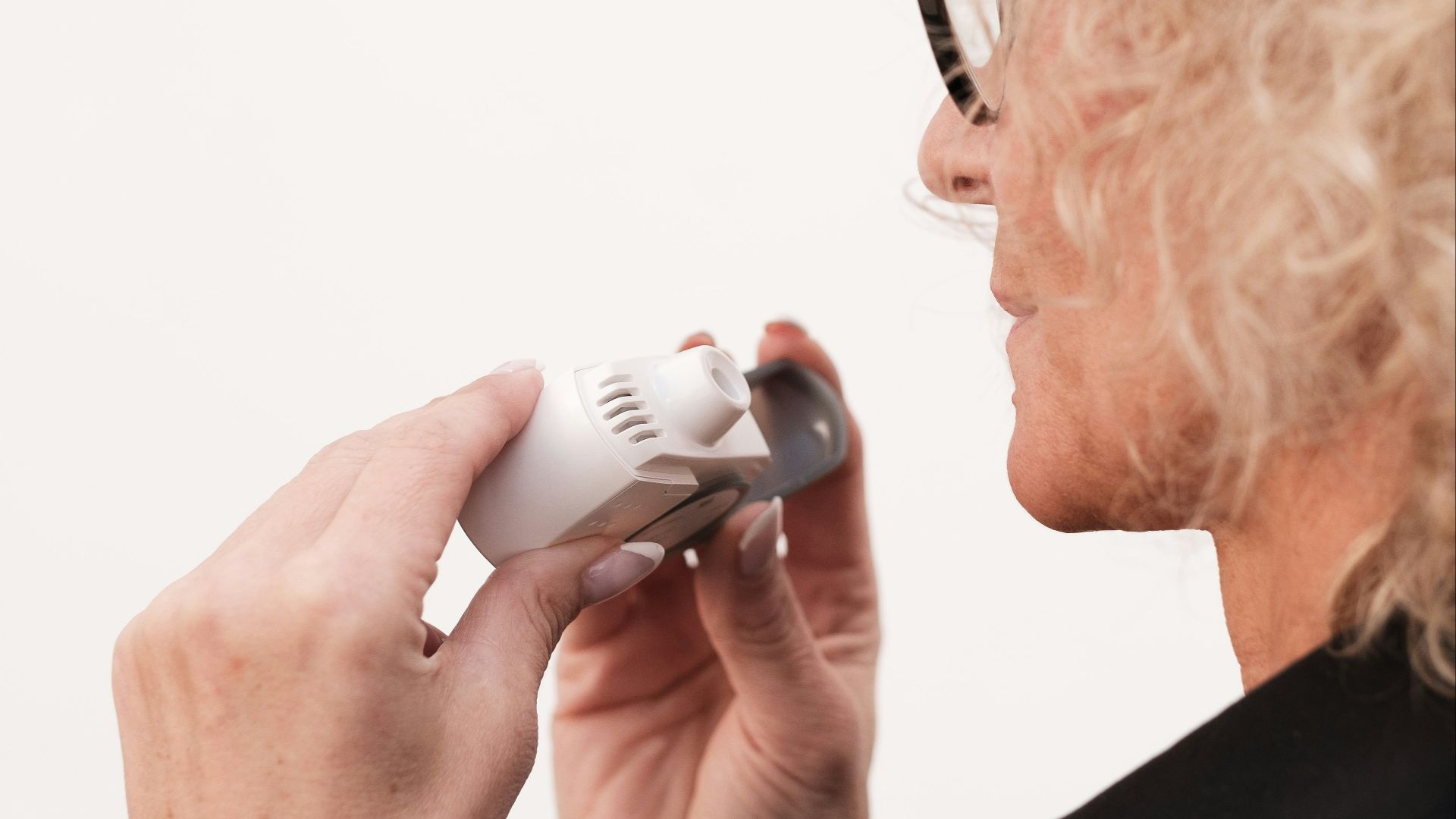
That nasal inhaler you rely on for congestion contains pseudoephedrine, which is classified as a stimulant in Japan and strictly controlled because it can be used to manufacture methamphetamine. You can bring certain medications with prior approval and a yakkan shōmei certificate, which requires documentation from your doctor and takes weeks to process.
4. Camouflage Clothing (Caribbean Nations)
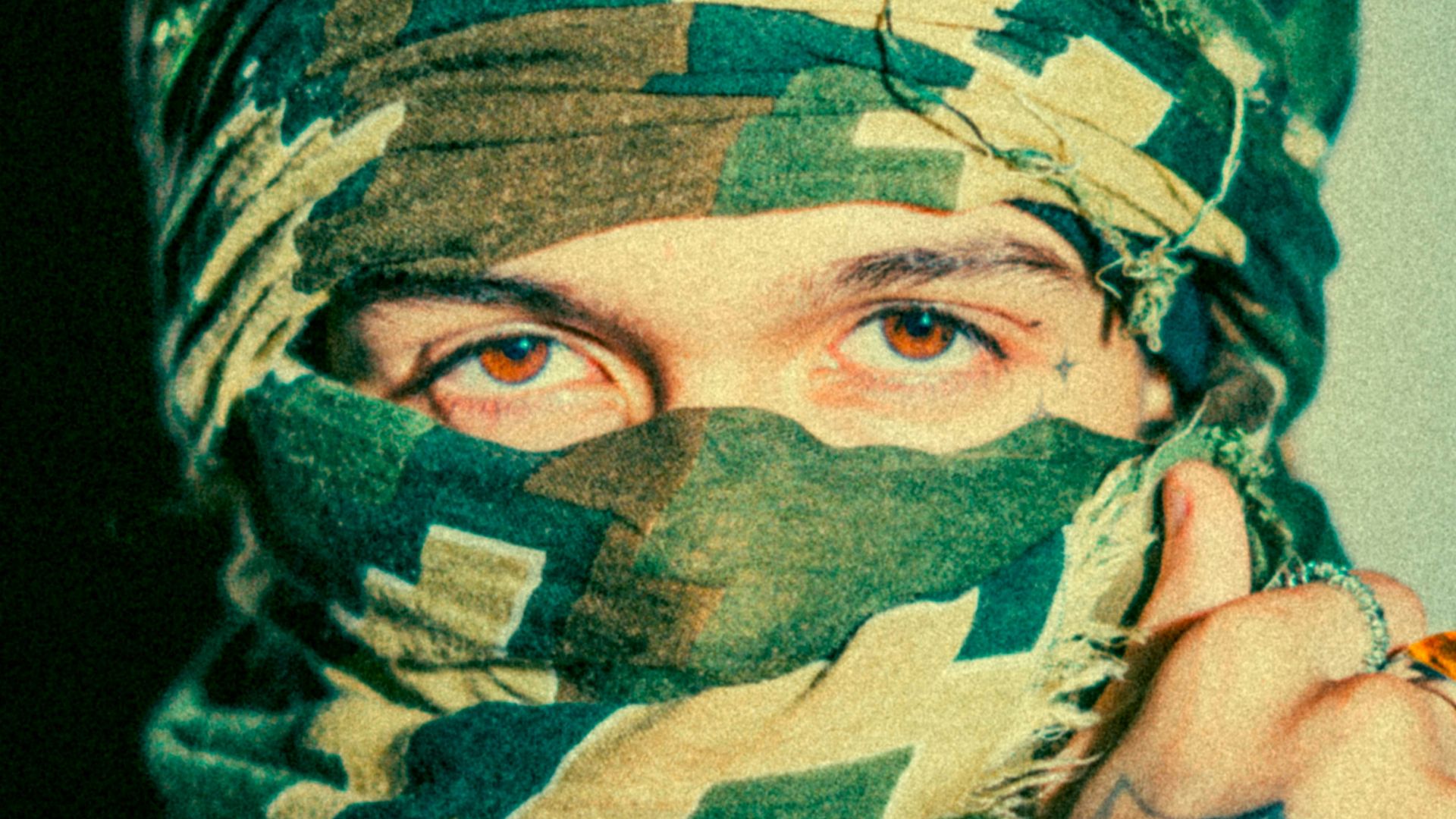
Multiple Caribbean countries, including Barbados, Jamaica, and Saint Lucia, ban civilians from wearing camouflage patterns. The stated reason is that camo is reserved for military personnel, and wearing it could be seen as impersonating military or paramilitary forces.
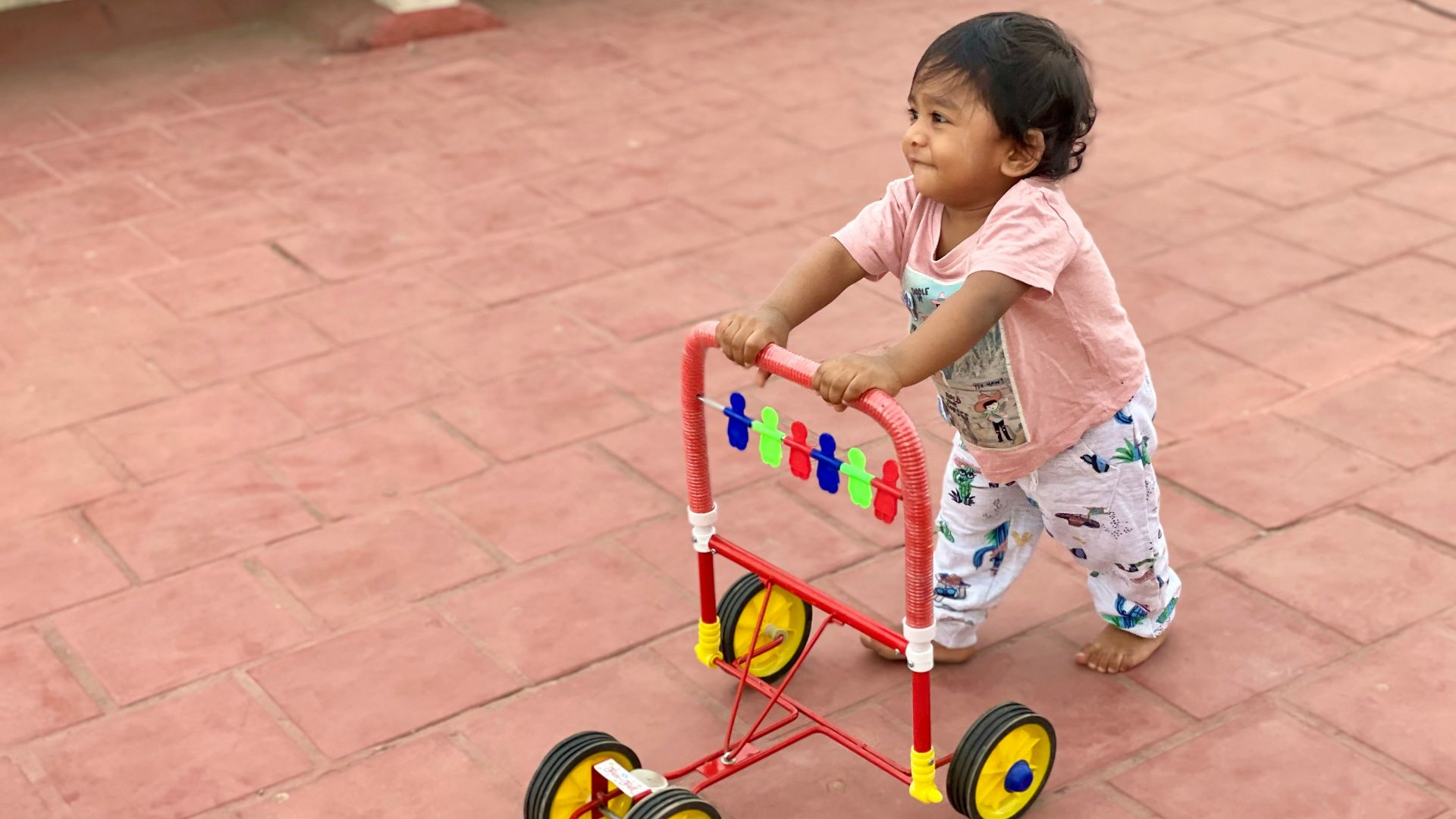
5. Baby Walkers (Canada)
Canada banned the sale, import, and advertisement of baby walkers in 2004, making it the first country to do so. The Canadian Paediatric Society pushed for the ban after studies showed walkers were associated with thousands of injuries annually. Violators can face fines of up to 100,000 Canadian dollars. The US allows them with safety standards, though the American Academy of Pediatrics has called for a ban since 2001.
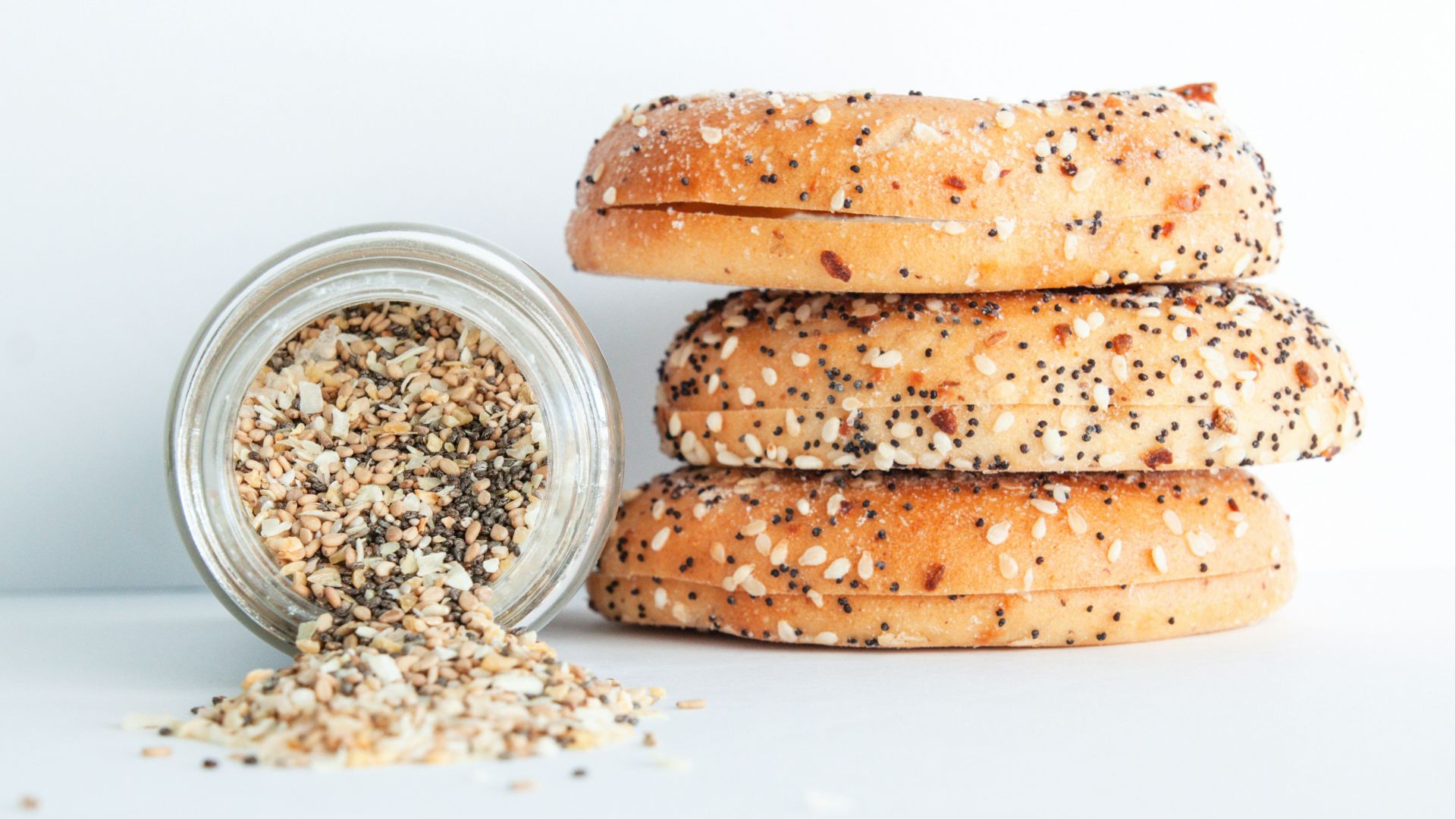
6. Poppy Seeds (Singapore, UAE, Saudi Arabia)
Your lemon poppy seed muffin is off-limits in several countries. Poppy seeds contain trace amounts of opiates, and several countries with zero-tolerance drug policies have banned them entirely. The amounts are minuscule, but that doesn't matter to customs officials who aren't interested in your explanation about bagels.
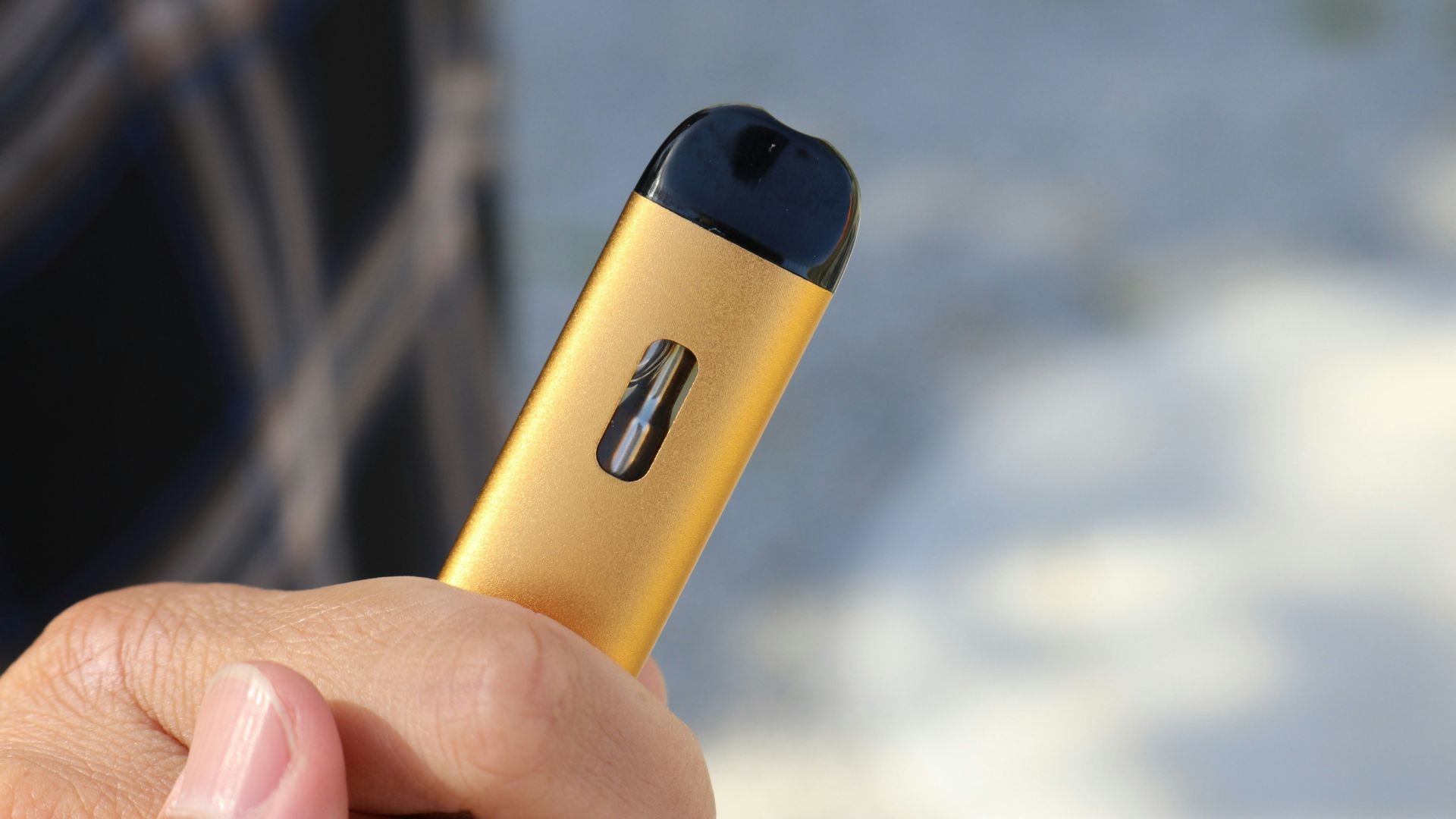
7. Electronic Cigarettes (Thailand)
Thailand banned e-cigarettes and vaping devices in 2014 under its Tobacco Products Control Act. Penalties are severe, with perpetrators facing up to 10 years in prison or fines of up to 500,000 baht (roughly $14,000). Multiple tourists have been arrested and fined for bringing vapes into the country.
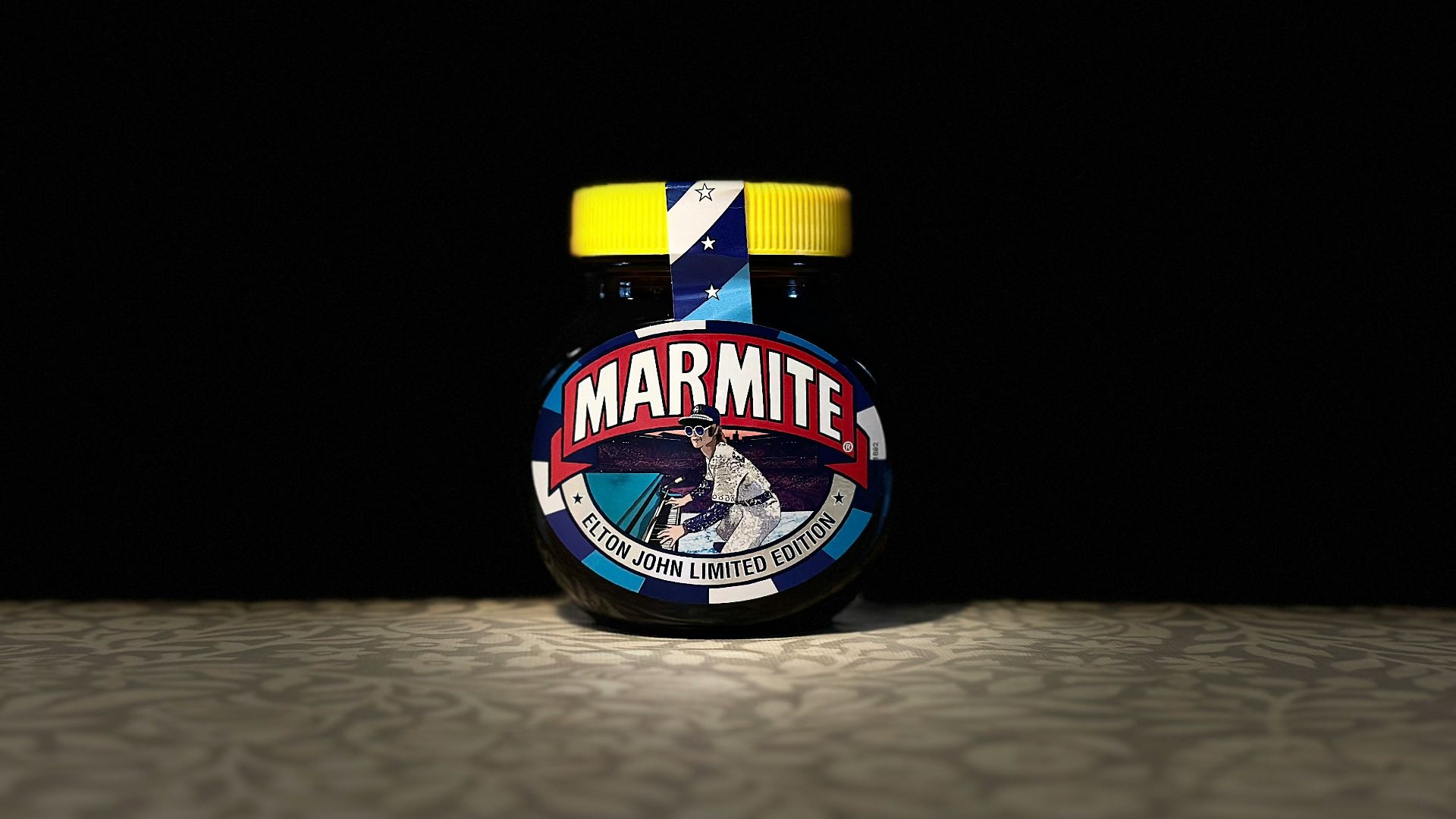
8. Marmite (Denmark)
Denmark banned Marmite and other foods fortified with vitamins and minerals in 2004, claiming they violated regulations limiting vitamin and mineral additives. The logic was that excessive fortification could lead to people consuming dangerous levels of certain nutrients, though Marmite fans argue you'd need to eat an absurd amount to hit toxic levels.
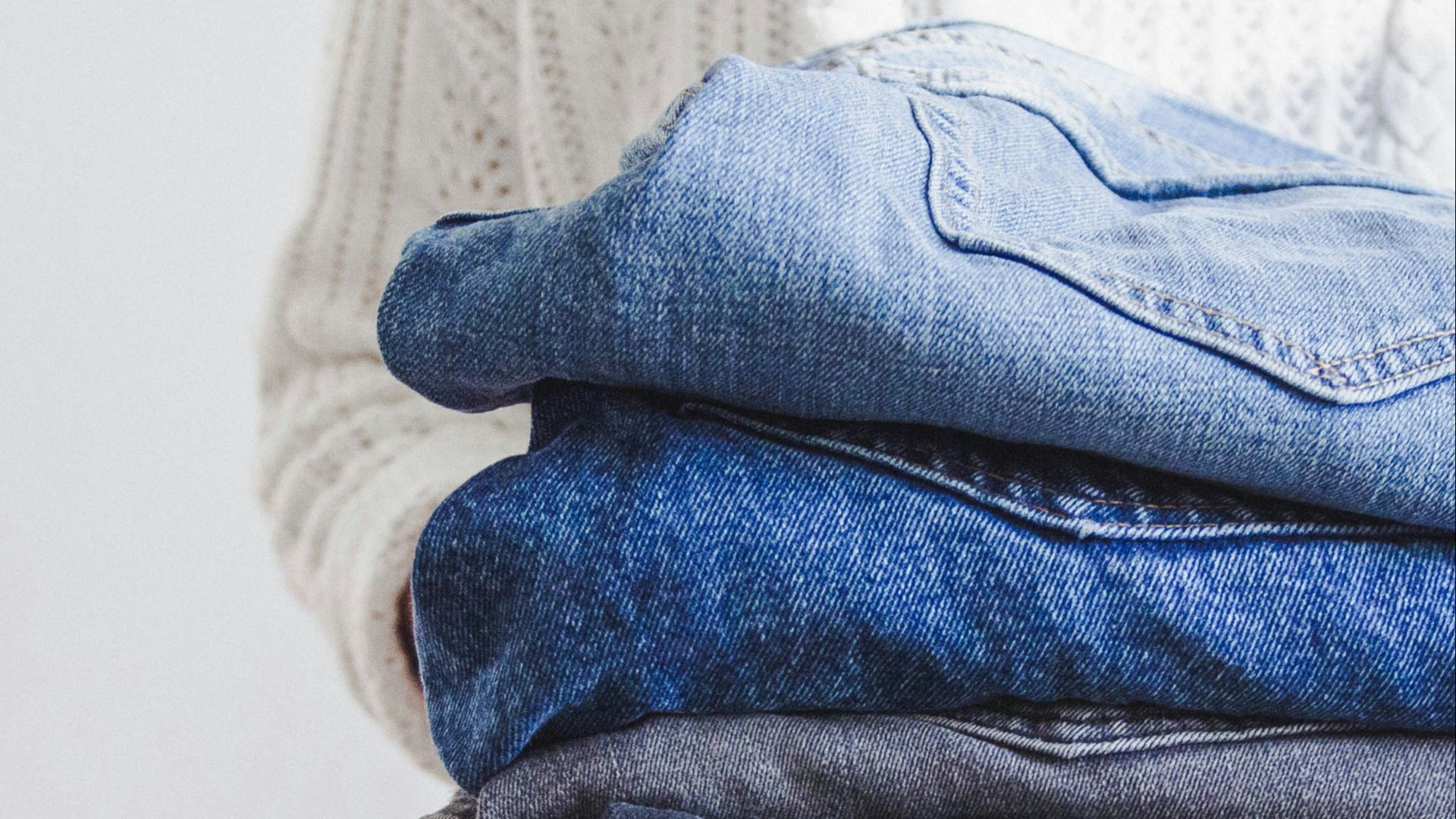
9. Blue Jeans (North Korea)
Western fashion is heavily restricted in North Korea, and blue jeans are particularly problematic. The government has ramped up enforcement in recent years, with reports of people being publicly shamed or fined for wearing them.
 Maude Frédérique Lavoie on Unsplash
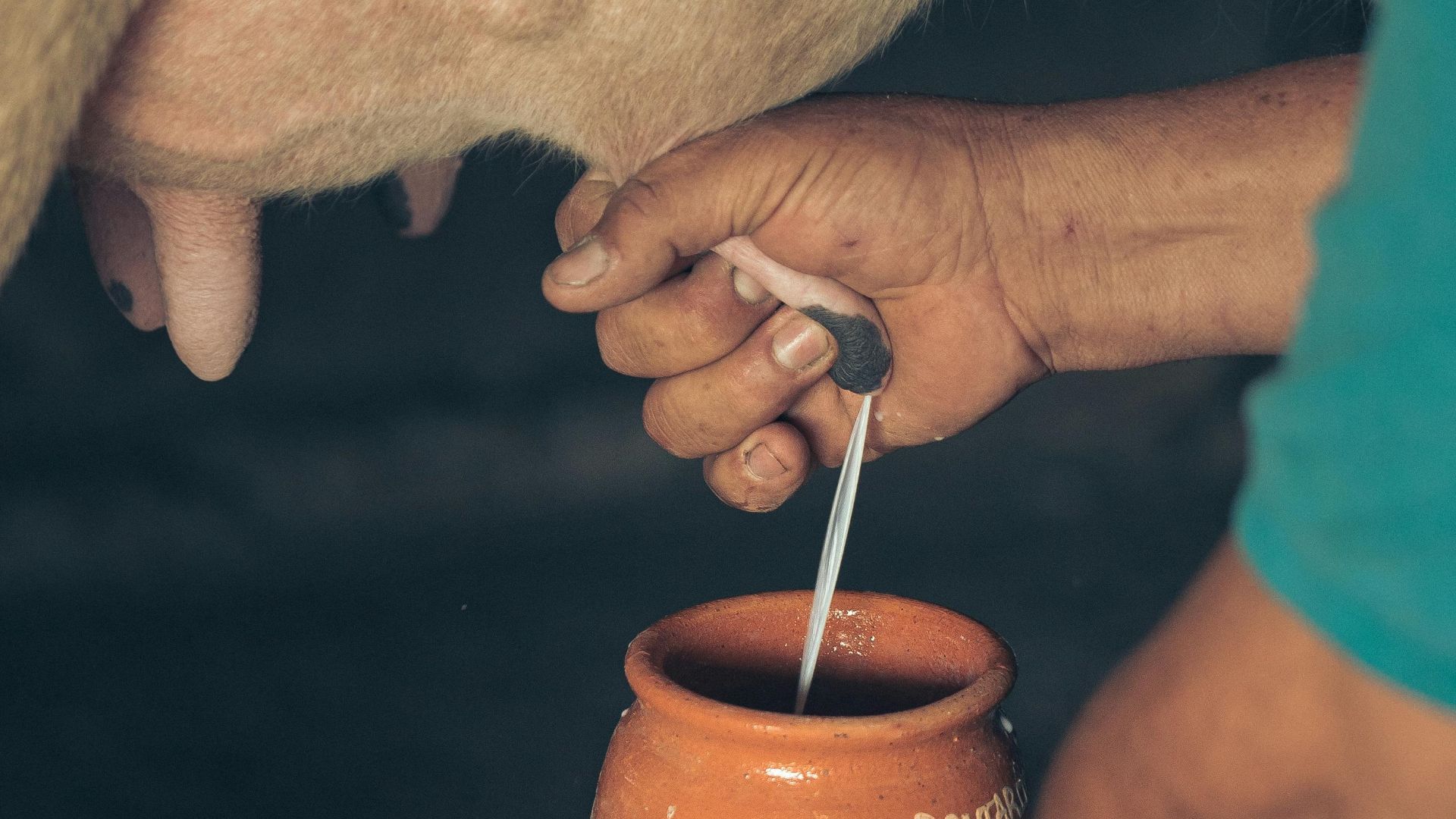
10. Raw Milk (Scotland)
Scotland banned the sale of raw, unpasteurized milk for human consumption in 1983, citing health concerns about bacterial contamination, including E. coli, Salmonella, and Listeria. You can still buy it as “bath milk” intended for cosmetic use, which is one of those legal fictions everyone understands.
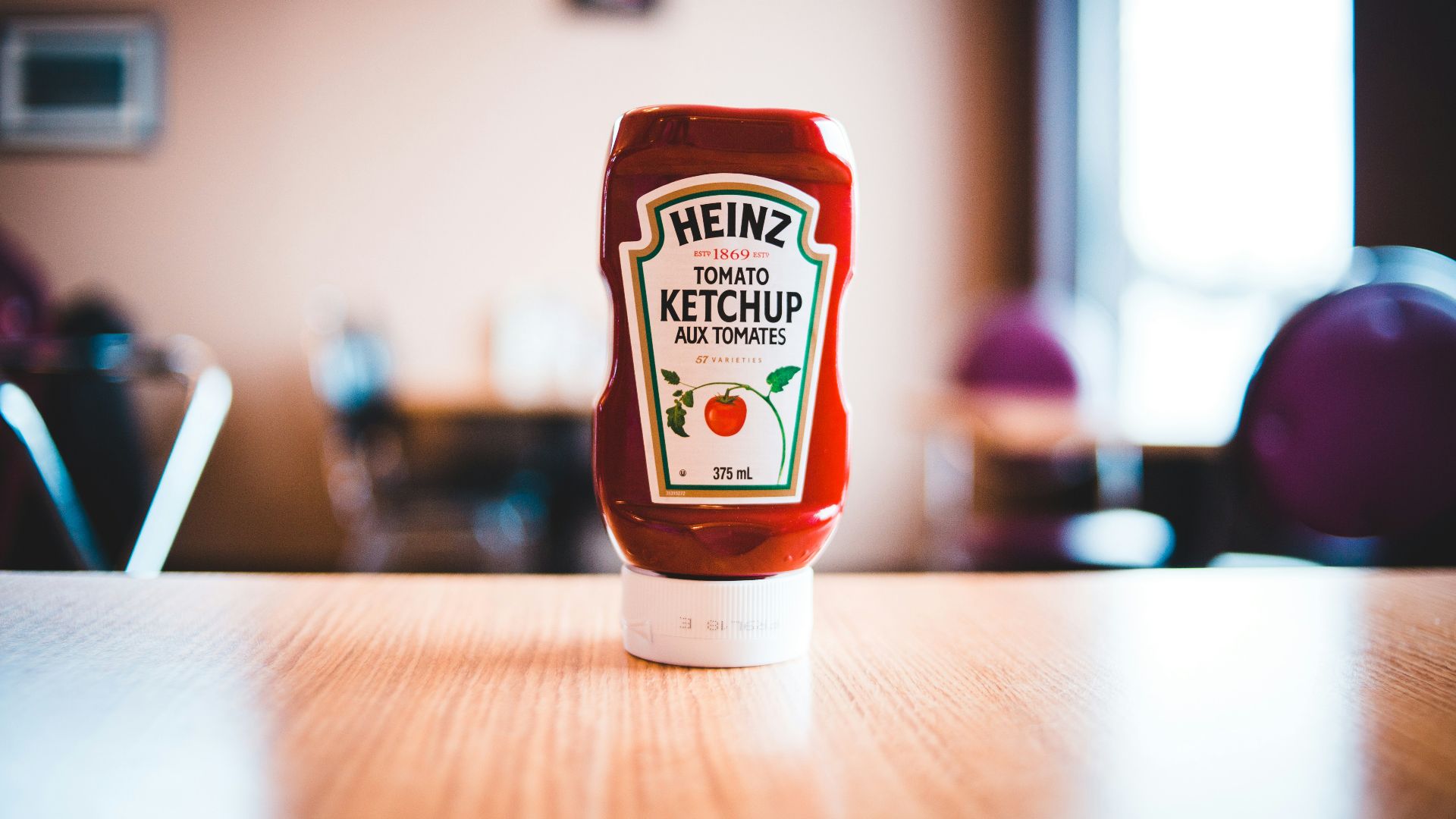
11. Ketchup in School Cafeterias (France)
Rather than ban ketchup outright, France restricted it in school cafeterias except when paired with French fries. The 2011 decree aimed to preserve French culinary culture and encourage kids to eat traditional sauces.
12. Spanking Implements (Kenya)
Kenya banned corporal punishment in schools in 2001 and expanded restrictions over the years to include homes. This means items specifically designed for striking children, such as straps or canes, are illegal. The law is part of broader children’s rights protections, though enforcement is inconsistent.
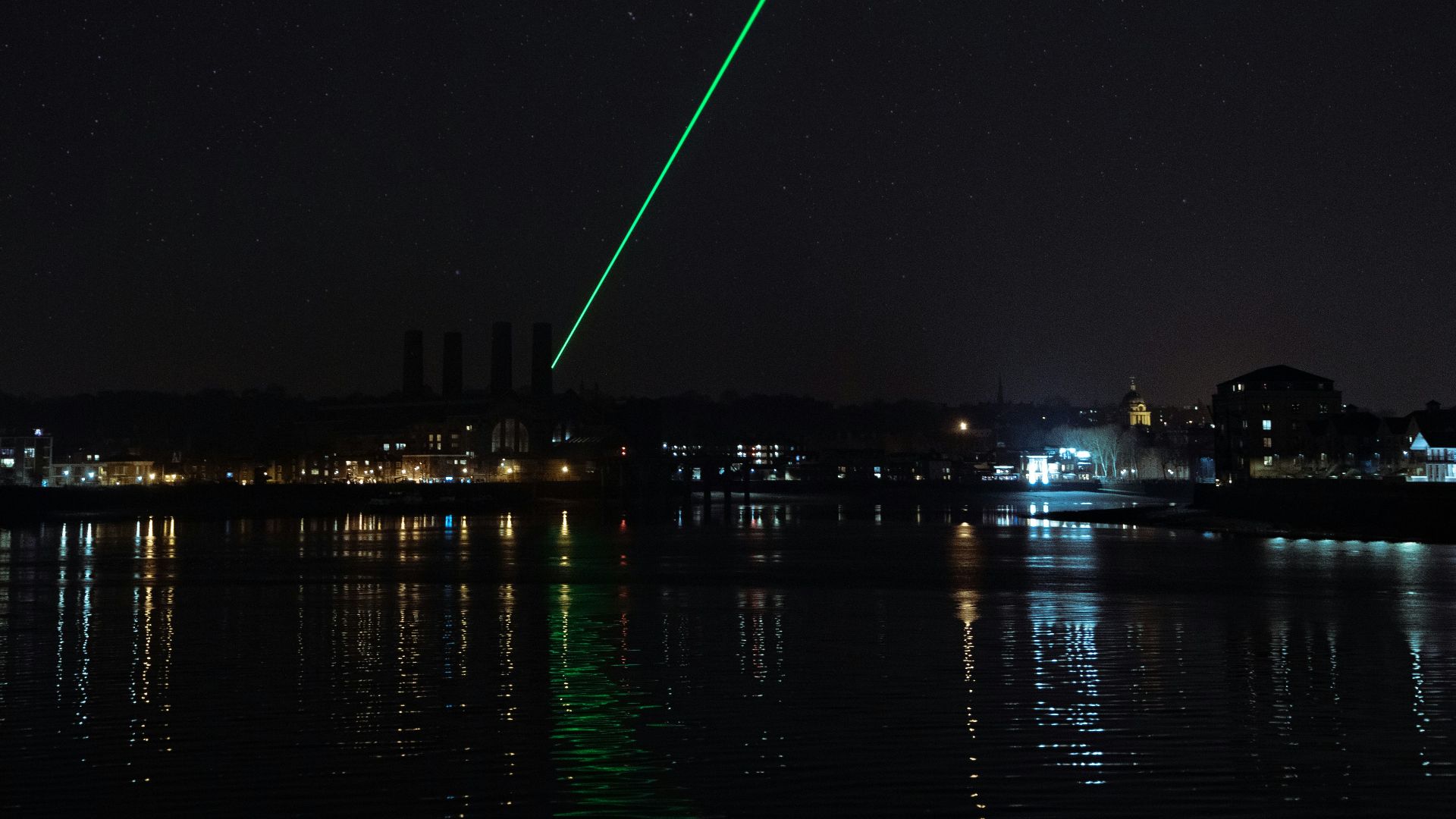
13. Laser Pointers (Australia)
New South Wales bans possession of laser pointers without a legitimate reason, and you need a permit for pointers over 1 milliwatt. The concern is people pointing them at aircraft, and multiple people have been arrested for doing just that.
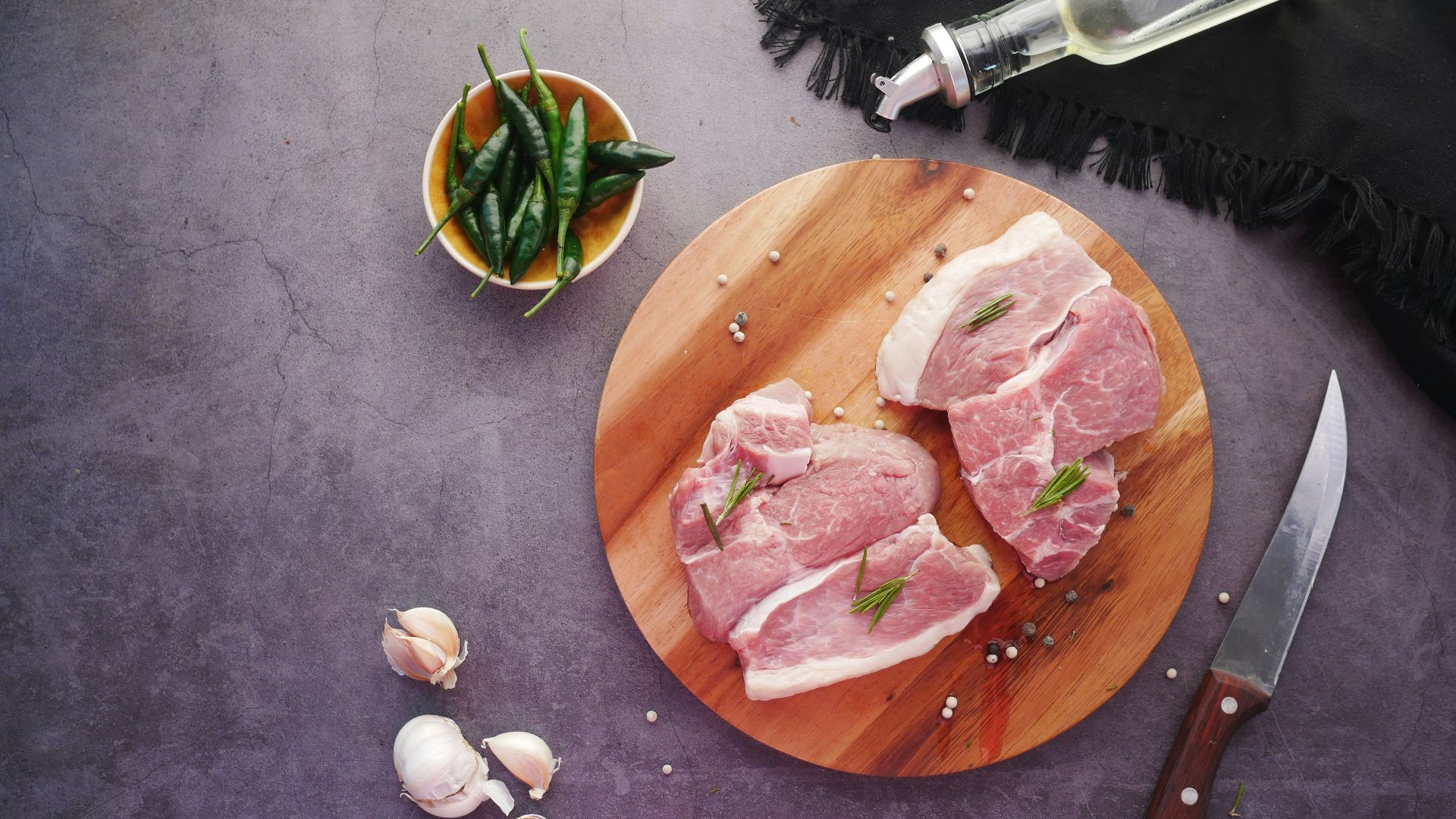
14. Certain Pork Products (UAE, Saudi Arabia)
Islamic law prohibits pork, so importing pork products into Muslim-majority countries can result in confiscation or worse. This includes things like pork-based gelatin in medications or supplements, which catches people off guard.
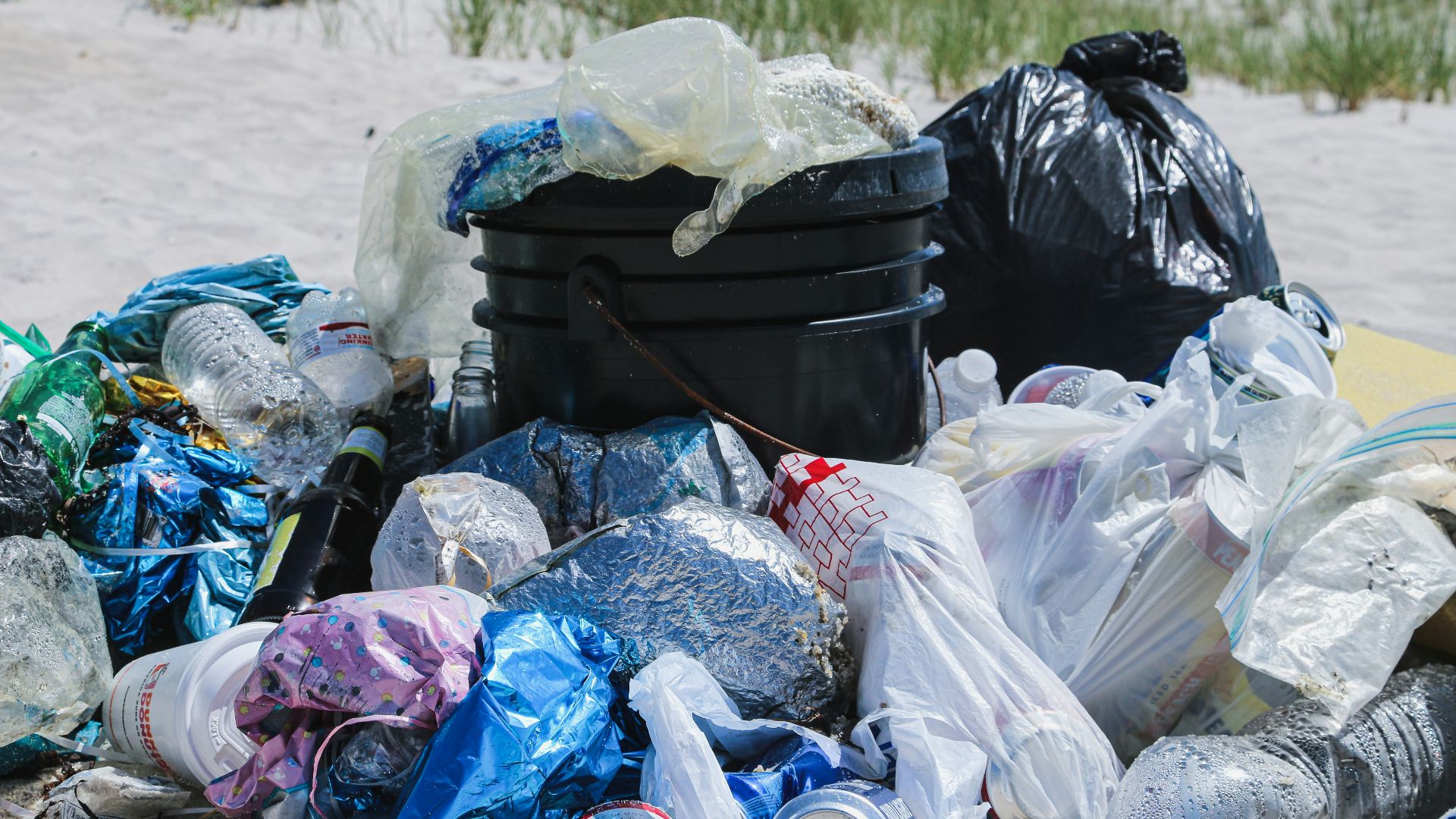
15. Plastic Bags (Kenya, Rwanda)
Kenya enacted one of the world's strictest plastic bag bans in 2017, with penalties of up to four years in prison or fines of $40,000 for producing, selling, or even using plastic bags. Rwanda banned them in 2008, and customs officials search luggage at the airport to confiscate any plastic bags, even ones wrapped around gifts.
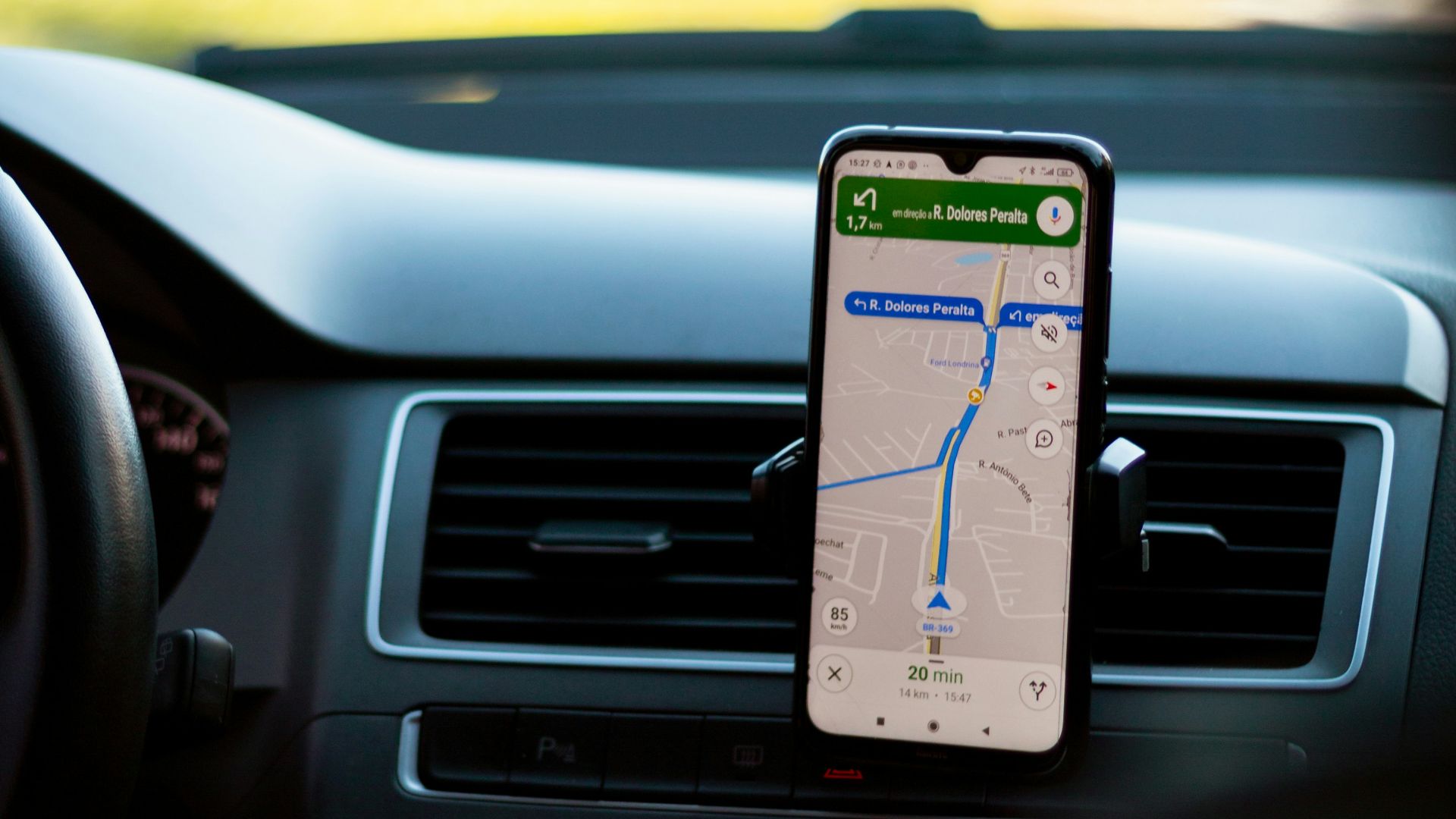
16. GPS Devices (Egypt)
Egypt requires special permits to bring GPS devices into the country, driven by security concerns about mapping and navigation data. This technically includes GPS units in cars, though enforcement focuses mainly on handheld devices and drones with GPS capabilities.
17. Melatonin (Various European Countries)
Melatonin supplements are available over the counter throughout the US, but many European countries classify them as prescription-only medications. The UK, for instance, requires a prescription for melatonin, as do France and Denmark.
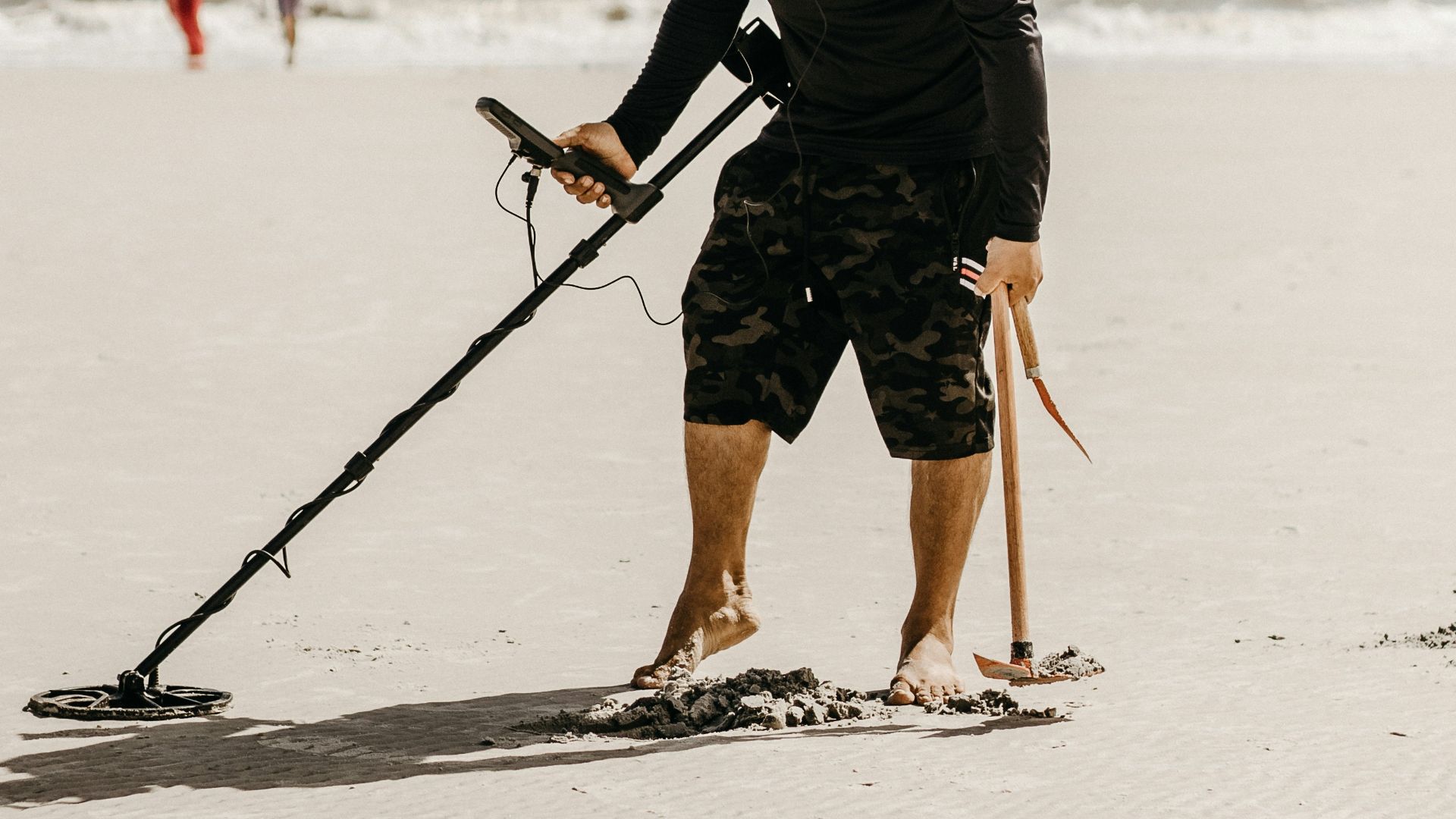
18. Metal-Detector Devices (Cuba)
Cuba bans importing metal detectors without government permission, presumably to prevent people from removing historical artifacts or government property. The penalties aren't entirely clear, but customs will definitely confiscate any detector you try to bring in.
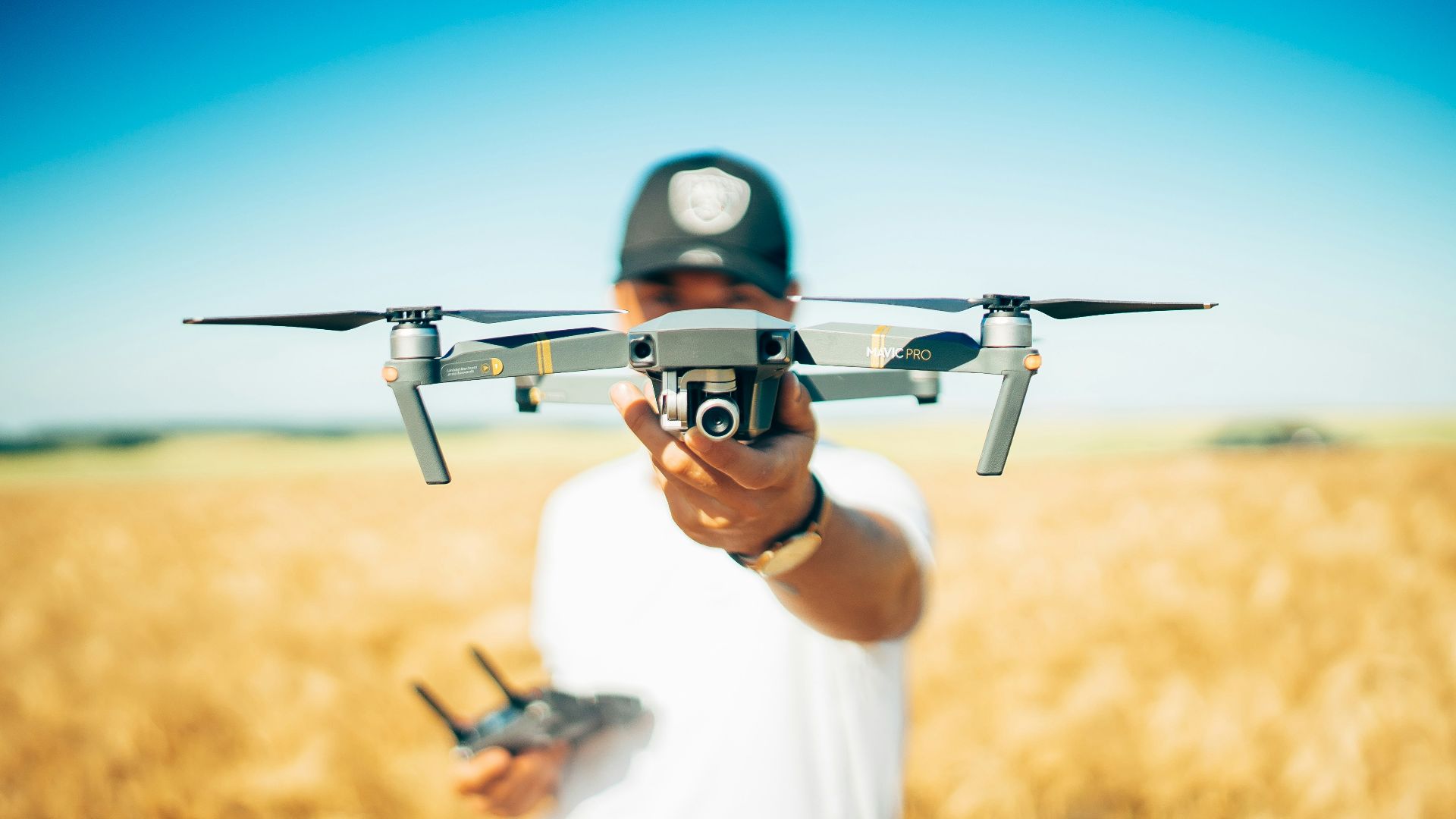
19. Drone Cameras (Morocco)
Morocco requires permits to import drones, and the approval process is lengthy enough that most tourists don't bother. People have had drones confiscated at customs and held until departure. The regulations are fairly new and were implemented when drones started to become more common.
20. Certain Over-the-Counter Medications (Japan, UAE)
This category is broad because different countries restrict different medications, and the lists keep changing. Codeine is restricted in Japan and the UAE, and anything containing cannabis derivatives (including CBD) can land you in serious trouble in much of Asia and the Middle East. Always check specific regulations for your destination before packing medications, even common cold remedies.