20 Things You Learn From Traveling That Can Help You In Your Career
Your Passport Has Transferable Skills
Travel has a funny way of teaching you practical lessons while you think you’re just trying to find the right train platform. When you’re out of your routine, you get better at reading situations, adapting fast, and staying calm when things get messy. Bring those habits back to work, and you’ll notice you’re suddenly easier to collaborate with and harder to rattle. Here are 20 things you learn from traveling that can unexpectedly come in handy in your professional life.

1. You Get Comfortable Asking Questions
When you’re traveling, you learn quickly that guessing can waste time and money. You start asking for directions, clarifying details, and confirming plans without feeling awkward. At work, that habit saves you from misunderstandings and makes you look sharper.
2. You Learn to Stay Calm When Plans Change
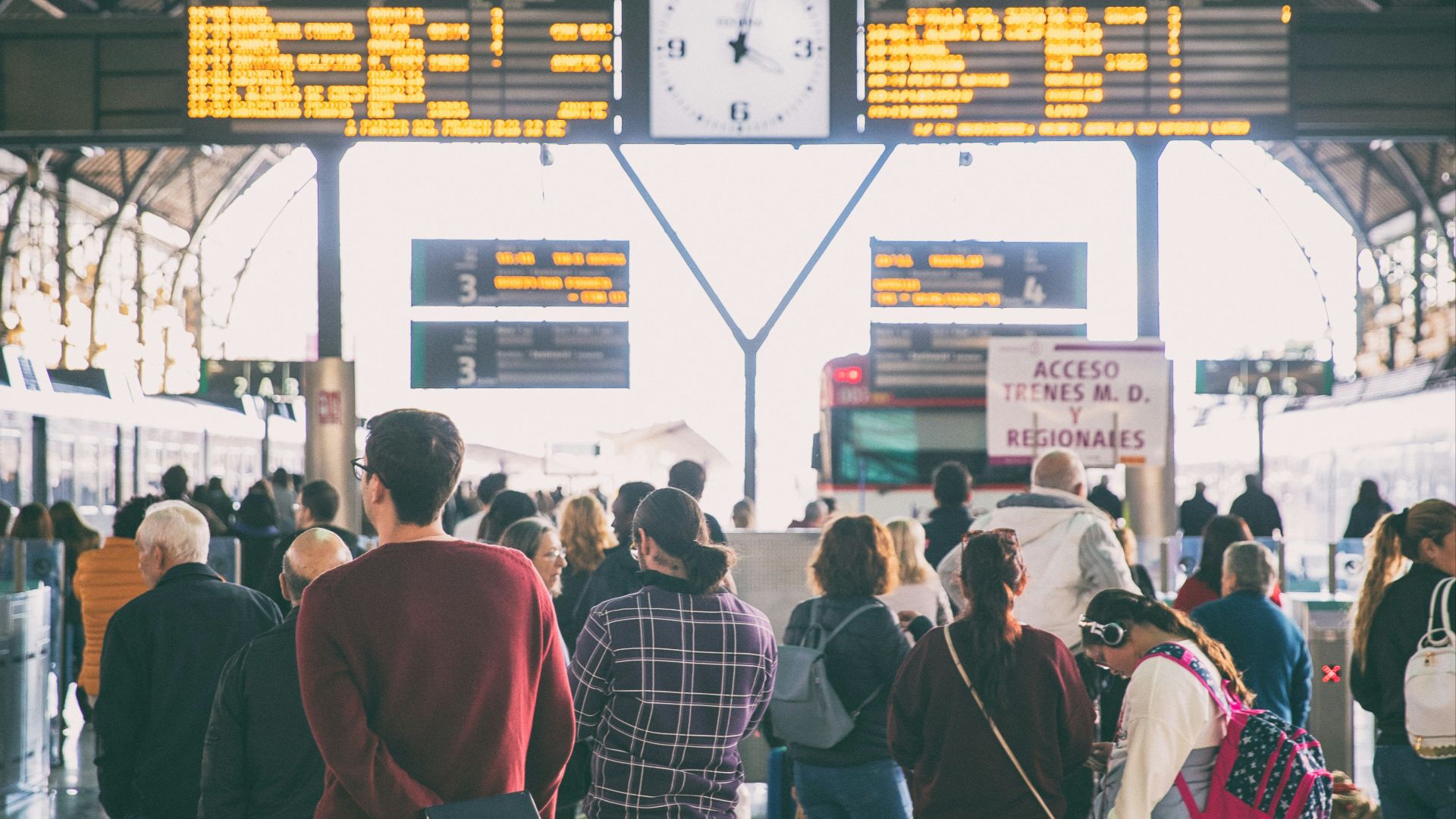
Flights get delayed, museums close early, and weather ruins your “perfect day,” so you adjust. That flexibility becomes a real advantage in jobs where priorities shift constantly. You end up responding with solutions instead of panic.
3. You Practice Communicating Without Perfect Words
In another country, you often rely on simple language, gestures, and patience to get your point across. You learn to speak clearly and focus on what actually matters. That translates well to work conversations where not everyone shares the same jargon.
 Aarón Blanco Tejedor on Unsplash
4. You're More Tolerant of Differences
Travel reminds you that “normal” depends on where you are. You see different approaches to time, feedback, formality, and negotiation. In a workplace, that awareness helps you collaborate across teams and avoid needless conflict.

5. You Get Better at Reading a Room
When you’re navigating unfamiliar settings, you pay attention to tone, body language, and social cues without even realizing it. You pick up on what’s appropriate by watching how others behave. That skill makes meetings, networking, and client conversations go smoothly.
6. You Learn to Plan, But Not Over-Control
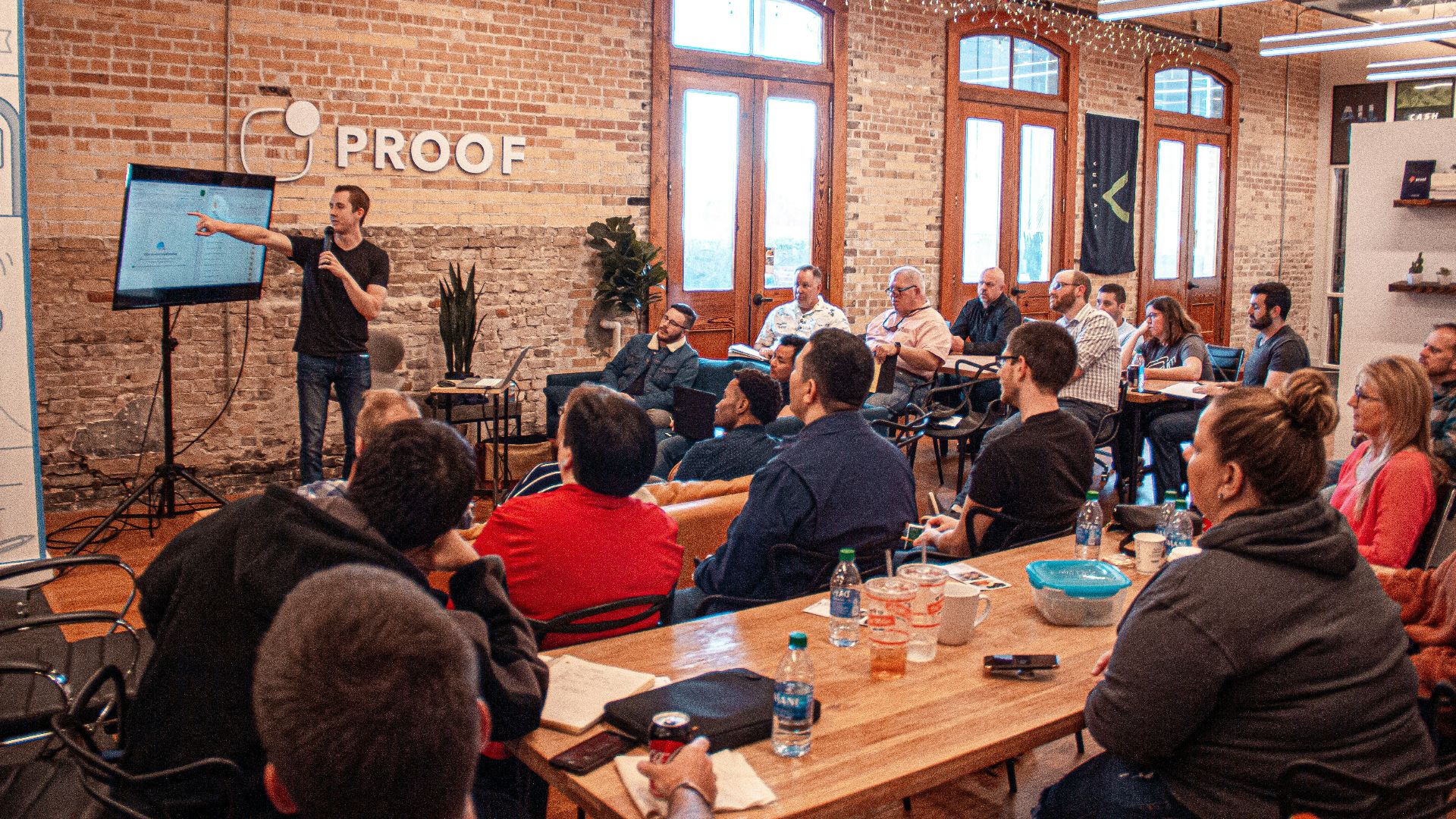
Good trips require basic planning, then a willingness to adjust when reality disagrees. You figure out which details matter and which ones can stay flexible. That mindset is great for projects that need structure without micromanagement.
7. You Build Confidence Doing Things Solo
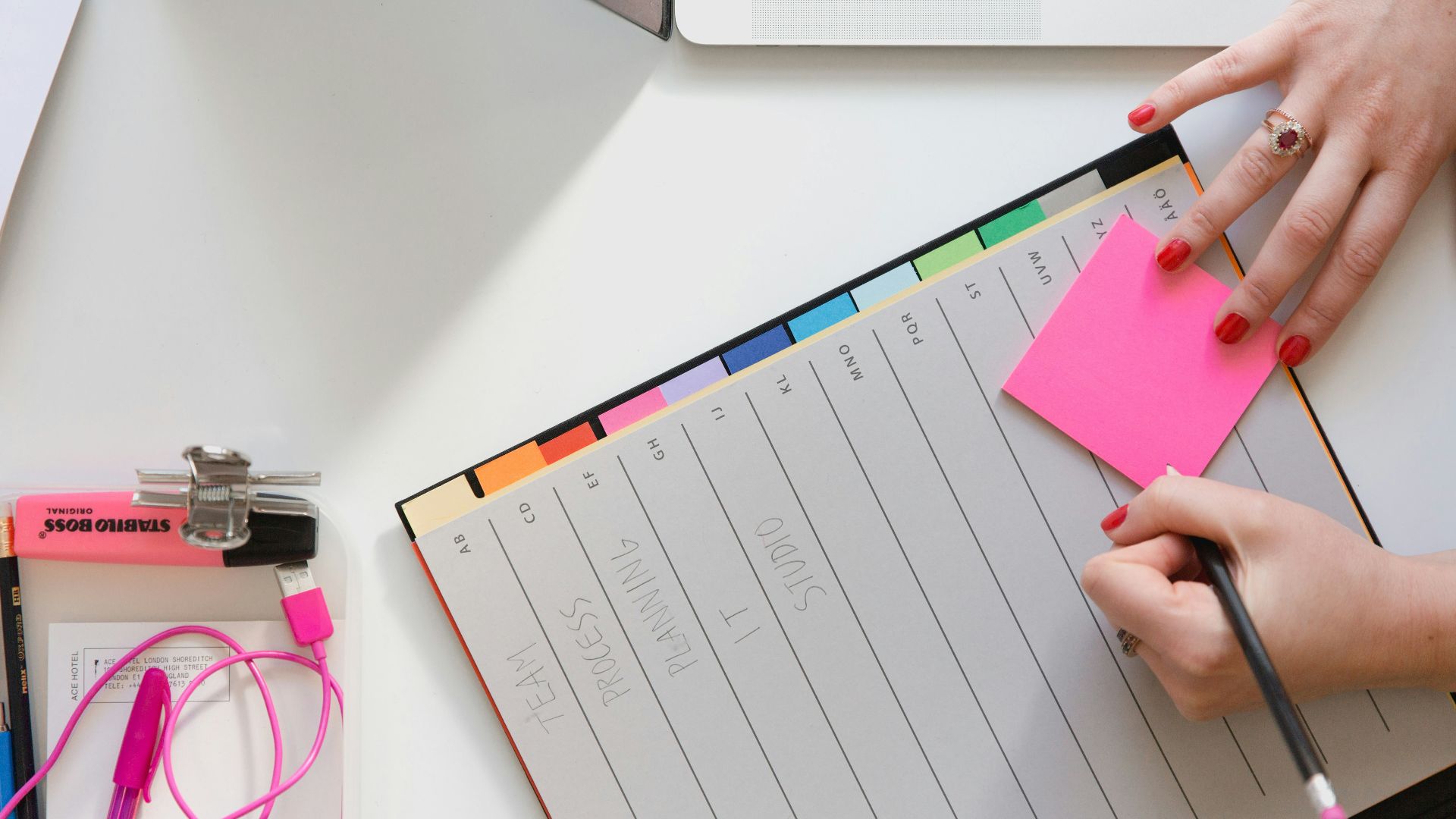
Even small travel challenges can teach you that you’re capable of handling more than you thought. Booking, navigating, and problem-solving on your own builds quiet self-trust. At work, that confidence shows up as initiative.

8. You Get Resourceful With Limited Options
Sometimes you can’t find what you need, so you improvise with what’s available. You learn to make a Plan B quickly, and sometimes a Plan C, without losing it. That resourcefulness is valuable when budgets, tools, or timelines get tight.
9. You Become More Patient With Other People
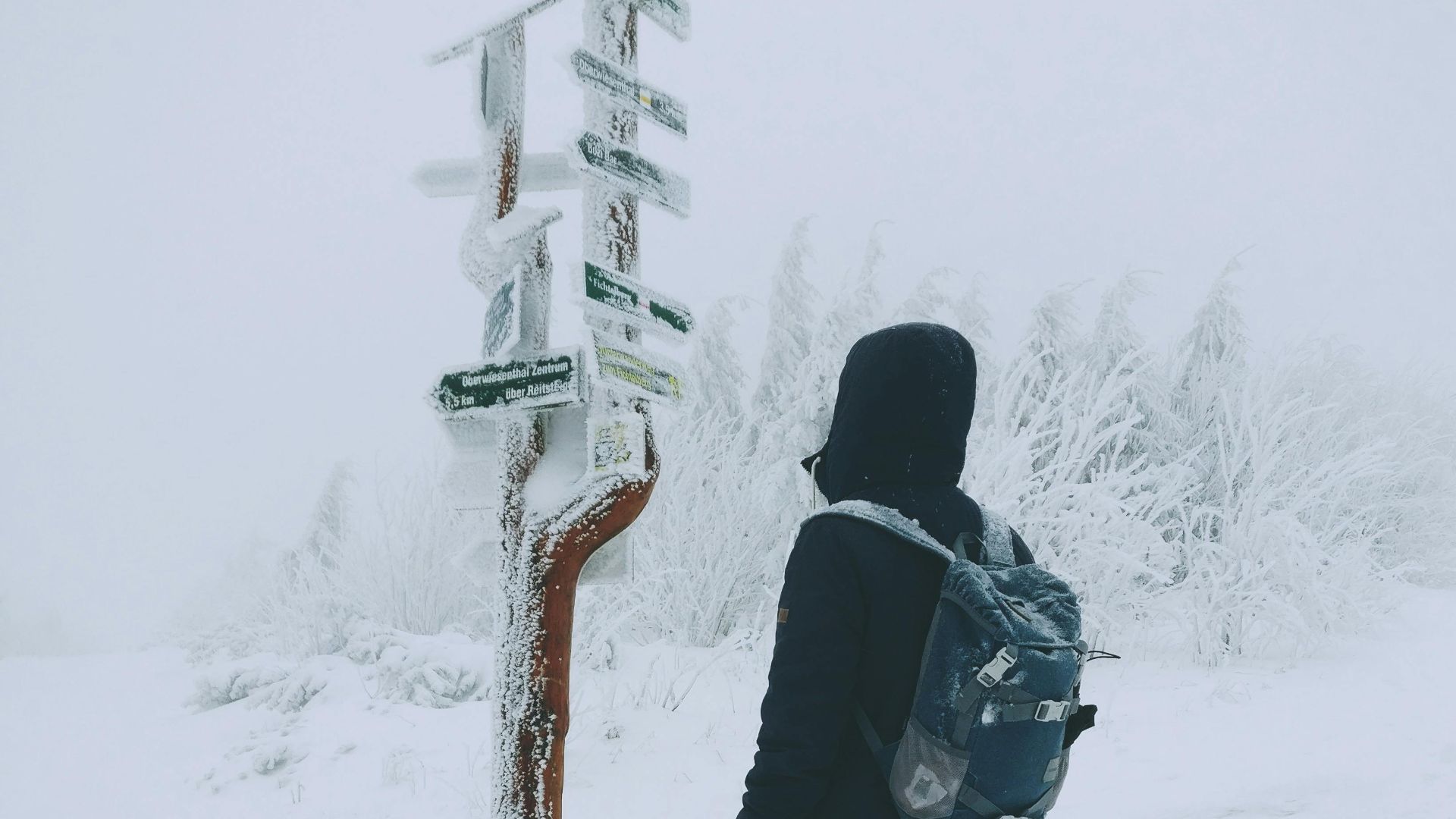
Travel puts you in lines, crowds, and situations where you have to share space gracefully. You learn to breathe through delays and not treat every inconvenience like a personal attack. In an office, that patience makes you easier to work with.

10. You Improve Your Time Management
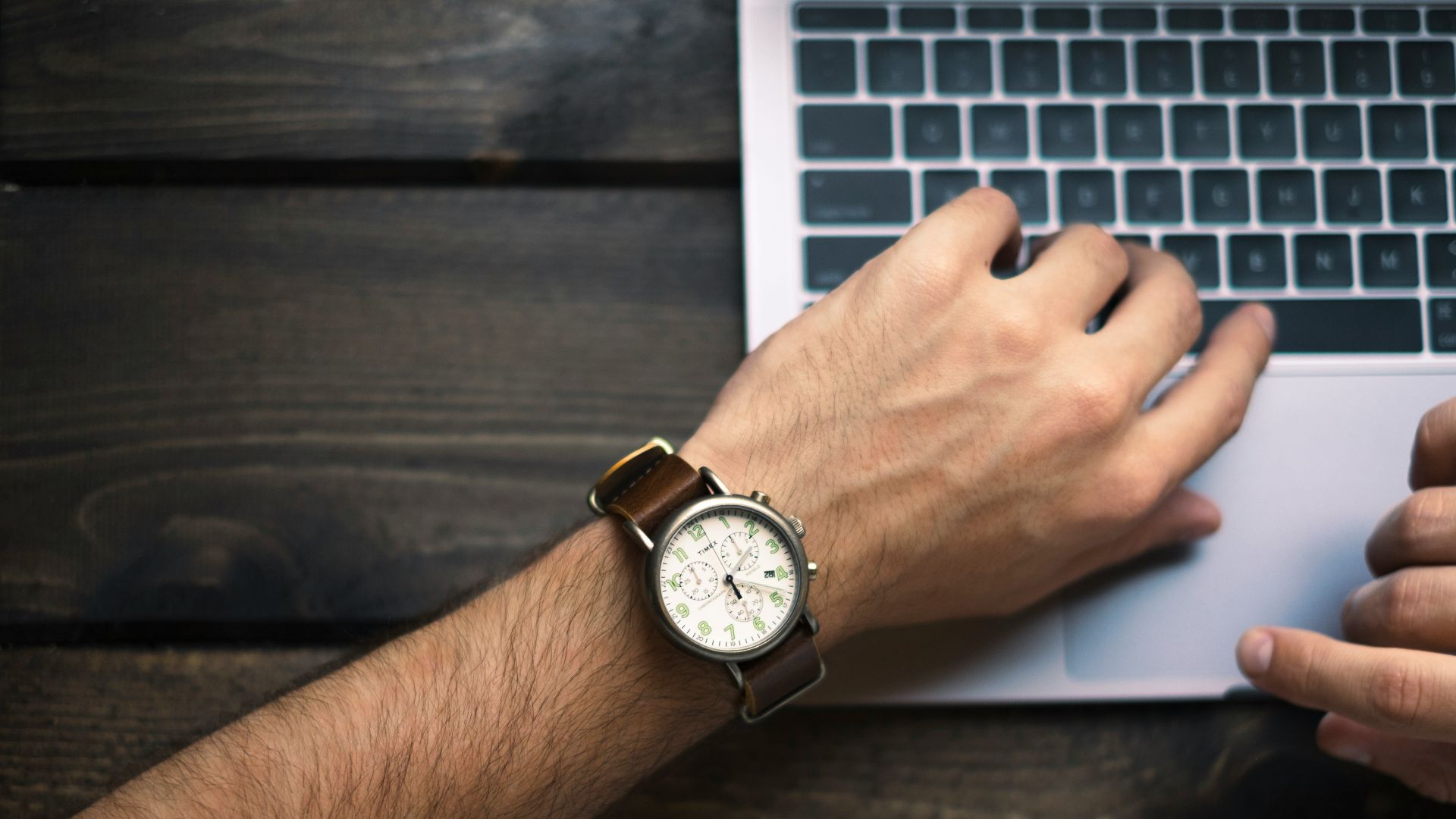
Catching trains and making reservations forces you to think in realistic time, not wishful time. You start padding your schedule and prioritizing what can’t be missed. That skill transfers directly to deadlines and meeting prep.
11. You Practice Budgeting Without Feeling Deprived
Travel teaches you to choose what’s worth spending on and what isn’t. You get better at trade-offs, like paying more for convenience or saving for a special experience. At work, that translates to smarter decision-making with resources.

12. You Become Very Good at Small Talk
When you meet people on the road, you learn to start conversations quickly and politely. You get comfortable asking simple questions and sharing a bit about yourself. That same ease helps with networking and building rapport at work.
13. You Become Better at Handling Ambiguity
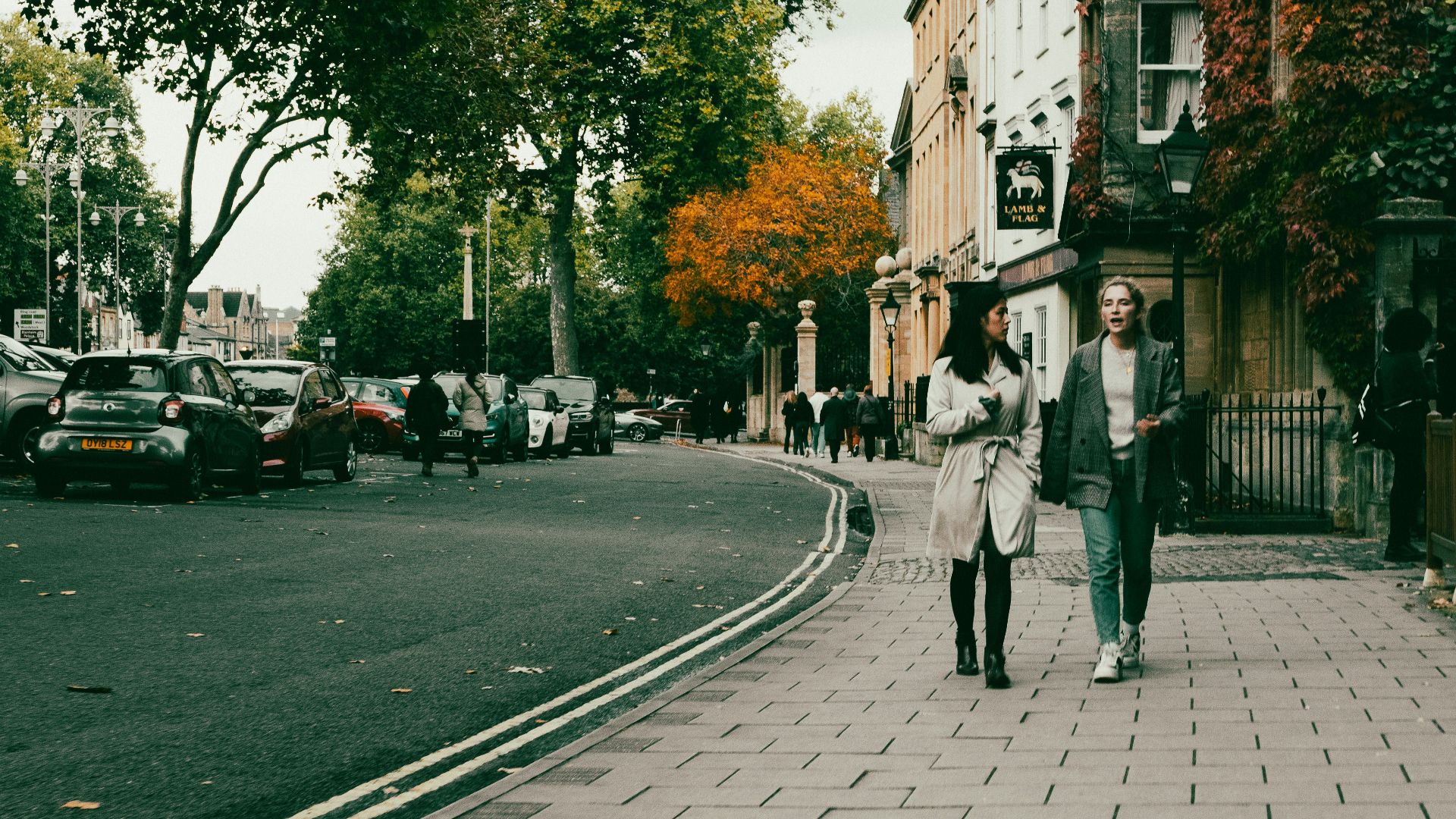
Signs can be unclear, instructions can be vague, and sometimes you just have to make a call. Travel teaches you to act without perfect information and adjust if you’re wrong. In a job, this can help meetings and projects actually progress rather than stall.
14. You Learn to Respect Different Local Norms
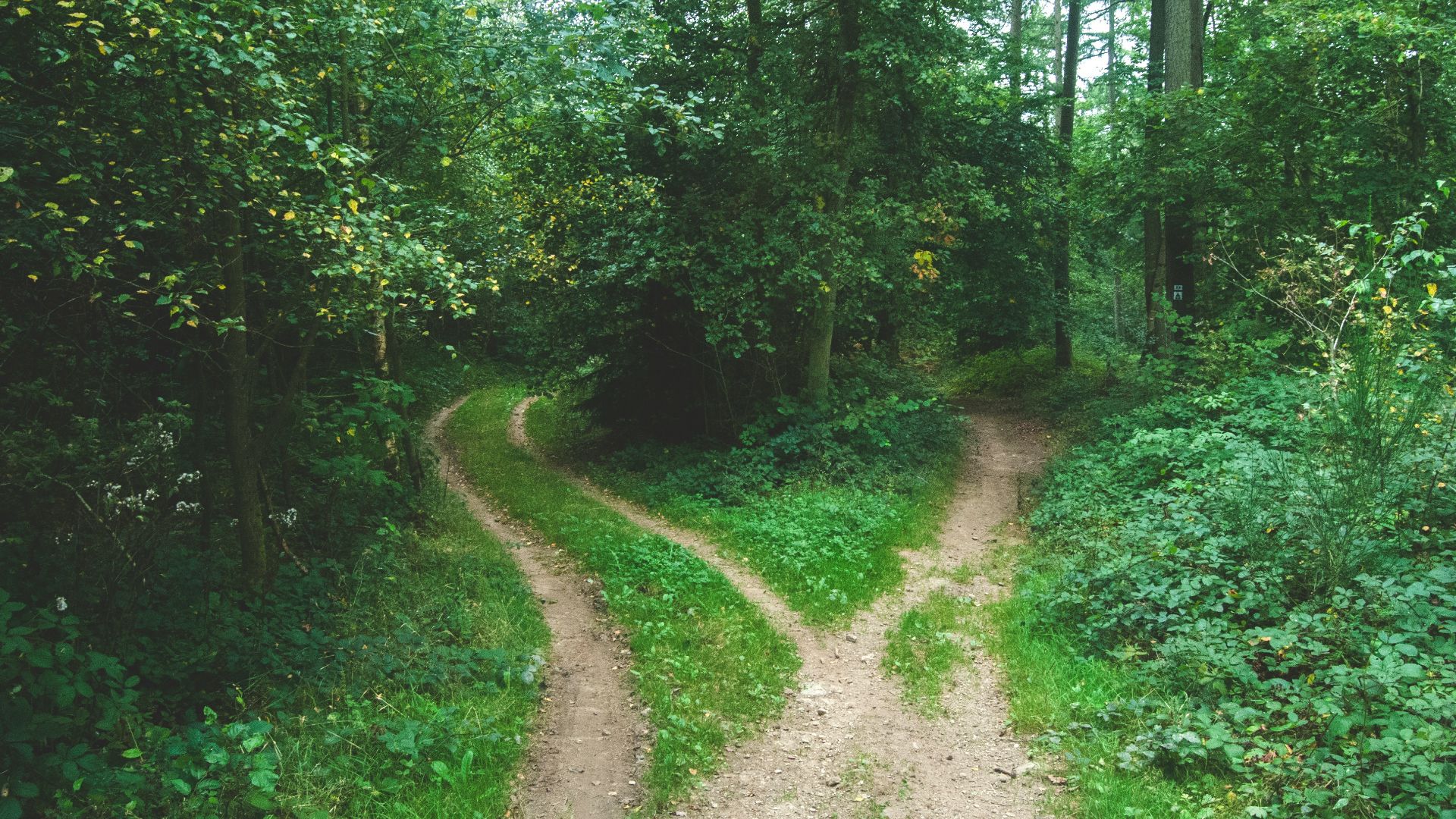
You figure out how to adapt your behavior so you don’t stick out negatively. That practice builds humility and awareness, not just “following rules.” In a workplace, it helps you fit into different team cultures without losing yourself.
15. You Strengthen Your Observation Skills
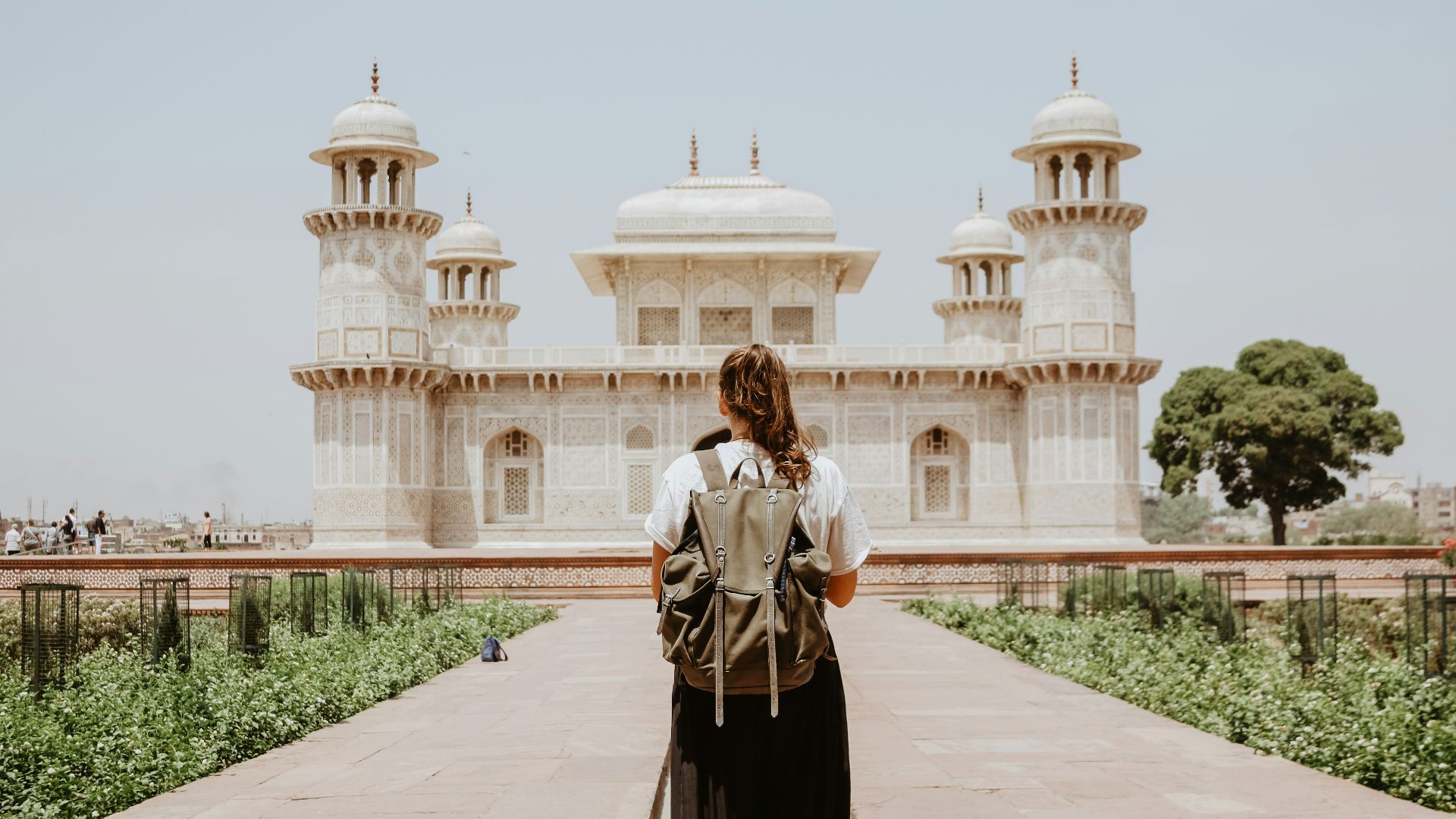
When you’re somewhere new, you notice details you’d normally ignore. You watch patterns, read maps, and keep track of your surroundings. At work, that attention helps you catch issues early and spot opportunities others miss.

16. You Build Resilience
Missing a connection or dealing with a language barrier can feel stressful, but you recover. Each little challenge teaches your brain that discomfort doesn’t equal disaster. That resilience makes tough workdays feel more manageable.
17. You Learn to Advocate for Yourself Politely
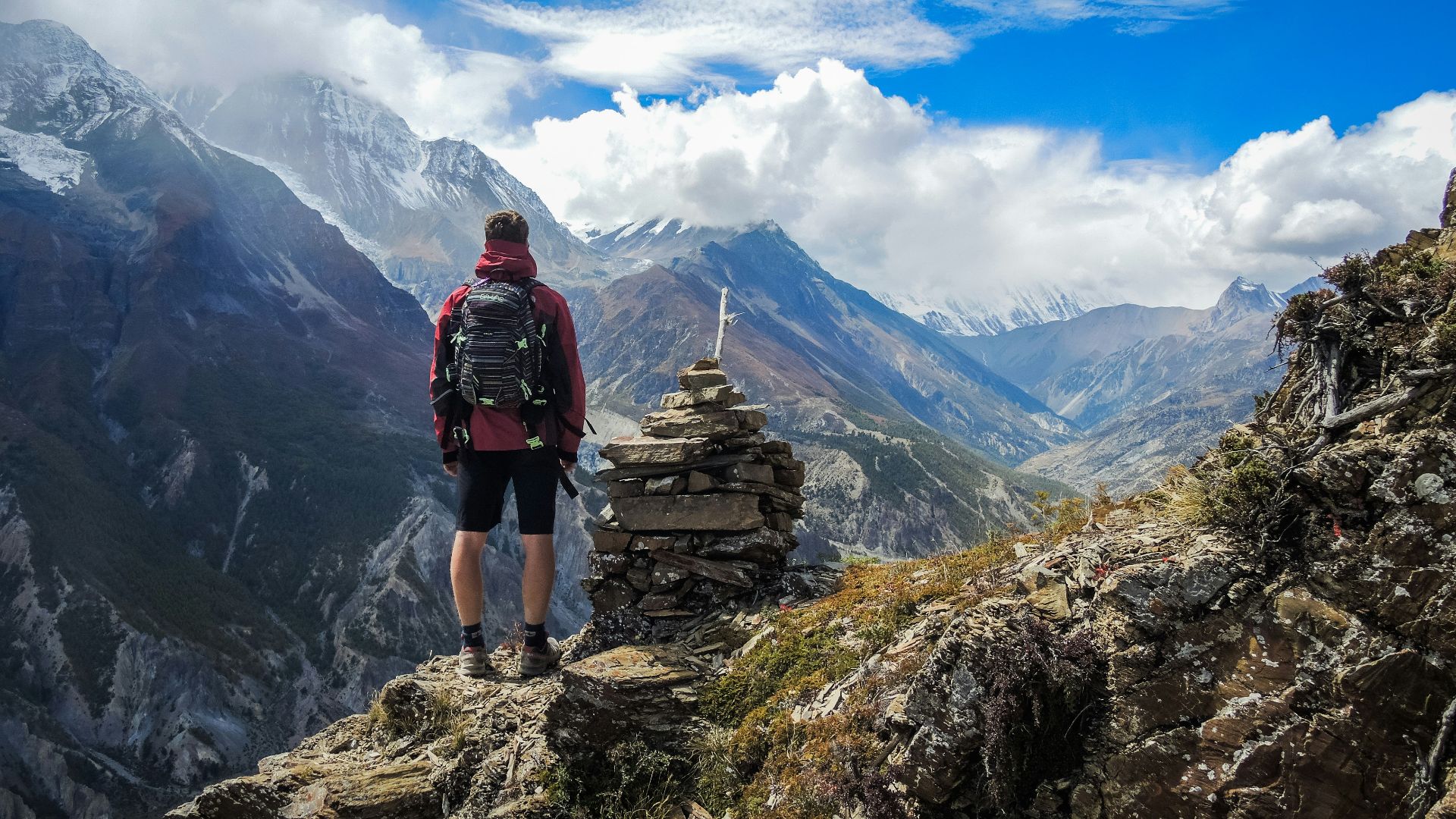
If something goes wrong while traveling, you often have to speak up to fix it. You practice being firm without being rude, which is a useful balance. That carries over to negotiating responsibilities, deadlines, and support at work.

18. You Get Better at Prioritizing Experiences Over Perfection
On a trip, you learn that chasing the “ideal” plan can make you miss what’s actually happening. You start focusing on what matters most and letting the rest go. That perspective helps you avoid overworking details that don’t move a project forward.

19. You Grow More Curious & Open-Minded
Travel exposes you to new ways of living, working, and solving problems. That exposure tends to make you ask better questions instead of assuming there’s only one right approach. In your career, curiosity often leads to better ideas and stronger collaboration.
 Vladislav Belyavski on Unsplash
20. You Tell Better Stories
Trips give you real experiences to describe, and you get better at explaining what happened in a clear, engaging way. That storytelling ability helps in interviews, presentations, and even everyday updates. People remember a good story, and that can quietly boost your influence.