Travel That Doesn’t Revolve Around Driving
Not every good getaway requires a steering wheel or a detailed parking plan. Some of the best short trips are built around walkability, trains, ferries, or simply staying put once you arrive. When you remove the car, travel often feels lighter, slower, and surprisingly more immersive. These are general types of weekend getaways that work especially well when your feet, public transit, or a single ride in and out do the heavy lifting. Here are 20 weekend getaways you can do without a car.

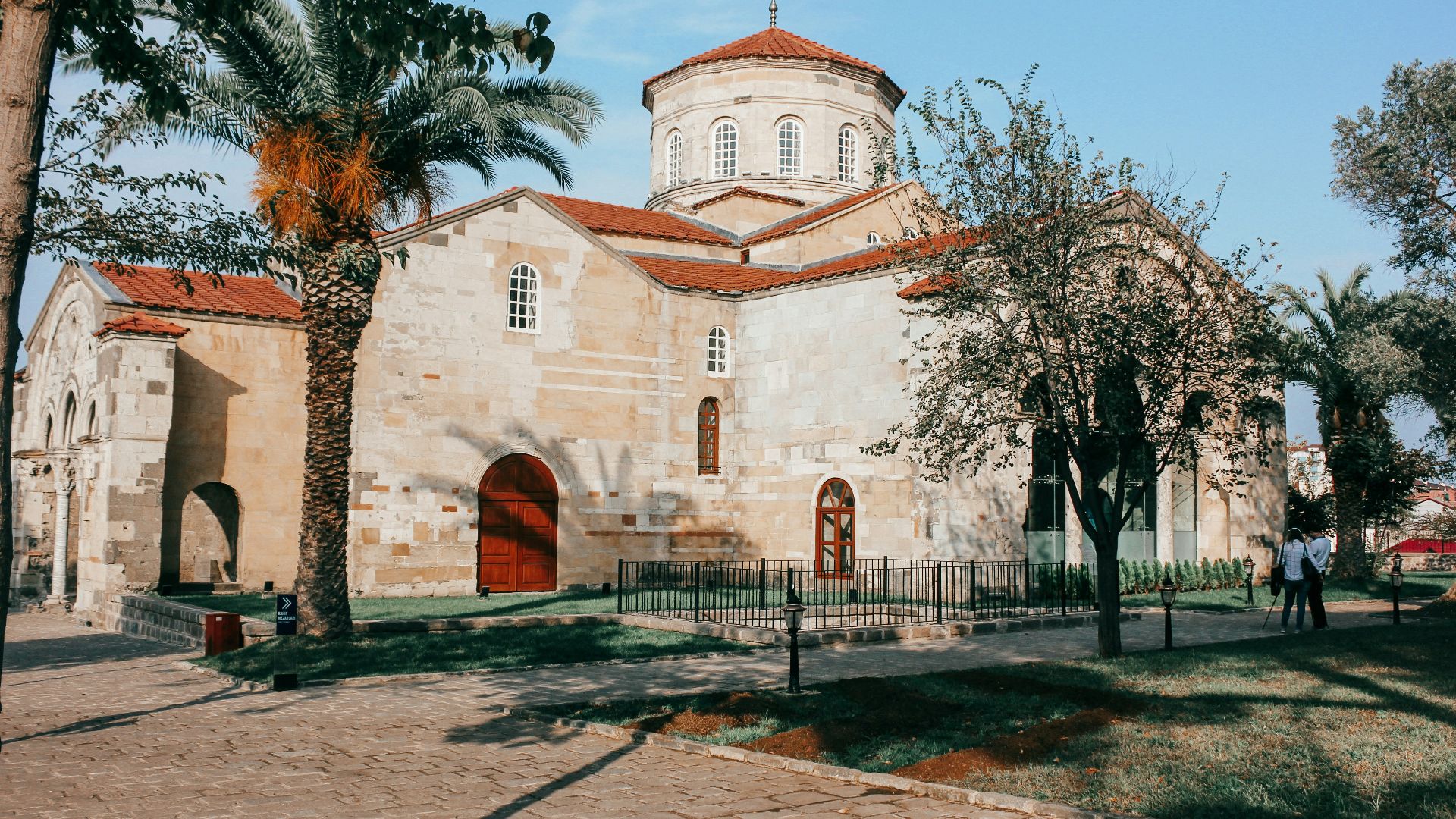
1. A Walkable Historic City
Old cities were built before cars mattered. Narrow streets, compact neighborhoods, and clustered attractions make wandering the point rather than the obstacle. You’ll spend more time noticing details instead of directions. Getting lost usually feels pleasant instead of stressful. Every turn tends to reveal something human-scaled and familiar.
2. A Beach Town With a Boardwalk
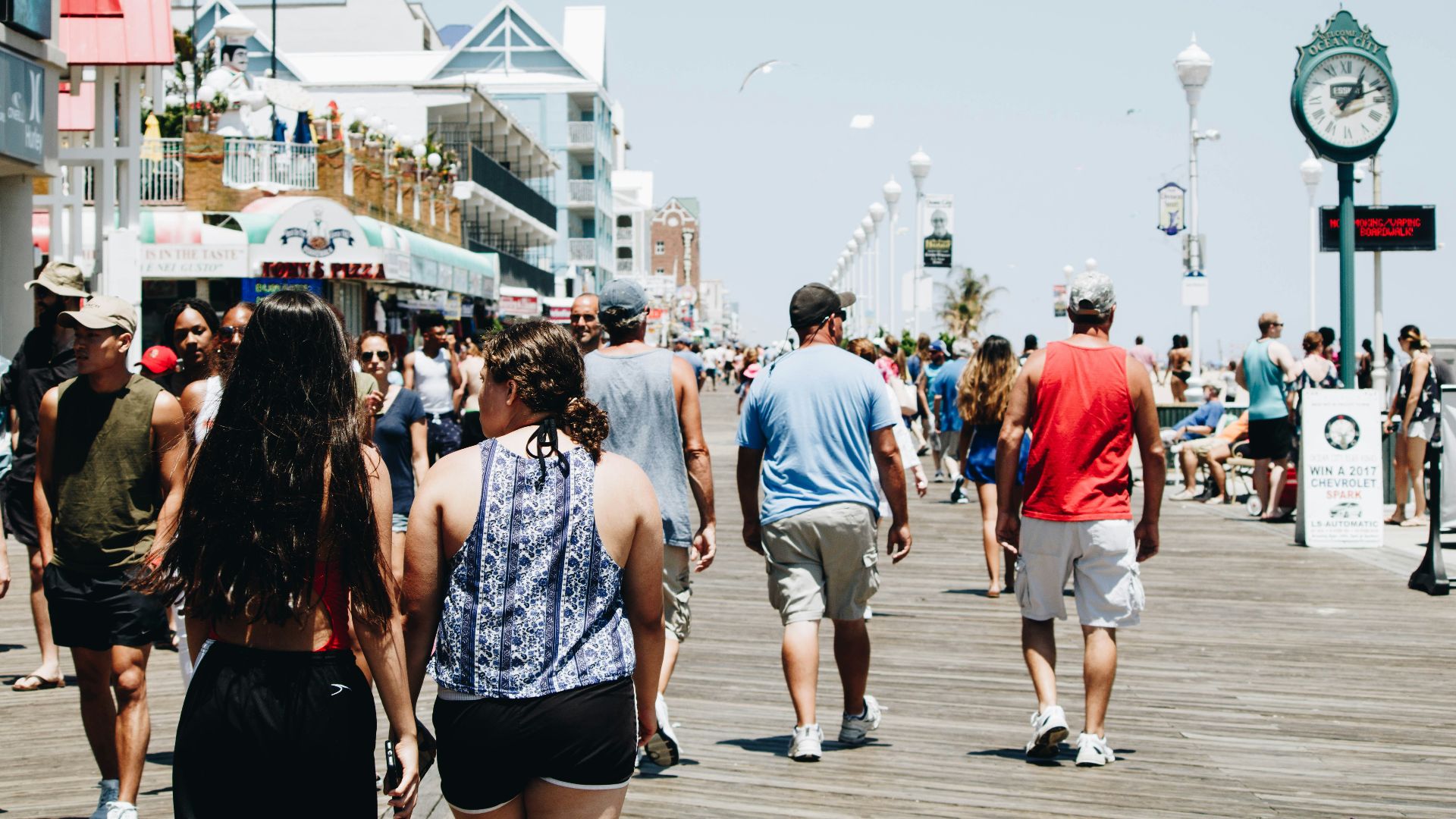
Boardwalk towns are designed for strolling, not traffic. Once you arrive, everything unfolds on foot, from food to views to late-night walks. The slower pace feels intentional rather than limiting. Days stretch longer without planned routes. You follow the shoreline instead of a schedule.
3. A College Town
College towns tend to be dense, lively, and transit-friendly. Cafés, bookstores, museums, and green spaces are usually within walking distance. The energy stays active even when you’re not rushing anywhere. There’s a rhythm shaped by class schedules rather than commuters. It makes the place feel alive at all hours.
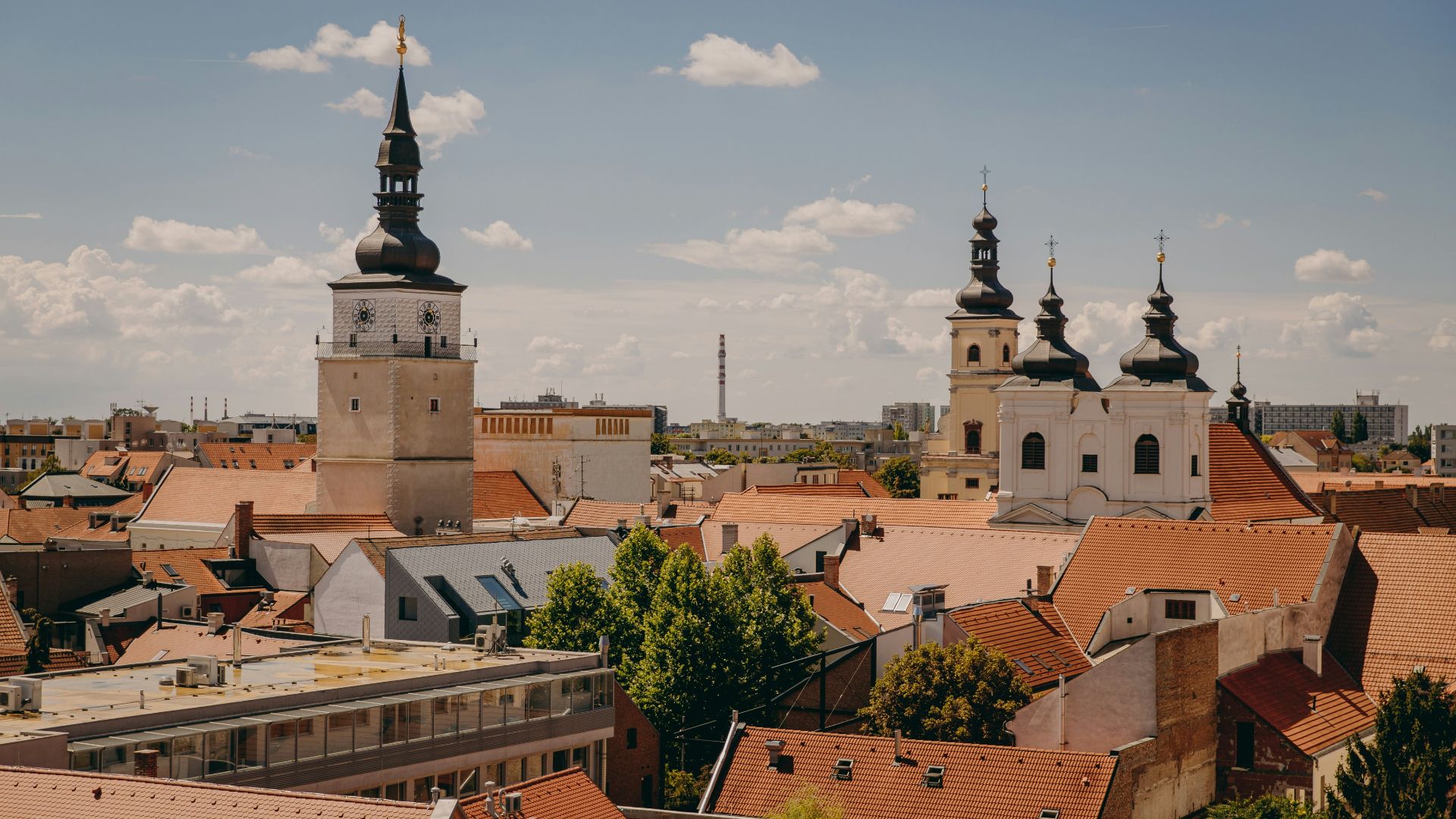
4. A Resort-Style Hotel Stay
Sometimes the destination is the property itself. Resorts are built to keep you on-site with dining, activities, and downtime all handled. You unpack once and don’t think about logistics again. Movement becomes optional instead of required. Even short walks feel deliberate rather than functional.
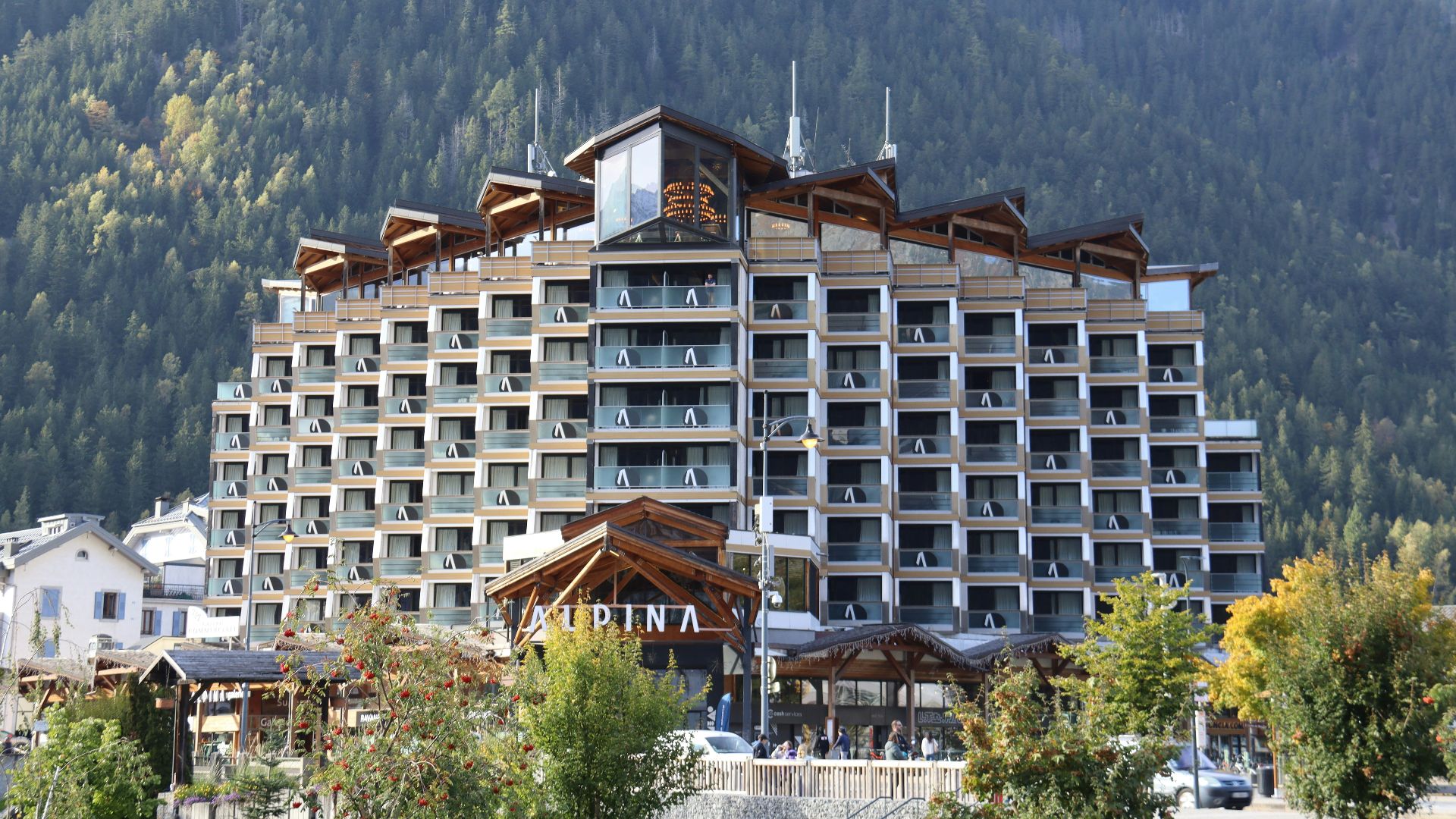
5. A Lakeside Town With a Ferry
Ferry-access towns often feel removed in the best way. Once you cross the water, life slows down immediately. Walking paths, waterfronts, and local shops replace traffic noise. The arrival itself feels ceremonial. That separation makes the weekend feel longer than it is.
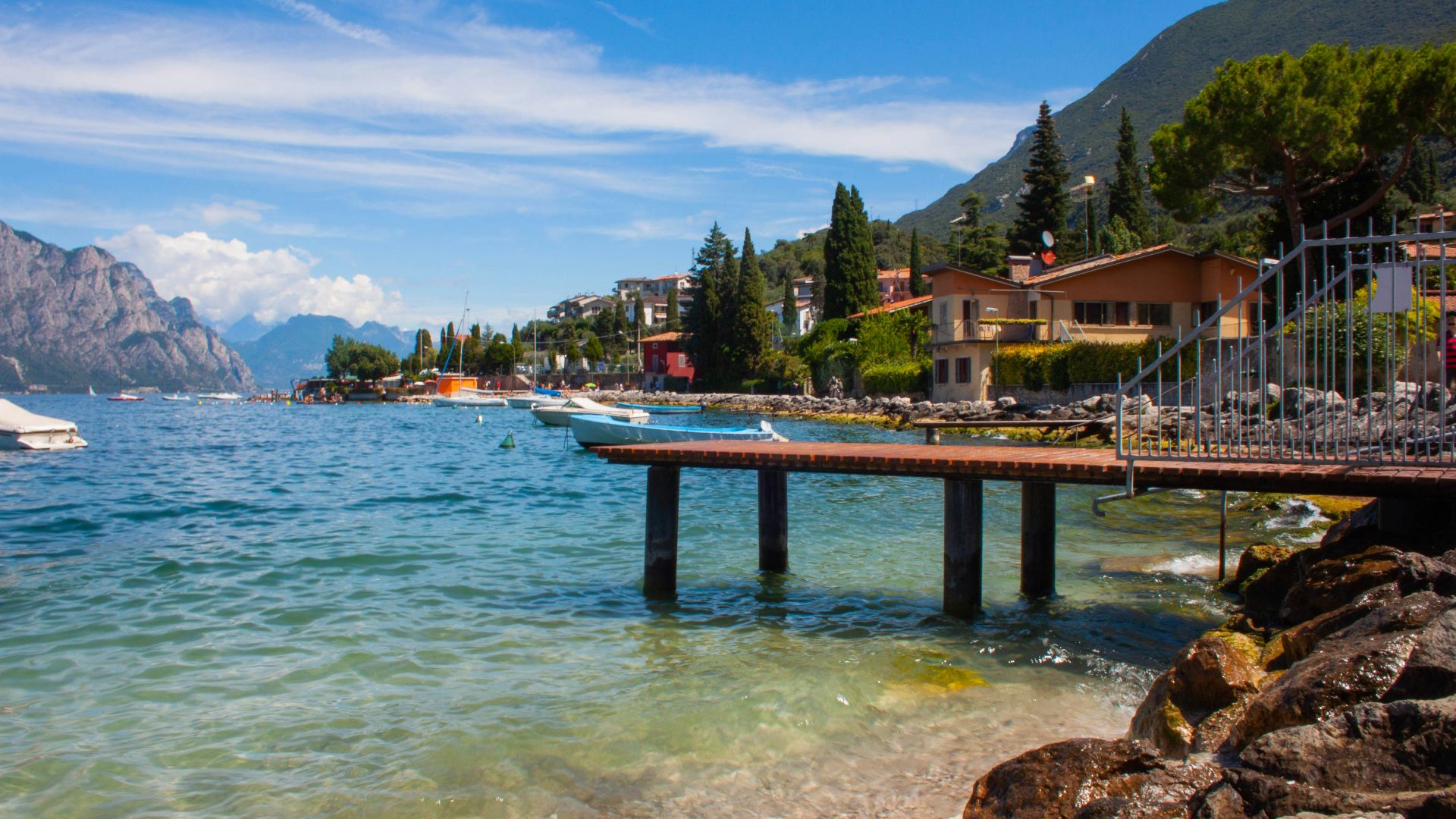
6. A Mountain Village Near a Train Stop
Some mountain towns are designed around a single arrival point. Trails, shops, and restaurants cluster tightly together. Nature feels close without requiring a long drive to reach it. You step off the train and into a different pace. Elevation does some of the mental work for you.
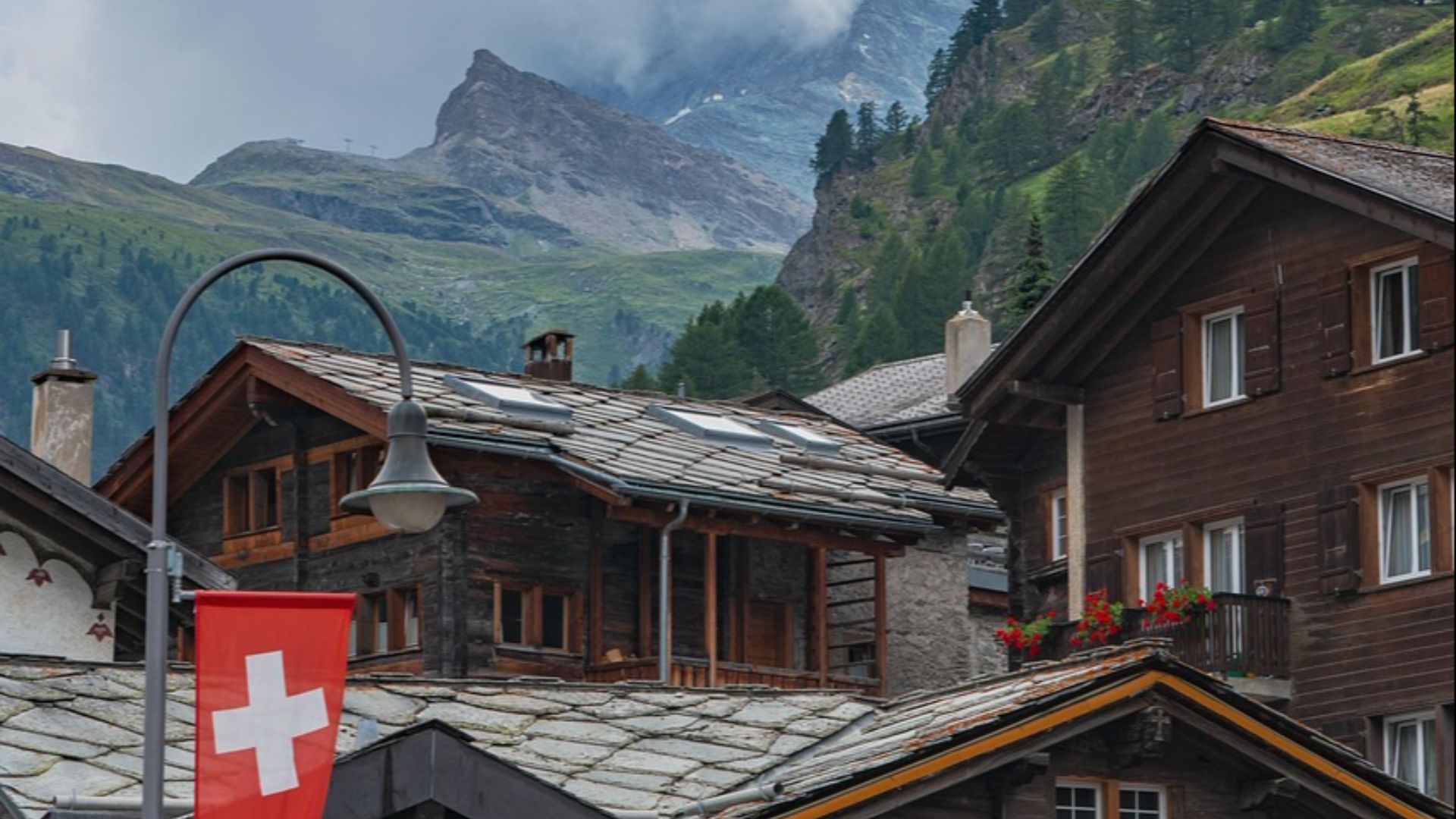
7. A Small Artsy Town
Art-focused towns tend to concentrate galleries, studios, and cafés into compact areas. Wandering becomes part of the experience. You can spend hours without covering much physical ground. Conversations feel unhurried. Creativity spills into everyday spaces.
8. A Food-Centered Neighborhood Getaway
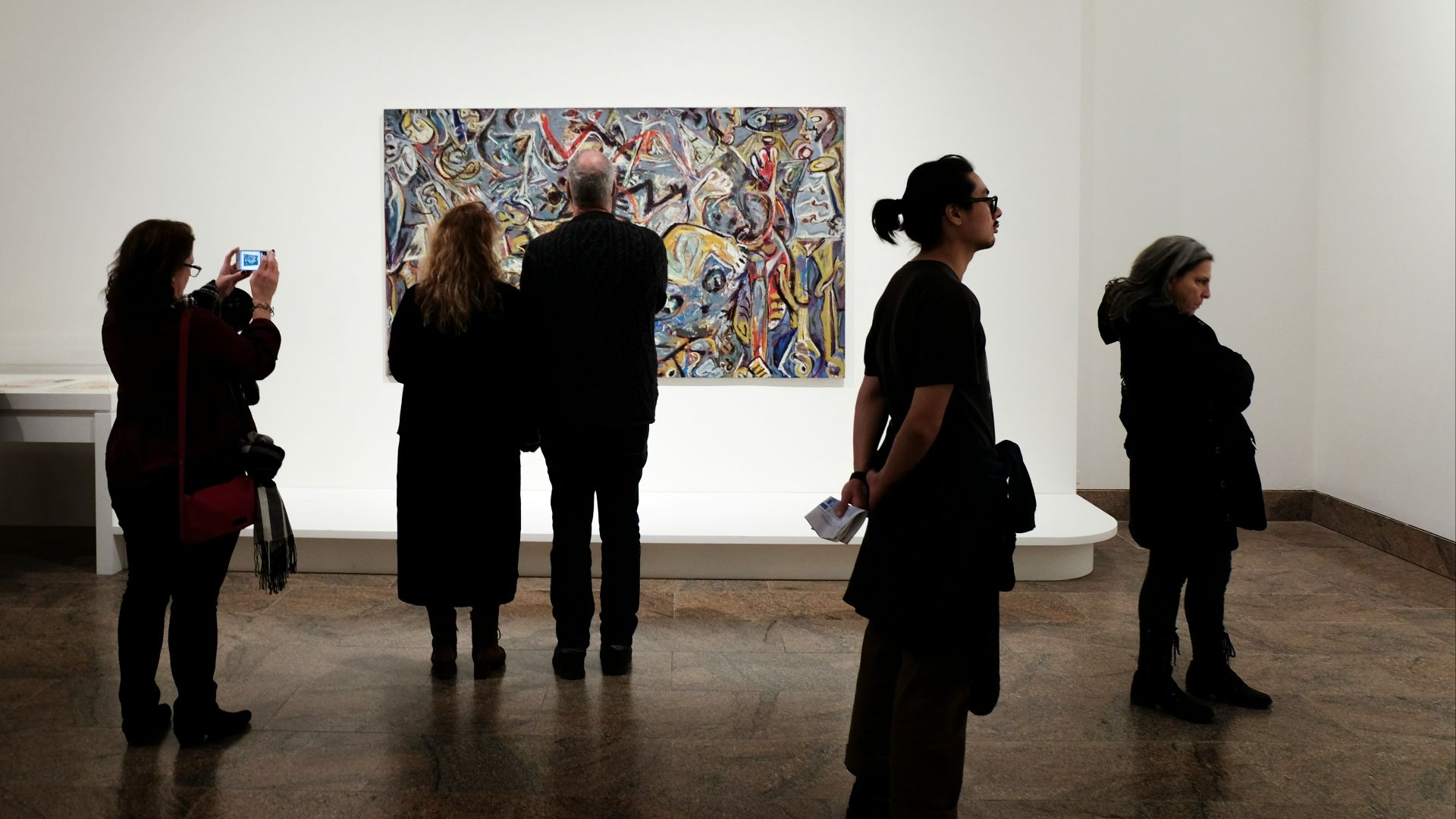
Sometimes the getaway is just one great neighborhood. You eat, walk, sit, repeat. Removing the car keeps the focus on flavor and atmosphere rather than distance. Meals naturally anchor the day. Exploration happens between courses.

9. A Riverfront City With Trails
River paths act like natural highways for pedestrians. They connect neighborhoods, parks, and landmarks effortlessly. Following the water becomes your sense of direction. The city feels easier to read this way. Movement stays calm even when the area is busy.
10. An Island Community
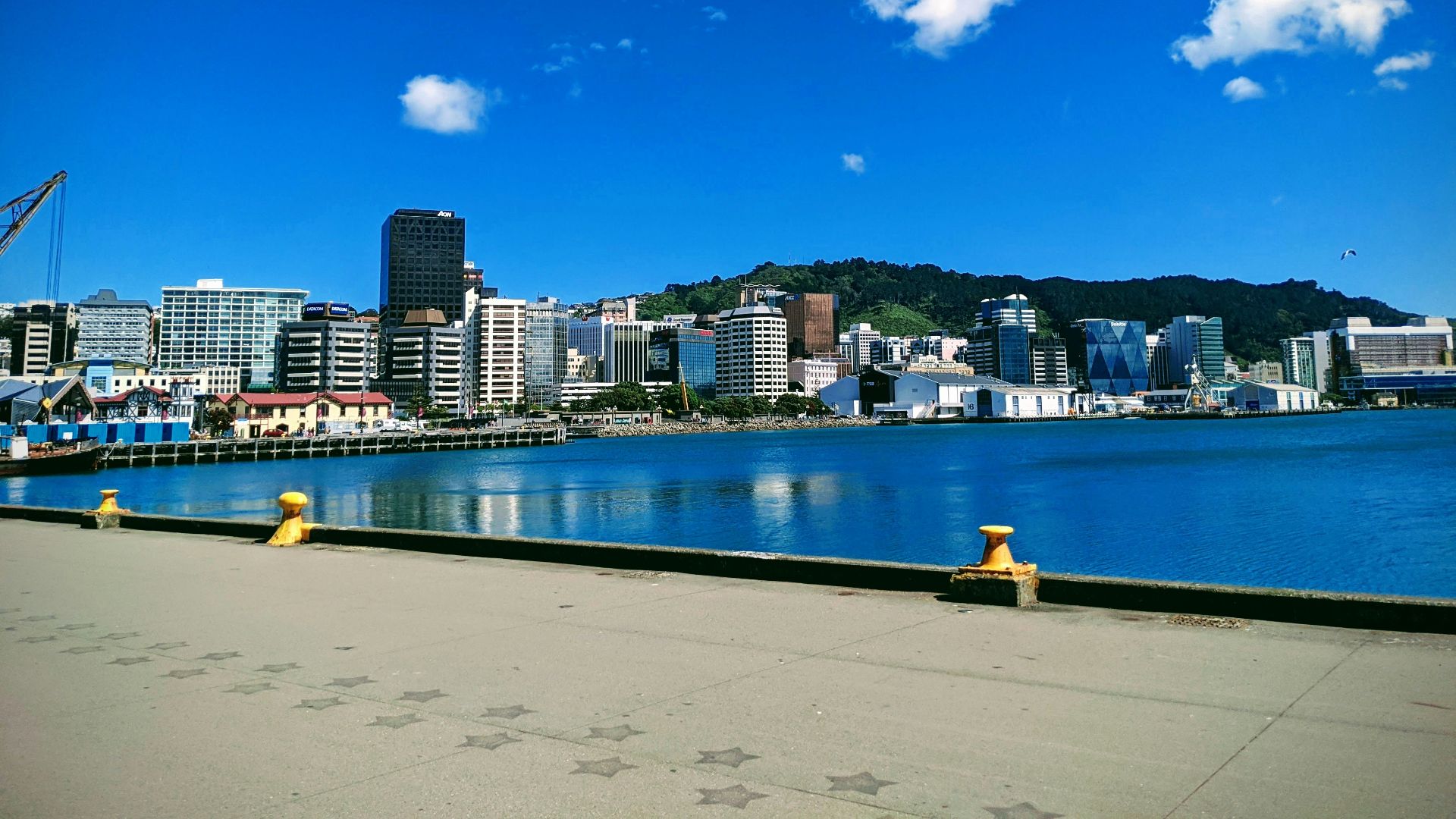
Islands naturally discourage cars. Distances shrink, and walking becomes the default. The separation itself makes the trip feel more intentional. You feel present faster, and everything unnecessary stays behind on the mainland.
11. A Spa or Wellness Retreat
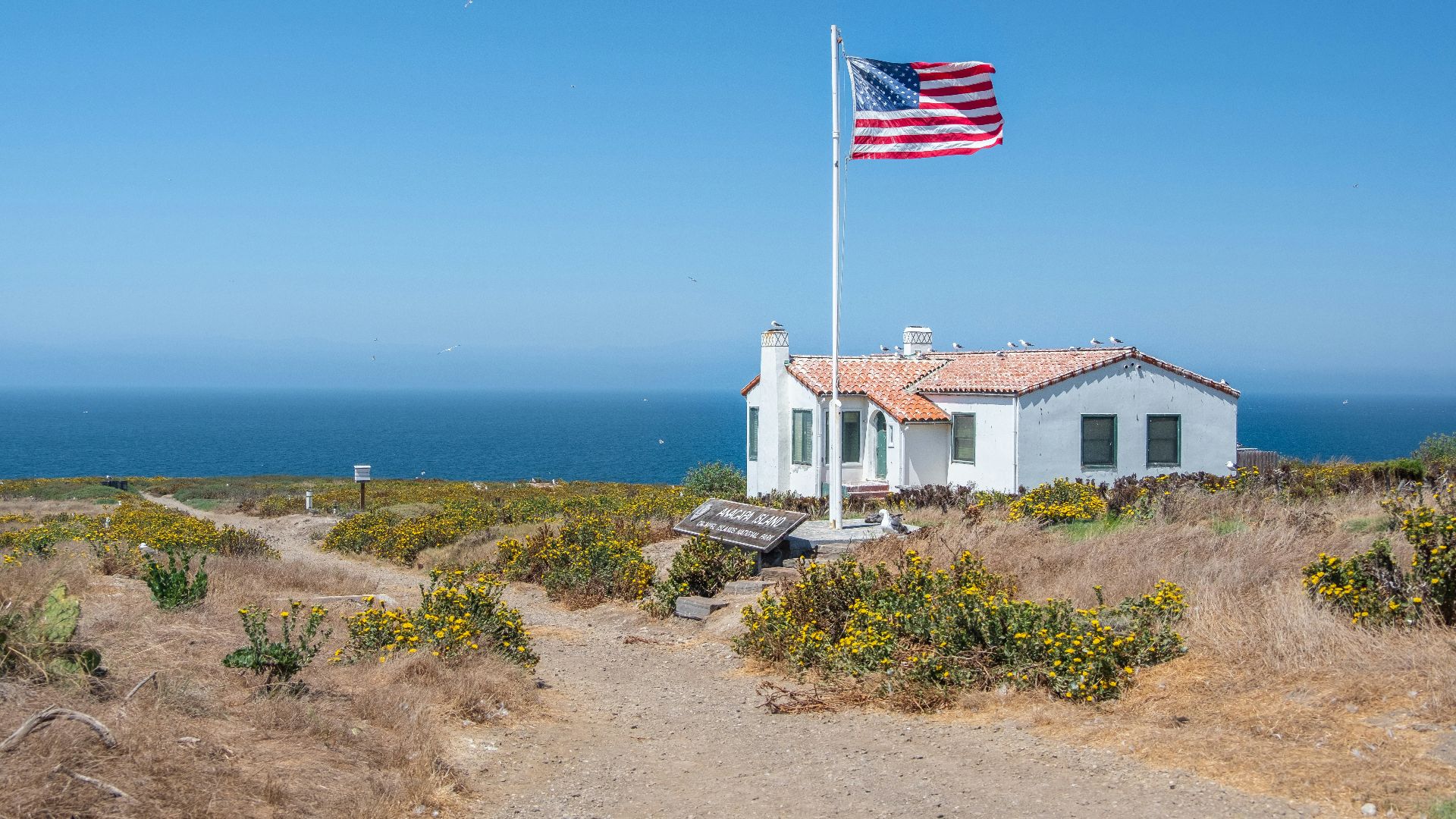
Wellness retreats are designed to slow you down completely. Everything you need is usually within the grounds or a short walk away. Not driving reinforces the whole idea of rest. Silence becomes easier to tolerate to the point that time stops asking to be productive.

12. A National Park Gateway Town
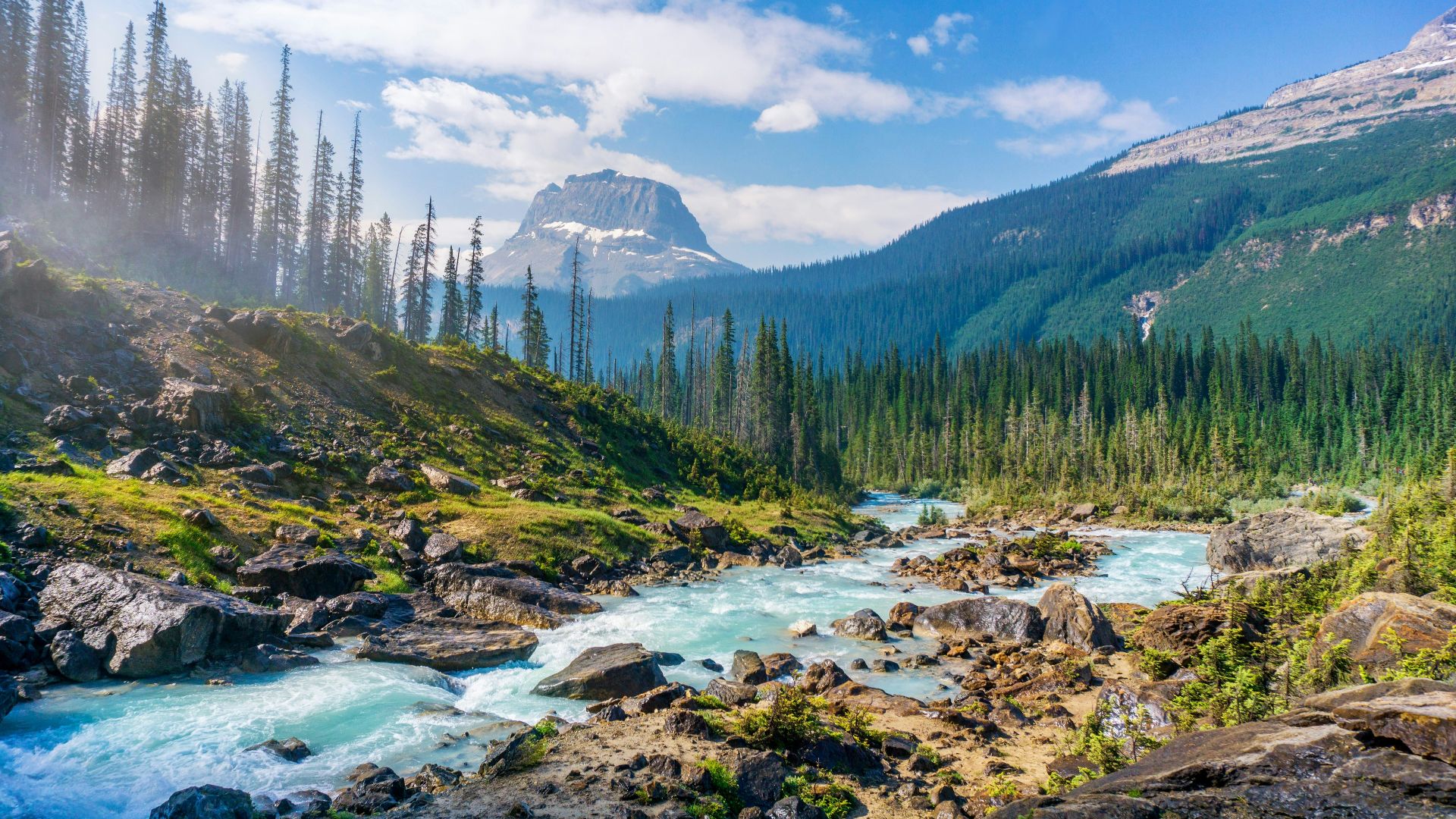
Some park gateway towns offer shuttles, trails, and walkable centers. You can experience nature without navigating back roads. The balance between access and simplicity works well for short trips. Planning becomes minimal. The landscape does most of the planning for you.
 Hendrik Cornelissen on Unsplas
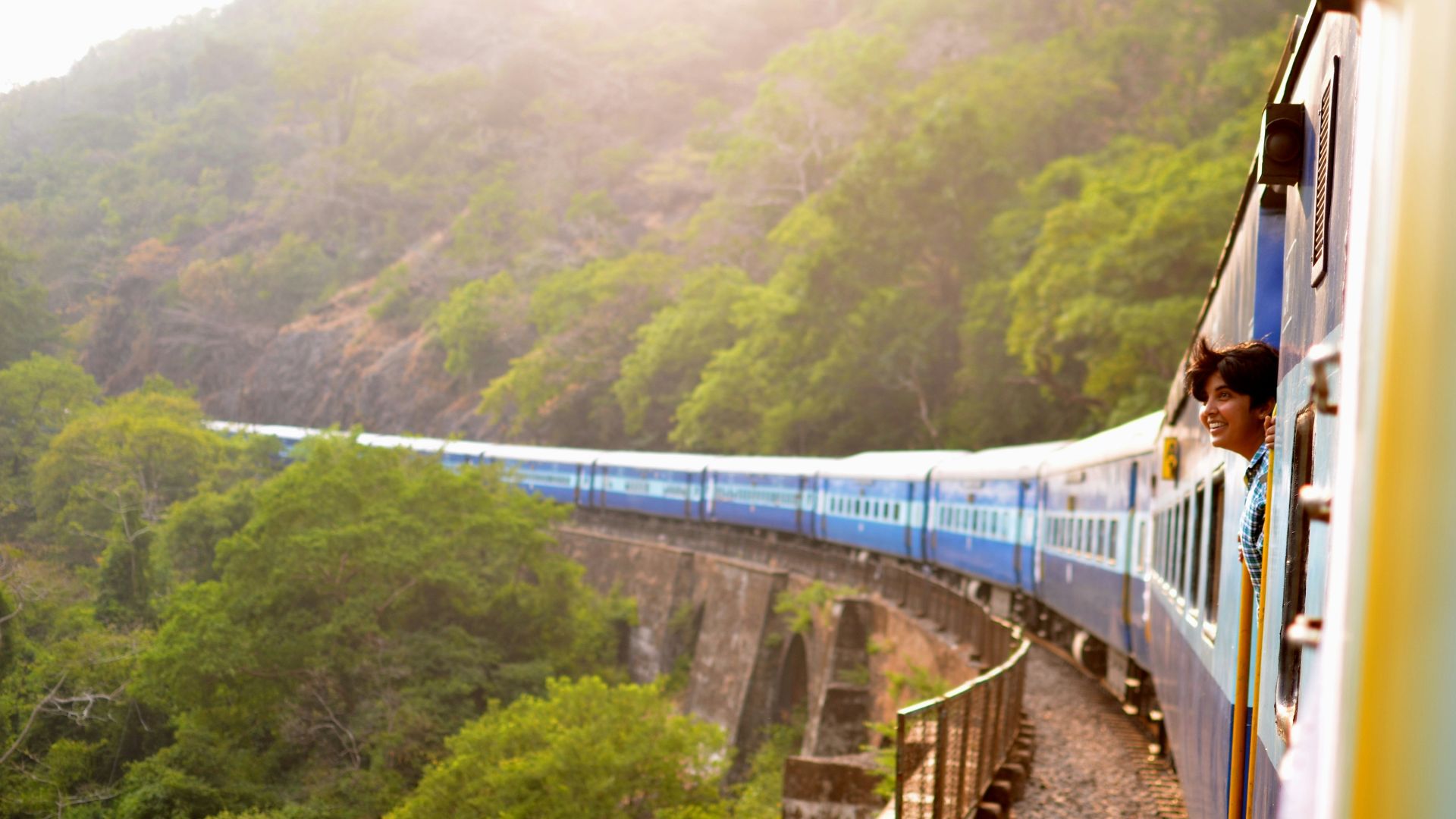
13. A Rail-Accessible City Break
Train-friendly cities reward travelers who arrive without a car. Transit networks make movement intuitive. You end up exploring more because it feels easy.
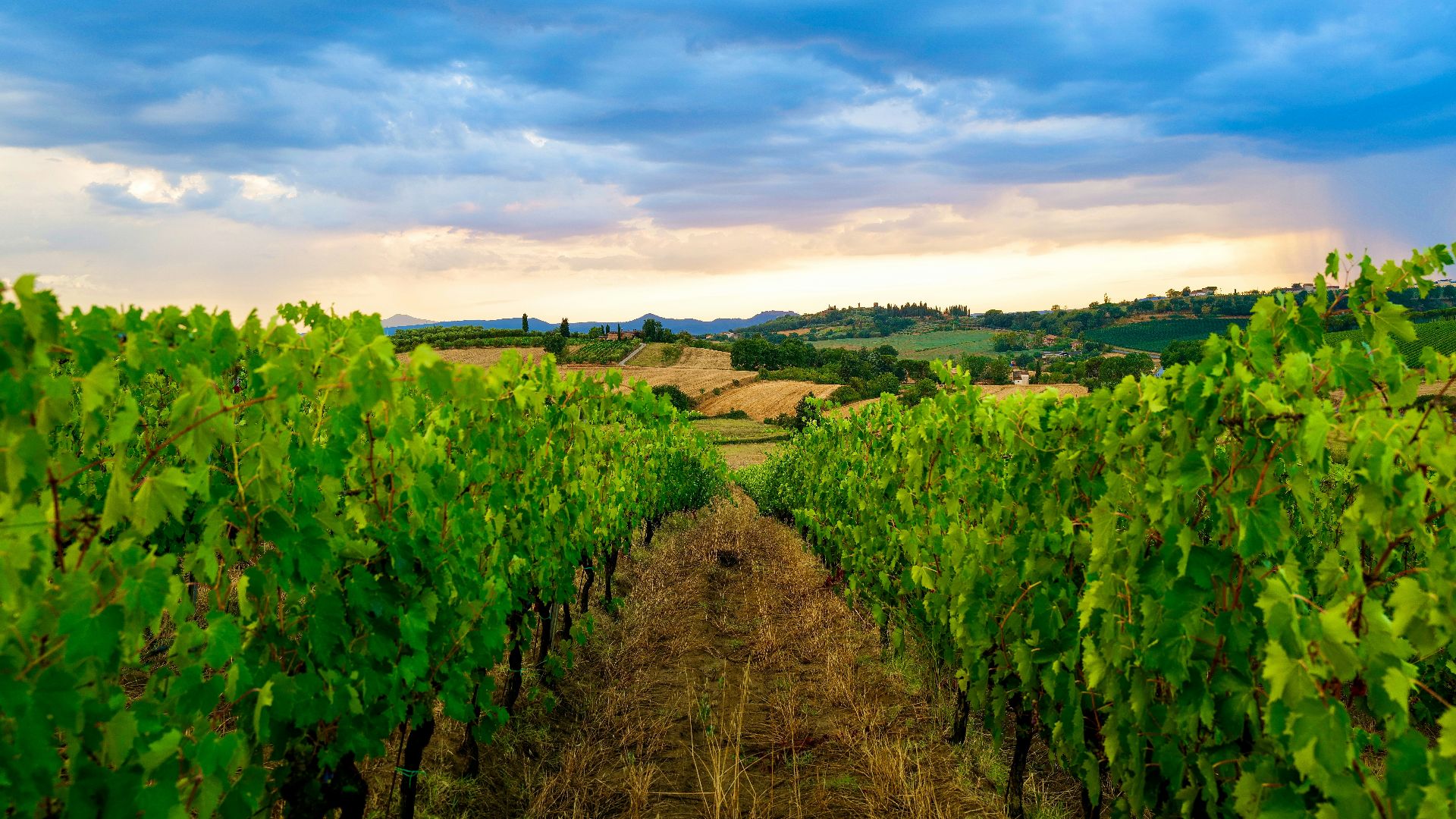
14. A Wine Region With Central Lodging
Staying centrally lets you walk between tastings or rely on local shuttles. The focus stays on experience rather than coordination. It also keeps things safer and more relaxed.
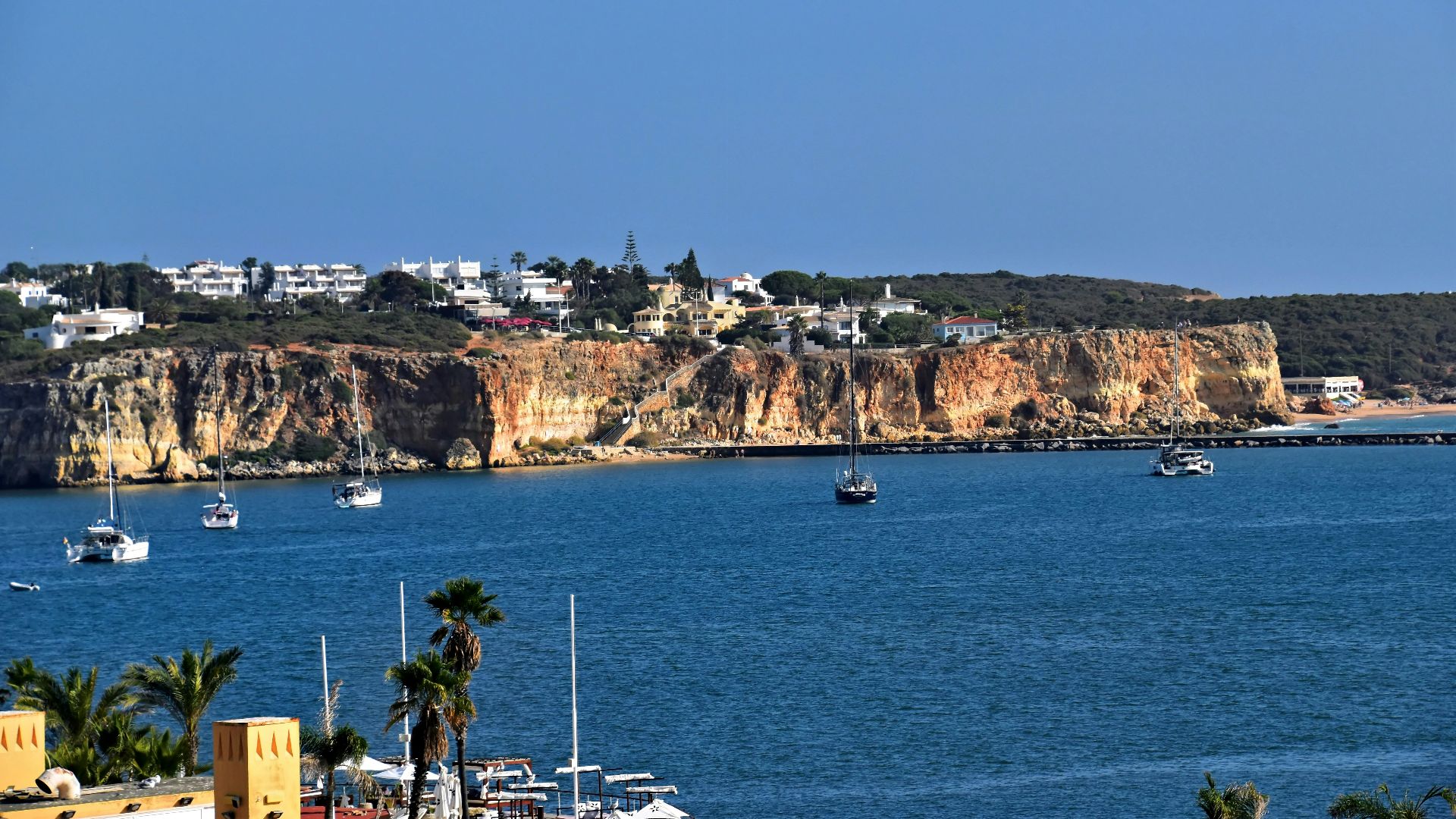
15. A Coastal Cliff Town
Cliffside towns are often compact due to geography. Paths connect viewpoints, restaurants, and beaches. Walking feels scenic rather than functional.
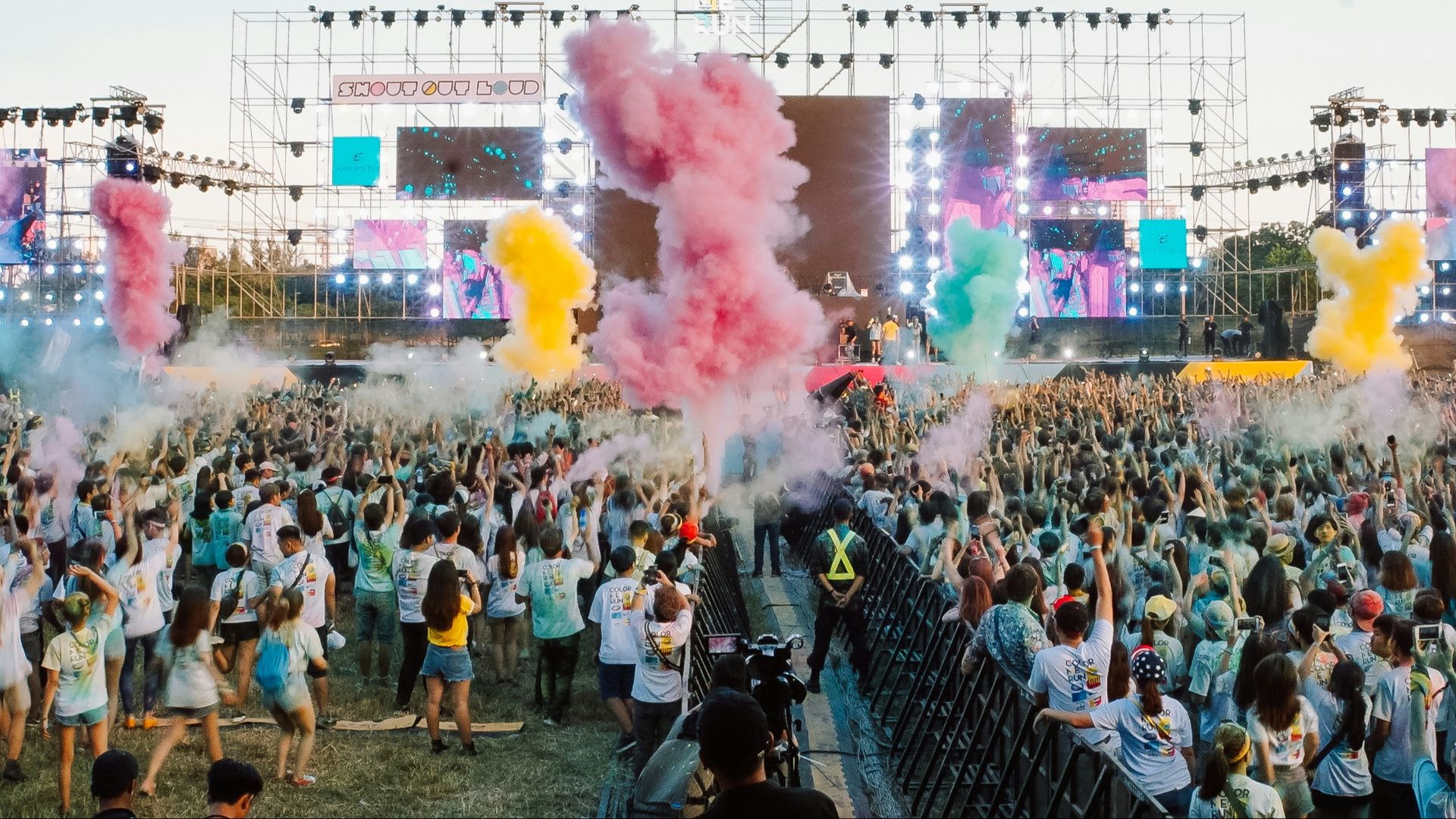
16. A Music or Festival Weekend
Festivals concentrate activity into one area. Once you arrive, everything radiates outward. The shared movement of crowds makes cars unnecessary.
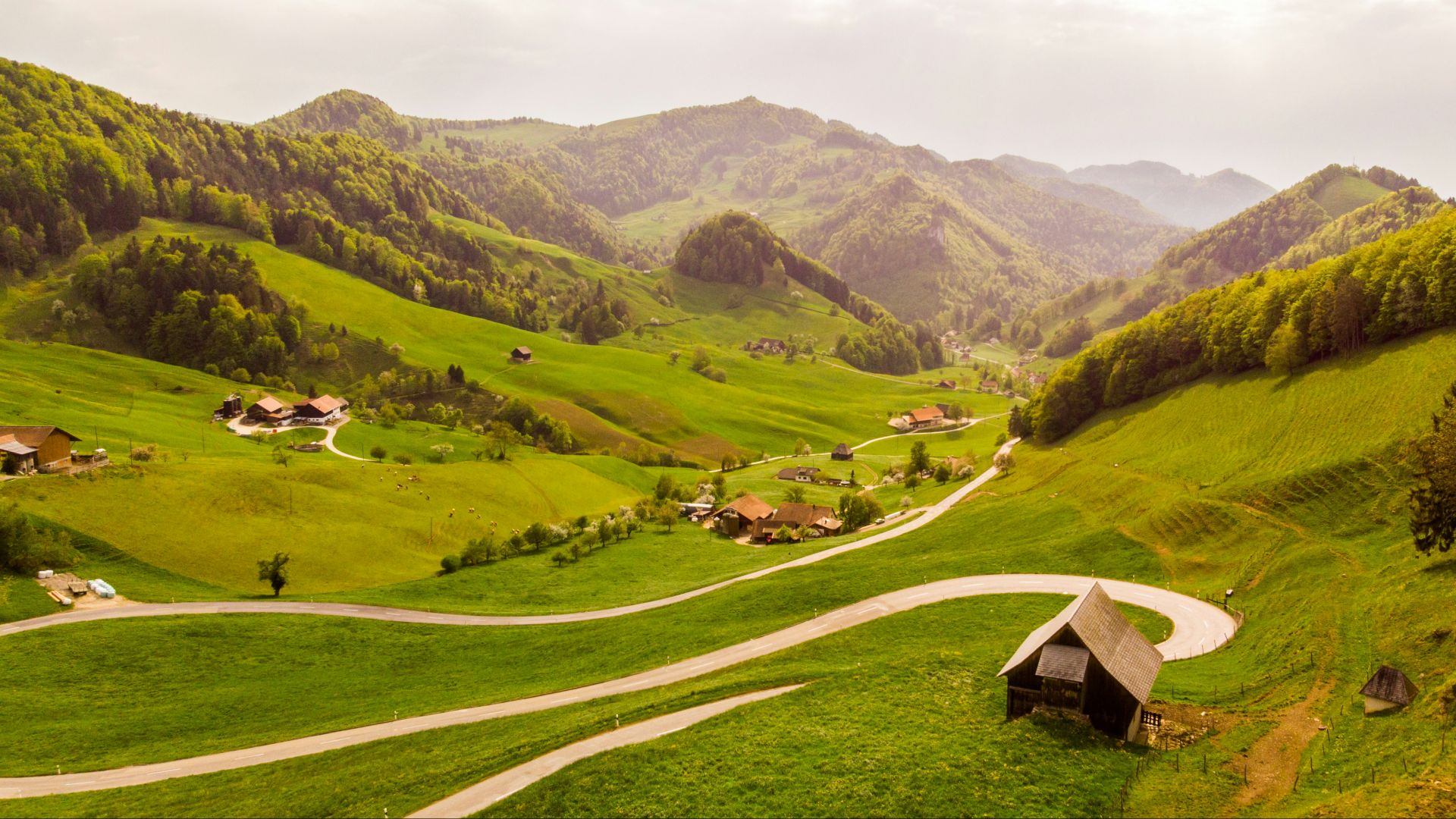
17. A Countryside Inn Stay
A single inn in a quiet area can be enough. Walking paths, nearby villages, and downtime fill the weekend naturally. Stillness becomes the attraction.
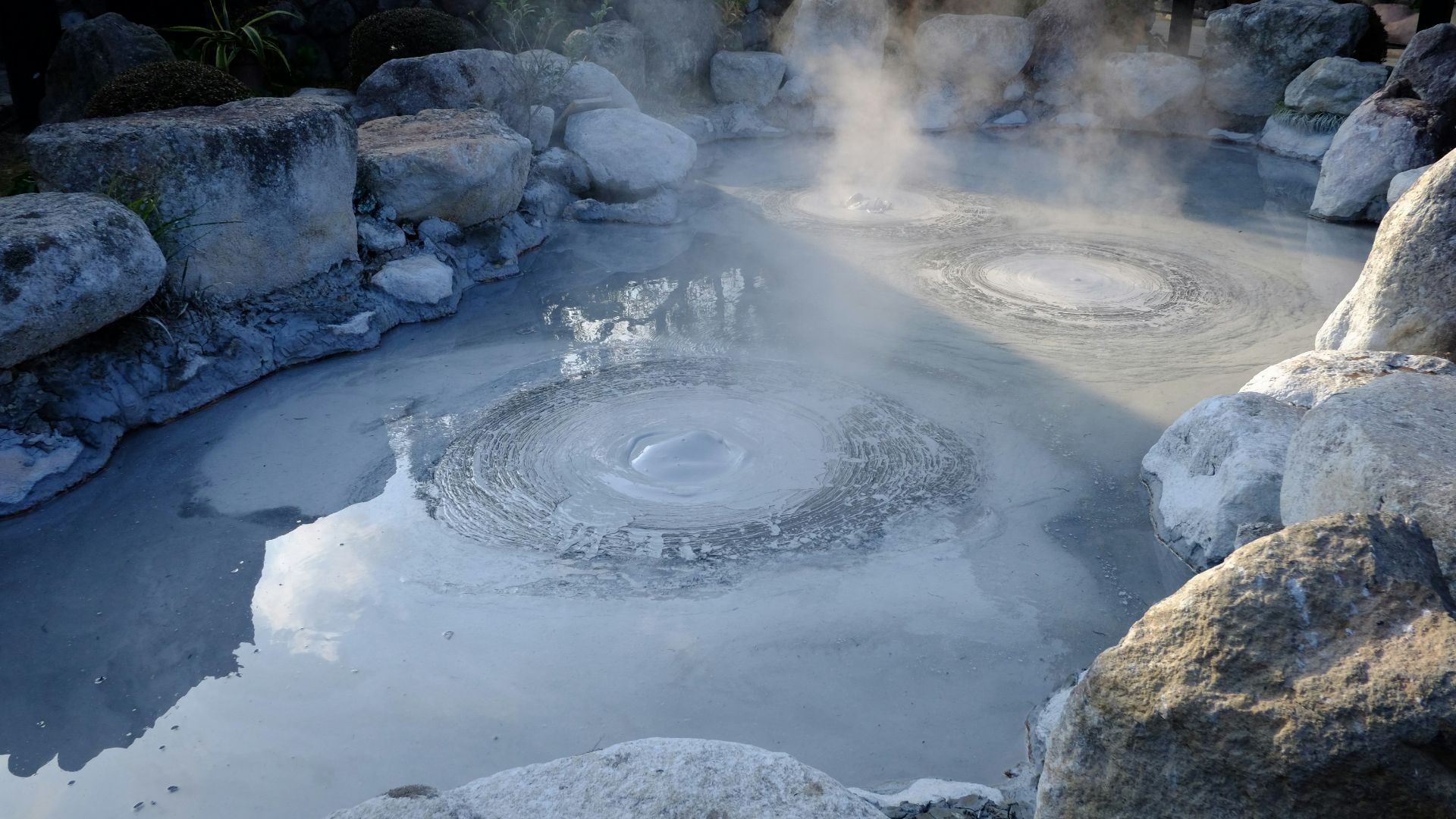
18. A Thermal Springs Town
Hot spring towns are built around soaking culture. Bathhouses, cafés, and lodgings stay close together. You move slowly by design.
19. A Compact European-Style City
Cities built before modern sprawl reward walking. Short blocks and mixed-use neighborhoods keep things lively. You don’t feel restricted without a car because the city wasn’t built for one.

20. A Staycation in a New Neighborhood
Sometimes the getaway is changing perspective, not location. Spending a weekend exploring a different part of your own city can feel surprisingly refreshing. No car needed, just curiosity.