
Set a Daily Budget While Travelling
Traveling should be an exciting adventure, but too often it's stressful because of a tiny mistake or big misstep. There are missed flights, running out of money, and awkward moments with locals. All of these are avoidable and shouldn't be chalked up to bad luck. Here are 20 ways to avoid getting in trouble while traveling.

1. Double-Check Your Travel Documents Before Leaving
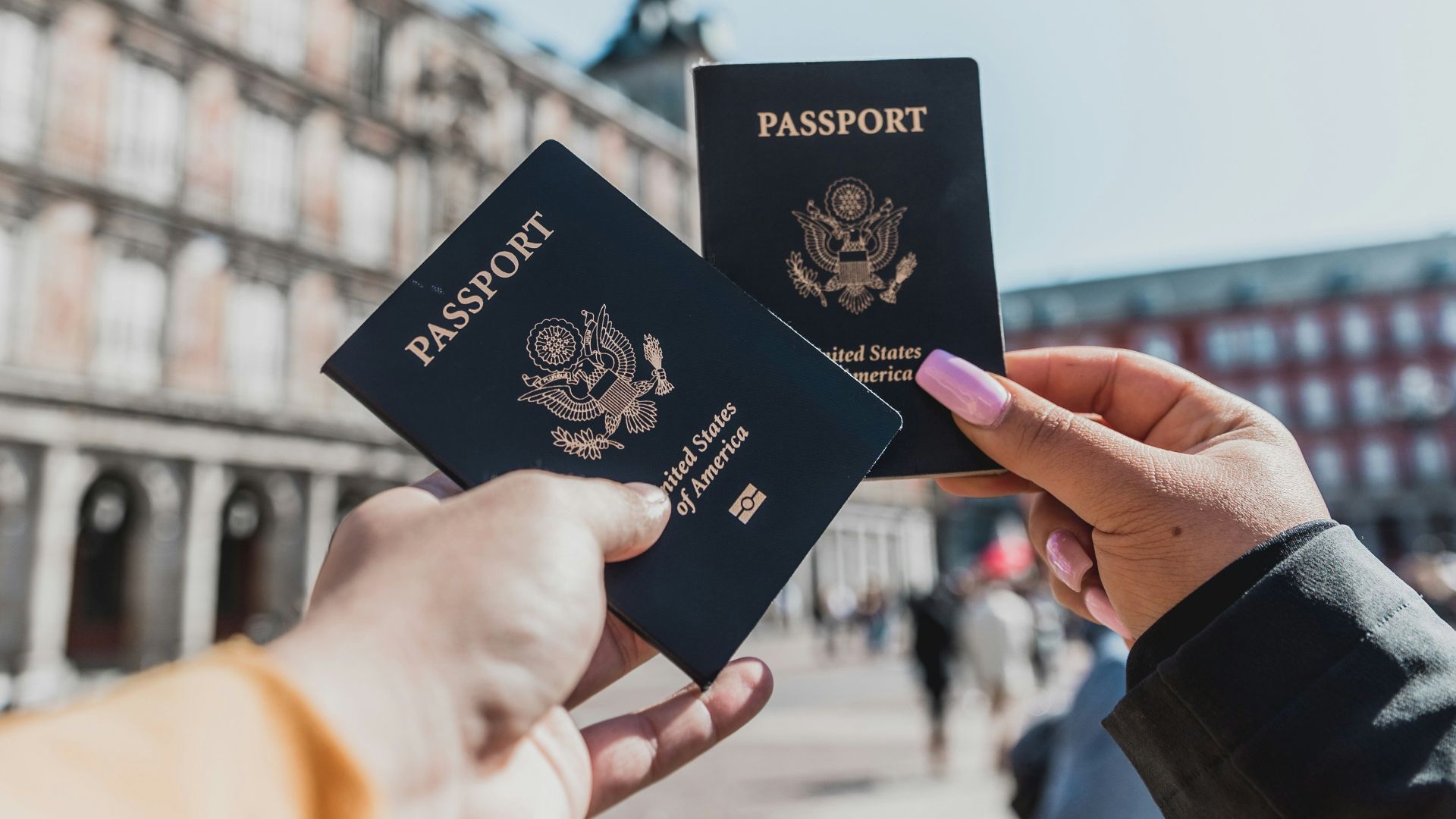
Before leaving for the airport, confirm that you have your passport, visa (if necessary), ID, and boarding pass in your carry-on. Make sure they are valid and accessible. A lot of travel issues start with an expired passport or missing paperwork, especially when traveling internationally.
2. Arrive at the Airport Extra Early
Airports are annoying and unpredictable. You'll have to deal with security lines, gate changes, weather delays, or last-minute bag checks. The best strategy is to show up a bit early to reduce your stress and have some flexibility in case something goes wrong.

3. Keep Your Essentials in a Carry-On Bag
A great tip is to never store critical items, like medication, chargers, valuables, or an extra set of clothes, in your checked luggage. Bags can get lost or delayed, and you don't want to be without an essential item. A well-packed carry-on gives you control over the items you rely on and will ensure you are prepared.
4. Set a Daily Budget and Track Your Spending
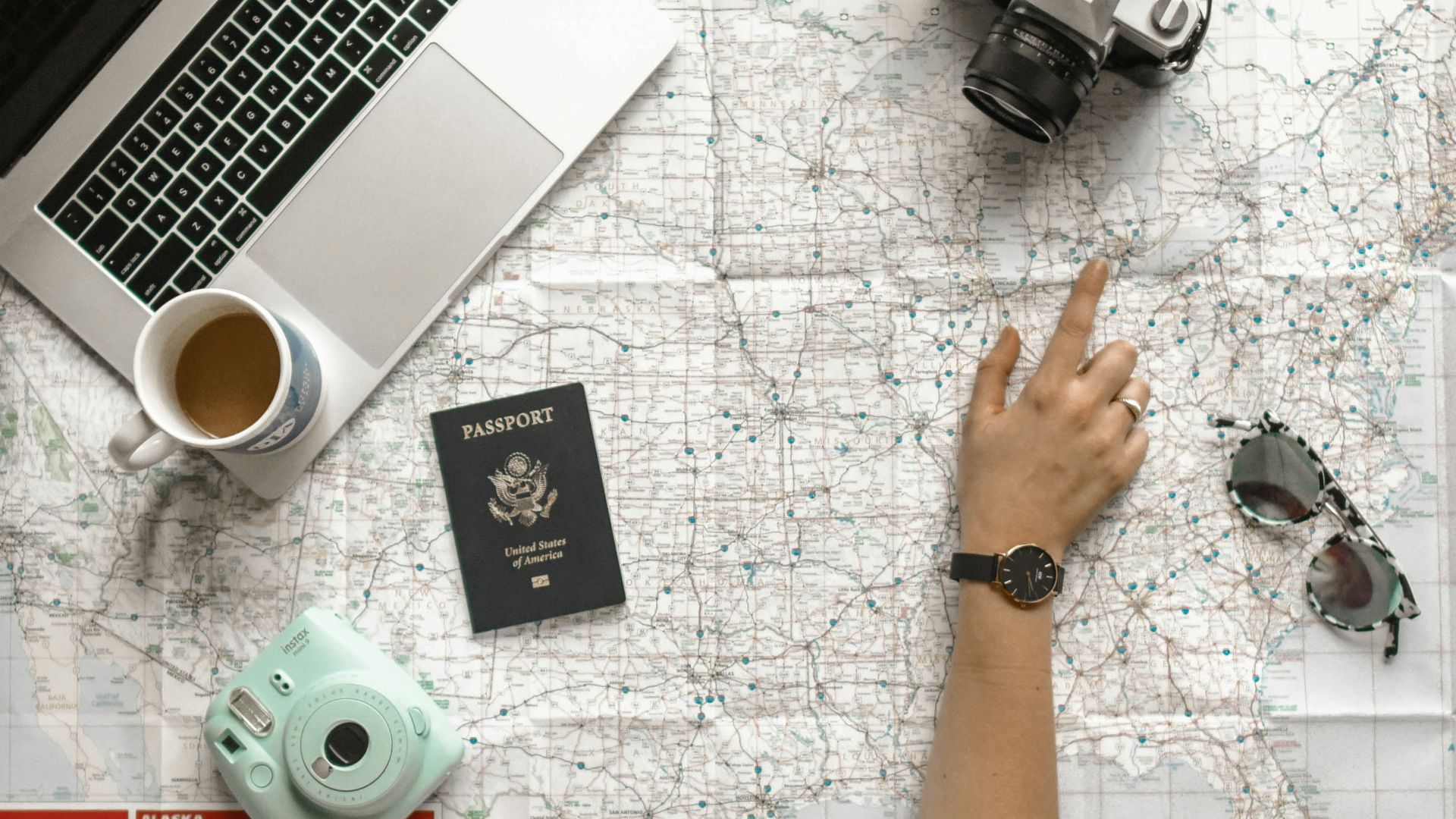
Running out of money while traveling is a nightmare, but it's also avoidable. Set a realistic daily budget and track your spending as you go. You can use an app or keep notes on your phone and stay aware of your spending patterns.
5. Notify Your Bank Before Traveling
Many banks automatically flag foreign transactions as suspicious activity. Let your bank know when and where you're traveling to prevent your credit cards or accounts from getting frozen. Also, confirm if you'll have to pay any foreign transaction fees and daily withdrawal limits.
 Ulises Guareschi Corvetto on Unsplash
6. Learn Basic Etiquette and Customs
Minor cultural misunderstandings can lead to awkward situations or instances where you offend a local. Before leaving, learn some basic customs, such as greetings, tipping norms, dress expectations, and public behavior. You don't have to master a culture, just show some effort and learn what it means to be respectful.
7. Keep Emergency Contact Information Handy
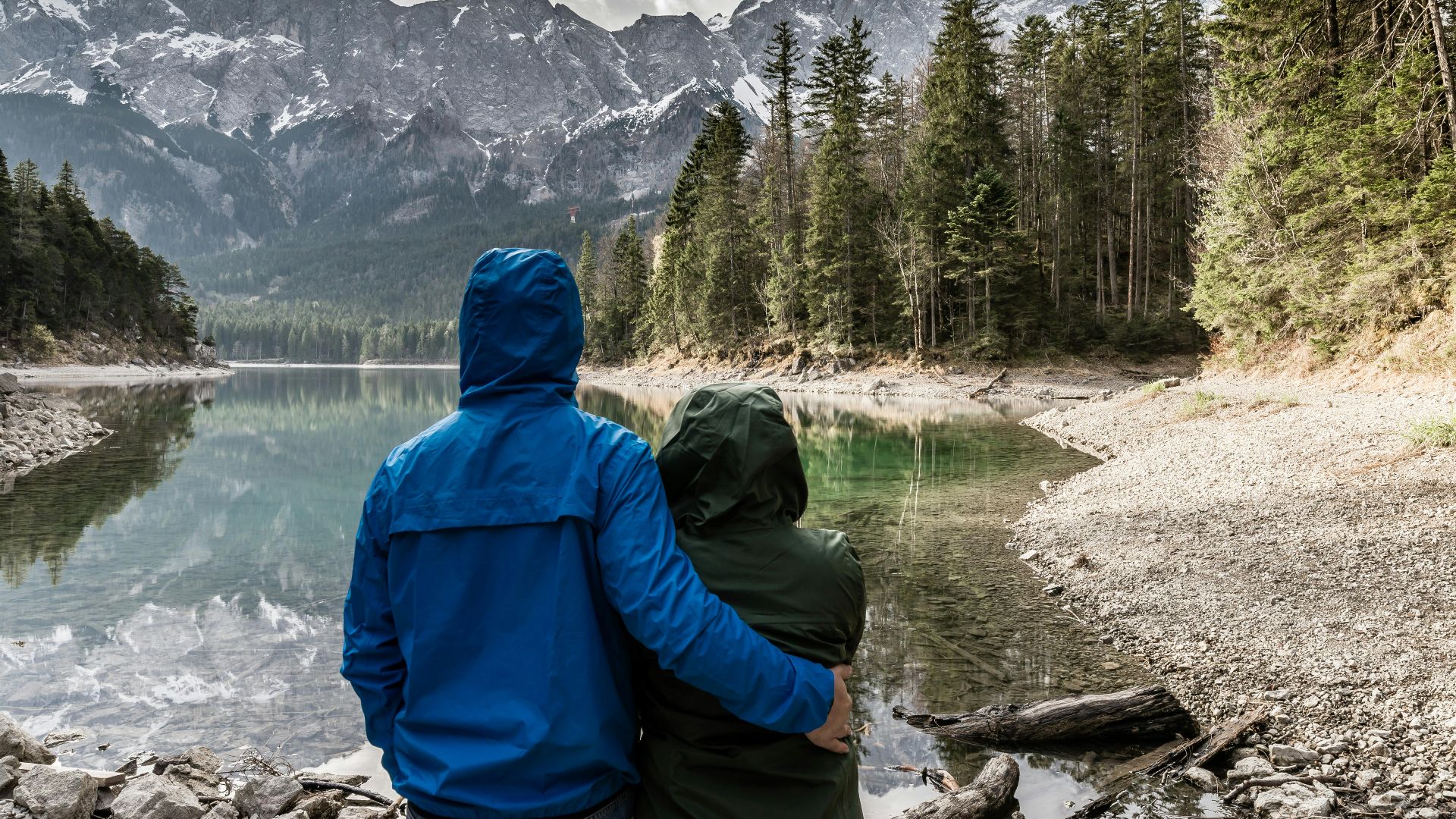
Store your emergency contacts in your phone and in a physical notebook. Include local emergency numbers, your embassy or consulate contact, and phone number and email of someone back home. This will come in handy if your phone gets lost.
8. Stay Aware of Your Surroundings
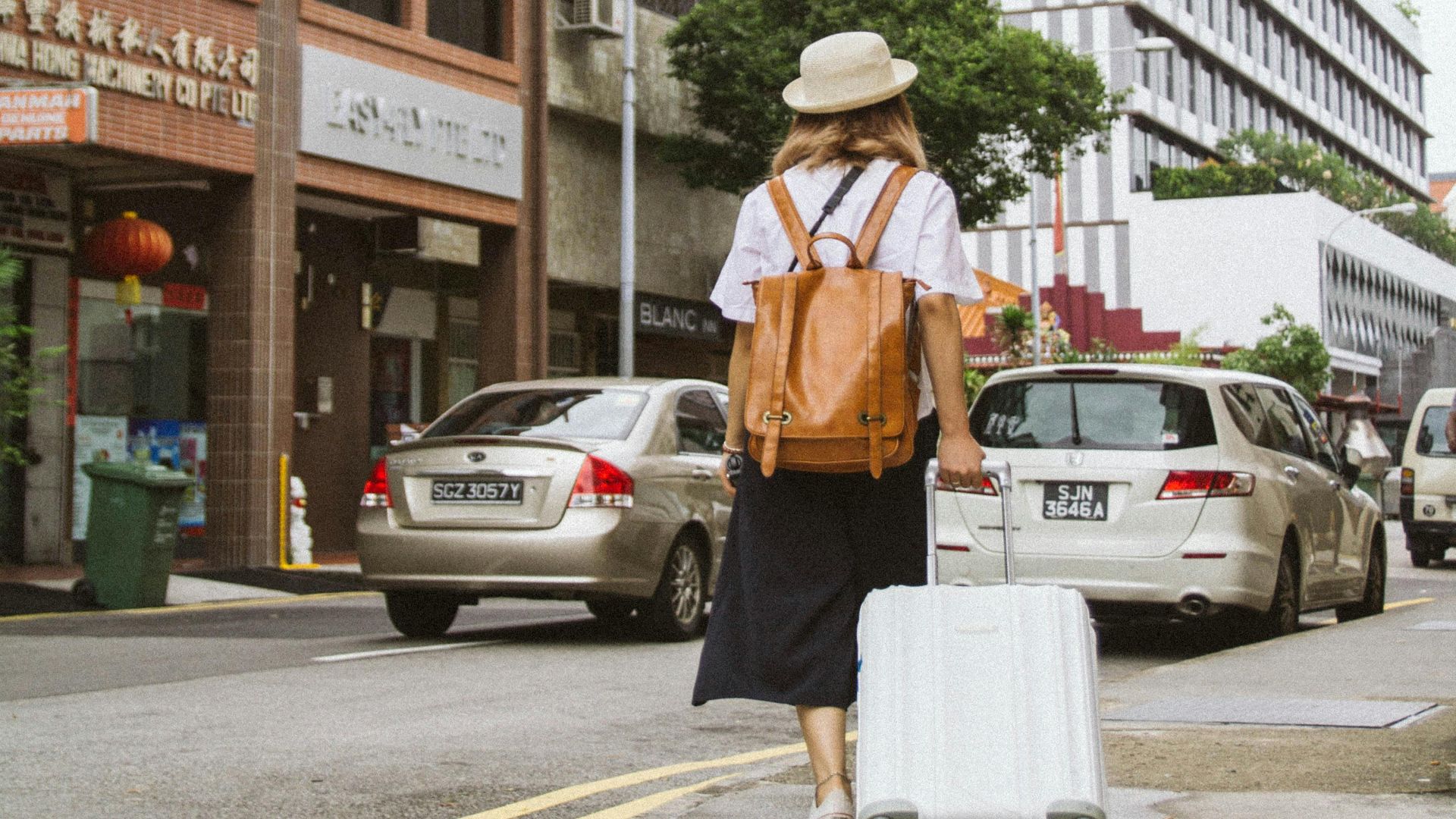
You can stay alert without being anxious and ruining your fun. Remain observant as you travel by paying attention to where you are, especially in crowded areas, transit hubs, or unfamiliar neighborhoods.
9. Respect Local Laws
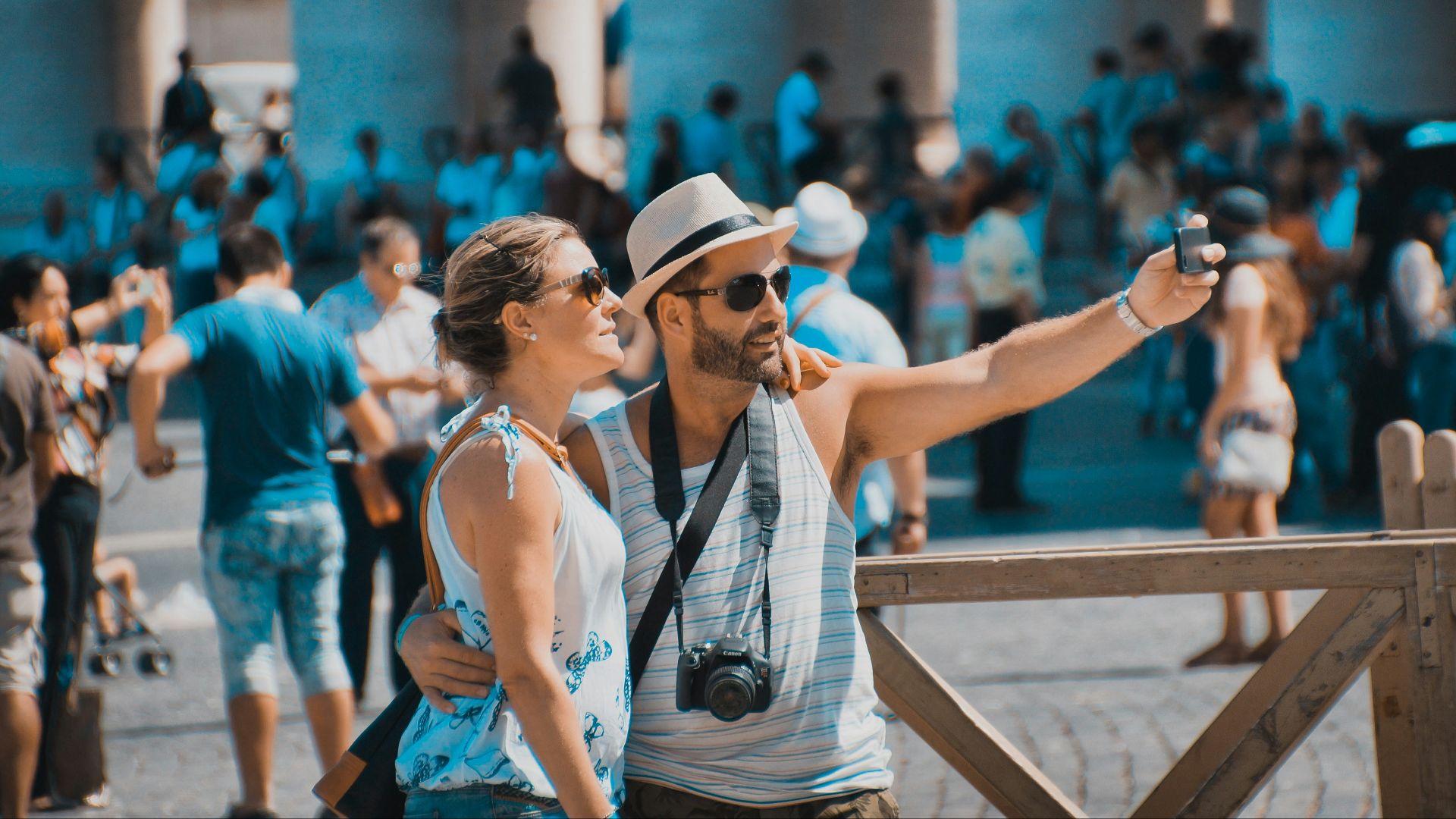
Laws vary per country, and what's acceptable at home may be a big no-no somewhere else. Research common legal differences, including rules around alcohol, photography, and public behavior.
10. Keep a List of Important Addresses
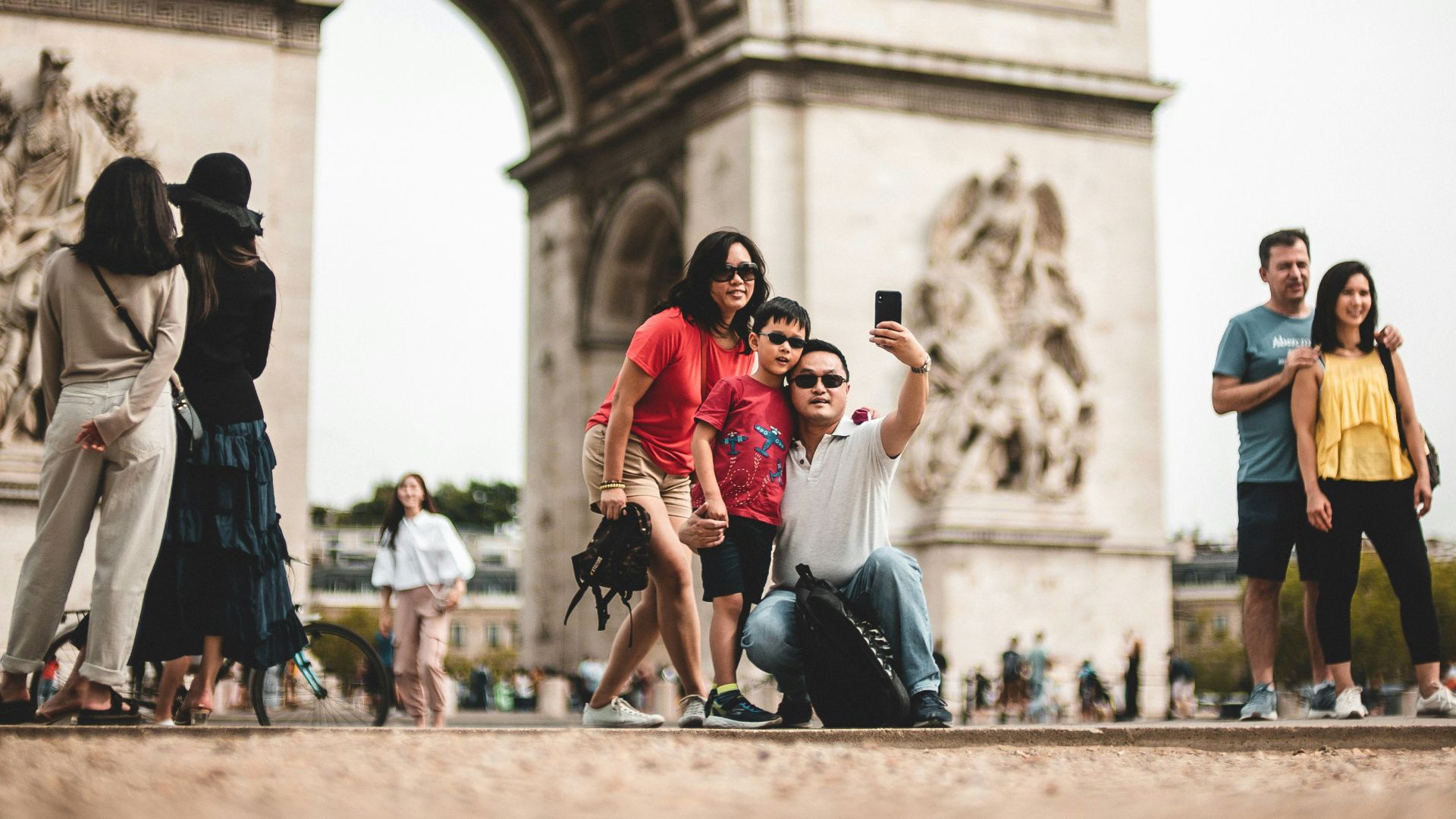
We are overly reliant on technology, though it can fail at any time. Write down the address of your hotel, key landmarks, and transportation hubs in case your phone gets lost or the battery dies.

11. Don't Overschedule Your Days
Trying to do too much every day can lead to a lot of stress. When you overschedule, you are more likely to miss a connection or forget a detail.

12. Use Reputable Transportation Options
Stick to licensed taxis, verified rideshare services, or well-reviewed public transportation. Never accept rides from strangers or take any unnecessary safety risks just to get somewhere on time.

13. Keep Copies of Reservations and Tickets
Save offline copies of hotel bookings, tour reservations, and flight confirmations. You can print these or take screenshots in case a dispute arises, or you have check-in issues.

14. Dress Appropriately
What you wear can affect how you're treated or if you're even allowed into a place. Research dress expectations for religious sites, restaurants, and public spaces.

15. Learn Some Basic Phrases in the Local Language
Learning to say "hello", "please", and "thank you" in the language of the place you will be traveling to can improve interactions significantly. Locals might even appreciate the effort, and misunderstandings can be avoided, even if your pronunciation is comical.

16. Keep Your Phone Charged and Carry a Portable Charger
Your phone is your map, translator, and wallet. It's also how you'll get out of most emergencies. Carrying a portable charger ensures you won't be left stranded without access to essential information.

17. Avoid Displaying Your Wealth
Expensive jewelry, large amounts of cash, or high-end gadgets can attract unwanted attention. Keep a low profile to reduce the risk of getting robbed, pickpocketed, or scammed.

18. Be Aware of Local Tipping Customs
Tipping is different across countries. In some places, it's expected, and in others it's optional or even discouraged. Research tipping customs before going on a trip to avoid an awkward moment where you accidentally disrespect a server or bartender.

19. Know Where To Go For Help
Before traveling, learn where the hospitals, pharmacies, and police stations are located. You should also be aware of the address of your country's embassy or consulate. This can save you valuable time during an emergency.

20. Trust Your Instincts
While traveling, trust your gut if a situation feels uncomfortable or unsafe. You don't need a clear reason to leave a situation, but listen to your instincts to avoid a scam or potentially dangerous environment.