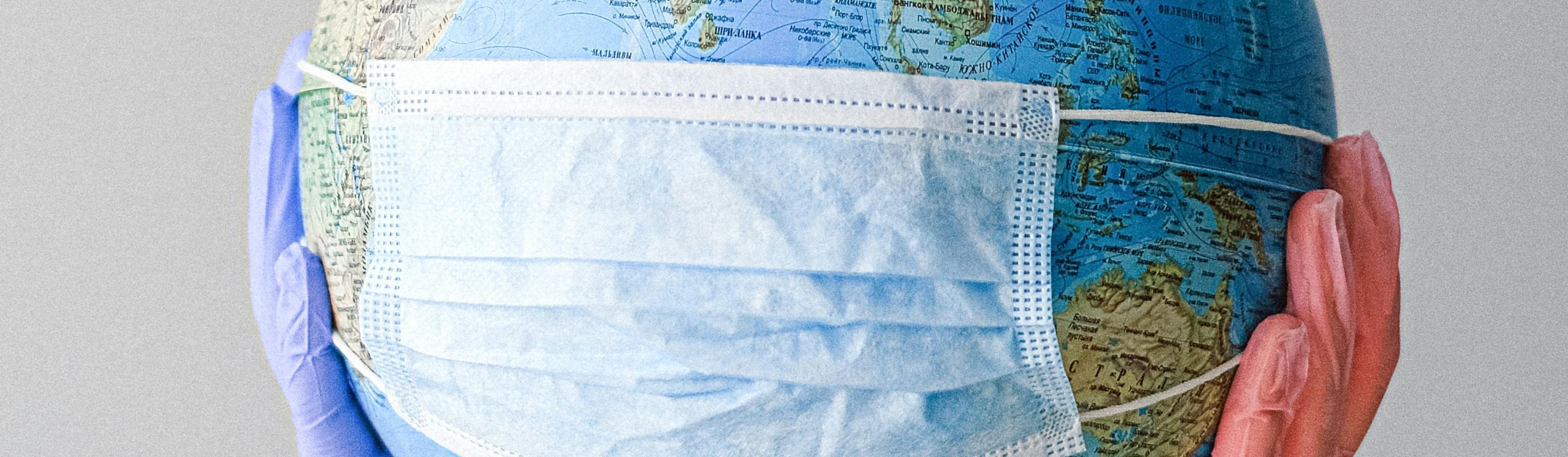

Airports look familiar again with long security lines, overpriced coffee, and that constant low hum of rolling suitcases on terrazzo floors. Despite the familiar scenes playing out in airports the world over, the reality is that travel never fully snapped back to its old routine. Health checks faded but then returned in new forms. Some countries dropped COVID-era requirements entirely, while others kept pieces of the system alive. Not all customs agents ask questions, but enough still do that ignoring the paperwork can ruin a trip.
COVID Passes Mostly Faded, but Not Erased
Most countries no longer require proof of COVID-19 vaccination or testing for entry. According to the World Health Organization, international travel restrictions tied directly to COVID were largely lifted by 2023 as global emergency declarations ended. Boarding passes stopped coming with disclaimers. Apps stopped updating.
Even so, a few places kept health screening mechanisms on standby. During localized outbreaks, governments like Hong Kong and Singapore temporarily reintroduced health declarations or arrival screenings, even if full vaccine passes stayed off the table. The forms reappeared quickly with QR codes and temperature scanners.
Yellow Fever Passports Never Left
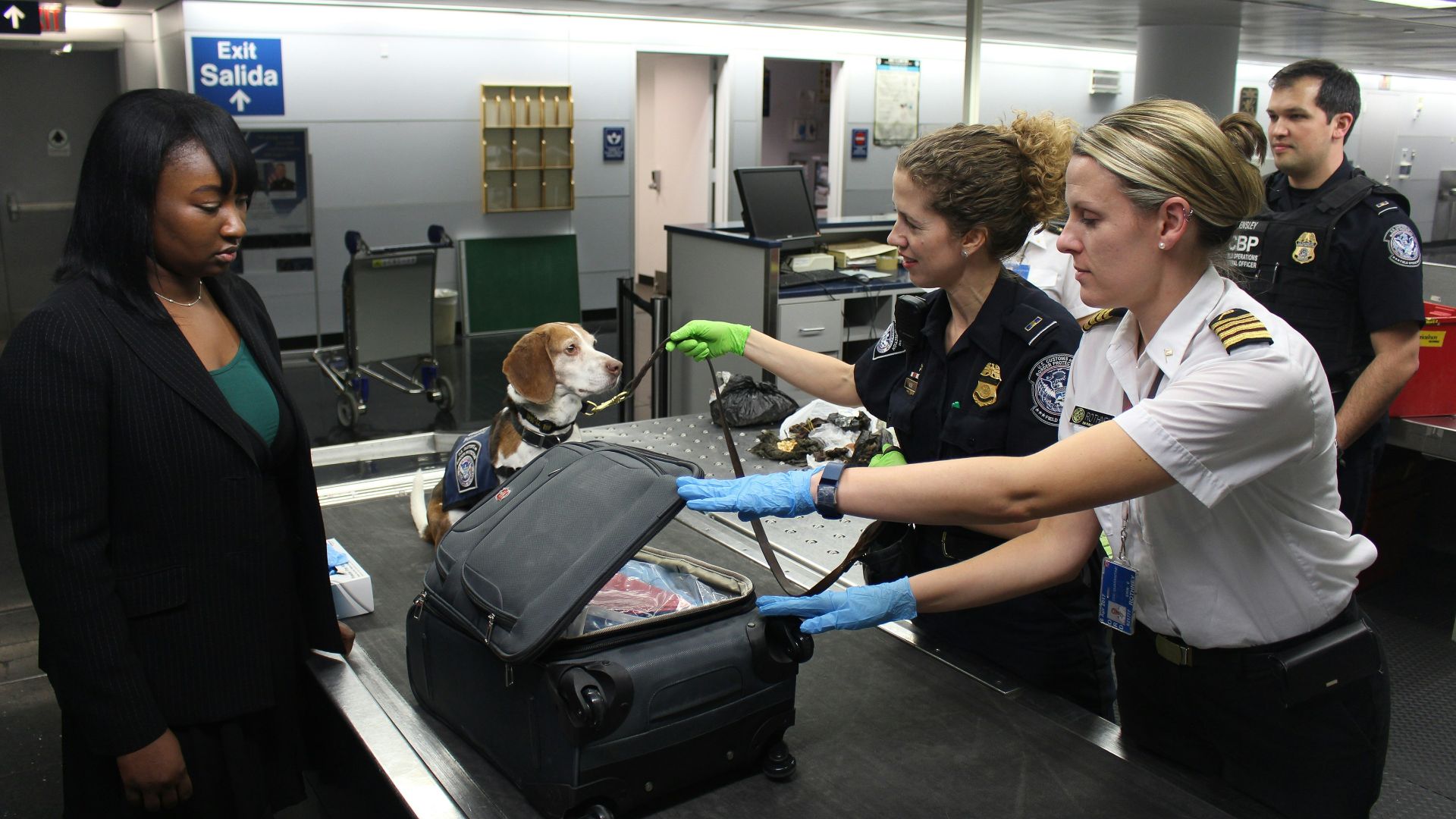
Health passports didn’t begin with COVID. Yellow fever vaccination certificates remain mandatory for entry into several countries, especially when arriving from endemic regions. The CDC and WHO both maintain updated lists.
Brazil, for example, doesn’t require proof from all travelers, yet may require it if arriving from certain countries. Uganda and Ghana still check yellow cards carefully at the airport. Airline agents know this well. If you’re missing the certificate, you can be stopped before you even board.
Digital Health Forms Are the New Normal
Even without vaccine mandates, many countries require digital health declarations. Japan’s Visit Japan Web system replaced paper arrival cards. South Korea uses Q-CODE for health information submission. Thailand reintroduced digital arrival forms after suspending them, then modified them again.
These forms aren’t always framed as health passports. They typically ask about symptoms, recent travel, and contact details, and immigration queues move noticeably faster when they’re completed in advance. Skip them, and everything slows down.
Regional Rules Shift Faster Than Global Ones
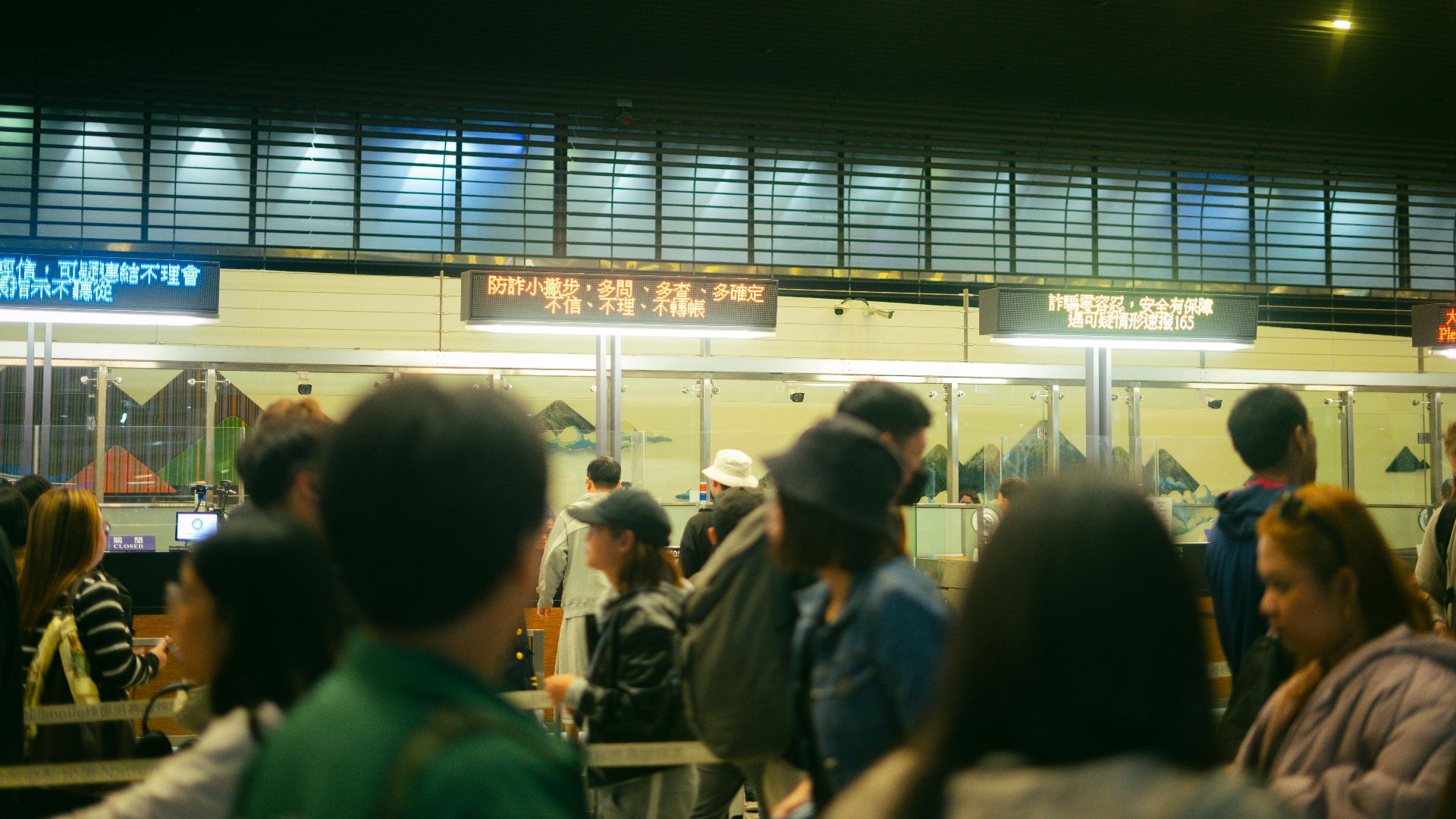
Global guidance may feel stable, but regional policy rarely is. During dengue outbreaks, some Southeast Asian countries add screening questions; during Ebola flare-ups, parts of Africa temporarily tighten entry requirements. These rules change in weeks, not years.
The European Union removed its Digital COVID Certificate requirement, yet individual countries retained the legal authority to reactivate measures. Public health laws were rewritten during the pandemic, and those clauses remain in place.
What Travelers Actually Do Now
Frequent travelers no longer wait for surprises. They've built quiet routines with a dedicated folder on their phone for vaccine certificates and health docs, the yellow fever card slipped permanently into the passport sleeve, and an instinctive habit of consulting official sources before booking.
The U.S. State Department, UK's Foreign, Commonwealth & Development Office, and destination countries' health ministries remain the gold standard with clear, dated guidance from government sites, not fleeting social media threads or outdated blog posts.
Travel today feels far lighter than the heavy restrictions of 2021, but it's not entirely weightless. For certain routes—especially to parts of Africa, South America, or amid occasional outbreaks—a layer of preparation remains necessary.