It’s a sobering possibility that the beachfront resort in the Bahamas where you spent your honeymoon might not survive the next decade. We've spent generations building dream destinations in places that are increasingly uninhabitable, and now shifting weather conditions are sending us the bill. The postcard-perfect vacation spots we've taken for granted are facing existential threats from intensifying natural disasters, and the tourism industry is scrambling to figure out what comes next.
Florida's Hurricane Alley Keeps Getting Busier
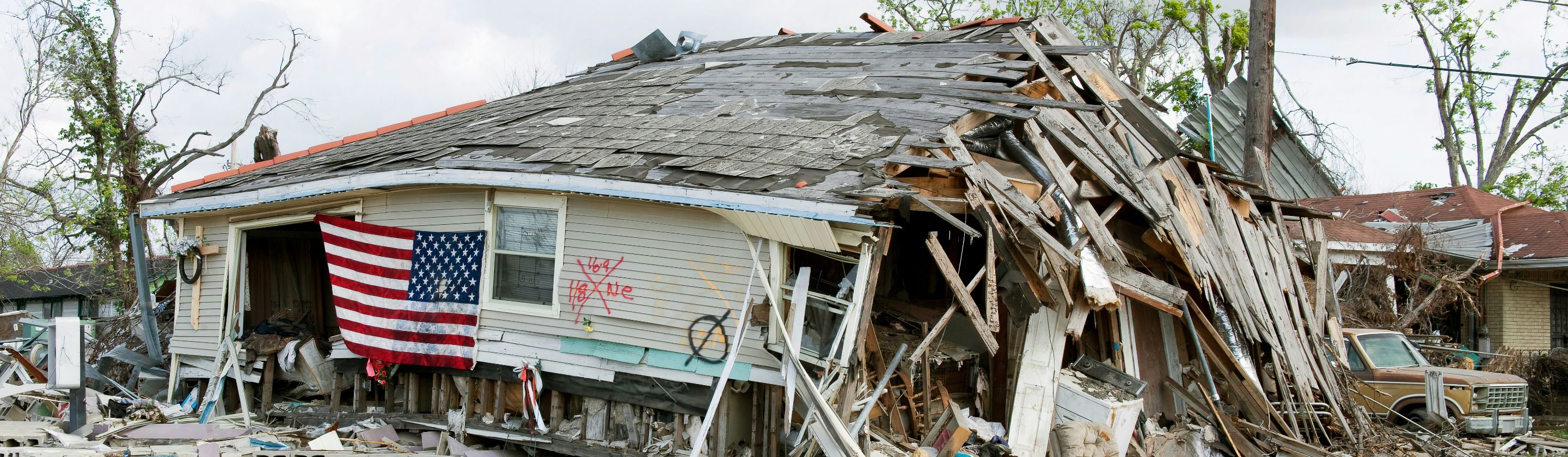
The Keys used to get hit by major hurricanes every couple of decades. Now the interval keeps shrinking. Hurricane Irma in 2017 devastated the island chain, and many businesses still haven't fully recovered. Many insurance companies are pulling out of Florida entirely, making it nearly impossible for hotels and rental properties to get affordable coverage.
Miami Beach floods during high tides now, even without storms. King tides push seawater through storm drains, turning streets into shallow rivers. Tourists still come, splashing through ankle-deep water to reach restaurants and bars, treating it like a novelty. Locals know better.
California's Fire Season Now Lasts Year-Round
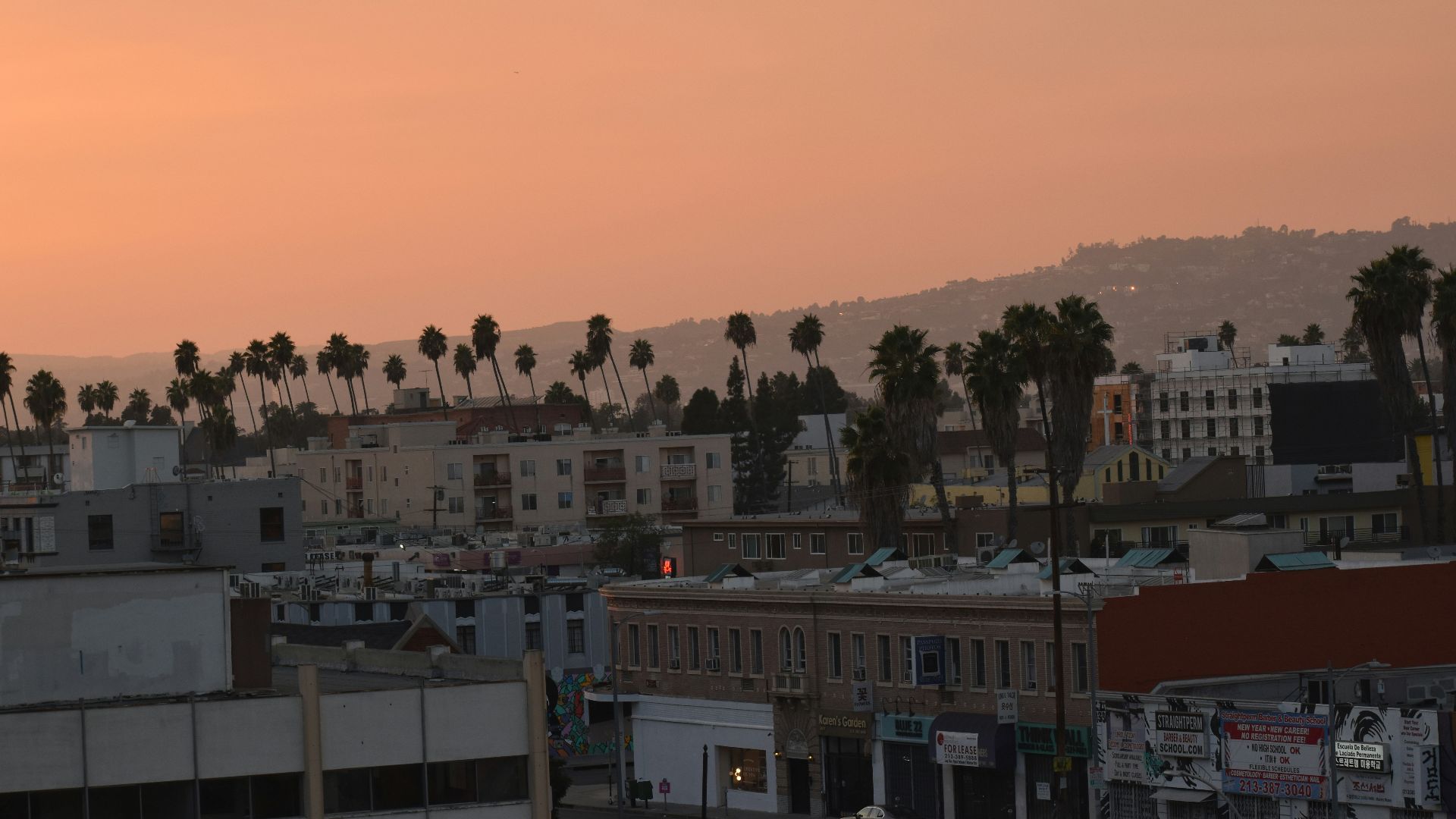
Lake Tahoe saw smoke so thick in 2021 that the iconic blue waters disappeared behind an orange haze. Ski resorts closed, not from lack of snow, but because the air was too dangerous to breathe.
Even wine country burns regularly now. Napa and Sonoma valleys have become synonymous with both premium vineyards and catastrophic wildfires. Tourists booking trips months in advance have no way to know if their reservation will be canceled because the entire region is under evacuation orders.
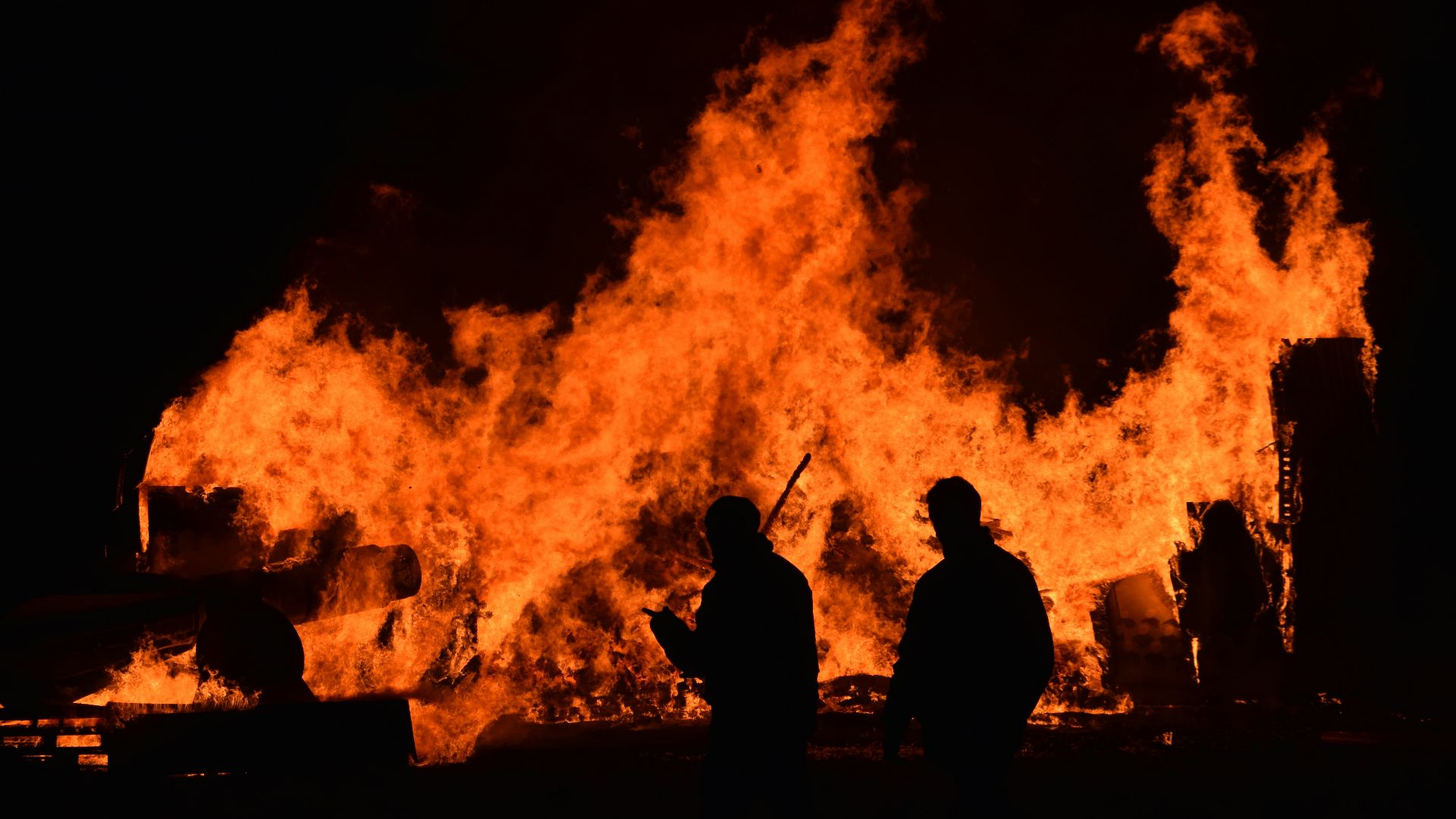
Paradise, California, literally ceased to exist as a tourist destination after the Camp Fire in 2018. The small mountain town that attracted visitors for its natural beauty was essentially erased, with 85 people dead and thousands of structures destroyed.
Caribbean Islands Face Rising Seas
The Caribbean tourism economy depends on beaches that are actively shrinking. Coastal erosion has accelerated as sea levels rise and storm surges become more severe. That white sand beach from the resort brochure might be half its original size when you actually arrive, or protected by ugly seawalls that destroy the aesthetic appeal.
Hurricane Maria essentially shut down Puerto Rico's tourism industry for over a year in 2017. The recovery process revealed how fragile these island economies are when a single storm can eliminate their primary revenue source for months or years.
Greek Islands Burn, Mediterranean Heats Up
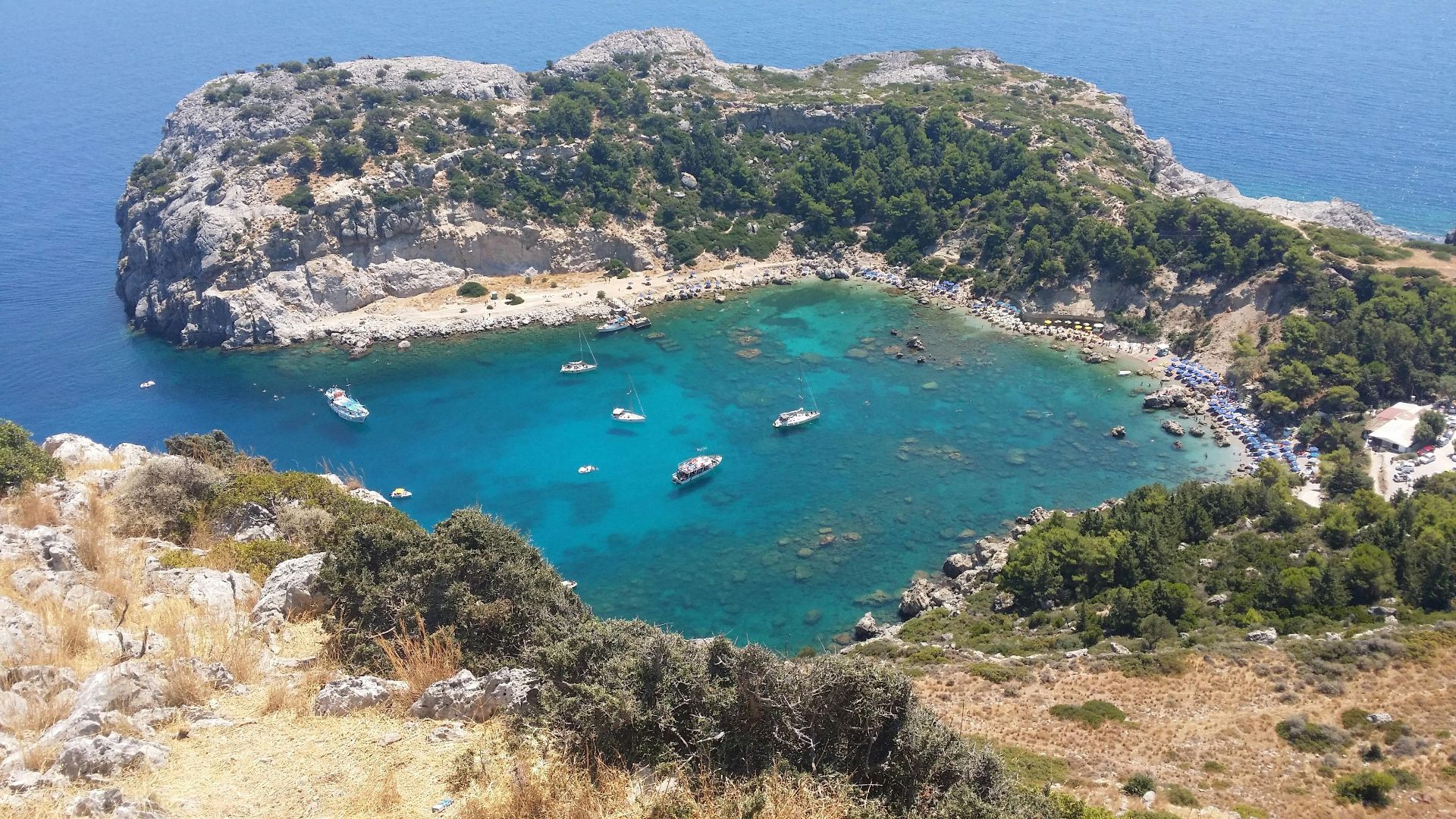
Rhodes, Greece, evacuated thousands of tourists in 2023 as wildfires swept across the island, transforming their relaxing Mediterranean getaway into a hellscape. People fled to beaches, waiting for boats to rescue them while smoke filled the sky.
In recent years, Greece, Turkey, and other Mediterranean destinations have seen temperatures that make summer tourism uncomfortable or dangerous. Heat waves that would've been once-in-a-lifetime events thirty years ago now happen multiple times per summer. When it's 110 degrees, even sitting by the pool becomes miserable.
As a result of these temperature spikes, shoulder seasons in spring and fall are becoming more popular as peak summer becomes unbearable. Hotels and restaurants that relied on July and August bookings are adapting their business models, though not everyone will survive the transition.
Mountain Resorts Lose Their Snow
Ski resorts across the Alps and the Rockies are investing millions in snowmaking equipment in an effort to manufacture winter when nature doesn't cooperate. Some years they succeed. Others, they're running lifts over bare rock and brown grass, watching their season shrink from both ends.
Lower-elevation resorts have already closed permanently. As the snow line keeps creeping higher, mountains below a certain altitude simply can't sustain winter sports anymore. Towns that built their entire economies around skiing are facing existential questions about what comes next.