 U.S. Department of Homeland Security (DHS) on Wikimedia
Airports create a strange mix of routines and surprises, and that little moment when a TSA officer waves you over for a quick hand swab sits right in the middle. Most travelers simply lift their palms and move along, unsure what the test actually looks for or why certain people get pulled aside while others glide through.
If you have ever wondered what that swab really reveals, keep reading.
The Test Searches For Invisible Clues
The hand swab test looks for tiny traces of explosives. Not the dramatic movie kind, but real chemical bits that can stick to your hands or clothes without you noticing. The little cloth the officer uses is meant to pick up those particles, and the machine that checks the swab uses a method called ion mobility spectrometry. It sounds technical, but all it really does is look for chemical signatures as the sample moves through the device.
The whole thing happens in seconds. The machine quietly compares what it finds to a list of known explosive markers, almost like checking fingerprints. If something unusual pops up, the swab gets tested again, and the officer may ask a couple of quick questions. In most cases, nothing surprising shows up.
Why TSA Chooses Certain Travelers For Swabs
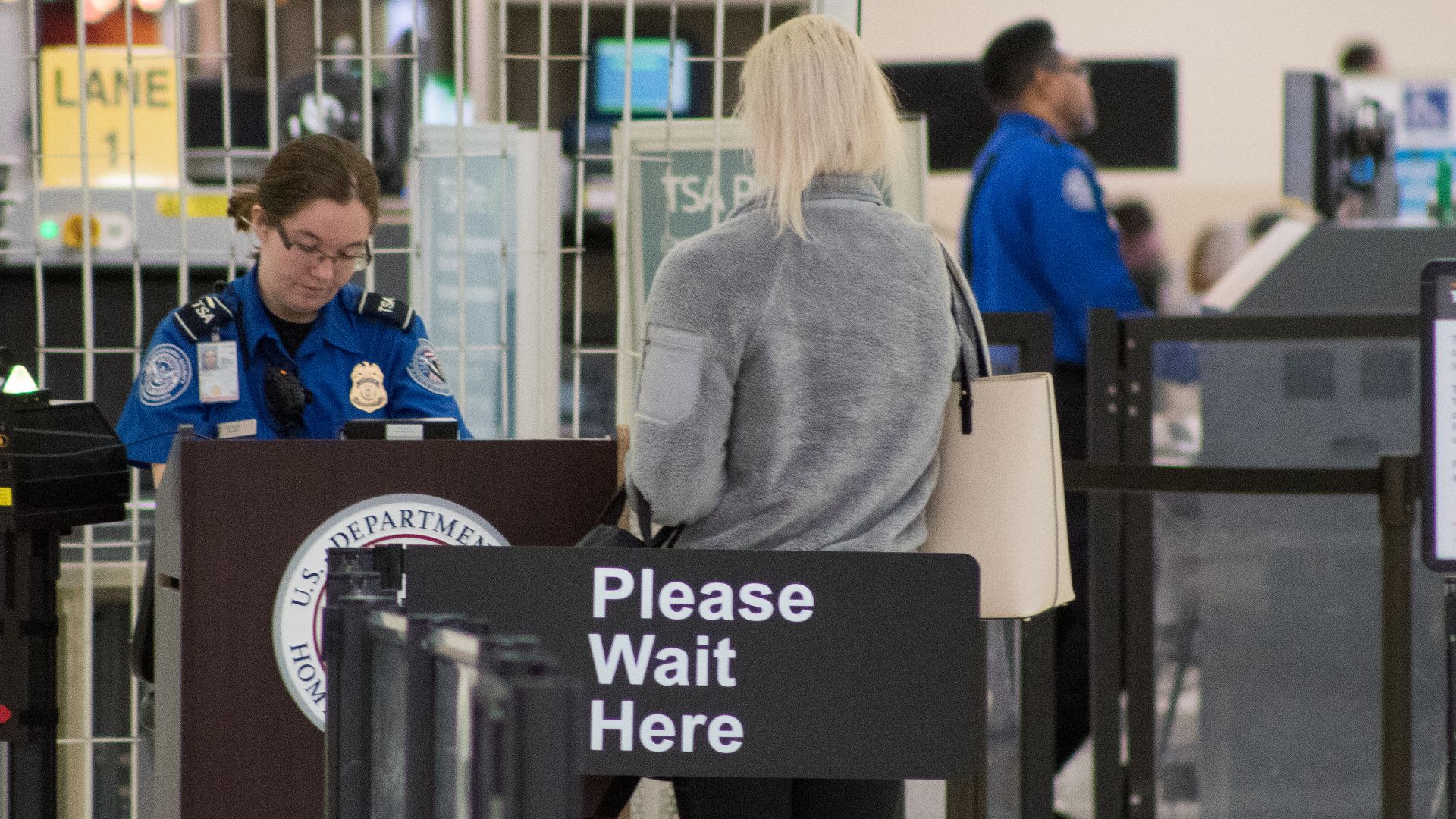
Some travelers are selected randomly, so the system stays unpredictable. Others might be chosen because they handled items that cause the machine to take a closer look. For example, gardeners, mechanics, and people who work with certain household chemicals may carry harmless residue that the machine can detect. Travelers who recently visited a shooting range sometimes set off alarms even if they cleaned up afterward.
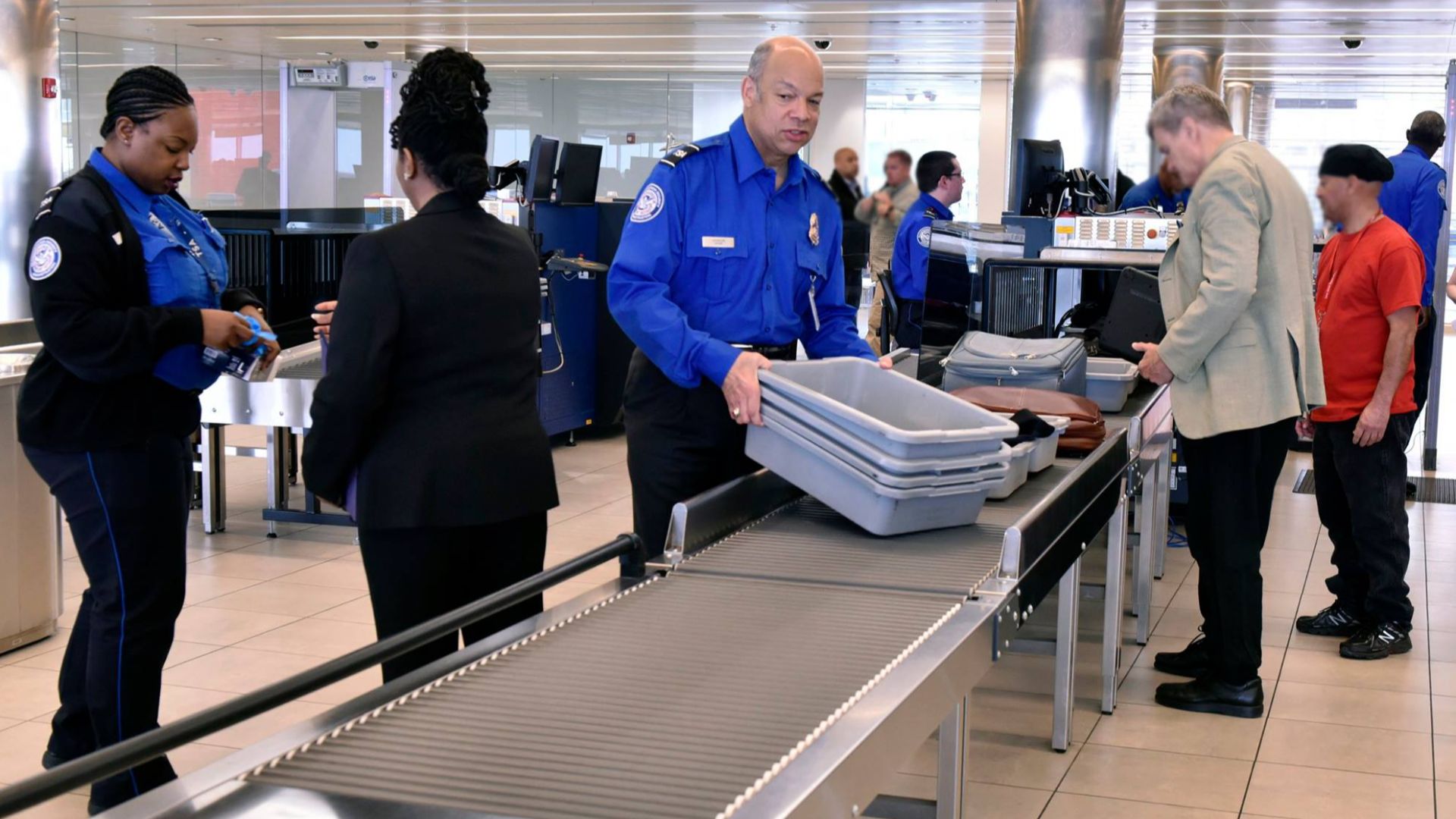
TSA officers also watch for situations rather than personalities. Items that appear unusual on the X-ray can prompt additional screening. Moving quickly through the line, wearing gloves, or carrying objects with strong chemical odors can lead to a swab as well.
Most swabs show clean results, and passengers continue their journey without delay. When the machine produces a reading that needs attention, TSA follows a set script. Officers may ask about recent activities or request a pat-down. The goal is to confirm whether the chemical signature has a harmless explanation. The extra steps can feel inconvenient, although they rarely take more than a few minutes.
Behind the scenes, swabs are logged and monitored to track patterns across airports. This data helps TSA refine procedures, spotting trends in flagged substances and adjusting screening methods to stay ahead of evolving travel realities.
The hand swab helps TSA balance safety with speed by relying on precise chemical screening instead of broad, time-consuming checks. The more familiar you are with the process, the easier it becomes to move through it with confidence. A brief pause at the checkpoint plays a part in keeping thousands of travelers safe each day.