You Taste The Place Before You Understand It
You can walk through museums, read the plaques, and come away with a version of a country that feels tidy and well-organized. A drink doesn’t bother with that. It shows up without context and still manages to tell you something about climate, habit, history, and what people actually reach for when no one is watching. Some drinks come from necessity, others from abundance, and a few feel like they exist purely because people refused to give them up. You start to notice what’s valued, what’s routine, and what gets shared without much explanation. It’s not a complete picture, but it’s often more honest than anything arranged behind glass. Here are 20 drinks that say more about a place than a museum ever could.
1. Espresso (Italy)
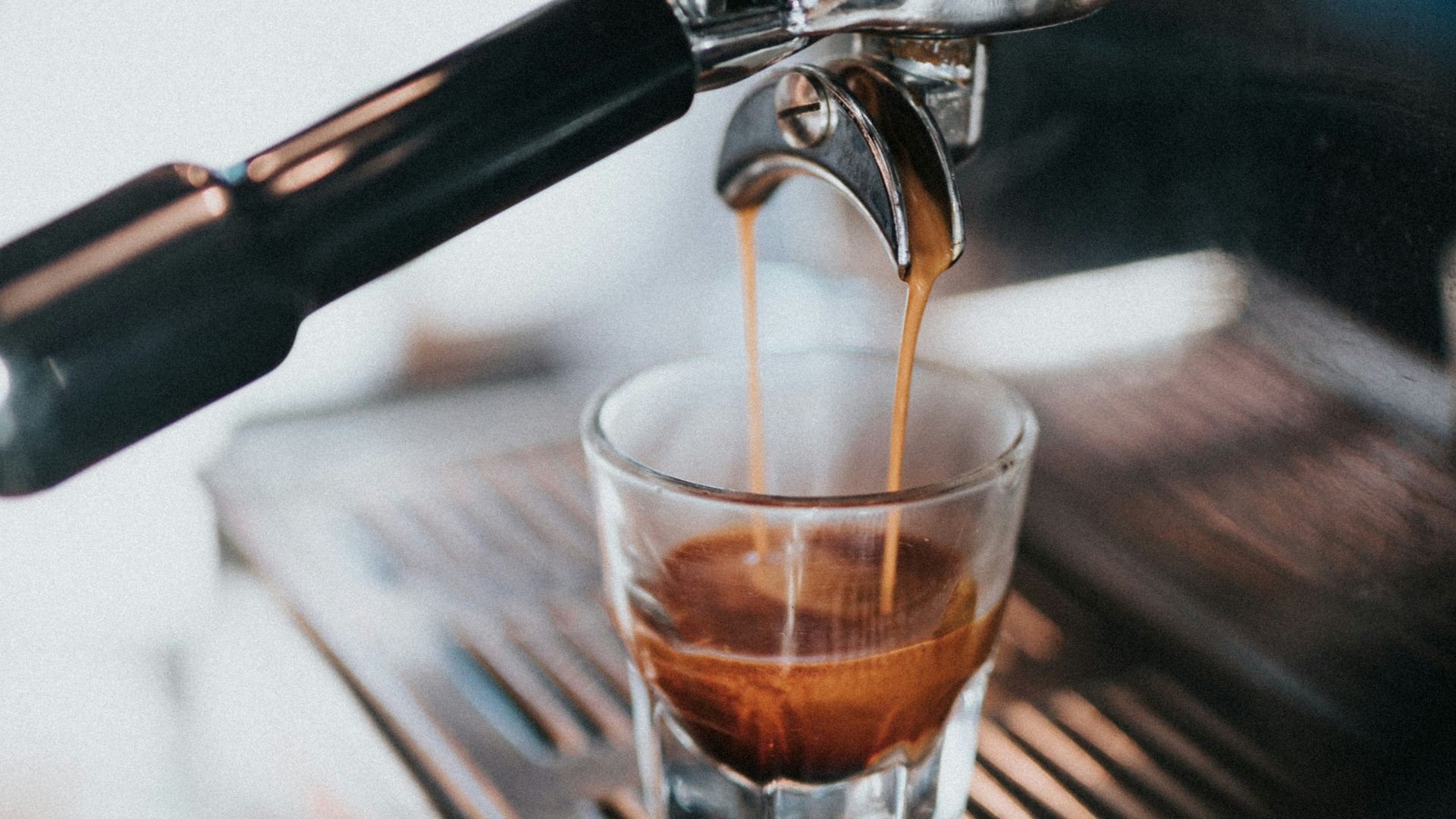
Espresso in Italy is built into the daily rhythm in a way that feels almost automatic. People stop at the same bar multiple times a day, drink it standing up, and rarely linger unless they’re meeting someone. It’s cheap, consistent, and treated less like a treat and more like a reset button between parts of the day.
2. Guinness (Ireland)
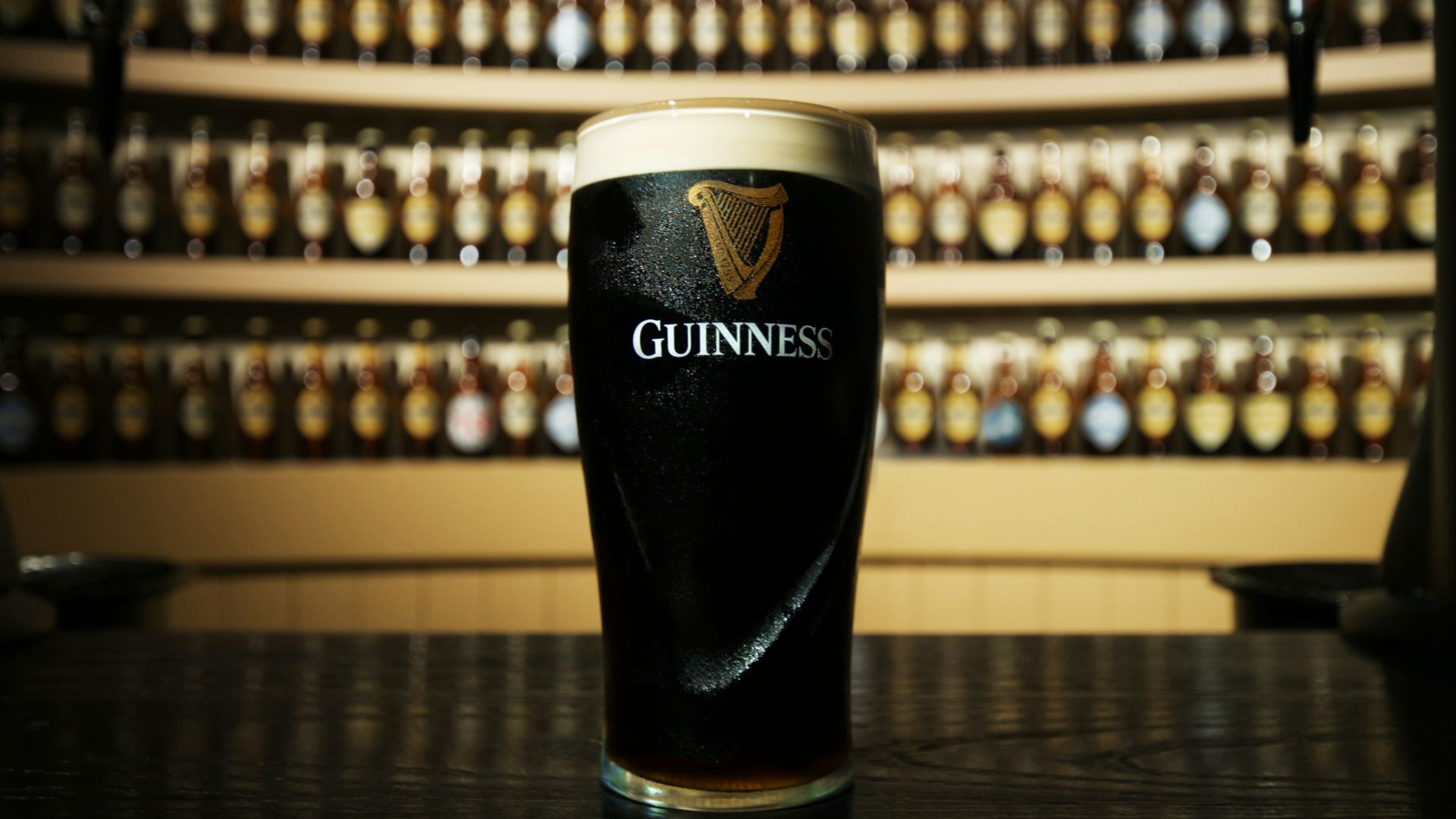
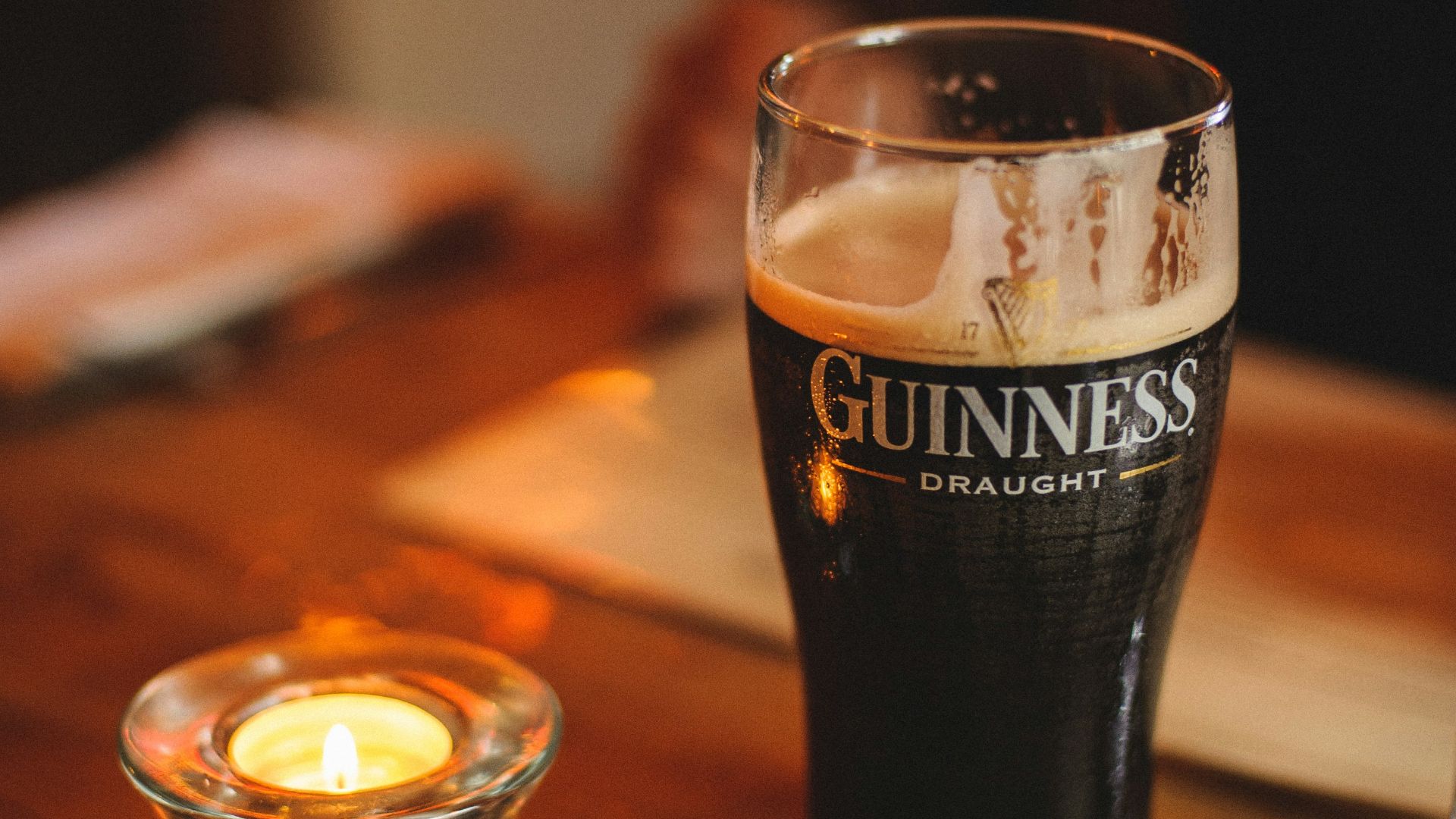
Guinness is inseparable from the pub, which functions as a social space as much as a place to drink. Pints are poured slowly, conversations stretch, and there’s an unspoken expectation that you’re not in a rush. It reflects a culture where social time is structured but not hurried.
3. Tequila (Mexico)
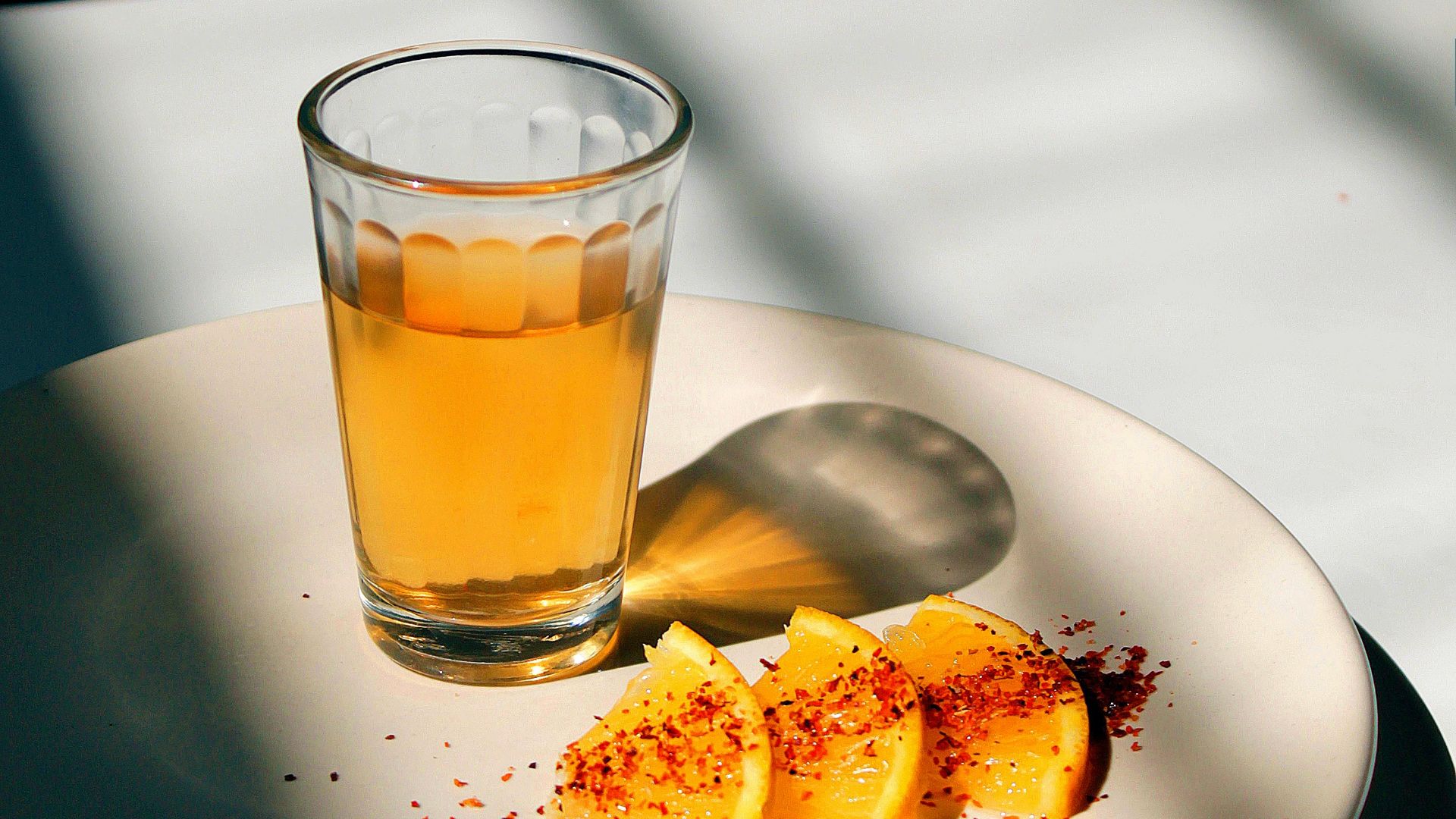
Tequila is deeply tied to specific regions and agricultural cycles, especially in Jalisco where agave is grown and harvested over years. It’s commonly sipped, often alongside food or in social settings that don’t center on excess. The global image of quick shots doesn’t match how it’s actually respected locally.
4. Vodka (Russia)
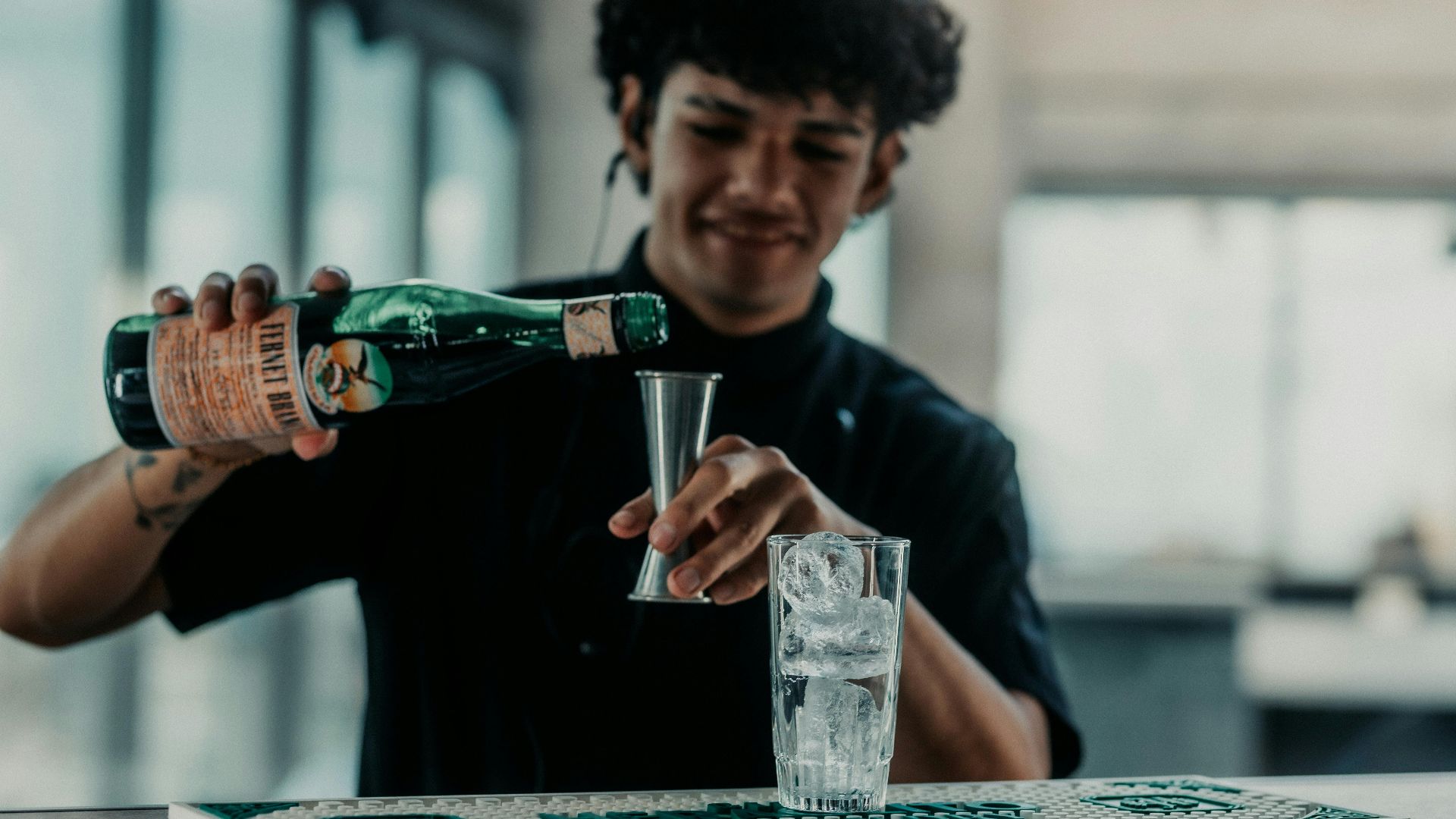
Vodka is closely tied to structured social rituals, especially around meals and gatherings. It’s typically consumed with food, accompanied by toasts that follow a certain order and tone. The experience is less about the drink itself and more about how it organizes interaction.
5. Green Tea (Japan)
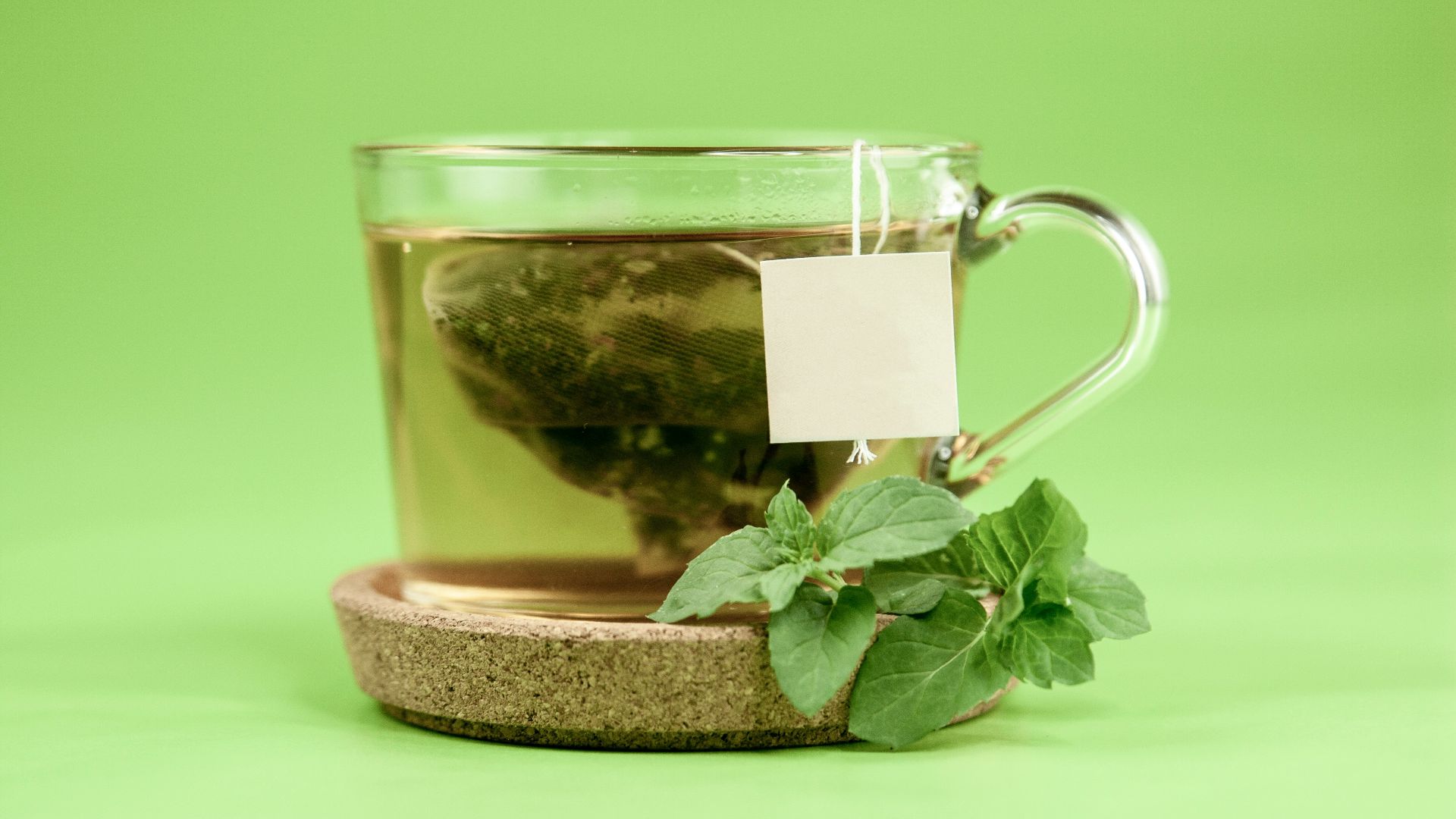
Green tea in Japan exists on a spectrum from everyday convenience to highly formalized ritual. In daily life, it’s served regularly with meals, while in ceremonial contexts it becomes highly precise and symbolic. Both uses reflect a culture that values consistency and attention to detail.
6. Wine (France)
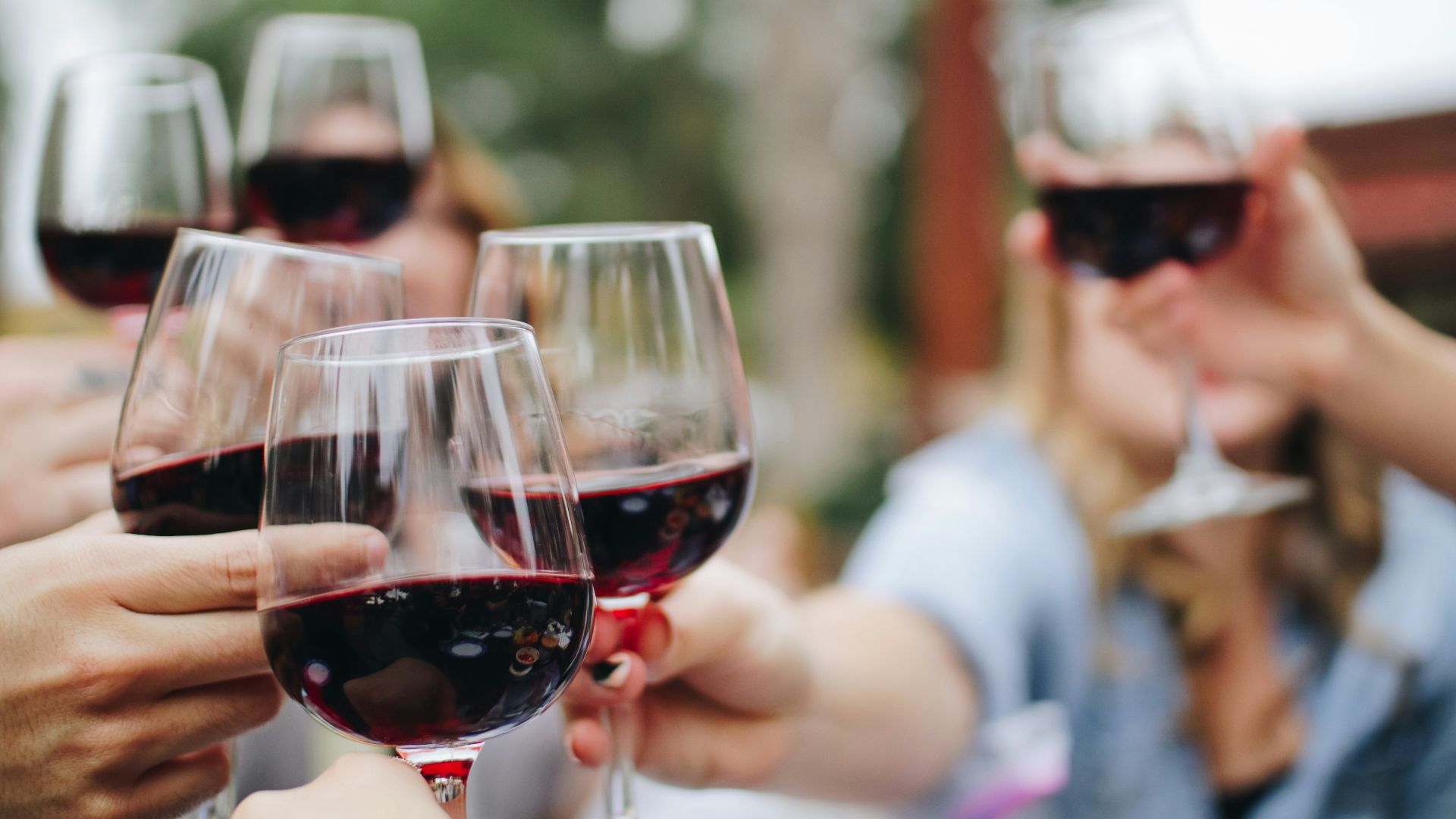
Wine in France is part of the structure of a meal, not something separate from it. It’s often chosen based on region and food pairing, but without turning the decision into an event. The familiarity reflects how deeply it’s embedded in everyday life rather than reserved for special occasions.
7. Beer (Germany)
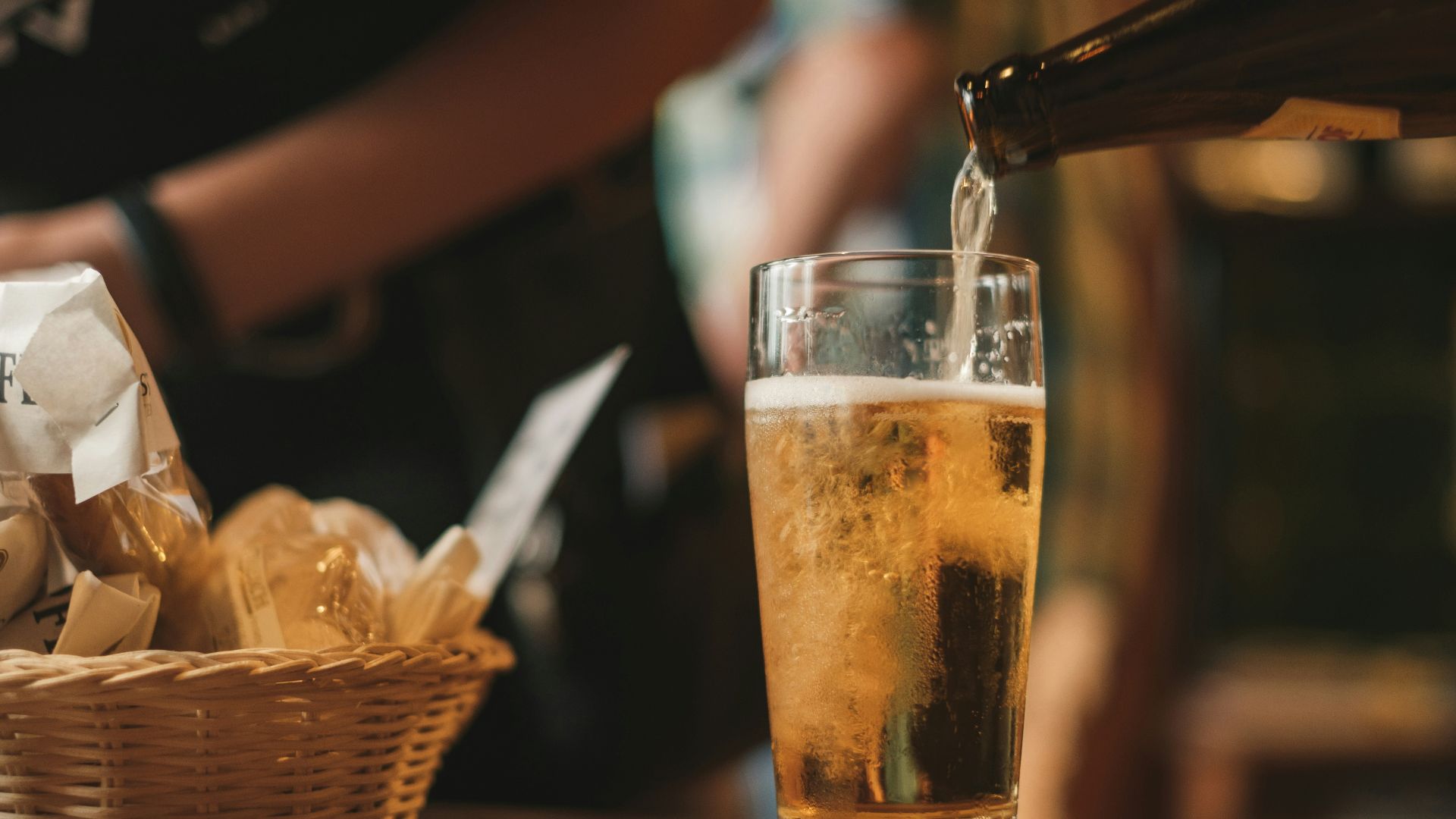
Beer in Germany is tied to regional identity, with specific styles strongly associated with certain areas. It’s consumed in settings that range from casual to highly traditional, like beer halls and festivals. The emphasis on consistency reflects a long-standing respect for process and standard.
 Gerrie van der Walt on Unsplash
8. Mate (Argentina)
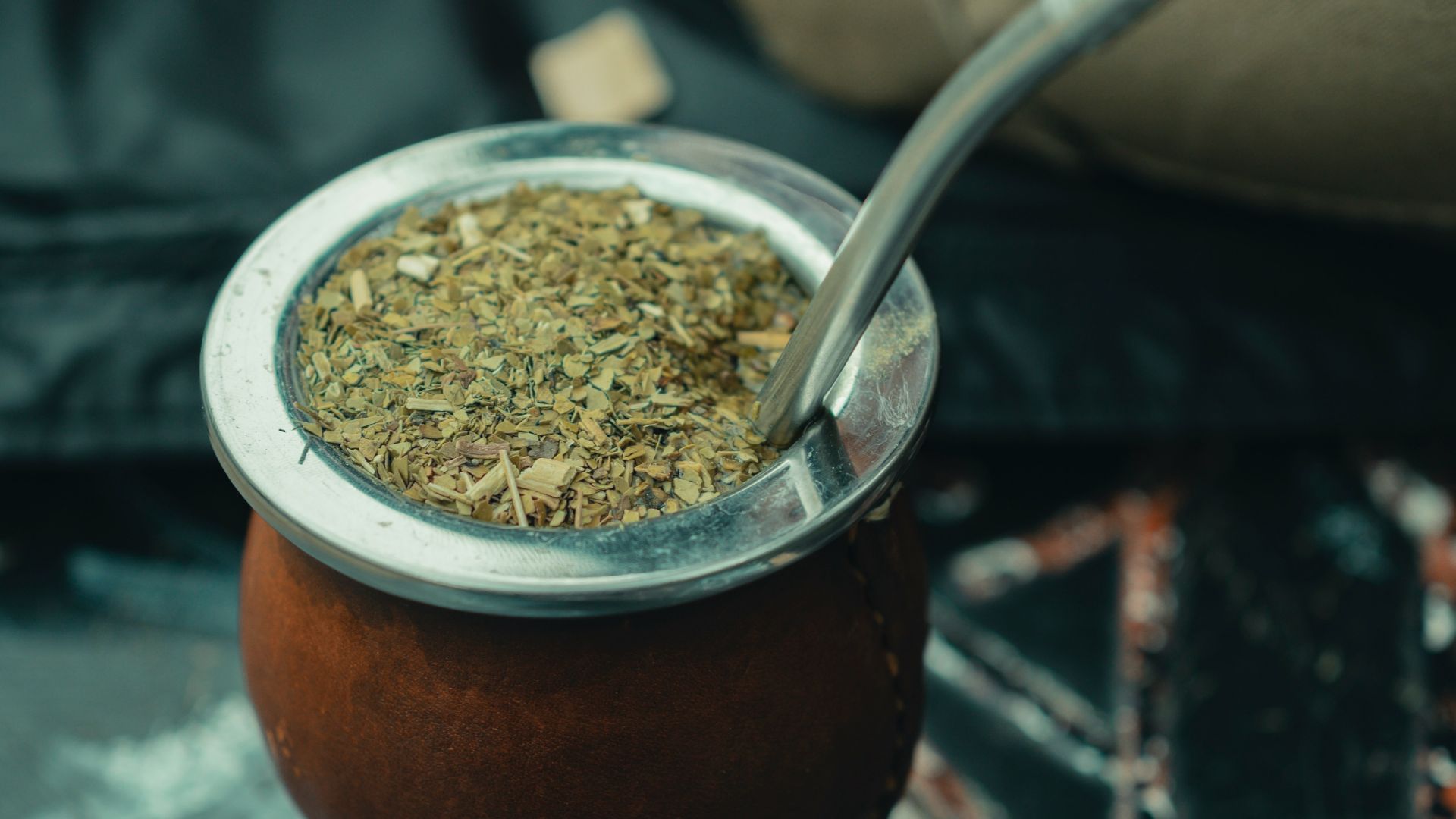
Mate is a shared ritual that shapes how people spend time together. It’s passed in a circle, refilled repeatedly, and follows an unspoken set of rules about who pours and drinks. The act of sharing it matters as much as the drink itself.
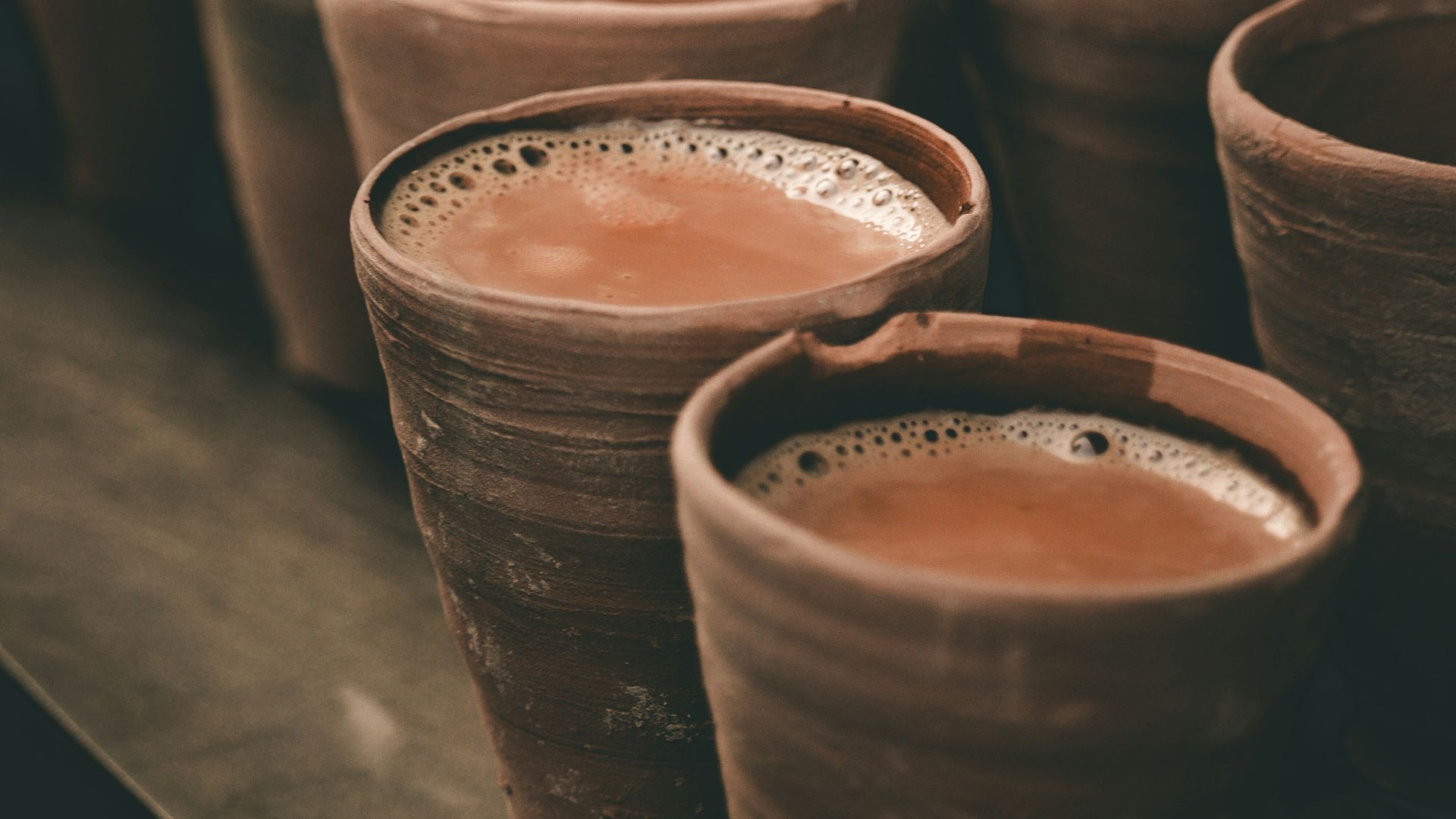
9. Chai (India)
Chai is a constant presence, sold on streets, in homes, and at nearly every stop in the day. Recipes vary slightly by region, but the combination of tea, milk, sugar, and spices stays recognizable. It reflects a culture where small, repeated pauses are built into daily life.
10. Maple Coffee (Canada)
Maple-infused coffee leans on a national ingredient that’s more commonly used in food than in drinks. It shows up as a subtle flavor rather than something dominant, often tied to seasonal or regional identity. The restraint reflects a broader tendency toward understatement.

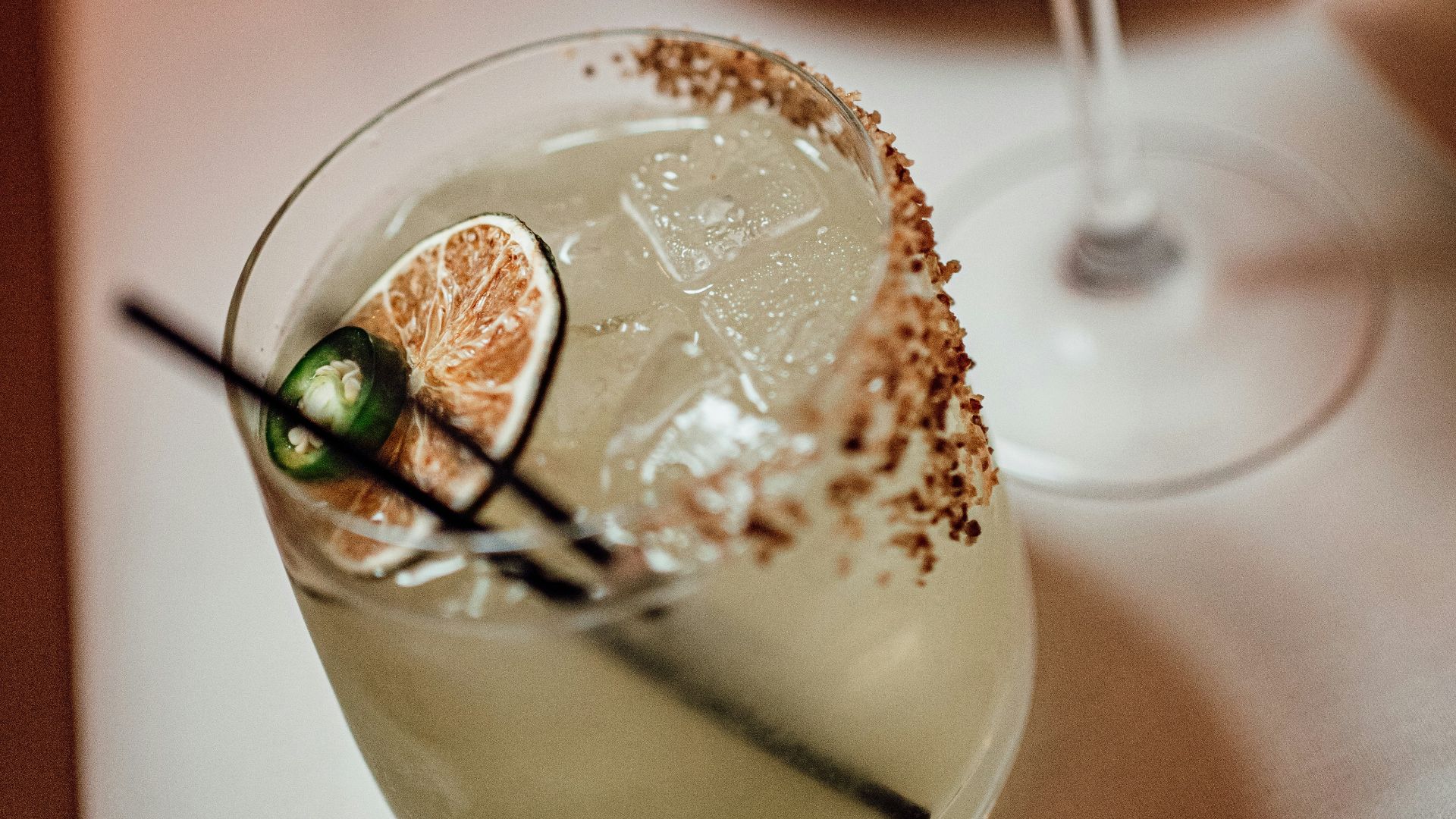
11. Pisco Sour (Peru)
The pisco sour is tied to national identity, with specific ingredients like pisco, lime, egg white, and bitters used in a defined way. It’s commonly served in social settings and carries a sense of pride around how it’s made. The balance of flavors reflects careful construction rather than improvisation.
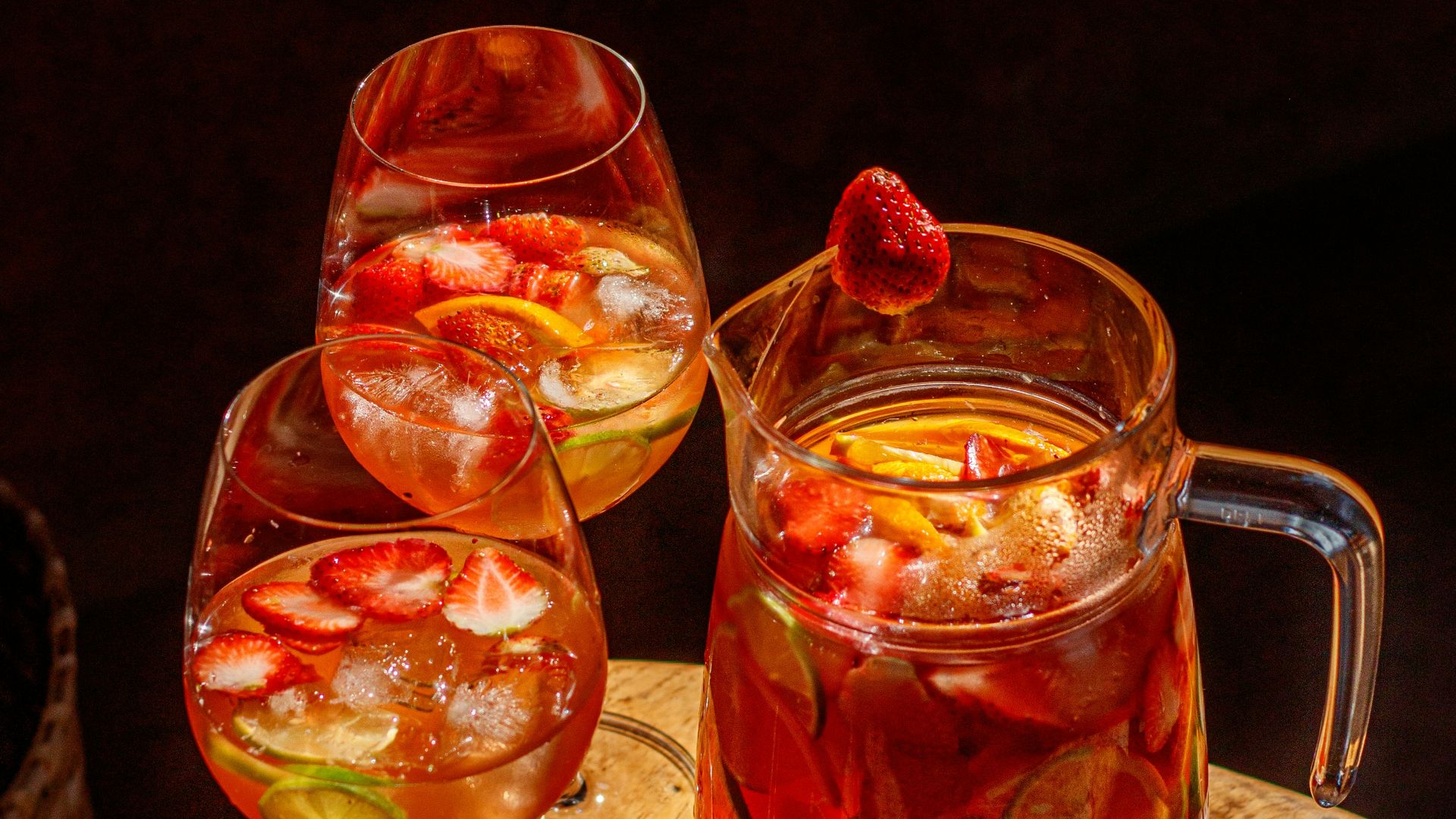
12. Sangria (Spain)
Sangria is less formal than Spanish wine culture and often associated with gatherings, especially in warmer regions. It’s flexible in ingredients and preparation, making it more about occasion than precision. The looseness reflects a social approach to drinking.
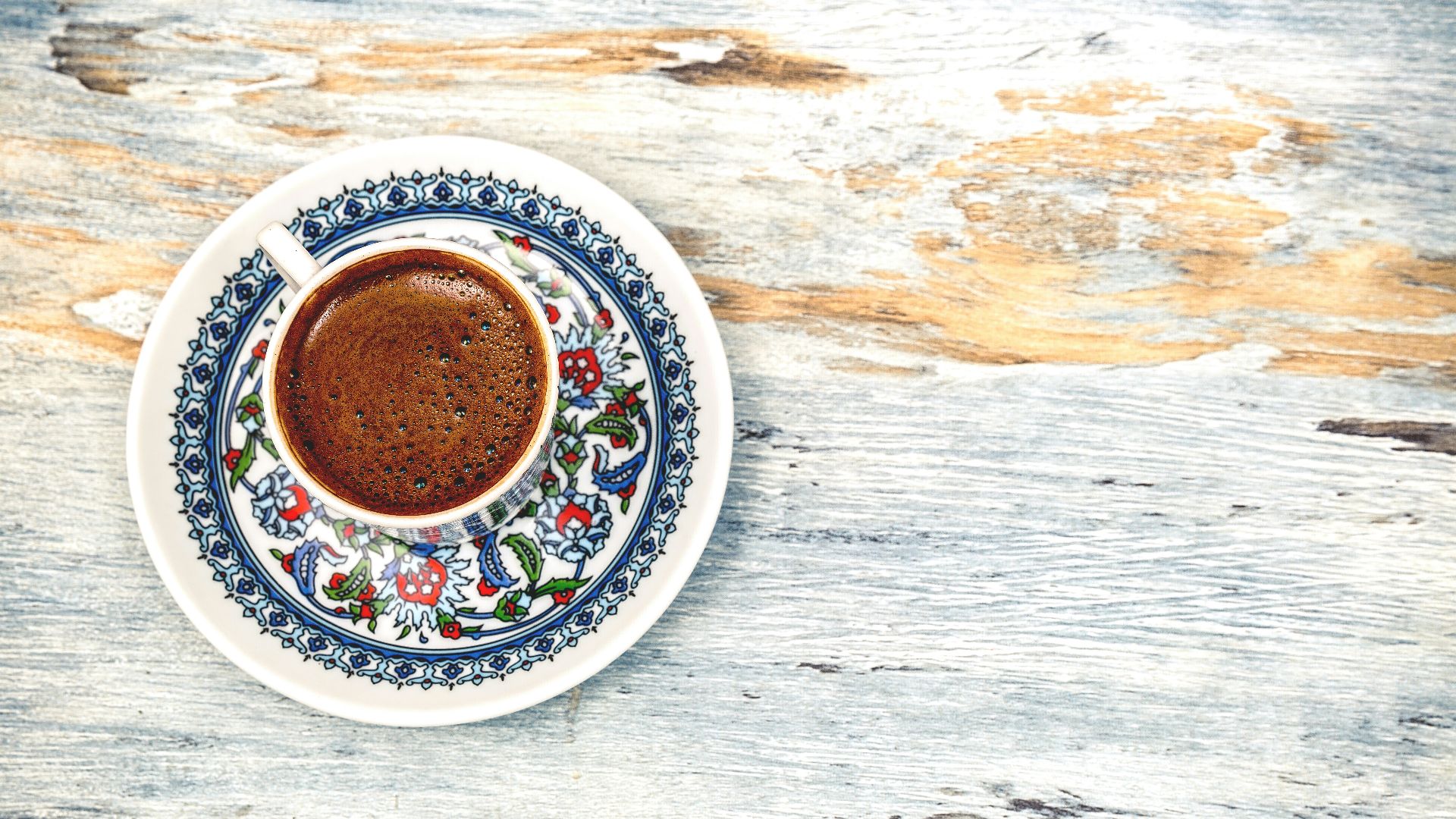
13. Turkish Coffee (Turkey)
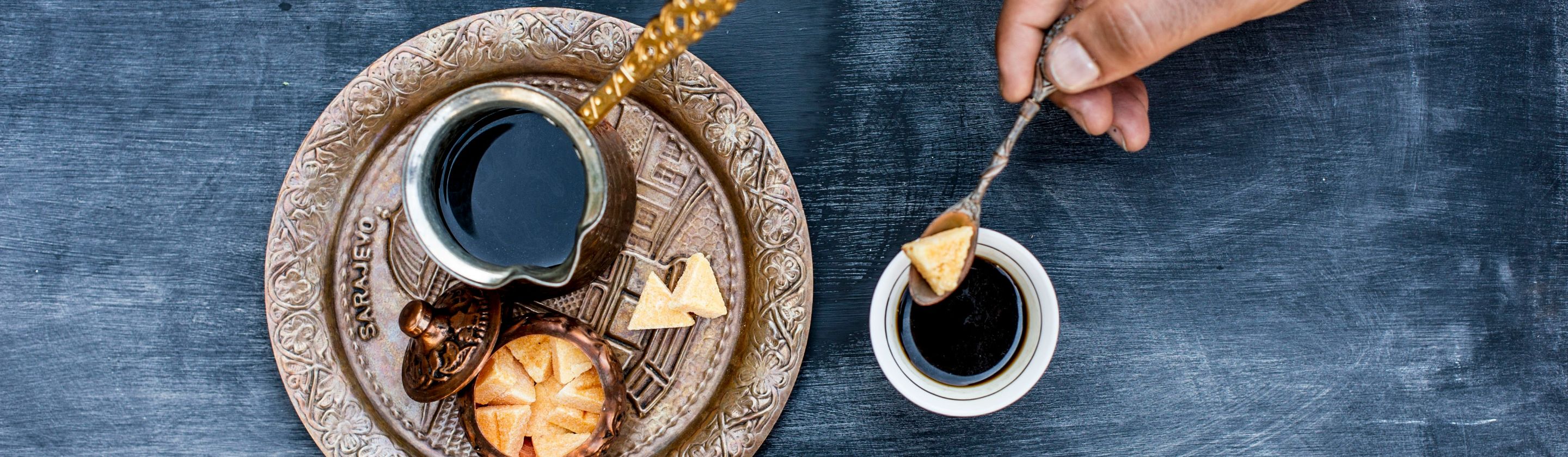
Turkish coffee is prepared in a specific way, unfiltered and served with grounds in the cup. It’s often accompanied by conversation and sometimes used in traditions like fortune reading. The process emphasizes patience and attention rather than convenience.
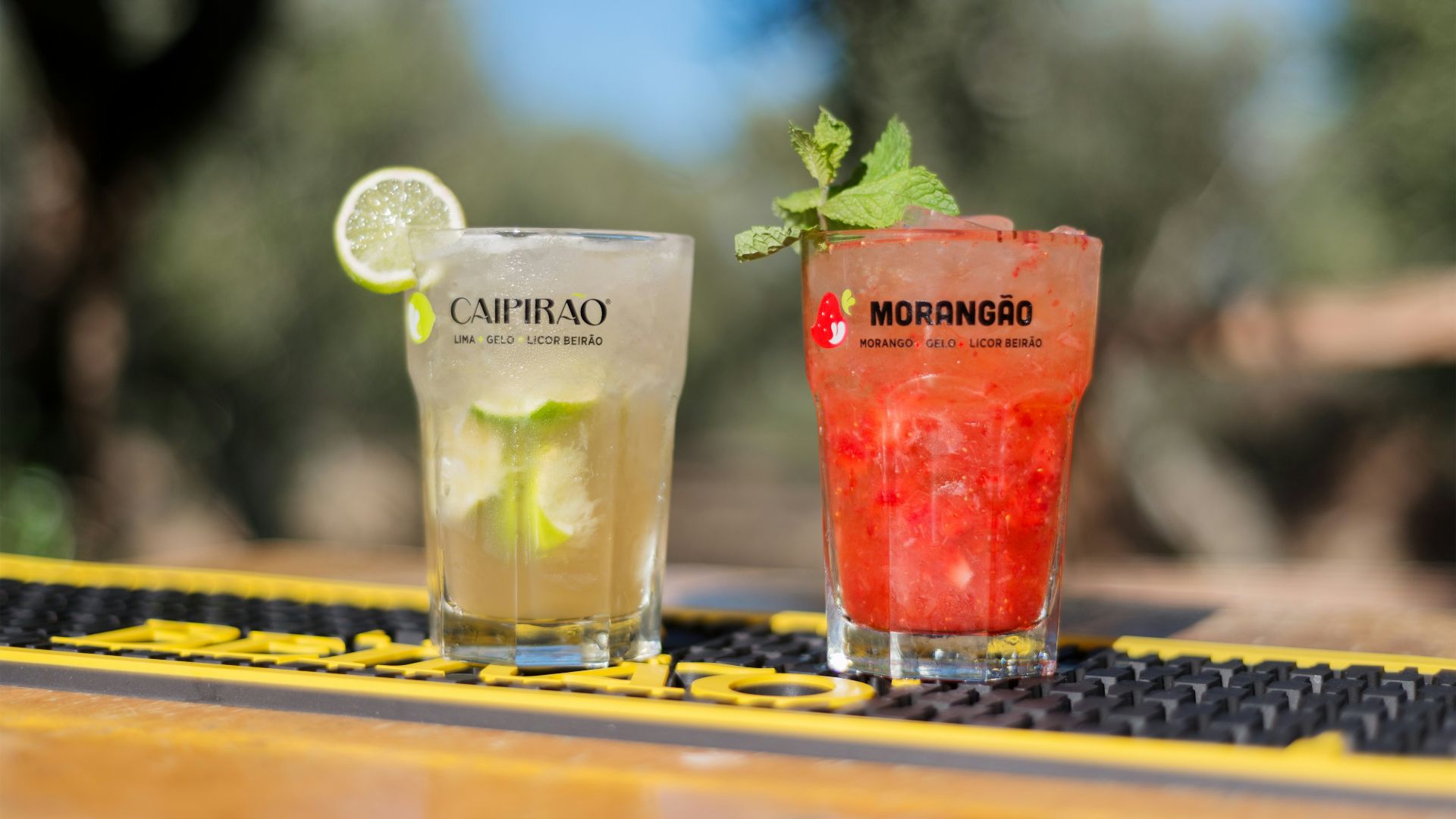
14. Caipirinha (Brazil)
The caipirinha uses cachaça, a sugarcane spirit with strong ties to Brazilian agriculture and history. It’s simple in composition but widely recognized as a national drink. Its directness reflects a preference for bold, uncomplicated flavors.
15. Whiskey (Scotland)
Scotch whisky is tied closely to geography, with regions like Islay or Speyside producing distinct styles. It’s often consumed slowly, with attention to flavor and origin. The emphasis on aging and process reflects a long-term approach to production.
 Ambitious Studio* | Rick Barrett on Unsplash
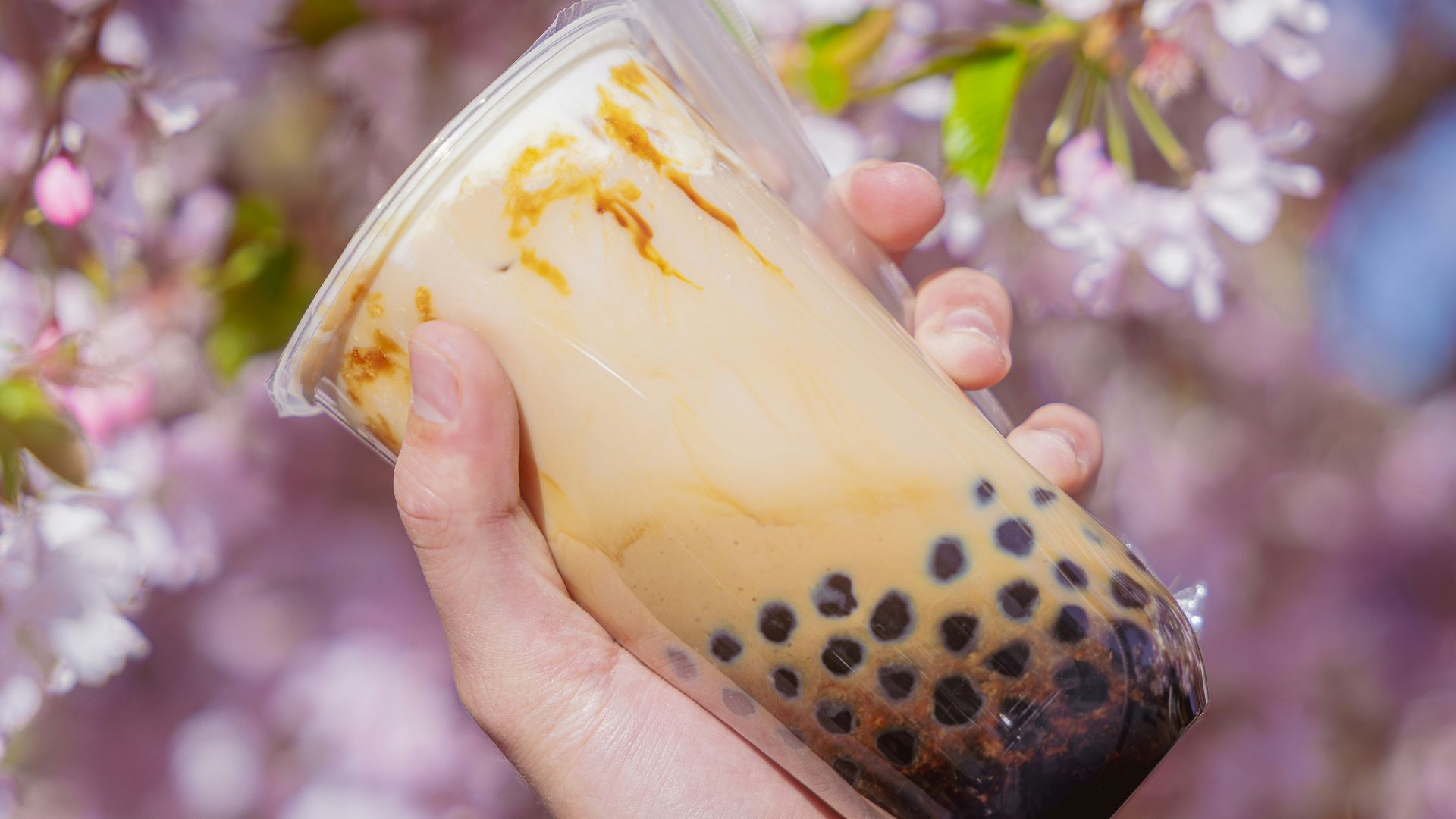
16. Bubble Tea (Taiwan)
Bubble tea originated in Taiwan as a mix of tea culture and modern experimentation. It’s highly customizable, with different textures and flavors reflecting a willingness to adapt tradition. The variety mirrors a fast-moving, innovation-friendly environment.
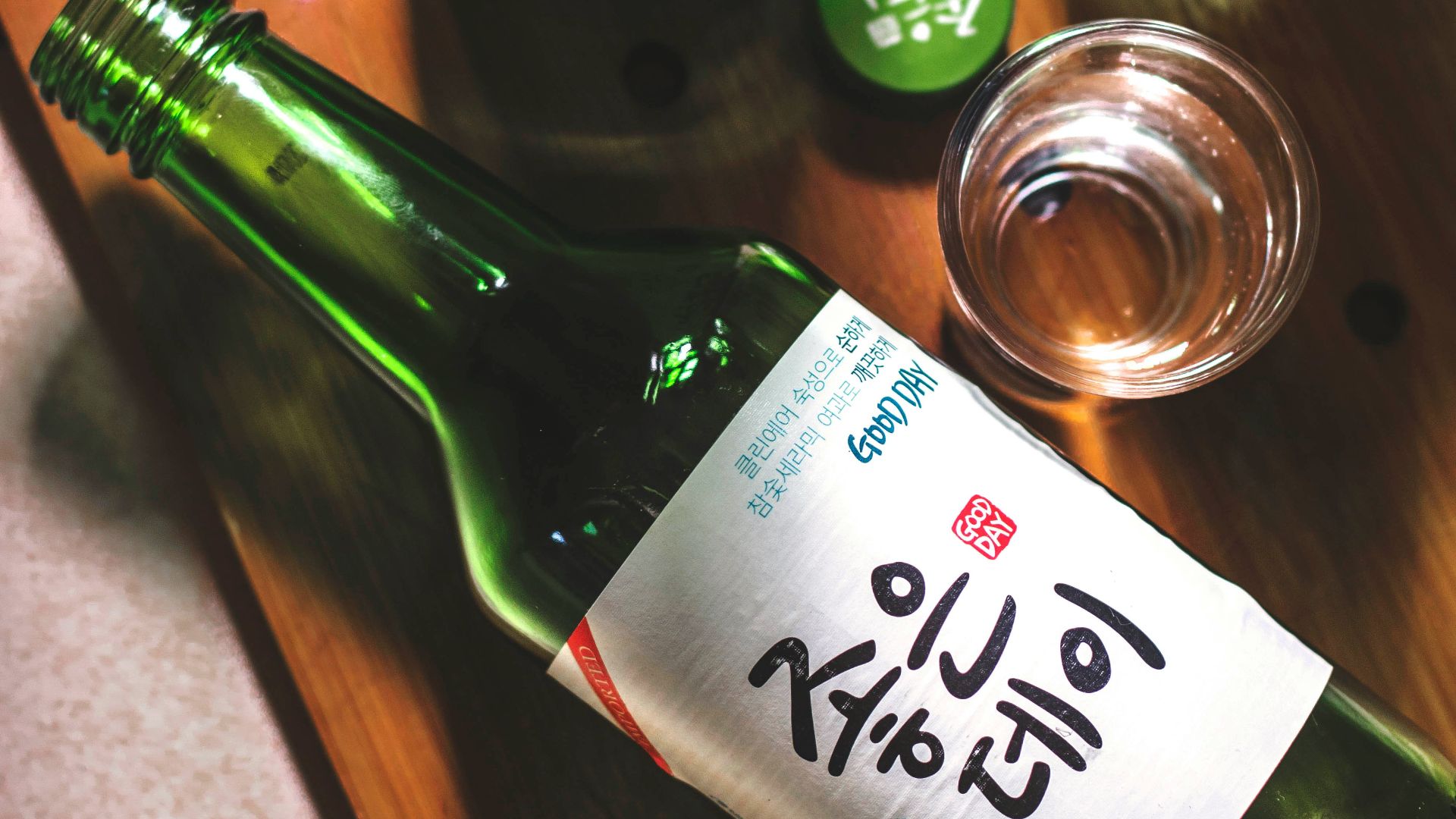
17. Soju (South Korea)
Soju is central to social drinking culture in South Korea, often consumed in groups with specific etiquette around pouring and receiving. It’s relatively low in alcohol compared to spirits, which allows for extended social interaction. The structure around it reflects broader social hierarchies.
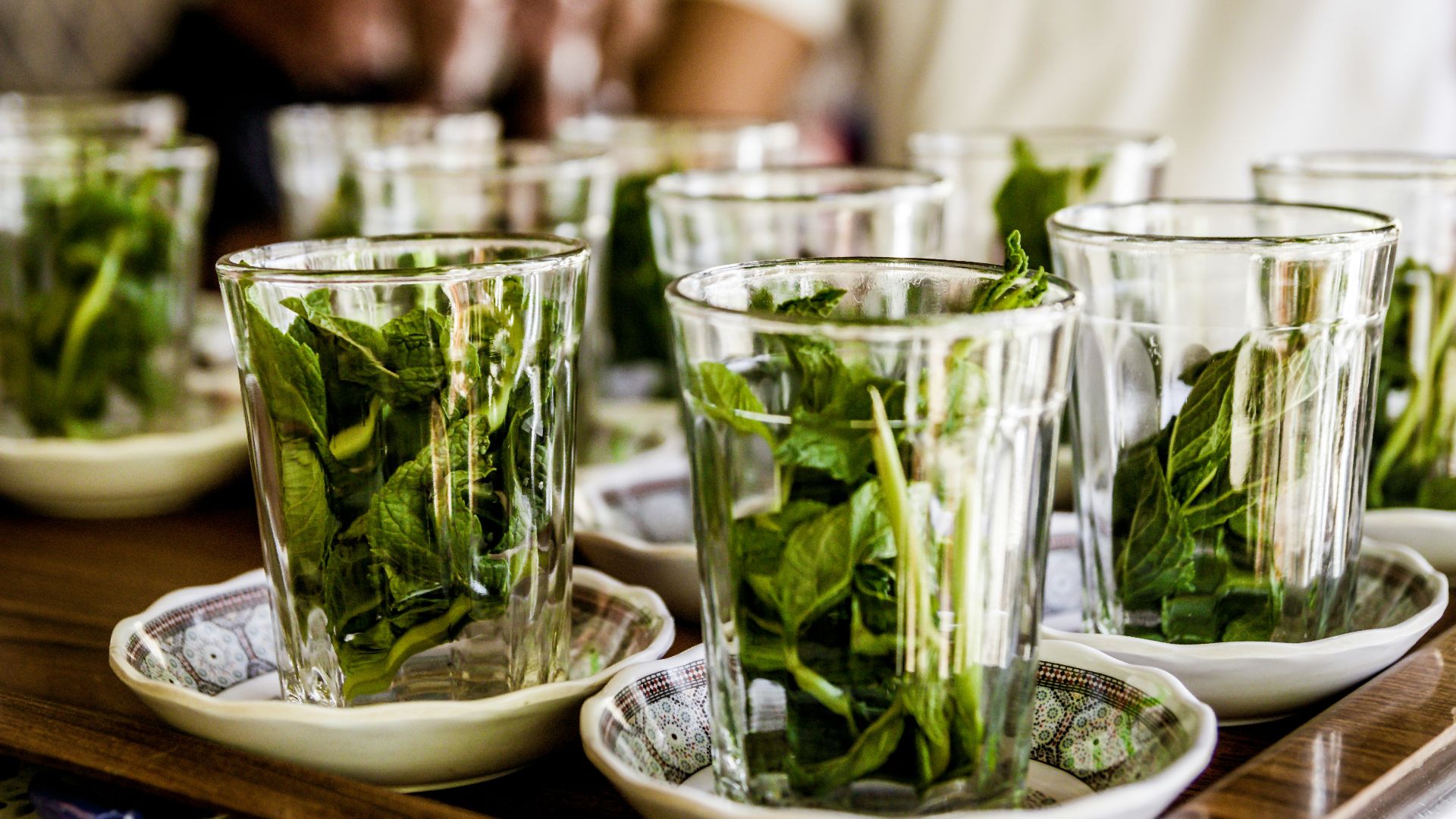
18. Mint Tea (Morocco)
Mint tea is tied to hospitality, often served to guests as a sign of welcome. The preparation and pouring are done with care, sometimes from a height to create foam. It reflects a cultural emphasis on generosity and presentation.
19. Coffee (United States)
Coffee in the U.S. is shaped by scale and convenience, with large portions and a strong emphasis on customization. It’s often consumed on the move rather than in a fixed setting. The variety reflects a culture that prioritizes choice and efficiency.
20. Akvavit (Scandinavia)
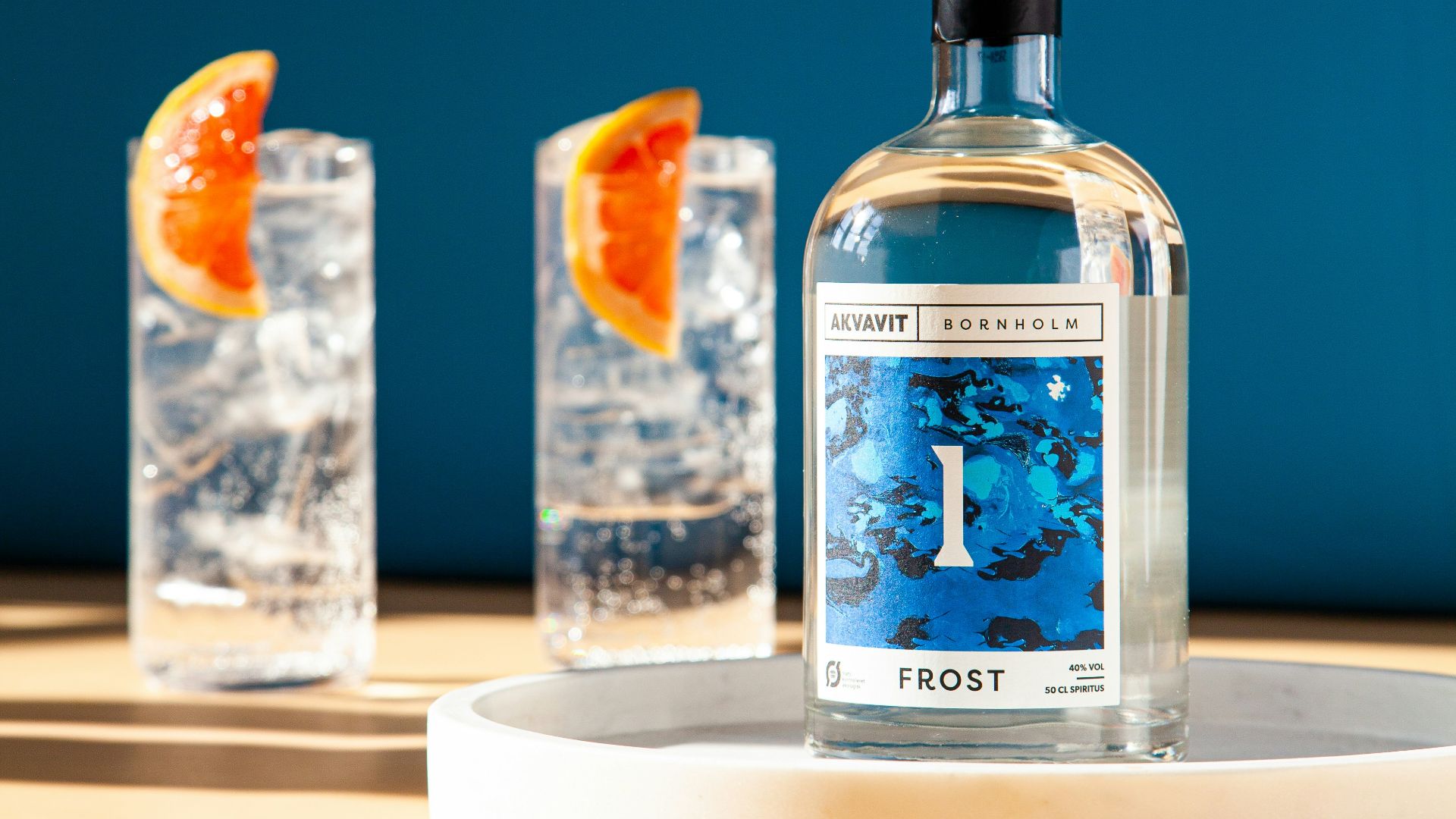
Akvavit is tied to seasonal and traditional meals, particularly during holidays. Its herbal profile varies by country, with caraway and dill being common. It’s not an everyday drink, but one that reinforces specific cultural moments.